My Granddaughter Heard Her Dad Ban Gluten, Dairy And Eggs, And Now I’m Worried About Her Relationship With Food
There exists a uniquely powerful connection between a grandmother and her grandchild. It’s a bond stitched together through bedtime tales, gentle embraces, and so frequently, the quiet comfort found in a home-cooked meal made with love. This relationship rests upon a bedrock of unwavering love and total acceptance.
Yet what occurs when contemporary anxieties start to unravel those cherished connections? For one grandmother, an everyday discussion inside her own kitchen has ignited a profound and painful worry, not only about her son, but about the precious little girl who has completely captured her heart.
The Incident
The account, shared by a grandmother called Lyndy, opens with a moment recognizable to countless families. Her eight-year-old granddaughter sat peacefully at the table, absorbed in her coloring, while her 45-year-old son launched into a discussion about his health.
He proudly declared that he had completed an online assessment and learned he was intolerant to gluten, dairy, and eggs. He wasn’t experiencing any severe symptoms; instead, he explained that he simply believed his “skin will look better” once he eliminated these items from his meals. He rattled off everything he now considered off-limits, a long catalog of deprivation and self-imposed rules.
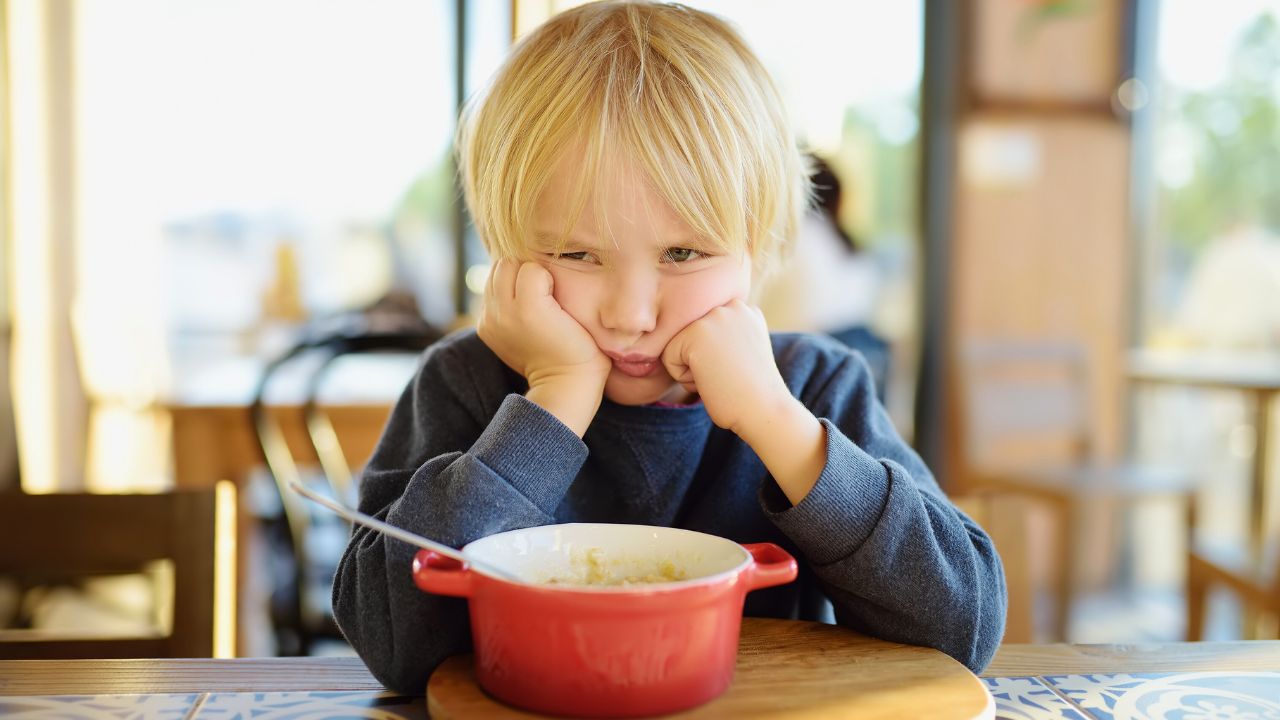
Throughout it all, his young daughter, already recognized as a “fussy eater,” was absorbing every detail. Each word landed and took root. For her grandmother, a rising sense of dread quietly took hold. As she later expressed, her heart was heavy with concern. “I am concerned that all this talk about excluding food groups when NOT allergic to them is harmful,” she shared, “and doesn’t promote a healthy balanced diet. Am I being unreasonable?”

The carelessness of that exchange, the offhand sowing of food-related anxieties into a young child’s mind, felt like a silent erosion of childhood’s purest pleasures. It represents a new form of family anguish, one rooted not in hostility, but in a contemporary fixation that can carry unintended repercussions for the smallest people we treasure most.
The Community Weighs In
Lyndy’s heartfelt plea for advice did not fall on deaf ears. A community of women, many having endured similar struggles, quickly rallied around her with their insight and encouragement. Their responses naturally organized into several clear perspectives.
The Sympathetic Supporters
A significant number immediately affirmed Lyndy’s instincts, offering their own experiences and reinforcing her worries. One woman recounted how her own granddaughter, just seven years old, had once asked “how many calories is this?” during a family dinner. Her wonderful response? “Over here, Nan doesn’t count calories.”
Another ally spoke plainly, voicing the anxiety that countless grandparents silently carry. “And yes, the child will be taking all this in and may end up with an eating disorder.” The message was unmistakable: Lyndy’s concerns were entirely justified. As one commenter expressed, “I fully understood your concerns! I would feel exactly the same, children take everything in!”
The Hard Truths
Some respondents, though, delivered a harder yet arguably essential piece of counsel. They warned Lyndy about the risks of getting involved, highlighting the fragile boundaries that come with adult children and their families. One contributor, Zues, spelled it out bluntly.
“I think you should avoid the temptation to micromanage your middle-aged son’s parenting,” she stated. “No matter what, his diet is his own business… Your granddaughter’s eating is the purview of her own mum and dad.” She encouraged the grandmother to have faith that her son and granddaughter would manage just fine, adding that “even grandparents must know when to intervene and when to stay quiet.” It was a difficult pill to swallow, but one that struck a chord with numerous others who shared the same view.
The Tactical Strategists
A third faction provided thoughtful, actionable guidance for handling this sensitive matter. Several commenters challenged the reliability of the son’s internet-based test, dismissing it as “Dr. Google” and declaring it was probably “a load of rubbish.” The overwhelming agreement was that legitimate medical consultation was essential.
The most widely endorsed suggestion was to model healthy behavior. One perceptive woman recommended that Lyndy “show your grandchild a very matter of fact eating regime” in which food is celebrated without drama. The objective, she clarified, is to “show the pleasure of eating a meal with others” and ensure that the loving togetherness, rather than the food itself, becomes the centerpiece.
Yet another person proposed having a “quiet word in your son’s ear” regarding the risks of such discussions. Every strategy centered on subtle influence rather than head-on confrontation.
The Family Verdict
Ultimately, an adult man has every right to follow whatever dietary path he chooses, whether guided by professional medical counsel or a dubious internet questionnaire. However, that freedom reaches its limit where his child’s welfare is at stake. The words uttered around the family dinner table carry tremendous weight, and they can define a child’s relationship with food for years to come.
Young children should never shoulder adult preoccupations about calorie counts, complexion improvements, or dietary eliminations. A grandparent’s kitchen should remain a haven of uncomplicated happiness, where a biscuit is a delight to be relished, not a reason for shame. It falls on parents to safeguard that innocence, and it is a grandparent’s silent sorrow when they witness it being compromised.

What Do You Think?
Have you ever found yourself concerned about the grown-up discussions your grandchildren might be absorbing? Should a grandparent step in with a gentle word when they sense potential harm, or is it always better to hold their tongue?