My MIL Left Beef Stew Out All Night, Then Got Offended When I Refused To Eat It
Welcoming a new son or daughter-in-law into the family is a beautiful transition, but blending different households and habits always requires a bit of grace. When you’re temporarily living under the same roof, those small differences can feel magnified.
Recently, a frustrated daughter-in-law shared a story online that hits this nerve perfectly, detailing a tense standoff with her mother-in-law over something as simple as leftovers. It’s a powerful reminder that healthy family relationships are built on mutual respect, not just blind obedience to tradition.
The Boundary Breach
While staying with her in-laws during a home renovation, a woman found herself in an incredibly awkward position. Her mother-in-law, she explained, is a good cook but has some concerning habits when it comes to food safety. The first issue arose over eggs, which the mother-in-law would buy from the refrigerated section at the store, only to store them at room temperature in a cabinet.
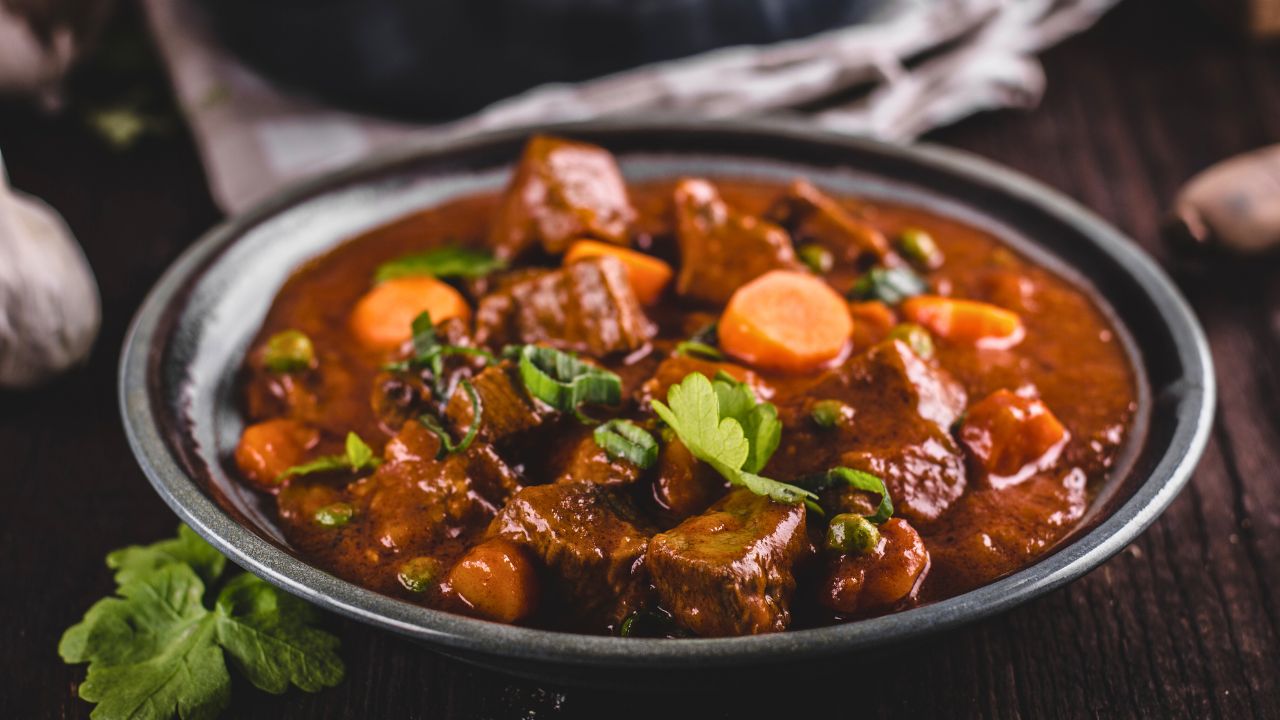
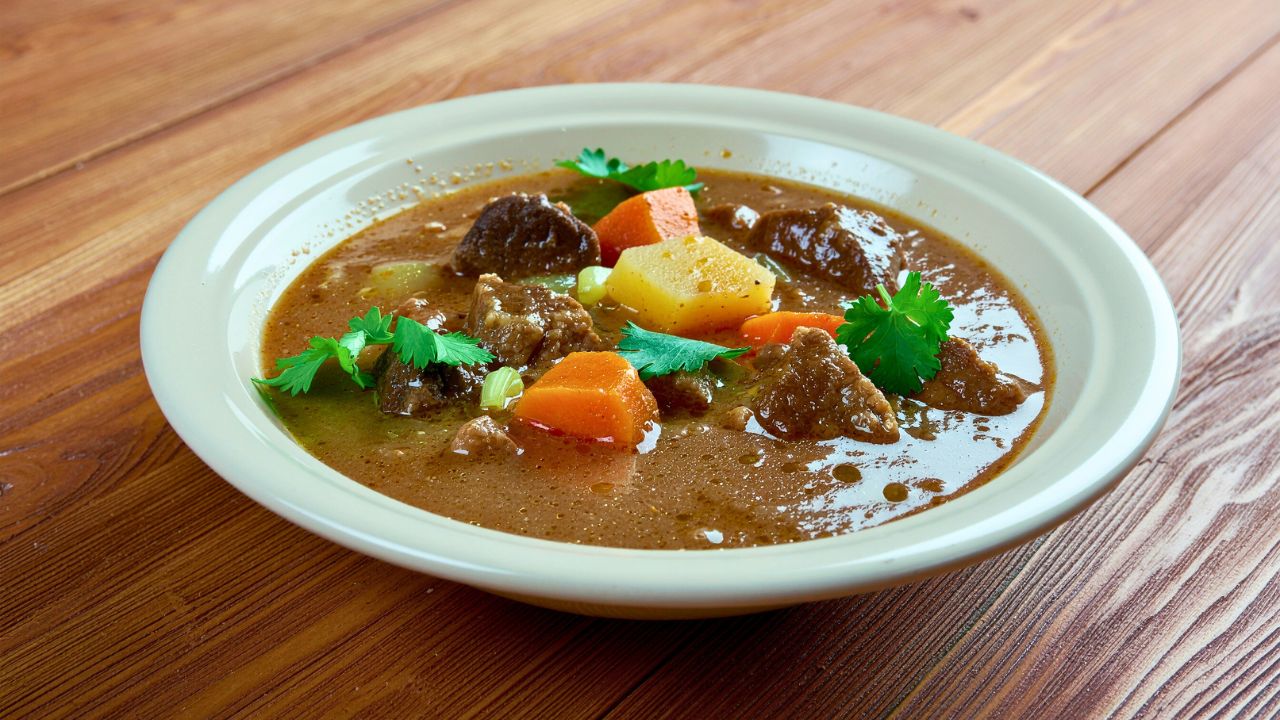
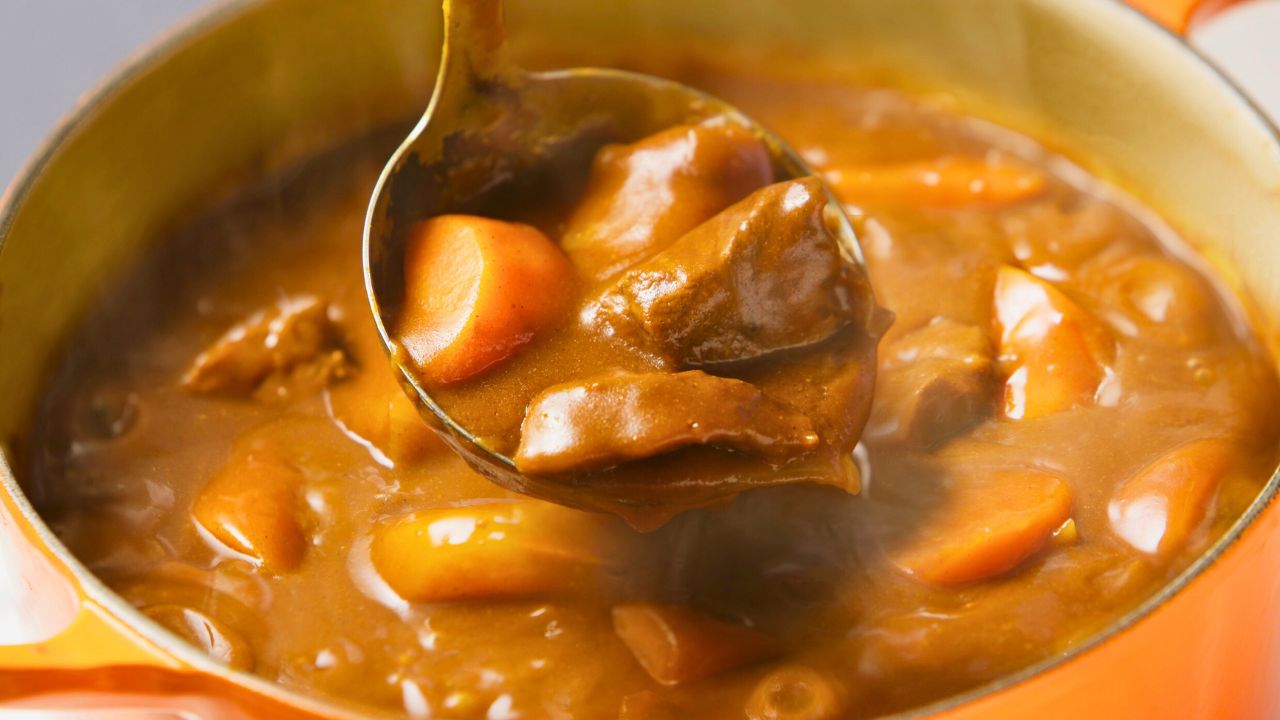
The situation escalated when the mother-in-law cooked a beef stew. After dinner, the entire pot was left out on the counter all night long. The next day, when she reheated the stew and offered some, the daughter-in-law politely declined. The mother-in-law’s feelings were clearly hurt, and she demanded to know why her food was being rejected. Her offense put her guest in the uncomfortable position of having to choose between keeping the peace and protecting her own health.
Drawing the Line
At first, the daughter-in-law tried to be diplomatic. When she turned down a breakfast made with the unrefrigerated eggs, she simply said she wasn’t in the mood for that particular meal. It was a small, polite fib meant to avoid hurting anyone’s feelings. But when the issue came up again with the day-old beef stew, her mother-in-law pressed her for a real reason.
This time, she chose honesty. She explained gently, “I had noticed that the food was left out all night and I didn’t want to get sick from eating meat that has gone bad.” The response was not one of understanding, but of anger.
Her mother-in-law gave her a “dirty look” and, since that conversation, has been giving her the silent treatment. The atmosphere in the house turned tense and uncomfortable, leaving the woman wondering if she had been rude for simply stating a valid health concern.
The Internet Reacts
The online community overwhelmingly sided with the daughter-in-law, with readers falling into a few distinct camps. First, there were the ‘Boundary Defenders,’ who applauded her for standing her ground. One commenter put it bluntly: “You are being safety conscious. Food poisoning is no joke!” Another agreed, saying this was a “hill to die on. Literally.” Many shared their own harrowing experiences with food-borne illness, validating her caution.
Next came the ‘Been There, Done That’ crowd, who shared eerily similar stories about their own relatives. “My MIL doesn’t take food safety seriously and has made people sick on more than one occasion,” wrote one user. Another shared a painful memory: “My in-laws had similar beliefs about meat left out and once pressured me into eating something… I did indeed get the worst case of food poisoning of my life.”
Finally, a group of ‘Strategic Peacekeepers’ offered a different way to handle such a sensitive personality. One popular comment suggested taking the blame to de-escalate the situation. “I’ll say, ‘Listen, this is a me issue. I’m the weird one… Please don’t take this personally. It’s me, not you.’” This approach, the commenter argued, disarms the person and allows you to get on with your day without a major conflict.
The Etiquette Verdict
While it is always polite to graciously accept hospitality, your health and safety must come first. It is never, ever rude to decline food you believe may be unsafe to eat. The true breach of etiquette here belongs to the mother-in-law. Taking personal offense to a valid health concern and then punishing a family member with the silent treatment is manipulative, not gracious.
True family leadership, especially from our elders, means creating a welcoming environment where everyone feels safe and respected, not pressured or guilt-tripped into silence.
Your Thoughts
What do you think? Was the daughter-in-law right to be honest about the food safety issue, or should she have found a gentler way to avoid hurting her mother-in-law’s feelings?