My Delivery Driver Had a 55% Satisfaction Rating. I Was So Terrified for My Safety That I Begged Support to Reassign the Order.
We all love the modern luxury of tapping a screen and having dinner magically appear on our porch. But that convenience relies heavily on an unwritten social contract, a certain level of trust between the customer, the driver, and the app that connects them. When that trust is broken, the whole system feels shaky and, frankly, a little unnerving.
Recently, a customer took to the internet to share a jaw-dropping delivery assignment that made them question the entire process. For many of us who use these apps, their story shows how quickly this modern convenience can feel like the Wild West.
The Delivery Disaster
It was a typical Saturday morning when a customer, who goes by the screen name Kenshin1296, placed an order through UberEats. But when the app assigned a driver, they noticed something alarming. The driver had a satisfaction rating of just 55 percent after completing around 300 deliveries. The customer was stunned. “How in the gods honest world is that even possible?” they wrote. “Dude should be fired at that low a rate.”
The lowest rating they had ever seen before was in the 80s. A score barely above a coin toss felt less like a sign of poor service and more like a serious red flag. Immediately, their mind went to safety. They pictured all the things that could go wrong, all the reasons nearly half the people this person had served were dissatisfied. The conclusion was swift and certain: “I don’t even want this guy at my house.”
The Digital Standoff
With the driver already on their way to the restaurant, the customer felt a wave of panic. This wasn’t a case of a missing straw or a cold order; this was about feeling secure in their own home. They immediately opened the customer support chat on the app to plead their case.
They admitted to feeling like a “Karen,” that modern label for anyone who makes a fuss, but felt they had no other choice. “Safety was my primary concern with this one,” they explained later. “I did what I had to do.”
The standoff wasn’t with the driver, who was still unaware of the customer’s concerns, but with the app’s system itself. The customer was essentially telling the company that its choice of representative was unacceptable and unsafe.
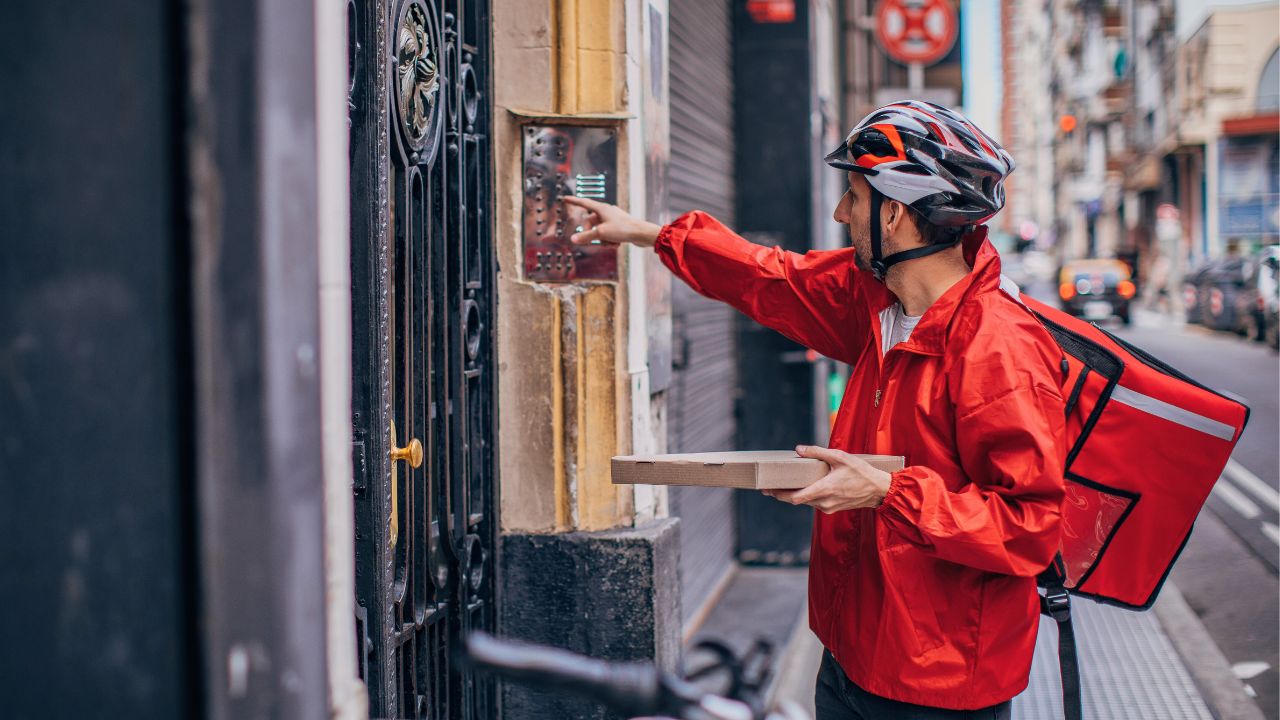
Fortunately, they had acted quickly enough. Because the driver hadn’t yet picked up the food, customer support was able to intervene and reassign the order to someone else. It was a small victory, but one that highlights the frustrating position customers can find themselves in when faced with a complete lack of quality control.
The Internet Reacts
The story sparked a massive debate, with people quickly falling into a few familiar camps. The first was the “Gig Worker Solidarity” crowd, made up of current and former drivers who rushed to explain the nuances of the rating system. They argued that ratings are often unfair. One driver noted, “Only time we get rated is when the restaurant forgets something & the customer takes it out on us.”
Others pointed out that very few customers leave a rating at all, so a few unwarranted “thumbs down” reviews—perhaps from scammers claiming they never received their food—can destroy a driver’s average. One driver with over 500 trips explained that only 42 people had ever rated them.
Then came the “Fed-Up Customers,” who completely sympathized with the original poster’s fears. They shared their own horror stories, validating the sense that some drivers are genuinely frightening.
One person recounted a terrifying incident where a driver “repeatedly tried to gain access into my house for a leave at door order. Texting, pounding on the door, tried the knob a few times.” He said he had to walk the driver back to his car with a hand on his holstered firearm. These stories underscored that a low rating can sometimes be a sign of something much more serious than forgotten napkins.
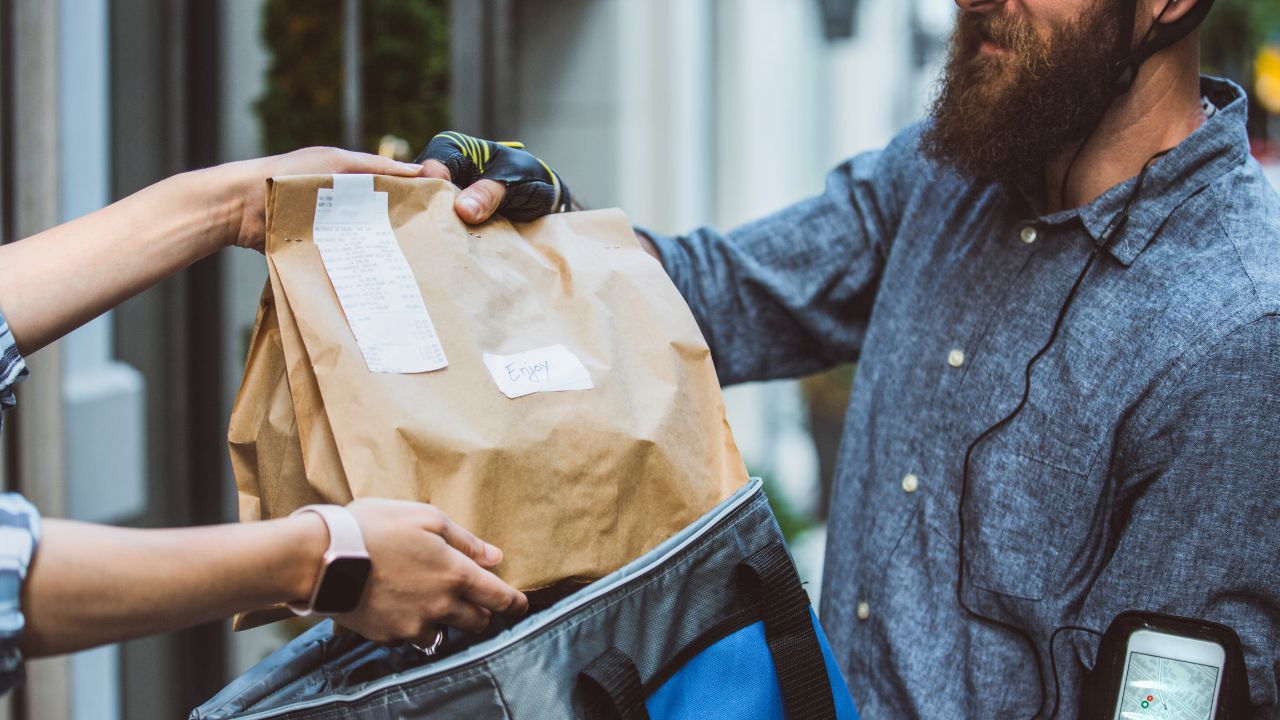
Finally, there was the “Go Pick It Up Yourself” crowd. These are the pragmatists who have thrown in the towel on delivery apps altogether. Their comments were blunt and to the point. “Don’t complain. Don’t order from Uber eats. Go get it yourself,” one wrote.
Another shared, “These stories and many similar ones are the reason I never use delivery apps.” For them, the risk of dealing with unprofessionalism, or worse, is simply not worth the convenience.
The Etiquette Verdict
Let’s be clear: the social contract for food delivery is a two-way street. If you order food, you have a responsibility to be clear with instructions and to tip fairly for the service. But the company facilitating that service has the biggest responsibility of all: to ensure its contractors are competent and safe. A 55% satisfaction rating is not a statistical anomaly; it is a clear pattern of failure that should have resulted in deactivation long before this delivery.
The customer was not being a “Karen”; they were being a sensible person who rightfully refused to allow someone with a proven track record of poor performance to come to their home. The company broke the social contract here by failing to provide even the most basic quality control.
Your Thoughts
Is a flawed rating system to blame for these situations, or are delivery companies simply not vetting their drivers properly?