My Dad Invited My Husband To His Birthday Dinner, Then Let Him Pay For Steak, Lobster And Scotch
We all know the simple, time-honored rule of dining etiquette: the person who extends the invitation is the person who pays the bill. It’s a basic tenet of good hosting and good manners that has guided social gatherings for generations.
However, one woman recently took to the internet to share a story about her father’s birthday dinner that proves not everyone plays by these same rules, leaving her kind husband in a terribly awkward position.
The Incident
The woman explained that her father invited her husband out to a “really nice restaurant” to celebrate his birthday, along with her mother. She couldn’t attend because she was out of town finishing her master’s degree, a significant expense the young family was paying for out-of-pocket. On top of tuition, they were juggling a mortgage, rent for her apartment, and the costs of a new baby. Their finances, as she put it, were tight, and her parents were well aware of this.
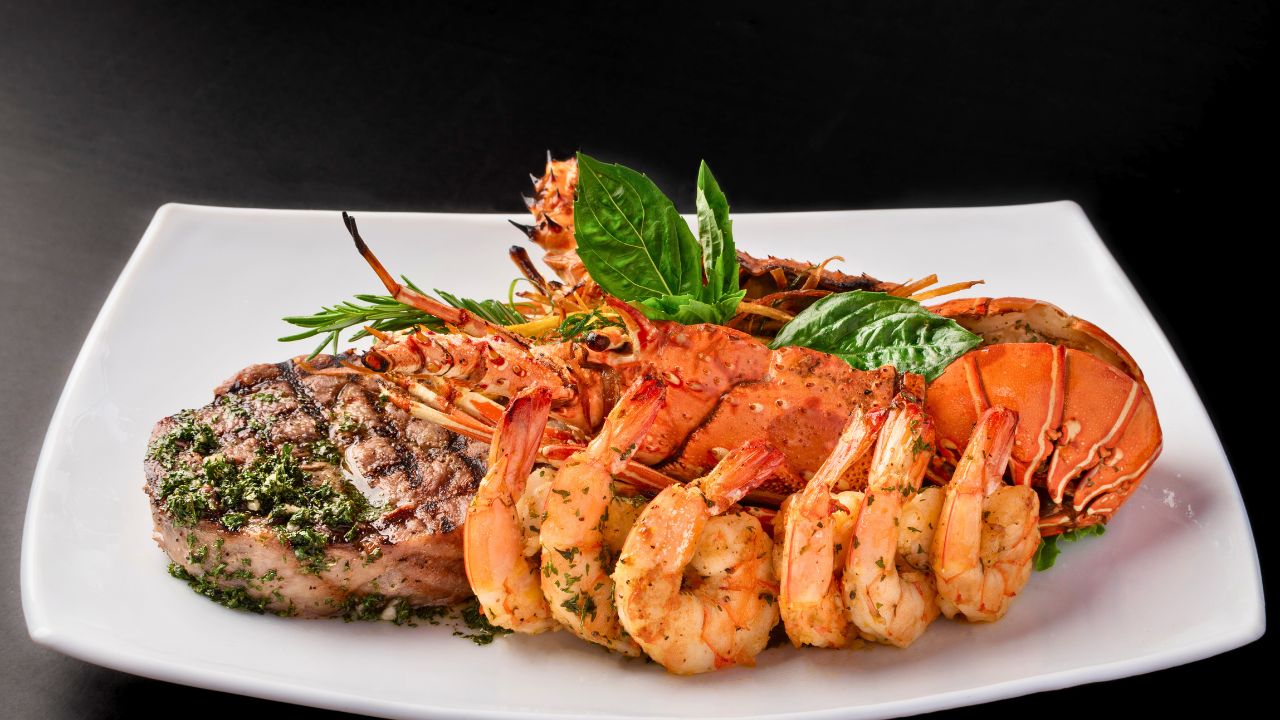
Despite knowing their situation, the father ordered quite the feast for himself. The woman recounted that he enjoyed steak, lobster, wine, scotch, and dessert. Her husband, who doesn’t drink, simply ordered a main course. When the meal concluded, the waiter placed the bill directly between her father and her husband.
An uncomfortable silence followed. According to her husband, it was clear his father-in-law had no intention of paying. After about ten minutes of this awkward standoff, her husband, a man she describes as a “gentle giant,” paid the bill, which totaled over $200.
The woman was understandably upset, feeling her father had taken advantage of her husband’s quiet nature. “You don’t invite someone along so they’ll pay for you and your partner’s food,” she lamented. To make matters worse, she later revealed this wasn’t a one-time occurrence. Her father had a habit of inviting them to expensive restaurants they couldn’t afford, only to expect them to pick up the check.
The Internet Reacts
The internet community was buzzing with opinions, and most people were firmly on the wife’s side, appalled by the father’s behavior. This group formed what we can call the “Absolutely Not” crowd. They believed the father was completely out of line.
One commenter stated the rule plainly: “The etiquette is that the person who makes the invite is expected to pay, unless different arrangements are made ahead of time.” Another was even more direct, saying, “You don’t eat an expensive meal on somebody else’s dime. It being his birthday doesn’t give him a free pass!”
Of course, there’s always a “Devil’s Advocate” camp. A few people, including the woman’s own friend, felt that a birthday changes the rules entirely. Her friend insisted the husband should have automatically offered to pay simply because it was his father-in-law’s birthday.
One online commenter agreed, suggesting, “Birthdays are the exception to the rule in most cases.” They argued that since the parents had paid for them in the past, it was reasonable to expect the couple to reciprocate on such a special occasion.
Then came the “Practical Advice” crowd, who focused on how to prevent this from happening again. Many suggested that open communication was key. “In the future, I’d make it clear beforehand who is paying for what,” one person advised.
Another offered a brilliant script for future invitations, suggesting the couple take control by inviting the parents out themselves to a place within their budget. They suggested saying something like, “We’d like to take you to Olive Garden for Father’s Day… We’ll be happy to cover an entree and one drink for each person. If you want to splurge on something else, feel free to ask the server for a separate check!”
The Etiquette Verdict
Let’s be perfectly clear: inviting someone to a celebration should never be a veiled demand for a gift. While it is a lovely gesture to treat someone on their birthday, it should be an offer, not an expectation. The father’s actions were a serious breach of etiquette.
By inviting his son-in-law to an expensive restaurant, knowing the family’s financial strain, and then ordering lavishly with the assumption that his guest would pay, he was not being a host. He was taking advantage. True graciousness is about making your guests feel comfortable and respected, not putting them in a position where they are forced to foot a bill they were not prepared for.

Your Thoughts
Was the father completely out of line for expecting his son-in-law to pay, or should a birthday dinner always be considered a gift from the guests?