My Grandson Only Eats Cheese Snacks, Ramen, and Chocolate. I’m Worried Sick, but I’m Powerless to Change His ‘Atrocious’ Diet.
There is a sacred bond between a grandmother and her grandchild, often forged over a warm stove or a shared plate of cookies. We pour our love into the food we make, seeing a well-fed grandchild as a happy, thriving one. It is one of the purest joys of this chapter of life.
But for a growing number of grandmothers, this joy is being held hostage by a new reality. It’s a quiet, heartbreaking helplessness that comes from watching a precious little one from the sidelines, unable to offer the nourishment and wisdom we hold in our hearts. One grandmother’s story recently brought this silent struggle into the light, and her pain is deeply familiar.
The Incident
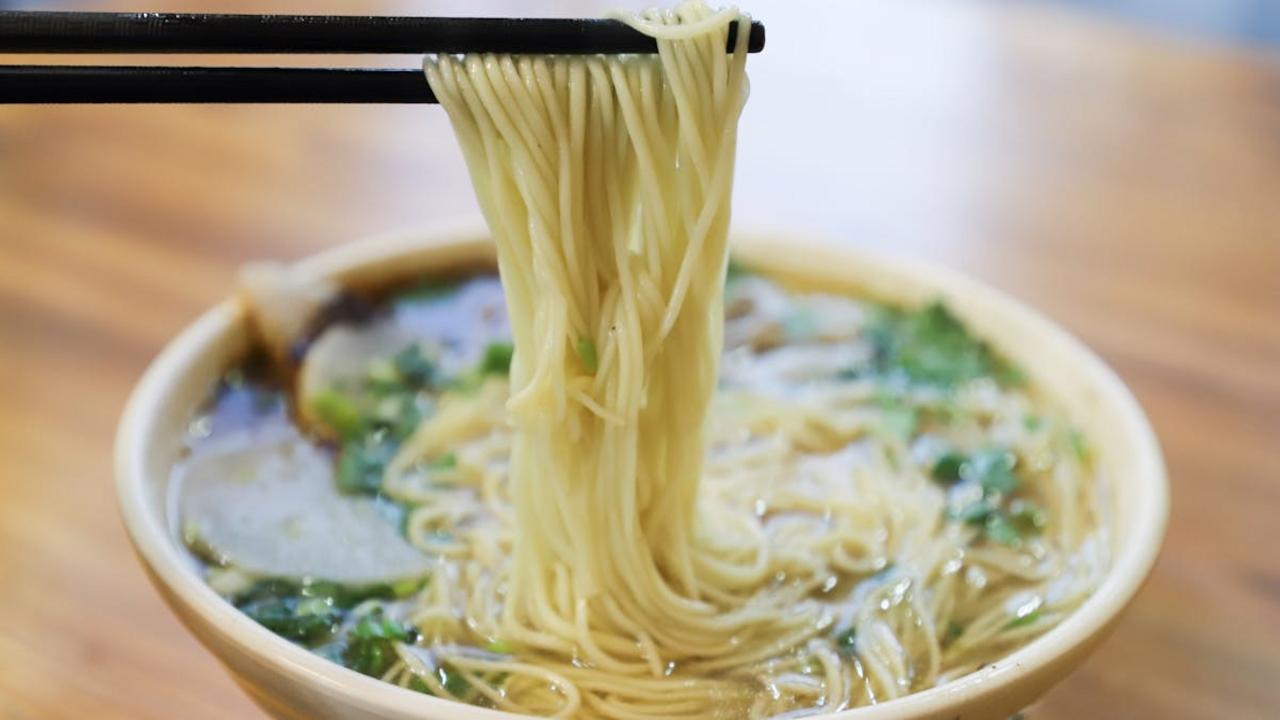
A grandmother, whom we will call Gana, reached out to an online community, her words heavy with worry. She described her four-year-old grandson’s diet as simply “atrocious.” Her concern was palpable as she listed his entire menu: “crackers, ramen noodles (drained), chips, cheetos, and anything chocolate.”
Her heart ached as she explained, “The only fruit he eats is a banana. He does not eat meat or vegetables.” She is watching him subsist on a beige and brown diet of processed snacks, a far cry from the balanced meals she lovingly raised her own children on.
What makes her confusion even sharper is that his older sisters “exhibited no food issues and enjoy a healthy, varied diet.” This isn’t a family pattern; it’s a baffling and isolating problem with her beloved grandson. Her simple, desperate plea says it all: “I’ve never known a toddler to have this response to food and am concerned. Thoughts? Advice?”

Behind her words lies the unspoken pain of the modern grandparent. She feels powerless. The invisible wall between her and her children’s parenting decisions feels a mile high. To speak up is to risk being called interfering; to stay silent feels like a betrayal of her deepest instincts to nurture and protect.
The Internet Reacts
Her story opened the floodgates, and hundreds of women who understood her quiet anguish rushed to offer their thoughts. The advice fell into three distinct, yet equally compassionate, camps.
Many hearts of the “Words of Reassurance” group went out to Gana, with women sharing their own stories of extremely picky eaters who grew into healthy adults. One woman, BlueBelle, recalled her own son who ate no vegetables except carrots and no fruit except bananas. “He is now in his fifties,” she shared, “has been an athlete all his life… Please don’t worry too much.”
Another remembered her cousin who “only ate Weetabix for the first 5 years or so,” and is now a healthy man in his 50s. These stories were a warm blanket of comfort, reminding Gana that this phase, as worrying as it is, often passes.
Then came the voices of gentle, but firm, realism. The women of the “Stay In Your Lane” brigade understood the delicate politics of the modern family. “Step back,” one advised bluntly. Another, named welbeck, put it even more starkly: “unless you have parental responsibility for this child, it is not your business.” The consensus was clear, if painful to hear.
Fussing over his food could make things worse, and interfering with his parents’ job could damage the family relationship. As one commenter put it, “Never a good idea to get involved in parenting grandchildren.” It’s the hard truth many grandmothers today have had to learn for themselves.

A third group offered a more clinical, and perhaps more helpful, perspective. They suggested there might be more going on than simple pickiness. One woman, M0nica, mentioned a condition called ‘Avoidant/Restrictive Food Intake Disorder (ARFID)’.
Several others pointed to the fact that sensory issues are common in children on the autistic spectrum. “A lot of autistic kids will only eat beige food like crisps, pastry, chips etc and are extremely sensitive to smells,” one noted. This insight reframes the problem from a battle of wills to a potential medical or developmental issue, deserving of empathy rather than judgment.
The Etiquette Verdict
The role of a grandmother has changed. Where our mothers and grandmothers were fonts of wisdom, we are now often expected to be silent observers. This grandmother’s concern comes not from a place of criticism, but from a wellspring of profound love. She simply wants to see her grandson thrive.
The heartbreaking lesson here is one of restraint. We must learn to trust that our children will do what is best for their own families, even if their methods are completely foreign to us. Preserving access to our grandchildren, and maintaining peace with their parents, sometimes means we must hold our tongues, even when our hearts are screaming.
Your Thoughts
When does a grandparent’s loving concern cross the line into overstepping? Is it ever right to stay silent when you believe a grandchild’s health is at risk?