My Friend Picked An Expensive Steakhouse After I Offered To Pay, Then Ended Our Friendship Over The Bill
There’s an unwritten rule of friendship: when someone offers to treat you to a meal, you show gratitude by being a considerate guest. You certainly don’t order the most expensive item on the menu or, even worse, steer them toward a restaurant far beyond a reasonable budget. It’s just common decency.
However, one man recently shared a story online that proves some people see generosity not as a kindness, but as a blank check. His tale of a friendly visit gone wrong over a shockingly expensive steak dinner has everyone talking about the true price of friendship.
The Incident
While traveling, a man we’ll call the Original Poster (OP), went to visit his longtime friend, “Bob.” Bob suggested they meet up with his other friend, “Jim,” who was supposedly going through a rough patch financially. To help out, they agreed on a plan: Bob would buy lunch for the three of them, and the OP would cover dinner.
Lunch went smoothly, with Bob picking up a reasonable $75 tab. But when it came time for dinner, things took a turn. Bob mentioned he was in the mood for steak. The OP, wanting to be a good sport and help his friend’s friend, agreed. He trusted Bob and Jim, who were locals, to pick the spot.
He was mentally prepared to spend up to $150, double the cost of lunch. But when they walked in the door, his stomach dropped. As he put it, “This place is fancy, uh-oh.” His fears were confirmed when the menus arrived. The average plate was about $75—the cost of their entire lunch. He was floored, saying aloud, “Uh, wow, this place is like…really expensive.”
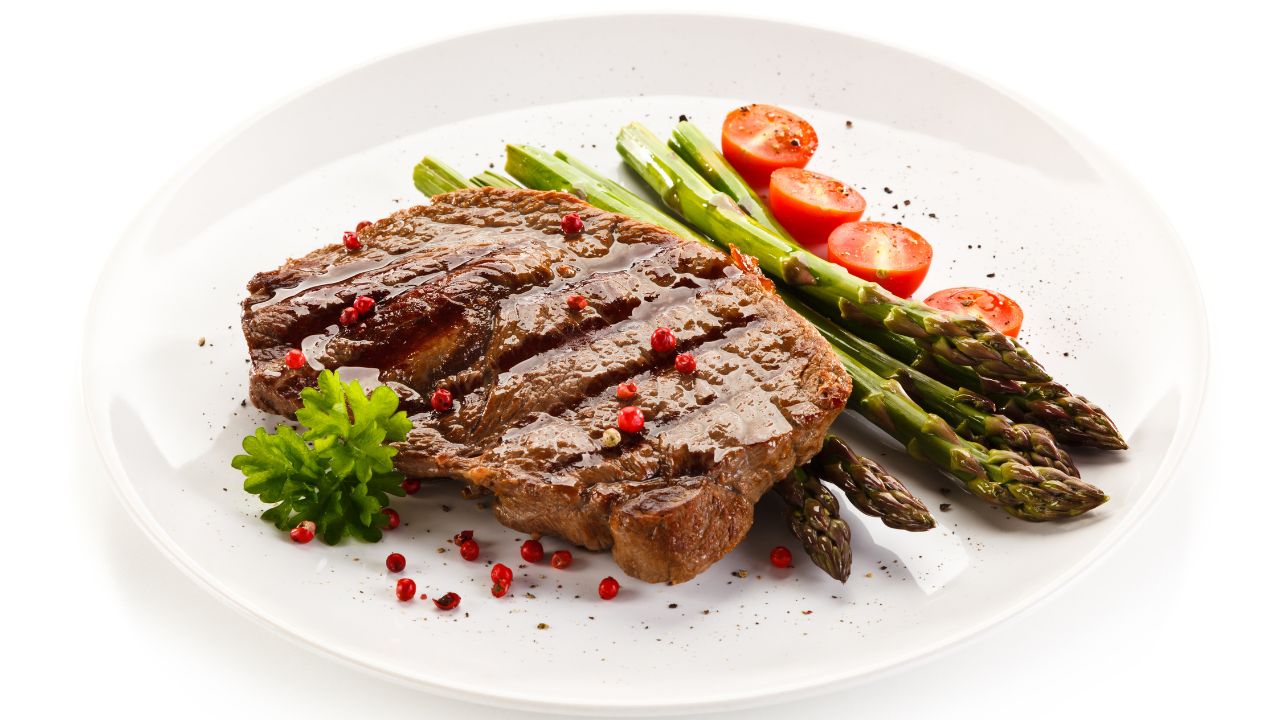
An awkward negotiation followed, where the OP made it clear that his budget was $150. Despite this, the final bill, with drinks, tax, and tip, came to a staggering $300. In the end, Jim—the friend who was struggling—felt compelled to hand over $150 to cover the difference. When the OP later texted Bob to say this wasn’t right, Bob’s response was cold. He accused the OP of going back on his word, humiliating him, and putting “a price on our friendship.” Then, he declared their friendship over.
The Internet Reacts
The online community was buzzing with opinions, and people quickly sorted themselves into a few distinct camps. Most were absolutely furious on the OP’s behalf.
The “Absolutely Not” crowd saw Bob’s actions as a deliberate setup. One commenter didn’t mince words: “Bob was trying to screw you over from the very beginning.” Another pointed out the obvious imbalance, writing, “So he was going to pay 75 bucks and you were to pay 300 bucks? And for some reason treat his friend? Because Bob ‘felt like steak?’ He has no shame.” Many felt the friendship ending was a blessing in disguise, with one saying, “Consider that ‘we’re no longer friends’ a blessing and walk away!”
Then there was the “You Should Have Spoken Up” camp. These readers, while sympathetic, felt the OP missed several opportunities to prevent the disaster. One person advised, “If you knew that you had a set ceiling when it came to the total bill, the time to make that declaration was when Jim asked ‘Is steak ok?'”
Another was more direct, saying, “Sorry, next time speak up and let your concerns/opinions be heard BEFORE it gets out of hand.” This group believed a little more assertiveness early on could have avoided the whole mess.
Finally, a third group argued that the entire system of taking turns paying is flawed. They believe this “tradition” is a recipe for resentment. “This whole one person pays for meals for everyone rotation business is asking for trouble,” one user declared, “because it always works out that one person ends up with a huge bill.”
Another offered a simple solution: “Never take turns paying, and never split the cost evenly. Everyone pays for what they ordered. End of story. If they push back, they’re not your friend.”
The Etiquette Verdict
Let’s be perfectly clear: Bob was in the wrong. True friendship is based on mutual respect, not financial opportunism. To knowingly guide a guest—who is treating you—to a restaurant that is four times the price of the meal you provided is a gross violation of etiquette and trust. It is taking advantage, plain and simple.
While our letter-writer could have perhaps been more forceful in the moment, the onus was not on him. The responsibility for choosing a reasonably priced restaurant falls squarely on the host, especially when someone else is paying. Bob didn’t just put a price on friendship; he tried to cash in on it.
Your Thoughts
What do you think about this situation? Was the friend completely out of line for choosing such an expensive restaurant, or should the guest have set a firm budget from the very beginning?