A Waitress Ruined My $100 Sweatshirt With Bleach. The Manager Argued, So I Slammed Down the Receipt.
We all understand that accidents happen. Whether it’s a friend spilling a glass of red wine on the carpet or a child knocking over a vase, a little grace and understanding are usually the best response. After all, no one makes these mistakes on purpose.
However, a story recently shared online has sparked a fierce debate about where we draw the line between forgiveness and fairness, especially when an accident comes with a significant price tag.
The Incident
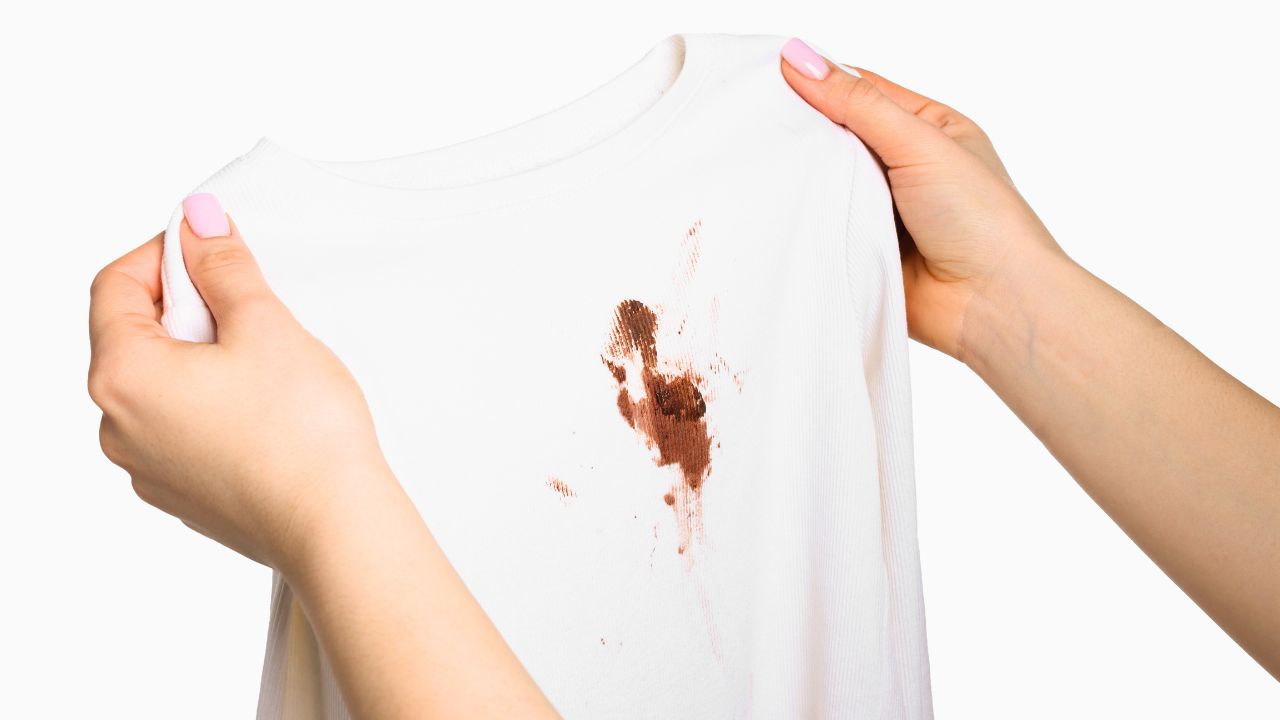
The story, shared by a woman on behalf of her father, begins at a familiar restaurant. Her dad was enjoying a meal at the counter of a place he frequented when a waitress accidentally knocked a full glass of iced tea all over him. The target of the spill? His “stark white sweatshirt that cost me over $100.”
Anyone who has ever tried to save a white garment from a dark liquid knows the feeling of dread that likely followed. The man took the sweatshirt home, hoping to salvage it, but the stain wouldn’t budge. He returned to the restaurant and explained the situation, suggesting that the waitress should pay to replace the ruined item. The waitress, however, offered an alternative: she asked to take the sweatshirt home to try her own stain-removing techniques.
In a gesture of goodwill, the man agreed. Unfortunately, her efforts only made things worse. She used bleach on the sweatshirt, which not only failed to remove the tea stain but also damaged the fabric. Now, with the sweatshirt officially ruined, the man insisted on being compensated.
The manager was called, and she was clearly not pleased. She reluctantly agreed to pay but demanded a receipt, likely assuming he wouldn’t have one for a casual piece of clothing. But he did.
Even with proof of purchase, he said, “they tried to argue more.” The main defense was that “it was an accident.” To make matters worse, other patrons began glaring at him, telling him to “just let it go.” Despite the pressure, the man stood his ground, and the restaurant finally paid for the replacement.
The Internet Reacts
When the story was posted online, it drew a flood of opinions that fell into a few distinct camps.
First, there was the “Absolutely Not” crowd, who were firmly in the man’s corner. They argued that while the spill was an accident, the damage was real, and the business was responsible. As one commenter put it, “just because it’s an accident, that doesn’t absolve you of responsibility.”
Another pointed out the legal principle at play: “Bottom line is doesn’t matter what the environment is… if someone damages another person’s property then it needs to be replaced.” Many felt the restaurant, not the individual waitress, should have paid immediately through their business insurance.
Then came the “Devil’s Advocate” camp, who felt the man was being unfair. Their sympathy was with the waitress, who they presumed was working a low-wage job. Forcing her to pay $100 could be an entire shift’s earnings. One person wrote, “if you can afford a $100 sweater, you’re probably better off financially than a waitress.”
Another added, “Accidents happen and people are more important than possessions.” This group felt that the gracious thing to do would have been to absorb the cost as a risk of wearing nice clothing in public.

Finally, there was the “By the Book” crowd. This group focused on how the situation was mishandled by everyone. They argued that the restaurant’s first move should have been to offer to pay for professional dry cleaning. As one former waitress explained, “any restaurant worth going back to would pay for the sweater and give a gift card and an apology.”
They noted the customer made a mistake by trying to clean it himself first, but the waitress made a bigger one by using bleach. The consensus here was that the responsibility ultimately fell on the business to handle the matter professionally from the start.
The Etiquette Verdict
While my heart goes out to a waitress who makes an embarrassing mistake, the responsibility here lies squarely with the restaurant. When an employee damages a customer’s property during the course of their work, the business must make it right. It is a cost of doing business.
Asking for a receipt is fair, but arguing after it’s produced is poor form. The most shocking breach of etiquette, however, came from the other patrons. Shaming a customer who was quietly and fairly seeking restitution is simply unacceptable. What happened between him and the manager was none of their concern.
Your Thoughts
Was the diner right to stand his ground and demand payment for his ruined sweatshirt, or should he have shown compassion for the waitress and absorbed the cost himself?