I Told My New MIL I ‘Don’t Eat Just Anyone’s Cooking.’ She Accused Me of Calling Her Kitchen Dirty.
We all know that when you are an invited guest in someone’s home, basic manners apply. You arrive on time, you bring a small gift for the host, and you graciously eat what is served. It’s a simple social contract built on respect and appreciation.
However, one woman recently took to the internet to share a story that proves not everyone follows these fundamental rules, leaving her new mother-in-law heartbroken and an entire family dinner in shambles. It’s a real head-scratcher, let me tell you.
The Incident
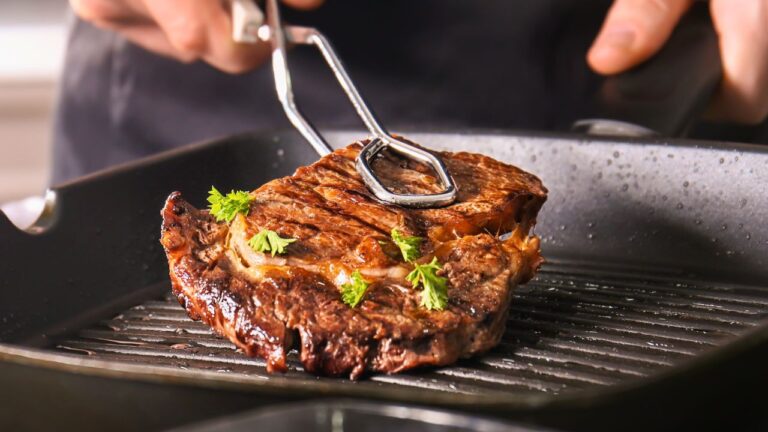
The story begins pleasantly enough. A woman, married for about a year, attends her very first dinner party at her in-laws’ home. Her mother-in-law (MIL), excited to host, announces that she has prepared a special new dish she can’t wait for everyone to try. The family sits down, plates are passed, and the meal begins. But after about twenty minutes, the MIL notices her new daughter-in-law’s plate is still empty.
When she gently asks why she hasn’t eaten, the woman explains she’s “not in the mood to eat.” Understandably, the MIL is hurt, explaining how much time and effort went into the meal. The situation quickly escalates. When a cousin suggests she just take a small bite, the daughter-in-law doubles down, claiming a stomach ache before delivering a truly shocking statement: “I would not be forcing myself to eat anything for the sake of anyone’s feelings and that I don’t just eat anyone’s cooking.”
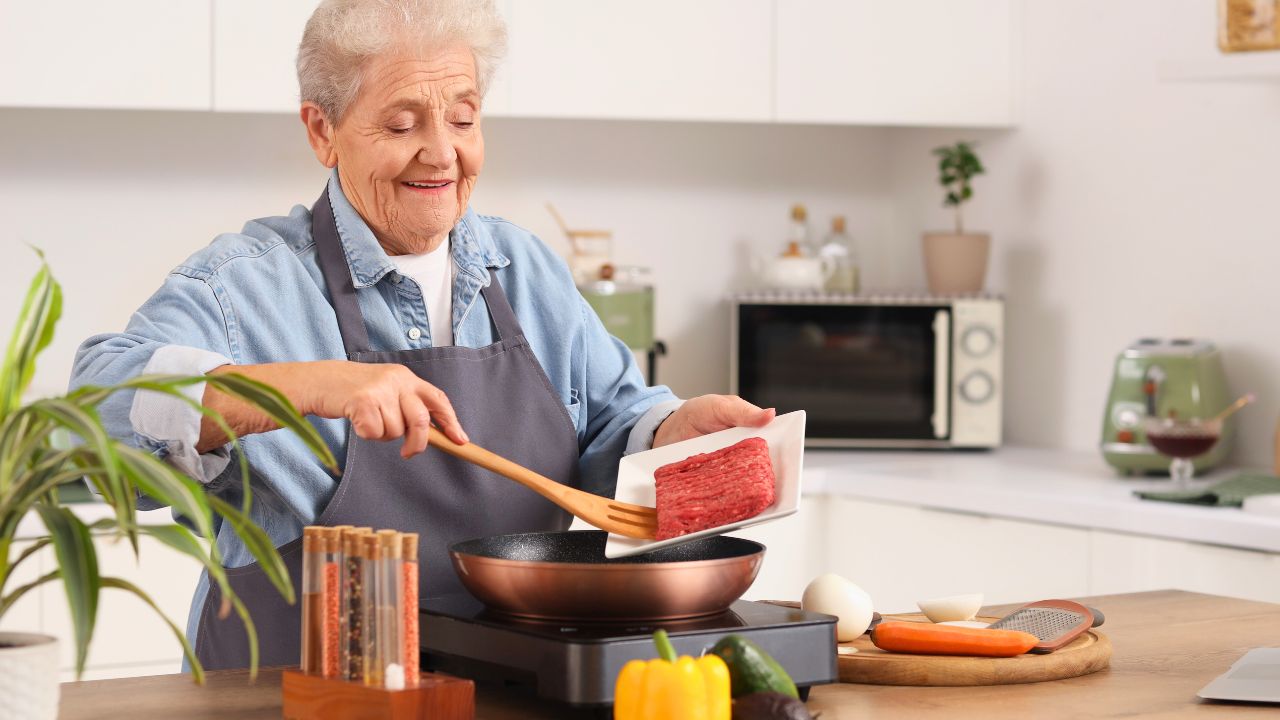
The insult hung in the air. The MIL, deeply offended, felt accused of being unclean. The rest of the dinner was painfully awkward, and even the woman’s own husband later said she should have just tried a little. Her justification? Her mother taught her not to trust other people’s cooking after they both got sick from a relative’s food once when she was a child.
The Internet Reacts
When she shared her side of the story, the internet had plenty to say, and let me tell you, very few people were on her side. The commenters quickly formed a few distinct camps to debate this stunning breach of etiquette.
The first and largest group was the “Absolutely Not” Crowd. These readers were appalled by the daughter-in-law’s behavior, viewing it as a direct and unnecessary insult. One commenter put it plainly: “I don’t see how saying ‘I don’t eat just anyone’s cooking’ could be anything but an insult.”
Another pointed out the obvious flaw in her logic, exclaiming, “It’s not just anyone, it’s mil of a year!” Many felt the husband wasn’t “fearful” of his mother, but mortified by his wife’s rudeness. As one person wrote, “Maybe he’s feeling awkwardly embarrassed he married such a rude person.”
Next came the “There’s a Deeper Issue Here” Camp. This group took a more analytical approach, suggesting the woman’s behavior stemmed from more than just bad manners. They focused on the childhood incident and suggested it had created a genuine phobia. “OP seriously needs some therapy to overcome this issue,” one person advised.
Another shared their own experience, saying, “My mom instilled a cr.p ton of awful phobias… Therapy helps you realize that your mother’s irrational thinking does not have to become your own.” While empathetic, they agreed her delivery was all wrong.
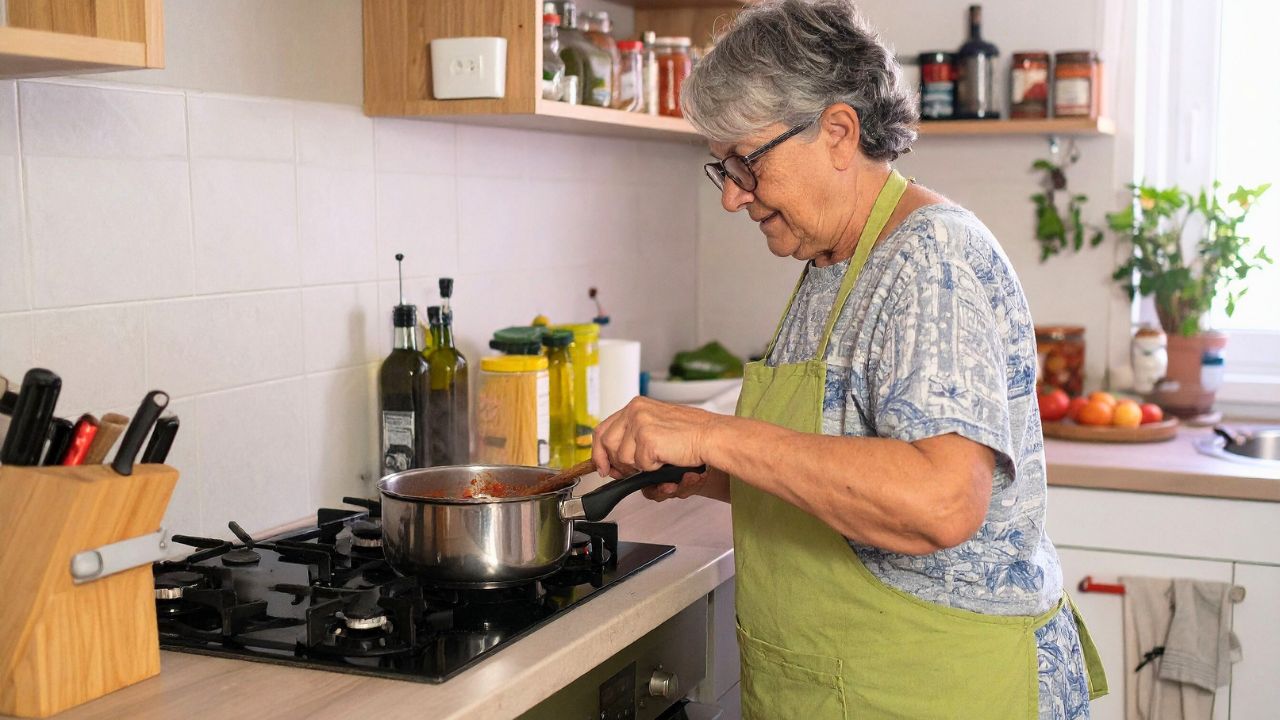
Finally, there was the “A Little Tact Goes a Long Way” Crowd. These commenters focused on how the entire disaster could have been avoided with some basic social grace. They argued that even if she truly couldn’t eat, there were a hundred better ways to handle it.
One person offered a simple script: “You know MIL I’m really sorry but my stomach is really hurting right now… I’d love to take a plate home for later.” Another user, a self-proclaimed picky eater, explained their own strategy: “I’ll take a small plate, try one bite… There is no reason to just be so rude.”
The Etiquette Verdict
Let’s be perfectly clear: when someone invites you to a dinner party, the central activity is, well, dinner. To attend and then refuse to eat is one thing, but to then insult the host’s cooking—and by extension, her cleanliness and care—is a social foul of the highest order. Food is love for so many, and rejecting a meal prepared for you is often seen as rejecting the person who made it. While a sudden stomach bug is an acceptable excuse, the follow-up comment about not eating “just anyone’s cooking” turned a molehill of awkwardness into a mountain of disrespect.

Your Thoughts
This situation is certainly a lesson in what not to do. But what do you think? Was the daughter-in-law simply enforcing a personal boundary she learned from her mother, or was her behavior completely out of line?
Ready for the next level of insight? Discover more in my latest article here.