10 American Food Favorites the Rest of the World Just Doesn’t Get
Americans have a special relationship with food that leaves the rest of the world scratching their heads. From processed cheese in a can to gravy-smothered biscuits, we’ve created dishes that seem downright bizarre to international palates. These foods represent more than just questionable ingredient combinations—they’re pieces of American culture, born from convenience, creativity, and sometimes just pure audacity.
What makes these dishes so uniquely American? Many emerged during times of innovation and experimentation in the kitchen, while others were crafted by marketing geniuses who convinced us that aerosol cheese was somehow a good idea. Some became staples at family gatherings, others at state fairs and backyard barbecues.
The following ten foods showcase America’s wildest contributions to global cuisine. Whether you love them or can’t understand why anyone would eat them, these dishes tell the story of American food culture in all its gloriously weird, wonderful, and occasionally questionable glory. Get ready to defend your favorites—or admit you’ve been eating strange things all along.
Spray Cheese
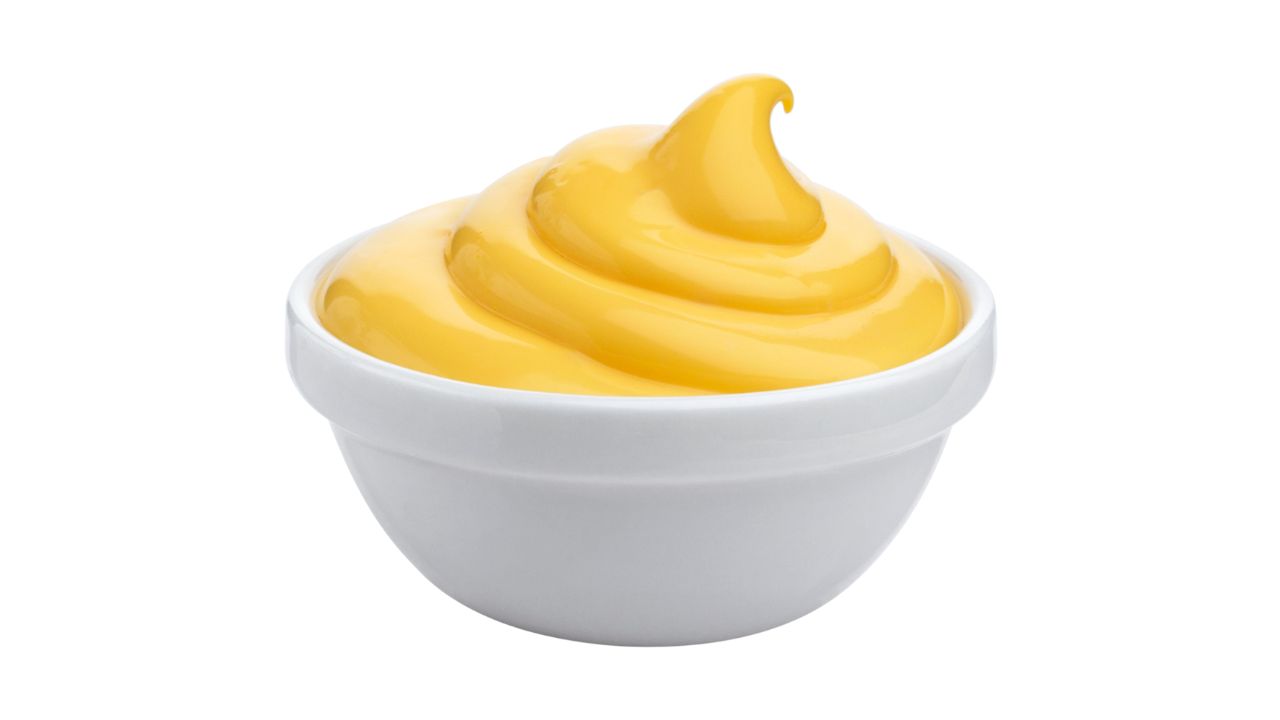
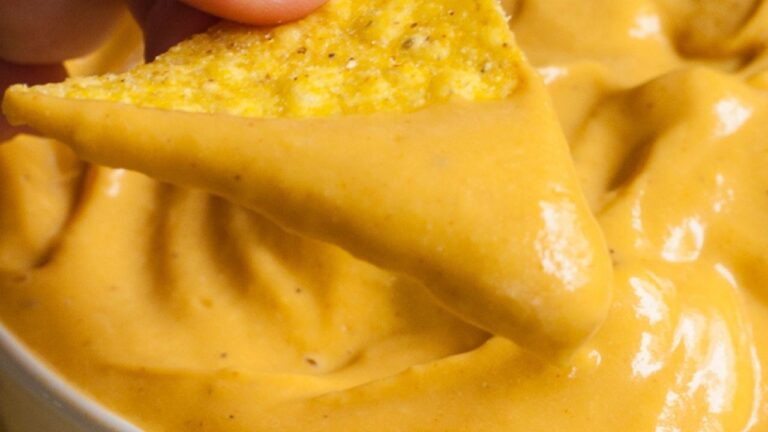
Okay, hear me out on this one. Spray cheese—that fluorescent orange goo that shoots out of a can like you’re hosing down a Ritz cracker—is pure American genius or complete madness, depending on which side of the Atlantic you’re standing on. For us, it’s the snack of champions, the party trick that never gets old, and the guilty pleasure we won’t apologize for. For everyone else? It’s basically confirmation that Americans have lost the plot when it comes to dairy products. But here’s the thing: there’s something wildly satisfying about that mechanical hiss followed by a perfect swirl of processed cheese-like substance landing exactly where you aimed it. It’s not fancy, it’s not artisanal, and it definitely doesn’t belong anywhere near a charcuterie board—but it’s ours.
The rest of the world looks at spray cheese with the same confusion they’d reserve for deep-fried butter or bacon-flavored toothpaste. Europeans, with their aged cheddars and creamy bries, simply cannot fathom why we’d choose aerosolized “cheese product” over the real thing. Fair point, honestly. But they’re missing out on the sheer convenience and nostalgic joy of creating a cheese mountain on a cracker without dirtying a single knife. It’s the ultimate lazy snack, perfect for road trips, camping disasters, and those moments when you need immediate cheese gratification but can’t be bothered with slicing. Sure, it tastes more like the concept of cheese than actual cheese, but sometimes that’s exactly what hits the spot. Plus, where’s the fun in eating cheese that doesn’t make a hilarious noise when it exits the container?
Biscuits and Gravy
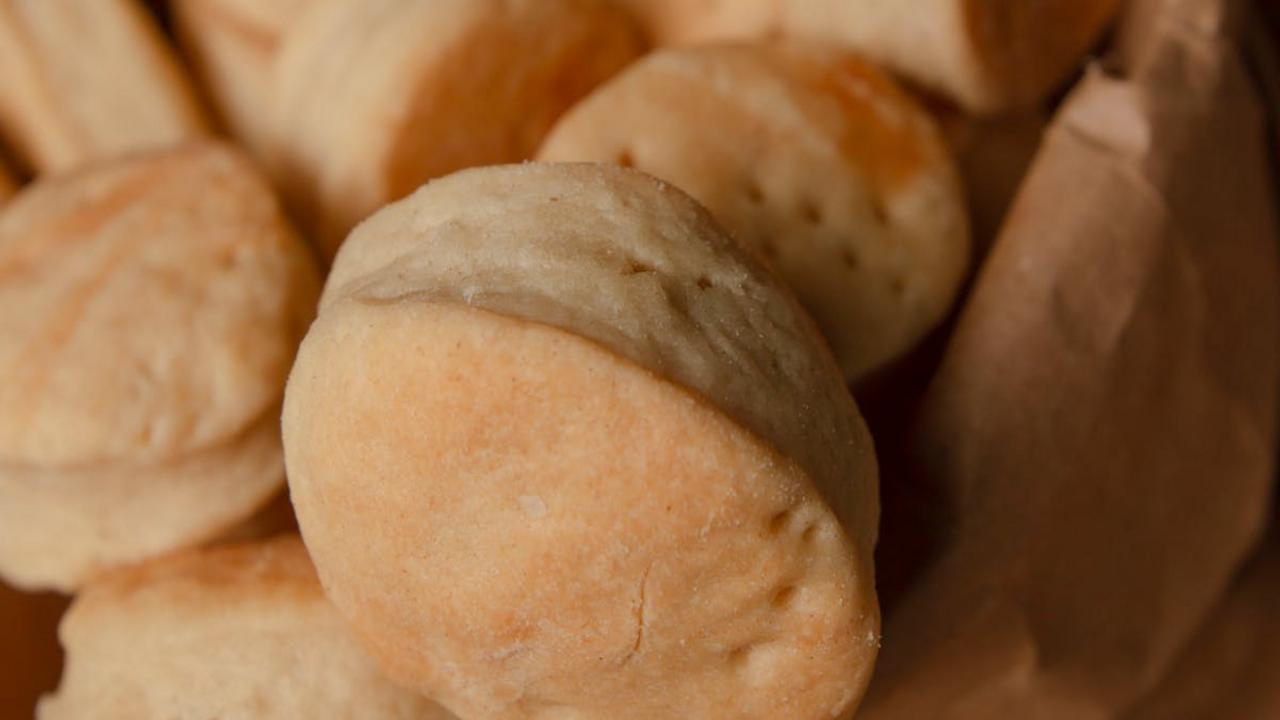
Picture this: fluffy, buttery biscuits smothered in a thick, creamy sausage gravy that looks like someone poured wallpaper paste over your breakfast. For Americans, especially in the South, this dish is pure morning magic—a stick-to-your-ribs comfort food that’ll power you through hours of hard work or a lazy Sunday. But show this to someone from France or Japan, and watch their faces scrunch up in confusion. The gravy, made from pan drippings, milk, and crumbled sausage, has a texture that bewilders international visitors who expect gravy to be brown and reserved for dinner meats, not white and draped over bread. The whole concept seems backwards to them—gravy for breakfast? On biscuits that aren’t cookies? Their brains short-circuit trying to process it.
Here’s the thing about biscuits and gravy: it’s a dish born from necessity, created by resourceful Southern cooks who needed to stretch ingredients and feed hungry farmhands. Those sausage drippings were too precious to waste, so cooks whisked in flour and milk to create a sauce that transformed simple biscuits into a meal. The result is simultaneously bland-looking yet explosively savory, with black pepper providing the only visual break in an otherwise monochromatic plate. Americans understand that this beige-on-beige masterpiece delivers pure satisfaction, but visitors from countries with more colorful breakfast traditions—think Spanish tortillas or Japanese bento boxes—just see a plateful of mystery mush. They’re missing out on one of America’s greatest breakfast creations, but honestly, more for us.
American Cheese
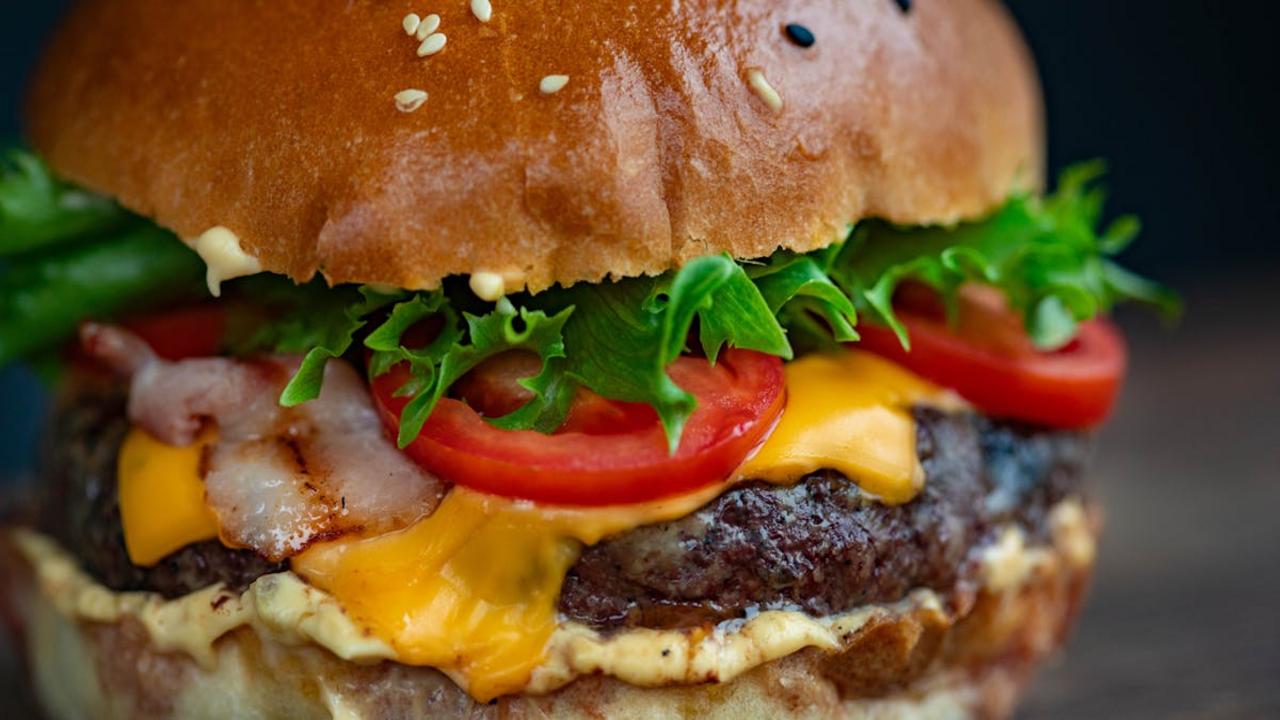
American cheese gets a bad rap overseas, and honestly, I get it. This bright orange, individually wrapped slice of processed dairy product doesn’t exactly scream “artisanal.” But here’s the thing—American cheese isn’t trying to be your fancy aged cheddar or your sophisticated Gruyère. It’s the workhorse of the cheese world, the reliable friend who shows up when you need the perfect melt. Invented in 1916 by James L. Kraft (yes, that Kraft), this cheese was designed to have a longer shelf life than natural cheese, making it perfect for shipping to troops during World War I. Its superpower? The way it melts into a silky, gooey blanket of creamy goodness without breaking or getting grainy. Try making a proper grilled cheese with your fancy imported brie and see how that works out for you.
Europeans especially love to mock American cheese, calling it “plastic” or “fake cheese,” but they’re missing the point entirely. This cheese was never meant to stand alone on a cheese board next to some grapes and crackers. It’s a supporting actor, not the star—the Robin to your burger’s Batman, the Tonto to your hot dog’s Lone Ranger. A classic smashburger without that melted American cheese draped over the patty? That’s just sad. The cheese contains emulsifiers that give it that signature smooth texture, and while it only needs to contain 51% actual cheese to earn its name, most brands pack in way more. Sure, it’s not winning any awards from cheese snobs, but when you’re standing at the stove at midnight making comfort food, American cheese delivers every single time without judgment or pretension.
Red Velvet Cake
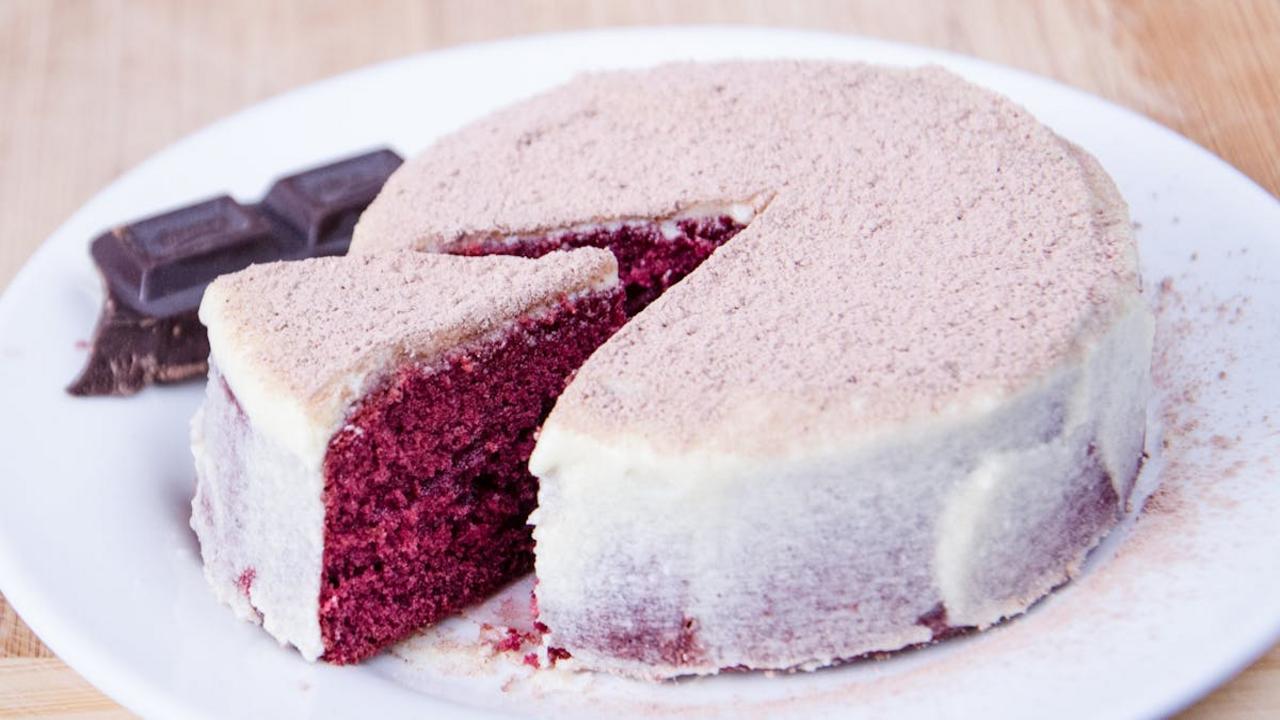
Red velvet cake is one of those desserts that Americans go absolutely bonkers for, while folks from other countries squint at it suspiciously, wondering why anyone would want to eat something that looks like it’s been dyed with food coloring from a science lab. And honestly? They’re not wrong. This crimson confection gets its signature color from an ungodly amount of red dye, which doesn’t exactly scream “natural ingredients.” The flavor profile is essentially chocolate cake’s timid cousin—barely there cocoa paired with buttermilk tang and a hint of vanilla, all smothered in cream cheese frosting that’s doing most of the heavy lifting. Overseas eaters often scratch their heads because they can’t figure out what makes it special beyond its Instagram-worthy appearance. Is it chocolate? Is it vanilla? Why is it SO red? The confusion is real, and honestly, valid.
The cake’s origins trace back to the 1800s when “velvet” cakes were prized for their soft, tender crumb achieved through specific chemical reactions between acidic ingredients and cocoa powder. During the Great Depression, a clever food coloring company promoted the red version as a marketing gimmick, and Americans fell hard for the theatrical presentation. Now it’s a staple at weddings, birthdays, and Valentine’s Day celebrations across the States. But try serving this to someone from France or Japan, and they’ll likely give you a polite smile while internally questioning your dessert choices. They’re accustomed to flavors that speak for themselves rather than relying on shock value and enough food dye to paint a small car. The rest of the world prefers their cakes to taste distinctly like something—whether that’s rich chocolate, fragrant vanilla, or zesty citrus. Red velvet’s subtle flavor and aggressive coloring just don’t translate well beyond American borders, where dessert drama is typically reserved for actual taste rather than visual spectacle.
Corn Dogs
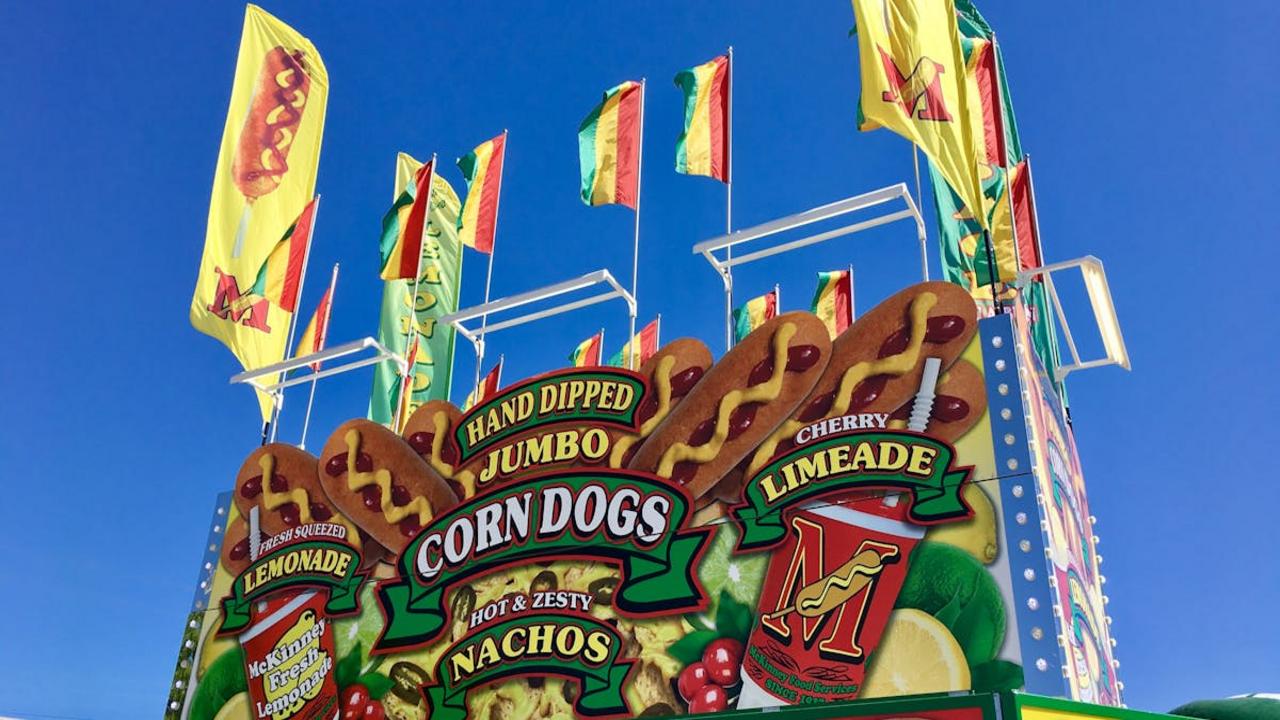
Picture this: a hot dog impaled on a stick, dunked in cornmeal batter, and deep-fried until golden and crispy. That’s the corn dog, a state fair staple that makes Americans swoon but leaves much of the world scratching their heads. Why would anyone coat a perfectly good sausage in what amounts to cornbread? Well, because it’s genius, that’s why! The crispy, slightly sweet exterior gives way to a juicy frankfurter inside, creating a textural experience that’s both nostalgic and strangely addictive. Grab some mustard, maybe a squeeze of ketchbar if you’re feeling wild, and you’ve got yourself a meal on a stick that screams “USA.” The corn dog first strutted onto the American food scene around the 1940s, though its exact origin story is hotly debated among food historians who apparently have nothing better to argue about.
For those outside America, the concept seems baffling. Many Europeans already question our obsession with hot dogs, so wrapping them in fried cornbread batter feels like we’re just showing off at this point. But here’s the thing: corn dogs aren’t meant to be sophisticated. They’re meant to be fun, messy, and eaten while walking around a carnival or watching fireworks on the Fourth of July. The beauty lies in their simplicity and portability. No plates, no utensils, just you, a stick, and pure fried happiness. Sure, they’re not winning any health food awards, but sometimes you need something ridiculous and delicious that makes you feel like a kid again, even if the rest of the world thinks you’ve lost your mind.
Ranch Dressing
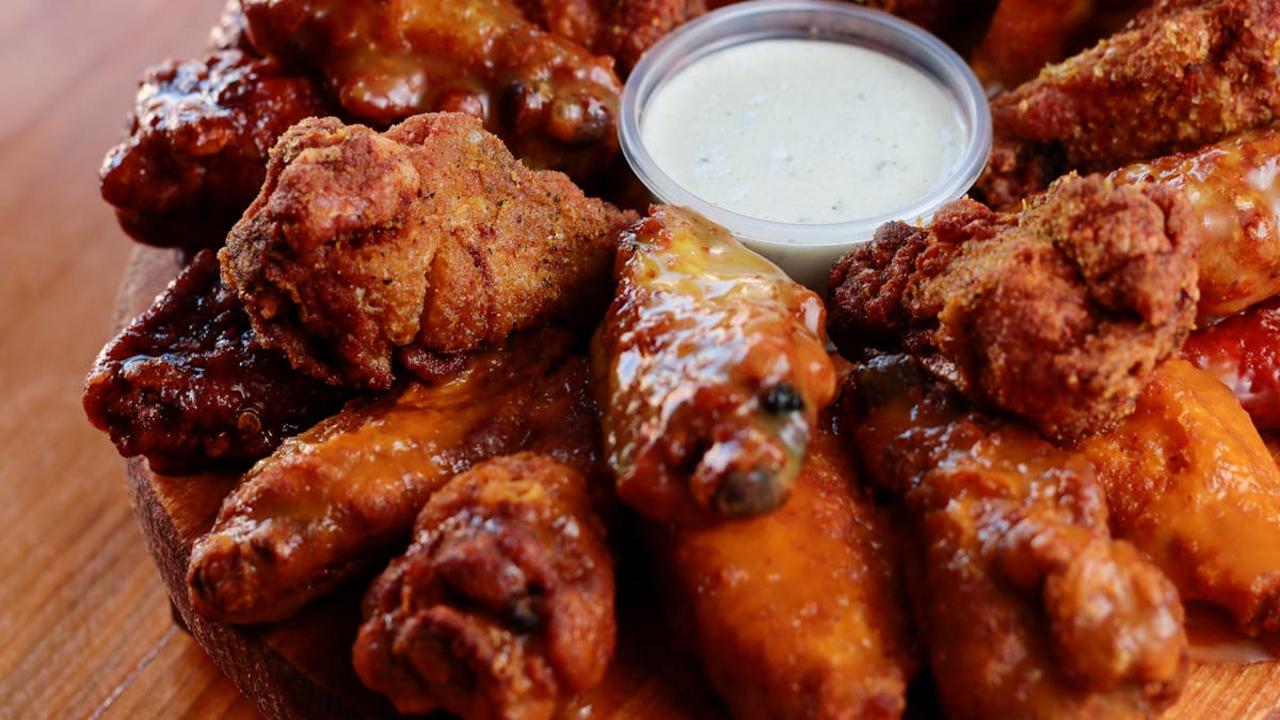
Ranch dressing is basically liquid gold in America, but try explaining that to someone from another country and watch their face contort in confusion. We drench everything in this creamy, herb-speckled concoction—pizza, chicken wings, vegetables, french fries, and sometimes, if nobody’s watching, we just grab a spoon and go straight to the bottle. Hidden Valley created this magical elixir back in the 1950s at a dude ranch in California, and Americans haven’t looked back since. The blend of buttermilk, garlic, onion, and mysterious herbs creates a flavor profile that somehow complements everything from celery sticks to buffalo wings. Walk into any American household and you’ll find at least two bottles lurking in the fridge door.
The international crowd often finds ranch dressing absolutely baffling. Europeans wrinkle their noses at the thick, pale sauce that Americans seem determined to slather on every conceivable food item. The Japanese tried introducing ranch-flavored Kit Kats, which tells you everything you need about how bizarre this obsession appears from the outside looking in. But here’s what they’re missing: ranch isn’t just a dressing, it’s a lifestyle. It’s the cool, tangy sidekick that makes even the saddest bag of carrot sticks feel like a party. Sure, it might look like bottled mayonnaise had a baby with garlic powder, but that’s exactly why we can’t quit it. The rest of the world drinks tea at specific times and follows proper dining etiquette, while Americans are over here dunking breadsticks into ranch at midnight without a single regret.
Marshmallow Sweet Potato Casserole
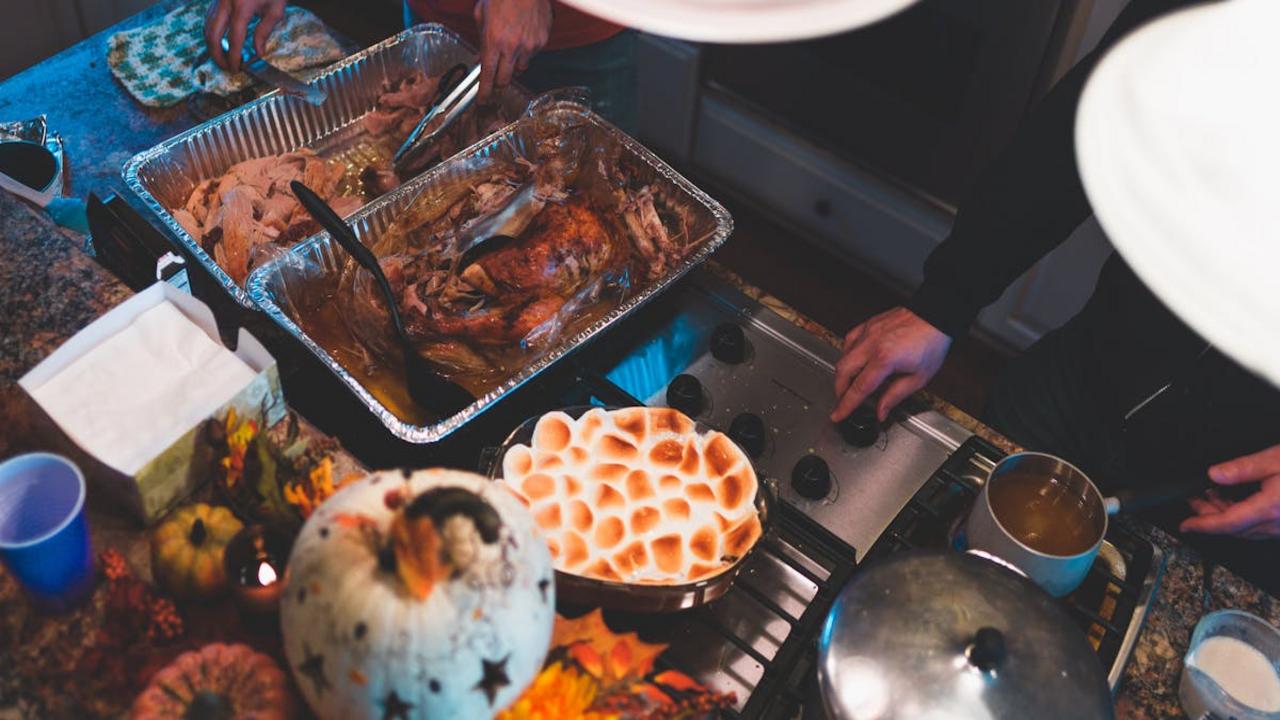
Picture this: You’re at Thanksgiving dinner, and someone plops down a casserole that looks like a dessert but insists it’s a side dish. That’s the marshmallow sweet potato casserole, folks—a dish that makes foreigners scratch their heads and Americans reach for seconds. We take perfectly good sweet potatoes, mash them up with butter and sugar, then crown the whole thing with a fluffy layer of marshmallows that get torched until they’re golden and gooey. It’s sweet, it’s savory, and it sits right next to the turkey like it belongs there. To anyone outside the United States, this combination screams confusion. Why would you turn a vegetable into candy? The answer is simple: because we can, and because it tastes ridiculously good.
The tradition supposedly started in the 1917 Angelus Marshmallows recipe booklet, where a marketing genius decided that marshmallows needed to expand beyond hot chocolate duty. Fast forward a century, and now this dish shows up on nearly every American holiday table, defended fiercely by grandmas nationwide. International visitors often mistake it for dessert and load up their plates accordingly, only to discover it’s meant to accompany the main course. The sweet potato itself gets completely overshadowed by its sugary topping—some recipes call for brown sugar, pecans, and even a splash of bourbon in the filling. By the time you’re done, you’ve basically created a vegetable pie without the crust. Non-Americans call it bizarre; we call it tradition. Either way, that marshmallow layer isn’t going anywhere, and we wouldn’t have it any other way.
Peanut Butter and Jelly Sandwich
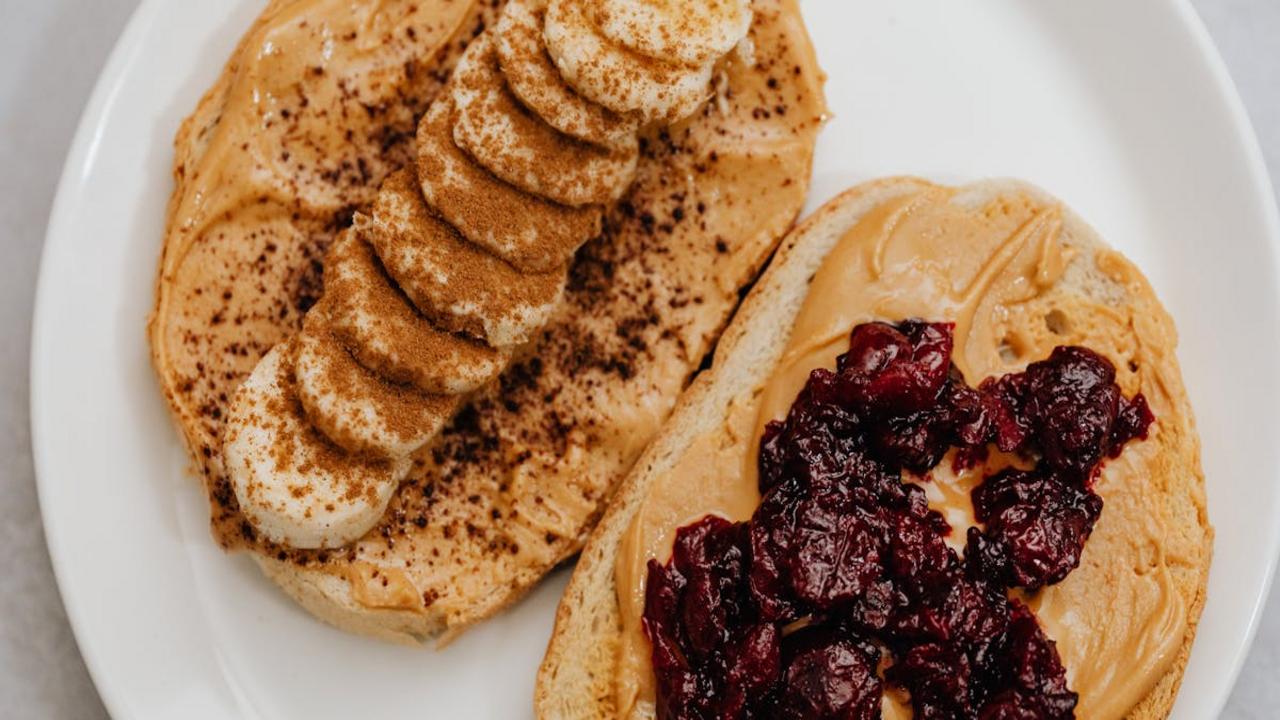
Americans grow up slathering peanut butter and jelly between two slices of white bread like it’s the most natural thing in the world. We pack them in lunchboxes, eat them after school, and sometimes even crave them at midnight. But mention this combo to someone from France, Japan, or most other countries, and you’ll get looks ranging from confusion to mild horror. The sweet-and-salty situation doesn’t translate well outside American borders, where peanut butter itself remains a suspicious spread. Many Europeans consider it something you’d feed to dogs, not humans, and the idea of pairing it with jam seems downright bizarre. The texture alone—that sticky, gooey mess—makes people uncomfortable in cultures where bread spreads tend to be savory or chocolate-based.
What Americans see as comfort food, the rest of the world sees as an odd experiment gone wrong. The purple or red streaks of jelly mixed with beige peanut butter create a visual that doesn’t exactly scream “appetizing” to the uninitiated. In countries where school lunches feature fresh-baked goods or balanced meals, a squished PB&J in a brown bag seems lazy at best. The fact that we eat this cold is another sticking point—many cultures prefer their meals warm and freshly prepared. Despite being a protein-packed, shelf-stable option that saved countless American kids from hangry meltdowns, the PB&J remains stubbornly American. It’s cheap, quick, and nostalgic for anyone who grew up here, but trying to explain why you’re enthusiastic about sticky bread to someone from Italy? Good luck with that conversation.
Mac and Cheese
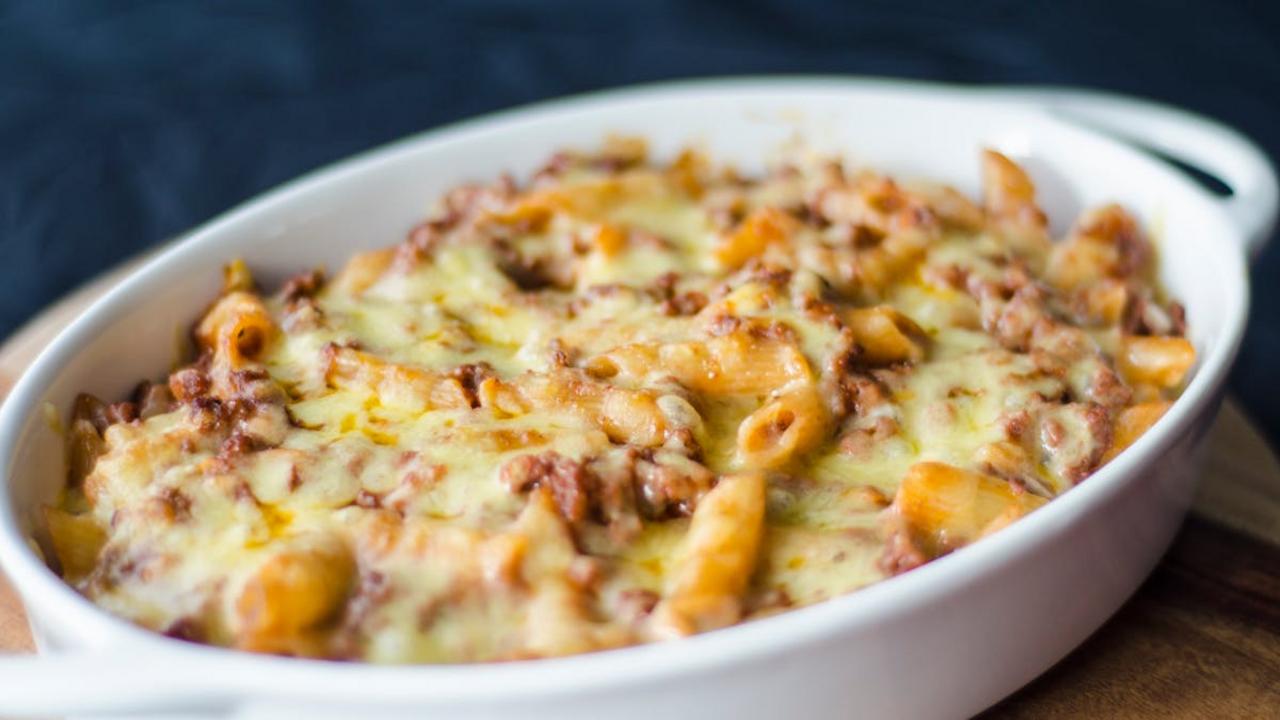
Listen, there’s a reason every American kid grows up with a mac and cheese phase that lasts well into adulthood—this stuff is comfort food royalty. We’re talking about tender elbow macaroni swimming in a creamy, golden cheese sauce that clings to every nook and cranny like a warm hug from your grandmother. The rest of the world looks at our obsession with this dish and scratches their heads, probably because they’re missing the point entirely. It’s not just about cheese and pasta; it’s about nostalgia wrapped in a casserole dish. Whether you’re pulling out the blue box version on a Tuesday night or baking a gourmet edition with three types of aged cheddar and a breadcrumb topping, mac and cheese hits different. Americans have perfected this combination in ways that make other countries wonder if we’ve lost our minds—spoiler alert: we absolutely have, and we’re not apologizing.
The beauty of mac and cheese lies in its versatility and its ability to make grown adults regress to their five-year-old selves with one bite. You can dress it up with lobster chunks and truffle oil for a fancy dinner party, or keep it simple with that powdered cheese packet that somehow tastes better than it has any right to. International visitors often complain that it’s too rich, too heavy, or just “pasta with cheese”—but they’re missing the magic. Americans have been perfecting this recipe since Thomas Jefferson allegedly brought a macaroni machine back from Europe in the late 1700s, and we’ve been hooked ever since. The dish shows up at potlucks, Thanksgiving tables, barbecues, and late-night refrigerator raids. Sure, Italians have their pasta traditions and the French have their gratins, but neither comes close to the pure, unapologetic joy of a properly made mac and cheese that sticks to your ribs and makes everything feel right with the world.
Root Beer
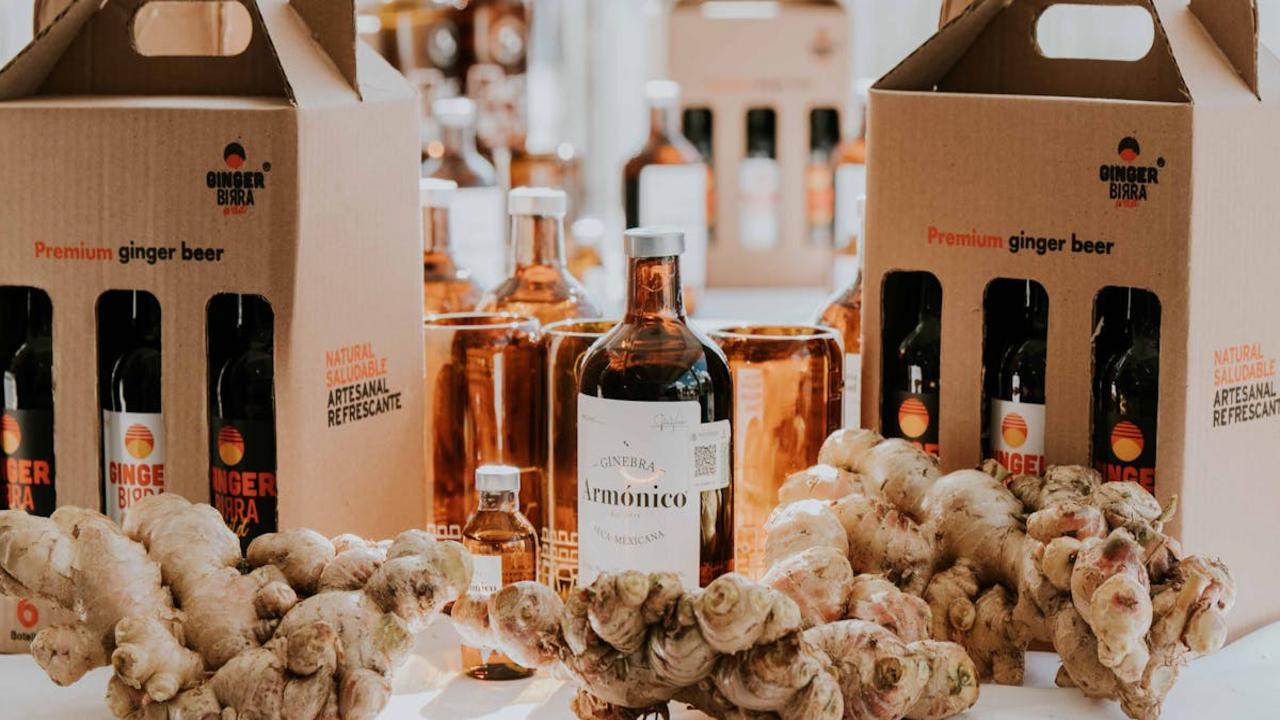
Root beer holds a special place in American hearts, but mention it abroad and you’ll get looks of pure confusion—or worse, outright disgust. To most of the world, this frothy, brown beverage tastes suspiciously like medicine, specifically the kind their grandmothers forced down their throats when they had a cough. The comparison isn’t entirely off-base, either. Root beer originated as a medicinal tonic made from sassafras root bark, sarsaparilla, and a hodgepodge of other herbs and spices. Pharmacist Charles Hires commercialized it in the 1870s, marketing it as a health drink that would cure what ailed you. Americans eventually decided it was better suited for float-making than fever-breaking, pairing it with vanilla ice cream to create one of the country’s most beloved desserts. But that herbal, wintergreen-tinged flavor that Americans find refreshing? Europeans taste toothpaste. Seriously, ask someone from Germany or the UK what they think, and they’ll swear you handed them a glass of mouthwash.
The disconnect gets even stranger when you consider that root beer shares DNA with birch beer and sarsaparilla, drinks that never quite caught on anywhere with the same enthusiasm. Part of root beer’s charm is its complexity—no two brands taste exactly alike because recipes vary wildly, incorporating everything from vanilla and licorice to cherry bark and molasses. A&W, Barq’s, and Mug each have their devoted followers who will argue passionately about which version reigns supreme. Root beer floats remain a nostalgic treat at diners and backyard barbecues, the kind of thing that makes you feel like a kid again even if you’re pushing forty. But try ordering one in Paris or Tokyo, and you’ll be met with blank stares. They simply don’t stock it because demand doesn’t exist. Americans, however, continue chugging it by the gallon, blissfully unbothered by the rest of the world’s bewilderment.