14 Cheap Flavor-Packed Ingredients to Elevate Meals on Any Budget
You know what drives me crazy? People acting like healthy eating requires a trust fund. Truth is, some of the most nutritious ingredients cost less than your morning coffee. I’m talking about powerhouse foods that pack serious flavor and vitamins without draining your wallet. These aren’t boring diet staples—they’re versatile ingredients that transform basic meals into something worth bragging about.
I discovered this when my budget got tight and creativity became mandatory. Turns out, you don’t need fancy superfoods shipped from distant mountains. Regular grocery stores stock incredible ingredients that ancient civilizations survived on for good reason. They’re nutritious, they last forever in your pantry, and they actually taste amazing when you know what to do with them.
What makes these ingredients special? They multitask like champions. Use them for breakfast, lunch, dinner, or snacks. Toss them in salads, soups, or smoothies. The best part? Most cost under three bucks and stretch across multiple meals. Your body and bank account will thank you. Ready to see what nutritional gold you’ve been walking past in the aisles?
Kale
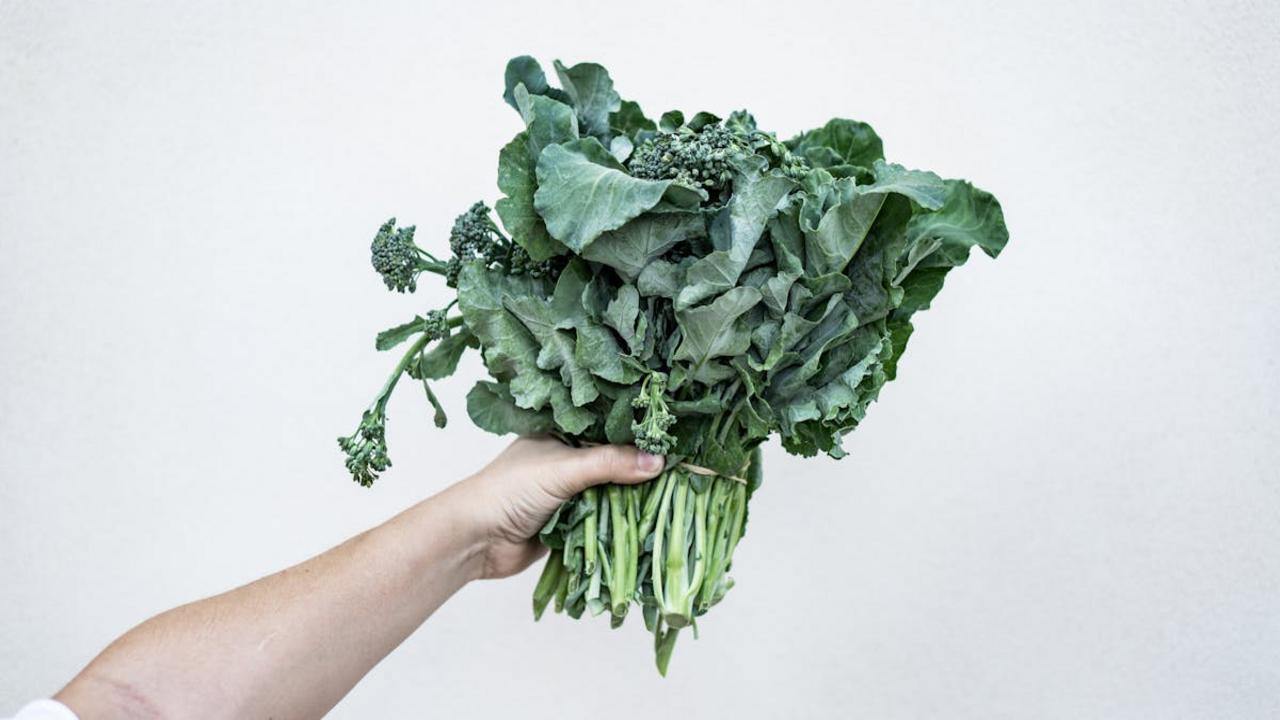
Listen, I know kale has that reputation of being the self-righteous vegetable your yoga instructor won’t shut up about, but hear me out—this leafy green is actually a budget superhero disguised in curly, dark-green armor. For less than two bucks a bunch, you’re getting a powerhouse of flavor and nutrition that refuses to wilt into sad, slimy oblivion like its delicate cousin, spinach. Kale has this earthy, slightly bitter quality that becomes downright addictive when you treat it right. Toss it into soups where it softens and soaks up broth like a sponge, massage it with olive oil and lemon juice for a salad that won’t leave you hungry twenty minutes later, or—my personal favorite—roast it into chips that vanish faster than your self-control. The satisfying crunch combined with whatever seasonings you throw at it (garlic powder, nutritional yeast, cayenne) turns this humble leaf into something you’ll actually crave.
Here’s a fun fact: kale was everywhere in ancient Rome, where they valued it more than their emperors, probably. It grew wild across Europe and nobody thought twice about it until trendy juice bars decided to charge you twelve dollars for a smoothie. But before that happened, generations of grandmothers were throwing it into stews and feeding their families for pennies. The best part about kale? Every single bit is usable. Those tough stems everyone tells you to discard? Chop them fine and sauté them first—they add a pleasant crunch and sweet flavor. One bunch stretches far because the leaves shrink dramatically when cooked, so what looks like enough to feed an army becomes a reasonable side dish. Pro tip: buy it in season (fall through early spring) when it’s even cheaper and tastes sweeter after the first frost. Your wallet and your dinner plate will thank you, even if your yoga instructor takes credit for the inspiration.
Beets
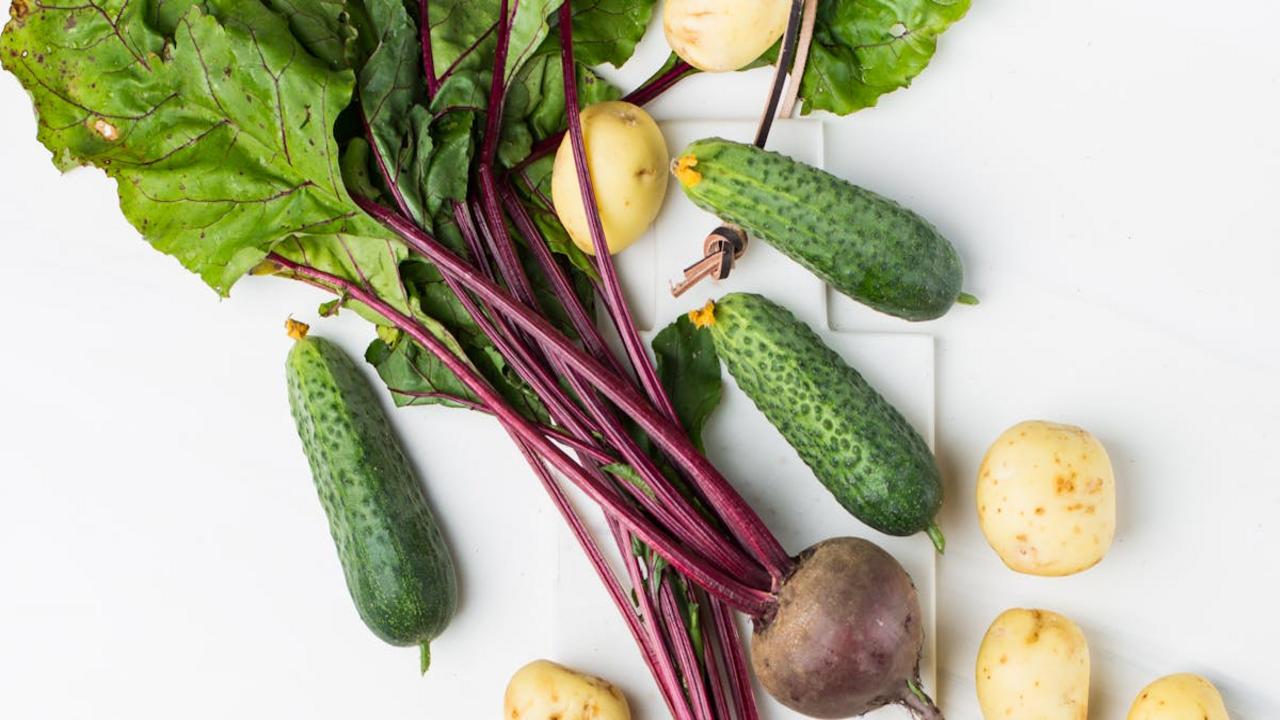
Beets are the unsung heroes of the vegetable world, sitting there in the produce section looking like purple bowling balls, waiting for someone brave enough to give them a chance. And here’s the thing: they’re ridiculously cheap, incredibly versatile, and packed with this earthy sweetness that transforms everything they touch into something special. You can roast them until they’re caramelized and tender, grate them raw into salads for a crunchy pop of color, or blend them into smoothies (yes, really—they turn everything hot pink and nobody complains about eating vegetables when they look like a unicorn dream). One medium beet costs less than a fancy coffee, and it’ll give your meal that wow factor that makes people think you spent way more time and money than you actually did.
Here’s a fun fact: beets have been around since ancient Roman times, and they were originally cultivated for their leaves, not the roots we obsess over today. Those greens, by the way, are totally edible and taste like a milder version of Swiss chard, so don’t throw them away—sauté them with garlic and olive oil, and you’ve got two dishes from one bargain vegetable. The natural sugars in beets make them perfect for balancing out acidic ingredients, which is why they’re fantastic pickled (seriously, pickled beets on a cheese board will make you look fancy at parties). And if you’re worried about the whole “turning your hands and cutting board purple” situation, wear gloves or embrace the temporary staining as a badge of honor. Beets are messy, bold, and completely worth the trouble.
Sardines

Sardines might not win any beauty contests, but these tiny fish pack a serious punch of flavor that’ll make your wallet sing. For just a couple of bucks per can, you’re getting omega-3s, protein, and a briny, umami-rich taste that transforms boring meals into something memorable. Toss them onto pasta with garlic, lemon, and chili flakes, or mash them with mayo and capers for a spread that’ll make your morning toast actually exciting. They’re already cooked, which means you can crack open a can after a long day and have dinner ready faster than you can say “anchovies who?” The best part? They last forever in your pantry, so stock up without fear.
Don’t let the fishy reputation scare you off—sardines are actually mild compared to their stinkier cousins. Portuguese and Spanish brands often pack them in olive oil with extras like tomato sauce or hot peppers, turning a simple tin into a flavor bomb ready to deploy. Mash them into avocado toast, pile them on crackers with pickled onions, or throw them into a salad for instant sophistication. You can even grill them whole if you’re feeling fancy. These little swimmers have been feeding Mediterranean folks for centuries, and there’s a reason they keep coming back for more. Once you start keeping sardines around, you’ll wonder how you ever survived without them.
Chickpeas
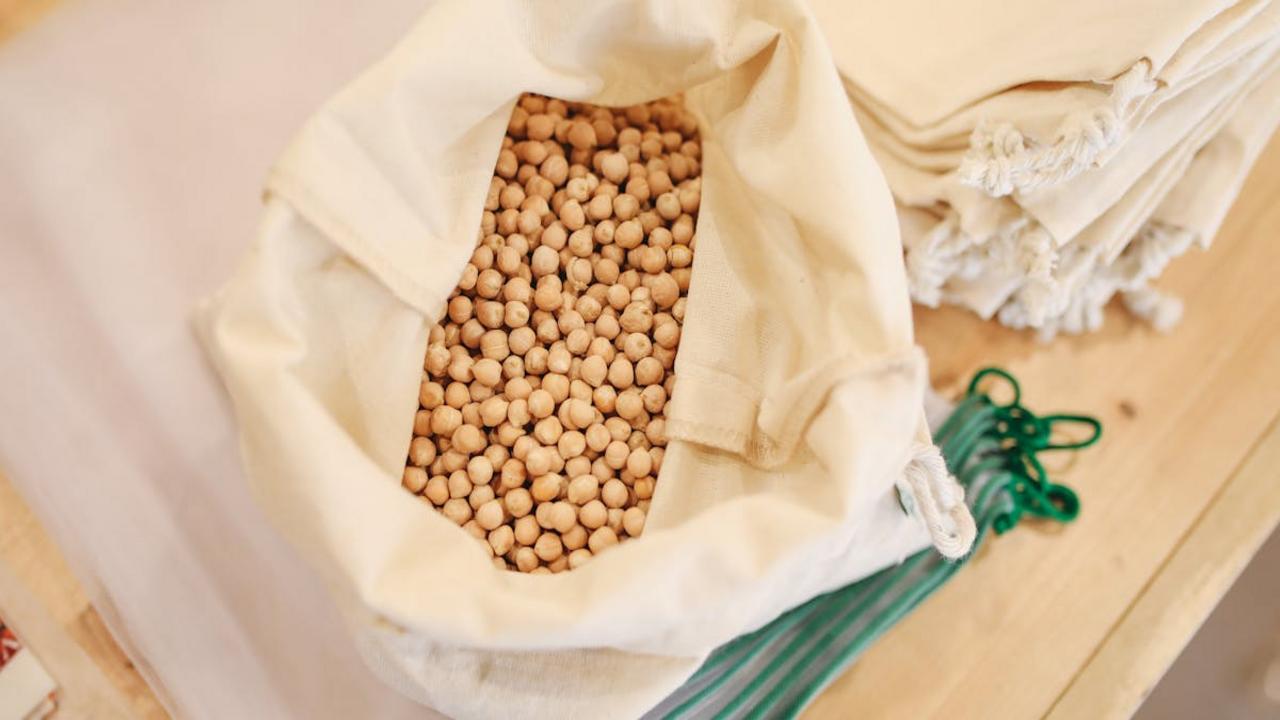
Chickpeas are the humble heroes of the pantry, sitting there in their unassuming cans, waiting to transform your meals from “meh” to magnificent. These little golden orbs pack a serious protein punch while costing roughly the same as a candy bar. Roast them with olive oil and paprika, and they become crunchy snacks that’ll have you abandoning your chip habit. Toss them into curries, salads, or pasta dishes, and suddenly you’ve got a meal with substance and staying power. The best part? A single can costs about a dollar and feeds at least three people, making chickpeas the ultimate budget-friendly ingredient that doesn’t taste like you’re pinching pennies.
These versatile legumes have been fueling civilizations since ancient Mesopotamia, so you know they’ve got serious staying power in the food world. Blend them into hummus for the creamiest dip imaginable, roast them until crispy for a satisfying crunch, or mash them into veggie burgers that actually hold together. My favorite trick is draining a can, patting the chickpeas dry, then roasting them at 400°F with whatever spices I’m feeling that day—sometimes it’s curry powder, sometimes it’s cinnamon and sugar for a sweet treat. They’re basically edible chameleons, adapting to whatever flavor profile you throw at them while keeping your wallet happy and your stomach satisfied.
Brown rice
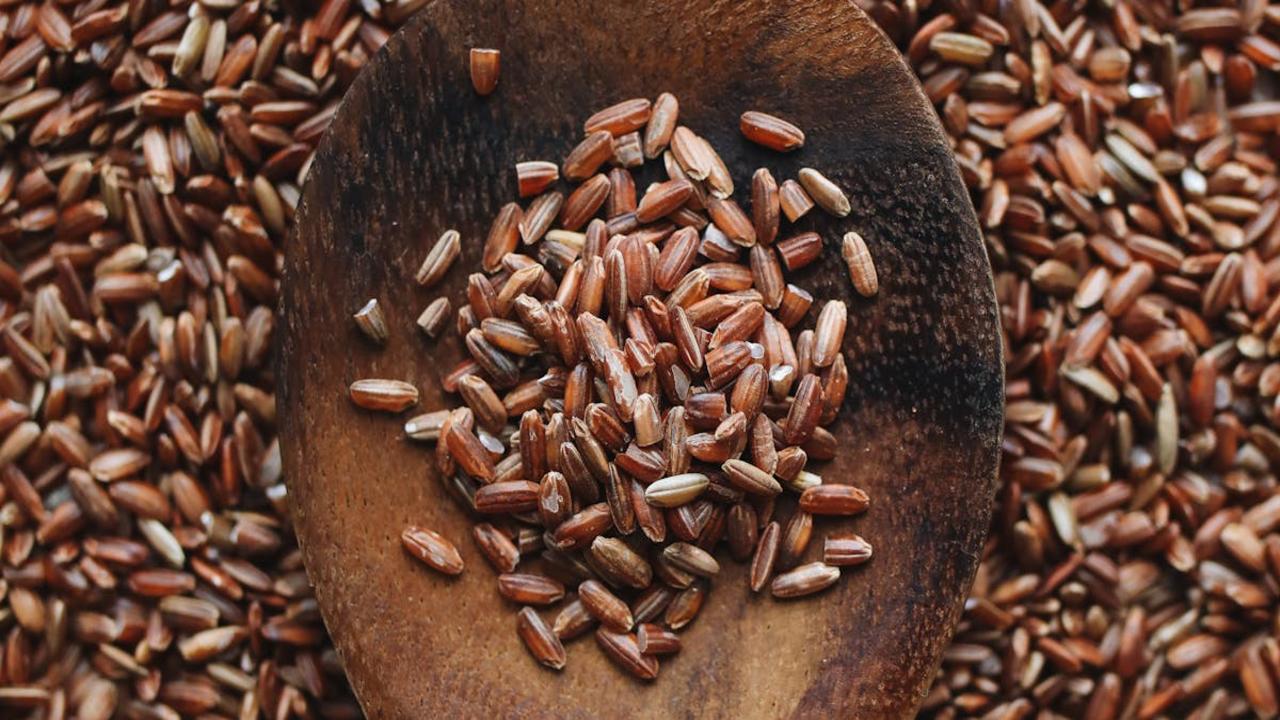
Brown rice gets a bad rap for being the “boring health food cousin” of white rice, but honestly, that’s criminal slander. This nutty, chewy grain is actually packed with flavor that white rice can only dream about. Plus, it costs pennies per serving and turns any meal into something more substantial. Here’s a fun fact: brown rice is just white rice that hasn’t been stripped of its bran and germ layers, which means it keeps all those nutrients and that gorgeous, toasty taste. Toss it with some soy sauce and sesame oil, and suddenly you’ve got a side dish that doesn’t need anything else to shine.
The real magic happens when you batch-cook brown rice at the beginning of the week. Refrigerate it, and you’ve got the foundation for fried rice, grain bowls, or even stuffed peppers whenever hunger strikes. Pro tip: day-old brown rice makes the absolute best fried rice because the grains dry out slightly and get perfectly crispy in the pan. You can dress it up with whatever vegetables are languishing in your crisper drawer, crack an egg on top, and boom—you’ve got dinner that tastes like you ordered takeout. At around a dollar per pound, brown rice proves that eating well doesn’t require draining your bank account.
Spinach
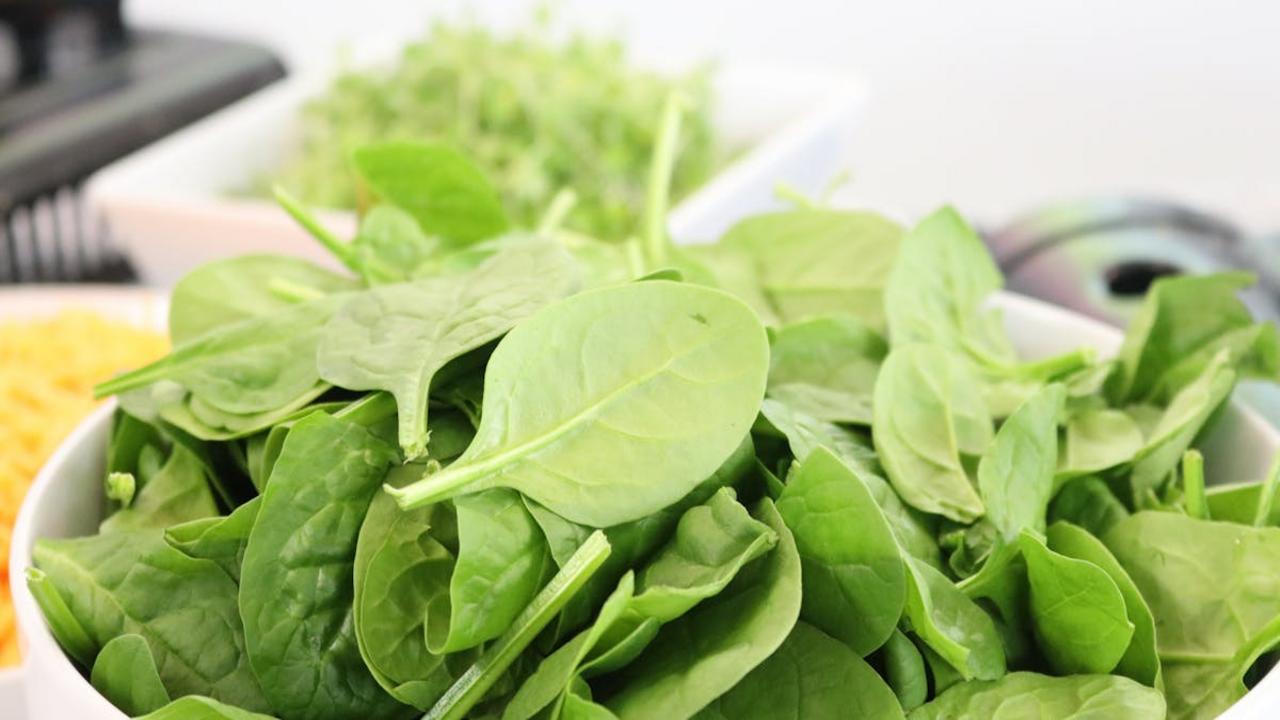
Spinach is one of those ingredients that deserves way more credit than it gets—sure, Popeye made it famous, but this leafy green is a kitchen superhero that works harder than a line cook during dinner rush. For under two bucks a bunch (or even cheaper if you grab the frozen stuff), you’re getting a flavor-packed powerhouse that sneaks into literally everything. Toss it into scrambled eggs, fold it into pasta, blend it into smoothies, or wilt it down with garlic and olive oil for a side dish that tastes like you actually tried. The best part? Fresh spinach cooks down to almost nothing, so that enormous bag taking up half your fridge becomes a modest little heap in your pan. It’s basically kitchen magic.
Here’s a fun fact: spinach doesn’t actually contain as much iron as we’ve been led to believe—a decimal point error in the 1870s inflated the numbers, and we’ve been believing the myth ever since. But don’t let that stop you from eating it by the handful, because spinach still packs vitamin K, folate, and enough antioxidants to make your body do a happy dance. The flavor is mild and earthy, which means it plays well with just about everything—from creamy cheeses to spicy curries to lemony vinaigrettes. And if you’re worried about kids (or picky adults) refusing it, remember that once it’s wilted into mac and cheese or blended into a pesto, nobody even notices it’s there. Spinach is the undercover agent of budget cooking, making every meal healthier without stealing the spotlight.
Quinoa
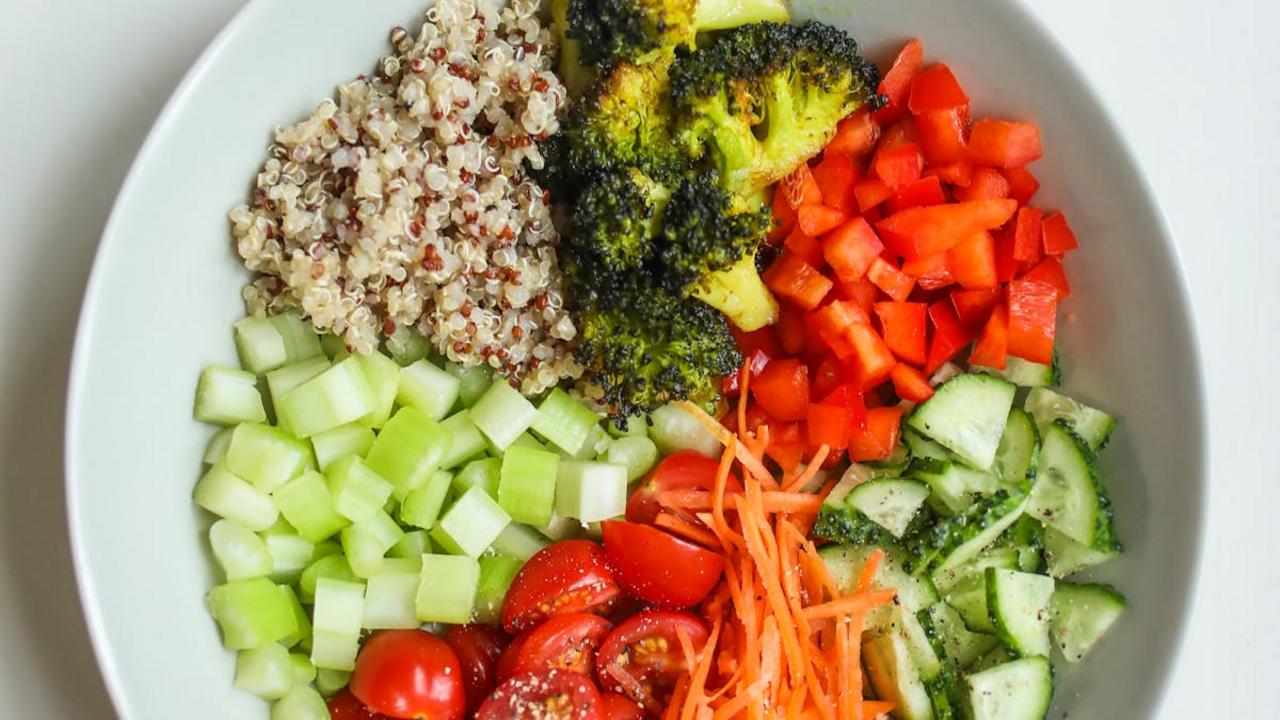
Quinoa is that trendy little grain—okay, technically it’s a seed, but who’s counting?—that went from obscure health food to mainstream darling faster than you can say “gluten-free.” This tiny powerhouse packs more protein than your average grain, plus it’s loaded with fiber, iron, and all nine essential amino acids. Translation: it’s a complete protein, which is basically the unicorn of the plant-based world. Toss it into salads, use it as a rice substitute, or even sneak it into breakfast bowls with a drizzle of honey and some fresh berries. It’s nutty, fluffy, and surprisingly versatile, making it the perfect blank canvas for whatever flavor adventure you’re craving. Plus, it cooks up in about fifteen minutes, which is faster than your takeout delivery.
Here’s a fun fact that’ll make you sound smart at dinner parties: the ancient Incas called quinoa the “mother of all grains” and considered it sacred. They weren’t wrong—this stuff has been fueling civilizations for thousands of years, and now it’s here to fuel your Tuesday night dinner on a budget. A bag of quinoa goes a long way, stretching your dollar while keeping things interesting. Mix it with roasted vegetables and a squeeze of lemon for a quick side dish, or stir in some black beans, corn, and spices for a protein-packed main that’ll make you forget you’re eating healthy. The best part? It absorbs flavors like a sponge, so whether you’re going Mediterranean with feta and olives or Asian-inspired with soy sauce and sesame oil, quinoa’s got your back.
Frozen berries
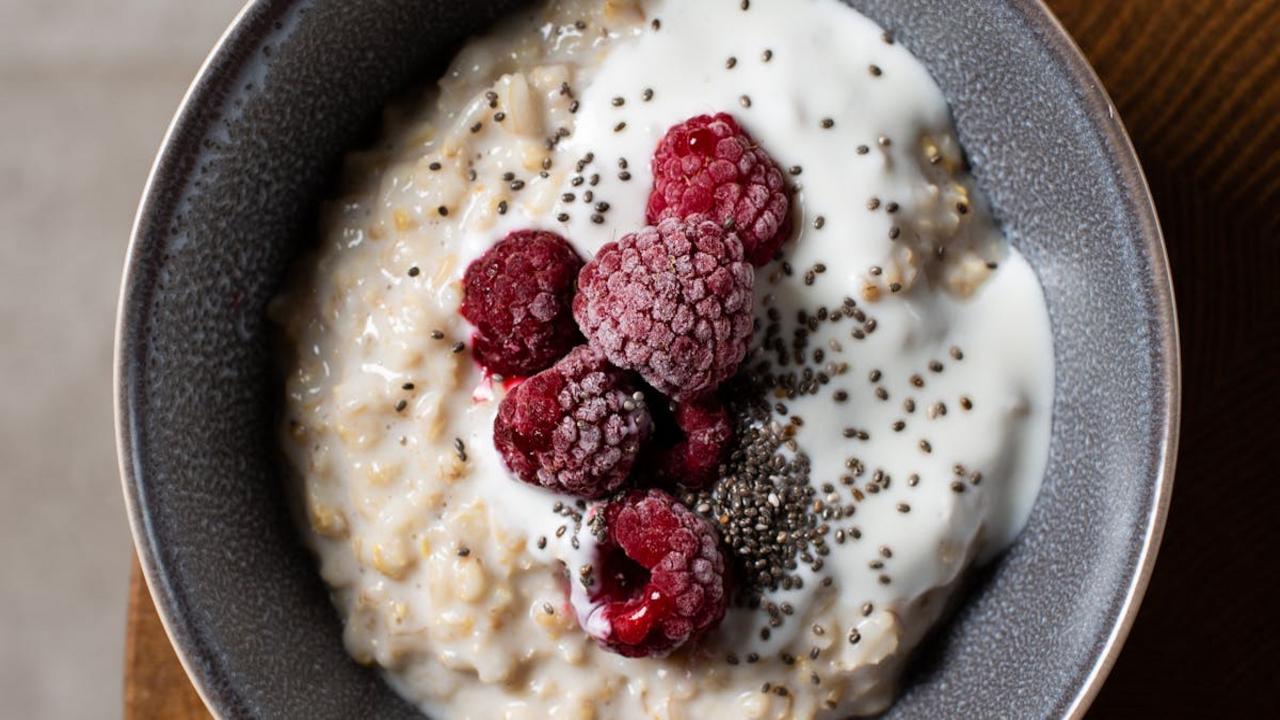
Frozen berries are the unsung heroes of the budget-friendly kitchen, quietly sitting in your freezer, waiting to transform breakfast into something that looks like you actually have your life together. While fresh berries strut around the produce section demanding six dollars for a tiny clamshell, frozen berries hang out in the freezer aisle for a fraction of the price, already washed and ready to rock. They’re picked at peak ripeness and flash-frozen within hours, which means they often pack more nutrients than their “fresh” counterparts that spent a week traveling from California in a refrigerated truck. Toss them into smoothies, oatmeal, yogurt bowls, or pancake batter straight from the bag—no thawing required. The best part? That frosty coating actually helps thicken smoothies naturally, so you get that Instagram-worthy bowl consistency without adding ice that waters everything down.
But frozen berries aren’t just for breakfast virtue signaling. Heat them up with a splash of lemon juice and a spoonful of sugar, and you’ve got a restaurant-quality compote that’ll make people think you’re fancy. Swirl it into Greek yogurt, drizzle it over pound cake from the discount bakery rack, or spoon it onto vanilla ice cream for an instant sundae upgrade. Blueberries, strawberries, mixed berries—they all work their magic with zero effort on your part. Pro tip: buy the giant bags at warehouse stores where they’re even cheaper, and you’ll have berry backup for months. Your freezer becomes a flavor vault, and you become the person who always has something delicious on hand, even when the bank account is looking a little thin before payday.
Pumpkin seeds
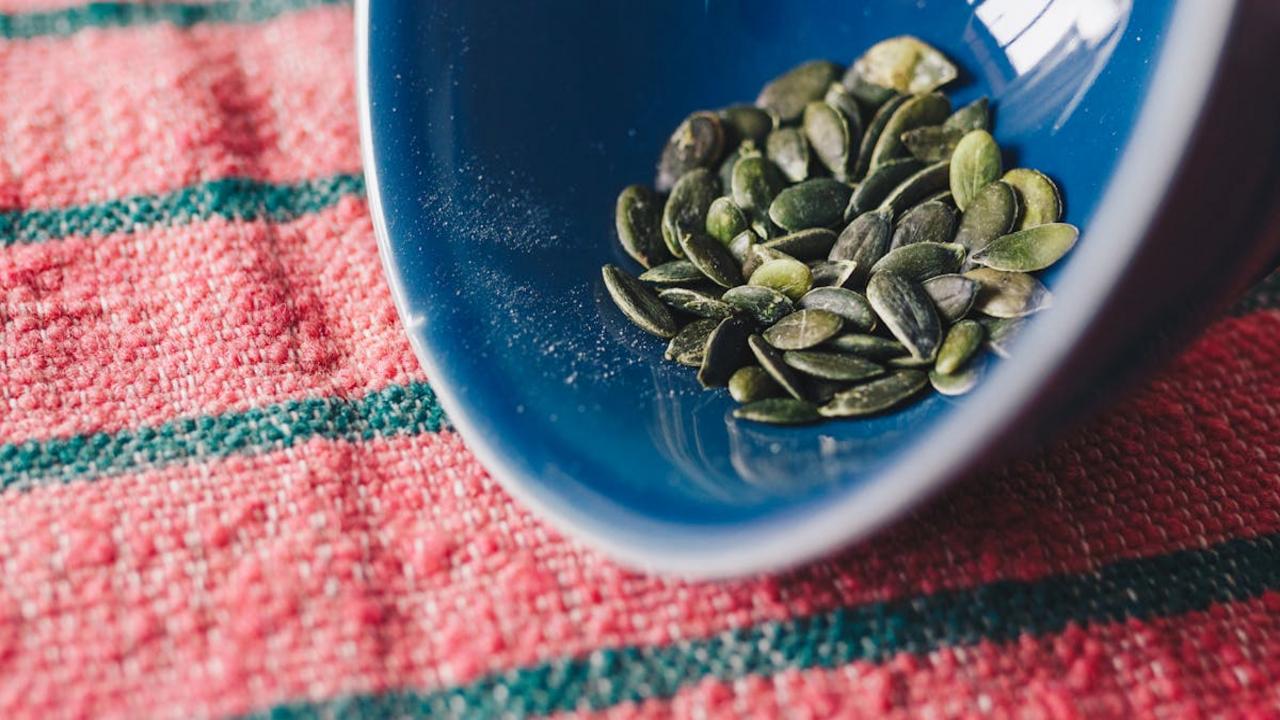
Pumpkin seeds—or pepitas, if you’re feeling fancy—are those little green powerhouses that people either adore or completely forget exist. I’m firmly in the adoration camp, and here’s why: these crunchy gems pack a serious flavor punch without making your wallet weep. You can grab a bag for just a few bucks, and suddenly your boring salad transforms into something you’d actually pay $15 for at a trendy café. Toast them in a dry pan until they start popping like tiny firecrackers, then sprinkle them with salt, smoked paprika, or even a dash of maple syrup and cayenne if you’re feeling adventurous. The nutty, slightly sweet flavor adds depth to everything from creamy soups to grain bowls, and that satisfying crunch? Pure magic.
But pumpkin seeds aren’t just about being delicious—they’re secretly working overtime to make you healthier, too. They’re loaded with magnesium, zinc, and healthy fats that keep your body humming along nicely. Toss them into homemade granola, blend them into pesto instead of pine nuts (your bank account will thank you), or scatter them over roasted vegetables for an instant upgrade. I keep a jar on my counter at all times because they’re basically edible confetti that makes everything more interesting. Pro tip: buy them raw and in bulk, then roast small batches as needed. Your future self will appreciate having this budget-friendly flavor bomb ready to deploy at a moment’s notice.
Sweet potatoes
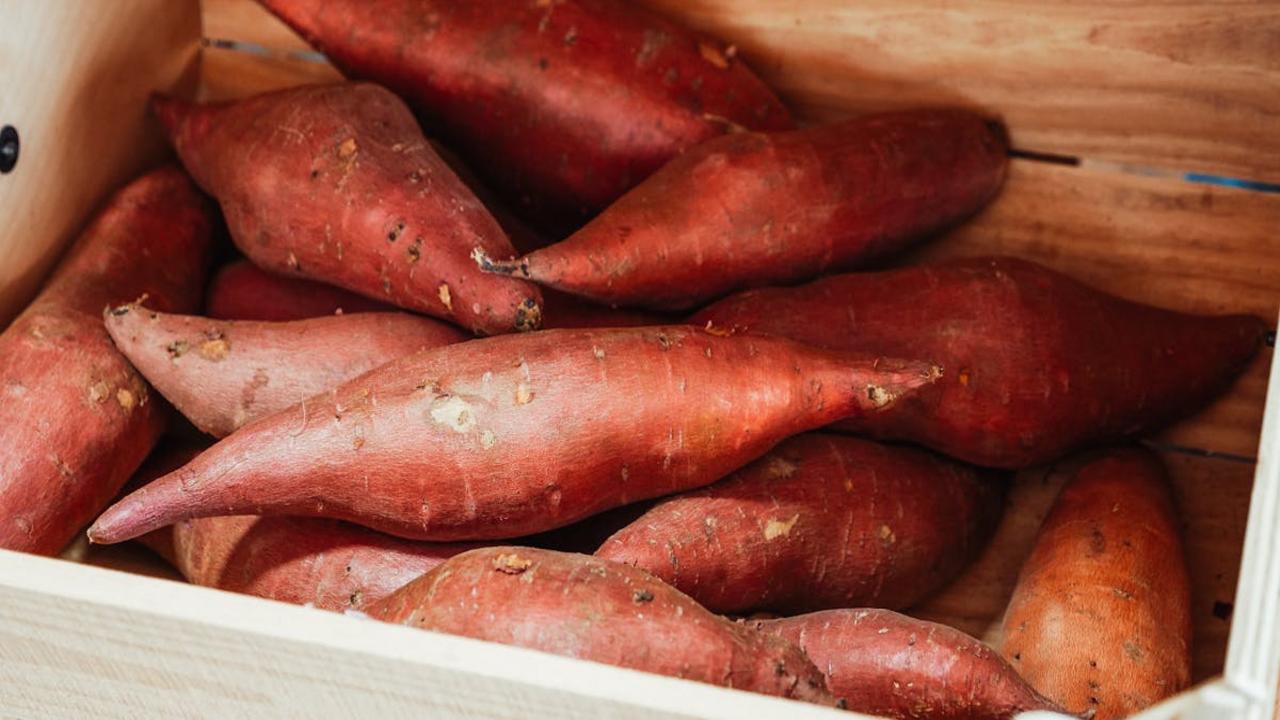
Sweet potatoes are the unsung heroes of the produce aisle, sitting there all humble and orange while secretly packing more flavor punch than ingredients three times their price. For less than two bucks a pound, you’re getting a vegetable that tastes like dessert had a baby with comfort food. Here’s the wild part: these tuberous wonders are native to Central and South America and have been cultivated for over 5,000 years, yet somehow they’re still criminally underused in most kitchens. You can roast them until the edges caramelize into candy-like sweetness, mash them with butter and cinnamon for a side dish that’ll make guests ask for seconds, or cube them up and toss them into curries where they soak up spices like little flavor sponges. The natural sugars intensify during cooking, which means you’re getting dessert-level satisfaction from a vegetable.
What makes sweet potatoes particularly genius for budget cooking is their chameleon-like personality—they work in both savory and sweet dishes without breaking a sweat. Dice them small and fry them into breakfast hash with eggs and onions. Slice them thin, toss with olive oil and paprika, then bake into chips that’ll cost you pennies compared to the bagged stuff. Throw chunks into soups where they’ll thicken the broth while adding natural sweetness. Or go full cozy-mode and bake them whole, split them open, and top with Greek yogurt and a drizzle of honey for a snack that feels fancy but costs next to nothing. Plus, they last for weeks on your counter, which means you can buy them in bulk when they’re on sale. Sweet potatoes don’t judge your cooking skills either—even if you burn them slightly, that caramelization just adds character.
Cabbage
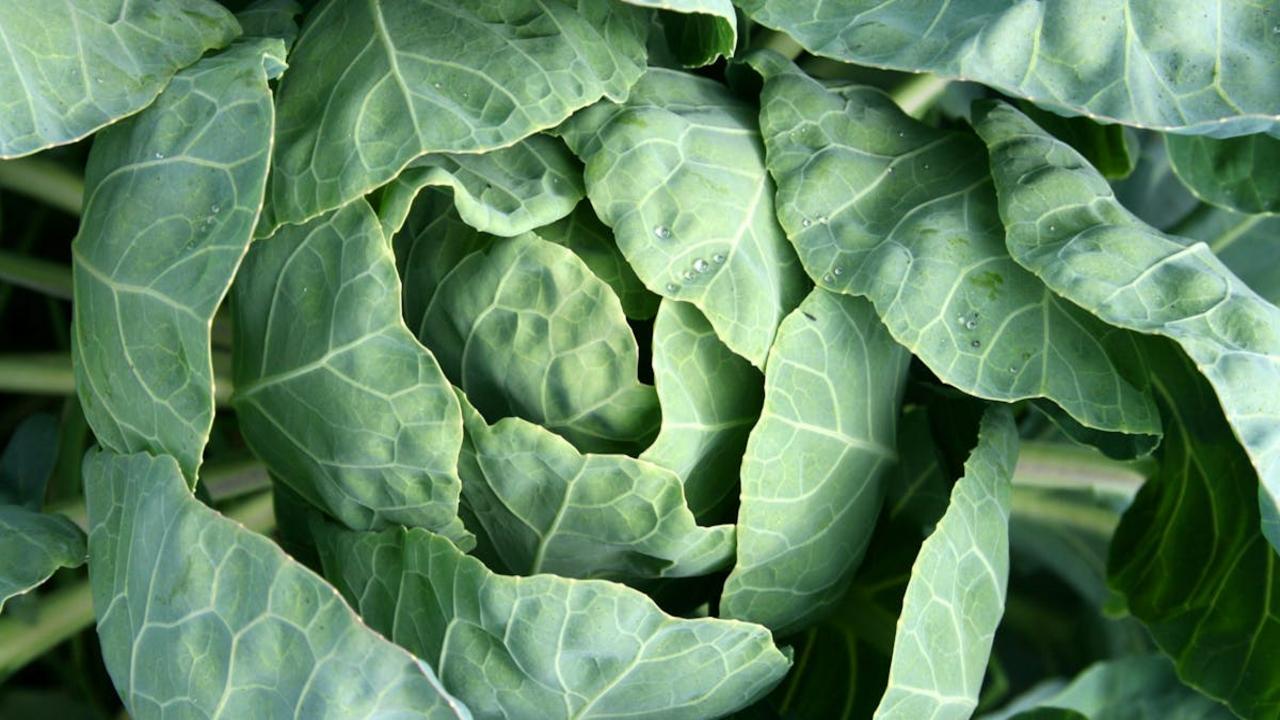
If you think cabbage is just sad coleslaw at a mediocre barbecue, think again! This underdog vegetable is actually a flavor-absorbing powerhouse that costs about as much as a fancy coffee but lasts ten times longer in your fridge. Whether you’re shredding it into tacos, roasting it until the edges get all caramelized and crispy, or fermenting it into tangy sauerkraut, cabbage transforms from boring to brilliant with minimal effort. The best part? A single head can stretch across multiple meals, making it the ultimate budget hero. Plus, did you know that cabbage has been around for over 4,000 years? Ancient Greeks and Romans ate it religiously, believing it could cure hangovers—and honestly, after a night out, a cabbage-heavy dish does hit differently.
The secret to making cabbage shine is giving it some heat and time. Toss wedges with olive oil, salt, and garlic, then roast them until they’re golden and slightly charred—suddenly you’ve got a side dish that could steal the show from your main course. Or sauté shredded cabbage with butter, onions, and caraway seeds for a German-inspired side that pairs perfectly with sausages or pork chops. If you’re feeling adventurous, make okonomiyaki, the Japanese savory pancake that’s basically cabbage held together by a little batter and topped with everything delicious. The crunch, the sweetness that develops during cooking, the way it soaks up sauces and seasonings—cabbage deserves way more respect than it gets. Stock up on this humble veggie and watch your meals go from plain to phenomenal without breaking the bank.
Chia seeds
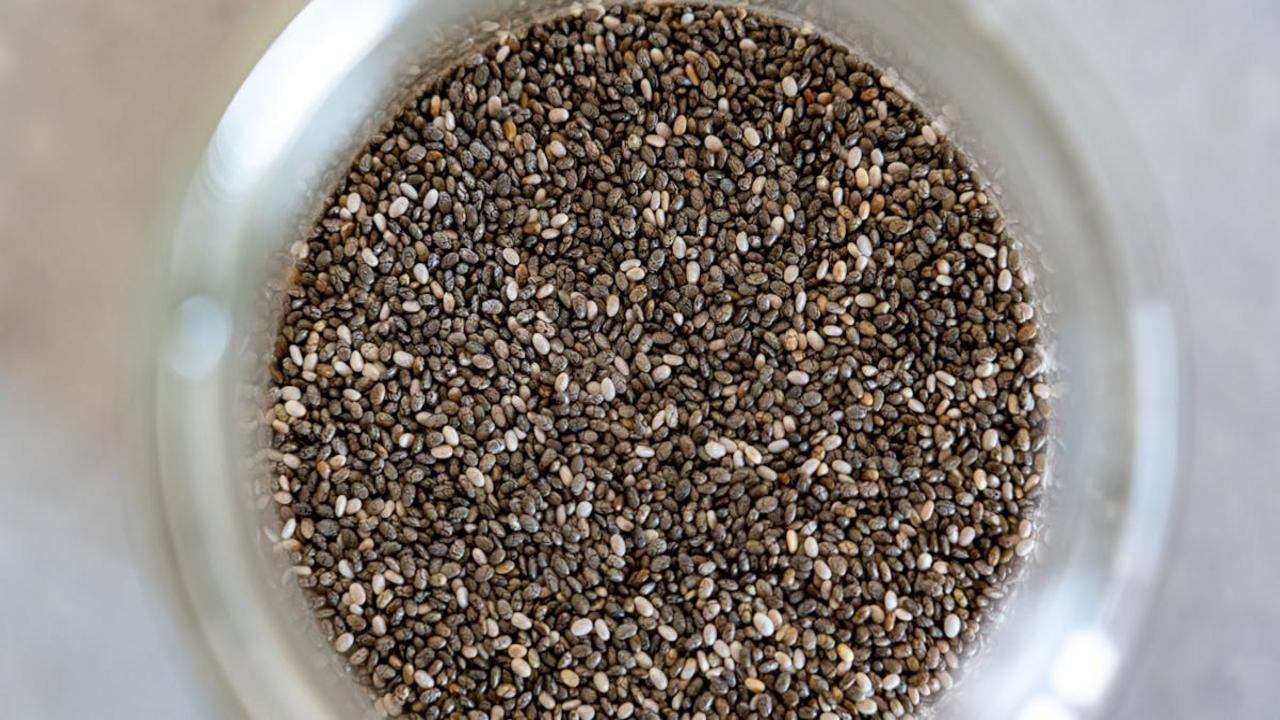
These tiny black specks might look like something you’d accidentally track in from the garden, but chia seeds are actually nutritional powerhouses that punch way above their weight class. For a couple of dollars per bag, you’re getting omega-3 fatty acids, fiber, protein, and enough staying power to keep you full until your next meal. The ancient Aztecs knew what they were doing when they used these little guys as endurance fuel, and now you can too—without having to conquer any empires. Just two tablespoons pack about 10 grams of fiber and 4 grams of protein, which makes them one of the sneakiest healthy additions you can slip into practically anything.
The best part? Chia seeds are the chameleons of the food world. Sprinkle them on yogurt, blend them into smoothies, or mix them with liquid to create a pudding that’s actually good for you (take that, childhood desserts). They absorb up to twelve times their weight in water, turning into a gel-like substance that can replace eggs in vegan baking or thicken up sauces without anyone being the wiser. Overnight chia pudding has become my go-to breakfast because I can prep it in thirty seconds before bed, wake up, and pretend I’m a functional adult who has their life together. Pro tip: mix three tablespoons of chia seeds with a cup of milk, add a splash of vanilla and maple syrup, refrigerate overnight, and you’ve got breakfast that costs less than a fancy coffee but makes you feel infinitely more virtuous.
Oats
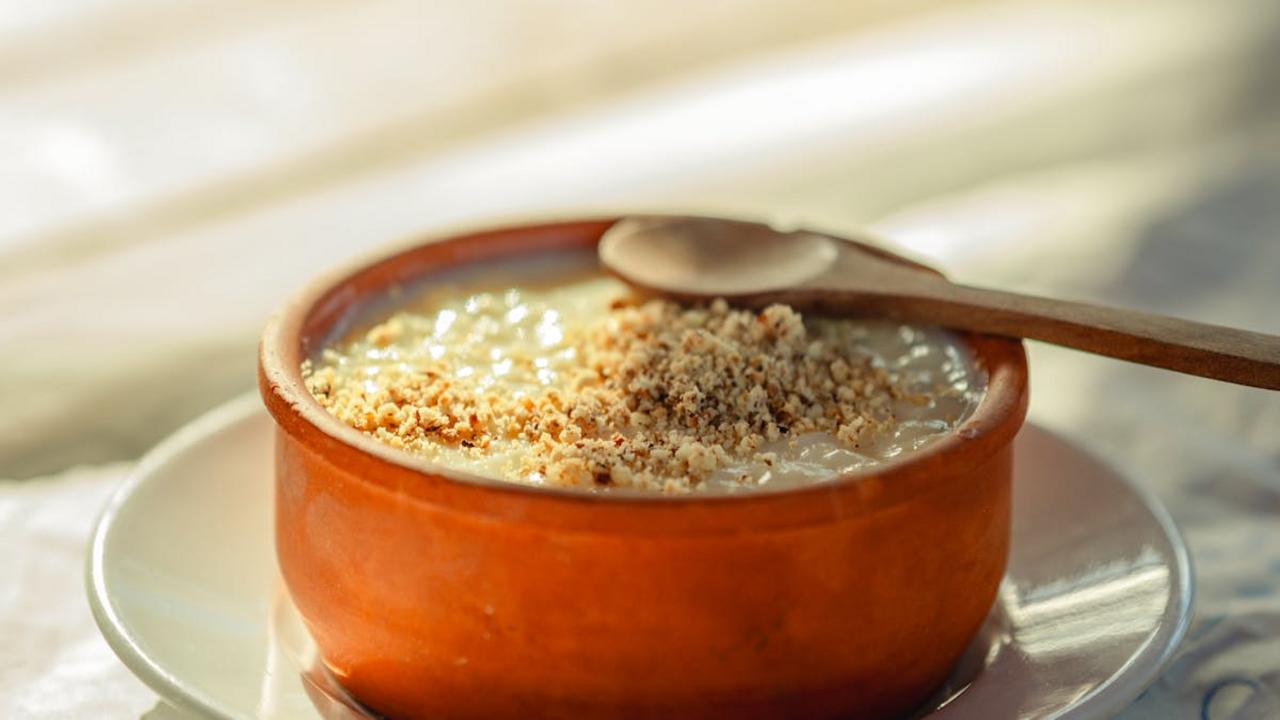
Oats are the unsung heroes of the pantry, quietly sitting there in their humble canister while flashier ingredients steal the spotlight. But here’s the thing: these little grains pack more versatility than a Swiss Army knife at a camping convention. Sure, you know them from breakfast, but oats can thicken soups, bind veggie burgers, create crispy coatings for chicken, and even masquerade as breadcrumbs in meatballs. Grind them into flour and suddenly you’re baking cookies that taste like childhood memories wrapped in a hug. They’re ridiculously cheap—often less than three bucks a container—and they last forever in your cupboard, which means you can forget about them for months and they’ll still be there, ready to save dinner on a Wednesday night when inspiration hits at 6 PM and your fridge looks like a barren wasteland.
The flavor profile of oats is beautifully neutral, which sounds boring until you realize it’s actually their superpower. They absorb whatever you throw at them, whether that’s cinnamon and brown sugar for breakfast or garlic and parmesan for a savory coating. Try toasting them in a dry pan until they smell nutty and golden—this takes maybe five minutes and transforms them from bland to magnificent. Toss toasted oats into salads for crunch, stir them into yogurt, or blend them with spices to create a seasoning crust for roasted vegetables. They add body to smoothies without the weird texture of protein powder, and they’re secretly the best thickener for budget-friendly stews when you’ve run out of cornstarch. Oats don’t judge your cooking skills or your grocery budget—they just show up and make everything better.
Lentils
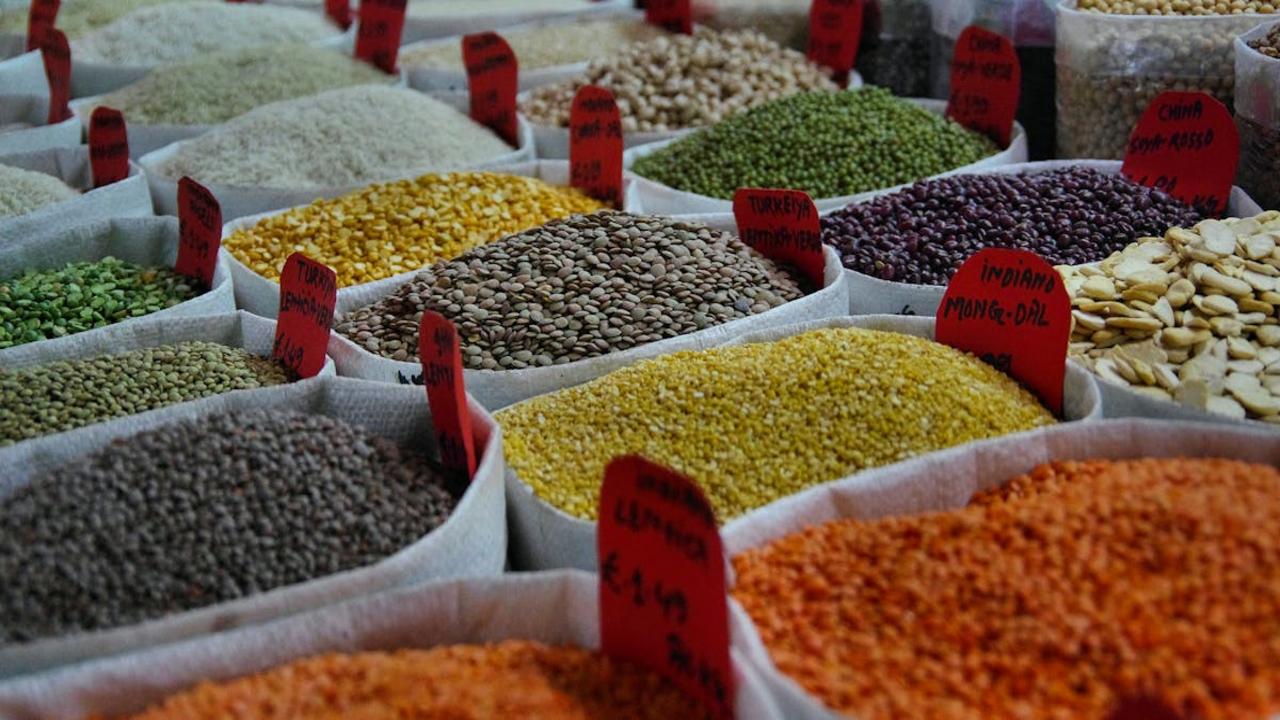
Lentils are the unsung heroes of the pantry, sitting there in their humble bags, waiting to transform into something magnificent. These tiny legumes pack a serious protein punch—about 18 grams per cooked cup—and they’re loaded with fiber, iron, and folate. But here’s what makes them truly spectacular: they don’t need soaking like their bean cousins. Toss them in a pot, and they’re ready in 20 minutes. Red lentils? Even faster. They practically cook themselves while you’re scrolling through your phone, which is exactly the kind of multitasking we can all appreciate. Plus, at around a dollar per pound, they’re cheaper than that questionable energy drink you bought this morning.
The flavor profile is earthy and nutty, making lentils incredibly versatile. Simmer them with curry spices for a warming dal, or cook them with garlic and tomatoes for a Mediterranean-style side dish. Brown and green lentils hold their shape beautifully in salads, while red ones break down into creamy soups that taste like you slaved over them for hours. Here’s a fun fact: lentils have been feeding humans for over 13,000 years—archaeologists found them in Middle Eastern cave dwellings. Your ancestors survived on these things, so maybe give them another chance instead of ordering takeout again. They’re proof that ingredients don’t need fancy packaging or a trendy origin story to be absolutely delicious.