10 Unusual Pasta Shapes Italians Can’t Get Enough Of
Picture this: rows of Italian grandmothers rolling their eyes at your boring spaghetti habit. Italy’s pasta game goes way beyond the usual suspects, and these ten shapes prove it. Each one has a backstory wilder than your last family dinner argument, from priest-strangling noodles to tiny ear-shaped treasures that trap sauce like they’re hoarding liquid gold.
These aren’t your average grocery store finds. We’re talking about regional specialties that locals guard more fiercely than their nonna’s sauce recipe. Some look like twisted jewelry, others resemble miniature bells or hand-rolled pebbles. Each shape exists for one reason: maximum sauce adhesion and texture perfection.
Ready to upgrade your pasta repertoire? These unusual shapes will transform your weeknight dinners from mundane to magnificent. Your regular fettuccine will feel personally attacked once you discover what you’ve been missing. Trust me, once you try busiate or lorighittas, there’s no going back to plain old penne.
Orecchiette
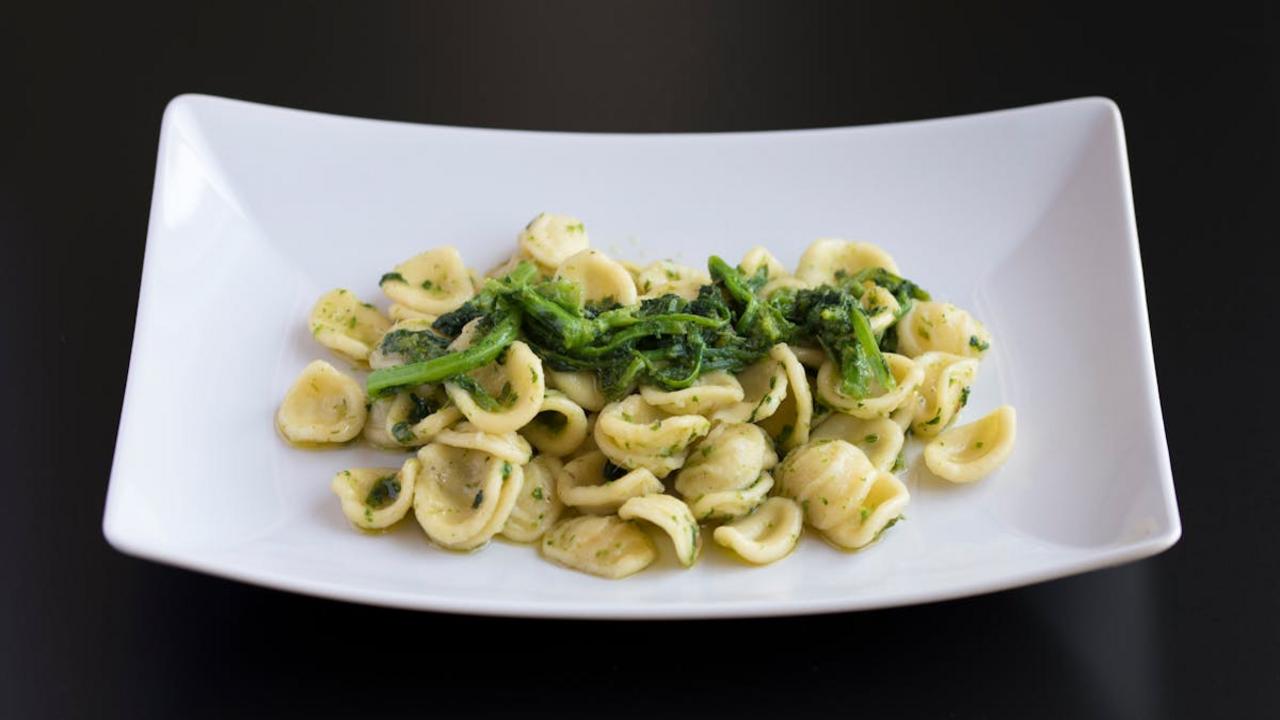
Picture this: tiny ear-shaped pasta discs that cup sauce like they were born for the job. That’s orecchiette for you—literally “little ears” in Italian. These concave beauties hail from Puglia, where nonnas have been hand-rolling them for centuries, pressing each one with their thumbs to create that signature shape. The genius lies in the design: the smooth exterior and rough interior create a textural contrast that makes every bite interesting. That dimpled center? It’s basically a sauce trap, catching chunky bits of whatever you’re serving. Traditionally, orecchiette pairs with broccoli rabe and sausage, a combination so perfect it’ll make you wonder why you ever bothered with other shapes.
Here’s something wild: authentic orecchiette should have a slightly rough texture because it’s made with just durum wheat semolina and water—no eggs. This rough surface helps sauce cling better than your ex at a party where they see you looking good. The pasta’s thickness means it takes longer to cook than your average penne, but that chewiness is exactly what makes it special. Try them with chunky vegetable sauces, ragù, or even in pasta salads where their sturdy structure won’t turn to mush. Pro tip: if you’re feeling ambitious, making them at home is actually easier than you’d think—just drag small pieces of dough with a butter knife, and boom, you’re basically Italian.
Lorighittas
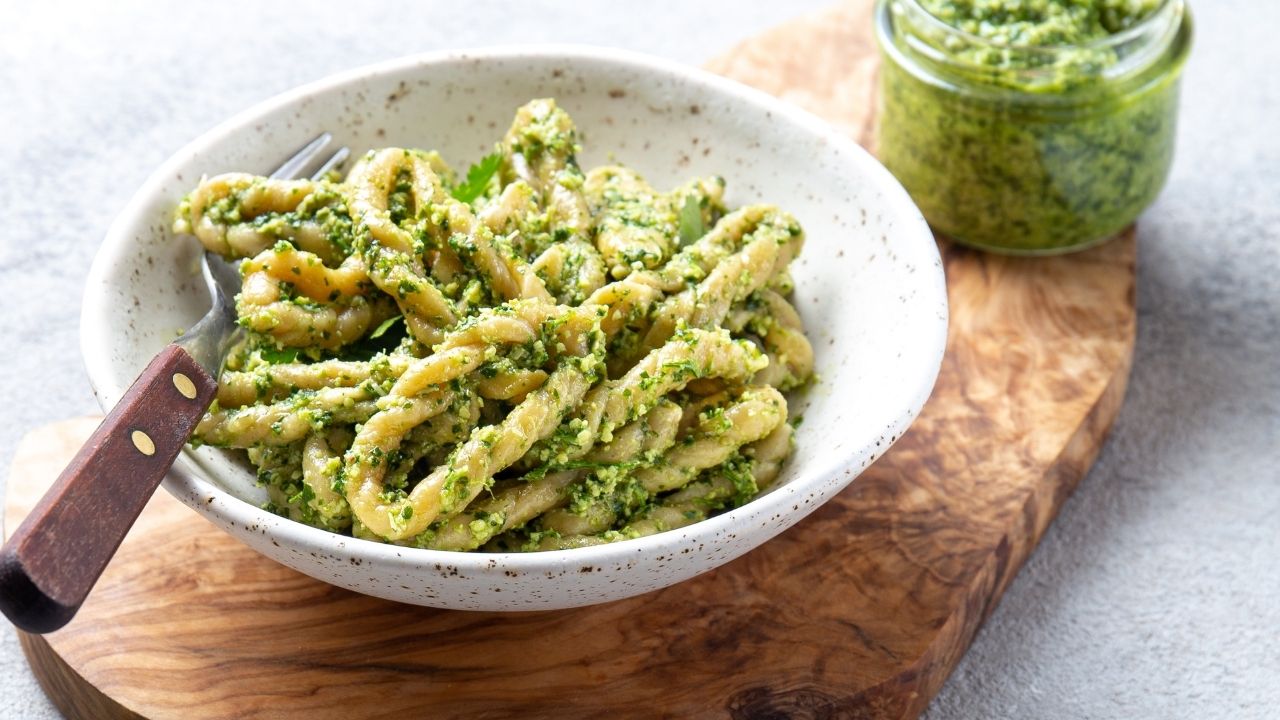
Picture this: you’re twisting and braiding pasta dough like you’re making friendship bracelets at summer camp, except the end result is way more delicious. That’s lorighittas for you—a ridiculously intricate pasta from Sardinia that looks like tiny woven rings or miniature wreaths. These beauties are traditionally made by hand, requiring serious finger dexterity and patience that most of us lack after our third cup of coffee. The name comes from the Sardinian word “loriga,” meaning ring, and boy, do these pasta loops deliver on that promise. They’re so labor-intensive that in some Sardinian villages, making lorighittas is still considered a communal activity where women gather to twist the dough while gossiping and sharing secrets—basically the original craft circle, but with carbs.
Here’s where lorighittas really shine: their braided structure creates little pockets and crevices that grab onto sauce like a toddler clutching their favorite toy. They’re traditionally served with rich meat ragùs or simple tomato sauces during special occasions and religious festivals, particularly around Christmas and Easter. The pasta’s unique shape means every bite is packed with flavor because that sauce has nowhere to hide. Finding authentic lorighittas outside Sardinia is trickier than convincing a cat to take a bath, but some specialty Italian markets carry them dried. If you’re feeling adventurous and have an afternoon to spare, you can attempt making them yourself—just know that your first batch might look more like abstract art than traditional pasta. But hey, imperfect lorighittas still taste amazing, and isn’t that what really matters?
Garganelli
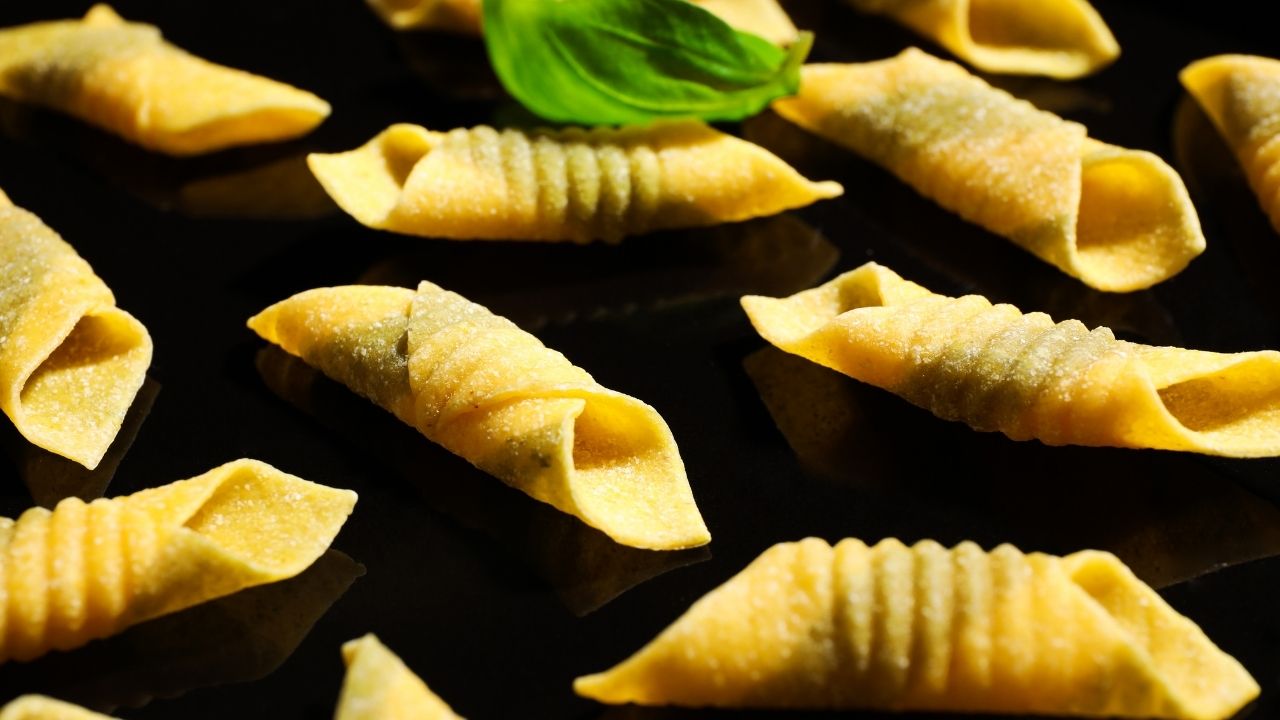
Picture this: penne’s more sophisticated cousin who went to finishing school and learned how to properly dress for dinner. Garganelli are hand-rolled tubes of pasta that look like they’ve been given tiny ridges by a miniature comb—because that’s exactly how they’re made! Traditional Italian cooks use a special ridged board called a pettine and a wooden dowel to roll each piece into its distinctive grooved, diagonal pattern. The ridges aren’t just for show, though they do make the pasta Instagram-worthy. Those little grooves are pasta engineering at its finest, creating perfect pockets that grab onto whatever sauce you’re serving. Think of them as tiny flavor highways that deliver maximum deliciousness in every bite.
Garganelli hail from Emilia-Romagna, the same region that blessed us with Parmigiano-Reggiano and prosciutto di Parma. Legend has it that a clever cardinal’s cook accidentally invented these beauties in 1725 when a cat ate the filling meant for tortellini. Rather than panic, the resourceful chef rolled the pasta squares around a stick, pressed them against a loom to create ridges, and served them anyway. The result? Pure genius. These days, garganelli pair beautifully with hearty ragùs, creamy sauces, or even a simple butter and sage situation. The best part? Unlike some fancy pasta shapes that require a PhD in Italian cooking, you can actually make garganelli at home with just a fork and a pencil if you’re feeling ambitious. They’re proof that sometimes the most elegant solutions come from happy accidents and hungry cats.
Fregola
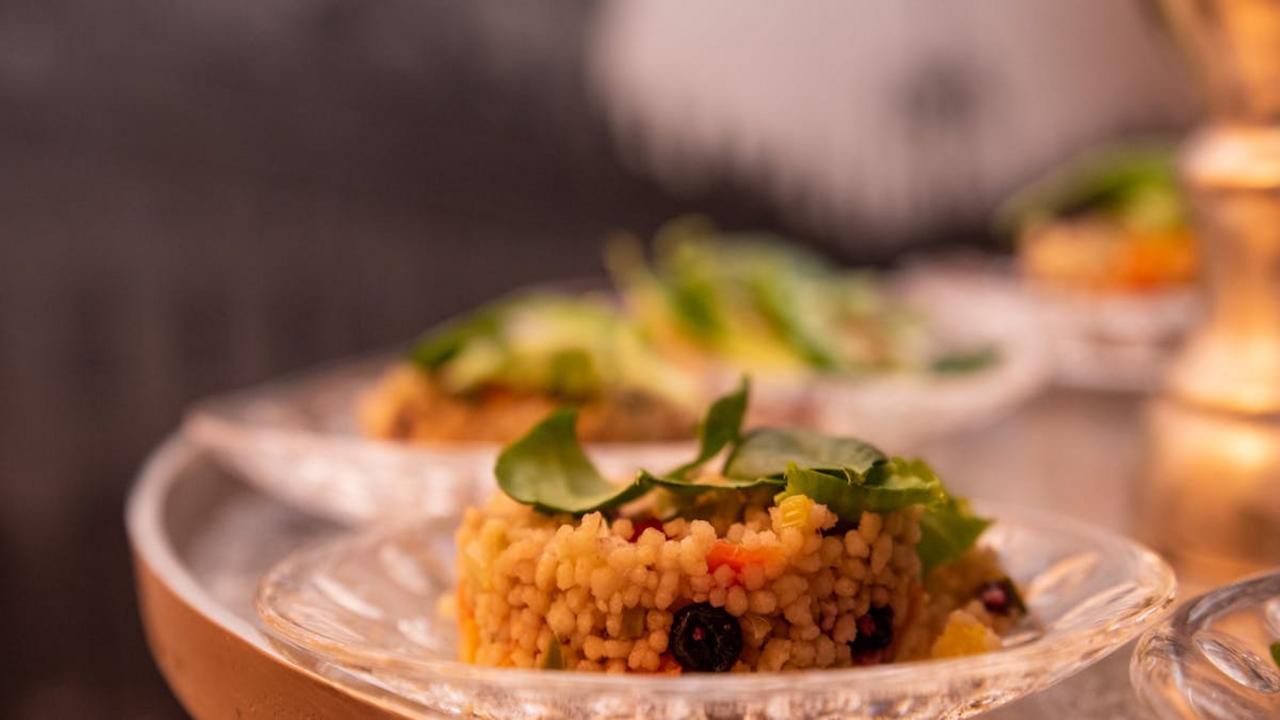
Picture this: you’re strolling through a Sardinian market, and someone hands you what looks like a bowl of tiny golden pearls. That’s fregola, and it’s about to change everything you thought you knew about pasta. This isn’t your average noodle—it’s more like couscous’s cooler, toasted Italian cousin. Made from semolina flour rolled into small balls and toasted until they’re gorgeously golden, fregola has a nutty flavor that’ll make you wonder why you ever settled for plain old spaghetti. The toasting process gives each little sphere a satisfying bite and a depth of flavor that’s downright addictive.
Sardinians have been making this stuff for centuries, and they’re pretty serious about it. The traditional way involves rubbing semolina dough in a terracotta bowl until it forms those perfect little balls, then toasting them until they’re just right. These days, you’ll most often find fregola swimming in seafood broths with clams, or tossed with tomatoes and bottarga (that’s cured fish roe, if you’re fancy). The texture is what gets people hooked—each grain soaks up whatever sauce you throw at it while maintaining that gorgeous chewy bite. Think of it as pasta that moonlights as a flavor sponge, catching every last drop of that delicious broth you’ve been slaving over. Trust me, once you try fregola con arselle (that’s fregola with clams), you’ll be booking a flight to Sardinia faster than you can say “carbs are life.”
Pici
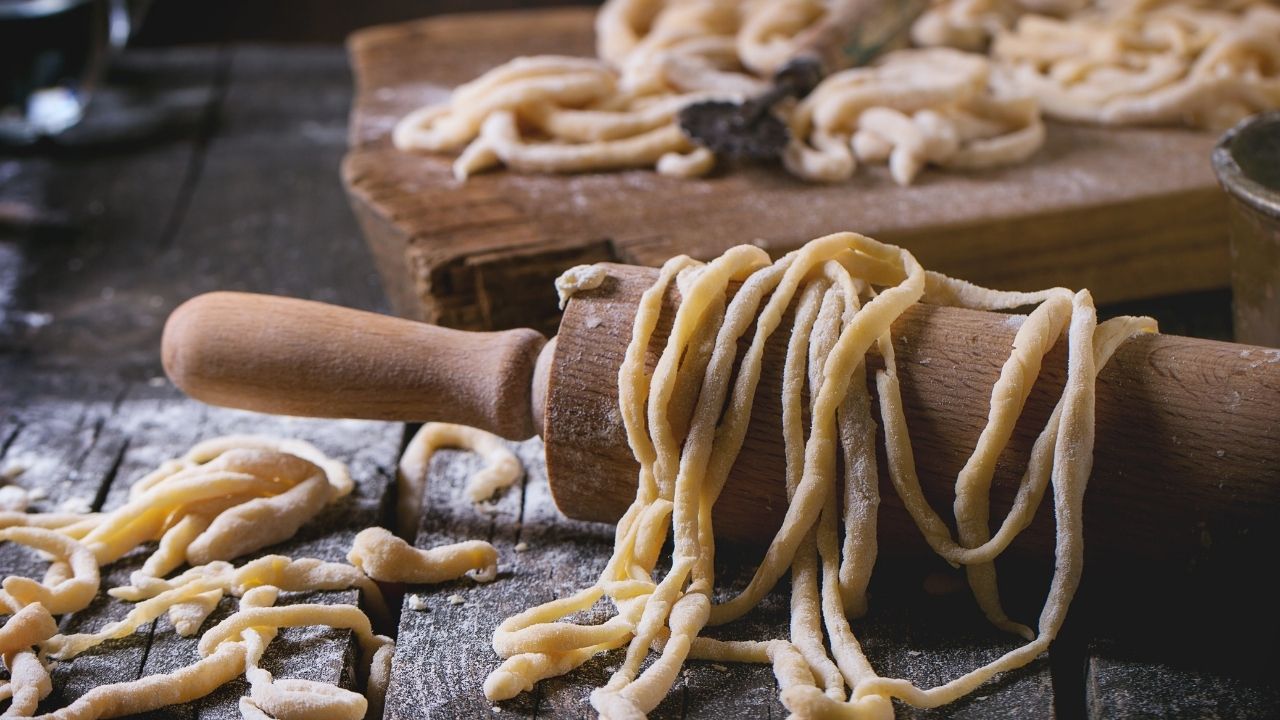
If spaghetti had a rustic, hand-rolled cousin who spent weekends hiking through Tuscan hills, that would be pici. This thick, hand-stretched pasta from Siena looks like fat worms made of dough, but trust me, it’s way more appetizing than that description suggests. Unlike most pasta shapes that require fancy equipment or a degree in Italian culinary arts, pici demands nothing more than flour, water, and your own two hands. The texture is gloriously chewy, almost rubber-band-like in the best possible way, with a rough surface that grabs onto sauce like it’s giving it a bear hug. Traditional Tuscan cooks roll each strand by hand on a wooden board, creating slightly irregular pieces that prove perfection is overrated. The inconsistency is actually the charm—some strands end up thicker than others, giving each bite a different chew factor that keeps things interesting.
Pici shines brightest when tossed with aglione sauce, a garlicky tomato concoction that uses massive garlic cloves from the Valdichiana valley. These aren’t your grocery store garlic cloves; we’re talking about bulbs the size of golf balls that somehow manage to be sweet and mellow instead of aggressively pungent. The sauce clings to every ridge and groove of the pasta, creating a flavor bomb that makes you understand why Tuscans have been making this stuff for centuries. If you want to try making pici at home, prepare for an arm workout—rolling out individual strands takes time and patience, but the payoff is pasta that tastes like someone’s Italian grandmother made it specifically for you. Pair it with a local Chianti, and you’ve basically transported yourself to a hillside trattoria without leaving your kitchen.
Campanelle
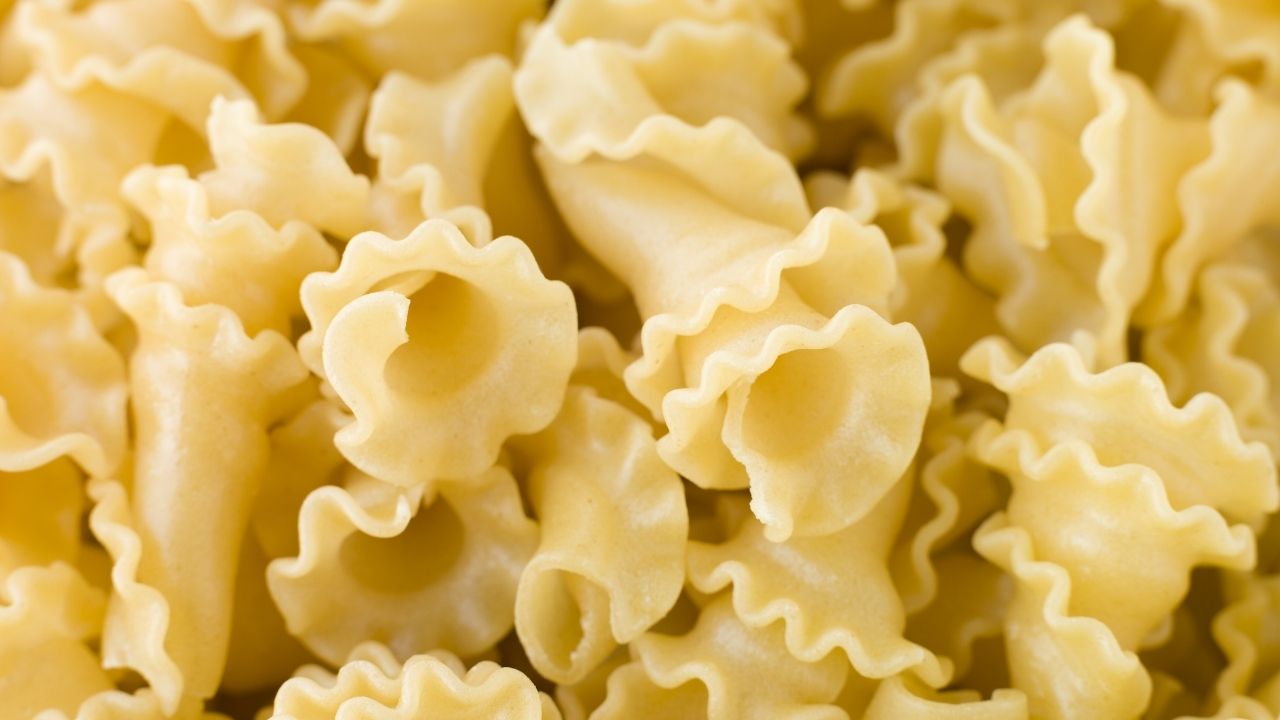
Picture a tiny flower made of pasta, and you’ve got campanelle—the bellflower-shaped noodle that looks like someone took a ruffled ribbon and pinched it into perfect little cones. These adorable pasta shapes originated in central Italy, specifically in the regions of Emilia-Romagna and Campania, where locals call them “gigli” or “riccioli” depending on who you ask and how heated the debate gets. The ruffled edges aren’t just for show—they’re brilliant at grabbing onto thick, chunky sauces, especially those loaded with vegetables, meat, or creamy cheese. When you bite into campanelle, you get this incredible texture contrast between the tender center and the slightly firmer frilly edges that make every forkful feel special.
What makes campanelle stand out is how versatile these little guys are in the kitchen. They’re fantastic in baked pasta dishes because all those nooks and crannies collect pockets of melted cheese and sauce that’ll make you close your eyes in happiness. Try them with a robust sausage ragu or a creamy mushroom sauce—the pasta’s shape creates this perfect ratio of sauce to noodle that keeps things interesting from the first bite to the last. Some Italian grandmothers swear by tossing campanelle with broccoli rabe, garlic, and anchovies for a quick weeknight dinner that tastes like you spent hours cooking. The shape also holds up beautifully in pasta salads, maintaining its structure even when dressed ahead of time, which means you can prep your lunch without ending up with a mushy mess by noon.
Busiate
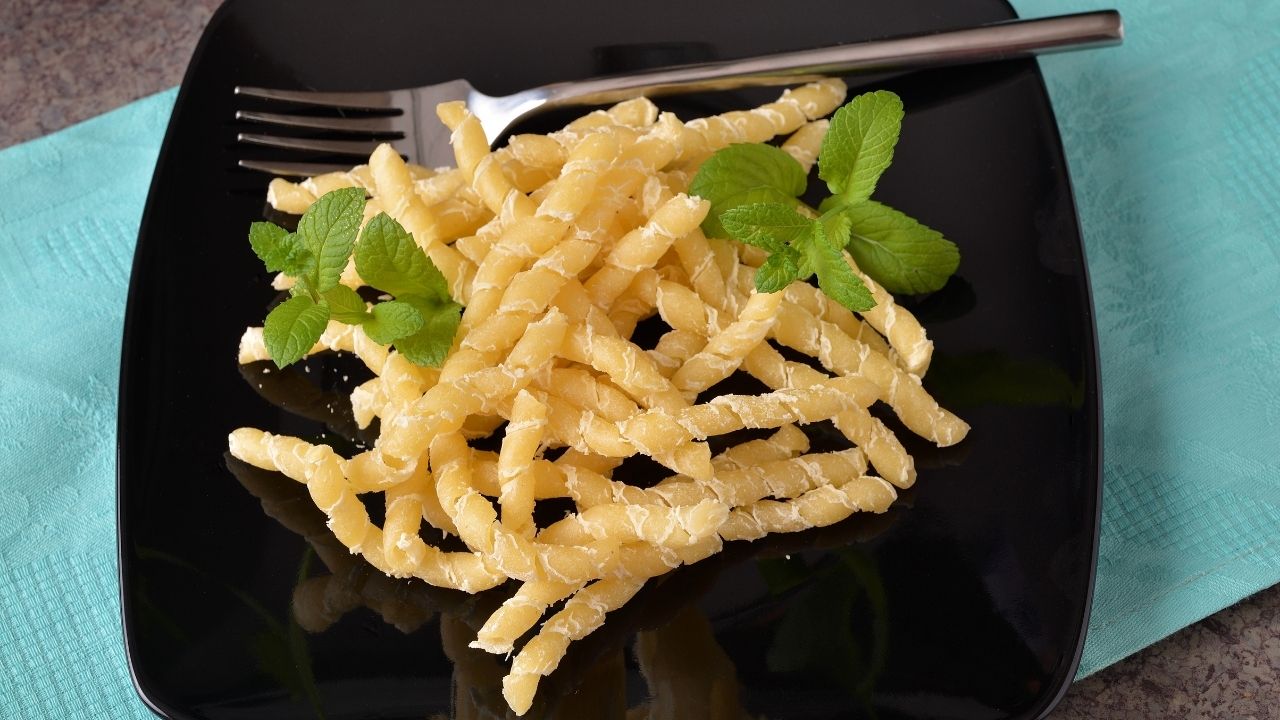
Picture a corkscrew that decided to become pasta, and you’ve got busiate. This Sicilian beauty twists and spirals like it’s auditioning for a pasta fashion show, and honestly? It deserves the runway. Traditionally made by wrapping dough around a thin rod or knitting needle (yes, really!), busiate originated in Trapani, where grandmothers have been perfecting this technique for centuries. The name comes from “busa,” the Sicilian word for the stem of local grass that was originally used for shaping. Those grooves aren’t just for show—they’re pasta engineering at its finest, designed to trap every drop of sauce like tiny flavor vaults.
If you want to eat busiate the way Sicilians do, pair it with pesto alla Trapanese, a chunky almond-tomato sauce that clings to those spirals like it was born for this moment. The texture is what makes busiate special—each piece has this satisfying chewiness that makes you slow down and actually taste your food instead of inhaling it like a vacuum cleaner. You can find busiate in specialty Italian shops or online, but if you’re feeling adventurous, grab a skewer and some semolina flour and make your own. Sure, your first attempts might look more like abstract art than pasta, but that’s half the fun. Plus, you’ll have serious bragging rights at your next dinner party.
Trofie
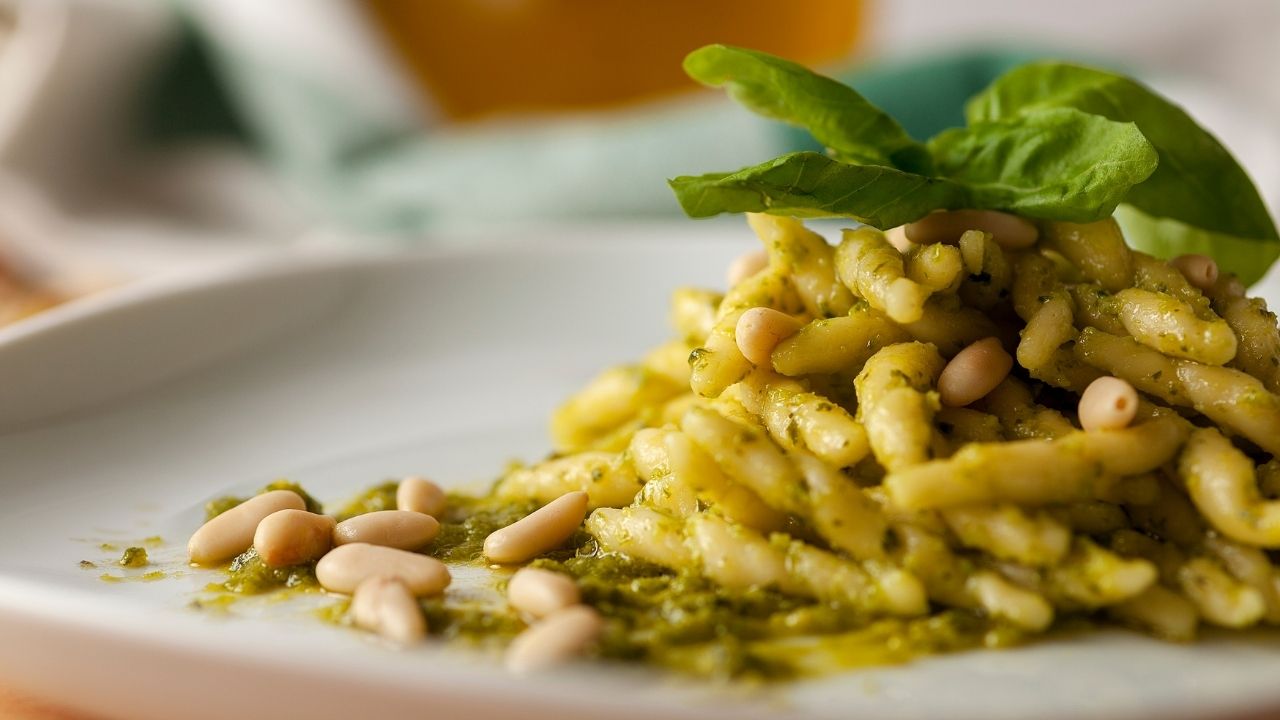
Picture this: you’re twirling a thin, twisted ribbon of pasta that looks like a tiny corkscrew designed by someone who had way too much espresso. That’s trofie, the Ligurian pasta that seems simple but has a personality all its own. These little spirals originated in the Golfo Paradiso region near Genoa, and they’re traditionally hand-rolled by dragging small pieces of dough across a wooden board with your palm. The motion creates these wonderfully imperfect twists that grab onto sauce like they’re getting paid for it. The genius here is in the shape—those grooves and curves mean every bite is packed with whatever you’re serving it with, whether that’s the classic pesto Genovese or a creamy walnut sauce that’ll make you question everything you thought you knew about pasta.
Now, here’s where trofie gets really interesting: locals in Liguria have strong opinions about whether you should make them perfectly uniform or leave them delightfully wonky. The wonky camp argues that irregular shapes catch even more sauce, while the perfectionists insist on consistency. Either way, these pasta twists are traditionally paired with green beans and potatoes in a combination that sounds weird until you try it and realize the Ligurians absolutely nailed it. The starch from the potatoes helps the pesto cling to everything, creating this cohesive dish that tastes like summer on the Italian Riviera. If you’re feeling ambitious, grab some semolina flour and channel your inner nonna—making trofie by hand is oddly meditative, though your forearms might disagree after the first dozen.
Cavatelli
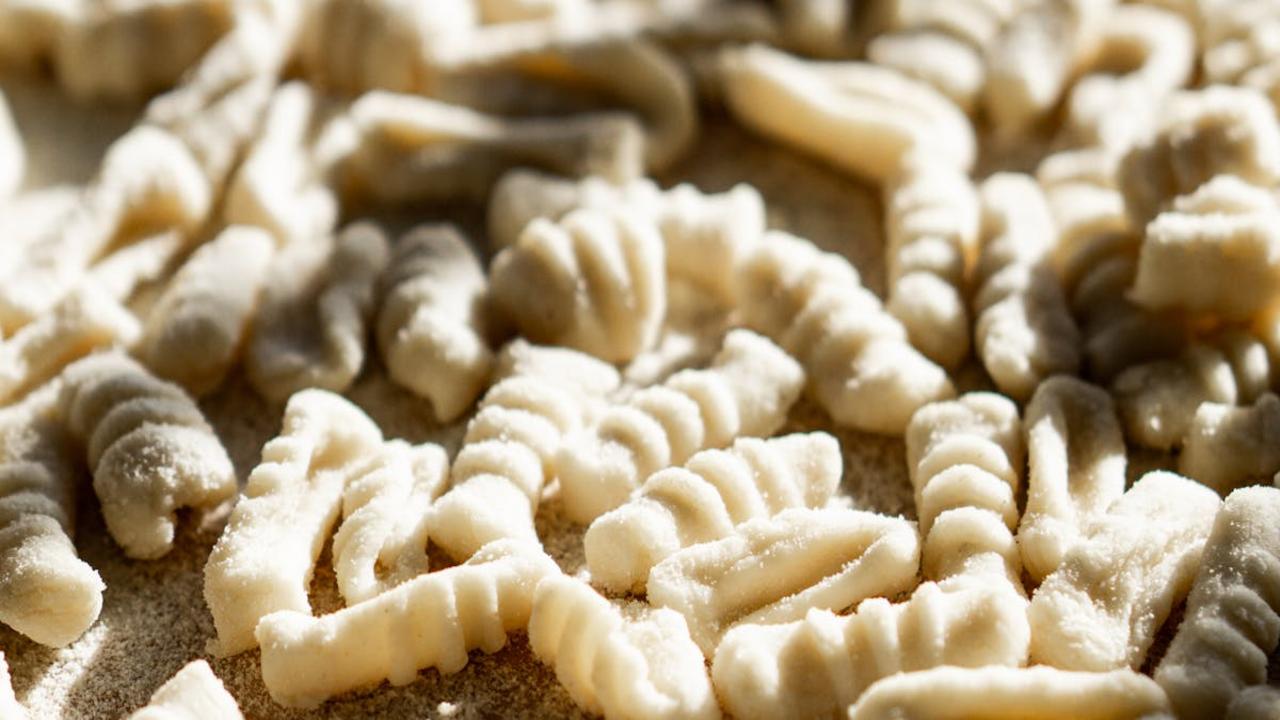
Picture tiny canoes made of dough, perfectly shaped to capture and cradle every drop of sauce you throw at them. That’s cavatelli for you—these little ridged beauties originated in Molise and Puglia, where nonnas have been rolling them out by hand for centuries using just flour, water, and the strength of their fingertips. The name comes from “cavare,” meaning to hollow out, which is exactly what you do when you press each piece with your index and middle fingers or drag them across a gnocchi board. The result? These adorable boat-shaped pasta bites that trap sauce in their grooves like edible sponges, making every mouthful a perfectly sauced experience.
Traditional cavatelli pairs beautifully with broccoli rabe and sausage, but honestly, these versatile guys work with almost anything you want to throw at them. Some people get fancy and add ricotta to the dough for an extra-tender texture, while purists stick with the simple two-ingredient version that’s been passed down through generations. Making them at home is surprisingly therapeutic—there’s something deeply satisfying about dragging each piece across a board and watching it curl into that signature shape. Fair warning though: once you start rolling, you might find yourself making way more than you intended because the process is oddly addictive. Keep some in the freezer for those nights when you need comfort food that actually delivers on its promise.
Strozzapreti
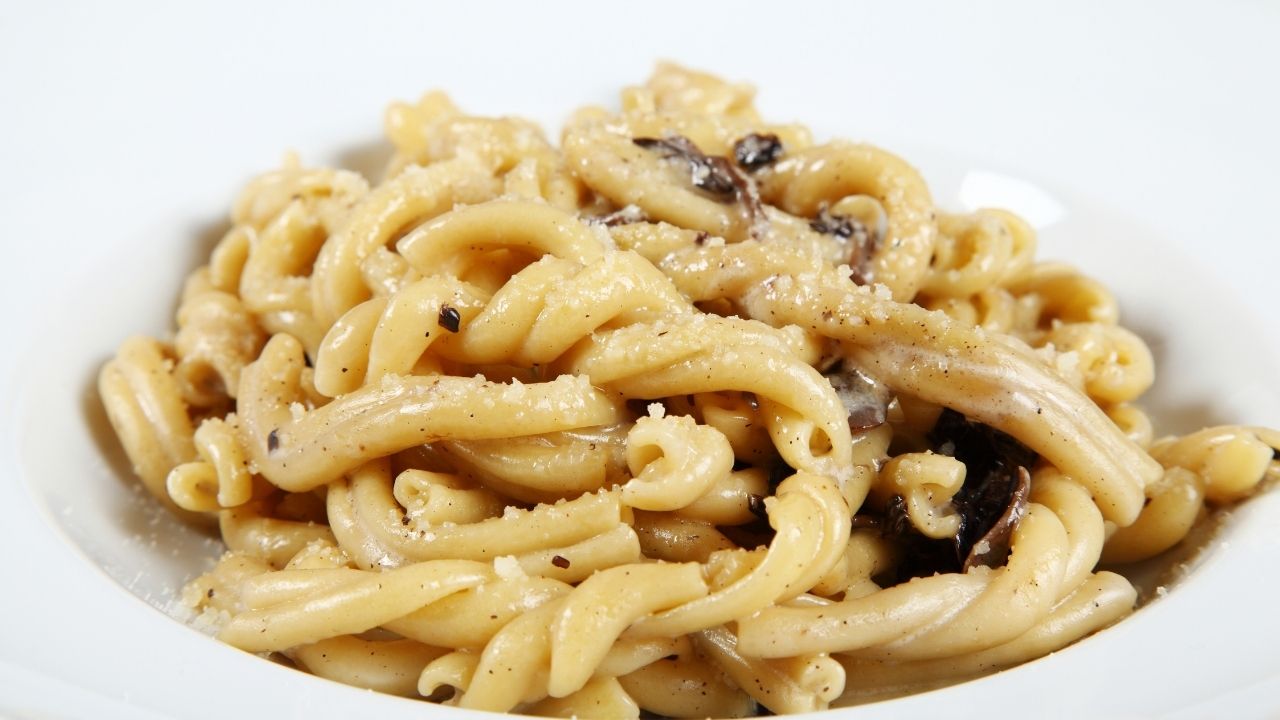
Picture this: a pasta so delightfully twisted it looks like someone grabbed a piece of dough and gave it a good wring. That’s strozzapreti for you, and the name? Well, it translates to “priest stranglers,” which is either the most Italian dark humor you’ll ever encounter or a reference to greedy priests choking on their food while eating too quickly. The legend goes that housewives made this pasta so irresistible that even the clergy couldn’t help but stuff their faces with reckless abandon. The shape itself resembles a rolled, twisted towel—thick enough to grab onto chunky sauces but with enough surface area to catch every drop of whatever deliciousness you’re pairing it with.
Making strozzapreti at home is surprisingly therapeutic if you’re into the whole “angry cooking” vibe. You roll strips of dough between your palms like you’re trying to start a fire, twisting and pressing until you’ve got these gorgeous, irregular spirals. They’re stubby, they’re rustic, and they absolutely shine with robust sauces—think wild boar ragù, creamy mushroom concoctions, or a simple garlic and olive oil situation that lets the pasta’s chewy texture take center stage. Emilia-Romagna claims this shape as its own, though you’ll find versions across central Italy, each region insisting theirs is the authentic one. Grab some semolina flour, channel your inner Italian grandmother’s vindictive energy toward hypothetical priests, and get twisting.