15 Foods That Stay Fresh at Room Temperature for Ages No Fridge Required
Your pantry holds more power than you think! While your fridge hogs electricity and demands constant attention, these fifteen kitchen champions laugh in the face of spoilage. They sit patiently on your shelves, ready for action whenever hunger strikes, proving that the best foods don’t need babysitting.
From ancient grains that fed civilizations to sweet treasures that outlast empires, these pantry heroes have mastered the fine art of longevity. Rice has sustained entire cultures for millennia, while honey remains so perfectly preserved that archaeologists still find edible samples in Egyptian tombs thousands of years old.
Stock up on these reliable companions and watch your grocery stress melt away. No more panicked midnight fridge raids or guilt over wilted vegetables. These foods transform your kitchen into a fortress of preparedness, where delicious meals await without expiration date anxiety keeping you awake at night.
Onions
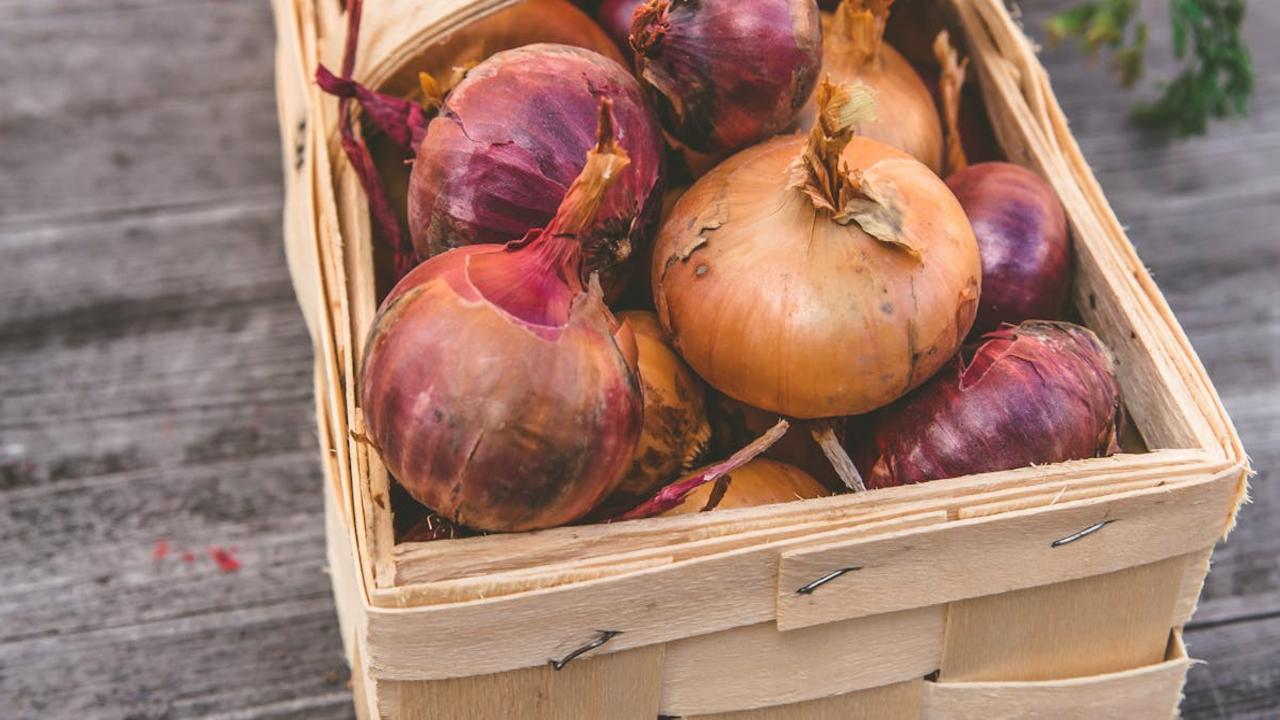
Your kitchen counter is the perfect home for these papery-skinned champions that can sit pretty for weeks without batting an eyelash. Onions possess an almost supernatural ability to stay fresh in a cool, dry, well-ventilated spot – think mesh bags or wooden bowls where air can dance around them freely. The secret lies in their natural defense system: those papery outer layers act like armor, protecting the juicy layers beneath from moisture and bacteria. Just keep them away from potatoes, because together they create a friendship that accelerates spoilage faster than you can say “French onion soup.”
These tear-inducing treasures have been making people cry happy tears for over 5,000 years, and ancient Egyptians worshipped them so much they buried pharaohs with onions for the afterlife (talk about eternal flavor!). Store your onions in a pantry, garage, or basement where temperatures hover between 45-55°F, and they’ll reward your patience by lasting 2-3 months. Sweet onions like Vidalias are the divas of the onion world – they prefer slightly cooler conditions and won’t stick around quite as long as their sharp-tongued yellow cousins. Pro tip: once you cut into an onion, pop those leftovers in the fridge wrapped tightly, because even these storage superstars need a little help once their protective barrier gets breached.
Raw Potatoes
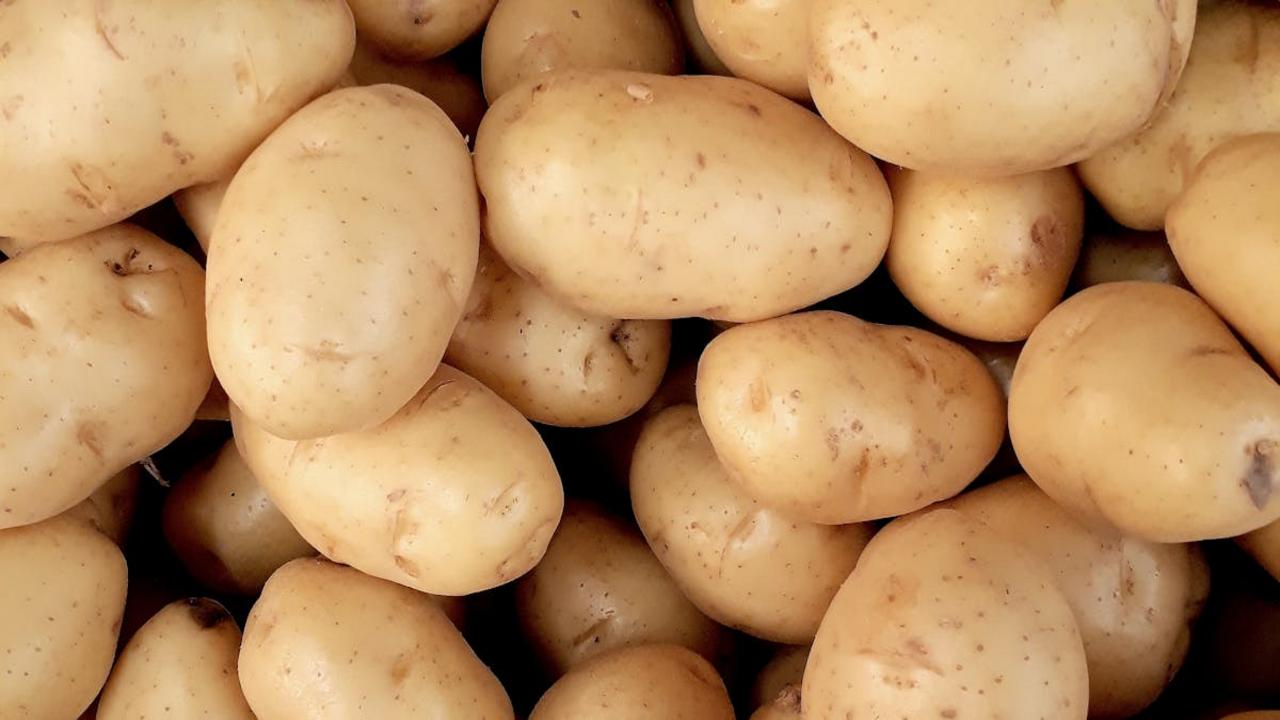
Raw potatoes are the ultimate pantry champions, sitting pretty in your kitchen for weeks without demanding a single bit of refrigerated real estate! These humble tubers laugh in the face of spoilage when stored correctly in a cool, dark place like your pantry or a basement corner. I keep mine in a breathable mesh bag away from onions (they’re frenemies that make each other sprout faster), and they reward me with months of reliable starch-filled goodness. The secret lies in their natural protective skin and low moisture content – nature’s own preservation system that puts our modern food storage tricks to shame.
Here’s something that’ll blow your mind: potatoes actually get sweeter in cold storage because their starches convert to sugars, but room temperature keeps them in their perfect savory state. You can tell a potato’s gone rogue when it starts sprouting eyes or turning green (that’s solanine, a natural toxin that makes them bitter and potentially harmful). I once discovered a forgotten bag of potatoes that had been hiding behind my flour for three months – still firm, still perfect for my weekend mashed potato experiments! Just remember to give them a quick inspect before cooking, and these reliable root vegetables will never let you down in the kitchen.
Hard Candy

You know that dusty jar of hard candy sitting in your grandmother’s living room that’s been there since the Clinton administration? Yeah, that stuff is probably still perfectly fine to eat. Hard candy basically laughs in the face of time, thanks to its ridiculously low moisture content and sky-high sugar concentration. Sugar acts like nature’s own preservative, creating an environment so hostile to bacteria that even the most determined microbes throw up their tiny hands and surrender. I once found a bag of peppermints in my car’s glove compartment that had survived three summers, two moves, and a questionable amount of neglect – they tasted exactly the same as the day I bought them.
The secret behind hard candy’s immortality lies in its simple chemistry: when you remove almost all the water and pack in enough sugar, you create what food scientists call a “low water activity” environment. Bacteria need moisture to party and multiply, but hard candy keeps them thirstier than a cactus in the desert. Store your hard candy in a cool, dry place away from humidity, and it can outlast your New Year’s resolutions by decades. Just keep an eye out for that telltale stickiness or white bloom that appears when moisture sneaks in – that’s your cue that maybe it’s time to refresh your candy stash. Pro tip: those individually wrapped pieces last longer than loose candies because they’re protected from humidity and won’t stick together into one giant candy boulder.
Salt
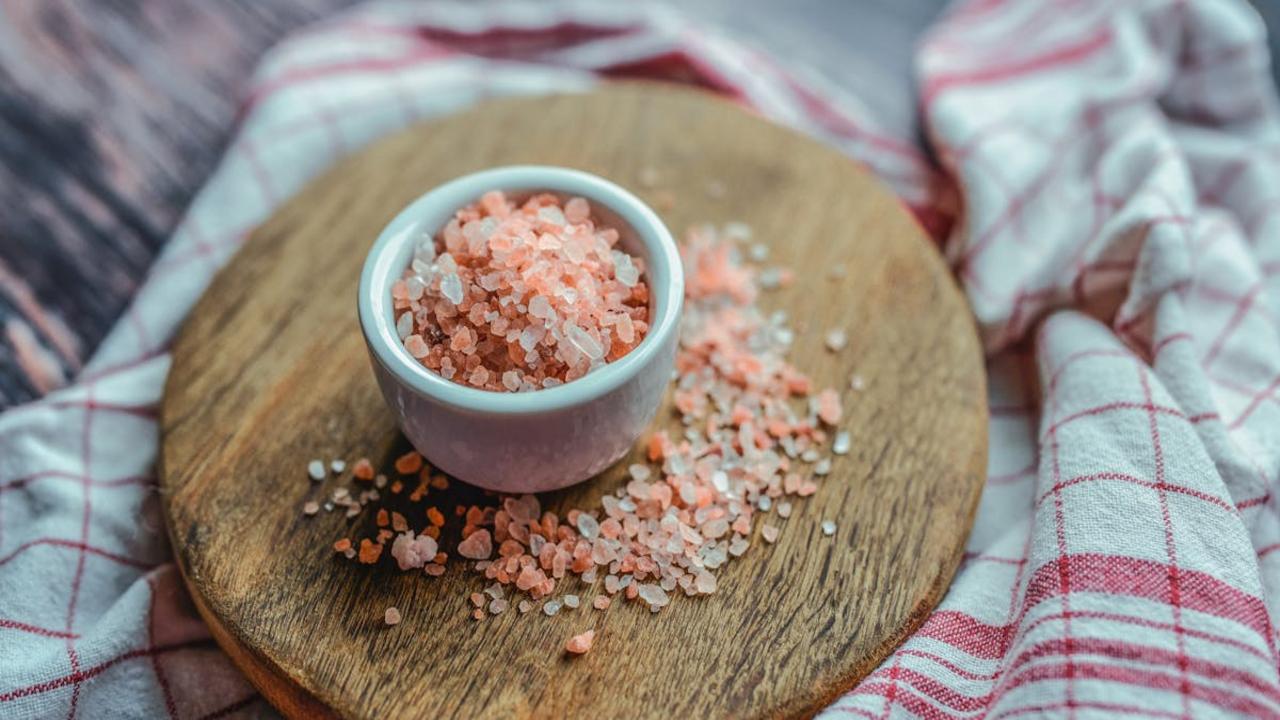
Salt is basically the immortal vampire of your pantry – this crystalline wonder has been sitting pretty in tombs with mummies for thousands of years, and guess what? It’s still perfectly good to go! You could probably find a jar of salt buried in your great-grandmother’s basement, dust it off, and sprinkle it on your fries without a second thought. The reason salt laughs in the face of expiration dates is simple: bacteria need moisture to party, and salt is the ultimate moisture-sucking bouncer that kicks water molecules right out of the club.
Here’s where things get wild – salt doesn’t just preserve itself, it’s been moonlighting as nature’s food preservation superhero since before refrigeration was even a twinkle in someone’s eye. Ancient civilizations literally paid their soldiers in salt (hello, salary!), and Roman roads were built to transport this precious white gold. Your humble table salt sitting next to your stove right now shares DNA with the same stuff that preserved Viking fish and kept Napoleon’s army fed. Just keep it in a dry spot away from humidity, because even though salt is tough as nails, it gets cranky when moisture tries to crash the party and turns it into a rock-hard brick.
Corn Starch

You know that mysterious white powder hiding in your pantry corner? That’s cornstarch, and it’s basically the Clark Kent of kitchen ingredients – mild-mannered by day, superhero by night. This unassuming powder can sit happily in your cabinet for literally years without going bad, making it the ultimate pantry MVP. I once found a container of cornstarch that had been lurking behind my baking soda since 2019, and guess what? Still perfectly fine! The secret lies in its bone-dry nature – moisture is cornstarch’s only real enemy, so keep it sealed tight and it’ll outlast your favorite cooking shows.
Here’s where things get wild: cornstarch isn’t just for thickening your gravy (though it does that beautifully). Mix it with water and you’ve got oobleck – that freaky substance that acts like a liquid until you punch it, then suddenly becomes solid. My niece discovered this during a rainy afternoon, and let me tell you, watching a six-year-old chase “liquid cement” around the kitchen table was better than Netflix. Beyond party tricks, cornstarch works magic in stir-fries, creates silky smooth puddings, and even helps your fried chicken achieve that perfect crispy coating. Just remember: always mix it with cold liquid first, or you’ll end up with lumpy disappointment that looks like cottage cheese gone wrong.
All Purpose Flour
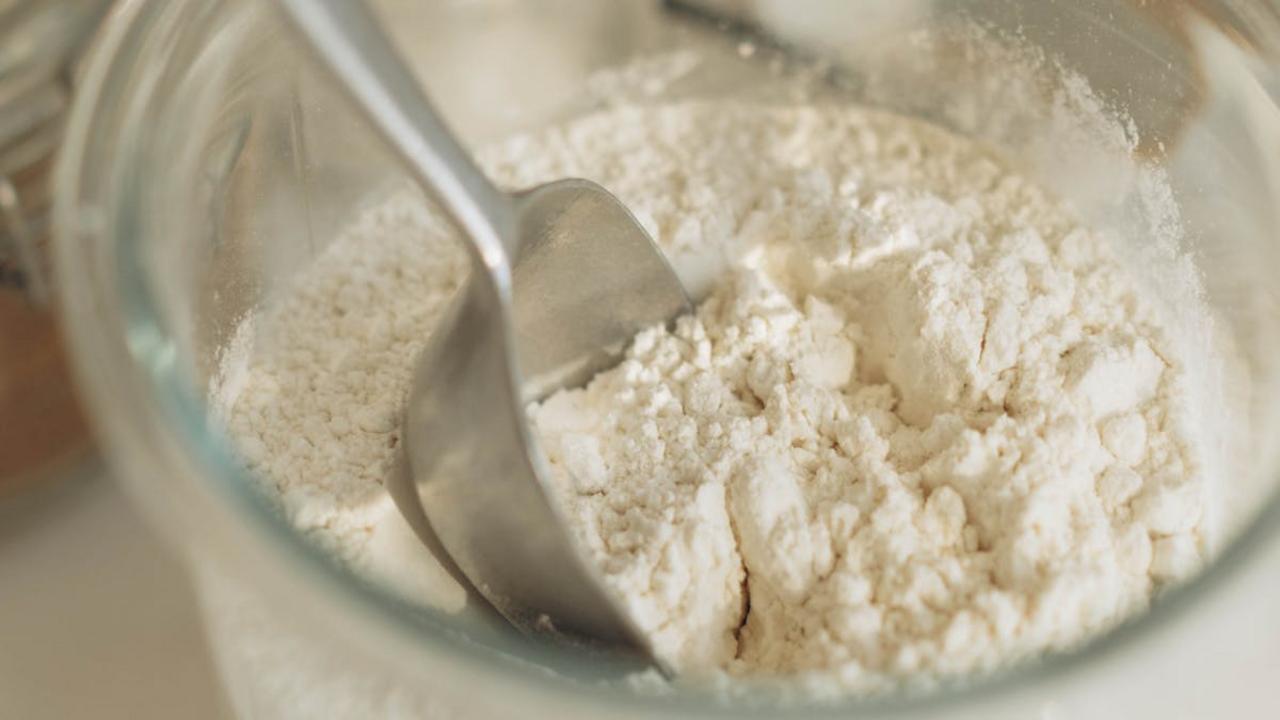
You know that dusty bag lurking in your pantry corner? That’s your trusty all-purpose flour, silently plotting to become anything from fluffy pancakes to crispy pizza crust. This white powdery superhero can sit pretty at room temperature for up to eight months without breaking a sweat – no refrigeration required! Just tuck it away in an airtight container in a cool, dry spot, and you’re golden. Fun fact: flour gets its long shelf life because it’s basically wheat that’s been ground into submission and stripped of most moisture, making it inhospitable to bacteria and mold.
Here’s where things get interesting – flour actually improves with age (unlike my knees). Fresh flour can be a bit temperamental for bread making, but give it a few weeks to mature, and those proteins develop better gluten-forming capabilities. I keep mine in a sealed glass jar because nothing ruins your baking mood faster than discovering weevils having a flour party in your pantry. Pro tip: if you want to extend its life even further, pop it in the freezer for 48 hours when you first buy it to kill any potential bug eggs, then store it normally. Your future self will thank you when that midnight cookie craving hits!
Olive Oil
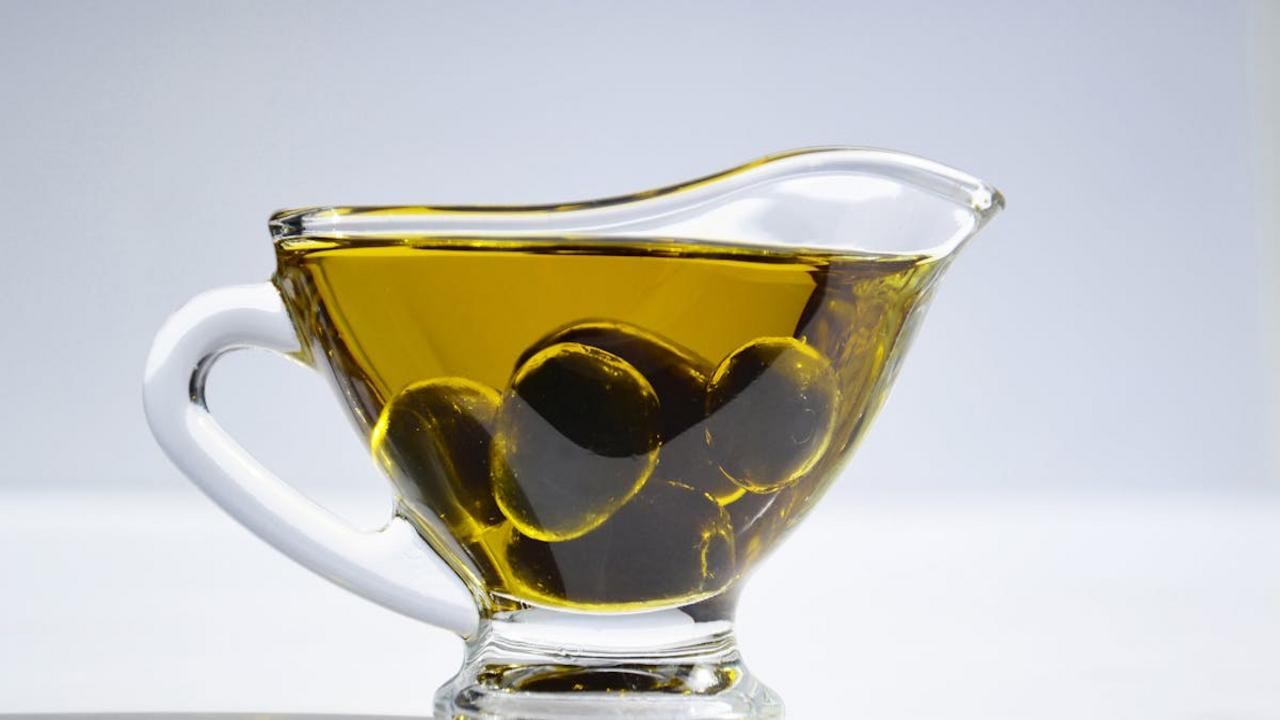
Your kitchen counter just found its golden ticket to flavor town, and it goes by the name of olive oil. This liquid sunshine doesn’t need refrigeration – in fact, cold temperatures turn it thick and cloudy, like a moody teenager who refuses to cooperate. Store your bottle in a cool, dark cabinet away from the stove’s heat, and it’ll stay perfect for up to two years. I keep mine next to my spice rack, where it whispers sweet promises of Mediterranean magic every time I reach for the oregano.
Here’s something that’ll make you chuckle: ancient Greeks used olive oil for everything from cooking to moisturizing their skin, and even as fuel for their lamps. Talk about multitasking! Today, you can drizzle extra virgin olive oil over fresh bread, create simple vinaigrettes, or use it for gentle sautéing. Pro tip from my grandmother’s playbook – if your olive oil starts tasting bitter or rancid, it’s time to bid farewell. Good olive oil should taste fruity and peppery, not like it’s been holding grudges against your taste buds.
Rolled Oats
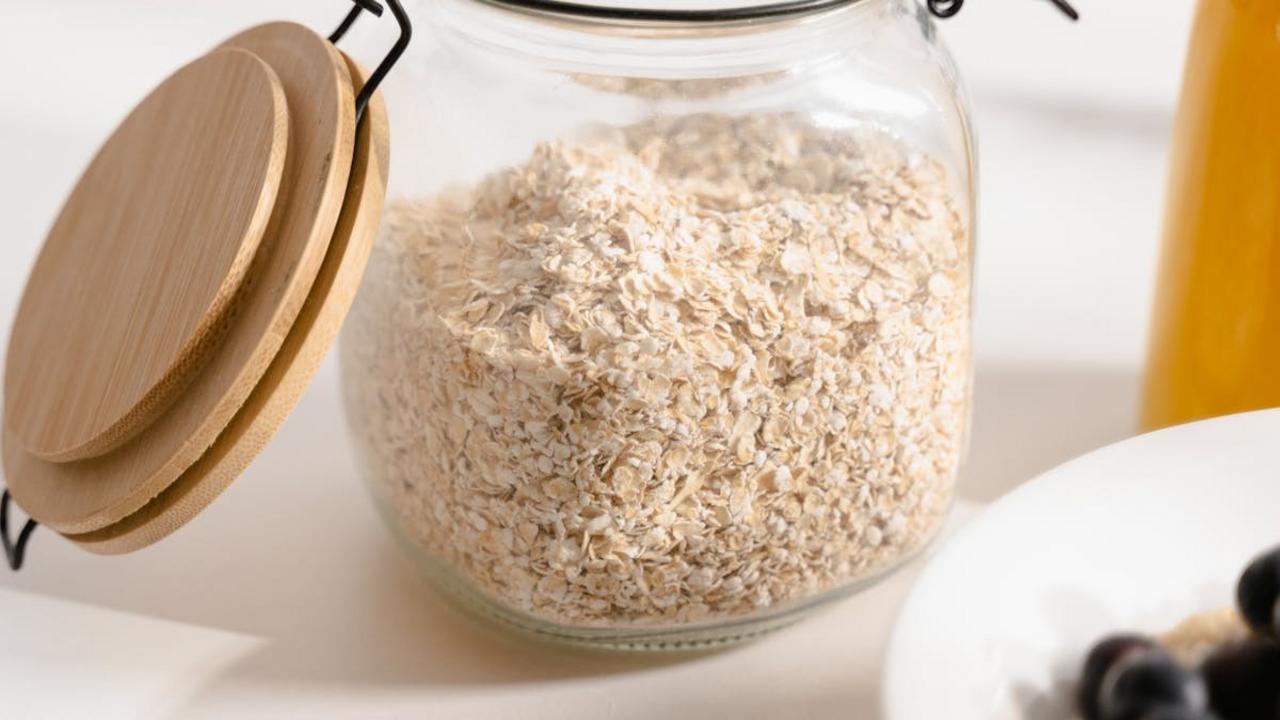
You know those humble little flakes sitting in your pantry like tiny golden coins? Rolled oats are basically the superheroes of the breakfast world, and they don’t need your fridge’s cold embrace to stay fresh for months on end. These flattened oat groats (yes, that’s their real name, and it sounds like something a hobbit would eat) can hang out in an airtight container at room temperature for up to two years without losing their nutty charm. The magic happens because oats naturally contain compounds called avenanthramides—antioxidants that act like tiny bodyguards, protecting against rancidity and keeping your breakfast dreams alive.
Here’s where it gets fun: you can throw these versatile beauties into practically anything! Blend them into flour for pancakes, mix them raw into yogurt for crunch, or create overnight oats that’ll make you feel like a meal-prep genius. My personal favorite trick? Toast them in a dry skillet for three minutes until they smell like heaven had a baby with a bakery. The Scots have been onto this oat game since the 1600s, traditionally making porridge so thick you could allegedly stand a spoon upright in it. While I don’t recommend testing that theory at breakfast, I do recommend keeping a hefty supply of these pantry champions on hand—they’re basically edible insurance for those “what’s for breakfast?” panic moments.
Dried Beans
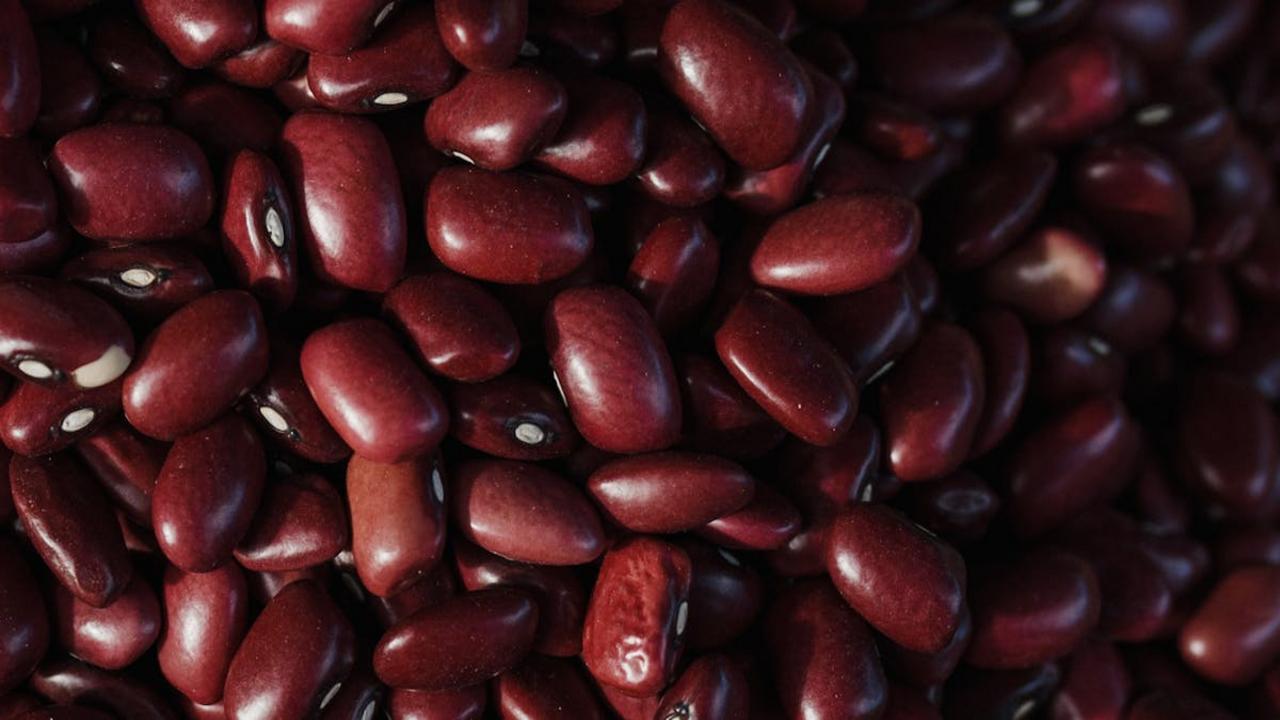
Picture this: you’re rummaging through your pantry at 11 PM, wondering what magical meal you can conjure from the depths of your food fortress, and there they sit—your trusty bag of dried beans, grinning back at you like old friends who never judge your questionable life choices. These little powerhouses can hang out in your cupboard for literally years without batting an eyelash, quietly waiting for their moment to shine in your next chili masterpiece or hearty soup adventure. Unlike their canned cousins who take up precious real estate and cost twice as much, dried beans are the ultimate budget-friendly pantry champions that laugh in the face of expiration dates.
Here’s where it gets wild—archaeologists have actually found beans in Egyptian tombs that were still edible after thousands of years! While I don’t recommend testing ancient legumes on your digestive system, this fun fact proves just how incredibly shelf-stable these protein-packed gems really are. Store them in airtight containers away from light and heat, and they’ll reward you with endless possibilities: creamy white beans for your winter stews, black beans for taco Tuesday, or chickpeas ready to transform into hummus at a moment’s notice. Sure, they need a good overnight soak and some patience, but what’s a little planning ahead when you’re getting restaurant-quality flavor for pennies on the dollar?
Coffee Beans
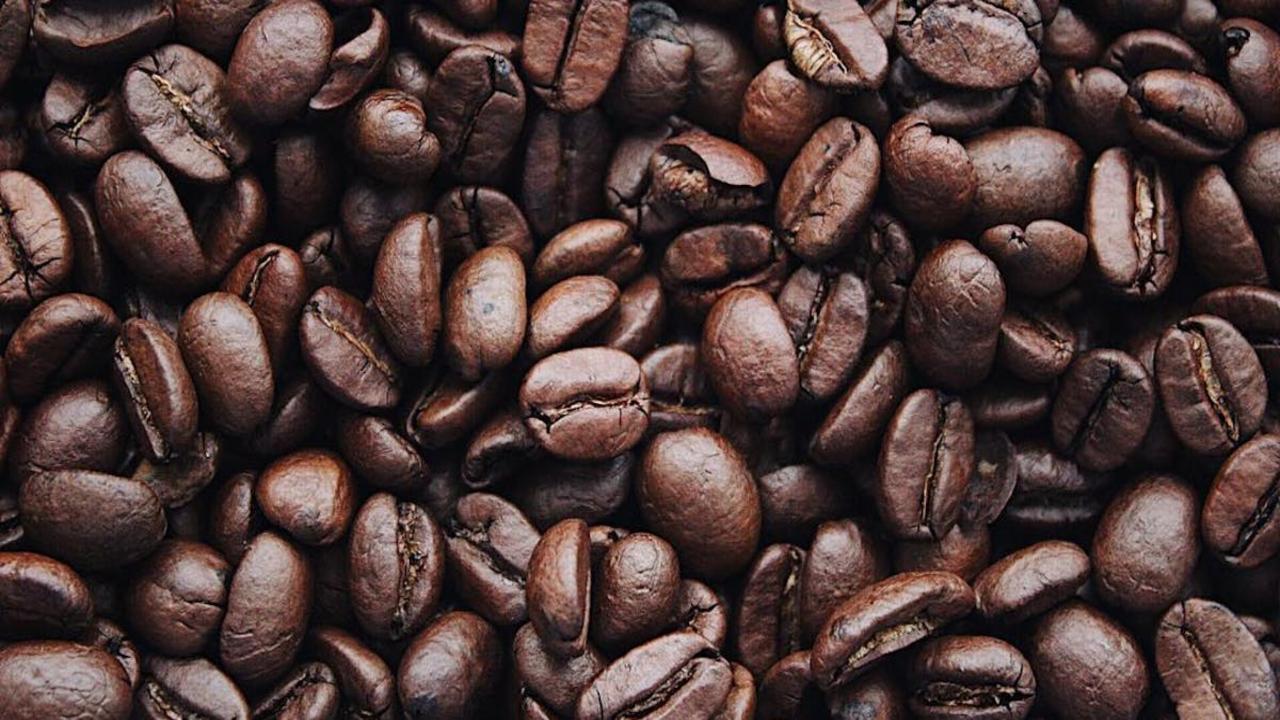
Your morning ritual depends on those magical little beans sitting pretty in your pantry, and here’s the beautiful truth: whole coffee beans are basically the superheroes of shelf-stable foods. These aromatic gems can hang out at room temperature for months without batting an eyelash, laughing in the face of refrigeration demands. Store them in an airtight container away from light and heat, and they’ll reward you with consistent flavor for up to six months. Ground coffee? That’s a different story entirely – it starts losing its mojo within weeks, which is why smart coffee lovers invest in a decent grinder and keep their beans whole until that magical brewing moment arrives.
The secret behind their impressive staying power lies in their natural oils and low moisture content, making them practically bulletproof against spoilage. I once discovered a forgotten bag of beans buried behind my pasta collection – six months later, they still brewed a respectable cup that didn’t make me question my life choices. Sure, they weren’t at peak flavor, but they were perfectly safe and surprisingly decent. Pro tip: buy your beans from places with high turnover, because fresher starting points mean longer-lasting pantry companions. And if you’re feeling fancy, those one-way valve bags aren’t just marketing gimmicks – they actually help maintain freshness by releasing carbon dioxide while keeping oxygen out.
Brown Sugar
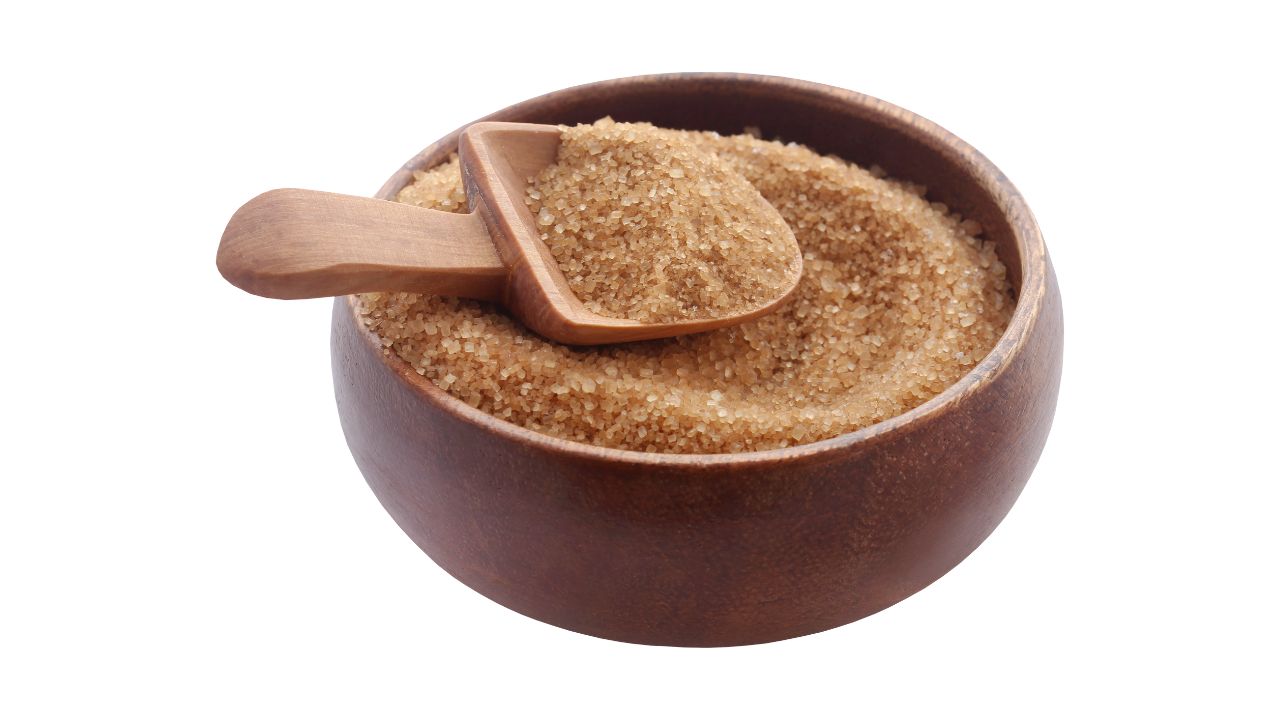
Brown sugar sits in your pantry like that reliable friend who never lets you down – always ready to sweeten the deal without any fuss or refrigeration drama. This caramelized wonder can hang out at room temperature for up to two years if you store it properly, which basically means keeping it sealed tight in an airtight container. The secret behind brown sugar’s impressive staying power lies in its molasses content, which acts like a natural preservative while giving it that rich, complex flavor that makes your cookies sing and your oatmeal dance with joy.
Here’s the thing about brown sugar that’ll make you giggle: it has a tendency to turn into concrete when exposed to air, creating what I like to call “sugar rocks” that could probably be used as construction materials. But don’t panic if your brown sugar decides to go all geology experiment on you – just toss a slice of bread or a few marshmallows into the container for a day or two, and watch the magic happen as it softens back to its scoopable glory. Pro tip: if you’re feeling fancy, store it with a terra cotta disk (yes, they make special ones just for this purpose) to keep it perfectly soft and ready for your next baking adventure.
White Sugar
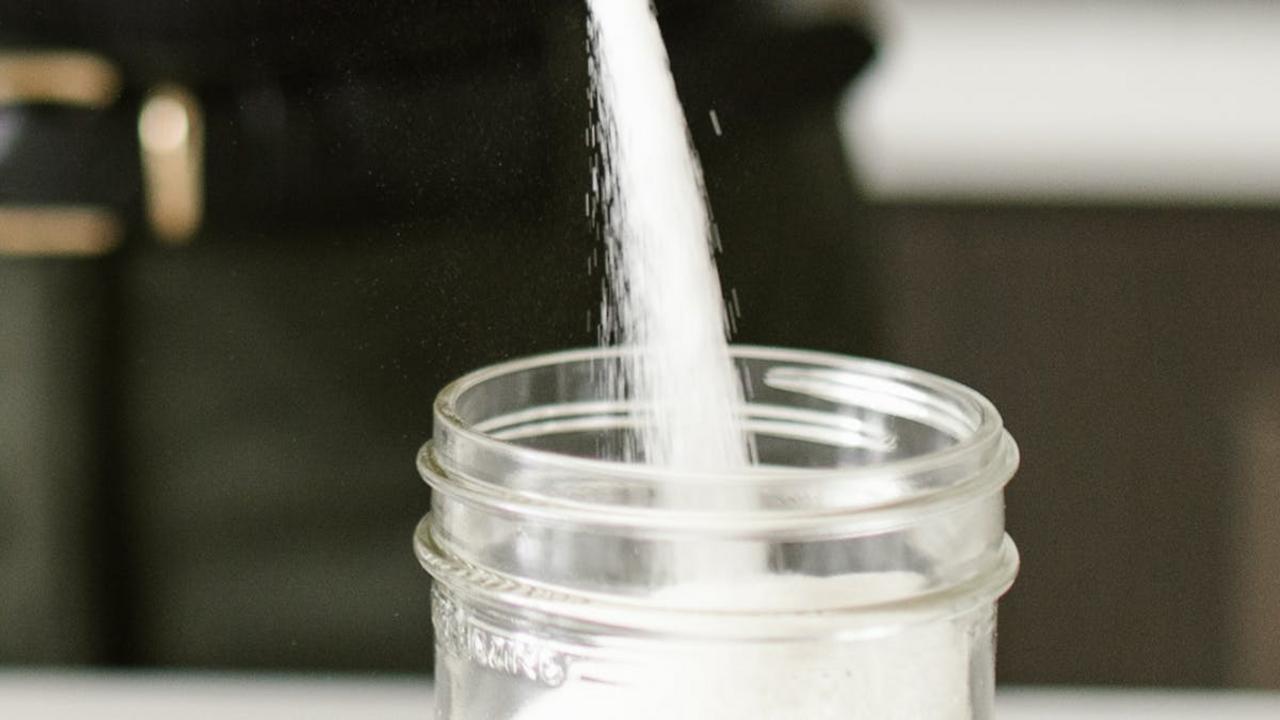
White sugar sits in your pantry like that reliable friend who never ages, never changes, and never lets you down. This crystalline wonder has basically achieved immortality in granular form – archaeologists have found sugar that’s centuries old and still perfectly usable! The secret lies in sugar’s bone-dry nature and its ability to create an environment so hostile to bacteria that even the most determined microbes wave their tiny white flags in surrender. Your sugar bowl could outlast your great-grandchildren if stored properly in an airtight container, making it the ultimate pantry investment.
I once discovered a forgotten bag of sugar tucked behind some canned goods, covered in enough dust to write my name in – turns out it had been there for three years and was still as sweet and functional as the day I bought it. Sugar’s superpower comes from its ability to bind water molecules so tightly that bacteria can’t access the moisture they need to multiply. Just keep it away from humidity (because nobody wants rock-hard sugar chunks), store it in a sealed container, and you’ll have sweetness on demand for decades. Whether you’re baking midnight cookies or sweetening your morning coffee, this pantry champion will be there, ready to transform the ordinary into something delicious.
Honey
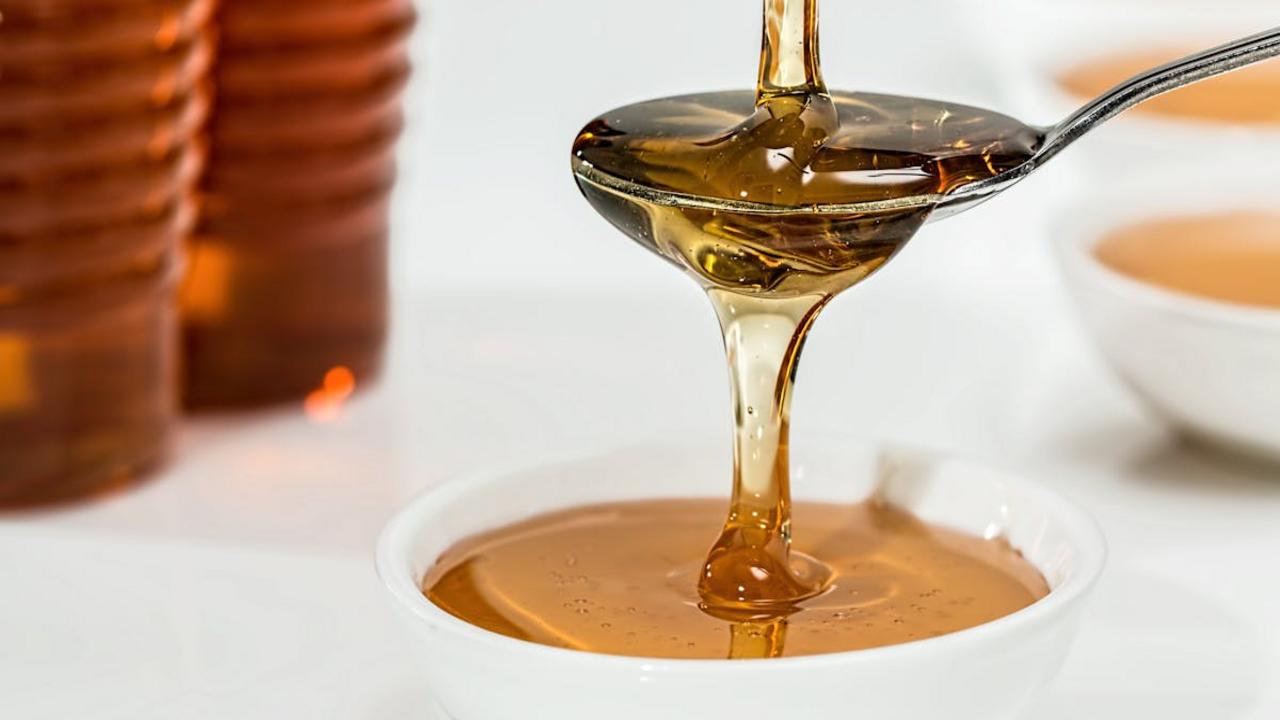
Honey is basically nature’s version of a time capsule, and I’m not even kidding about this one. Archaeologists have found perfectly edible honey in ancient Egyptian tombs that’s over 3,000 years old – talk about aging gracefully! This golden nectar owes its immortality to its incredibly low moisture content and acidic pH, which creates an environment so hostile to bacteria that even the most determined microbes throw in the towel. Plus, honey naturally produces hydrogen peroxide, making it a self-preserving superhero that laughs in the face of expiration dates.
You can stash your honey jar anywhere in your pantry without a care in the world, though it might crystallize over time (which just means it’s getting cozy, not going bad). If your honey turns into sweet, grainy crystals, simply warm it gently in a water bath and watch it transform back into liquid gold. I keep three different varieties on my counter – wildflower for my morning tea, clover for baking adventures, and a fancy lavender one for impressing dinner guests. Pro tip: never refrigerate honey unless you enjoy wrestling with a jar of concrete-hard sweetness every morning!
Pasta
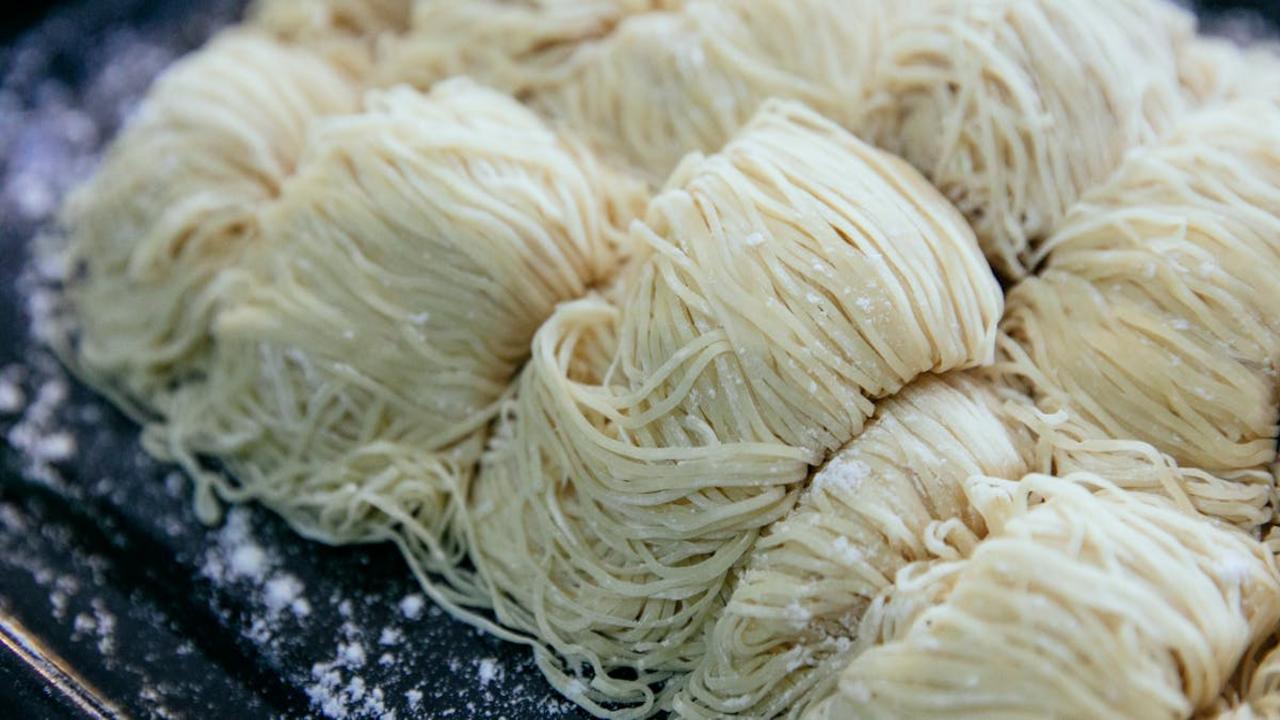
Your pantry’s most reliable friend has got to be dried pasta – that beautiful, carb-loaded superhero sitting pretty in boxes and bags, completely unbothered by room temperature drama. I mean, seriously, this stuff practically laughs in the face of spoilage! Those golden shells, twisty fusilli, and elegant linguine strands can hang out in your cupboard for two to three years without breaking a sweat. The Italians figured out centuries ago that removing all the moisture from wheat creates an almost indestructible food storage miracle. Fun fact: some archaeological digs have uncovered 4,000-year-old noodles that were still recognizable (though I wouldn’t recommend tossing them with marinara).
The secret lies in pasta’s ridiculously low moisture content – we’re talking less than 12.5% water, which makes it basically kryptonite to bacteria and mold. Store your pasta in airtight containers or keep it sealed in those original packages, and you’ve got yourself a foolproof meal foundation that requires zero refrigeration real estate. Just keep it away from humidity and extreme heat, because nobody wants soggy spaghetti before it even hits the boiling water. Pro tip: write the purchase date on the box with a Sharpie – not because it’ll go bad, but because after year three, even the most patient pasta starts losing some of its structural integrity and might turn mushy faster during cooking.
Rice
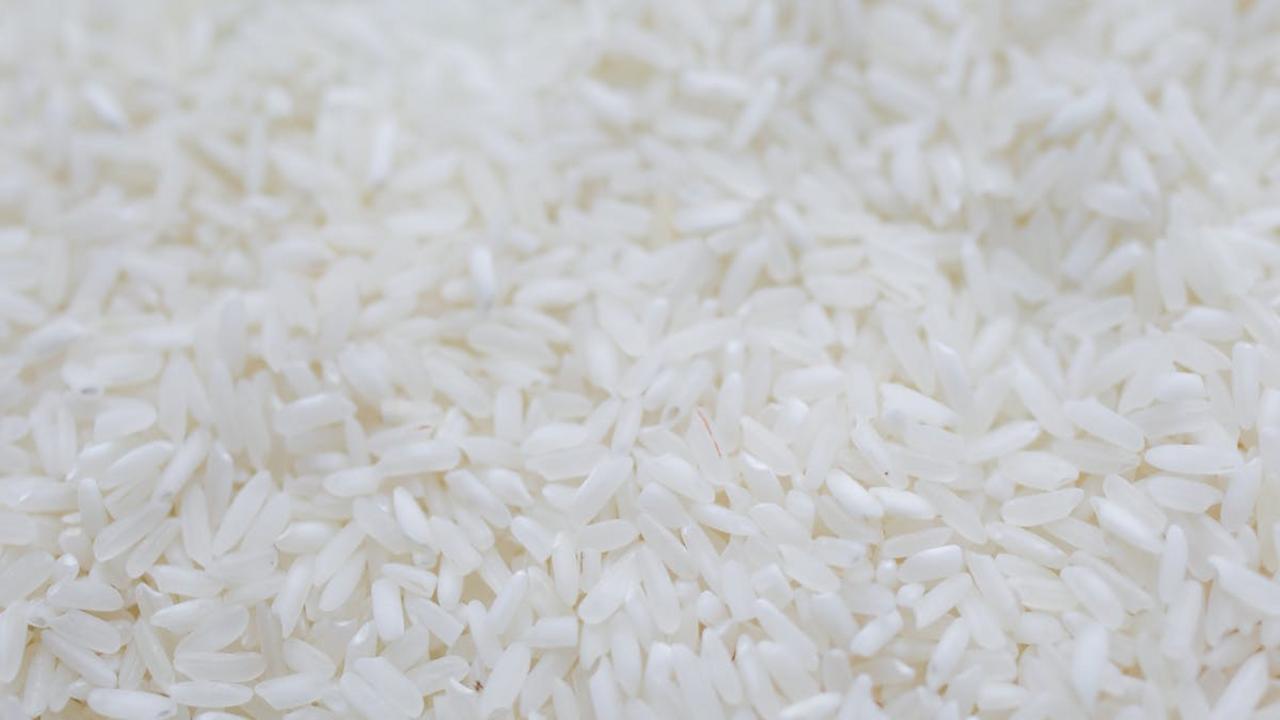
You know that bag of rice sitting in your pantry right now? It’s basically the superhero of grains, quietly flexing its immortal powers while your bananas turn to mush and your lettuce goes limp. White rice can stay fresh for up to five years when stored properly in a cool, dry place – that’s longer than most Hollywood marriages! The secret lies in its processing: white rice has had its bran and germ removed, which also removes the oils that cause spoilage. Brown rice, with all its wholesome parts intact, only lasts about six months, but white rice just keeps on trucking like the Energizer bunny of the food world.
I once found a bag of jasmine rice in my grandmother’s pantry that was older than my nephew, and it cooked up perfectly fluffy and fragrant. Rice has been feeding civilizations for over 5,000 years, and there’s a reason it’s considered a staple food for more than half the world’s population – this grain doesn’t quit! Store your rice in airtight containers to keep moisture and pests out, and you’ll have the foundation for countless meals ready to go. From quick fried rice using leftover vegetables to creamy rice pudding that tastes like a warm hug, this pantry champion transforms into whatever you need it to be, whenever hunger strikes.