15 Nutrients Every Home Cook Should Know for Smarter, Tastier Meals
Every home cook knows that great meals start with fresh ingredients, but understanding the nutrients hiding in your pantry transforms ordinary cooking into something extraordinary. These powerhouse compounds don’t just fuel your body—they create deeper flavors, richer colors, and more satisfying dishes that keep your family coming back for seconds.
From omega-3s that make fish sing with flavor to antioxidant-rich polyphenols that turn simple vegetables into vibrant masterpieces, each nutrient brings its own magic to your kitchen. You’ll discover how vitamin-packed ingredients work together to build meals that taste incredible while nourishing everyone at your table.
Ready to cook smarter? These fifteen nutrients will change how you shop, prep, and create meals. Your kitchen adventures are about to get a whole lot more exciting—and delicious.
Potassium
Potassium works like your body’s internal electrician, keeping your heart beating steadily and your muscles firing properly. This mighty mineral also helps regulate blood pressure and supports healthy kidney function. You’ll find it abundantly in bananas (obviously!), but don’t stop there – sweet potatoes, spinach, avocados, and white beans pack serious potassium power too. I love how versatile these ingredients are: mash those sweet potatoes with a touch of cinnamon, toss spinach into your morning scramble, or blend avocado into smoothies for that creamy texture we all crave.
What makes potassium so special in your kitchen is how it naturally balances sodium’s effects, which means you can actually reduce your salt usage while still creating incredibly flavorful dishes. Try roasting potatoes with herbs instead of drowning them in salt, or experiment with potassium-rich ingredients like dried apricots in your grain bowls. Your taste buds will thank you, and so will your heart! The best part? Most potassium-rich foods bring their own natural sweetness or earthiness to your meals, making healthy eating feel completely satisfying rather than restrictive.
Protein
Think of protein as your kitchen’s most reliable friend – it’s the nutrient that transforms ordinary meals into satisfying, stick-to-your-ribs experiences. Every time you crack an egg for breakfast scramble, toss chickpeas into your salad, or sear a piece of salmon, you’re working with one of the most versatile building blocks in cooking. Protein doesn’t just fuel your body; it creates texture, adds richness, and brings that deeply satisfying quality that makes you feel truly nourished after a meal.
What I love most about cooking with protein is how it opens up endless possibilities in your kitchen. Beans and lentils become creamy, comforting bases for soups and stews. Nuts and seeds add crunch and depth to everything from morning oatmeal to evening salads. Even quinoa – yes, this little grain packs more protein than most people realize – can anchor a meal beautifully. The magic happens when you start mixing different protein sources throughout your day. Try Greek yogurt with nuts for breakfast, a lentil soup for lunch, and fish with roasted vegetables for dinner. Your body gets all the amino acids it needs, and your meals stay interesting and flavorful.
Fiber
You probably know fiber keeps your digestive system happy, but did you know it’s also your secret weapon for creating more satisfying meals? This incredible nutrient adds bulk and texture to your dishes while helping you feel fuller for longer periods. When you cook with fiber-rich ingredients like beans, whole grains, and vegetables, you’re building meals that truly nourish your body from the inside out. I love how adding just a handful of chickpeas to a salad or swapping white rice for quinoa can transform an ordinary dish into something that keeps me energized for hours.
The best part about cooking with fiber? You don’t need to sacrifice flavor for nutrition. Hearty lentil soups, colorful veggie-packed stir-fries, and warm oatmeal bowls with fresh berries all deliver serious fiber content while tasting absolutely delicious. Try adding ground flaxseed to your smoothies, tossing extra vegetables into your pasta sauce, or choosing whole grain bread for your morning toast. These small swaps make a huge difference in how your meals perform nutritionally, and your body will thank you with steady energy levels and better digestion throughout the day.
B Complex Vitamins
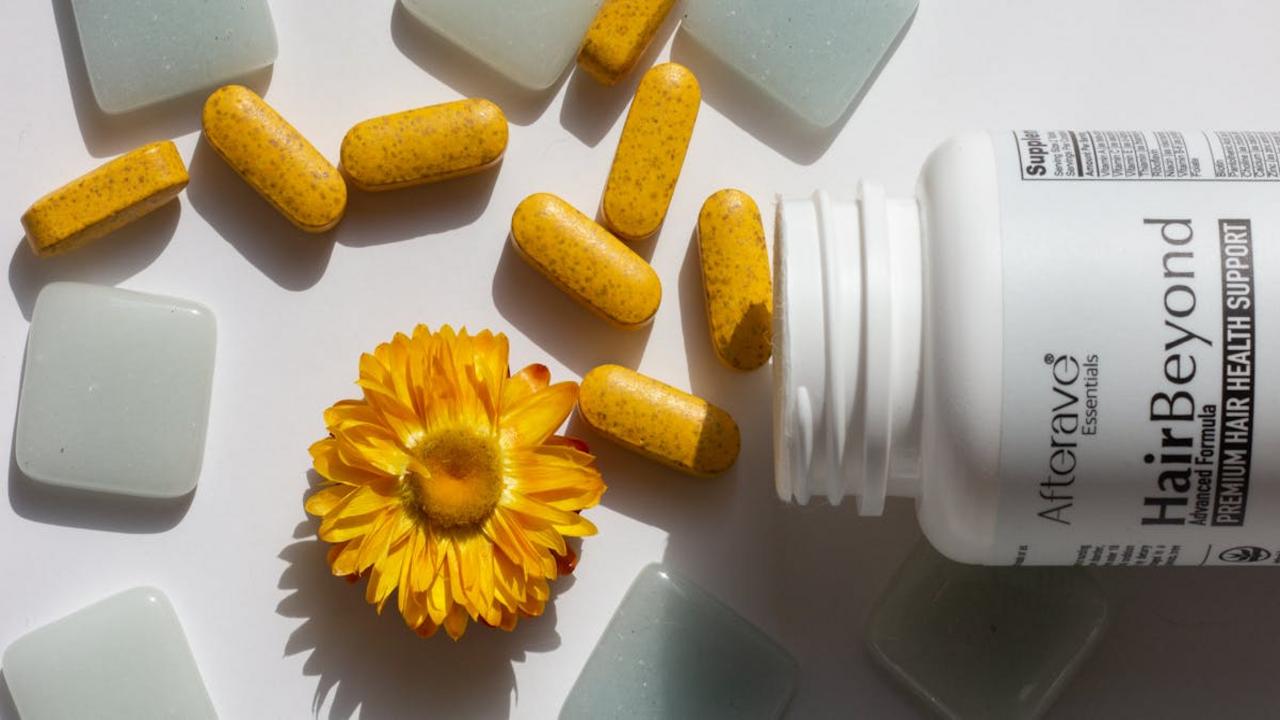
B complex vitamins are your kitchen’s secret weapon for maintaining steady energy levels and supporting your nervous system while you cook up a storm. This powerhouse group includes eight different B vitamins – thiamine (B1), riboflavin (B2), niacin (B3), pantothenic acid (B5), pyridoxine (B6), biotin (B7), folate (B9), and cobalamin (B12) – each playing unique roles in converting food into fuel for your body. You’ll find these hardworking nutrients scattered throughout whole grains, leafy greens, eggs, fish, and legumes, making them surprisingly easy to incorporate into your daily meals.
What I love most about B vitamins is how they work together like a well-choreographed cooking team, each one supporting the others to keep your metabolism humming and your mind sharp. Your morning scrambled eggs with spinach deliver B12 and folate, while that hearty quinoa salad at lunch provides thiamine and niacin. Since most B vitamins are water-soluble, your body can’t store them for long, which means you need fresh supplies regularly through your food choices. Focus on variety in your cooking – toss sunflower seeds into your salads for biotin, choose brown rice over white for extra B6, and don’t forget that nutritional yeast sprinkled on popcorn gives you a delicious B12 boost.
Curcumin
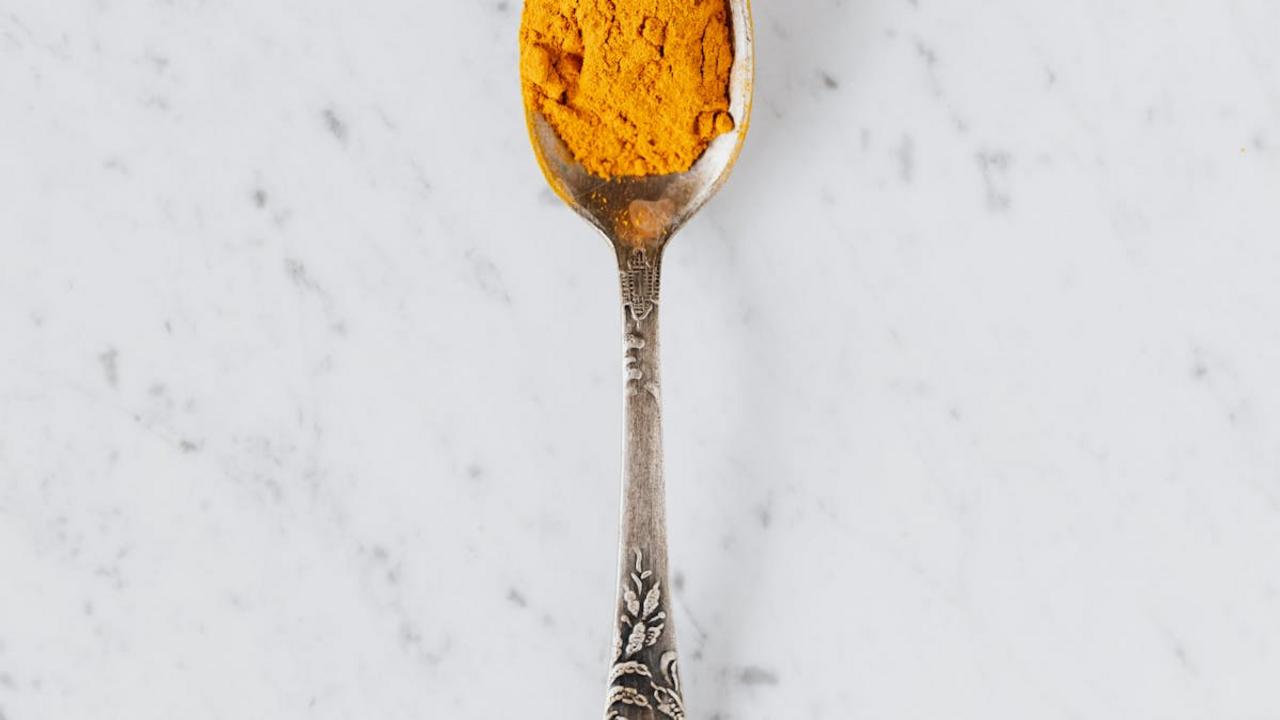
You know that gorgeous golden glow in your favorite curry? That’s curcumin working its magic! This powerful compound gives turmeric its vibrant yellow color and packs an incredible anti-inflammatory punch that your body absolutely craves. I love adding a pinch of turmeric to my morning scrambled eggs or stirring it into roasted vegetables – it transforms ordinary dishes into something special while delivering serious health benefits. Curcumin helps reduce inflammation throughout your body, supports joint health, and may even boost brain function.
Here’s the thing about curcumin that many home cooks don’t realize: your body absorbs it much better when you pair it with black pepper and a little fat. The compound piperine in black pepper increases curcumin absorption by up to 2000%! Try making a simple golden milk latte with turmeric, coconut milk, a dash of black pepper, and honey before bed. You can also create a quick anti-inflammatory paste by mixing turmeric powder with olive oil and black pepper, then add it to soups, stir-fries, or grain bowls. Fresh turmeric root works beautifully too – grate it into smoothies or tea for an extra-fresh flavor that’ll make your kitchen smell absolutely divine.
Resveratrol
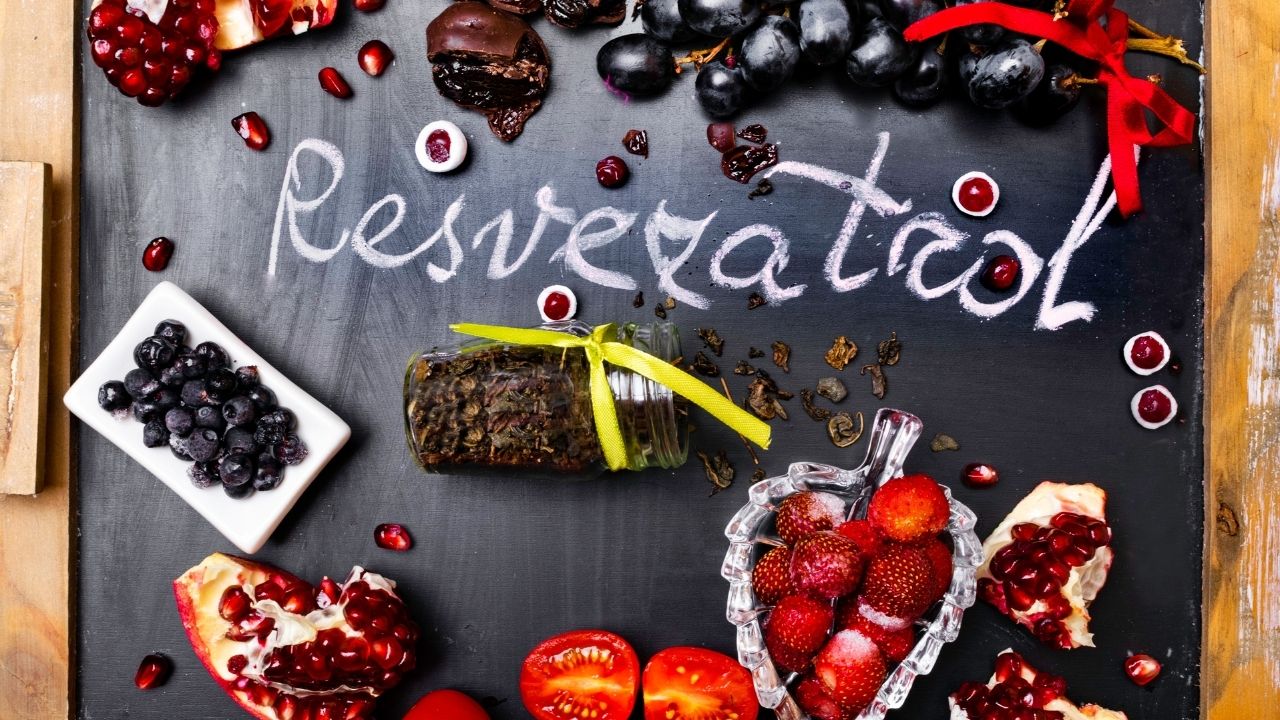
You know that glass of red wine you occasionally enjoy with dinner? Thank resveratrol for some of those potential health benefits! This powerful antioxidant naturally occurs in grape skins, red wine, dark berries, and even peanuts. What makes resveratrol so interesting is how it helps protect your cells from damage while potentially supporting heart health and longevity. I love incorporating resveratrol-rich foods into my cooking because they add both incredible flavor and nutritional value to meals.
The best part about cooking with resveratrol-rich ingredients is how naturally delicious they are. Fresh blueberries burst with sweetness in morning pancakes, while dark grapes make fantastic additions to savory cheese boards or roasted chicken dishes. Red wine works beautifully in braising liquids for beef or lamb, concentrating those beneficial compounds while creating deeply flavorful sauces. Even simple snacks like a handful of peanuts or dark chocolate provide resveratrol along with satisfying taste. Try roasting grapes with herbs for a surprising side dish, or blend dark berries into smoothies for a antioxidant-packed breakfast that tastes like dessert.
Selenium
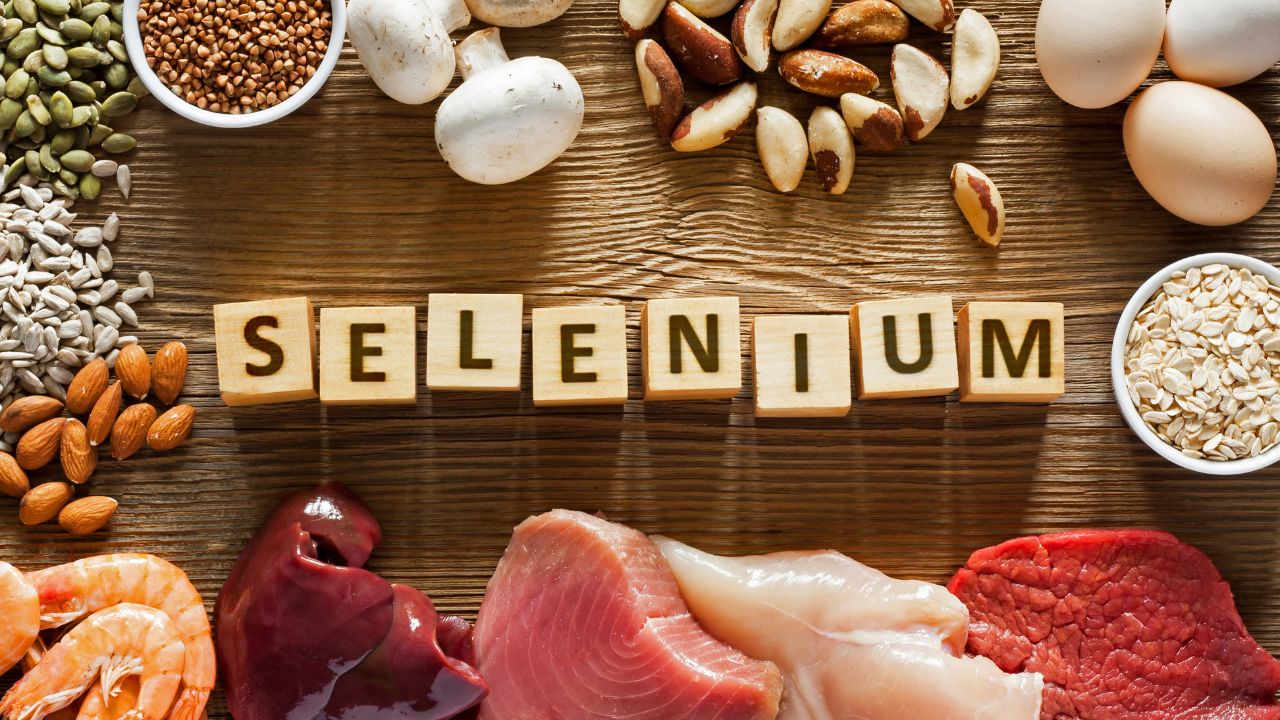
Selenium might not be the flashiest nutrient on your grocery list, but this mighty mineral deserves a spot in your cooking repertoire! Your body needs selenium to keep your immune system running smoothly and protect your cells from damage. Think of it as your kitchen’s quiet superhero – working behind the scenes to support your thyroid function and help your body create powerful antioxidants. Just a small amount goes a long way, making it one of the most efficient nutrients you can add to your meals.
Brazil nuts are absolute selenium superstars – just one or two nuts can meet your daily needs! Tuna, salmon, and sardines bring both amazing flavor and selenium to your dinner table, while eggs offer another delicious way to boost your intake. Sunflower seeds make fantastic additions to salads and yogurt bowls, and mushrooms (especially shiitake varieties) pack selenium along with their earthy, umami-rich taste. I love how versatile these foods are – you can easily weave them into breakfast scrambles, hearty grain bowls, or simple weeknight dinners without any fuss.
Zinc
You know that satisfying sizzle when you drop a perfectly seasoned steak into a hot pan? That beautiful browning action depends partly on zinc, a mineral that plays a surprisingly important role in both your cooking and your health. This hardworking nutrient helps your taste and smell receptors function properly, which means it directly impacts how much you enjoy every single bite you create in your kitchen. Without adequate zinc, food can taste bland or metallic, making even your most beloved recipes fall flat.
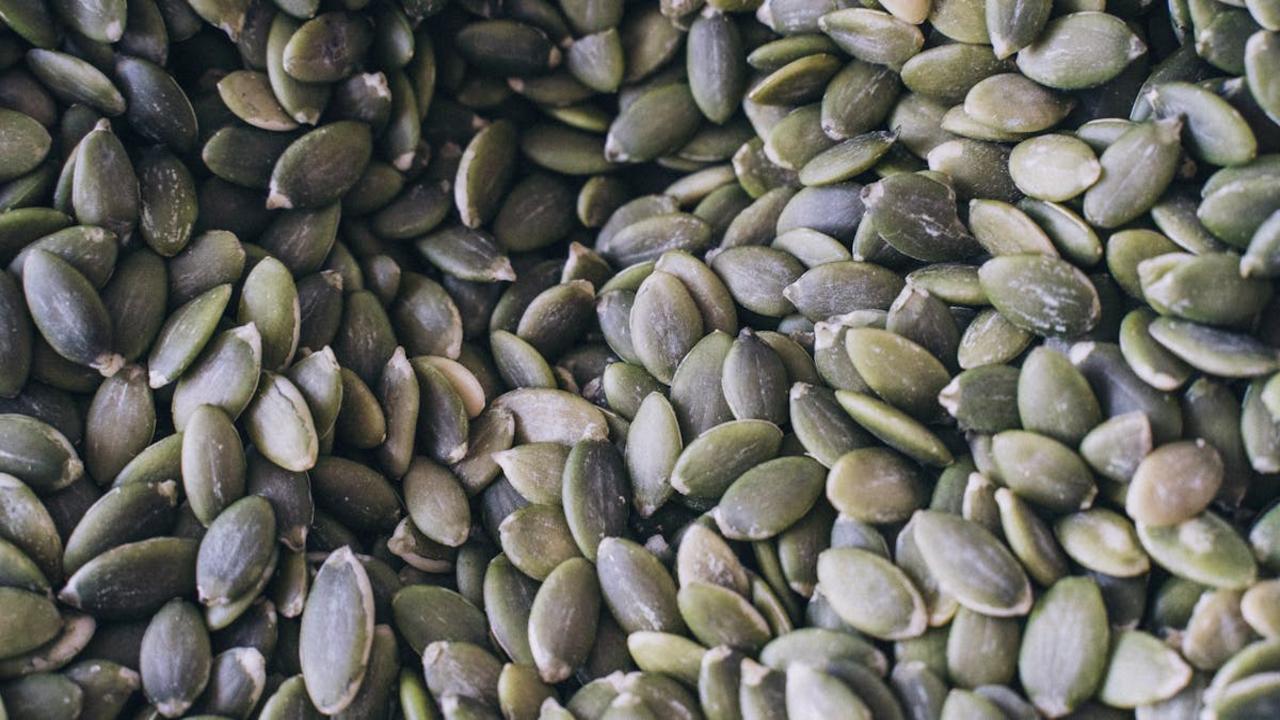
Your body uses zinc for immune function, wound healing, and protein synthesis, but here’s what gets me excited about this mineral: it’s incredibly easy to incorporate into your daily cooking routine. Oysters top the charts for zinc content, but you don’t need to splurge on seafood every night. Beef, lamb, and pork provide generous amounts, while plant-based cooks can turn to pumpkin seeds, chickpeas, and cashews. I love sprinkling toasted pumpkin seeds over salads or blending cashews into creamy pasta sauces. Just remember that your body absorbs zinc from animal sources more readily than plant sources, so if you’re vegetarian, pair zinc-rich foods with vitamin C to boost absorption.
Vitamin E

You know that gorgeous golden drizzle of olive oil you love adding to your salads? That’s vitamin E working its magic! This powerful antioxidant protects your body’s cells from damage while keeping your skin glowing and your immune system strong. I always keep nuts, seeds, and quality oils stocked in my pantry because they’re vitamin E powerhouses that transform ordinary dishes into nutritional goldmines. Almonds, sunflower seeds, and avocados pack serious vitamin E punch, making them perfect additions to everything from morning smoothies to evening grain bowls.
What makes vitamin E so special for home cooks is how it naturally preserves other nutrients in your food while adding incredible flavor depth. When you toast those sunflower seeds before sprinkling them on your soup, or when you blend avocado into your pasta sauce, you’re not just creating delicious textures – you’re protecting all those beautiful vitamins and minerals from breaking down. I love how vitamin E-rich foods like wheat germ and hazelnuts can instantly upgrade simple recipes. Try stirring toasted wheat germ into your yogurt or crushing hazelnuts over roasted vegetables. Your taste buds will thank you, and your body will feel the difference!
Vitamin C
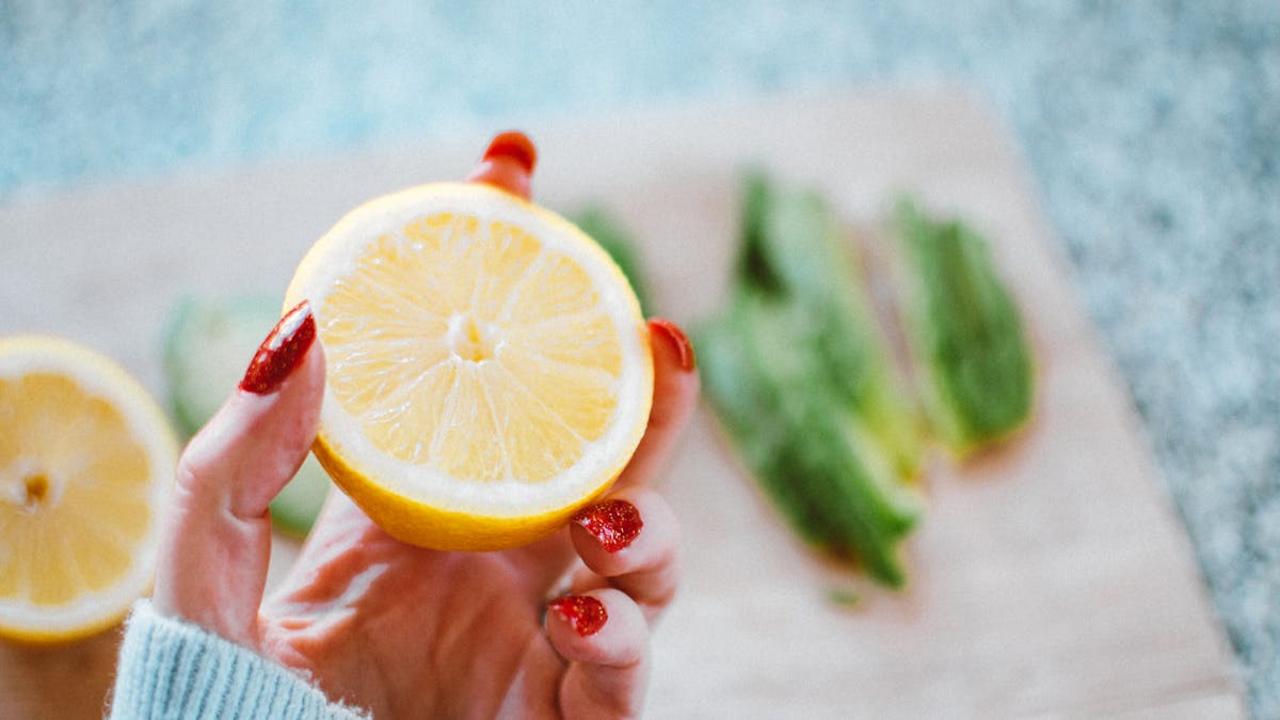
You know that bright, zesty flavor that makes your mouth water when you bite into a fresh orange or squeeze lemon over your grilled fish? That’s vitamin C working its magic! This powerhouse nutrient does so much more than just wake up your taste buds – it’s busy behind the scenes helping your body absorb iron from those leafy greens and beans you’re cooking with. Think of vitamin C as your kitchen’s best friend for boosting both nutrition and flavor. When you add citrus zest to your marinades or toss bell peppers into your stir-fries, you’re not just making things taste amazing – you’re giving your immune system a serious boost too.
Here’s what makes vitamin C so special in your cooking: it loves to hang out with iron-rich foods and helps your body soak up every bit of that mineral goodness. Try pairing your spinach salad with strawberry slices, or squeeze fresh lime juice over black bean tacos. The vitamin C in those fruits helps unlock the iron from the greens and beans, making your meals work harder for your health. Plus, since your body can’t store this water-soluble vitamin, you get to have fun incorporating it into every meal! From adding fresh herbs like parsley to your soups to snacking on kiwi slices, you’re constantly refreshing your body’s vitamin C supply while creating meals that burst with natural, vibrant flavors.
Polyphenols

These powerful plant compounds work like tiny superheroes in your kitchen, protecting both your food and your body from damage. You’ll find polyphenols packed into colorful fruits, vegetables, herbs, spices, tea, coffee, and even dark chocolate – basically all the foods that make cooking exciting! Think of them as nature’s preservatives that also happen to fight inflammation and support your immune system. Red wine gets attention for its polyphenols, but you can get even more from berries, green tea, olive oil, and vibrant spices like turmeric and cinnamon.
Here’s what makes polyphenols so brilliant for home cooks: they’re the compounds that give foods their gorgeous colors and complex flavors. That deep purple in blueberries? Polyphenols. The peppery bite in extra virgin olive oil? More polyphenols. The rich, earthy notes in dark chocolate? You guessed it! To maximize these beneficial compounds in your meals, choose the most colorful produce you can find, don’t peel fruits and vegetables unnecessarily (many polyphenols live in the skin), and remember that gentle cooking methods like steaming preserve more of these compounds than boiling. Your plate should look like a rainbow – that’s your polyphenol power showing!
Coenzyme Q10

You know that feeling when you’re cooking all day and your energy just crashes? That’s where Coenzyme Q10 comes in – this powerhouse nutrient acts like your body’s internal battery charger! Found in organ meats like heart and liver, oily fish such as sardines and mackerel, and even in spinach and broccoli, CoQ10 helps your cells produce energy more efficiently. While it might sound like something from a science lab, this antioxidant is naturally made by your body, though production slows down as we age.
What makes CoQ10 so exciting for home cooks is how it transforms ordinary ingredients into energy-boosting meals. Try pan-searing some salmon with a side of sautéed spinach, or add chicken hearts to your next stir-fry for an adventurous twist. Whole grains like wheat germ also contain decent amounts, making your morning oatmeal even more nutritious. The beauty of cooking with CoQ10-rich foods is that you’re not just feeding your family – you’re giving them sustained energy that lasts throughout the day. Plus, these ingredients taste absolutely amazing when prepared with love and creativity!
Magnesium
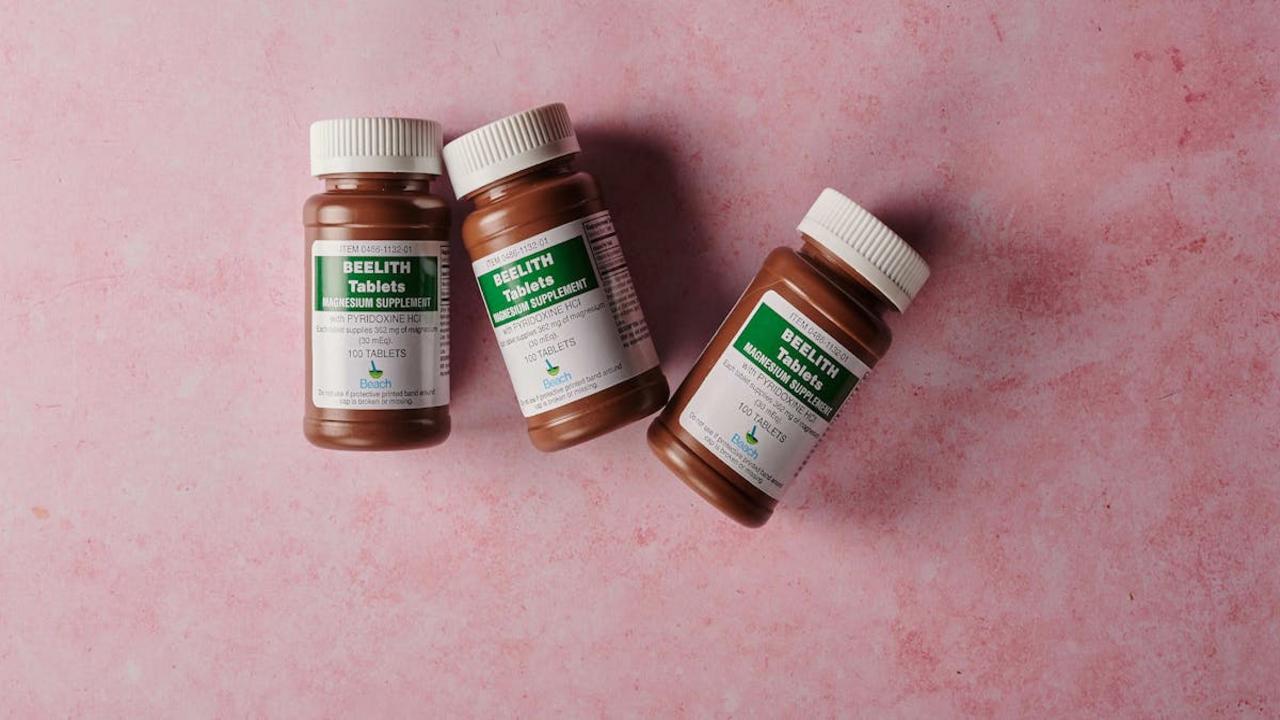
Your muscles need magnesium to function properly, and this mighty mineral works behind the scenes in over 300 enzymatic reactions throughout your body. You’ll find magnesium naturally present in dark leafy greens like spinach and Swiss chard, nuts such as almonds and cashews, seeds like pumpkin and sunflower varieties, whole grains, and dark chocolate. This powerhouse nutrient supports healthy blood pressure, keeps your heart rhythm steady, and helps your body absorb calcium more effectively.
I love incorporating magnesium-rich ingredients into everyday cooking because they add both nutrition and incredible flavor to meals. Try tossing toasted pumpkin seeds over your morning yogurt, blending spinach into fruit smoothies, or snacking on a handful of almonds with your afternoon coffee. Dark chocolate becomes a guilt-free treat when you remember it’s delivering magnesium to support your muscle function and energy production. These simple additions transform ordinary meals into nutrient-dense powerhouses that fuel your body while satisfying your taste preferences.
Vitamin D
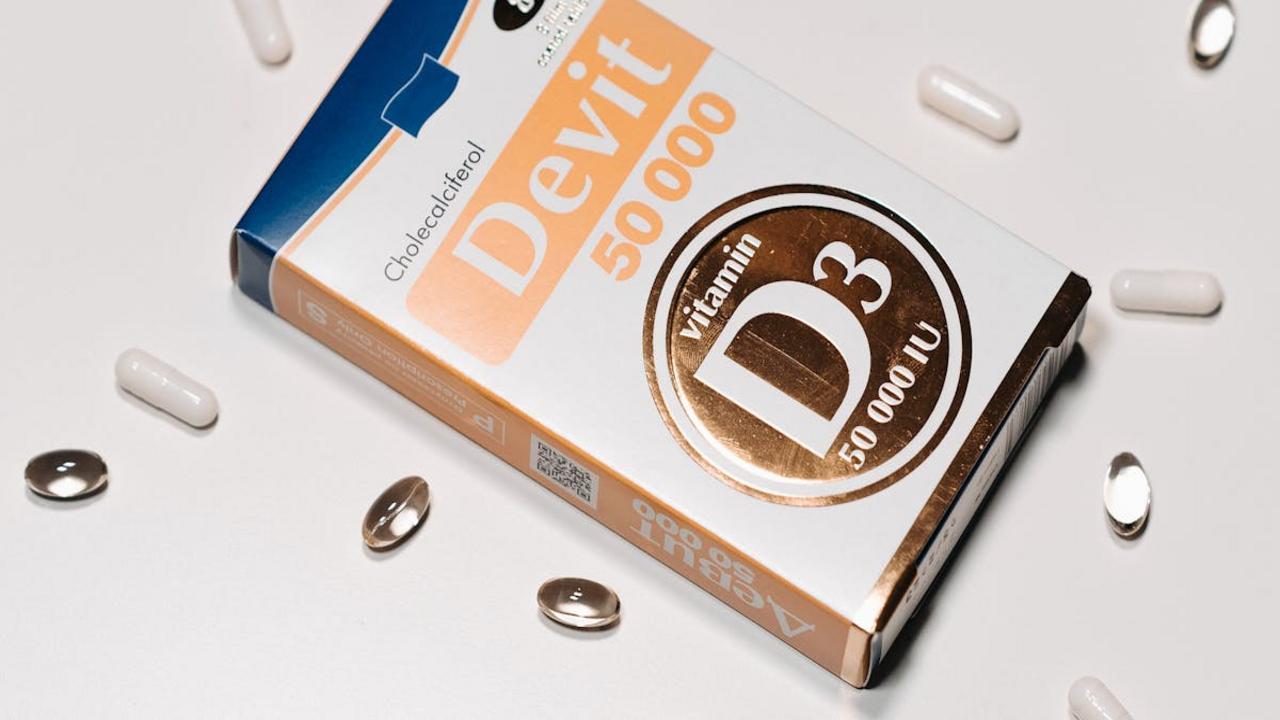
You know that warm, sunny feeling you get when natural light streams through your kitchen window? That’s your body’s way of reminding you about vitamin D, the “sunshine vitamin” that plays a huge role in keeping your bones strong and your immune system happy. While your skin makes vitamin D when exposed to sunlight, you can also find this powerhouse nutrient in foods like fatty fish (salmon, mackerel, and sardines), egg yolks from pasture-raised chickens, and fortified dairy products. I love incorporating these ingredients into my weekly meal planning because they bring both incredible flavor and serious nutritional benefits to the table.
Here’s where it gets interesting for us home cooks: vitamin D works hand-in-hand with calcium to build strong bones, but it also supports muscle function and helps your body fight off infections. When you’re preparing that beautiful piece of salmon with lemon and herbs, or whisking up eggs for a weekend frittata, you’re not just creating something delicious – you’re giving your body exactly what it needs to thrive. Since many of us spend more time indoors these days, getting vitamin D through food becomes even more important. Try adding mushrooms like shiitake or maitake to your dishes too – they’re one of the few plant-based sources of this nutrient!
Omega 3 Fatty Acids

Your brain will thank you for adding more omega-3 fatty acids to your cooking routine! These healthy fats work wonders for heart health, reduce inflammation throughout your body, and support cognitive function. You’ll find the highest concentrations in fatty fish like salmon, mackerel, sardines, and tuna. But don’t worry if you’re not a seafood lover – walnuts, flaxseeds, chia seeds, and hemp hearts pack impressive amounts too. I love sprinkling ground flaxseed into my morning smoothies or tossing walnuts into salads for that satisfying crunch and nutritional boost.
Here’s what makes omega-3s so special in your kitchen: they’re incredibly versatile and easy to incorporate into everyday meals. Try pan-searing salmon with herbs, blending chia seeds into overnight oats, or making a simple walnut pesto for pasta night. Your body can’t produce these fats on its own, so you need to get them through food. Aim for two servings of fatty fish per week, and sprinkle those seeds and nuts into dishes whenever possible. Trust me, your future self will appreciate the energy boost and mental clarity that comes from feeding your body these powerhouse nutrients regularly.