15 Junk Foods to Cut Back on for Smarter Snacking
Your kitchen tells a story, and I want yours to be filled with vibrant, nourishing ingredients rather than empty calories that leave you unsatisfied. After years of creating recipes from scratch, I’ve learned that the most satisfying meals come from real, whole foods—not processed shortcuts that promise convenience but deliver little nutrition.
These fifteen common snacks might seem harmless, but they’re quietly sabotaging your health goals. From sugar-loaded treats to deep-fried favorites, each one represents a missed opportunity to fuel your body with something truly beneficial. I’ve been there—reaching for quick fixes that only create more cravings.
Transform your snacking habits by understanding what these foods really contain. Once you recognize how they affect your energy and wellbeing, you’ll naturally gravitate toward fresher alternatives. Your body deserves ingredients that work with you, not against you, creating lasting satisfaction and genuine nourishment.
Milkshakes
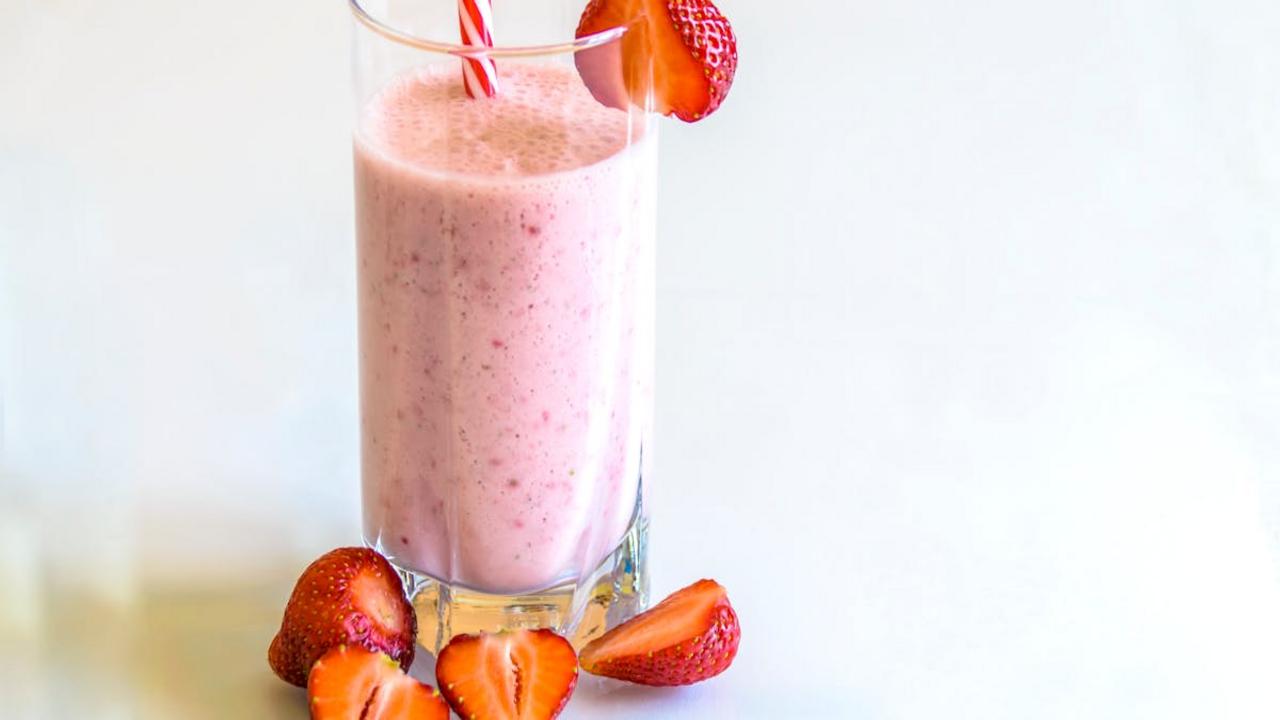
I get it—milkshakes feel like pure joy in a glass, and honestly, I’m not here to completely crush that happiness. But friend, we need to talk about what’s really going into these creamy treats. Most commercial milkshakes pack an absolutely shocking amount of sugar, often exceeding 80-100 grams per serving. That’s like drinking four candy bars worth of sugar! Add the processed syrups, artificial flavors, and stabilizers, and you’re looking at a dessert disguised as a drink that can send your blood sugar on a wild rollercoaster ride.
Here’s where my kitchen experiments come in handy—I’ve discovered you can create incredibly satisfying alternatives that actually nourish your body. Try blending frozen bananas with a splash of coconut milk, a handful of spinach (trust me, you won’t taste it), and a spoonful of almond butter. Or go tropical with mango, Greek yogurt, and a pinch of turmeric for that gorgeous golden color. These homemade versions give you that creamy, indulgent texture you crave while providing fiber, protein, and real nutrients. Your future self will thank you for making this simple swap!
Chicken Nuggets

You know those golden, crispy chicken nuggets that seem so convenient when you’re rushing through dinner prep? I get it—they’re quick, kids love them, and they feel like a protein win. But here’s what I’ve learned from years of cooking and reading ingredient labels: most store-bought nuggets are more processed mystery than actual chicken. They’re typically made from mechanically separated poultry mixed with fillers, preservatives, and sodium levels that’ll make your head spin. The breading often contains trans fats and artificial flavors that your body simply doesn’t need.
Instead of reaching for that freezer bag, try making your own nuggets with real chicken breast, whole wheat breadcrumbs, and spices you already have in your pantry. I love cutting chicken into bite-sized pieces, dipping them in beaten egg, then coating with a mixture of panko, garlic powder, and paprika. Bake them at 400°F for about 15 minutes, and you’ve got crispy, golden nuggets that taste infinitely better than anything from a box. Your family gets real protein, you control the ingredients, and honestly? The cooking process becomes this satisfying ritual that connects you back to your food.
Cheeseburgers

Listen, I get it—there’s something magical about biting into a juicy cheeseburger, especially when you’re craving comfort food. But here’s the reality: most fast-food cheeseburgers pack an incredible punch of calories, saturated fat, and sodium that can derail your health goals faster than you can say “special sauce.” A typical double cheeseburger from your favorite drive-thru can contain over 700 calories and more than a day’s worth of sodium. That processed cheese, refined bun, and mystery meat patty create a perfect storm of inflammation-triggering ingredients that leave you feeling sluggish rather than satisfied.
Instead of completely giving up this American classic, why not reimagine it in your own kitchen? I love making turkey or black bean patties seasoned with fresh herbs, then topping them with real aged cheese and loading up on crispy lettuce, ripe tomatoes, and homemade pickles. Swap that refined white bun for a whole grain option or even lettuce wraps for a lighter approach. When you control the ingredients, you transform a nutritional nightmare into a wholesome meal that actually nourishes your body while satisfying those burger cravings. Your homemade version will taste infinitely better and leave you energized rather than ready for a food coma.
Sweetened Coffee Drinks

You know that daily coffee shop ritual? Those frappuccinos and flavored lattes might taste like heaven, but they’re secretly packed with more sugar than a candy bar. I see so many friends grabbing these drinks thinking they’re just having coffee, but a grande caramel macchiato can contain up to 35 grams of sugar – that’s nearly nine teaspoons! The syrups, whipped cream, and flavored bases transform your simple coffee into a dessert disguised as a morning pick-me-up.
Here’s what I do instead: I brew strong coffee at home and add a splash of coconut milk with a drizzle of pure maple syrup or honey. Sometimes I’ll blend it with a frozen banana and a pinch of cinnamon for that creamy texture without all the processed additives. You can create dozens of variations using real vanilla extract, unsweetened cocoa powder, or even cardamom for that exotic touch. Your wallet will thank you, your energy levels will stay steady throughout the day, and you’ll still get that coffee satisfaction – just without the sugar crash that leaves you reaching for another sweet treat an hour later.
Energy Drinks
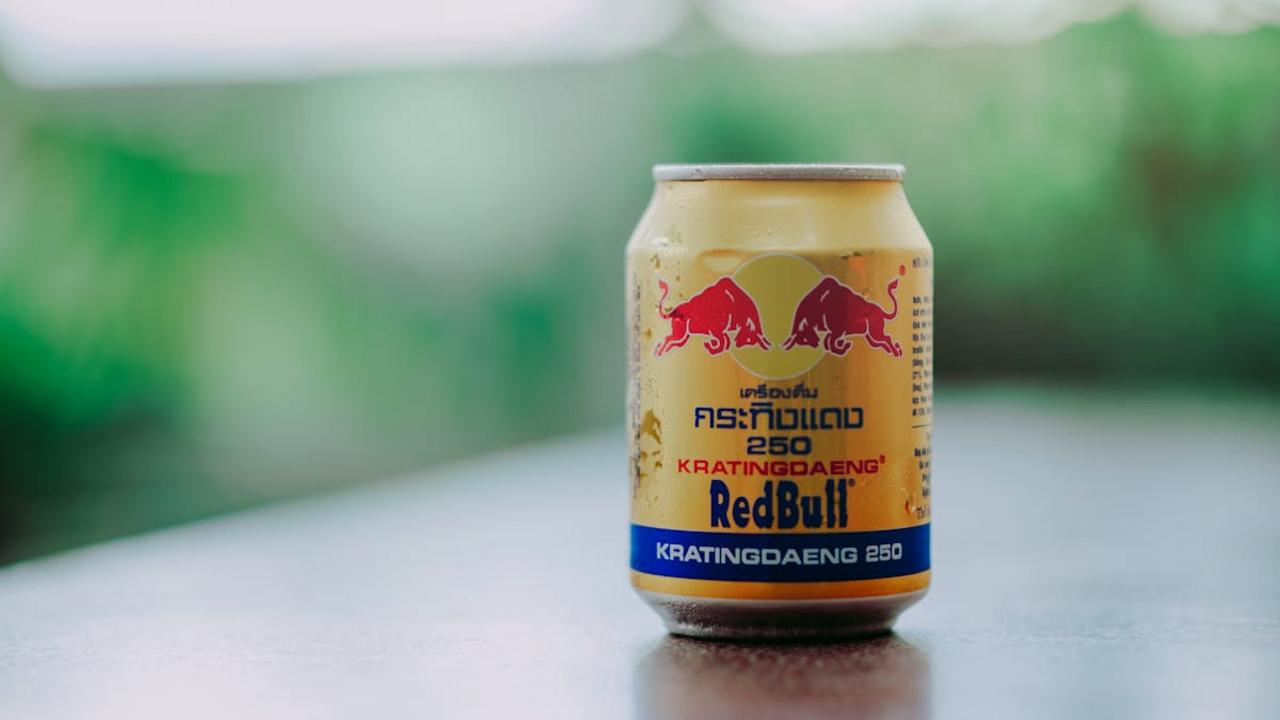
You know those brightly colored cans promising instant alertness and superhuman focus? Energy drinks might give you that quick buzz, but they’re essentially liquid candy bombs packed with caffeine and sugar. Most contain 25-50 grams of sugar per can—that’s like drinking a soda while chugging multiple cups of coffee simultaneously. The artificial colors, synthetic vitamins, and mysterious “energy blends” create a chemical cocktail that sends your blood sugar on a wild roller coaster ride, leaving you more exhausted than before.
Instead of reaching for these processed stimulants, try making your own energizing drinks at home. Blend coconut water with fresh ginger, a squeeze of lime, and a pinch of sea salt for natural electrolytes. Or brew green tea with mint and honey for sustained energy without the crash. I love creating morning smoothies with banana, spinach, and a tablespoon of natural peanut butter—the combination provides steady fuel for hours. Your body deserves real nourishment, not synthetic shortcuts that mask fatigue while depleting your natural energy reserves.
Soda

Friend, I know you’ve heard this before, but soda truly deserves a spot at the top of any junk food list. Those fizzy, sweet drinks pack an incredible amount of sugar – we’re talking about 35-40 grams per can, which equals roughly 10 teaspoons of pure sugar hitting your system all at once. Your body doesn’t register liquid calories the same way it does solid food, so you’re consuming all that sugar without feeling satisfied or full. I’ve watched friends mindlessly sip through multiple cans during a single meal, adding hundreds of empty calories to their day.
What breaks my heart about soda is how it crowds out the good stuff from your diet. Instead of reaching for water that hydrates you or fresh juice that gives you vitamins, you’re choosing something that spikes your blood sugar, crashes your energy levels, and leaves you craving more sugar within hours. I’ve found that sparkling water with a splash of fresh lime juice or homemade fruit-infused water satisfies that fizzy craving without the sugar overload. Your taste preferences will adapt faster than you think – after a few weeks without regular soda, you’ll be amazed at how overly sweet it tastes when you try it again.
Instant Noodles
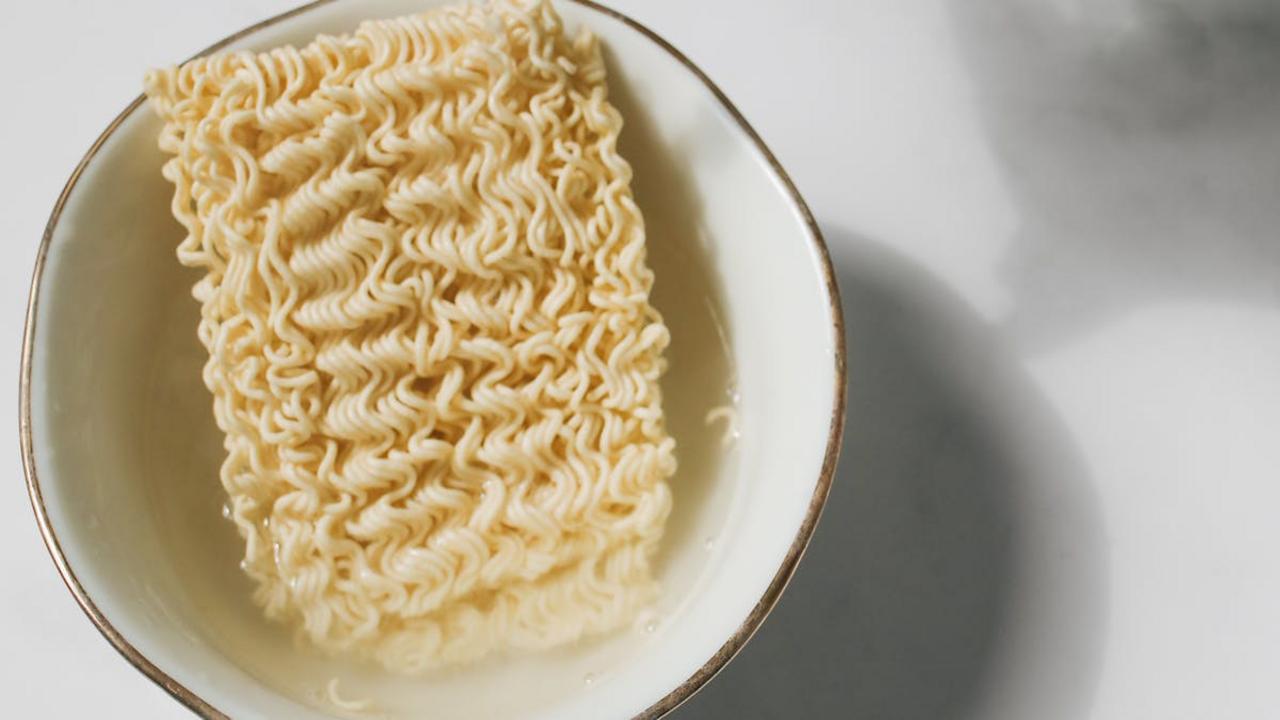
I get it—instant noodles feel like a lifesaver after a long day. You tear open that packet, pour in hot water, and boom, you have something that resembles a meal in three minutes. But here’s what I’ve learned from years of cooking: those convenient blocks of noodles pack more sodium than your body needs in an entire day, plus preservatives and artificial flavors that your grandmother wouldn’t recognize as food. The flavor packets contain enough MSG and salt to make your taste receptors think they’re experiencing something amazing, but your body pays the price with bloating and energy crashes.
Instead of reaching for that styrofoam cup, I make my own quick noodle bowls using fresh rice noodles or even whole wheat pasta. I keep miso paste, sesame oil, and dried seaweed in my pantry for instant flavor magic. Crack an egg into boiling water, add some frozen vegetables, toss in cooked noodles with a spoonful of miso, and you’ve got something infinitely better in just five extra minutes. Your body will thank you for the real nutrients, and honestly, once you taste homemade broth, those artificial flavor packets lose their appeal completely.
Microwave Pizza

You know that moment when you’re craving pizza but don’t want to wait for delivery? That frozen microwave pizza seems like the perfect solution, but trust me, it’s doing your body no favors. These convenient squares pack an incredible amount of sodium—sometimes over 800mg in just one small pizza—plus preservatives, artificial colors, and enough processed cheese to make your stomach question your choices. The crust? It’s basically refined flour with zero nutritional value, and those mystery meat toppings contain more chemicals than actual protein.
Instead of reaching for that cardboard-like convenience, why not make your own quick pizza magic? I keep naan bread or whole wheat tortillas in my freezer specifically for this reason. Spread some tomato sauce (or even leftover pasta sauce), sprinkle real cheese, add whatever vegetables you have on hand—leftover roasted peppers, fresh spinach, or even that lonely half onion sitting in your fridge. Pop it in a hot oven for 8-10 minutes, and you’ve got something infinitely more satisfying. Your taste buds will thank you, and your body will too. Plus, you control exactly what goes on top, turning a processed food craving into a wholesome meal that actually nourishes you.
Hot Dogs

I get it—hot dogs bring back memories of summer barbecues and quick weeknight dinners when you’re scrambling to feed the family. But here’s what I’ve learned from years of cooking from scratch: these processed sausages pack way more sodium, nitrates, and mysterious fillers than your body needs. Most commercial hot dogs contain around 500mg of sodium per link, plus preservatives that give them that unnaturally long shelf life. Your taste receptors might crave that familiar smoky flavor, but your cardiovascular system pays the price with increased blood pressure and inflammation.
Instead of reaching for that package of processed links, try making your own sausages at home using ground turkey or chicken mixed with fresh herbs like fennel, garlic, and paprika. I stuff mine into natural casings and grill them just like traditional hot dogs—the flavor difference will amaze you! If you’re short on time, look for uncured, nitrate-free options from local butchers or brands that use minimal ingredients you can actually pronounce. Your family won’t miss the artificial smoke flavor when you’re grilling real meat seasoned with love and spices from your own kitchen.
Cotton Candy

You know that magical pink cloud you see spinning at carnivals? Cotton candy might transport you back to childhood memories, but this sugary spectacle is essentially pure refined sugar transformed into wispy threads. One typical serving contains around 26 grams of sugar – that’s more than six teaspoons dissolved into what feels like eating sweetened air. Your blood sugar spikes immediately after consuming it, followed by that familiar energy crash that leaves you craving more sugar within an hour.
Instead of reaching for this processed carnival treat, I create naturally sweet alternatives that satisfy those nostalgic cravings without the blood sugar rollercoaster. Try making fruit leather from pureed strawberries and a touch of honey, or whip up some coconut floss by toasting unsweetened coconut flakes with a sprinkle of vanilla and maple syrup. These homemade versions give you that same playful, sweet experience while providing actual nutrients like fiber, healthy fats, and antioxidants. Your body deserves better than spun sugar, and these wholesome swaps prove that satisfying your sweet tooth doesn’t require sacrificing your health.
Gummy Bears
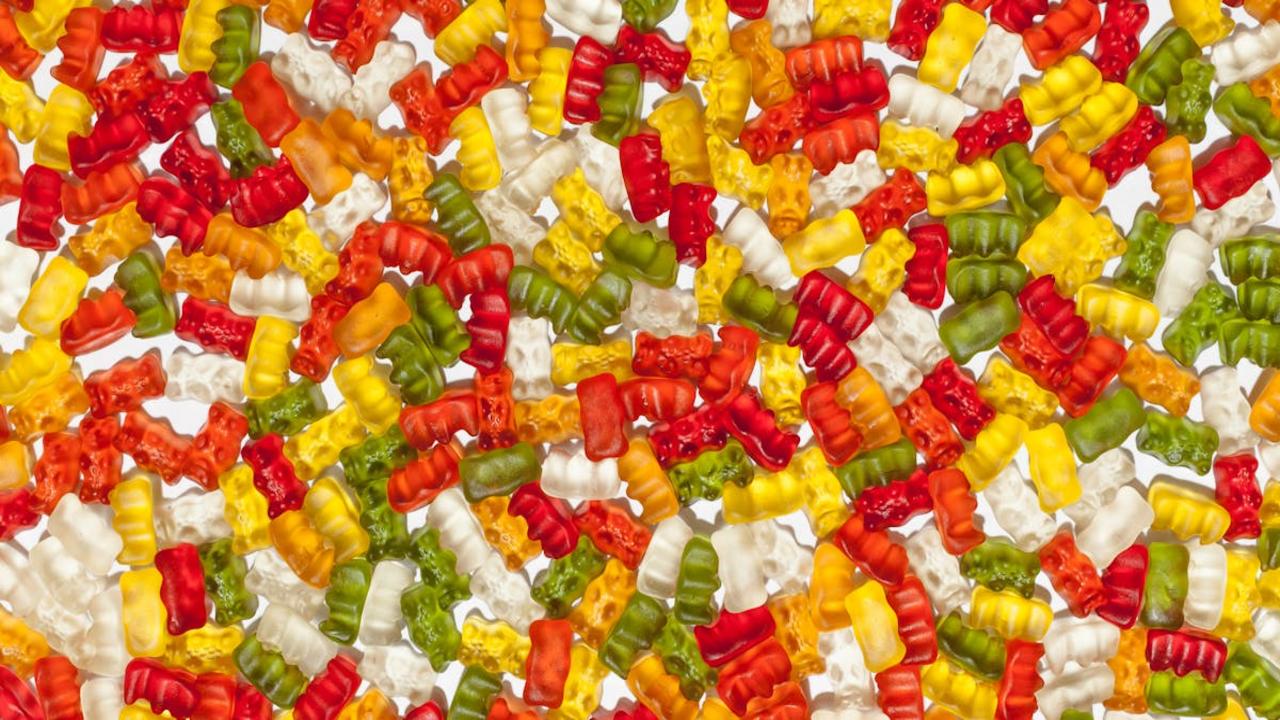
Those colorful little chewy candies might look innocent, but gummy bears pack a serious sugar punch that can derail your healthy eating goals faster than you’d expect. Each serving contains around 22 grams of sugar – that’s nearly six teaspoons of pure sweetness with zero nutritional value. I get it, they’re fun and nostalgic, but your body processes this concentrated sugar like rocket fuel, sending your blood glucose levels soaring before crashing you back down to earth. The artificial colors and flavors don’t do you any favors either, especially when you’re trying to fuel your body with real, wholesome ingredients.
Instead of reaching for that bag of gummy bears, try satisfying your sweet tooth with fresh fruit that gives you natural sugars plus fiber, vitamins, and antioxidants. I love making my own fruit leather by blending dates with berries – it’s chewy, naturally sweet, and actually nourishes your body. You could also try frozen grapes for that satisfying pop of sweetness, or even homemade energy balls made with dates, nuts, and a touch of honey. These alternatives give you that sweet satisfaction without the artificial additives and sugar overload that leaves you craving more junk food an hour later.
Candy Bars
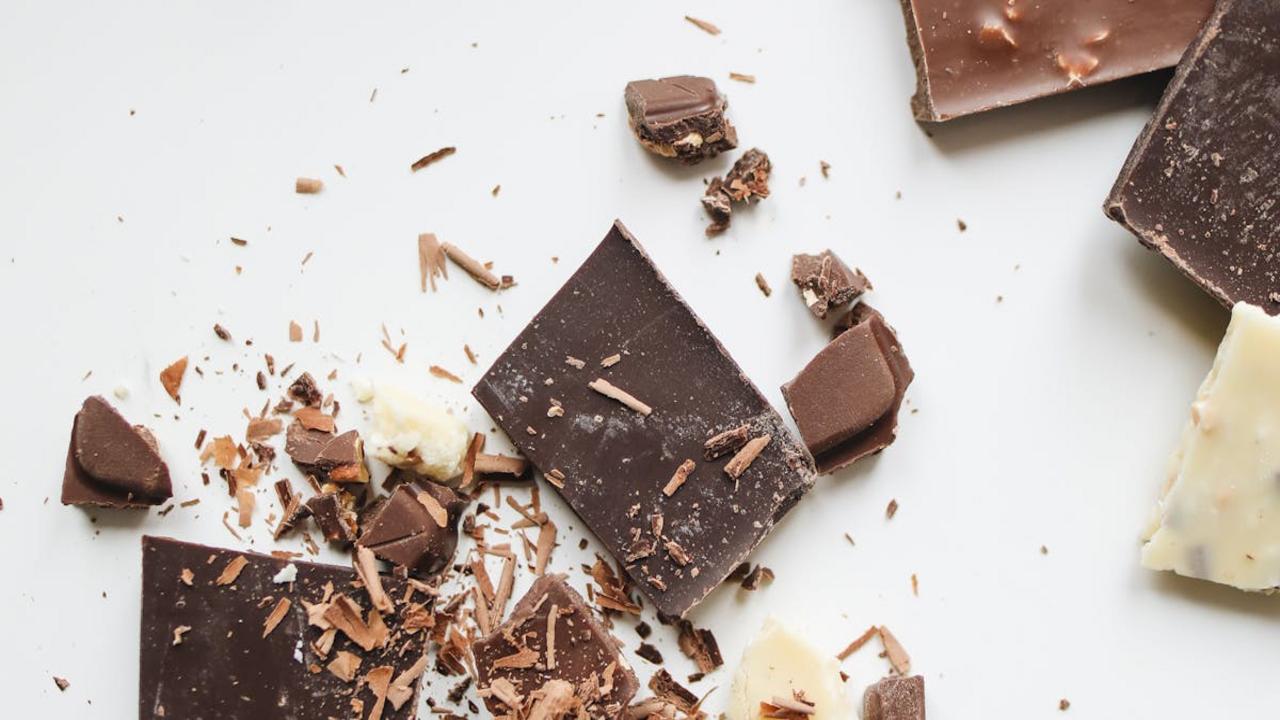
I get it—candy bars are those sweet little temptations that call your name from checkout counters and vending machines. But here’s what I’ve learned from years of cooking and understanding how food affects our bodies: these sugar-packed treats are basically empty calories wrapped in pretty packaging. Most candy bars contain around 200-300 calories of refined sugar, artificial flavors, and processed fats that send your blood sugar on a wild roller coaster ride. Your energy spikes for maybe 20 minutes, then crashes harder than a dropped soufflé, leaving you craving more sugar.
Instead of reaching for that mass-produced candy bar, try making your own energy bites at home using dates, nuts, and dark chocolate chips. I love blending Medjool dates with almond butter, rolling the mixture into balls, and coating them with coconut flakes or cacao powder. You get that sweet satisfaction your body craves, plus fiber, healthy fats, and natural sugars that actually nourish you. Keep a batch in your fridge, and you’ll never miss those processed candy bars again. Trust me, once you taste real food sweetness, those artificial flavors lose their appeal completely.
Onion Rings
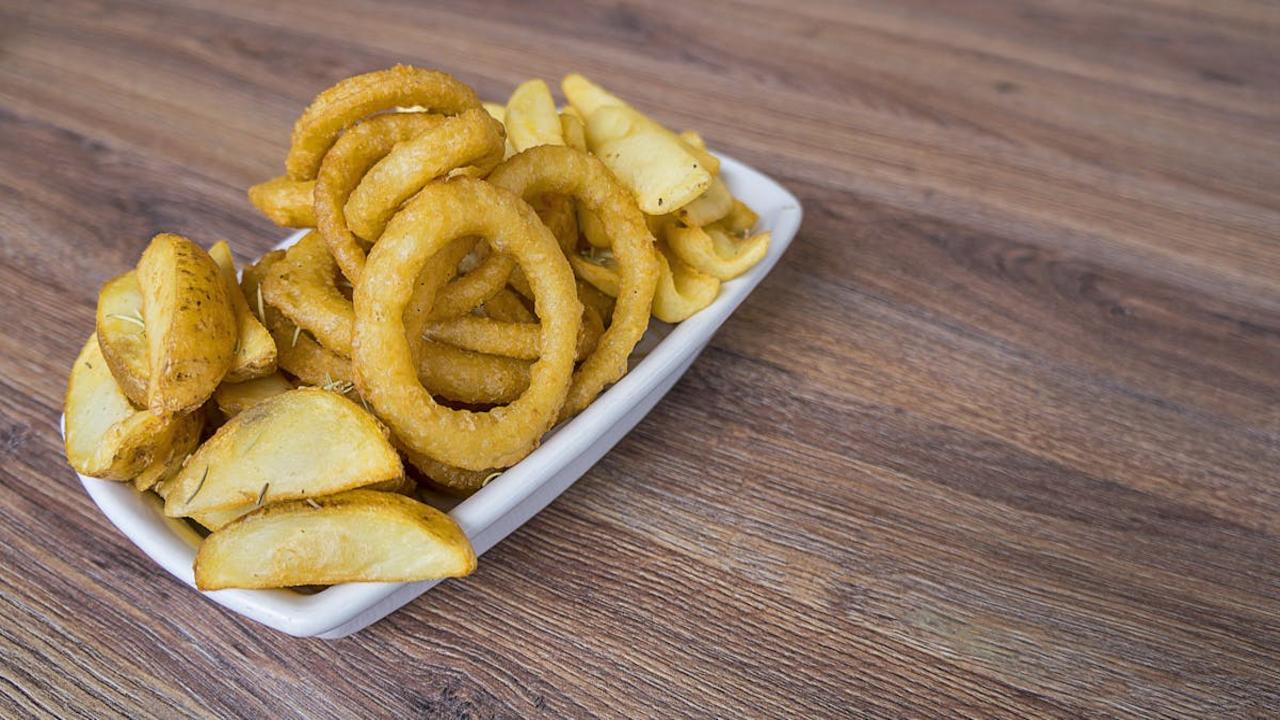
You know that satisfying crunch when you bite into a golden onion ring? I get it – there’s something almost magical about that contrast between the crispy coating and the sweet, tender onion inside. But here’s what I’ve learned from years of cooking: those restaurant-style onion rings pack way more calories and sodium than you’d expect. Most are double-battered and deep-fried in oil that’s been used countless times, creating a heavy, greasy coating that masks the natural sweetness of the onion underneath.
Instead of reaching for the frozen bag or ordering them as a side, try my oven-baked version using panko breadcrumbs mixed with a touch of smoked paprika and garlic powder. I slice sweet Vidalia onions thick, dip them in buttermilk, then coat them in seasoned breadcrumbs before baking at 425°F until golden. The result? You still get that satisfying crunch and onion sweetness, but without the heavy oil and excessive sodium. Plus, baking them means you can actually taste the onion – which is the whole point, right? Your body will thank you for choosing this lighter approach that doesn’t leave you feeling sluggish afterward.
French Fries
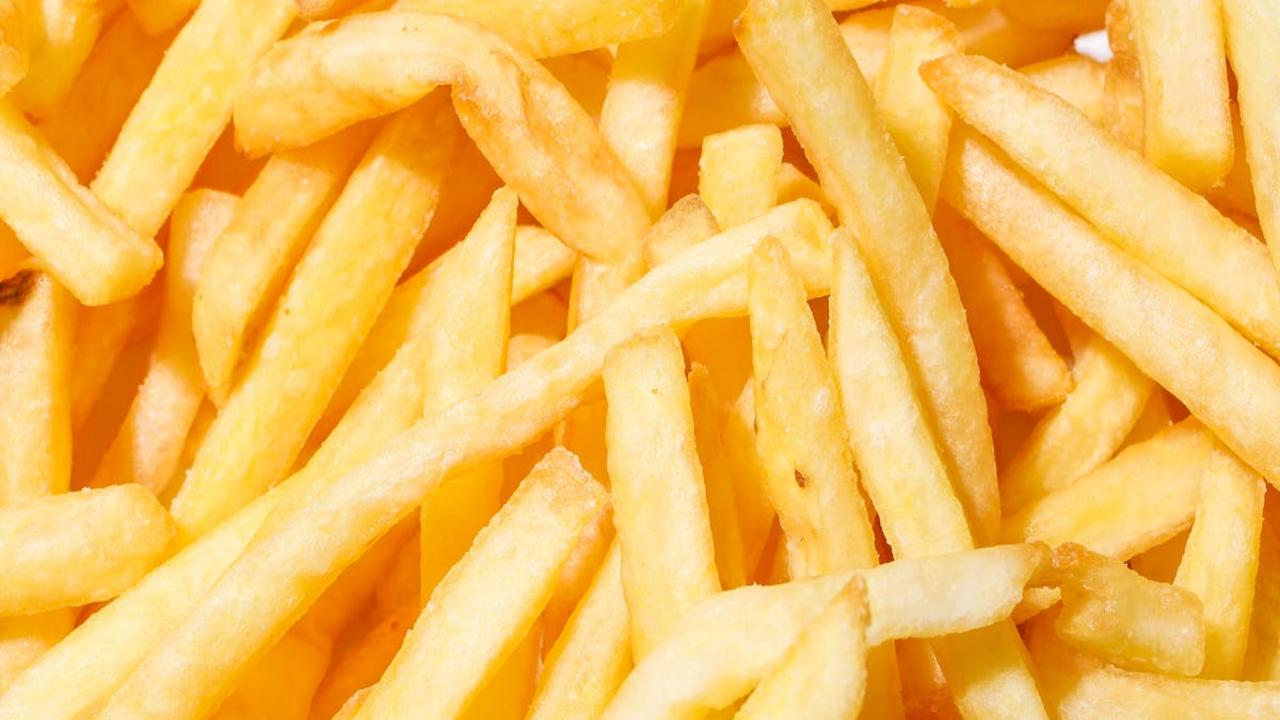
You know those golden, crispy potato sticks we all crave? French fries might seem harmless—they’re just potatoes, right? But here’s what happens behind the scenes: most commercial fries get double-fried in heavily processed oils that oxidize under high heat, creating compounds your body struggles to process. Add the hefty dose of sodium and often trans fats, and you’re looking at a snack that spikes inflammation and leaves you feeling sluggish. I’ve watched friends grab that “quick bite” only to crash an hour later, reaching for more processed foods to fill the energy gap.
Instead of reaching for that drive-through bag, try making your own baked sweet potato wedges at home. I toss thick-cut sweet potato slices with a drizzle of olive oil, smoked paprika, and a pinch of sea salt, then roast them until they’re crispy outside and fluffy inside. You get that satisfying crunch without the inflammatory oils, plus sweet potatoes bring fiber, vitamins, and natural sweetness that keeps your blood sugar steady. Another favorite of mine? Air-fried plantain chips with lime and chili powder—they satisfy that salty-crunchy craving while actually nourishing your body. Your future self will thank you for making the switch.
Funnel Cake

Listen, I get it – funnel cake brings back those magical carnival memories, the sweet smell wafting through the air as you watch that golden batter spiral into crispy perfection. But here’s the reality check we all need: this beloved fair food is basically deep-fried sugar bombs wrapped in nostalgia. A single serving packs around 760 calories and 44 grams of fat, mostly from being dunked in hot oil and then showered with powdered sugar. That’s more calories than many people should eat in an entire meal!
Instead of reaching for that processed funnel cake mix next time you’re craving something sweet and crispy, try making my healthier version at home. I create a batter using whole wheat pastry flour, Greek yogurt, and a touch of vanilla, then cook small portions in a lightly oiled pan rather than deep frying. Top with fresh berries and a light dusting of cinnamon instead of mountains of powdered sugar. You’ll still get that satisfying sweetness and texture, but your body will thank you for choosing ingredients that actually nourish rather than just spike your blood sugar and leave you feeling sluggish.