12 Fresh Ways Food Brings Nature to Your Plate
Your kitchen connects you directly to the natural world in ways that might surprise you. Every meal becomes a bridge between ancient ecosystems and modern plates, revealing how deeply intertwined we remain with the earth’s rhythms and cycles.
From the wild yeast that captures your local environment’s unique signature to the soil microbiome that influences your gut health, food carries nature’s intelligence straight to your table. These connections run deeper than ingredients—they represent living relationships between plants, animals, and the environments that shape them.
Understanding these natural processes transforms how you cook and eat. You begin recognizing the moon’s influence on your garden, appreciating how fermentation mirrors microscopic ecosystems, and seeing your compost bin as part of nature’s endless renewal cycle.
Bees and food web interdependence
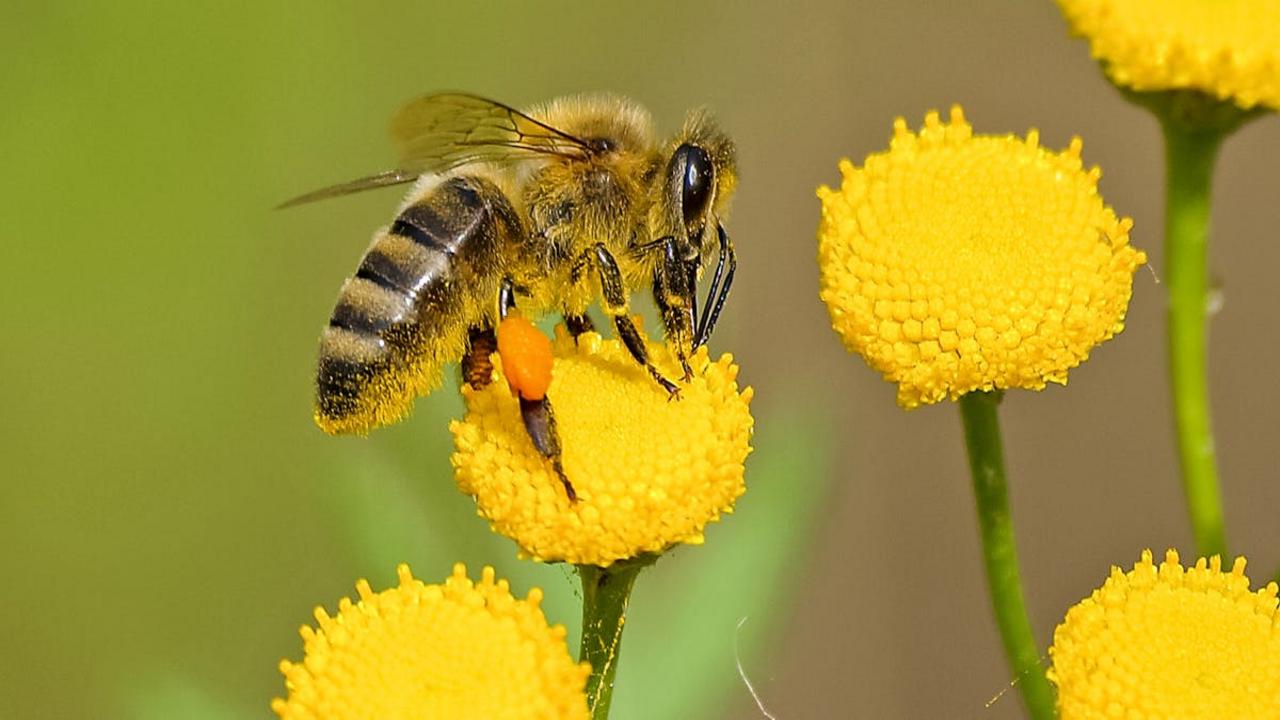
You know that jar of honey sitting in your pantry? It represents one of nature’s most beautiful partnerships. Bees don’t just give us their golden sweetness—they’re the invisible thread connecting your garden tomatoes to your morning coffee. Every third bite you take depends on these incredible pollinators. When I watch bees working through my herb garden, I see them carrying the future of my basil, my squash blossoms, and even the almonds I use in my homemade granola. Their tiny legs, dusted with pollen, carry the genetic material that transforms flowers into the fruits and vegetables that fill our markets.
This interdependence runs deeper than we often realize. Without bees, many of the ingredients I reach for daily—apples, blueberries, cucumbers, and countless others—would simply vanish from our plates. I’ve started choosing local honey not just for its complex flavors that change with the seasons, but because supporting local beekeepers means protecting the pollinators that make my cooking possible. When you drizzle that honey over fresh figs or mix it into a vinaigrette, you’re celebrating a relationship that keeps our food system alive. Every spoonful connects your kitchen to meadows, orchards, and the intricate web of life that makes fresh, whole foods possible.
Wild yeast captures local environment

You know that creamy, dreamy guacamole sitting in your fridge? Stop saving it just for tortilla chips and give your hot dog the upgrade it deserves! I’ve been experimenting with this combination for months now, and honestly, it’s become my go-to weekend lunch. The rich, buttery avocado creates this incredible contrast against a smoky grilled sausage, while the lime juice and cilantro add that fresh brightness that cuts through any heaviness. When you think about it, we already love avocado on burgers, so why not dogs?
The beauty of this topping lies in its versatility and nutritional punch. I make my guacamole with perfectly ripe avocados, a squeeze of fresh lime, minced garlic, diced red onion, and plenty of fresh cilantro – no processed additives needed. Sometimes I throw in diced jalapeños for heat or cherry tomatoes for extra freshness. The healthy fats from the avocado actually help your body absorb more nutrients from other ingredients, making this more than just a delicious choice. Try it on a turkey or chicken sausage with some pickled red onions on top, and you’ve got yourself a meal that feels indulgent but nourishes your body at the same time.
Seed dispersal through animal consumption
You know that moment when you’re standing in your kitchen, hot dog in hand, and suddenly think “What if I treated this like buffalo wings?” That’s exactly how I discovered this genius combination. I take my homemade buffalo sauce – just hot sauce, butter, garlic powder, and a splash of vinegar whisked together – and drizzle it generously over a grilled hot dog. The tangy heat transforms that simple sausage into something spectacular, and honestly, it makes perfect sense when you think about it.
The real magic happens when you add crumbled blue cheese on top. I prefer making my own blue cheese crumbles by mashing good-quality cheese with a fork, but store-bought works too. The creamy, pungent cheese cools down the buffalo heat while adding this incredible depth of flavor that makes each bite more interesting than the last. I often add diced celery for that classic buffalo wing crunch, and sometimes I’ll throw in some chopped chives from my garden. This combination brings all those beloved buffalo wing flavors to your backyard barbecue, and trust me, once you try it, regular ketchup and mustard will feel pretty boring.
Moon phases affect plant growth and harvest

Picture this: you’ve got leftover pulled pork from Sunday’s barbecue, and instead of making the same sandwich again, you pile it high on a grilled hot dog. This combination brings together two beloved comfort foods in a way that makes perfect sense once you taste it. The smoky, tender pork adds serious substance to your dog, transforming it from a quick snack into a hearty meal. I love how the natural sweetness of slow-cooked pork complements the savory snap of a quality hot dog.
What makes this topping work so beautifully is the textural contrast—the soft, shredded pork against the firm bite of the sausage creates layers of satisfaction in every mouthful. You can use homemade pulled pork seasoned with your favorite spice blend, or even repurpose store-bought versions by adding fresh herbs and a splash of apple cider vinegar to brighten the flavors. Top it off with some crispy coleslaw or pickled onions, and you’ve got a creation that rivals any gourmet hot dog joint. This approach shows how smart home cooks can turn simple ingredients into something unexpectedly special.
Plant defense mechanisms shape flavors
I know what you’re thinking—cream cheese on a hot dog sounds absolutely wild. But trust me on this one! This tangy, silky spread brings an incredible richness that pairs beautifully with the smoky, salty notes of a perfectly grilled frank. The cool temperature creates this amazing contrast against the warm dog, and that creamy texture? Pure magic. I first tried this combination at a food truck in Seattle, and it completely changed how I think about hot dog possibilities.
What makes cream cheese work so well is its ability to balance other bold flavors. Try spreading a generous layer on your bun, then top with everything bagel seasoning and thinly sliced cucumbers for a deli-inspired creation. Or go sweet and savory with cream cheese, caramelized onions, and a drizzle of hot honey. The neutral base of cream cheese lets you get creative with herbs too—mix in fresh dill and chives for a garden-fresh twist, or fold in some sriracha for heat. This topping transforms your hot dog into something that feels almost gourmet, proving that sometimes the most unexpected ingredients create the most memorable meals.
Natural food dyes from flowers and insects
Trust me on this one—a perfectly fried egg transforms your hot dog into a complete meal that satisfies on every level. I discovered this combination during my college days when I was experimenting with whatever ingredients I had on hand, and it quickly became one of my go-to comfort foods. The runny yolk creates an instant sauce that coats both the sausage and bun, while the crispy edges of the egg white add textural contrast that makes each bite interesting. You want to crack that egg right into a hot skillet with a touch of olive oil, letting the edges get golden and bubbly while keeping the center jammy.
What makes this topping brilliant is how it bridges breakfast and lunch without feeling forced or gimmicky. The richness of the egg yolk balances beautifully with tangy mustard or fresh herbs like chives or dill, creating layers of flavor that build with each bite. I often add a sprinkle of everything bagel seasoning or smoked paprika to give the egg an extra dimension. This combination works particularly well with turkey or chicken sausages, though it’s equally delicious with traditional beef dogs. The protein boost makes this a genuinely filling meal, perfect for those moments when you want something hearty but don’t want to spend hours in the kitchen.
Fermentation connects microscopic ecosystems
Trust me when I say peanut butter on hot dogs isn’t just some wild American experiment—it’s pure genius waiting to happen in your kitchen. The creamy, nutty richness creates this incredible contrast against the salty, smoky flavors of a grilled frankfurter that just works on every level. I always reach for natural peanut butter without added sugars or oils, because those clean, roasted peanut notes shine brightest when they’re not competing with unnecessary additives. The texture transforms too—the heat from the hot dog warms the peanut butter just enough to make it perfectly spreadable and slightly melty.
What really gets me excited about this combination is how it opens doors to global flavor connections. Add some sriracha and crushed peanuts, and you’ve got Thai-inspired street food vibes right in your backyard. Or go the Indonesian route with a drizzle of soy sauce and fresh cucumber ribbons—suddenly your hot dog becomes this beautiful fusion creation that honors the satay tradition. The protein-rich peanut butter also makes your hot dog more satisfying and nutritionally balanced, turning what could be just a quick snack into something that actually nourishes your body while making your mouth incredibly happy.
Root systems mirror human blood vessels
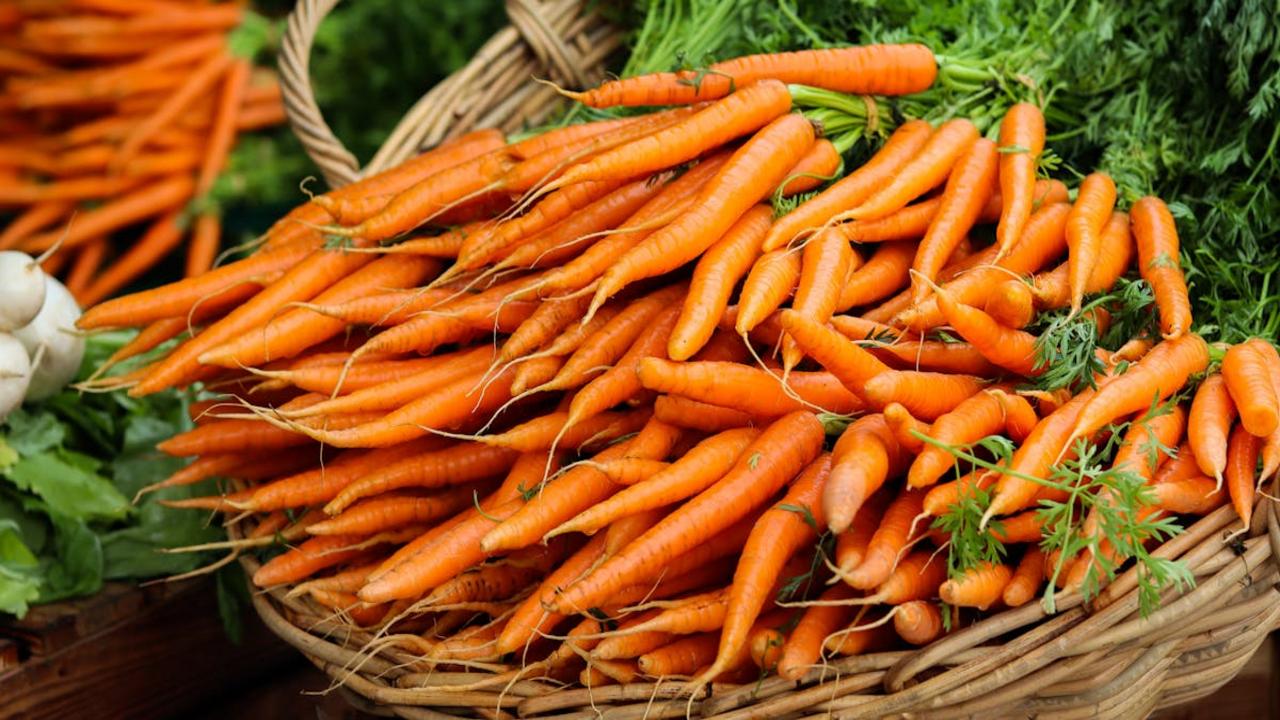
Every time I pull carrots from my garden or slice into a fresh beetroot, I’m struck by something magical—the intricate branching patterns that spread through these root vegetables look remarkably similar to the network of blood vessels running through our bodies. This isn’t just a poetic observation; it’s a fascinating example of how nature repeats its most efficient designs across different living systems. When you examine the delicate veins in a radish or trace the fibrous pathways in a parsnip, you’re seeing the same fractal patterns that deliver nutrients throughout your own circulatory system.
This natural mimicry makes perfect sense when you think about function. Just as your blood vessels branch into smaller and smaller capillaries to reach every cell in your body, root systems divide into increasingly fine networks to absorb water and minerals from every pocket of soil. I love preparing dishes that showcase these beautiful patterns—think paper-thin beetroot carpaccio where you can see every delicate vein, or roasted carrots split lengthwise to reveal their woody core surrounded by tender flesh. These vegetables don’t just nourish us; they remind us that we’re part of the same natural world, sharing design principles that have been perfected over millions of years of evolution.
Food scraps feeding garden compost cycle
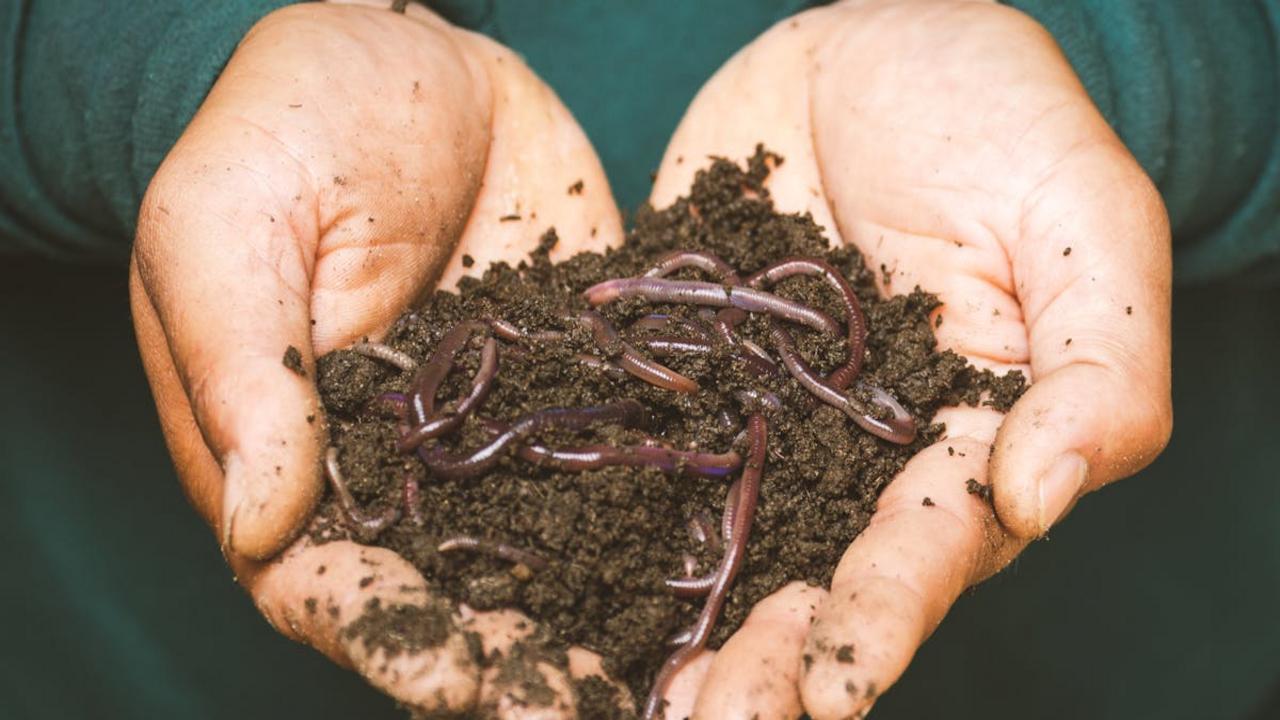
Your kitchen scraps hold incredible power to transform your garden into a thriving ecosystem that feeds you right back. Those coffee grounds, eggshells, vegetable peels, and fruit cores you usually toss? They’re gold for your soil! I started composting three years ago when I realized how much organic matter I was wasting daily. Now, my compost bin receives everything from onion skins to herb stems, creating rich, dark soil that makes my tomatoes burst with flavor and my greens grow like they’re reaching for the stars.
The beautiful cycle works like magic: your food waste breaks down into nutrient-dense compost that feeds your garden, which then produces fresh ingredients for your next meal. My basil grows so abundantly from composted soil that I make pesto weekly, and the leftover stems go right back into the bin. This connection between your plate and your plot creates the most sustainable cooking practice you can imagine. You’re not just growing food—you’re participating in nature’s perfect recycling system, where nothing goes to waste and everything nourishes something else.
Soil microbiome influences gut health
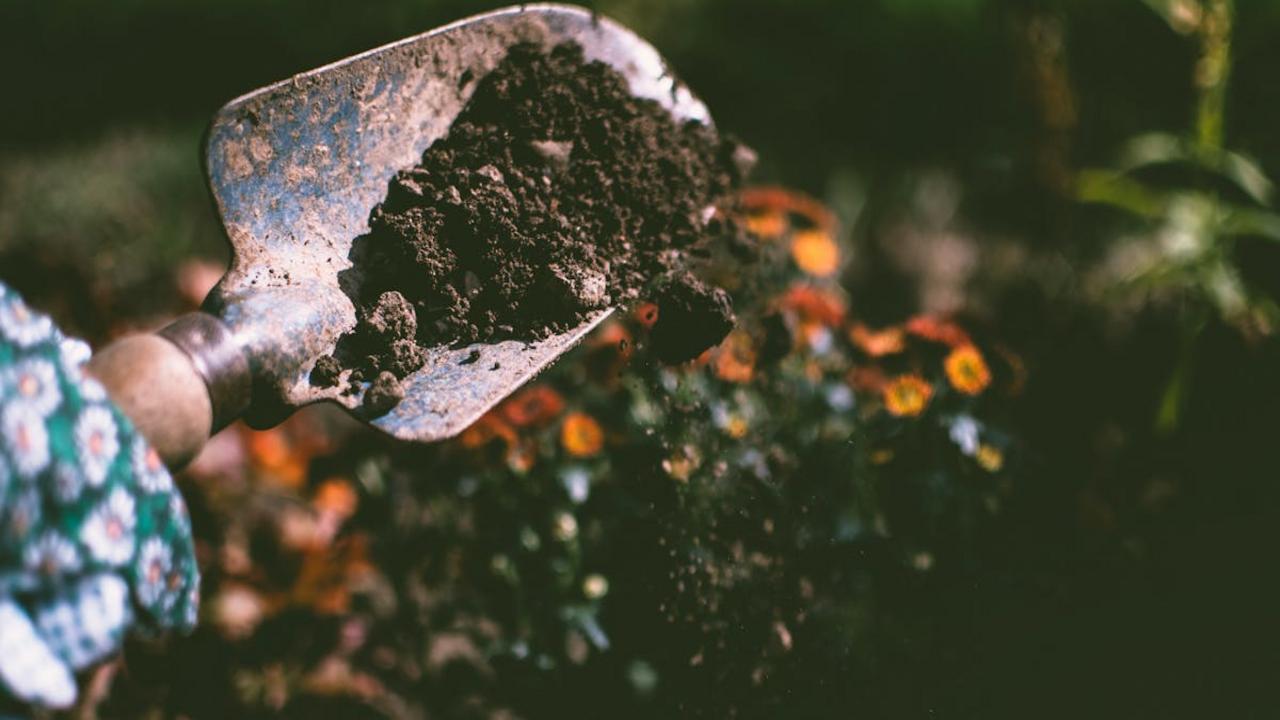
Your gut health starts way before food reaches your kitchen—it begins in the soil where your vegetables grow. I’ve become fascinated by this invisible network of microorganisms living in healthy dirt, because these tiny creatures directly impact what ends up nourishing your digestive system. When you buy produce from farms that prioritize soil health through composting and natural farming methods, you’re getting vegetables packed with beneficial bacteria that your gut microbiome craves. Think of it as a direct pipeline from earth to your intestines, where diversity in soil microbes translates to diversity in your gut flora.
This connection changed how I shop for ingredients completely. I now seek out farmers who talk about their soil with the same passion I have for my spice collection. When I prepare meals with these nutrient-dense vegetables, I can actually taste the difference—there’s more complexity, more depth of flavor. Your digestive system recognizes this too, responding better to foods grown in microbially-rich environments. I’ve started growing my own herbs and greens using compost tea, watching how this simple practice creates more vibrant plants that make my salads and stir-fries more satisfying and easier to digest.
Seasonal eating aligns with Earth’s rhythms
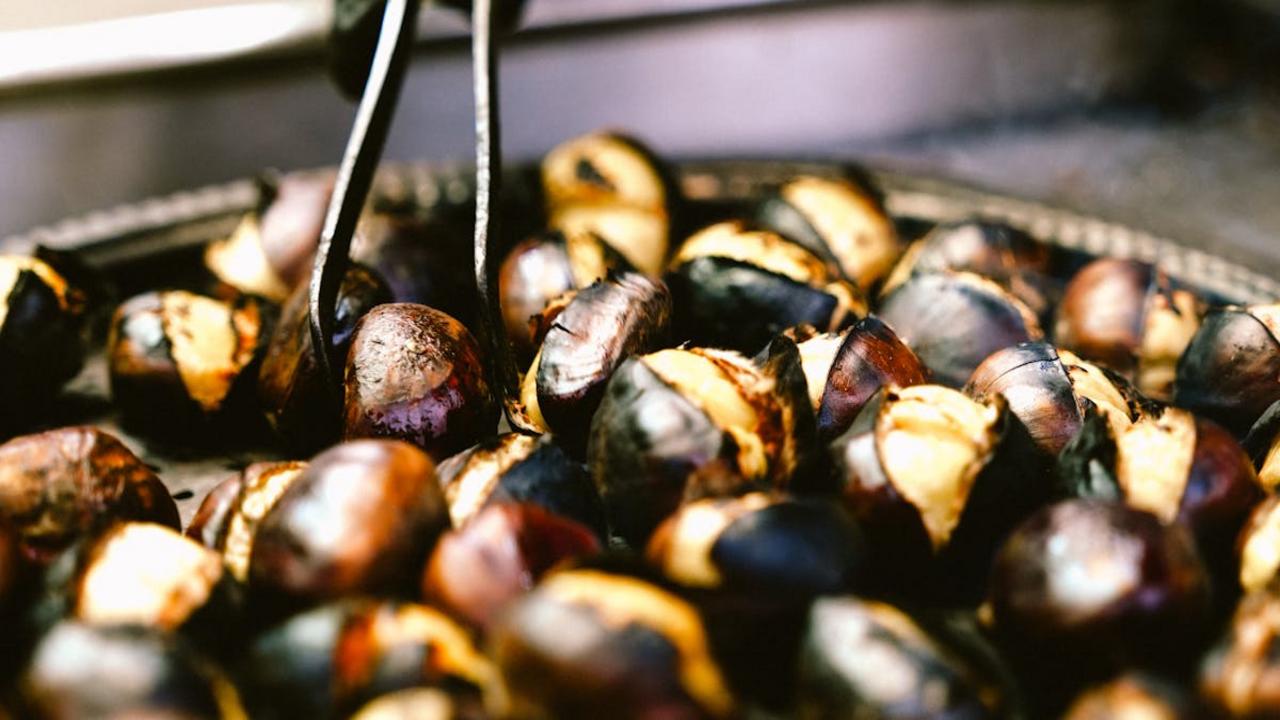
When you cook with what grows naturally around you during each season, something magical happens in your kitchen. Your body starts craving exactly what the earth provides at that moment – cooling cucumbers and tomatoes when summer heat peaks, warming root vegetables and hearty grains when winter calls for comfort. I’ve noticed how my energy shifts when I follow these natural cycles, and my grocery bills actually shrink because seasonal produce costs less and tastes infinitely better than out-of-season imports shipped from thousands of miles away.
This approach transforms your cooking from guesswork into intuition. Spring brings tender greens and fresh herbs that wake up your system after winter’s heavier foods. Summer floods your kitchen with vibrant fruits and vegetables that need minimal preparation – just slice a perfect peach or toss fresh basil with warm tomatoes. Fall offers apples, squash, and warming spices that prepare your body for colder months ahead. Winter delivers stored grains, preserved foods, and hardy vegetables that provide sustained energy. You’ll discover recipes practically write themselves when you work with nature’s timing instead of fighting against it.
Foraging awakens ancient instincts

3