13 Smart Hacks to Go Organic Without Breaking the Bank
Organic food doesn’t have to drain your wallet! I know how overwhelming it feels when you want to feed your family healthy, pesticide-free meals but see those price tags at the grocery store. The good news? You can absolutely make organic eating work within your budget with some simple strategies.
I’ve discovered that shopping smart beats shopping expensive every single time. From timing your farmers market visits to understanding which produce items deserve your organic dollars most, small changes create big savings. You don’t need to overhaul your entire grocery routine overnight.
These thirteen practical tips will transform how you approach organic shopping. You’ll learn to stretch every dollar while still bringing home the wholesome ingredients your family deserves. Ready to make organic eating both affordable and delicious?
Plan Weekly Meals
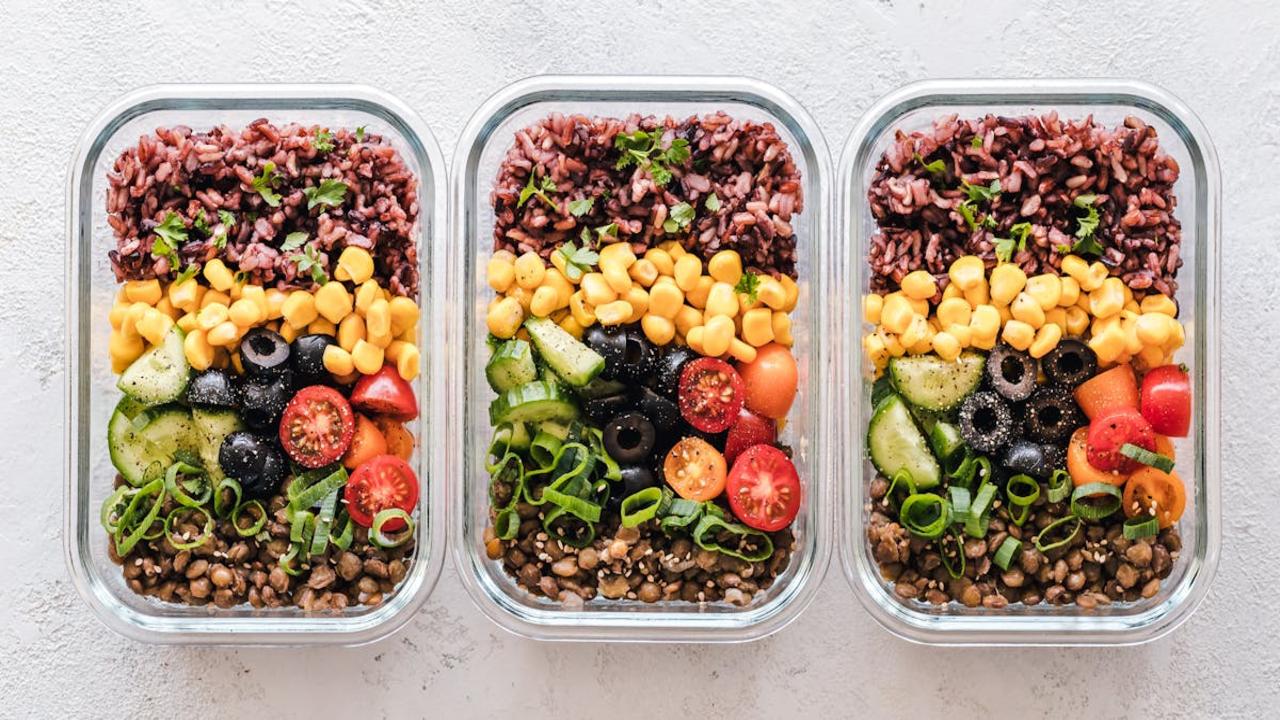
Planning your weekly meals becomes your secret weapon for staying within budget while going organic! When you map out your meals for the entire week, you gain complete control over your grocery spending and avoid those expensive last-minute organic purchases. I love sitting down every Sunday with my favorite notebook and sketching out what my family will eat for the next seven days. This simple practice helps me create a focused shopping list that targets exactly what I need, preventing me from wandering aimlessly through those tempting organic aisles and overspending on items that might go bad before I use them.
Your meal planning strategy works best when you design meals around seasonal organic produce and ingredients you already have in your pantry. Check what’s currently in season at your local farmers market or grocery store, then build your weekly menu around those affordable organic options. I always scan my refrigerator and pantry first, then create meals that incorporate items I need to use up soon. This approach reduces food waste significantly while keeping your organic grocery bills reasonable. You’ll find that planning ahead also opens up opportunities to batch cook grains, prep vegetables, and prepare components that work across multiple meals throughout the week.
Cook from Scratch

Cooking from scratch becomes your secret weapon for organic eating on a budget! When you prepare meals at home using whole, organic ingredients, you control every single component that goes into your food. This means no hidden preservatives, no mysterious additives, and definitely no inflated prices from fancy packaging. I love how making meals from scratch transforms simple organic vegetables, grains, and proteins into nourishing dishes that cost a fraction of what you’d pay for pre-made organic options. Plus, you get to customize flavors exactly how you want them!
The beauty of scratch cooking lies in buying basic organic staples like dried beans, whole grains, seasonal vegetables, and simple proteins, then turning them into multiple meals throughout the week. A bag of organic lentils costs just a few dollars but creates hearty soups, protein-packed salads, and satisfying curries. Fresh organic tomatoes become pasta sauce, soup base, or sandwich toppers. When you cook from scratch, you’re not paying for someone else’s labor, marketing, or packaging – you’re investing in pure, wholesome ingredients that stretch much further than processed alternatives.
Choose Whole Foods

When you’re shopping organic on a budget, whole foods become your best friend! I’m talking about those beautiful, unprocessed ingredients that come straight from nature – fresh vegetables, fruits, grains, and legumes. These foods typically cost less per serving than their packaged counterparts because you’re not paying for fancy processing, marketing, or packaging. Think about it: a bag of organic brown rice will stretch much further than pre-made organic rice pilaf, and you get to control exactly what goes into your meals.
Whole foods also give you incredible flexibility in your kitchen. That bunch of organic kale can transform into a hearty soup base, a crispy chip alternative, or a nutrient-packed smoothie addition – talk about getting your money’s worth! Plus, when you buy whole ingredients, you’re investing in foods that pack more nutritional punch per dollar spent. I love how a simple organic sweet potato can become the star of so many different dishes, from roasted wedges to creamy soups to breakfast hash. You’ll find that building your organic pantry around these foundational whole foods creates endless possibilities while keeping your grocery budget happy.
Buy Frozen Organic

Frozen organic produce becomes your secret weapon for eating clean without spending a fortune! Fresh organic fruits and vegetables often carry premium price tags, but their frozen counterparts deliver the same nutritional punch at a fraction of the cost. You’ll discover that frozen organic berries, spinach, broccoli, and mixed vegetables maintain their vitamins and minerals through flash-freezing processes that lock in peak freshness. Stock your freezer with these budget-friendly options, and you’ll always have organic ingredients ready for smoothies, stir-fries, and soups.
The convenience factor makes frozen organic produce a smart choice for busy home cooks who want to maintain healthy eating habits. You can grab a handful of frozen organic strawberries for your morning smoothie or toss frozen organic vegetables into pasta dishes without any prep work. These frozen gems last for months in your freezer, eliminating food waste and those guilty moments when fresh produce goes bad before you use it. Shopping the frozen aisle for organic options means you can enjoy seasonal favorites year-round while keeping your grocery budget in check.
Check Clearance Sections

Your grocery store’s clearance section can become your secret weapon for scoring organic products at incredible prices! I always make it my first stop during shopping trips because you never know what treasures you’ll discover. These sections typically feature organic items nearing their sell-by dates, seasonal products being rotated out, or packages with minor cosmetic damage. Don’t worry about quality – these products are perfectly safe and nutritious, just marked down because stores need to move inventory quickly.
Make clearance shopping work for you by planning flexible meals around what you find. If you spot discounted organic berries, grab them for smoothies or freeze them for later baking projects. Found marked-down organic pasta sauce? Stock up and pair it with regular-priced organic pasta for multiple meals. I’ve scored everything from organic quinoa to grass-fed beef at 50% off just by checking these hidden gems regularly. The key is shopping with an open mind and being willing to adjust your meal plans based on the deals available – your wallet will thank you!
Shop Store Brand Organic
Your grocery store’s own organic line can be your secret weapon for staying within budget while maintaining your commitment to clean eating. Most major retailers now offer their private label organic products at prices that typically run 20-30% less than name brands, without sacrificing quality. These store brands must meet the same USDA organic certification standards, so you’re getting the same pesticide-free, non-GMO goodness for significantly fewer dollars. I love stocking up on store brand organic staples like pasta, canned tomatoes, and frozen vegetables – they perform beautifully in recipes and keep my pantry well-stocked without the sticker shock.
Don’t let brand loyalty keep you from these smart savings! Start by comparing ingredients lists between store brands and national brands – you’ll often find they’re nearly identical, sometimes even produced in the same facilities. Focus on pantry staples first: rice, beans, olive oil, and spices where taste differences are minimal but savings add up quickly. I’ve discovered some real gems in store brand organic lines, like surprisingly good pasta sauces and perfectly creamy nut butters. Make it a fun challenge to try one new store brand organic item each shopping trip – your wallet will thank you, and you might discover some new favorites that become regular rotation players in your healthy meal planning.
Compare Store Prices

You know what really gets me excited about organic shopping? Finding those amazing deals that make eating clean feel like a treasure hunt! I love walking through different stores with my phone calculator ready, comparing prices on my favorite organic staples. Sometimes the difference between stores can be absolutely shocking – I’ve found organic quinoa priced at $8 per pound at one store and just $4.50 at another location just two miles away. Your wallet will thank you for doing this homework, and honestly, it becomes kind of addictive once you start seeing the savings add up.
Here’s my favorite trick: create a simple price comparison chart on your phone or a notebook with your most-purchased organic items listed across different stores. Include your regular grocery store, health food stores, warehouse clubs, and even online retailers in your comparison. Don’t forget to factor in gas money and membership fees though – sometimes that “cheaper” price isn’t actually saving you money after all the extras. I update my chart every few months since prices change, and this little system has saved me hundreds of dollars throughout the year while keeping my pantry stocked with beautiful organic ingredients.
Grow Your Own Food

Starting your own garden might seem overwhelming, but I promise you it’s one of the most rewarding ways to enjoy fresh, organic produce without spending a fortune. You don’t need acres of land or fancy equipment – even a small balcony or windowsill can become your personal food sanctuary. Herbs like basil, cilantro, and parsley grow beautifully in small pots and provide incredible flavor payoffs for just a few dollars in seeds. Leafy greens such as spinach, lettuce, and kale thrive in containers and give you multiple harvests throughout the growing season.
The beauty of growing your own food lies in the control you have over every step of the process. You choose what goes into the soil, you decide when to water, and you know exactly what touches your plants. No mysterious pesticides or chemicals – just pure, wholesome food that travels mere steps from soil to plate. Plus, there’s something magical about watching tiny seeds transform into vibrant plants that nourish your family. Start small with a few easy-to-grow favorites, and watch your confidence bloom alongside your garden. You’ll save money, eat fresher food, and develop a deeper connection with what you consume.
Focus on Seasonal Produce
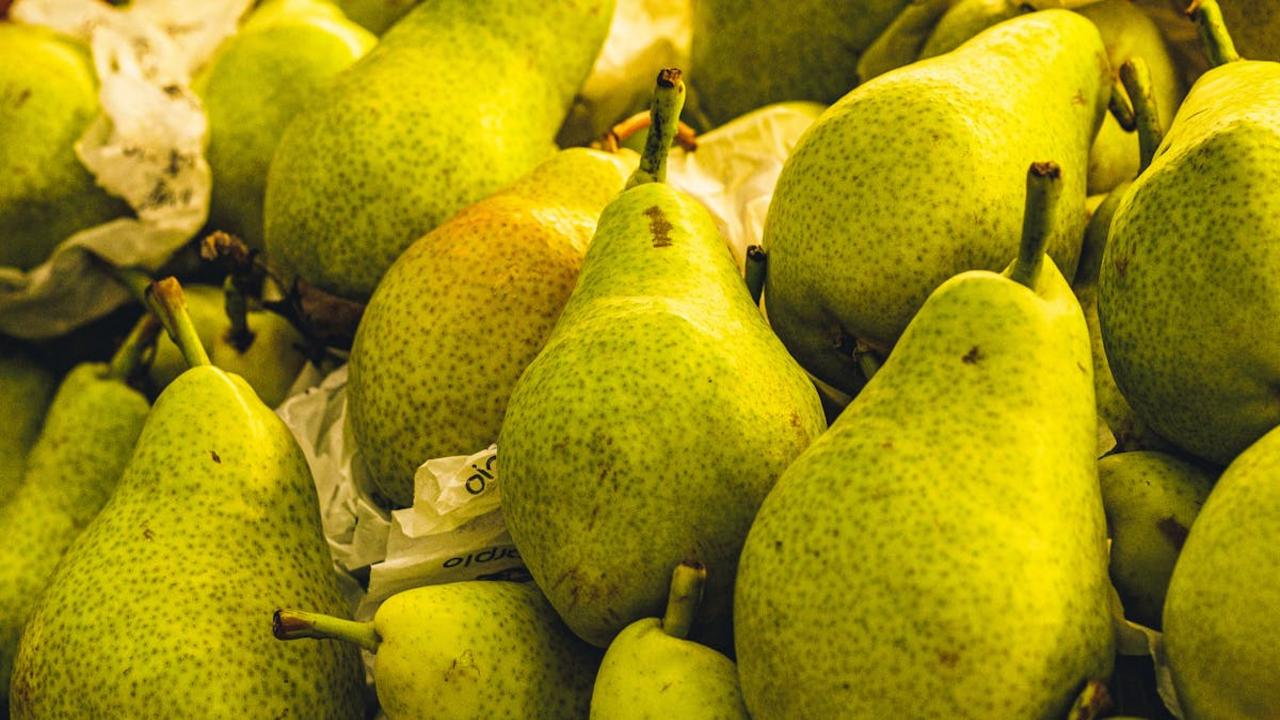
Shopping for organic produce becomes much more affordable when you align your grocery list with nature’s calendar. Seasonal fruits and vegetables cost significantly less because they’re abundant during their natural growing periods, and you’ll often find local farmers eager to move their fresh harvests. I love planning my weekly meals around what’s currently in season – not only does this save money, but it also guarantees you’re getting produce at its peak flavor and nutritional value. Spring brings affordable organic asparagus and strawberries, summer delivers budget-friendly tomatoes and zucchini, fall offers reasonably priced apples and squash, while winter provides cost-effective citrus fruits and hearty root vegetables.
Building relationships with local farmers at farmers’ markets can lead to even better deals on seasonal organic produce. Many vendors offer bulk discounts or end-of-day markdowns on their beautiful, fresh items. You can also ask farmers about their harvest schedules – knowing when peak season hits means you can stock up and preserve extra produce through freezing, dehydrating, or canning. This strategy transforms expensive organic eating into an affordable lifestyle choice while connecting you directly with the people who grow your food. Plus, seasonal eating naturally varies your diet throughout the year, ensuring you get a wide range of nutrients without the premium price tag of out-of-season organic imports.
Prioritize the Dirty Dozen

You know that feeling when you’re standing in the produce aisle, wallet in hand, wondering which fruits and vegetables actually need to be organic? The Environmental Working Group’s Dirty Dozen list becomes your best friend here! This annual ranking identifies the twelve conventionally grown fruits and vegetables with the highest pesticide residue levels. Think strawberries, spinach, kale, peaches, and apples – these beauties soak up chemicals like little sponges. By focusing your organic budget on just these twelve items, you can dramatically reduce your family’s pesticide exposure without spending a fortune on everything organic.
Here’s where smart shopping really pays off: you can buy conventional versions of the Clean Fifteen (like avocados, sweet corn, and pineapple) and put those savings toward organic versions of the Dirty Dozen. I keep the current list saved on my phone so I never forget which items deserve the organic splurge. This targeted approach typically cuts your organic grocery bill in half while still giving you maximum health benefits. Plus, you’ll feel confident knowing you’re making informed choices that protect your family’s health without the financial stress of going completely organic overnight.
Buy in Bulk
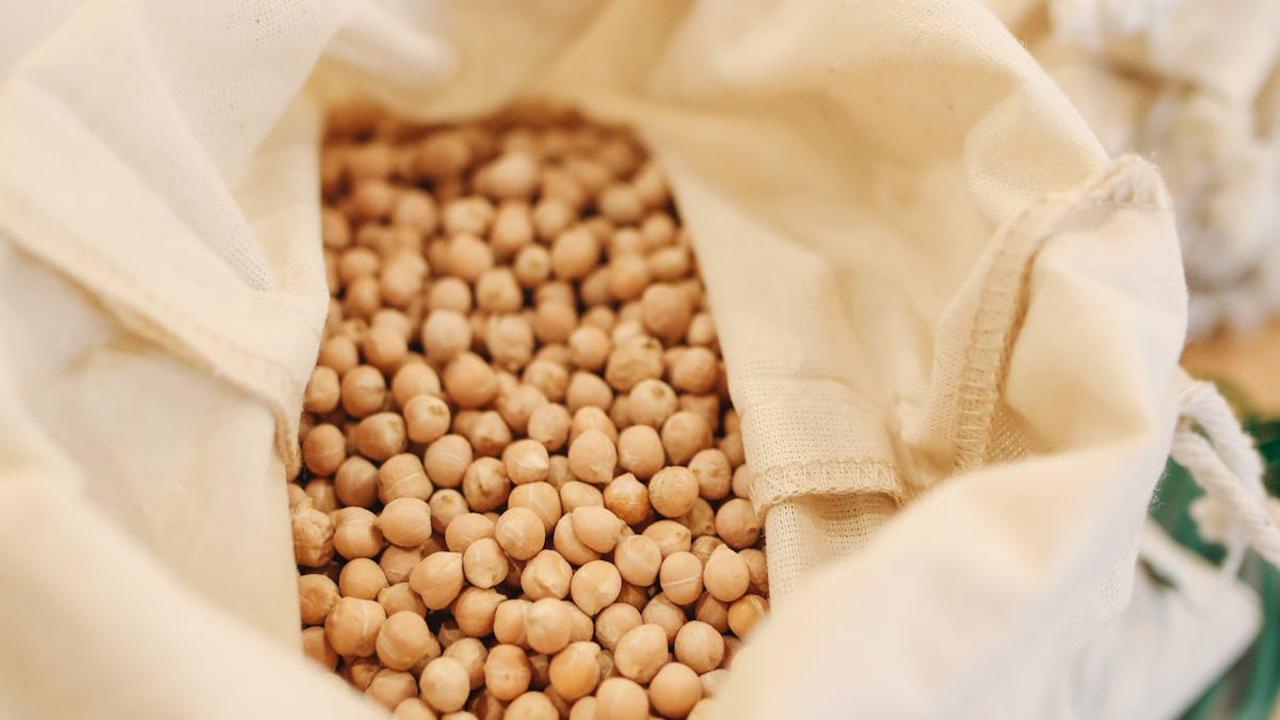
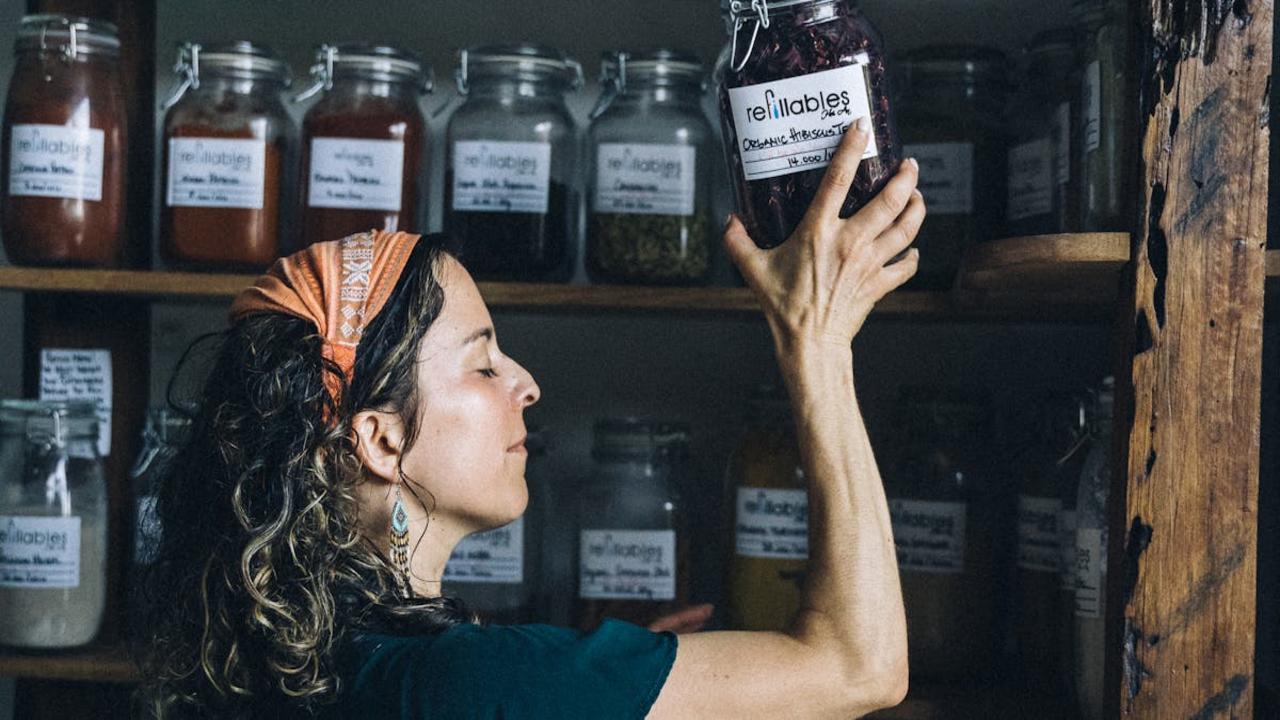
Shopping for organic foods in larger quantities can dramatically slash your grocery bills while keeping your pantry stocked with wholesome ingredients. I always head straight to the bulk bins at my local co-op or natural foods store, where you can scoop up organic grains, nuts, seeds, and dried fruits at a fraction of the packaged price. You’re paying for the actual food, not fancy packaging or marketing costs. Plus, you control exactly how much you need – whether that’s a pound of quinoa for meal prep or just a handful of organic almonds for snacking.
The real magic happens when you team up with friends or neighbors to split larger orders from wholesale suppliers or buying clubs. Many organic farms and distributors offer significant discounts when you purchase cases of produce or pantry staples. I’ve organized buying groups in my neighborhood where we collectively order everything from organic olive oil to seasonal vegetables, and everyone saves money while building community connections. Store your bulk purchases properly in airtight containers, and you’ll have organic ingredients ready whenever inspiration strikes in the kitchen.
Join a CSA Program

Community Supported Agriculture (CSA) programs offer one of the smartest ways to fill your kitchen with fresh, organic produce while keeping your budget happy. You pay a seasonal fee upfront to a local farm, and in return, you receive a weekly box of whatever’s growing at peak season. This direct relationship with farmers cuts out the middleman markup you’d find at grocery stores, often saving you 30-40% on organic vegetables and fruits. Plus, you’re getting produce that was literally picked within days of reaching your hands – talk about maximum freshness and nutrition!
The beauty of CSA boxes lies in their seasonal surprise factor, which naturally pushes you to try vegetables you might never have picked up otherwise. That mysterious bunch of rainbow chard or those adorable baby turnips suddenly become the stars of your dinner table, expanding your cooking repertoire in the most delicious way possible. Many CSA programs also offer add-ons like fresh herbs, eggs, or even grass-fed meat, creating a one-stop shop for your organic needs. Search for CSA programs in your area through websites like LocalHarvest.org, and don’t forget to ask about work-share options – some farms offer discounted shares in exchange for a few hours of farm work each season.
Shop at Farmers Markets
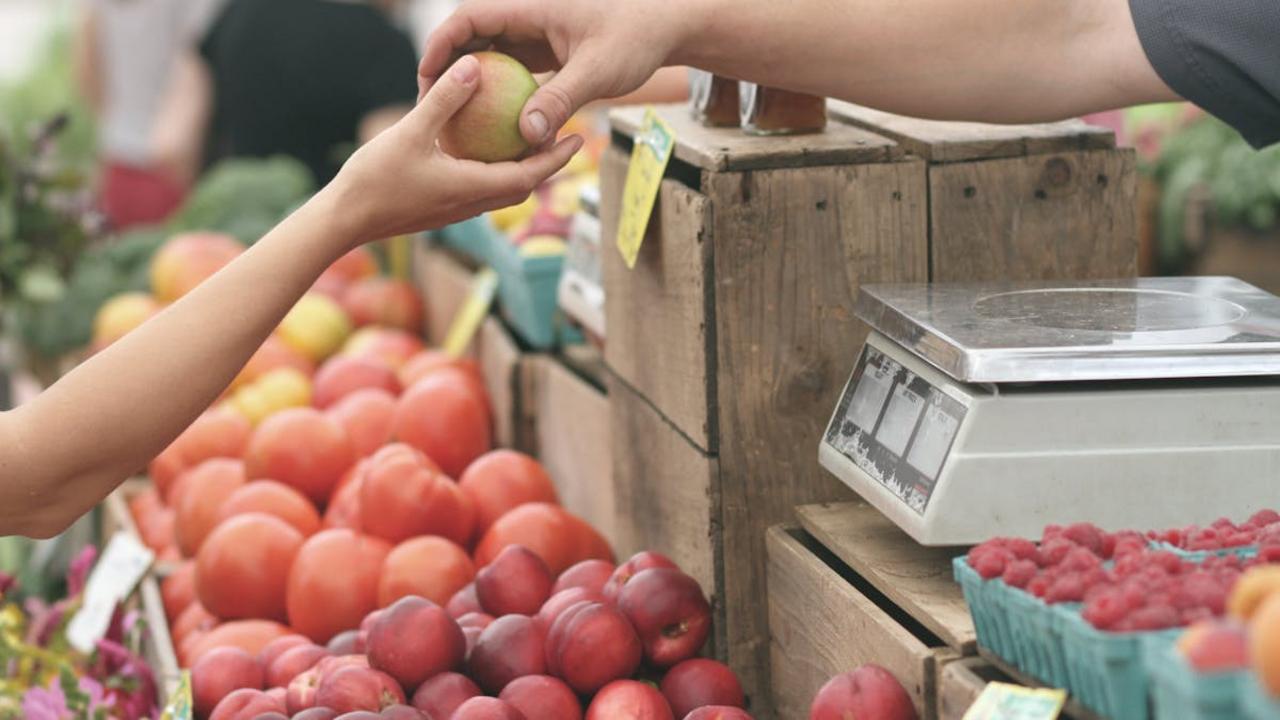
Farmers markets offer one of the best opportunities to score fresh, organic produce at prices that won’t make your wallet weep. You’ll often find vendors selling their freshly harvested goods at competitive rates, especially compared to those fancy organic sections in grocery stores. I love chatting with the farmers themselves – they’re usually happy to share which items are certified organic versus pesticide-free, and many small-scale growers follow organic practices without the official certification simply because it costs too much to get verified. Plus, you can often negotiate better deals when buying in bulk or near closing time when vendors prefer selling their remaining stock rather than packing it back up.
The beauty of farmers markets goes beyond just savings – you’re getting produce at peak freshness since most items were picked within 24 hours of sale. This means your organic strawberries will last longer in your fridge, giving you better value for your money. Don’t forget to bring your own bags and arrive with a plan, but stay flexible enough to grab unexpected deals on seasonal favorites. Many markets also accept SNAP benefits and offer double-dollar programs that stretch your purchasing power even further. Make friends with your favorite vendors, and they might even set aside the best picks for you or give you a heads-up about upcoming specials.