13 Vintage Cooking Techniques Ready for a Tasty Comeback
Your kitchen holds more power than you think. While modern gadgets promise convenience, I’ve discovered that some of the most satisfying meals come from techniques your great-grandmother knew by heart. These time-tested methods don’t just cook food—they transform simple ingredients into something extraordinary.
I watch friends struggle with bland processed meals while these forgotten skills sit waiting. Cast iron seasoning, patient fermentation, the gentle art of smoking—each technique carries wisdom that makes food taste alive again. You don’t need expensive equipment, just willingness to slow down and connect with your ingredients.
These methods aren’t nostalgic trends—they’re practical solutions for better nutrition and deeper flavors. Your hands remember what machines forget: how dough should feel, when vegetables reach perfect tenderness, why homemade always wins.
Home Canning
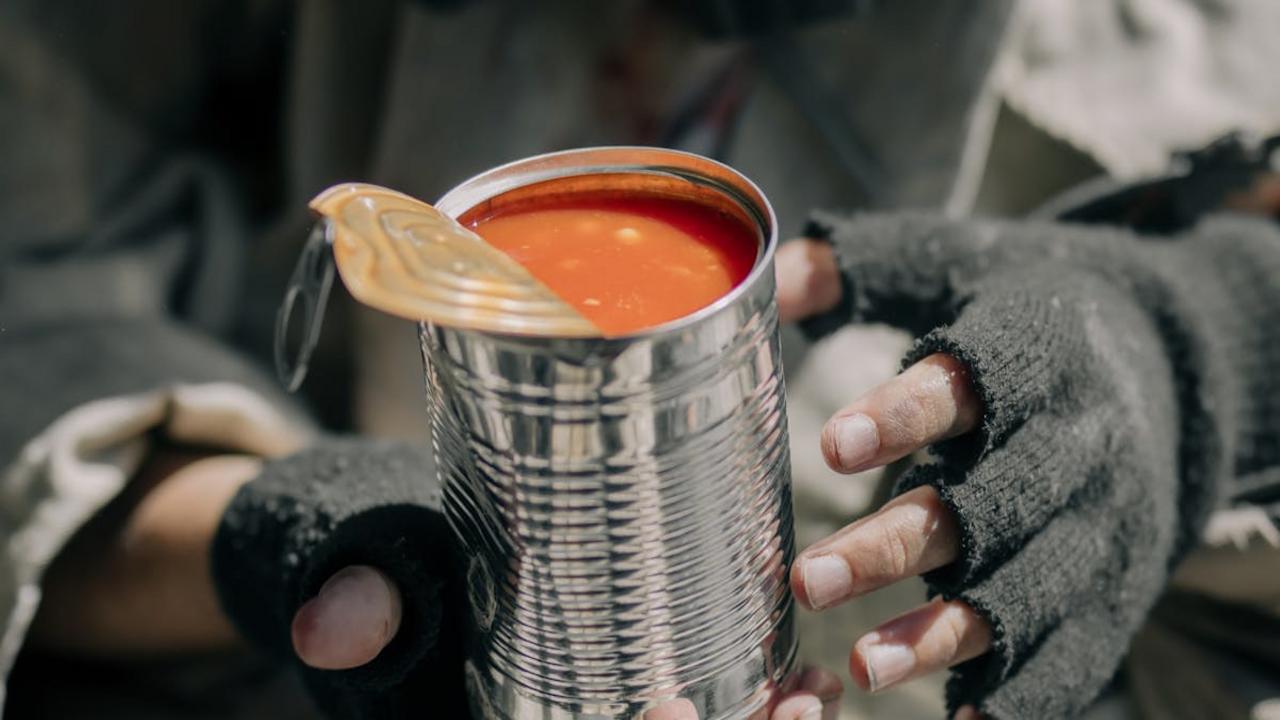
Home canning brings me right back to my grandmother’s kitchen, where rows of gleaming mason jars lined the pantry shelves like edible treasures. This time-honored preservation method transforms seasonal abundance into year-round flavor bombs that blow store-bought alternatives out of the water. I love how canning connects you to the rhythm of seasons – capturing peak summer tomatoes for winter pasta sauces, or preserving autumn’s apple harvest for homemade applesauce that tastes like pure sunshine. The process itself becomes meditative, from the gentle bubbling of the water bath to the satisfying pop of lids sealing properly.
What excites me most about canning is how it aligns perfectly with whole-food cooking principles – you control every ingredient that goes into those jars. No mysterious preservatives or artificial flavors, just real food preserved at its nutritional peak. I’ve experimented with international flavors too, creating spiced chutneys inspired by Indian cooking or kimchi-style fermented vegetables that add probiotic benefits to my pantry. The initial investment in equipment pays for itself quickly, and there’s something deeply satisfying about opening a jar of your own preserved peaches in February. Plus, homemade preserves make incredible gifts that show you truly care about nourishing the people you love.
Slow Simmering
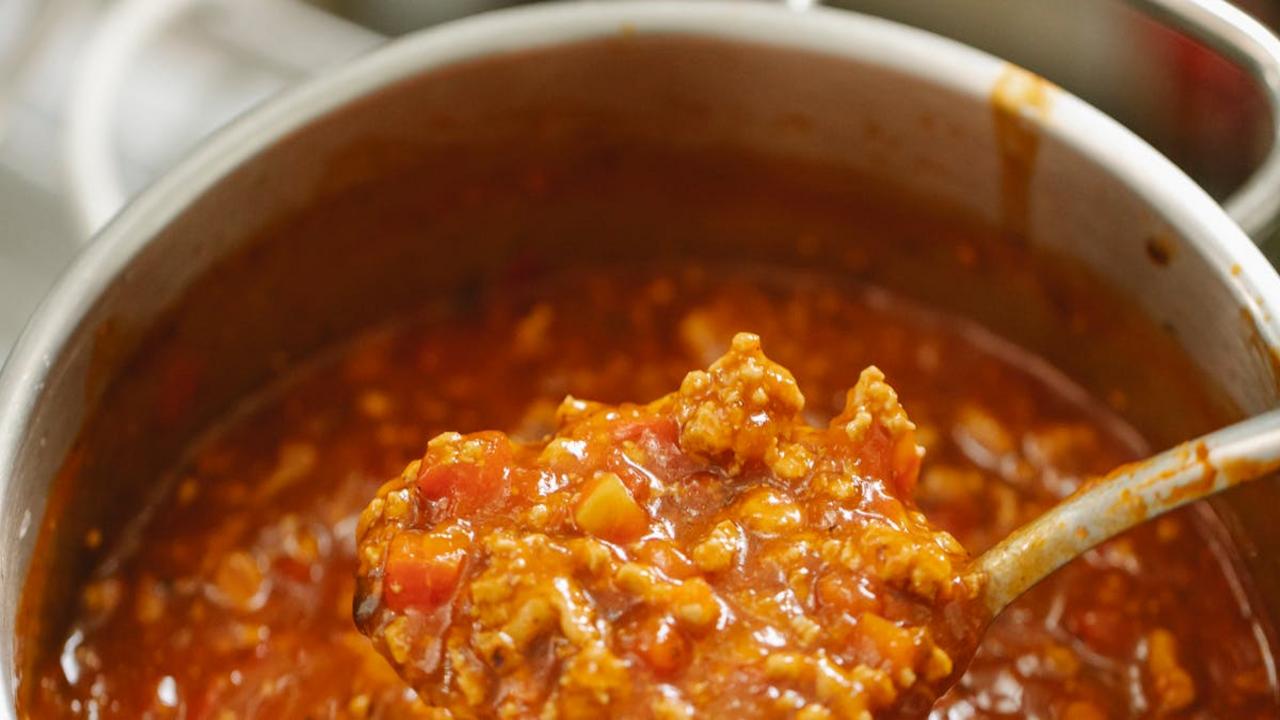
You know what I miss most about my grandmother’s kitchen? The way she’d set a pot on the stove in the morning and let it bubble gently all day long. Slow simmering isn’t just about patience—it’s about creating magic through time and gentle heat. When you simmer ingredients at barely a whisper above boiling point, proteins break down into silky textures, tough vegetables become tender, and flavors meld together in ways that rushing simply can’t achieve. I’ve watched this transformation happen with everything from Filipino adobo to Moroccan tagines, where the low, steady heat coaxes out depths of flavor that high-temperature cooking leaves behind.
The beauty of slow simmering lies in how it transforms humble ingredients into something extraordinary without any fancy equipment or processed shortcuts. Take a simple bone broth—when you simmer those bones for hours, you’re not just making soup stock; you’re extracting minerals, collagen, and nutrients that support your body from the inside out. I love how this technique works with dried legumes too, turning tough chickpeas or beans into creamy perfection while they absorb all the aromatics you’ve added. The process teaches you to trust your instincts, to taste and adjust as flavors develop, creating meals that nourish both body and soul through the simple act of giving time to your cooking.
Hearth Cooking

Picture this: flames dancing beneath your cast iron pot, the gentle crackle of wood, and that unmistakable smoky aroma that no modern appliance can replicate. Hearth cooking connects you directly to your ingredients in ways that gas burners and electric coils simply can’t match. I’ve been experimenting with this ancient technique in my own backyard, using a simple fire pit setup, and the transformation in flavor is remarkable. The uneven heat creates natural caramelization zones that give vegetables incredible depth, while proteins develop crusts that seal in juices beautifully. You control the temperature by moving your cookware closer or further from the flames, creating an intuitive dance between cook and fire.
What excites me most about hearth cooking is how it strips away our dependence on processed convenience foods and brings us back to whole, honest ingredients. Root vegetables like sweet potatoes and beets become candy-sweet when slow-roasted in the coals, while grains like quinoa and farro take on nutty, complex flavors when cooked in cast iron over open flames. The technique works beautifully with global dishes too – I’ve made incredible Indian dal, Moroccan tagines, and even Korean-inspired stews using nothing but fire and heavy cookware. Start simple with one-pot meals, and you’ll quickly discover how this primal cooking method can revolutionize your relationship with food.
Hand Kneading Bread
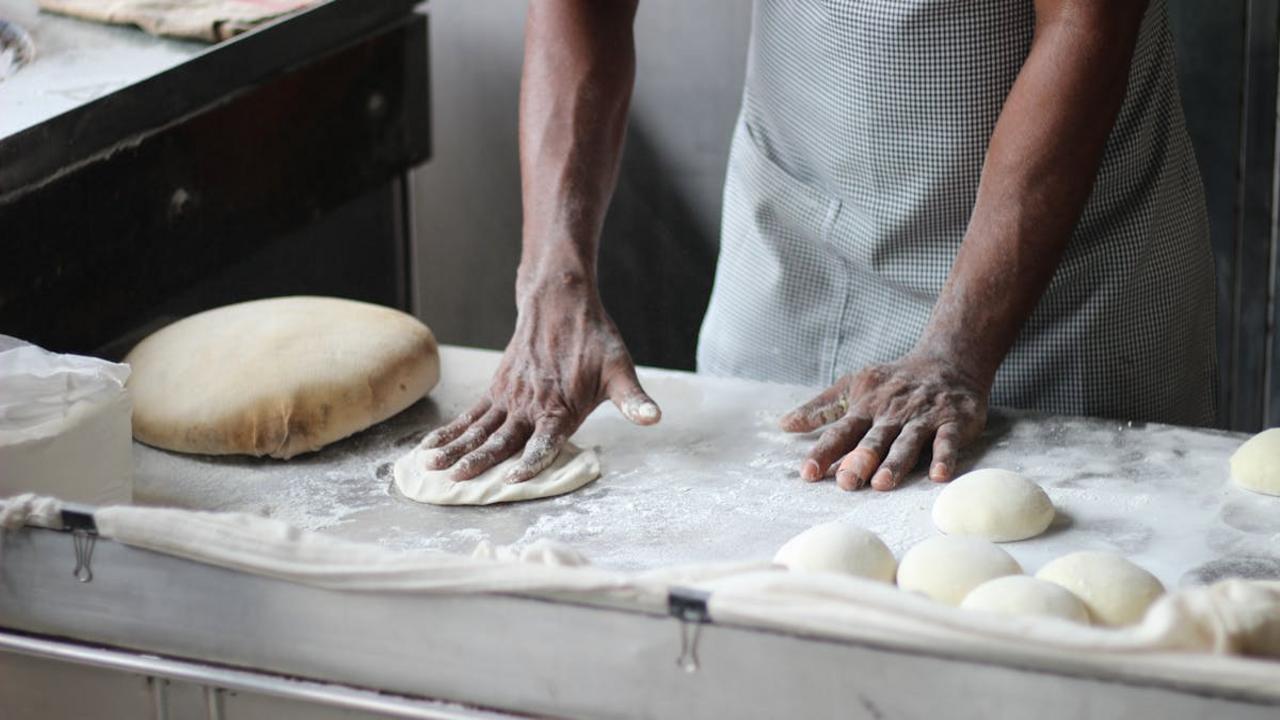
Something magical happens when your hands work dough—you develop an intuitive connection with the ingredients that no machine can replicate. I’ve watched countless home bakers rely on stand mixers, missing out on the tactile feedback that tells you exactly when gluten has developed properly. Your palms warm the dough, your fingers detect subtle changes in texture, and you learn to read the silent language of flour, water, and time. This ancient technique builds strength in your forearms while building character in your bread, creating those irregular air pockets and rustic textures that make homemade loaves so distinctive.
Hand kneading connects you to generations of bakers who understood bread as living, breathing creation rather than a mechanical process. I recommend starting with simple whole wheat or spelt flour—these ancient grains respond beautifully to gentle hand work and don’t require the aggressive mixing that refined flours sometimes demand. The rhythm becomes meditative: push with your palm, fold over, turn a quarter, repeat. You’ll know you’re done when the dough springs back from a gentle poke and feels smooth yet slightly tacky. This mindful approach to bread-making transforms a daily staple into a grounding ritual that nourishes both body and spirit.
Fermentation
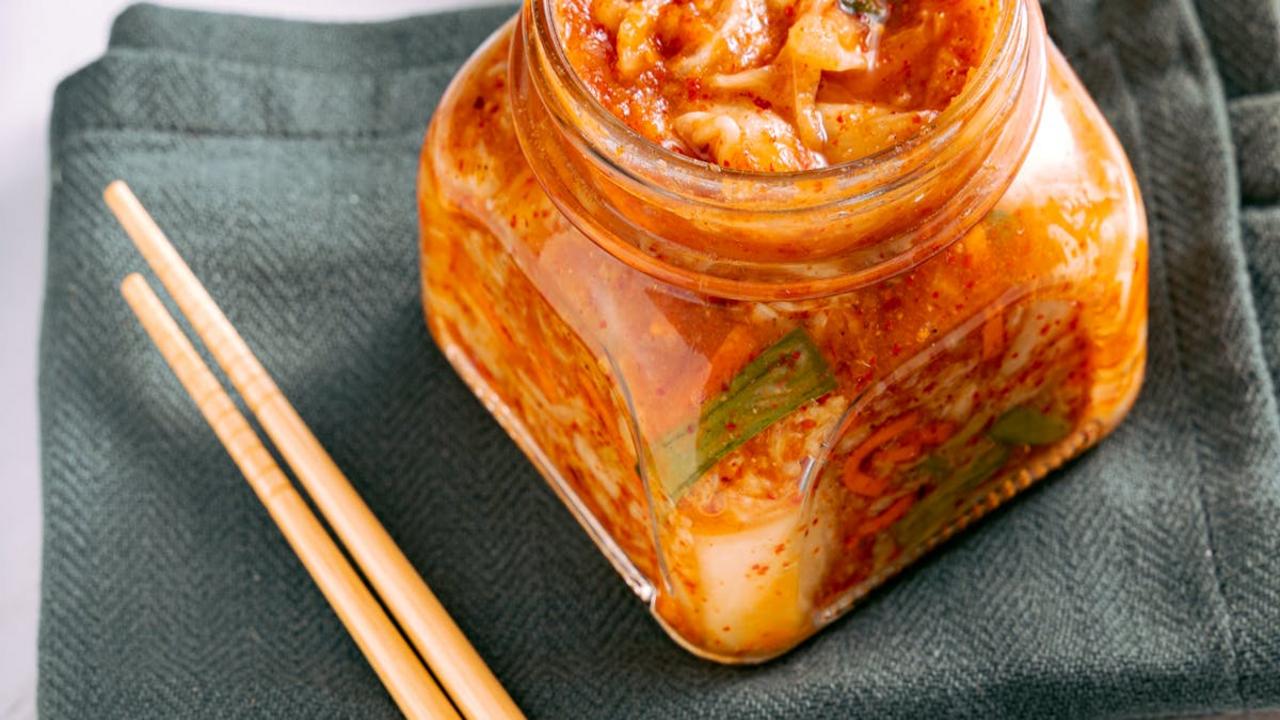
You know what’s wild? Your grandmother probably knew more about fermentation than most modern cooks do today. She kept sourdough starters alive for decades, made her own sauerkraut, and turned milk into tangy buttermilk without thinking twice about it. Fermentation isn’t just some trendy health movement – it’s one of humanity’s oldest preservation methods that transforms simple ingredients into complex, probiotic-rich foods that your gut absolutely craves.
I started my fermentation adventure with kimchi, and now my kitchen counter looks like a science lab with bubbling jars of vegetables, kombucha, and whatever seasonal produce caught my eye at the market. The beauty of fermentation lies in its simplicity: salt, time, and beneficial bacteria do all the heavy lifting while you wait. You can ferment almost anything – from classic cabbage and carrots to unexpected ingredients like watermelon rinds or green tomatoes. The process breaks down tough fibers, creates beneficial enzymes, and develops those deep, umami-rich flavors that make your homemade ferments taste infinitely better than anything you’ll find in a store. Plus, you’re getting a daily dose of live probiotics that support your digestive health naturally.
Root Cellaring
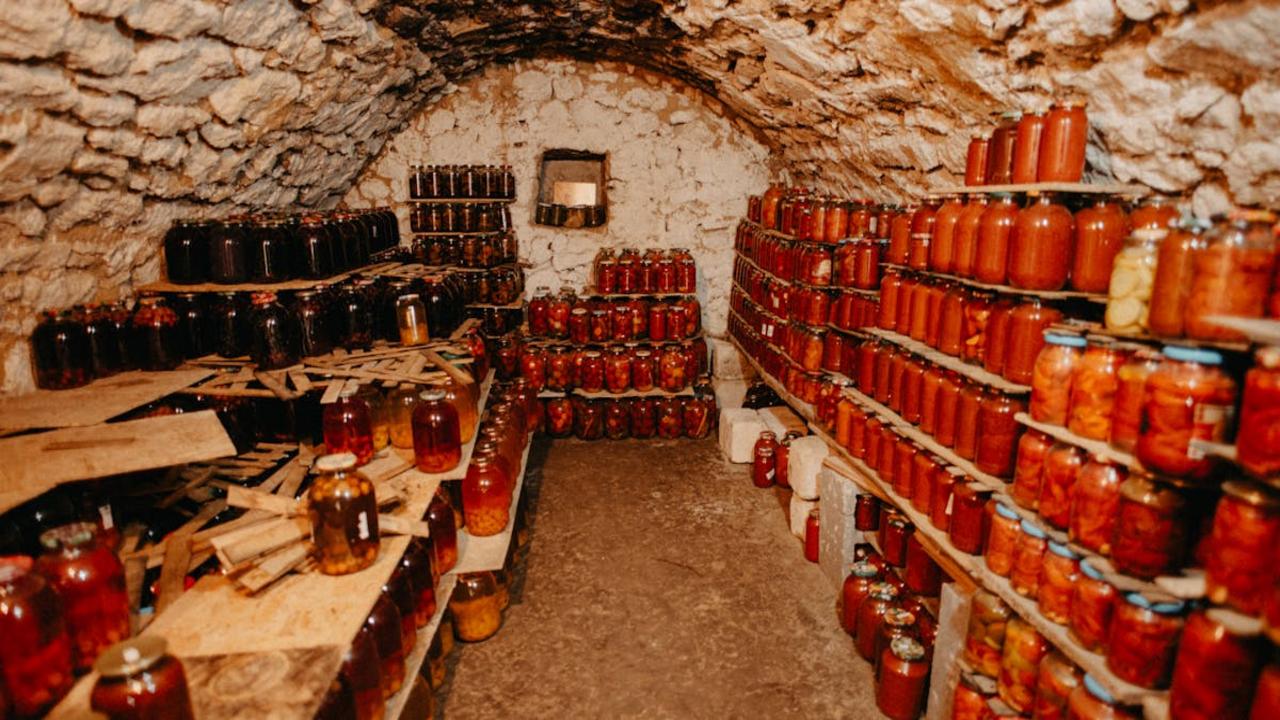
Root cellaring brings me back to my grandmother’s house, where she stored potatoes, carrots, and onions in a cool corner of her basement that stayed naturally cold throughout winter. This traditional storage method works because certain vegetables continue breathing after harvest—they need specific temperature and humidity conditions to stay fresh for months without refrigeration. I’ve adapted this technique in my own kitchen by designating a cool, dark cabinet for storing root vegetables, winter squash, and even apples. The key lies in understanding that different vegetables need different conditions: potatoes prefer darkness and cool temperatures around 45-50°F, while onions need good air circulation and slightly warmer spots.
What excites me most about root cellaring is how it connects you to seasonal eating patterns that our ancestors understood instinctively. When you properly store a butternut squash in October, you’re creating your own fresh ingredient supply that lasts until spring—no preservatives, no plastic packaging, just nature’s own preservation system at work. I encourage you to start small with a few potatoes or carrots in a cool pantry space. Check on them weekly, removing any that show soft spots to prevent spoilage from spreading. This method not only saves money but also reduces food waste while keeping you connected to the natural rhythms of seasonal cooking throughout the year.
Home Butter Making
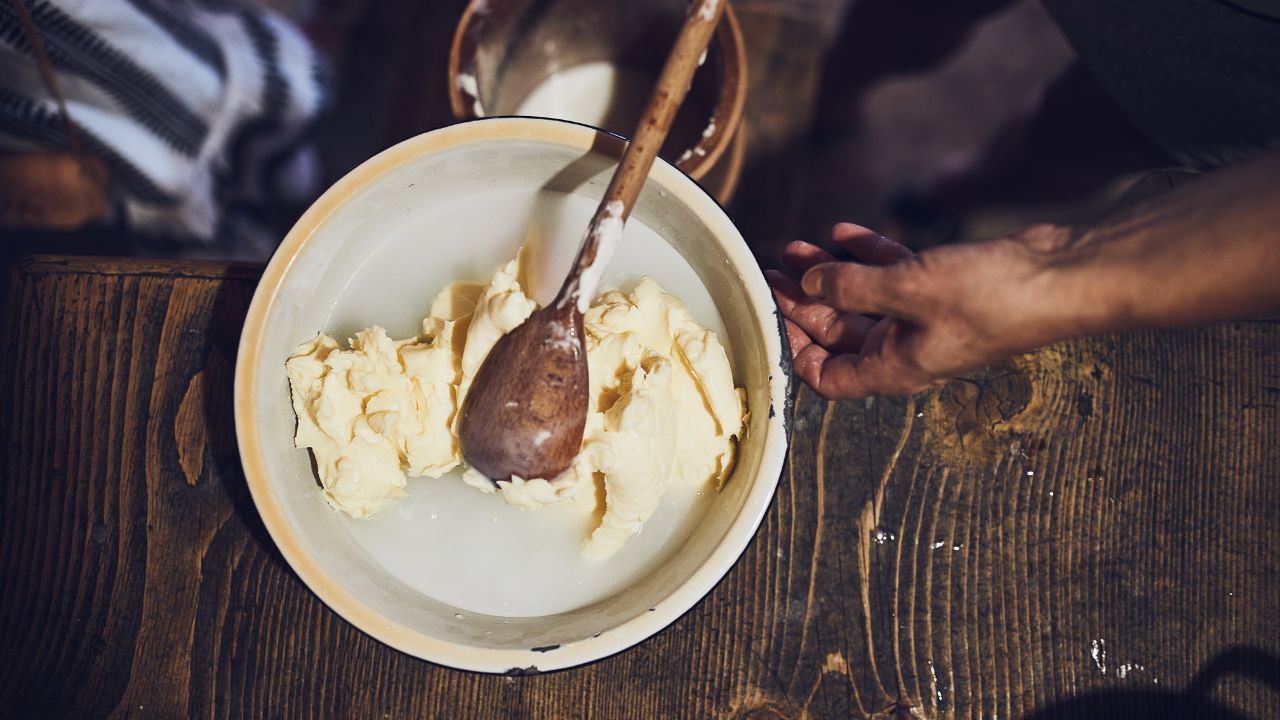
You know what brings me pure joy? Standing in my kitchen, heavy cream swirling in a jar, watching that magical transformation happen right before my eyes. Making butter at home connects you to something deeply satisfying—the simple act of creating something pure and nourishing from just one ingredient. I started doing this when I realized how many additives commercial butter contains, and honestly, once you taste homemade butter, store-bought versions feel like distant cousins. The process is ridiculously simple: pour heavy cream into a jar, add a pinch of sea salt if you want, and shake until your arms burn. That moment when the cream suddenly separates into golden butter and fresh buttermilk? Magic every single time.
What I love most about homemade butter is how you control every aspect of the flavor. I’ve experimented with adding herbs from my garden, a touch of honey, or even incorporating spices like cardamom for a beautiful aromatic twist. The buttermilk byproduct becomes liquid gold in my kitchen—I use it for fluffy pancakes, tangy marinades, or even drink it straight because it’s packed with probiotics. This technique puts you back in touch with real food creation, and the butter stays fresh longer than anything from the store. Your morning toast will never be the same once you spread that creamy, rich homemade butter across it.
Cast Iron Cooking
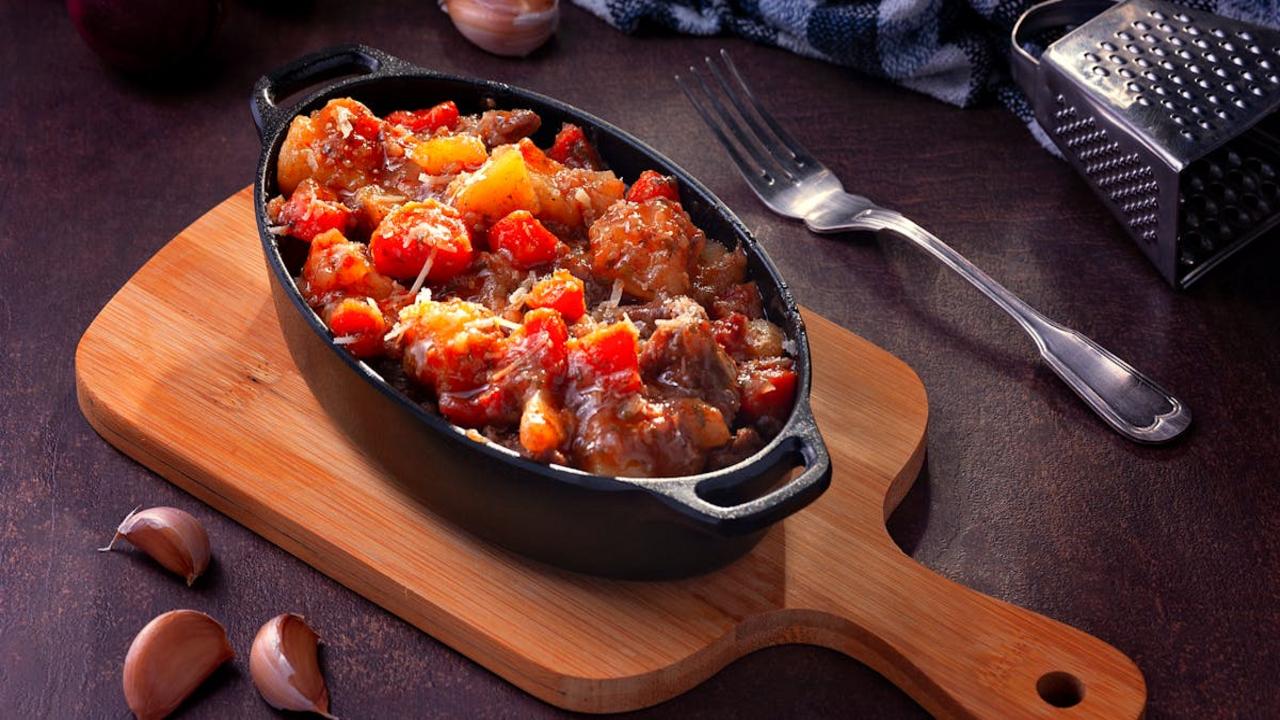
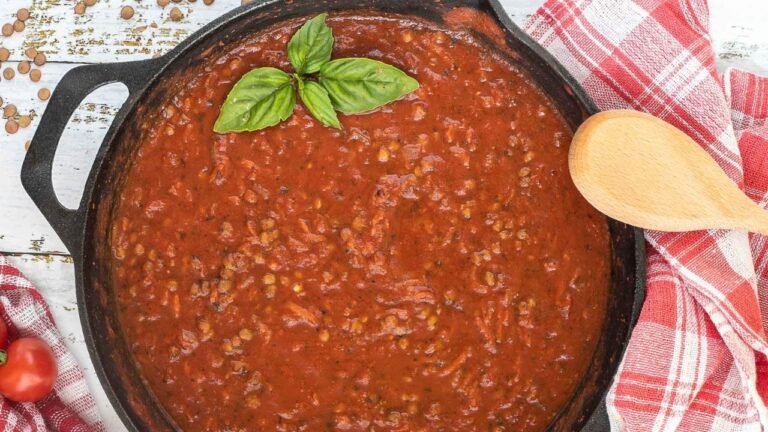
Your grandmother’s cast iron skillet wasn’t just cookware—it was a workhorse that could handle everything from cornbread to curry, and I’m here to remind you why these heavy-duty pans deserve a permanent spot on your stovetop. Cast iron cooking transforms ordinary ingredients into extraordinary meals through superior heat retention and distribution that modern non-stick pans simply can’t match. When you sear vegetables in a properly seasoned cast iron pan, you create those beautiful caramelized edges that add depth to simple weeknight dinners, whether you’re making shakshuka with tomatoes and spices or a hearty stir-fry with whatever’s lurking in your refrigerator.
The beauty of cast iron lies in its versatility—you can start a dish on the stovetop and finish it in the oven without missing a beat. I love using my cast iron for one-pan meals that celebrate whole ingredients: think roasted chicken thighs with root vegetables, or a skillet full of seasoned potatoes that become crispy on the outside while staying fluffy inside. The natural non-stick surface that develops with proper seasoning means you can cook with minimal oil, creating healthier versions of your favorite comfort foods. Plus, that slight iron boost doesn’t hurt when you’re building nourishing meals from scratch, turning simple ingredients into satisfying dishes that connect you to generations of home cooks who understood real flavor.
Stone Grinding
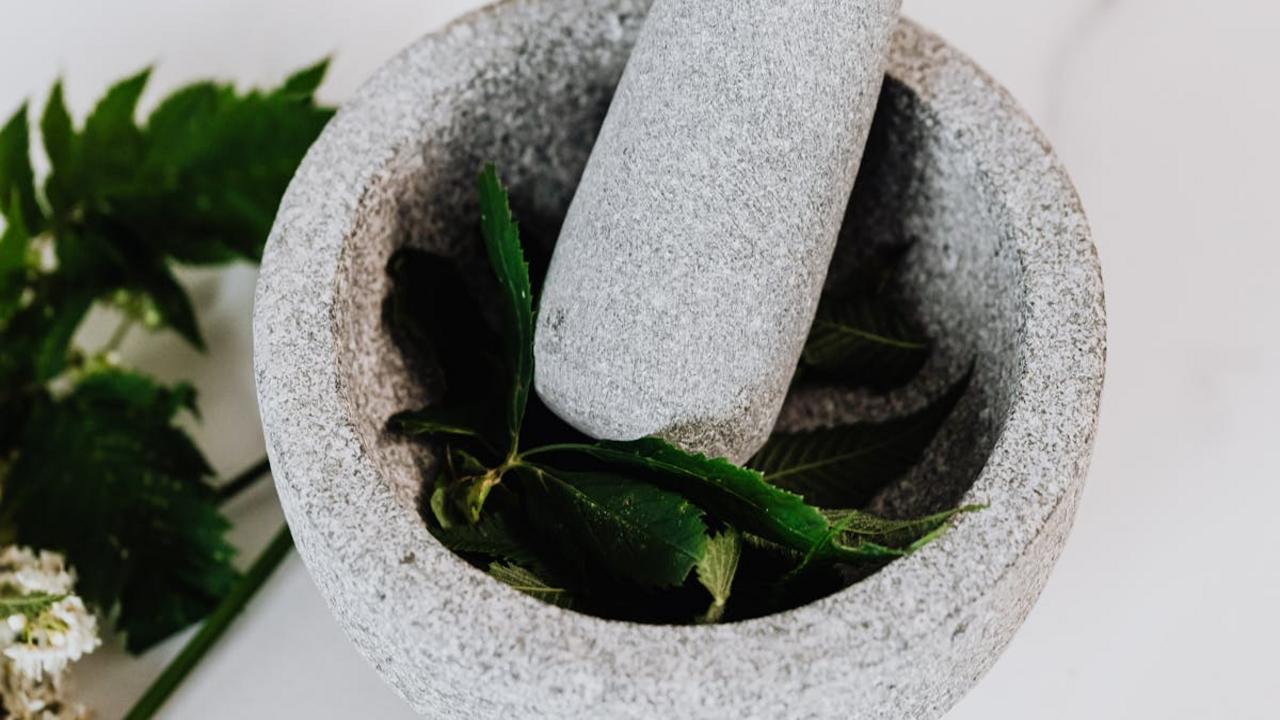
You know that store-bought spice powder sitting in your pantry? It’s nothing compared to what happens when you grind your own spices on stone. I started using my grandmother’s old grinding stone a few years back, and honestly, the difference is night and day. The slow, circular motion of stone against stone releases oils that electric grinders just can’t match. Your cumin becomes fragrant, your coriander transforms into something almost floral, and don’t get me started on what happens to whole peppercorns – they become these little flavor bombs that make everything taste more alive.
Stone grinding isn’t just about spices though. I use mine for making fresh coconut milk, grinding rice for dosas, and creating the smoothest tahini you’ve ever tasted. The process takes patience, sure, but there’s something meditative about the rhythm. Plus, you’re getting nutrients that high-speed grinding destroys through heat. I keep my stone seasoned with a light coating of oil, and after each use, I clean it with just water and a stiff brush. This ancient technique connects you to generations of cooks who understood that good food starts with proper preparation, and your taste buds will thank you for taking the slower path.
Pickling
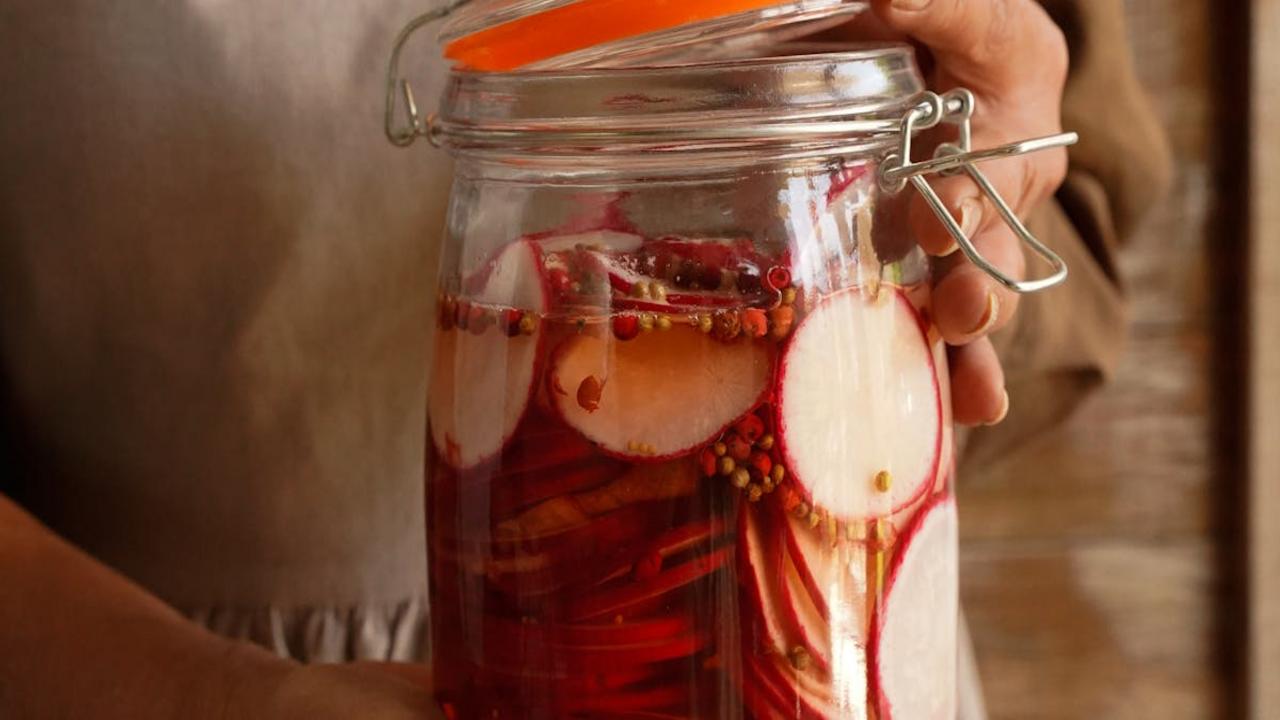
Your grandmother’s pickle jar wasn’t just a condiment holder—it was a preservation powerhouse that kept vegetables crisp and flavorful for months. Pickling transforms ordinary cucumbers, radishes, onions, and even fruits into tangy treasures that brighten every meal. I make quick pickles with rice vinegar, a touch of maple syrup, and whatever spices call to me that day—sometimes Korean gochugaru for heat, other times Indian mustard seeds for earthiness. The beauty lies in how this ancient technique turns surplus garden vegetables into something completely new and exciting.
What I love most about pickling is how it connects you to seasons year-round. Those summer cucumbers become winter’s crunchy companions, while fall turnips pickle into spring’s sharp, refreshing bites. You don’t need fancy equipment or complicated recipes—just clean jars, good vinegar, and your intuition about which flavors work together. Try pickling watermelon rinds with cardamom, or create Vietnamese-inspired pickled vegetables with fish sauce and lime. Each jar becomes a time capsule of flavors, ready to transform boring salads, sandwiches, and grain bowls into something memorable and alive.
Food Drying
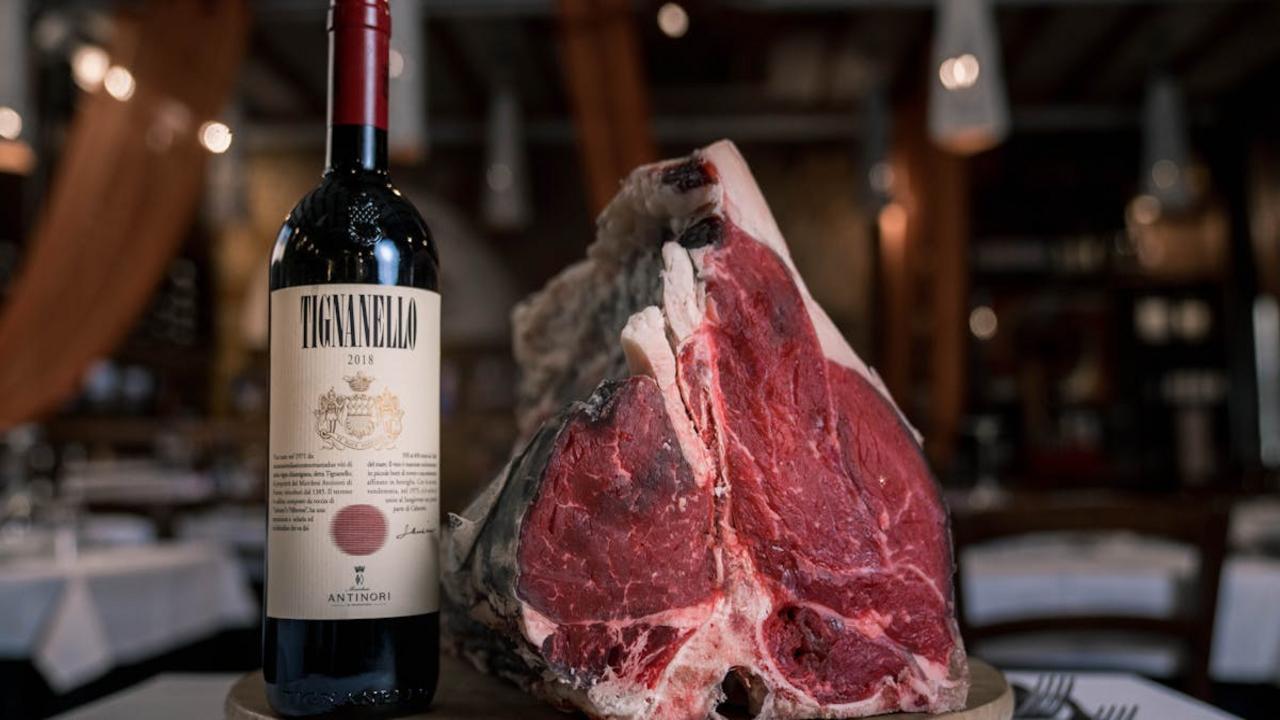
You know that satisfying crunch when you bite into homemade banana chips? That’s the magic of food drying, an ancient preservation method that concentrates flavors while creating incredible textures. I’ve been experimenting with my dehydrator lately, and honestly, it’s become one of my favorite kitchen tools. From turning overripe mangoes into chewy fruit leather to creating my own spice blends with dried herbs from the garden, this technique transforms ordinary ingredients into concentrated bursts of flavor. The process removes moisture while keeping nutrients intact, giving you snacks and cooking ingredients that last months without any artificial preservatives.
What I love most about food drying is how it connects you to ingredients on a deeper level. When you dry your own tomatoes, you’re not just making sun-dried tomatoes – you’re creating umami-packed gems that will transform your pasta sauces and grain bowls. I’ve started drying everything from zucchini chips seasoned with za’atar to apple rings dusted with cinnamon. The beauty lies in its simplicity: slice, season if desired, and let time do the work. Whether you use a dedicated dehydrator, your oven on low heat, or even air-dry herbs naturally, this method gives you complete control over what goes into your body while reducing food waste significantly.
Meat Smoking
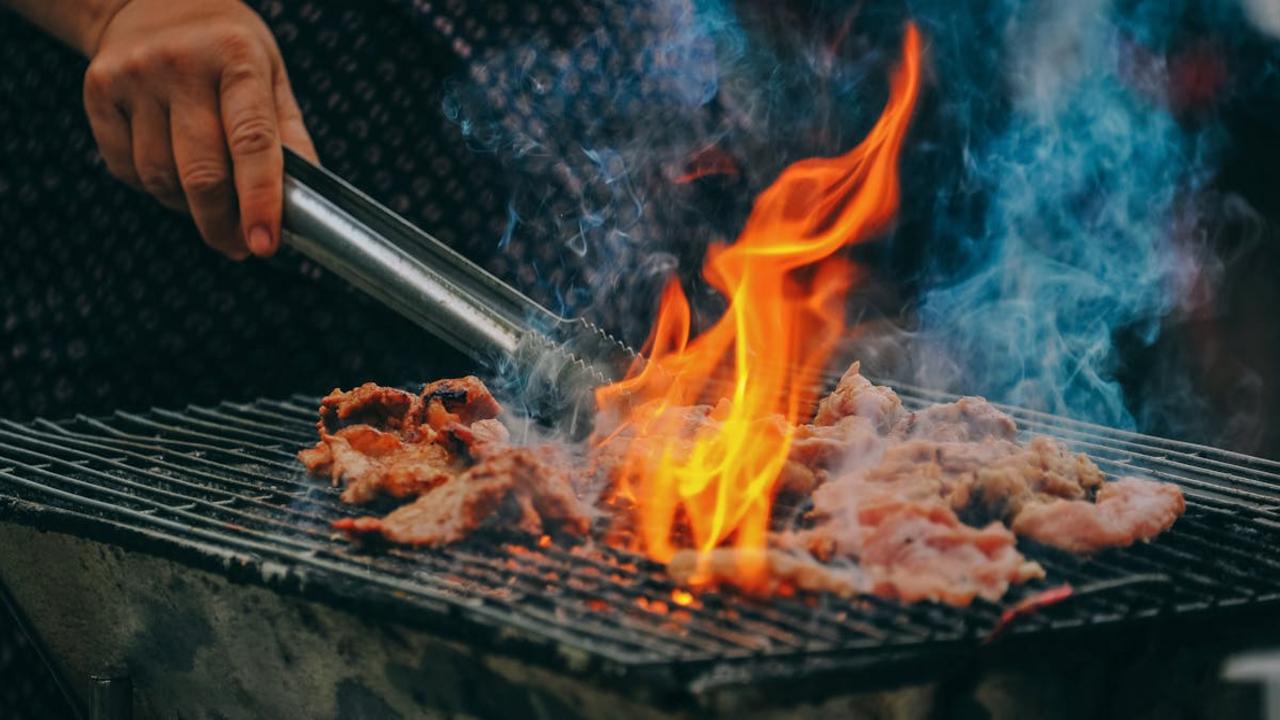
You know that incredible smoky flavor that transforms ordinary meat into something magical? That’s the ancient technique of meat smoking calling your name! I’ve been rediscovering this time-honored method in my own kitchen, and honestly, it’s revolutionized how I think about protein preparation. Smoking isn’t just about barbecue – it’s a gentle, patient way of cooking that infuses deep, complex flavors while preserving the natural nutrients in your meat. Whether you’re working with fish, chicken, beef, or even vegetables, the smoking process creates layers of taste that simply can’t be replicated with modern shortcuts.
What I love most about smoking is how it connects you to your food on a fundamental level. You’re not just heating something up – you’re participating in a slow transformation that requires attention and care. I often use fruit woods like apple or cherry for delicate proteins, while hickory and oak work beautifully with heartier cuts. The beauty lies in the simplicity: good meat, natural wood smoke, and time create something extraordinary. Plus, smoking allows you to prepare larger quantities at once, making it perfect for meal prep or feeding a crowd. Trust me, once you taste that authentic smoky depth, you’ll wonder why anyone ever stopped using this incredible technique.
Dutch Oven Cooking
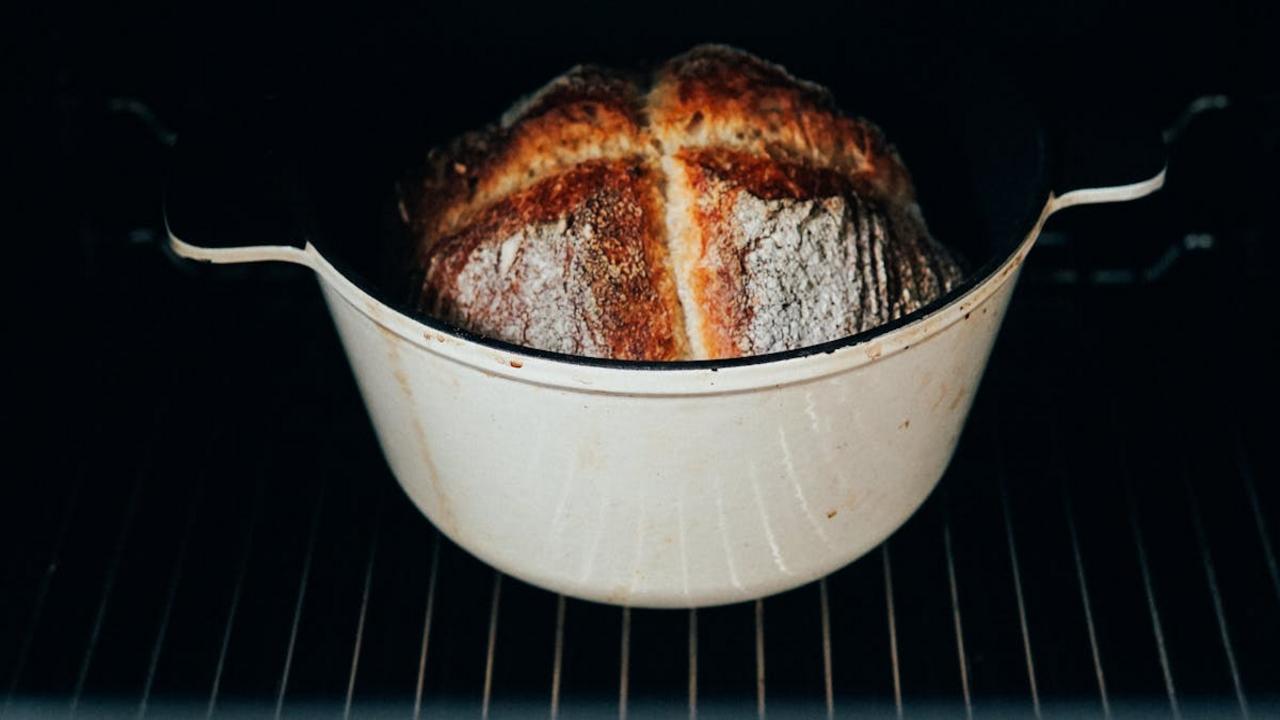
There’s something magical about watching your grandmother pull a perfectly braised pot roast from her heavy Dutch oven, steam rising like incense from a sacred ritual. I’ve been cooking with these cast-iron beauties for years now, and honestly, they’ve become my secret weapon for creating those deeply satisfying, soul-warming meals that make your kitchen smell like home. The thick walls distribute heat so evenly that you can sear meat to golden perfection, then slow-braise vegetables until they practically melt on your fork. What I love most is how forgiving these pots are—you can start something on the stovetop, then slide the whole thing into the oven without missing a beat.
Your Dutch oven transforms simple ingredients into restaurant-quality dishes with minimal fuss. I often throw in whatever vegetables are looking a bit tired in my fridge, some protein, and a splash of broth or wine, then let the pot work its magic. The heavy lid traps moisture beautifully, creating a self-basting environment that keeps everything tender and flavorful. From hearty winter stews packed with root vegetables to light spring braises with fresh herbs, this one pot handles it all. Plus, there’s something deeply satisfying about serving dinner straight from the same vessel you cooked it in—rustic, authentic, and absolutely delicious.