12 Wild Foods You Shouldn’t Forage Without a Pro by Your Side
Picture this: you’re wandering through the woods, stomach rumbling, and spot what looks like nature’s candy buffet. Hold up! Before you turn into a woodland grazer, know that Mother Nature keeps some seriously sneaky imposters on her menu. Those innocent-looking berries might be planning your funeral, and that mushroom could be auditioning for a horror movie.
Wild foraging sounds romantic until you realize you’re basically playing Russian roulette with your digestive system. Some plants masquerade as their harmless cousins so convincingly, they’d win Oscars for their performances. One wrong nibble and you’ll be explaining to paramedics why you thought that suspicious fungi looked “totally fine.”
Smart foragers never fly solo—they bring experienced guides who can spot danger from fifty yards away. These botanical bodyguards know which plants want to kill you and which ones actually taste good. Trust me, your Instagram followers would rather see blurry photos than memorial posts.
Wild Cherry Bark
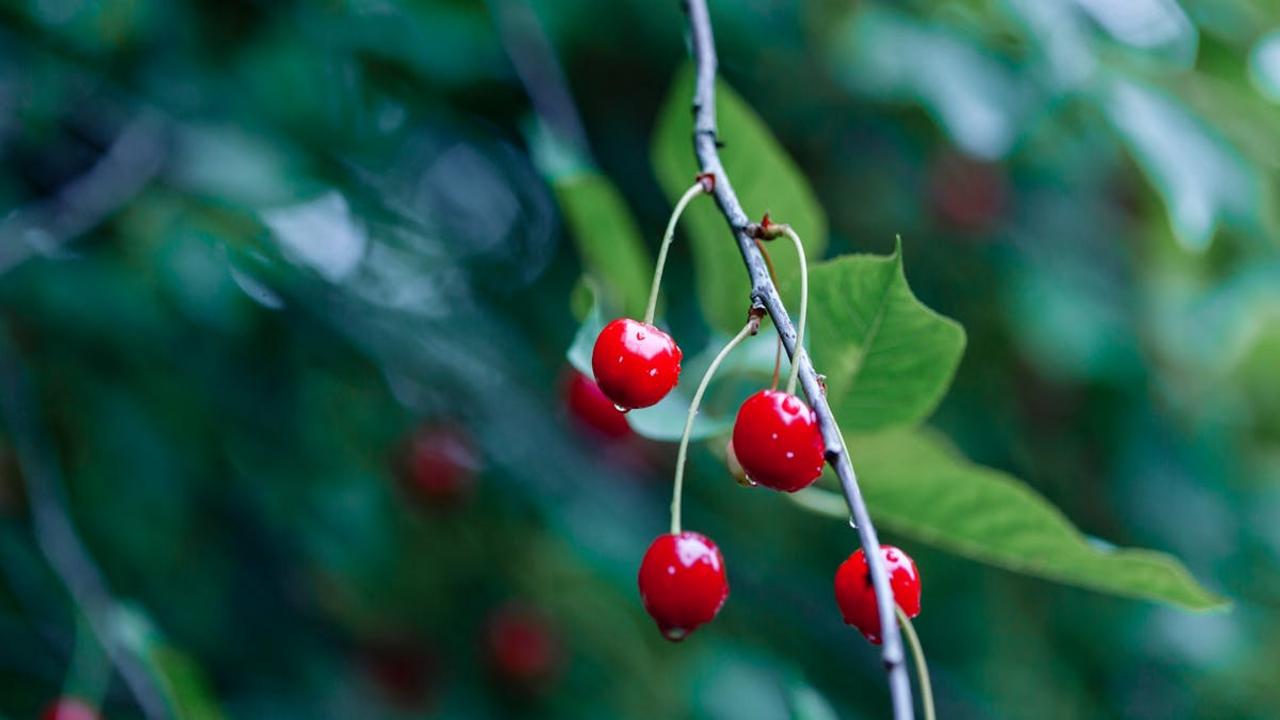
Picture this: you’re wandering through the woods, and you spot a gorgeous wild cherry tree with its distinctive horizontal bark markings that look like nature’s own barcode. Your brain immediately thinks “free cough syrup!” because yes, wild cherry bark has been used medicinally for centuries. But hold your horses there, woodland warrior! That innocent-looking bark contains compounds that can be tricky to work with, and one person’s herbal remedy can quickly become another person’s stomach catastrophe if you don’t know what you’re doing.
The thing about wild cherry bark is that it contains prussic acid, which sounds fancy but basically means “proceed with extreme caution.” Traditional herbalists knew how to properly prepare and dose this bark to make effective cough suppressants and digestive aids, but they spent years learning the craft. You can’t just strip some bark, make tea, and call it a day without risking some seriously unpleasant side effects. Plus, there’s the whole issue of sustainable harvesting – improperly removing bark can kill the tree faster than you can say “oops.” Save yourself the potential drama and learn from someone who knows the difference between therapeutic and “why does my tongue feel funny?”
Bittersweet Nightshade
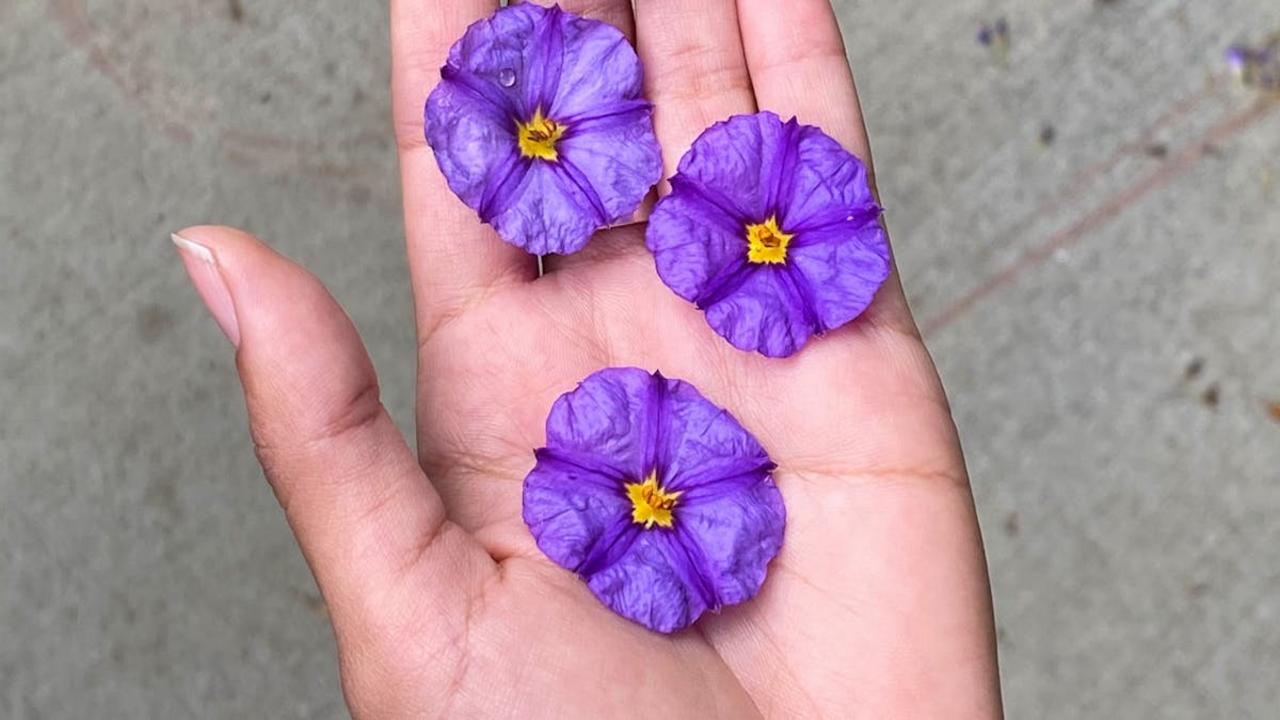
You know that gorgeous purple-flowered vine creeping up old fences and stone walls? That’s bittersweet nightshade, and despite its romantic name, this beauty is basically Mother Nature’s way of saying “look but don’t touch.” The bright red berries dangle like tiny Christmas ornaments, practically begging you to pop them in your mouth – but trust me, your stomach will stage a full rebellion if you do. These little scarlet troublemakers contain solanine, the same compound that makes green potatoes toxic, and they’ll send you straight to a very unpleasant digestive experience that no amount of antacids can fix.
Here’s the really sneaky part: bittersweet nightshade is a master of disguise, often getting confused with actual bittersweet (which is also not great for snacking, by the way). The flowers are admittedly stunning – purple petals with bright yellow centers that look like tiny shooting stars – but beauty doesn’t equal edibility in the wild food world. Professional foragers can spot the telltale signs: the distinctive leaf shape, the climbing habit, and those deceptively cheerful berries that cluster like nature’s warning system. Save yourself the hospital visit and stick to admiring this one from a safe distance while you wait for your foraging expert to point out the actually edible goodies nearby.
Holly Berries
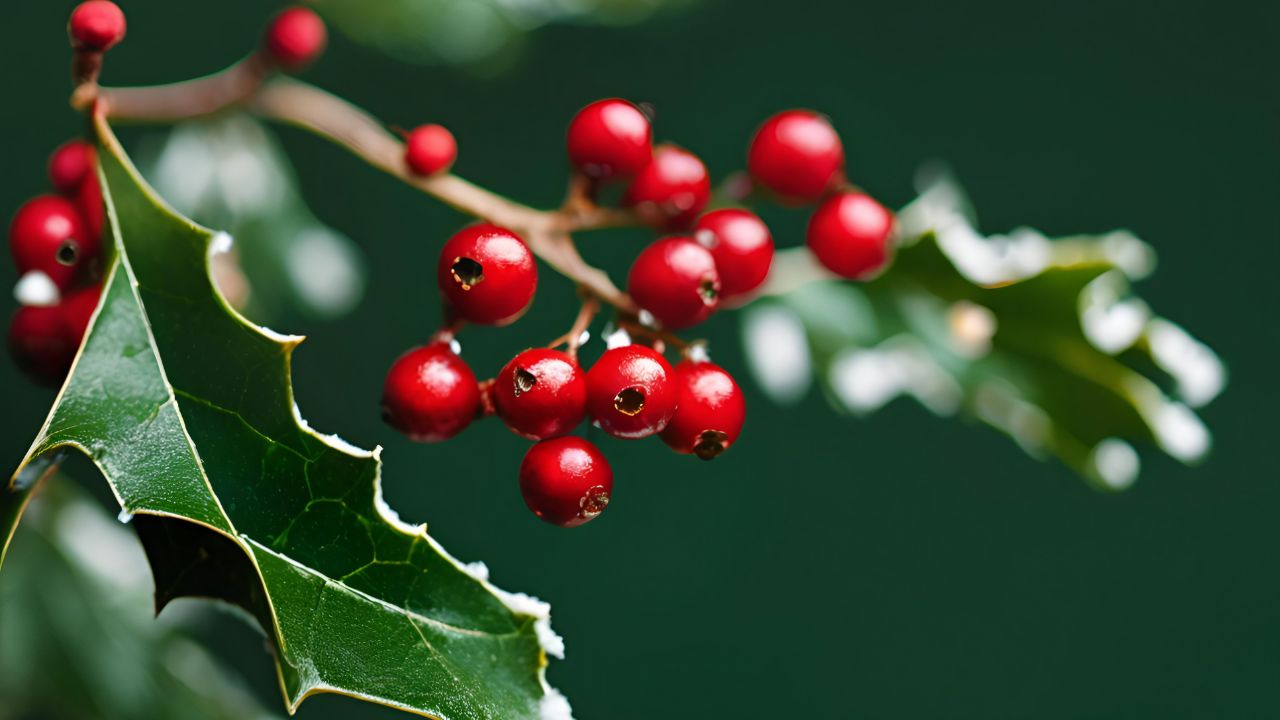
Picture this: you’re strolling through a winter wonderland, and those gorgeous red holly berries are practically winking at you from their glossy green thrones. They look like nature’s candy, don’t they? Well, here’s where I crush your festive dreams – those beautiful little spheres are basically Christmas ornaments that Mother Nature designed to mess with you. Holly berries contain saponins, compounds that’ll turn your holiday cheer into a very unpleasant digestive experience faster than you can say “deck the halls.” We’re talking nausea, vomiting, and diarrhea that’ll make you wish you’d stuck to eggnog.
The funny thing about holly berries is that birds absolutely love them, which makes perfect sense because birds have completely different digestive systems than us humans. It’s like they’re at an all-you-can-eat buffet while we’re standing outside the restaurant getting food poisoning just from looking at the menu. Even experienced foragers give these scarlet temptations a wide berth because there’s literally no safe way to prepare them for human consumption. Your best bet? Leave them for the robins and cardinals who actually know what they’re doing, and stick to admiring their beauty from a respectful distance while sipping some store-bought hot chocolate.
Virginia Creeper Berries
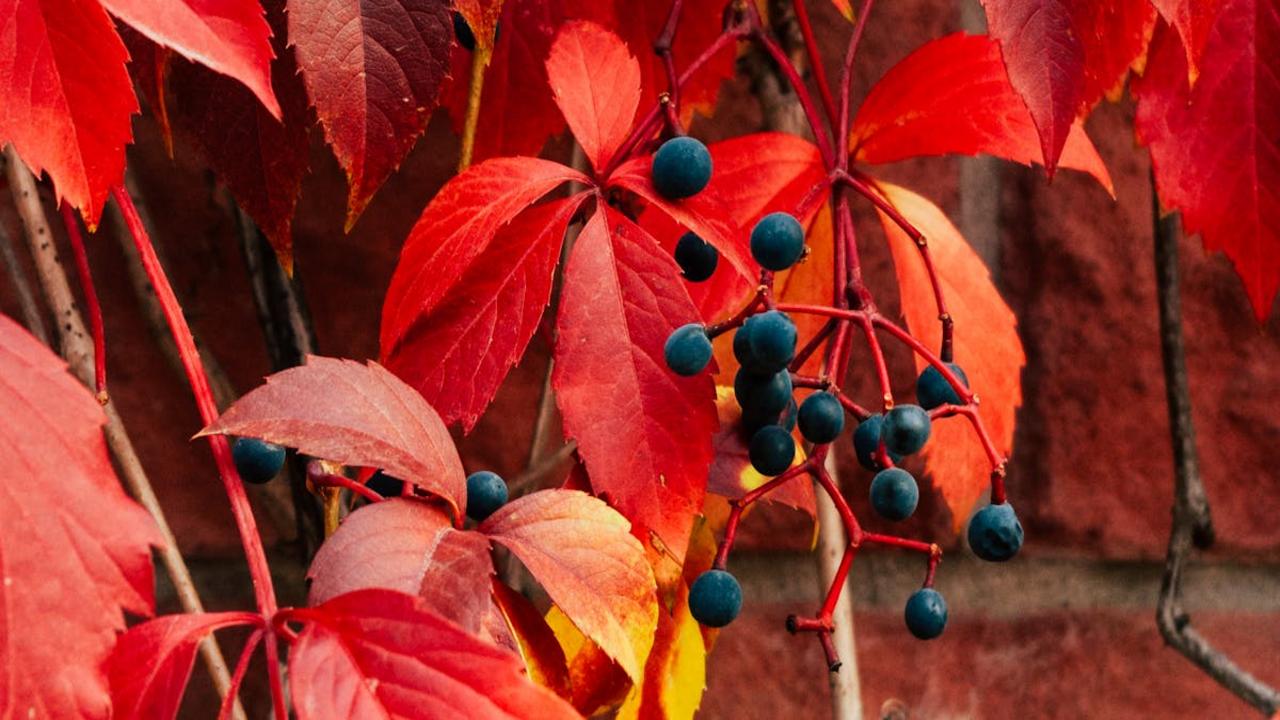
You know what looks absolutely adorable hanging in little clusters from those gorgeous five-leaflet vines? Virginia creeper berries! These tiny blue gems seem like nature’s perfect snack, dangling there all innocent and grape-like. But here’s where I stop you from popping them in your mouth like some woodland fairy tale character – these berries contain oxalic acid crystals that’ll make your mouth feel like you’ve been French-kissing a cactus. Your tongue will swell, your throat will burn, and you’ll spend the next few hours wondering why Mother Nature has such a twisted sense of humor.
The real kicker? Virginia creeper loves to cozy up right next to poison ivy, creating the ultimate “guess which plant will ruin your day” game. Even experienced foragers get these mixed up with wild grapes sometimes, especially since both vines love to climb trees and show off their fruit in late summer. While the berries won’t kill you (probably), they’ll definitely teach you a lesson about respecting nature’s “do not eat” signs. Save yourself the drama and stick to admiring these berries from a distance – your mouth will thank you, and you won’t have to explain to the emergency room why you thought random forest berries seemed like a good idea.
Wild Almonds
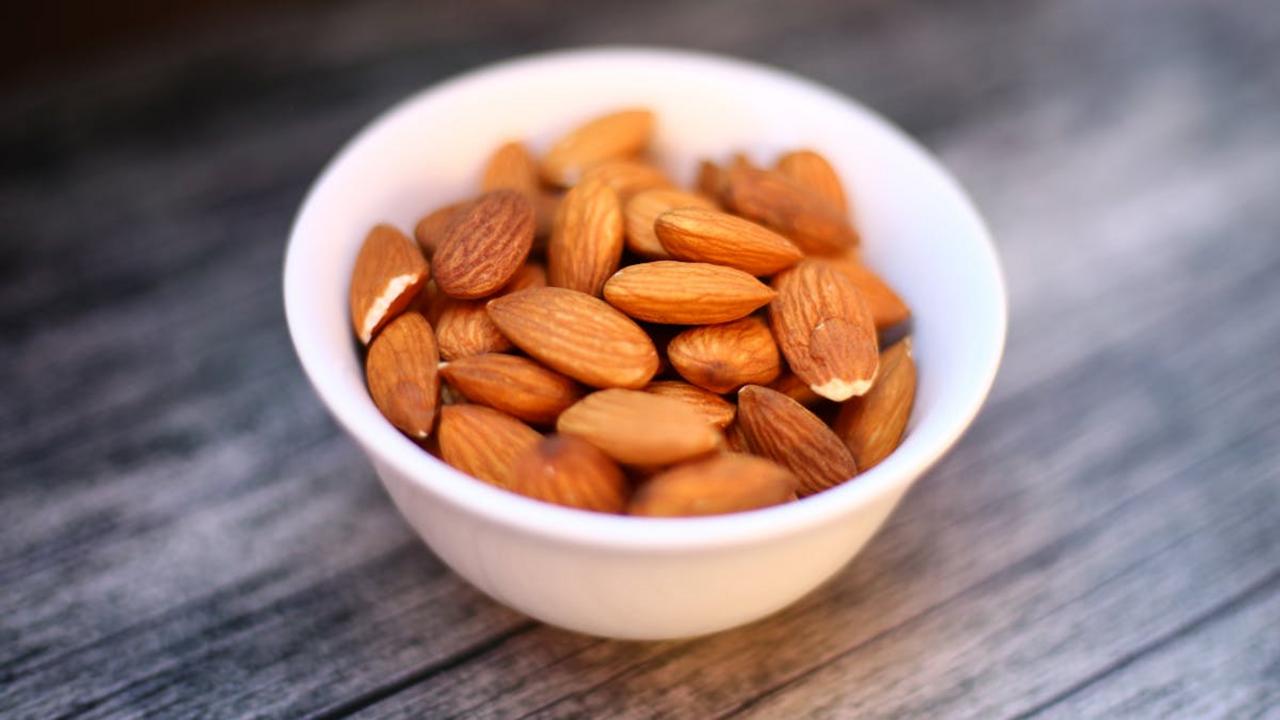
Picture this: you’re hiking through a Mediterranean landscape when you spot what looks like almond trees growing wild and free. Your forager brain starts buzzing with excitement, but hold your horses there, nature lover! Wild almonds are basically the Jekyll and Hyde of the nut world. Unlike their sweet, domesticated cousins that you munch on during movie nights, wild almonds pack enough cyanide to make you seriously regret that “when in doubt, try it out” philosophy. These bitter beauties contain amygdalin, which breaks down into hydrogen cyanide when you chew them. Yes, the same stuff spy novels made famous!
The irony here is absolutely delicious – our beloved sweet almonds are actually genetic mutants! Ancient farmers selectively bred wild almonds for thousands of years, gradually reducing their cyanide content until we got the safe, tasty nuts we know today. Meanwhile, their wild relatives stayed true to their toxic roots, literally. A handful of wild almonds can send you to the emergency room faster than you can say “foraged snack gone wrong.” Professional foragers know how to identify the rare sweet wild varieties and understand the complex processing methods needed to make bitter almonds safe for consumption. So unless you have a death wish disguised as a nature adventure, keep your hands off these deceptive little poison pills and stick to the store-bought versions!
Rhubarb Leaves
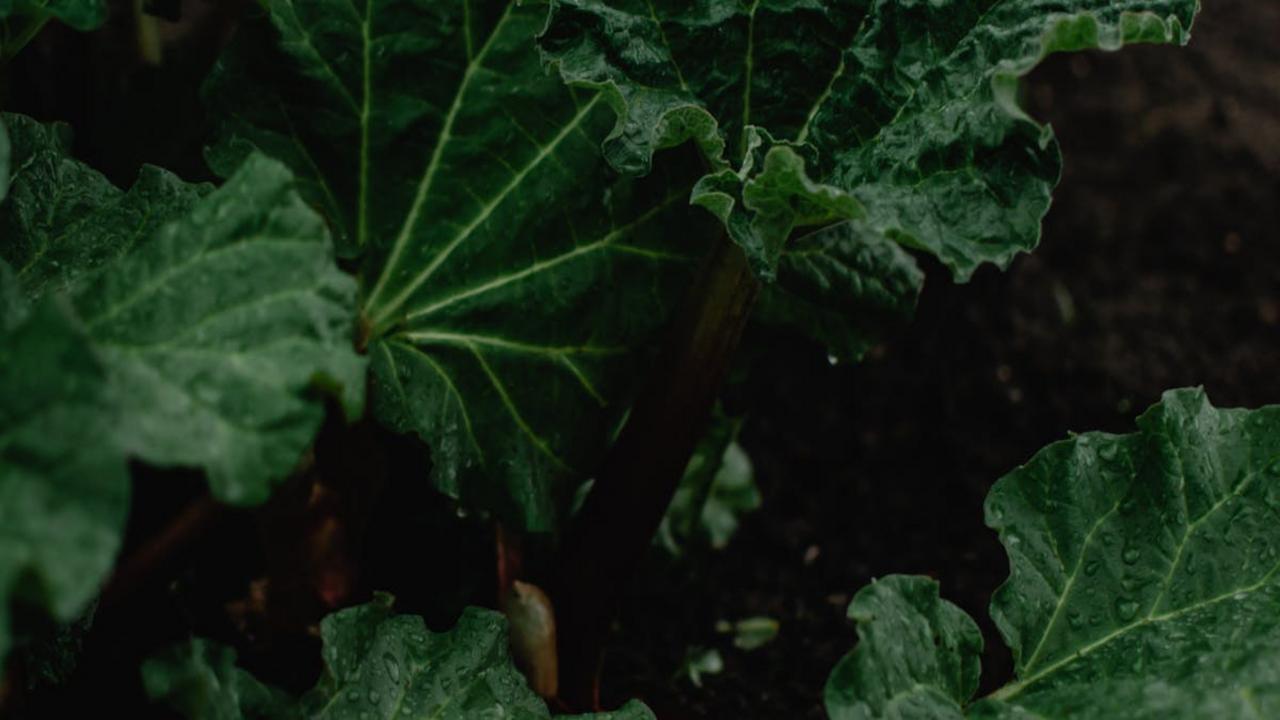
Picture this: you’re wandering through someone’s backyard garden, and you spot those gorgeous, crinkled rhubarb leaves that look like they could wrap a sandwich or maybe make the world’s most interesting salad. Stop right there, friend! Those leaves might look innocent enough, but they’re basically nature’s way of saying “look but don’t touch.” Rhubarb leaves contain oxalic acid and other compounds that can send you straight to the emergency room faster than you can say “tart dessert.” We’re talking serious kidney problems, breathing issues, and a whole parade of symptoms that’ll make you wish you’d stuck to the stalks.
Here’s the thing that gets me every time: people have been growing rhubarb for centuries, and somehow we collectively decided that the stalks are divine (hello, strawberry-rhubarb pie!) while the leaves are basically botanical kryptonite. It’s like nature played the ultimate prank on us. During World War I, some well-meaning folks actually tried promoting rhubarb leaves as a spinach substitute during food shortages, which went about as well as you’d expect. The leaves can contain up to 0.5% oxalic acid by weight, which might not sound like much until you realize that’s enough to make your kidneys very, very unhappy. Stick to admiring their dramatic, architectural beauty from a safe distance!
Pokeweed
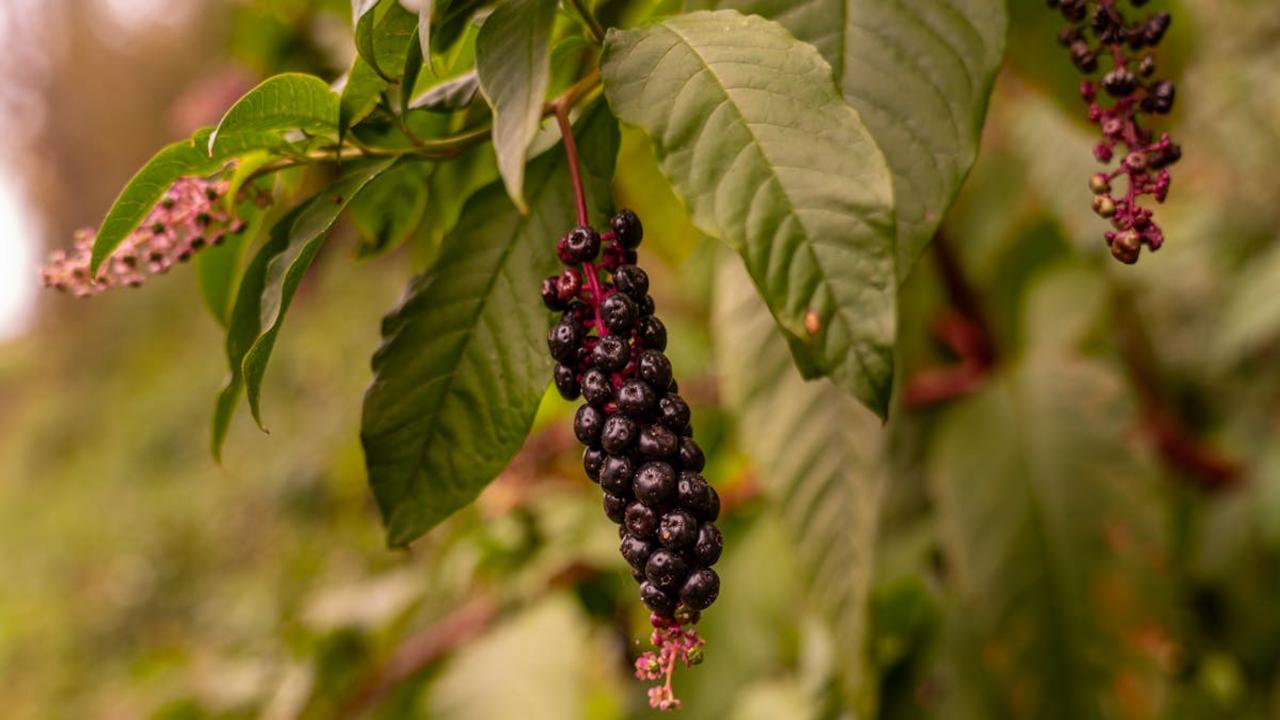
You know that dramatic, towering plant with the dark purple berries that looks like it belongs in a witch’s garden? That’s pokeweed, and honey, it’s got more personalities than a soap opera character. This North American native can grow up to ten feet tall and sports clusters of berries so dark they’re almost black – nature’s own gothic statement piece. The young shoots actually taste pretty decent when cooked properly (think asparagus with attitude), but here’s the kicker: every single part of this plant contains phytolaccatoxin, a compound that’ll make you wish you’d stuck to grocery store spinach.
The roots pack the most toxic punch, but even those innocent-looking berries can send you straight to the emergency room with symptoms ranging from severe stomach cramps to respiratory problems. Some folks in the South have been eating “poke sallet” (the young leaves) for generations, but they know exactly how to prepare it – multiple boilings and careful timing that would make a rocket scientist nervous. Birds can munch on the berries all day long because they’re immune to the toxins, but humans? We’re not so lucky. Unless you’ve got a foraging expert who can teach you the precise harvesting window and preparation method, treat pokeweed like that attractive but dangerous ex – admire from a distance and don’t get too close.
Water Hemlock
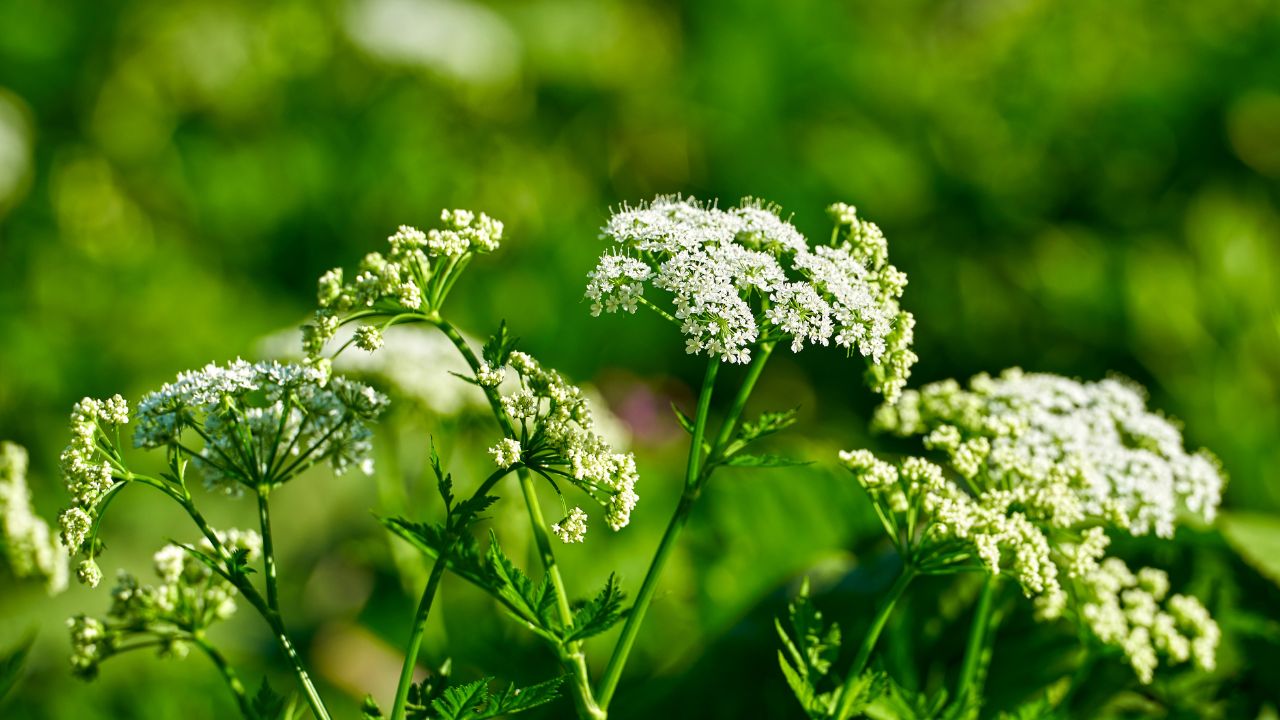
Water hemlock might look like an innocent wildflower swaying by your favorite fishing spot, but this botanical serial killer has earned its reputation as North America’s most toxic plant. You know how parsley and carrots have those delicate white umbrella-shaped flower clusters? Well, water hemlock rocks the same look, which makes it the ultimate master of disguise. The roots smell surprisingly sweet—almost carrot-like—but don’t let that fool you into thinking it’s dinner material. Just one tiny bite of this deceptive beauty contains enough cicutoxin to send you straight to the emergency room, and unfortunately, there’s no antidote waiting for you there.
The scary part? Water hemlock loves hanging out exactly where you’d expect to find edible wild carrots and other tasty marsh plants. Creek beds, pond edges, and soggy meadows are its favorite haunts, making accidental encounters all too common for eager foragers. Native American tribes knew this plant’s deadly secret and used it for hunting arrows—now that’s what I call respect for nature’s power! If you spot those telltale white flower umbrellas near water, admire them from a safe distance and maybe snap a photo instead. Trust me, your Instagram followers will appreciate the pretty wildflower shot way more than a hospital selfie.
Wild Carrots
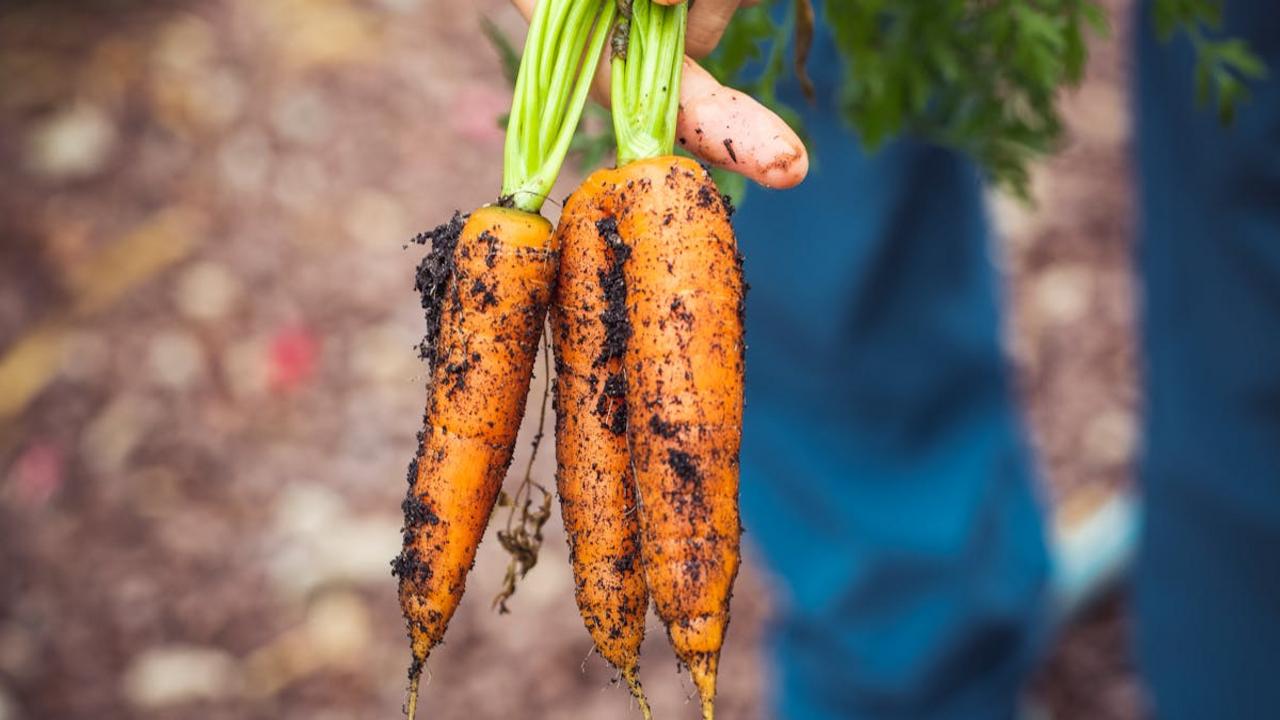
Picture this: you’re wandering through a meadow, and you spot what looks like Queen Anne’s lace with its delicate white umbrella flowers. Your brain immediately thinks “wild carrot!” and you start imagining a rustic soup. Hold up there, my adventurous friend! While wild carrots (Daucus carota) do exist and they’re the ancestors of our orange grocery store favorites, they have some seriously dangerous lookalikes that could turn your foraging expedition into a medical emergency. Poison hemlock and water hemlock are the villains in this story, and they’re master impersonators who wear similar white, lacy crowns.
Here’s where things get tricky: wild carrots actually smell like carrots when you crush their leaves, and they sport a tiny dark purple flower right in the center of their white umbrella clusters – nature’s little signature, if you will. But even experienced foragers sometimes second-guess themselves because the differences can be subtle, especially when plants are young or growing in different conditions. The wild carrot root is white, woody, and honestly pretty disappointing compared to its domesticated cousins – think of it as the scrawny great-grandfather of today’s plump orange beauties. Unless you can confidently distinguish between a helpful herb and a potentially lethal plant, keep your carrot cravings satisfied at the farmer’s market where the only danger is spending too much on heirloom varieties!
Elderberries
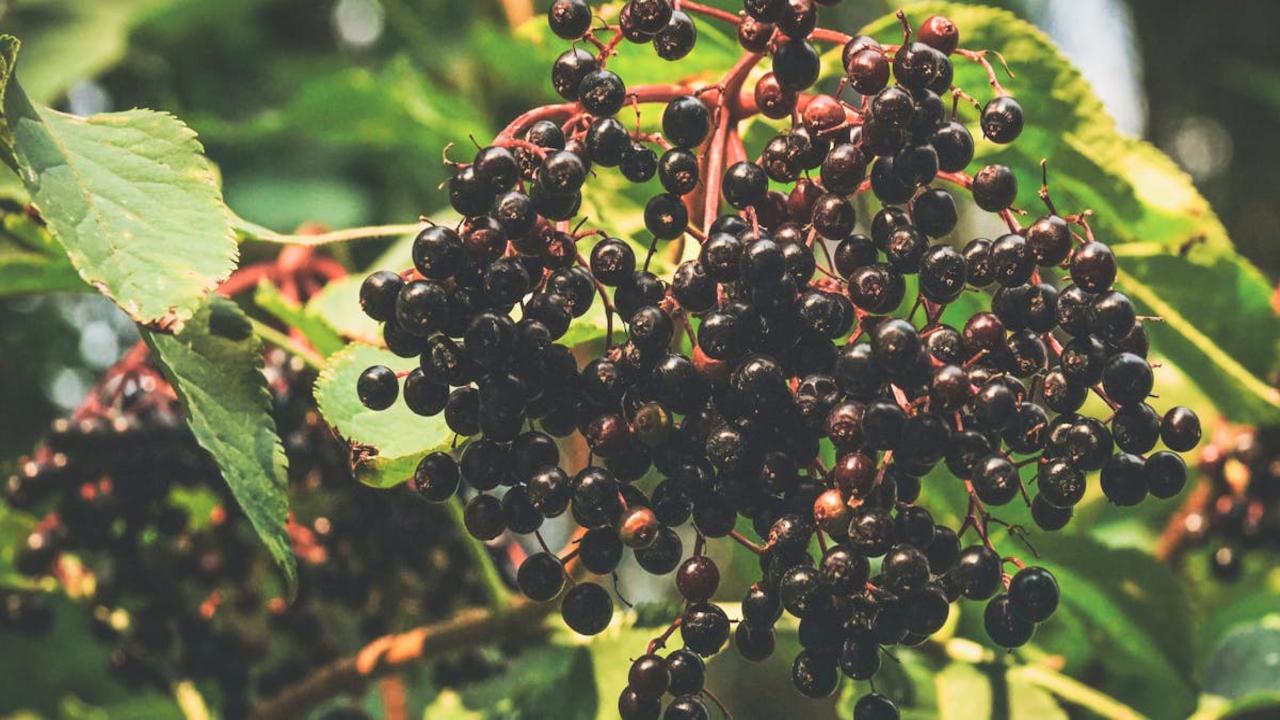
Picture this: you’re wandering through the woods, and you spot clusters of deep purple berries dangling from tall shrubs like nature’s own chandelier. Before you start fantasizing about homemade elderberry syrup, pump the brakes! Those gorgeous elderberries come with a serious catch – their leaves, bark, and seeds contain cyanide compounds that’ll send you straight to the emergency room faster than you can say “natural remedy.” Raw elderberries themselves pack enough stomach-churning punch to ruin your entire weekend, turning your foraging adventure into a regrettable bathroom marathon.
Here’s where things get tricky: elderberries have an evil twin called pokeweed that looks suspiciously similar but will absolutely wreck your day (and possibly your life). Only a seasoned foraging expert can tell you the difference between “immune-boosting superfood” and “call-the-poison-control-center nightmare.” Once properly identified and cooked – yes, cooked! – elderberries transform into liquid gold, perfect for syrups, jams, and wines that actually taste like concentrated autumn magic. But seriously, don’t gamble with your intestinal tract over some berries. Find yourself a pro who knows their stuff, because elderberry poisoning isn’t the kind of story you want to share at dinner parties.
Death Cap Mushrooms
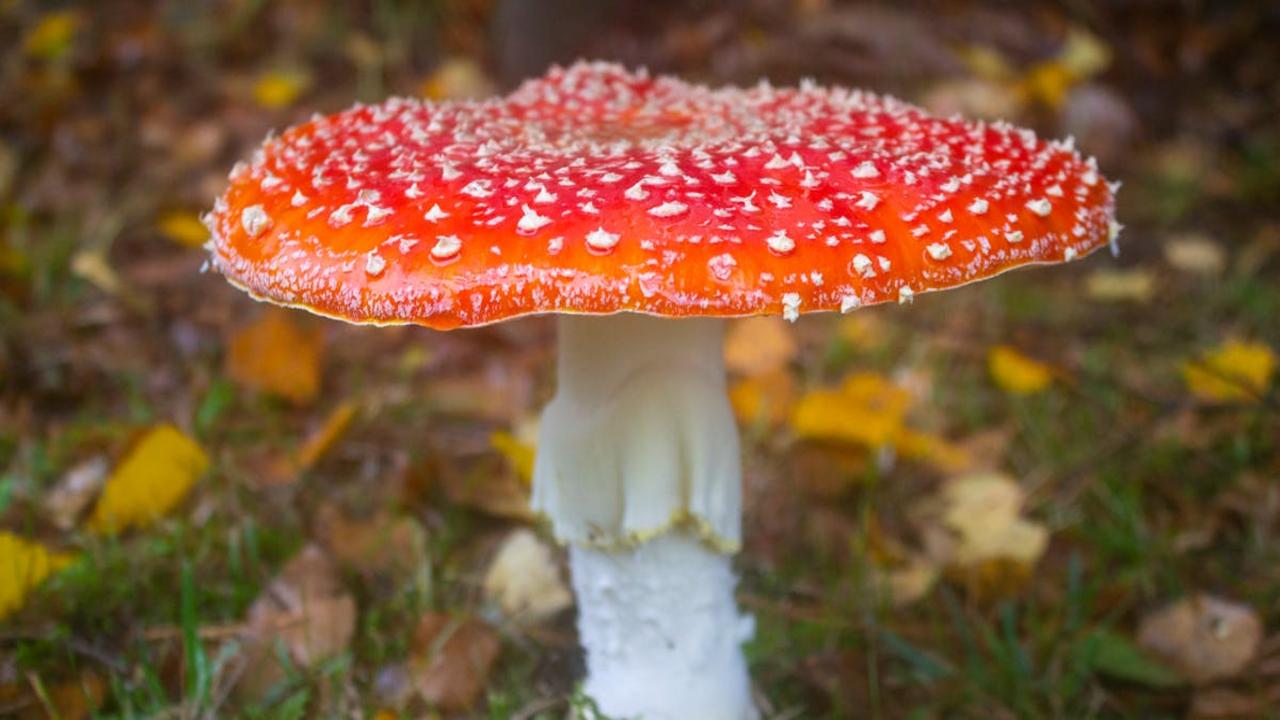
You know that innocent-looking mushroom sitting there under the oak tree, practically screaming “eat me” with its pristine white cap and delicate stem? Yeah, that’s probably a death cap, and it’s basically nature’s way of saying “surprise, you’re dead!” These European invaders have hitchhiked their way across the globe, setting up shop wherever oak trees grow, and they’re responsible for about 95% of mushroom poisoning deaths worldwide. The name isn’t just dramatic flair – one cap contains enough amatoxins to kill an adult human, and here’s the truly terrifying part: they taste absolutely delicious, like the best button mushrooms you’ve ever had.
What makes death caps particularly sinister is their delayed reaction – you’ll feel totally fine for 6-12 hours after your “gourmet” meal, maybe even complimenting yourself on your foraging skills. Then the amatoxins start destroying your liver and kidneys from the inside out, and by the time symptoms appear, it’s often too late for treatment. Even experienced foragers get fooled because young death caps look remarkably similar to edible puffballs and Caesar’s mushrooms. Roman Emperor Claudius allegedly met his end courtesy of his wife Agrippina slipping these bad boys into his favorite mushroom dish – talk about a dinner party gone wrong! Unless you have a mycologist on speed dial and years of training, just admire these deadly beauties from afar.
False Morels
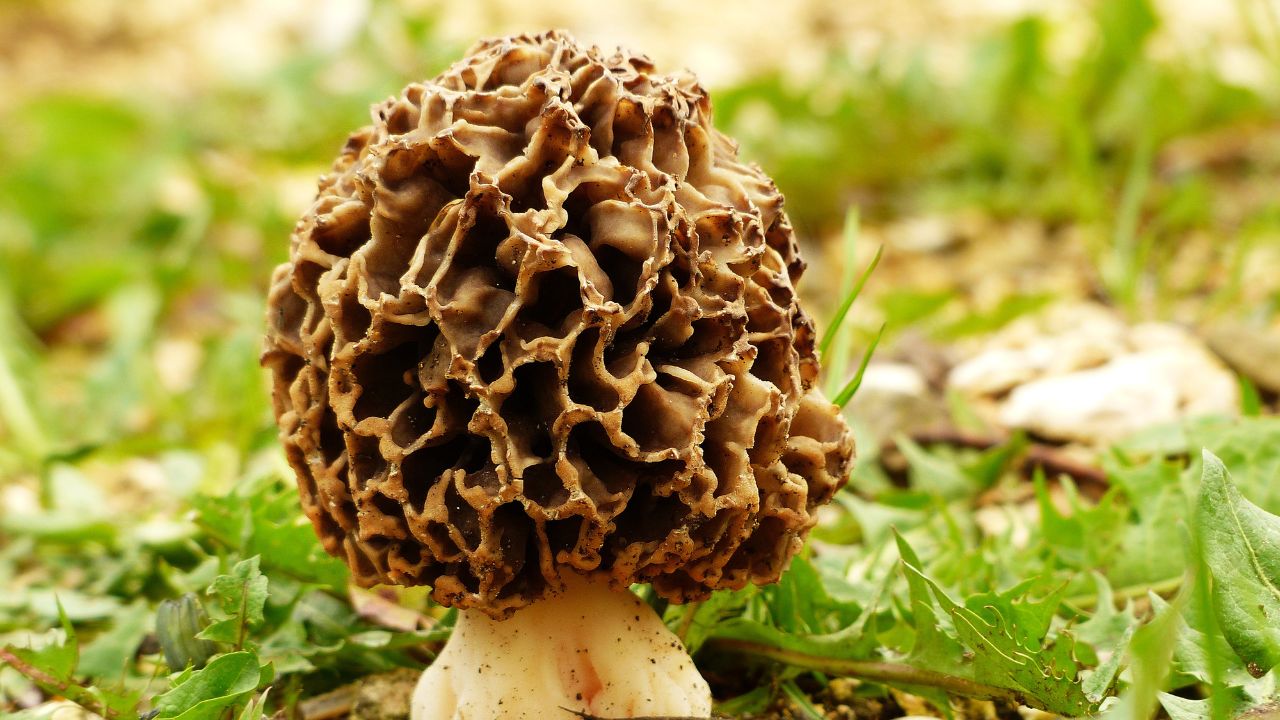
Picture this: you’re wandering through the forest in spring, and you spot what looks like a wrinkled brain sitting on the forest floor. Congratulations, you’ve just found a false morel—nature’s most deceptive dinner guest! These sneaky fungi love to masquerade as their delicious cousins, true morels, but they pack a punch that’ll send you straight to the emergency room. The toxin gyromitrin turns into rocket fuel (literally hydrazine) in your liver, and trust me, you don’t want rocket fuel coursing through your digestive system. I once met a forager who swore he could tell the difference just by smell, but even experts get fooled by these masters of disguise.
The real kicker? Some people actually eat false morels in certain parts of Europe, but only after boiling them multiple times and throwing away the water—basically giving them the medieval torture treatment. Even then, it’s like playing Russian roulette with your pancreas. True morels have honeycomb-like caps that look like nature’s own waffle, while false morels sport those brain-like folds that should scream “danger!” But here’s the funny thing: they often grow in the same spots and at the same time as true morels, making them the ultimate party crashers. Save yourself the hospital visit and bring along someone who knows their fungi—your liver will thank you later!