15 Fruits and Vegetables That Last Way Longer Than You Think in the Fridge or Pantry
You know that sinking feeling when you open your fridge and find yesterday’s “fresh” produce looking like science experiments? Here’s the plot twist: some fruits and vegetables are secretly endurance athletes, hanging around way longer than their wimpy counterparts. While your delicate herbs wave goodbye after three days, these champions laugh in the face of time.
I discovered this truth during my great pantry cleanout of 2023, when I found a butternut squash that had been chilling for three months and still looked perfect. Turns out, Mother Nature equipped certain produce with built-in preservation systems that would make any food scientist jealous. These natural survivors have thick skins, low water content, or other sneaky tricks that keep them fresh.
Stop throwing money away on groceries that spoil faster than your weekend plans! These fifteen powerhouse picks will revolutionize your shopping habits and give your wallet a much-needed break. From pomegranates that outlast most relationships to carrots that stick around longer than house guests, you’re about to meet produce that actually earns its keep.
Parsnips
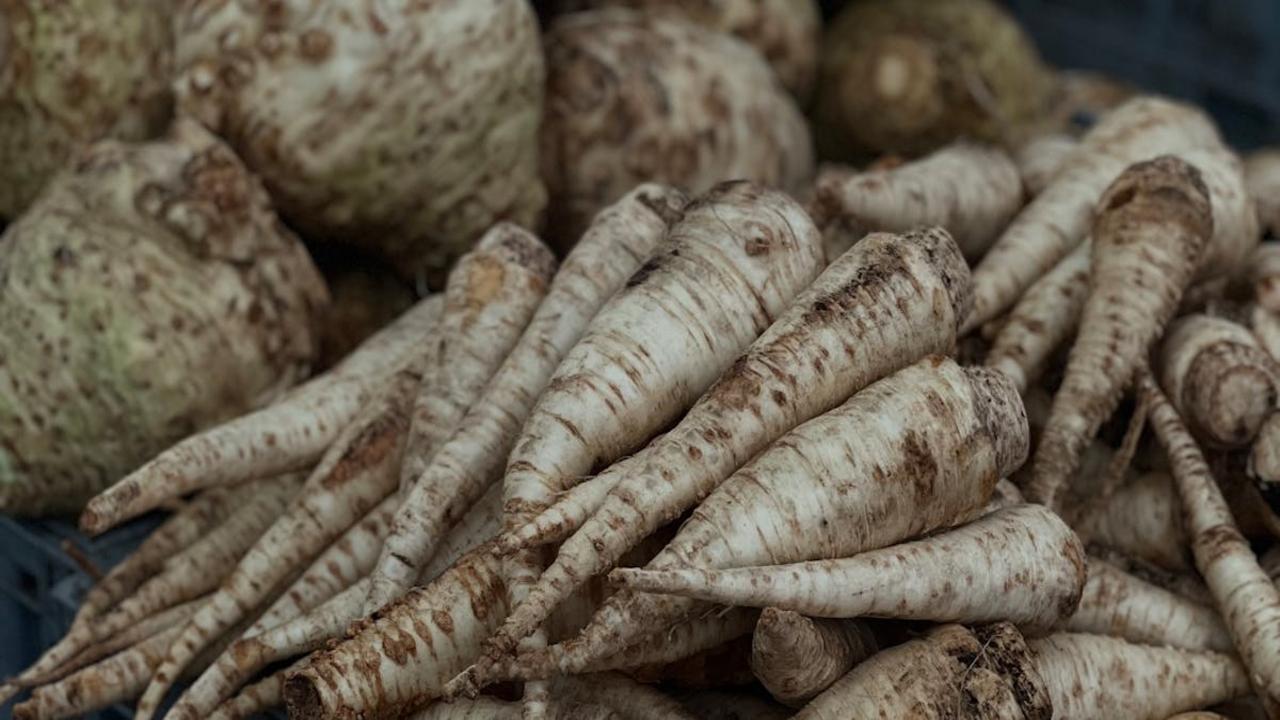
Meet the carrot’s pale, mysterious cousin that everyone overlooks at the grocery store! Parsnips might look like bleached carrots that forgot to get a tan, but these cream-colored roots pack serious staying power. While you’re frantically using up your spinach before it turns into green slime, parsnips are just chilling in your crisper drawer, perfectly content to wait weeks—sometimes even months—for their moment to shine. Store them in the refrigerator in a plastic bag, and they’ll maintain their sweet, nutty flavor for up to six weeks. Fun fact: parsnips actually get sweeter after exposure to cold, which is why farmers often leave them in the ground through winter frosts.
Before sugar became readily available in Europe, parsnips were the go-to sweetener for cakes and jams—imagine trying to explain that to your modern sweet tooth! These hardy vegetables are basically the marathon runners of the produce world, built for endurance rather than speed. You can roast them with honey for a caramelized side dish that’ll make you forget about potatoes, or toss them into soups where they add a subtle sweetness that balances savory flavors beautifully. Pro tip: don’t store them near apples or other ethylene-producing fruits, or they’ll develop a bitter taste faster than you can say “root vegetable.” Trust me, bitter parsnips are about as appealing as a soggy cookie.
Rutabaga
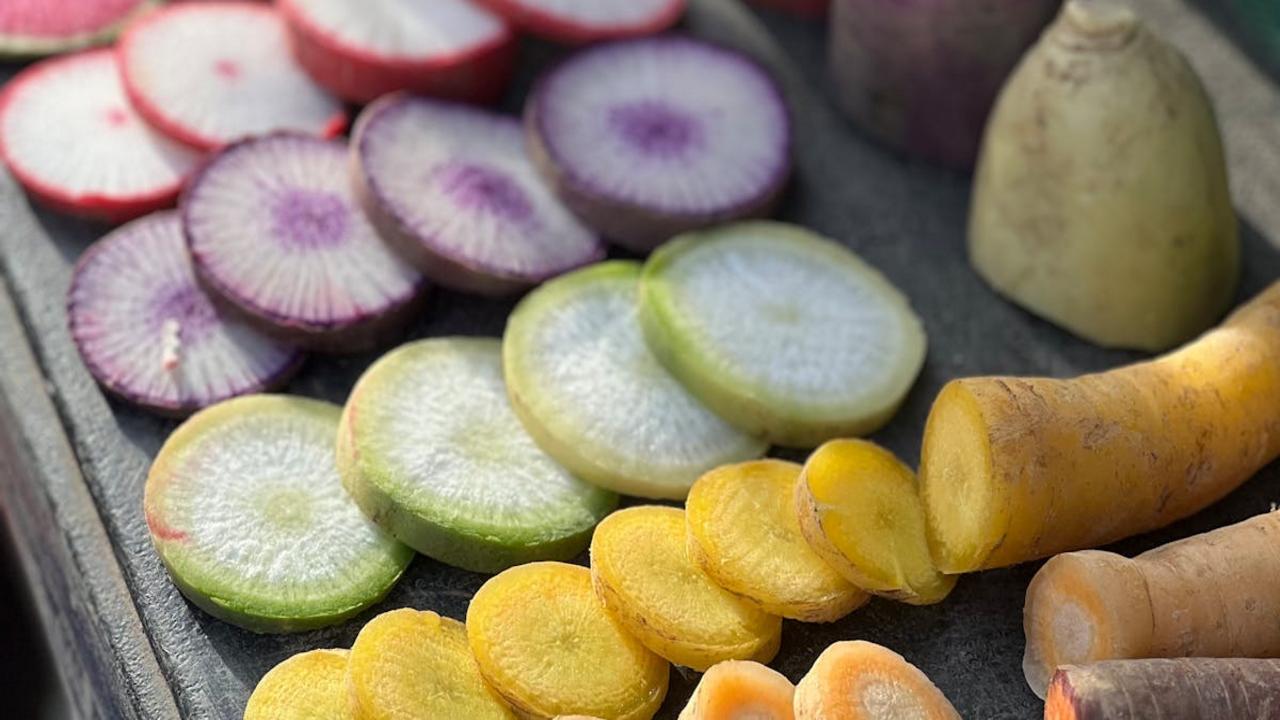
Meet the rutabaga – that mysterious purple and cream globe sitting awkwardly in your produce section like it’s waiting for someone to finally notice it exists. This cross between a turnip and cabbage might look like something from another planet, but here’s the kicker: this weird little vegetable can hang out in your fridge for an absolutely ridiculous three to four months without batting an eye. While your lettuce is turning into green slime after a week, rutabaga is just getting comfortable, probably judging your other vegetables for their lack of staying power.
The secret to rutabaga’s supernatural longevity lies in its thick, waxy skin that acts like nature’s own Tupperware container. Store it in your crisper drawer, and watch as it outlasts everything else in there – including that bag of carrots you swore you’d eat this time. Don’t let its gnarly appearance fool you; underneath that tough exterior is sweet, creamy flesh that tastes like a potato had a baby with a turnip and decided to be slightly peppery about it. Try roasting chunks with olive oil and rosemary, or mash it with butter for a side dish that’ll make you wonder why you ever bothered with regular potatoes. Your rutabaga will be sitting there patiently, ready to transform into something delicious whenever you finally get around to it.
Celery
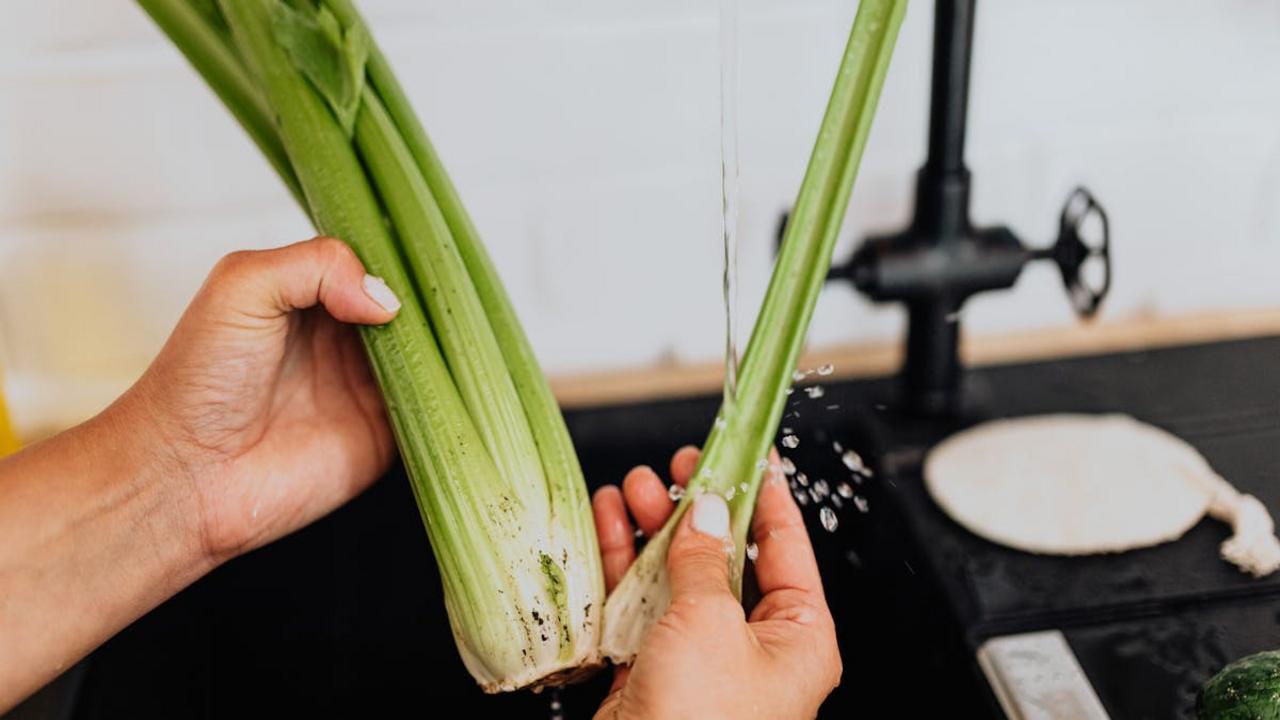
That bunch of celery sitting in your crisper drawer? It’s basically the marathon runner of the vegetable world. While you’re panic-eating wilted lettuce after three days, celery just keeps on keeping on for weeks. I discovered this superpower during my college years when I’d buy celery for a recipe, use two stalks, then find the rest still crisp and ready for action three weeks later. The secret lies in its incredible water retention system – those fibrous strings everyone complains about are actually like tiny water highways that keep each stalk hydrated and crunchy.
Store your celery properly, and you’ll have fresh stalks for up to a month in the refrigerator. Wrap it loosely in aluminum foil (yes, foil beats plastic bags every time) and tuck it into your crisper drawer. The foil allows the celery to breathe while maintaining just enough humidity. Fun fact: celery is about 95% water, which explains why it’s both incredibly refreshing and surprisingly durable. When you finally use those long-lasting stalks, remember that celery leaves are completely edible and pack more flavor punch than the stalks – toss them into soups, salads, or smoothies for an extra nutritional boost.
Carrots
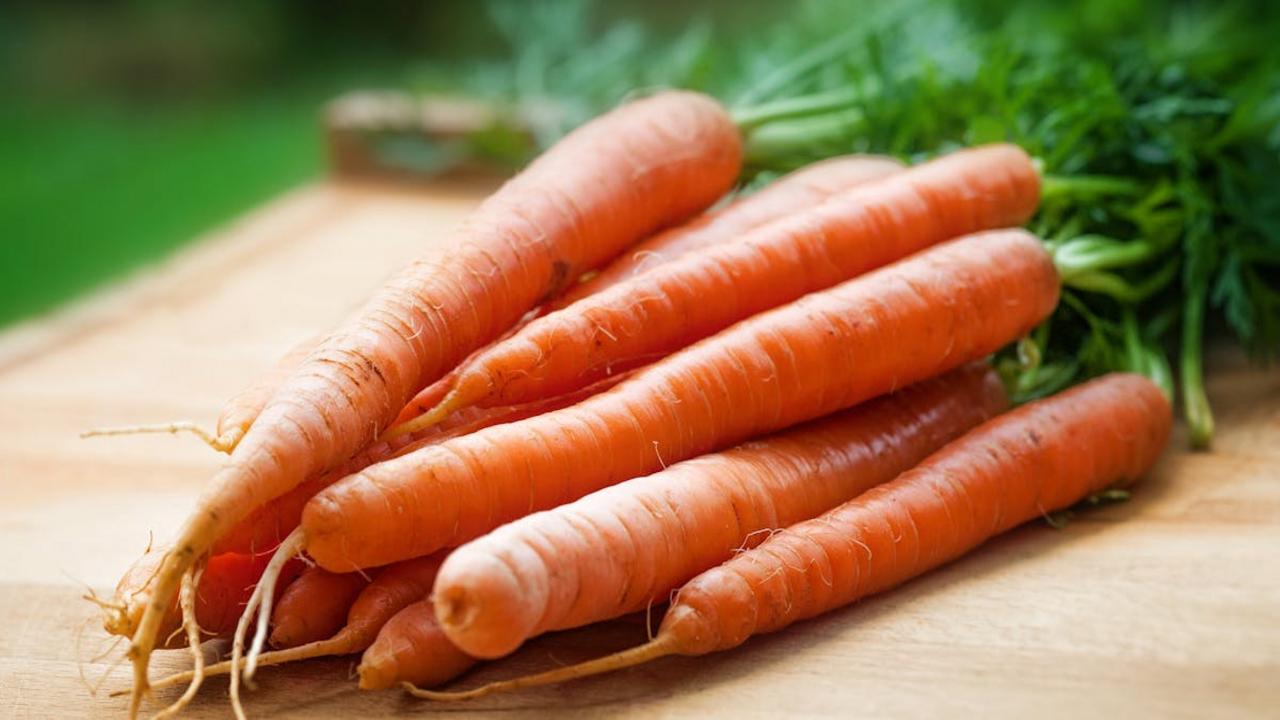
You know that bag of carrots sitting in your crisper drawer, the one you bought with the best intentions of making some healthy soup? Well, here’s some fantastic news: those orange beauties aren’t going anywhere anytime soon! Carrots are basically the marathon runners of the vegetable world, happily hanging out in your fridge for up to four weeks without breaking a sweat. The secret lies in their tough, waxy exterior that acts like nature’s own preservation system. Fun fact: carrots actually get sweeter the longer you store them because their starches slowly convert to sugars – it’s like they’re doing you a flavor favor while you procrastinate on that soup.
Now, here’s where things get really interesting: you can make your carrots last even longer by treating them like the divas they secretly are. Remove those feathery green tops immediately (they’re basically energy vampires sucking the life out of your carrots), wrap them in a damp paper towel, and tuck them into a perforated plastic bag. This little spa treatment can extend their life to six weeks or more! And if you’re feeling really ambitious, whole carrots stored in slightly moist sand in a cool basement can last months – though unless you’re running a Victorian root cellar, the fridge method works just fine for us modern folks.
Beets
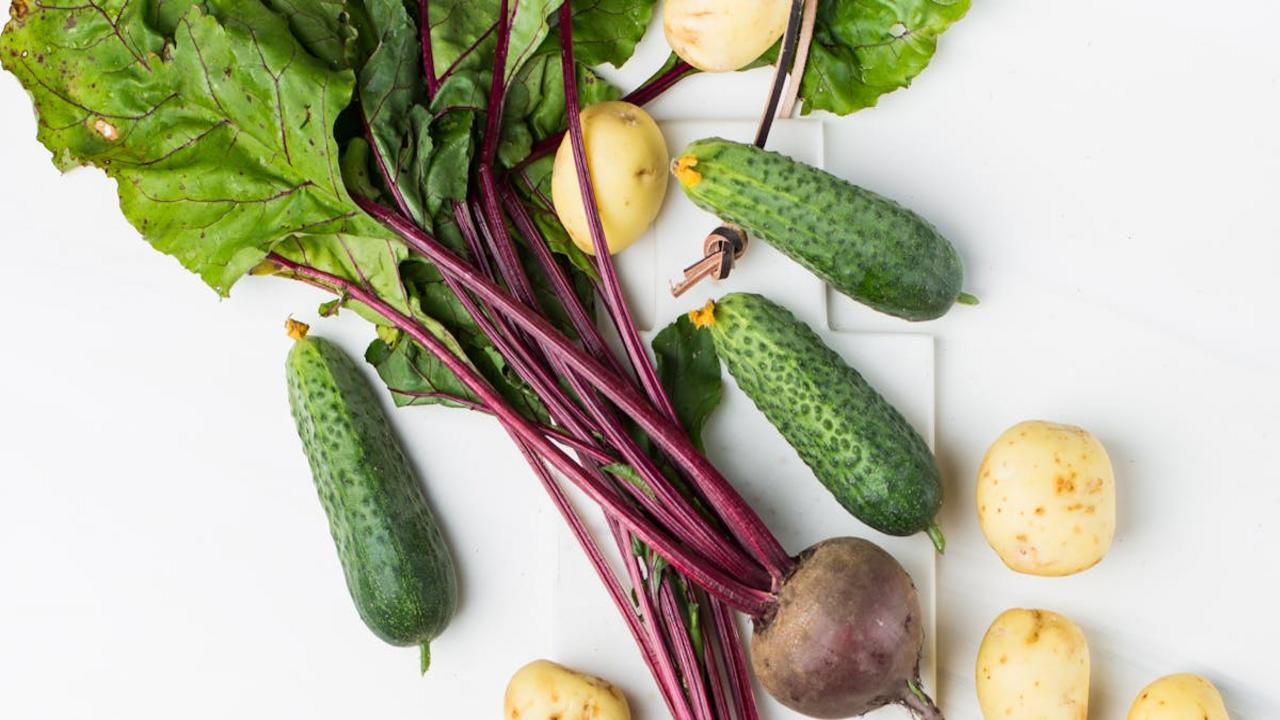
Listen, beets have been getting a bad rap since elementary school cafeterias started serving them from cans that probably predated the moon landing. But here’s the thing – fresh beets are absolute storage champions that’ll outlast your New Year’s resolutions and then some! These ruby-red (or golden, or striped – because beets are surprisingly fashionable) root vegetables can hang out in your fridge for up to three months when stored properly. Just trim off those leafy greens (don’t toss them though – they’re edible gold!), wrap the roots in slightly damp paper towels, and tuck them into a plastic bag in your vegetable drawer.
The secret to beet longevity lies in their natural armor – that thick skin isn’t just for show. It protects them from moisture loss better than a superhero cape protects against villain attacks. Plus, beets actually get sweeter over time in storage, concentrating their natural sugars like tiny underground candy factories. Fun fact: ancient Romans used beets as an aphrodisiac, which explains why Cupid’s arrows are red! Whether you roast them until they’re caramelized perfection, grate them raw into salads for that satisfying crunch, or juice them for an Instagram-worthy smoothie, these hardy vegetables prove that good things really do come to those who wait – and store properly.
Cabbage
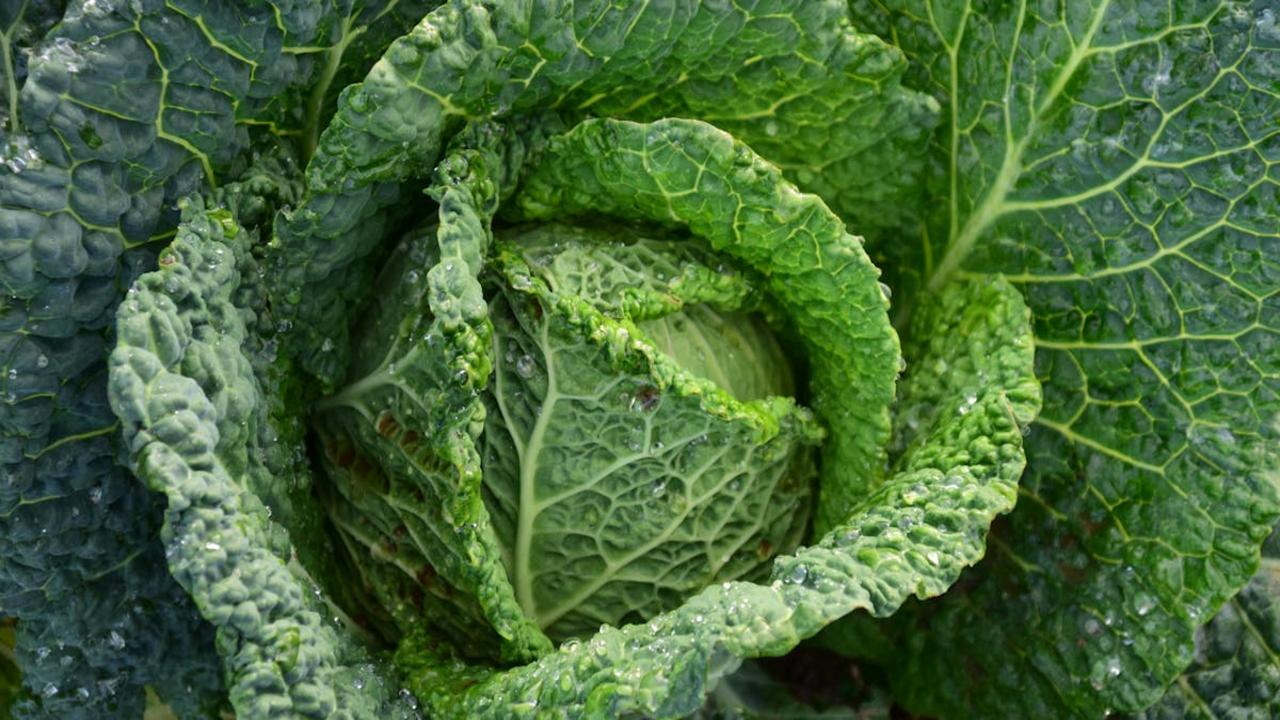
Cabbage might look like a leafy green soccer ball that lost its way, but this humble vegetable holds the championship title for refrigerator longevity. Store your cabbage head whole in the crisper drawer, and it’ll keep for up to two months without batting an eye. The secret lies in those tightly packed leaves that create their own little fortress of freshness. Think of cabbage as the tortoise of the produce world – slow, steady, and surprisingly resilient. Once you start cutting into it, use those pieces within a week, but honestly, a whole cabbage head could probably outlast your New Year’s resolutions.
This cruciferous champion transforms into everything from crispy coleslaw to fermented sauerkraut, making it the ultimate kitchen multitasker. I once forgot about a cabbage head in my fridge for six weeks (don’t judge!), and when I rediscovered it buried behind leftover takeout containers, it looked exactly the same as the day I bought it. The outer leaves might get a little tired-looking, but peel those away and you’ll find crisp, fresh layers underneath. Pro tip: store it away from ethylene-producing fruits like apples and bananas, because even though cabbage is tough, it doesn’t appreciate being gassed by its produce drawer neighbors.
Winter squash
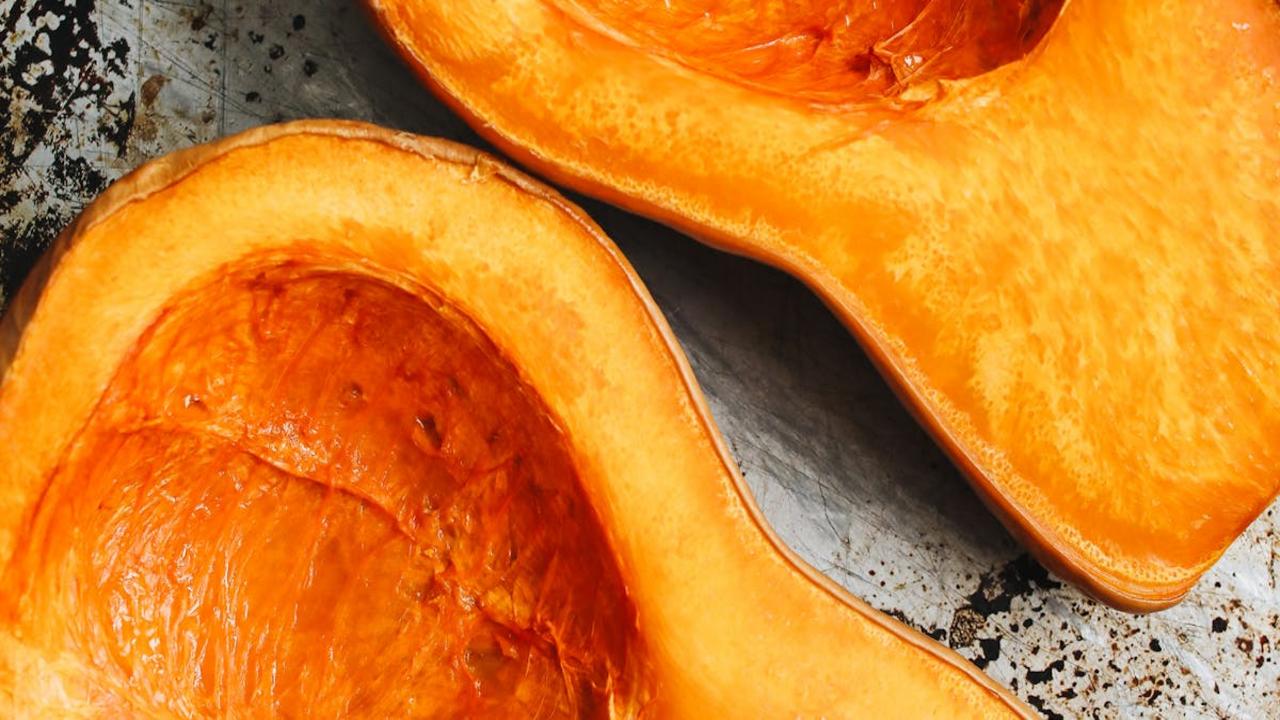
Meet winter squash – the vegetable that laughs in the face of expiration dates and makes your other produce feel embarrassingly short-lived! These tough-skinned beauties can hang out in your pantry for months (yes, plural!) without breaking a sweat. Butternut, acorn, delicata, and their chunky cousins are basically the marathon runners of the vegetable world. Store them somewhere cool and dry, away from direct sunlight, and they’ll reward your patience by staying fresh for 2-6 months depending on the variety. The secret lies in their thick, protective shells – nature’s own Tupperware container!
I once forgot about a butternut squash hiding behind my coffee maker for four months, and when I finally rediscovered it, the thing was still perfectly firm and ready for action. Winter squash actually gets sweeter over time as the starches convert to sugars, so that forgotten squash turned into the most delicious soup I’d made all season! Just check for soft spots or wrinkled skin before cooking – those are your cues that it’s time to say goodbye. Pro tip: once you cut into one, wrap the unused portion tightly and refrigerate for up to a week, or cube and freeze for future soups and stews.
Quince

Meet the quince—that golden, fuzzy fruit that looks like a pear’s slightly confused cousin who spent too much time at the gym. Most people walk right past quinces at the grocery store, probably thinking they’re some sort of decorative gourds, but joke’s on them! These aromatic beauties can hang out in your fridge for up to two months without batting an eyelash. The secret lies in their naturally waxy skin and dense flesh, which acts like nature’s own protective bubble wrap. Store them in the crisper drawer, and they’ll reward your patience by filling your entire refrigerator with their intoxicating perfume—seriously, it’s like having a fancy candle that you can eventually eat.
Here’s where quinces get really interesting: you absolutely cannot eat them raw unless you enjoy the sensation of chewing on sawdust mixed with lemon juice. But cook these bad boys, and they transform into something magical—their flesh turns from pale yellow to a gorgeous rosy pink, and their flavor mellows into this heavenly combination of apple, pear, and floral notes. The ancient Greeks called quince the “golden apple” and considered it sacred to Aphrodite, which makes perfect sense because anything this beautiful and aromatic definitely has goddess-level appeal. Try poaching them in wine with cinnamon and honey, or turn them into the most amazing jam you’ve ever tasted—your future self will thank you for stocking up on these underrated gems.
Pears
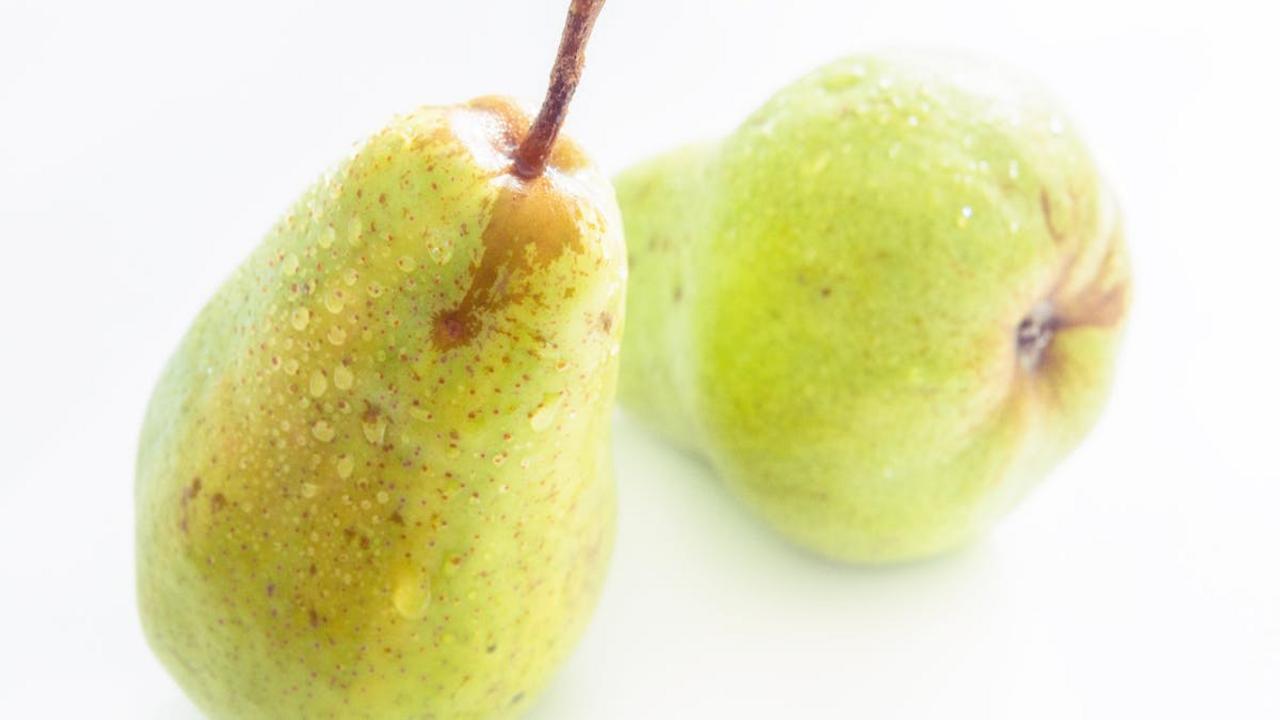
Pears are the sneaky champions of fruit longevity, and honestly, they deserve way more credit for their staying power. While you’re frantically eating those bananas before they turn into brown mush, your pears are sitting pretty in the fridge for weeks, just chilling like they own the place. Here’s the magic trick: buy them hard as rocks (I know, I know, it feels wrong), then store them in your refrigerator where they’ll keep for up to two months. When you want to eat one, just move it to your counter for a few days and watch it transform into buttery perfection. It’s like having a time machine for fruit!
The secret lies in pears’ backwards ripening process – they actually ripen better off the tree than on it, which makes them the rebels of the fruit world. Unlike their apple cousins, pears ripen from the inside out, so that perfect moment when they yield slightly to pressure near the stem is your golden ticket to pear paradise. Store ripe pears back in the fridge to slow down the process, and you can stretch their life even further. Pro tip: keep them away from other fruits because pears are drama queens who get influenced by ethylene gas and will ripen faster than you can say “Bartlett.” With proper storage, you can have fresh pears ready whenever the mood strikes!
Watermelon
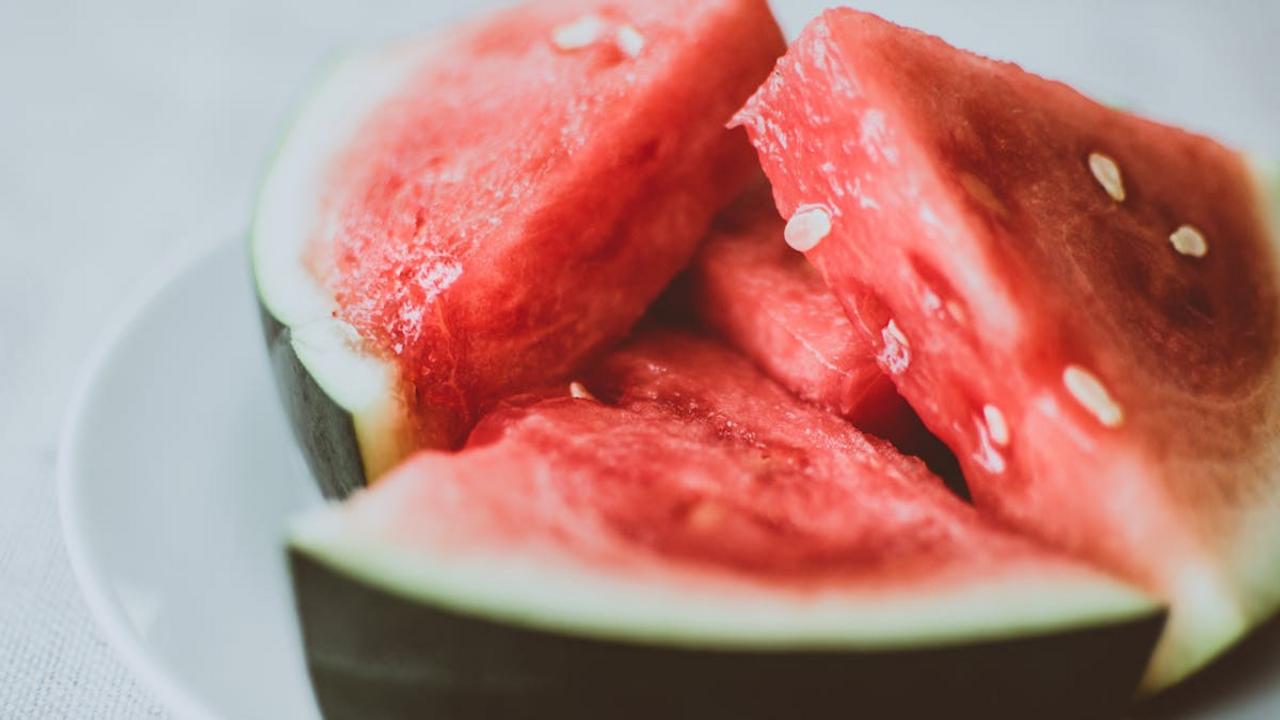
That massive watermelon sitting on your counter doesn’t need to take up precious fridge space right away! Whole watermelons can hang out at room temperature for up to a week, maybe even ten days if your kitchen stays reasonably cool. I learned this the hard way after wrestling a 15-pound watermelon into my already-packed refrigerator, only to discover later that it was perfectly happy chilling on my countertop. Once you crack that bad boy open though, the clock starts ticking – cut watermelon needs to live in the fridge and will stay fresh for about three to five days.
Here’s where watermelon gets really interesting: it actually continues to develop more lycopene (that antioxidant that makes tomatoes famous) while sitting at room temperature. So your patient watermelon isn’t just staying fresh – it’s getting healthier by the day! Store your whole melon in a cool, dry spot away from direct sunlight, and give it a gentle thump before cutting. That hollow sound means it’s ready to deliver maximum sweetness. Pro tip: if you’re planning a big summer barbecue, buy your watermelon a few days early and let it reach peak ripeness on your counter while you prep everything else.
Apples
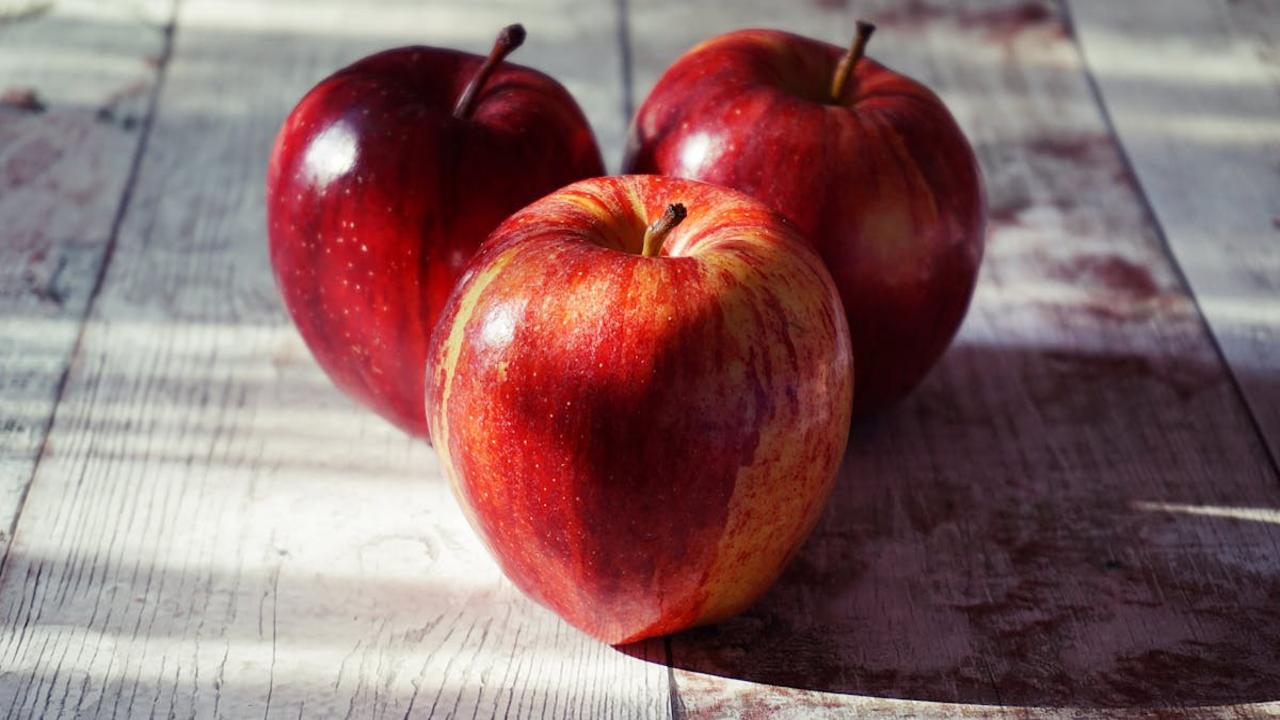
Your grandmother’s apple basket sitting pretty on the kitchen counter? That’s nice and all, but you’re doing those Honeycrisps a serious disservice! Move those beauties straight to your refrigerator’s crisper drawer, and they’ll reward you with their crispy crunch for up to two months. Room temperature apples lose their snap faster than a rubber band, turning mealy and disappointing within a week. But chill them out properly, and they’ll maintain that satisfying bite that makes you sound like a horse eating carrots – in the best possible way.
Here’s the kicker: apples are basically the divas of the fruit world, releasing ethylene gas that speeds up ripening in everything around them. Store them in a perforated plastic bag in the fridge to contain their gassy behavior while still letting them breathe. Pro tip from someone who’s learned the hard way – keep them away from your leafy greens unless you want wilted salad tomorrow! And if you spot one going soft, don’t toss the whole bunch. That old saying about one bad apple? It’s scientifically accurate, so remove the troublemaker and save the rest of your crispy crew.
Cranberries
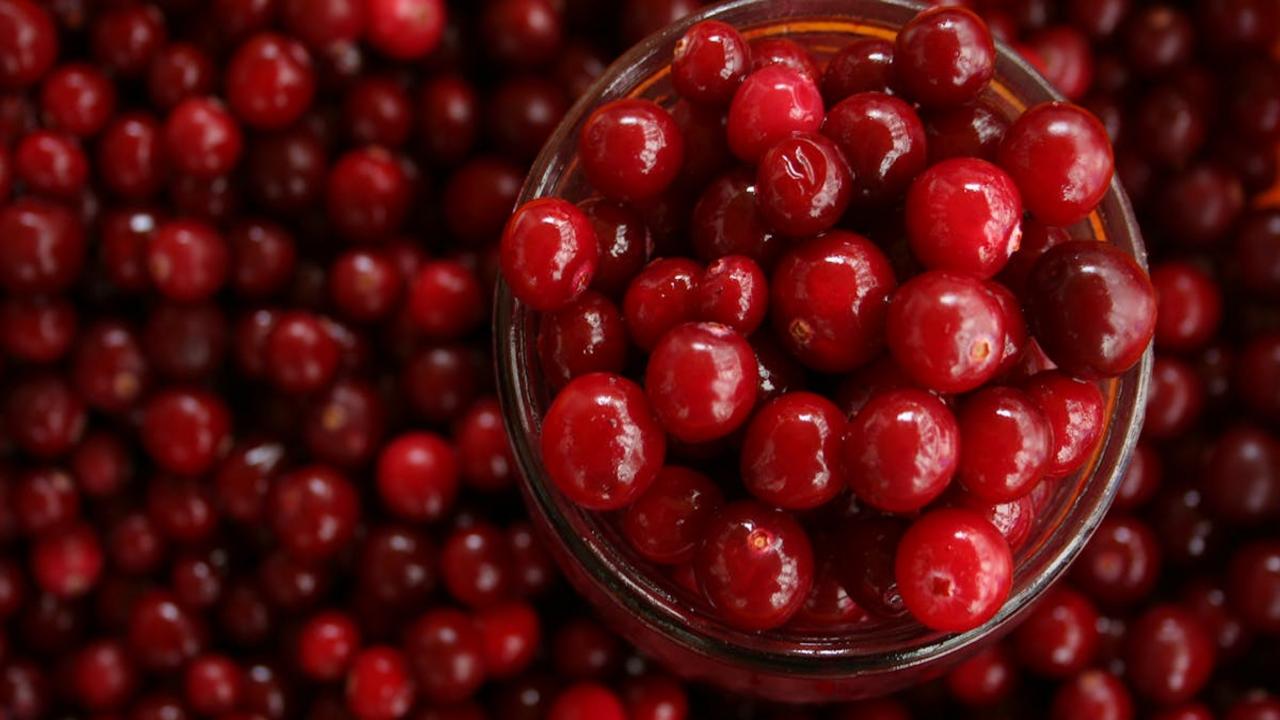
Those ruby-red little gems we call cranberries are basically the marathon runners of the fruit world – they just keep going and going! Fresh cranberries can hang out in your fridge for up to two months without batting an eyelash, which makes them the perfect backup dancers for your holiday meals. I once found a bag of cranberries lurking in the back of my crisper drawer from Thanksgiving, and come February, they were still firm and ready to party. The secret lies in their naturally waxy coating and high acidity levels, which act like tiny force fields against bacteria and mold. Plus, they’re one of the few fruits that actually float when fresh – toss them in water and watch the good ones bob around like little life rafts!
Here’s where cranberries get really impressive: they freeze beautifully for up to a year, and you don’t even need to wash them first. Just toss the whole bag in the freezer and pull out handfuls whenever you need them for muffins, sauces, or smoothies. I love keeping frozen cranberries on hand because they add this perfect tart punch to my morning oatmeal, and they don’t get mushy like other berries do. Fun fact: cranberries were originally called “craneberries” because their pink blossoms reminded early settlers of crane heads – though honestly, I think they look more like tiny Christmas ornaments that someone forgot to hang on the tree!
Citrus fruits
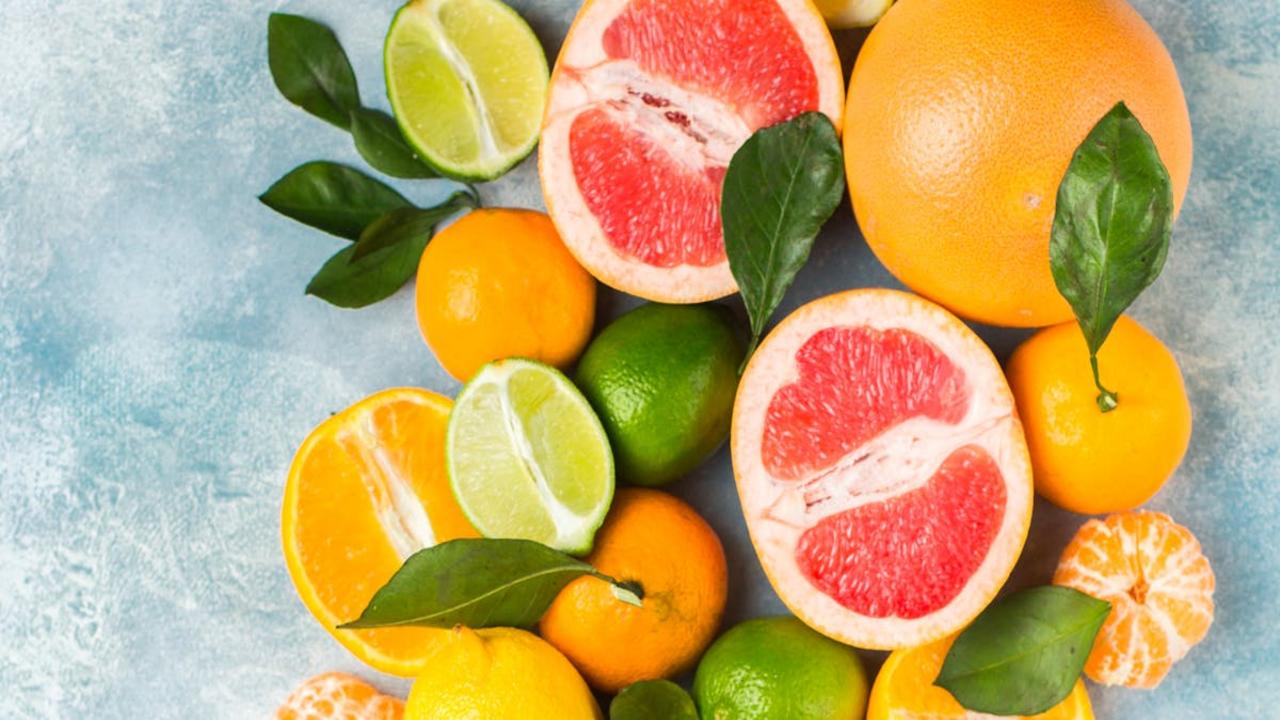
Your lemons, limes, oranges, and grapefruits are basically the marathon runners of the produce world – they can stick around for weeks longer than you’d expect! While you might think these sunshine-bright beauties need immediate attention after you bring them home, they’re actually incredible patient. Stored properly in your refrigerator’s crisper drawer, most citrus fruits can last anywhere from 3 to 6 weeks, which means that bag of oranges you bought in a moment of ambitious healthy-eating enthusiasm doesn’t have to become a guilt-inducing science experiment in your fruit bowl. The secret lies in their natural waxy coating and thick protective peels that act like tiny suits of armor against spoilage.
Here’s where it gets interesting: citrus fruits actually prefer the cold shoulder! Unlike many fruits that suffer in chilly temperatures, these zesty characters thrive in refrigeration and will stay juicier longer when kept cool. Room temperature storage works too, but you’re looking at maybe a week before they start getting soft and sad. Pro tip from someone who has definitely forgotten about citrus purchases: if your oranges or lemons start feeling slightly soft, they’re perfect for juicing – often they’ll give you more liquid than their rock-hard counterparts. And that lime that’s been rolling around your fridge for a month? Give it a squeeze test before you toss it – chances are it’s still got plenty of zesty life left in it!
Dragon fruit
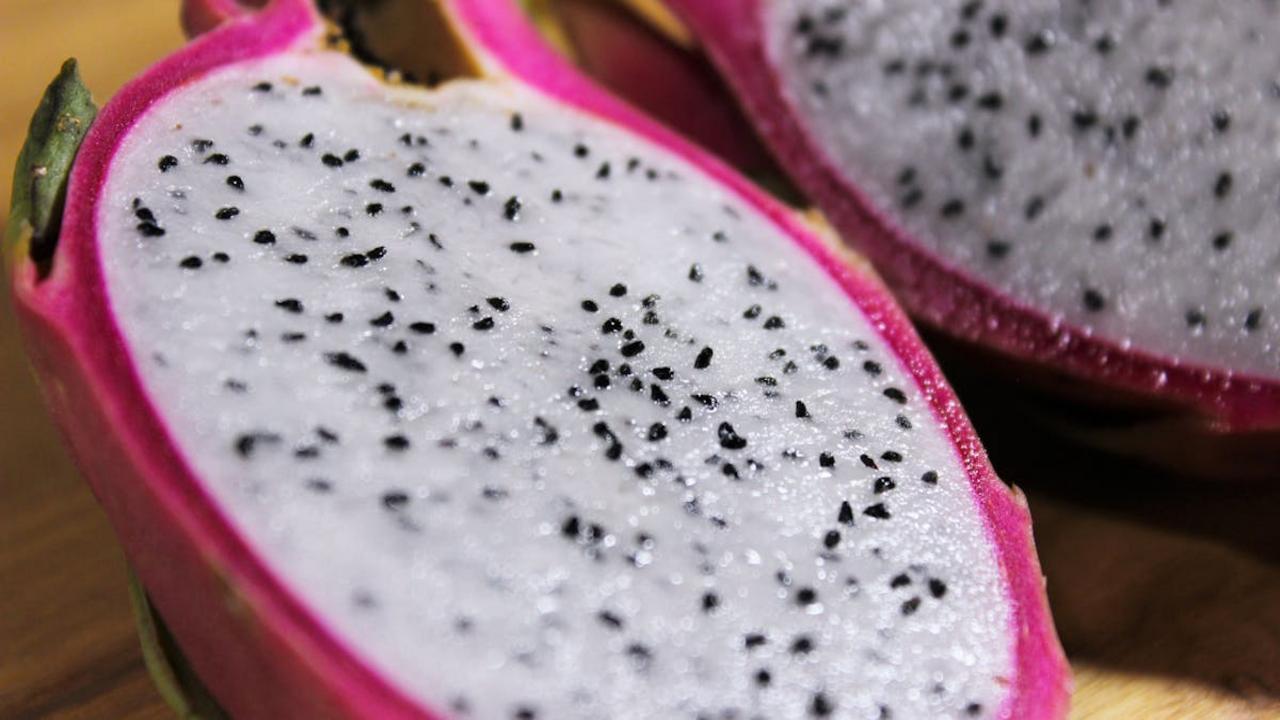
Dragon fruit looks like something straight out of a fantasy novel – this vibrant pink alien pod with green scales that belongs more in a sci-fi movie than your produce drawer. But here’s the kicker: this exotic beauty can hang out in your fridge for up to two weeks without batting an eyelash! Unlike its delicate tropical cousins that turn to mush faster than you can say “smoothie bowl,” dragon fruit maintains its firm texture and mild, refreshing flavor remarkably well. The secret lies in its thick, protective skin that acts like natural armor against moisture loss and decay.
You’ll know your dragon fruit has overstayed its welcome when the skin starts wrinkling like a deflated balloon or develops dark spots that look suspiciously like bruises. Store it whole in your crisper drawer, and resist the urge to cut it until you’re ready to eat – once you slice into that alien exterior, the clock starts ticking much faster. Pro tip: dragon fruit tastes best when it’s slightly soft to the touch, so don’t panic if it gives a little when you squeeze it. The white flesh inside, dotted with tiny black seeds like a natural polka-dot pattern, makes for Instagram-worthy smoothie bowls that’ll have your followers wondering if you’ve suddenly become a food stylist!
Pomegranate
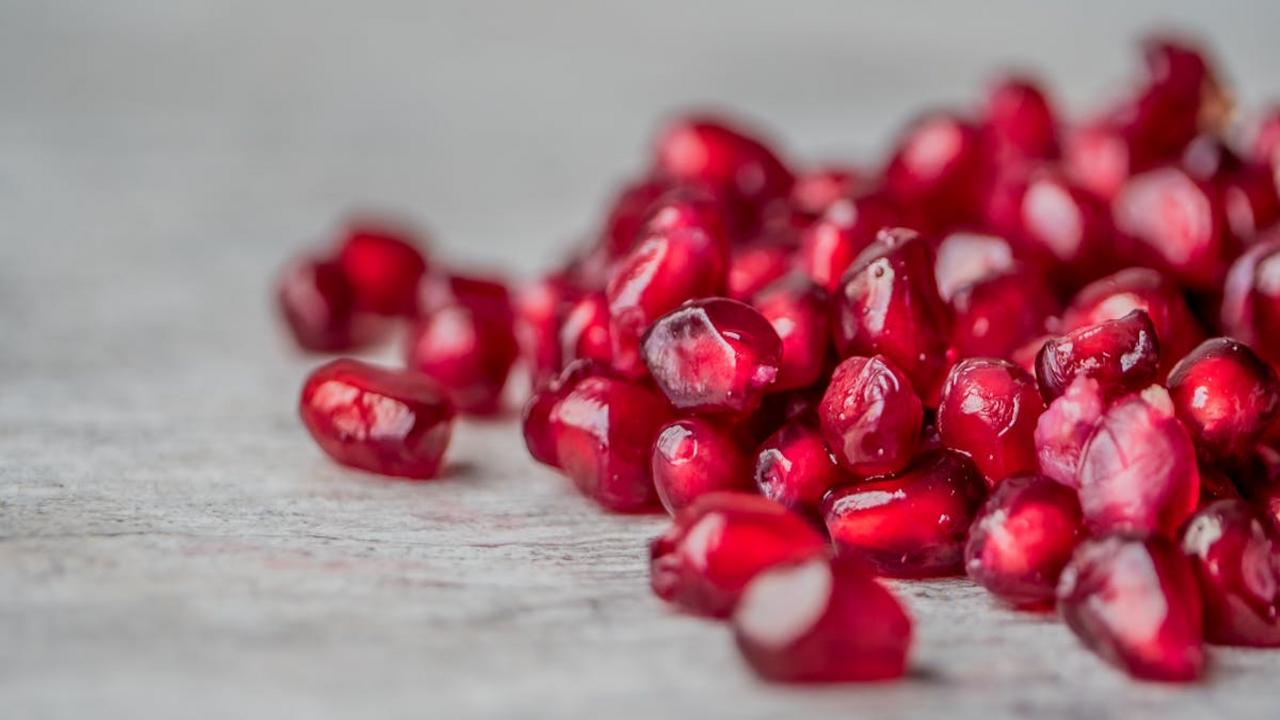
These ruby-jeweled beauties are the overachievers of the fruit world, sitting pretty in your fridge for up to two whole months without breaking a sweat. While you’re frantically trying to use up those bananas that turned brown overnight, your pomegranate is laughing in the crisper drawer, looking exactly the same as the day you brought it home. The secret lies in that tough, leathery skin that acts like nature’s own protective armor – think of it as a medieval fortress guarding precious treasure inside.
Here’s the wild part: pomegranates actually get sweeter with age, unlike your dating life in your thirties. Store them in the refrigerator, and they’ll maintain their peak flavor and nutritional punch for weeks on end. If you’re brave enough to crack one open (and don’t mind looking like you committed a fruit crime scene), those gorgeous arils inside will keep in an airtight container for another week. Pro tip: freeze the seeds in ice cube trays with a splash of water for the most Instagram-worthy cocktail garnish that’ll make your friends think you’ve got your life together. Just don’t tell them how long that pomegranate has been chilling in your fridge!