15 Iconic Eats That Defined Each Decade From the Roaring ’20s to Today
Food tells stories better than history books ever could. Each decade brings its own flavors, born from innovation, necessity, or pure cultural shifts that reshape how we eat. From the glamorous pineapple upside-down cakes of the 1920s to today’s plant-based meat revolution, these fifteen dishes capture the spirit of their times.
What fascinates me most is how these foods reflect our collective moments—wartime rationing that gave us Spam, convenience culture that birthed Pop-Tarts, and our modern health awakening that elevated humble kale into crispy snacks. Each bite carries the weight of social change, technological advancement, and evolving tastes.
Join me as we explore these iconic foods that shaped American kitchens and hearts. Some might surprise you with their staying power, while others remind us how fleeting food trends can be. Every dish here represents more than ingredients—it’s a snapshot of who we were and who we’re becoming.
Plant Based Meat
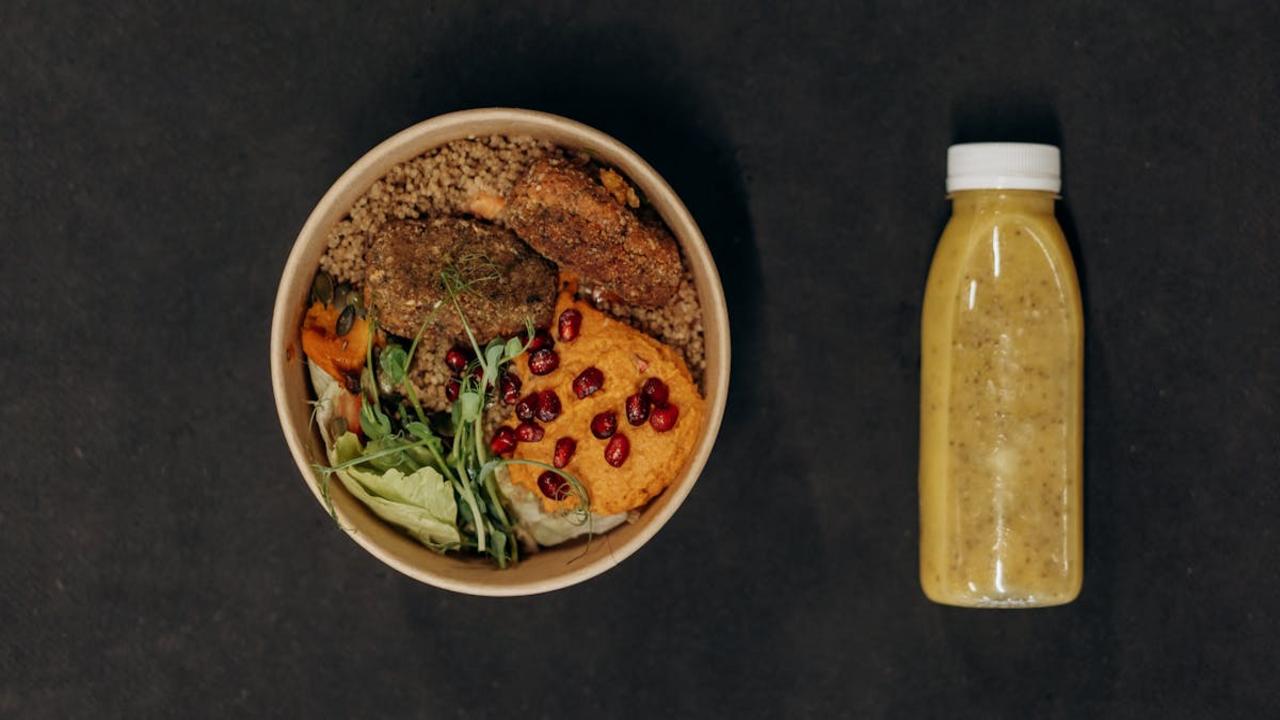
You know what? I never thought I’d see the day when a plant-based burger would make me question everything I knew about meat. But here we are in the 2010s and beyond, watching companies like Beyond Meat and Impossible Foods create products that sizzle, bleed, and satisfy in ways that honestly caught me off guard. I remember the first time I cooked with one of these newer plant-based options – the texture was so convincing that I kept checking the package to make sure I hadn’t grabbed the wrong thing from the freezer.
What really gets me excited about this movement isn’t just the innovation, but how it’s pushing all of us home cooks to think differently about protein. I’ve started experimenting with my own blends using mushrooms, lentils, and nuts, creating patties that have their own unique character rather than trying to mimic something else. The beauty of plant-based cooking lies in celebrating what vegetables can do on their own terms. Sure, the commercial versions opened doors for people hesitant about vegetarian options, but the real magic happens when you start building flavors from scratch, layering umami with roasted vegetables, herbs, and spices that make you forget you ever needed anything else.
Bubble Tea
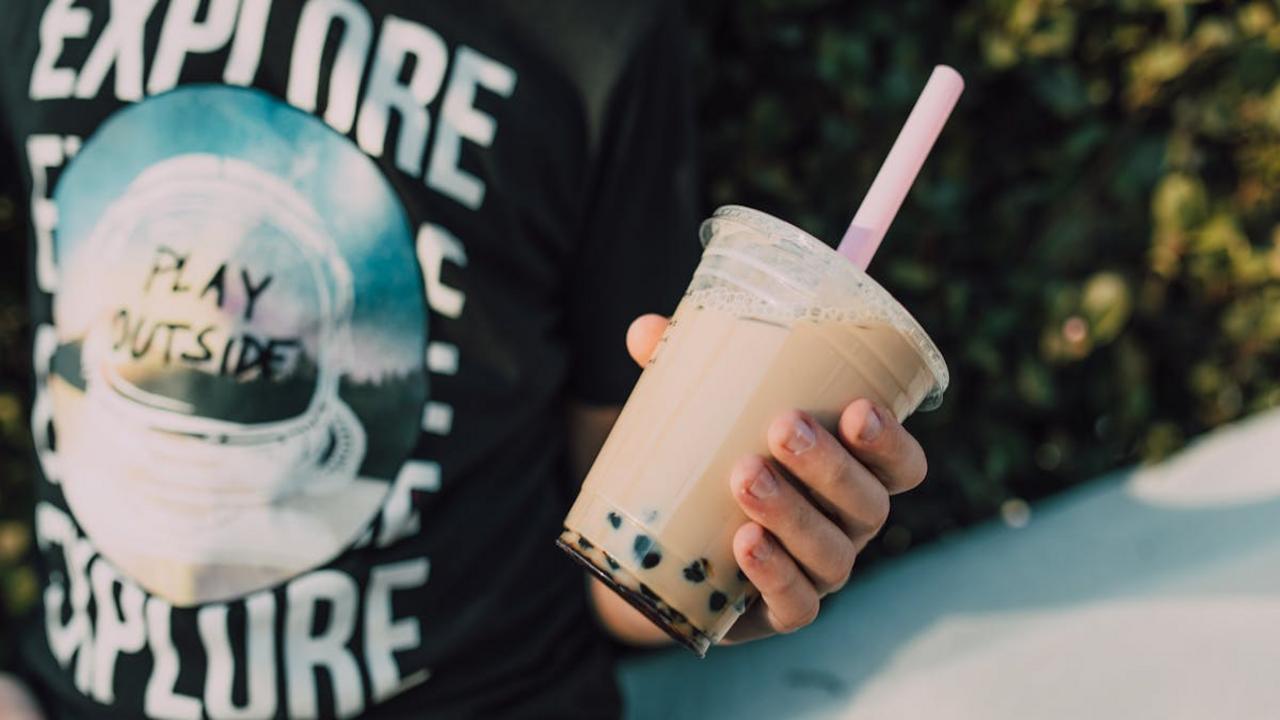
Picture this: you’re sipping on something that’s part drink, part snack, and completely addictive. Bubble tea burst onto the scene in the 1980s from Taiwan, but it didn’t truly capture hearts worldwide until the 2000s when it became the drink that defined a generation. Those chewy tapioca pearls dancing at the bottom of your cup weren’t just a novelty – they represented something bigger. This wasn’t your typical beverage; it was an experience that demanded you slow down, savor each sip, and actually chew your drink. I love how bubble tea challenged everything we thought we knew about what a drink could be.
What strikes me most about bubble tea is how it mirrors my own approach to cooking – taking unexpected elements and creating something completely harmonious. Those tapioca pearls start as simple cassava starch, transformed through patient cooking into these delightful, bouncy spheres that add texture and fun to every sip. The beauty lies in its customization – you control the sweetness, choose your milk base, pick your flavors, and decide on toppings. It’s like building a recipe from scratch, adjusting each component until it’s perfectly yours. This drink taught us that food and beverages could be interactive, personal, and that sometimes the most wonderful creations come from combining the most unlikely ingredients.
Avocado Toast
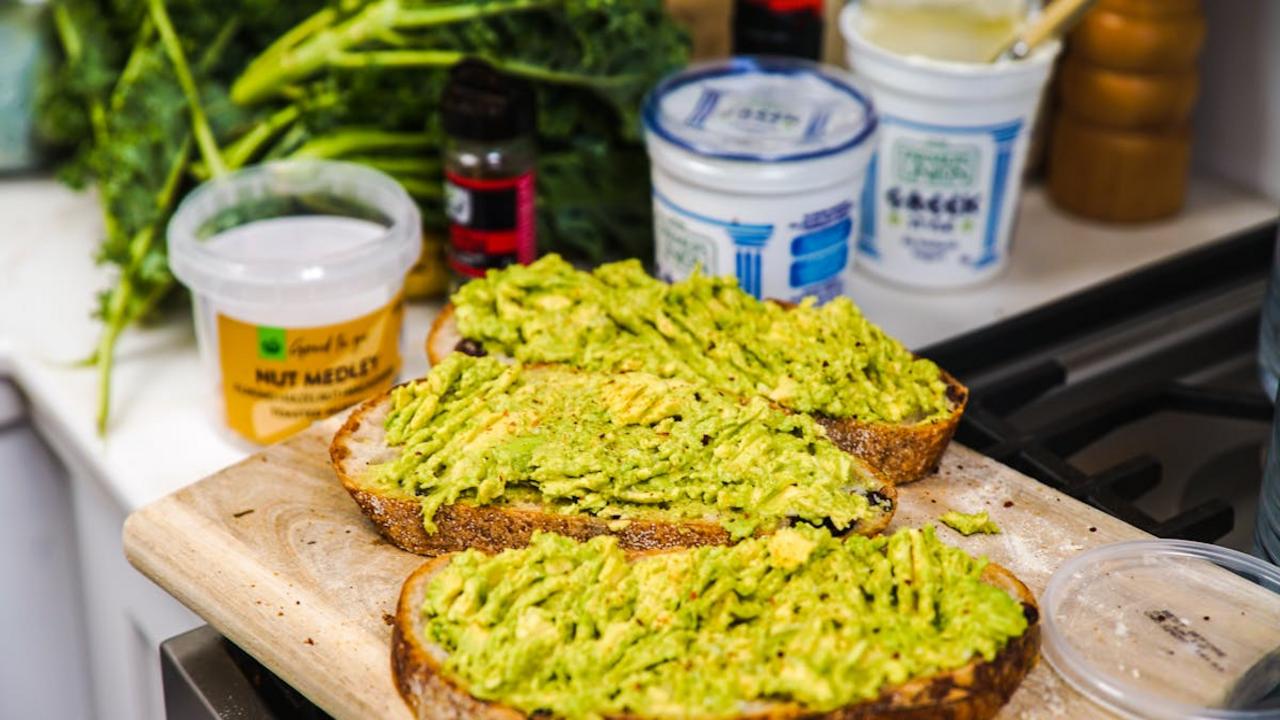
You know that moment when something so simple becomes a cultural phenomenon? That’s exactly what happened with avocado toast in the 2010s. I remember when this humble combination of mashed avocado on bread transformed from a quick breakfast into an Instagram sensation that defined millennial food culture. What started as a nutritious, no-fuss meal suddenly became the poster child for a generation’s relationship with food—fresh, photogenic, and unapologetically simple.
The beauty of avocado toast lies in its versatility and the way it celebrates whole foods at their finest. I love how you can take a perfectly ripe avocado, mash it with just a pinch of sea salt and lime juice, then pile it onto crusty sourdough for pure magic. You can top it with everything from heirloom tomatoes and hemp seeds to a perfectly poached egg or even some crumbled feta and za’atar. This dish perfectly captures my philosophy of minimal processing and maximum flavor—you’re taking ingredients in their most natural state and creating something that nourishes both body and soul. Sure, it sparked debates about millennial spending habits, but honestly, when something this good for you tastes this incredible, I say pile it high and savor every bite.
Cupcakes
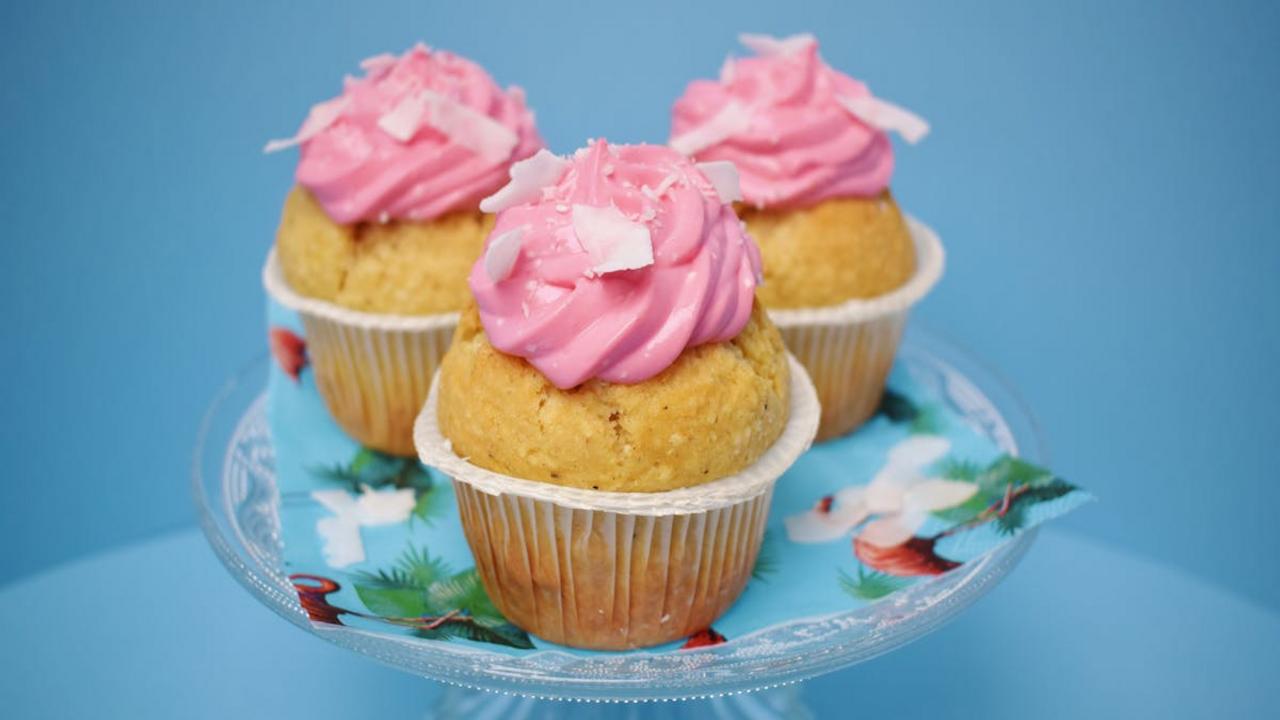
You know, cupcakes became the sweet darlings of the 2000s, transforming from simple birthday treats into gourmet masterpieces that lined bakery windows across America. I remember watching this transformation happen—suddenly everyone wanted these individual portions of joy, and honestly, I understood why. There’s something magical about having your own perfect little cake, isn’t it? The decade brought us specialty cupcake shops like Magnolia Bakery and Sprinkles, turning what our grandmothers made in muffin tins into a full-blown cultural phenomenon. These weren’t just desserts anymore; they became Instagram-worthy works of edible beauty.
What I love most about the cupcake trend is how it brought baking back into people’s homes. Sure, you could buy fancy ones, but so many folks started experimenting with flavors and frostings in their own kitchens. I’ve seen people create incredible combinations—lavender honey, chocolate chili, even savory versions with herbs and cheese. The beauty lies in their simplicity: basic cake batter becomes your canvas for creativity. You can fold in fresh berries, swirl in natural nut butters, or top them with cream cheese frosting sweetened with maple syrup instead of processed sugar. Every cupcake tells its own story, and that’s the magic that made them define an entire decade.
Kale Chips
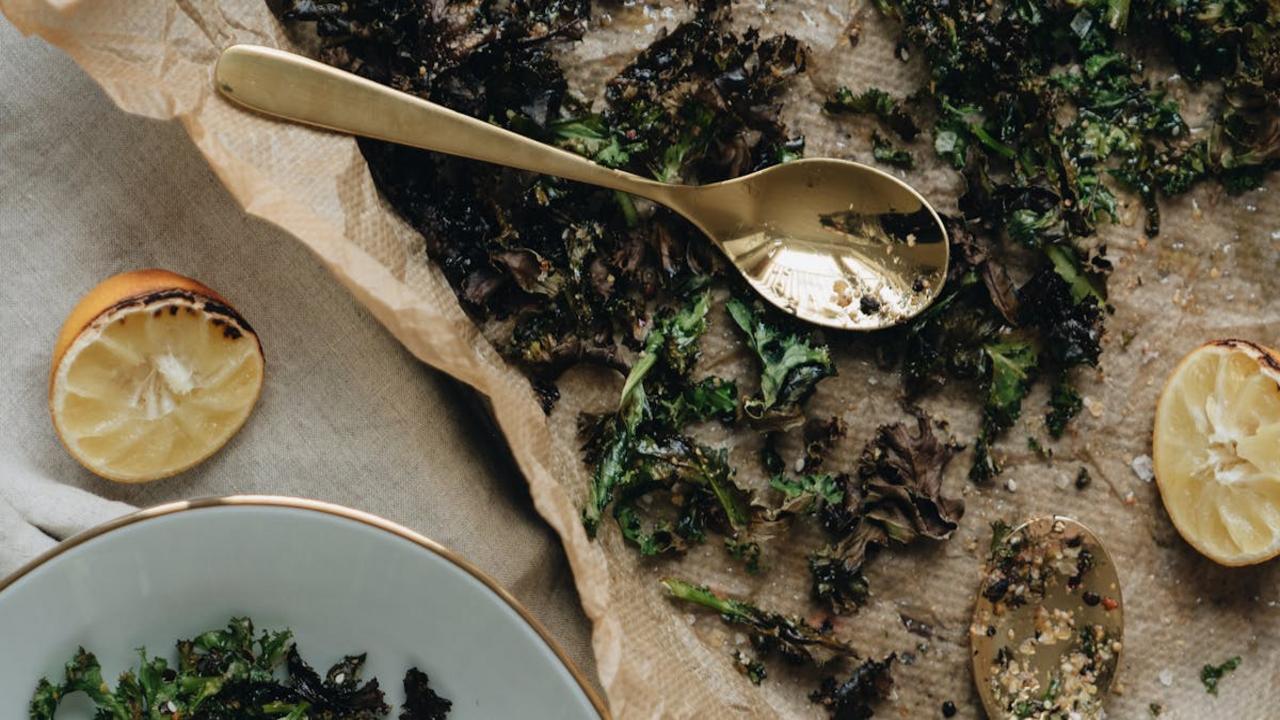
You know that moment when something healthy actually tastes incredible? That’s exactly what happened when kale chips burst onto the scene in the 2010s. I remember my first batch – skeptical about turning those tough, bitter greens into something snackable. But after massaging those leaves with olive oil and sea salt, then watching them transform in the oven into crispy, golden perfection, I was completely converted. These weren’t just another health food trend; they became my go-to snack that satisfied both my crunch cravings and my body’s need for real nutrition.
What I love most about kale chips is how they represent this beautiful shift toward whole foods that happened during the 2010s. Instead of reaching for processed snacks loaded with preservatives, we started creating our own versions at home using simple, real ingredients. I’ve made hundreds of variations – tossing them with nutritional yeast for a cheesy flavor, adding curry powder for warmth, or finishing with a squeeze of lemon. Each batch taught me something new about coaxing maximum flavor from minimal ingredients. These chips proved that healthy eating doesn’t mean sacrificing taste or satisfaction – it just means getting creative with nature’s bounty.
Lunchables
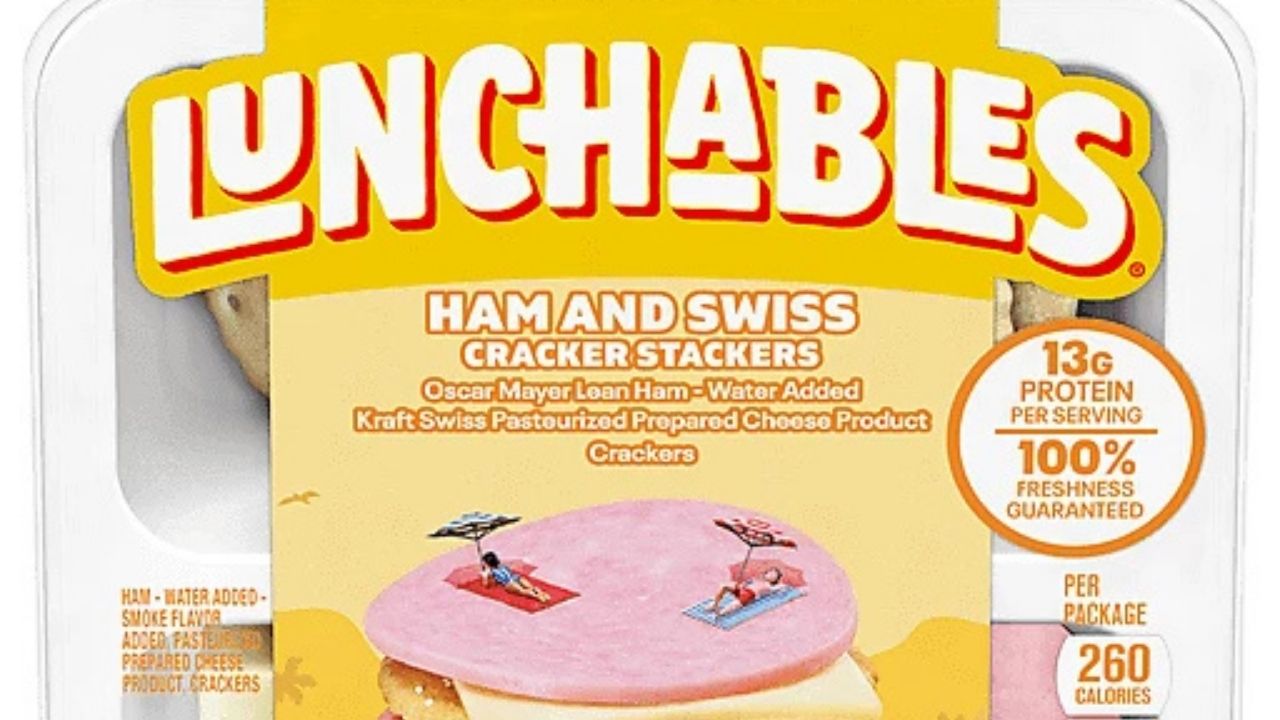
Oh friend, when I think about Lunchables hitting the scene in 1988, I can’t help but shake my head a little. Here was Oscar Mayer’s answer to busy parents everywhere – pre-packaged compartments filled with processed meats, crackers, and cheese that kids could assemble themselves. The marketing was brilliant, I’ll give them that. They sold convenience and independence to families who were increasingly stretched for time, and kids absolutely loved the interactive element of building their own mini meals.
But you know what breaks my heart about this whole phenomenon? We started teaching an entire generation that lunch comes from a plastic tray instead of our own kitchens. While I understand the appeal – those little compartments were satisfying to open, and the portion control seemed reasonable – we were essentially normalizing ultra-processed foods as daily nutrition. Instead of reaching for a Lunchable, imagine packing some homemade hummus with fresh vegetables, a few slices of real cheese, and some whole grain crackers. Your kids get that same hands-on experience, but with ingredients you can actually pronounce. That’s the kind of food independence I want to see kids develop.
Fruit Roll Ups
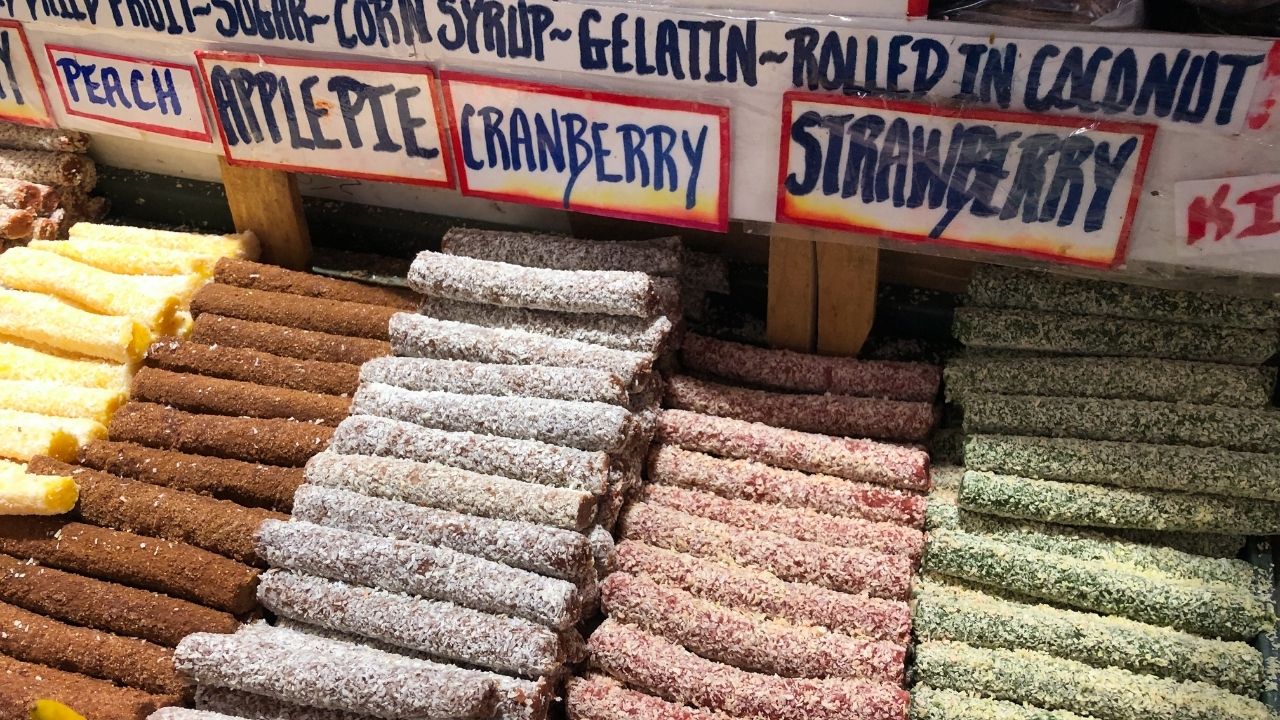
The 1980s brought us Fruit Roll Ups, those colorful sheets of concentrated fruit flavors that peeled away from plastic backing like edible stickers. Betty Crocker launched these chewy treats in 1983, and they quickly became lunch box legends. I remember unwrapping these glossy rectangles, the artificial cherry or strawberry scent hitting you before you even took a bite. Kids would stretch them, fold them, or press temporary tattoos from the packaging onto their skin while savoring each synthetic-sweet morsel.
Looking back now through my lens of whole-food cooking, I see Fruit Roll Ups differently. They represent everything I’ve moved away from—corn syrup, artificial colors, and flavors that barely resemble actual fruit. But here’s what those processed sheets taught me: fruit can be transformed into something magical when you concentrate its essence. Today, I make my own fruit leather using nothing but pureed mangoes, dates for sweetness, and a dehydrator. The result? Chewy, intensely flavored strips that capture real fruit’s complexity without the chemical parade. Sometimes the best inspiration comes from reimagining childhood favorites with ingredients your grandmother would recognize.
Diet Coke

Back in 1982, when Diet Coke hit the shelves, I watched my neighbors swap their sugar-laden sodas for this fizzy newcomer with genuine excitement. You know, as someone who spends most days creating nourishing meals from whole ingredients, I find Diet Coke fascinating—not because I recommend it as part of your daily routine, but because it represents such a pivotal shift in how we thought about food and health. This wasn’t just another diet drink; it was Coca-Cola’s bold answer to changing consumer demands for lower-calorie options that still delivered that familiar cola satisfaction.
What strikes me most about Diet Coke’s rise is how it reflected our collective desire to have our cake and eat it too—or in this case, enjoy that sweet, caffeinated pick-me-up without the caloric consequences. While I always encourage you to reach for sparkling water with fresh lime or homemade fruit-infused drinks instead, I can’t deny that Diet Coke became the go-to companion for busy professionals, students cramming for exams, and anyone seeking that afternoon energy boost. It carved out its own identity separate from regular Coke, proving that sometimes innovation means creating something entirely new rather than simply modifying what already exists.
Hamburger Helper
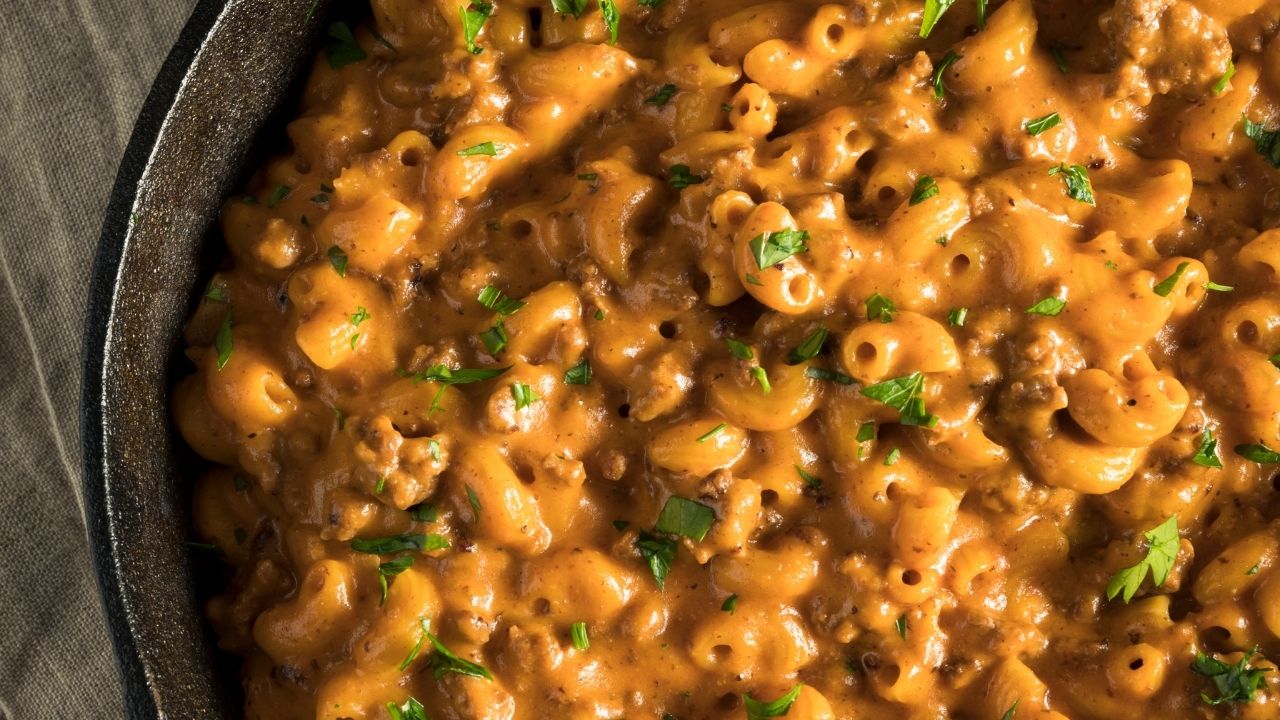
You know, I have mixed feelings about Hamburger Helper when I think back to the 1970s. This boxed meal solution became a weeknight savior for countless families during tough economic times, promising a complete dinner with just ground beef, the contents of that bright yellow box, and some water. I get it – after a long day, sometimes you need something fast and filling on the table. But here’s what bothers me about it: we traded real flavor and nutrition for convenience, and honestly, making a hearty skillet meal from scratch doesn’t take much more time.
These days, I love taking that same concept but flipping it completely. Instead of relying on processed pasta and artificial seasonings, I’ll brown some grass-fed ground beef with onions and garlic, toss in whatever vegetables need using up – maybe bell peppers, zucchini, or cherry tomatoes – then add whole grain pasta or even cauliflower rice. A splash of good broth, some herbs from my windowsill garden, and maybe a sprinkle of real cheese at the end creates something so much more satisfying. You get that same comforting, one-pan feeling that made Hamburger Helper popular, but with ingredients you can actually pronounce and flavors that make your kitchen smell like home.
Pop Tarts
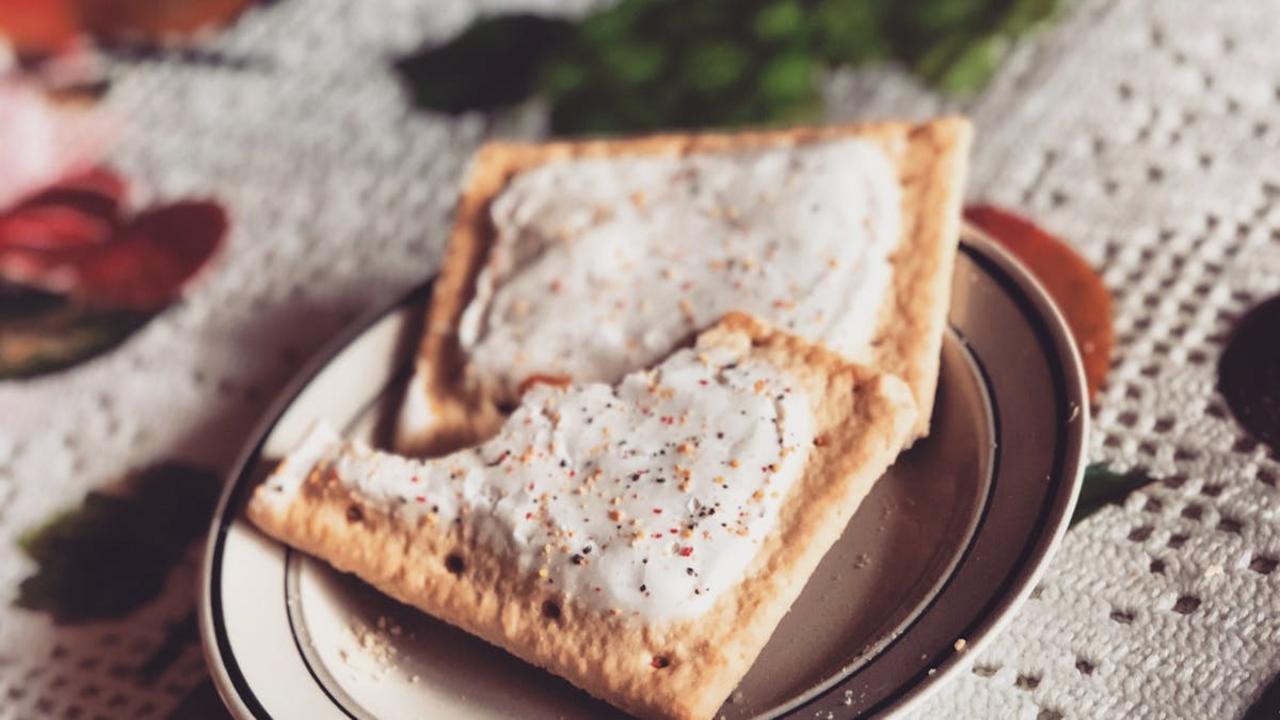
You know, when Kellogg’s introduced Pop Tarts in 1964, I have to admit they created something that completely changed breakfast forever. These toaster pastries became the ultimate grab-and-go morning solution for busy families across America. While I spend most of my time advocating for wholesome, from-scratch cooking, I can’t ignore how Pop Tarts captured an entire generation’s imagination with their convenience and sweet appeal. The original flavors – strawberry, blueberry, brown sugar cinnamon, and apple currant – spoke to our fundamental desire for comfort food that required zero preparation time.
What fascinates me most about Pop Tarts isn’t just their cultural impact, but how they represent everything I try to steer people away from in my cooking philosophy. They’re packed with processed ingredients, artificial flavors, and preservatives that our grandparents wouldn’t recognize as food. Yet I understand their appeal – sometimes life gets overwhelming, and you need something quick. That’s exactly why I love creating healthier alternatives in my kitchen. I’ve experimented with homemade toaster pastries using whole grain flours, real fruit preserves, and natural sweeteners. The difference in taste and nutrition is remarkable, and you still get that satisfying handheld breakfast experience without compromising your health goals.
Fish Sticks
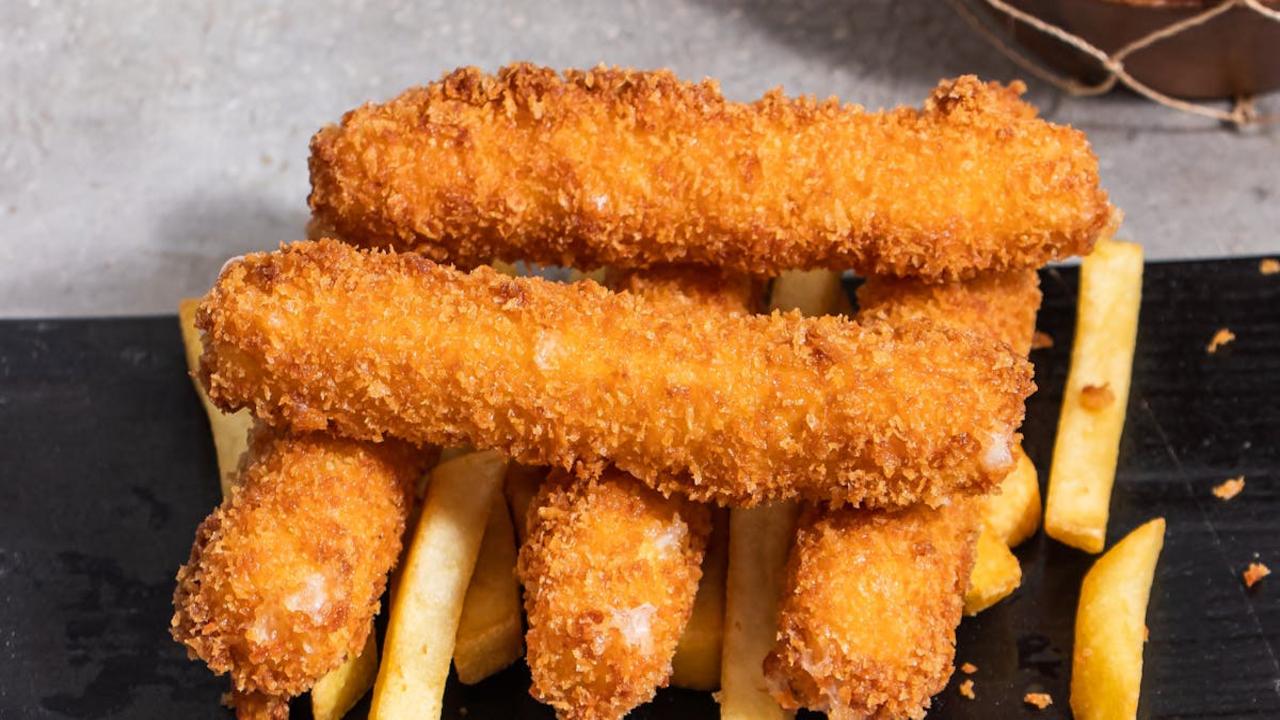
You know, fish sticks became the ultimate weeknight savior for busy families in the 1950s, but I have to be honest with you – those frozen rectangles never quite captured my heart the way fresh fish does. When I think about what made them so popular, it was pure convenience wrapped in that golden, crispy coating. Mothers could pull a box from the freezer, pop them in the oven, and have dinner on the table in twenty minutes. But here’s what I’ve discovered in my own kitchen: you can create something infinitely better by making your own version from scratch.
I like to take firm white fish like cod or haddock, cut it into strips, and coat them in a mixture of panko breadcrumbs mixed with herbs and spices – maybe some paprika, garlic powder, and fresh parsley. The magic happens when you bake them at high heat with just a light brush of olive oil, creating that satisfying crunch without all the processing and preservatives. My kids actually prefer these homemade versions because the fish tastes like, well, fish – not some mysterious protein hidden under layers of coating. It’s amazing how something so simple can transform a processed food memory into a wholesome family meal that brings everyone to the table with genuine excitement.
Cheerios
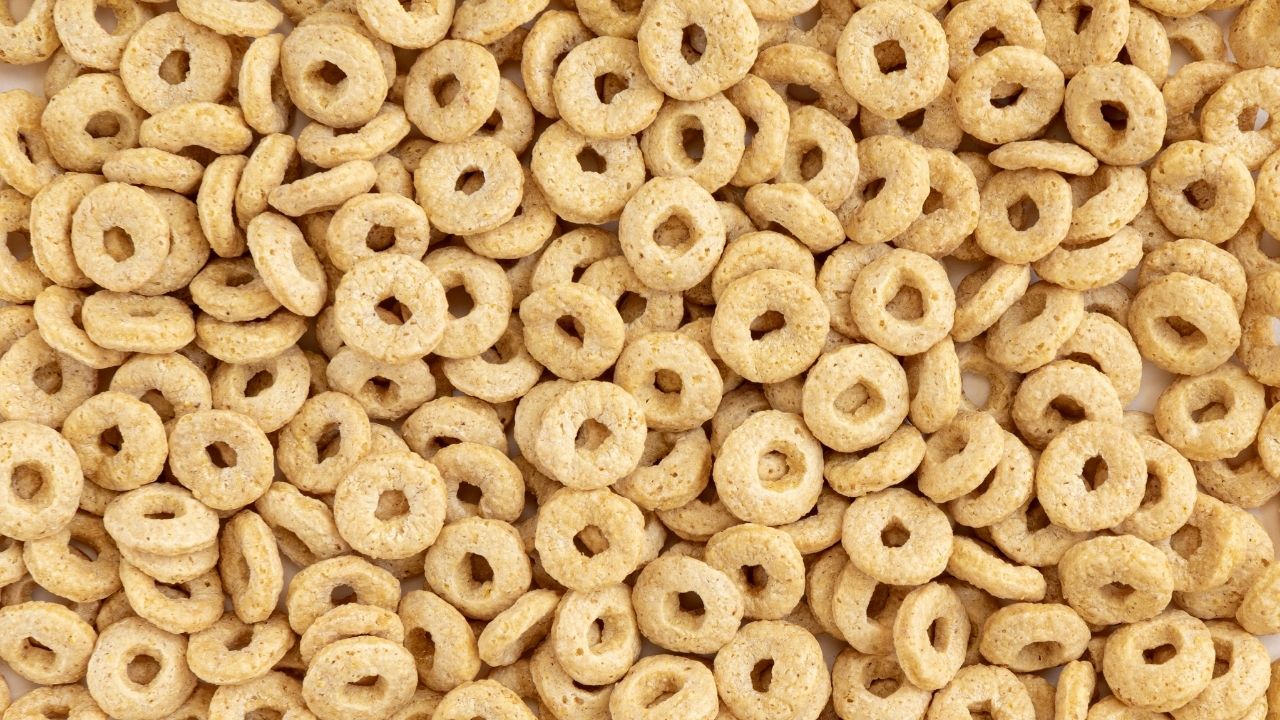
When General Mills introduced Cheerios in 1941, they gifted America something revolutionary—a breakfast cereal that actually made nutritional sense. Originally called CheeriOats, this simple oat-based cereal broke the mold of sugar-laden morning options. I remember my grandmother telling me how she’d serve these golden rings to my father, knowing she was giving him something wholesome before school. What strikes me most about Cheerios is how they represent the beauty of simplicity—just whole grain oats, transformed into something both nourishing and satisfying.
Fast forward to today, and I still reach for that familiar yellow box when I want breakfast that honors my body. Unlike so many processed cereals that spike your blood sugar, Cheerios provide steady energy thanks to their whole grain foundation. I love how they’ve maintained their integrity over the decades—no artificial colors, no unnecessary additives, just honest oats doing what they do best. Sometimes I’ll toss them into my homemade granola mixes or use them as a crunchy topping for yogurt bowls. They prove that good nutrition doesn’t need fancy marketing or complex ingredient lists—sometimes the most powerful foods are the ones that keep things beautifully simple.
Kraft Macaroni & Cheese
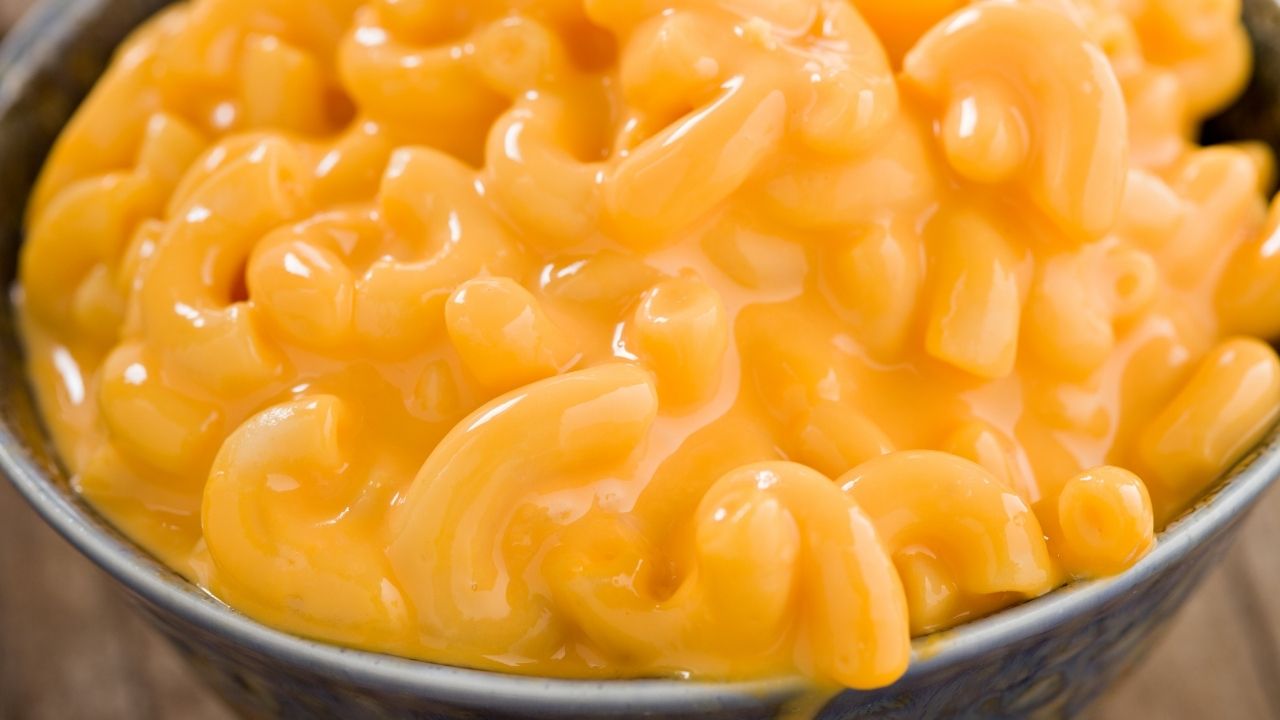
You know, when I think about Kraft Mac & Cheese, I have to admit it holds a special place in many hearts—even mine, though it might surprise you coming from someone who champions cooking from scratch. This bright orange box became a lifeline during the Great Depression when families needed affordable, filling meals that kids would actually eat. The genius was in its simplicity: dried pasta and a packet of powdered cheese that transformed with just milk and butter into something comforting and familiar.
Now, I’ll be honest with you—I’ve spent years perfecting my own version using real aged cheddar, whole grain pasta, and a touch of nutritional yeast for that umami depth. But I understand why this processed version became such an icon. It taught generations that cooking could be accessible, that you didn’t need fancy ingredients to create something satisfying. Today, I encourage you to use it as inspiration rather than your final destination—take those flavors you remember and recreate them with wholesome ingredients. Try making a cheese sauce from scratch using sharp cheddar and a splash of good milk. Your family will taste the difference, and you’ll feel better knowing exactly what’s nourishing their bodies.
Spam
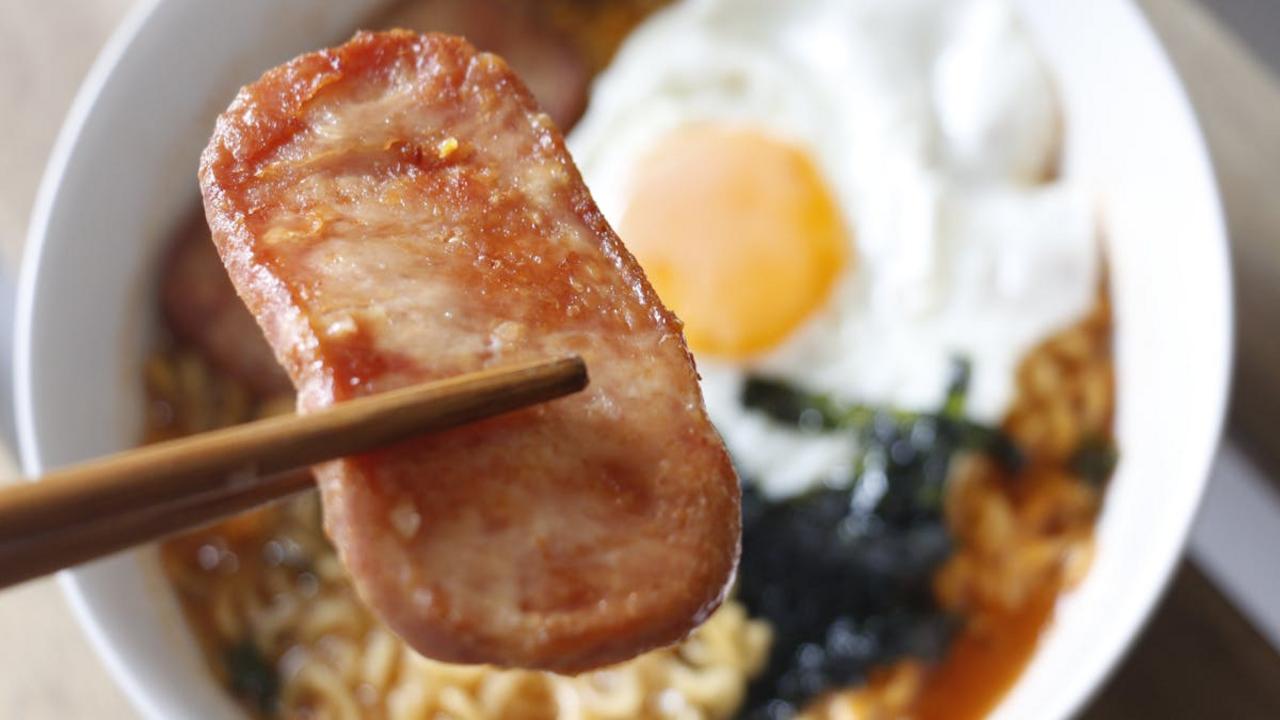
You know, when I first started cooking with my grandmother, she’d pull out that blue tin of Spam and I’d wrinkle my nose like most kids do. But here’s what I’ve learned over the years – this canned meat from the 1930s became a genuine lifeline for families during World War II and beyond. Hormel introduced Spam in 1937, and while purists might turn their heads, millions of people across the Pacific, from Hawaii to the Philippines to Korea, transformed this humble protein into something magical. I’ve watched my Korean friends turn it into budae jjigae, a comforting stew that warms you from the inside out.
Now, I’m not saying Spam fits into my usual whole-foods approach, but I respect its place in food history and the creativity it sparked. During wartime rationing, home cooks had to be resourceful, and Spam provided affordable protein when fresh meat was scarce. What fascinates me most is how different cultures adopted it completely – in Hawaii, Spam musubi became a beloved snack, while Filipino cooks incorporated it into fried rice and breakfast dishes. Sometimes the most unexpected ingredients teach us about adaptability in the kitchen, even if we choose to recreate those same comforting flavors with fresher alternatives today.
Pineapple Upside Down Cake
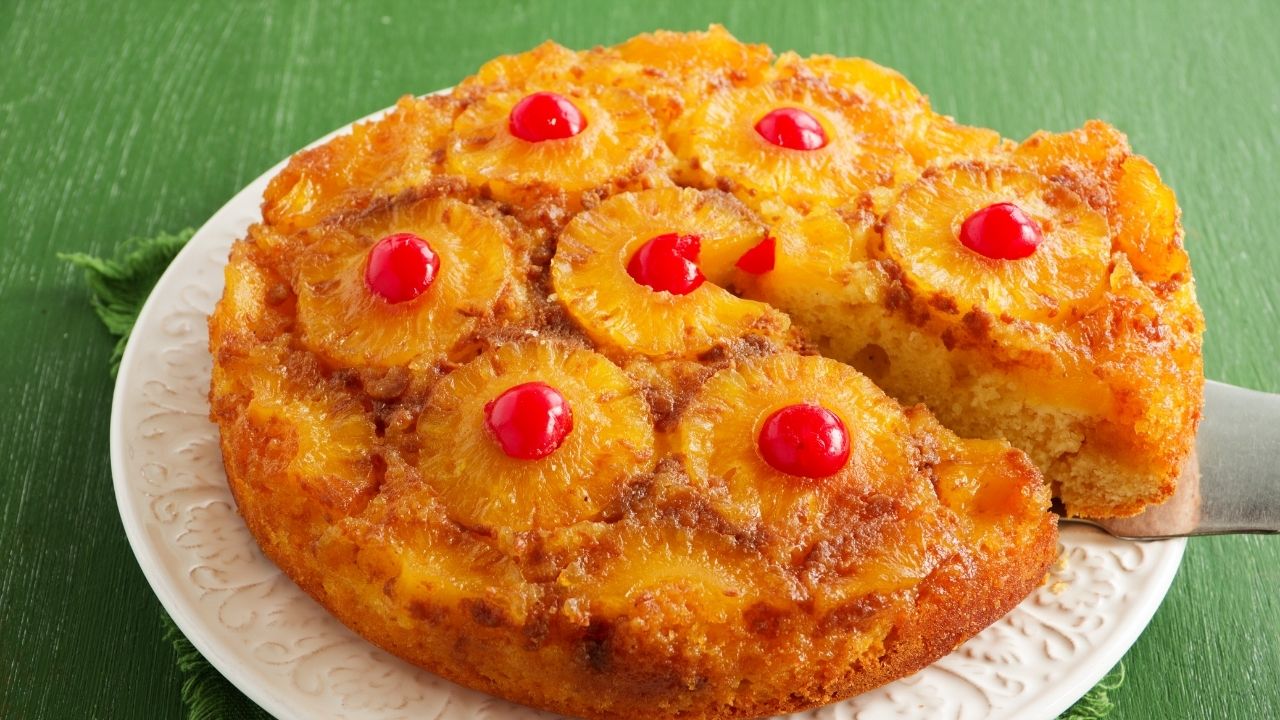
Picture this: you’re in a 1920s kitchen, jazz music drifting through the window, and someone just invented the most genius dessert flip you’ve ever seen. Pineapple upside down cake became the showstopper that had everyone talking during the Roaring Twenties. I love how this cake breaks all the conventional baking rules—you start with the “topping” on the bottom, creating those gorgeous caramelized pineapple rings that become pure golden magic when you flip the whole thing over. The technique feels almost rebellious, doesn’t it? You’re literally turning dessert on its head, and somehow it works perfectly every time.
What makes me appreciate this cake even more is how it celebrates the beauty of simple, whole ingredients working together. Fresh pineapple rings nestled in brown sugar and butter create this incredible caramel sauce that soaks into the tender cake above. I always encourage you to use fresh pineapple when possible—the difference in flavor is remarkable compared to canned varieties. The natural enzymes in fresh pineapple add brightness that pairs beautifully with the rich, buttery cake batter. This dessert taught home bakers that sometimes the most impressive results come from unexpected methods, and that philosophy still guides my cooking today.