12 Adorably Bizarre Food Questions My Kids Asked That Left Me Stumped
Kids have this amazing way of asking the most unexpected questions about food that stop you right in your tracks. One minute you’re peacefully preparing dinner, and the next you’re staring at a banana wondering how to explain cellular breakdown to a six-year-old. These moments remind me why I love food so much – there’s always something new to discover.
Children see food through completely different eyes than we do. They notice things we take for granted and ask “why” about processes we’ve accepted without question. Their curiosity about everything from melting ice cream to popping corn opens up wonderful opportunities to share the science behind our favorite ingredients.
I’ve collected twelve of the most memorable food questions my kids have thrown my way over the years. Each one sent me scrambling for answers and reminded me that the kitchen holds endless mysteries worth exploring together. Get ready for some fun explanations that might surprise you too!
How do vegetables grow in winter?
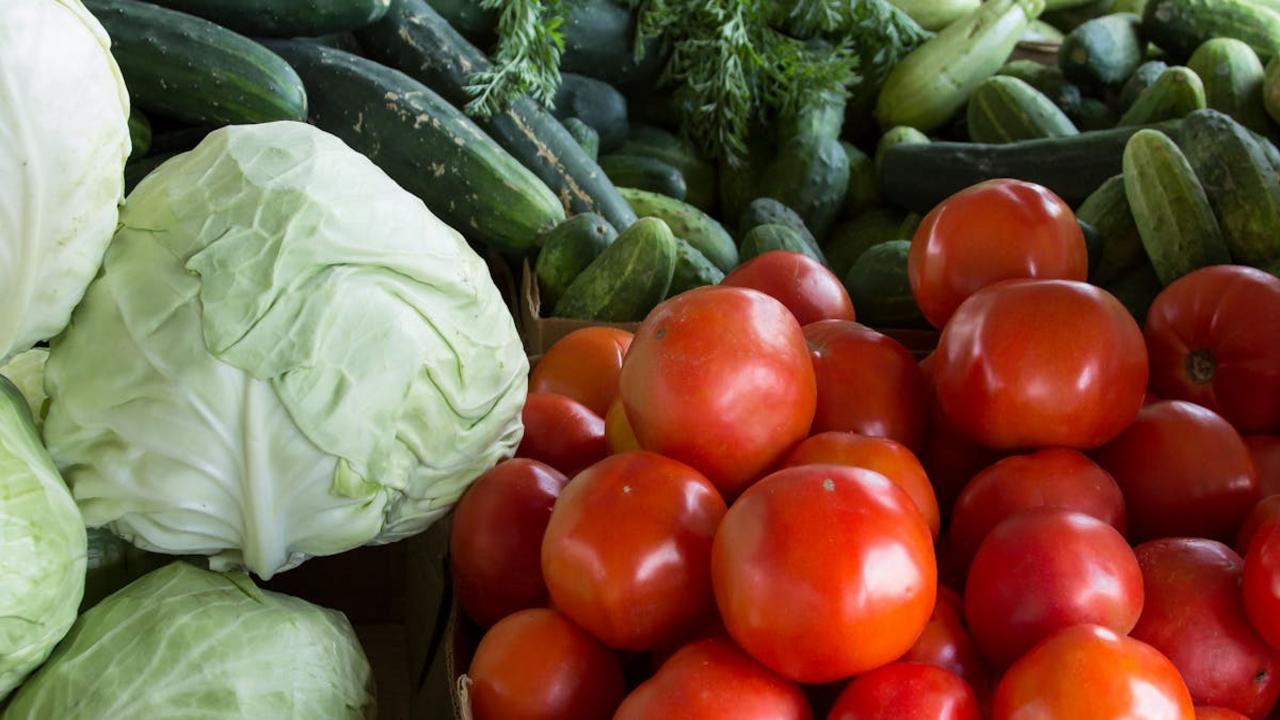
When my daughter spotted fresh carrots at the grocery store in January and asked how vegetables could possibly grow when everything outside looked dead, I realized I needed to brush up on my cold-weather gardening knowledge! The truth is, many vegetables actually thrive in cooler temperatures. Root vegetables like carrots, turnips, and radishes love the cold – they become sweeter as temperatures drop because the plants convert starches into sugars as a natural antifreeze. Leafy greens such as kale, spinach, and Brussels sprouts also flourish in winter conditions, often lasting through snow and frost.
Farmers and gardeners use several techniques to keep vegetables growing year-round. Cold frames, greenhouses, and row covers create protective microclimates that shield plants from harsh winds and extreme cold while still allowing sunlight to reach them. Some vegetables can handle temperatures well below freezing – I was amazed to learn that kale actually tastes better after a good frost! Indoor growing systems and heated greenhouses allow for continuous production of warm-season crops too. Now when my kids see fresh vegetables in winter, I can confidently explain that nature and smart growing techniques work together to bring us nutritious food all year long.
Why is some cheese stinky?
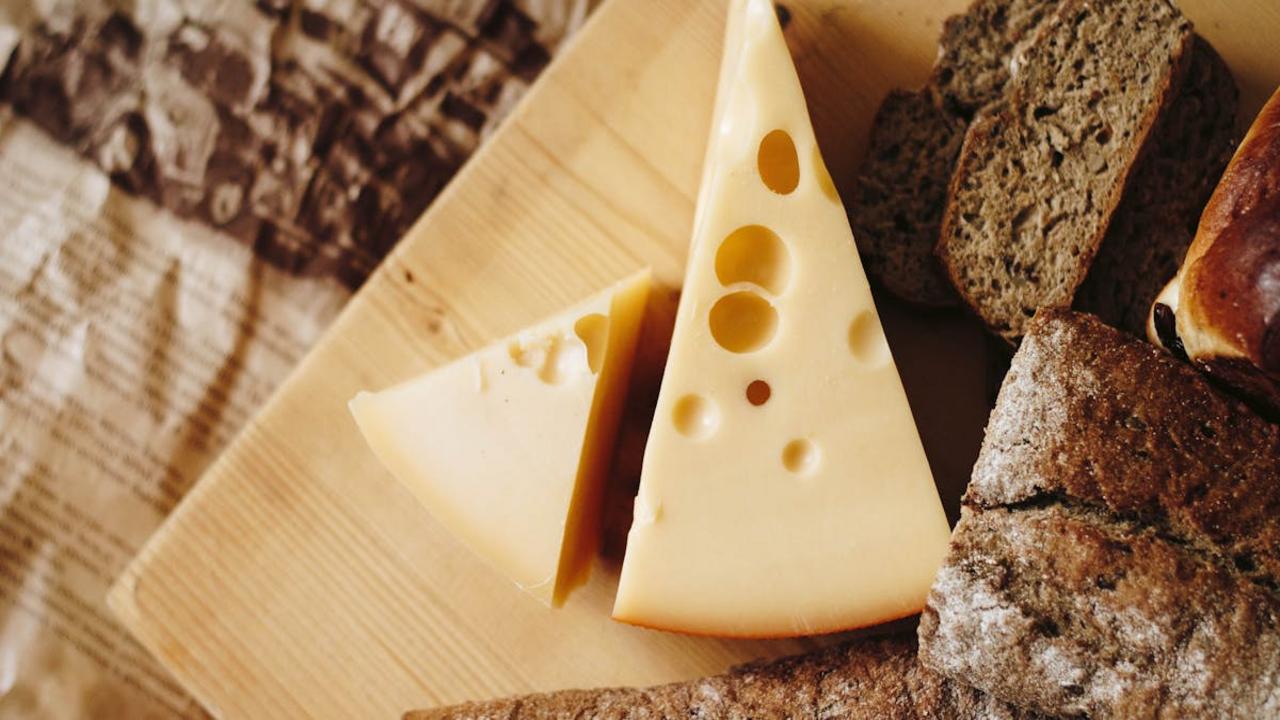
Your little one’s nose wrinkled up at that pungent blue cheese, and honestly, I totally get why they’re asking this question! The smell comes from friendly bacteria and mold cultures that cheese makers intentionally add during the aging process. These tiny microorganisms work their magic by breaking down proteins and fats in the milk, creating those distinctive strong aromas. Think of it like how bread rises with yeast – except here, the bacteria are creating complex flavors and yes, some pretty intense smells too.
The stinkier the cheese, the longer it’s usually been aged and the more active those beneficial cultures have been. Limburger, Roquefort, and Camembert get their powerful scents from specific types of bacteria that thrive in humid, controlled environments. What’s amazing is that these same bacteria often create incredibly rich, complex flavors that many grown-ups absolutely love! You can explain to your kids that smelly doesn’t always mean bad – it’s just cheese’s way of developing personality. Start them with milder aged cheeses like a gentle cheddar, and who knows? They might eventually appreciate those funky flavors too!
How does popcorn pop?
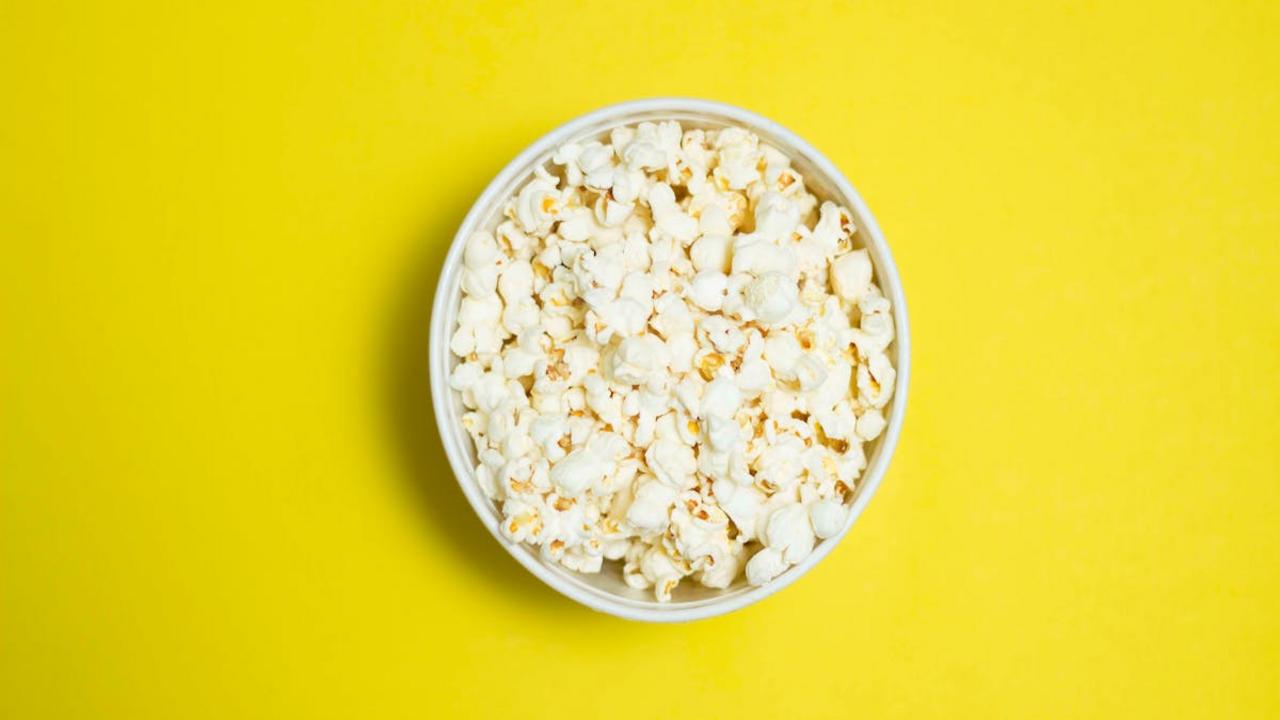
Your little one just asked the million-dollar question that stumps parents everywhere! Inside each kernel lives a tiny drop of water surrounded by a hard shell. When you heat that kernel up in your pan or popcorn maker, something magical happens. The water turns into steam and builds up pressure inside that tough outer coating. Think of it like a tiny pressure cooker – the steam keeps building and building until BOOM! The kernel explodes inside out, creating that fluffy white puff we all love to munch on.
What makes this kitchen science experiment even more fascinating is that not all corn can pop – only special varieties with the right moisture content and shell thickness work their magic. The ideal popping temperature sits around 400°F, which explains why your stovetop method works so beautifully. Next time you make this wholesome snack with your kids, watch their eyes light up as they witness this incredible transformation. You can even turn it into a fun learning moment by explaining how heat changes the water inside into steam. This simple science lesson makes every movie night a little more educational and a lot more delicious!
Why does chocolate melt and not cookies?
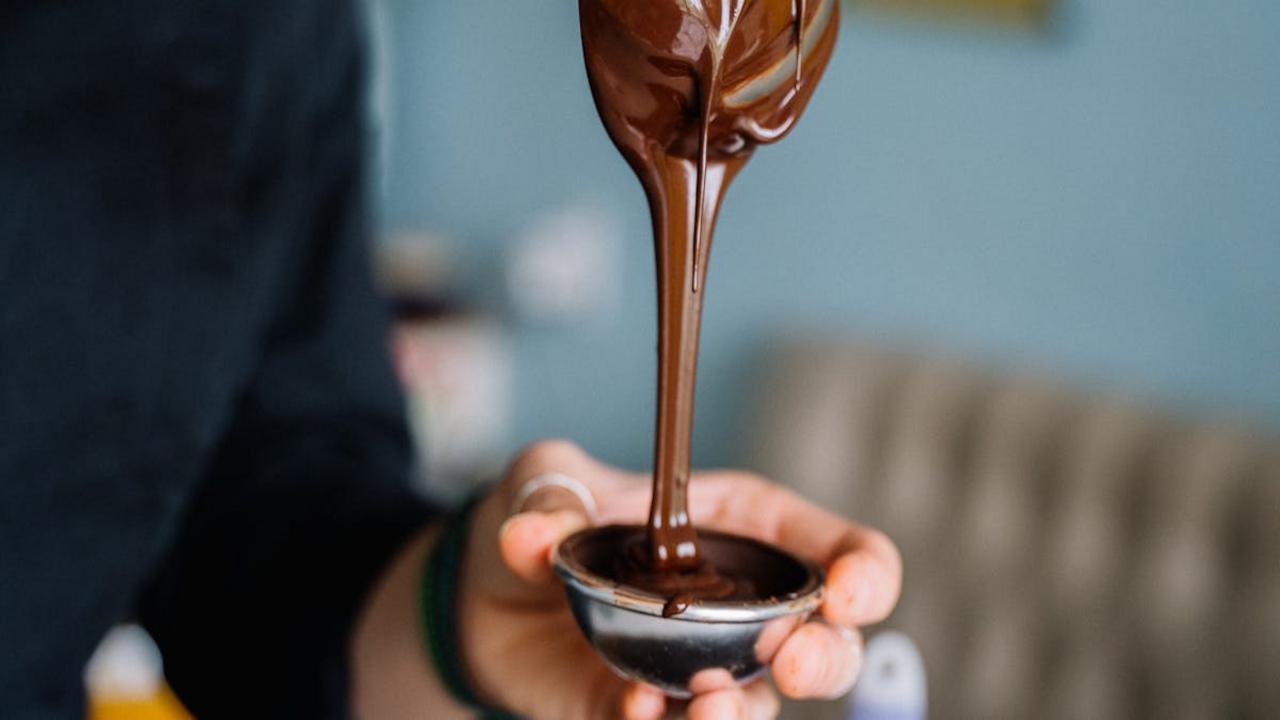
Your little scientist has stumbled onto one of the most fascinating differences in food science! Chocolate melts because it contains cocoa butter, a fat that transforms from solid to liquid at relatively low temperatures – right around our body temperature, which is why chocolate literally melts in your mouth. The cocoa butter molecules are arranged in a way that makes them incredibly sensitive to heat, so even the warmth from your hands can start the melting process. This magical transformation happens because fats have specific melting points, and cocoa butter’s melting point is perfectly designed for that smooth, creamy experience we all love.
Cookies, on the other hand, are built completely differently! They’re made primarily from flour, which contains proteins and starches that have already been transformed through baking. When you bake a cookie, the proteins coagulate and the starches set into a firm structure that won’t melt at normal temperatures – instead, cookies would burn or char if exposed to enough heat. Think of it like building with different materials: chocolate is like ice that melts easily, while cookies are like tiny edible bricks that hold their shape. Your kiddo has discovered why we can hold a warm cookie without it turning into mush, but chocolate disappears the moment it hits our tongue!
How do bees make honey?
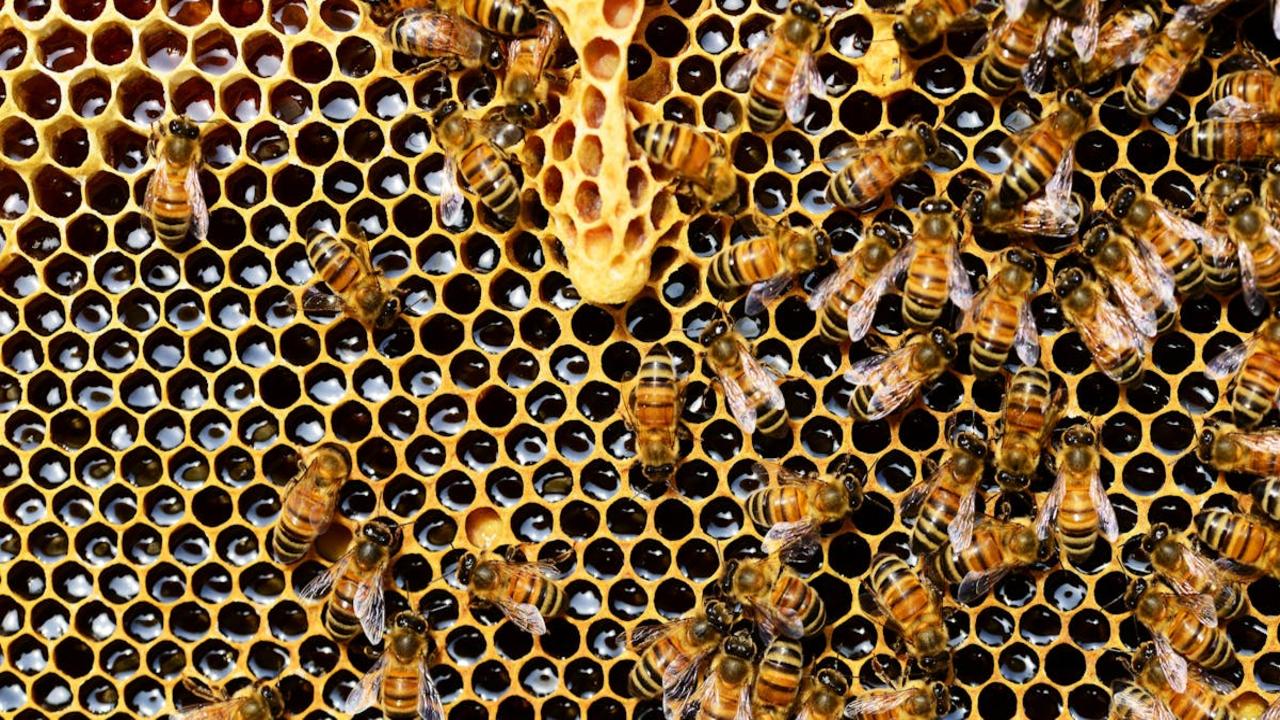
When your little one asks how bees make honey, you’re looking at one of nature’s most fascinating food production processes! Bees start by collecting nectar from flowers using their long tongues, storing it in a special honey stomach that’s separate from their regular stomach. Inside this honey stomach, enzymes begin breaking down complex sugars into simpler ones. Back at the hive, worker bees pass this nectar to house bees through regurgitation – yes, it sounds gross, but it’s actually amazing! The house bees continue adding enzymes and then spread the nectar into hexagonal wax cells.
Here’s where the magic really happens – bees fan their wings over these cells to evaporate excess water from the nectar, concentrating it into that thick, golden sweetness we love. Once the honey reaches about 18% water content, they cap each cell with a thin layer of wax to preserve it. This natural preservation method means honey can last practically forever! Next time you drizzle honey over your morning yogurt or bake it into whole grain muffins, you can share this incredible story with your kids. They’ll never look at busy bees the same way again!
Why do apples have seeds?
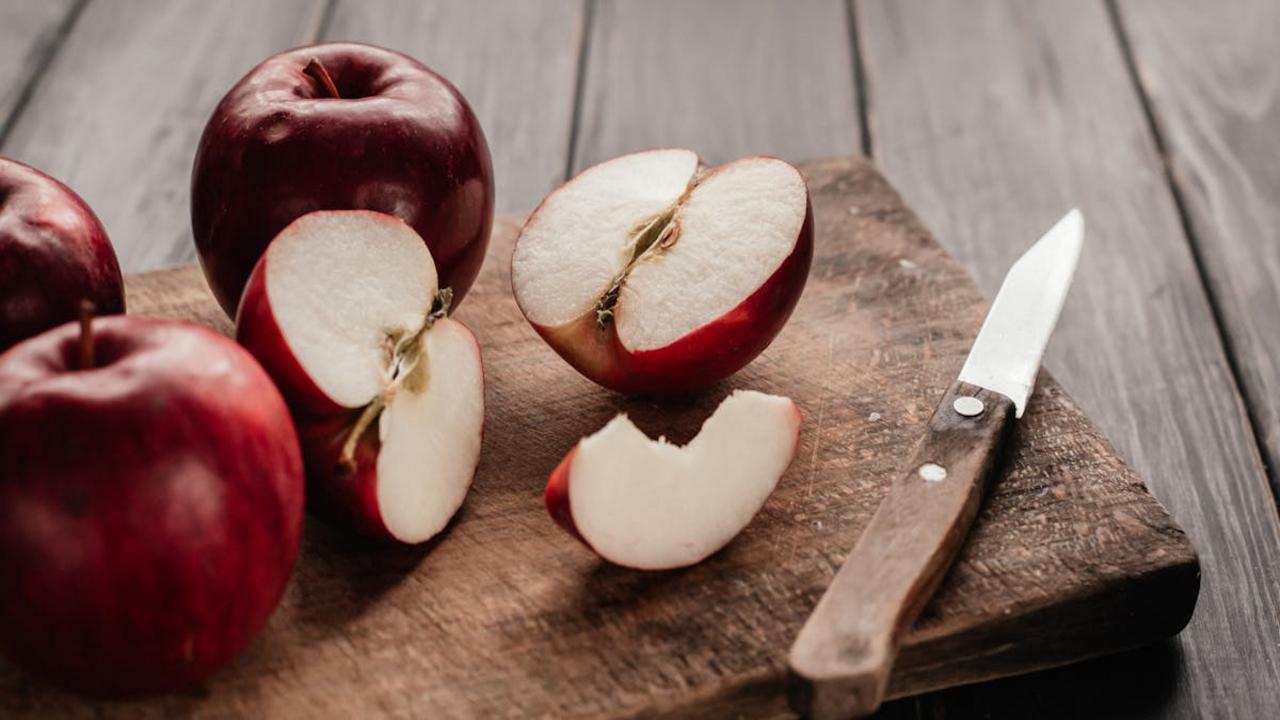
Your little one just bit into a crisp apple and discovered those mysterious brown seeds hiding inside, sparking this perfectly logical question that honestly made me pause mid-bite! Seeds exist because apples need them to create new apple trees – it’s nature’s brilliant reproduction system at work. When we plant those seeds in soil, they grow into brand new apple trees that will eventually produce more delicious apples. Think of seeds as tiny treasure chests containing all the instructions needed to build an entire tree, complete with roots, branches, leaves, and eventually more fruit!
What makes this even more fascinating is that apple seeds contain natural protective compounds that keep them safe until they’re ready to sprout – which is why you should never eat large quantities of them. I love explaining to kids that every single apple they enjoy came from a seed just like the ones they’re holding, creating this amazing cycle that connects us to orchards everywhere. Next time you’re slicing apples for a snack, save a few seeds and plant them in a small pot with your children – watching them sprout into tiny seedlings brings this whole concept to life in the most magical way!
Where does sugar come from?
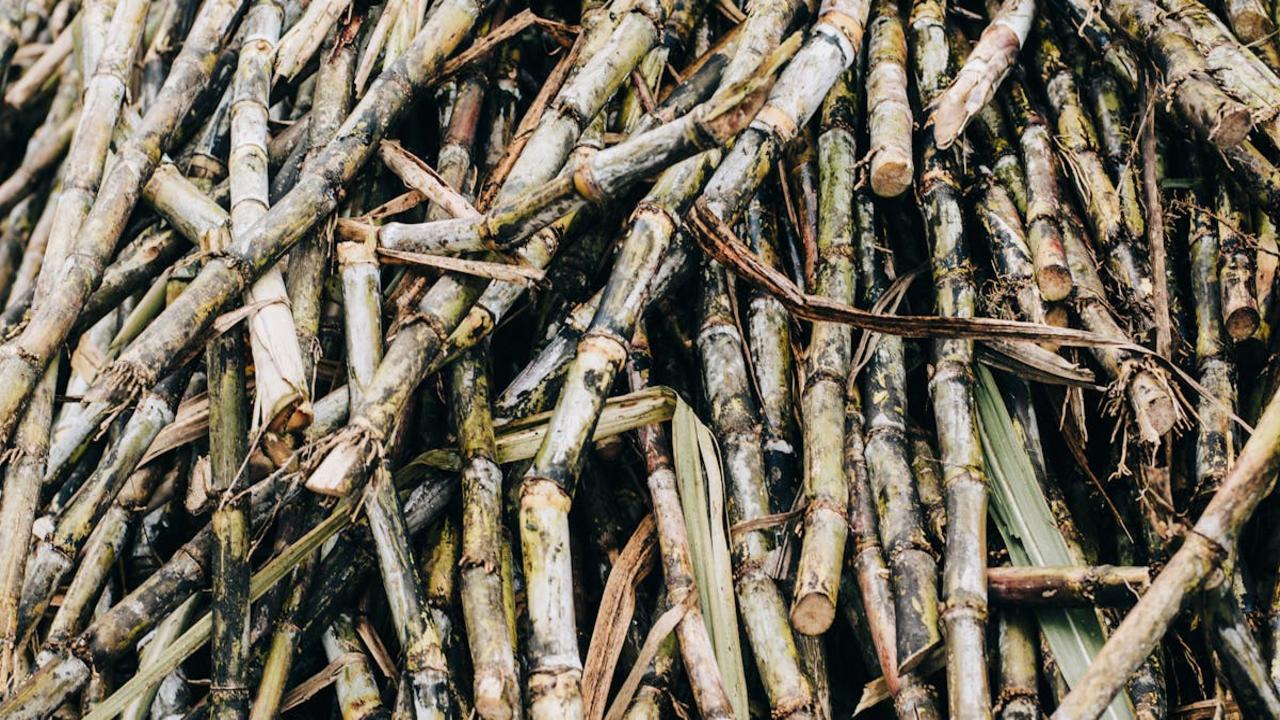
When my seven-year-old daughter asked me this question while watching me sprinkle sugar into her oatmeal, I realized I’d never really thought about explaining the origins of this sweet staple. Sugar actually comes from two main plants: sugarcane and sugar beets! Sugarcane grows in tropical climates and looks like tall, thick grass that can reach up to 20 feet high. The sweet juice inside gets extracted, boiled down, and crystallized into the granulated sugar we know and love. Sugar beets, on the other hand, grow underground in cooler climates and look like white carrots – not nearly as exciting as towering sugarcane fields, but they produce the exact same sugar!
What I found fascinating while researching this for my curious kiddo is that both plants naturally store sugar as energy for growth. Maple syrup comes from tree sap, honey comes from bees processing flower nectar, and even fruits contain natural sugars called fructose. I love teaching my kids that understanding where our food comes from helps us make better choices. While refined sugar has its place in baking and treats, knowing that nature provides sweetness in so many forms – from dates and bananas to sweet potatoes – opens up a world of healthier alternatives for our family meals.
Why does ice cream melt?

You know what I absolutely love about this question? It perfectly captures how kids see the world with such pure curiosity! When my little one asked me this while watching her strawberry scoop turn into a pink puddle, I realized I needed to think like a scientist for a moment. Ice cream melts because it’s basically frozen cream, sugar, and air whipped together, and when it meets temperatures warmer than freezing (32°F), those ice crystals start breaking down and turning back into liquid. The fat and sugar in ice cream actually make it melt faster than plain ice because they lower the freezing point – pretty cool science happening right in your kitchen!
What really gets me excited about explaining this to kids is how you can turn it into a fun learning experience! Try serving ice cream on different days – notice how it melts faster on hot summer afternoons compared to cool evenings? You can even experiment with different flavors and see which ones seem to melt quicker (hint: those with more sugar and fat content usually win the melting race). I love encouraging families to observe these little food science moments together because they make ordinary treats feel magical while teaching us something new about how our favorite foods work.
How do seeds grow into big plants?
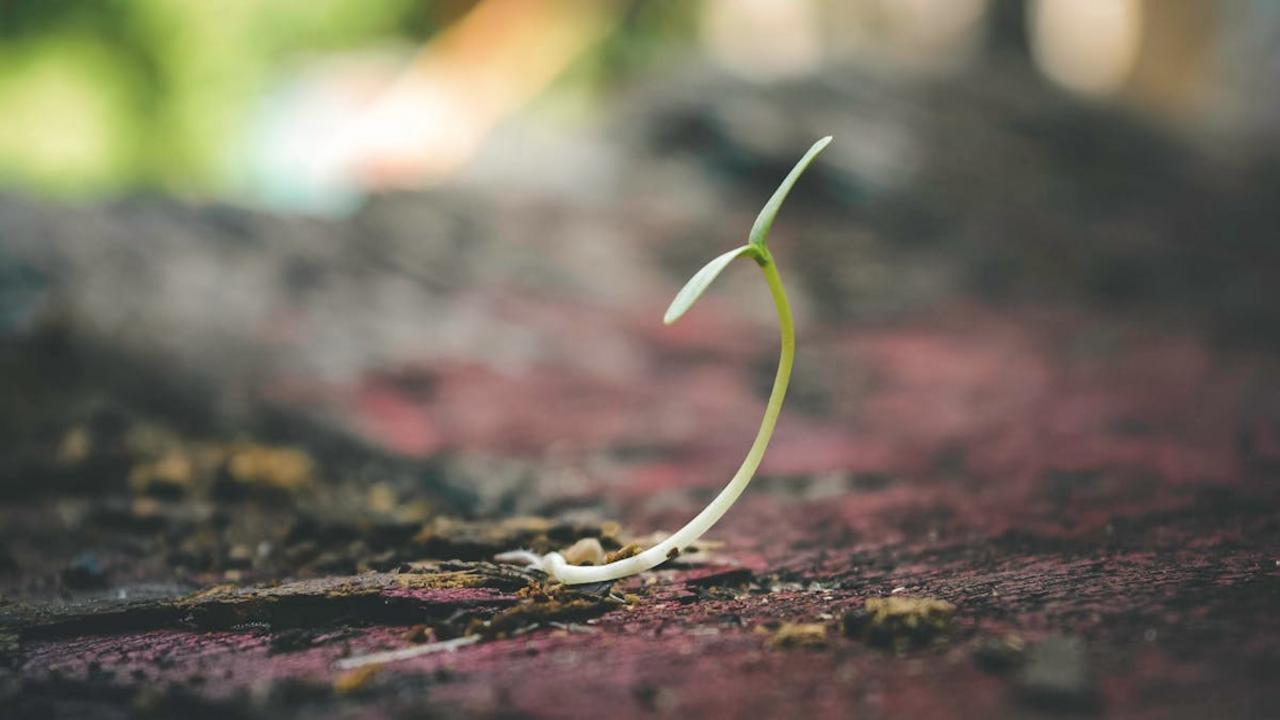
When my little one first asked me this question while we were planting basil seeds in our kitchen herb garden, I realized I needed to brush up on my plant biology! Seeds are basically tiny packages of life that contain everything needed to create a new plant. Inside each seed, you’ll find an embryo (the baby plant), stored food (called endosperm), and a protective coating. When you give seeds the right conditions – water, warmth, and oxygen – they wake up from their dormant state and begin the amazing process of germination. The seed absorbs water, swells up, and the tiny root pushes through the seed coat first, followed by the shoot that reaches toward the light.
What happens next is pure magic that never fails to amaze me every time I watch it with my kids! The young plant uses the stored food in the seed to fuel its initial growth until it develops its first true leaves. Once those leaves start photosynthesis – turning sunlight, water, and carbon dioxide into food – the plant becomes self-sufficient. From there, it’s all about growing bigger and stronger, developing more leaves, stems, and eventually flowers and fruits. This process reminds me why I love growing our own herbs and vegetables – there’s something incredibly satisfying about nurturing a tiny seed into a thriving plant that eventually feeds our family. It’s the perfect way to teach kids about where their food comes from while creating healthy habits together!
Why do onions make us cry?
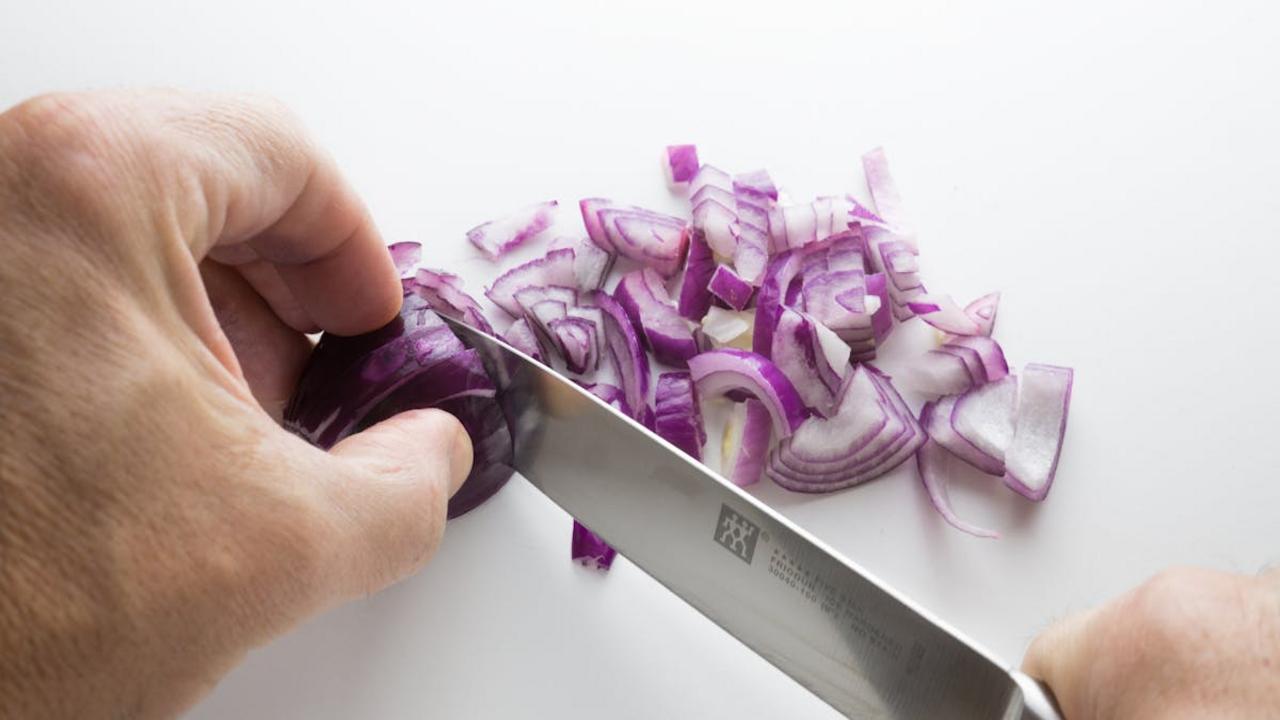
When your little one starts sobbing while you’re chopping onions for dinner, they might wonder if the vegetables are actually sad! The truth is wonderfully scientific yet simple. Onions contain sulfur compounds that act like tiny chemical messengers. When you slice through an onion, you break its cell walls and release these compounds into the air. They float up to your eyes and mix with the moisture there, creating a mild acid that irritates your eyes. Your body’s natural response? Tears! It’s your eyes’ way of washing away the irritation, just like when you get dust in them.
This natural defense mechanism happens so quickly that you barely notice the process starting. The good news is that you can minimize the tears with a few kitchen tricks! Try chilling your onions in the refrigerator for 30 minutes before chopping – cold onions release fewer irritating compounds. You can also slice them under running water or near a fan to blow the compounds away from your face. Some cooks swear by holding a piece of bread in their mouth while chopping, though the science behind that one is still debated. Whatever method you choose, remember that those tears are just proof of how fresh and flavorful your onions are!
How does bread get moldy?
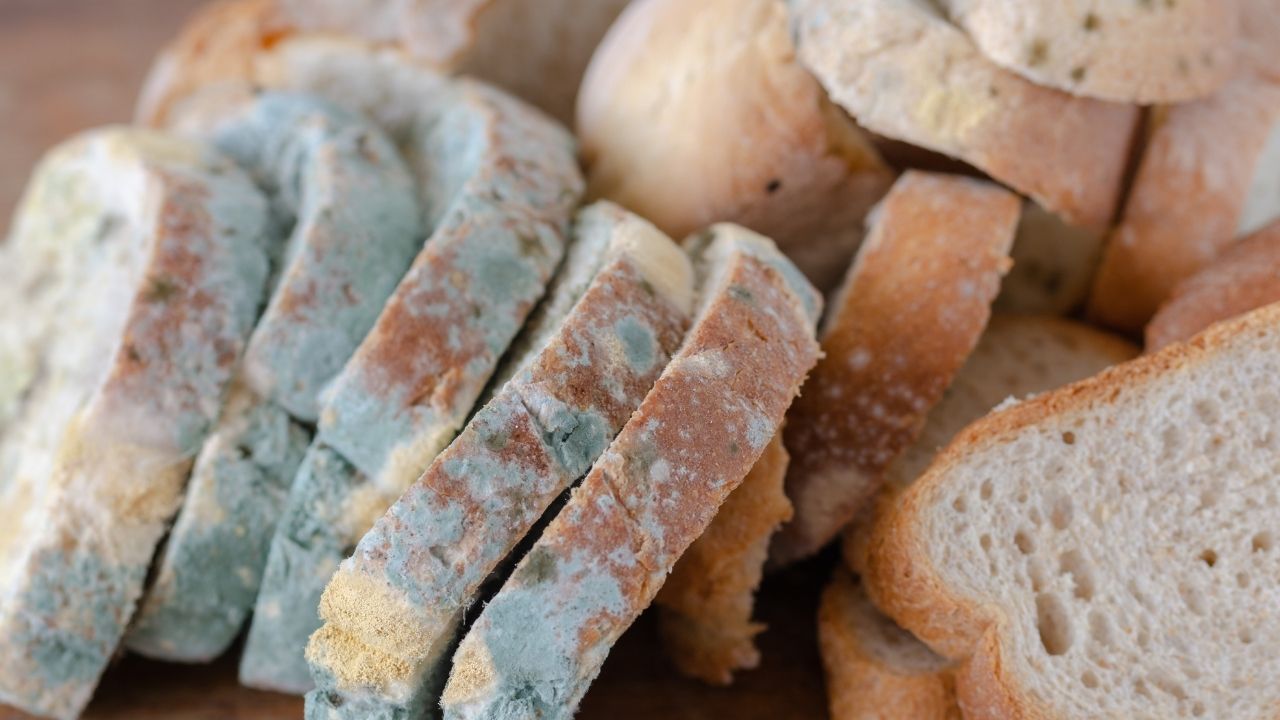
You know that moment when your child stares at a forgotten slice of bread covered in fuzzy green spots and asks the question that makes you pause mid-morning coffee? This happened to me just last week, and honestly, I found myself scrambling for an answer that would satisfy my curious little scientist. Mold grows on bread because tiny spores float around in the air everywhere – yes, even in your kitchen right now! These microscopic travelers land on bread and find the perfect environment: moisture, warmth, and all those wonderful carbohydrates that make bread so delicious to us (and apparently to mold too).
The fascinating part is that mold actually helps break down organic matter in nature, which makes it pretty important for our ecosystem. When those spores settle on your bread, they start growing into those thread-like structures you see, spreading across the surface and producing more spores to continue the cycle. Temperature plays a huge role here – warmer spots in your kitchen become mold’s favorite vacation destination, while cooler areas like your refrigerator slow down the process significantly. Now I always explain to my kids that this is exactly why we store bread properly and check dates regularly, turning a gross discovery into a teachable moment about food safety and the incredible world of microorganisms!
Why do bananas turn brown?
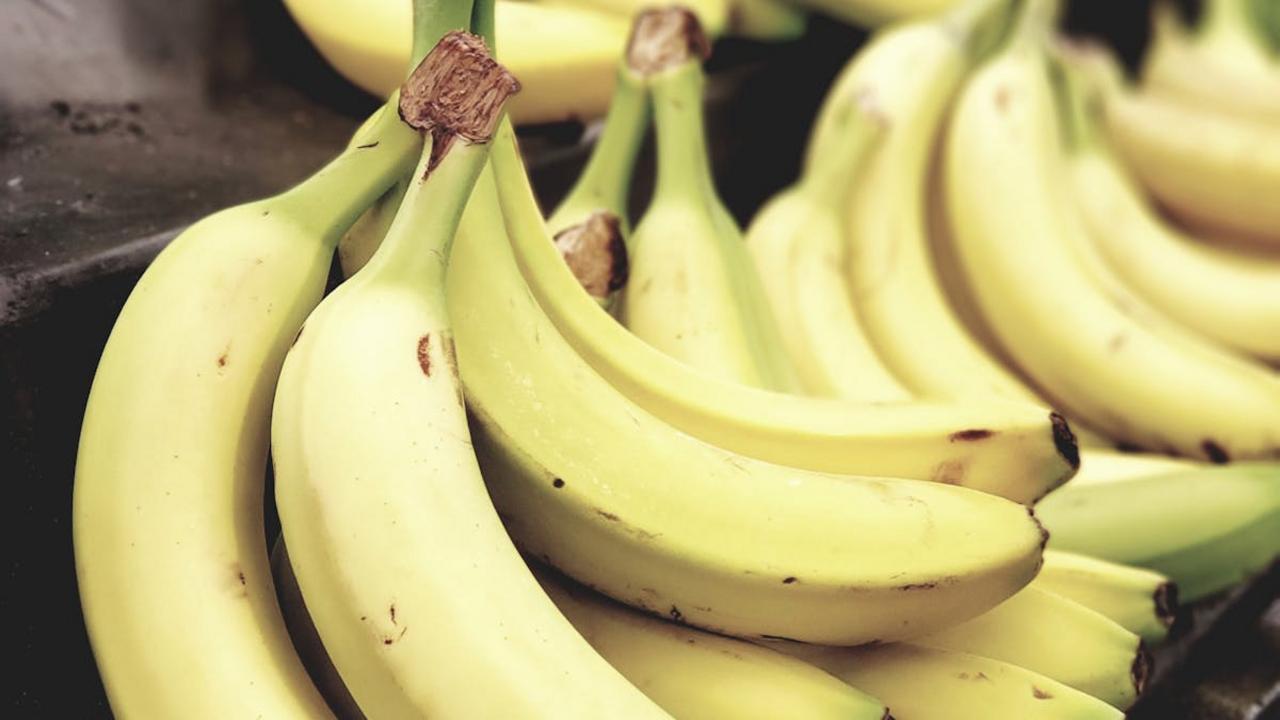
Your little one just discovered that yellow banana from yesterday now looks like it’s wearing a brown sweater, and honestly, I get why this would puzzle them! The browning happens because of enzymes inside the banana that react with oxygen in the air. Think of it like a tiny science experiment happening right in your fruit bowl. When the banana’s skin gets damaged or starts to age, these enzymes called polyphenol oxidases get busy breaking down compounds in the fruit, creating those brown spots we see.
Here’s the cool part – those brown bananas are actually perfect for your next batch of banana bread or smoothies! The browning process makes the fruit sweeter and softer, which means more natural sugars for your recipes. I always tell parents to save those spotted bananas instead of tossing them. Peel them, chop them up, and freeze them in bags for future baking adventures. Your kids will love knowing they’re using “science bananas” in their treats, and you’ll love how much easier it is to mash them into pancake batter or blend them into creamy breakfast smoothies.