10 Surprising Bible Food Stories From Manna to Water into Wine
Food stories from the Bible offer more than spiritual lessons—they reveal fascinating insights about ancient eating habits, survival techniques, and the power of simple ingredients. These accounts show how basic foods like bread, honey, and even locusts sustained people through incredible circumstances. Each story connects us to universal experiences of hunger, abundance, and the joy of sharing meals.
From miraculous provision in desert wanderings to wedding celebrations gone wrong, biblical food narratives demonstrate how nourishment transcends mere sustenance. These tales feature everything from divine intervention with flour that never runs out to creative solutions for feeding thousands with just a few loaves. The ingredients might surprise modern readers—think wild honey, roasted locusts, and mysterious manna.
These ten stories prove that food has always been central to human experience and faith. Whether you’re curious about ancient diets or seeking inspiration for your own kitchen adventures, these biblical accounts offer timeless wisdom about gratitude, resourcefulness, and the remarkable ways simple foods can transform lives and communities.
The Quails in the Desert

Picture this: you’re wandering through the wilderness, stomach growling, and suddenly the sky fills with delicious, plump quails! That’s exactly what happened to the Israelites during their desert wanderings in Numbers 11. After weeks of eating manna (which, let’s be honest, probably got pretty monotonous), the people started craving meat. Moses heard their complaints and prayed, and God responded by sending an incredible windstorm that brought quails flying right into their camp. These weren’t just a few birds either – we’re talking about enough quail to feed hundreds of thousands of people!
Now, from a food lover’s perspective, this story gets me excited about how protein can transform a meal! Quail meat is lean, flavorful, and packed with nutrients – much like today’s popular game birds. The Israelites gathered these birds, likely roasting them over open fires, creating what must have been an amazing feast after their simple grain-based diet. This biblical account reminds me that sometimes the most satisfying meals come when we’re truly hungry and grateful. Whether you’re cooking quail, chicken, or any protein, remember that timing and appreciation make every bite more meaningful. God knew exactly what his people needed nutritionally and provided abundantly!
Esau’s Lentil Stew
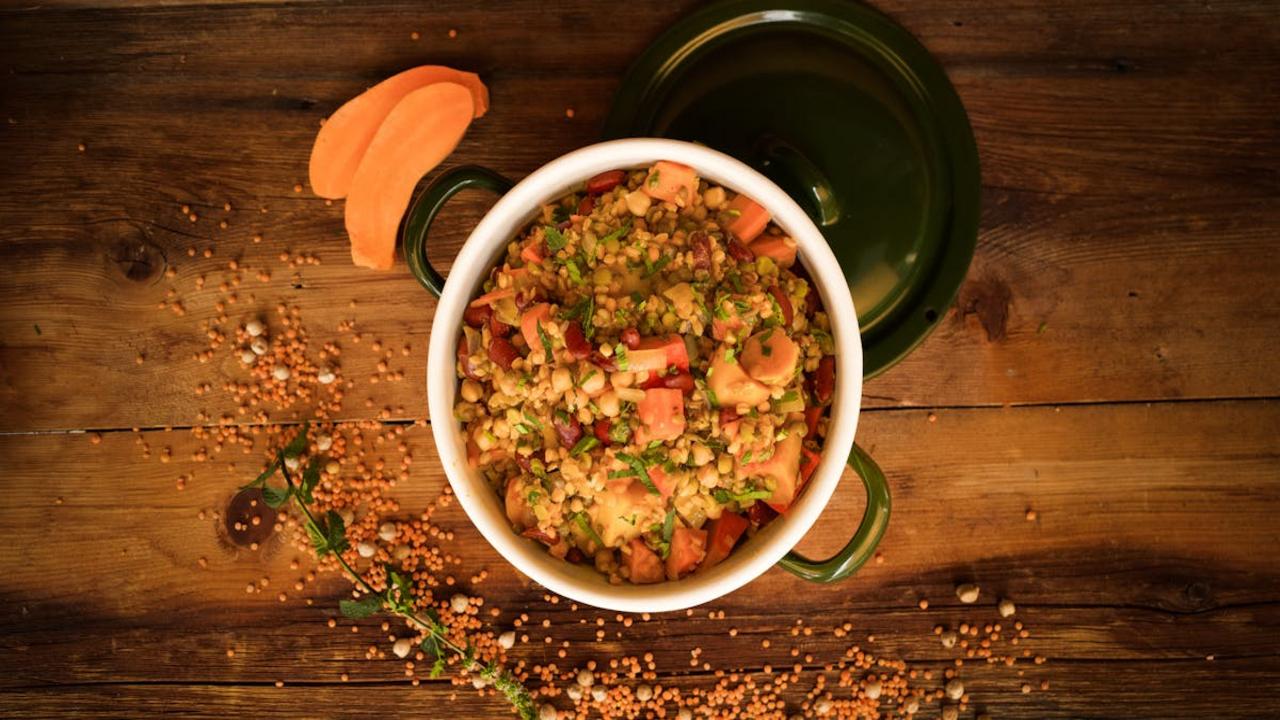
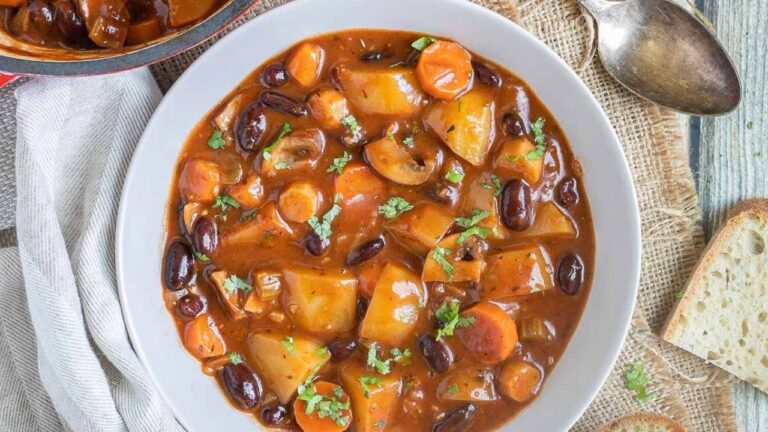
You know that moment when hunger hits so hard you’d trade almost anything for a good meal? Well, Esau literally traded his birthright for a bowl of red lentil stew! This wild story from Genesis shows us just how powerful comfort food can be. Jacob was cooking up some seriously aromatic lentils when his brother Esau stumbled in from hunting, completely famished. The smell must have been incredible because Esau basically said “I’ll give you my inheritance for that stew!” Talk about making food decisions you might regret later.
What I love about this story is how it reminds us that lentils have been nourishing people for thousands of years. These little protein powerhouses are budget-friendly, cook quickly, and create the most satisfying, hearty meals. Red lentils especially break down beautifully into creamy, thick stews that warm you from the inside out. Next time you’re simmering lentils with onions, garlic, and warming spices, think about Esau – though maybe don’t make any major life decisions while you’re hungry! The lesson here goes beyond food: sometimes our immediate cravings can cloud our judgment, but lentil stew will always be a smart choice for your health and wallet.
The Feeding of the Five Thousand
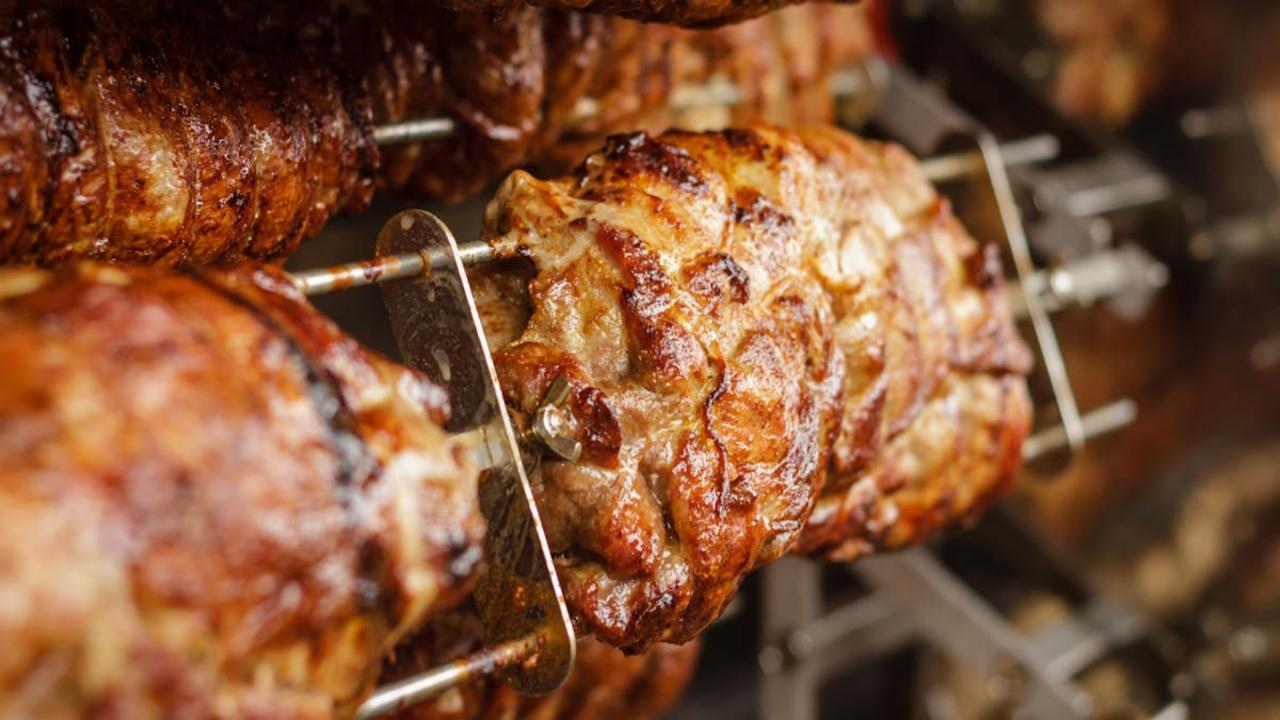
Picture this: you’re hosting a spontaneous gathering and suddenly thousands more people show up than expected. Most of us would panic, but Jesus turned this into one of the most incredible food multiplication stories ever recorded! With just five small barley loaves and two fish, he fed over five thousand people until they were completely satisfied. I love how this story shows that simple, humble ingredients can become something extraordinary when blessed with purpose and intention.
What really gets me excited about this miracle is the practical food wisdom hidden within it. Jesus didn’t waste anything – after everyone ate their fill, the disciples collected twelve baskets of leftovers! This teaches us beautiful lessons about food stewardship and the importance of not letting good food go to waste. The barley bread mentioned here was the bread of the common people, made from affordable grains, yet it became part of something miraculous. Next time you’re working with simple pantry staples, remember that the most humble ingredients often create the most memorable and nourishing meals for our families and communities.
Jesus at the Wedding Feast in Cana

Picture this: you’re hosting a wedding celebration, and disaster strikes – you’ve run out of wine! That’s exactly what happened at a wedding in Cana, where Jesus performed his first recorded miracle by transforming six stone water jars into the finest wine anyone had tasted. What makes this story so fascinating from a food perspective is how Jesus chose to reveal his divine nature through something as simple and joyful as sharing a meal. The wine wasn’t just any ordinary beverage – it was described as better quality than what had been served earlier, showing that when God provides, he doesn’t hold back on flavor or excellence.
This miracle teaches us something beautiful about hospitality and abundance in our own kitchens. Just like the wedding hosts who faced an embarrassing shortage, we’ve all experienced those moments when we’re cooking for guests and worry we don’t have enough food or that our dishes won’t measure up. The Cana story reminds us that sharing meals creates sacred moments, and sometimes the most memorable gatherings happen when we open our hearts and homes, trusting that love and generosity matter more than perfect presentation. Next time you’re nervous about hosting, remember that the goal isn’t to impress but to bring people together around good food and even better company.
John the Baptist and Locusts

Picture this: you’re living in the wilderness, and your dinner options are pretty limited! John the Baptist made headlines not just for his powerful preaching, but also for his unconventional diet of locusts and wild honey. Now, before you wrinkle your nose, locusts were actually considered clean food according to Jewish dietary laws and packed a serious protein punch. These crunchy little creatures contain all essential amino acids, making them a complete protein source that would fuel John’s demanding ministry in the desert.
Wild honey paired beautifully with the locusts, providing natural sugars for quick energy and antimicrobial properties that helped keep John healthy in harsh conditions. This combination created a perfectly balanced wilderness meal – protein from the locusts and carbohydrates from the honey. Modern nutritionists would actually applaud this choice! Locusts remain a sustainable protein source in many cultures today, containing more protein per ounce than beef while requiring far fewer resources to produce. John’s diet shows us that sometimes the most unusual food combinations make the most practical sense for our bodies and circumstances.
Samson and the Honeycomb
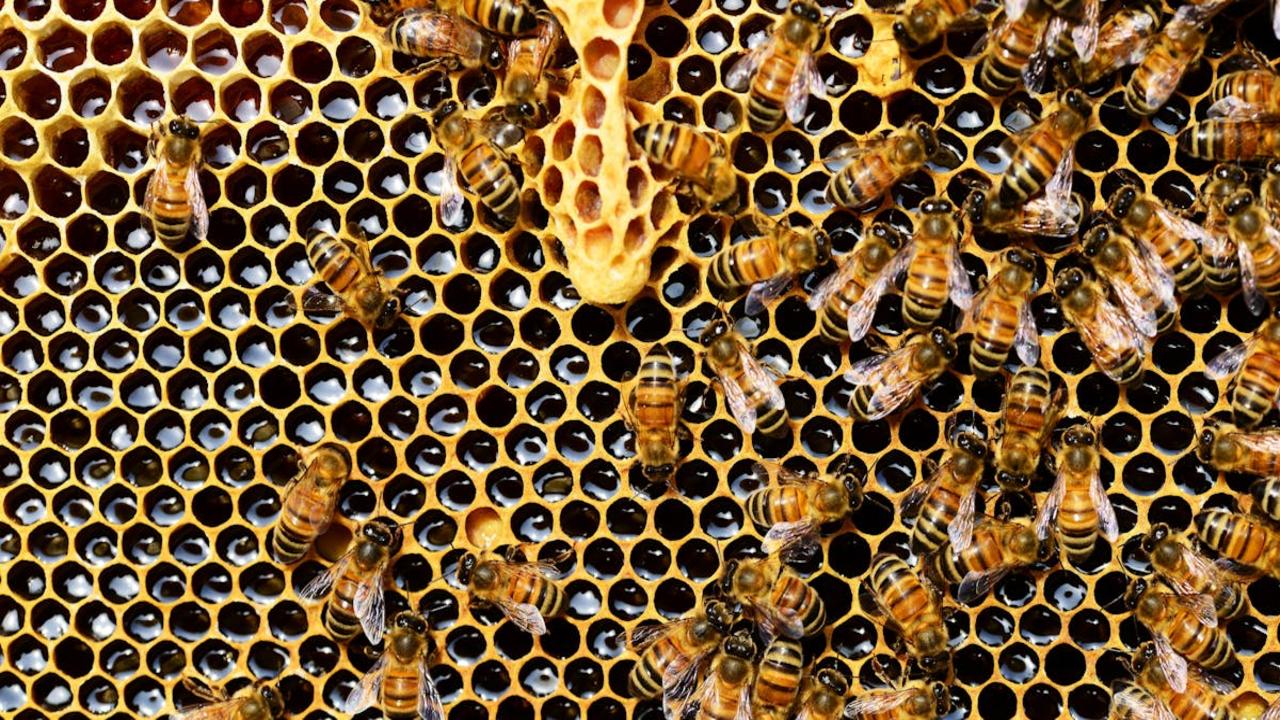
Picture this: you’re walking down a path and stumble upon the sweetest treasure hidden inside a lion’s carcass. That’s exactly what happened to Samson in Judges 14! After defeating a lion with his bare hands, he returned later to find bees had made their home in the remains, producing golden, delicious honey. This wild discovery sparked one of the Bible’s most famous riddles and shows us how nature can transform even the most unexpected places into sources of nourishment.
Raw honey straight from the comb remains one of nature’s most perfect foods, packed with enzymes, antioxidants, and natural antibacterial properties that our ancestors treasured. Samson’s parents didn’t know where this sweet gift came from, but they gladly enjoyed it with him. Today, you can experience similar pure honey by visiting local beekeepers or farmers markets – just skip the lion part! Try drizzling raw honeycomb over warm biscuits, mixing it into Greek yogurt, or using it as a natural sweetener in your morning tea. This ancient superfood connects us directly to biblical times while giving our bodies incredible health benefits.
The Widow of Zarephath’s Flour and Oil

Picture this: you’re down to your last handful of flour and a few drops of oil, preparing what you believe will be your final meal. That’s exactly where the widow of Zarephath found herself during a severe famine. When the prophet Elijah asked her for bread, she could have easily turned him away – after all, she barely had enough for herself and her son. Instead, she chose generosity over fear, sharing her meager ingredients with a stranger. What happened next defies every law of kitchen math you know!
God blessed her act of faith with a miracle that would make any home cook’s heart sing. Her jar of flour never emptied, and her jug of oil never ran dry throughout the entire famine. Day after day, she reached into that same container and found fresh supplies waiting for her family. This story teaches us that sometimes the most powerful ingredient in our pantries isn’t what we can see – it’s the willingness to share what we have, no matter how little it seems. The widow’s simple act of hospitality transformed scarcity into abundance, proving that generosity creates its own recipe for provision.
Daniel and the King’s Table

Picture this: you’re a young person taken from your home and placed in a foreign palace, expected to dine on rich foods that go against everything you believe in. That’s exactly what happened to Daniel and his three friends in ancient Babylon. When King Nebuchadnezzar ordered them to eat from his royal table – loaded with meat sacrificed to idols and wine – Daniel made a bold decision that would change everything. He respectfully asked the chief official if he and his friends could stick to their plant-based diet instead. Talk about standing up for your food values under pressure!
The palace steward worried that Daniel and his companions would look weak and malnourished compared to the other young men, potentially costing him his head. But Daniel proposed a simple ten-day test: let them eat only vegetables and drink water while the others enjoyed the king’s rich fare. The results were absolutely amazing – after just ten days, Daniel and his friends looked healthier and stronger than anyone else! This story shows us that sometimes the simplest, most wholesome foods can give us exactly what we need. Their commitment to clean eating didn’t just keep them physically strong; it demonstrated that staying true to your dietary principles can lead to unexpected blessings.
Elijah and the Ravens

Picture this: you’re a prophet hiding out by a brook, completely dependent on God’s provision, and your daily meal delivery service comes courtesy of… ravens! That’s exactly what happened to Elijah during a severe drought. These black-feathered birds brought him bread and meat twice daily – morning and evening – like the most reliable food delivery system you could imagine. Ravens typically scavenge and aren’t known for their sharing habits, yet God transformed them into Elijah’s personal catering crew. This story shows us that nourishment can come from the most unexpected sources when we trust in divine provision.
What I love about this story is how it reminds us that good food doesn’t always come from fancy restaurants or perfect meal prep containers. Sometimes the most meaningful meals arrive when we least expect them, from sources we never would have chosen ourselves. Elijah received simple but sustaining food – bread for energy and meat for protein – a perfectly balanced meal that kept him strong during his time of hiding. The ravens’ faithful delivery schedule teaches us about consistency in nourishment, something we can apply to our own eating habits by creating reliable meal routines that fuel our bodies well.
Manna from Heaven
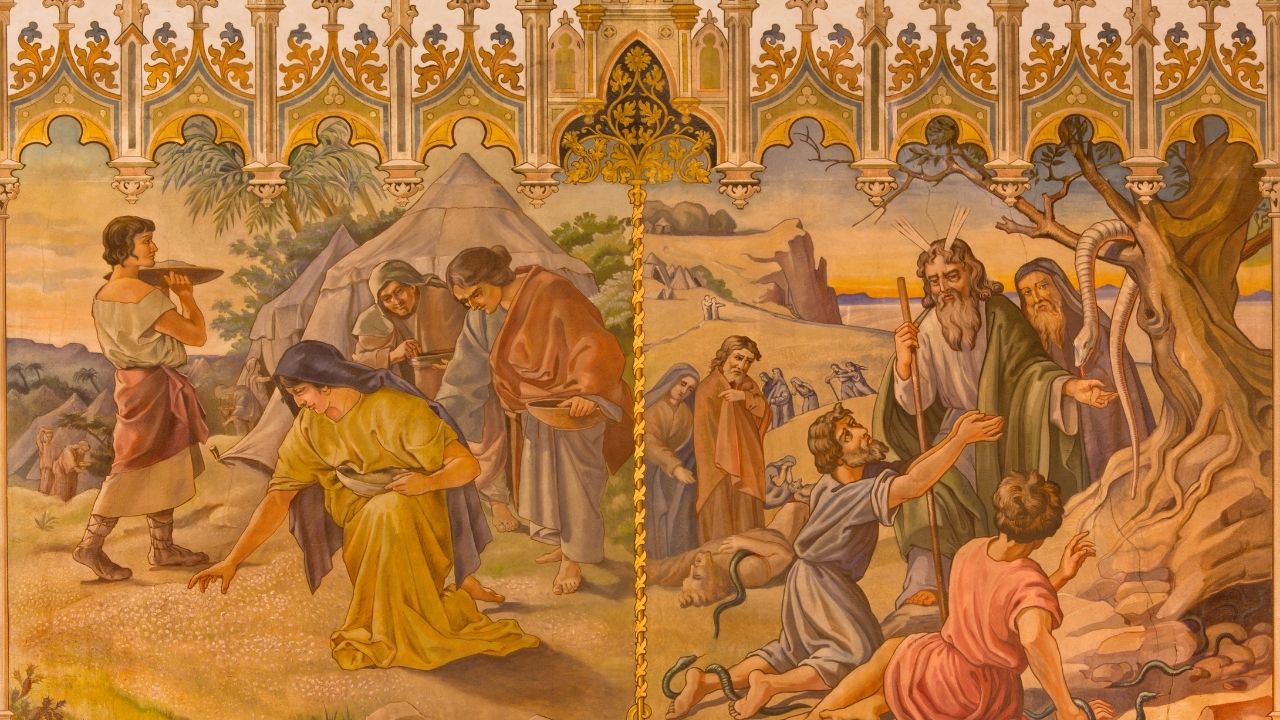
When the Israelites wandered through the desert for forty years, God provided them with manna – a mysterious bread that appeared each morning like dew on the ground. This divine food source came with specific instructions: gather only what you need for the day, except on the sixth day when you could collect enough for the Sabbath. The manna tasted like honey wafers and sustained an entire nation through their wilderness journey. What fascinates me most is how this ancient story teaches us about trusting in daily provision rather than hoarding food out of fear.
As a food lover, I find the concept of manna incredibly inspiring for our modern kitchens. The idea of receiving exactly what we need, when we need it, speaks to mindful eating and reducing food waste. Think about how often we buy groceries impulsively, only to watch fresh produce wilt in our refrigerators. The manna story encourages us to plan our meals thoughtfully, shop with intention, and trust that we’ll have enough. You can apply this principle by buying fresh ingredients for just a few days at a time, which ensures peak nutrition and flavor while minimizing waste. It’s a beautiful reminder that sometimes the most nourishing approach to food is also the simplest one.