12 Sneaky Supermarket Traps to Avoid on Your Next Grocery Run
Grocery stores operate like sophisticated theaters, designed to separate you from your hard-earned money through clever psychological tricks. Those strategically placed displays and tempting end-caps aren’t accidents—they’re calculated moves to boost profits while emptying your wallet.
After years of creating wholesome meals from scratch, I’ve learned to spot these marketing schemes from miles away. The same stores that charge premium prices for pre-cut vegetables will gladly sell you whole produce at a fraction of the cost. Understanding these tactics transforms your shopping experience from impulse-driven chaos into mindful, budget-conscious decisions.
Smart shopping means recognizing value versus convenience upcharges. By identifying these twelve common traps, you’ll walk through those automatic doors with confidence, filling your cart with ingredients that nourish your family without breaking your budget. Your future self will thank you.
Imported cheeses
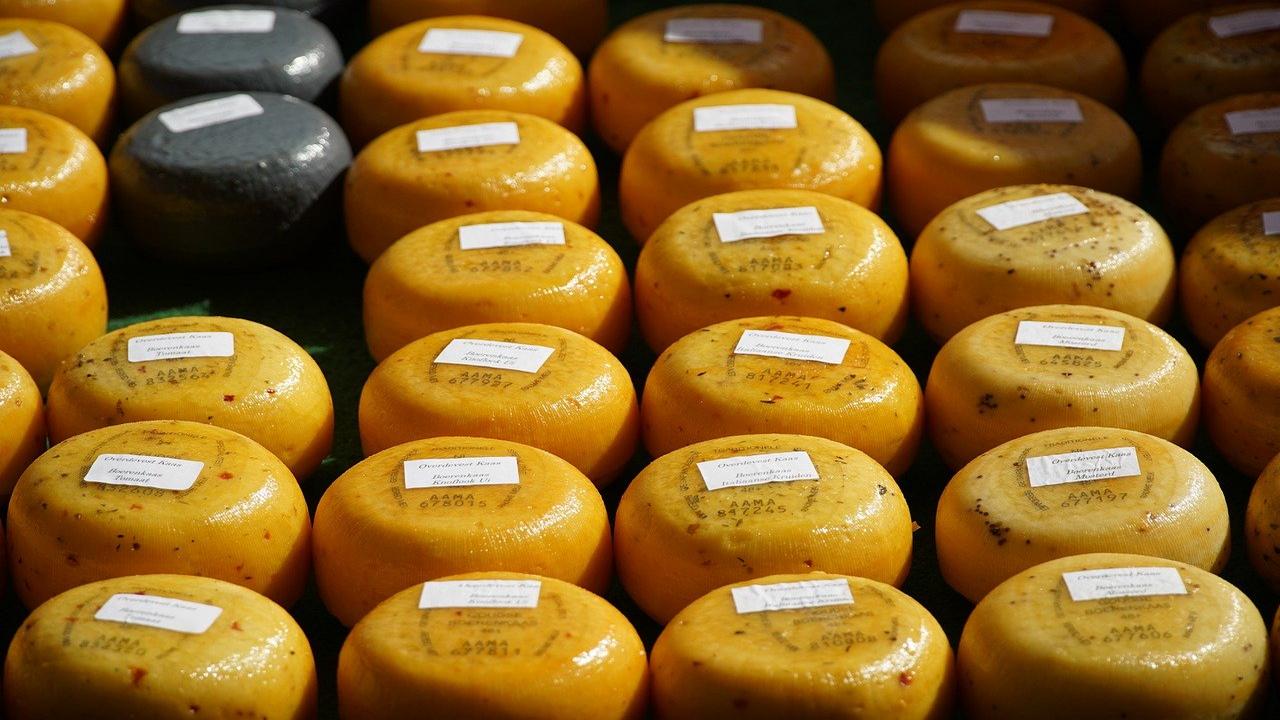
Friends, I need to share something that might surprise you about those gorgeous imported cheese displays. You know the ones – perfectly arranged wedges of aged Parmigiano-Reggiano, creamy French bries, and artisanal goat cheeses that call your name from their fancy refrigerated cases. Here’s what supermarkets don’t want you to know: many of these “imported” treasures carry markup rates that would make your wallet weep. That $28-per-pound aged Gruyère might taste incredible, but you’re often paying triple what you’d find at a dedicated cheese shop or specialty market.
I’ve learned this lesson the hard way during my recipe development adventures. Now I shop smarter by building relationships with local cheese mongers who source directly from producers, or I visit ethnic markets where authentic imported cheeses cost significantly less. For everyday cooking – think pasta dishes, gratins, or homemade pizza – I’ve discovered that many domestic producers create exceptional alternatives that deliver similar flavor profiles without the premium price tag. Save those splurge-worthy imported pieces for special occasions when you can truly savor every bite, and use your grocery budget wisdom for ingredients that make the biggest impact in your home cooking.
Meal kits
You know that jar of miso paste sitting in your fridge? The one you bought for that ramen recipe and then forgot about? Here’s something beautiful: miso gets more complex and nuanced the longer it ages. Traditional Japanese miso makers understand this deeply – they age their pastes for years, sometimes decades. As miso sits, the fermentation continues slowly, developing deeper umami notes and a richer, more rounded flavor profile. The saltiness mellows while earthy, almost wine-like characteristics develop. I keep multiple jars at different stages because each brings something unique to my cooking.
What excites me most about aged miso is how it transforms simple dishes into something extraordinary. A spoonful of well-aged miso whisked into salad dressings creates depth that’s impossible to achieve with fresh paste alone. I love using older miso in marinades for roasted vegetables – the concentrated flavor penetrates beautifully and caramelizes gorgeously in the oven. Even a tiny amount stirred into soups or stews adds layers of savory complexity. The key is treating aged miso like a fine condiment rather than just a soup base. Start with small amounts and taste as you go – that concentrated flavor can surprise you with its intensity.
In-store bakery goods

You know that amazing pot roast your grandmother used to make? The one where the meat practically fell apart with a fork and tasted like pure comfort? That magic happens because beef transforms dramatically over time through slow cooking methods. When you give tough cuts like chuck roast, brisket, or short ribs the gift of low, slow heat for hours, their connective tissues break down into silky gelatin that coats every fiber with rich, savory goodness. I always tell my friends that patience with beef rewards you with flavors that simply can’t be rushed – those tough, inexpensive cuts become the most tender, flavorful meals when you treat them right.
The same principle applies to aged beef, where controlled time creates incredible depth of flavor through enzymatic breakdown. Even at home, you can see this magic work with simple techniques like marinating tough cuts overnight or braising them low and slow until they surrender their toughness. I love taking a humble piece of chuck and turning it into something spectacular with nothing more than time, gentle heat, and maybe some onions, carrots, and herbs from my garden. The transformation teaches you that the best things in cooking – just like in life – often require patience and can’t be hurried.
Overpriced organic options
I keep bottles of homemade hot sauce aging in my pantry like precious wine, and trust me—the wait transforms them into something magical. Fresh hot sauce burns bright and sharp, but give it three to six months, and those aggressive heat notes mellow into complex, rounded flavors that dance on your tongue. The capsaicin compounds break down slowly, creating depth while the vinegar marries beautifully with garlic, onions, and whatever spices you’ve thrown into the mix. I make my hot sauces with whole ingredients—fresh chilies, raw honey instead of sugar, and apple cider vinegar—then let time work its alchemy.
The transformation happens gradually as acids soften the heat and allow other flavors to bloom. That harsh burn you get from fresh jalapeños or habaneros becomes this warm, lingering heat that enhances rather than overpowers your food. I’ve noticed my aged hot sauces develop almost smoky undertones, especially when I include roasted garlic or charred onions in the original blend. The beauty of making your own means you control every ingredient—no preservatives, no artificial colors, just pure flavor evolution happening right in your kitchen. Store them in a cool, dark place and shake occasionally; your future self will thank you for the patience.
Travel-sized toiletries

You know that block of Parmigiano-Reggiano sitting in your fridge? Give it time, and watch magic happen. Hard cheeses like aged cheddar, Gouda, and Pecorino Romano develop complex flavors through months or years of careful aging. During this process, proteins break down into smaller compounds, creating those beautiful crystalline textures you feel on your tongue – those little crunchy bits that make each bite so satisfying. The moisture slowly evaporates, concentrating the flavors until what started as mild becomes bold and nutty.
I keep several hard cheeses in different stages of aging because each brings something unique to my cooking. A young Manchego melts beautifully into my weekend scrambled eggs, while an aged version gets grated over roasted vegetables for depth. The beauty lies in patience – that two-year-old Gouda carries caramel notes that simply cannot exist in its younger counterpart. When you buy hard cheese, resist eating it all immediately. Wrap it properly in wax paper, store it in your refrigerator’s cheese drawer, and let time work its magic. Your future self will thank you when you discover how much more complex and interesting these cheeses become.
Seasonal-themed treats

You know that bottle of kombucha sitting in your fridge right now? Don’t rush to drink it! This fermented tea gets more complex and interesting as days pass. I started brewing my own kombucha at home after realizing how much better the flavors develop when you give them time. Fresh kombucha can taste sharp and one-dimensional, but after a few extra days of fermentation, the flavors mellow and create this beautiful balance between tangy, sweet, and effervescent that commercial versions rarely achieve.
The magic happens because the beneficial bacteria and yeast keep working their transformation even in cold storage. I love experimenting with second fermentation by adding fresh ginger, turmeric, or seasonal fruits like pomegranate seeds or fresh berries. After 3-5 days, these additions create natural flavor compounds that taste like they’ve been crafted by time itself. The bubbles become more refined, the acidity softens, and you get these subtle notes that remind me why I prefer making things from scratch. Your patience rewards you with a probiotic powerhouse that tastes infinitely better than anything you can grab off the shelf.
Name-brand spices
I remember the first time I opened a bottle of fish sauce – the smell hit me like a wave, and I honestly questioned whether this ingredient belonged anywhere near my kitchen. But here’s what I’ve learned through years of cooking: fish sauce transforms dramatically as it ages, developing layers of complexity that make it absolutely indispensable in my pantry. Fresh fish sauce can be quite pungent and one-dimensional, but give it time – sometimes years – and something magical happens. The sharp, briny notes mellow into rich, savory depths that add an incredible umami foundation to countless dishes.
Now I buy fish sauce in bulk and store bottles in my cool, dark pantry, watching them develop character over months and years. The aged versions become liquid gold, with a concentrated essence that elevates everything from Vietnamese pho to simple stir-fries and even unexpected additions like salad dressings. I’ve started treating good fish sauce like fine wine – the older bottles get reserved for finishing touches and special occasions, while the younger ones work perfectly for everyday cooking. This fermented wonder proves that patience pays off in the kitchen, turning what seems like an intimidating ingredient into one of the most versatile flavor enhancers you can own.
Bottled water

Friend, I see you reaching for that fancy bottled water, and I need to stop you right there! Those gleaming plastic bottles lined up in neat rows are one of the biggest money drains in the entire store. You’re paying premium prices—sometimes 1,000 times more than tap water—for something that often comes from the exact same municipal sources as your kitchen faucet. Many popular brands literally bottle tap water, run it through basic filtration, then slap a mountain spring label on it. The markup is absolutely astronomical, and you’re carrying heavy cases to your car for no real benefit.
Here’s what I do instead: I invested in a good water filter for my home and carry a reusable bottle everywhere. Not only does this save me hundreds of dollars annually, but it also means I’m not contributing to the plastic waste mountain that’s choking our planet. If you’re worried about water quality, get your tap water tested—it might surprise you how clean it already is! For my cooking, I use filtered water in bread recipes and when making stocks, but honestly, most of the time regular tap water works perfectly fine. Your wallet and the environment will thank you for skipping this particular grocery store trap.
Prepared deli meals
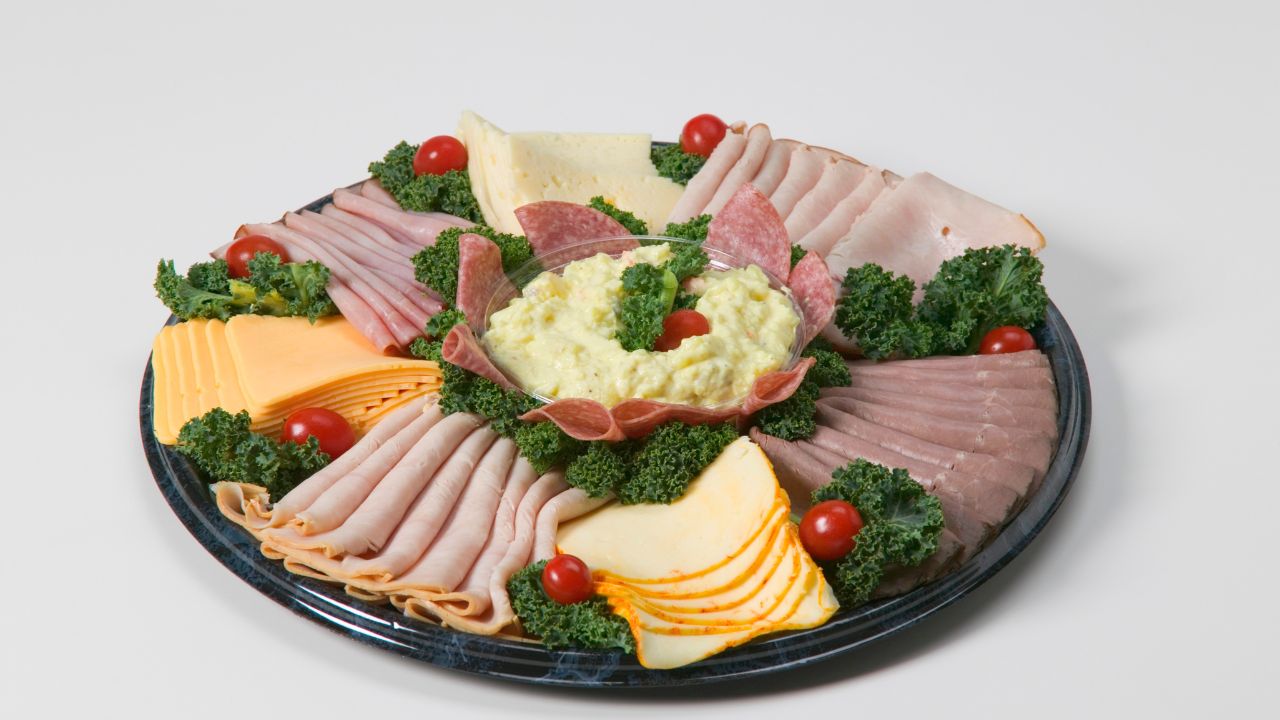
You know that moment when you’re rushing through the grocery store after a long day, and those gleaming prepared meals in the deli section start calling your name? I get it completely. That rotisserie chicken looks perfect, and those pasta salads seem like they’d save you hours in the kitchen. But here’s what I’ve learned from years of cooking and grocery shopping: these convenience foods often come with hidden costs that go way beyond the price tag.
Most prepared deli items pack serious amounts of sodium, preservatives, and mystery ingredients that you’d never add to your own cooking. That innocent-looking potato salad? It’s probably loaded with more mayo and salt than you’d use in a week of home cooking. Instead of grabbing that $12 container of pre-made curry, I encourage you to pick up some basic spices, coconut milk, and fresh vegetables. You’ll create something more flavorful, healthier, and surprisingly affordable. Plus, you’ll have leftovers that actually taste better the next day, unlike those deli containers that somehow lose their appeal once you get them home.
Gourmet condiments
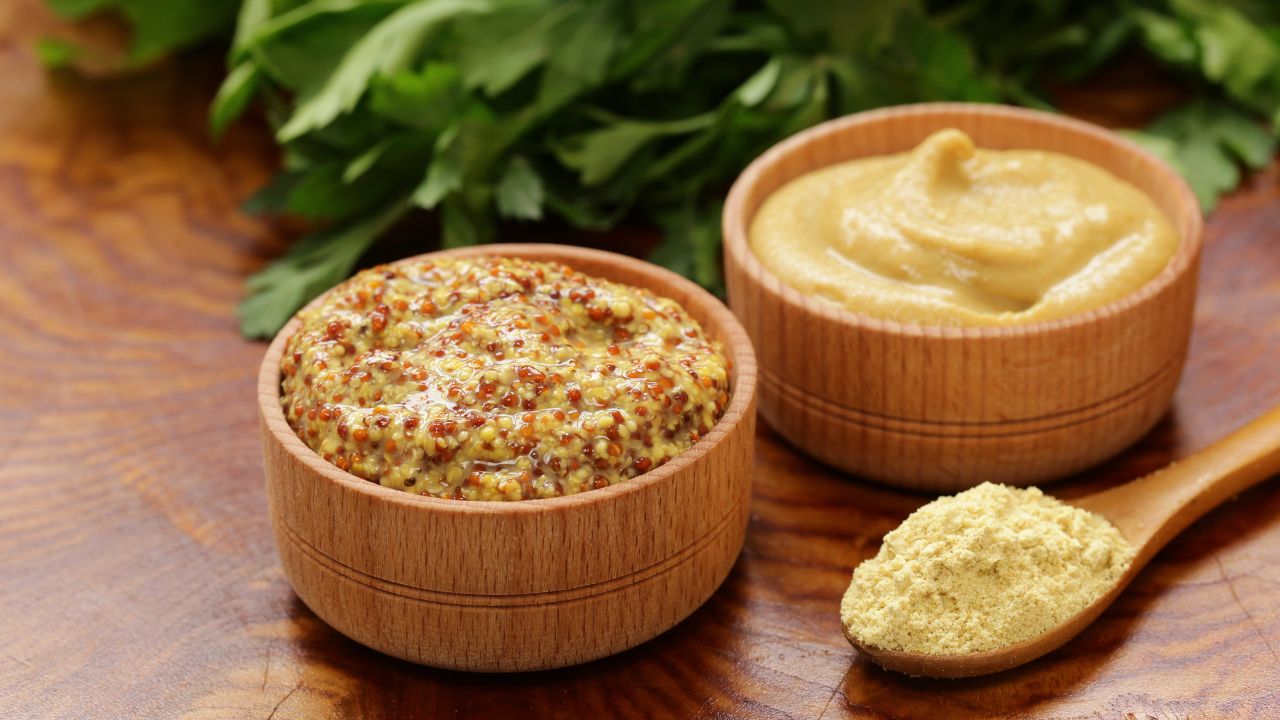
Those beautifully packaged truffle oils and imported mustards sitting on the specialty condiment aisle? They’re banking on you believing that fancy equals better flavor. I’ve watched friends drop $15 on a small jar of “artisanal” mayo when they could whip up something infinitely more delicious at home with just eggs, oil, and a squeeze of fresh lemon. The truth is, most of these gourmet condiments contain the same preservatives and additives as their regular counterparts—they just wear prettier labels and cost three times more.
Instead of falling for the marketing magic, I create my own flavor bombs at home using simple, whole ingredients. A basic tahini becomes extraordinary when I blend it with roasted garlic and za’atar. Regular Dijon mustard transforms into something special with a spoonful of honey and fresh herbs from my windowsill garden. You control every ingredient, skip the unnecessary preservatives, and save enough money to splurge on quality olive oil or spices that actually make a difference in your cooking. Your homemade versions will taste fresher, more vibrant, and completely customized to your family’s preferences.
Pre-sliced fruits and vegetables

Look, I get it—those perfectly cut pineapple chunks and julienned carrots look incredibly tempting when you’re rushing through the store. But here’s what I’ve learned from years of cooking: you’re paying a premium for convenience that actually compromises flavor and nutrition. Pre-cut produce loses vitamins the moment it’s exposed to air, and those plastic containers create the perfect environment for bacteria growth. I’ve seen watermelon chunks that cost three times more per pound than the whole fruit sitting right next to them.
Instead, invest in a good sharp knife and take those extra few minutes to prep your own produce. You’ll taste the difference immediately—fresh-cut vegetables retain their crisp texture and vibrant flavors that pre-packaged versions simply can’t match. Plus, you control the size of your cuts, which makes a huge difference in cooking times and presentation. I keep a few go-to techniques in my back pocket: rough chop onions and store them in glass containers for quick weeknight stir-fries, or prep a week’s worth of bell pepper strips for snacking. Your wallet and your taste buds will thank you for choosing whole produce over the pre-sliced shortcuts.
Candy at the checkout

3