12 Under-the-Radar Ingredients You’ve Probably Never Heard Of
Most of us stick to familiar ingredients—the same vegetables, grains, and proteins week after week. But there’s a whole world of incredible foods that rarely make it into our kitchens. These aren’t trendy superfoods with inflated prices; they’re genuine nutritional powerhouses that deserve a spot in your pantry.
I’ve spent years experimenting with ingredients from different cultures, and I’m constantly amazed by what I discover. These twelve foods offer remarkable flavors and health benefits while opening up entirely new cooking possibilities. They work beautifully in everyday recipes without requiring complicated techniques.
From ancient grains to exotic fruits, each ingredient brings something special to the table. You’ll find options that boost protein, add vibrant color, or simply make your meals more interesting. Ready to expand your cooking repertoire?
Camu Camu
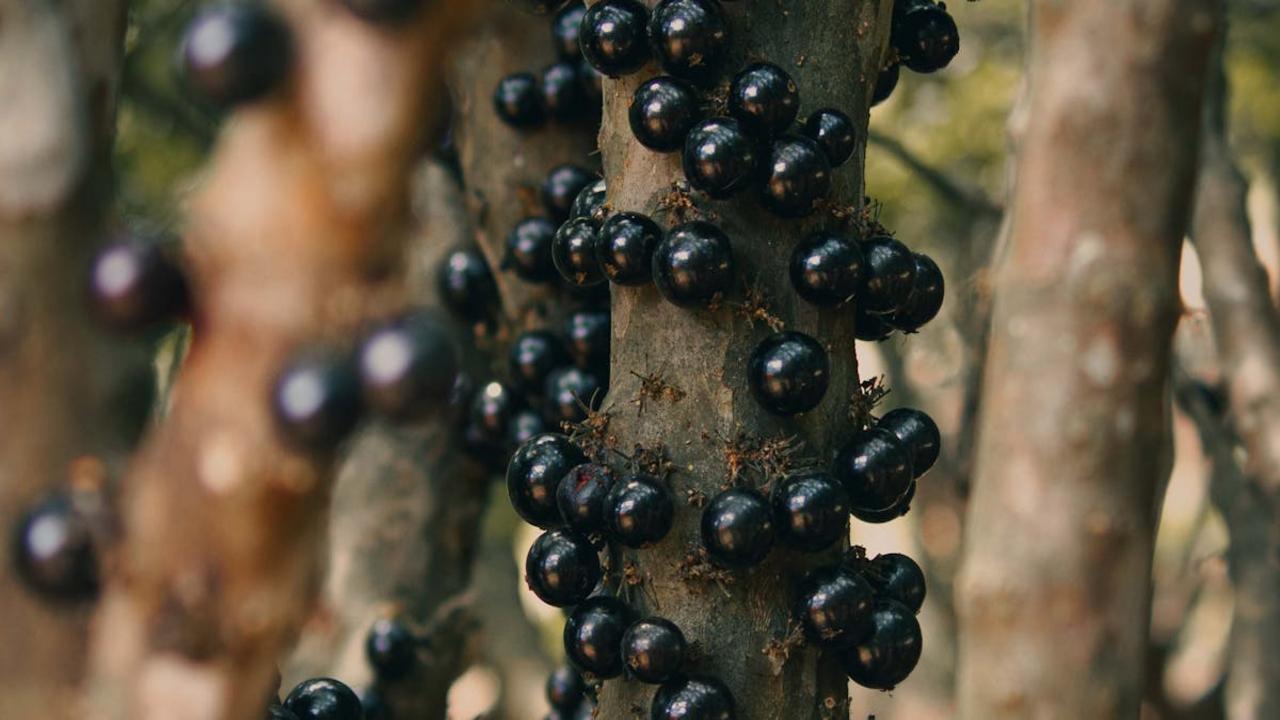
If you’re searching for a vitamin C powerhouse that goes beyond your typical citrus fruits, camu camu deserves a spot in your pantry. This small, tart berry from the Amazon rainforest contains one of the highest concentrations of vitamin C found in any fruit—we’re talking about 60 times more than an orange. The flavor is intensely sour with a slightly sweet finish, which makes it perfect for smoothies, energy balls, or even homemade salad dressings where you want that bright, acidic punch. I keep the powder form on hand because it’s convenient and shelf-stable, and just a quarter teaspoon mixed into your morning juice or yogurt gives you a serious nutrient boost without overwhelming the other flavors.
What I love about camu camu is how it sneaks into recipes without announcing itself too loudly. The berry’s natural tartness balances beautifully with sweet tropical fruits like mango or banana, and it adds depth to savory dishes too—try whisking a pinch into your next vinaigrette for an unexpected lift. Beyond the impressive vitamin C content, camu camu contains antioxidants and amino acids that support your immune system and reduce inflammation. Start small with this ingredient because a little goes a long way, and you’ll quickly discover how this Amazonian berry transforms everyday meals into something more nourishing and vibrant.
Gac Fruit
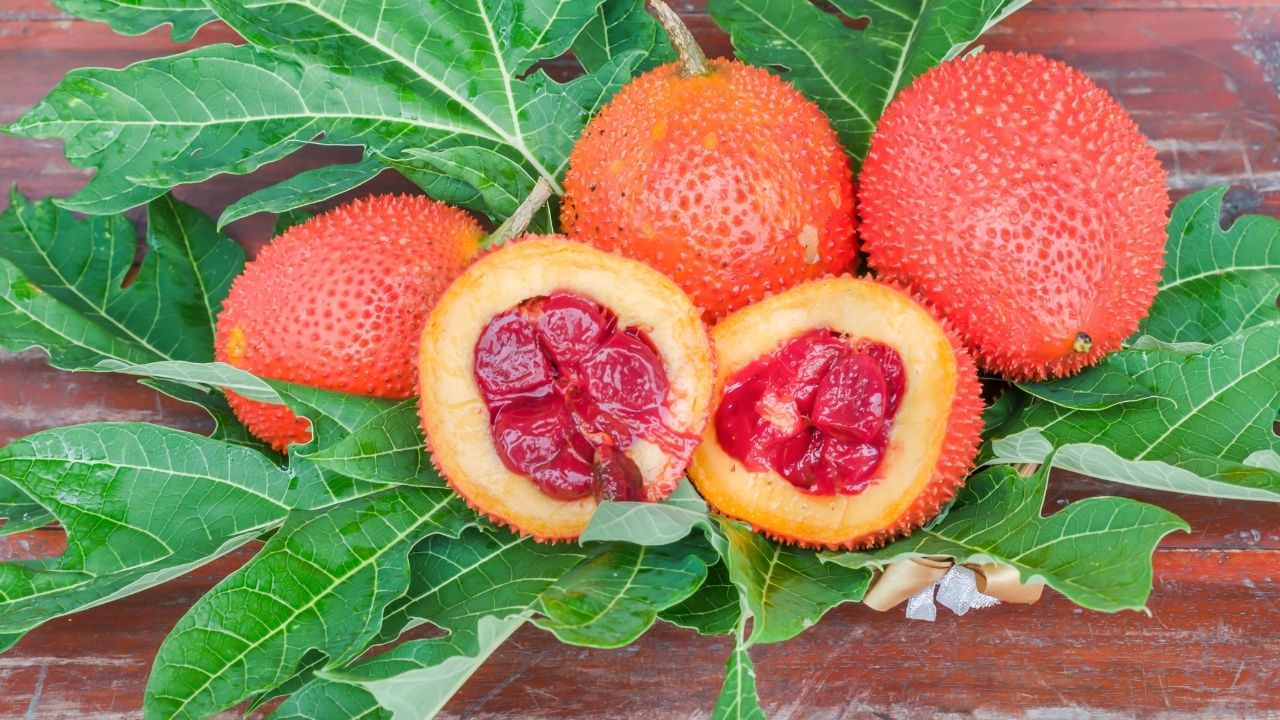
Picture this: a spiky, orange-red fruit about the size of a melon, packed with more beta-carotene than carrots and more lycopene than tomatoes. That’s gac fruit for you, a Southeast Asian treasure that’s been flying under the radar in Western kitchens for far too long. In Vietnam, they call it “heaven’s fruit,” and after cooking with it, you’ll understand why. The bright red aril surrounding the seeds has this subtle, earthy sweetness that transforms rice dishes into vibrant celebrations. I remember the first time I stirred gac into sticky rice—the color alone made me pause, this deep orange-red that looked like sunset captured in a bowl.
What makes gac special isn’t just its nutritional punch; it’s how that gorgeous color and mild flavor sneak into your cooking without overwhelming anything. The fat-soluble vitamins mean you’ll want to pair it with coconut milk or oil to maximize absorption. Try blending the aril into smoothies with mango and coconut cream, or do what Vietnamese cooks have done for centuries: fold it into rice for special occasions. The preparation takes patience—you’ll need to separate those precious arils from the seeds—but the payoff is a dish that looks and tastes like something truly extraordinary. Fresh gac can be tricky to find, but frozen or powdered versions work beautifully too, bringing that same nutritional boost and striking color to your everyday meals.
Teff
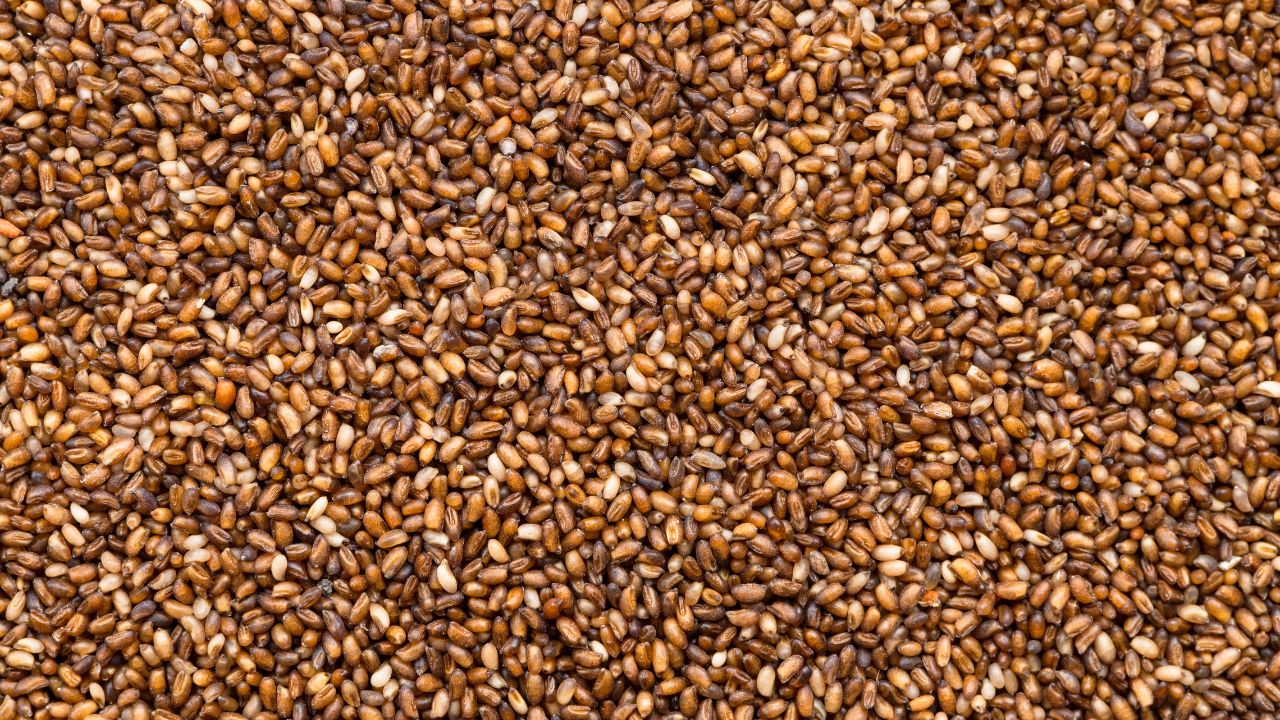
Teff is a tiny grain from Ethiopia that packs serious nutritional power into its minuscule seeds. This ancient grain is the foundation of injera, that spongy, slightly tangy flatbread you’ve probably enjoyed at Ethiopian restaurants. What makes teff special isn’t just its cultural significance—it’s incredibly rich in iron, calcium, and protein, making it one of the most complete grains you can cook with. The grain comes in different colors, from ivory to deep brown, and each variety brings its own subtle flavor profile to your dishes.
Cooking with teff opens up possibilities beyond traditional Ethiopian cuisine. You can use teff flour to add nutritional depth to pancakes, muffins, and homemade bread, giving them a slightly nutty, earthy flavor that complements both sweet and savory preparations. The whole grains cook quickly—just 15 to 20 minutes—and work beautifully as a breakfast porridge, a base for grain bowls, or even as a risotto-style dish. Since teff is naturally gluten-free and has a low glycemic index, it keeps your blood sugar stable while providing sustained energy throughout the day. Once you start cooking with this powerhouse grain, you’ll wonder why it took so long to discover it.
Sea Buckthorn
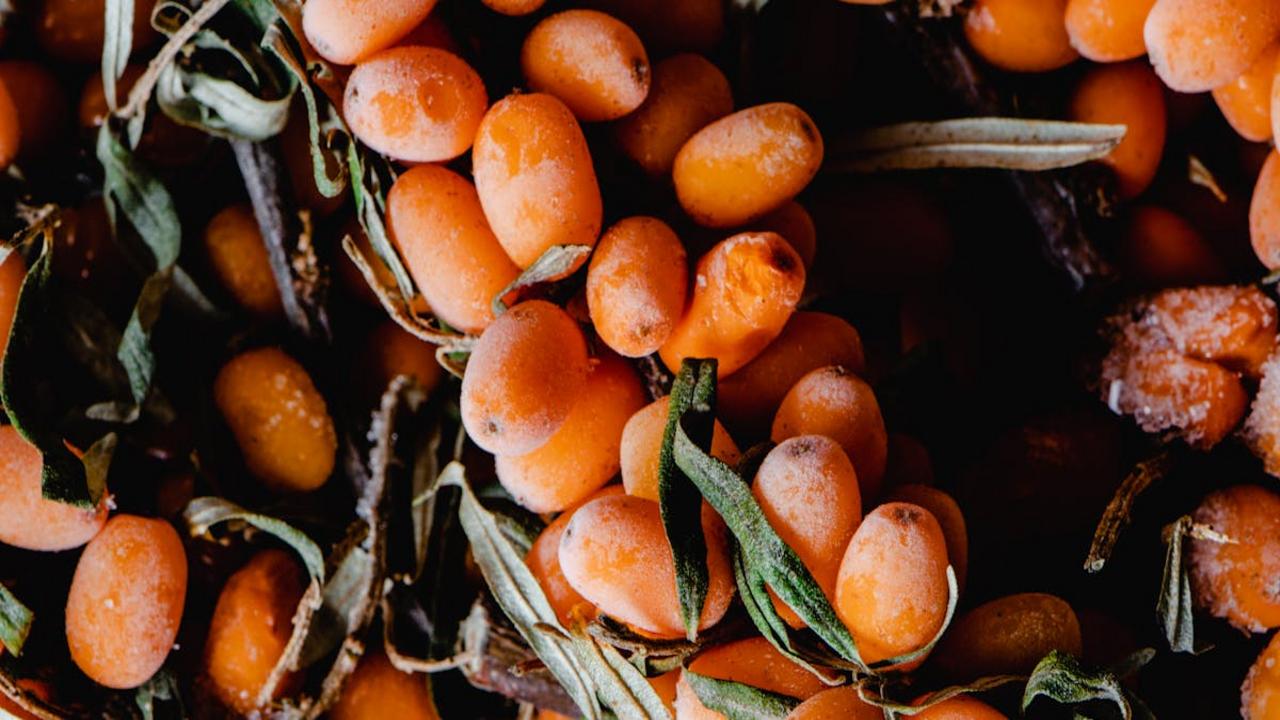
Sea buckthorn berries pack a tart, citrusy punch that most people have never experienced, yet these tiny orange orbs have been nourishing communities across Asia and Europe for centuries. You’ll find them growing on thorny shrubs in harsh climates, and their resilience translates into an incredible nutritional profile—they’re loaded with vitamin C, omega fatty acids, and antioxidants that support everything from skin health to immune function. The flavor sits somewhere between mango, orange, and passion fruit, with a distinctive sourness that wakes up your palate. I’ve started incorporating sea buckthorn juice into morning smoothies and salad dressings, where its brightness cuts through rich ingredients beautifully. The berries themselves are too astringent to eat raw, but they transform into spectacular jams, sauces, and syrups once you cook them down with a touch of honey.
What makes sea buckthorn particularly special is its versatility in both sweet and savory applications. You can simmer the berries into a glaze for roasted chicken, blend them into yogurt for breakfast, or reduce them into a vibrant sauce that pairs wonderfully with fish and game meats. The oil extracted from these berries has been used in traditional medicine for ages, and many people swear by its healing properties for digestive issues and skin irritations. Finding fresh sea buckthorn can be tricky—you’ll have better luck at specialty health food stores or farmers markets in late summer and fall—but frozen berries and juice concentrate work just as well in recipes. Start small with this ingredient because its intense flavor can overpower dishes if you’re too generous, but once you understand how to balance its tartness, you’ll discover a whole new dimension of flavor that brings excitement to everyday cooking.
Chlorella
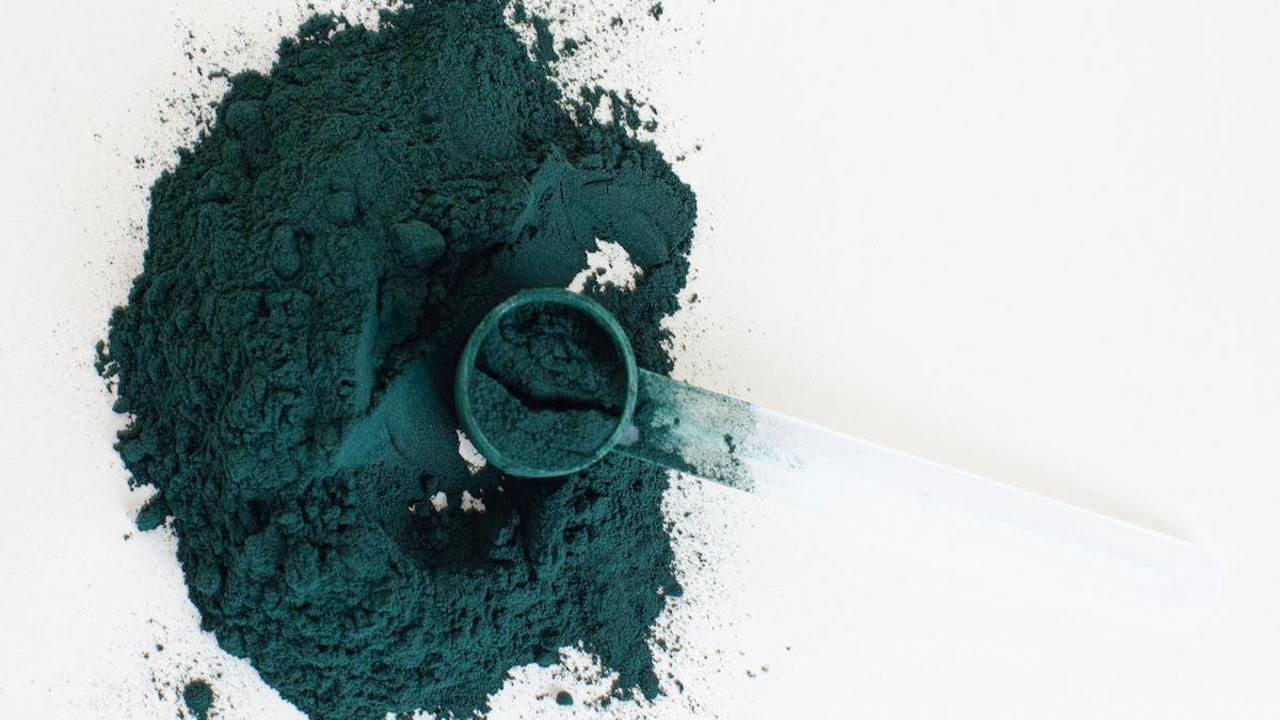
If you’re looking to boost your green smoothies or morning routine with something truly nutrient-dense, chlorella deserves a spot in your pantry. This single-celled freshwater algae packs more chlorophyll per gram than almost any other plant on earth, which gives it that deep emerald color and impressive detoxifying properties. I started adding chlorella powder to my breakfast bowls after learning about its complete protein profile—it contains all nine amino amino acids your body needs. What makes chlorella special is how it binds to heavy metals and helps your body eliminate them naturally, making it more than just another superfood supplement.
The flavor takes some getting used to, I won’t lie—it’s earthy and slightly marine-like—but blending just half a teaspoon into banana-based smoothies or stirring it into creamy coconut yogurt masks the taste beautifully. I’ve found that pairing chlorella with sweet fruits like mango or pineapple creates the perfect balance, and the vibrant green color makes everything look incredibly fresh and appetizing. You can also mix it into homemade energy balls with dates and almond butter, where its mild bitterness actually complements the natural sweetness. Start small with your portions since chlorella is potent, and your digestive system needs time to adjust to this concentrated source of vitamins, minerals, and antioxidants.
Fonio
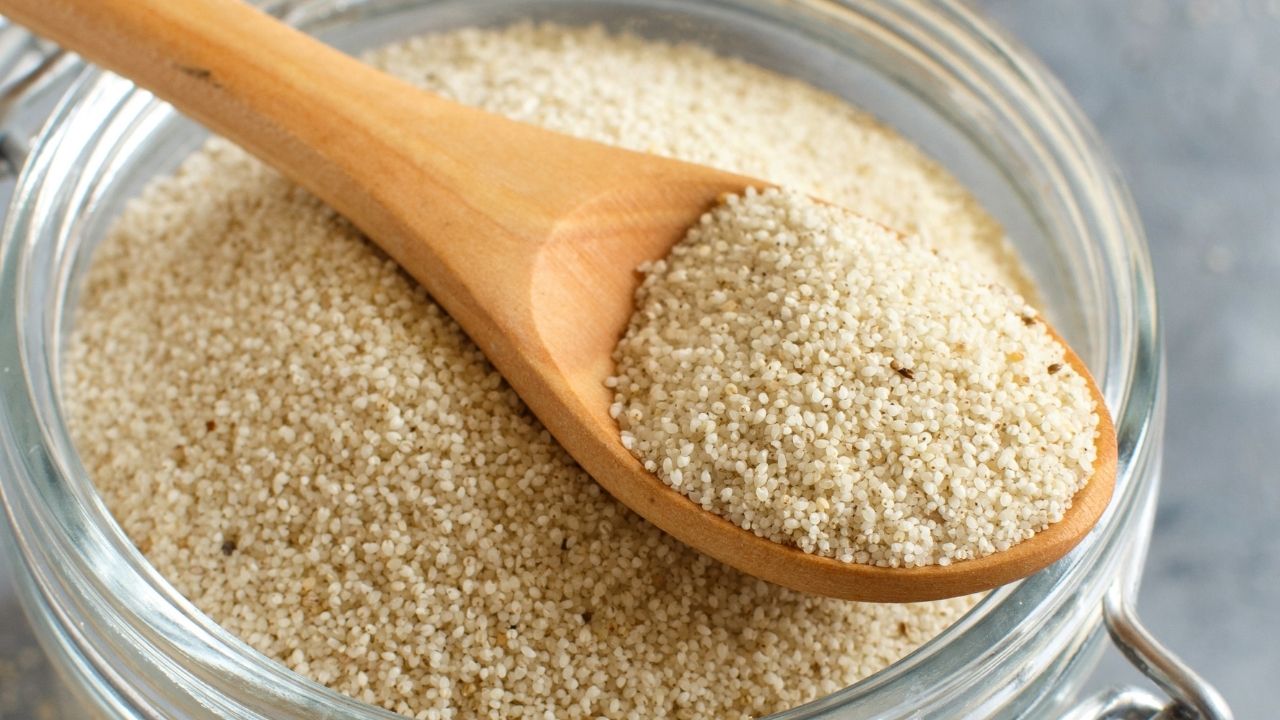
Fonio is an ancient African grain that’s been quietly nourishing West African communities for thousands of years, and it deserves a spot in your pantry right now. This tiny, pearl-like grain cooks in just five minutes—faster than quinoa—and has a delicate, slightly nutty flavor that works beautifully in both savory and sweet dishes. What makes fonio special is its impressive nutritional profile: it’s packed with amino acids, particularly methionine and cysteine, which are often lacking in other grains. It’s naturally gluten-free, high in fiber, and has a low glycemic index, making it perfect for anyone looking to manage their blood sugar levels while enjoying satisfying, wholesome meals.
I love using fonio as a base for grain bowls, mixing it with roasted vegetables and a tahini dressing, or cooking it in broth for a fluffy side dish that soaks up sauces beautifully. You can also turn it into a creamy breakfast porridge with cinnamon and honey, or use it in place of couscous in salads. The grain’s quick cooking time means you can have a nutritious meal on the table without much planning, and its mild flavor makes it incredibly versatile—it won’t compete with bold spices or delicate herbs. Beyond its culinary appeal, choosing fonio supports sustainable agriculture in West Africa, where it grows in poor soil conditions and requires minimal water, making it an environmentally friendly choice for your kitchen.
Lucuma
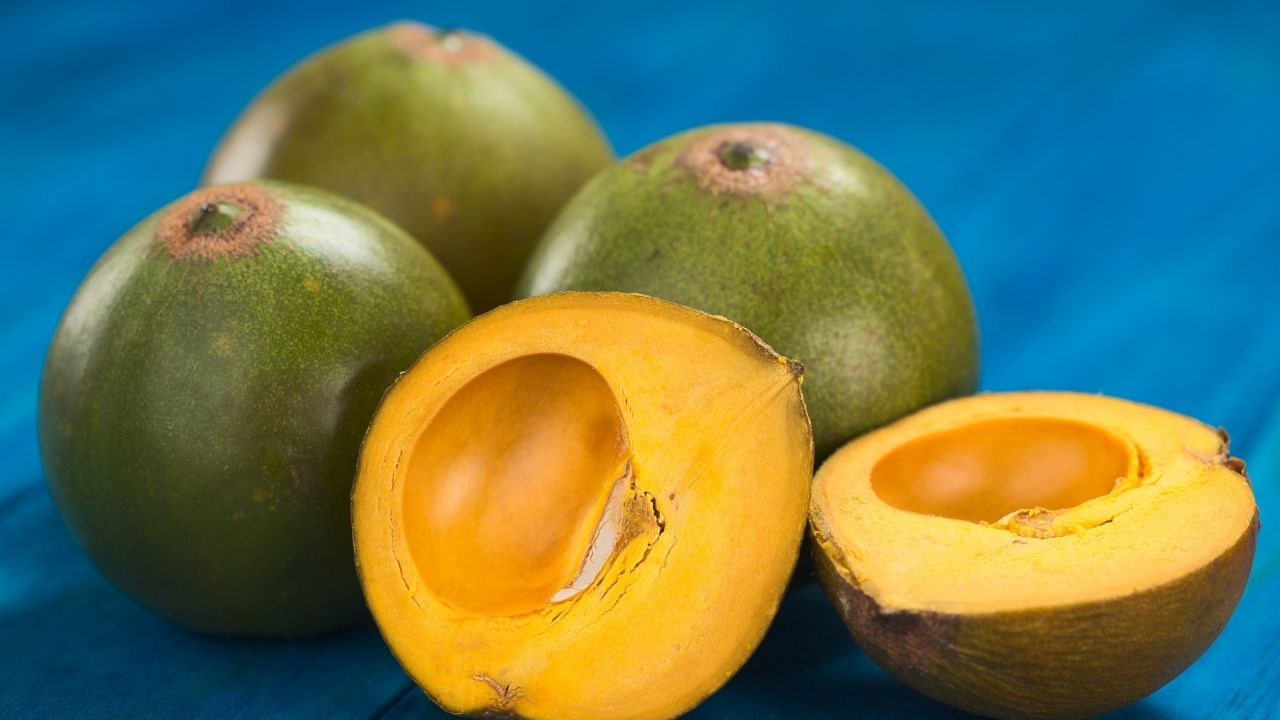
If you’ve never worked with lucuma before, get ready to meet one of the most intriguing ingredients from South America. This golden fruit, native to Peru, has a flavor that’s honestly hard to pin down—imagine sweet potato meeting maple syrup with hints of caramel, all wrapped up in a dry, almost powdery texture. Fresh lucuma can be tough to find outside South America, but the powdered form is becoming more available in health food stores and online. I use it as a natural sweetener in smoothies, ice cream, and baked goods because it adds complexity without the blood sugar spike that comes with refined sugar.
What makes lucuma special is how it transforms whatever you’re making. Stir a tablespoon into your morning oatmeal or blend it into homemade energy balls, and you’ll notice this subtle, maple-like sweetness that doesn’t overwhelm other flavors. It’s packed with beta-carotene, iron, and B vitamins, making it more than just another sweetener. I’ve started adding it to pancake batters and even savory sauces where I want a touch of natural sweetness without actual sugar. The powder keeps for months in your pantry, so you can experiment gradually and discover how this ancient ingredient fits into your cooking style.
Baobab

Picture this: a fruit so packed with vitamin C that it makes oranges look lazy. Baobab powder comes from the ancient African baobab tree, and honestly, it’s been hiding in plain sight for centuries. The fruit dries naturally on the branch, and once you crack open that hard shell, you’ll find a chalky white powder with a flavor that dances between tangy citrus and subtle caramel. I started sprinkling it into my morning smoothies after a friend from Tanzania showed me how her grandmother used it in porridge. The tartness wakes up your taste buds in the best way possible, and you’re getting a serious boost of antioxidants, fiber, and potassium without any processing whatsoever.
What really gets me excited about baobab is how naturally it fits into recipes without taking over. Mix a tablespoon into your yogurt or oatmeal for breakfast, blend it into energy balls with dates and nuts, or whisk it into salad dressings for a bright, unexpected tang. I’ve even stirred it into sparkling water with a bit of honey for a homemade probiotic drink that beats any store-bought version. The powder stores forever in your pantry—literally years—because it’s already dehydrated. You’re basically keeping a piece of ancient African wisdom in your kitchen, ready to transform ordinary dishes into something more nourishing and interesting.
Sacha Inchi
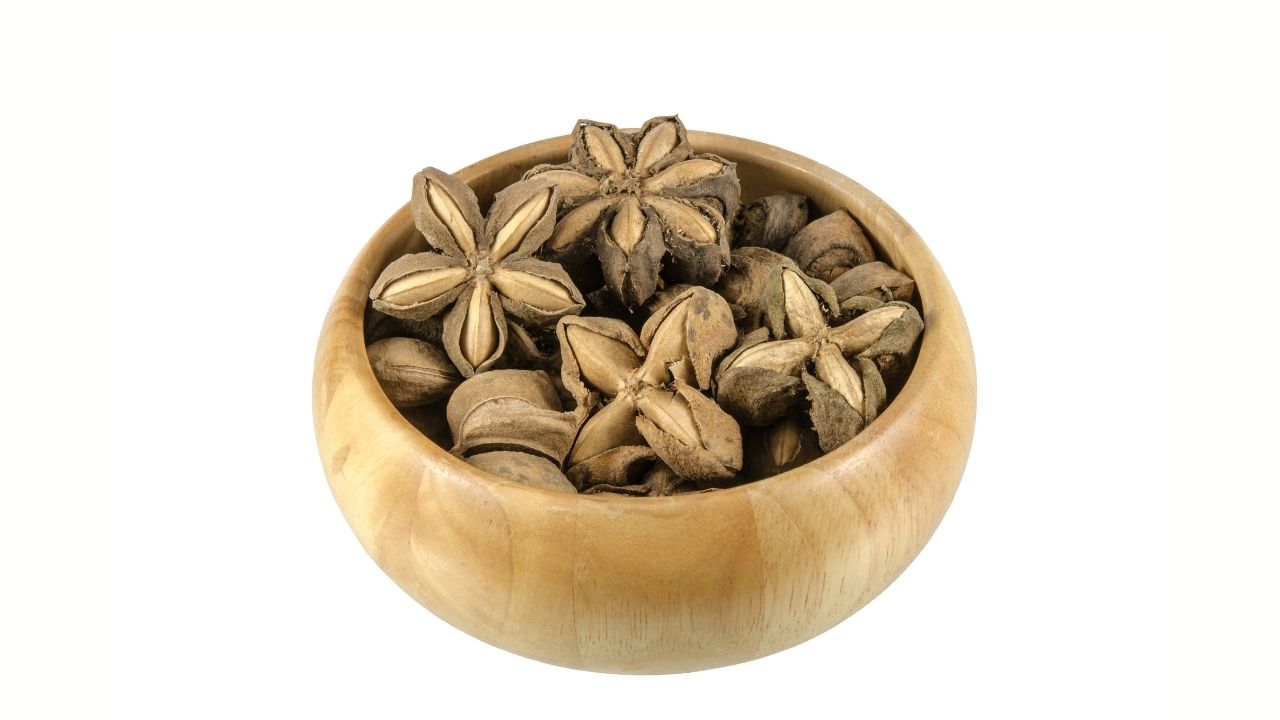
If you’re looking for a powerhouse ingredient that deserves more attention in your kitchen, sacha inchi seeds are worth seeking out. These star-shaped seeds come from the Amazon rainforest, and they pack an impressive nutritional punch that rivals any trendy superfood you’ve seen lately. I started using them after stumbling upon them at a specialty market, and now I keep a jar in my pantry at all times. The seeds have a mild, nutty flavor that’s less aggressive than walnuts but more interesting than cashews. They’re loaded with omega-3 fatty acids, protein, and vitamin E, making them perfect for anyone who wants to boost their meals nutritionally without relying on processed supplements or artificial additives.
What I love most about sacha inchi is how versatile it is in the kitchen. You can toast the seeds lightly and toss them into salads, blend them into smoothies for extra richness, or grind them into a butter that rivals any nut spread you’ve tried. I’ve even used the oil for salad dressings when I want something with a clean, light taste that doesn’t overpower fresh vegetables. The seeds work beautifully in both sweet and savory dishes—I’ve stirred them into granola, sprinkled them over roasted vegetables, and mixed them into energy balls for quick snacks. Because they’re minimally processed and naturally wholesome, they fit perfectly into scratch cooking that prioritizes real, nourishing ingredients over convenience foods.
Chokeberry (Aronia)
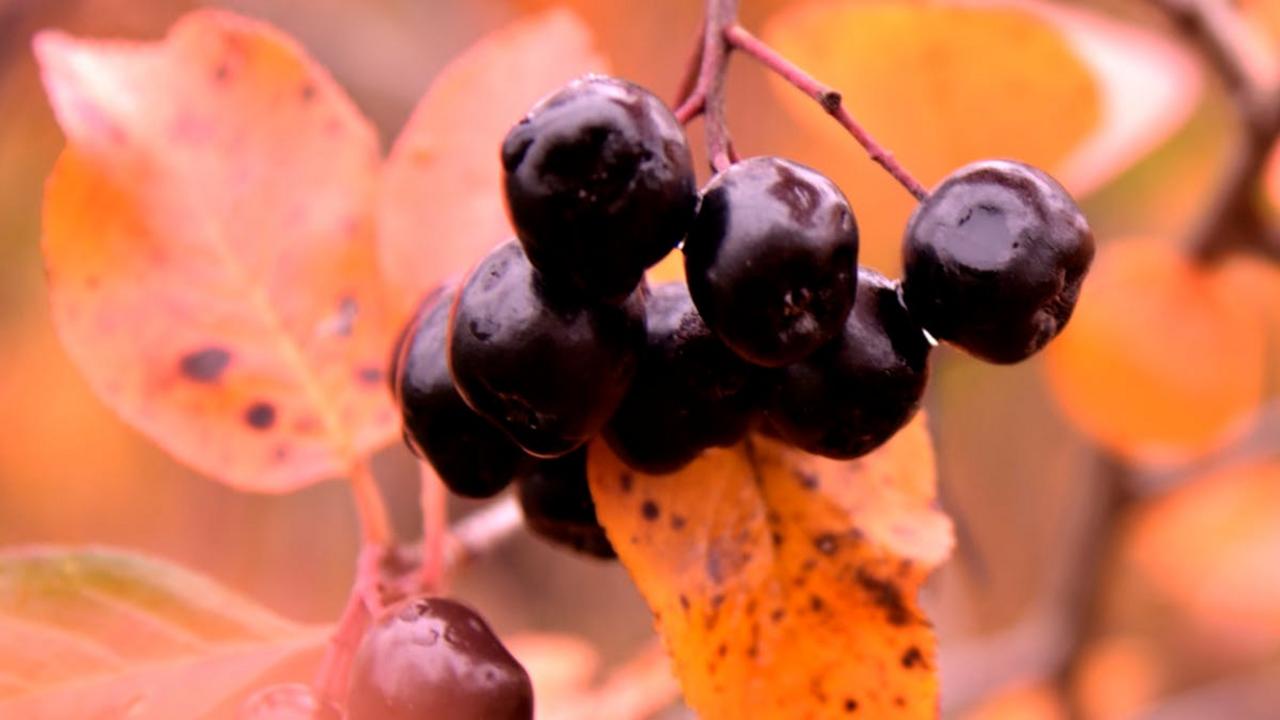
If you’re looking for a berry that packs serious nutritional punch, chokeberries deserve your attention. These small, dark purple fruits grow wild across North America, yet most people walk right past them without a second glance. The name might sound off-putting—yes, they’re astringent when eaten raw—but that intense tartness translates beautifully when you know how to work with them. I keep dried chokeberries in my pantry year-round, tossing them into morning oatmeal or blending them into smoothies where their bold flavor stands up to bananas and nut butter. Fresh or frozen, they’re exceptional in jams and syrups, where a touch of honey balances their natural sharpness. What makes them special isn’t just the deep, wine-like taste—it’s their incredibly high antioxidant content, surpassing even blueberries and cranberries.
The real magic happens when you treat chokeberries like you would pomegranate molasses or tamarind paste—as a tart, complex ingredient that adds depth to both sweet and savory dishes. I’ve simmered them down with balsamic vinegar and shallots to create a glaze for roasted duck that had everyone at my table asking for the recipe. They work surprisingly well in baked goods too, especially when paired with warming spices like cinnamon and cardamom. Start small with chokeberry powder stirred into yogurt or mixed into energy balls with dates and almonds. Once you get comfortable with their bold personality, you’ll find yourself reaching for them constantly, appreciating how they bring intensity and nutrition to everyday cooking without any processed shortcuts.
Amaranth
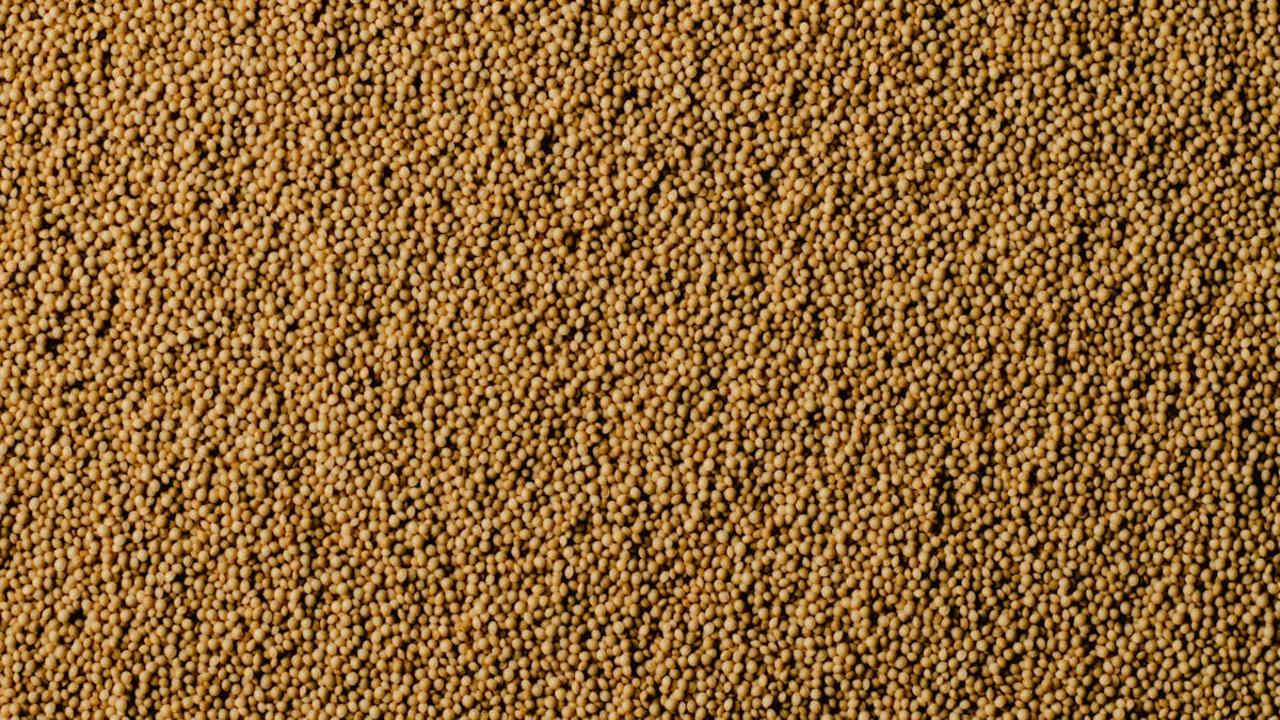
Amaranth seeds pack serious nutritional power in their tiny form. These ancient grains, once a staple in Aztec diets, bring a nutty, earthy flavor to your cooking that transforms everyday dishes into something memorable. You can toast them in a dry pan until they pop like miniature popcorn, creating a crunchy topping for salads or yogurt bowls. The seeds cook up into a porridge that’s naturally creamy and slightly sticky, perfect for breakfast when you sweeten it with maple syrup and fresh berries. What makes amaranth stand out is its complete protein profile, containing all nine essential amino acids your body needs—a rare find in the grain world.
Beyond the seeds, amaranth leaves deserve your attention too. These vibrant greens taste similar to spinach but with a slightly peppery kick. Sauté them with garlic and olive oil for a quick side dish, or toss them raw into smoothies for an extra nutrient boost. The leaves cook down significantly, so grab generous handfuls when you spot them at farmers markets or specialty stores. Mix amaranth seeds into your homemade granola, blend them into energy balls, or use the flour in gluten-free baking projects. This ingredient works hard in your kitchen, bringing both texture and substance to meals without any fuss or complicated preparation methods.
Moringa

If you haven’t cooked with moringa yet, you’re missing out on one of nature’s most nutrient-dense greens. These vibrant leaves come from the moringa tree, sometimes called the “drumstick tree,” and they pack more vitamin C than oranges and more iron than spinach. I started adding moringa powder to my morning smoothies after a friend from India shared her family’s tradition of using fresh leaves in dal and curry. The flavor is slightly earthy with a hint of green tea bitterness, but it mellows beautifully when you cook it or blend it with fruits. You can find the dried powder form in most health food stores, and it dissolves easily into liquids without clumping.
What makes moringa special is how versatile it becomes once you understand its flavor profile. I stir a teaspoon into soups right before serving to preserve those nutrients, or whisk it into salad dressings with lemon juice and olive oil. The fresh leaves, if you can source them, work wonderfully in any recipe where you’d normally use spinach or kale—think stir-fries, egg scrambles, or even homemade pesto. Start with small amounts because the flavor can be assertive, but once you get comfortable with it, you’ll appreciate how this simple green leaf transforms ordinary meals into something more nourishing without complicated preparation.