15 Restaurant Orders Chefs Avoid at All Costs
Picture this: you’re scanning the menu while your chef quietly panics in the kitchen, watching you hover over certain dishes. Professional cooks have insider knowledge about which orders make them cringe, and honestly, their reasons will shock you. From Monday’s questionable fish to that innocent-looking Caesar salad, some menu items carry red flags bigger than a matador’s cape.
Behind every kitchen door lurks a world of food safety secrets and quality concerns that diners never see. Chefs know exactly which dishes sit too long under heat lamps, which ingredients get recycled from yesterday’s prep, and what shortcuts restaurants take to boost profit margins. These industry veterans have witnessed enough kitchen disasters to develop strong opinions about what they’d never order themselves.
Smart diners learn from professional wisdom, and today we’re spilling the beans on fifteen menu items that make experienced chefs break into cold sweats. Your next restaurant visit will never feel the same once you discover why these seemingly harmless dishes top every chef’s “absolutely not” list.
Oysters during non-“R” months
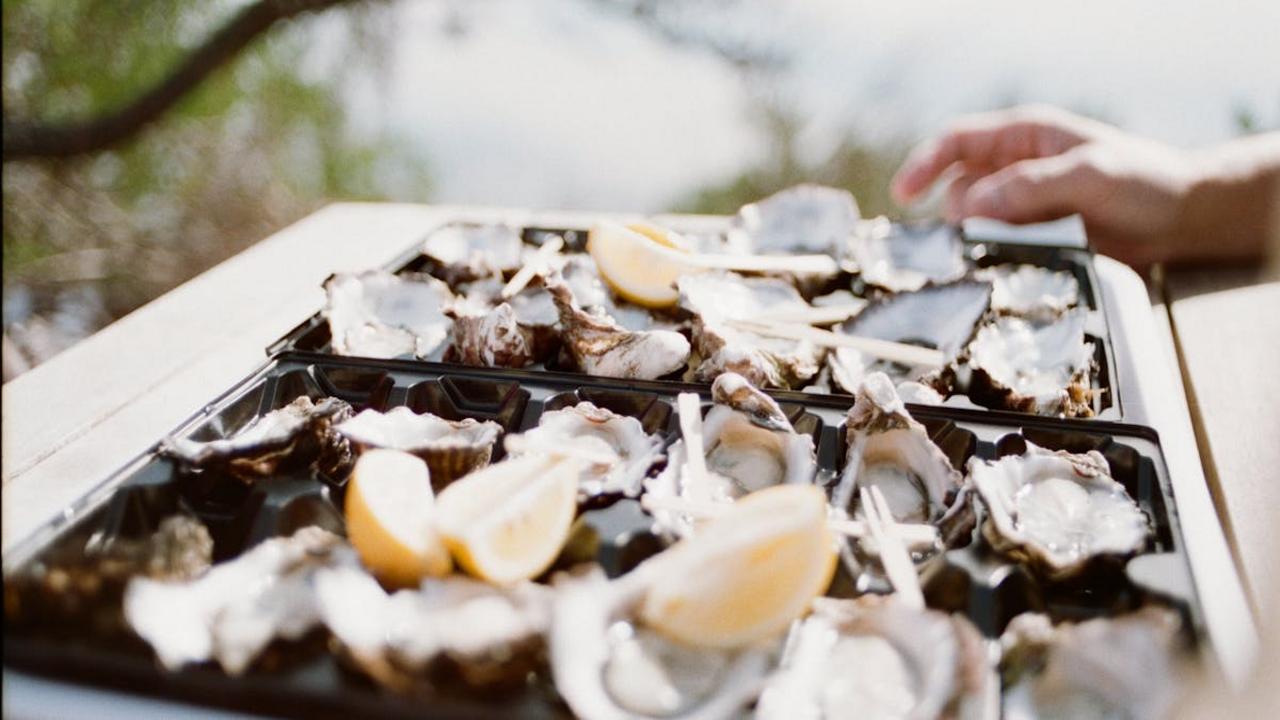
Your chef just rolled their eyes so hard they practically fell out of their skull when you ordered those Rockefellers in July. The ancient “R” rule exists for good reason – oysters spawn during the warmer months (May through August), making their texture mushy and their flavor about as appealing as seawater mixed with rubber cement. Plus, before modern refrigeration, those sultry summer months meant higher bacterial risks that could turn your romantic dinner into a date with food poisoning. Smart chefs know that oysters from May to August are basically the seafood equivalent of buying a soggy sandwich from a gas station vending machine.
Here’s the thing your server won’t tell you: even though modern farming techniques have made summer oysters technically safer, they still won’t taste good. During spawning season, oysters become milky, soft, and lose that crisp, briny pop that makes them so irresistible. Professional chefs would rather serve you cardboard than put their reputation behind a plate of sad, spawning mollusks. September through April – those glorious “R” months – deliver oysters at their peak: firm, sweet, and oceanic. So save yourself the disappointment and order something else during beach season, then come back when the calendar cooperates with your craving.
Specials that sound too inventive
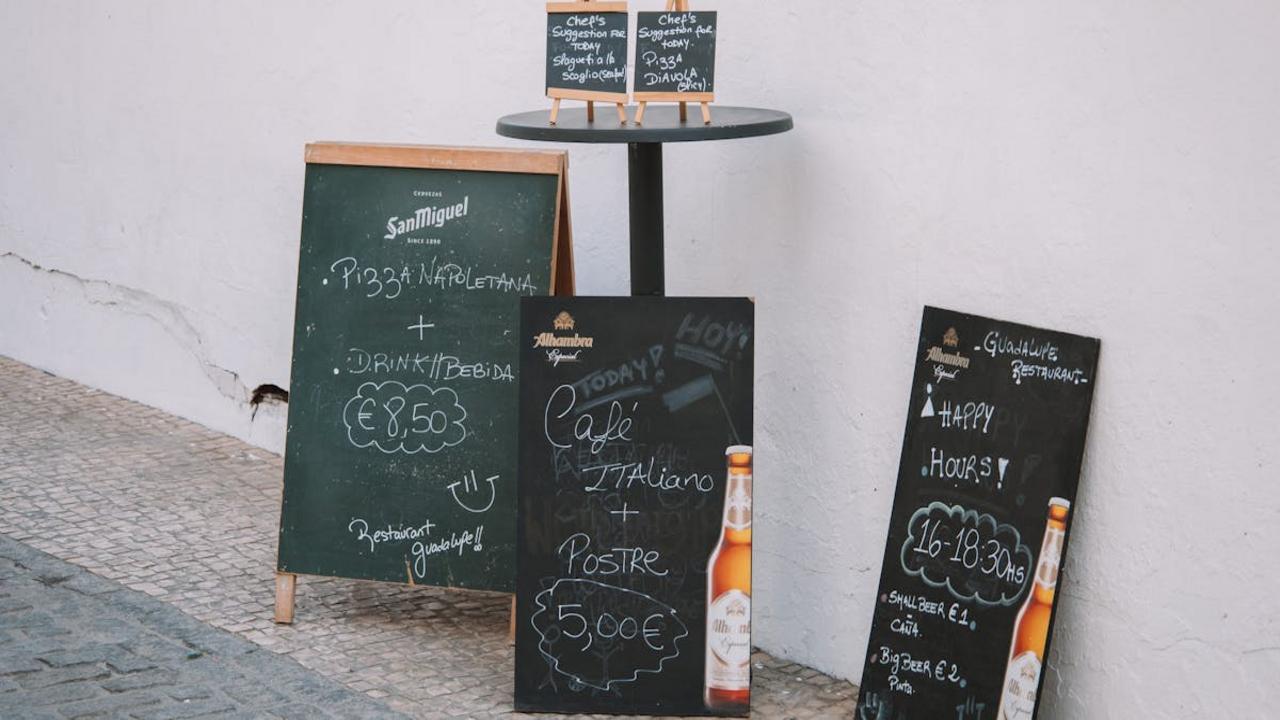
You know that moment when you’re scanning the specials board and encounter something like “Deconstructed Sushi Tacos with Molecular Gastronomy Foam and Edible Flowers”? Your server probably cringed internally while reciting it. Restaurant chefs secretly roll their eyes at overly complex specials because they’re often disasters waiting to happen. These franken-dishes usually exist because someone in management thought combining trendy buzzwords would justify charging $28 for what’s basically fancy fish and chips. The more adjectives in the title, the higher the chance your meal will arrive looking like a Pinterest fail that took three servers to explain.
Smart chefs avoid ordering these experimental nightmares because they know the kitchen is probably scrambling to execute something that sounds impressive but lacks soul. Behind those fancy descriptions often lurk confused cooks trying to balance twelve different components that were never meant to coexist on one plate. Plus, when restaurants get too creative with their specials, they’re usually masking subpar ingredients with theatrical presentation. Stick to the classics or simple seasonal offerings – your wallet and your stomach will thank you. If the special needs a flowchart to understand, run for the hills and order the burger instead.
Fettuccine Alfredo
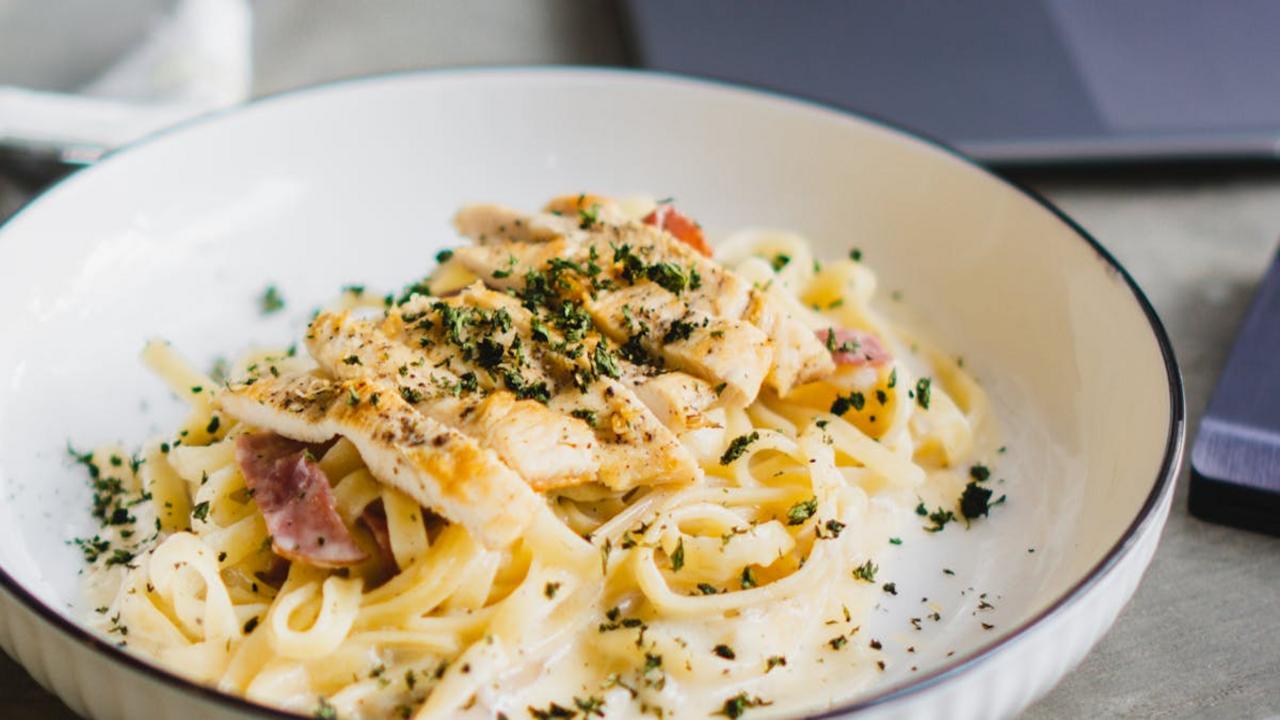
Picture this: you’re scanning the menu at that cozy Italian spot, and your eyes land on Fettuccine Alfredo. Your mouth starts watering at the thought of silky ribbons of pasta swimming in that creamy, dreamy sauce. But here’s the plot twist – most chefs would rather you order literally anything else! Why? Because authentic Alfredo sauce contains exactly three ingredients: butter, Parmigiano-Reggiano, and pasta water. That’s it! No cream, no garlic, no herbs. The “Alfredo” drowning in heavy cream at most restaurants would make Romans weep into their espresso cups.
The real kicker is that true Alfredo requires serious technique and timing. You need to create an emulsion so perfect it would make mayonnaise jealous, tossing hot pasta with cold butter and cheese until magic happens. Most kitchen crews don’t have time for this ballet of precision during the dinner rush, so they dump cream into a pan and call it a day. The result? A heavy, one-dimensional sauce that coats your mouth like edible cement. Smart chefs know that disappointed diners equal bad reviews, so they’d much rather steer you toward dishes that showcase their actual skills – like a perfectly executed carbonara or a simple aglio e olio that lets quality ingredients shine.
Fried chicken at a diner
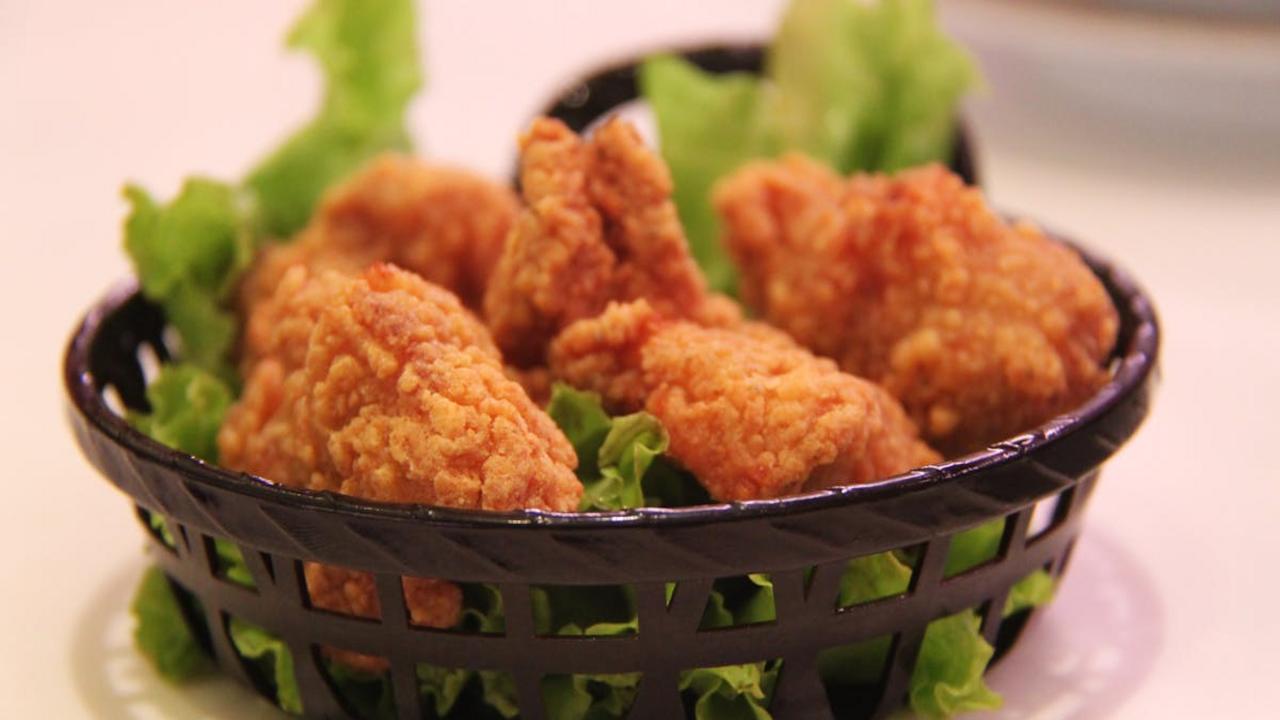
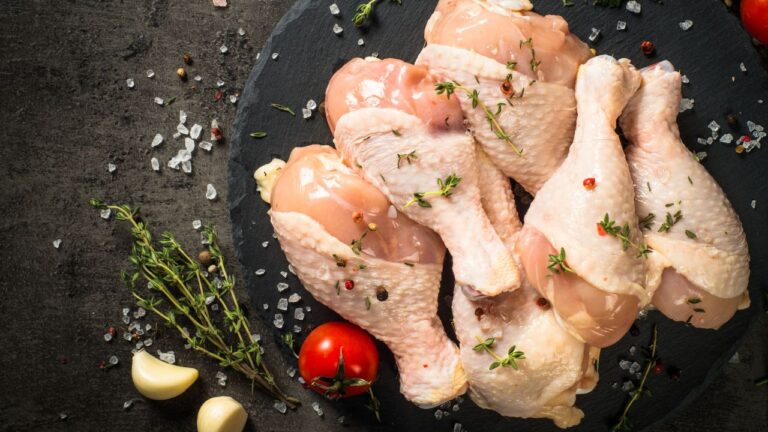
Picture this: you’re sliding into that cracked vinyl booth at your local diner, eyeing the laminated menu with its suspiciously glossy photos of golden fried chicken. Stop right there! Most chefs I know would rather order mystery meatloaf than touch that bird. Here’s the brutal truth – diner fried chicken sits under heat lamps longer than a parking meter violation, turning what should be crispy perfection into a sad, soggy disappointment. The oil hasn’t been changed since the Clinton administration, and that “special seasoning” is probably just salt, pepper, and decades of accumulated grease particles.
Your best bet? Order something that moves fast through the kitchen – burgers, breakfast items, or their famous pie. Save your fried chicken cravings for spots that specialize in it, where they’re cranking out fresh batches every twenty minutes instead of reheating yesterday’s leftovers. Trust me, your stomach will thank you, and you won’t spend the next day wondering if that weird aftertaste was paprika or regret. I once watched a line cook at a 24-hour joint reheat the same drumstick three times before finally serving it to an unsuspecting customer at 2 AM.
Sushi at a buffet
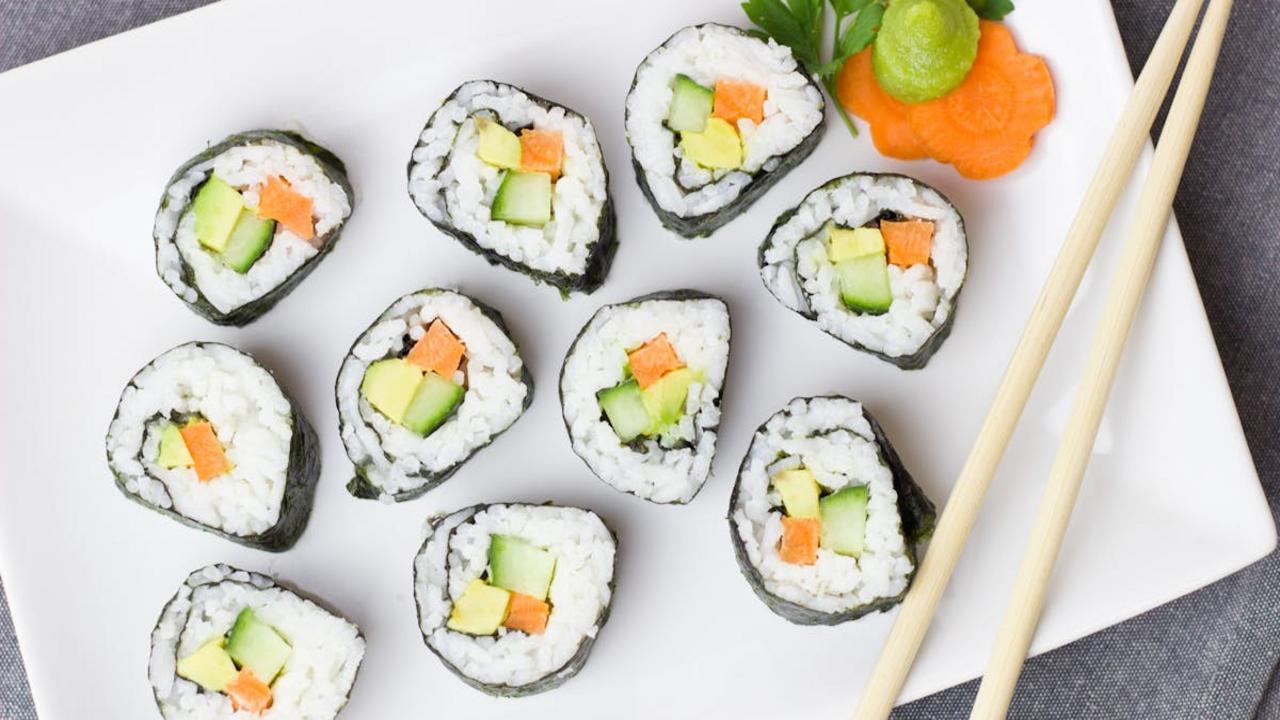
Picture this: rows of gleaming sushi rolls sitting under heat lamps like little fishy soldiers waiting for their doom. That California roll has been doing the backstroke in lukewarm air for who knows how long, and that salmon nigiri? It’s seen more customers walk by than a street performer on a busy corner. Buffet sushi breaks every sacred rule of Japanese cuisine – freshness, precision, and the delicate dance between rice temperature and fish quality. The rice gets hard, the fish gets questionable, and your stomach gets a front-row seat to a show nobody wants to attend.
Professional sushi chefs spend years perfecting their craft, learning to select the finest fish and prepare rice at exactly body temperature. Buffet sushi throws all that expertise out the window faster than you can say “wasabi.” The fish sits exposed to air and fluctuating temperatures, while the rice transforms from perfectly seasoned perfection into chewy, dried-out pellets. Smart chefs know that sushi requires immediate consumption after preparation – it’s not meant to lounge around like a lazy weekend. Save yourself the digestive drama and skip the buffet sushi entirely. Your taste buds and your bathroom schedule will thank you later.
Brunch scrambled eggs
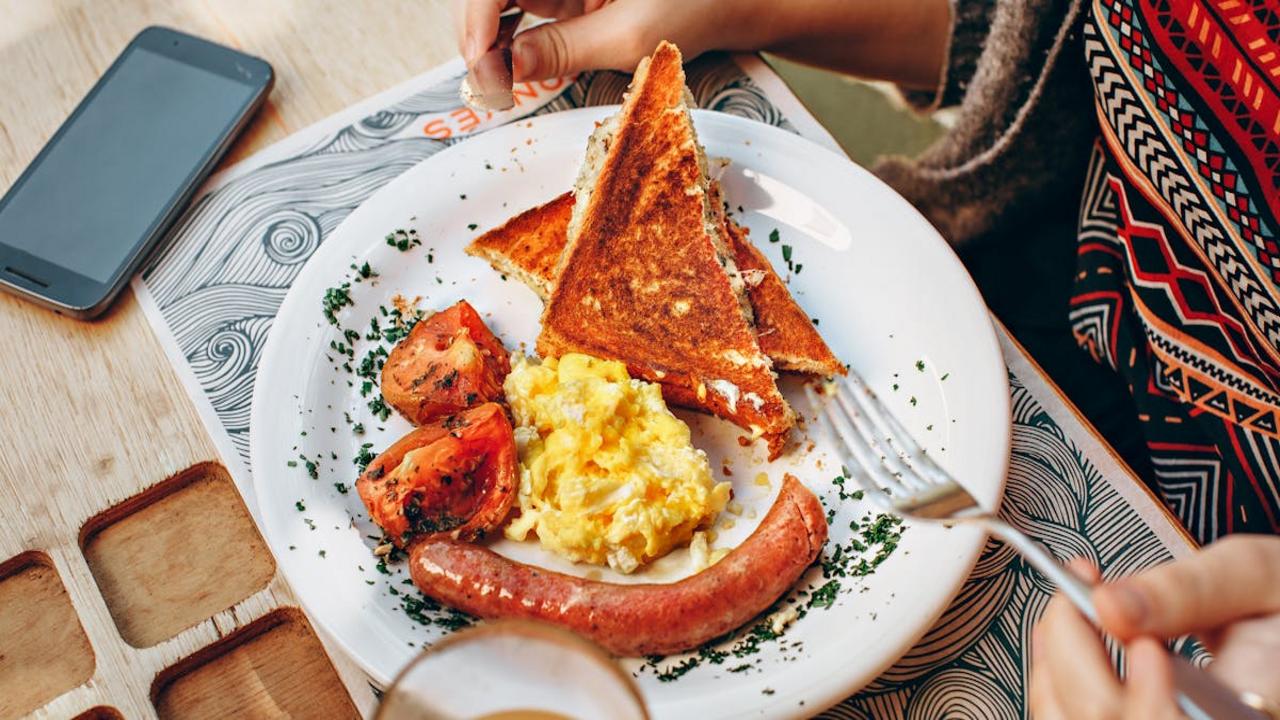
You know that feeling when you’re nursing a Saturday morning hangover and all you want is a plate of fluffy, buttery scrambled eggs? Well, here’s the thing your brunch server won’t tell you: those eggs have probably been sitting in a warmer for who knows how long, getting rubbery and sad while you debated between mimosas and bloody marys. Most brunch spots cook massive batches of scrambled eggs early in the morning and keep them warm in steam tables, which turns what should be creamy, cloud-like perfection into something that bounces when you drop it. The texture becomes weirdly dense, like eating scrambled erasers, and all that lovely eggy flavor gets replaced with the metallic taste of defeat.
Here’s what drives chefs absolutely bonkers about this whole situation: scrambled eggs are actually one of the easiest things to make fresh, but the brunch rush makes restaurants take shortcuts that would make Gordon Ramsay throw a pan across the kitchen. A properly made scrambled egg should be cooked low and slow, stirred constantly, and served immediately while it’s still slightly wet and jiggly. Instead, you’re getting eggs that were made three hours ago and have been slowly dying under heat lamps ever since. Smart diners know to order eggs Benedict or poached eggs instead – at least those get made to order, and nobody’s keeping hollandaise sauce in a warmer because that would be actual food poisoning territory.
Iceberg wedge salad
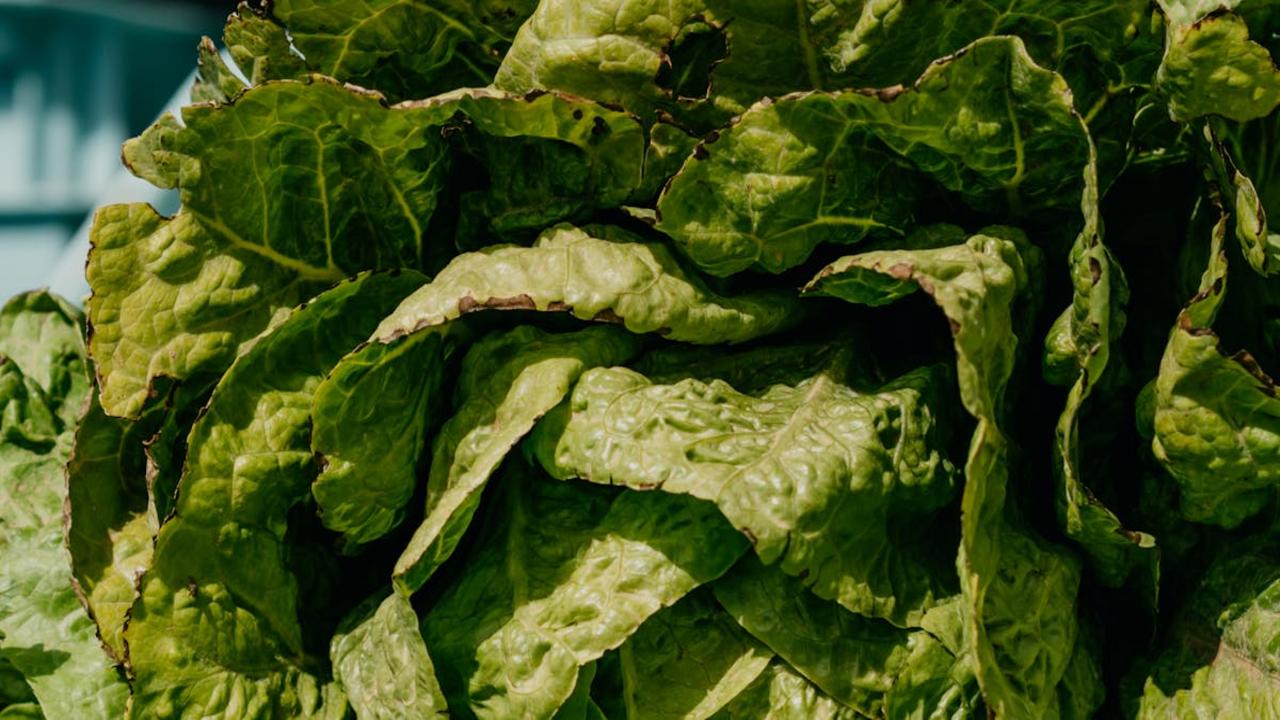
Look, I get it – you walk into a steakhouse, scan the menu, and think “Hey, a wedge salad sounds refreshing!” But here’s what your chef is thinking: “Great, another person who wants me to cut lettuce and call it cooking.” The iceberg wedge salad represents everything that makes kitchen professionals want to throw their toque hats in the trash. It’s literally a quarter of a head of iceberg lettuce drowning in blue cheese dressing, topped with bacon bits and maybe some sad tomato chunks. Your chef didn’t spend years perfecting knife skills and learning complex flavor profiles just to serve you what amounts to rabbit food with ranch’s angry cousin.
The real kicker? Iceberg lettuce has about as much nutritional value as crunchy water – we’re talking 96% water content with barely any vitamins to speak of. Meanwhile, your chef could be showcasing gorgeous seasonal greens, house-made vinaigrettes, or creative combinations that actually require skill. Instead, they’re assembling what’s basically a deconstructed salad that a five-year-old could make. Plus, those wedge salads sit under heat lamps looking sadder by the minute, wilting like your chef’s enthusiasm for their craft. Next time, ask about their seasonal salad or anything that doesn’t involve cutting one vegetable into four pieces and calling it a day.
Soup of the day
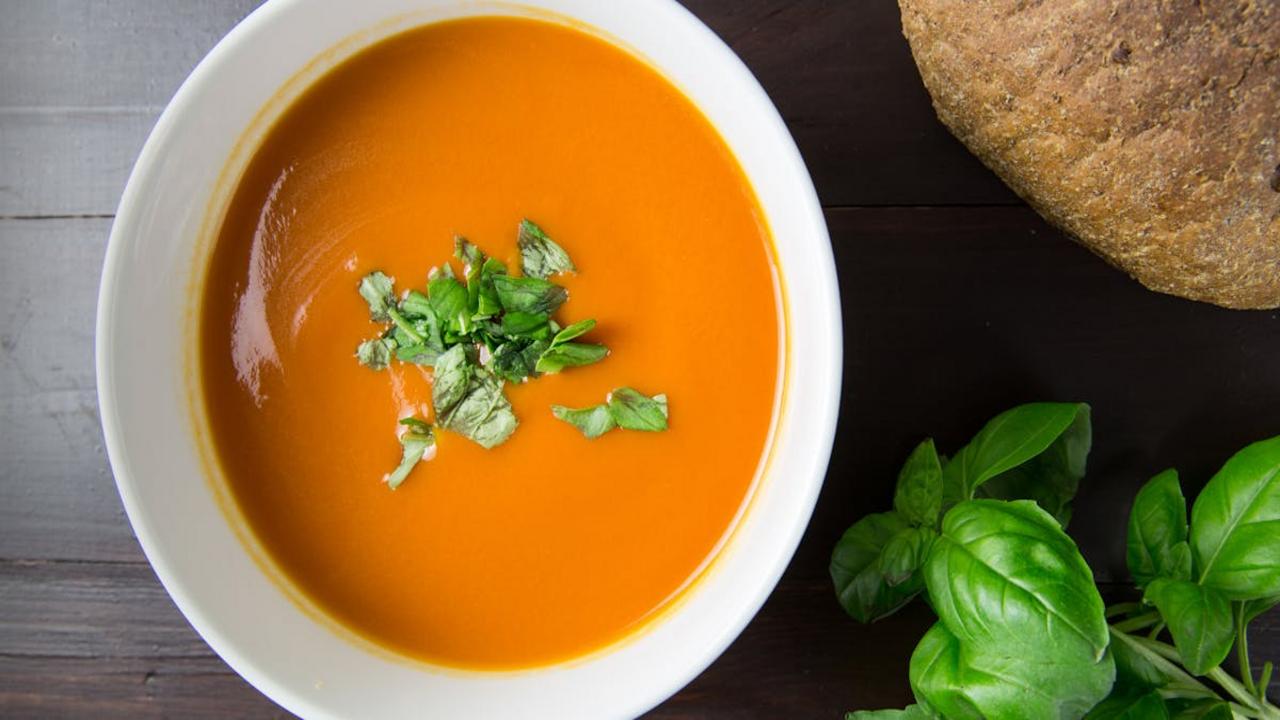
Picture this: you walk into a restaurant, scan the menu, and spot “Soup of the day” listed with zero description beyond those three cryptic words. Your server approaches with a smile, and you ask what today’s special soup happens to be. They pause, glance toward the kitchen with uncertainty, then mutter something about “vegetable medley” or “chef’s creation.” Red flags should be waving like crazy right now! Here’s the thing about mystery soup – it’s often yesterday’s leftovers getting a second chance at life, swimming around in a pot that’s seen more action than a busy intersection.
Smart chefs avoid ordering soup of the day because they know the dirty little secret: it’s frequently the kitchen’s way of using up ingredients that are teetering on the edge of freshness. That “rustic vegetable soup” might contain carrots that have lost their snap, celery that’s gone limp, and herbs that are more brown than green. The soup pot becomes a magical cauldron where yesterday’s mistakes transform into today’s “special.” Your best bet? Skip the mystery broth and order something with a proper description on the menu. If a restaurant can’t be bothered to tell you what’s actually floating in your bowl, they probably can’t be bothered to make it with ingredients you’d want to eat.
Chicken Parmesan
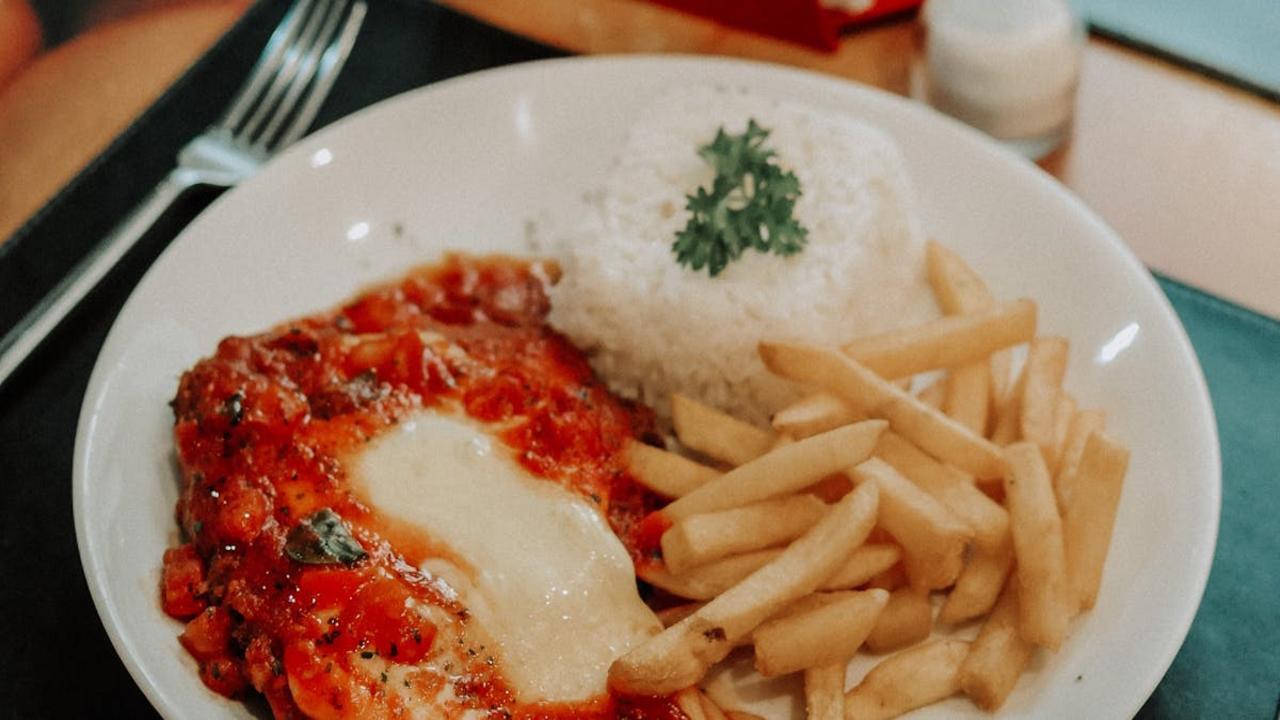
You know that golden, cheese-topped beauty staring at you from the menu? The one that promises crispy coating and melted mozzarella bliss? Well, your favorite chef just rolled their eyes so hard they practically saw their own brain. Chicken Parmesan sits in restaurant kitchens like that one friend who overstays their welcome – technically invited, but nobody’s thrilled about it. Most of these “homemade” masterpieces arrive pre-frozen from food service companies, get blasted in industrial ovens, then drowning in sauce that’s been sitting around longer than your last relationship. The chicken inside? Often pounded thinner than your patience during Monday morning traffic, then breaded with mystery crumbs that could double as sandpaper.
Here’s the kicker: that Instagram-worthy cheese pull you’re craving? Pure theater, my friend. Smart chefs avoid this dish because they know you’re paying restaurant prices for what amounts to a fancy TV dinner with commitment issues. The real tragedy happens when restaurants try to make it “fresh” – picture overworked cooks frantically breading chicken while juggling twelve other orders, resulting in coating that falls off faster than New Year’s resolutions. Pro tip from someone who’s watched this disaster unfold: if you spot Chicken Parm on a menu alongside sushi and tacos, run. That kitchen is having an identity crisis, and your taste buds will pay the price.
Anything with a truffle oil drizzle
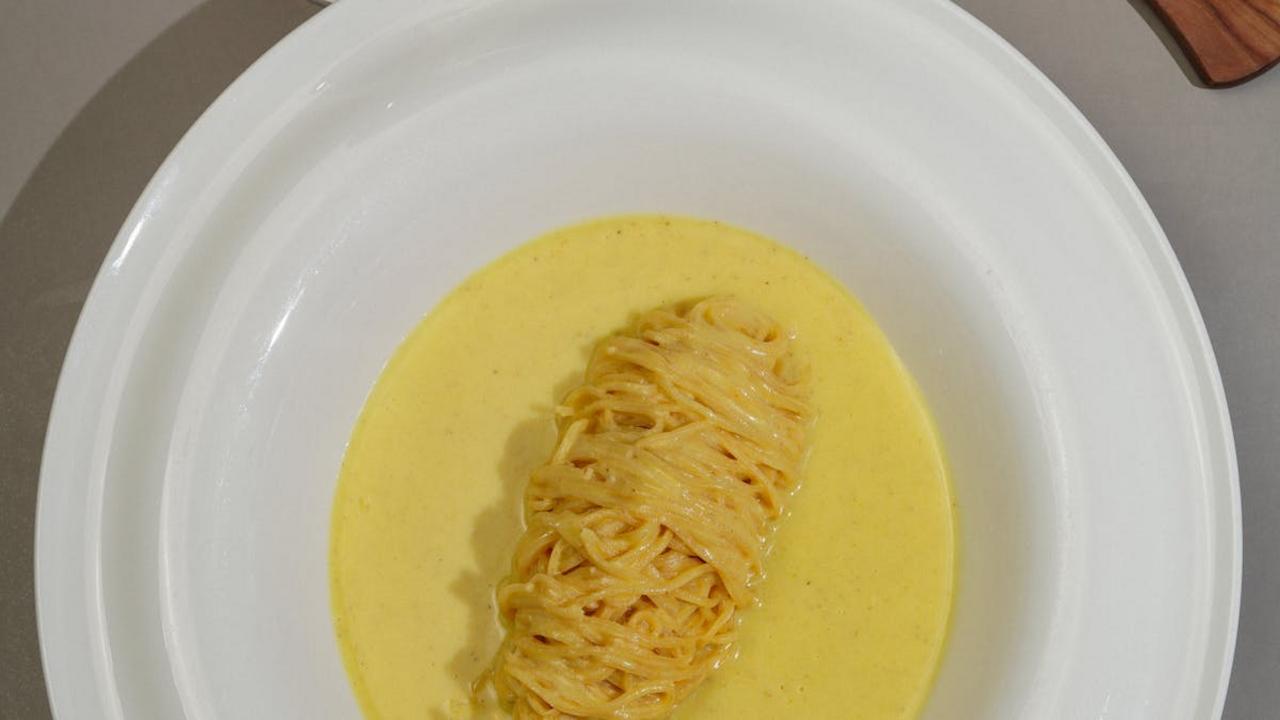
Oh honey, that fancy-looking drizzle might scream “upscale dining,” but chefs are rolling their eyes so hard they’re practically seeing their own brains. Here’s the dirty little secret about truffle oil: most of it contains zero actual truffles. That earthy, “luxurious” aroma you’re paying extra for? It’s usually 2,4-dithiapentane, a synthetic compound that mimics truffle scent but tastes like someone mixed mushroom essence with motor oil. Real truffles cost hundreds of dollars per pound, so that $3 upcharge for truffle oil on your pasta is basically paying premium prices for flavored vegetable oil with delusions of grandeur.
Professional kitchens treat truffle oil like that one friend who shows up uninvited to every party – annoying and overpowering everything around it. The fake truffle flavor bulldozes through every other ingredient on your plate, turning a perfectly balanced dish into a one-note symphony of artificial earthiness. Plus, that bottle of “truffle” oil sitting under those heat lamps? It’s probably been there since the Clinton administration, slowly oxidizing into something that would make actual truffles weep. Smart chefs know that if you want real truffle flavor, you use actual truffles – not some laboratory-created impostor that makes your entire meal taste like it was seasoned with fancy-pants air freshener.
Kobe beef burger
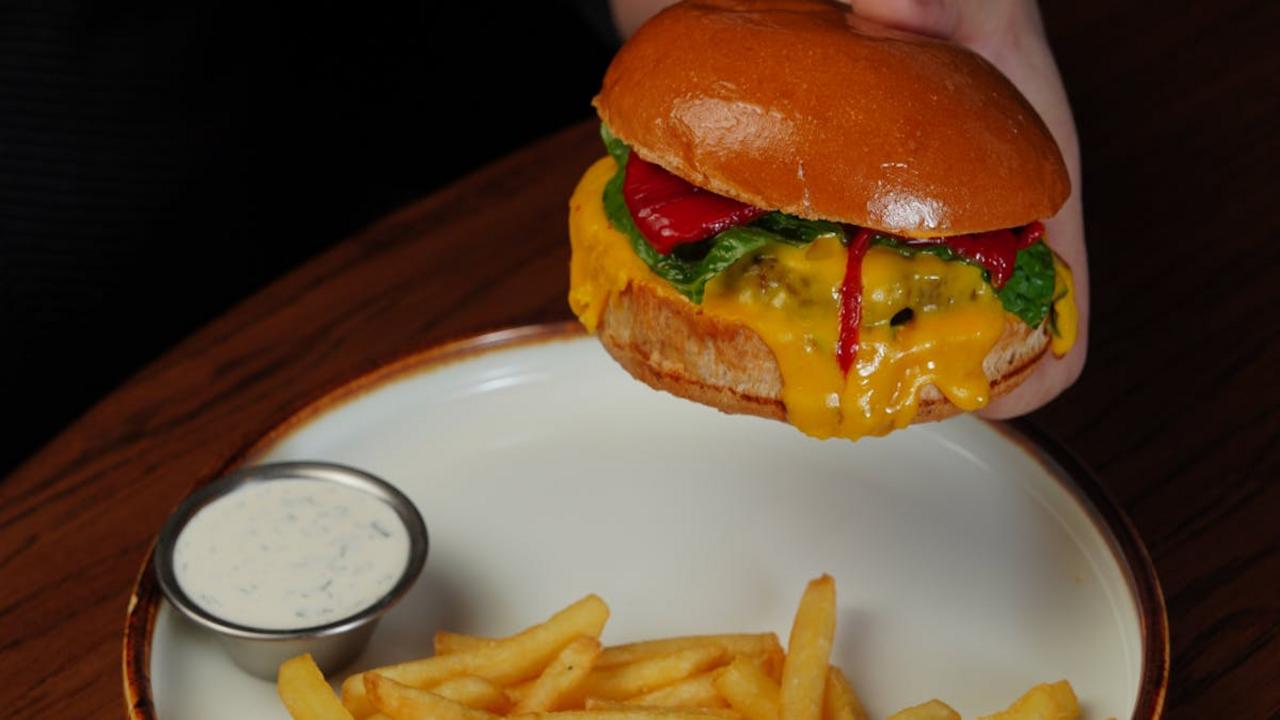
Picture this: you’re at a restaurant, and you spot “Kobe beef burger” on the menu for $45. Your chef just rolled their eyes so hard they practically saw their own brain. Here’s the thing—authentic Kobe beef comes from specific cattle in Japan’s Hyogo Prefecture, costs more per pound than your monthly rent, and grinding it into burger meat is like using a Monet to wrap your sandwich. Most restaurants serving “Kobe” burgers are actually using American wagyu or regular beef with fancy marketing. Real Kobe beef has such intricate marbling and buttery texture that mixing it with binders and seasonings would be criminal.
Smart chefs know that making a burger requires fat content, binding agents, and robust flavors that complement the cooking method—not delicate, expensive beef that loses its identity the moment you put it through a grinder. You want a great burger? Ask for their house blend made from chuck, brisket, or short rib. These cuts actually improve when ground together, creating that perfect balance of fat and flavor that makes your mouth water. Save the premium beef for steaks where you can actually taste the difference, and let your burger be the beautiful, messy, unpretentious masterpiece it was meant to be.
Caesar salad with anchovy
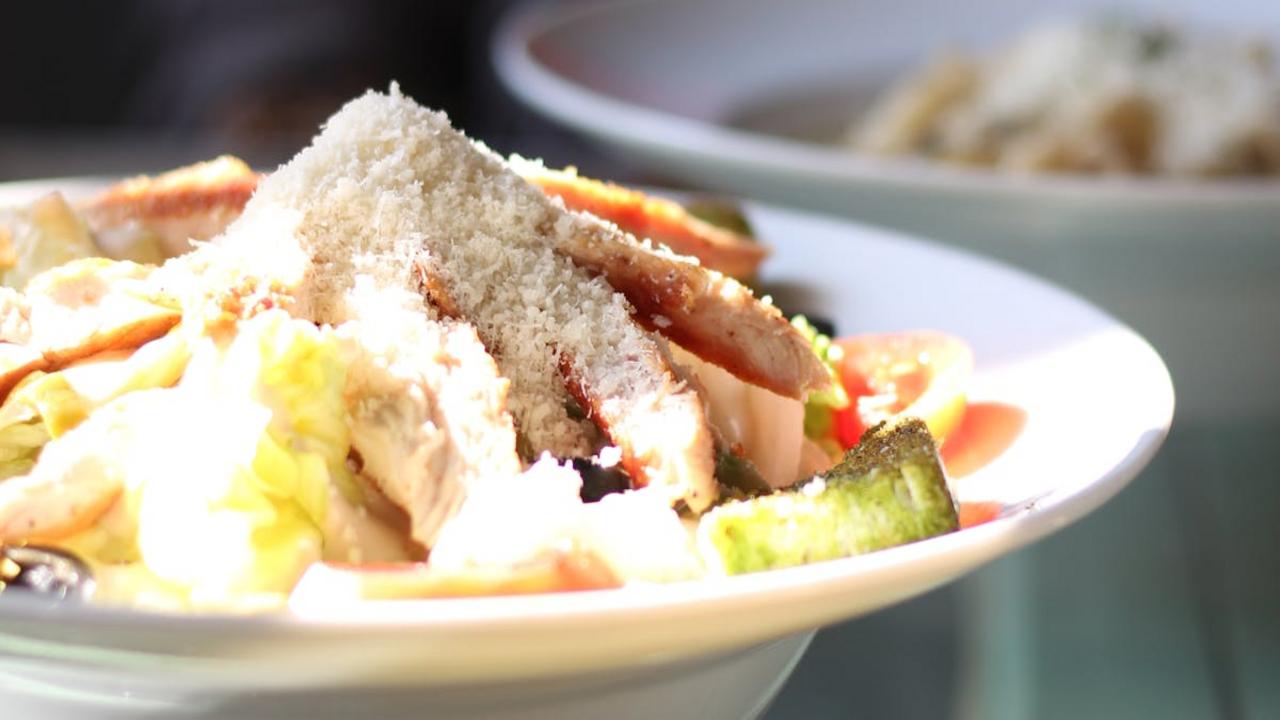
You walk into a restaurant, scan the menu, and think, “Caesar salad sounds perfect – light, fresh, classic!” Then you spot those four dreaded words: “with anchovy.” Your server might give you a knowing look when you order it, because here’s the thing – most chefs secretly cringe at this request. Those tiny, salty fish fillets sitting in brine for months don’t exactly scream “kitchen pride.” The anchovies you get at most restaurants have been lounging in industrial-sized cans since the Obama administration, and they taste like it too. They’re often so overwhelmingly fishy that they completely hijack your salad, turning what should be a balanced dish into a salt bomb that makes your mouth pucker.
The real kicker? Traditional Caesar dressing already contains anchovies blended right into the mix! That’s where the signature umami punch comes from – those little fishies get mashed up with garlic, lemon, and egg to create that complex, savory base we all crave. Adding whole anchovy fillets on top is like putting ketchup on a perfectly seasoned steak – you’re doubling down on something that’s already there and masking all the other flavors. Smart chefs know that a properly made Caesar dressing should give you that mysterious, almost-meaty depth without announcing “FISH!” with every bite. Next time, trust the classic preparation and skip the fishy garnish – your taste buds (and your chef) will thank you.
Out-of-season seafood
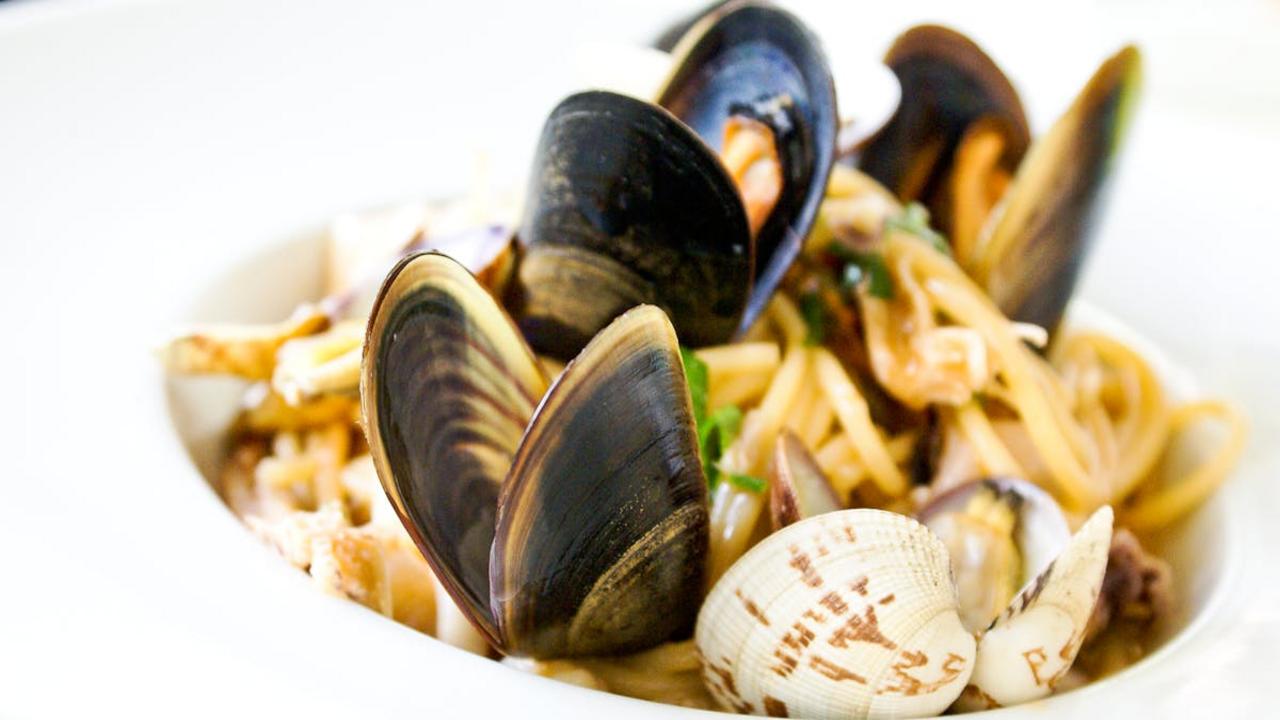
Picture this: you’re at a fancy restaurant in December, and your eyes light up when you spot soft-shell crab on the menu. Stop right there! That chef probably just watched you become their least favorite customer. Professional chefs know that ordering seafood outside its natural season is like asking for yesterday’s newspaper – technically possible, but why would you want it? Soft-shell crabs peak in late spring and early summer, so that December offering? It’s either frozen from months ago or flown in at astronomical cost, neither of which screams “fresh and delicious.”
Smart chefs build their menus around what’s swimming, crawling, or growing right now because Mother Nature knows her timing better than any food distributor. Spring brings sweet pea shoots and tender halibut, summer delivers plump tomatoes and pristine stone fruits, while fall offers robust root vegetables and rich, fatty fish preparing for winter. When you order that sad winter strawberry or that questionable “fresh” salmon in the middle of spawning season, you’re basically asking the kitchen to serve you disappointment on a plate. Instead, ask your server what’s actually in season – your chef will respect your seafood savvy, and your taste buds will thank you for the adventure.
Hollandaise sauce dishes
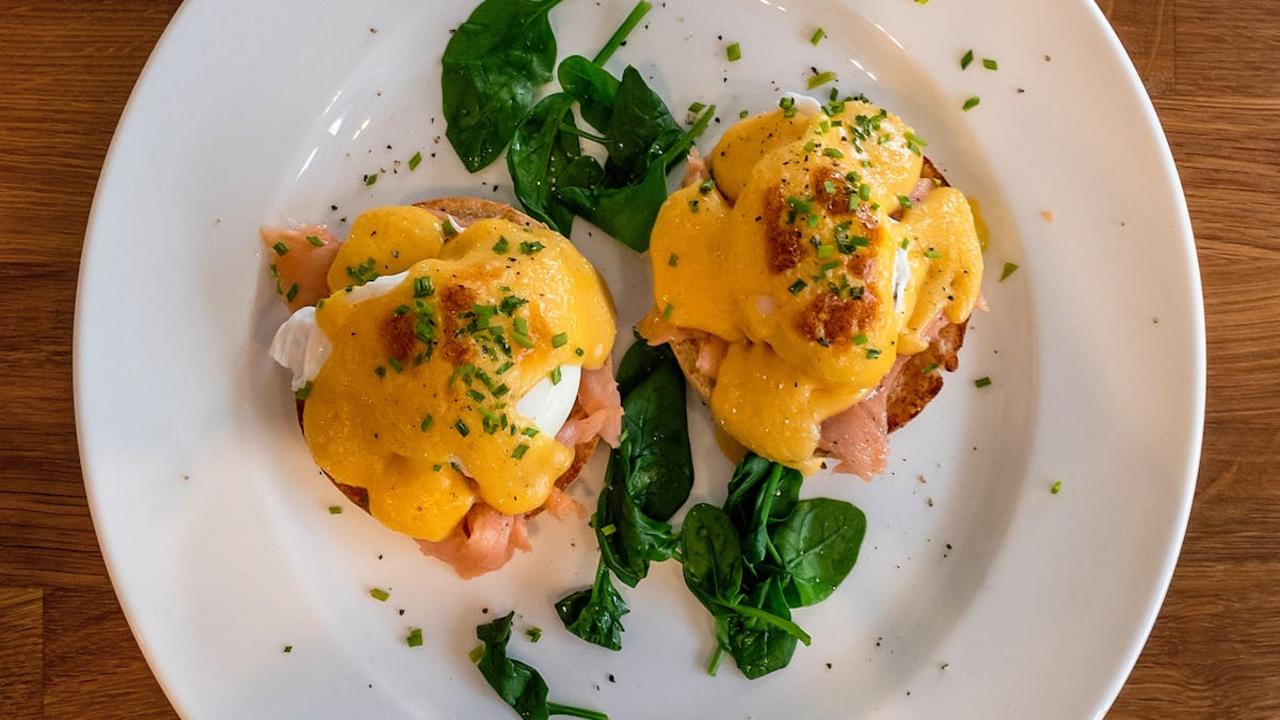
Oh honey, hollandaise sauce – that silky, golden temptation that makes eggs Benedict sing and asparagus dance with joy! But here’s the thing professional chefs whisper behind closed kitchen doors: this buttery beauty is their absolute nightmare to serve consistently. You see, hollandaise is basically culinary quicksand – one wrong move and SPLAT, you’ve got a broken, curdled mess that looks like it belongs in a science experiment gone wrong. The sauce demands perfect temperature control (we’re talking precise degrees here), constant whisking, and the timing skills of a Swiss watchmaker. One busy Saturday morning rush and that gorgeous emulsion turns into scrambled egg soup faster than you can say “brunch special.”
But wait, there’s more drama! Hollandaise is also a food safety inspector’s worst enemy because it contains raw or barely-cooked egg yolks that love to party with bacteria if left sitting around. Most restaurants either pre-make it (hello, powdered mix from a packet – yikes!) or keep it warm for hours in a steam table, which basically murders its soul and turns it into a pale shadow of its former glory. Smart chefs avoid putting hollandaise-heavy dishes on their regular menu because they know it’s impossible to nail perfectly during peak hours. That benedict you ordered? There’s a good chance you’re getting yesterday’s sauce reheated or something that came from a squeeze bottle. Your taste buds deserve better than that tragic imposter masquerading as the real deal!
Fish on a Monday
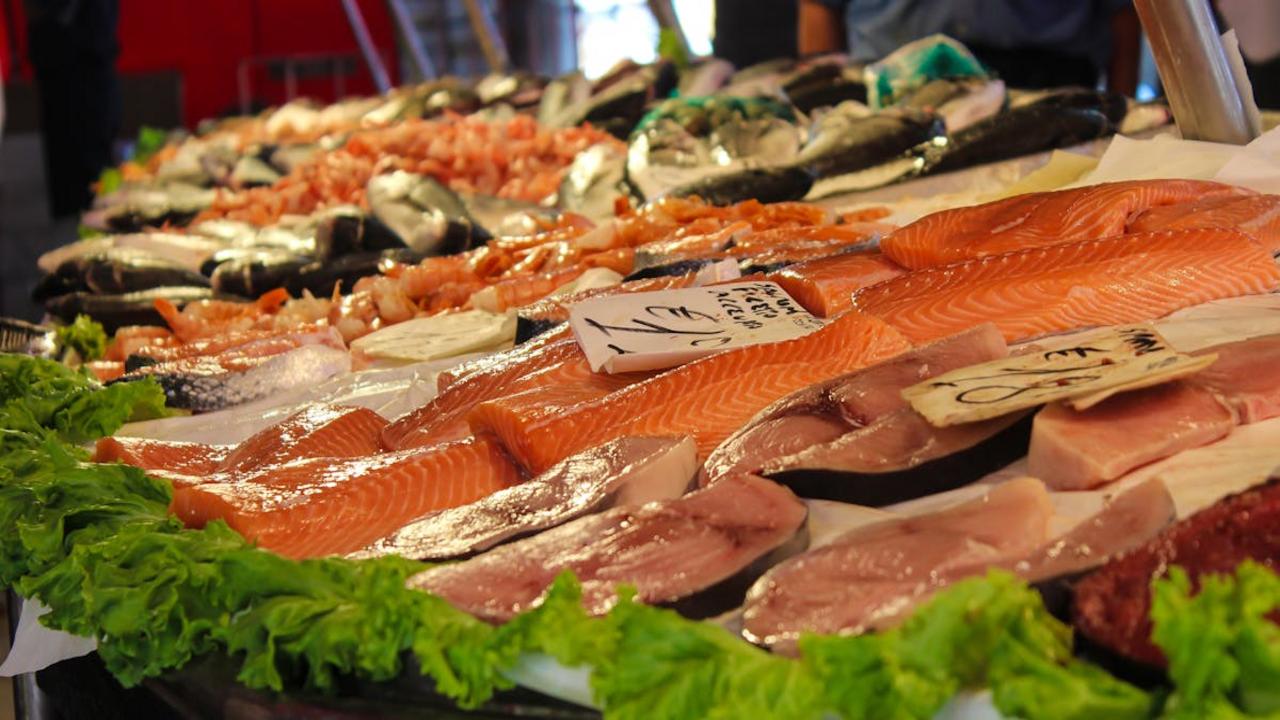
You know that sinking feeling when you order the sea bass special on a Monday and it tastes like it spent the weekend contemplating life in the walk-in cooler? There’s a reason seasoned chefs cringe when someone points to the fish menu early in the week. Most restaurants receive their fresh seafood deliveries on Tuesday or Wednesday, which means Monday’s “catch of the day” is more like “catch of last Thursday.” Your Dover sole might be swimming in regret rather than butter sauce, and that salmon could tell you stories about the good old days when it was actually pink instead of that suspicious grayish hue.
Professional kitchens operate on a rhythm, and fish follows the freshest timeline possible. Smart chefs know their customers deserve oceanic perfection, not something that’s been doing the backstroke in ice for days. The proteins that shine on Monday? Think hearty braises, slow-cooked meats, and dishes that actually improve with time. Save your seafood cravings for mid-week when the delivery trucks roll up with glistening catches that practically shimmer with ocean memories. Your palate will thank you, and you’ll avoid that awkward moment when your “grilled catch” tastes more like a fishing trip gone wrong than a dining experience worth posting about.