13 Everyday Groceries That Could Become Luxuries in 2025 as Inflation Bites
Your weekly grocery run might look drastically different next year. Inflation continues pushing prices skyward, transforming ingredients we once took for granted into precious commodities. Items that filled our pantries without a second thought now demand careful budgeting and strategic planning.
From your morning coffee ritual to that drizzle of olive oil finishing your homemade pasta, familiar flavors face an uncertain future. Supply chain disruptions, climate changes, and rising production costs create perfect storms around ingredients we depend on daily. What once seemed abundant now feels fragile.
Understanding which staples face the biggest price jumps helps you adapt your cooking style while maintaining the joy of creating nourishing meals. Smart substitutions and creative techniques can preserve your love for cooking without breaking the bank. Your kitchen creativity becomes more important than ever.
Olive Oil
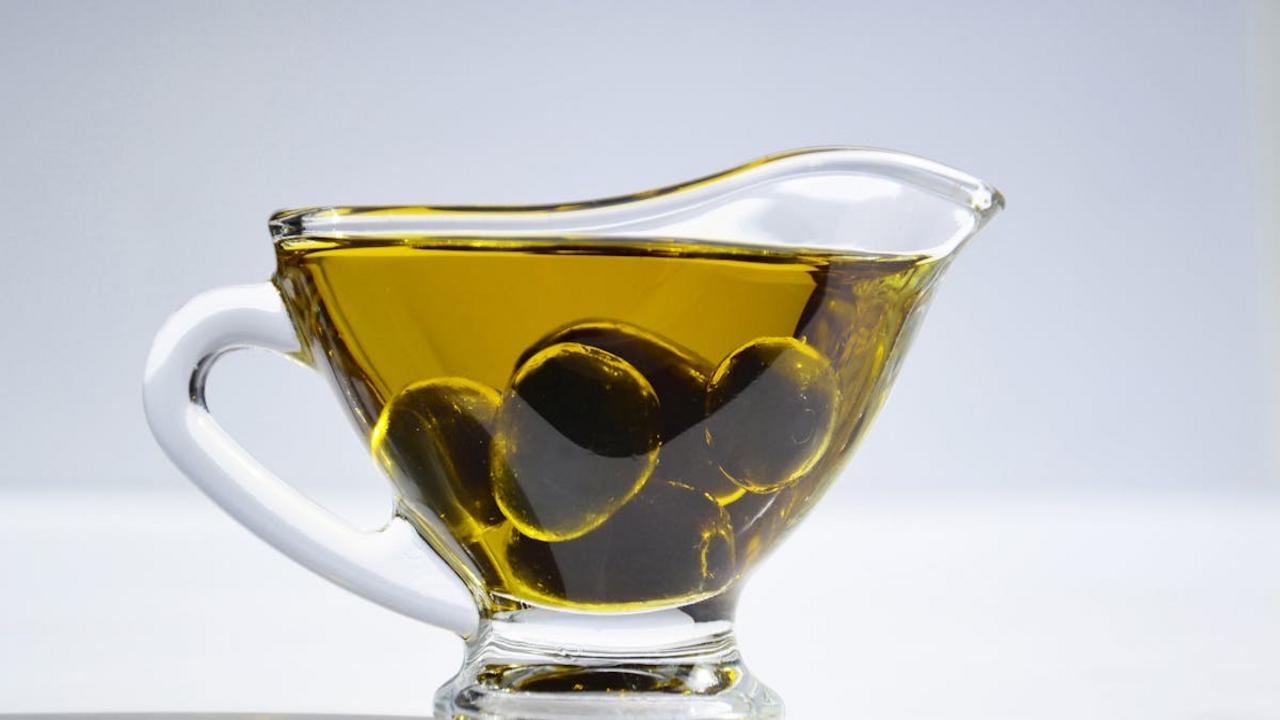
You know that bottle of extra virgin olive oil sitting in your pantry? The one you drizzle over salads and use to sauté your vegetables? Well, get ready to treat it like liquid gold because olive oil prices are climbing faster than a soufflé in a hot oven. Climate change has been wreaking havoc on olive groves across the Mediterranean, with extreme heat waves and droughts in Spain, Italy, and Greece—the world’s top producers—causing harvest yields to plummet. When I think about how much olive oil I go through in a week, from my morning eggs to that gorgeous finishing drizzle on roasted vegetables, it makes me want to stock up now.
The ripple effects go beyond just the sticker shock at checkout. Olive oil forms the backbone of so many global cuisines—Mediterranean, Middle Eastern, and North African dishes simply wouldn’t be the same without it. I’ve been experimenting with smaller amounts and making every drop count, like using it more strategically as a finishing oil rather than for high-heat cooking. Consider exploring alternatives like avocado oil for sautéing, but keep that precious olive oil for where it truly shines: dressing fresh tomatoes, finishing a bowl of pasta, or making that perfect vinaigrette. Start building relationships with local suppliers or buying in bulk when you spot good deals, because quality olive oil might soon become a special occasion ingredient rather than an everyday staple.
Manuka Honey
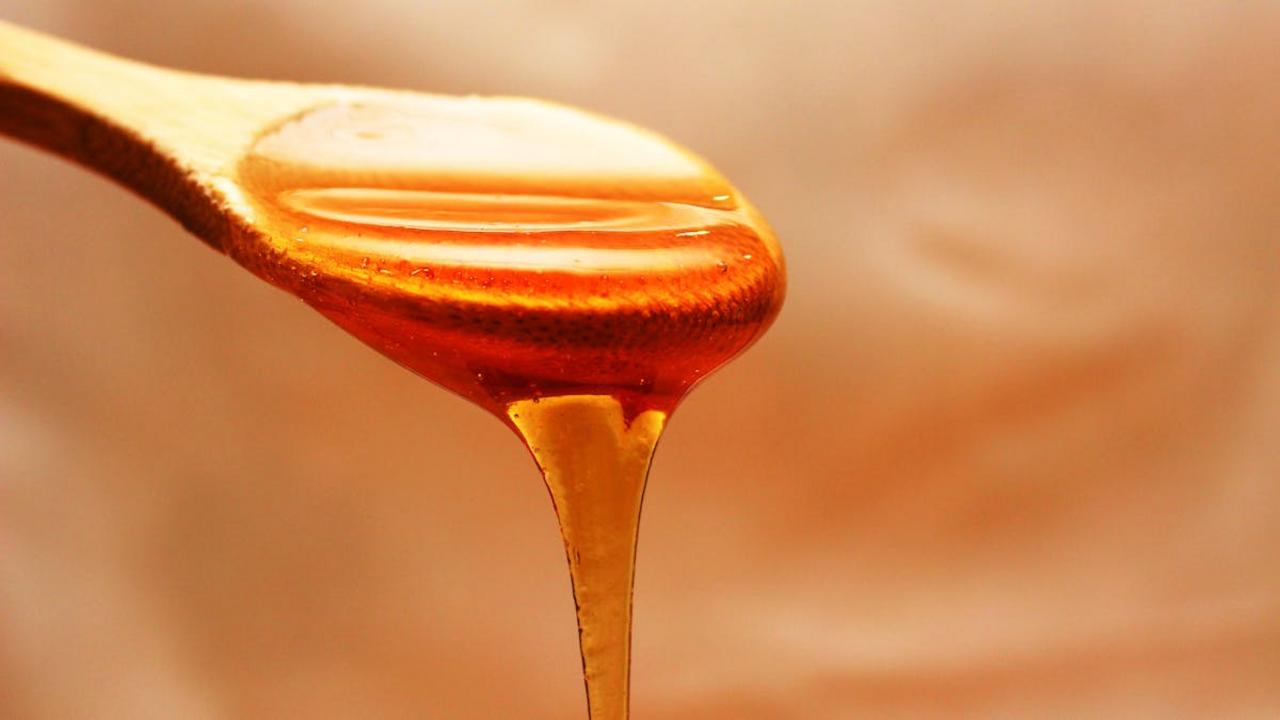
You know that golden jar of Manuka honey sitting on your pantry shelf? The one you reach for when you’re feeling under the weather or want to add something special to your morning tea? Well, brace yourself—this liquid gold might soon live up to its nickname more literally than ever. With New Zealand’s strict regulations, limited production areas, and increasing global demand, authentic Manuka honey prices have been climbing steadily. What once felt like a splurge item could easily shift into true luxury territory by 2025.
I’ve been cooking with Manuka honey for years, drizzling it over fresh yogurt with crushed pistachios or mixing it into my homemade salad dressings for that complex floral sweetness. The genuine article—with its unique methylglyoxal content and distinctive earthy flavor—comes exclusively from New Zealand’s Manuka bush, and there’s simply no substituting it. Climate changes affecting bee populations, combined with the rigorous testing required for authentic grading, means supply remains tight while demand skyrockets. If you’ve been thinking about stocking up on this remarkable honey for your home cooking adventures, now might be the time to grab a few jars before they become a once-in-a-while treat rather than a regular pantry staple.
White Truffles
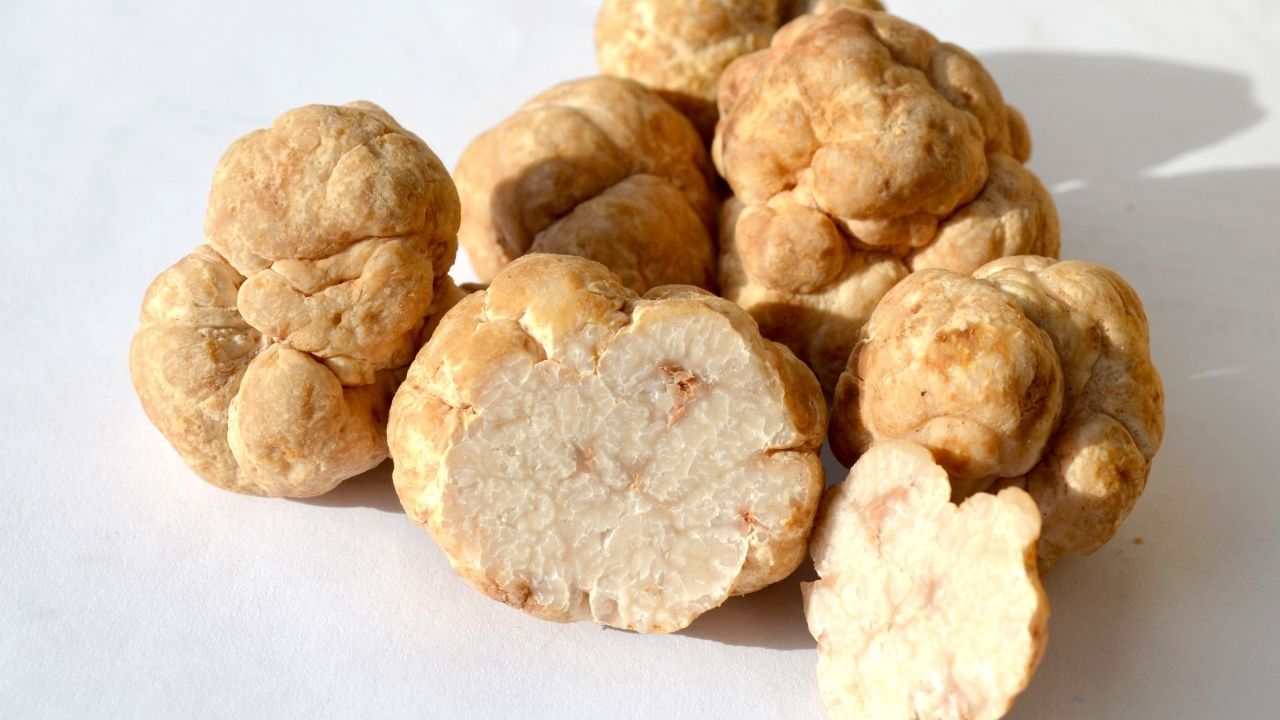
You know that moment when you catch a whiff of something so intoxicating it stops you mid-stride? That’s white truffle for you—nature’s most mysterious and expensive ingredient. These underground treasures from Italy’s Piedmont region have always commanded premium prices, but 2025 might push them completely out of reach for most home cooks. Climate change affects truffle harvests unpredictably, and with inflation hitting specialty imports hardest, what once cost a splurge now demands a small fortune. I remember the first time I shaved fresh white truffle over simple scrambled eggs—the aroma filled my entire kitchen with an earthy, garlicky perfume that made my neighbors knock on my door asking what I was cooking.
Here’s what breaks my heart: white truffles represent everything I love about cooking—they transform the simplest dishes into something extraordinary without any processing or artificial enhancement. A few paper-thin shavings over creamy risotto, fresh pasta, or even warm buttered toast creates magic that no factory-made seasoning can replicate. But as prices soar toward $3,000 per pound and beyond, this ingredient moves from “special occasion” to “once-in-a-lifetime.” If you’ve been curious about truffles, don’t wait—grab a small piece this season while you still can. Store it with eggs in your fridge to infuse them with that distinctive aroma, then use those eggs in your favorite dishes to stretch that truffle experience just a little further.
Almonds
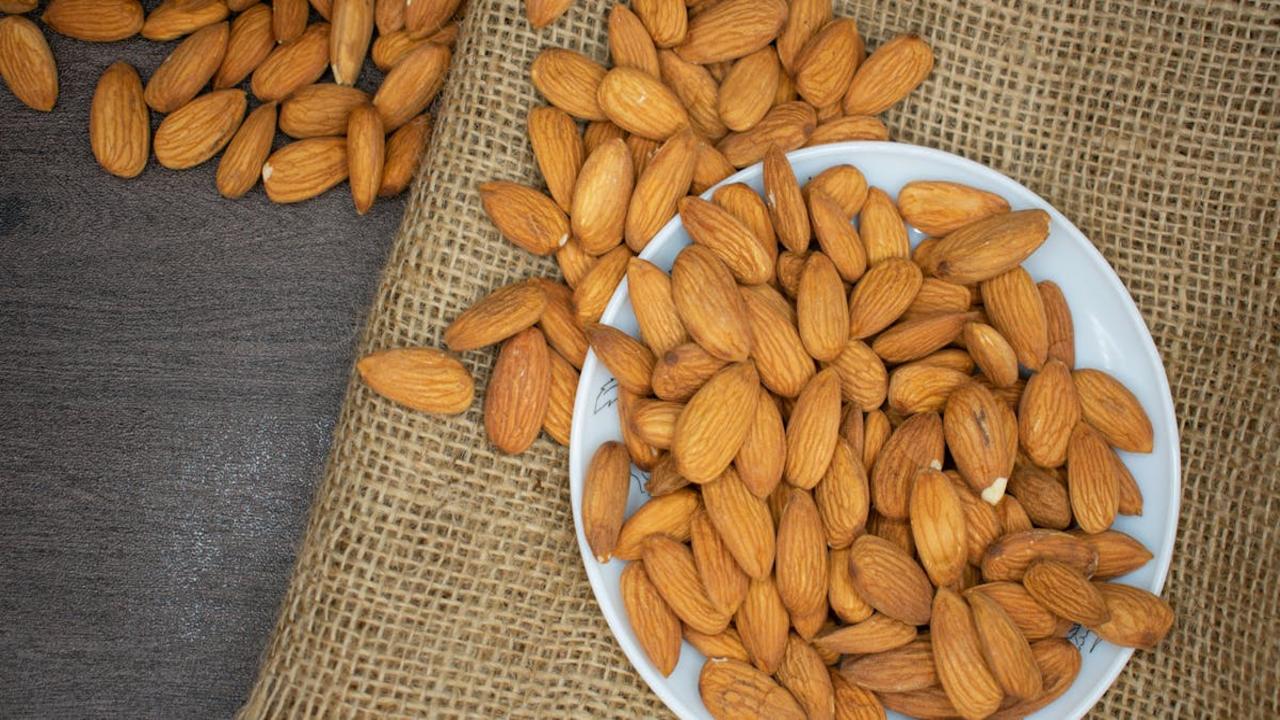
You know that handful of almonds I always keep in my pantry jar? They’re becoming more precious by the day, and honestly, it breaks my heart a little. These beautiful nuts have quietly crept up in price, and by 2025, we might be treating them like the luxury they’re becoming. California produces about 80% of the world’s almonds, but droughts, water restrictions, and rising production costs are making each almond worth its weight in gold. I remember when buying a big bag from the bulk bins was no big deal – now I find myself counting them out more carefully.
What really gets me is how almonds transform everything I cook. They’re the backbone of my homemade almond milk, the secret to creamy dairy-free sauces, and the perfect crunch in my morning granola. Ground into flour, they become gluten-free magic for baking; soaked and blended, they create the silkiest bases for soups and smoothies. I’ve started treating my almond stash like liquid gold, toasting them in small batches to maximize flavor and storing them properly to prevent rancidity. If prices keep climbing, we might need to get creative – maybe it’s time to befriend other nuts like sunflower seeds or experiment with local alternatives that don’t require shipping across continents.
Bluefin Tuna
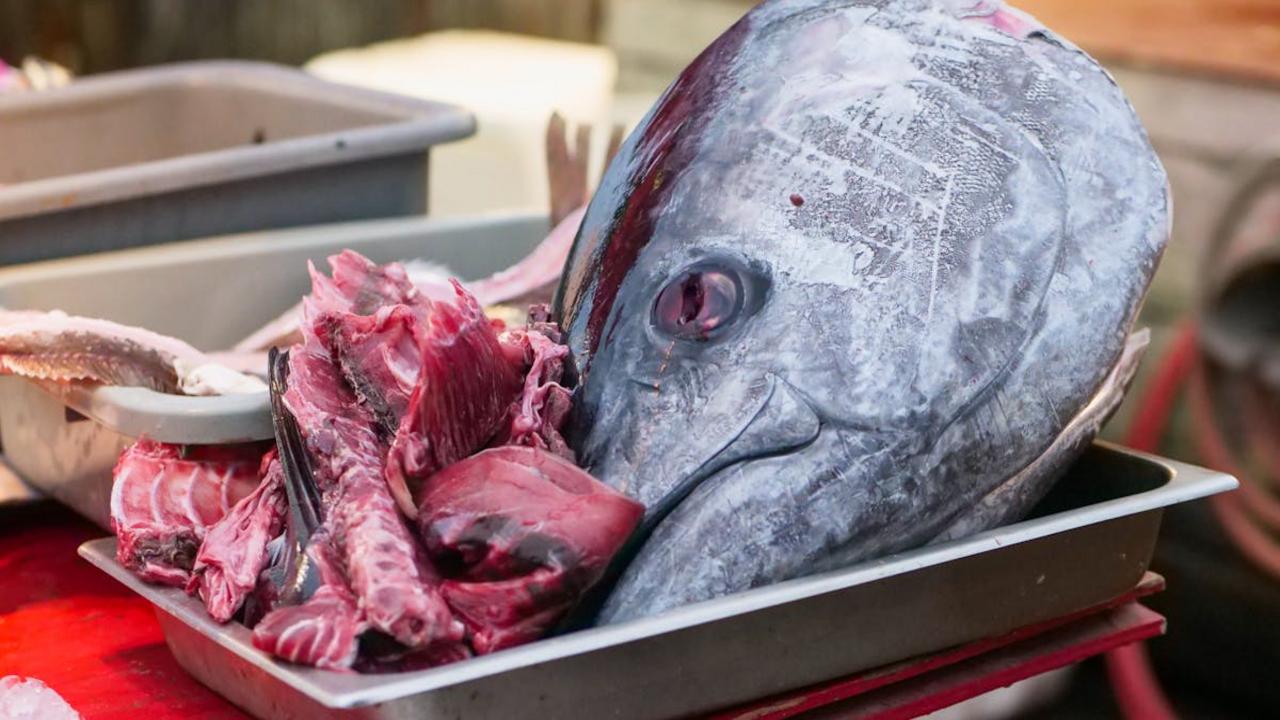
You know that gorgeous piece of bluefin tuna sitting behind the sushi counter? The one that makes your wallet weep just thinking about it? Well, friend, get ready for those prices to climb even higher in 2025. Bluefin tuna has always been the royalty of fish, but overfishing and strict quotas are making this magnificent fish increasingly rare. I remember when you could occasionally splurge on a small piece for a special homemade sushi night – those days are becoming precious memories as commercial fishing restrictions tighten and wild populations continue to dwindle.
What breaks my heart is watching this incredible ingredient slip further from our home kitchens. Bluefin tuna represents everything I love about cooking with respect for ingredients – its buttery texture and rich flavor demand simple preparation that honors the fish itself. But as sustainability concerns grow and prices soar, even restaurants are reconsidering their bluefin offerings. If you want to experience this extraordinary fish, now might be the time to save up for that special occasion. Otherwise, we’ll need to get creative with more sustainable tuna options like yellowfin or skipjack, which can still deliver beautiful results when treated with the same reverence and care in our cooking.
Coffee Arabica
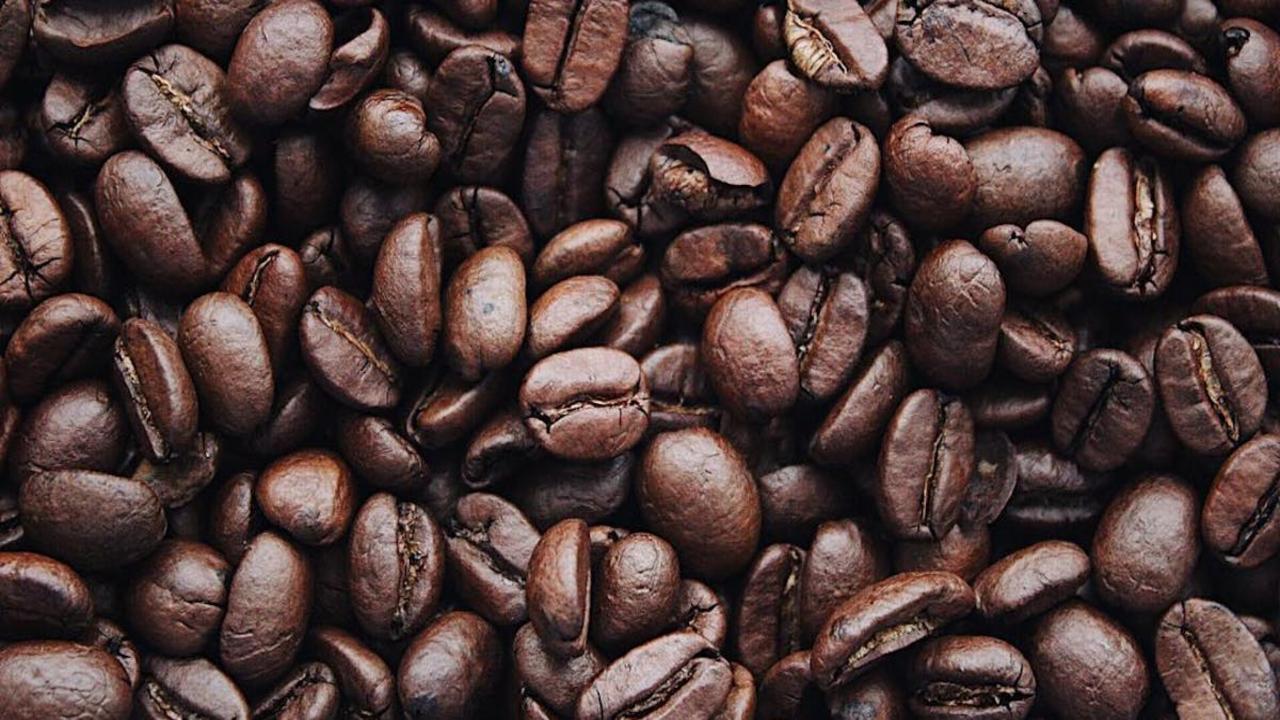
Your morning cup of coffee is about to become a precious ritual you’ll savor even more deeply. Climate change has been wreaking havoc on coffee-growing regions worldwide, with rising temperatures and unpredictable rainfall patterns threatening the delicate arabica beans we all love. Countries like Colombia, Ethiopia, and Guatemala are seeing their coffee yields drop dramatically, while diseases like coffee leaf rust spread faster in the changing climate. I’ve watched coffee prices creep up at my local roastery, and frankly, it breaks my heart knowing that this daily comfort might soon feel like a splurge rather than a simple pleasure.
What really gets me is how this affects the farmers who pour their lives into growing these beans. Many small-scale producers are abandoning their coffee farms because the economics just don’t work anymore. As someone who believes in supporting sustainable food systems, I’ve started buying directly from cooperative roasters who work closely with farming communities. Yes, it costs more upfront, but I’d rather pay fair prices now than watch this incredible industry disappear. Consider switching to whole bean coffee and grinding fresh each morning – you’ll stretch your beans further while getting maximum flavor from every precious cup.
Avocados
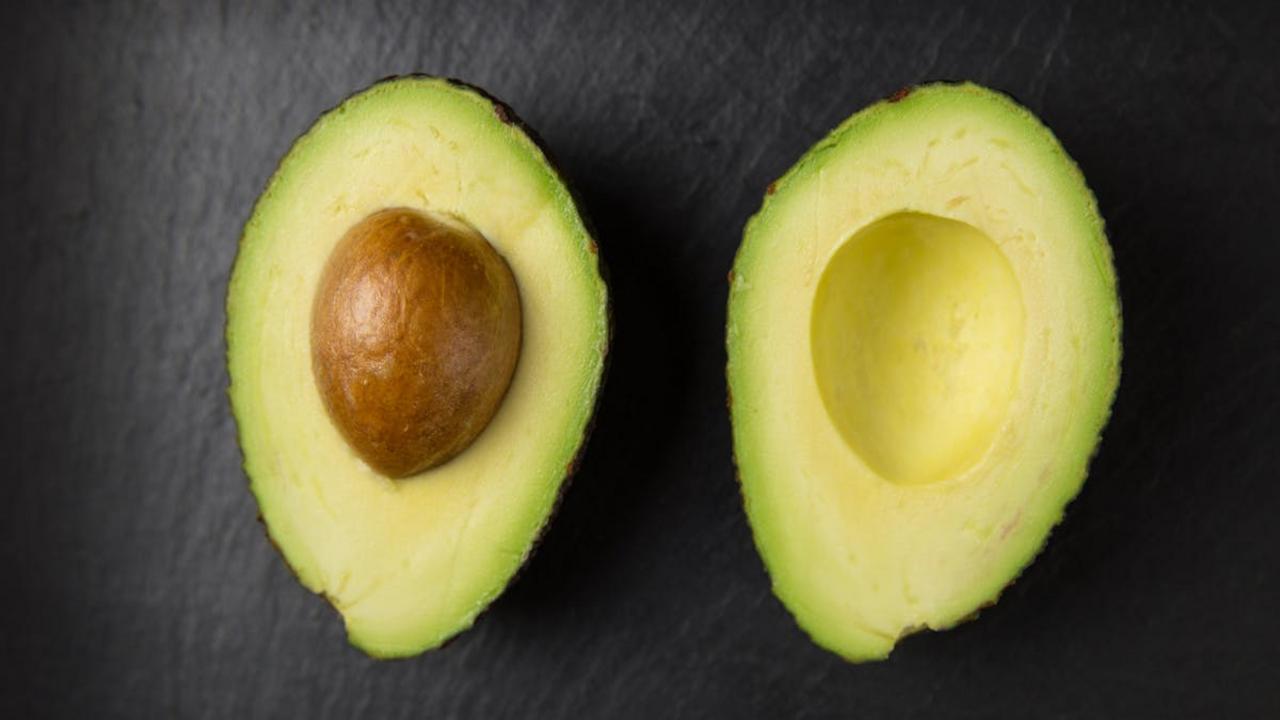
You know that creamy green fruit sitting in your kitchen right now? The one you casually mash onto toast or blend into smoothies without a second thought? Well, friend, we might need to start treating avocados with a bit more reverence. Climate disruptions in major growing regions like California, Mexico, and Chile have already started pushing prices upward, and supply chain hiccups aren’t helping matters. What once felt like an affordable pantry staple could soon become something you think twice about adding to your grocery cart.
I’ve been experimenting with stretching avocados further in my cooking, and honestly, it’s opened up some beautiful possibilities. Instead of using a whole avocado per person for guacamole, I’ve started mixing in roasted cauliflower or white beans to create volume while keeping that rich, buttery texture we all crave. Try blending half an avocado with tahini and lemon for a lighter spread that still gives you that satisfying creaminess. And here’s something I learned from my grandmother: saving avocado pits to grow your own plants might seem old-fashioned, but having a backup plan never hurt anyone. We might need to get creative about how we enjoy this beloved fruit, but the good news is that a little avocado can go a long way when you know how to work with it.
Maple Syrup
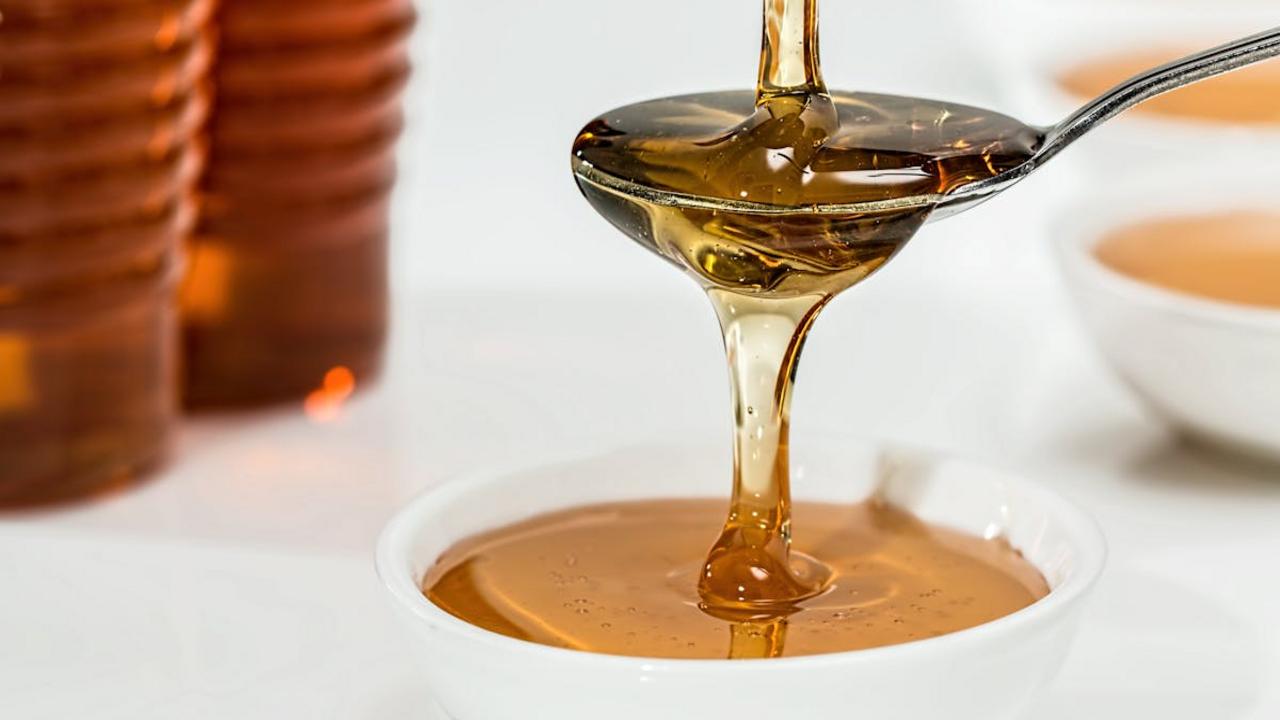
Your weekend pancakes might cost you significantly more come 2025, and I’m not just talking about the flour or eggs. Real maple syrup – that liquid gold we drizzle over our stacks – faces serious price pressures from multiple directions. Climate change disrupts the delicate freeze-thaw cycles that maple trees need for optimal sap production, while extreme weather events damage sugar maple forests across North America. Labor shortages in rural areas where maple farms operate compound the problem, making it harder to tap trees and process sap during the narrow harvest window.
I’ve been experimenting with homemade alternatives in my kitchen, blending date syrup with vanilla and a touch of maple extract to stretch my precious bottle further. The production process for authentic maple syrup requires about 40 gallons of sap to make just one gallon of syrup – that’s an incredible amount of natural resources and time. Rising fuel costs for boiling equipment and transportation add another layer of expense. Start looking for local producers at farmers markets now, and consider buying in bulk when prices are still reasonable. Your future self will thank you when breakfast doesn’t break the bank.
Pistachios
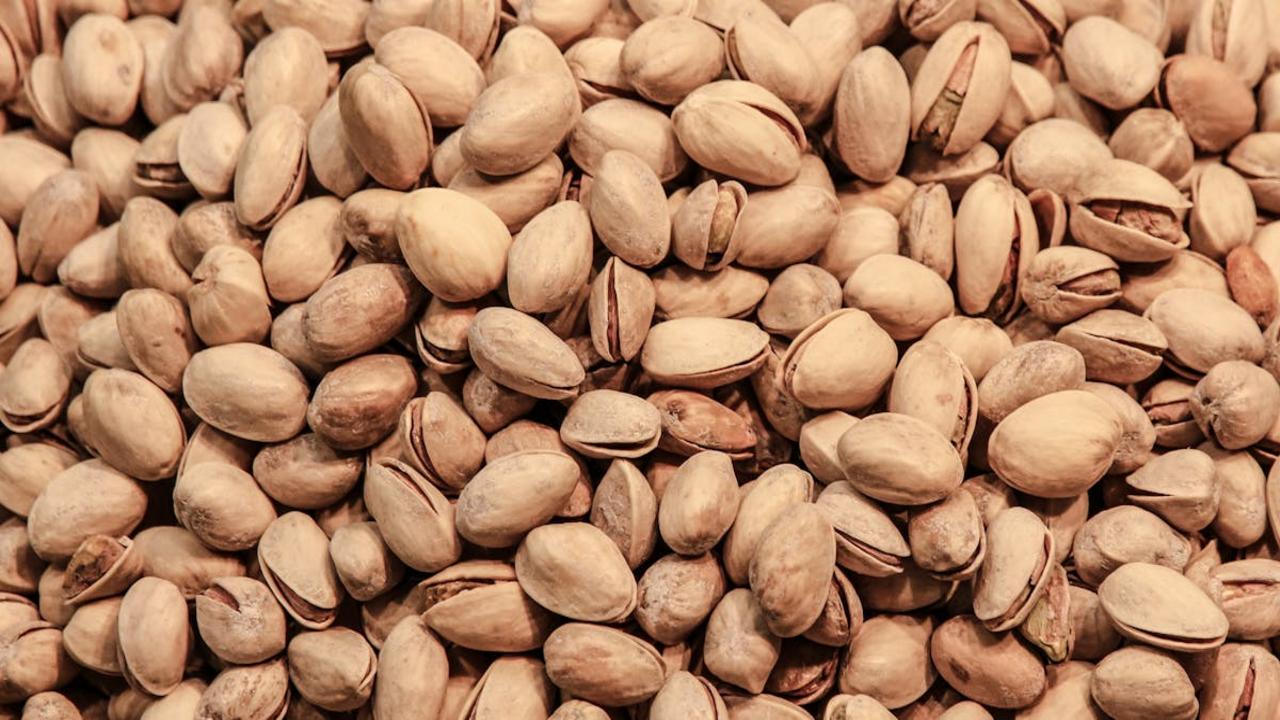
You know those beautiful green nuts that make your Mediterranean dishes sing? Pistachios are becoming more precious by the day, and I’m genuinely concerned about what this means for our kitchens. These buttery gems have already jumped in price dramatically over the past year, with drought conditions in California and Iran—the world’s biggest producers—creating a perfect storm. Climate change isn’t just affecting the trees; it’s reshaping entire growing regions, and farmers are struggling to maintain their orchards under increasingly harsh conditions.
I’ve been experimenting with pistachios in my recent recipes because they add such incredible depth to everything from my Persian-inspired rice dishes to homemade baklava. Their natural oils and protein content make them perfect for creating creamy sauces without dairy, and they bring this wonderful earthy sweetness that you simply can’t replicate with other nuts. But now I’m rationing them like liquid gold, using them more strategically as finishing touches rather than incorporating them throughout entire dishes. If trends continue, these nuts could easily become a special-occasion ingredient rather than something you casually snack on or toss into your daily cooking rotation.
Cacao
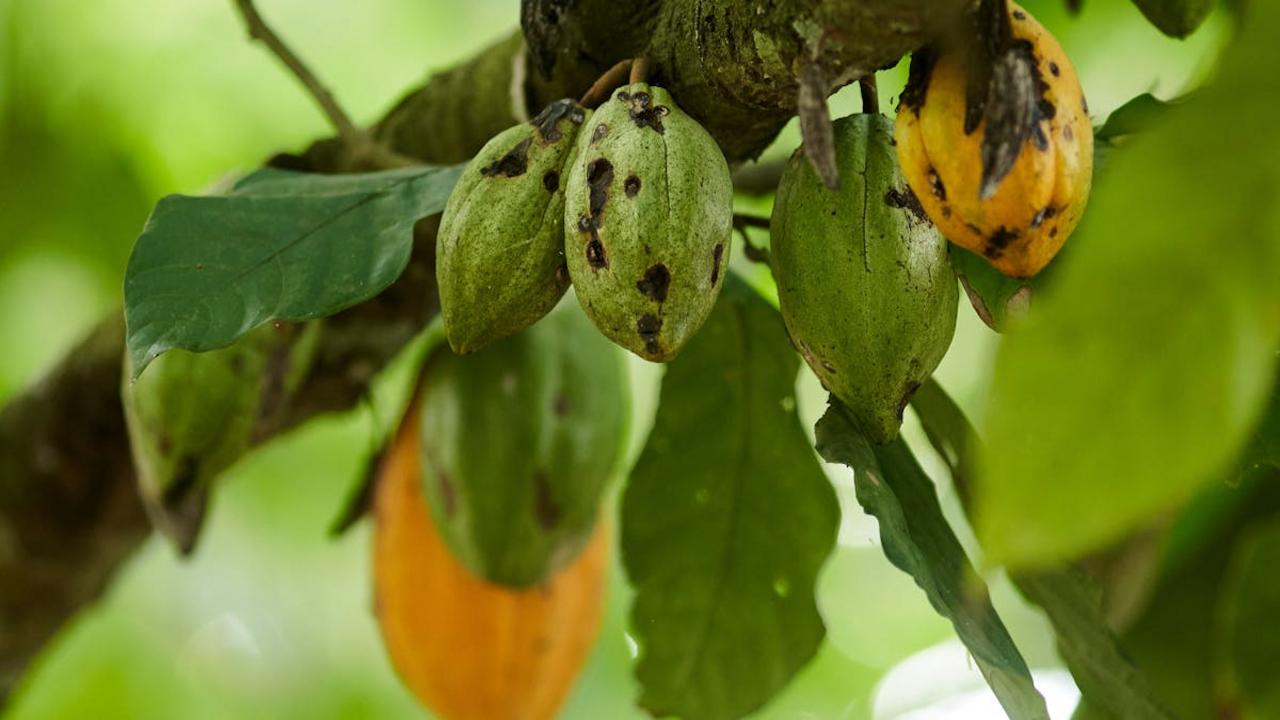
Your morning chocolate ritual might become a luxury sooner than you think! Raw cacao prices have jumped dramatically due to climate disasters hitting major growing regions in West Africa and South America. I’ve been watching this unfold as someone who treasures my daily cacao ceremonies – you know, that moment when you whisk raw cacao powder into warm almond milk with a touch of cinnamon and honey. The earthy, complex flavors that make your homemade chocolate creations so much richer than anything store-bought are becoming increasingly precious.
What breaks my heart is thinking about all the beautiful recipes we take for granted – those fudgy black bean brownies where cacao powder creates magic, or the Mexican-inspired mole where a tablespoon of raw cacao adds that mysterious depth. I’ve started buying cacao in bulk and storing it properly because the prices keep climbing. If you’re like me and prefer making your own chocolate treats from scratch rather than buying processed bars loaded with sugar, now’s the time to stock up on quality cacao powder and nibs. Your future self will thank you when you’re still creating those soul-warming hot chocolates and decadent avocado chocolate mousses while others are paying premium prices for basic cocoa.
Wild Caught Salmon
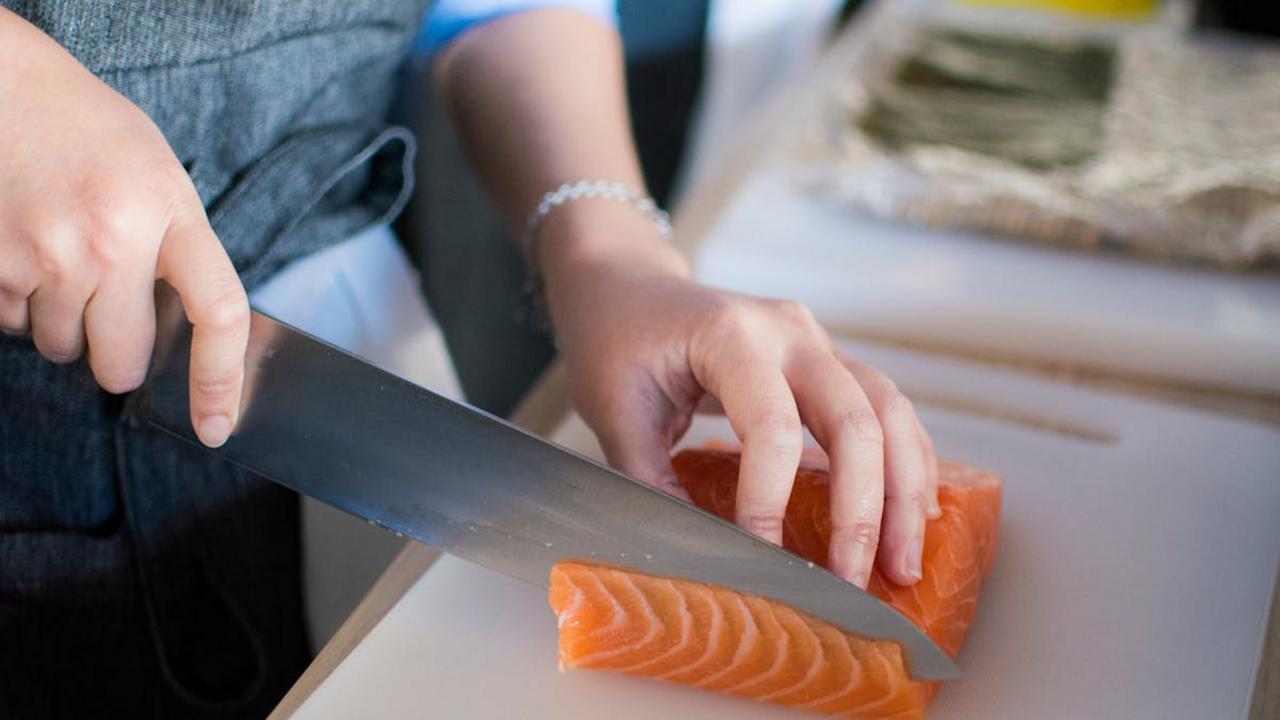
Wild caught salmon has always commanded a premium price, but friend, we’re looking at prices that might make your weekly grocery budget weep by 2025. Climate change continues to disrupt salmon runs, while overfishing pressures and stricter regulations mean less fish making it to market. I’ve watched the cost of a beautiful piece of sockeye or coho climb steadily over the past few years, and industry experts predict we could see prices double from current levels. What once felt like an accessible weeknight protein option might soon become reserved for special occasions only.
Here’s what I want you to know though – if you can still swing it occasionally, wild salmon remains one of nature’s most perfect foods. Those omega-3 fatty acids, that clean flavor that needs nothing more than a sprinkle of sea salt and a squeeze of lemon – it’s pure nourishment. I love searing it skin-side down until crispy, then finishing with fresh herbs from my windowsill garden. But start thinking creatively about alternatives now: canned wild salmon works beautifully in salmon cakes or mixed into grain bowls, and it stores well for months. Stock up when you find sales, because this protein powerhouse might soon price itself out of regular rotation for many families.
Vanilla Beans
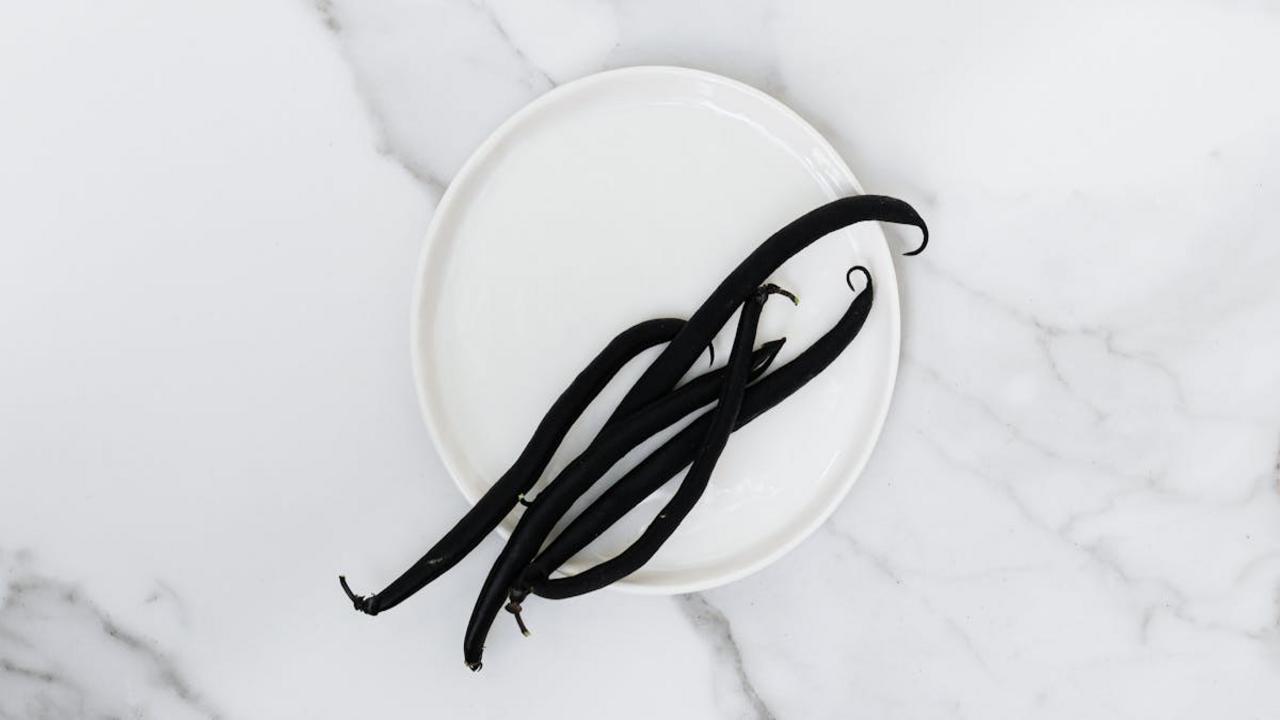
You know that little jar of vanilla extract sitting in your spice cabinet? Well, friend, those precious vanilla beans it comes from might soon cost more than your weekly grocery haul. Madagascar produces about 80% of the world’s vanilla, and between climate change wreaking havoc on crops and political instability disrupting supply chains, we’re looking at prices that could make saffron seem affordable. I remember when you could buy a handful of plump vanilla beans for ten dollars – now that same amount might run you forty or fifty, and it’s only getting worse.
Here’s what I want you to do: start treating vanilla beans like liquid gold because that’s exactly what they’re becoming. Instead of tossing those scraped pods after making custard, rinse them, dry them, and bury them in sugar to create vanilla-infused sweetness that lasts months. You can also simmer spent pods in milk for hot chocolate or steep them in cream for the most incredible ice cream base. Smart home cooks are already switching to vanilla paste or making their own extract by splitting a few beans into vodka – one bottle can last you years and tastes infinitely better than anything store-bought.
Saffron
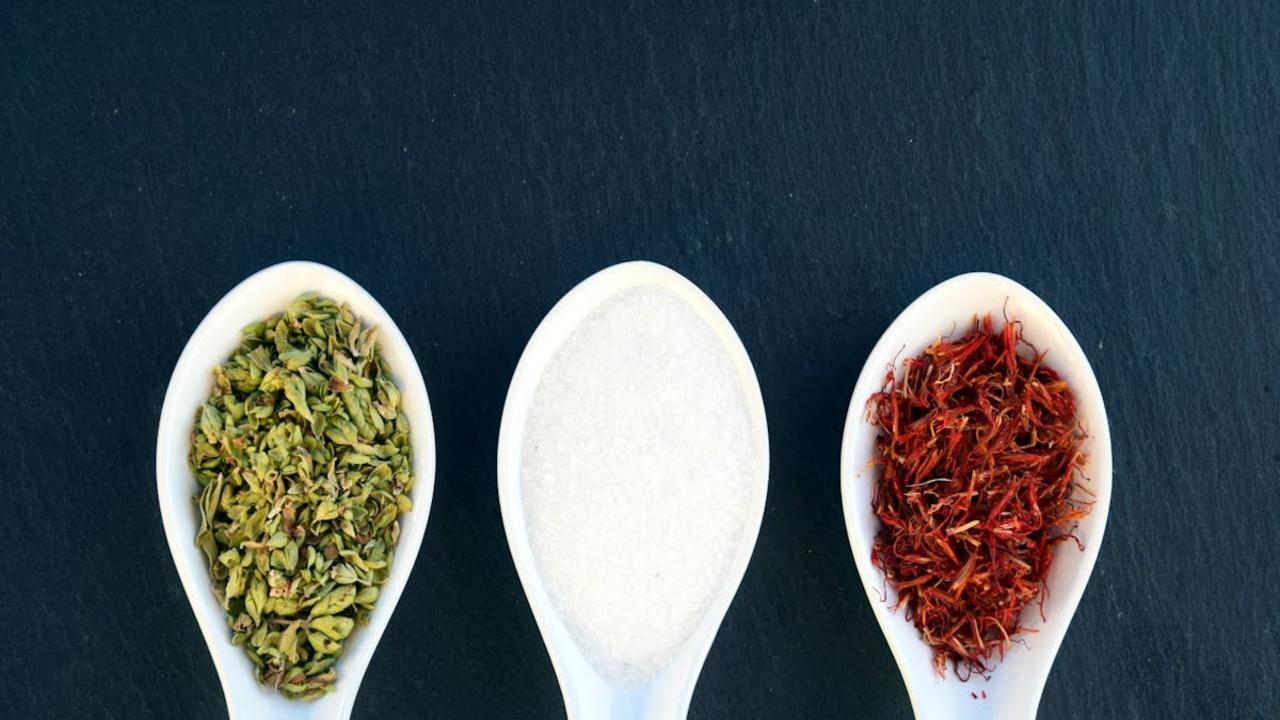
You know that tiny jar of saffron threads sitting in your spice cabinet? The one you reach for when making paella or biryani? Well, brace yourself—this golden treasure might become even more precious in 2025. Saffron has always carried the title of world’s most expensive spice, and with climate change affecting the delicate crocus flowers in Kashmir and Spain, plus labor shortages during harvest season, prices are climbing faster than steam from a hot tagine. I remember when a small container cost around $15, but now you’re looking at $25 or more for the same amount.
What makes this situation particularly tough is that there’s really no substitute for saffron’s unique honeyed, metallic flavor and that gorgeous golden color it gives your rice dishes. Sure, turmeric provides color, but it tastes completely different. My advice? Start buying saffron in smaller quantities more frequently, and learn to maximize every thread. I’ve been toasting mine lightly in a dry pan before steeping it in warm milk or broth—this technique releases more flavor and color, meaning you can use fewer threads per dish. Also, consider dishes where a little saffron goes a long way, like Persian rice or Spanish flan, rather than recipes that demand large quantities.