15 Foods That Now Cost a Small Fortune at the Grocery Store
Your grocery bill has probably shocked you lately, and you’re not imagining things. Many foods we once considered everyday staples now carry premium price tags that make us think twice before tossing them into our carts.
From creamy avocados to rich dark chocolate, these ingredients have transformed from budget-friendly basics to luxury items. Supply chain disruptions, climate challenges, and increased demand have pushed prices sky-high for foods we love most.
Don’t worry though! I’m here to break down why these 15 foods cost so much now and share smart shopping tips to help you still enjoy them without breaking the bank.
Pine Nuts
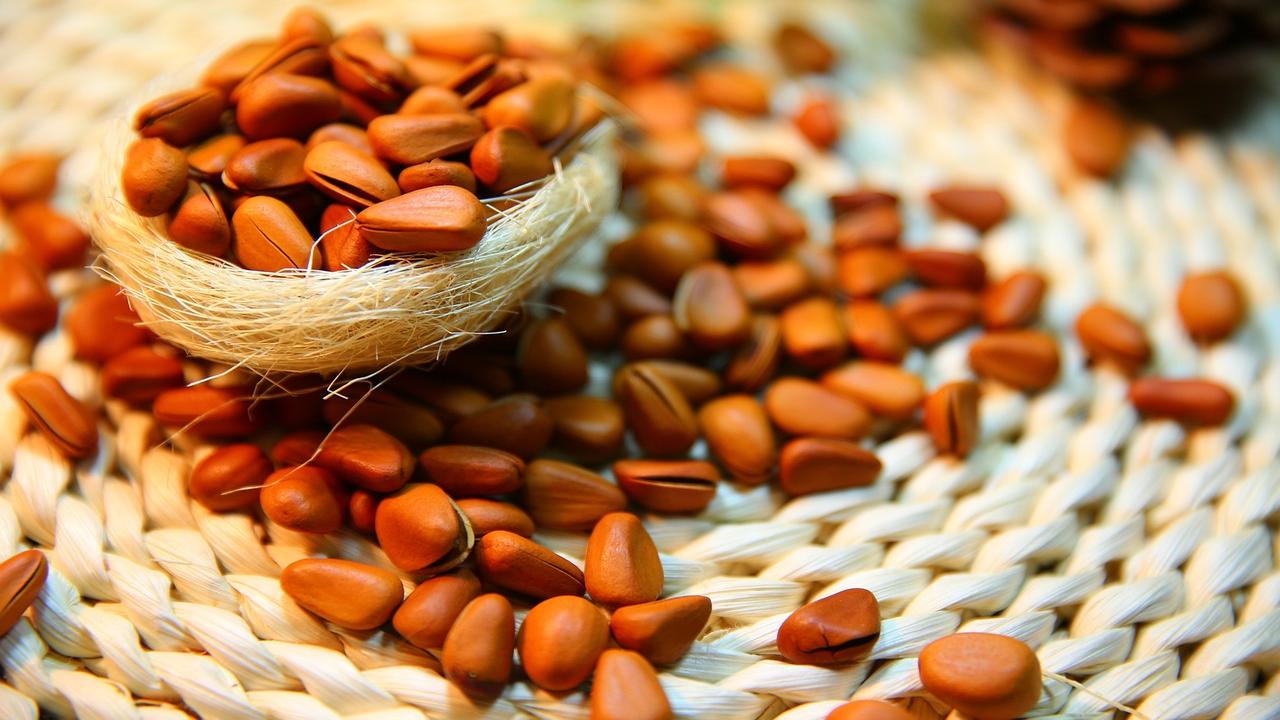
Pine nuts have become the gold standard of expensive ingredients, and honestly, I completely understand why your wallet cringes every time you reach for that tiny bag at the grocery store. These buttery, delicate gems now cost anywhere from $25 to $40 per pound, making them one of the priciest nuts you can buy. The steep price comes down to geography and labor – most pine nuts come from specific pine tree species in remote regions like Siberia, China, and the Mediterranean, where harvesting involves climbing tall trees and hand-collecting cones that take up to three years to mature.
What makes pine nuts so special goes beyond their hefty price tag. Their creamy texture and subtle, almost sweet flavor transforms everything from pesto to salads into something truly magnificent. I love how just a small handful can elevate a simple pasta dish or add richness to roasted vegetables. While the cost might make you pause, remember that a little goes a long way – those expensive pine nuts pack serious flavor punch. Try toasting them lightly in a dry pan before using; this simple step intensifies their nutty taste and makes every precious kernel count in your recipes.
Cashew Nuts
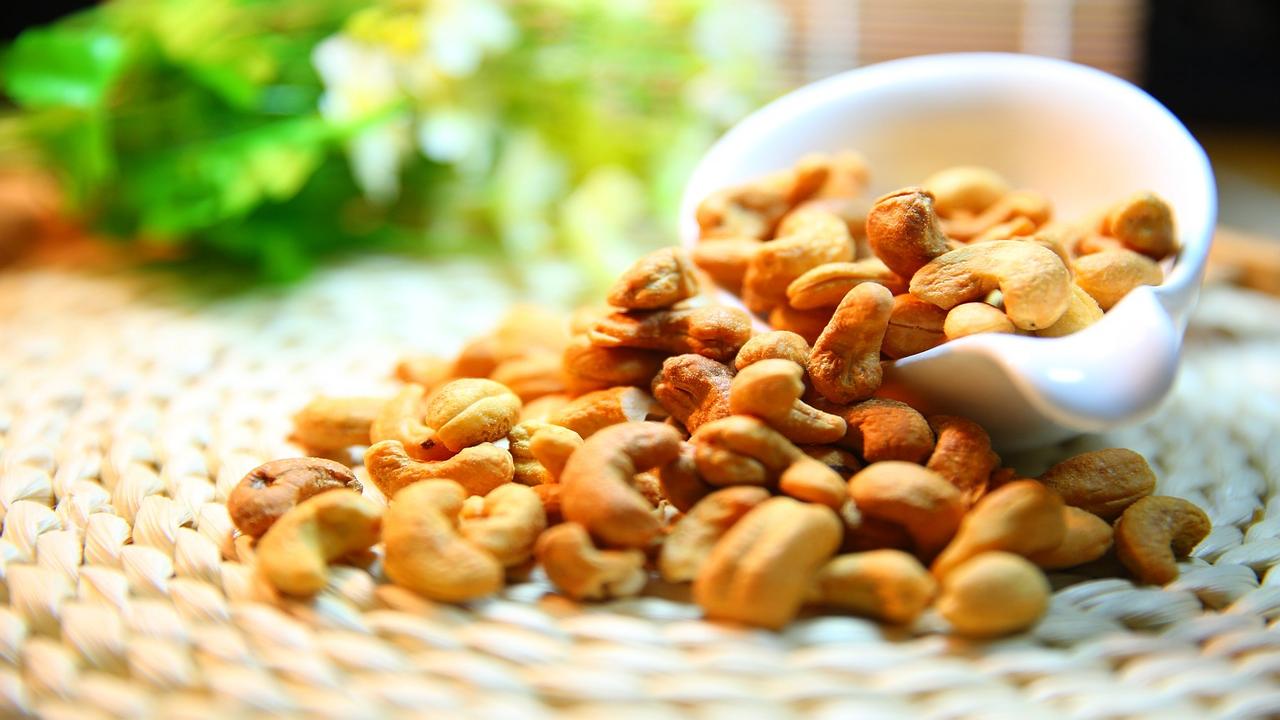
Remember when you could grab a container of cashews without wincing at the price tag? Those buttery, creamy nuts that make everything from stir-fries to homemade nut butter absolutely divine have become one of the priciest items in the nut aisle. A pound of quality cashews can now set you back anywhere from $12 to $18, making them a luxury ingredient rather than an everyday snack. The reasons behind this steep price increase include labor-intensive harvesting processes, limited growing regions, and the complex extraction method required to safely remove cashews from their caustic shells.
What makes this price surge particularly frustrating is how versatile and nutritious cashews are in healthy cooking. They’re packed with heart-healthy fats, plant-based protein, and minerals like magnesium and zinc that support your immune system. I love using them to create creamy dairy-free sauces, rich cheese alternatives, and decadent desserts that don’t compromise on nutrition. If you’re budget-conscious but still want to enjoy cashews, try buying them in bulk during sales, using smaller amounts as flavor enhancers rather than the main ingredient, or substituting with more affordable nuts like almonds or peanuts in certain recipes.
Coconut Oil
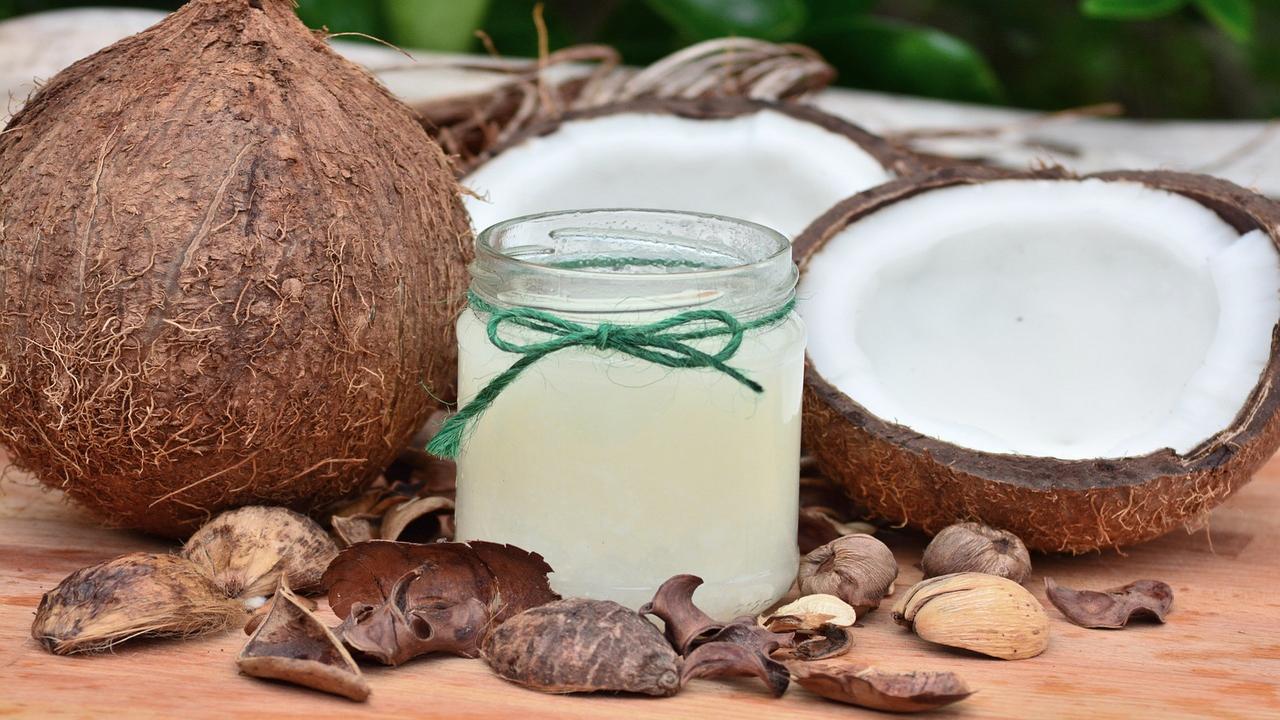
Remember when you could grab a jar of coconut oil for under $10? Those days feel like ancient history now! This tropical treasure has skyrocketed in price, and your wallet definitely feels the pinch every time you reach for that familiar glass jar. What used to be an affordable pantry staple now commands premium prices that make you pause and consider whether you really need it for that recipe you’ve been planning.
The price surge stems from multiple factors hitting this beloved ingredient all at once. Climate change has disrupted coconut harvests in major producing regions like the Philippines and Indonesia, while global demand continues climbing as more people discover coconut oil’s versatility in cooking, baking, and even skincare routines. Supply chain disruptions haven’t helped either, adding extra costs that get passed directly to you at checkout. Despite the sticker shock, many home cooks still consider it worth the investment for its high smoke point, rich flavor, and ability to make everything from chocolate chip cookies to stir-fries taste absolutely incredible.
Hazelnuts
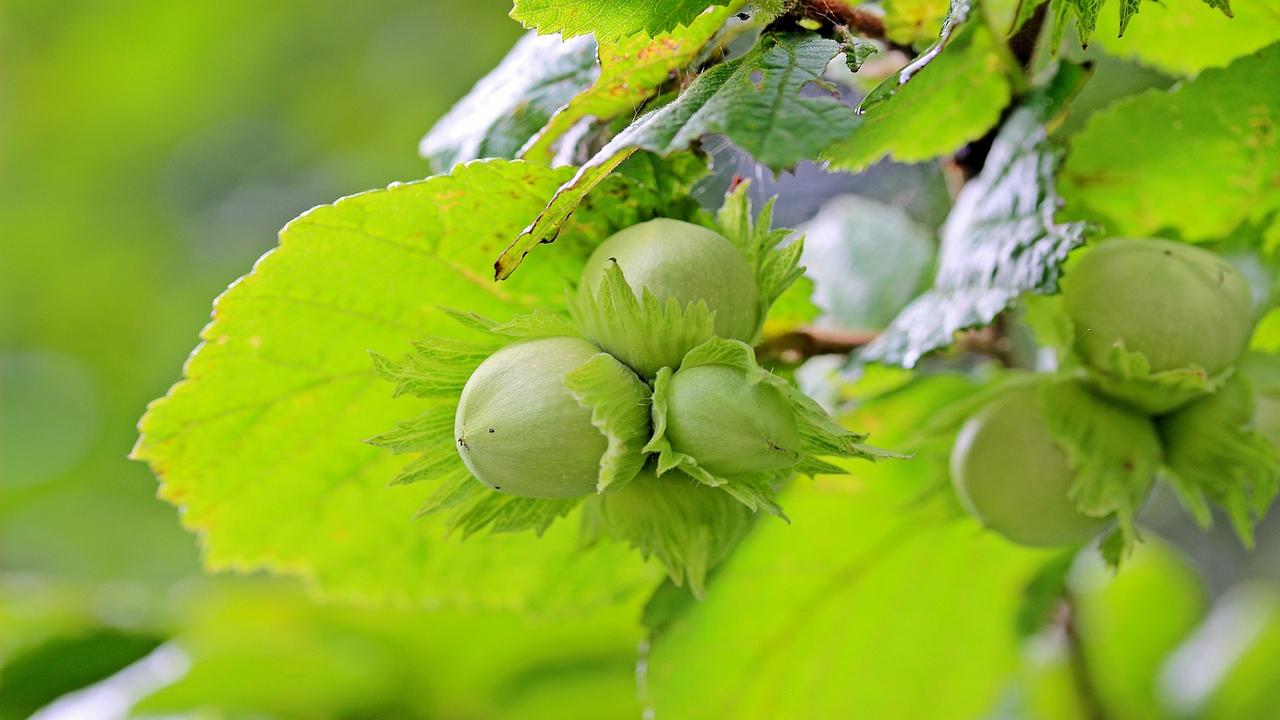
Hazelnuts have become one of those ingredients that make you do a double-take at the checkout counter. These buttery, rich nuts that once felt like an affordable pantry staple now command premium prices that can shock even seasoned home cooks. You’ll find yourself paying upwards of $15-20 per pound for quality hazelnuts, a price that reflects both their growing popularity and the complex farming processes required to produce them. The bulk of the world’s hazelnuts come from Turkey, and when weather patterns, political tensions, or supply chain disruptions affect that region, prices spike dramatically across global markets.
What makes hazelnuts so special that we’re willing to pay these elevated prices? Their incredible versatility in both sweet and savory dishes keeps demand consistently high. Whether you’re folding them into homemade granola, creating a silky hazelnut butter, or adding crunch to your favorite chocolate chip cookies, these nuts bring a distinctive nutty sweetness that’s hard to replicate. The labor-intensive harvesting process also contributes to their cost – hazelnuts require careful timing and often hand-picking to ensure quality. While the price might make you pause, remember that a little goes a long way, and their rich flavor means you can use smaller amounts while still getting maximum impact in your recipes.
Maple Syrup

Real maple syrup has become a luxury item that’ll make your wallet weep! I remember when a bottle of pure maple syrup cost around $8-10, but now you’re looking at $15-25 for the same size. The price spike comes down to basic supply and demand – maple trees only produce sap for about 4-6 when temperature conditions are just right, and climate change has been throwing those perfect conditions out of whack. Plus, it takes roughly 40 gallons of sap to make just one gallon of syrup, which explains why producers need to charge premium prices.
The difference between real maple syrup and those corn syrup imposters sitting next to it becomes crystal clear once you taste the genuine stuff. That rich, complex flavor with hints of vanilla and caramel simply can’t be replicated artificially. While the sticker shock might tempt you to grab the cheaper alternative, think of pure maple syrup as an investment in your breakfast happiness. A little goes a long way, and you can stretch your bottle by mixing it into yogurt, using it in marinades, or drizzling it over roasted vegetables. Your pancakes deserve better than fake syrup, and honestly, so do you!
Organic Peanut Butter

Remember when you could grab a jar of organic peanut butter for under five dollars? Those days feel like ancient history now! I’ve watched prices climb steadily over the past few years, and honestly, it breaks my heart a little each time I see families hesitating in the peanut butter aisle. A quality jar of organic peanut butter now costs anywhere from $8 to $12, depending on the brand and your location. The organic certification process, combined with rising costs for organic peanuts and sustainable packaging, has pushed prices through the roof.
But here’s the thing – I still believe organic peanut butter deserves a spot in your pantry! The clean ingredient list (usually just peanuts and maybe a pinch of salt) makes it worth every penny for your family’s health. Plus, you can stretch that expensive jar further by making your own peanut butter cookies, energy balls, or using it as a protein-packed addition to smoothies and oatmeal. I’ve started buying larger jars during sales and storing them in my pantry – peanut butter has a long shelf life, so stocking up during promotions helps cushion the financial blow while keeping this nutritious staple accessible for busy weeknight dinners and weekend baking adventures.
Dark Chocolate

Dark chocolate has become one of those grocery items that makes you do a double-take at the checkout line. What used to be an affordable treat has transformed into a premium purchase that can easily set you back $8-15 for a quality bar. The price surge stems from several factors: cacao bean shortages due to climate issues in West Africa, increased demand for ethically-sourced chocolate, and supply chain disruptions that have affected cocoa farmers worldwide. You’re not imagining things – that favorite 70% dark chocolate bar really does cost twice what it did just a few years ago.
Despite the sticker shock, I still encourage you to budget for good dark chocolate because it offers incredible health benefits and intense flavor that cheaper alternatives simply can’t match. Look for bars with simple ingredient lists – cacao, sugar, and maybe vanilla – and buy smaller quantities to make each piece count. You can stretch your chocolate budget by using it strategically in recipes, grating it over oatmeal, or melting small amounts for fruit dipping. Remember that high-quality dark chocolate delivers more satisfaction per bite, so you’ll naturally eat less while enjoying more complex flavors and antioxidant benefits.
Sriracha

Remember when you could grab that iconic red bottle with the green cap for under $3? Those days feel like a distant memory now that sriracha has joined the ranks of luxury condiments. What started as an affordable way to add heat and garlic-forward flavor to everything from eggs to ramen has become a budget-buster, with prices climbing to $8-12 per bottle in many stores. The beloved rooster sauce shortage that began in 2022 created a perfect storm of supply issues and skyrocketing demand that never quite settled back to normal pricing.
Here’s the thing about sriracha – once you start using it, you realize how incredibly versatile this sweet-heat sauce really is. I keep telling my readers that homemade versions can save serious money while giving you control over the spice level and ingredients. Mix chili peppers, garlic, vinegar, sugar, and salt in your food processor, then simmer until thick. Your wallet will thank you, and you’ll have fresh sriracha that rivals the original. Plus, making your own means you can experiment with different pepper varieties or reduce the sugar content for a healthier kick that still delivers that addictive flavor punch we all crave.
Cauliflower
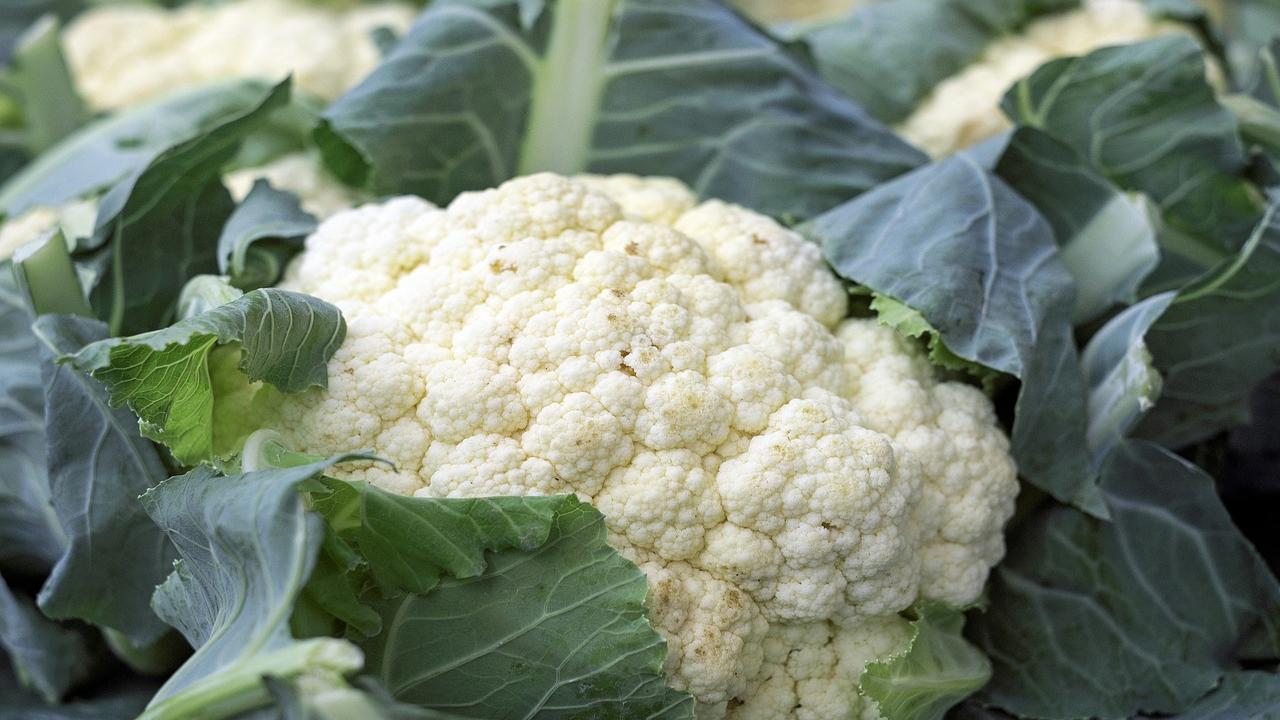
Remember when cauliflower was that humble white vegetable sitting quietly in the produce section for under two dollars a head? Those days feel like ancient history now! This versatile veggie has transformed from an affordable side dish staple into a grocery store splurge that can easily cost you $6 to $8 per head. The cauliflower craze hit hard when everyone discovered its incredible ability to mimic rice, pizza crusts, and even buffalo wings. Suddenly, demand skyrocketed while supply struggled to keep pace, pushing prices through the roof.
What makes this price jump particularly tough is how much we’ve grown to love this nutritional powerhouse. Cauliflower delivers serious vitamin C, fiber, and antioxidants while staying incredibly low in calories and carbs. I’ve watched friends reluctantly pass by the cauliflower display, calculator apps open on their phones, trying to justify spending nearly ten dollars on what used to be a budget-friendly dinner solution. The good news? Frozen cauliflower still offers many of the same benefits at a fraction of the cost, and it works beautifully in most recipes where you’re transforming it into rice or mash.
Blueberries
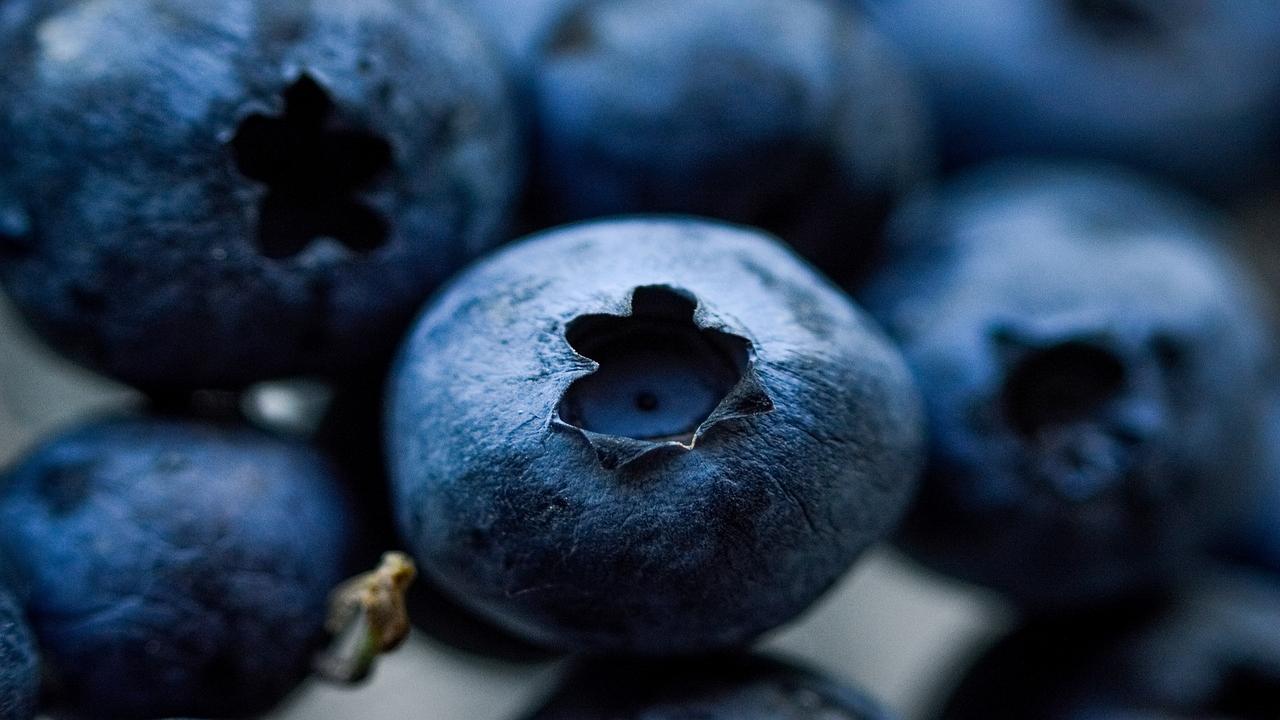
Remember when you could grab a pint of fresh blueberries for just a couple bucks? Those days feel like ancient history now! These tiny nutritional powerhouses have become surprisingly expensive, with prices often hitting $4-6 per container – and sometimes even more during off-season months. The cost jump stems from several factors: weather patterns affecting crop yields, increased demand for antioxidant-rich foods, and rising transportation costs. Labor shortages during harvest season have also pushed prices higher, making these sweet gems feel more like a luxury purchase than an everyday snack.
Despite the sticker shock, I still find ways to enjoy blueberries without breaking the bank. Frozen blueberries offer incredible value – they’re picked at peak ripeness, flash-frozen immediately, and cost significantly less than fresh ones. I stock up during summer sales when prices drop, washing and freezing berries in single-layer trays before transferring them to freezer bags. You can also stretch your blueberry budget by mixing them with less expensive fruits in smoothies, pancakes, or muffins. Shop seasonal sales at different stores, and consider buying in bulk when prices dip – your wallet and your body will thank you for these antioxidant-packed beauties!
Almonds
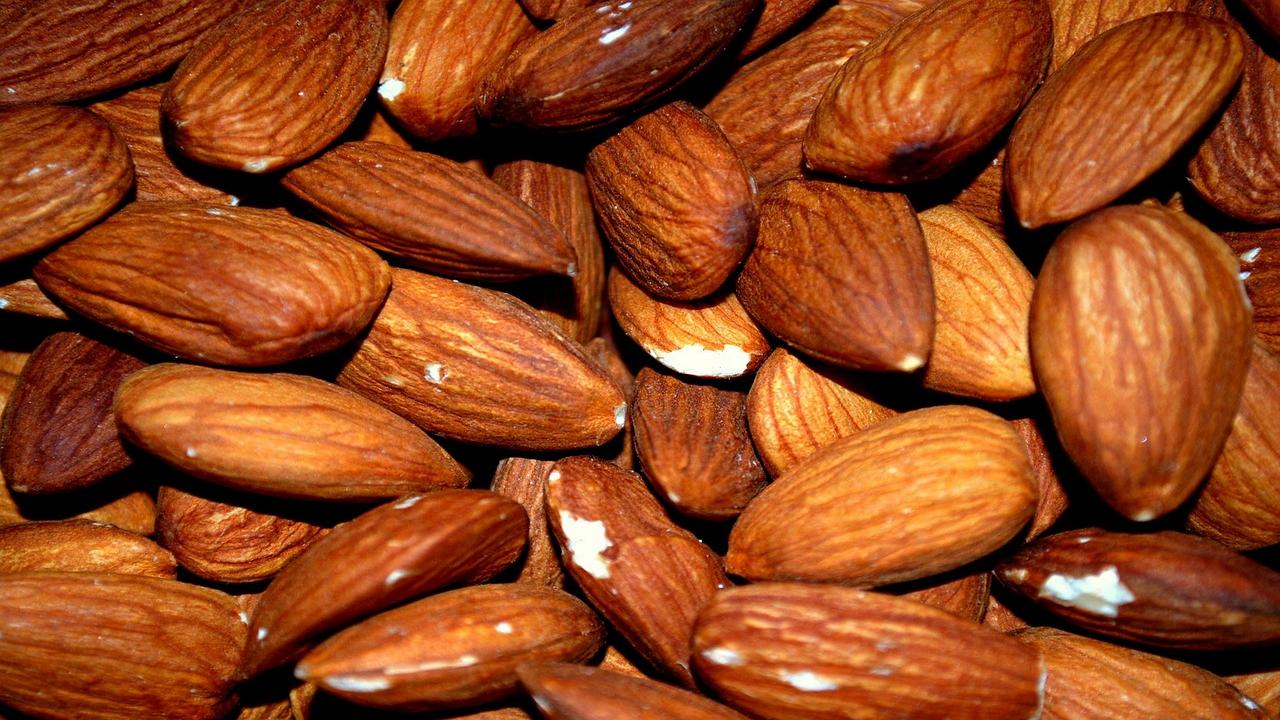
Remember when you could grab a bag of almonds without checking your bank account twice? Those days feel like a distant memory now! These protein-packed powerhouses have skyrocketed in price, and honestly, it makes my heart hurt a little every time I walk down the nut aisle. California produces about 80% of the world’s almonds, and between droughts, increased demand, and rising production costs, these little gems now command premium prices that would make your grandmother gasp.
But here’s the thing – I still think almonds deserve a spot in your pantry, even if you need to budget for them like a fancy bottle of wine. They’re incredible for adding crunch to salads, blending into creamy homemade almond milk, or simply enjoying as a satisfying snack that keeps you full for hours. Try buying them in bulk during sales, storing them properly in airtight containers, and using them strategically in recipes where their rich, buttery flavor really shines. A little goes a long way with these nutritional superstars!
Quinoa
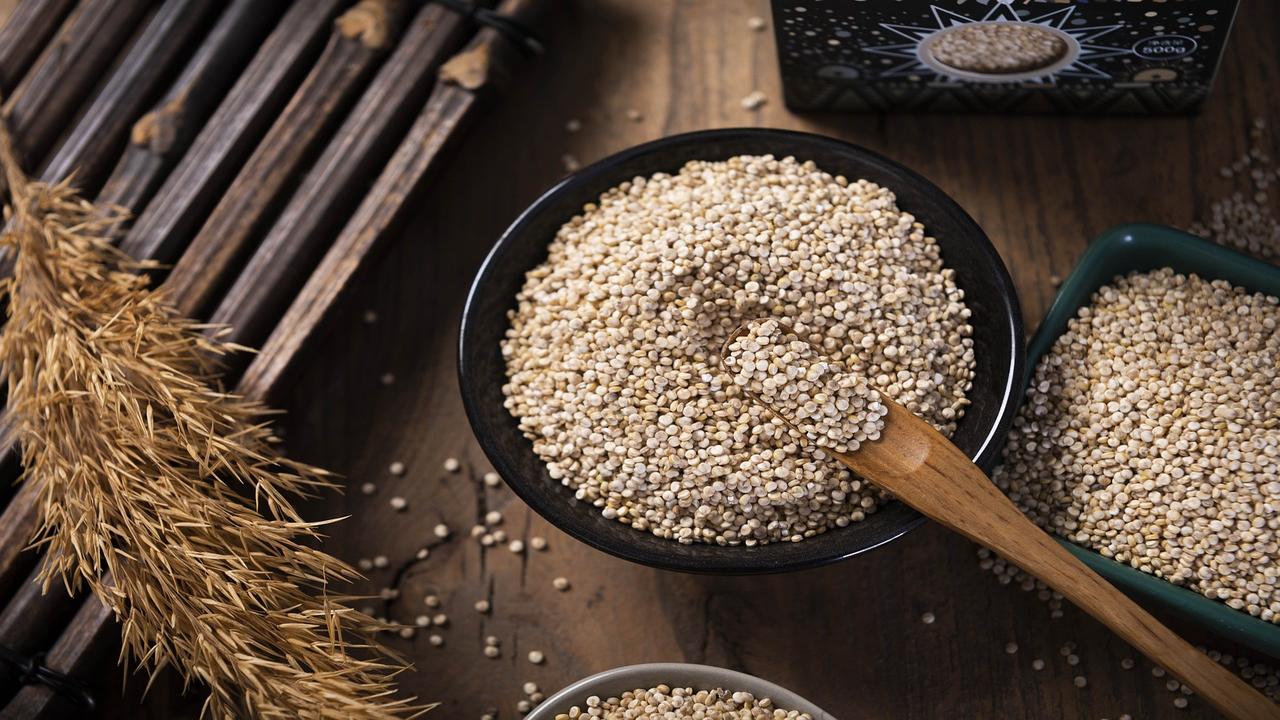
Remember when quinoa felt like this exotic superfood that only health food stores carried? Those days are long gone, my friend! This tiny seed (yes, it’s technically a seed, not a grain) has become so popular that prices have skyrocketed beyond what most of us budgeted for our weekly grocery runs. You’re now looking at $6 to $8 per pound for organic quinoa at most supermarkets, and even the conventional stuff hovers around $4 to $5. That’s quite a jump from the $2 per pound we used to pay just a few years ago!
The price surge stems from quinoa’s incredible nutritional profile and its status as a complete protein – meaning it contains all nine amino acids your body needs. Plus, it’s naturally gluten-free, which has made it a go-to choice for people with celiac disease and gluten sensitivities. Most quinoa comes from Bolivia and Peru, where indigenous farmers have grown it for thousands of years. However, global demand now far exceeds supply, especially since climate conditions in these high-altitude regions can be unpredictable. While the cost might make you wince at checkout, quinoa still delivers amazing versatility in your kitchen – from breakfast bowls to dinner salads to crispy coating for chicken.
Salmon
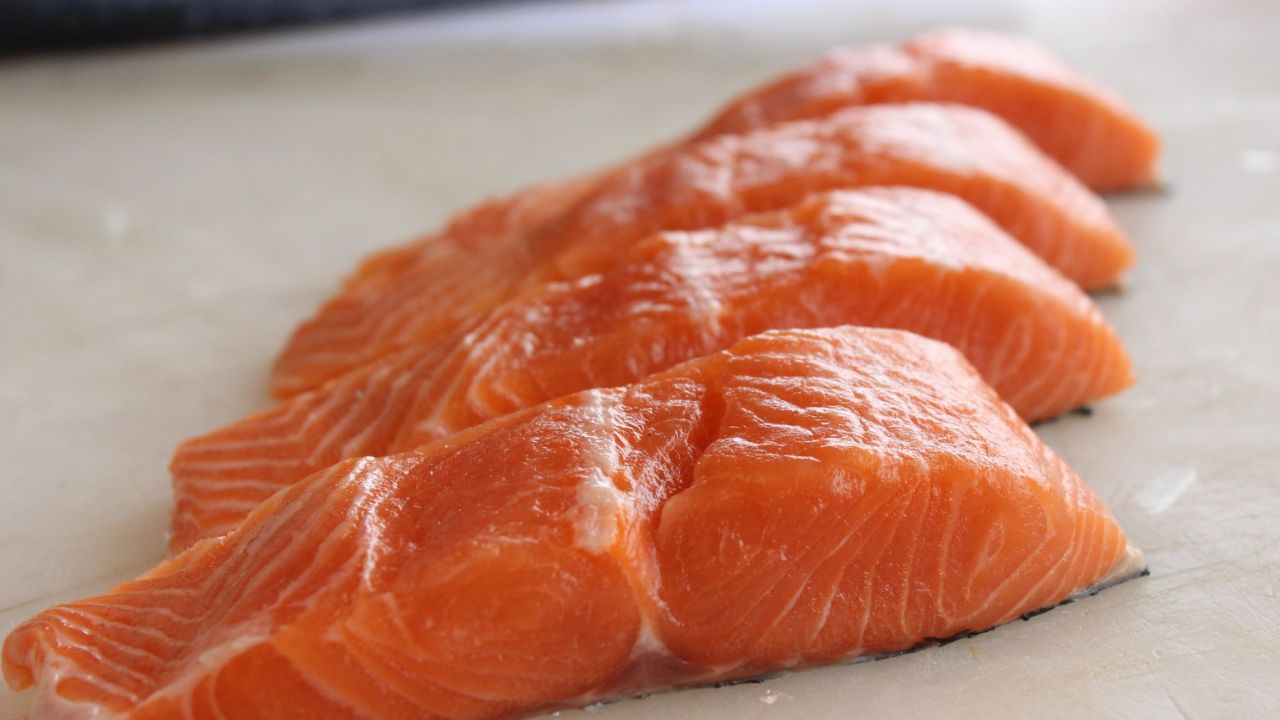
If you’ve been craving that beautiful piece of salmon for dinner lately, your wallet might be feeling the pinch more than ever. This omega-3 powerhouse has seen prices soar to astronomical heights, making what used to be a weekly protein staple feel like a luxury splurge. Wild-caught salmon can now cost upwards of $25-30 per pound at many grocery stores, while even farm-raised varieties are pushing $15-20 per pound. The reasons behind this price surge include climate change affecting wild salmon populations, increased demand for sustainable seafood options, and supply chain disruptions that have impacted both fishing operations and aquaculture facilities.
Don’t let these hefty price tags discourage you from enjoying this nutritional powerhouse though! I’ve learned to be strategic about buying salmon – watch for sales, consider purchasing frozen fillets which often cost less per pound, and buy larger portions when prices drop to freeze for later. You can also stretch your salmon budget by incorporating it into dishes where a little goes a long way, like salmon salad, pasta dishes, or grain bowls. The heart-healthy benefits of those omega-3 fatty acids, high-quality protein, and vitamin D make salmon worth saving up for occasionally, even if it’s become more of a special occasion protein than an everyday option.
Coffee

Your morning cup of joe has become a serious budget buster, and I know how much that daily ritual means to you! Coffee prices have skyrocketed due to climate change affecting growing regions, supply chain disruptions, and increased global demand. Whether you’re grabbing a bag of beans from your favorite roaster or picking up ground coffee at the supermarket, you’re probably noticing those price tags making your wallet wince. Even basic store brands have jumped significantly, making that simple pleasure feel more like a luxury purchase.
But here’s the thing – you don’t have to give up your beloved morning brew! I’ve discovered some fantastic ways to make your coffee budget stretch further without sacrificing flavor. Try buying whole beans in bulk and grinding them yourself for maximum freshness and savings. Consider switching to a French press or pour-over method, which gives you more control over strength and reduces waste. You can also stretch premium coffee by mixing it with a less expensive variety, creating your own signature blend that still delivers that satisfying caffeine kick you crave each morning.
Avocados
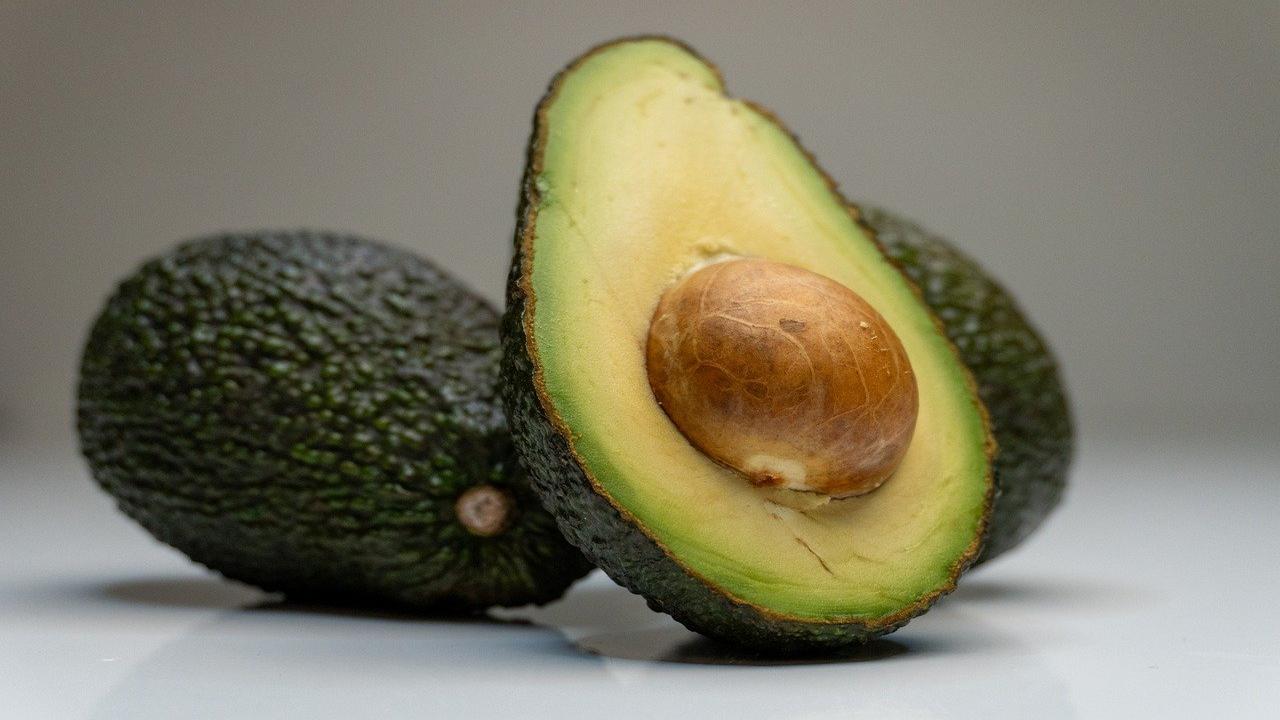
Remember when you could grab a perfectly ripe avocado for under a dollar? Those days feel like a distant memory now that these green gems regularly cost $2-3 each at most grocery stores. The price spike isn’t just your imagination – avocados have become one of the most expensive produce items in your shopping cart, and there’s a perfect storm of reasons why your beloved toast topper has gotten so pricey.
Climate change has wreaked havoc on avocado crops in major growing regions like California and Mexico, leading to smaller harvests and higher wholesale prices. Add in increased demand from health-conscious consumers who’ve made avocados a breakfast staple, and you’ve got a supply-and-demand situation that’s driving costs through the roof. While the sticker shock is real, I still think avocados are worth the splurge for their creamy texture and heart-healthy fats – just buy them strategically when they’re on sale and let them ripen at home to maximize your investment.