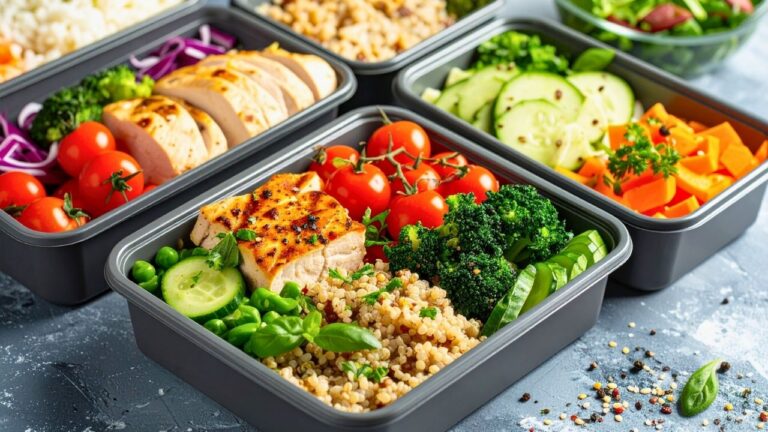
14 Everyday Foods That Seem Like Smart Picks but Secretly Throw Off Your Eating Habits
We’ve all grabbed a granola bar or fruit juice thinking we made a healthy choice—but did we? Many “health foods” hide sneaky problems that wreck your diet goals. That protein bar might pack more sugar than a candy bar, while your favorite smoothie bowl could contain a day’s worth of calories in one Instagram-worthy serving.
The grocery store has become a minefield of marketing tricks. Companies slap “gluten-free” or “reduced fat” labels on products loaded with extra sugar and salt to make up for lost flavor. Even classics like trail mix and dried fruit trick you with portion sizes nobody actually sticks to.
The worst part? These foods leave you hungry again in an hour. Rice cakes have almost zero nutrition, sports drinks overflow with unnecessary sugar, and those light salad dressings often contain extra chemicals and sweeteners. Your “healthy” yogurt parfait? It might pack more sugar than a donut—with fewer satisfied minutes to show for it.
Light Salad Dressings

You grab that bottle of “light” ranch dressing, feeling like you’ve cracked the code to healthy eating. After all, it says “50% less fat” right there on the label! But here’s the plot twist your favorite salad companion doesn’t want you to know: when manufacturers strip away the fat, they need to replace it with something equally delicious. Enter sugar, corn syrup, and a chemistry set’s worth of thickeners and stabilizers. Your innocent-looking light Caesar dressing might pack more sugar than a chocolate chip cookie, turning your virtuous kale salad into a sneaky dessert masquerading as health food.
The real kicker? These sugar-loaded imposters actually make you hungrier than their full-fat cousins. Fat keeps you satisfied longer, but sugar sends your blood glucose on a roller coaster ride that ends with you rummaging through the pantry an hour later. Instead of falling for the “light” marketing magic, try whisking together olive oil, lemon juice, and herbs for a dressing that actually nourishes you. Or better yet, use avocado as your creamy base – it gives you the richness you crave while delivering healthy fats that keep your hunger in check. Your salads will thank you, and so will your waistline!
Reduced Fat Peanut Butter
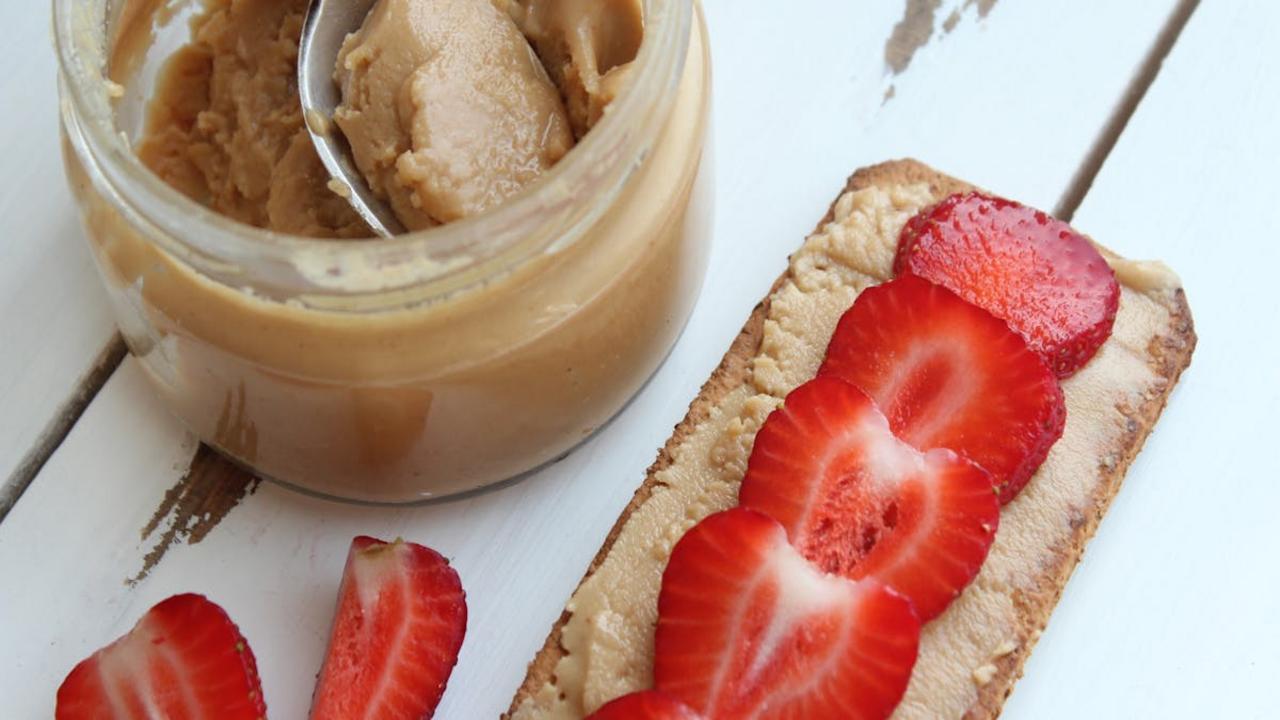
Oh, reduced fat peanut butter – the nutritional equivalent of a wolf in sheep’s clothing! You grab that jar thinking you’re making the smarter choice, but here’s the kicker: food manufacturers had to replace all that creamy, satisfying fat with something, and that something is usually sugar, corn syrup, and a cocktail of additives that would make a chemistry student dizzy. Regular peanut butter contains those healthy monounsaturated fats that actually help you feel full and satisfied, while the reduced fat version leaves you scraping the bottom of the jar twenty minutes later, wondering why you’re still hungry and reaching for more snacks.
The irony runs deeper than a philosophical debate about sandwich spreads – you end up consuming more calories because reduced fat peanut butter doesn’t trigger the same satiety signals as its full-fat cousin. I once watched my neighbor demolish half a jar of the “healthier” stuff during a Netflix binge, something she’d never accomplish with regular peanut butter because the natural fats would have sent her brain the “I’m satisfied” memo much sooner. Plus, many of these products contain extra salt to compensate for the flavor lost when fat gets removed, turning your innocent PB&J into a sodium bomb that’ll have you retaining water like a camel preparing for desert travel.
Flavored Oatmeal
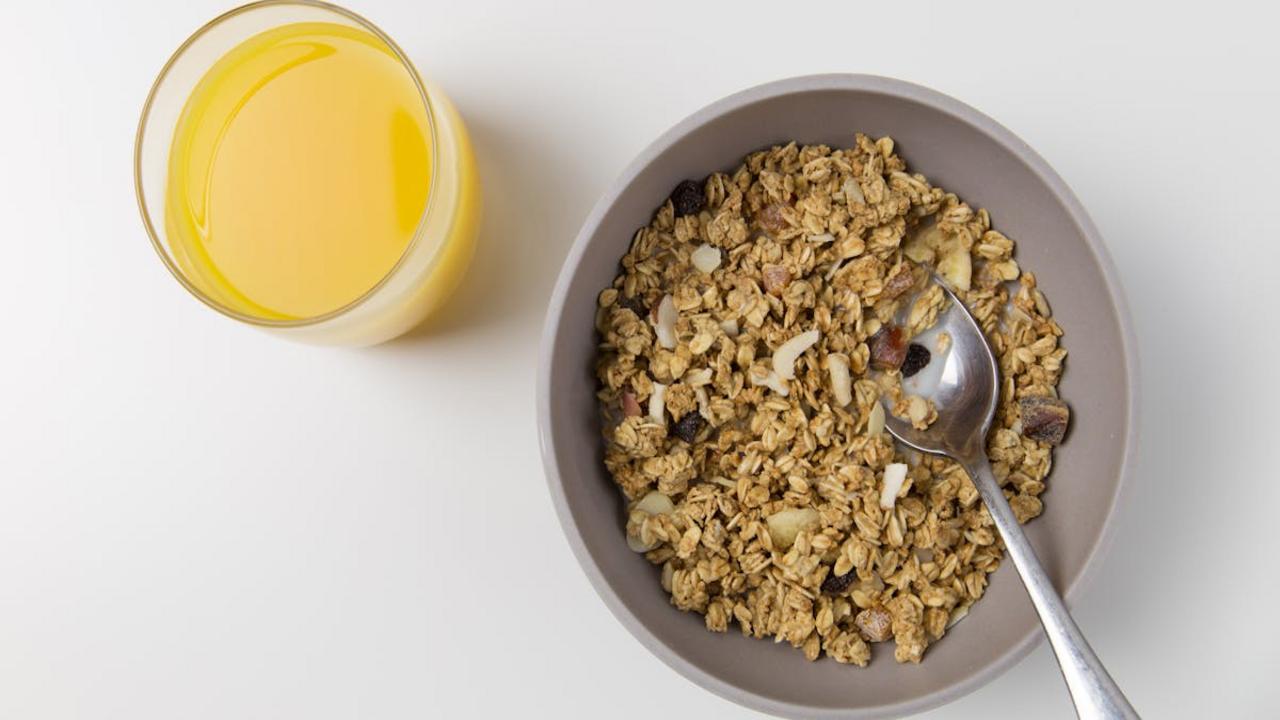
You grab that packet of maple brown sugar oatmeal thinking you’re making a wholesome breakfast choice, but plot twist—you’ve just dumped more sugar into your bowl than a glazed donut contains! Those innocent-looking instant oatmeal packets pack around 12-15 grams of added sugars, which explains why your energy crashes harder than a dropped phone by 10 AM. The sneaky part? Food companies disguise all that sweetness with names like “natural flavors” and “fruit pieces,” making you feel virtuous while you’re basically eating dessert for breakfast. Your blood sugar spikes faster than your morning coffee kicks in, leaving you hungrier than a bear emerging from hibernation just two hours later.
Here’s the kicker: plain oats contain zero added sugars and still deliver all those heart-healthy benefits you’re after, plus they’ll actually keep you satisfied until lunch. Those colorful packets might taste like childhood memories, but they’re secretly training your palate to crave more sweetness throughout the day. Try steel-cut oats with fresh berries, a drizzle of honey, and some chopped nuts instead—you’ll get natural sweetness without the sugar roller coaster. Your pancreas will thank you, and you won’t find yourself eyeing the office donuts like they’re calling your name by mid-morning. Trust me, once you break free from the flavored oatmeal trap, regular oats taste way better than you remember!
Gluten Free Snacks
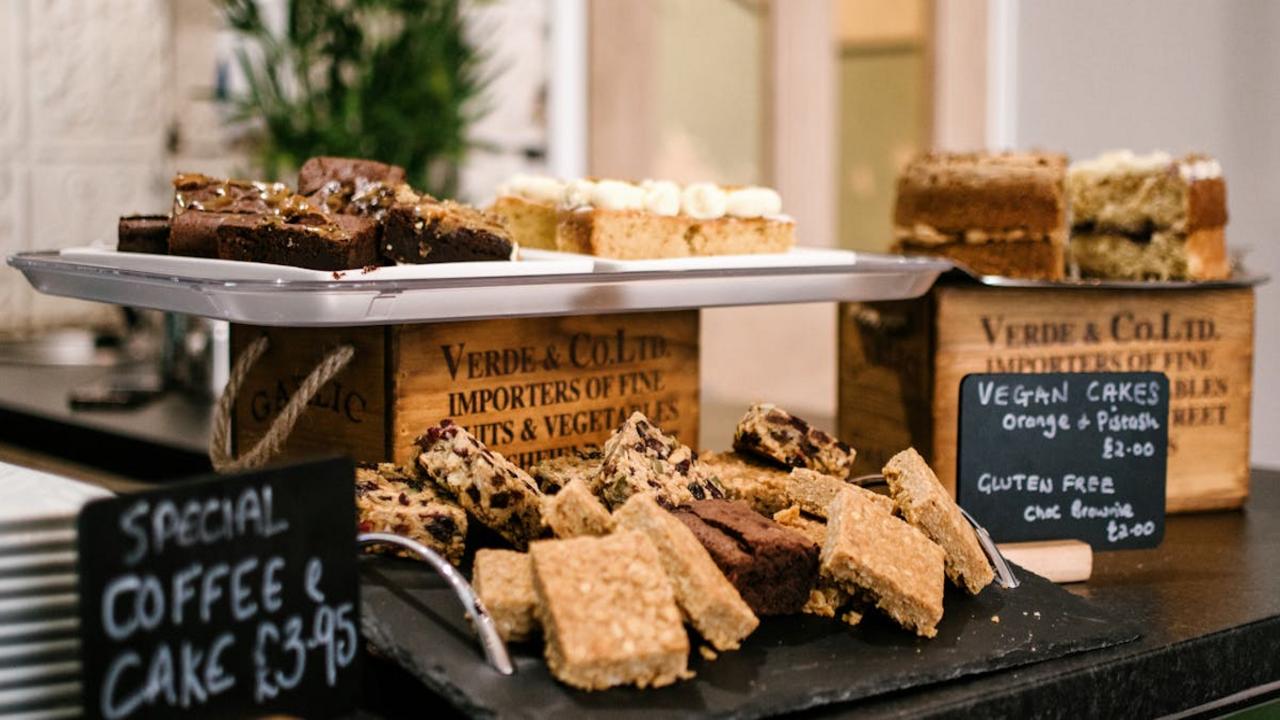
You know that smug feeling you get when you grab those gluten-free crackers instead of regular ones? Yeah, I hate to break it to you, but those innocent-looking packages might be playing tricks on your healthy eating goals. Most gluten-free snacks compensate for their missing wheat protein by loading up on rice flour, potato starch, and enough sugar to make a candy bar jealous. Your “healthier” choice often packs more calories and carbs than its gluten-containing cousin, plus it usually costs twice as much. Fun fact: the gluten-free food market exploded from $1.7 billion to over $7 billion in just a decade, and most buyers don’t even have celiac disease!
Here’s the real kicker – removing gluten doesn’t automatically make something nutritious. Those trendy gluten-free cookies still contain butter, sugar, and processed ingredients that your body processes exactly the same way. Unless you actually have celiac disease or gluten sensitivity, you’re basically paying premium prices for snacks that often have less fiber and fewer B vitamins than regular versions. I once watched a friend demolish an entire bag of gluten-free pretzels because she convinced herself they were “basically health food.” Spoiler alert: they weren’t, and her blood sugar roller coaster that afternoon proved it spectacularly.
Dried Fruit
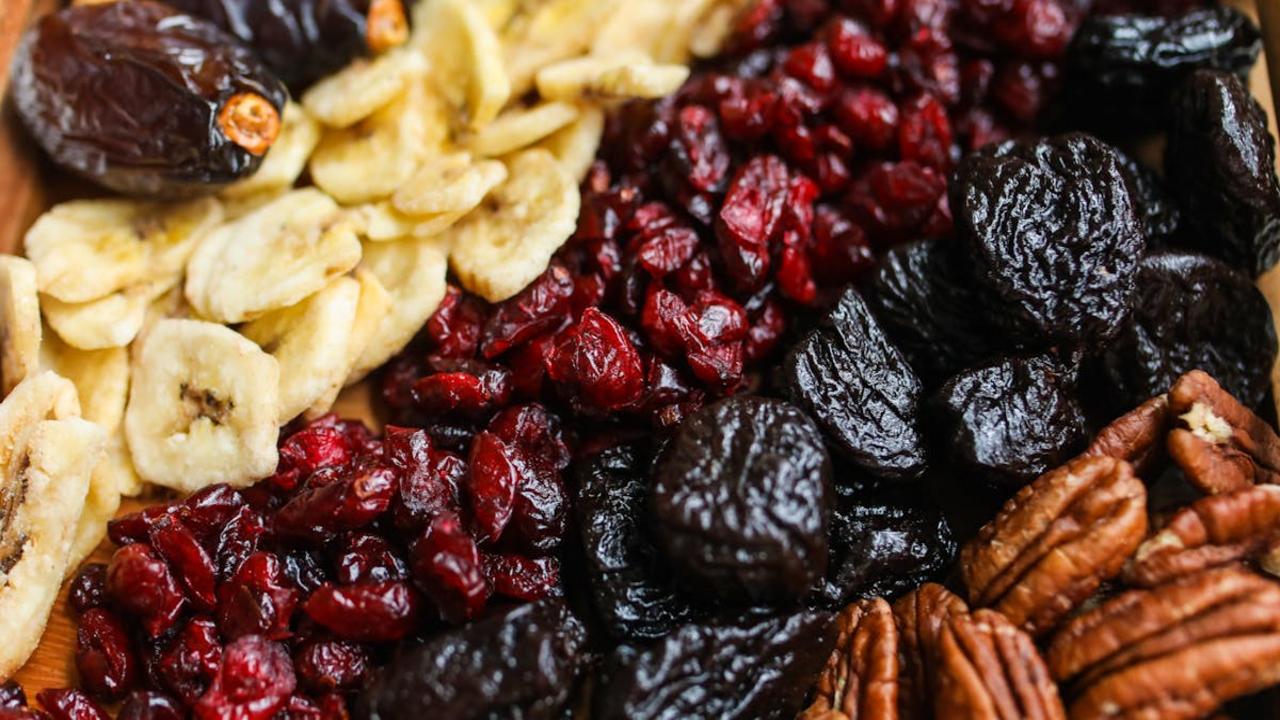
You know that moment when you’re staring at a bag of dried apricots thinking you’re basically a health guru? Yeah, I’ve been there too. These chewy little gems seem like nature’s candy – which, plot twist, they literally are! When fruit loses its water content, all those natural sugars become concentrated into tiny sugar bombs that’ll spike your blood sugar faster than you can say “but it’s just fruit!” A single cup of dried apricots packs about 69 grams of sugar, while fresh apricots clock in at a measly 15 grams. Your pancreas definitely notices the difference, even if your brain keeps insisting this counts as your daily fruit serving.
The sneaky part? Your stomach doesn’t register these concentrated morsels the same way it would a juicy peach or crisp apple. You can easily polish off what would equal six fresh plums worth of dried fruit without feeling remotely full. Plus, many commercial varieties come loaded with sulfur dioxide to maintain that pretty color, and some even get a bonus coating of added sugar because apparently nature wasn’t sweet enough. If you’re craving that chewy texture, try making your own at home or look for unsweetened versions – just remember that even the “natural” stuff should be treated more like dessert than a health food. Your future self will thank you when you’re not wondering why you’re suddenly craving everything in sight an hour later!
Veggie Chips
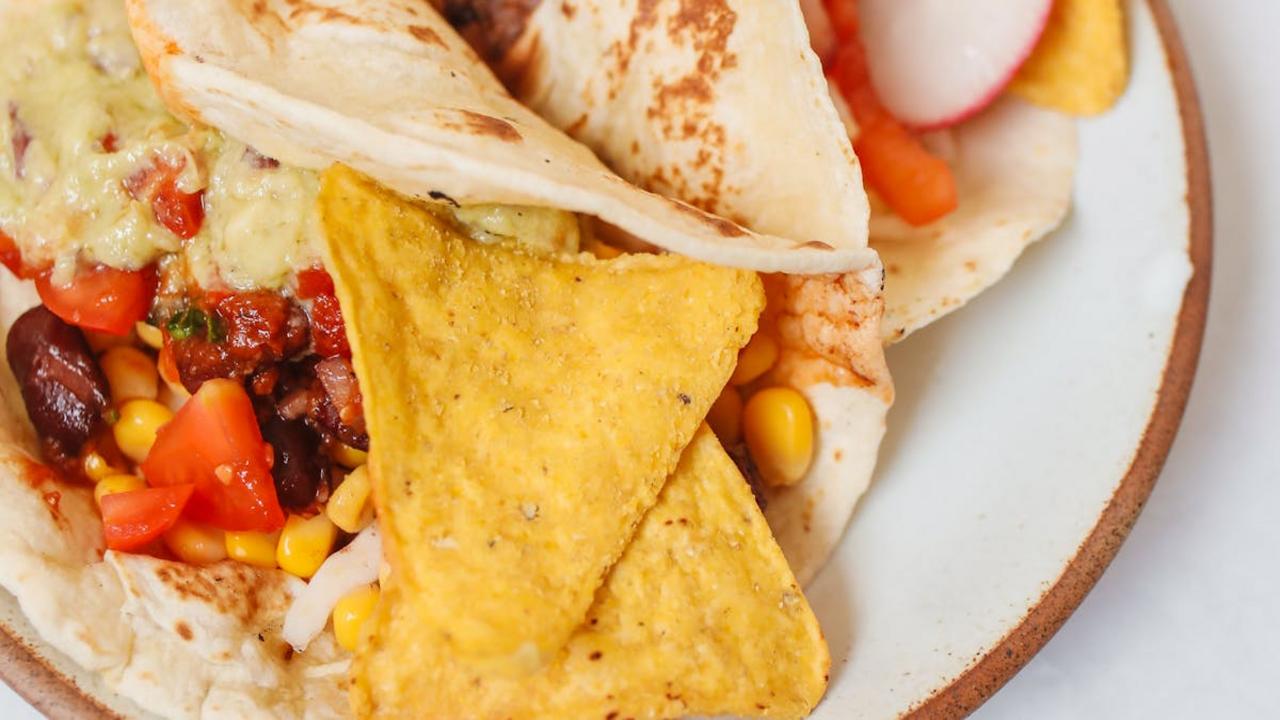
You grab that bag of veggie chips thinking you’re making the health-conscious choice, but plot twist: these crunchy little devils are often just regular potato chips wearing a vegetable costume to fool you at the grocery store. Most commercial veggie chips undergo the same deep-frying process as their potato cousins, soaking up oil and calories like tiny, colorful sponges. That beautiful purple sweet potato chip? It’s got about the same nutritional value as a regular chip, just with a prettier Instagram filter. The dehydration and frying process strips away most of the vitamins and fiber that made those vegetables worth eating in the first place.
Here’s the kicker: manufacturers often add potato starch or flour to bind these chips together, so you’re getting a double dose of starch without realizing it. Some brands even sneak in artificial colors to make their “beet” chips look more beetlike than actual beets! If you want the real vegetable experience, try making your own by thinly slicing sweet potatoes, beets, or kale, then baking them with a light drizzle of olive oil and sea salt. Your oven becomes your friend, and you control exactly what goes into your snack. Trust me, once you taste a homemade kale chip that actually tastes like kale instead of fried sadness, you’ll never go back to those imposter bags again.
Smoothie Bowls
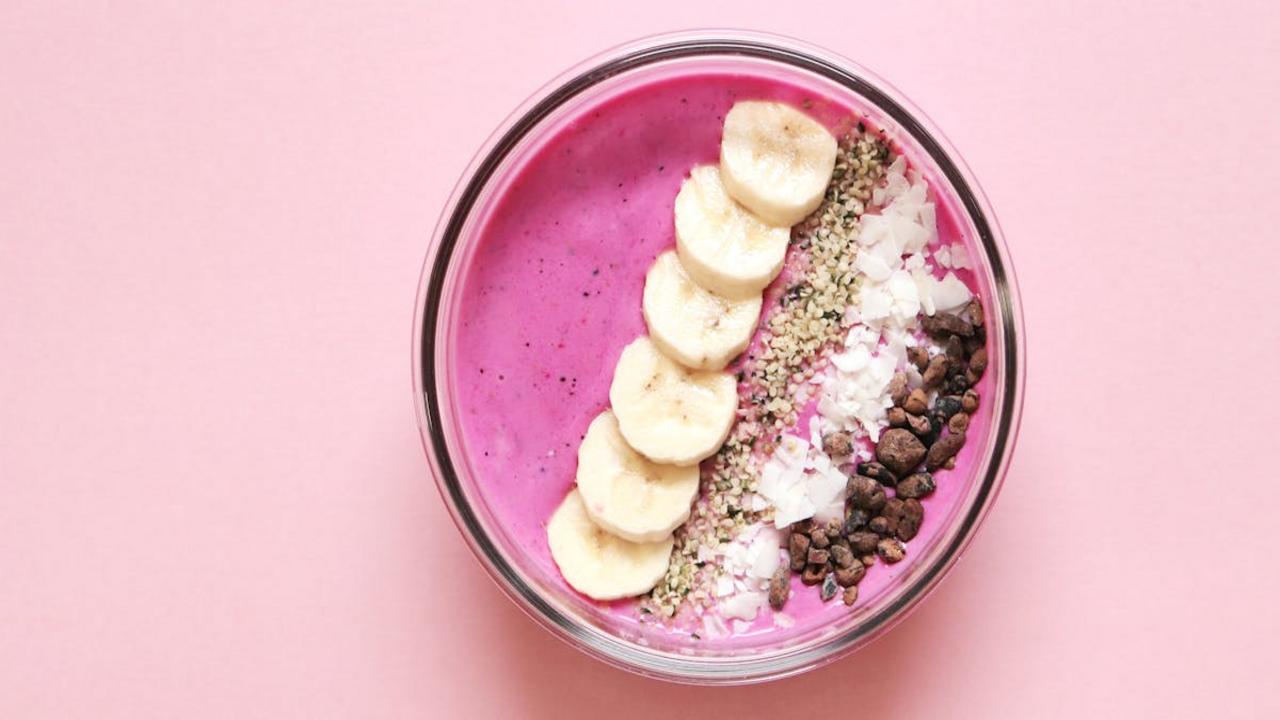
Oh, smoothie bowls – those Instagram-worthy masterpieces that make your regular breakfast look like it gave up on life! You know the ones I’m talking about: thick, colorful concoctions topped with perfectly arranged berries, coconut flakes, and enough granola to feed a small village. They sit there looking so virtuous with their açaí purple hues and artistic drizzles, practically screaming “I’m healthy!” But here’s the plot twist your favorite food blogger won’t mention – these beautiful bowls often pack more calories than a McDonald’s milkshake. The thick base requires way more fruit than you’d ever eat in one sitting, plus that innocent-looking granola topping? It’s basically dessert pretending to be breakfast.
The real kicker is how these bowls mess with your hunger signals faster than a toddler with a sugar rush. All that concentrated fruit sugar hits your bloodstream like a freight train, sending your energy soaring before crashing harder than my attempt at making sourdough during lockdown. You’ll find yourself ravenous again within two hours, reaching for whatever snack crosses your path first. A regular smoothie bowl can easily clock in at 600-800 calories – that’s more than some people’s entire lunch! The portion distortion is real, my friend. That “small” bowl is actually the size of a mixing bowl, and you’re spooning up what should be three servings of fruit plus enough nuts and seeds to start your own health food store.
Rice Cakes
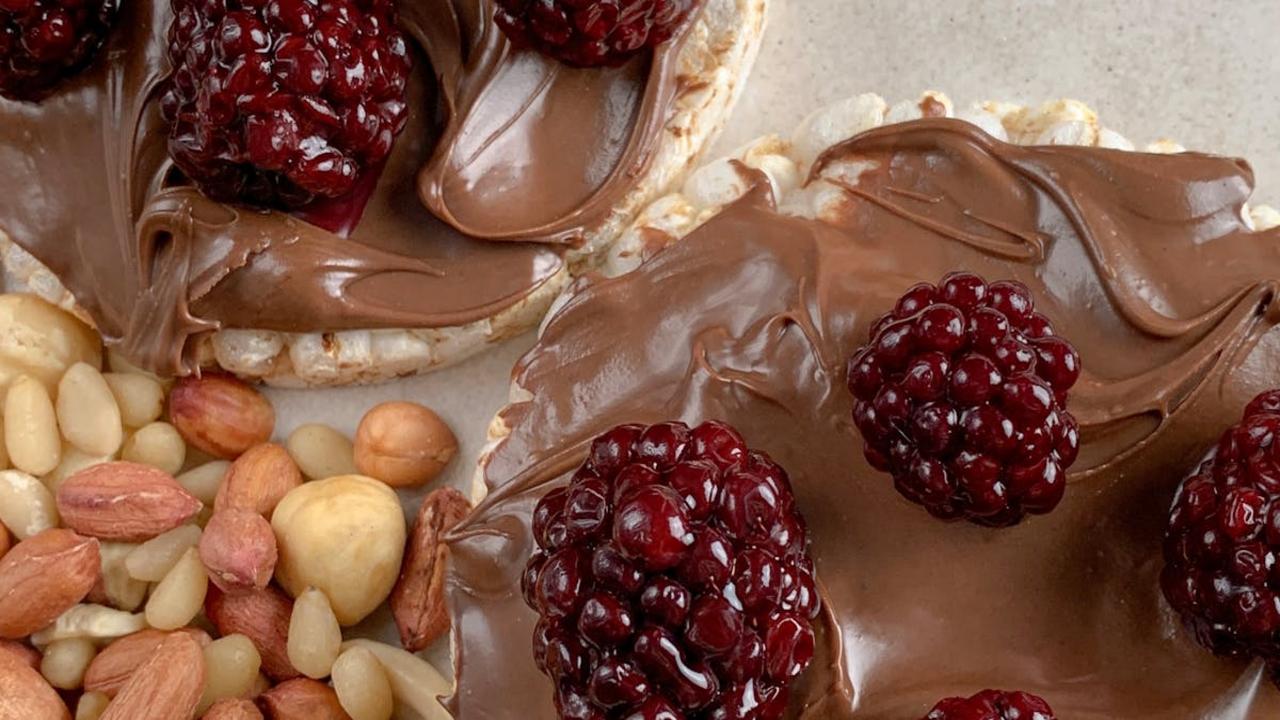
Oh, rice cakes! Those innocent-looking discs that crunch like cardboard and promise to be your diet’s best friend. You grab a pack thinking you’re making the smart snack choice, but here’s the plot twist: these airy rounds are basically compressed air with a glycemic index that rockets your blood sugar faster than a toddler hopped up on birthday cake frosting. They’re made from puffed rice that’s been stripped of most nutrients, leaving you with what nutritionists lovingly call “empty calories.” Sure, they’re low in fat and calories, but they’re also low in pretty much everything else that makes food actually nourishing.
The real kicker? Rice cakes leave you hungrier than when you started! Within an hour of munching on these styrofoam-textured treats, your stomach starts growling again because they digest so quickly. It’s like your body got punk’d – you ate something, but your brain didn’t get the memo. Instead of reaching for plain rice cakes, try topping them with almond butter and sliced banana, or better yet, swap them for whole grain crackers that actually have some fiber and staying power. Your taste buds and your appetite will thank you for not subjecting them to another round of crunchy disappointment disguised as healthy eating.
Sports Drinks

You grab that neon-blue bottle thinking you’re channeling your inner Olympic athlete, but here’s the plot twist: unless you’ve just sprinted through a marathon or played three consecutive soccer matches, that sports drink is basically liquid candy masquerading as fitness fuel. These colorful concoctions pack anywhere from 20 to 35 grams of sugar per bottle – that’s roughly 6 to 9 teaspoons of pure sweetness dancing on your tongue! The original Gatorade was actually invented in 1965 by University of Florida researchers who mixed water, salt, sugar, and lemon juice to help their football team stay hydrated during grueling practices in the sweltering heat.
The real kicker? Your body only needs these electrolyte-packed beverages if you’ve been sweating buckets for over an hour of intense activity. For your average 30-minute gym session or weekend walk around the neighborhood, plain old water does the job perfectly without flooding your system with unnecessary calories and artificial colors that could make a rainbow jealous. Save your money and your waistline by reaching for H2O instead – your kidneys will thank you, and you won’t accidentally sabotage that healthy eating streak you’ve been working so hard to maintain!
Protein Bars
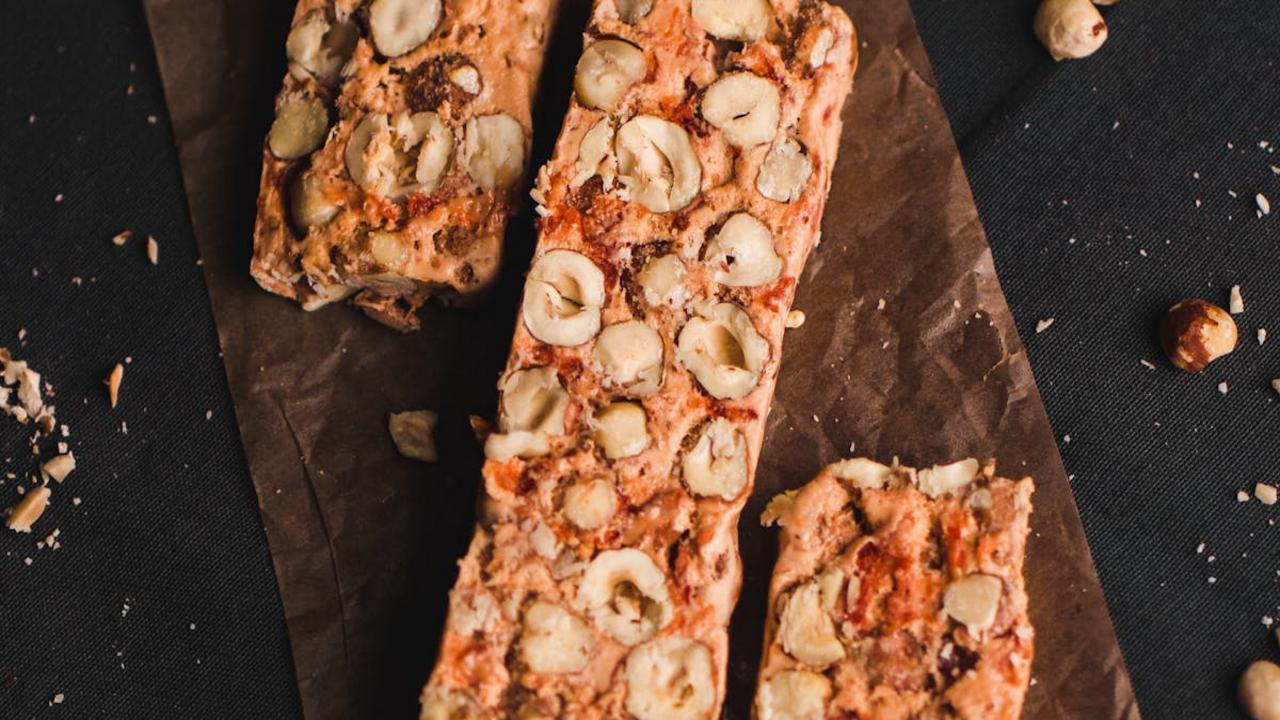
You grab that shiny protein bar from the checkout counter, feeling like a fitness guru making the smart choice. But here’s the plot twist – many of these rectangular “health” heroes contain more sugar than a candy bar! I once compared labels and discovered my favorite chocolate chip protein bar had 22 grams of sugar, while a Snickers only had 20. The protein content might fool you into thinking you’re doing your body a favor, but manufacturers often mask the sweetness with names like “brown rice syrup” or “organic cane juice.” Your blood sugar spikes just the same, whether it’s wearing workout clothes or not.
The real kicker? These bars often leave you hungrier than before you ate them. The combination of processed ingredients and hidden sugars creates a rollercoaster effect that sends your appetite into overdrive about an hour later. I’ve watched friends demolish a protein bar at 3 PM only to raid the office snack drawer by 4:30, wondering why they suddenly needed everything in sight. Instead of relying on these sneaky imposters, try pairing a hard-boiled egg with an apple, or make your own energy balls with dates, nuts, and a touch of dark chocolate. Your wallet and your actual hunger signals will thank you for ditching the marketing magic wrapped in foil.
Yogurt Parfaits
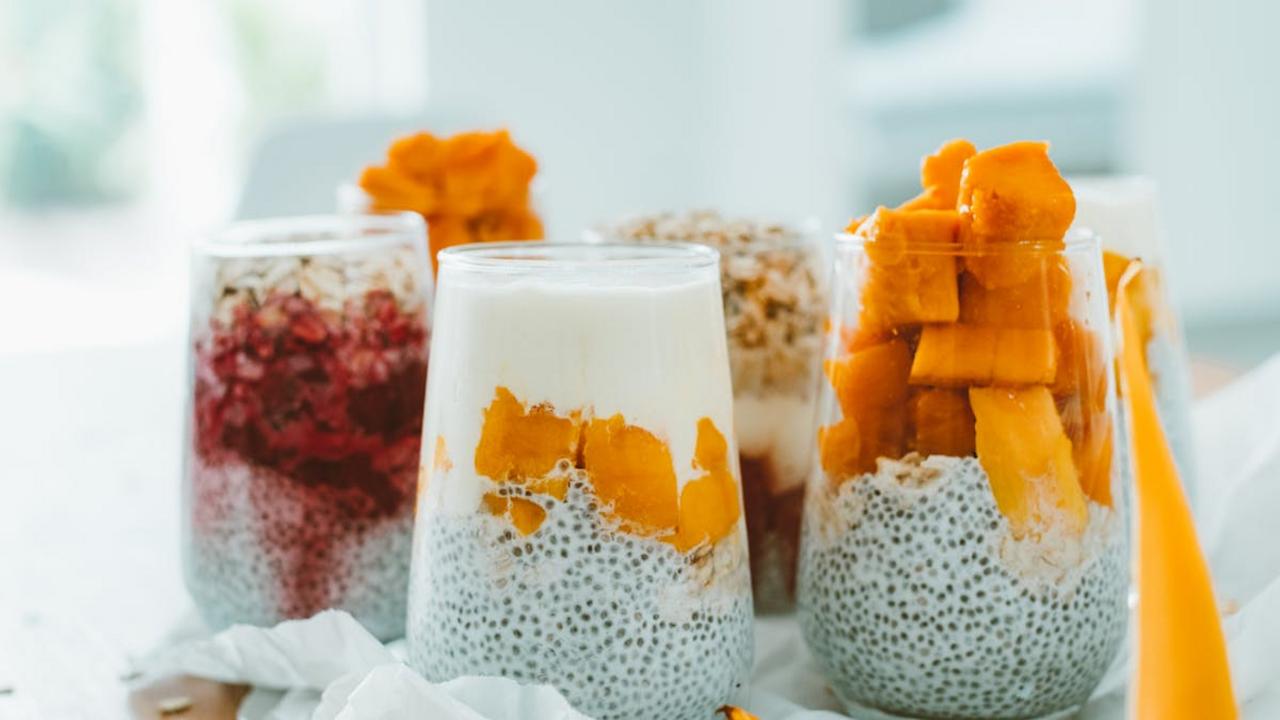
Picture this: you’re standing in line at that trendy café, eyeing what looks like the healthiest option on the menu—a gorgeous yogurt parfait layered with granola and fresh berries. You pat yourself on the back for choosing wisdom over that chocolate croissant calling your name. But here’s the plot twist that would make M. Night Shyamalan jealous: your “healthy” parfait just delivered more sugar than a candy bar! Most commercial parfaits pack 25-40 grams of sugar between the sweetened yogurt, honey-drenched granola, and syrup-soaked fruit. That innocent-looking breakfast just sent your blood sugar on a roller coaster ride that would make Six Flags jealous.
The sneaky truth about parfaits lies in their triple threat of hidden sugars. The yogurt often contains added sweeteners, the granola gets coated in honey or maple syrup during manufacturing, and even those “fresh” berries sometimes get a sugar bath to keep them looking Instagram-ready. Your body processes all this sugar faster than you can say “metabolism crash,” leaving you hungry again in two hours and craving more sweets. Instead of falling for this breakfast bamboozle, try making your own with plain Greek yogurt, unsweetened granola, and genuinely fresh fruit. Your pancreas will thank you, and you’ll actually stay full until lunch instead of prowling the office kitchen like a sugar-deprived zombie.
Fruit Juice
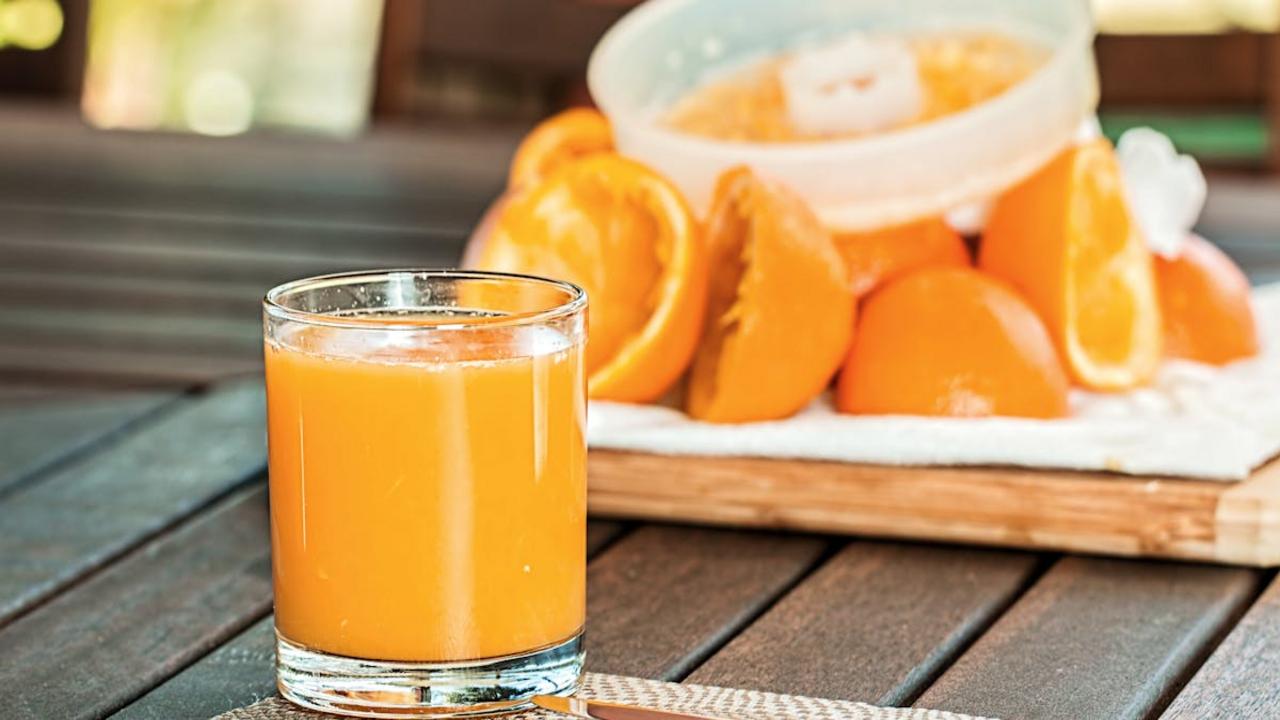
Ah, fruit juice – the breakfast hero that swoops in wearing a cape made of vitamin C claims and “natural goodness” labels! You grab that bottle of orange juice thinking you’re basically drinking liquid sunshine, but here’s the plot twist that’ll make you spit out your morning gulp: most commercial fruit juices pack more sugar than a can of soda. Yes, you read that right! That innocent-looking apple juice contains about 24 grams of sugar per cup, while your “evil” Coca-Cola has around 26 grams. The difference? Your juice lacks the fiber that whole fruit provides to slow down sugar absorption, turning your healthy breakfast into a blood sugar roller coaster ride.
Even the fancy “100% pure” juices pull a sneaky move on your metabolism. Without fiber to buffer the sugar rush, your body gets hit with a concentrated blast of fructose that sends your insulin levels sky-high, then crashing down faster than a house of cards in a windstorm. This sugar spike-and-crash cycle leaves you hungrier than before, often craving more sweet treats within hours. Want the real fruit experience? Grab an actual orange instead – you’ll get the same vitamins plus fiber that keeps you satisfied, and your taste buds get to enjoy that satisfying citrus burst without the metabolic mayhem. Your pancreas will thank you, and your energy levels will stay steady instead of doing the cha-cha all morning long!
Trail Mix
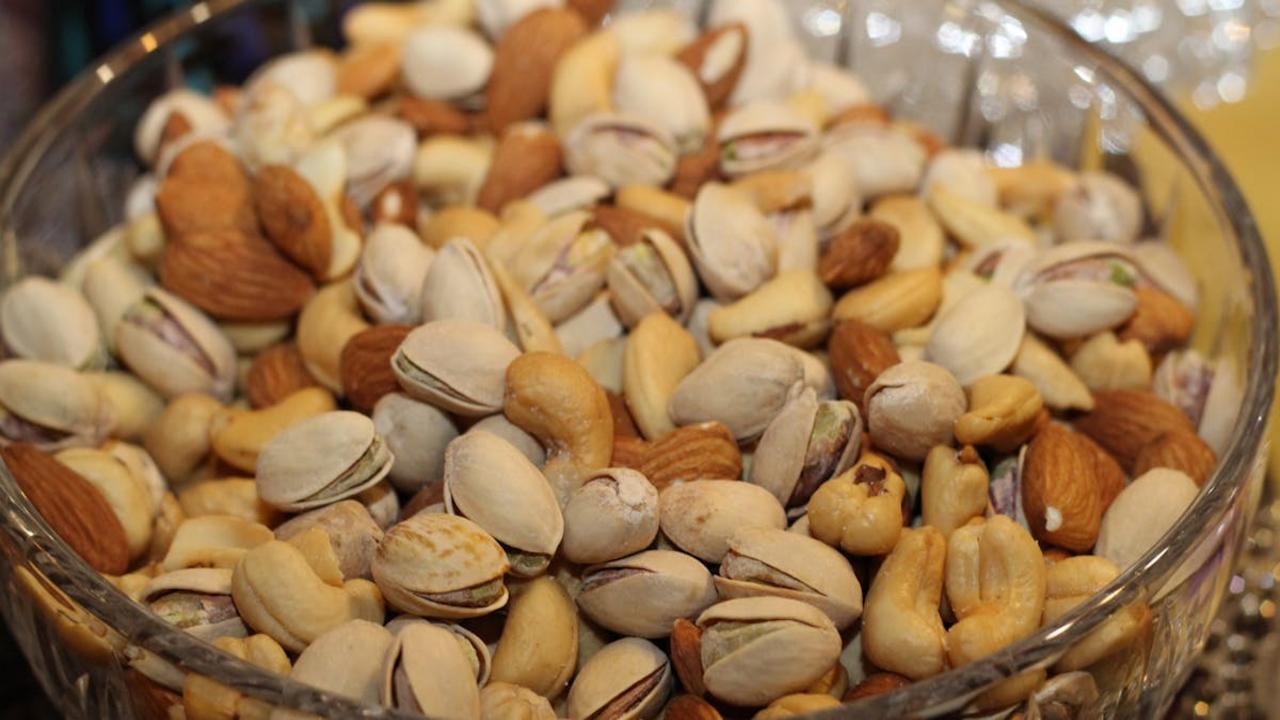
Trail mix sits on grocery store shelves like the poster child of healthy snacking, practically screaming “I’m good for you!” with its wholesome nuts, dried fruits, and maybe a few dark chocolate chips thrown in for good navigation. You grab that bag thinking you’re making the smartest snack choice since sliced apples, but here’s the plot twist your hiking boots didn’t warn you about: most commercial trail mixes pack more calories per handful than a candy bar. That innocent-looking quarter cup can clock in at 150-200 calories faster than you can say “granola girl summer.” The dried fruit gets concentrated with natural sugars during the dehydration process, while those nuts—though nutritious—bring serious calorie density to the party.
The real kicker? Your brain doesn’t register trail mix as particularly filling, so you keep reaching for more while binge-watching your favorite show. Before you know it, you’ve polished off half the bag and consumed enough calories to fuel an actual mountain hike. Smart trail mix strategy means portion control and reading labels like you’re studying for finals. Look for versions with more nuts than dried fruit, skip the chocolate-covered everything, and measure out single servings in small containers ahead of time. Better yet, make your own mix with raw almonds, a sprinkle of dark chocolate chips, and just enough dried cranberries to keep things interesting—your wallet and waistline will thank you!
Granola
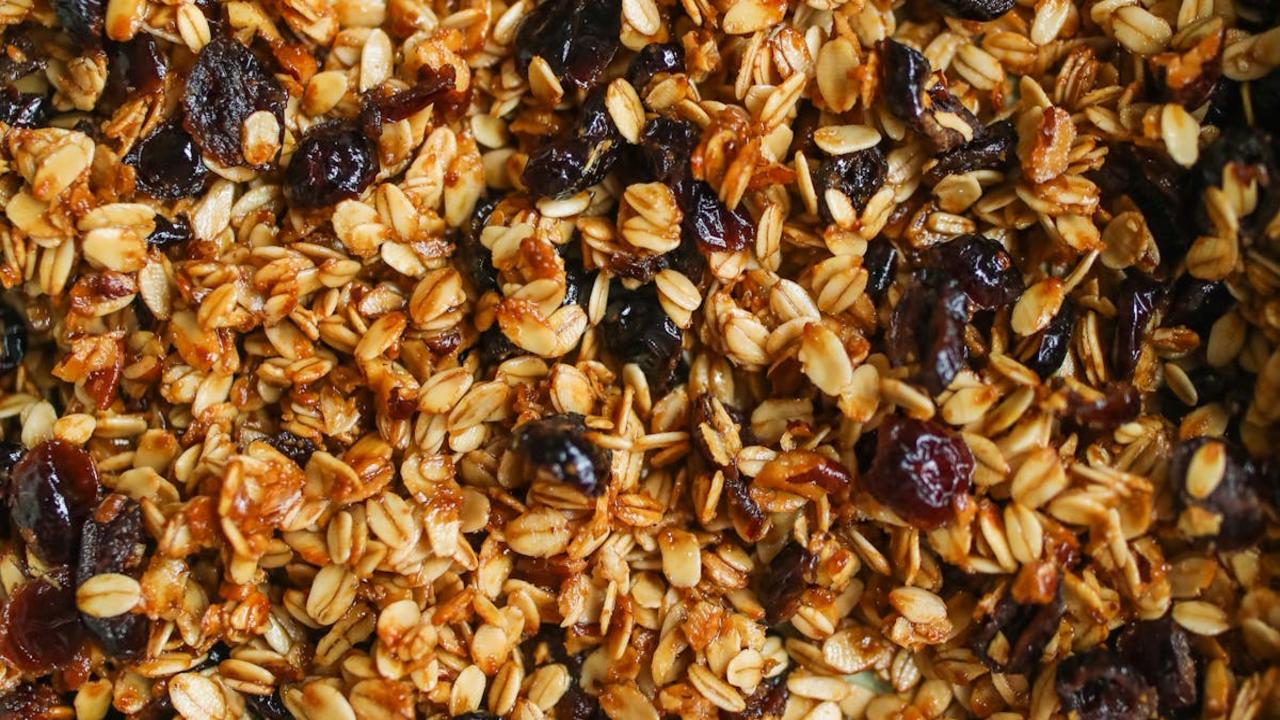
Oh granola, you beautiful, crunchy deceiver! You sit there in your rustic mason jar looking all wholesome and earthy, making us believe you’re the breakfast equivalent of a forest fairy. But here’s the plot twist nobody talks about: most commercial granola packs more sugar than a candy bar wearing hiking boots. That innocent-looking cluster of oats, nuts, and dried fruit? It’s basically dessert masquerading as health food, and it’s been fooling us for decades with its “natural” good looks.
The real kicker is that granola weighs about as much as a small meteorite, so what looks like a modest handful actually tips the scales at 400-500 calories before you even add milk. I once measured out an actual serving size (which is a measly quarter cup, by the way) and laughed so hard I nearly choked on my disappointment. Your best bet? Make your own with plain oats, a drizzle of honey, and whatever nuts survived your last Netflix binge. Store-bought versions often contain enough oil to lubricate a bicycle chain, so reading labels becomes your new superpower in the granola aisle.