14 Long-Lasting Pantry Staples Worth Stocking Up On
Your kitchen pantry holds untapped superpowers! Those dusty shelves can actually safeguard your future meals through power outages, snowstorms, or those nights when grocery shopping feels like climbing Mount Everest. The right long-lasting staples transform any kitchen into a meal-making machine, no matter what chaos life throws your way.
I’ve curated 14 pantry champions that laugh in the face of expiration dates. From sweeteners that ancient Egyptians would still find perfectly edible (hello, honey!) to instant coffee that’ll keep you caffeinated through the apocalypse, these foods refuse to quit when other ingredients have long surrendered.
Skip the panic-buying during the next weather alert. With dried beans waiting to become hearty stews and powdered eggs ready to fluff into breakfast, you’ll cook confidently while others scramble. These pantry heroes don’t just last forever—they’ll save your dinner plans and your budget simultaneously.
Dried Pasta
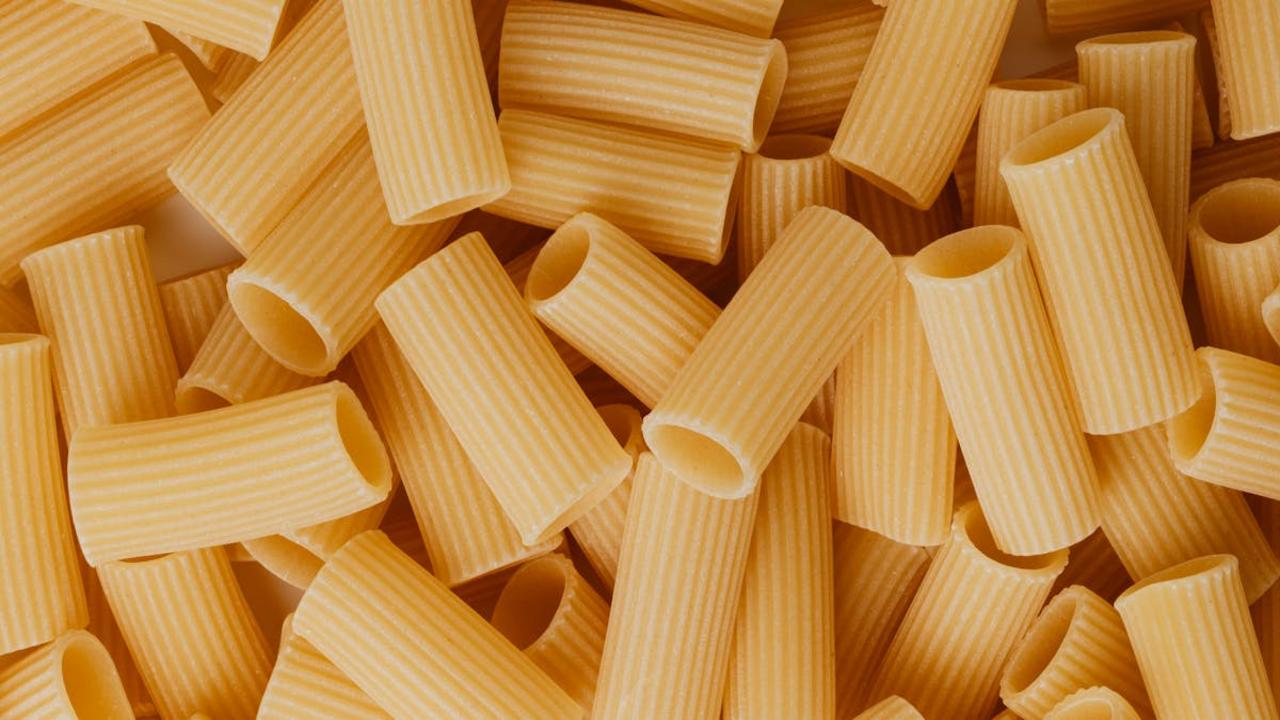
You know that friend who’s always reliable, never lets you down, and somehow makes everything better? That’s dried pasta in your pantry. This magical wheat creation can survive nuclear winters, zombie apocalypses, and your most ambitious meal-planning failures. I’ve found boxes of spaghetti in my pantry that were probably older than some of my houseplants, yet they cooked up perfectly al dente. The Italians figured out centuries ago that dehydrating wheat into these beautiful shapes would create food immortality – and honestly, they deserve a standing ovation for that stroke of genius.
The beauty of dried pasta lies in its chameleon-like personality. Monday night calls for a simple aglio e olio with garlic dancing in olive oil, while Friday screams for a dramatic carbonara performance. Keep multiple shapes on hand because each one serves a different purpose – penne catches chunky sauces in its little tubes, linguine wraps around seafood like silk scarves, and rigatoni? Well, rigatoni is basically edible architecture designed to hold maximum cheese. Pro tip: buy the bronze-die cut varieties when you can find them. The rough texture grabs sauce like a desperate person grabs the last slice of pizza, creating that perfect marriage of starch and flavor that makes your dinner guests wonder if you secretly attended Italian cooking school.
Canned Pumpkin
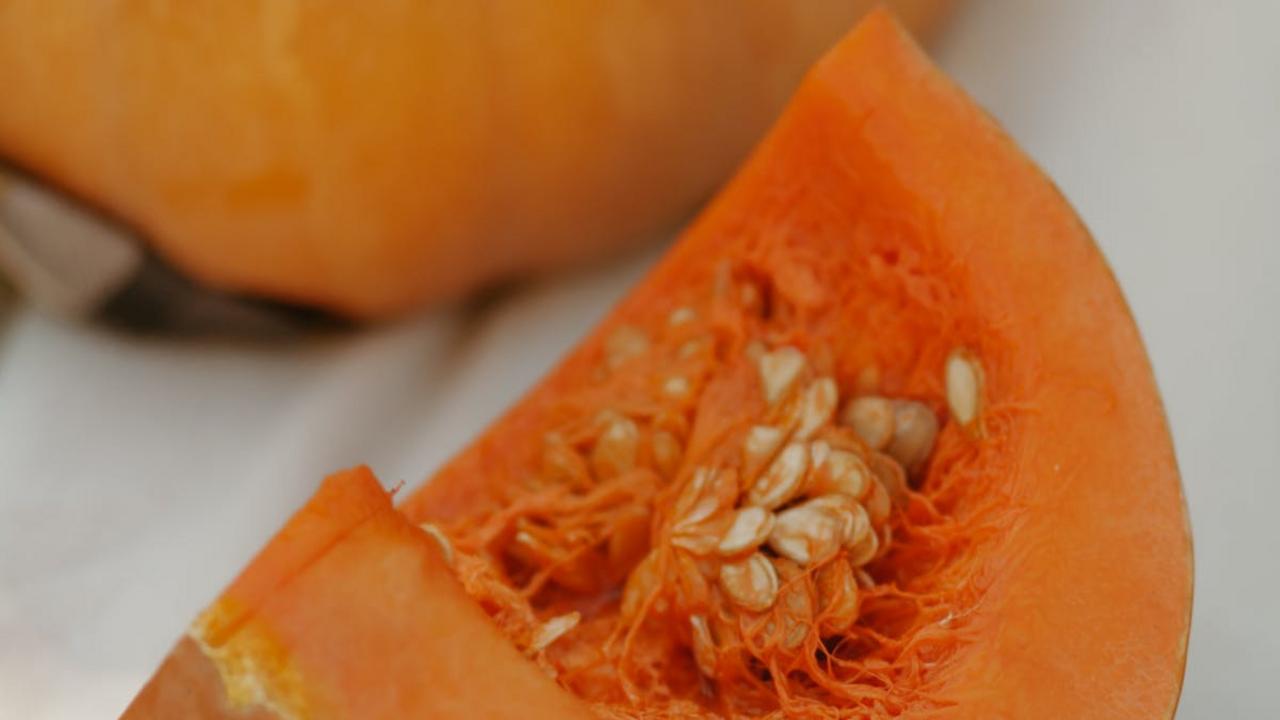
You know what’s funny about canned pumpkin? Most people think it’s made from those giant jack-o’-lantern pumpkins we carve every October, but plot twist—it’s actually made from Dickinson squash and other winter squashes that taste way better than those decorative orange bowling balls. Libby’s, which produces about 85% of the world’s canned pumpkin, grows their “pumpkins” in Illinois, and honestly, they’ve been keeping this delicious secret since 1929. I keep at least three cans in my pantry because this stuff lasts for years and turns me into a baking wizard faster than you can say “pumpkin spice latte.”
Here’s the real magic: canned pumpkin isn’t just for pie anymore (though let’s be real, pumpkin pie is basically autumn in dessert form). I throw it into pancakes for weekend mornings that feel like a warm hug, blend it into smoothies that taste like dessert but pack more vitamin A than a carrot farm, and even sneak it into mac and cheese for the creamiest, most nutritious comfort food you’ve ever experienced. My nephew once ate an entire bowl of pumpkin mac without realizing it contained vegetables—victory! Plus, unlike fresh pumpkin, which requires the upper body strength of a lumberjack to cut open, canned pumpkin just pops open and delivers consistent results every single time.
Powdered Milk
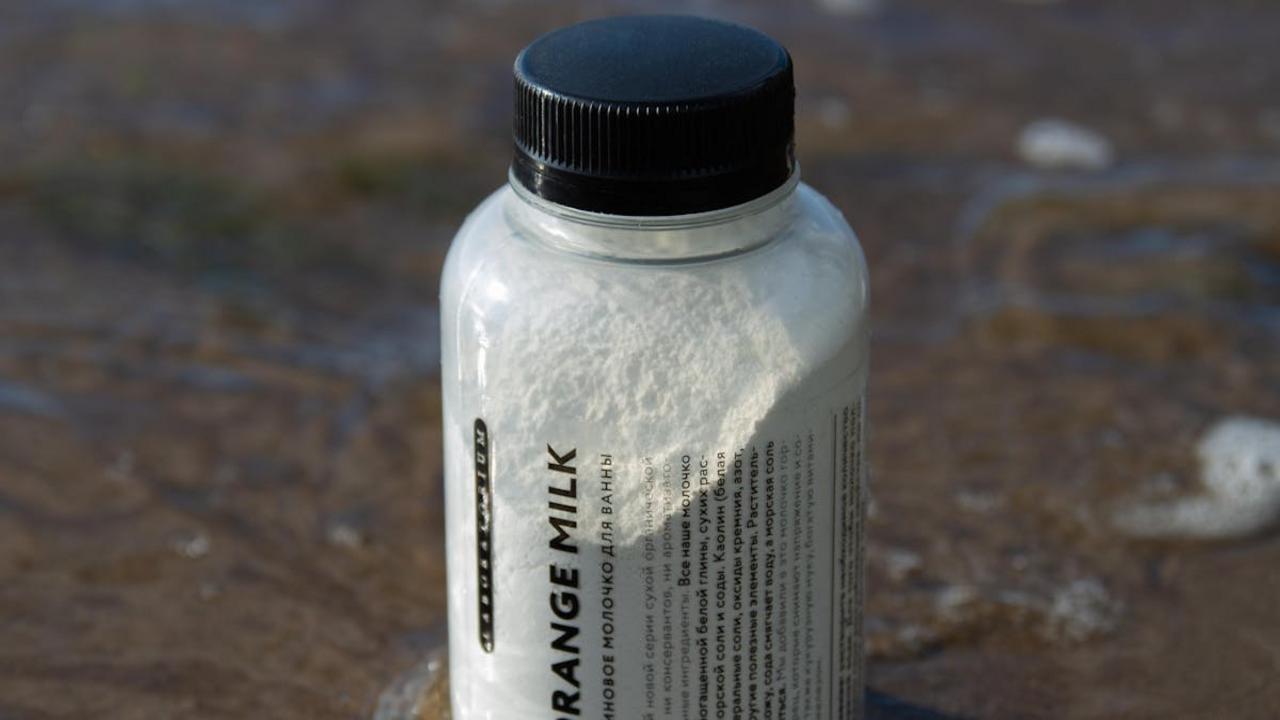
Picture this: you’re halfway through making pancakes on a lazy Sunday morning when you discover your milk carton contains nothing but tragic, curdled remnants that smell like regret. Enter powdered milk, the unsung hero of breakfast catastrophes and your secret weapon against dairy disasters! This chalky white powder might not win any beauty contests, but it packs serious staying power—we’re talking months, sometimes even years, of shelf stability when stored properly. Unlike its liquid cousin that throws tantrums after a week in your fridge, powdered milk sits patiently in your pantry, ready to transform into creamy goodness at a moment’s notice.
Don’t let anyone fool you into thinking powdered milk is just for camping trips and apocalypse preppers (though they’re definitely onto something). This versatile powder works magic in baking recipes, creating fluffy bread and tender cakes that’ll make your neighbors suddenly very friendly. Mix it into coffee for an instant creamer that won’t separate like that sketchy stuff you bought three months ago, or whisk it with cold water for a glass of milk that tastes surprisingly decent—especially when you’re desperate at 6 AM with two crying kids demanding cereal. Pro tip: buy the whole milk powder version for richer flavor, and store it in an airtight container away from humidity. Your future hungry self will thank you when grocery runs become impossible and breakfast still needs to happen.
Popcorn Kernels

You know what’s absolutely bonkers? A tiny, unassuming kernel can transform into something forty times its original size with just heat and a little bit of drama. Popcorn kernels are basically the magicians of the pantry world – they sit there looking innocent for months, even years, then suddenly explode into fluffy white clouds of pure joy. These little powerhouses contain just the right amount of moisture (around 13-14%) trapped inside their hard shells, and when heated to about 400°F, that water turns to steam faster than you can say “movie night.” The pressure builds until – POP! – you’ve got yourself a snack that’s been entertaining humans for over 5,000 years.
I keep massive jars of these golden nuggets because they’re practically indestructible and infinitely more exciting than those pre-popped bags that taste like cardboard and regret. You can flavor them with anything your heart desires – nutritional yeast for that cheesy vibe, cinnamon sugar for dessert vibes, or go wild with some tajín and lime juice for a Mexican street corn situation. Plus, at roughly 30 calories per cup popped, you can literally eat bowls of this stuff without your pants staging a revolt. Pro tip: store your kernels in airtight containers, and if they’re getting a bit stale, sprinkle them with a tiny bit of water, seal them up overnight, and they’ll pop like champions again!
Molasses
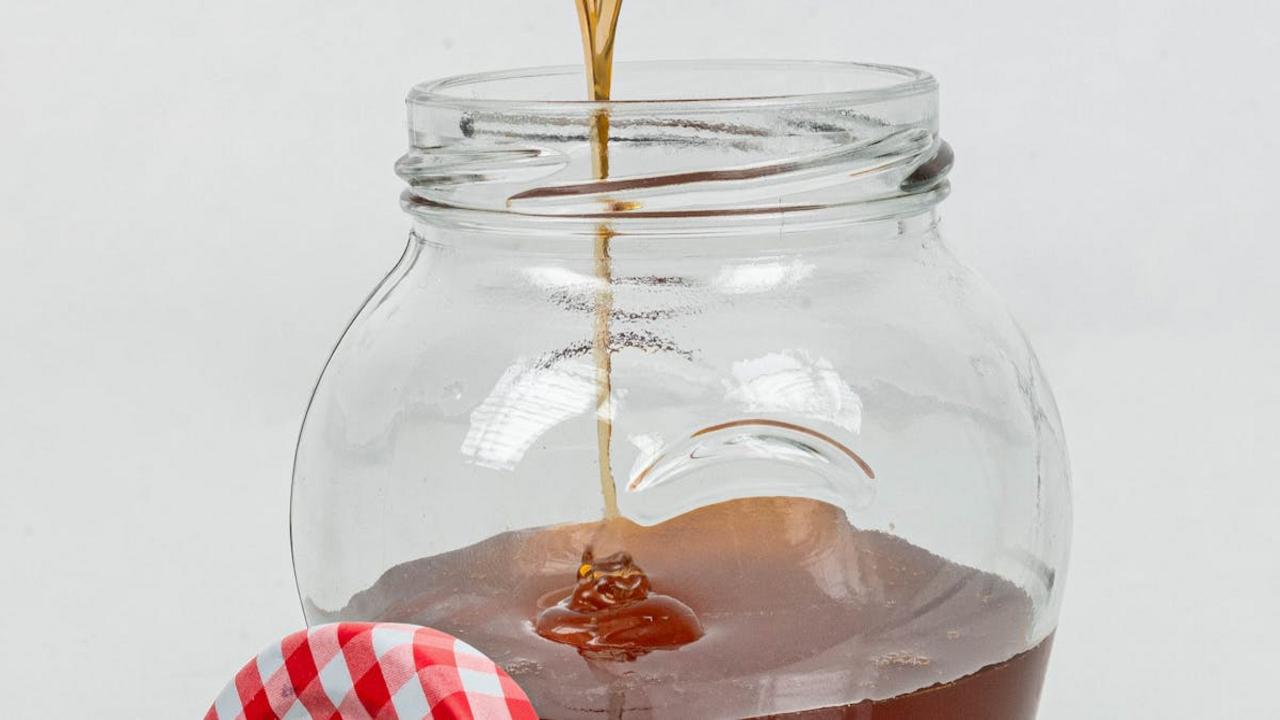
Here’s the thing about molasses: this thick, dark syrup might look intimidating in the bottle, but it’s basically sugar’s wise older sibling who went to culinary school and came back with stories. Made from sugarcane or sugar beet juice that’s been boiled down multiple times, molasses carries a complex flavor profile that swings from mildly sweet to robust and almost smoky, depending on how many times it took that heat bath. Light molasses (first boiling) plays nice in your morning oatmeal, while blackstrap molasses (third boiling) brings the intensity – imagine if caramel decided to get serious about life and started reading philosophy books.
This pantry powerhouse stays good for years when stored properly, making it your reliable backup dancer for everything from gingerbread cookies to Boston baked beans. Fun fact: molasses was once so valuable that it caused the Great Molasses Flood of 1919 in Boston, when a storage tank burst and sent 2.3 million gallons of the sticky stuff racing through the streets at 35 mph – talk about a sweet disaster! Beyond its obvious role in baking, try adding a tablespoon to your barbecue sauce for depth, or mixing it into cornbread batter for that old-school Southern charm that makes your kitchen smell like your great-grandmother’s house on Sunday morning.
Bouillon Cubes
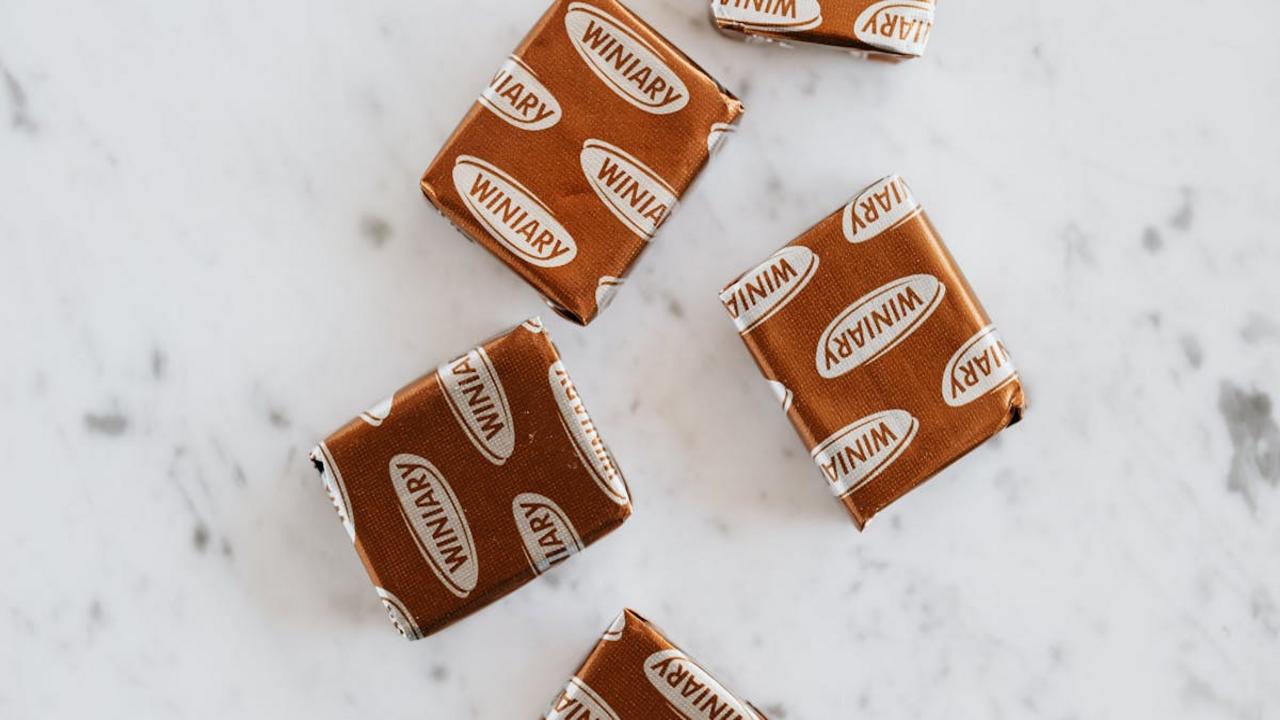
Picture this: you’re staring into your fridge at 7 PM, finding nothing but condiments and that questionable leftover from Tuesday. This is when bouillon cubes swoop in like tiny, salty superheroes! These concentrated flavor bombs have been saving dinners since the 1800s, when a Swiss pharmacist named Julius Maggi figured out how to pack an entire pot of stock into a cube smaller than a dice. I keep a stash of these magic squares in my pantry because they transform plain rice into something that actually tastes like food, and turn boring vegetables into a soup that makes you feel like a proper adult who has their life together.
The beauty of bouillon cubes lies in their ridiculous shelf life – we’re talking years, people! They laugh in the face of expiration dates while sitting pretty in your pantry. You can crumble them into pasta water for instant flavor upgrade, dissolve them in hot water for emergency soup when you’re sick, or even use them as a secret weapon in marinades. My grandmother used to sneak them into her gravy, and nobody questioned why her Sunday roasts tasted so much better than everyone else’s. Pro tip: buy the low-sodium versions so you can control the salt level, because regular bouillon cubes can turn your dish into a salt lick faster than you can say “oops.”
Cornstarch
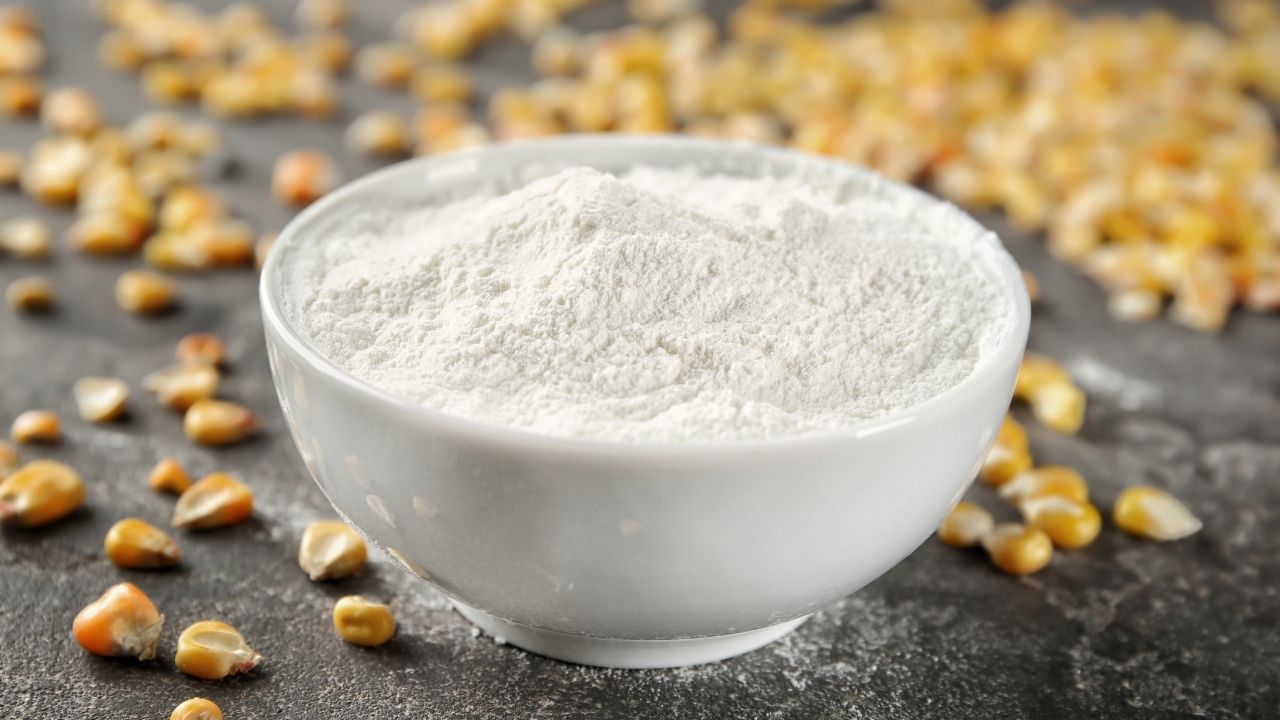
Meet the unsung hero of your pantry—cornstarch, that innocent-looking white powder that transforms from boring dust bunny into liquid magic faster than you can say “thickening agent.” This miracle worker has been quietly saving sauces from disaster and turning runny gravies into silky perfection for over 150 years. Fun fact: cornstarch was actually discovered by accident in 1842 when Thomas Kingsford was trying to find new uses for corn kernels. Talk about a happy accident! One tablespoon of this powdery wizard can thicken an entire cup of liquid, making it your secret weapon against watery disappointments.
Beyond its superhero thickening powers, cornstarch doubles as the ultimate multitasker in your kitchen arsenal. Mix it with water to create “oobleck”—that fascinating non-Newtonian fluid that acts solid when you punch it but flows like liquid when you let it be (trust me, it’s oddly therapeutic after a long day). For crispy fried chicken that’ll make your neighbors weep with envy, dust your protein with cornstarch before the flour coating. The stuff creates an incredibly light, shatteringly crisp exterior that puts regular flour to shame. Store it in a cool, dry place, and this pantry MVP will stick around for years, ready to save your culinary bacon whenever disaster strikes.
Instant Coffee
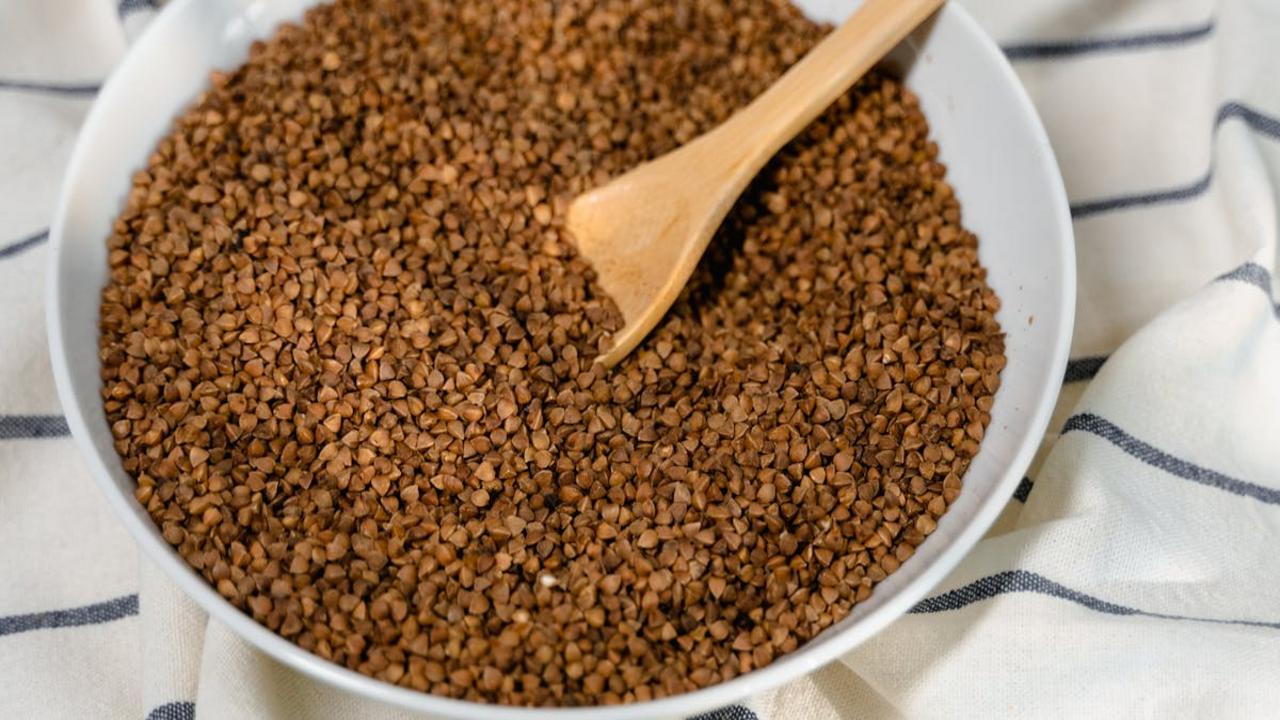
Look, I know what you’re thinking—instant coffee gets about as much respect as pineapple on pizza or well-done steak. But hear me out! This humble jar of freeze-dried magic has been saving mornings (and sanity) since 1901, when Japanese scientist Satori Kato first figured out how to turn liquid gold into powder form. Your great-grandmother probably had a jar of Folgers crystals tucked behind her flour canister, and honestly? She was onto something. When the power goes out, your fancy espresso machine becomes a very expensive paperweight, but instant coffee just needs hot water and maybe a prayer for better days ahead.
Here’s the thing about instant coffee—it’s basically the superhero of your pantry, with a shelf life longer than most Hollywood marriages (we’re talking 2-20 years if stored properly). Plus, it’s ridiculously versatile! You can whip it into that trendy dalgona coffee that took over social media, use it in tiramisu when you’re feeling fancy, or create the ultimate chocolate cake with coffee’s bitter complexity. Korean instant coffee packets are particularly stellar—they come pre-mixed with cream and sugar, turning your camping trip into a civilized affair. Stock up on a few different varieties, from basic freeze-dried to those fancy single-origin packets, because when life gives you early mornings, you give it caffeine right back.
Dried Beans
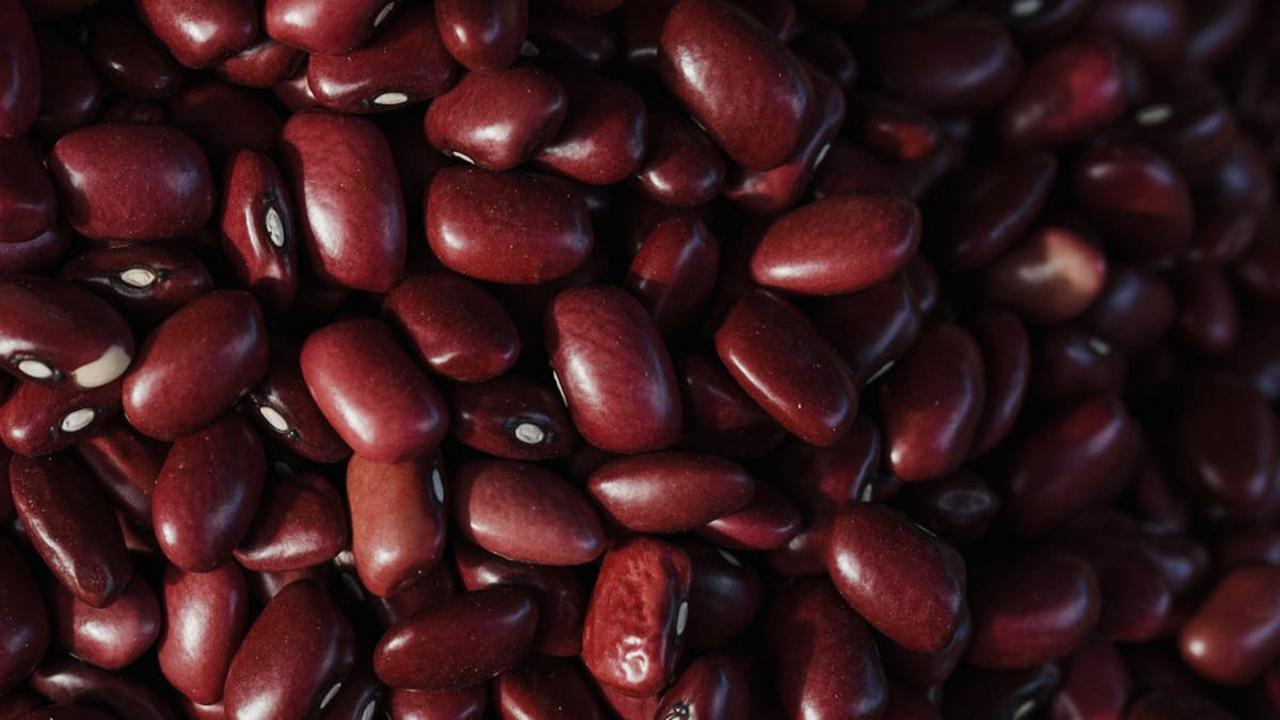
Picture this: you’re rummaging through your pantry at 9 PM, stomach growling like an angry bear, and there they are—those humble little nuggets of protein that have been patiently waiting for their moment to shine. Dried beans might look like tiny pebbles, but these unassuming powerhouses pack more nutritional punch than a heavyweight boxer. With a shelf life that stretches longer than most Hollywood marriages (we’re talking 2-3 years when stored properly), they’re the ultimate pantry insurance policy. Black beans, kidney beans, chickpeas, navy beans—each variety brings its own personality to the table, ready to transform from rock-hard pellets into creamy, satisfying sustenance.
Here’s the beautiful truth about dried beans: they cost roughly 75% less than their canned cousins, which means you can stock up without breaking the bank or feeling guilty about your grocery budget. One cup of dried beans magically expands to about three cups when cooked, making them the David Copperfield of legumes. Sure, they require some advance planning (that overnight soak isn’t optional unless you enjoy beans with the texture of gravel), but throw them in a slow cooker with some aromatics, and you’ll have enough protein-packed goodness to feed a small army. Plus, they freeze beautifully in portioned containers, giving you homemade convenience food that puts those expensive frozen meals to shame.
Vinegar
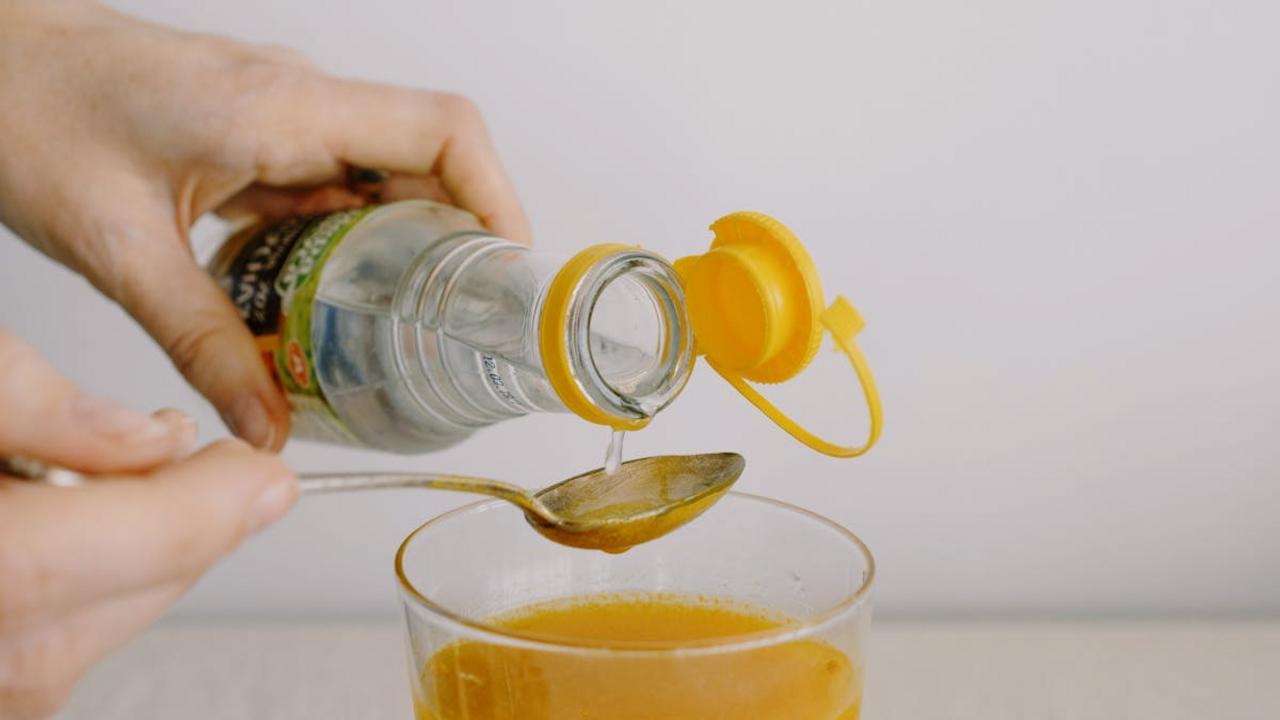
Picture this: you’re standing in your kitchen, facing a culinary crisis that would make Gordon Ramsay weep. Your salad dressing has gone rogue, your pickles look pathetic, and your windows haven’t sparkled since the Clinton administration. Enter vinegar – the sharp-tongued hero of your pantry that’s been solving problems since 5000 BC. This acidic wonder can last literally forever (seriously, archaeologists have found ancient vinegar that’s still good), making it the ultimate pantry investment. Whether you stock white vinegar for cleaning adventures or apple cider vinegar for your morning wellness ritual, this liquid gold transforms everything it touches with its tangy magic.
The beauty of vinegar lies in its versatility – it’s like having a Swiss Army knife made of pure sass. Need to tenderize tough meat? Vinegar’s got your back. Want to make fluffy pancakes? A splash of apple cider vinegar activates your baking soda like a science experiment gone deliciously right. My grandmother swore by using white vinegar to clean everything from coffee makers to cloudy glassware, and honestly, she wasn’t wrong. Plus, with varieties ranging from balsamic (the fancy cousin) to rice vinegar (the gentle giant), you can build an entire vinegar empire that’ll outlast your great-grandchildren. Stock up on multiple types – your future self will thank you when you’re whipping up homemade pickles or rescuing a bland soup with just a few drops of liquid brilliance.
Honey
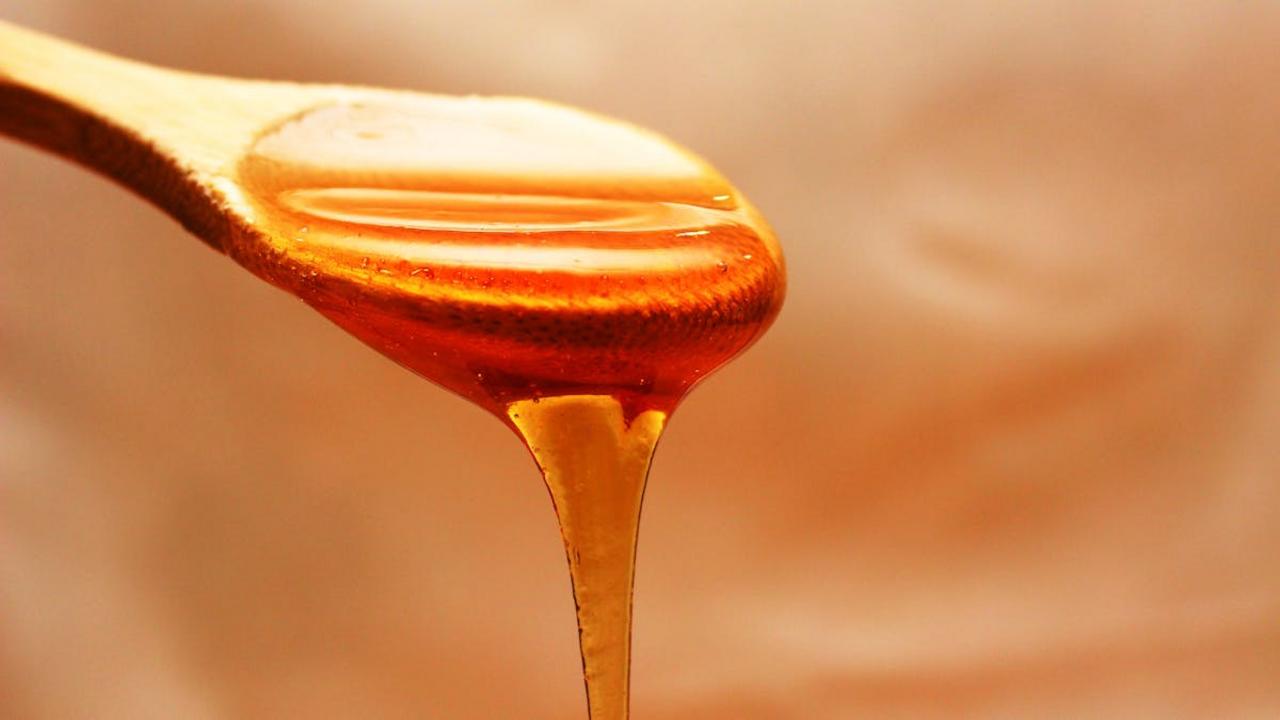
You know that jar of honey sitting in your pantry right now? That golden liquid has been there since the Clinton administration, and guess what—it’s still perfectly good! Honey doesn’t spoil, ever. Archaeologists have discovered pots of honey in ancient Egyptian tombs that are over 3,000 years old and still edible. The bees knew what they were doing when they created this magical substance that naturally resists bacteria and moisture. I keep multiple varieties in my kitchen because each one tells a different story: clover honey for my morning tea, wildflower for baking, and that fancy tupelo honey I splurged on for special occasions.
Beyond its immortal shelf life, honey works overtime in your kitchen like the world’s most reliable friend. Drizzle it over Greek yogurt, substitute it for sugar in marinades (it caramelizes beautifully), or add a spoonful to homemade bread dough for that perfect golden crust. My grandmother swore by honey and lemon for sore throats, and honestly, she might have been onto something—honey has natural antimicrobial properties. Plus, local honey might help with seasonal allergies, though the jury’s still out on that one. Stock up on different varieties and you’ll never run out of ways to add sweetness and complexity to your cooking adventures.
Hard Candy
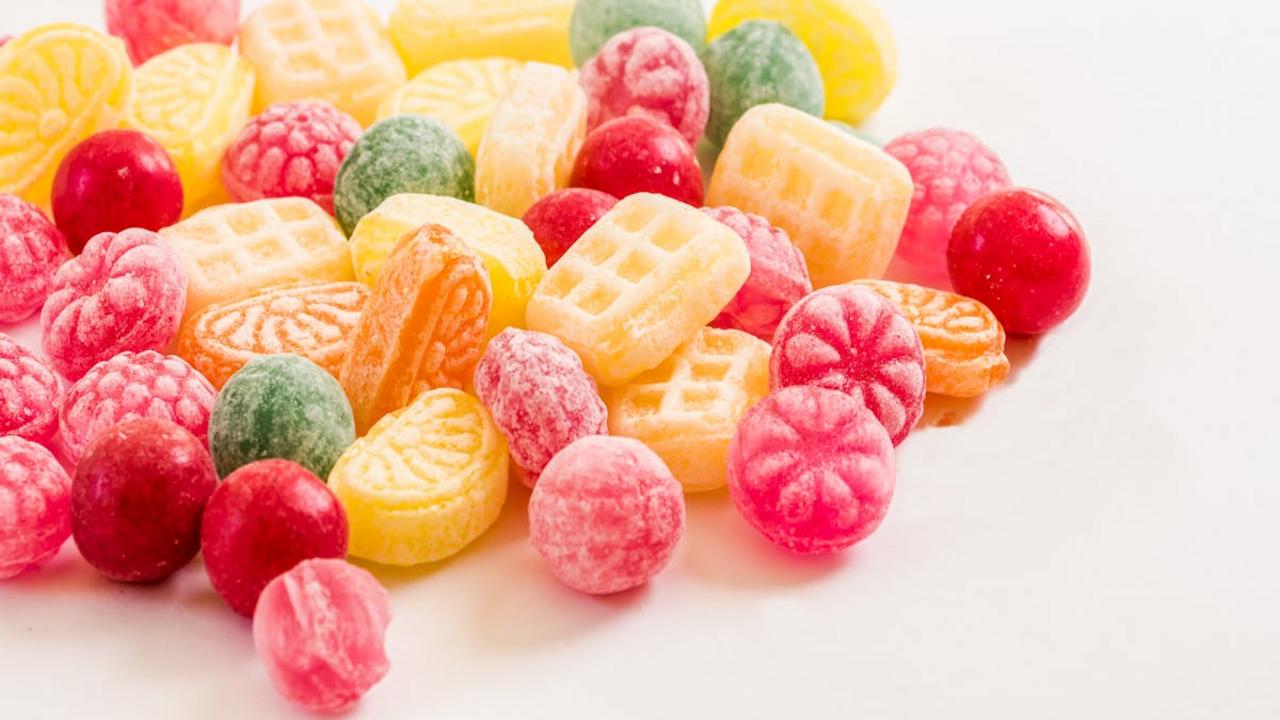
Hard candy sits in your pantry like a sugary superhero, ready to save the day when you need a quick energy boost or a sweet distraction. These crystallized gems can outlast most relationships—we’re talking decades of shelf life if stored properly in airtight containers away from moisture. I once discovered a tin of butterscotch drops in my grandmother’s kitchen cabinet that had been there since the Clinton administration, and they still tasted absolutely divine. The secret lies in their low moisture content, which makes them practically immortal compared to their chocolate cousins who melt into sad puddles at the first sign of summer heat.
Beyond their impressive longevity, hard candies serve multiple purposes that make them pantry MVPs. Got a sore throat? Honey drops or menthol lozenges work better than most cough syrups. Need to trick your brain during a long meeting? Pop a peppermint to stay alert without reaching for another cup of coffee. Stock up on classic flavors like lemon drops, cinnamon discs, and root beer barrels—they’re conversation starters and mood lifters rolled into one. Plus, they weigh practically nothing, making them perfect for emergency kits, desk drawers, and that mysterious pocket in your backpack where snacks go to hide.
Powdered Eggs
Powdered eggs might sound like something from a 1950s fallout shelter cookbook, but trust me, these golden dust particles pack more punch than you’d expect! I remember my first encounter with them during a camping trip gone wrong—our cooler died, our fresh eggs became science experiments, and suddenly this weird yellow powder became the hero of our breakfast story. One tablespoon mixed with two tablespoons of water magically transforms into one whole egg, and honestly, the scrambled results taste surprisingly decent. Plus, they’ll sit happily in your pantry for up to five years without throwing a tantrum, unlike their shell-bound cousins who seem to expire the moment you turn your back.
What makes powdered eggs absolutely brilliant for your stockpile strategy goes beyond their impressive shelf life—they’re incredibly versatile little workhorses. You can toss them directly into cake batters, bread doughs, and pancake mixes without the rehydration dance, making them perfect for those “oh no, I’m out of eggs” baking emergencies that strike at 9 PM. Fun fact: the military has been using these protein-packed powder puffs since World War II, and astronauts still munch on them in space because they don’t float around causing zero-gravity breakfast chaos. Keep a canister tucked away, and you’ll never again face the heartbreak of craving French toast only to discover your egg carton contains nothing but disappointment and broken shells.
Maple Syrup
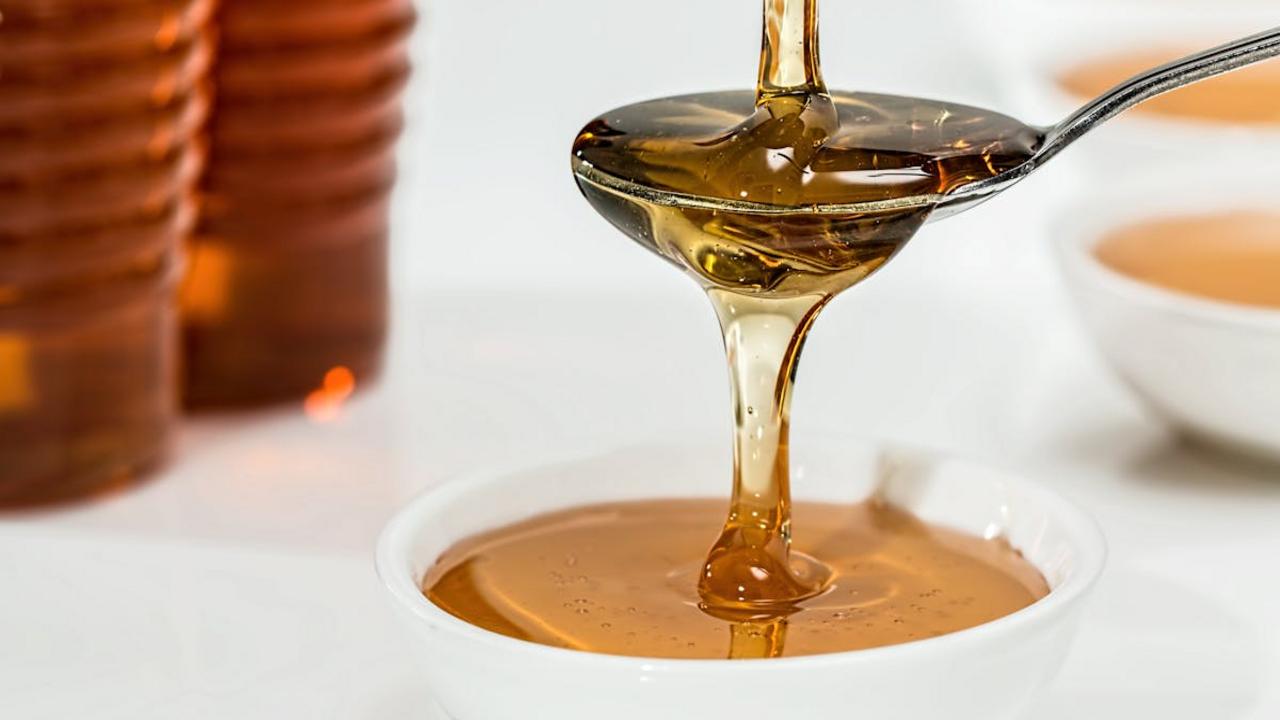
Forget that fake pancake syrup masquerading as the real deal—authentic maple syrup deserves a permanent spot in your pantry arsenal. This liquid gold can last unopened for years at room temperature, and once you crack it open, it’ll keep in the fridge for about a year. You know you’ve got quality stuff when it takes 40 gallons of maple sap to make just one gallon of syrup. That’s dedication right there! The Canadians aren’t messing around when they tap those sugar maples, and neither should you when you’re choosing your bottle.
Beyond drowning your weekend pancakes, maple syrup transforms into your secret weapon for glazed salmon, bourbon cocktails, and homemade granola that’ll make your neighbors suddenly very friendly. I once used it to caramelize Brussels sprouts for Thanksgiving, and my uncle actually asked for seconds—that’s miracle-level stuff right there. Grade A Dark Robust packs more personality than the lighter grades, giving you that deep, complex flavor that makes everything from oatmeal to roasted vegetables sing. Stock up during those end-of-winter sales when producers are clearing out inventory, because good maple syrup never goes bad, it just gets more precious.