10 Foodie-Approved Hacks for Packing a Next-Level Picnic
Ah, summer picnics! Nothing beats sprawling on a blanket under dappled sunlight with fantastic food. But let’s be honest—soggy sandwiches and warm wine can turn your outdoor feast into a disappointing al fresco flop. Fear not! I’ve gathered ten genius hacks from serious food enthusiasts who know how to transform a basic picnic into an Instagram-worthy spread.
The perfect picnic requires more strategy than you might think. From selecting the ideal shady spot to packing foods that won’t wilt or spoil, every detail matters. My personal picnic game changed forever when a chef friend showed me how to layer ingredients properly (goodbye, soggy bread!) and introduced me to the magic of frozen water bottles as dual-purpose ice packs.
Whether you’re planning a romantic date or gathering with friends, these foodie-approved tricks will elevate your outdoor dining experience. I’ve tested these hacks during countless park outings and beach days, and trust me—your picnic will go from “nice enough” to “can we do this again tomorrow?” with these simple but brilliant adjustments to your packing routine.
Clean Up and Leave No Trace
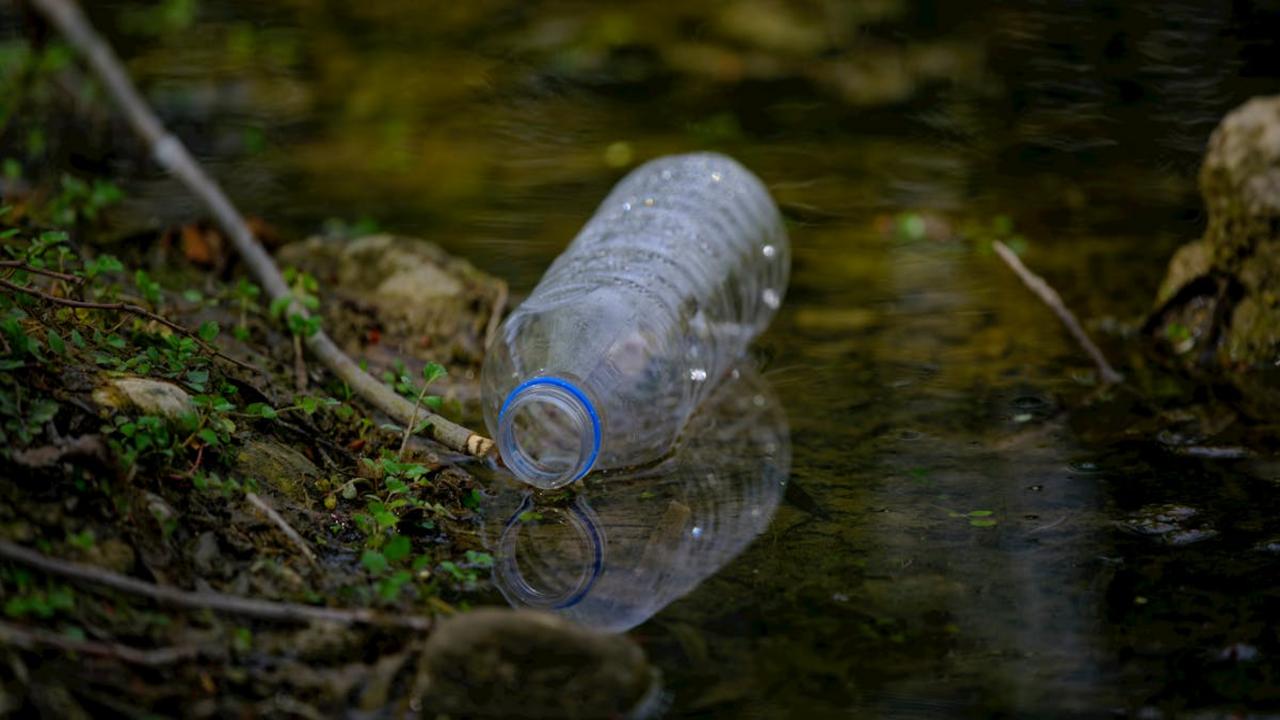
Listen, I get it—after demolishing that perfect spread of artisanal cheese and homemade sandwiches, the last thing you want to do is play park janitor. But here’s the thing: Mother Nature doesn’t have a cleaning service, and that crumpled napkin you “accidentally” dropped isn’t going to magically transform into butterfly food. Pack out everything you packed in, including those sneaky bottle caps that love to roll under bushes like they’re auditioning for a hide-and-seek championship. Pro tip from someone who once spent twenty minutes chasing a runaway pickle jar lid across a meadow—bring a designated trash bag and actually use it.
Your future picnic self will thank you for this karma investment, because nobody wants to claim the perfect spot only to find someone else’s leftover potato salad container greeting them like an unwelcome party guest. Plus, here’s a fun fact that’ll make you feel extra virtuous: a single plastic bottle can take up to 450 years to decompose, which means your great-great-great-great-grandkids might still be dealing with your beverage choices. Pack wet wipes for sticky fingers, bring reusable containers instead of disposables when possible, and remember that leaving a place better than you found it is basically the golden rule of outdoor dining. Your Instagram followers might not see your cleanup efforts, but the squirrels will definitely appreciate not having to navigate around your lunch debris.
Comfort and Ambiance
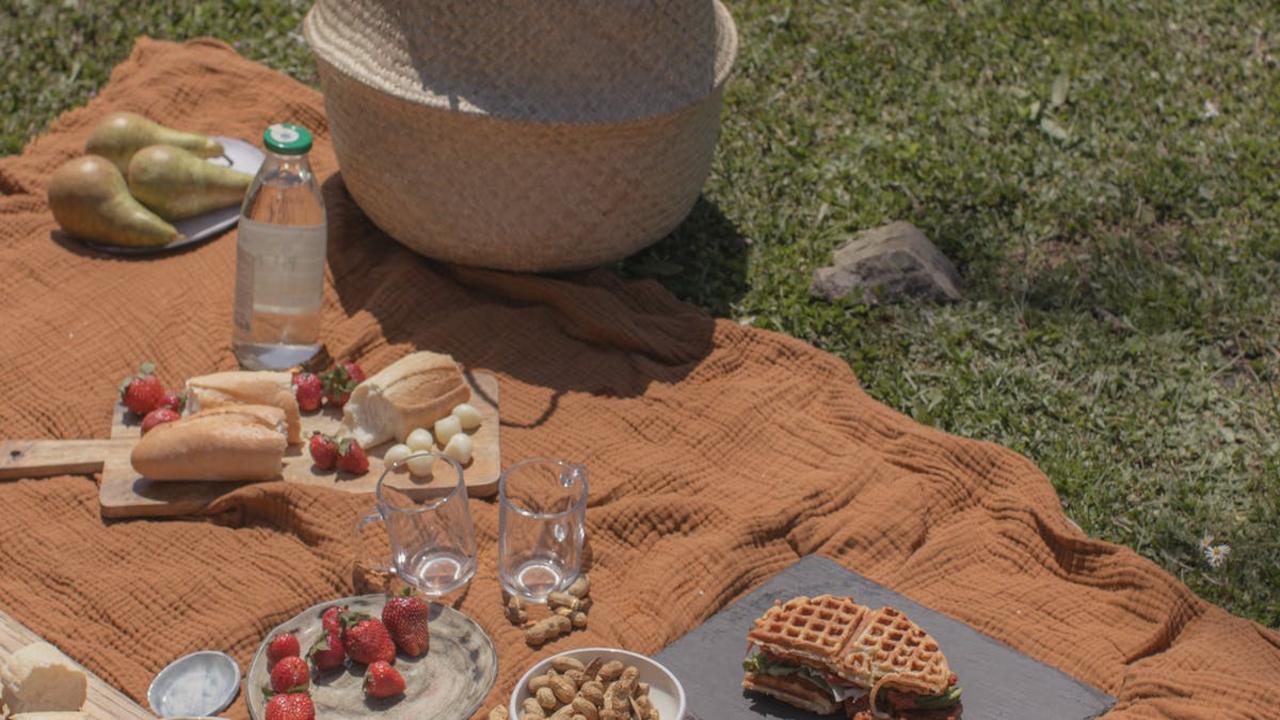
Picture this: you’ve packed the perfect sandwiches, your fruit salad sparkles like edible jewels, and your homemade lemonade could make Martha Stewart weep with joy. But then you plop down on a scratchy blanket that’s about as comfortable as sitting on concrete, and suddenly your picnic feels more like a medieval punishment than a delightful outdoor feast. Here’s where most people mess up—they focus all their energy on the food and forget that comfort can make or break the entire experience. I learned this the hard way during a disastrous beach picnic where sand somehow infiltrated every single item, including my sealed thermos (still baffled by the physics of that one).
Smart picnickers know that creating the right atmosphere transforms good food into unforgettable memories. Pack a thick, waterproof blanket—seriously, invest in one that won’t leave you with a soggy bottom five minutes in. Bring actual cushions or those inflatable stadium seats that make you feel like royalty. String up battery-powered fairy lights if you’re staying past sunset, because nothing says “I’m a picnic genius” like twinkling lights reflecting off your cheese board. Don’t forget citronella candles to keep mosquitoes from turning your ankles into their personal buffet. Pro tip: pack a small speaker for ambient music, but keep it low—nobody wants to be that person whose playlist ruins someone else’s peaceful afternoon. Your taste buds might draw people to your spread, but comfort keeps them lingering long enough to truly savor every bite.
Refreshing Beverages
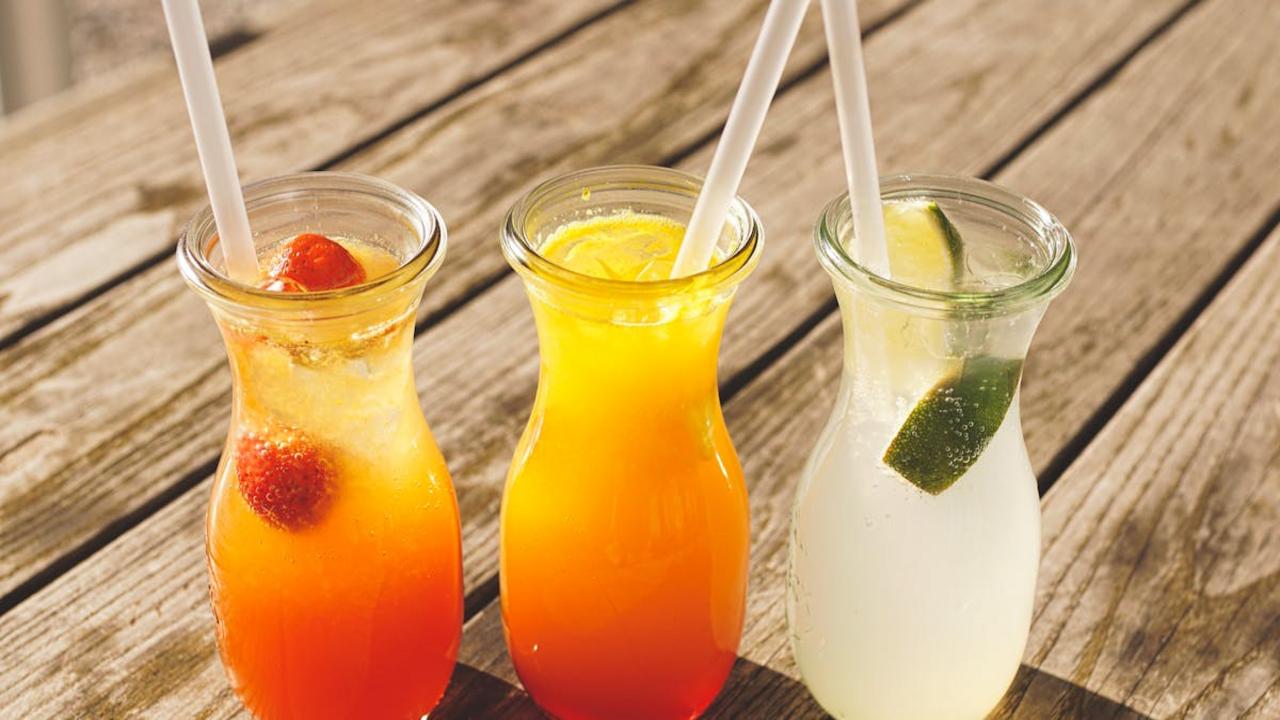
Nothing kills a picnic vibe faster than lukewarm soda and melted ice cubes floating around like tiny glacial disappointments. Here’s where the magic happens: freeze your drinks partially before packing them. Pop those water bottles, juice boxes, or cans in the freezer for about two hours before you head out. They’ll act as extra ice packs while staying perfectly slushy-cold for hours. Pro tip from my disaster-prone picnic history: wrap them in newspaper or kitchen towels to prevent that annoying condensation from turning your basket into a soggy mess. I learned this the hard way after my famous “Great Sandwich Drowning Incident of 2019.”
For the truly adventurous beverage enthusiast, mason jars become your best friend. Mix up infused waters the night before—cucumber mint, strawberry basil, or my personal favorite, watermelon lime with a sneaky pinch of sea salt. The salt might sound weird, but trust me, it makes watermelon taste like summer had a baby with happiness. Bonus points for bringing a thermos of cold brew coffee for the caffeine addicts in your group (guilty as charged). Did you know that coffee actually tastes better when it’s cold-brewed? The process extracts fewer bitter compounds, leaving you with smooth, chocolatey notes that’ll make your picnic companions wonder if you’ve secretly become a barista overnight.
Fresh and Simple Menu Options
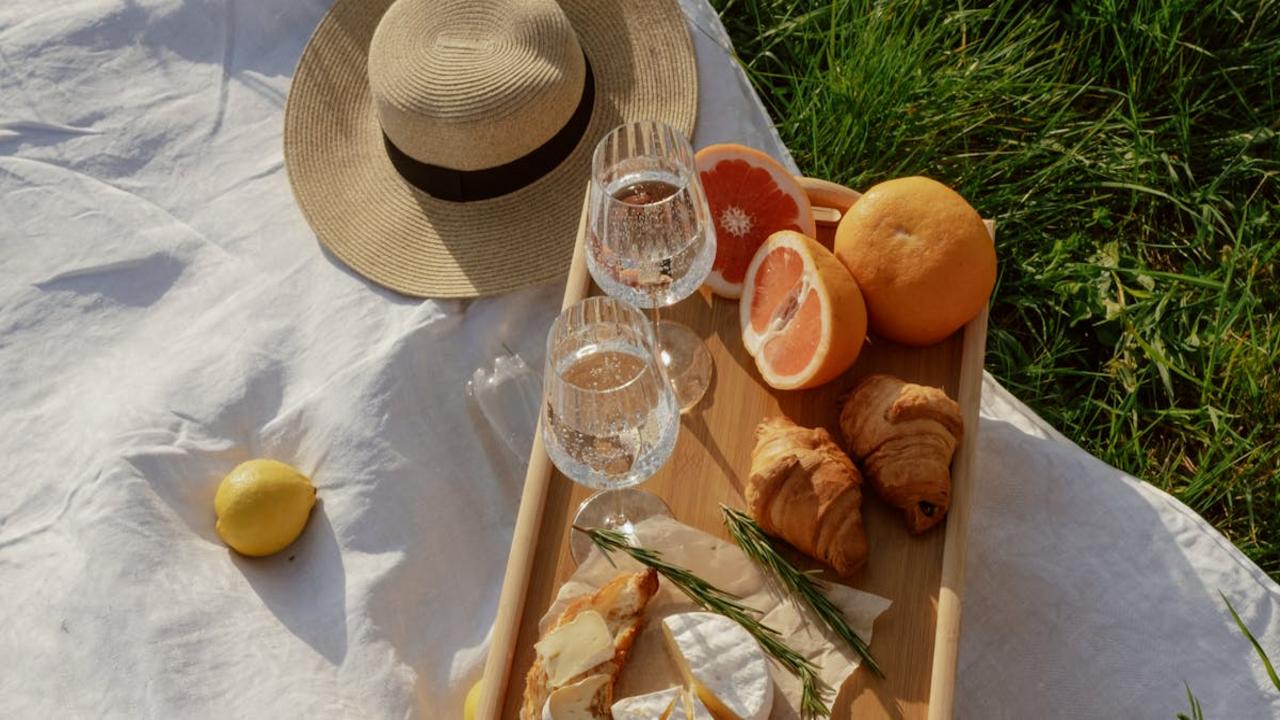
Listen, I’ve seen enough picnic disasters to know that complexity is the enemy of outdoor dining success. You know what works every single time? A spread so ridiculously simple that even your most culinarily challenged friend can’t mess it up. Think perfectly ripe tomatoes with flaky sea salt, crusty bread that practically begs for good olive oil, and cheese that doesn’t require a PhD in fromage to appreciate. The magic happens when you stop trying to impress everyone with your seventeen-layer sandwich construction and instead focus on ingredients so fresh they practically introduce themselves.
Here’s my go-to formula that never fails: grab whatever looks happiest at the farmer’s market, add something creamy (burrata, anyone?), something crunchy (hello, radishes with butter), and something that makes people go “mmm” without thinking (stone fruit with prosciutto, trust me on this). I once watched a grown man nearly weep over sliced peaches with torn basil and a drizzle of balsamic – not because he was emotional, but because sometimes simple combinations hit different when you’re sitting under a tree with grass between your toes. Skip the elaborate preparations and let good ingredients do the heavy lifting while you actually enjoy your picnic instead of stressing about whether your fancy potato salad survived the car ride.
Easy to Eat Foods
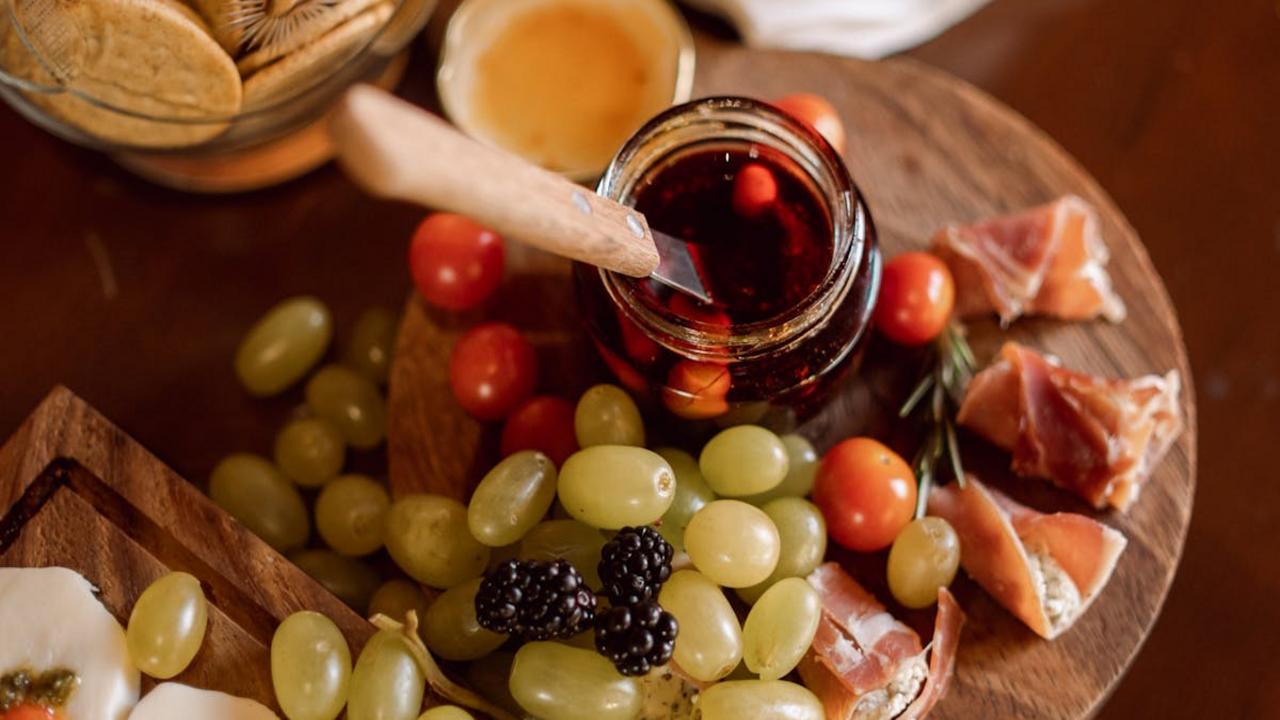
Picture this: you’re sprawled on a checkered blanket, sunshine warming your face, when suddenly you’re wrestling with a drippy sandwich that’s staging a Great Escape all over your lap. Not exactly the Instagram-worthy moment you had in mind, right? The secret to picnic success lies in choosing foods that won’t require a PhD in engineering to consume gracefully. Think finger foods that actually fit between your fingers, wraps that won’t unravel like a mummy’s bandages, and bite-sized treats that don’t require you to unhinge your jaw like a python. Cherry tomatoes, grapes, and berries are nature’s perfect pop-in-your-mouth snacks – no utensils required, minimal mess guaranteed.
Here’s where I blow your mind with some portable genius: mason jar salads become your best friend because gravity works in your favor, keeping all the good stuff crisp until you’re ready to shake and devour. Pinwheel sandwiches cut into rounds look fancy but eat like a dream – no structural engineering degree needed. And can we talk about the humble hard-boiled egg? Peel it at home, sprinkle with everything bagel seasoning, and boom – protein-packed perfection that won’t stage a rebellion in your hands. Pro tip from someone who learned the hard way: skip anything that requires two hands to eat properly. Your future self will thank you when you’re not playing food Jenga while trying to maintain your dignity in public.
Food Safety and Temperature Control
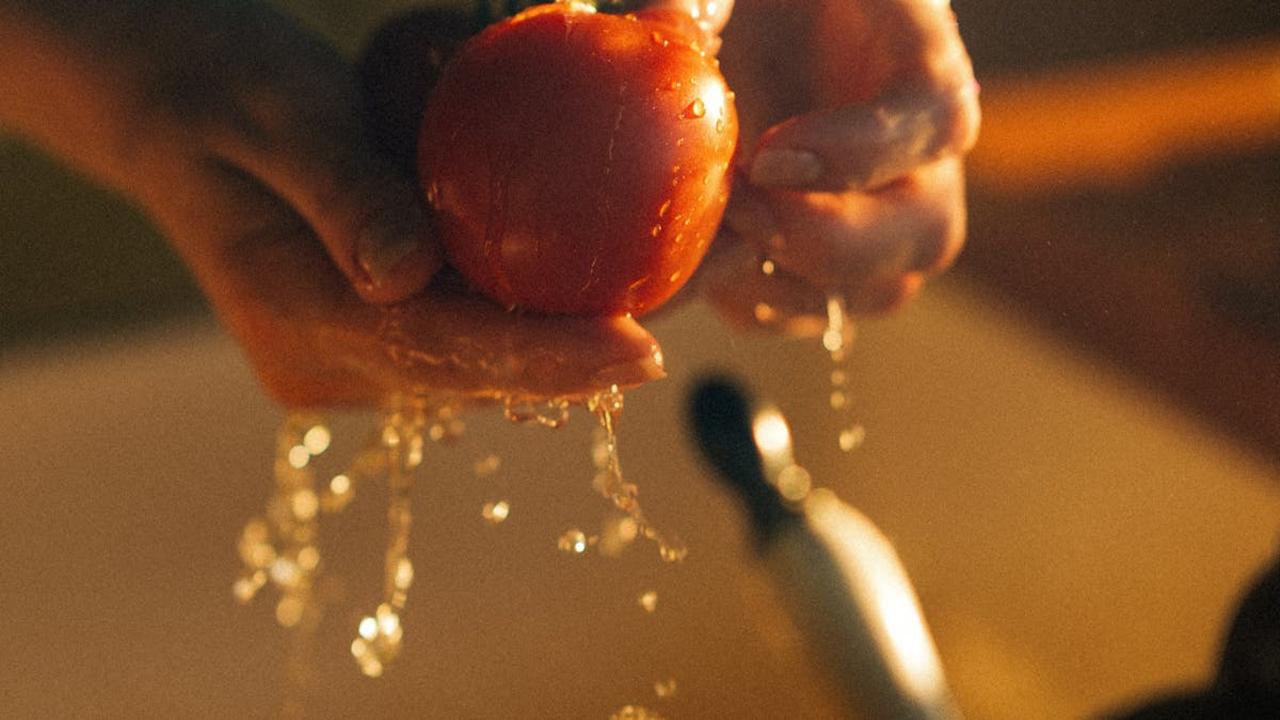
Listen, nobody wants their picnic potato salad to turn into a science experiment that could power a small laboratory. Temperature control isn’t just about keeping your beer cold – though that’s obviously important too – it’s about preventing your friends from spending the evening hugging porcelain instead of enjoying sunset views. The danger zone sits between 40°F and 140°F, where bacteria throw their own little party and multiply faster than rabbits on espresso. Your cooler becomes your best friend here, but not just any cooler will do. Pack that baby with enough ice to make a polar bear jealous, and remember the golden rule: keep hot foods blazing hot and cold foods frigid.
Here’s where things get interesting – bacteria can double every 20 minutes in that danger zone, which means your innocent ham sandwich could become a biological warfare agent faster than you can say “food poisoning.” Smart picnickers use two separate coolers: one for drinks (because people constantly open it) and another for perishables that stays sealed tight like a fortress. Freeze water bottles beforehand to use as ice packs – they’ll keep everything cold and give you refreshing drinks as they melt. Pro tip: place a thermometer inside your food cooler because guessing temperatures is like playing Russian roulette with your digestive system. Keep everything below 40°F, and you’ll be the hero who brings delicious food instead of the villain who ruins everyone’s weekend with stomach troubles.
Essential Picnicware and Supplies
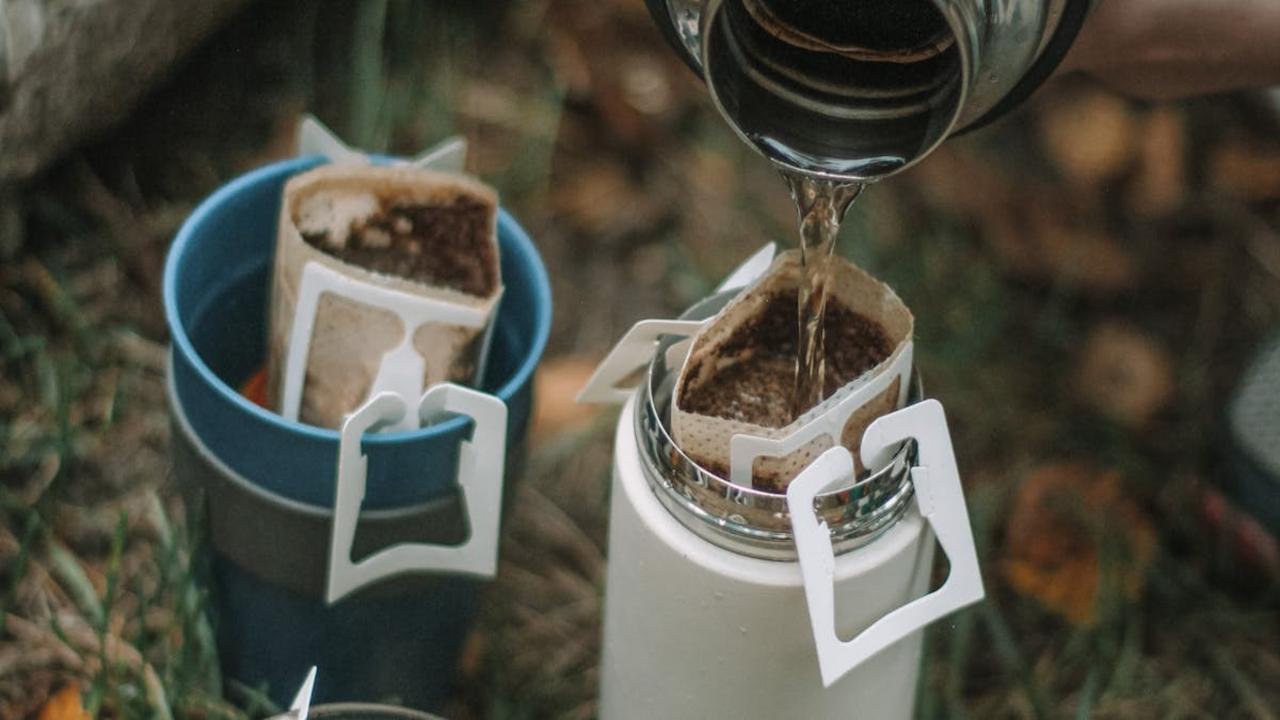
You know what separates the picnic pros from the amateurs? It’s not the fancy Instagram-worthy charcuterie board (though I’m not complaining about those). It’s having the right gear that actually works when you’re juggling a wobbly blanket, three different containers, and that one friend who always forgets to bring napkins. I learned this the hard way during a beach picnic where my flimsy paper plates became frisbees in a sudden gust of wind, sending my carefully crafted sandwiches on an unplanned flight across the sand. Melamine plates became my new best friends after that disaster – they’re lightweight, virtually unbreakable, and come in colors so cheerful they make even gas station potato salad look appetizing.
Here’s a quirky fact that’ll blow your mind: the modern cooler was actually invented by accident in 1951 when Richard Laramy was trying to create a better way to keep fish fresh during long fishing trips. Fast forward to today, and your cooler is basically the MVP of any outdoor dining situation. Invest in one with thick insulation and multiple compartments – trust me on this. Pack it like you’re playing Tetris: heavy items on the bottom, delicate stuff on top, and always, ALWAYS bring more ice than you think you need. I once watched a perfectly good wheel of brie turn into expensive fondue because someone skimped on the ice situation. Don’t be that person. Also, pack a separate cooler just for drinks if you can – nothing ruins the vibe faster than warm beverages and soggy sandwiches sharing the same lukewarm space.
Pack a Proper Picnic Basket
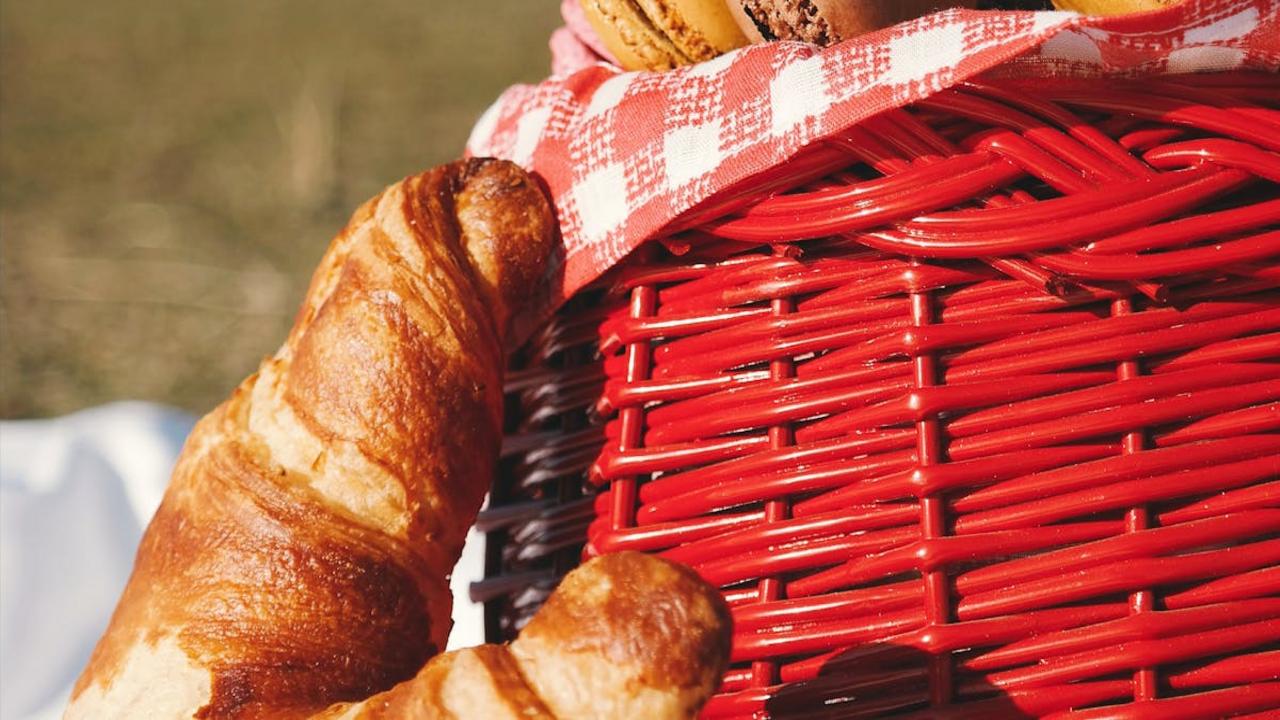
Listen, I’ve seen people show up to picnics with grocery bags and plastic containers, and honestly, it breaks my food-loving heart a little. A proper picnic basket isn’t just Instagram-worthy décor—it’s your secret weapon for keeping sandwiches from becoming sad, soggy disasters and preventing your potato salad from turning into a lukewarm mess. The wicker basket with leather straps might look vintage-chic, but modern insulated versions work miracles for temperature control. Pro tip: line your basket with a waterproof tablecloth that doubles as your eating surface. Nothing says “I know what I’m doing” like pulling out a gingham cloth that transforms any patch of grass into your personal dining room.
Here’s something wild: the picnic basket actually originated in medieval times when wealthy folks needed portable feast containers for their hunting expeditions. Those fancy nobles were onto something! Today’s versions come with built-in cooler compartments, wine holders, and even Bluetooth speakers (because apparently we need background music while eating cheese). I always pack mine strategically—heavy items on the bottom, delicate treats like pastries on top, and drinks in their own insulated section. The key is treating your basket like a puzzle where every piece has its perfect place. Trust me, future you will thank present you when you’re not digging through chaos trying to find the bottle opener while your friends judge your organizational skills.
Choose the Right Location
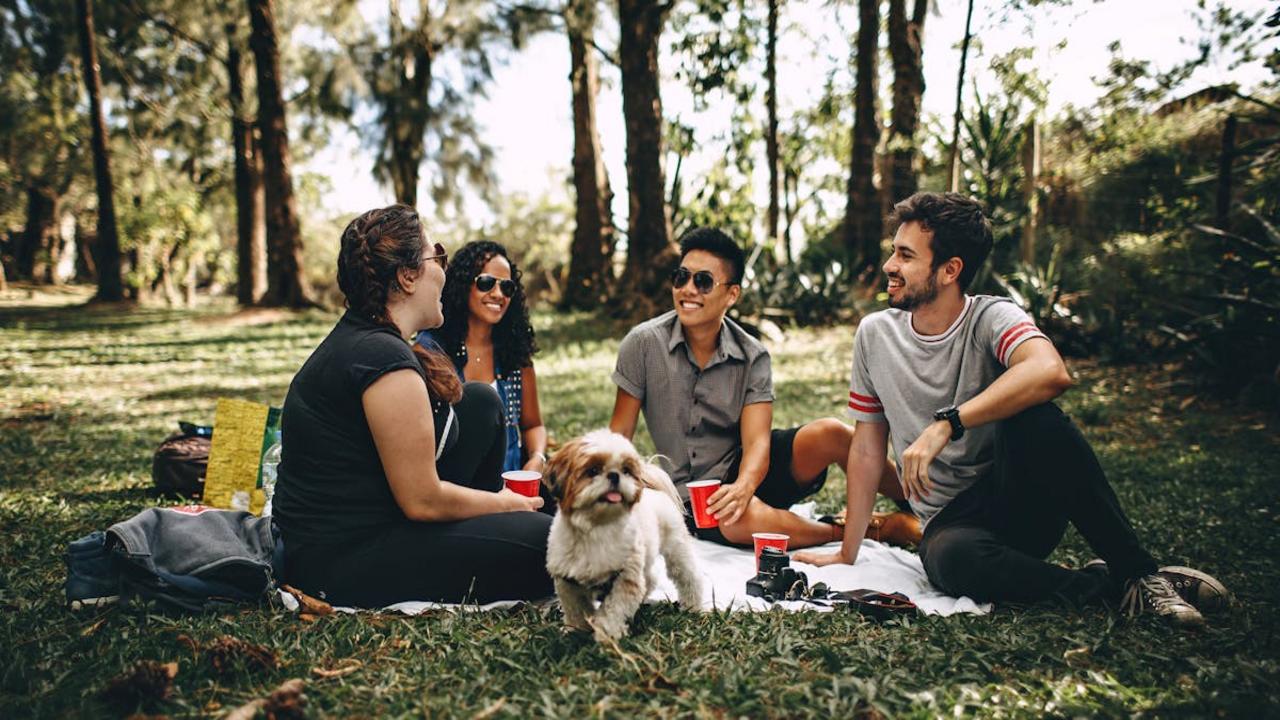
Your picnic spot can make or break your outdoor feast faster than you can say “soggy sandwiches.” I once watched a family set up their elaborate spread directly under a tree full of very territorial squirrels – let’s just say those critters had zero respect for personal property and absolutely demolished their charcuterie board. You want a location that’s got the perfect trifecta: shade for your food, a gentle breeze to keep things cool, and enough space so you’re not elbow-to-elbow with strangers while trying to enjoy your prosciutto-wrapped melon. Parks with pavilions are gold mines, but even a simple tree with decent coverage beats sitting in blazing sun where your chocolate-covered strawberries turn into fondue disasters.
Scout your spot ahead of time if possible, because nothing ruins the mood like showing up to find your dream location has been claimed by a birthday party complete with bouncy castle. Look for level ground – nobody wants their pasta salad sliding downhill – and check for nearby restrooms and water sources. Pro tip: avoid areas near garbage bins (hello, wasps!) and steer clear of spots that look suspiciously green and lush, because that usually means sprinkler systems that activate at the most inconvenient moments. I learned this the hard way during what should have been a romantic wine-and-cheese situation that turned into a soggy disaster when the irrigation system decided to throw its own party at 2 PM sharp.
Plan Ahead and Make a List

Listen, I know making lists sounds about as exciting as watching paint dry on a Tuesday, but hear me out—this is where picnic magic truly begins. The ancient Romans knew this secret (okay, maybe they didn’t have smartphones with note apps, but they definitely knew how to feast outdoors). Start your list at least three days before your outdoor adventure, and don’t just scribble “food” like some amateur. Get specific! Write down everything from the creamy brie that’ll make your guests swoon to those fancy napkins you’ve been hoarding for special occasions. Pro tip: categorize your list into sections like “cold items,” “room temperature winners,” and “don’t forget or you’ll hate yourself” essentials.
Here’s the thing about planning—it’s like having a crystal ball for your picnic success. Without a solid game plan, you’ll find yourself standing in your kitchen at 6 AM, frantically wondering if you remembered the bottle opener while your deviled eggs sit sadly incomplete on the counter. Your future self will thank you when you’ve already prepped those Mediterranean pinwheels the night before and packed your cooler like a Tetris champion. Plus, making lists gives you permission to dream big! Add that fancy charcuterie board you saw on social media, or those homemade lavender shortbread cookies that’ll make everyone think you’re some sort of domestic goddess. Trust me, the fifteen minutes you spend planning will save you from picnic disasters that would make even seasoned outdoor dining veterans weep.