14 Foods That Went From Luxury to Everyday Staples
Remember when sushi was only available in high-end restaurants? Food culture shifts constantly, with yesterday’s exotic luxuries becoming today’s grocery staples. From chocolate to coffee, many ingredients we casually toss into our shopping carts once symbolized extreme wealth and status.
Your grandparents probably never imagined grabbing avocados or quinoa during their weekly shop! Global trade, improved farming techniques, and changing consumer demands have democratized foods that kings and queens once hoarded. Blueberries that once grew wild now fill supermarket shelves year-round.
I’m fascinated by how quickly we adopt these former delicacies into our daily meals. The widespread availability of these 14 foods tells a bigger story about our evolving relationship with what we eat. Their journey from exclusive to everyday reflects broader changes in how we access, prepare, and think about food.
Balsamic Vinegar
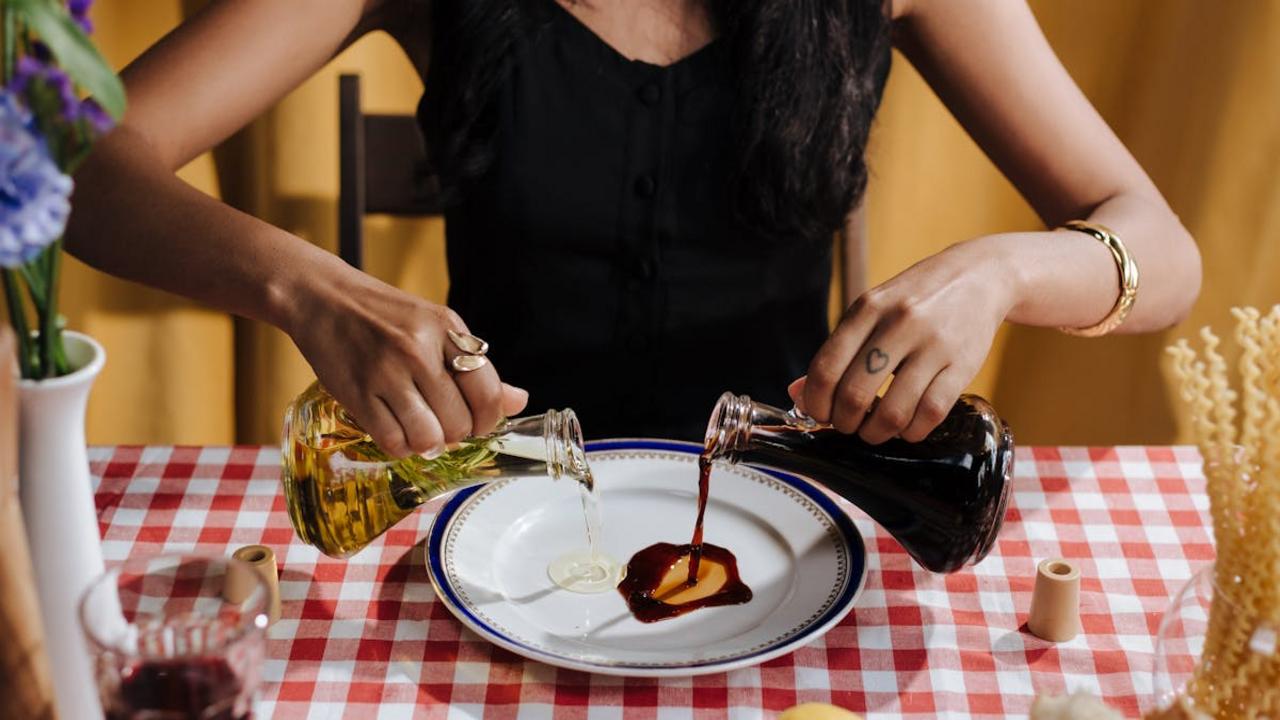
Picture this: you’re drizzling that gorgeous, glossy balsamic vinegar over fresh strawberries or a simple caprese salad, and it feels so natural, so everyday. But here’s what might surprise you – authentic balsamic vinegar from Modena, Italy, was once reserved for nobility and wealthy merchants. Traditional balsamic vinegar requires aging for a minimum of 12 years, with some varieties aged for 25 years or more in wooden barrels. This time-intensive process made it incredibly expensive and rare, often passed down through generations like family heirlooms.
Today, you can grab a bottle of balsamic vinegar from any grocery store for just a few dollars, though these commercial versions differ significantly from their traditional counterparts. The mass-produced versions use wine vinegar mixed with grape must and caramel coloring to achieve that familiar sweet-tart flavor we love. While purists might turn their noses up, I say there’s beauty in accessibility! You can now transform simple roasted vegetables, elevate a basic salad, or create stunning glazes for meats without breaking the bank. The democratization of balsamic vinegar means more home cooks can experience its magic, even if it’s not the centuries-old artisanal version.
Blueberries
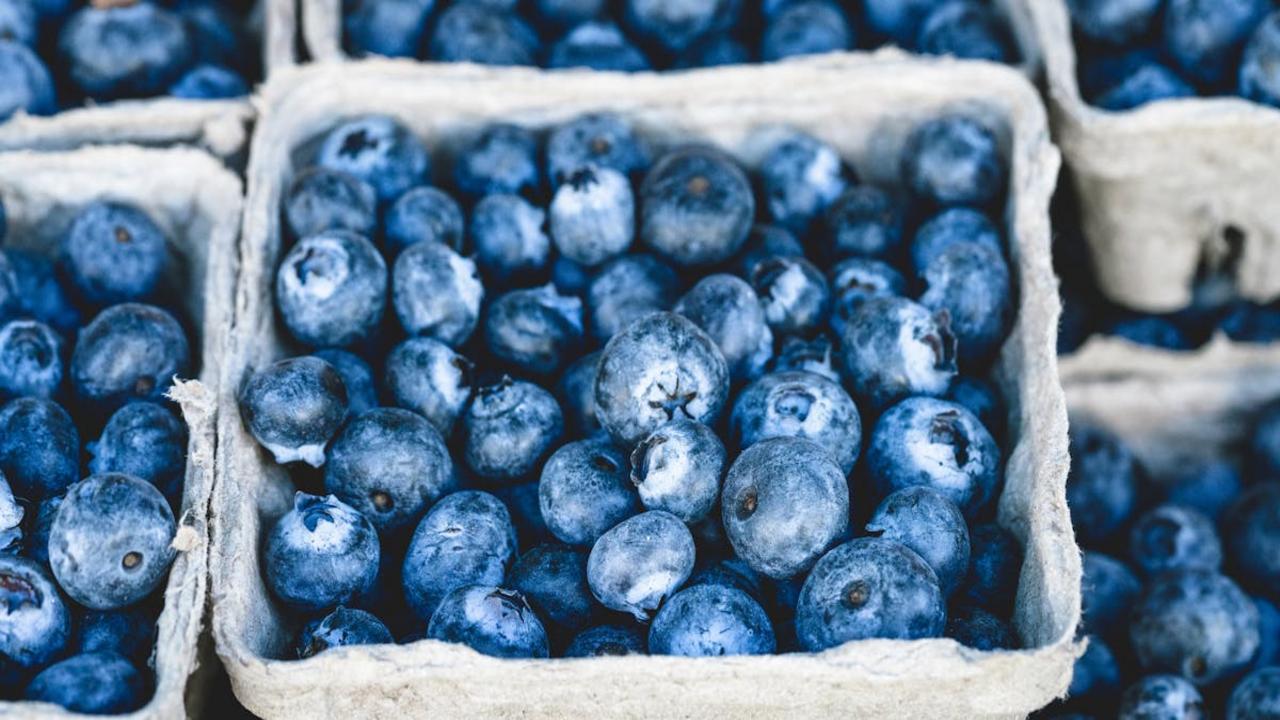
Can you believe that these tiny blue gems were once considered a luxury item? Back in the early 1900s, blueberries grew wild in North America, and harvesting them was labor-intensive and unpredictable. Native Americans had been enjoying these nutritious berries for centuries, but commercial cultivation didn’t begin until the 1910s when Elizabeth White partnered with botanist Frederick Coville to develop the first cultivated blueberry bushes. Before this breakthrough, you could only find blueberries during their short wild season, making them a rare and expensive treat that most families couldn’t afford regularly.
Today, blueberries fill grocery store shelves year-round, and we toss them into our morning smoothies, pancakes, and yogurt bowls without a second thought about their former status. Modern farming techniques and global distribution have transformed these antioxidant powerhouses from seasonal splurges into daily nutrition staples. You can grab a container of fresh blueberries for just a few dollars, or stock your freezer with bags of frozen ones that maintain their nutritional value. The shift from wild foraging to mass production has made these brain-boosting, heart-healthy berries accessible to everyone, proving that sometimes the best things in life really can become affordable everyday pleasures.
Foie Gras
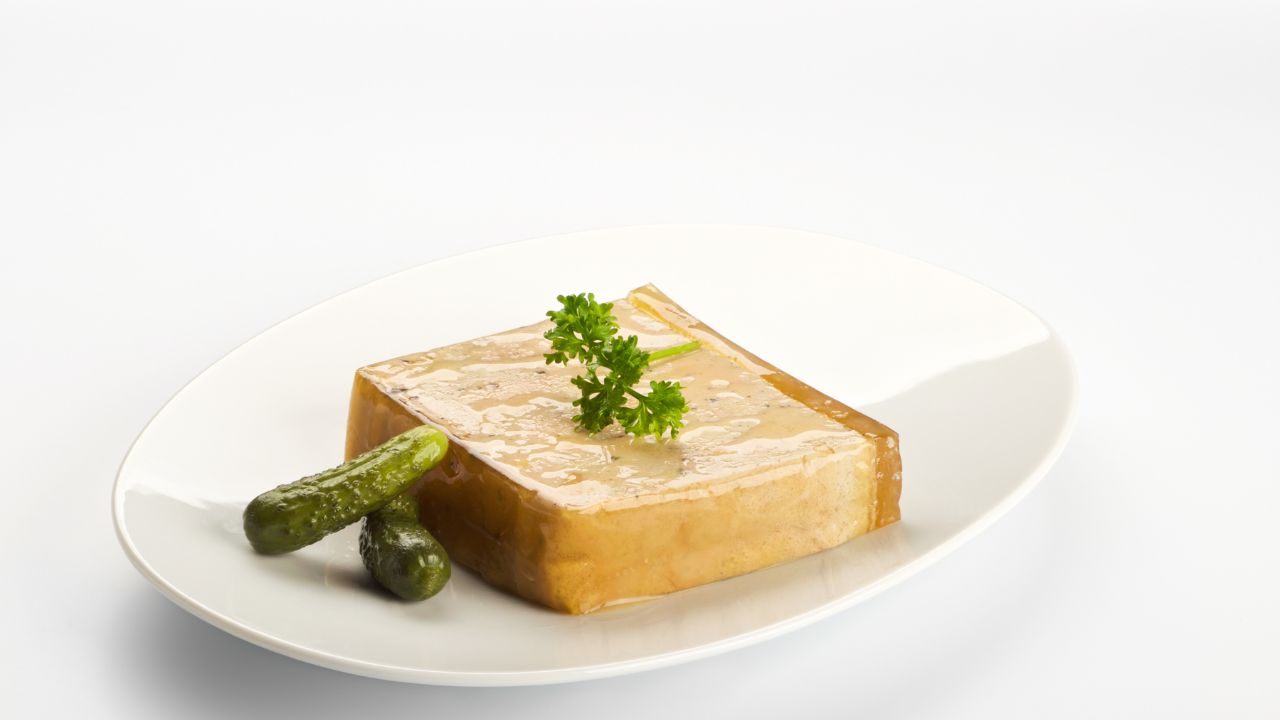
Foie gras once graced only the most exclusive tables in French châteaux and Michelin-starred restaurants, commanding astronomical prices that put it far beyond the reach of everyday diners. This delicate duck or goose liver pâté represented the pinnacle of French gastronomy, reserved for special celebrations and wealthy patrons who could afford such extravagance. The preparation required exceptional skill and patience, making it a true luxury item that symbolized sophistication and refined taste.
Today, you can find foie gras at your local gourmet grocery store, and many restaurants offer more accessible versions that won’t break your budget. Modern production methods and increased availability have transformed this once-exclusive delicacy into something you might actually consider for your next dinner party. While still pricier than your average spread, foie gras has shed its ultra-exclusive status and become part of the broader gourmet food landscape. You can now experiment with this rich, buttery ingredient in your own kitchen, creating impressive appetizers that bring restaurant-quality sophistication to your home dining experience.
Saffron
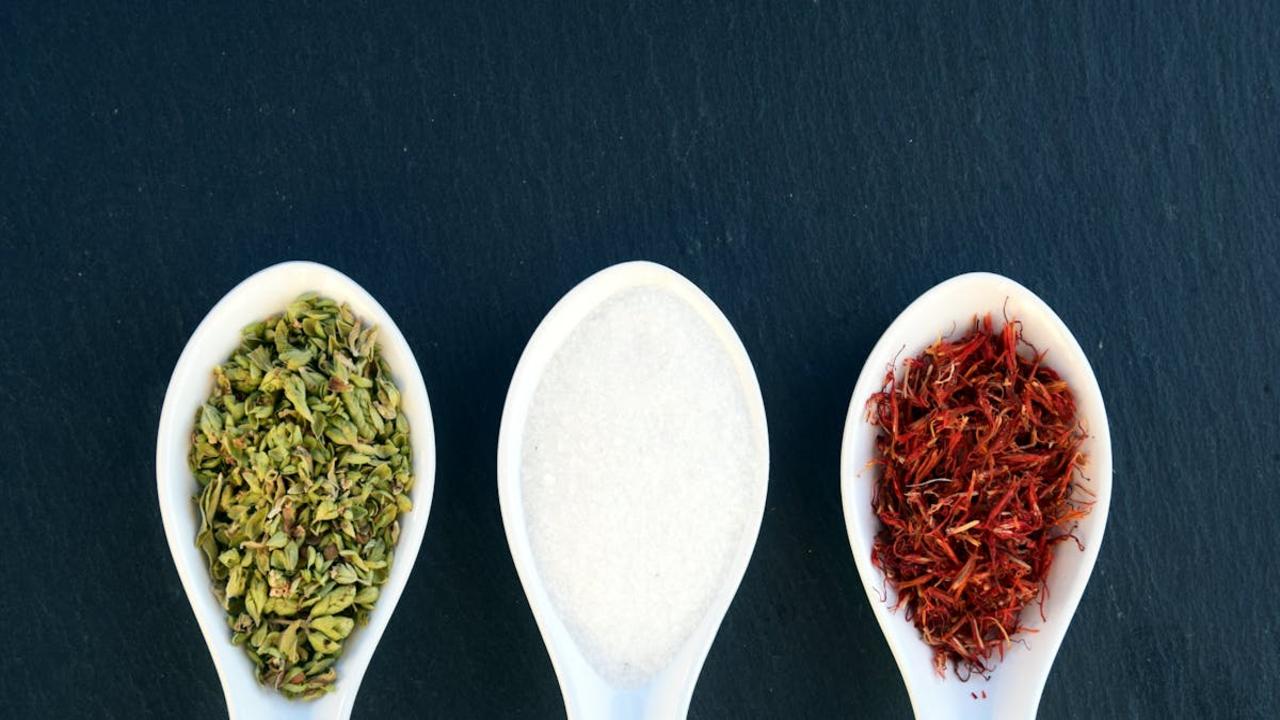
You know that gorgeous golden spice that costs more per ounce than gold itself? Saffron once graced only the tables of royalty and the wealthy elite, but today you can pick up a small container at most grocery stores. This precious spice comes from the delicate threads of crocus flowers, and it takes about 150 flowers to produce just one gram of saffron. Back in ancient times, saffron was so valuable that it was literally worth its weight in gold, traded along silk routes and hoarded by kings who used it to display their incredible wealth and power.
Now here’s the beautiful part – while saffron still carries a premium price tag, it’s become accessible enough that home cooks like you can experiment with it in your own kitchen. A tiny pinch goes an incredibly long way, transforming simple rice dishes into restaurant-worthy paella or adding that distinctive floral note to desserts and teas. Modern cultivation techniques and global trade have made this once-impossible-to-find ingredient available at your local market, though you’ll still want to use it thoughtfully since quality saffron remains an investment. The magic happens when you steep those crimson threads in warm liquid, releasing that signature golden color and complex flavor that makes every dish feel special.
Truffles
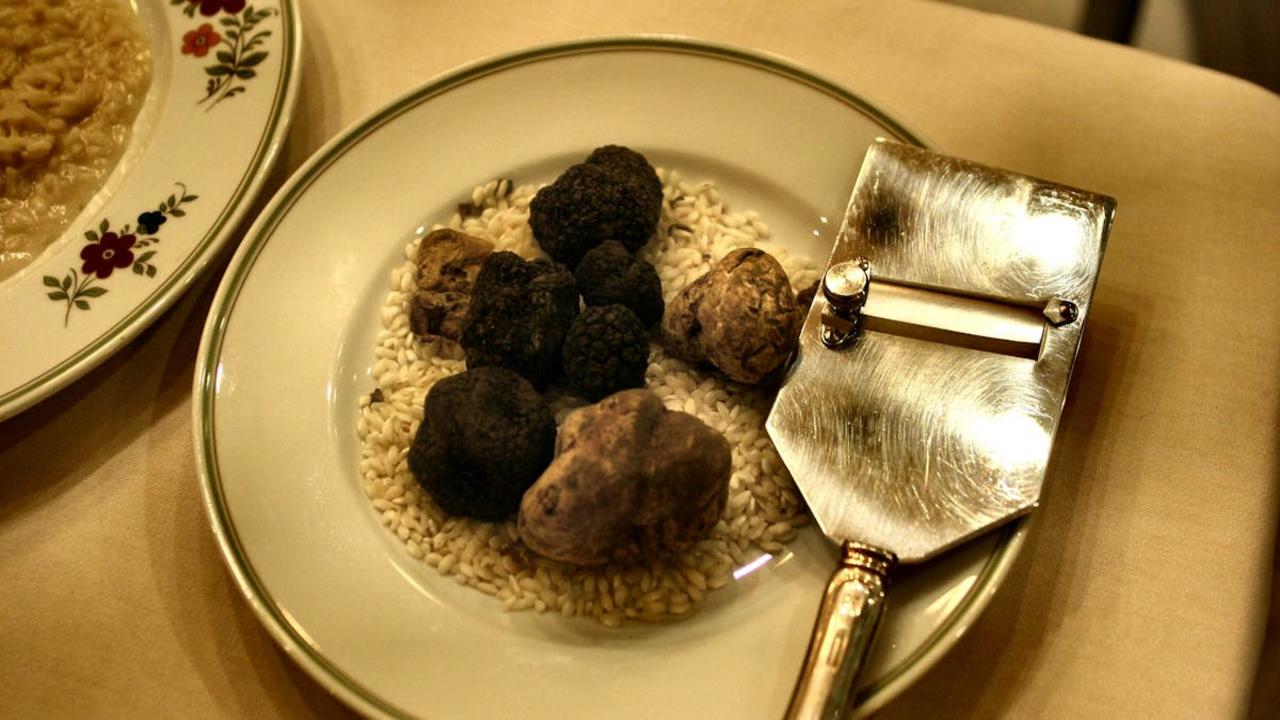
Once the crown jewel of European aristocracy’s dining tables, truffles commanded astronomical prices that only royalty and the ultra-wealthy could afford. These mysterious underground fungi, hunted with specially trained pigs and dogs in the forests of France and Italy, represented the pinnacle of gastronomic luxury. A single truffle could cost more than a servant’s monthly wages, making them symbols of wealth and exclusivity. The rarity and difficulty of harvesting these aromatic treasures kept them firmly out of reach for common households.
Today, you can find truffle-infused everything from potato chips to pasta sauces lining grocery store shelves at surprisingly reasonable prices. Modern cultivation techniques and truffle farms have dramatically increased availability, while truffle oils and synthetic flavoring have made that distinctive earthy flavor accessible to home cooks everywhere. Sure, fresh white truffles still command premium prices, but truffle salt, truffle honey, and preserved truffles bring that once-exclusive flavor profile right into your kitchen. You can now create restaurant-quality dishes at home, transforming simple scrambled eggs or homemade pizza into something that feels wonderfully indulgent without breaking the bank.
Oysters
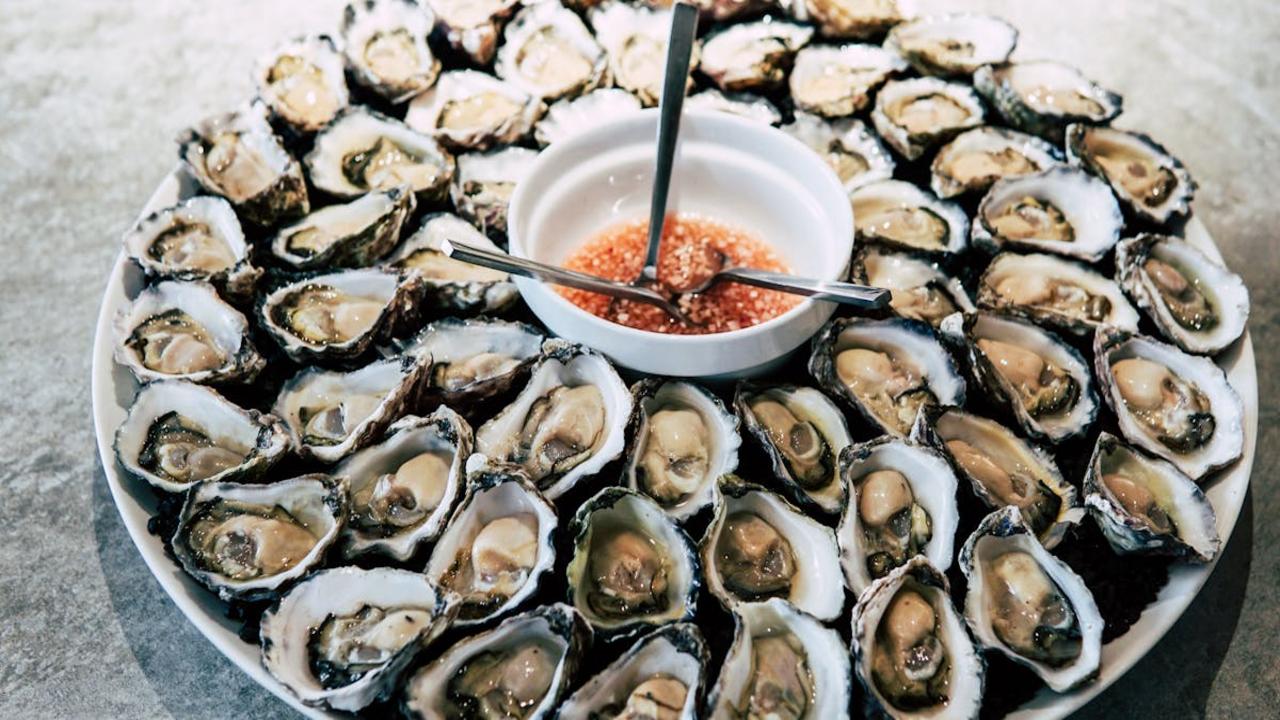
Picture this: back in the 1800s, oysters were so abundant and cheap that they were literally the poor man’s protein! Street vendors in New York City sold them from carts for just a few pennies, and working-class families relied on these briny bivalves as their main source of affordable nutrition. Saloons even offered them free with drinks, similar to how bars serve peanuts today. The phrase “the world is your oyster” actually originated from this time when these shellfish were accessible to everyone, not just the wealthy.
Fast-forward to today, and you’ll pay $3-5 per oyster at a fancy raw bar – what a complete transformation! Overharvesting, pollution, and habitat destruction decimated wild oyster populations, turning this once-humble food into a premium delicacy. Now oyster farms carefully cultivate specific varieties like Kumamoto and Blue Point, each with distinct flavor profiles that make them highly sought after. The irony is delicious: what once fed the masses now graces upscale menus, complete with mignonette sauce and champagne pairings that would make those 19th-century street vendors chuckle.
Pineapple
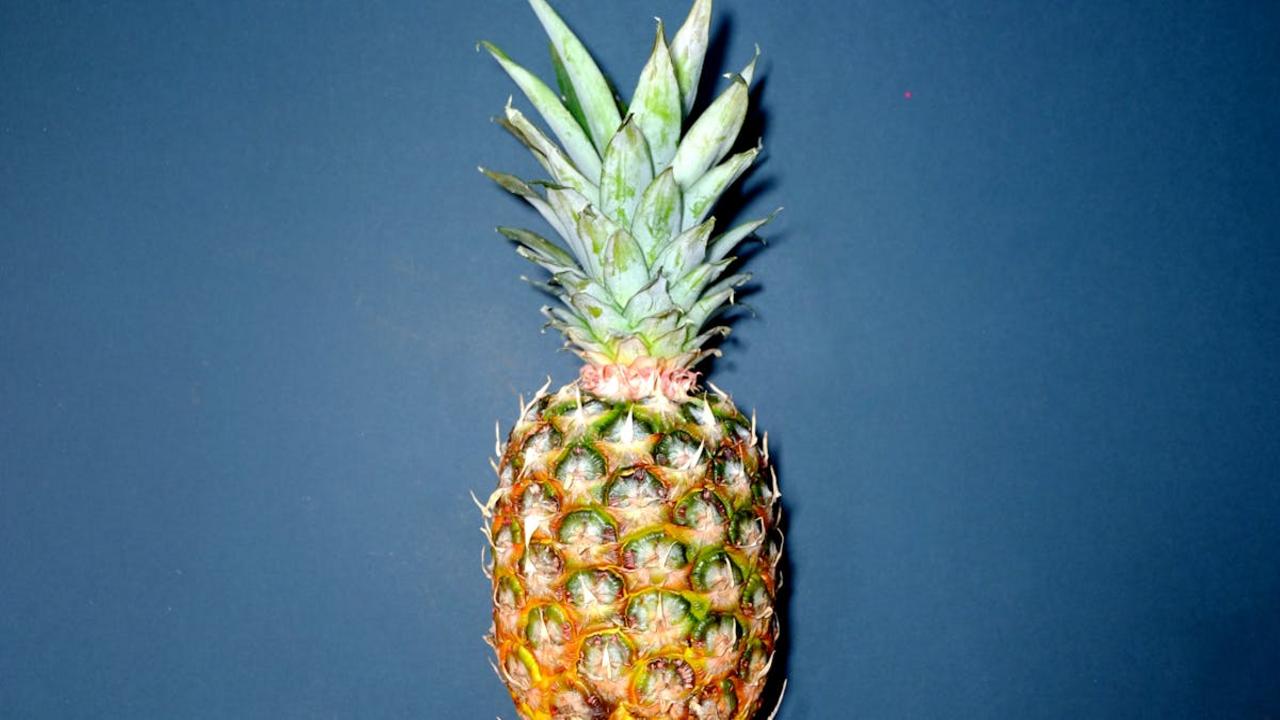
Can you imagine a time when pineapples were so precious that wealthy Europeans would rent them for parties? Back in the 17th and 18th centuries, this spiky tropical fruit was the ultimate symbol of luxury and hospitality. A single pineapple could cost the equivalent of thousands of dollars today! Colonists brought them from the Caribbean and Central America at enormous expense, making them so rare that hosts would display them at dinner parties before carefully returning them to the rental company. The pineapple became such a powerful status symbol that it appeared carved into architecture, printed on wallpaper, and crafted into decorative pieces throughout affluent homes.
Fast forward to today, and you can grab a fresh pineapple at your local grocery store for just a few dollars. Modern transportation, improved cultivation methods, and expanded growing regions transformed this once-exclusive delicacy into an everyday treat we toss into smoothies, grill for summer barbecues, and add to pizza (controversial but delicious!). The shift happened gradually through the 19th and 20th centuries as steamships made transportation faster and cheaper, while plantations in Hawaii, Costa Rica, and the Philippines ramped up production. Now I love how accessible this vitamin C powerhouse has become – you can enjoy its sweet-tart flavor and digestive benefits without breaking the bank or waiting months for delivery!
Artichokes
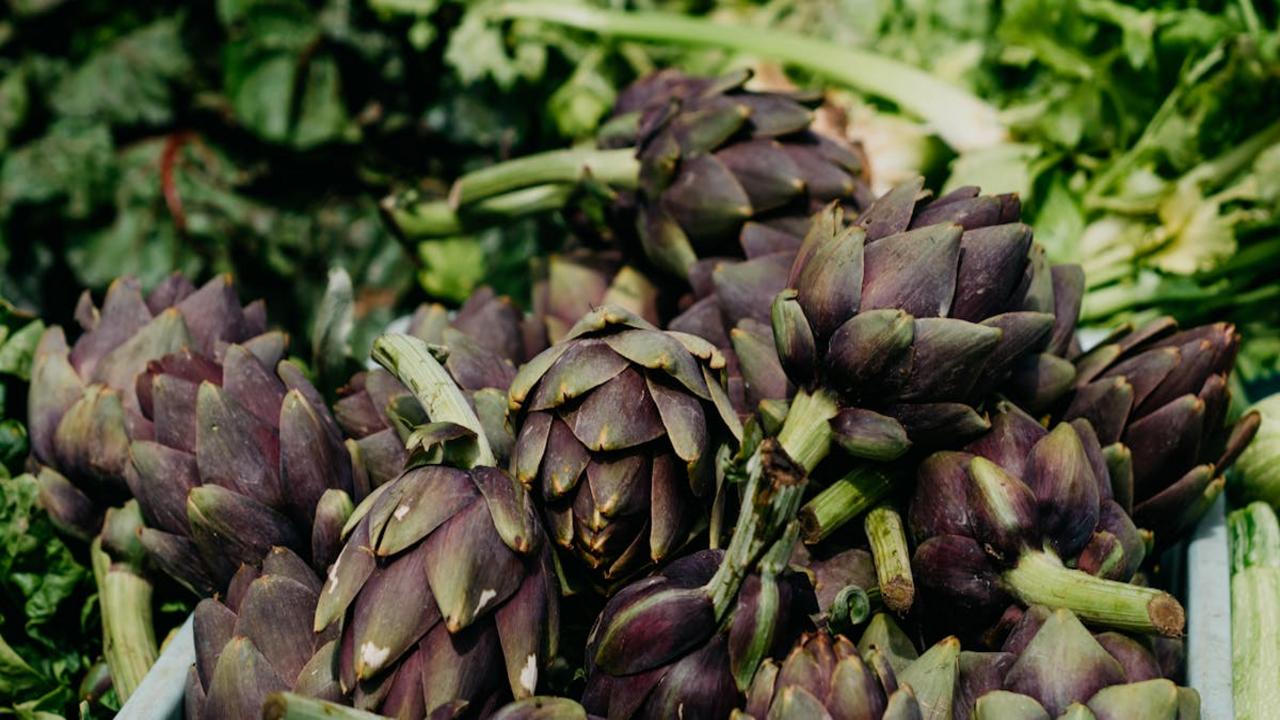
Picture this: artichokes once graced only the most exclusive dinner tables, commanding prices that made them a symbol of wealth and sophistication. These spiky green globes originated in the Mediterranean, where ancient Romans considered them such a delicacy that only the elite could afford them. Fast forward through centuries of cultivation and trade, and you’ll find artichokes transformed from aristocratic appetizers to grocery store regulars that anyone can toss into their weekly shopping cart.
What makes this transformation even more exciting is how approachable artichokes have become in your own kitchen! You can steam them whole for a fun, interactive dinner where everyone pulls off leaves and dips them in garlic butter, or you can grab frozen artichoke hearts to throw into pasta dishes, salads, and Mediterranean-inspired meals. Their meaty texture and subtle, nutty flavor make them perfect for everything from simple weeknight dinners to impressive dinner party spreads. Don’t let their spiky exterior intimidate you – once you learn the basic preparation techniques, you’ll discover these fiber-rich vegetables are actually quite forgiving and incredibly versatile.
Lobster
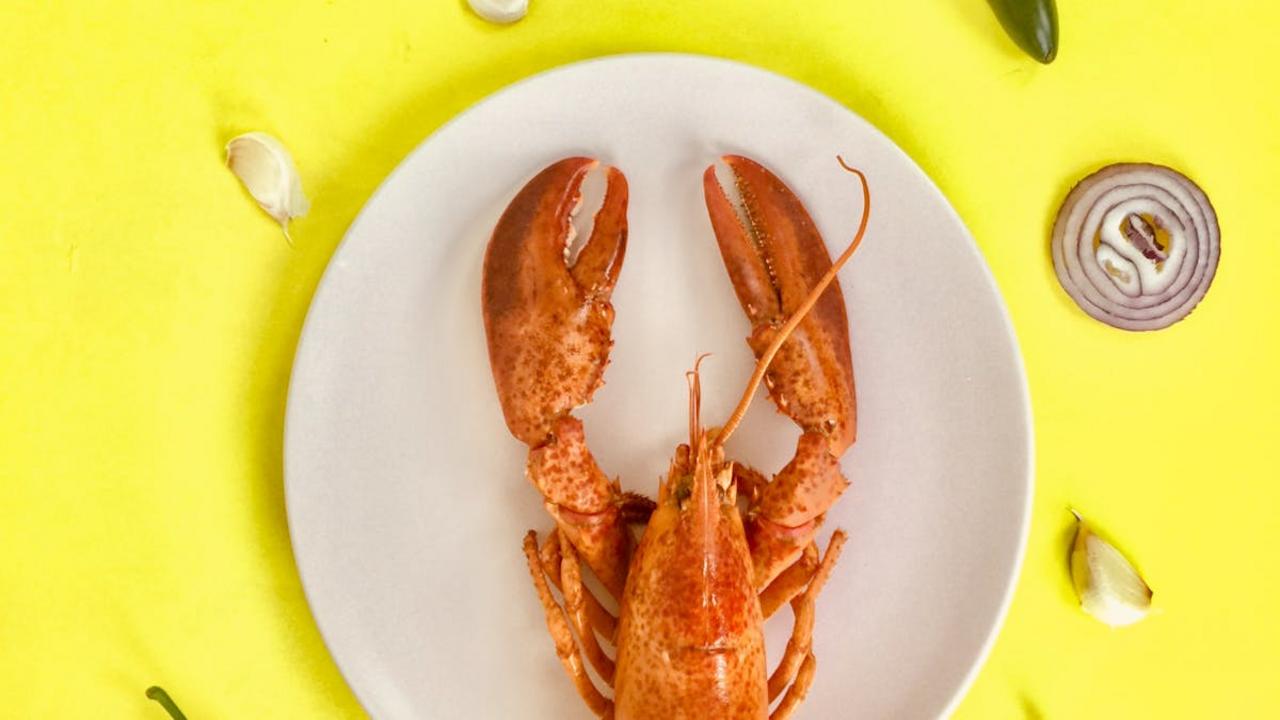
Can you believe that lobster was once considered prison food? Back in colonial America, these red-shelled beauties were so abundant that they literally washed up on shores in piles up to two feet high! Servants and prisoners were fed lobster so frequently that Massachusetts actually passed laws limiting how often inmates could be served this “cruel and unusual” meal to no more than three times per week. The wealthy turned their noses up at what they saw as giant sea bugs, and lobster carried such a stigma that it was ground up and used as fertilizer or fed to cats.
Everything changed in the mid-1800s when clever railroad companies started marketing lobster to inland travelers as an exotic delicacy from the mysterious depths of the ocean. City folks had never seen these creatures before and didn’t know about their humble reputation, so they gladly paid premium prices for what they thought was fancy seaside fare. By the 1920s, lobster had completely transformed its image, becoming the ultimate symbol of fine dining and special occasions. Now you’ll find people shelling out $30 or more for a lobster dinner, and it’s become synonymous with romantic date nights and celebration meals – quite the glow-up from its days as prisoner gruel!
Coffee
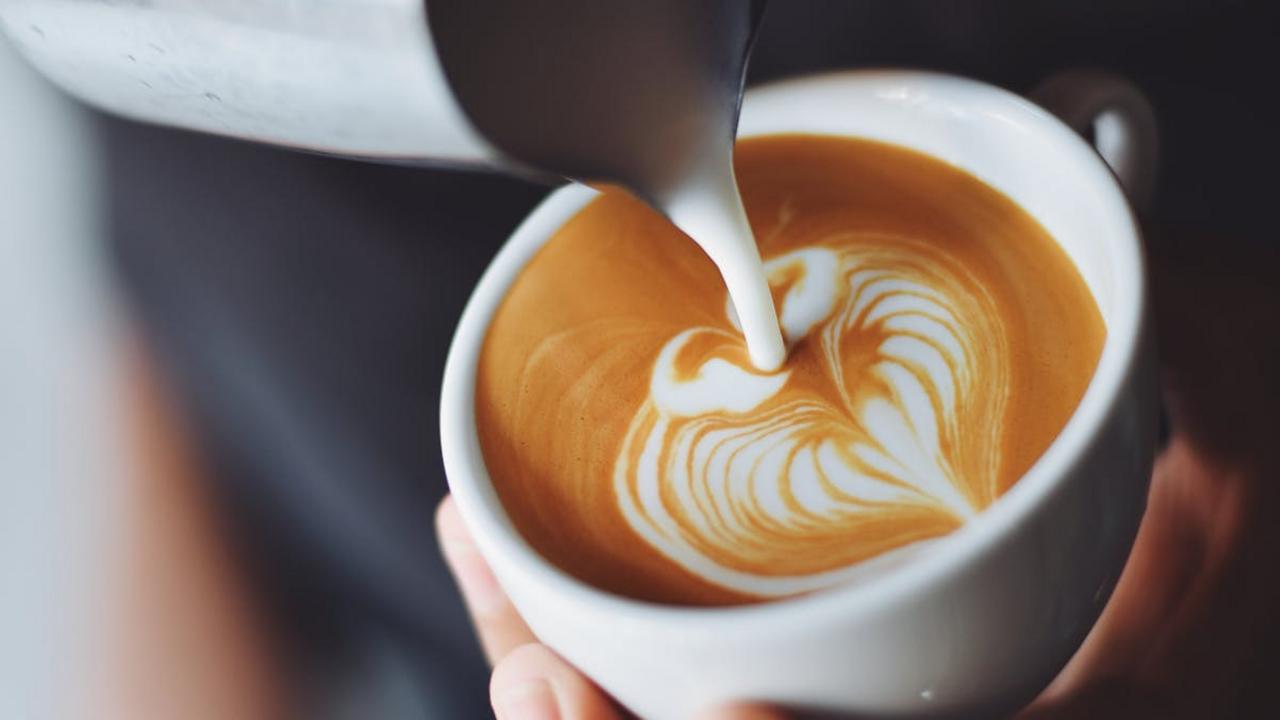
Can you imagine a time when your morning cup of joe was considered an exotic luxury? Coffee beans first made their way from Ethiopia to Yemen in the 15th century, where they became the drink of choice for wealthy merchants and nobles. By the 17th century, European aristocrats were paying premium prices for these precious dark beans, treating coffee houses as exclusive social clubs where only the elite could afford to gather and discuss politics over steaming cups.
Fast forward to today, and coffee has become such an integral part of our daily routine that most of us can’t function without it! The transformation happened gradually through improved farming techniques, better transportation, and mass production methods that brought costs down dramatically. Now you can grab a decent cup for just a few dollars, brew your own at home with beans from your local grocery store, or even enjoy instant coffee when you’re in a rush. What once required a small fortune now sits in almost every kitchen pantry, proving how dramatically food accessibility can change over centuries. Your daily coffee habit connects you to a rich history of global trade and cultural exchange that spans continents.
Chocolate
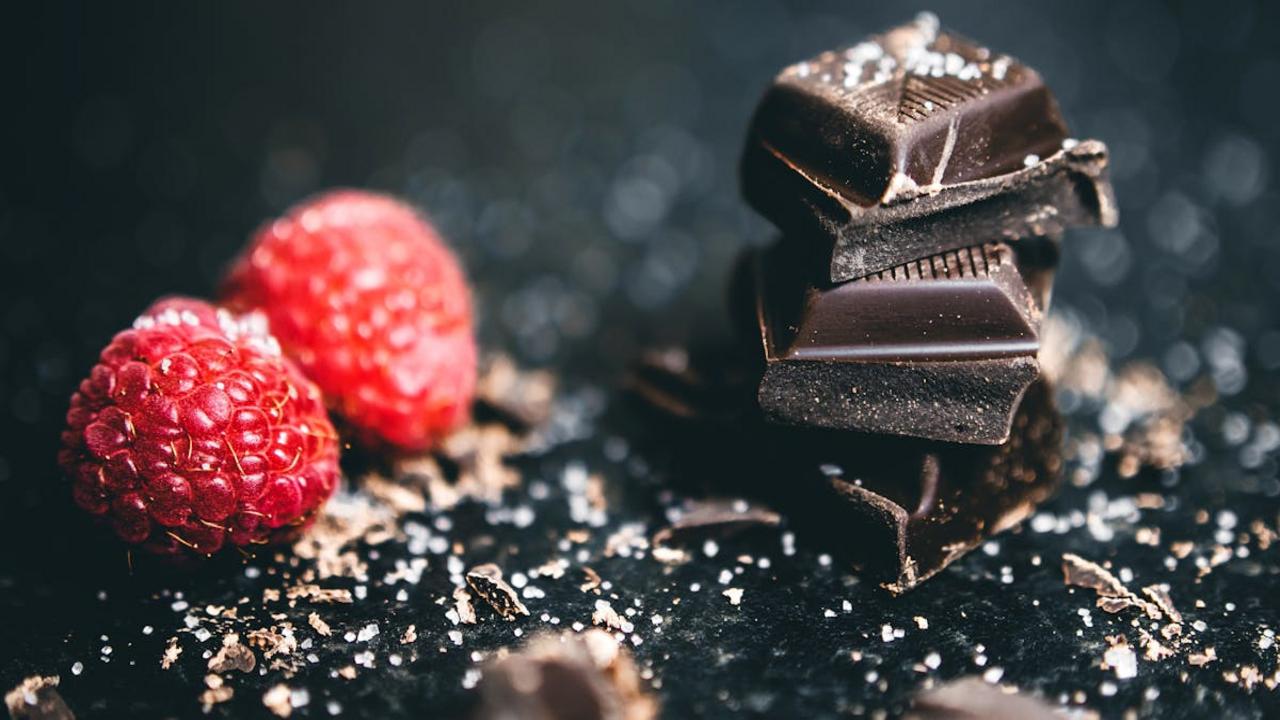
Can you imagine a time when chocolate was so precious that only royalty could afford it? Back in ancient Mesoamerica, the Aztecs and Mayans treated cacao beans like liquid gold, literally using them as currency and reserving chocolate drinks for emperors and priests. The Spanish conquistadors brought this “food of the gods” back to Europe in the 16th century, where it remained an expensive luxury for the wealthy elite for centuries. Hot chocolate was served in ornate silver pots at royal courts, and a single cup could cost more than a day’s wages for common folk.
Fast forward to today, and you can grab a chocolate bar at any corner store for pocket change! The Industrial Revolution changed everything – mechanized production, improved transportation, and sugar plantations made chocolate accessible to everyone. Now we toss chocolate chips into our morning pancakes, melt dark chocolate for healthy antioxidant-rich smoothies, and create decadent desserts without thinking twice about the cost. What once required royal approval now sits in your pantry, ready to transform any ordinary recipe into something special. From bittersweet baking chocolate to creamy milk chocolate, this former luxury has become one of our most beloved everyday ingredients.
Quinoa
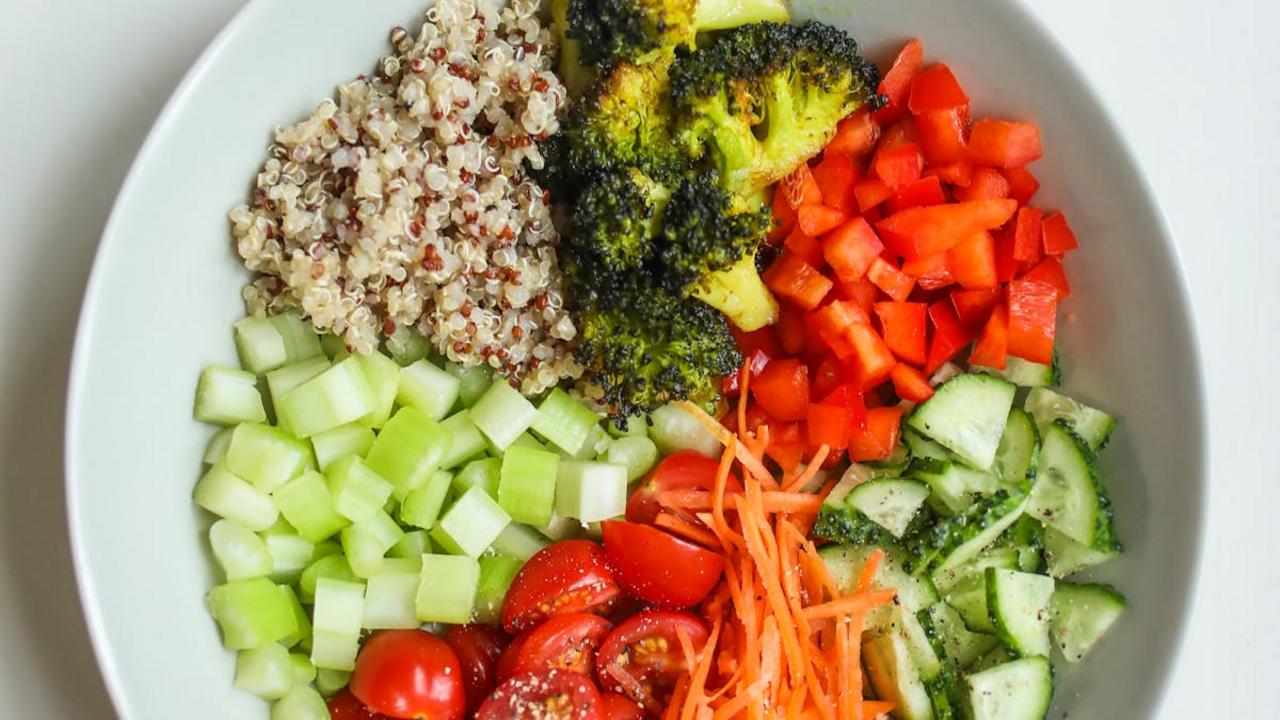
Just a decade ago, quinoa sat on specialty health food store shelves with a premium price tag that made you think twice before adding it to your cart. This ancient grain from South America was considered exotic, mysterious, and frankly, way too expensive for regular weeknight dinners. Fast forward to today, and you’ll find quinoa readily available at your neighborhood grocery store, often priced competitively with rice and other grains. The transformation has been remarkable – what once felt like a splurge purchase now feels like a smart pantry staple.
The shift happened as more people discovered quinoa’s incredible nutritional profile and versatility. This protein-packed grain contains all nine amino acids your body needs, making it a complete protein source that vegetarians and health-conscious eaters absolutely love. You can toss it into salads for extra crunch, use it as a rice substitute, blend it into breakfast bowls, or even bake it into muffins. The mild, nutty flavor pairs beautifully with everything from roasted vegetables to fresh herbs, and it cooks up fluffy and light in just 15 minutes. Now that quinoa has become mainstream, you can experiment with this nutritional powerhouse without breaking the bank.
Avocado
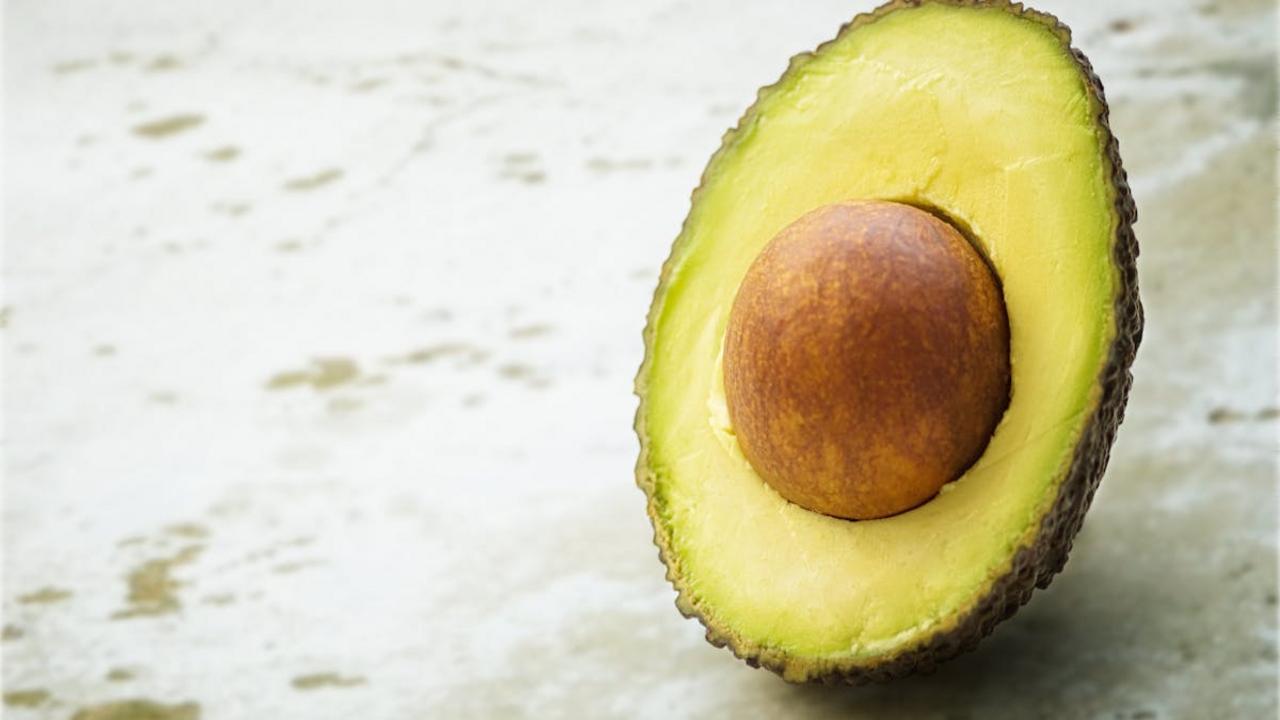
Remember when avocados were that mysterious green fruit your mom would buy for special occasions? I can still picture myself as a kid, watching her carefully select the perfect one at the grocery store like she was choosing a precious gem. Back in the 80s and 90s, avocados carried a hefty price tag and were considered quite the splurge. Most families saved them for dinner parties or special Sunday brunches, treating them like an exotic indulgence rather than an everyday ingredient.
Fast forward to today, and you’ll find avocados practically everywhere – from your local gas station to every coffee shop’s breakfast menu. The rise of health-conscious eating and social media food trends transformed this buttery fruit into a daily staple for millions. Now you can grab perfectly ripe avocados at reasonable prices year-round, making avocado toast, smoothie bowls, and guacamole part of our regular rotation. What once felt like a luxury purchase has become so accessible that many of us keep multiple avocados on our counters, planning meals around their ripeness schedule!
Sushi
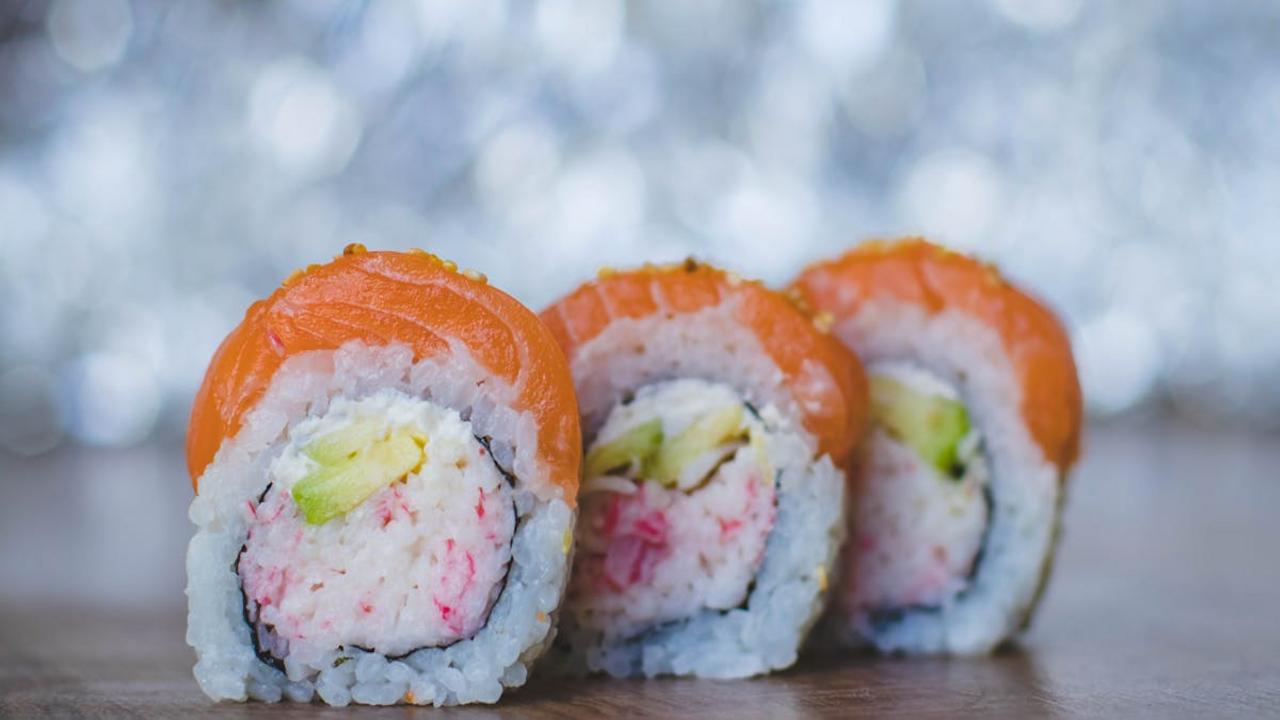
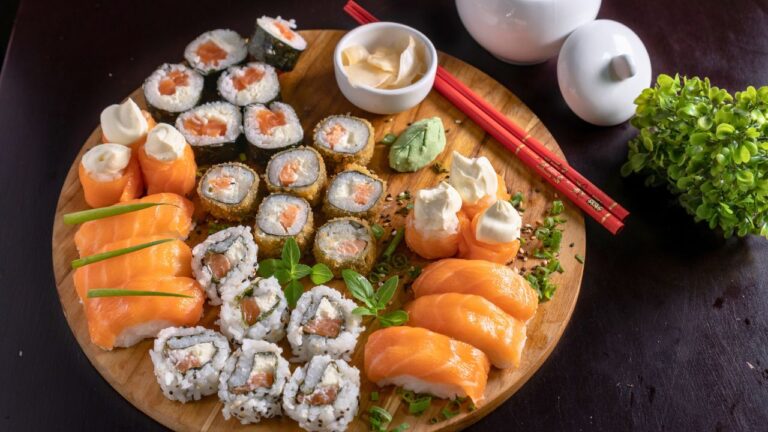
Can you believe that sushi was once considered the ultimate luxury food in the Western world? Back in the 1960s and 70s, when Japanese cuisine first started making waves in America, sushi restaurants were exclusive, expensive establishments where only the adventurous and well-heeled dared to venture. The idea of eating raw fish seemed so foreign and sophisticated that a single sushi dinner could easily cost what most people spent on groceries for a week. The precision, the presentation, the exotic ingredients – everything about sushi screamed high-end dining.
Fast forward to today, and you can grab a California roll at your local grocery store for under five dollars! What transformed this once-elite dining experience into an everyday option was a combination of factors: increased cultural acceptance, the genius invention of the California roll (which made sushi more approachable for Western palates), and mass production techniques that brought costs down dramatically. Now you’ll find sushi counters in gas stations, university cafeterias, and mall food courts. While purists might debate the quality differences, there’s something wonderful about how this nutritious, protein-packed meal has become accessible to everyone. The democratization of sushi means more people can enjoy its health benefits – omega-3 fatty acids, lean protein, and fresh vegetables wrapped up in convenient, portion-controlled packages.