14 Budget Grocery Staples Frugal Cooks Swear By for Easy Tasty Meals
Wallet feeling lighter than your soufflé these days? Join the club! But tight budgets don’t mean bland meals. Smart cooks know certain grocery staples pull double-duty: they’re cheap AND nutritious. I’ve rounded up 14 powerhouse ingredients that won’t break the bank but will absolutely transform your weeknight cooking game.
These kitchen workhorses create everything from quick breakfasts to impressive dinners without demanding fancy techniques or equipment. You’ll whip up meals that make your family think you secretly attended culinary school (your secret’s safe with me). The best part? Most last for weeks in your pantry or freezer.
I’ve tested these budget heroes in countless pinch-penny recipes, and they never disappoint. From protein-packed beans to versatile frozen veggies, these ingredients create satisfying meals that cost pennies per serving. Ready to shop smarter and eat better? Your grocery cart (and your taste buds) will thank you!
Seasonal Fruits
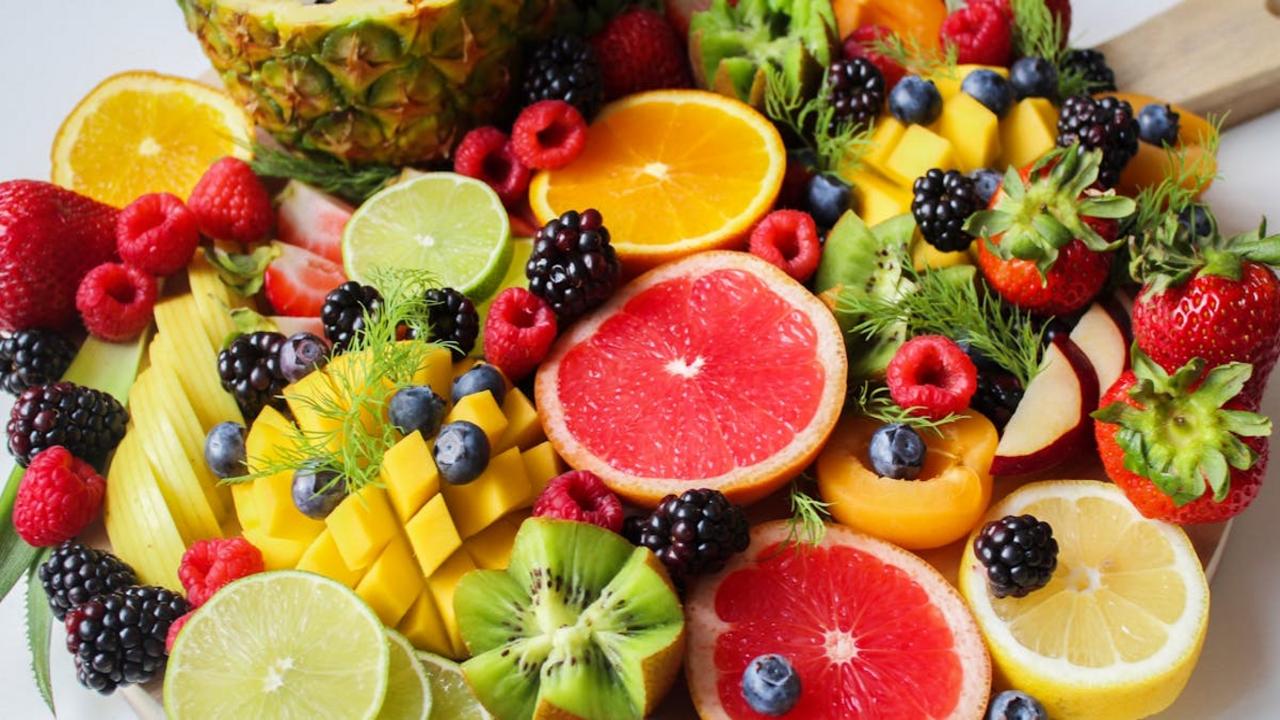
Smart shoppers know that timing is everything when it comes to fruit purchases, and I’m about to share the secret that keeps frugal cooks swimming in sweet savings year-round. Buying seasonal fruits means you’re getting peak flavor at rock-bottom prices – strawberries in June cost pennies compared to their February counterparts, and those winter citrus fruits practically beg you to take them home during their prime months. The trick lies in understanding Mother Nature’s calendar: stone fruits like peaches and plums shine in summer, apples and pears dominate fall markets, while citrus brightens up those dreary winter days.
Here’s where things get really exciting – seasonal fruit shopping transforms your kitchen into a year-round festival of flavors without breaking your budget. Summer brings you bushels of berries perfect for freezing into smoothie cubes or jamming into mason jars for winter mornings. Fall apples turn into chunky applesauce that costs fraction of store-bought versions, while winter oranges squeeze into fresh juice that puts expensive cartons to shame. The beauty of this approach means you’re constantly rotating through different vitamins and nutrients while your wallet stays happy – plus, nothing beats the smug satisfaction of serving friends a peach cobbler in July that cost you less than a fancy coffee drink.
Avocados
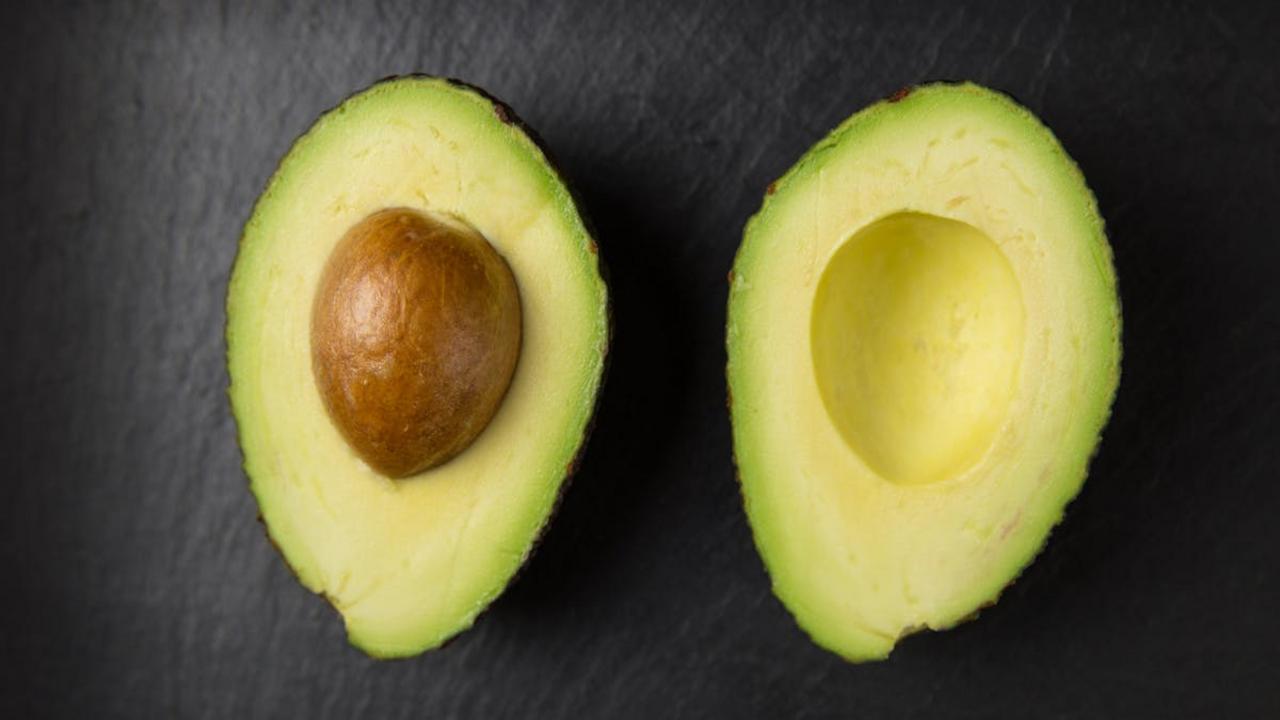
You know that friend who claims they’re “broke” but still drops twenty bucks on avocado toast every weekend? Well, here’s the plot twist: buying whole avocados and making your own creamy goodness actually makes financial sense! These green gems pack serious nutritional punch while keeping your wallet happy. A single avocado contains more potassium than a banana (take that, yellow fruit!), plus healthy fats that’ll keep you satisfied longer than that sad desk salad you’ve been choking down.
The beauty of avocados lies in their chameleon-like ability to transform any meal from “meh” to “magnificent.” Mash them into guacamole for your Netflix binges, slice them onto eggs for breakfast luxury, or blend them into smoothies for that Instagram-worthy green color your followers will obsess over. Pro tip: buy them rock-hard and let them ripen on your counter – you’ll save money and avoid the heartbreak of finding brown spots after paying premium prices. Plus, here’s a weird fact that’ll impress your dinner guests: avocados are technically berries, making them the most expensive berry you’ll ever love!
Lentils
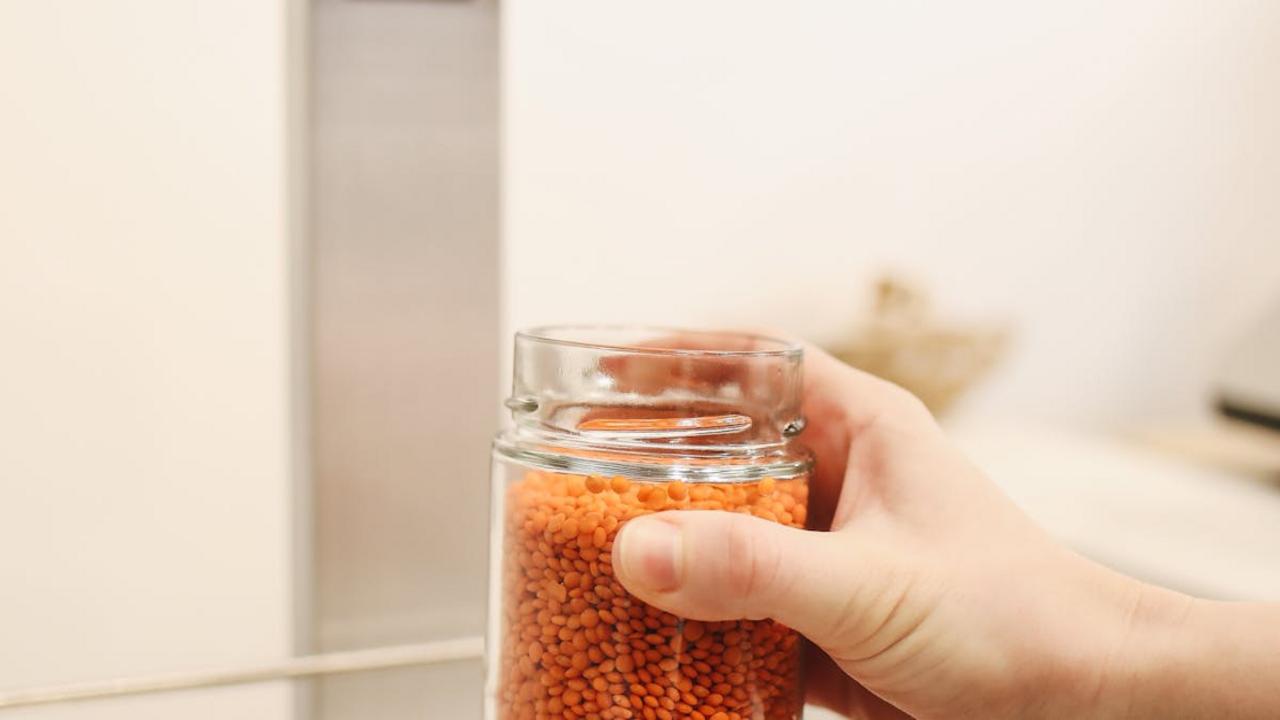
You know that friend who’s always reliable, never lets you down, and somehow makes everything better? That’s lentils in your pantry. These tiny powerhouses have been feeding civilizations for over 10,000 years, and honestly, they deserve a medal for their service. Red lentils cook faster than you can decide what to watch on Netflix (seriously, 15 minutes!), while green and brown varieties hold their shape like little soldiers in soups and stews. At roughly a dollar per pound, they’re cheaper than your morning coffee and pack more protein than most people realize—about 18 grams per cup, which puts them in serious competition with expensive meat.
Here’s where lentils get sneaky good: they absorb flavors like tiny sponges with attitude. Toss them into a curry with coconut milk and they’ll sing tropical songs. Simmer them with garlic, herbs, and a splash of balsamic vinegar, and suddenly you’ve got a Mediterranean masterpiece that costs less than five bucks to feed four people. My favorite lazy dinner? Red lentils with diced tomatoes, onions, and whatever spices are hanging out in my cabinet—20 minutes later, I’m eating something that tastes like I actually tried. Plus, they’re basically indestructible in storage, sitting patiently in your pantry for years without complaint, ready to save dinner whenever inspiration strikes.
Tinned Fish
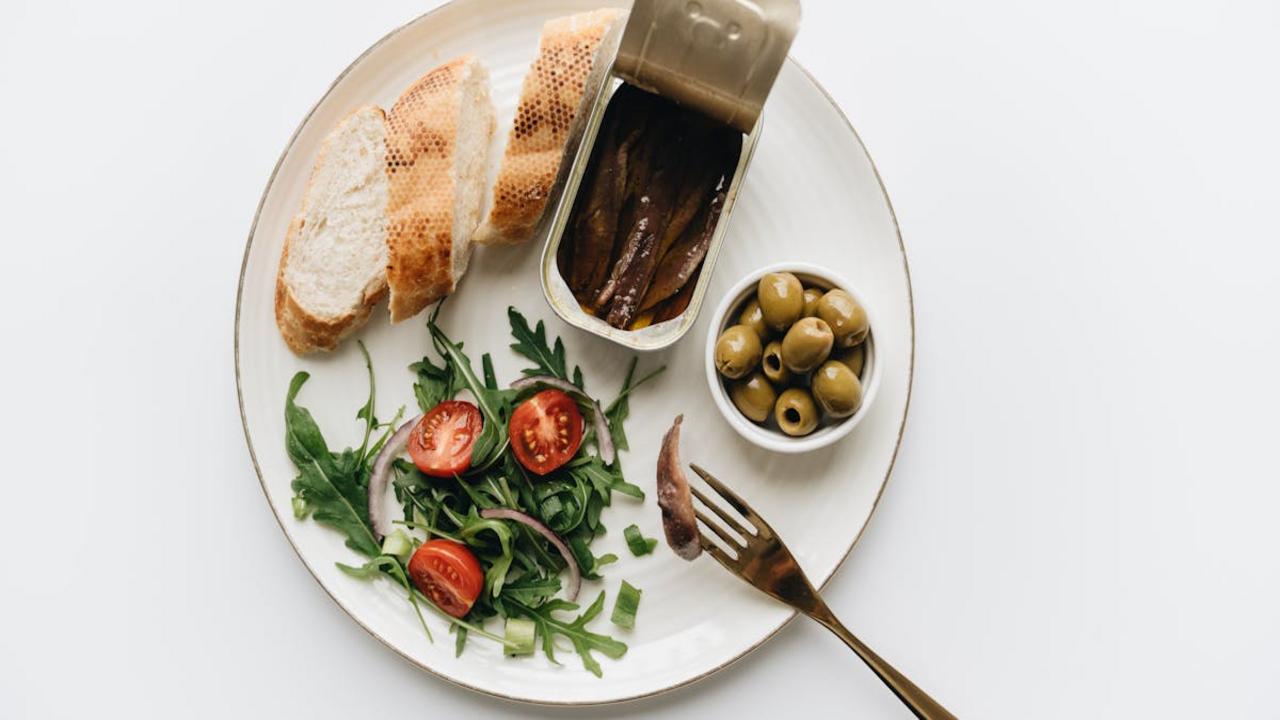
I know what you’re thinking – tinned fish sounds about as glamorous as wearing socks with sandals. But hear me out! These little cans pack more flavor punch than a boxing match between Gordon Ramsay and Julia Child. Sardines, mackerel, salmon, and tuna transform from humble pantry dwellers into gourmet stars faster than you can say “omega-3 fatty acids.” The Portuguese have been obsessing over tinned sardines for centuries, and they know something we’re just catching onto. A single can of quality mackerel contains enough healthy fats to make your brain do a happy dance, plus enough protein to fuel your next Netflix marathon.
The beauty of tinned fish lies in its versatility – toss sardines into pasta with lemon and capers for an instant Mediterranean feast, or mash salmon with avocado for the world’s easiest lunch spread. My personal favorite? Mackerel on toast with pickled onions and a squeeze of lime – it tastes like vacation in a can. These fishy friends store for years without refrigeration, making them perfect for those “what’s for dinner?” panic moments. Pro tip: splurge on the good stuff from Portugal or Spain; the difference between premium tinned fish and the bargain-bin variety is like comparing a Ferrari to a shopping cart with wonky wheels.
Brown Rice
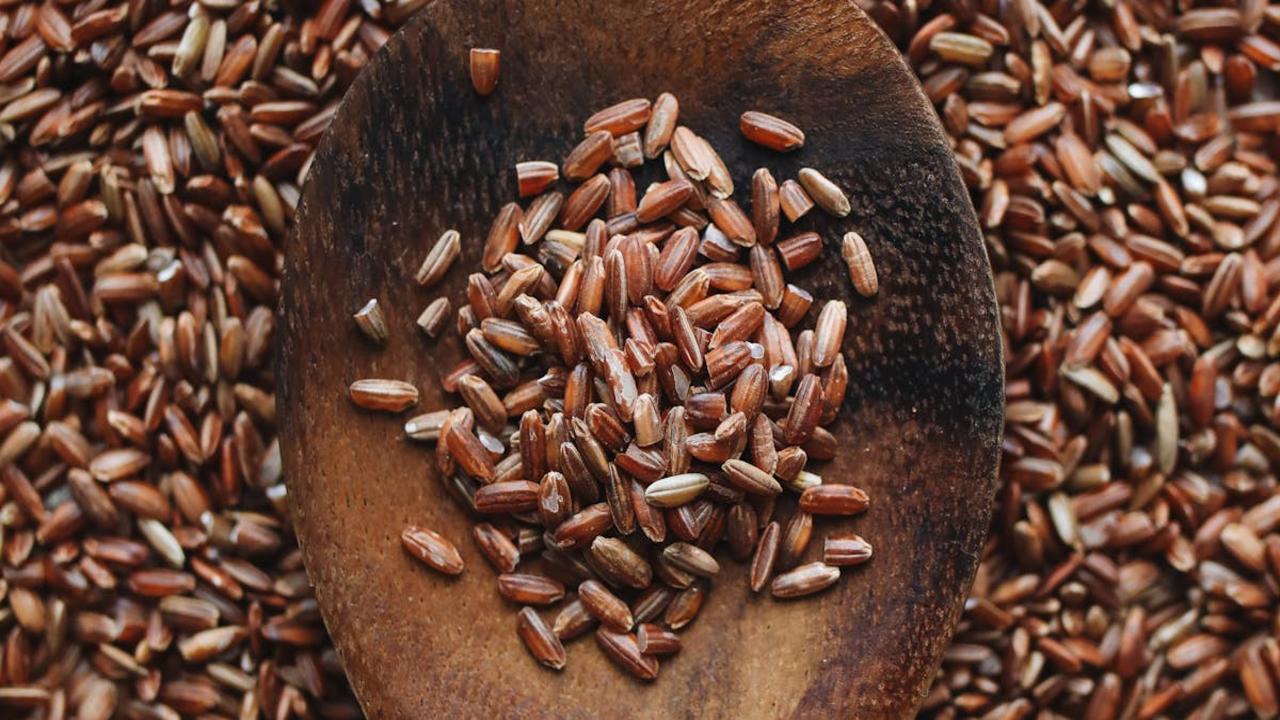
Brown rice might not win any beauty contests next to its flashy white cousin, but this nutty, chewy grain packs more personality than a dinner party full of food bloggers. While white rice gets stripped of its bran and germ like a contestant on a reality show, brown rice keeps all its good bits intact, delivering fiber, B vitamins, and minerals that’ll make your body do a little happy dance. You can buy a massive bag for under five bucks, and it’ll stretch further than your favorite pair of yoga pants – one cup of dry brown rice transforms into three cups of cooked goodness that can feed a small army or one very hungry person with excellent leftover planning skills.
The magic happens when you master the basic ratio: one cup rice to two cups liquid, simmer for about 45 minutes, and boom – you’ve got the foundation for countless meals that would make your wallet weep tears of joy. Throw leftover brown rice into a hot pan with whatever vegetables are staging a revolt in your crisper drawer, crack an egg on top, and suddenly you’re eating fried rice that tastes like you actually know what you’re doing in the kitchen. Brown rice also plays well with others – it absorbs flavors like a sponge at a spa, whether you’re making Mexican bowls, Asian stir-fries, or just mixing it with butter and calling it dinner because some days that’s honestly enough.
Chia Seeds
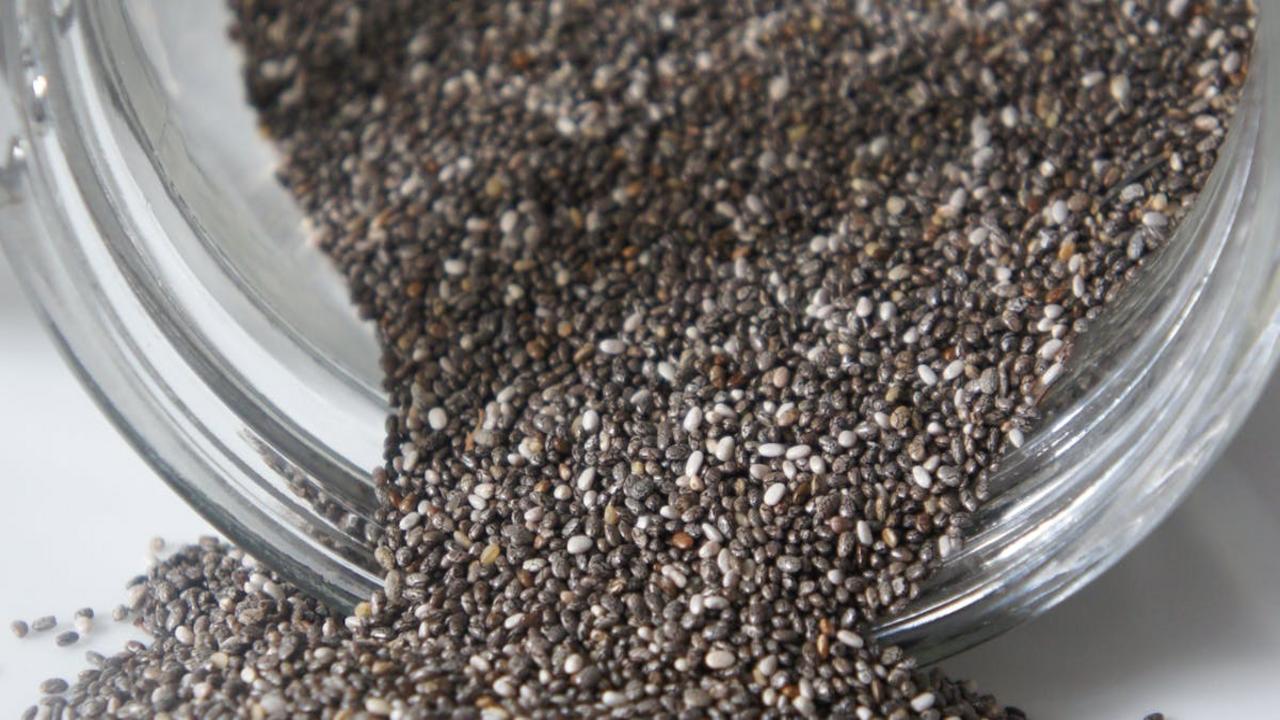
These tiny black specks might look like something you’d sprinkle on your driveway to prevent ice, but trust me—chia seeds pack more nutritional punch per ounce than most superfoods combined. Once the preferred fuel of ancient Aztec warriors (who apparently knew a thing or two about staying energized), these little powerhouses contain omega-3 fatty acids, fiber, protein, and calcium. You can snag a pound for under ten dollars, and since you only need a tablespoon or two per recipe, that bag will last you months. I keep mine in an old mason jar next to my coffee maker, where they remind me daily that good things really do come in small packages.
The magic happens when these seeds meet liquid—they transform into gel-like orbs that create the most satisfying pudding texture without any cooking required. Mix three tablespoons with a cup of almond milk, add a drizzle of maple syrup and some vanilla, then let the mixture sit in your fridge overnight. By morning, you’ve got breakfast that tastes like dessert but makes your body feel like you just won the health lottery. You can also toss them into smoothies for extra thickness, sprinkle them over yogurt for crunch, or even use them as an egg substitute in baking (one tablespoon mixed with three tablespoons water equals one egg). Who knew such tiny seeds could be so versatile?
Cottage Cheese
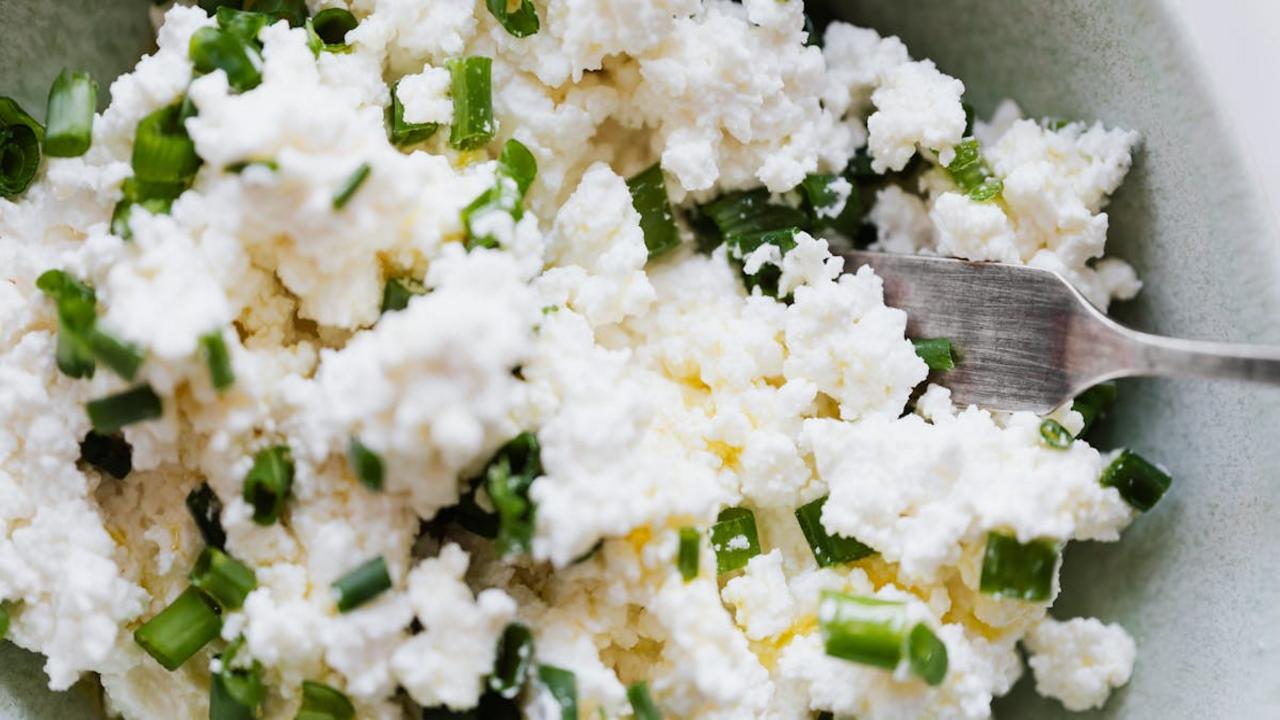
Cottage cheese has been staging the most unlikely comeback since low-rise jeans, and honestly, I’m here for it! This lumpy white wonder that your grandmother probably ate with canned peaches has somehow transformed into the darling of both budget-conscious cooks and fitness enthusiasts. At around $3 for a large container, it’s practically giving away protein—we’re talking about 14 grams per half-cup serving. The texture might look like it belongs in a science experiment, but don’t judge this dairy superstar by its appearance. Those little curds pack serious nutritional punch, loaded with calcium, B vitamins, and enough staying power to keep you satisfied for hours.
The beauty of cottage cheese lies in its chameleon-like personality—it transforms into whatever you need it to be. Blend it into smoothies for creamy richness without the hefty price tag of Greek yogurt, or mix it with herbs and garlic for an instant dip that’ll make your vegetables actually exciting. My personal favorite trick? Substitute it for ricotta in lasagna (your wallet will thank you), or dollop it on toast with everything bagel seasoning for a breakfast that feels fancy but costs pennies. Pro tip: buy the large containers and freeze portions in ice cube trays—each cube becomes a perfect single-serving addition to scrambled eggs or pasta sauce. Sure, it might not win any beauty contests, but cottage cheese proves that sometimes the most unassuming ingredients make the biggest impact on both your meals and your budget.
Frozen Vegetables
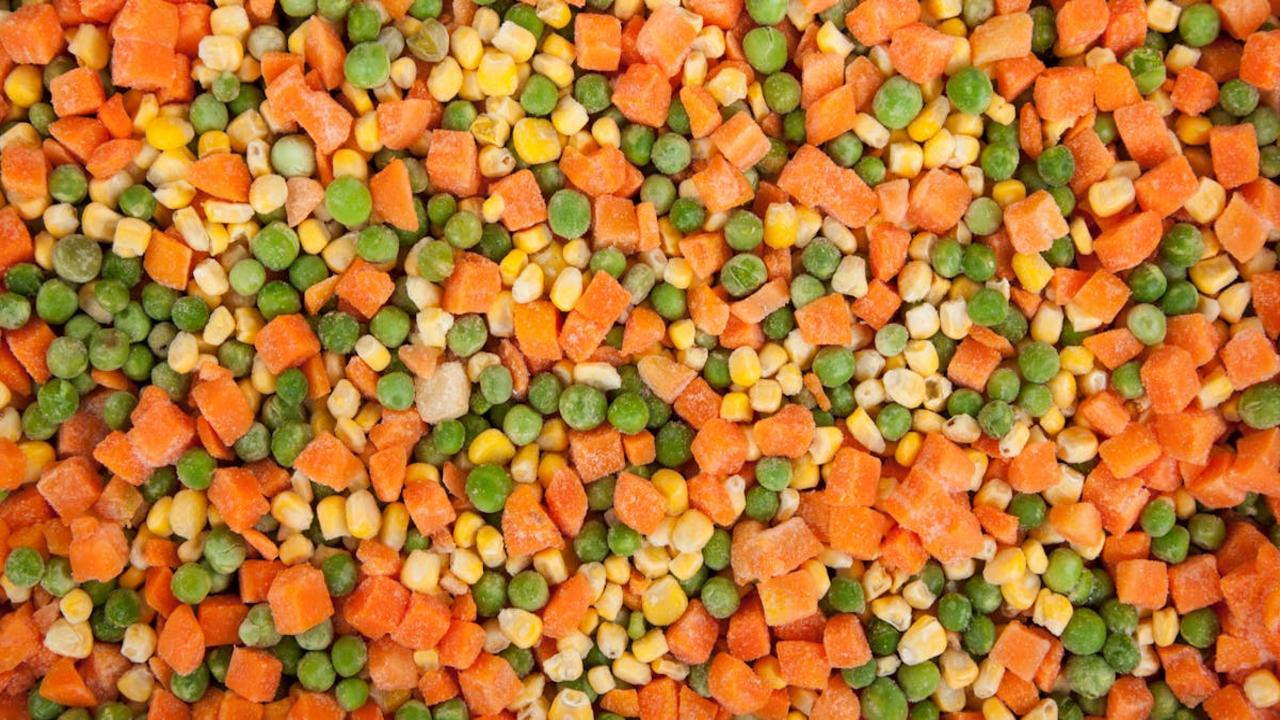
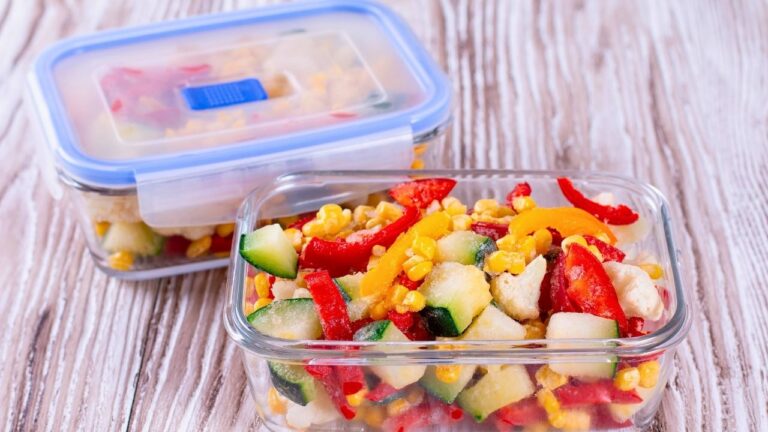
Listen, I used to be one of those fresh-veggie snobs who turned my nose up at anything that came from the freezer section. Boy, was I missing out! Frozen vegetables are the unsung heroes of budget cooking, and here’s why they’re absolutely brilliant: they’re picked at peak ripeness and flash-frozen faster than you can say “Brussels sprouts,” which means they often contain more nutrients than their “fresh” counterparts that have been sitting around for weeks. Plus, there’s no guilt-inducing wilted lettuce staring at you from the crisper drawer – frozen veggies wait patiently for months without judgment.
The magic happens when you learn to treat them right. Skip the microwave steam-in-bag nonsense and toss those frozen gems straight into a hot pan with some oil, garlic, and whatever seasonings make your heart sing. Frozen broccoli transforms into crispy perfection, frozen peas add instant sweetness to pasta dishes, and don’t get me started on how frozen spinach becomes the secret weapon in everything from smoothies to lasagna. At roughly half the cost of fresh vegetables, you can stock up during sales and always have a rainbow of nutrition ready to rescue any meal from bland mediocrity.
Nut Butters

You know what’s absolutely ridiculous about nut butters? They’re basically edible gold that masquerades as a humble pantry staple. I’m talking about the magical jar that transforms boring toast into breakfast royalty, turns celery sticks into something your kids might actually eat, and somehow makes you feel sophisticated while you’re standing in your pajamas at 2 AM, spoon in hand. Peanut butter gets all the glory, but have you met its cousins? Almond butter brings that fancy-pants energy, cashew butter spreads like silk, and sunflower seed butter (technically not a nut, but who’s counting?) swoops in to save the day for anyone with allergies.
Here’s the beautiful thing about these protein-packed powerhouses – they’re basically meal solutions disguised as condiments. Toss a dollop into your morning oatmeal, and suddenly you’ve got staying power until lunch. Whisk some into a stir-fry sauce with soy sauce and sriracha, and boom – you’re practically a Thai chef. My personal favorite trick? Mixing peanut butter with a splash of coconut milk and curry powder to create an instant satay sauce that makes even the most stubborn vegetables taste like they belong at a fancy restaurant. Pro tip: buy the natural versions without added sugar – they last forever in your pantry and won’t send your blood sugar on a rollercoaster ride that ends with you face-first in a bag of chips.
Greek Yogurt
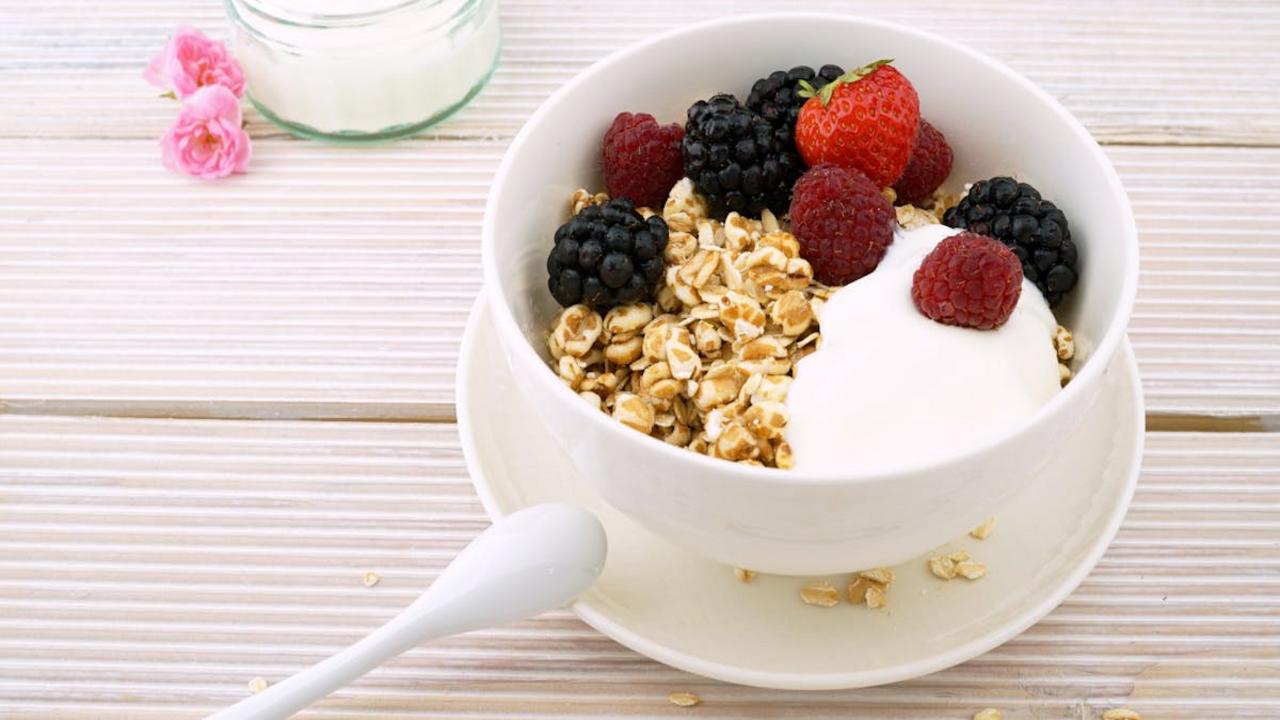
You know that moment when you open your fridge and Greek yogurt stares back at you like a creamy superhero ready to save dinner? This thick, tangy miracle worker deserves a cape because it transforms from breakfast companion to dinner savior faster than you can say “tzatziki.” I keep giant containers of plain Greek yogurt in my fridge because it’s basically edible putty that adapts to whatever mood I’m in. Need a protein-packed breakfast? Throw some berries on top. Want to make chicken taste like it came from a fancy restaurant? Marinate it in Greek yogurt with herbs and watch magic happen.
Here’s what blows my mind about Greek yogurt: it contains twice the protein of regular yogurt because they strain out all the watery whey, leaving behind pure creamy gold. I use it as a sour cream substitute on tacos, blend it into smoothies for extra thickness, and even sneak it into muffin batter to keep them moist. My favorite trick? Mix Greek yogurt with garlic, lemon juice, and dill for an instant sauce that makes everything from roasted vegetables to grilled fish taste gourmet. At around three dollars for a large container, it’s cheaper than therapy and way more versatile than most ingredients lurking in your pantry.
Whole Oats
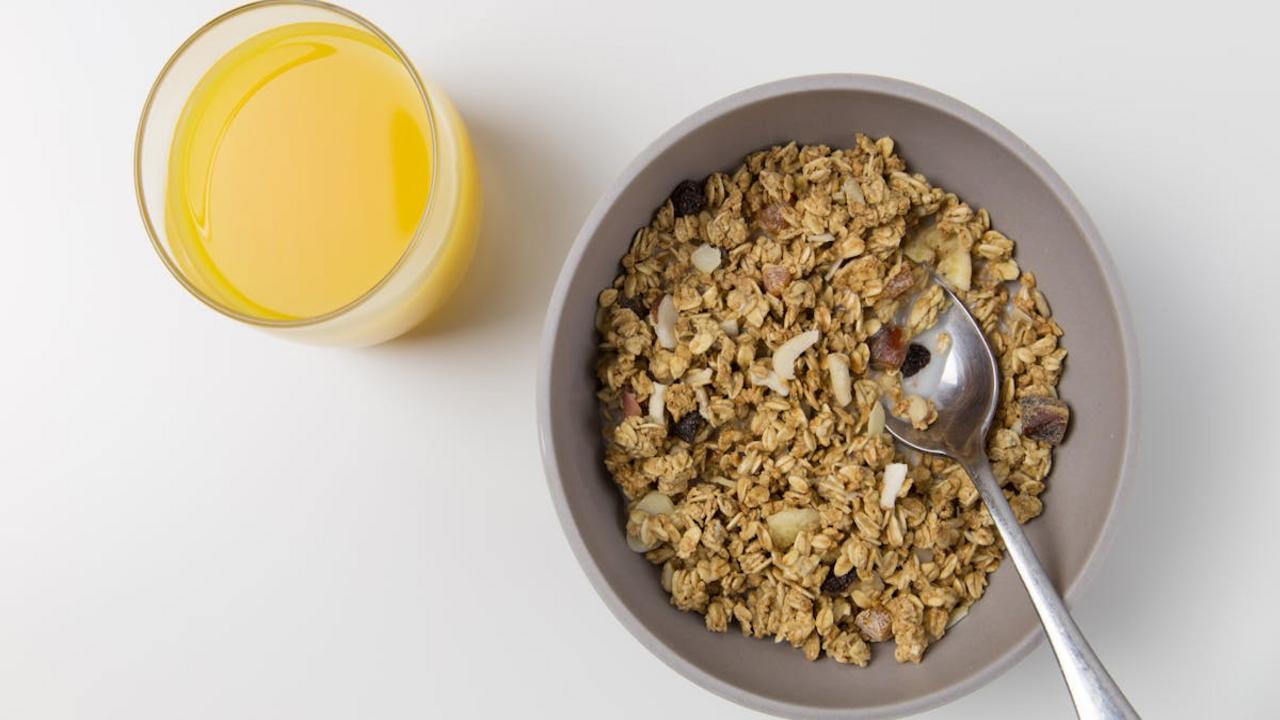
You know that dusty canister of oats sitting in your pantry? The one you promised yourself you’d use for “healthy breakfasts” but somehow always bypass for that sugary cereal? Well, friend, it’s time to give those humble whole oats the respect they deserve! These unprocessed powerhouses cost pennies per serving and transform into everything from creamy porridge to crunchy granola to surprisingly convincing “rice” for stir-fries. Fun fact: oats are naturally gluten-free (though they often get cross-contaminated during processing), and Scottish oats are actually chopped with steel blades rather than rolled flat, which gives them a texture that’s basically porridge royalty.
Here’s where oats get really exciting – they’re your ticket to breakfast prep freedom and beyond! Overnight oats require zero morning brain power: just mix rolled oats with milk, yogurt, or even coffee (yes, coffee!), add your favorite mix-ins, and wake up to breakfast magic. But don’t stop there – blend oats into flour for pancakes, toast them with spices for homemade granola, or cook steel-cut oats risotto-style with broth and vegetables for a hearty dinner that’ll make you forget all about expensive grains. I once made oat “meatballs” that fooled my carnivorous brother, and honestly, watching his confused but satisfied face was worth the grocery savings alone!
Canned Beans
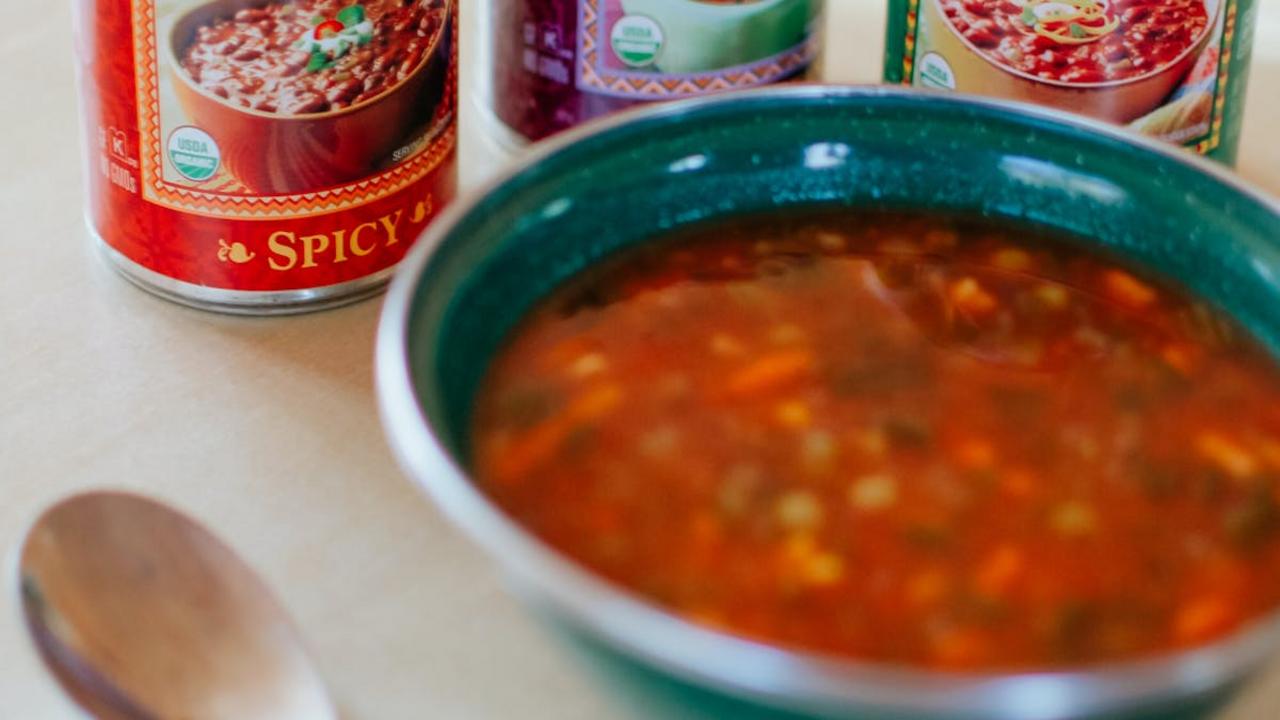
Listen, I know what you’re thinking – canned beans are about as exciting as watching paint dry on a rainy Tuesday. But hold your horses, because these humble little pods are basically the superheroes of your pantry, minus the flashy cape! A single can contains enough protein to rival a decent-sized chicken breast, plus fiber that’ll keep you fuller than your aunt’s Thanksgiving table. Black beans pack around 15 grams of protein per cup, while kidney beans clock in at about 13 grams – that’s serious muscle-building power for under a dollar a can.
The beauty of canned beans lies in their “throw them in anything” versatility. Toss black beans into scrambled eggs for a breakfast that’ll make your neighbors jealous, or mash up some cannellini beans with garlic and olive oil for an instant hummus situation that costs pennies compared to store-bought versions. My personal favorite trick? Rinse a can of chickpeas, pat them dry, then roast them with whatever spices are lurking in your cabinet – suddenly you’ve got crunchy snacks that disappear faster than free samples at Costco. Fun fact: humans have been eating beans for over 9,000 years, which means our ancestors knew what was up long before we started obsessing over superfoods with unpronounceable names.
Quinoa
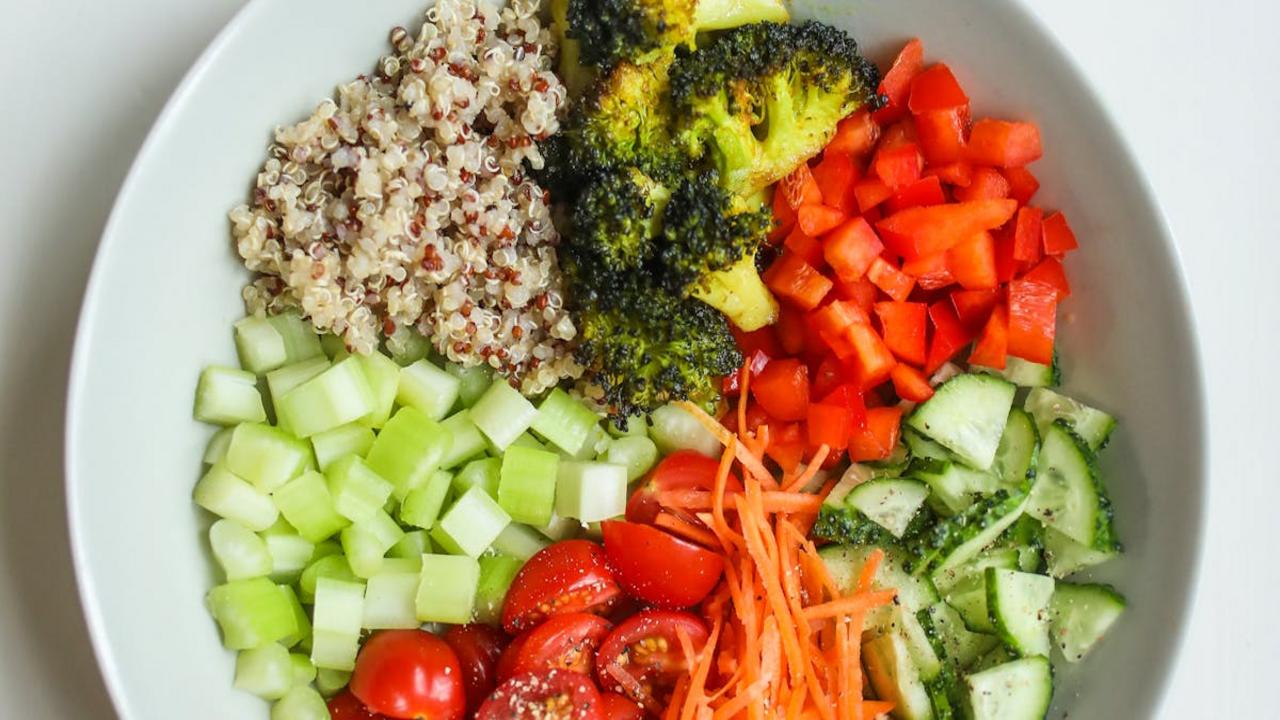
You know how quinoa became the superstar grain that makes everyone feel like they’re eating their way to enlightenment? Well, here’s the plot twist: this tiny round seed (yeah, it’s not even a grain!) costs about the same as rice but packs more protein than your gym buddy’s post-workout shake. I used to think quinoa was just expensive bird food until I discovered you can buy it in bulk for roughly $3 per pound, and suddenly my wallet stopped crying every time I wanted to eat something that didn’t come from a drive-thru window. The ancient Incas called it “chisaya mama” or “mother of all grains,” which sounds way more dramatic than “that beige stuff that makes me feel superior.”
The magic happens when you realize quinoa absorbs flavors like a sponge with commitment issues – throw it in chicken broth instead of water, and boom, instant upgrade. I’ve made quinoa salads that fooled my carnivorous friends into thinking they were eating something substantial, quinoa breakfast bowls that taste like dessert, and even quinoa burgers that don’t fall apart like my last relationship. The best part? Cook a big batch on Sunday, and you’ve got ready-to-go protein for the week. Mix it with whatever vegetables are staging a revolt in your crisper drawer, add some lemon juice and olive oil, and you’ve created a meal that costs less than a fancy coffee but makes you feel like you’ve got your life together.
Leafy Greens
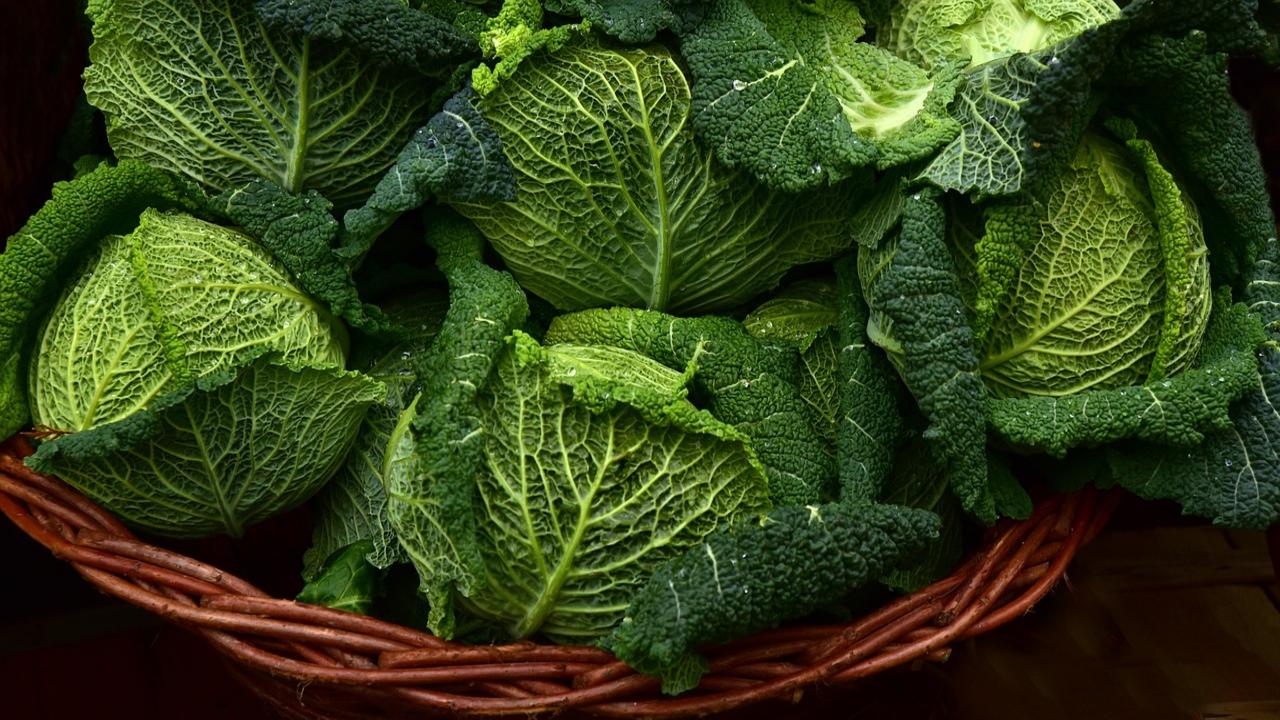
You know that bag of spinach sitting in your fridge right now? The one you bought with the best intentions but somehow forgot about until it turned into a science experiment? Don’t worry, we’ve all been there! Leafy greens like spinach, kale, and even humble iceberg lettuce are the unsung heroes of budget cooking. At around $2-3 per bag, these nutritional powerhouses can stretch across multiple meals and somehow make you feel like a responsible adult who has their life together. Fun fact: spinach contains more protein per calorie than a hamburger – though I wouldn’t recommend trying to convince your kids of that during dinner negotiations.
The beauty of leafy greens lies in their chameleon-like ability to disappear into almost any dish. Toss a handful into your morning scrambled eggs, blend them into smoothies where they magically become invisible to picky eaters, or wilt them into pasta sauces for an instant nutrition boost. My personal favorite trick involves adding spinach to literally everything – soups, sandwiches, even pizza – because apparently I’ve turned into one of those people who gets genuinely excited about fiber intake. Pro tip: buy the pre-washed bags if you’re feeling fancy, or go for the bunches if you want to feel like you’re shopping at a European market while saving a few bucks.