10 Flavor Secrets That Make Junk Food So Hard to Resist
Ever wonder why you can’t stop at just one chip? The junk food industry doesn’t leave your cravings to chance. They’ve perfected a science of irresistibility through precise combinations of sugar, salt, and fat that hit your pleasure centers like nothing in nature can. Your brain literally lights up like a Christmas tree when that perfectly engineered bite of processed food touches your tongue.
I once tried to recreate my favorite cheese puffs at home. Three batches later, my kitchen looked like a crime scene, and the results tasted like sad, orange cardboard. The professionals use specific flavor enhancers, textural tricks, and even color psychology to keep you reaching for more. They’re not just selling food—they’re selling an experience your brain quickly learns to crave.
What makes these foods truly dangerous isn’t just their taste but how they bypass your body’s natural “I’m full” signals. While you might get tired of apples after one or two, you could demolish a family-size bag of cheese-dusted anything without your brain waving the white flag. Let’s break down the sneaky tactics that make junk food your taste buds’ best friend but your waistline’s worst enemy.
Brain Chemistry
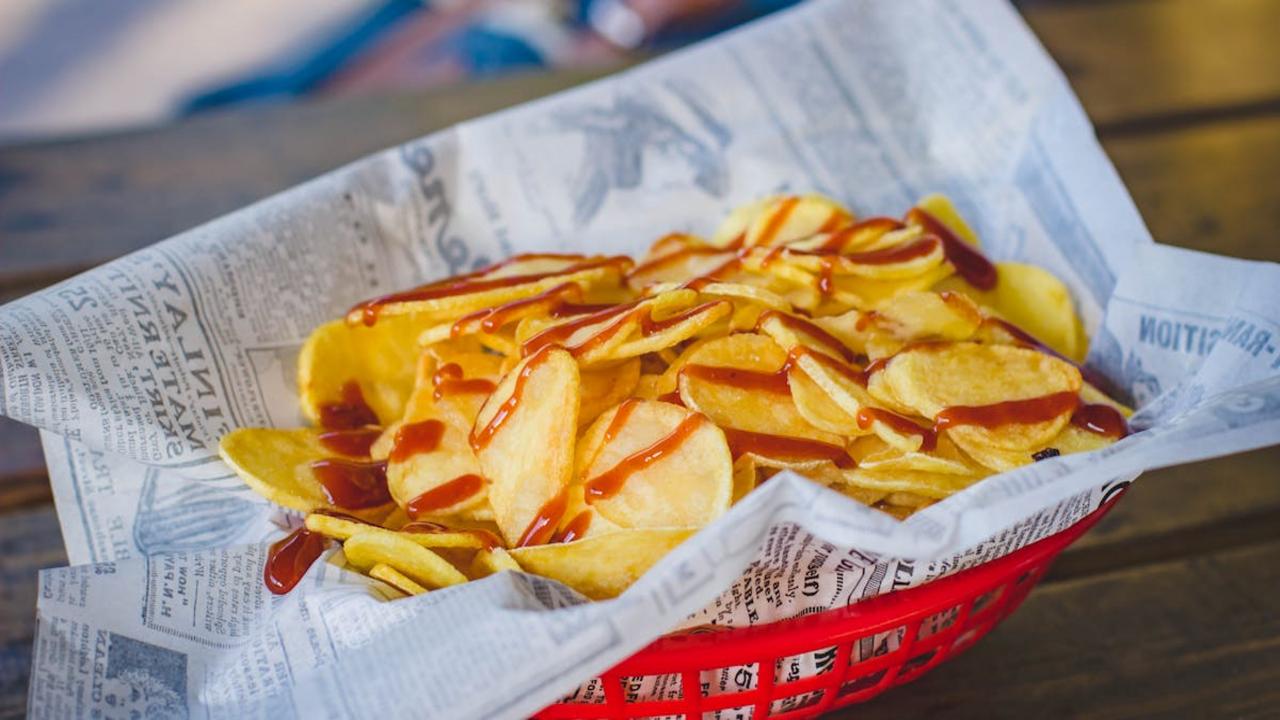
Your brain on junk food? It’s basically throwing the world’s most chaotic science party, and dopamine is the guest of honor. Every time you bite into that perfectly salted chip or unwrap a chocolate bar, your neurons start firing like tiny fireworks, releasing feel-good chemicals that make you want to do a little happy dance. Food scientists have figured out exactly which buttons to push in your gray matter, creating what they call the “bliss point” – that magical sweet spot where sugar, salt, and fat combine to hijack your reward system faster than you can say “just one more bite.”
The sneaky part? Your brain remembers these flavor bombs better than your own phone number. Companies spend millions studying how different combinations trigger memory formation and craving patterns, which explains why you can smell McDonald’s fries from three blocks away and suddenly develop laser focus on getting some. They’ve discovered that certain flavor compounds actually create mini-addictive cycles in your brain chemistry, making that bag of Doritos call your name from the pantry at 2 AM. It’s like having a tiny food-obsessed gremlin living in your head, and he’s got excellent taste in processed snacks.
Emotional Comfort
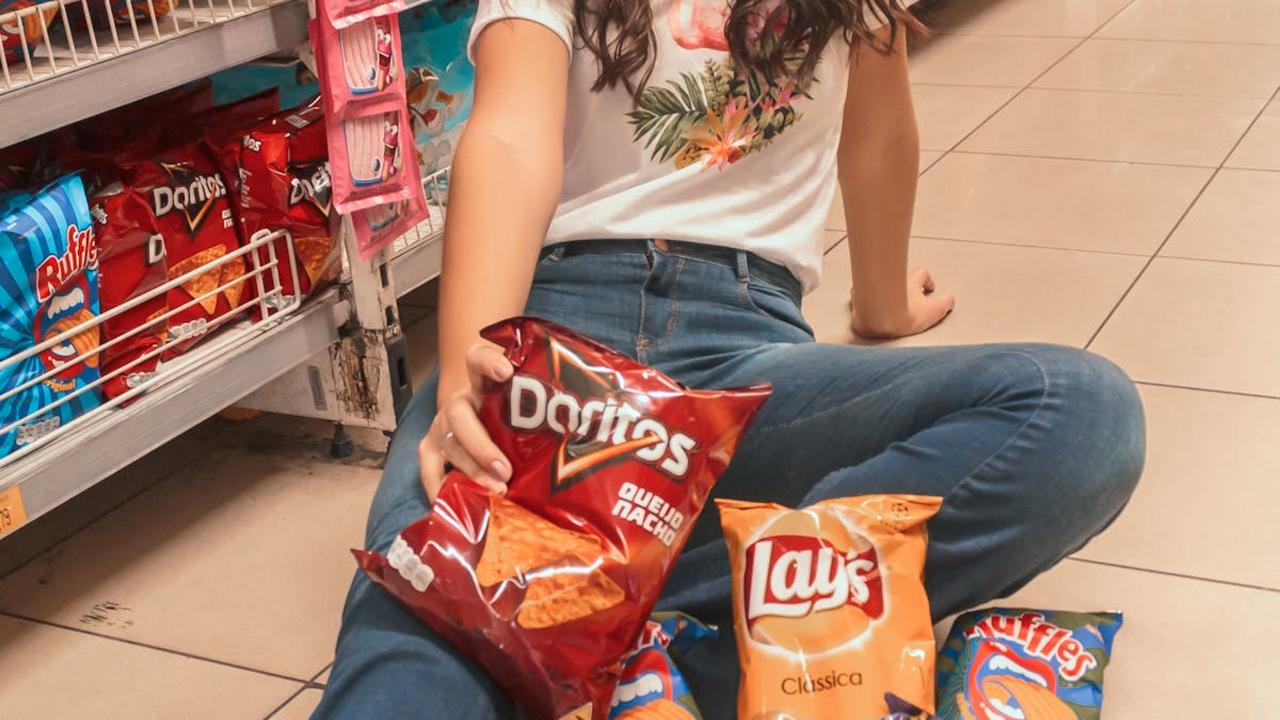
You know that moment when you’ve had the worst day ever, and suddenly a bag of Cheetos appears like a cheesy orange angel? That’s your brain pulling the ultimate comfort food switcheroo on you. Food manufacturers have figured out that we don’t just eat with our stomachs—we eat with our feelings, and they’ve weaponized nostalgia faster than you can say “chicken nugget.” They deliberately craft flavors that remind us of childhood birthday parties, movie nights, and those blissful Saturday mornings watching cartoons. Your favorite chip doesn’t just taste like salt and artificial cheese; it tastes like being seven years old again, and frankly, that’s priceless marketing genius.
The psychology gets even sneakier because these companies study our emotional triggers like they’re mapping the human soul. They know exactly which combination of sweet, salty, and fatty will trigger your brain’s reward system and make you associate their product with happiness, celebration, or relief from stress. Ever notice how you crave different junk foods based on your mood? That’s not coincidence—that’s calculated emotional manipulation disguised as a snack. They’ve turned processed food into edible therapy, and honestly, sometimes a warm chocolate chip cookie does feel like a hug from the inside, even if it’s engineered to make you buy twelve more packages next week.
Colors and Packaging
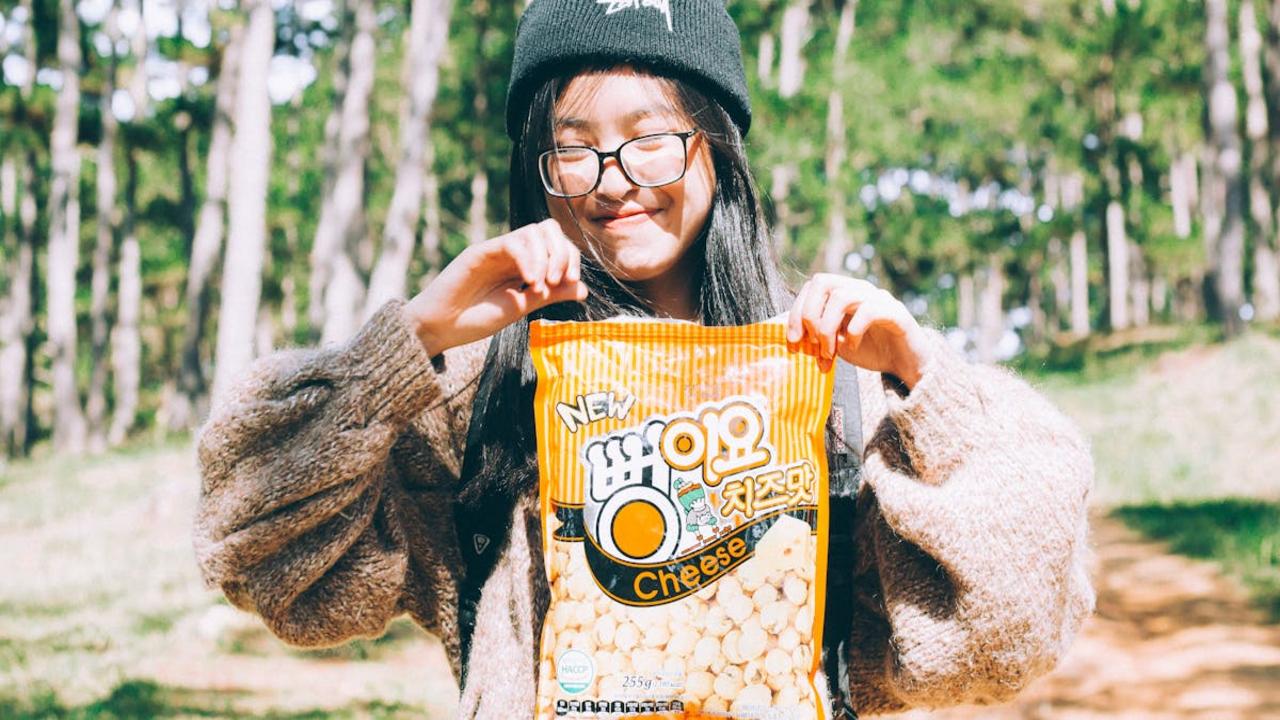
Your brain falls for pretty packages faster than you fall for a cute dog video on social media. Food companies spend millions studying which colors make you grab their products off shelves without thinking twice. Red screams “buy me now!” while yellow whispers sweet promises of happiness straight into your shopping cart. Ever notice how Cheetos rocks that aggressive orange that practically glows under fluorescent store lights? That’s not accident—it’s psychological warfare disguised as snack marketing. Blue, interestingly enough, suppresses appetite (which explains why you rarely see blue food packaging), but companies use it strategically for “healthy” products to make you feel virtuous about your choices.
The packaging itself tells stories your subconscious can’t ignore. Those crinkly, shiny bags create anticipation before you even open them—the sound alone triggers salivary responses because your brain associates that metallic rustle with incoming deliciousness. McDonald’s didn’t choose their red and yellow color scheme by throwing darts at a color wheel; red increases heart rate and urgency while yellow stimulates appetite and creates feelings of joy. Next time you’re standing in a grocery aisle, pay attention to how your eyes move—they’ll dart toward the brightest, most contrasting packages first. Companies know exactly where to position their products at eye level, using colors and designs that create what marketers call “shelf impact.” You think you’re making rational food decisions, but really, you’re just responding to a carefully orchestrated visual symphony designed to empty your wallet.
Convenience Factor
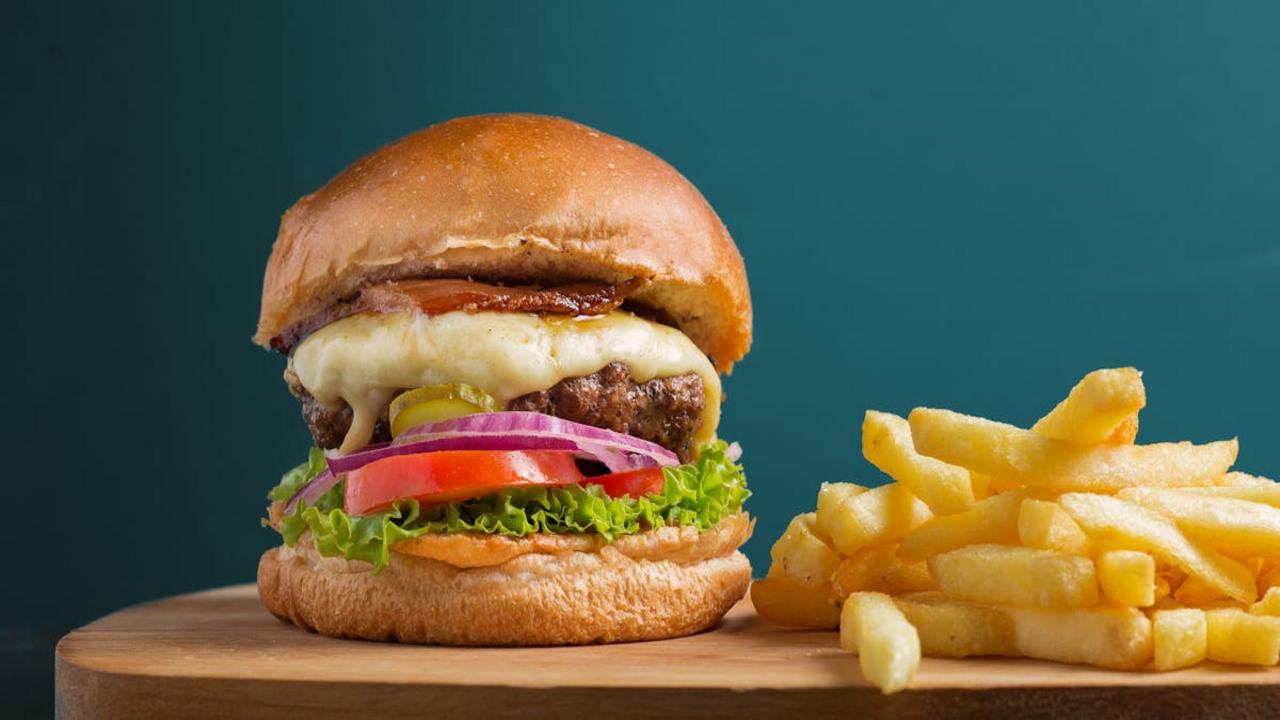
You know what makes junk food absolutely diabolical? It’s not just the taste—it’s the fact that you can demolish a bag of chips faster than you can say “portion control.” Food scientists have mastered the dark art of creating snacks that practically eat themselves. Think about it: when did you ever struggle to open a bag of Doritos? Never! Meanwhile, opening a jar of pickles requires the strength of Thor and possibly a blowtorch. Junk food companies spend millions perfecting packaging that tears open with surgical precision, portion sizes that disappear in minutes, and textures that require zero chewing effort. A bag of cotton candy? Gone in thirty seconds. A single apple? That’s a fifteen-minute commitment right there.
The convenience factor goes way beyond just opening packages—it’s about creating food that fits seamlessly into our chaotic lives. Pop-Tarts don’t need toasting (though they’re better that way), granola bars survive apocalyptic conditions in your backpack, and those little cheese crackers practically launch themselves into your mouth during Netflix binges. Food engineers have created snacks that are shelf-stable for longer than some relationships last, require zero preparation, and leave minimal evidence behind. Compare this to making a salad, which involves washing, chopping, mixing, and inevitably finding wilted lettuce three days later. Junk food whispers sweet promises: “I’m here when you need me, no questions asked, no prep work required.” And honestly? Sometimes that’s exactly what we want to hear.
Hunger Stimulants

You know that sneaky feeling when you finish a bag of chips and somehow feel hungrier than before you started? That’s not your imagination playing tricks on you—it’s food science at its most diabolical! Junk food manufacturers have mastered the dark magic of hunger stimulants, ingredients that literally make your brain forget it just ate. MSG gets all the bad press, but the real puppet masters are compounds like yeast extract and hydrolyzed proteins that trigger your hypothalamus to send out “feed me NOW” signals even when your stomach is technically full.
The most sinister part? These hunger stimulants work faster than your satiety hormones can catch up. While your poor leptin is trudging along trying to whisper “we’re good here,” these chemical speed demons are already shouting “MORE DORITOS!” directly into your brain’s hunger center. It’s like having a really persuasive friend who keeps insisting you’re still hungry while you’re unbuttoning your pants. Some companies even add caffeine to snacks—not for energy, but because it can suppress the hormones that signal fullness. So next time you demolish an entire sleeve of cookies and immediately want another, remember: your willpower isn’t weak, you’re just up against some seriously sophisticated brain chemistry designed to keep you reaching for more.
Texture Combinations
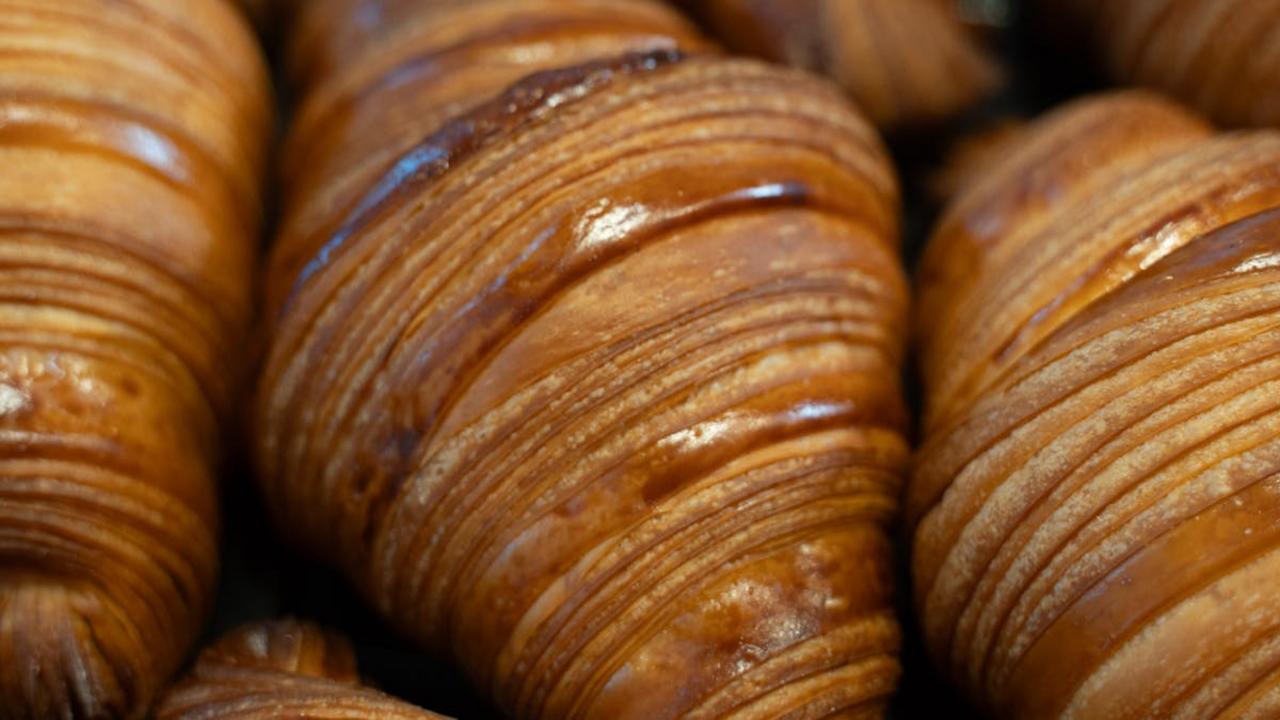
You know that moment when you bite into a perfectly engineered piece of junk food and your mouth does a little happy dance? That’s no accident, my friend – that’s the magic of texture combinations working their sneaky wizardry on your senses. Food scientists have cracked the code on what makes our brains light up like a Christmas tree, and it turns out we’re basically hardwired to lose our minds over contrasting textures. Think about the satisfying crunch of a Dorito giving way to that smooth, cheesy powder coating, or how a Kit Kat delivers that initial snap followed by the creamy chocolate and crispy wafer layers underneath. Your brain interprets these texture surprises as pure gold, releasing feel-good chemicals that keep you reaching for more.
The masterminds behind your favorite snacks spend millions perfecting what they call “dynamic contrast” – basically creating little texture roller coasters in every bite. They’ll pair crispy exteriors with gooey centers (hello, Pop-Tarts!), or combine smooth and crunchy elements like in a Snickers bar where you get chocolate, caramel, and peanuts all playing different textural roles. Here’s a wild fact: researchers found that foods with three or more distinct textures trigger stronger pleasure responses than single-texture foods. So when you’re demolishing a bag of trail mix or can’t stop eating those chocolate-covered pretzels, remember that your brain is basically being hijacked by brilliant texture engineering. These companies have turned snacking into a sensory adventure, and honestly, we’re all just along for the deliciously bumpy ride.
Artificial Flavors
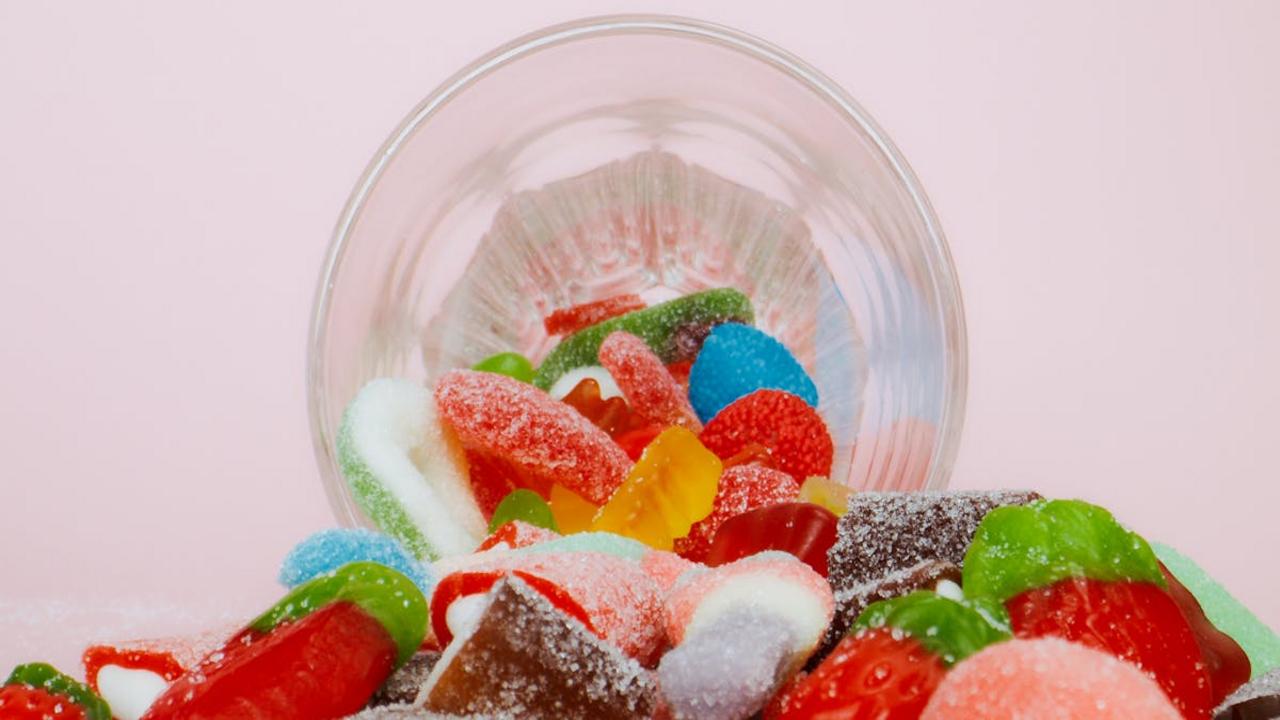
Picture this: you’re munching on a bag of strawberry candy that tastes more like strawberry than actual strawberries do. That’s the wild world of artificial flavors for you! These lab-created flavor compounds are basically food scientists playing mad chemist, and honestly, they’re pretty darn good at their job. Take vanillin, for example – the artificial version of vanilla that’s found in everything from cookies to ice cream. Here’s the kicker: most of it comes from wood pulp, the stuff left over from making paper. Your favorite vanilla milkshake might literally taste like trees, and somehow that’s perfectly fine because it tastes amazing.
What makes artificial flavors so sneaky is that they’re often more intense and consistent than their natural counterparts. Real strawberries can be tart, sweet, or downright disappointing depending on the season, but artificial strawberry delivers that same punch of flavor every single time. Food companies love this reliability because it means your favorite chip flavor won’t vary from bag to bag. Plus, these synthetic compounds can create flavors that don’t even exist in nature – ever wonder what “blue raspberry” actually is? Spoiler alert: blue raspberries aren’t real, but that Electric Kool-Aid taste has become so iconic that we all just accept it as totally normal. These artificial flavors literally rewire our expectations of what food should taste like.
Fat Content
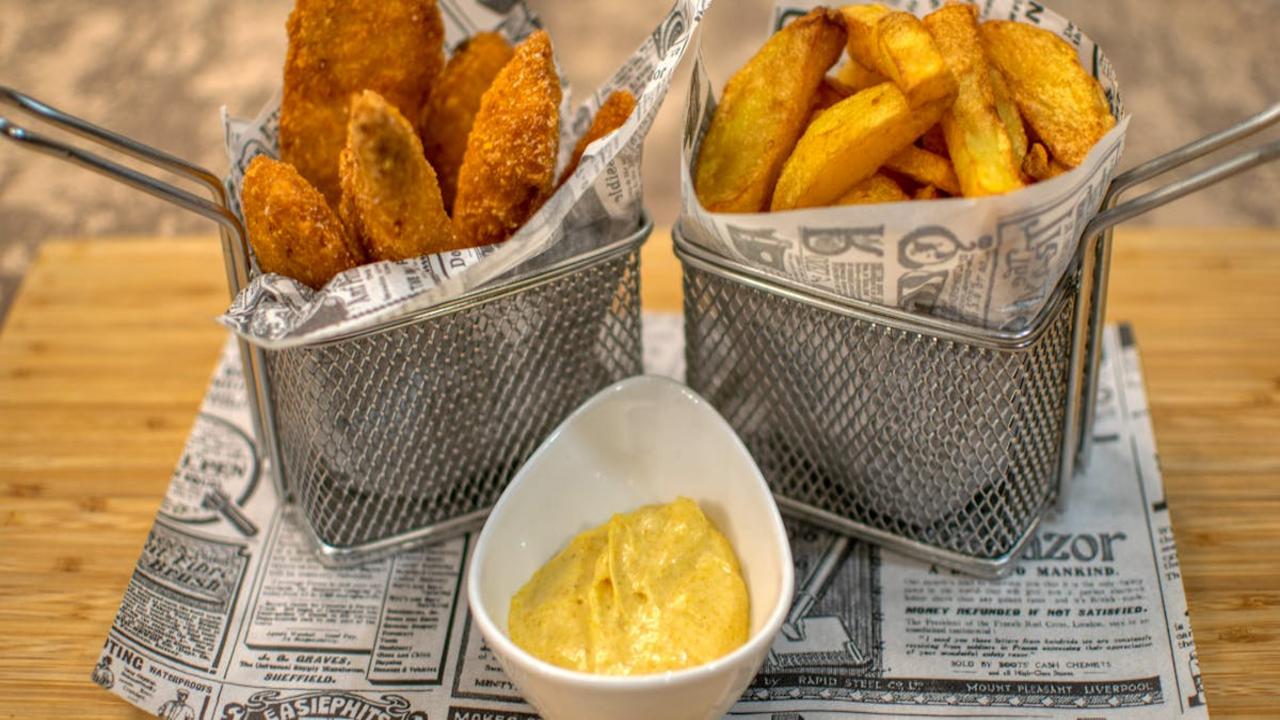
You know that irresistible crunch of a perfectly fried potato chip or the way melted cheese stretches from your pizza slice? That’s fat working its magic on your brain, and frankly, it’s doing a phenomenal job. Fat doesn’t just carry flavor—it creates an entirely different eating experience that makes your mouth water and your willpower crumble faster than a day-old cookie. The science behind this is fascinating: fat molecules literally coat your tongue and slow down the release of flavors, creating what food scientists call “flavor release kinetics.” Basically, fat makes every bite last longer and taste more intense, which is why a handful of nuts feels so much more satisfying than a handful of rice cakes.
Here’s where it gets really sneaky—food manufacturers have perfected something called the “bliss point” for fat content, typically hovering around 35% fat in many snack foods. This isn’t random; it’s the exact percentage that triggers maximum pleasure signals in your brain without making you feel immediately full. Think about how you can demolish an entire bag of chips but struggle to finish a plain baked potato. That’s the difference between 35% fat content and basically zero. Your favorite chocolate bar? It’s engineered to melt at exactly body temperature, flooding your mouth with cocoa butter and creating that “melt-in-your-mouth” sensation that keeps you reaching for more squares long after you promised yourself “just one piece.”
Salt Cravings

Your body craves salt like a desert thirsts for rain, and food scientists know this biological weakness better than you know your own Netflix password. Salt doesn’t just make things taste salty – it’s like a flavor amplifier that cranks up every other taste in your snack. When you bite into those perfectly salted potato chips, the sodium literally makes your mouth water more, creating this beautiful symphony where every flavor note gets louder and more distinct. Plus, salt triggers the release of dopamine in your brain, which is basically your reward center throwing a tiny party every time you crunch down on something salty.
Here’s where it gets sneaky: food manufacturers don’t just dump salt on top and call it a day. They layer different types of sodium throughout their products – some dissolves immediately on your tongue for that instant hit, while other crystals hang around longer to keep the party going. They’ve figured out that varying salt crystal sizes creates what they call “flavor bursts” – those little pops of intense saltiness that keep you reaching back into the bag. Your prehistoric brain interprets salt as survival fuel, so every salty bite sends signals that you’ve struck nutritional gold, even when you’re just demolishing a family-size bag of pretzels on your couch.
Sugar Rush
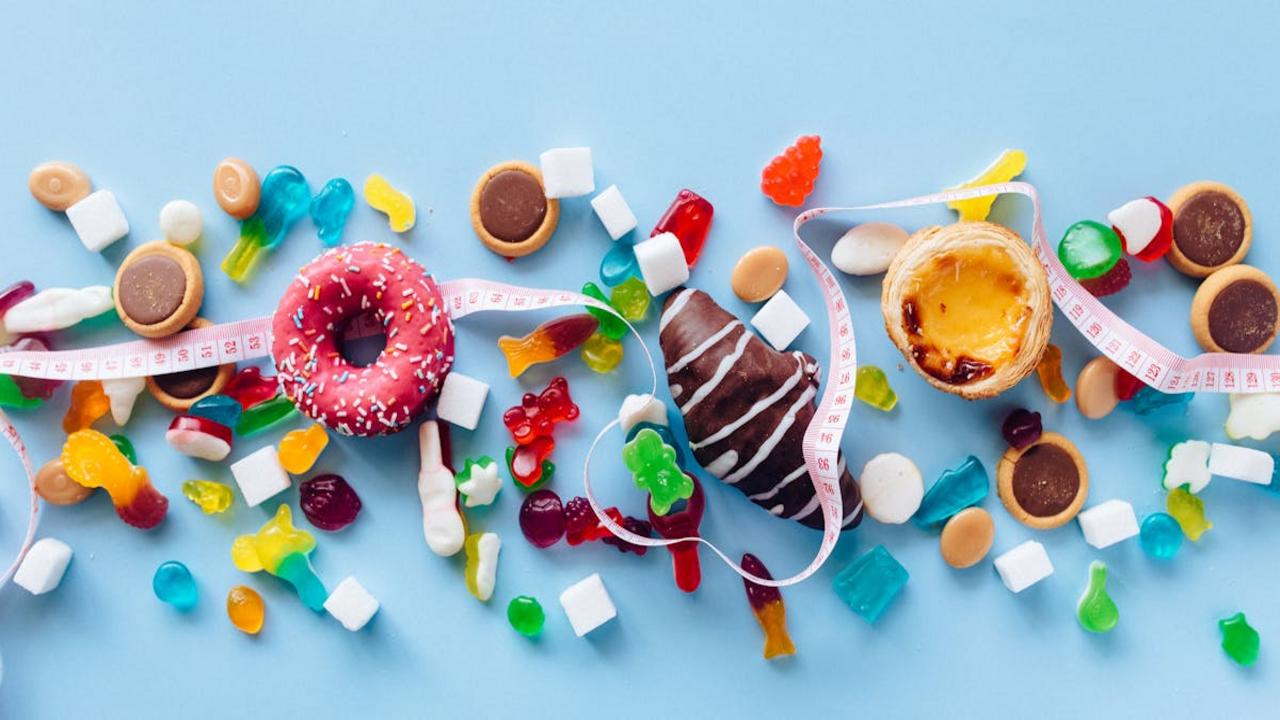
You know that moment when you tear open a candy bar and suddenly feel like you could conquer the world? That’s your brain getting absolutely hijacked by sugar, and food companies have turned this biological response into pure profit gold. Your body processes sugar faster than a Formula 1 car burns rubber, sending glucose straight into your bloodstream and triggering an instant dopamine party in your brain. This creates what scientists call a “hedonic treadmill” – basically, you need more and more sweetness to get that same euphoric high, which explains why you demolished that entire sleeve of cookies last Tuesday.
Here’s where things get sneaky: junk food manufacturers don’t just dump regular sugar into their products and call it a day. They’ve mastered the art of combining different types of sweeteners – high fructose corn syrup, sucrose, dextrose, and artificial sweeteners – to create what food scientists call the “bliss point.” This magical ratio hits your system like a perfectly orchestrated symphony, with some sugars providing instant gratification while others sustain that sweet sensation. Fun fact: the average American consumes about 17 teaspoons of added sugar daily, which is roughly three times what health experts recommend. Your favorite “fruit” snacks probably contain more sugar than actual fruit, but your brain doesn’t care – it just wants more of that sweet, sweet rush.