15 Money Saving Cooking Secrets Top Chefs Swear By
Want to cook like a pro without breaking the bank? I’ve picked the brains of top chefs who’ve shared their money-saving kitchen hacks that’ll transform how you shop and cook. These aren’t just penny-pinching tips – they’re professional techniques that improve your food while protecting your wallet.
Ever watched a chef work magic with seemingly nothing in the fridge? That’s no accident. The culinary elite have mastered the art of stretching ingredients, minimizing waste, and knowing exactly when to splurge versus save. Your grocery bill might be climbing, but these chef-approved strategies will help you fight back.
From turning scraps into flavor-packed stocks to the simple knife skills that maximize every ingredient, these 15 secrets work in real kitchens for real people. The best part? You don’t need fancy equipment or exotic ingredients – just some smart planning and professional know-how that’ll have you cooking smarter, not harder.
Keep Basic Pantry Essentials
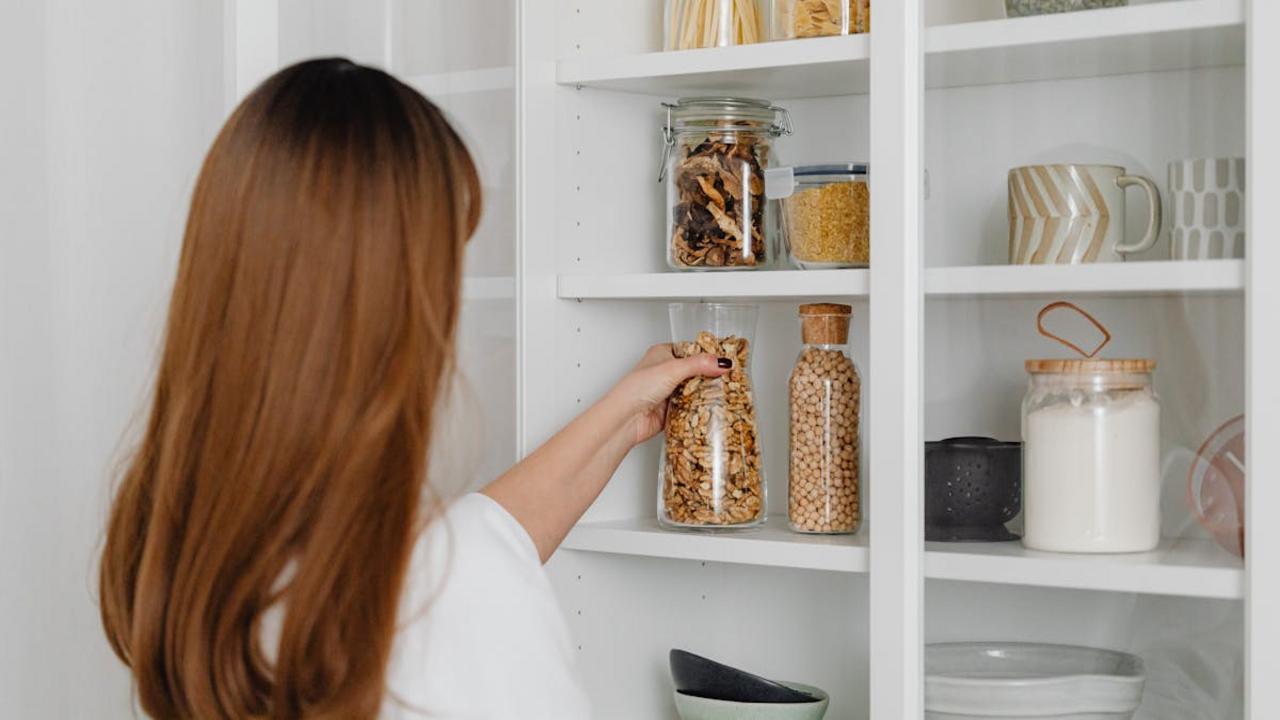
Picture this: you’re staring into your fridge at 6 PM, stomach growling like an angry bear, and all you see is a lonely onion, some questionable leftovers, and that jar of pickles you bought six months ago. Now imagine opening your pantry and finding a treasure trove of basics that can transform that sad situation into dinner magic! Professional chefs know that a well-stocked pantry is like having a culinary safety net – it’s the difference between ordering expensive takeout and whipping up something delicious from seemingly nothing. Rice, pasta, canned tomatoes, dried beans, flour, and good olive oil are your kitchen superheroes waiting to save the day.
Here’s a fun fact that’ll blow your mind: the average chef uses only about 15-20 pantry staples to create 80% of their dishes! That’s like having a tiny orchestra that can play a symphony. Smart cooks stock up on versatile ingredients like garlic, onions, spices, vinegar, and stock cubes because these flavor builders can make even the most basic ingredients sing opera. You can grab a bag of dried lentils for under two dollars and turn it into soup, curry, or even veggie burgers – try getting that kind of bang for your buck at a restaurant! The secret is buying these staples in bulk when they’re on sale, then storing them properly so they last longer than your last relationship. Your wallet will thank you, and your future hungry self will practically worship you.
Time Your Grocery Shopping
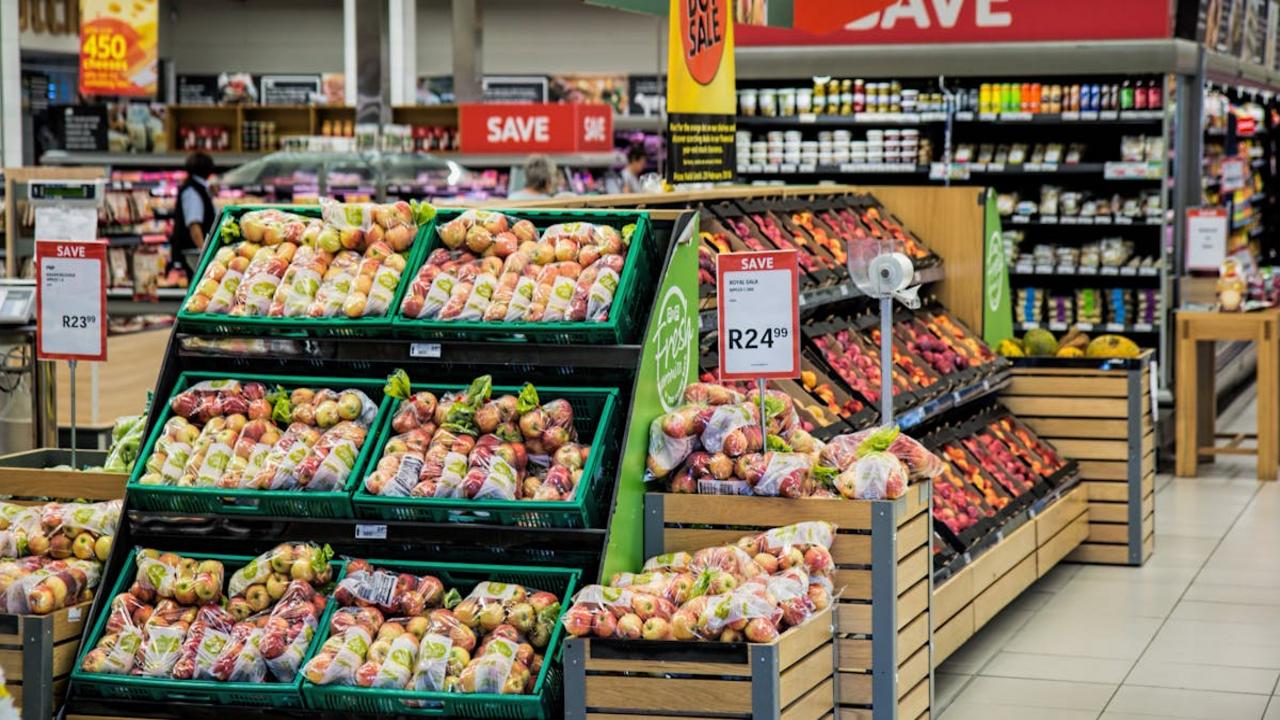
You know that friend who somehow always finds the best deals? The one who casually mentions grabbing organic salmon for half price while you’re still paying full freight for wilted lettuce? Well, here’s their secret: they’ve cracked the grocery store timing code. Professional chefs don’t just wake up at dawn for prep work – they also know that shopping at the right moments can slash their food costs dramatically. Most stores mark down perishables like meat, seafood, and bakery items during specific windows, usually early morning or late evening when they need to clear space for fresh inventory.
The magic hours vary by store, but Tuesday through Thursday mornings are generally your golden ticket to discounted goodness. Weekend shoppers pay premium prices because stores know you’re desperate for that Sunday dinner roast. Smart chefs also befriend the butcher and baker – these folks know exactly when markdowns happen and might even set aside choice cuts for regular customers. Plus, shopping during off-peak hours means you’ll actually have space to think, compare prices, and spot those sneaky manager’s specials tucked away in corners. Your wallet will thank you, and you’ll feel like you’ve joined some exclusive club of savvy shoppers who know the grocery store’s dirty little secrets.
Choose Cheaper Protein Alternatives
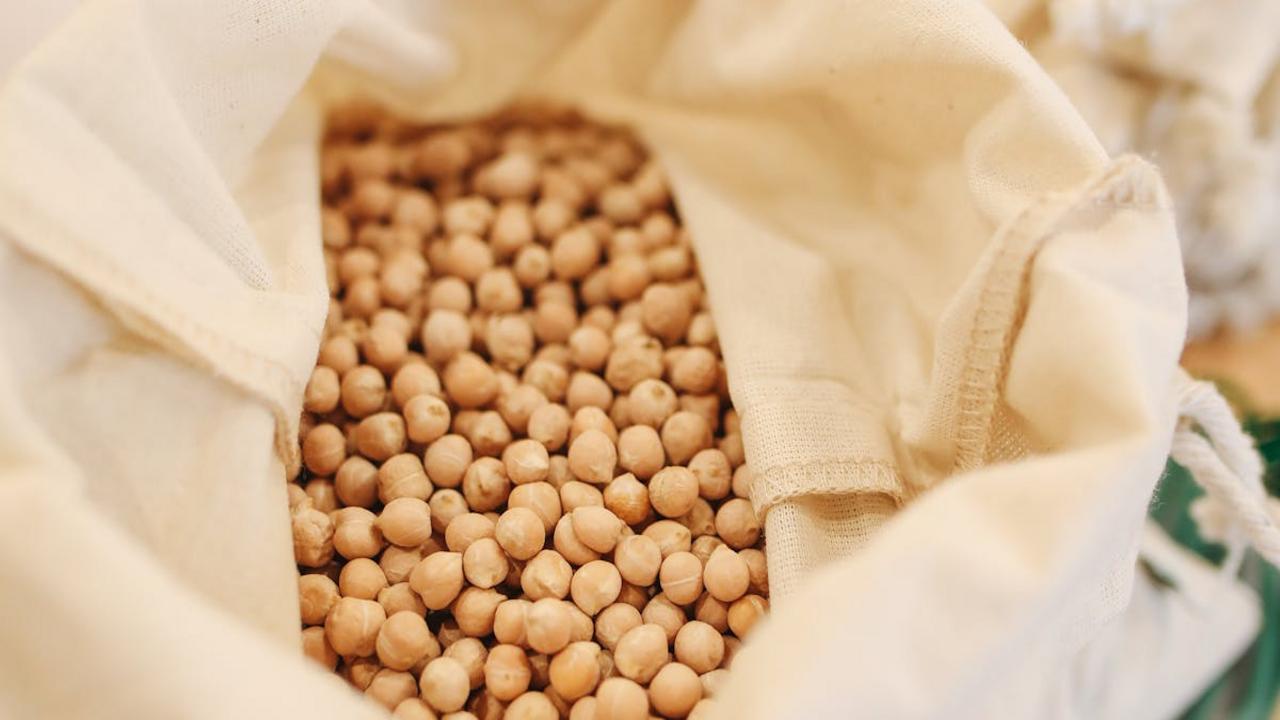
Listen, I get it – steak makes your heart sing and salmon makes you feel fancy, but your wallet doesn’t have to hemorrhage every time you want decent protein on your plate. Smart chefs know that eggs are basically the Swiss Army knife of the kitchen, delivering complete protein for pocket change. One large egg contains all nine essential amino acids your body craves, plus it’s so versatile you could eat them differently every day for a month. Beans and lentils are another chef’s secret weapon – they’re dirt cheap, packed with protein, and they’ll make you feel full without that post-meal financial regret. A can of black beans costs less than a fancy coffee but gives you 15 grams of protein and enough fiber to keep you satisfied for hours.
Here’s where it gets interesting: tofu and tempeh might sound intimidating, but they’re basically blank canvases waiting for your creativity to shine. Professional kitchens love them because they soak up flavors like culinary sponges and cost a fraction of what you’d spend on chicken or beef. Ground turkey often flies under the radar, but it’s significantly cheaper than ground beef while packing the same protein punch – just add some extra seasoning because, let’s be honest, it needs the help. Even canned tuna and sardines (yes, sardines!) are protein powerhouses that won’t break the bank. These little fish pack more omega-3s than their pricier cousins and taste amazing when you know what you’re doing with them.
Use Simple Spice Combinations

Listen up, fellow kitchen warriors! The biggest money-draining myth in cooking? That you need forty-seven different spices cluttering your cabinet like a medieval apothecary. Professional chefs laugh at this nonsense while they create magic with just three or four perfectly paired spices. Take the holy trinity of garlic powder, paprika, and cumin – this trio can transform boring chicken into smoky perfection, turn bland vegetables into addictive side dishes, and make your leftover rice taste like it came from a five-star restaurant. I once watched a chef at a tiny bistro in Montreal create six completely different flavor profiles using only salt, pepper, thyme, and lemon zest. Six!
Here’s the beautiful secret: simple combinations multiply your flavor options exponentially while keeping your grocery bill reasonable. Instead of buying exotic saffron or fancy truffle salt, master the basics like rosemary-garlic, cinnamon-chili, or the classic Italian duo of oregano and basil. These powerhouse pairs work across cuisines and protein types, meaning one small investment gives you endless meal possibilities. Plus, you’ll actually use these spices before they turn into expensive dust bunnies in your pantry. Professional kitchens operate on this principle because consistency and cost control matter more than showing off with rare ingredients that most diners can’t even pronounce.
Repurpose Leftovers
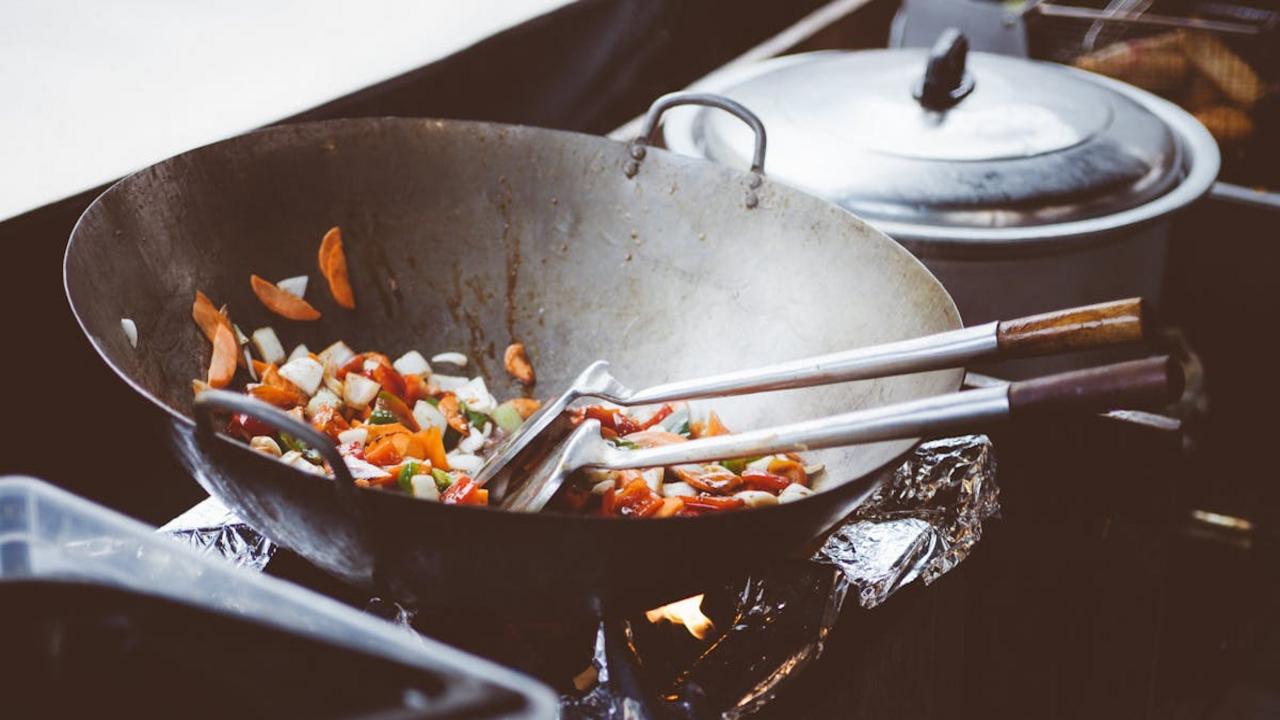
Your leftover roast chicken from Sunday dinner doesn’t have to suffer the tragic fate of forgotten tupperware in the back of your fridge. Professional chefs treat leftovers like treasure maps—every scrap holds the potential for culinary gold. That sad pile of rice transforms into crispy fried rice with yesterday’s vegetables. Your lonely mashed potatoes become golden potato pancakes that’ll make you forget you ever thought leftovers were boring. Smart chefs know that today’s dinner scraps are tomorrow’s soup base, sandwich filling, or the secret ingredient that makes a simple pasta dish sing.
The real magic happens when you start thinking outside the container. That half-empty bottle of wine? It becomes a spectacular braising liquid. Stale bread morphs into breadcrumbs or croutons that cost a fraction of store-bought versions. Even vegetable peels find new life as stock—carrot tops, onion skins, and herb stems create liquid gold that would make your grandmother weep with pride. Professional kitchens operate on a zero-waste philosophy because they understand that throwing away food is literally tossing money in the trash. Your wallet will thank you, and your creativity will soar when you start seeing leftovers as ingredients rather than yesterday’s mistakes.
Cook Large Batches
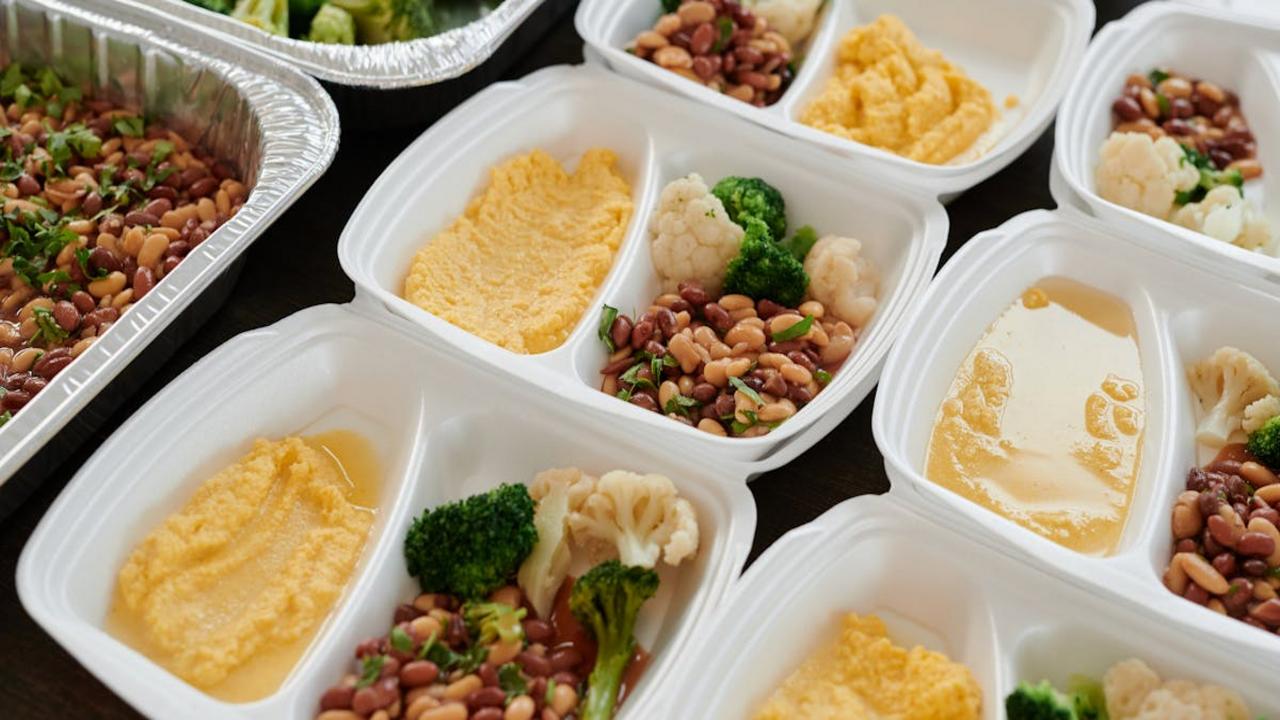
Picture this: you’re standing in your kitchen on a Sunday afternoon, armed with nothing but determination and a massive pot that could probably double as a bathtub for small children. Welcome to the wonderful world of batch cooking, where professional chefs have been secretly saving both time and money for decades! While you might think cooking in restaurant-sized portions at home sounds about as appealing as wrestling a squid, top chefs know this trick transforms your grocery budget from tragic to magic. They’ll whip up enormous quantities of pasta sauce, soup, or braised meats that can feed an army—or in your case, your family for the next two weeks.
Here’s the beautiful part: ingredients cost way less per serving the bigger you go, just like buying toilet paper at warehouse stores (but infinitely more delicious). You’ll use the same amount of oil to sauté onions whether you’re cooking for two or twenty, and that gas burner doesn’t care if your pot holds one quart or four. Smart chefs freeze portions in individual containers, creating their own personal meal delivery service minus the ridiculous fees. Your future self will thank you on those Wednesday nights when you’re too tired to think straight but can simply reheat a homemade masterpiece instead of ordering overpriced takeout that tastes like cardboard soaked in regret.
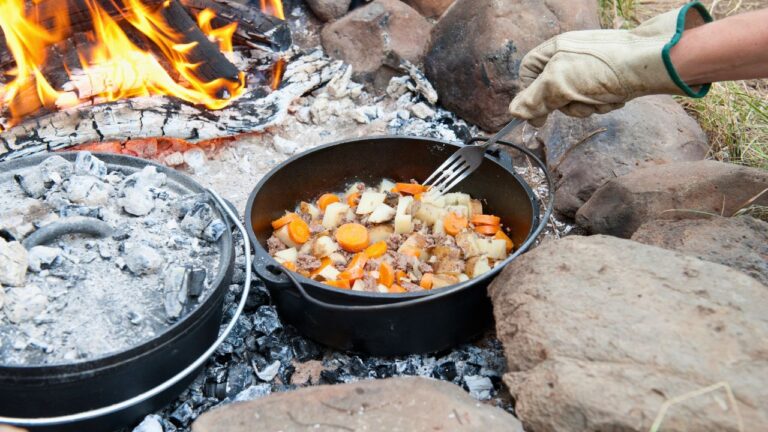
Master One Pot Meals
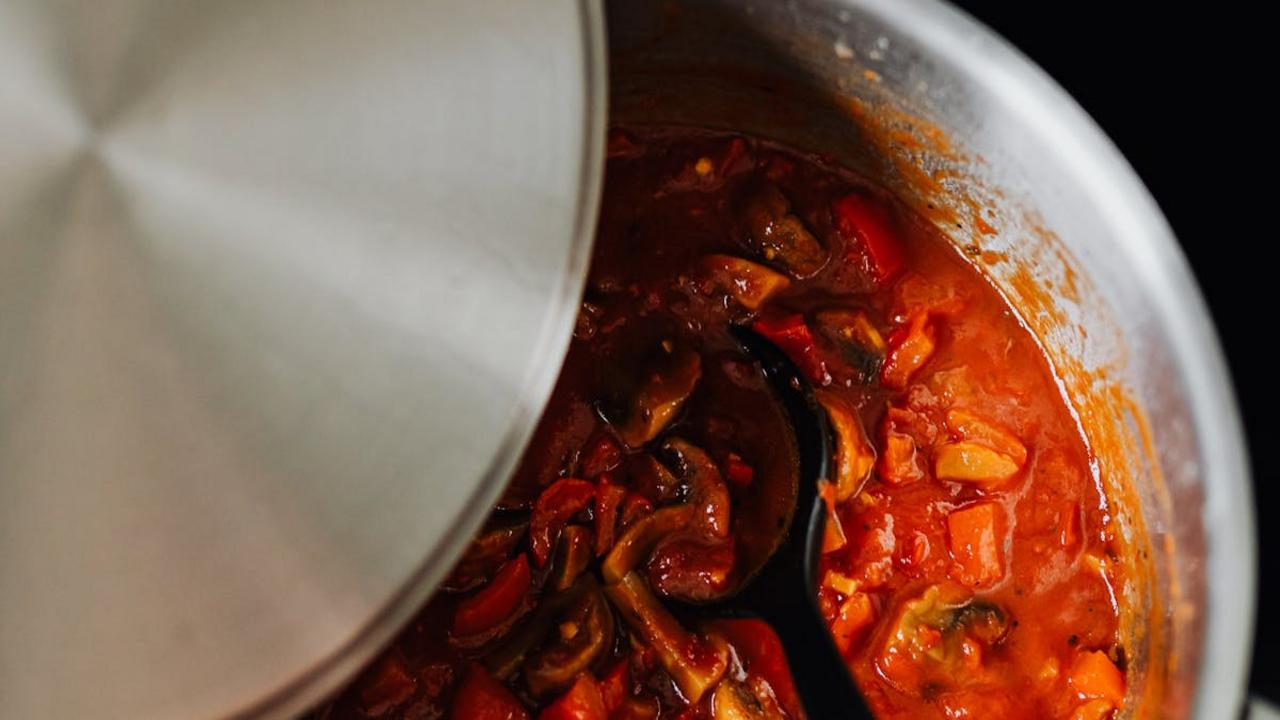
Picture this: you’re staring at a mountain of dirty dishes after what was supposed to be a “simple” dinner, and suddenly you understand why professional chefs guard their one-pot secrets like precious family recipes. These magical meals aren’t just about convenience—they’re about creating layers of flavor that would make your grandmother weep tears of joy. When you cook everything in one vessel, the ingredients mingle and dance together like old friends at a reunion, each one lending its personality to create something spectacular. The proteins release their juices, vegetables caramelize in those same flavorful drippings, and starches absorb every single drop of that liquid gold.
Here’s the kicker: restaurants have been using this technique for centuries because it saves money, time, and creates restaurant-quality depth without the fancy equipment. Think risotto where each grain of rice gets personally acquainted with every mushroom, or a hearty stew where the lamb practically melts into the vegetables. You’ll cut your grocery bill in half because cheaper cuts of meat become tender and magnificent through slow, gentle cooking with other ingredients. Plus, did you know that one-pot cooking actually concentrates flavors better than separate cooking methods? Your wallet will thank you, your dishwasher will love you, and your dinner guests will think you’ve been secretly attending culinary school.
Learn Basic Knife Skills
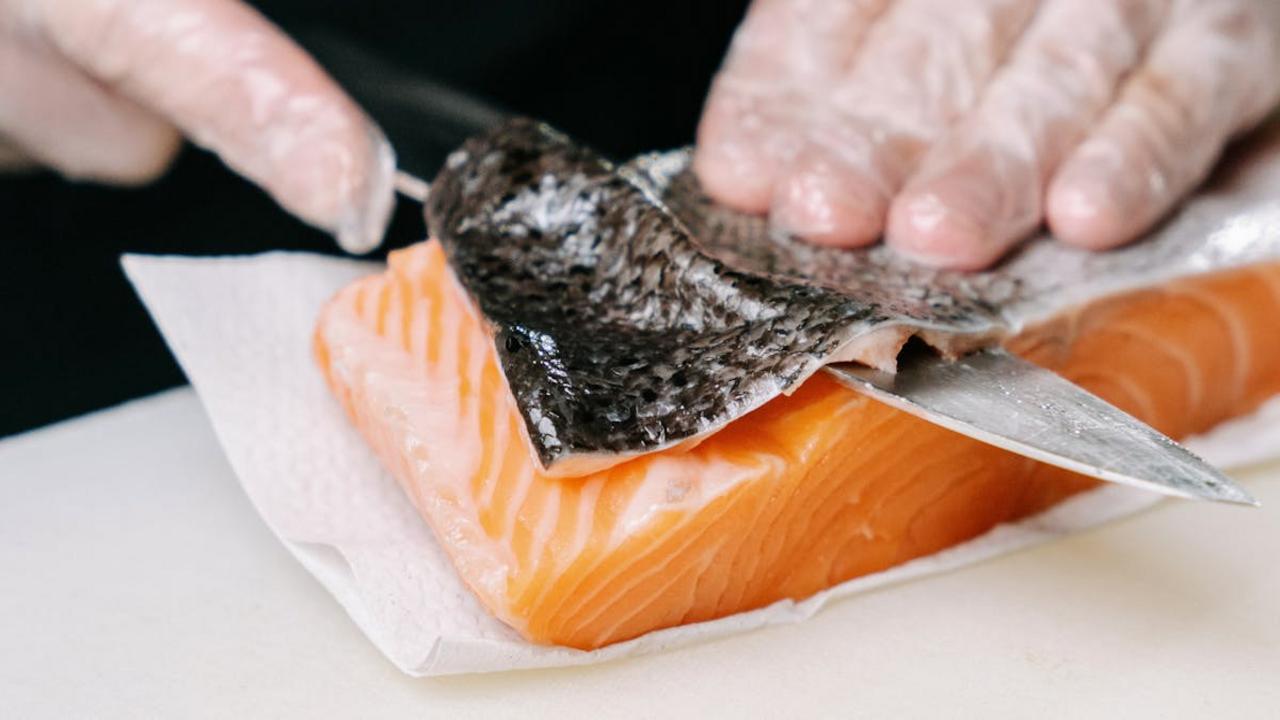
Your kitchen knife doesn’t care about your feelings, but it absolutely cares about your technique. I once watched a friend attempt to dice an onion with all the grace of a caffeinated beaver, and honestly, it was both hilarious and terrifying. Professional chefs don’t just throw money at fancy equipment – they master the fundamentals first. A sharp, well-maintained chef’s knife paired with proper technique will transform your cooking efficiency and save you serious cash. You’ll prep vegetables faster than a food processor, create uniform cuts that cook evenly, and stop wasting money on pre-cut produce that costs three times more than whole ingredients.
Here’s the kicker: proper knife skills prevent food waste, which directly translates to money in your pocket. When you know how to properly break down a whole chicken or trim vegetables without massacring half the good parts, you’re maximizing every dollar spent at the grocery store. Plus, you’ll stop ordering takeout because prep work suddenly becomes manageable instead of overwhelming. Start with the basic cuts – julienne, dice, and chop – and practice on cheap vegetables like carrots and potatoes. Your bank account will thank you when you realize you can prep a week’s worth of meals in thirty minutes instead of avoiding cooking altogether because chopping feels like medieval torture.
Buy in Bulk Wisely
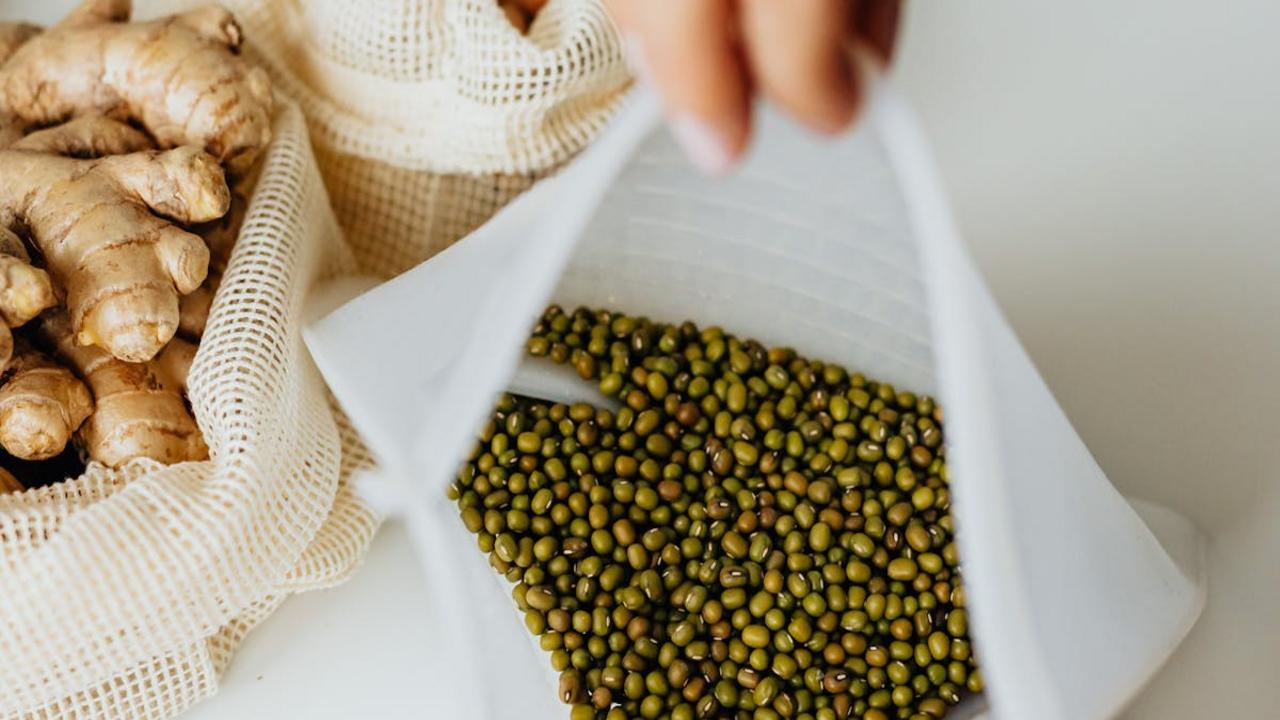
Your grandmother was onto something when she’d return from the market with enough rice to feed a small army – she understood the bulk buying game before it became trendy. Professional chefs swear by this money-saving strategy, but here’s the twist: they don’t just grab everything in supersized portions and call it a day. Smart bulk buying means focusing on non-perishable staples that you actually use regularly. Think dried beans, grains, spices, and pantry essentials that won’t mock you from the back of your cupboard six months later. The key is knowing your cooking habits – if you make pasta twice a year, that 20-pound bag of penne isn’t a bargain, it’s a commitment you’re not ready for.
The secret sauce lies in storage and rotation. Professional kitchens treat their bulk purchases like precious inventory, storing everything in airtight containers with dates clearly marked. You don’t need industrial-grade equipment – repurpose those glass jars, invest in some decent storage bins, and suddenly your pantry becomes a money-saving powerhouse. Rice bought in bulk can cost 60% less than those tiny boxes, and dried herbs purchased from specialty stores in larger quantities will transform your cooking while keeping your wallet happy. Just remember the golden rule: buy in bulk only what you love to cook with, because nothing tastes worse than regret seasoned with expired oregano.
Use Every Part of Ingredients

You know that moment when you’re about to toss those carrot tops into the trash and your grandmother’s voice echoes in your head? “Waste not, want not!” Well, turns out Grandma was onto something big. Professional chefs have turned ingredient maximization into an art form that would make even the most frugal home cook weep with joy. Think about it – you’re already paying for that entire bunch of beets, so why throw away those gorgeous leafy greens that taste like earthy Swiss chard? Those parmesan rinds you’ve been discarding? They’re liquid gold waiting to transform your next soup into something restaurant-worthy. Even celebrity chef Dan Barber built his entire philosophy around this concept, proving that scraps can be more valuable than the “main event.”
Here’s where it gets really fun: those onion skins you’ve been tossing make an incredible natural dye and add serious depth to homemade stock. Potato peels become crispy chips when roasted with a little salt and paprika. And get this – watermelon rinds pickle beautifully and taste surprisingly like cucumber! I started saving my mushroom stems after learning they pack more umami punch than the caps themselves. Now I dry them, grind them up, and sprinkle this magic powder on everything from scrambled eggs to roasted vegetables. Your wallet will thank you, your taste buds will do a happy dance, and you’ll feel like you’ve cracked some secret chef code. Plus, you’ll dramatically reduce your food waste footprint – a win that feels as good as it tastes.
Store Food Properly
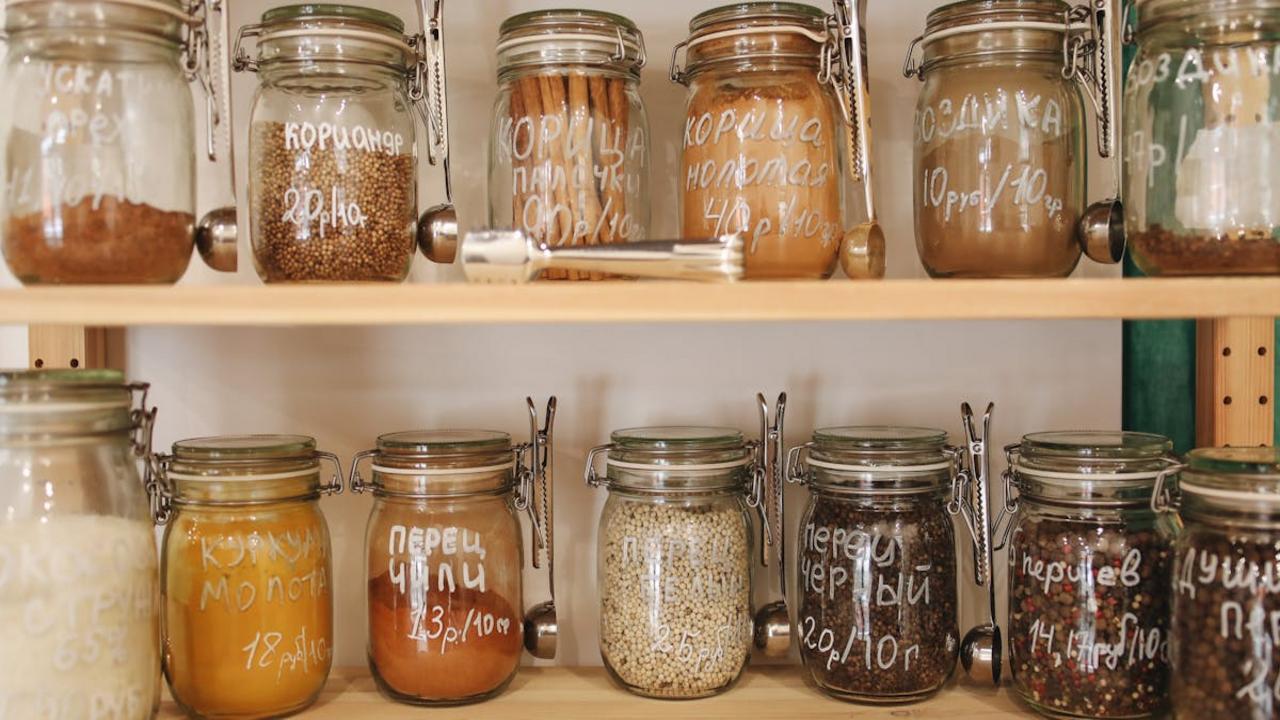
Your grandmother wasn’t kidding when she wrapped everything in aluminum foil like she was preparing for an alien invasion – proper food storage can make your grocery budget stretch further than your favorite pair of yoga pants after Thanksgiving dinner. Professional chefs treat their walk-in coolers like sacred temples because they know that one wilted bunch of cilantro or a bag of slimy spinach can cost them serious cash. You don’t need industrial refrigeration units to master this money-saving magic trick, though. Simple changes like storing potatoes in a cool, dark place (not the fridge, which turns their starches into sugars faster than you can say “sweet potato confusion”), keeping bananas away from other fruits (they’re basically the drama queens of the produce world, releasing ethylene gas that makes everything ripen too quickly), and wrapping herbs in damp paper towels can add days or even weeks to your food’s lifespan.
The real secret lies in understanding that different foods have different personalities – some like it hot, some like it cold, and others prefer to be left alone in a dark corner like introverted teenagers. Tomatoes actually lose flavor in the refrigerator and should live on your counter until they’re perfectly ripe, while leafy greens need humidity but hate being waterlogged (store them with a paper towel to absorb excess moisture). Onions and garlic prefer good air circulation and will last months when stored properly, but keep them separated because they make each other spoil faster – apparently even vegetables can have toxic relationships. Master these storage tricks, and you’ll watch your food waste plummet while your wallet gets pleasantly plump, proving that sometimes the most boring advice yields the most exciting results.
Save Vegetable Scraps for Stock
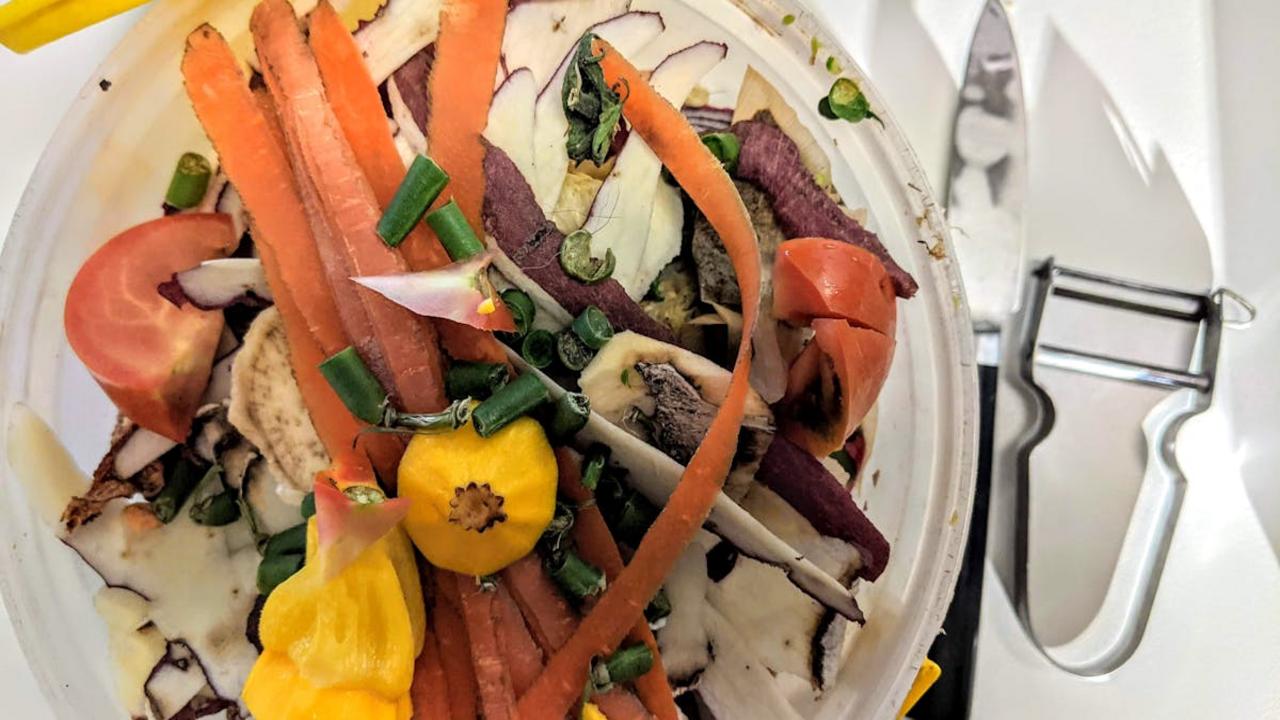
Your grandma was onto something when she saved every onion skin and carrot top in that mysterious freezer bag! What seems like kitchen compost gold actually transforms into liquid treasure that costs pennies to make but sells for dollars at the store. I keep a dedicated freezer container where I toss celery leaves, mushroom stems, herb stalks, potato peels, and those sad wilted greens that didn’t make it to salad night. The beauty lies in the imperfection – those slightly past-their-prime vegetables pack concentrated flavor that fresh produce simply can’t match.
Here’s where the magic happens: simmer your collected scraps with water for 45 minutes, strain, and voilà – you’ve got homemade stock that makes store-bought versions taste like flavored water! The French have a fancy term for this scrap collection called “mirepoix trimmings,” but I prefer calling it “fridge archaeology.” Pro tip from restaurant kitchens: avoid cruciferous vegetables like broccoli and cabbage unless you want your stock to taste like gym socks. Your future self will thank you when you’re ladling rich, golden stock into risottos and soups, knowing you rescued dinner from what almost became trash.
Shop Seasonal Produce
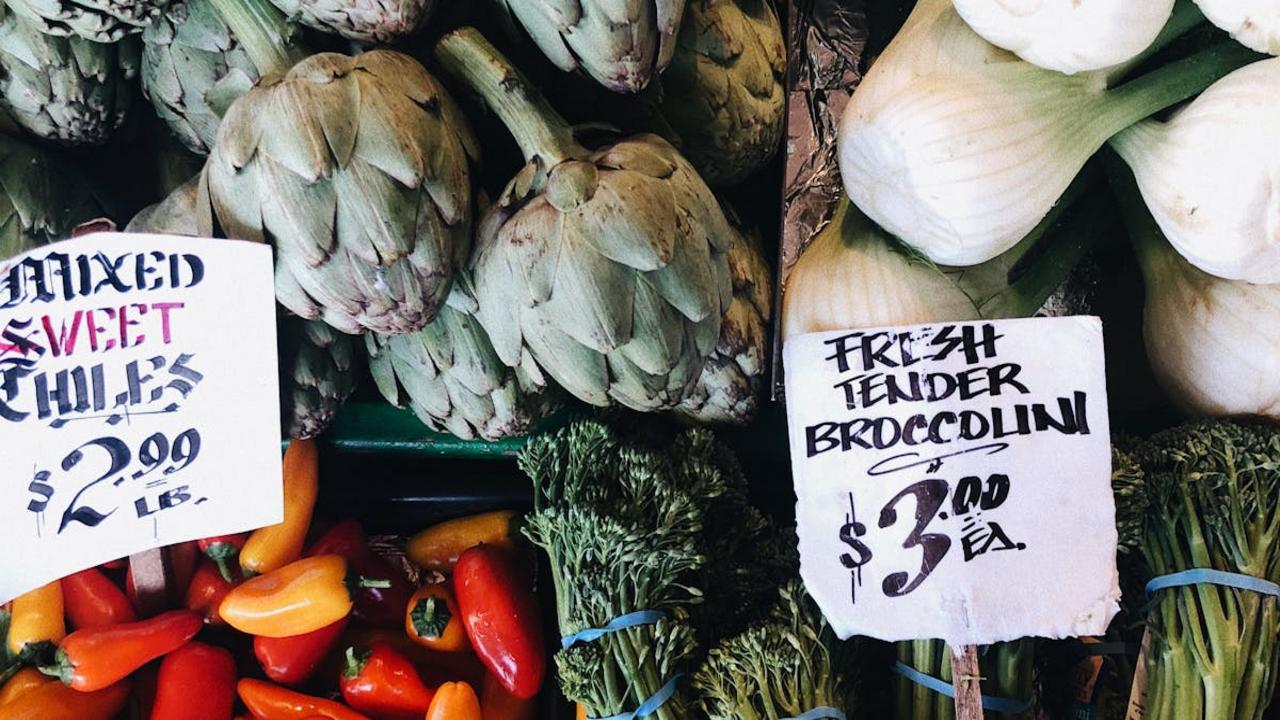
Picture this: you’re standing in the grocery store staring at strawberries that cost more than your morning coffee, wondering if you should take out a small loan just to make a fruit salad. Meanwhile, those same berries will be practically throwing themselves at you come June for half the price! Smart chefs know that Mother Nature runs the ultimate sale cycle, and timing your shopping around her schedule can save you serious cash. When asparagus shoots up in spring, it’s cheaper than during winter when it’s flown in from Peru like some exotic passenger on a produce plane.
The best part? Seasonal produce doesn’t just save money—it tastes infinitely better too. Those rock-hard tomatoes in January that taste like disappointment wrapped in red skin? Skip them entirely and wait for summer’s juicy bombs of flavor. Professional chefs build their menus around what’s currently growing nearby because they know a secret: peak season equals peak savings AND peak deliciousness. Plus, you’ll look like a total foodie genius when you casually mention that you’re making butternut squash soup because “it’s just so perfect right now.” Start following your local farmers market calendar, and you’ll quickly learn when to stock up on everything from corn to cranberries!
Plan Weekly Menus
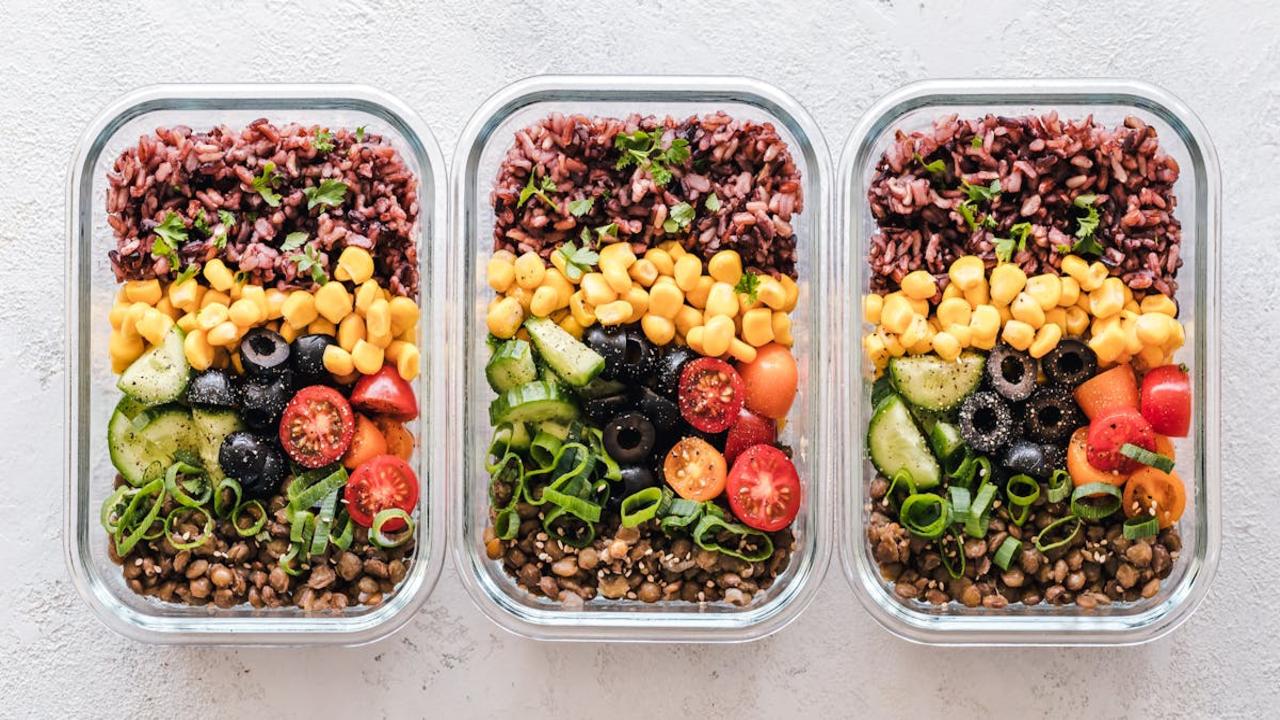
You know that Sunday afternoon panic when you stare into your fridge like it’s going to magically produce dinner inspiration? Professional chefs laugh at this scenario because they’ve cracked the code: weekly menu planning isn’t just for fancy restaurants with laminated boards. Top chefs swear by this simple practice because it transforms chaos into cash savings. When you map out seven days of meals before grocery shopping, you buy with purpose instead of wandering the aisles like a lost tourist in Costco. Your wallet will thank you when you stop those expensive last-minute takeout orders that happen when dinner time arrives and you’re standing in your kitchen wondering if cereal counts as a balanced meal.
Here’s the secret sauce that makes chefs’ bank accounts happy: they treat menu planning like a strategic military operation, complete with backup plans for leftover transformations. That roasted chicken on Monday becomes Tuesday’s chicken salad, Wednesday’s soup stock, and Thursday’s enchilada filling. Smart chefs also build flexibility into their menus – if salmon goes on sale instead of the planned cod, they pivot faster than a dance move. The real magic happens when you discover that planning prevents food waste, which is basically throwing money directly into your garbage disposal. Start small with just three days ahead, and watch how this simple habit turns you into a kitchen wizard who never again utters the dreaded phrase “there’s nothing to eat” while surrounded by groceries.
Buy Whole Instead of Pre Cut
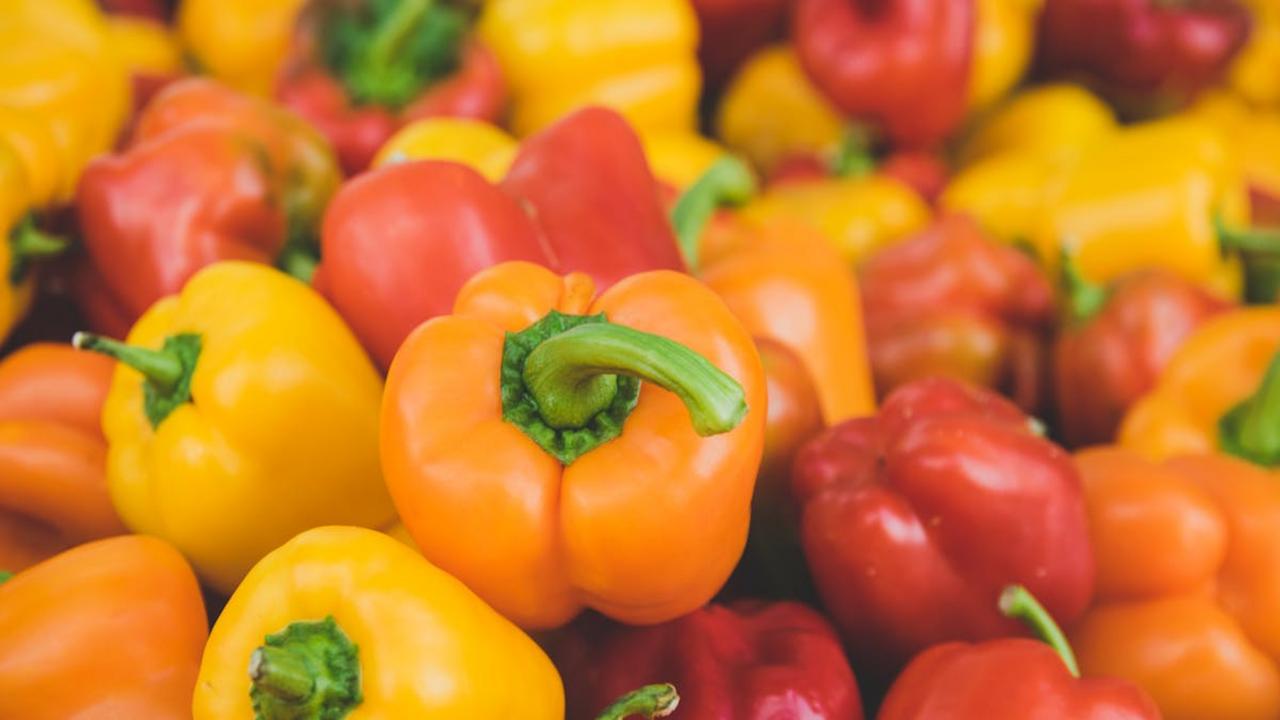
You know that moment when you’re standing in the produce section, staring at those perfectly diced onions in their plastic containers, and your wallet starts crying? Those pre-cut vegetables might save you five minutes of chopping, but they’re basically highway robbery disguised as convenience. A whole onion costs about fifty cents, while that same onion pre-diced will run you three bucks – that’s a 500% markup for someone else doing what you could accomplish with a knife and thirty seconds of questionable tears.
Professional chefs laugh at pre-cut produce because they know the dirty little secret: whole vegetables stay fresher longer and actually taste better. When you slice a bell pepper, you’re exposing all those juicy cells to oxygen, which means faster deterioration and flavor loss. Plus, buying whole gives you flexibility – maybe today you want julienne strips for your stir-fry, tomorrow you need chunky pieces for roasting. That pre-cut stuff? It’s already decided your cooking fate for you. Smart chefs buy whole chickens instead of parts (saving up to 40%), whole pineapples instead of those sad plastic cups of fruit, and whole blocks of cheese instead of pre-shredded sawdust. Your knife skills might start sketchy, but your bank account will thank you immediately.