12 Food Questions From My Kids That Had Me Scrambling for Answers at the Dinner Table
Dinner with my kids transforms into a rapid-fire science quiz most evenings. Just when I think I’ve mastered parenting, they hit me with questions about everyday foods that leave me searching for answers between bites. Why exactly do bananas turn brown? I’ve mumbled through explanations while secretly wondering the same thing myself.
These mealtime mysteries have turned me into an impromptu food researcher. I’ve called my mom at odd hours asking about moldy bread and found myself watching videos about crying onions after bedtime. Each question reveals how little I actually know about the foods we eat daily—and how curious my children are about their world.
I’ve compiled the toughest food questions my kids have asked at our dinner table, complete with the answers I wish I’d known on the spot. From melting ice cream to popping popcorn, these simple explanations will prepare you for your next mealtime inquisition.
How do vegetables grow in winter?
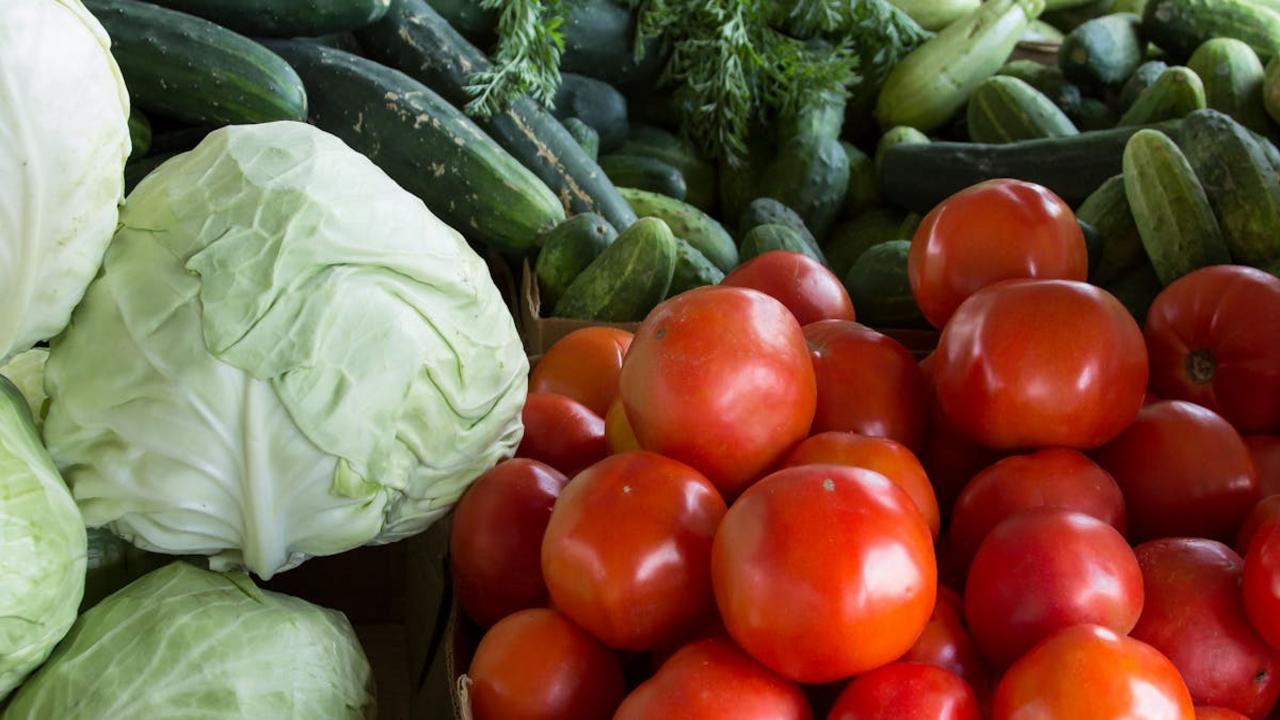
Winter vegetables are nature’s hardy survivors, and they actually thrive in cooler temperatures! Many cold-season crops like kale, Brussels sprouts, carrots, and turnips prefer the chill because frost makes them sweeter. These tough plants have developed natural antifreeze compounds that protect their cells from damage. Root vegetables store energy underground, while leafy greens like spinach and lettuce grow slowly but steadily through the cold months. Farmers often use row covers, cold frames, or greenhouses to extend the growing season and protect plants from harsh winds and snow.
You can grow winter vegetables right in your backyard too! Plant cold-hardy varieties in late summer or early fall, giving them time to establish before the first frost hits. Some vegetables, like leeks and parsnips, actually improve in flavor after experiencing freezing temperatures. Indoor growing systems and sunny windowsills work perfectly for fresh herbs and microgreens during the coldest months. Your kids will love watching how these resilient plants adapt to winter conditions, proving that fresh, nutritious food can grow year-round with the right planning and care.
Why is some cheese stinky?
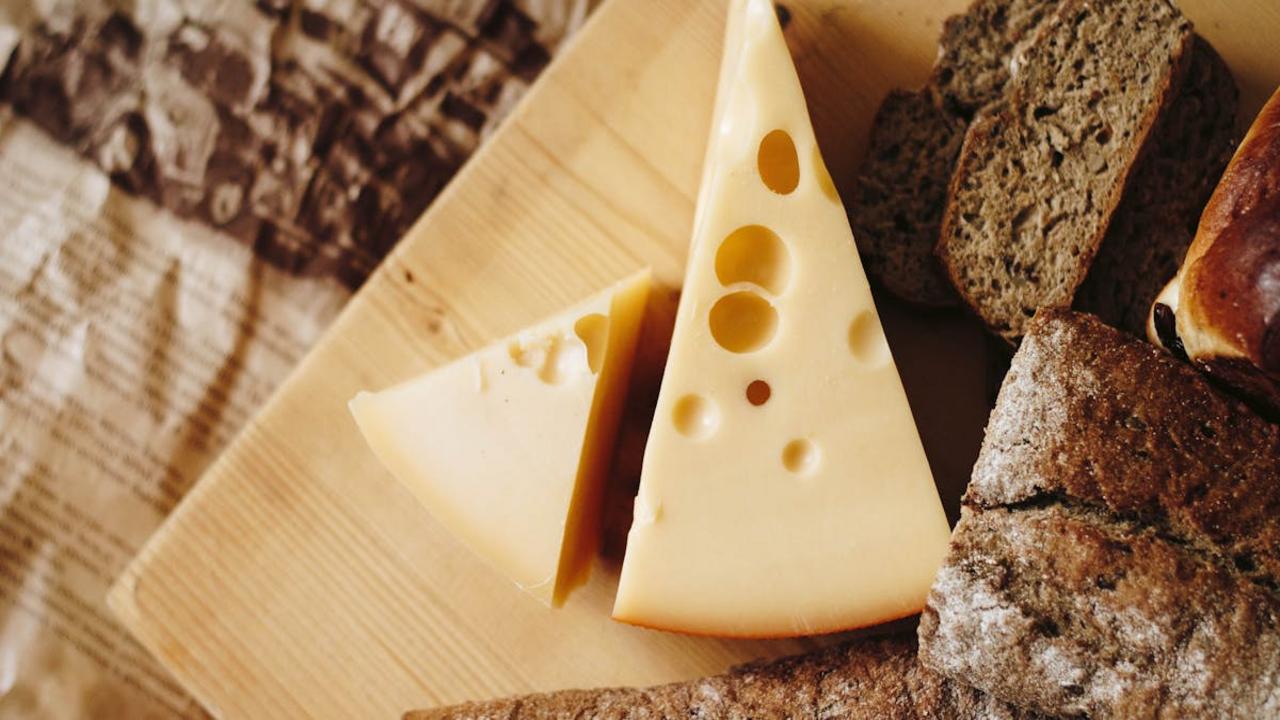
You know that moment when your kids wrinkle their noses at the cheese platter and ask why some varieties smell so funky? I totally get it! The strong aroma comes from bacteria and mold working their magic during the aging process. These tiny microorganisms break down proteins and fats in the cheese, creating compounds that give off those distinctive smells. Think of it like a controlled science experiment happening right in your refrigerator. Blue cheeses like Roquefort get their pungent character from specific mold cultures, while washed-rind cheeses like Limburger develop their notorious reputation from bacteria that thrive on their surfaces.
Here’s the beautiful part – those same compounds that create the strong smell often produce incredible flavor complexity! I love explaining to my family that stinky doesn’t mean bad; it means the cheese has developed character through time and careful craftsmanship. Many of these aromatic cheeses offer rich, nutty, or even sweet flavors that completely surprise your palate. Start your kids with milder aged cheeses like aged cheddar or Gruyère, then gradually introduce them to funkier varieties. You might discover that once they taste past the smell, they’ll appreciate how these bold cheeses can transform a simple grilled cheese sandwich or pasta dish into something truly special.
How does popcorn pop?
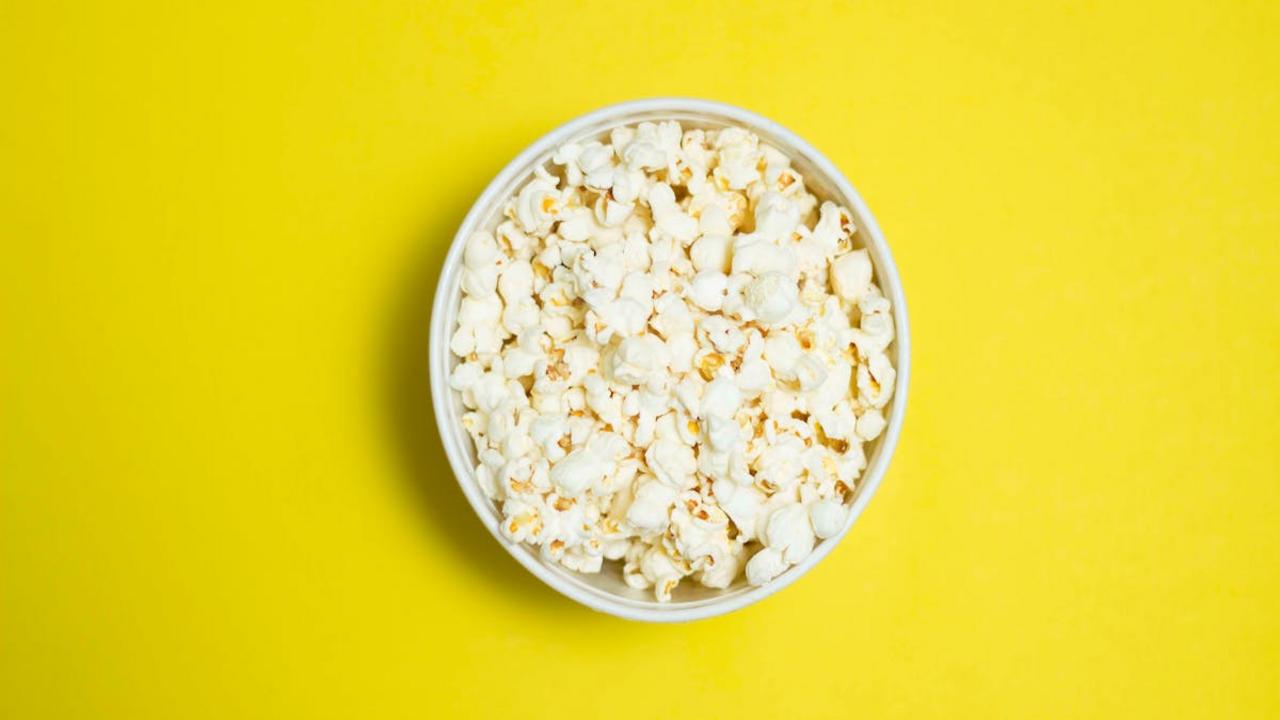
You know that magical moment when kernels start dancing in the pot and suddenly transform into fluffy white clouds? Your kids are witnessing one of nature’s coolest food science experiments! Each popcorn kernel contains a small amount of water stored inside its hard outer shell. When you heat the kernel, that water turns into steam, creating pressure that builds and builds until the shell can’t contain it anymore. The kernel literally explodes, turning itself inside out and creating that familiar puffy texture we all love.
What makes popcorn so special compared to other corn varieties is its unique hull structure – it’s tough enough to trap steam but brittle enough to shatter dramatically when the pressure gets too high. The temperature needs to reach about 400°F for the magic to happen, which is why you hear those satisfying pops getting faster and louder as your stovetop batch heats up. Next time you’re making this wholesome snack with your family, point out how each kernel puffs up to about 40 times its original size – it’s like watching tiny food fireworks that end with a delicious, fiber-rich treat everyone can enjoy!
Why does chocolate melt and not cookies?
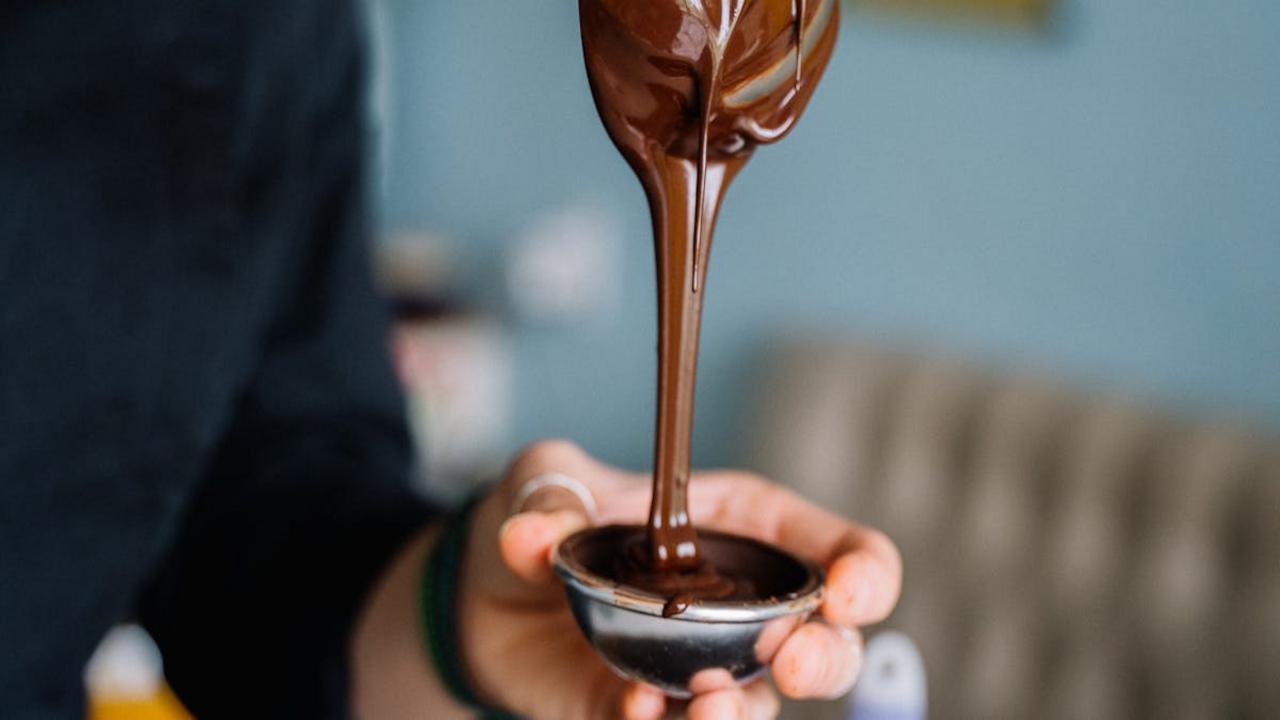
You know that moment when your little one holds up a melted chocolate bar next to a perfectly intact cookie and asks why one turns to goo while the other stays solid? I found myself explaining the fascinating science behind fat content and melting points right there at our kitchen table. Chocolate contains cocoa butter, which has a melting point around 86-90°F – that’s lower than our body temperature! This means chocolate starts melting the moment it hits your warm hands or mouth, creating that smooth, creamy texture we all love.
Cookies, on the other hand, are structured completely differently. They’re made with flour, which creates a protein network that holds everything together even when heated. The small amount of butter or oil in cookies gets absorbed into this flour matrix during baking, so it doesn’t separate out like chocolate does. Plus, cookies have been baked at high temperatures, which removes most of their moisture and creates a stable structure that won’t break down at room temperature. I love how these simple kitchen observations can turn into mini science lessons that make cooking even more magical for our kids!
How do bees make honey?
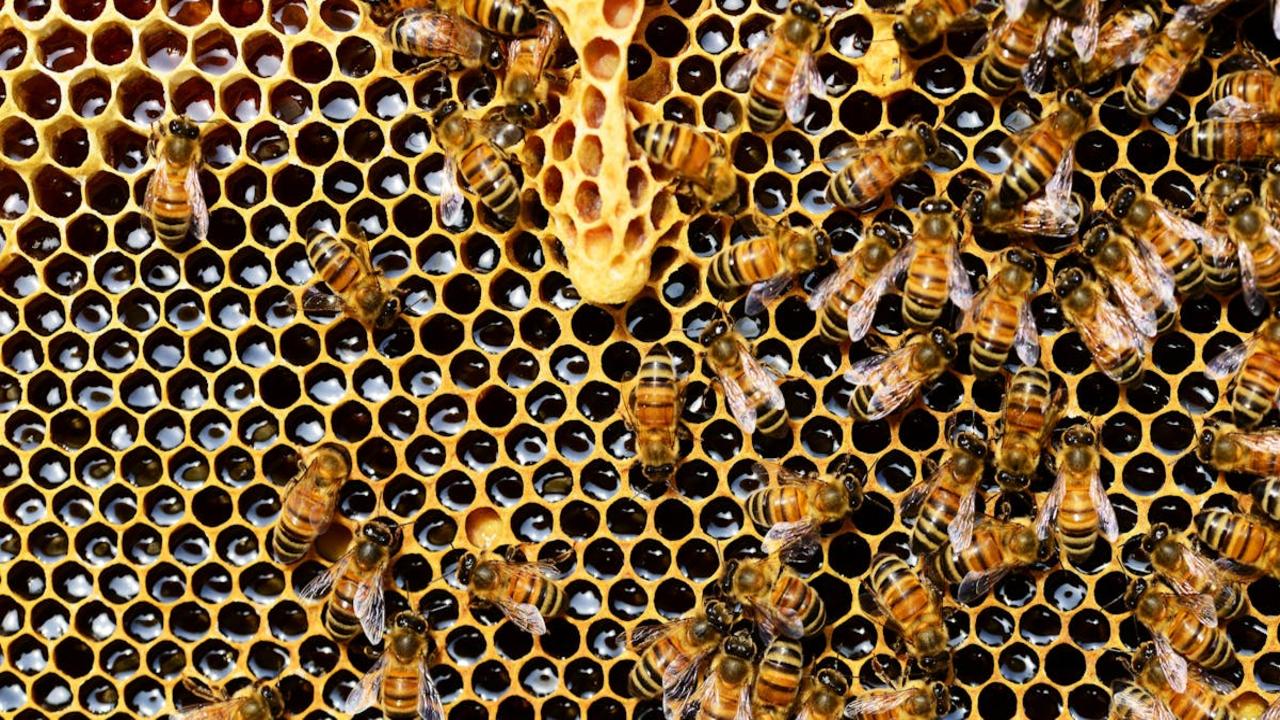
When your little one asks how bees make honey, you’re witnessing their natural curiosity about one of nature’s most fascinating food production processes! Bees collect nectar from flowers using their long tongues, storing this sweet liquid in a special honey stomach separate from their regular stomach. Inside this honey stomach, enzymes begin breaking down complex sugars into simpler ones. Back at the hive, worker bees pass this nectar to house bees through regurgitation – basically bee-to-bee sharing that continues the transformation process.
The house bees continue adding enzymes and spreading the nectar into hexagonal wax cells, fanning it with their wings to evaporate excess water until it reaches the perfect consistency we know and love. This incredible teamwork creates the golden sweetness that makes your morning toast so special! Next time you drizzle honey over yogurt or mix it into homemade granola, you can share this amazing story with your kids. It’s a perfect reminder that some of our most treasured pantry staples come from the hard work of these tiny, incredible insects who’ve mastered food preservation long before humans ever thought of it.
Why do apples have seeds?
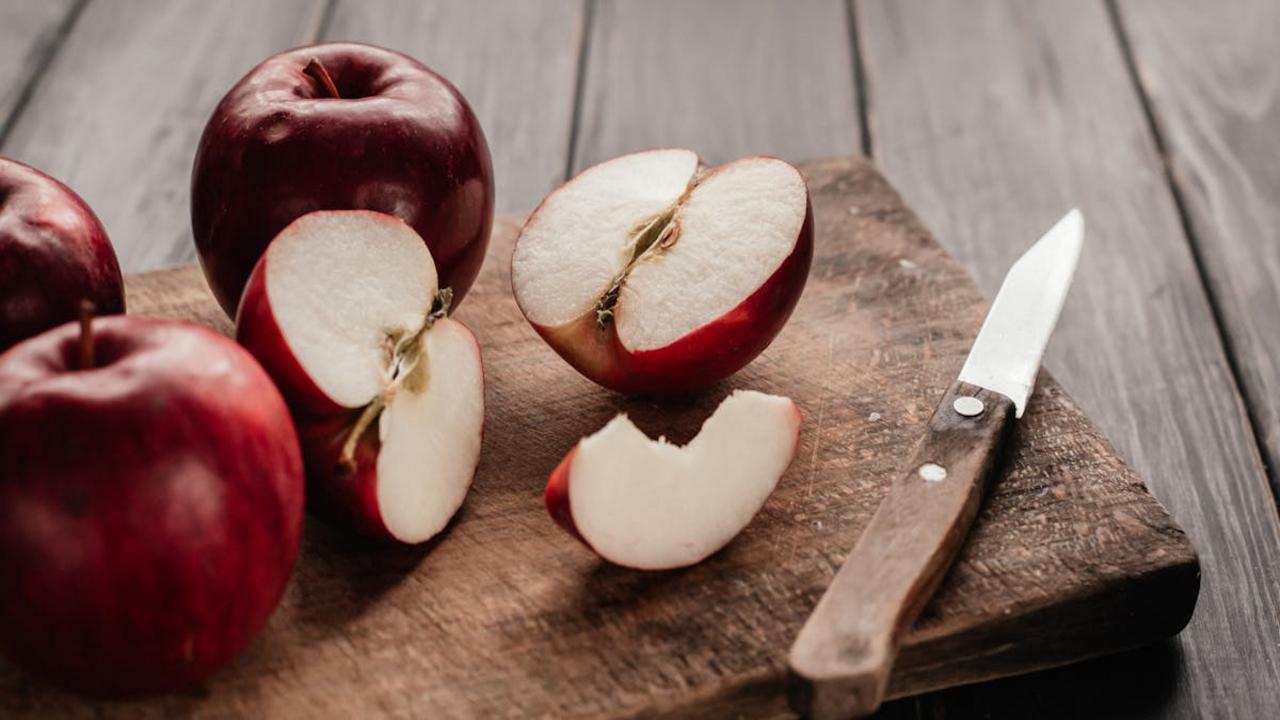
When your little one crunches into that crisp apple and discovers those dark brown seeds hiding in the core, their curiosity kicks into high gear! Apple seeds exist for the same reason all fruits have them – they’re nature’s brilliant way of making sure apple trees can create more apple trees. Each seed contains everything needed to grow into a brand new tree, complete with DNA instructions for producing delicious apples. Think of seeds as tiny packages of potential, waiting for the right conditions to sprout and flourish.
Here’s where it gets really interesting for us home cooks and health-conscious families: those seeds tell us we’re eating a whole, unprocessed food that connects us directly to nature’s cycles. While you definitely shouldn’t eat apple seeds (they contain compounds that can be harmful in large quantities), their presence reminds us that we’re choosing real, wholesome nutrition over processed alternatives. Next time you’re slicing apples for your family’s snack or adding them to your morning oatmeal, point out those seeds to your kids and share this amazing story of how nature ensures apple trees keep blessing us with their sweet, nutritious gifts year after year.
Where does sugar come from?
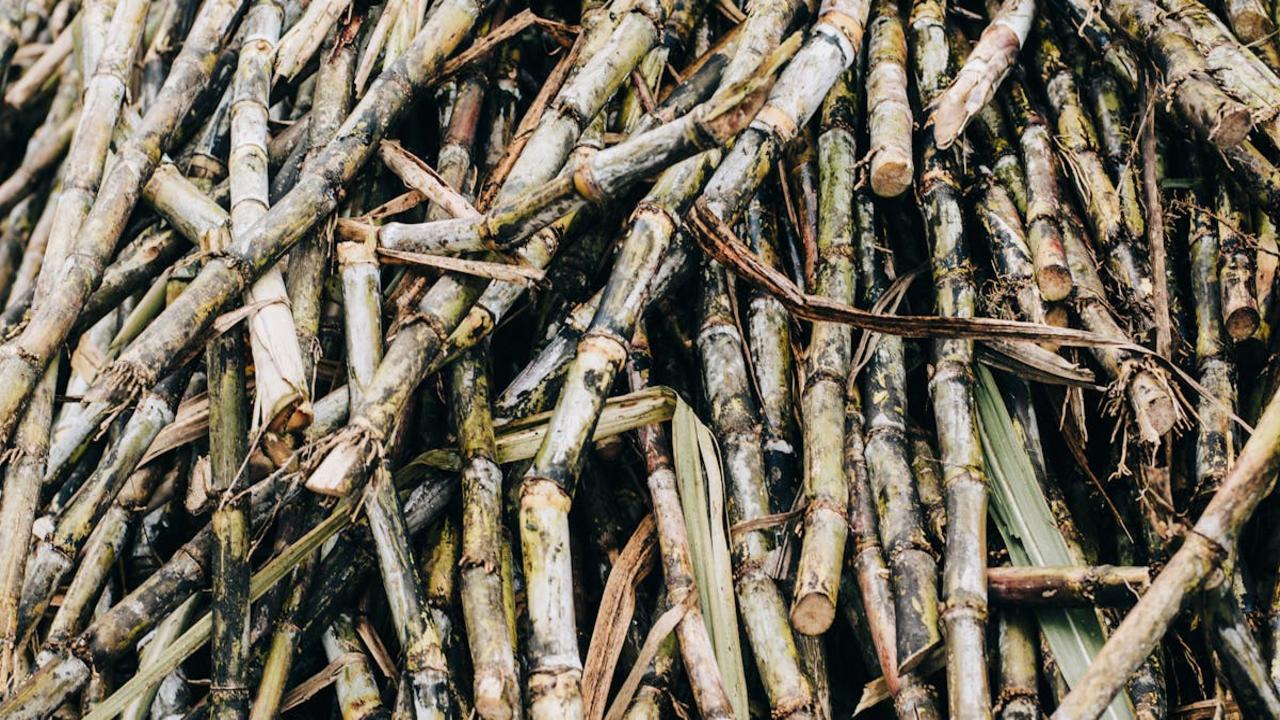
You know that moment when your little one asks where sugar comes from, and you suddenly realize you’re not entirely sure yourself? Don’t worry – I’ve been there too! Sugar actually comes from two main sources: sugar cane and sugar beets. Sugar cane grows in warm, tropical climates and looks like giant grass stalks that can reach up to 20 feet tall. Sugar beets, on the other hand, grow underground in cooler climates and look like large white carrots. Both plants store natural sugars that manufacturers extract through processing.
The fascinating part is that whether sugar comes from cane or beets, the final product tastes exactly the same! The extraction process involves crushing the cane or slicing the beets, then boiling and filtering the juice to create those familiar white crystals we sprinkle in our coffee. While explaining this to your kids, you can also mention that many fruits and vegetables naturally contain sugars too – like the sweetness in apples, carrots, and even milk. This opens up a great conversation about how our bodies need some natural sugars for energy, but moderation matters when it comes to added sugars in processed foods.
Why does ice cream melt?

When my daughter stared at her rapidly disappearing scoop of vanilla ice cream last Tuesday, she asked the question that made me pause mid-bite: “Mom, why does my ice cream always turn into soup?” I love these moments because they remind me that food science lives right there on our dinner table! Ice cream melts because it’s basically frozen dairy and sugar that can’t stay solid when temperatures rise above freezing. The warmer air around us transfers heat energy to the cold ice cream, causing those tiny ice crystals to break down and transform back into liquid form.
Think of ice cream like a temporary frozen treat that’s just waiting for the right conditions to return to its natural liquid state. The fats, proteins, and sugars in ice cream all have different melting points, which explains why some parts of your scoop might get creamy while others stay firmer longer. I always tell my kids that this is exactly why we keep ice cream in the freezer and why we need to eat it quickly once it’s served! Next time you’re enjoying a cone together, watch how different flavors and brands melt at slightly different rates – it’s a fun little kitchen experiment that shows how ingredients affect texture and stability.
How do seeds grow into big plants?
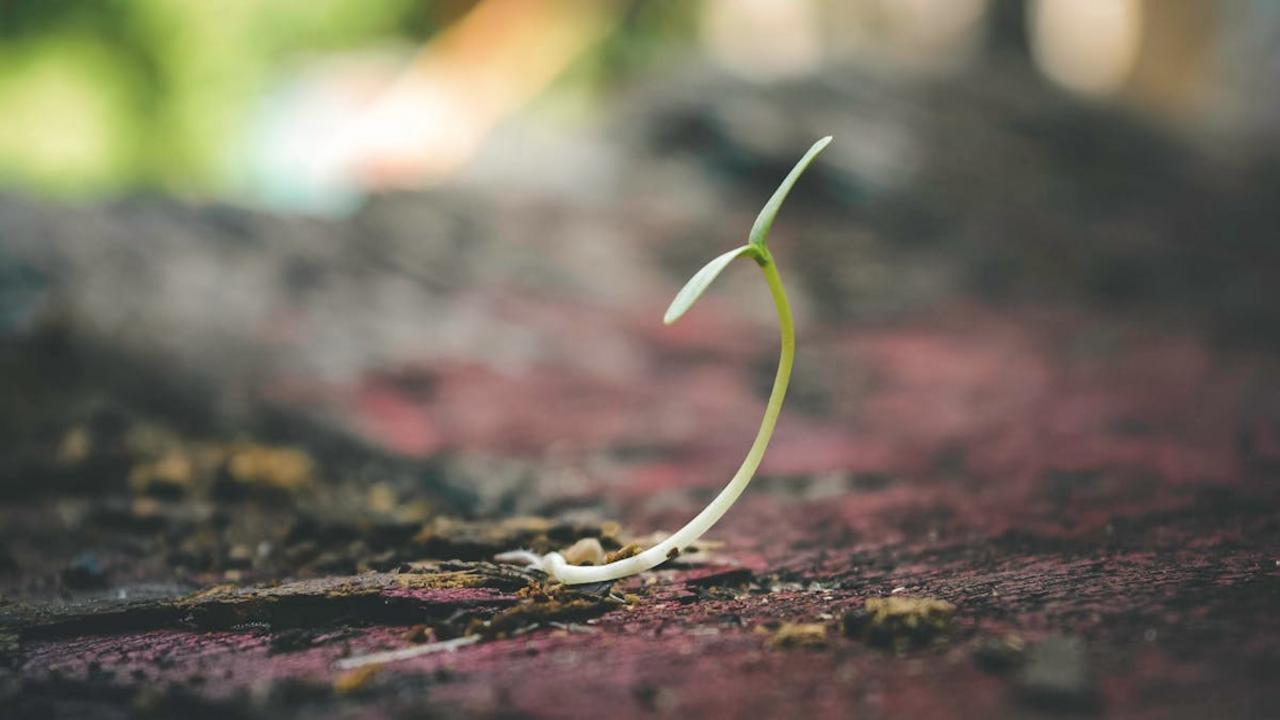
Picture this: your little one holds up a tiny sunflower seed at dinner and asks how something so small becomes a towering plant! I get this question constantly, and honestly, it never gets old because the process is absolutely mind-blowing. Seeds are like nature’s perfect meal prep containers – they pack everything a baby plant needs to get started. Inside each seed, you’ll find the embryo (the baby plant), stored food (think of it as the plant’s lunch box), and a protective outer coating. When you give seeds the right conditions – water, warmth, and oxygen – they wake up from their sleepy state and begin their incredible transformation.
Once a seed starts growing, it sends out its first root to anchor itself and search for water and nutrients in the soil. Then comes the magical moment when the first green shoots push through the soil toward sunlight! Just like how we need good food to grow strong, plants use photosynthesis to make their own food from sunlight, water, and carbon dioxide. The stored energy in the seed helps fuel those first few weeks of growth until the plant develops enough leaves to become self-sufficient. Before you know it, that tiny seed has grown into a full-sized plant that can produce flowers, fruits, and even more seeds to continue the amazing cycle. Next time you’re cooking with herbs from your garden or adding fresh vegetables to dinner, remember that each ingredient started as a small seed with big dreams!
Why do onions make us cry?
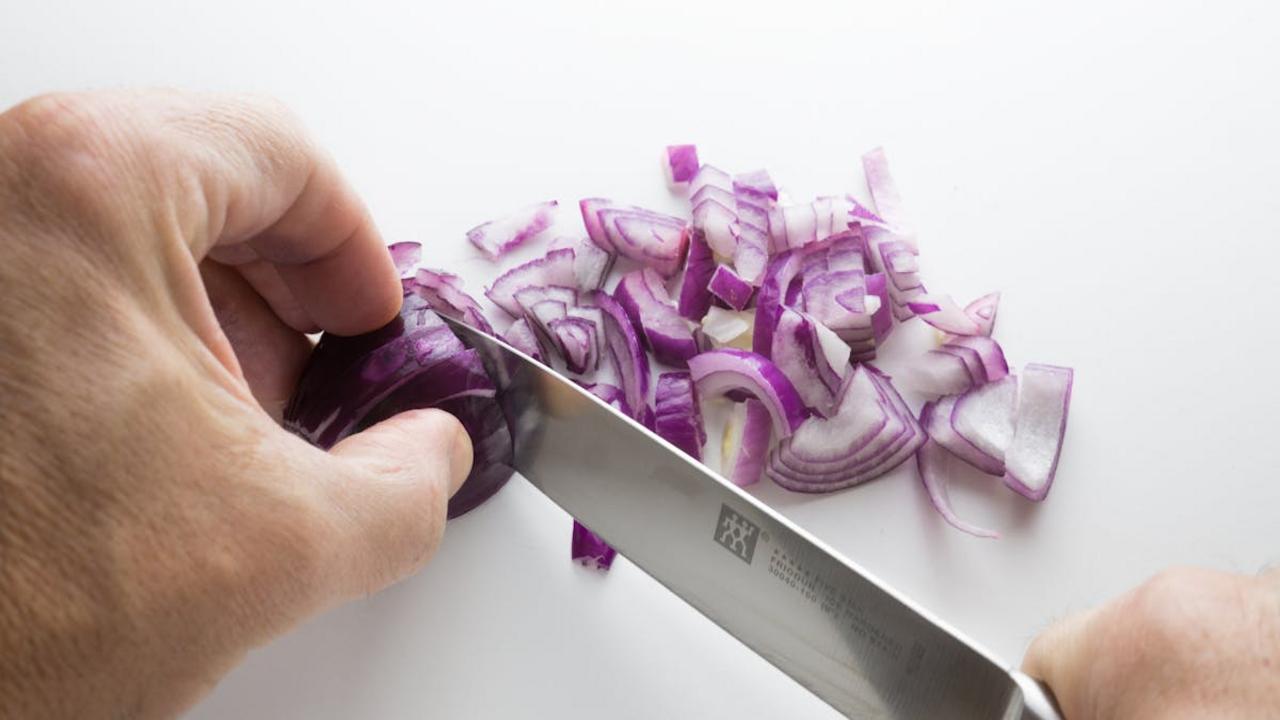
When you slice into an onion, you’re essentially breaking down the onion’s cell walls, which releases a sulfur compound called syn-propanethial-S-oxide. This sneaky little chemical floats up toward your eyes and reacts with the moisture there, forming sulfuric acid. Your eyes immediately recognize this as an irritant and respond by producing tears to flush out the offending substance. It’s your body’s natural defense mechanism working overtime to protect your precious peepers!
The good news is that you can minimize the waterworks with a few simple tricks I’ve learned over years of cooking. Try chilling your onion in the refrigerator for about 30 minutes before chopping – cold onions release fewer irritating compounds. You can also cut near a running faucet or light a candle nearby, as both help disperse those tear-inducing chemicals. Some cooks swear by wearing swimming goggles or breathing through their mouth while chopping. My personal favorite method is using a super-sharp knife, which causes less cellular damage and releases fewer of those compounds that send us reaching for the tissue box.
How does bread get moldy?
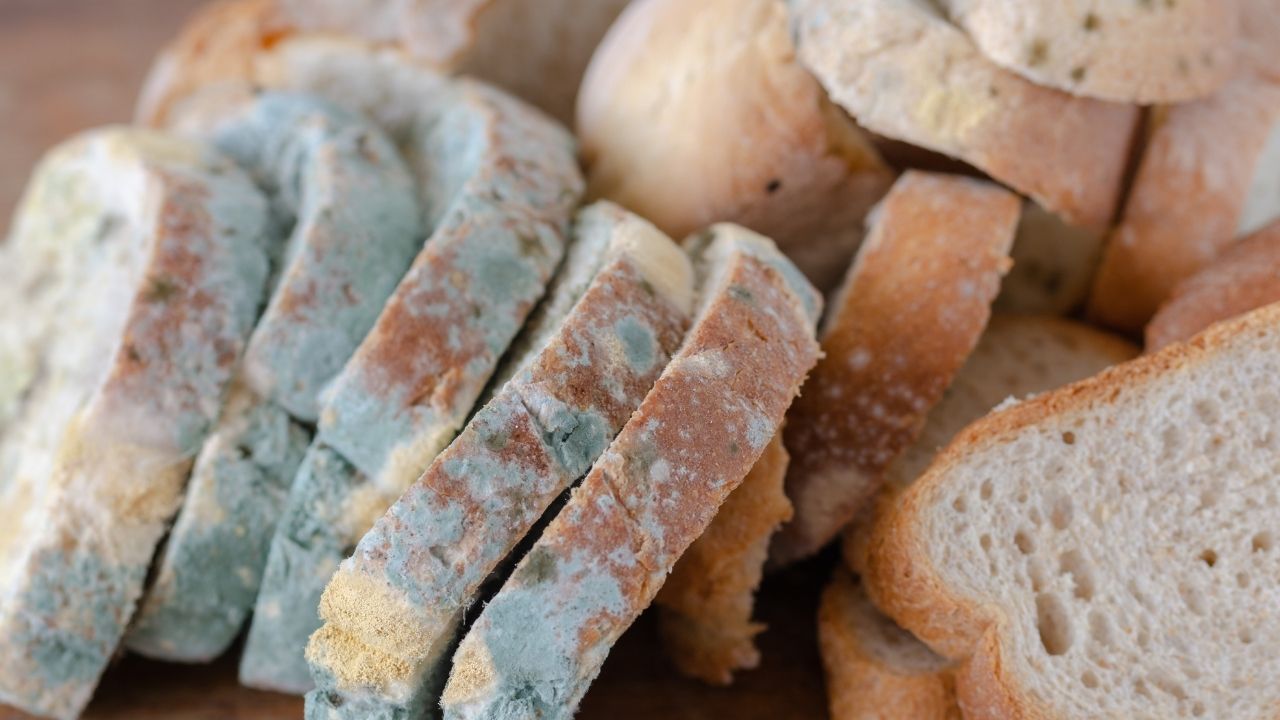
When your little one spots those fuzzy green patches on forgotten bread and asks this question, you’re looking at nature’s recycling system in action! Mold spores float everywhere in our air – they’re microscopic fungi just waiting for the perfect conditions to grow. Bread becomes their dream home because it provides everything they need: moisture, warmth, and plenty of food in the form of carbs and sugars. Once these spores land on your loaf, they send out tiny root-like structures called hyphae that spread through the bread, breaking down its nutrients and creating that distinctive fuzzy appearance we all recognize.
The process happens faster in warm, humid conditions, which explains why your bread stays fresh longer in the refrigerator and why that loaf you left on the counter during summer disappeared under a blanket of mold so quickly. Different mold species create different colors – you might see green, blue, black, or white patches depending on which spores got there first. While this natural process shows how fungi help decompose organic matter in nature, it’s definitely not something we want on our dinner table! Store your bread in cool, dry places and always toss moldy bread completely – those roots spread further than what you can see on the surface.
Why do bananas turn brown?
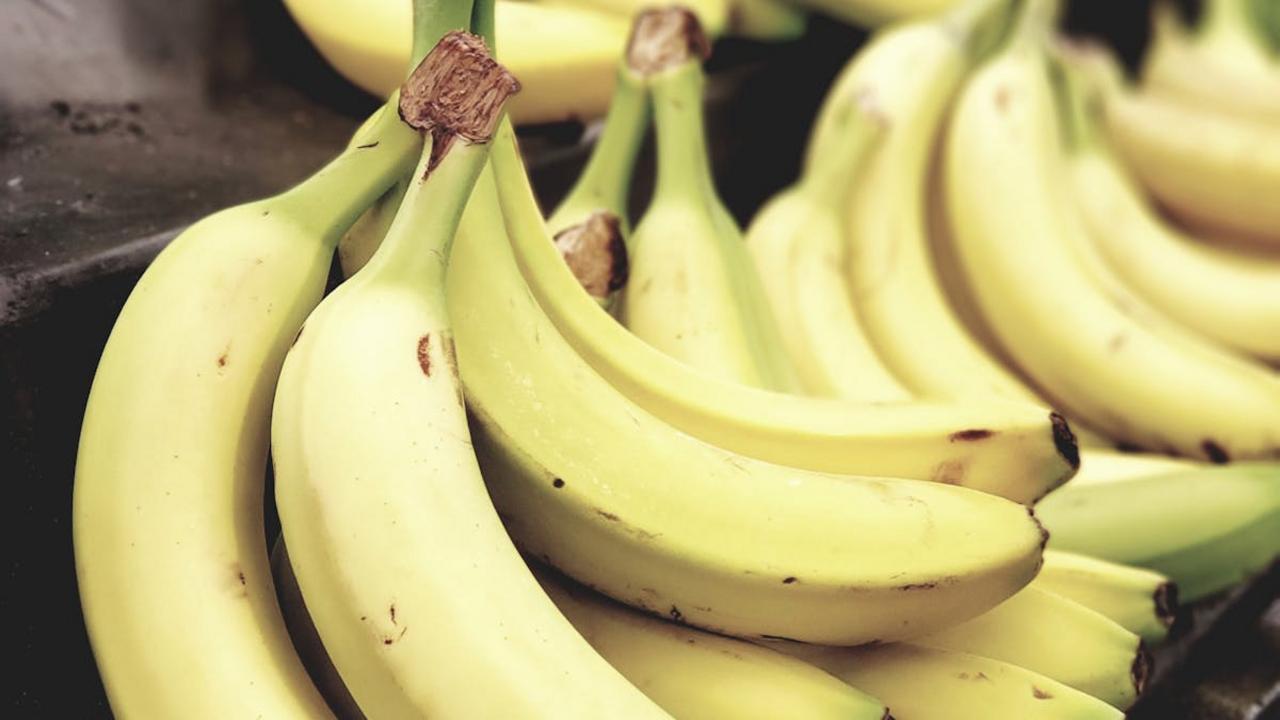
You know that moment when your little one holds up a spotted banana and asks why it looks so different from the bright yellow one you bought yesterday? I’ve been there too, and honestly, it’s such a great teachable moment! Bananas turn brown because of a natural process called enzymatic browning. Inside those sweet fruits, there are enzymes that react with oxygen when the banana’s skin gets damaged or starts to break down over time. Think of it like nature’s way of signaling that the banana is getting riper and sweeter.
Here’s what I love sharing with my kids about brown bananas – they’re actually perfect for baking! Those brown spots mean the starches have converted to sugars, making them incredibly sweet and perfect for banana bread, muffins, or smoothies. Instead of tossing them, I freeze overripe bananas in chunks and use them later for the creamiest smoothie bowls. The browning process doesn’t make bananas unsafe to eat; it just changes their texture and concentrates their sweetness. Next time your children see those brown spots, remind them that sometimes the most beautiful transformations happen when we give things time to develop their full potential!