15 Game-Changing Cocktail Ingredients Your Guests Will Talk About All Night
You’ve mastered the basics—gin, whiskey, and vermouth—but your home bar needs that special something to shock your guests into social media posting frenzies. I’ve discovered 15 ingredients that’ll transform your cocktails from “nice” to “did you PUT CHARCOAL in this drink?!” Your friends won’t stop texting you for recipes.
Remember the first time you tasted St-Germain and thought you’d discovered liquid gold? That’s the reaction you’ll get when you drop a cucumber ice cube into a gin spritz or rim a glass with smoked sea salt. These ingredients don’t just add flavor—they create moments where everyone freezes, glass midway to lips, to ask what magic you’ve worked.
The best part? Most of these show-stoppers require minimal effort for maximum impact. A few saffron threads in vodka creates liquid sunshine. A dash of balsamic in a strawberry daiquiri adds depth you can’t name but can’t stop drinking. Your cocktail hour will stretch into cocktail night as everyone wants “just one more” of your spectacular creations.
Black Sesame Seeds
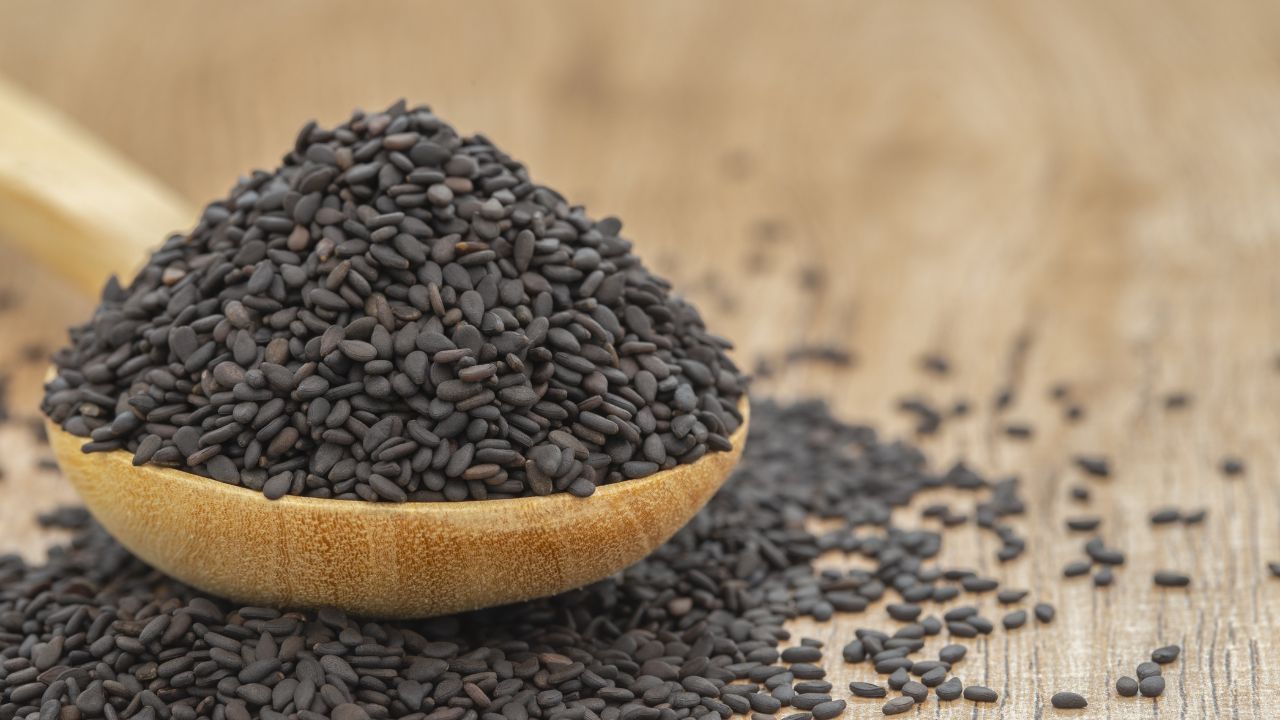
Picture this: you’re sipping what looks like a regular martini, and suddenly your mouth is hit with this deep, nutty flavor that’s somehow both familiar and completely unexpected. That’s the magic of black sesame seeds in cocktails! These tiny dark powerhouses pack more personality than your most dramatic friend. While white sesame seeds are the wallflowers of the seed world, their black cousins are the mysterious ones wearing leather jackets and whispering secrets about umami. They’ve been adding depth to Asian desserts for centuries, but now they’re crashing the cocktail party with all the confidence of someone who knows they look fantastic in black.
Here’s what makes these seeds absolutely brilliant in drinks: they create this gorgeous inky color that Instagram dreams are made of, plus they add a toasty, almost chocolate-like richness that makes people go “wait, what IS that?” You can muddle them directly into your shaker, blend them into a simple syrup, or rim your glass with crushed black sesame salt for maximum drama. Pro tip from someone who learned the hard way: toast them lightly first to wake up those oils, but don’t go overboard or you’ll end up with bitter disappointment instead of cocktail gold. Try them in a Black Sesame Old Fashioned or mix them into a creamy flip – your guests will spend the entire evening trying to figure out your secret ingredient while simultaneously demanding the recipe.
Saffron Threads
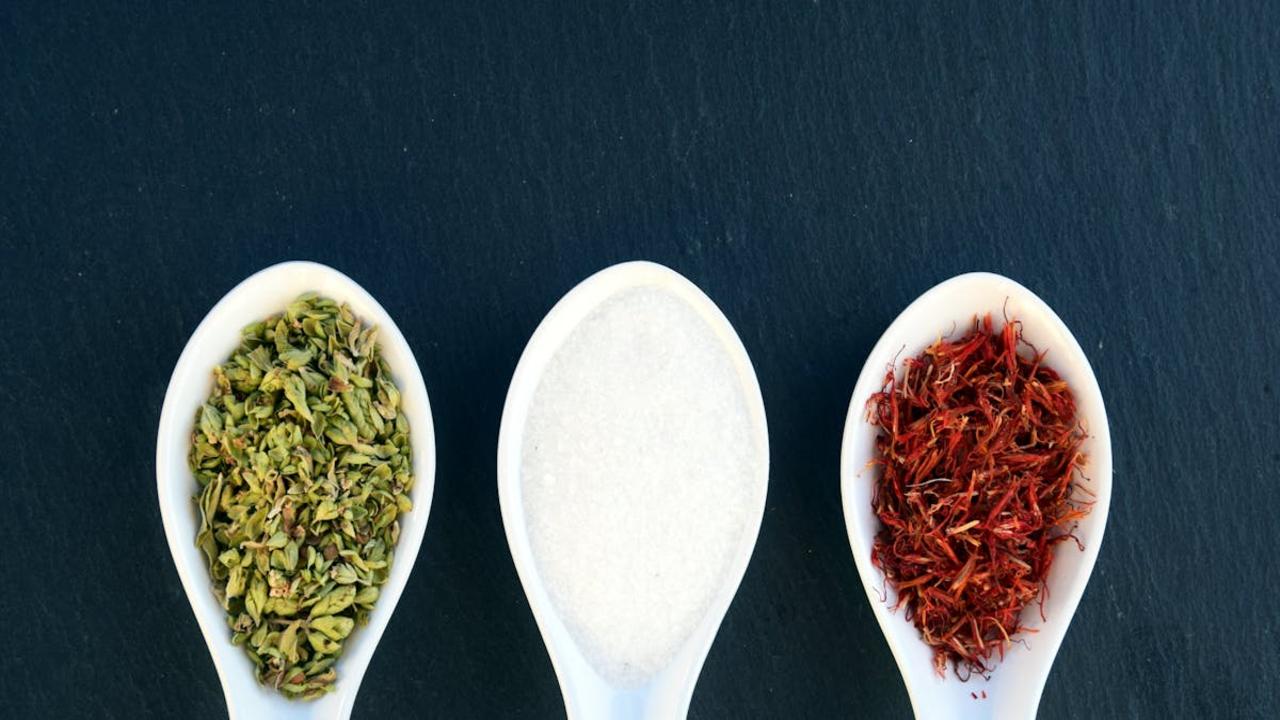
You know that moment when someone drops a casual “Oh, I just added some saffron to this gin fizz” and suddenly everyone at the party perks up like meerkats? That’s the power of these tiny, crimson threads that cost more per gram than gold. Saffron brings this mysterious, almost ethereal flavor that’s part honey, part hay, part “I can’t quite put my finger on it but I need another sip.” The secret lies in those delicate stigmas hand-picked from crocus flowers—it takes about 150 flowers to produce just one gram, which explains why your wallet weeps a little every time you buy it.
But here’s the thing about saffron in cocktails: a little goes a ridiculously long way. Just three or four threads steeped in your simple syrup will transform a basic martini into something that makes people lean in closer and ask what your secret is. I love infusing it into gin for a Persian-inspired G&T that glows golden in the glass, or mixing it with bourbon and a touch of rose water for a drink that tastes like liquid velvet. Pro tip from someone who learned the hard way—don’t go overboard, or you’ll end up with something that tastes like you’re drinking expensive potpourri. Start small, taste often, and watch your guests’ faces light up with that “what IS this magic?” expression.
Rosemary Infusion
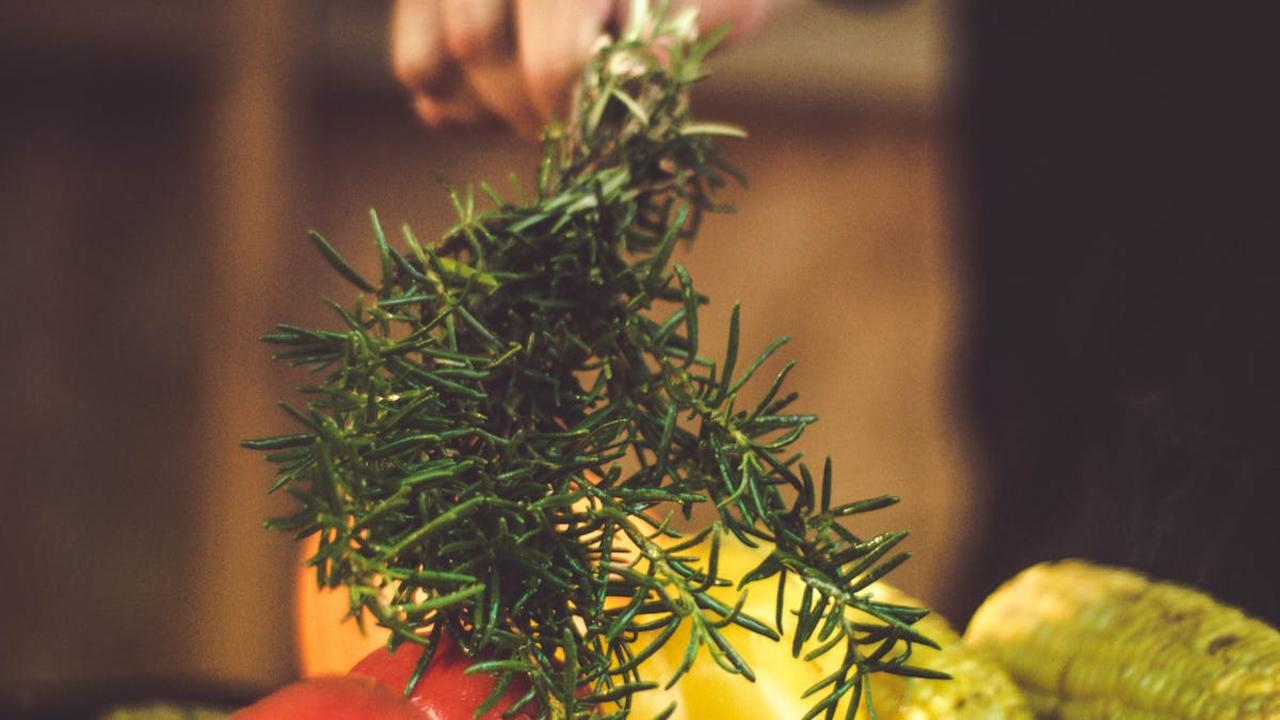
Picture this: you’re sipping a cocktail that transports you straight to a Mediterranean hillside, where wild rosemary grows like nature’s own aromatherapy garden. That’s exactly what happens when you introduce rosemary infusion to your drink repertoire. This piney, almost camphor-like herb doesn’t just add flavor—it creates an entire sensory experience that makes your guests pause mid-conversation and ask, “Wait, what IS that incredible smell?” The secret lies in rosemary’s volatile oils, which contain compounds like cineole and camphor that literally tickle your olfactory receptors before the liquid even hits your lips.
Creating rosemary-infused spirits is easier than convincing your friends to help you move. Simply bruise a few sprigs (give them a gentle smack with a muddler—very therapeutic after a long day), drop them into your favorite gin or vodka, and let them mingle for 24-48 hours. The result? A spirit that pairs beautifully with citrus, honey, or even unexpected partners like grapefruit and thyme. Pro tip: rosemary loves heat, so try flaming a sprig over your finished cocktail for that dramatic tableside show that’ll have your guests pulling out their phones faster than you can say “Instagram story.” Just remember to remove the herb before it turns bitter—nobody wants their drink tasting like they accidentally sipped pine cleaner.
Pineapple Shrub
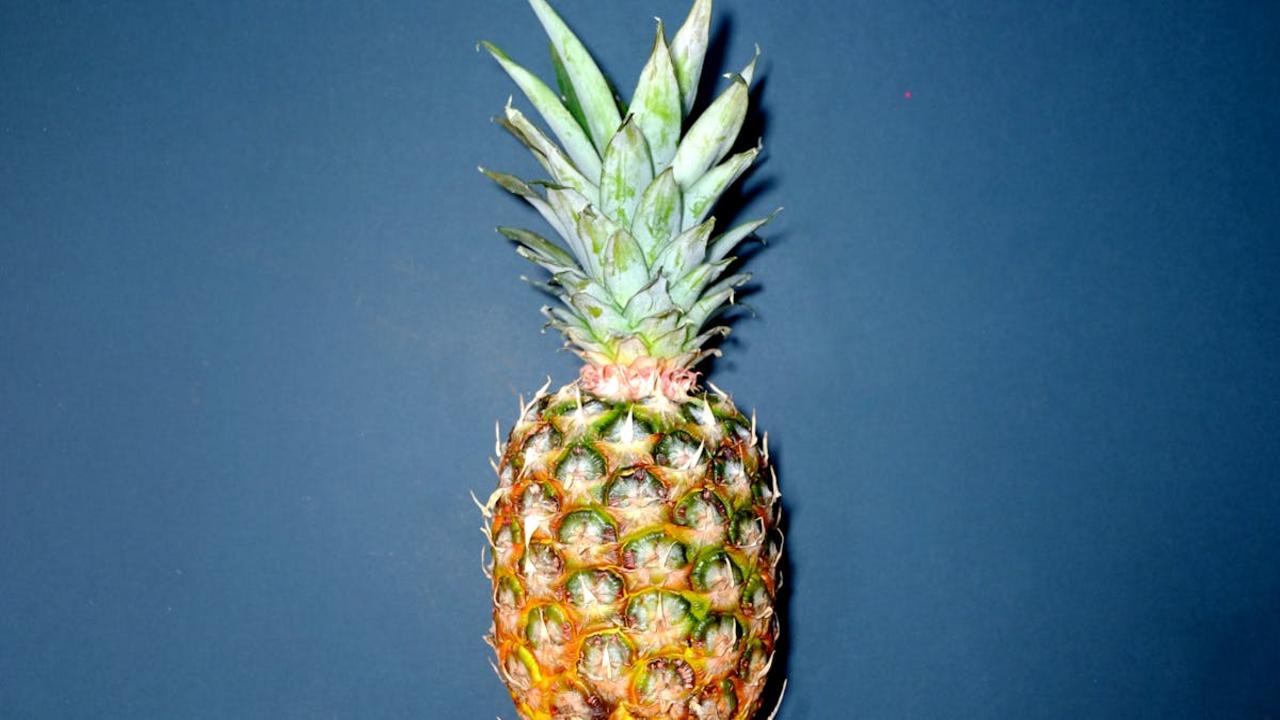
Picture this: you’re sipping what looks like an ordinary cocktail when suddenly your mouth does a happy little dance. That’s the magic of pineapple shrub, folks—a tangy, sweet concoction that combines fresh pineapple juice with vinegar and sugar to create something that’s equal parts refreshing and mind-bending. This colonial-era drinking vinegar has been making bartenders across the country weep tears of joy because it adds complexity to drinks that most people didn’t even know they were missing. The acidity cuts through rich spirits like a knife through butter, while the tropical sweetness keeps everything balanced and utterly addictive.
Here’s what makes pineapple shrub absolutely brilliant: it works with everything from rum punches to gin fizzes, and even vodka sodas suddenly become sophisticated conversation starters. You can whip up a batch by combining equal parts fresh pineapple juice and apple cider vinegar with a touch of sugar, then letting it sit for a few days until the flavors marry into something magical. Pro tip: add a splash to sparkling water for a non-alcoholic drink that’ll make your designated drivers feel like VIPs. Your guests will spend the entire evening trying to figure out what makes their drinks so incredibly complex and refreshing.
Tomato Water
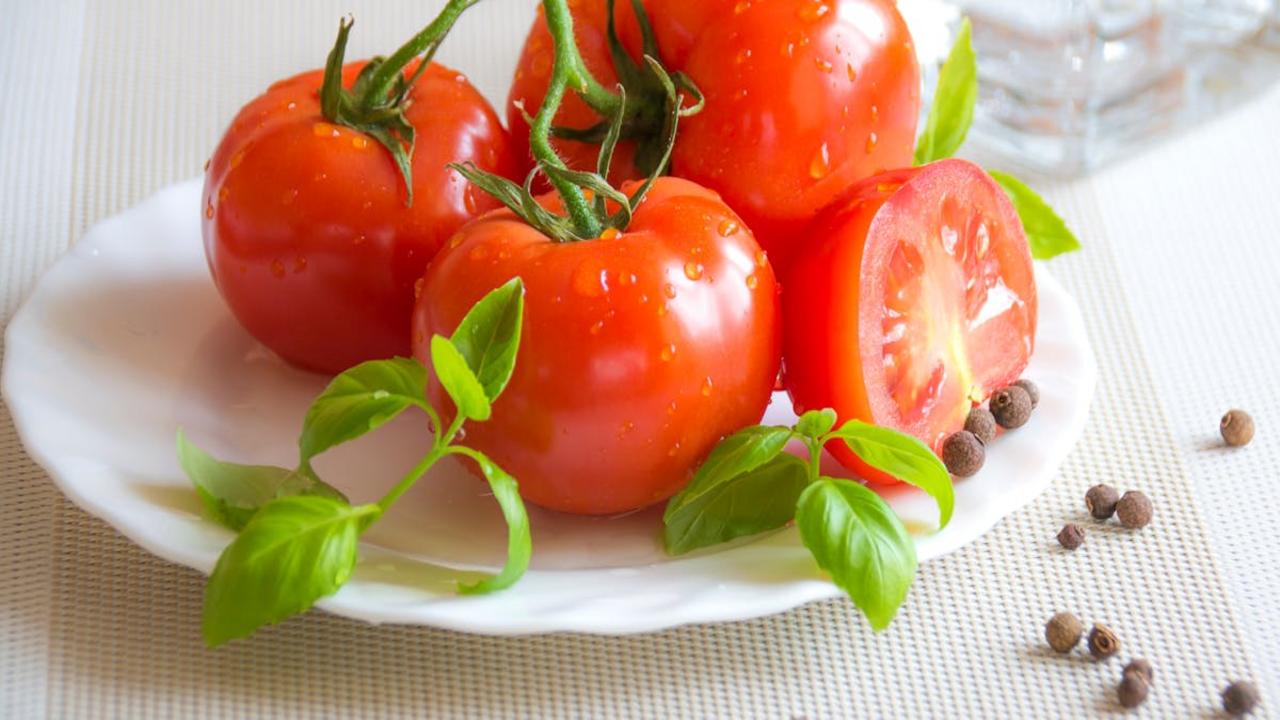
Picture this: you’re at a fancy cocktail bar, and the bartender hands you what looks like crystal-clear water but tastes like pure summer tomato essence. That’s tomato water, and it’s basically liquid magic that’ll make your friends wonder if you’ve secretly enrolled in wizard school. This transparent elixir captures all the bright, vegetal flavors of fresh tomatoes while leaving behind every trace of pulp and color. Making it requires the patience of a saint—you literally salt chopped tomatoes overnight, then strain the resulting liquid through cheesecloth until you get this gorgeous, clear concentrate that tastes like tomatoes had a baby with morning dew.
Here’s where things get wild: tomato water transforms cocktails from ordinary to “holy moly, what sorcery is this?” It adds depth and umami to drinks without any of the heaviness you’d expect from tomato juice. Try mixing it with gin and fresh herbs for a cocktail that tastes like summer decided to take a dip in your glass. The best part? Your guests will spend the entire evening trying to figure out what that mysterious, clean tomato flavor is. Food scientists actually discovered that tomato water contains concentrated glutamates—the same compounds that make parmesan cheese so addictive—which explains why one sip turns people into tomato water evangelists.
Wasabi
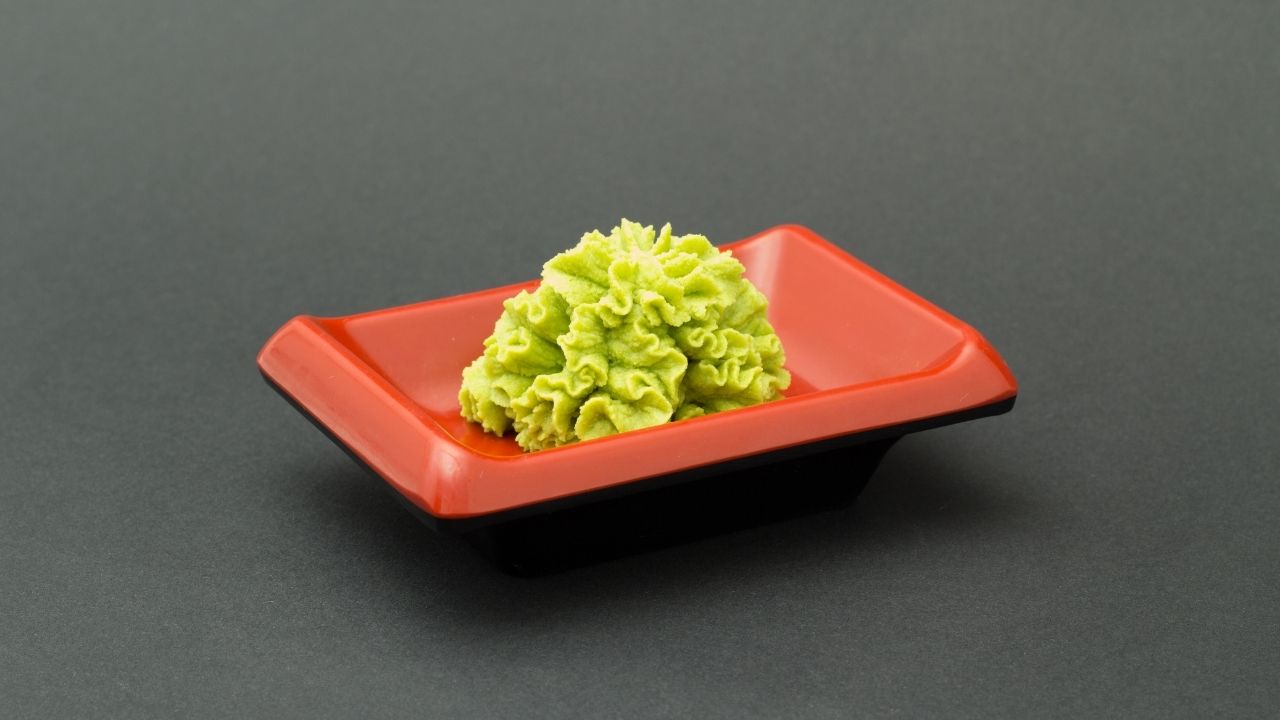
You know that green fire that makes your sinuses do a happy dance when you dip your sushi? Well, surprise! Most of us have never actually tasted real wasabi. That tube of “wasabi” paste at your local grocery store? It’s probably just horseradish wearing a green disguise, laughing at all of us behind our backs. Real wasabi—Wasabia japonica—is basically the unicorn of the condiment world, so rare and expensive that even fancy sushi joints often fake it. This temperamental little root demands specific growing conditions: constant flowing water, shade, and temperatures between 46-68°F. It’s basically the diva of the vegetable kingdom, and honestly, I respect that level of commitment to being difficult.
But here’s where things get exciting for your cocktail game: wasabi brings a unique heat that’s completely different from its spicy cousins. Unlike jalapeños that burn your tongue, wasabi creates this incredible nasal sensation that clears your head faster than a double espresso. Try muddling just a tiny amount—and I mean microscopic, unless you want your guests crying into their drinks—into a cucumber gimlet or a sake-based cocktail. The heat dissipates quickly, leaving behind this clean, almost minty finish that makes people go “wait, what was that?” in the best possible way. Pro tip: if you can’t find fresh wasabi (join the club), mix real wasabi powder with a splash of water right before using—it loses its punch faster than ice cream melts in July.
Aperol
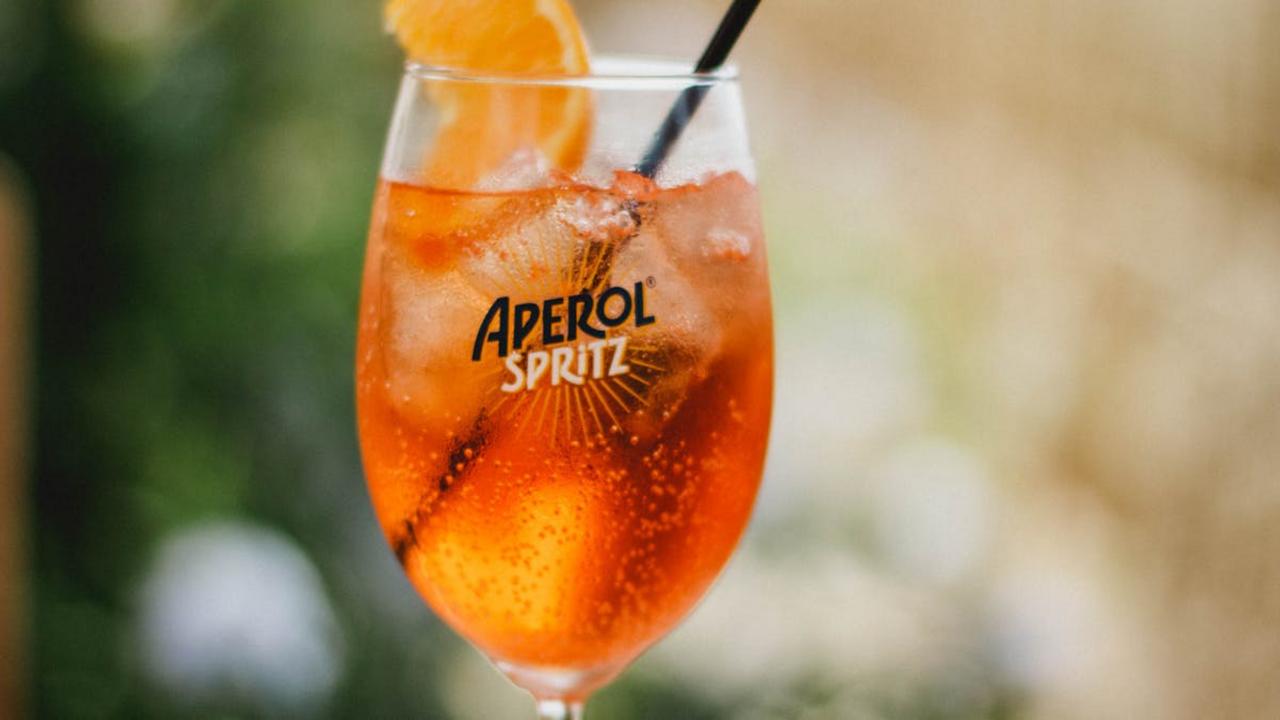
Picture this: you’re hosting a dinner party and someone mentions they’ve never tried an Aperol Spritz. Cue the collective gasp from your Italian friends! This bright orange bitter liqueur has been the unofficial mascot of European summer afternoons since 1919, when the Barbieri brothers in Padua decided the world needed more sunshine in a bottle. With its secret blend of bitter and sweet oranges, rhubarb, and gentian root, Aperol tastes like liquid vacation – imagine if a creamsicle went to finishing school and learned some sophistication. The alcohol content sits at a gentle 11%, making it the perfect gateway drink for guests who think regular cocktails pack too much punch.
Your cocktail game transforms completely once you stock this vibrant orange elixir. Sure, everyone knows the classic Spritz (three parts prosecco, two parts Aperol, splash of soda), but why stop there? Mix it into a Paper Plane with bourbon and lemon juice, or create an Aperol Sour that glows like a sunset in your glass. The beautiful thing about Aperol is how it plays well with others – it brightens gin cocktails, adds complexity to negroni variations, and even works in surprising combinations with mezcal. Pro tip: keep your bottle chilled and always have prosecco on standby. Trust me, once your guests discover this Italian magic, they’ll start planning their next European vacation before dessert arrives.
Fresh Sage Leaves
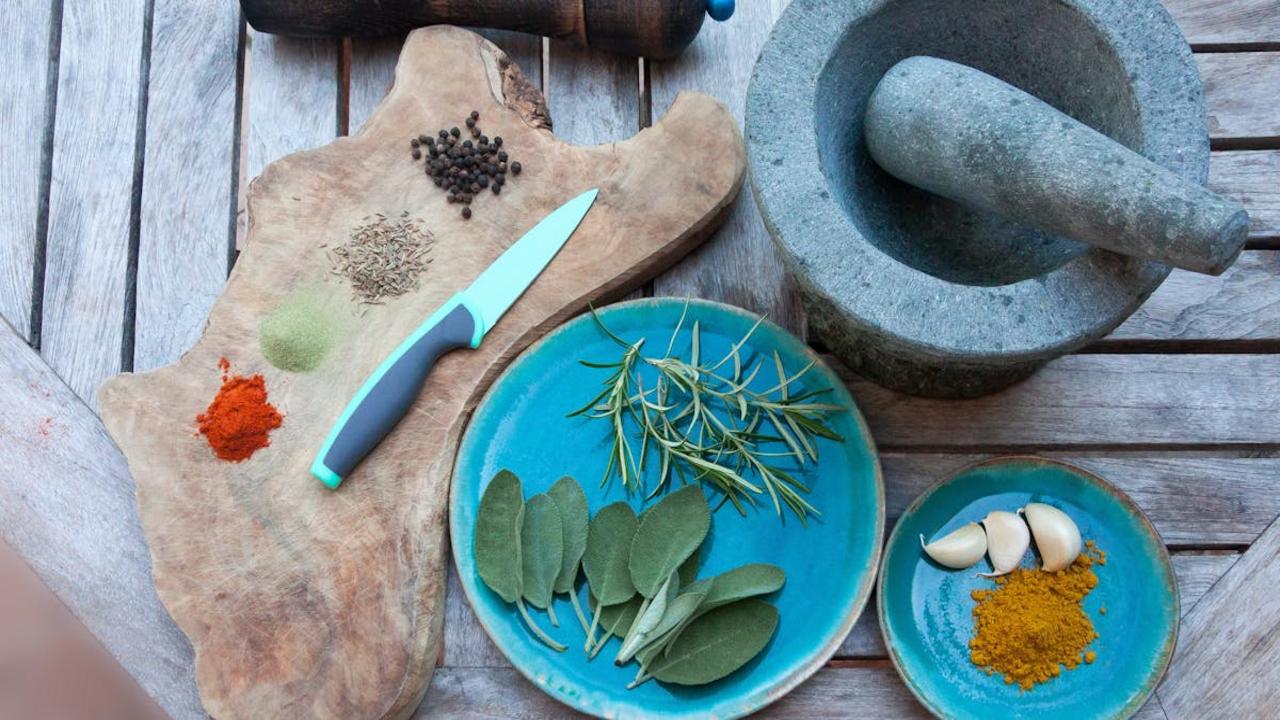
You know that moment when you crush a sage leaf between your fingers and suddenly feel like you’ve transported yourself to a Mediterranean hillside? That’s exactly the magic fresh sage brings to your cocktail game! This silvery-green herb packs an earthy, slightly peppery punch that turns any drink from “meh” to “magnificent.” I discovered this little secret when I accidentally grabbed sage instead of mint at a dinner party – best mistake ever! The guests couldn’t stop asking about that mysterious, woodsy flavor that made my gin and tonics taste like they belonged in a fancy Italian villa.
Here’s what makes sage absolutely brilliant in cocktails: it muddles beautifully without turning bitter, and just two or three leaves can transform an entire drink. Try muddling it gently in the bottom of your shaker with a touch of simple syrup, then add gin, lemon juice, and a splash of prosecco for what I call the “Garden Party Spritz.” The herb releases these incredible aromatic oils that make your drink smell like an herb garden after rain. Pro tip: slap the leaves between your palms before adding them to release even more of those gorgeous oils – your guests will think you’re some sort of cocktail wizard!
Balsamic Vinegar
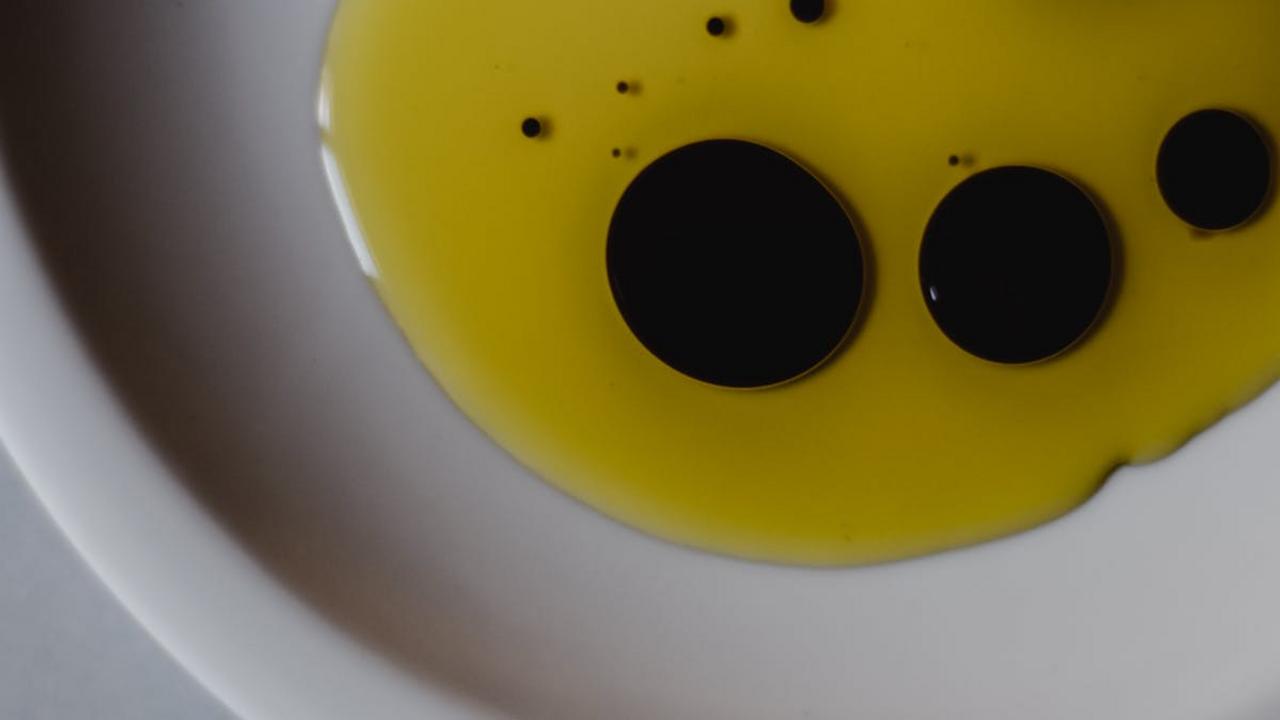
You know that fancy bottle of balsamic vinegar sitting in your pantry, the one you only bring out for special salads? Well, it’s time to shake things up—literally! Traditional balsamic vinegar from Modena, Italy, undergoes a minimum 12-year aging process in wooden barrels, developing complex sweet-tart notes that make your regular white vinegar weep in shame. This dark, syrupy elixir transforms cocktails from ordinary to absolutely mesmerizing. Picture this: a few drops in a bourbon sour creates an unexpected depth that’ll have your guests scratching their heads trying to identify that mysterious flavor dancing on their tongues.
The magic happens when balsamic’s natural sweetness meets the bite of alcohol—it’s like watching two unlikely friends discover they’re perfect together. Try adding just a quarter teaspoon to a gin fizz with fresh strawberries, or create a show-stopping “Aged Manhattan” by replacing simple syrup with a balsamic reduction. Pro tip: invest in the good stuff for sipping cocktails, but your everyday grocery store bottle works perfectly fine for mixed drinks. Your guests will spend the entire evening trying to decode your secret ingredient, and you’ll feel smugly satisfied watching them fail while you casually mention it’s the same thing they drizzle on their caprese salad.
Cucumber Ice Cubes
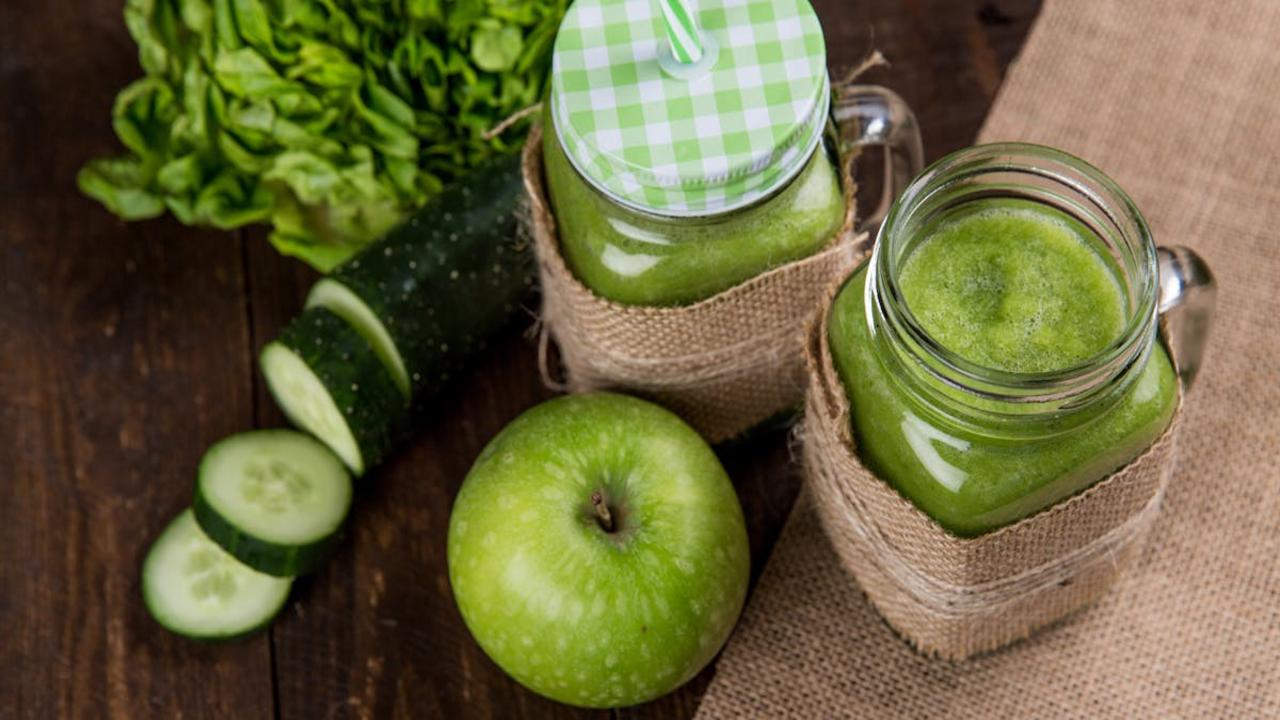
Picture this: your guests are sipping their gin and tonics when suddenly they notice something magical happening in their glass. Those aren’t ordinary ice cubes melting away – they’re releasing fresh cucumber essence with every sip, turning a basic cocktail into a spa-worthy experience. You literally freeze thin cucumber slices or cucumber-infused water in your ice cube trays, and voila! Your drinks now have a built-in flavor delivery system that keeps getting better as the ice melts. I discovered this trick during a particularly hot summer when I was desperately trying to make my sad apartment feel like a fancy rooftop bar.
The beauty of cucumber ice cubes goes beyond their Instagram-worthy appearance (though let’s be honest, they do look absolutely stunning floating in clear drinks). These little green gems slowly release their crisp, refreshing flavor throughout the entire drinking experience, which means your first sip tastes completely different from your last one. They work magic in everything from mojitos to martinis, and here’s a fun fact: cucumbers are 95% water, making them basically nature’s ice cubes with a personality upgrade. Your guests will spend the entire evening trying to figure out your secret, and you get to smugly smile while pretending it took way more effort than just raiding your vegetable drawer.
Elderflower Liqueur
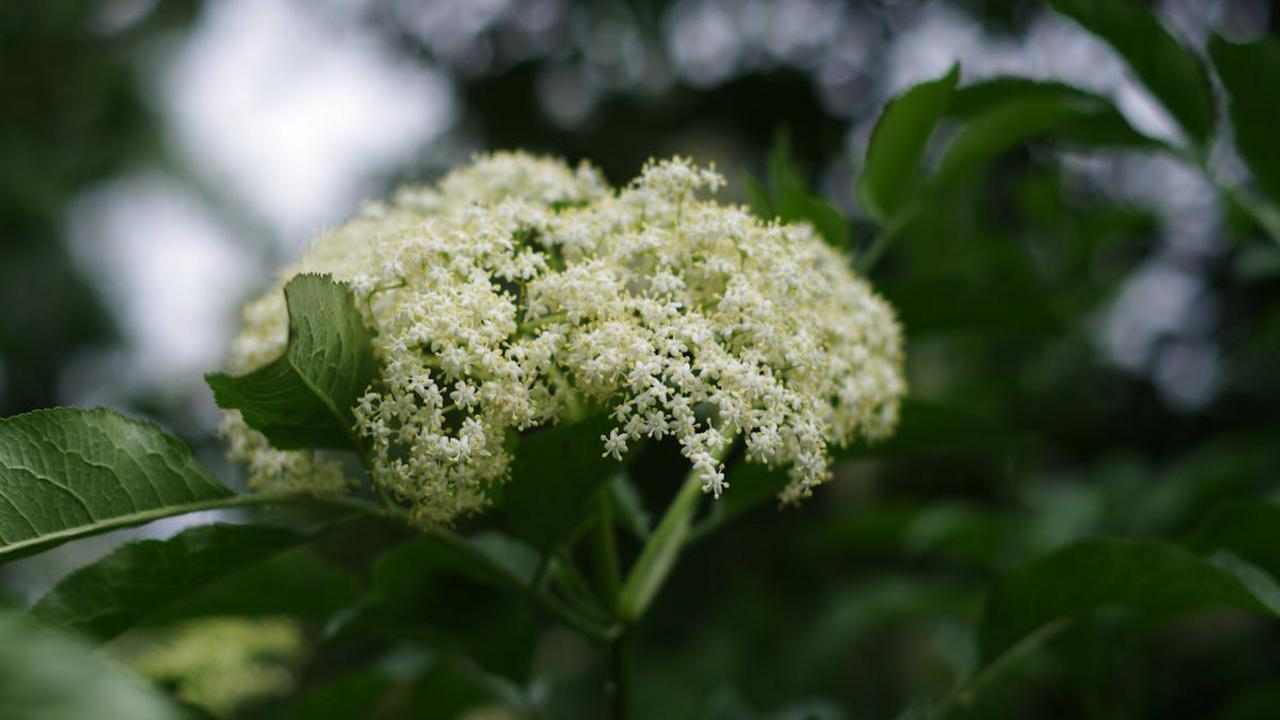
You know that friend who shows up to every party looking effortlessly elegant while everyone else is trying way too hard? That’s elderflower liqueur in a nutshell. This botanical beauty transforms any ordinary cocktail into something that sounds like it belongs on a fancy hotel rooftop, even if you’re mixing it in your kitchen wearing fuzzy slippers. St-Germain practically owns this category, and honestly, they deserve the crown – this French liqueur captures those delicate white elderflower blossoms in liquid form so perfectly that one sip transports you to a countryside meadow where you definitely don’t have to worry about your credit card bill.
Here’s where things get fun: elderflower liqueur plays incredibly well with others, making it the social butterfly of your bar cart. Drop a splash into champagne for an instant French 75 upgrade, or mix it with gin and fresh lime juice for a cocktail that’ll make your guests think you secretly attended bartending school in Paris. The floral notes dance beautifully with citrus, herbs, and even whiskey if you’re feeling adventurous. Pro tip: keep a bottle chilled in your fridge because this stuff disappears faster than good gossip at a dinner party, and warm elderflower liqueur just doesn’t hit the same magical notes that make people lean in and ask, “What IS this?”
Smoked Sea Salt
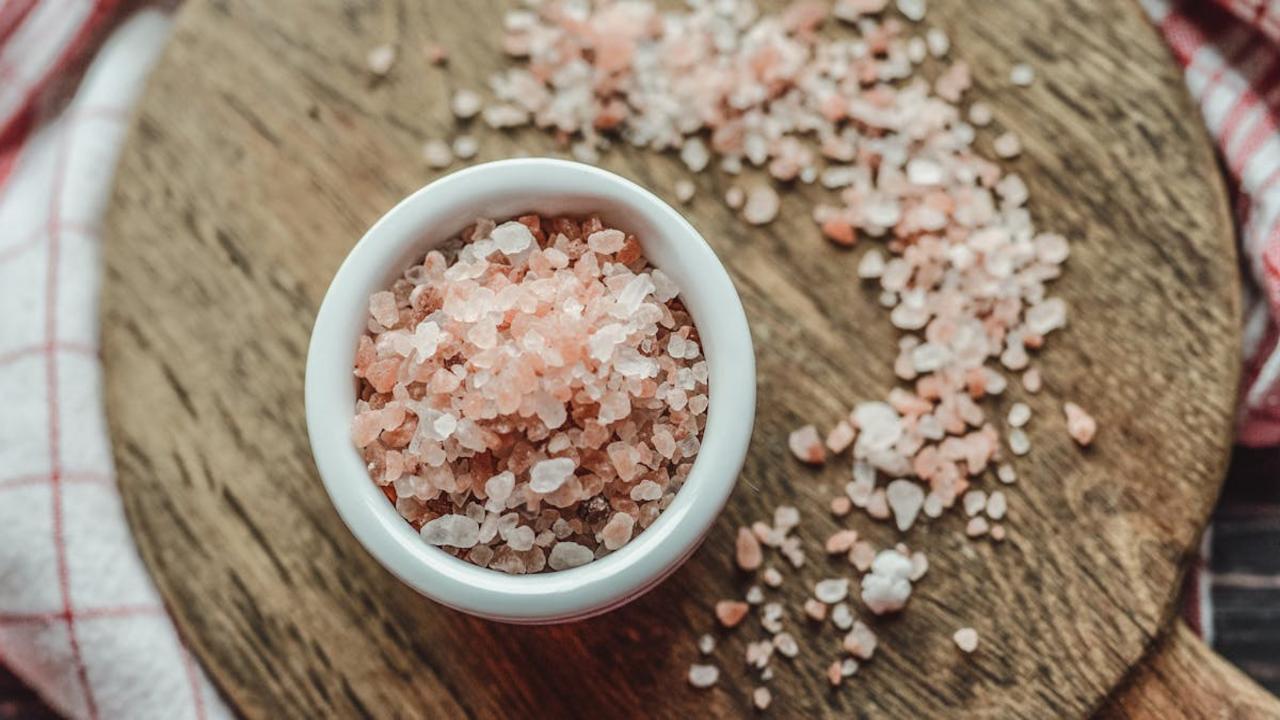
Picture this: you’re at a dinner party, and someone hands you a margarita that tastes like it was kissed by a campfire fairy. That magical transformation? Smoked sea salt, the ingredient that makes your cocktails whisper secrets of distant bonfires and ocean spray. This isn’t your grandmother’s table salt – we’re talking about crystals that have spent quality time getting cozy with hickory, applewood, or mesquite smoke until they develop the kind of complex personality that would make a sommelier weep with joy. The process involves cold-smoking regular sea salt for hours, creating these gorgeous amber-tinged granules that pack more flavor punch than a heavyweight boxer.
Here’s where things get interesting: a simple pinch of smoked sea salt can turn a basic bloody mary into liquid poetry. Rim your glass with this smoky magic, and suddenly your drink has layers – the initial hit of brine followed by that haunting smokiness that lingers like the best kind of mystery. Try it with mezcal cocktails for a double dose of smoke, or surprise everyone by adding it to a gin and tonic for an unexpectedly sophisticated twist. Fun fact: different wood types create wildly different flavors – cherry wood gives you subtle sweetness, while mesquite delivers bold, earthy notes that’ll make your guests wonder if you secretly hired a bartender from a five-star steakhouse.
Hibiscus Flowers
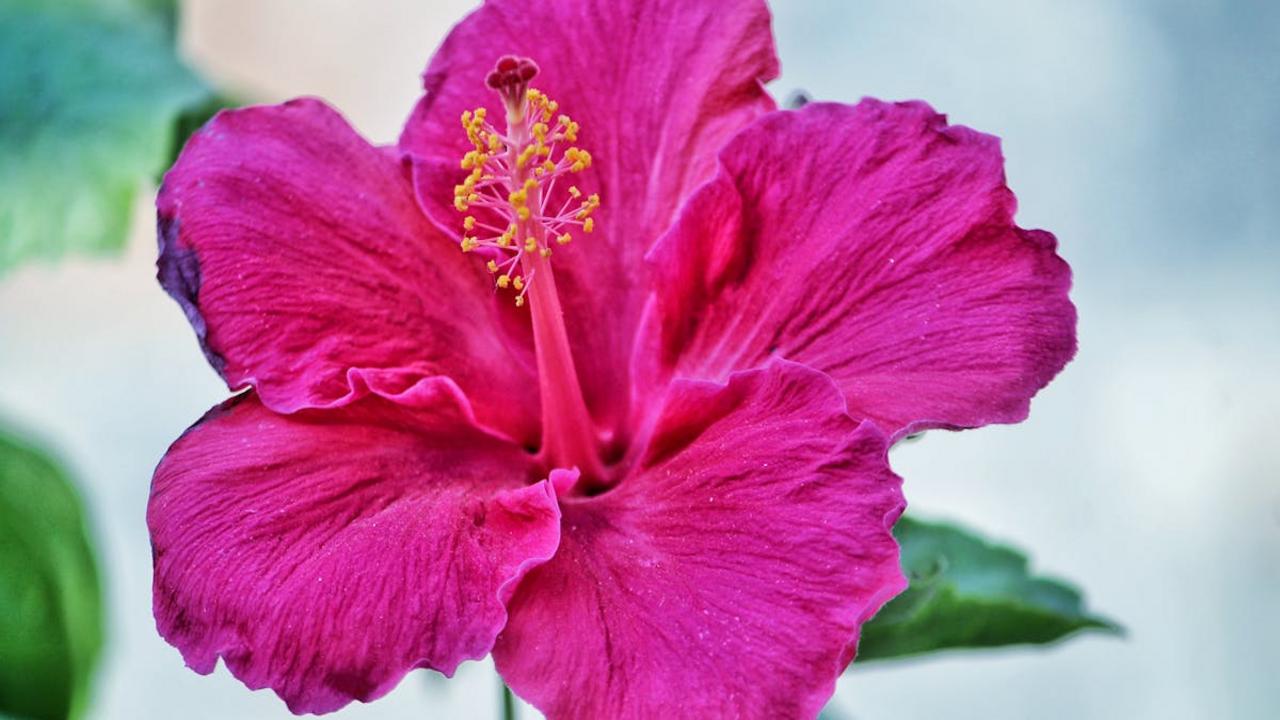
Picture this: you’re serving drinks that look like liquid rubies, and your guests are wondering if you’ve somehow bottled sunset itself. Hibiscus flowers bring that jaw-dropping crimson color that makes people pull out their phones faster than you can say “Instagram worthy.” These dried beauties pack a tart, cranberry-like punch with floral notes that dance on your tongue like they’re auditioning for a botanical ballet. I discovered their magic when I accidentally over-steeped some hibiscus tea and realized I’d created the most gorgeous cocktail base imaginable. The Aztecs used these flowers in their ceremonial drinks, proving that good taste transcends centuries.
Here’s where things get fun: hibiscus flowers are basically nature’s mood ring for your cocktails. They shift from deep burgundy to bright pink depending on acidity levels, so adding a splash of citrus creates this mesmerizing color transformation that’ll have your guests convinced you’re part wizard. Steep a handful of dried hibiscus in hot simple syrup for ten minutes, strain, and you’ve got liquid gold (well, liquid red). Mix it with mezcal and lime for a smoky-tart masterpiece, or add it to prosecco for an elegant sipper that screams sophistication. Fair warning: once you start using hibiscus, regular red cocktails will look sadly ordinary in comparison.
Activated Charcoal
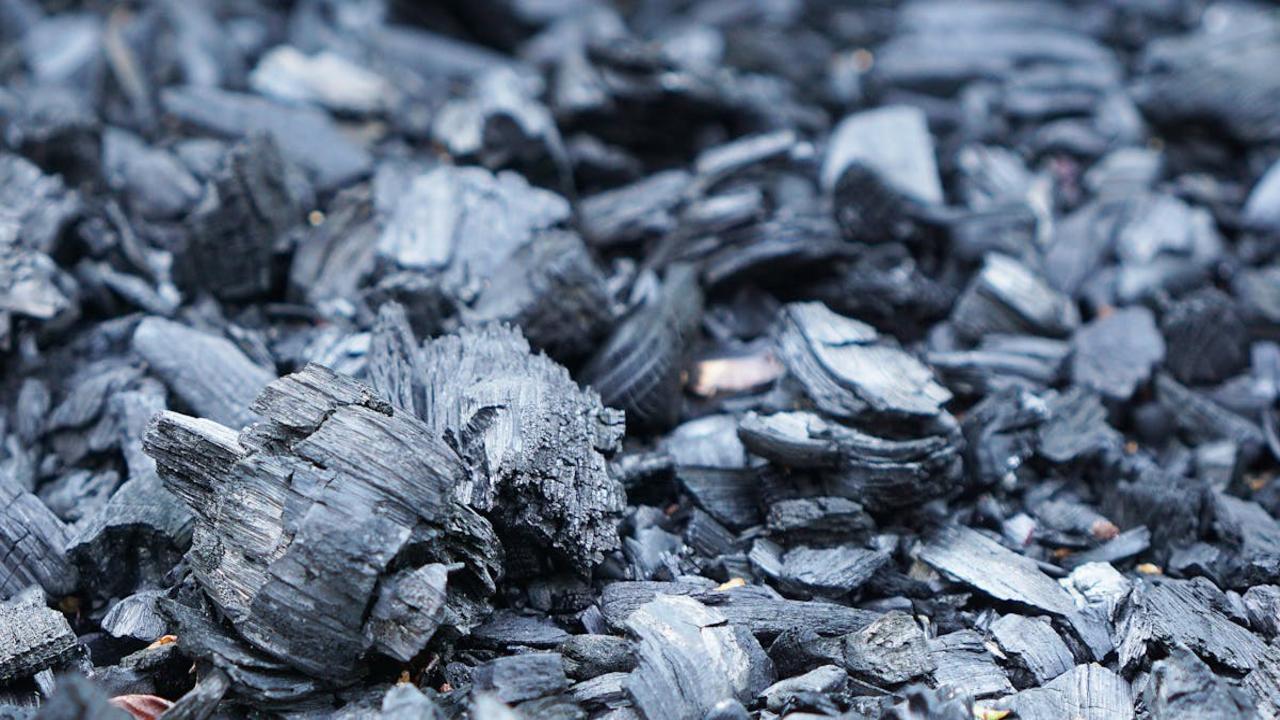
You know that moment when someone walks into your party and stops dead in their tracks because you’re serving drinks that look like they were mixed by a gothic alchemist? That’s activated charcoal for you – the ingredient that turns your ordinary cocktail hour into something straight out of a Tim Burton fever dream. This fine black powder doesn’t just look dramatic; it actually has detoxifying properties that make your guests feel slightly virtuous about their third martini. Plus, watching people’s faces when you tell them they’re drinking charcoal never gets old – it’s like telling kids they’re eating dirt cake, but for sophisticated adults with questionable life choices.
The magic happens when you add just a pinch of food-grade activated charcoal to clear spirits or mixers, creating drinks so dark they absorb light like tiny black holes in martini glasses. Try it in a “Midnight Margarita” with silver tequila and lime juice, or go full dramatic with a charcoal-infused gin and tonic that looks like it could summon spirits (the supernatural kind, not the distilled kind). Word of warning though – this stuff will turn everything it touches black, including your teeth temporarily, so maybe warn your guests before they flash their charcoal grins at the camera. Nothing says “I’m having the time of my life” quite like looking like you’ve been eating coal at a fancy cocktail party.
Infused Lavender Syrup
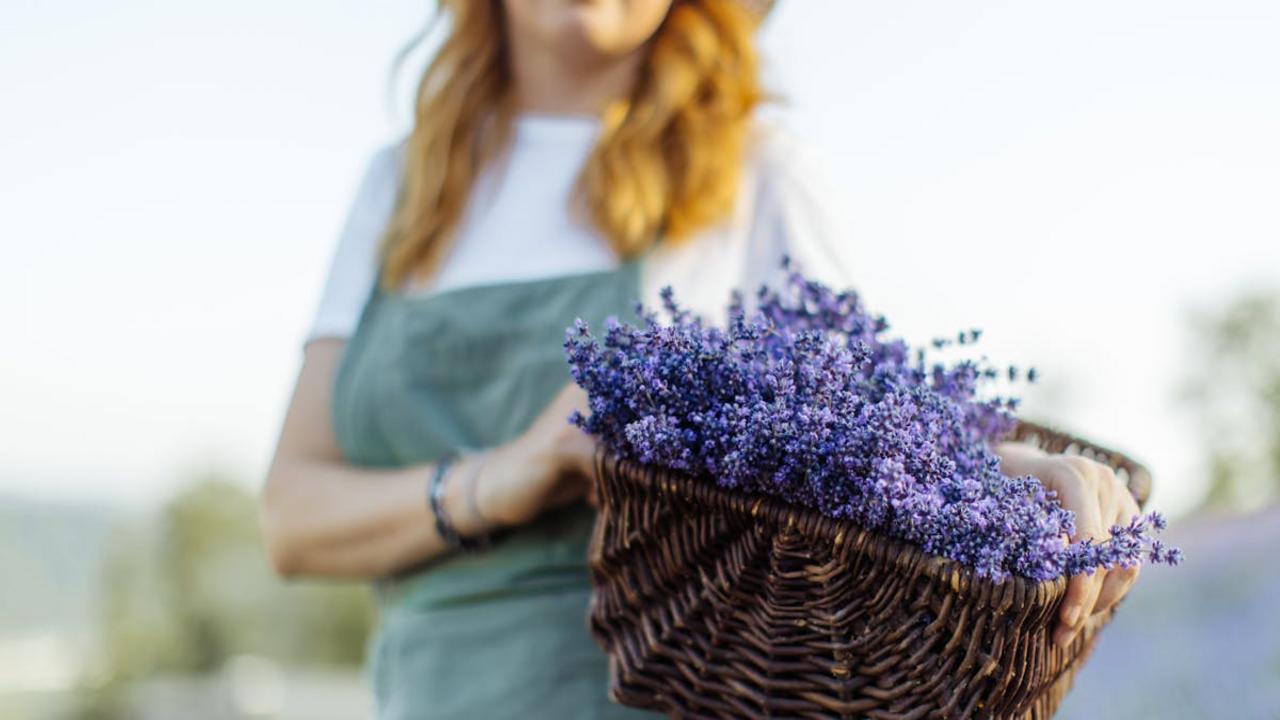
Picture this: you’re serving drinks to your friends, and suddenly someone takes a sip and their eyes go wide with that “what is this magic?” expression. That’s the power of lavender syrup, my friend! This purple-hued liquid gold transforms ordinary cocktails into something that tastes like you bottled a French countryside sunset. The floral notes dance on your tongue without making you feel like you’re drinking perfume – a delicate balance that separates the amateurs from the pros. Fun fact: lavender has been used medicinally for over 2,500 years, but thankfully we’ve discovered much better uses for it than treating hysteria (yes, that was actually a thing).
Making lavender syrup is easier than explaining why you need seventeen different types of salt in your kitchen. Simply simmer equal parts water and sugar with a handful of food-grade lavender buds for about ten minutes, then strain out the flowers. The result? A fragrant syrup that turns a basic gin fizz into a sophisticated sipper that’ll have your guests wondering if you secretly attended bartending school. Pro tip: start with less lavender than you think you need – this stuff is potent, and nobody wants their cocktail to taste like grandma’s soap drawer. Trust me, I learned this the hard way at a dinner party that’s still talked about for all the wrong reasons.