10 Weirdly Beloved American Foods the Rest of the World Can’t Fathom
America’s food landscape breeds culinary treasures that locals cherish but leave international visitors scratching their heads. From sugary breakfast options to concoctions that combine ingredients nobody else would think to pair, our dietary quirks serve as edible emblems of our cultural identity. The foods on this list might make perfect sense to those of us who grew up with them, but they often baffle our friends across the oceans.
I’ve watched my British roommate recoil at the sight of spray cheese and my Japanese colleague politely decline a second helping of biscuits drowning in gravy. These reactions highlight the wonderful weirdness of American cuisine—how something utterly normal to us can seem completely bizarre elsewhere. Our comfort foods often become conversation starters, creating moments of cultural exchange over the dinner table.
Each item on this list holds a special place in American hearts and supermarket shelves. From the mysterious appeal of root beer (which many Europeans compare to medicine) to our unwavering devotion to ranch dressing, these foods showcase the unique flavors we’ve embraced. So let’s celebrate these ten distinctly American treats that make perfect sense to us but leave the rest of the world completely bewildered.
Spray Cheese
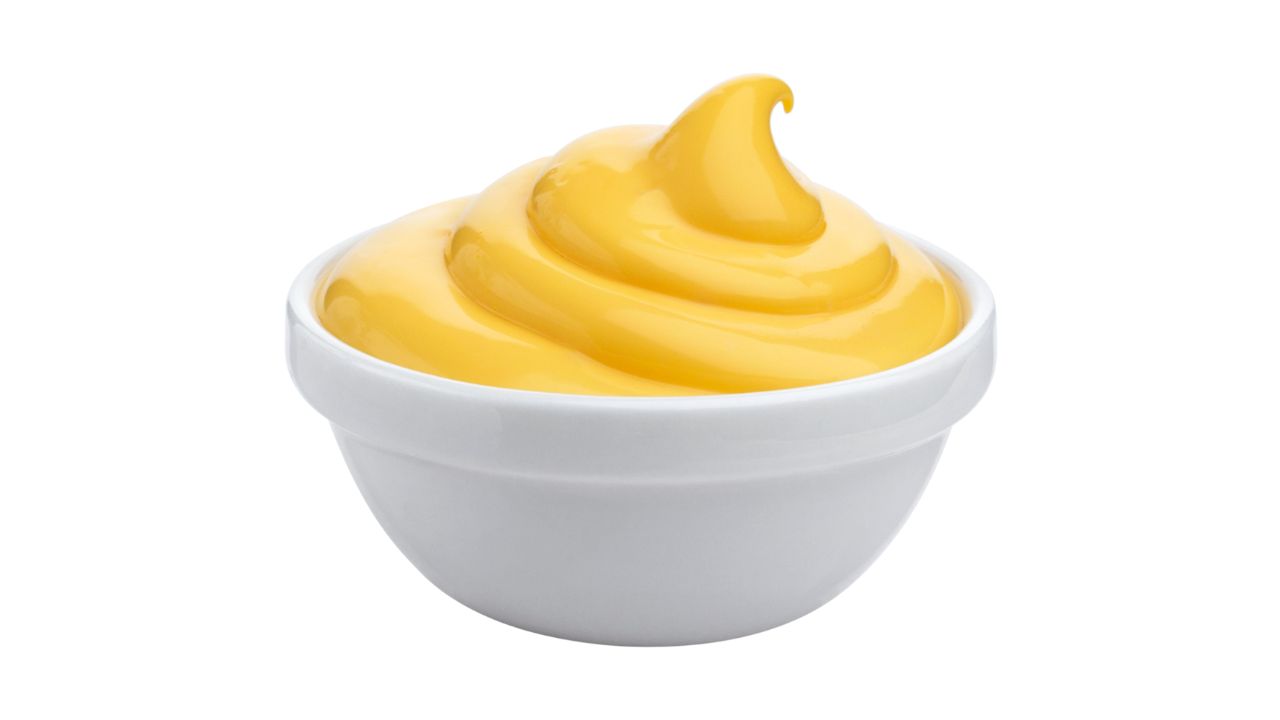
Picture this: you’re at a fancy dinner party in Paris, and you whip out a can of Easy Cheese, giving it a good shake before creating a perfect orange spiral on a cracker. The collective gasp you’d hear could probably power the Eiffel Tower for a week. While Americans have been happily squirting processed cheese from aerosol cans since 1965, the rest of the world watches in bewildered fascination. This neon-orange miracle contains a whopping 25 ingredients, including sodium phosphate and milk protein concentrate, yet somehow transforms into creamy, salty perfection at the press of a nozzle. French cheese makers probably weep into their perfectly aged Roquefort when they see us treating cheese like whipped cream at a child’s birthday party.
But here’s the thing – spray cheese occupies a special place in American hearts that goes beyond logic or sophistication. You can’t replicate the pure joy of writing your name in cheese on a Ritz cracker, or the satisfying “whoosh” sound that signals snack time has officially begun. Sure, it barely resembles actual cheese, and yes, it contains enough preservatives to survive a nuclear apocalypse, but sometimes you need that instant gratification of processed dairy goodness. Foreign visitors often describe their first spray cheese experience as simultaneously horrifying and oddly addictive – kind of like watching reality TV or eating gas station nachos. Americans consume over 30 million cans annually, proving that sometimes the heart wants what it wants, even if what it wants comes from an aerosol dispenser.
Biscuits and Gravy
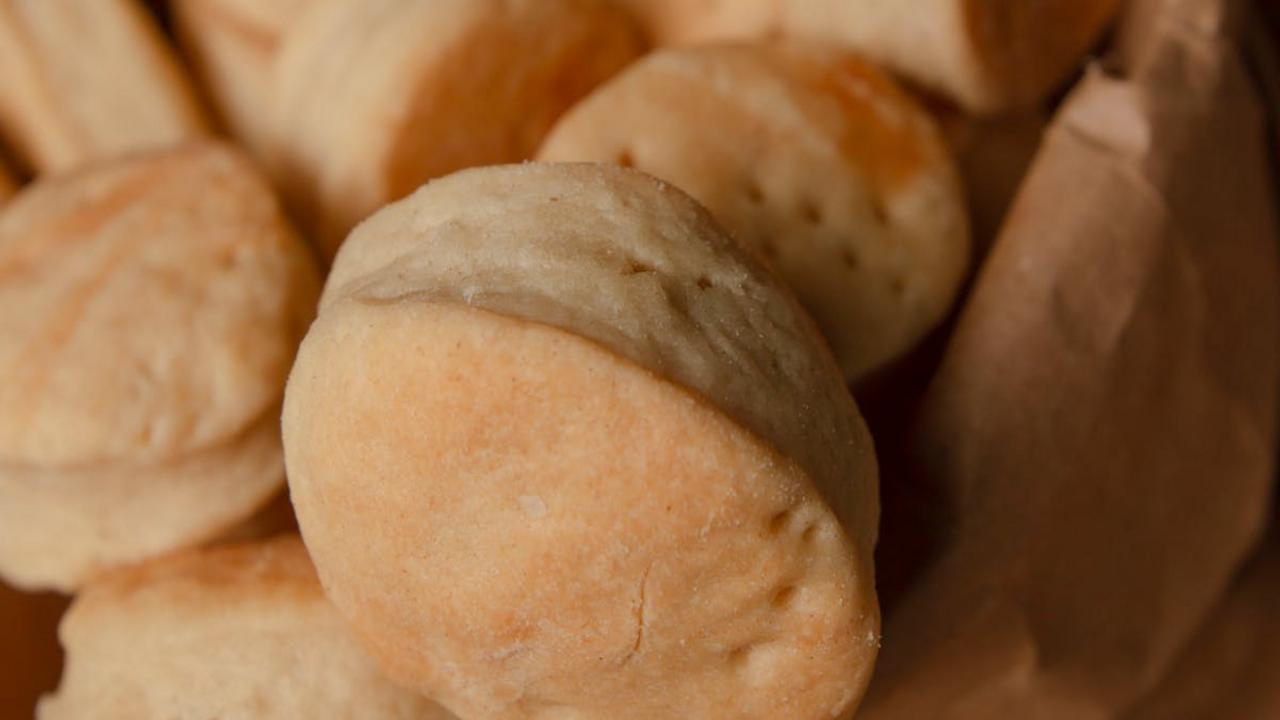
Picture this: fluffy, buttery biscuits drowning in a thick, white sauce that looks suspiciously like wallpaper paste but tastes like heaven wrapped in comfort food bliss. Americans wake up craving this Southern breakfast phenomenon while Europeans stare in bewildered horror at what appears to be bread swimming in mystery goop. The “gravy” isn’t actually gravy at all—it’s a creamy sausage sauce made from breakfast sausage drippings, flour, and milk that somehow transforms into pure magic on your plate. Fun fact: this dish originated as frontier food when settlers needed to stretch limited ingredients into filling meals that could fuel a day of hard labor.
What makes this combo truly baffling to outsiders is the texture situation—we’re talking about soft, crumbly bread meeting thick, chunky sauce in a mashup that defies conventional food logic. British visitors often ask why Americans put “white sauce” on “scones” for breakfast, missing the point entirely that these aren’t afternoon tea accompaniments but serious morning fuel. The best biscuits and gravy require homemade biscuits so tender they practically dissolve on contact, paired with gravy so rich it could probably power a small engine. Try explaining to a confused Italian that yes, we eat this with a fork, and yes, it’s supposed to look like that, and watch their expression shift from polite interest to genuine concern for American digestive systems.
American Cheese
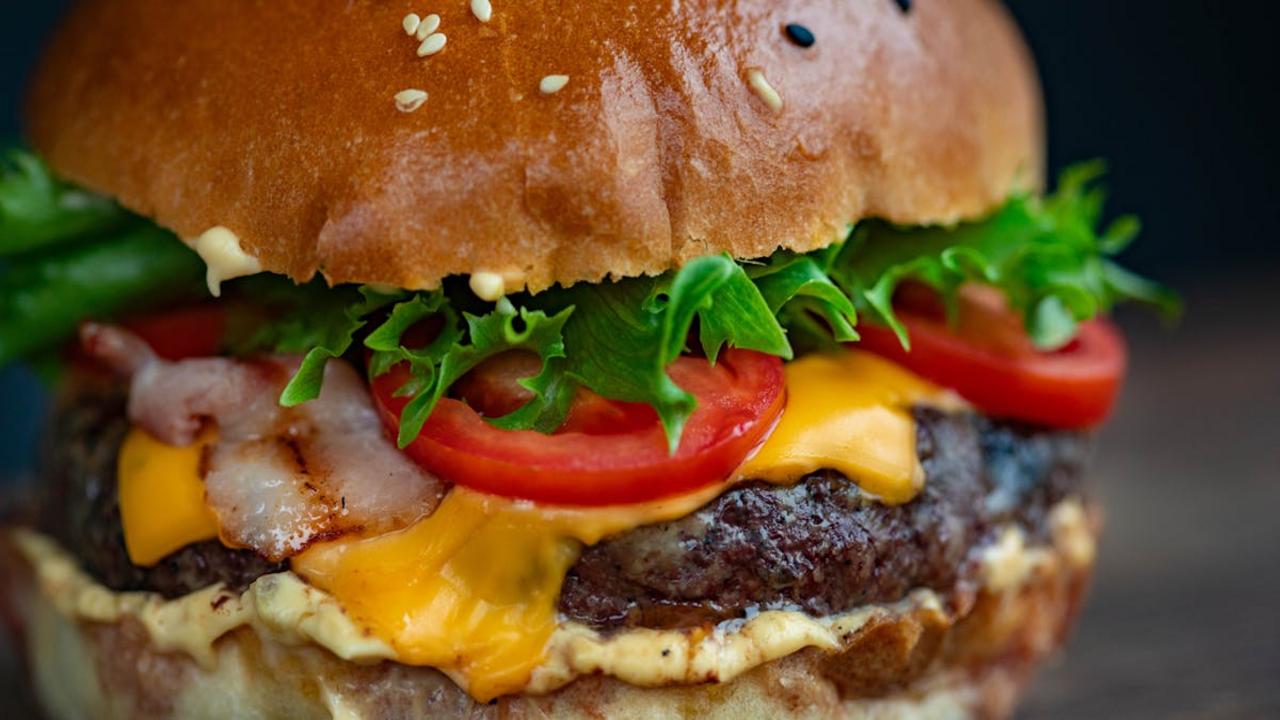
Listen, I get it – calling this orange, plastic-wrapped square “cheese” makes Europeans weep into their aged Gruyère. But hear me out! American cheese isn’t trying to be fancy French fromage; it’s the reliable friend who shows up when you need them most. This processed marvel melts like a dream, creating those Instagram-worthy cheese pulls that make your grilled cheese sandwich look like pure magic. Sure, it’s basically milk proteins held together with science and hope, but that’s exactly why it works so perfectly. While the rest of the world turns their noses up at our “fake cheese,” we’re over here creating the most satisfying grilled cheese sandwiches known to humanity.
The beauty of American cheese lies in its shameless practicality. It was invented in 1916 by James Lewis Kraft (yes, that Kraft), who figured out how to make cheese that wouldn’t spoil during shipping – revolutionary stuff back then! Every slice melts at the exact same temperature and speed, making it the MVP of cheeseburgers everywhere. Try melting a chunk of aged cheddar on your burger and watch it either stay stubbornly solid or turn into an oily mess. Meanwhile, American cheese creates that perfect blanket of creamy goodness that hugs your patty just right. Foreign visitors might mock it, but they’re secretly jealous of our perfectly engineered dairy product that prioritizes function over pretension.
Red Velvet Cake
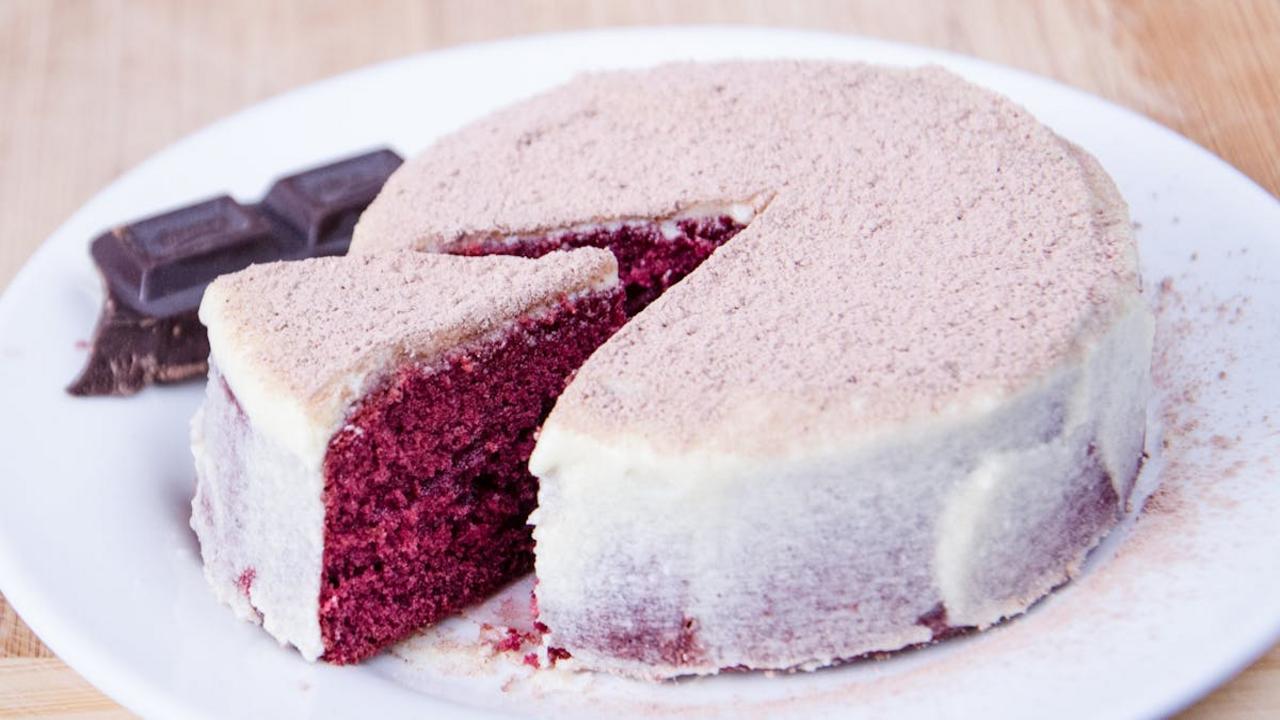
Picture this: you walk into an American bakery, and there it sits behind glass like some crimson mystery—Red Velvet Cake. To most of the world, this dessert looks like someone took a perfectly good chocolate cake and gave it the vampire treatment. The deep burgundy color sends Europeans into fits of confusion, while Asians wonder if we’ve accidentally mixed our dessert with our laundry. But here’s the thing that really baffles international visitors: despite its dramatic appearance, red velvet tastes like… well, mildly chocolate-flavored nothing with a tang. The flavor profile is so subtle that foreigners often assume the bright color must pack some serious punch, only to discover it’s basically vanilla’s shy cousin who got into the food coloring.
The real kicker? Red velvet’s signature hue originally came from a chemical reaction between cocoa and acidic buttermilk, not from buckets of red dye like today’s versions. During the Great Depression, Adams Extract Company started marketing red food coloring specifically for this cake, turning what was once a natural brownish-red into the Stop-sign scarlet we know today. The cream cheese frosting is probably the only part that makes sense to outsiders—because honestly, cream cheese makes everything better. While the rest of the world scratches their heads at our obsession with this mysterious crimson creation, Americans continue to request it for everything from weddings to Tuesday night dessert, proving that sometimes the most inexplicable foods become the most beloved.
Corn Dogs
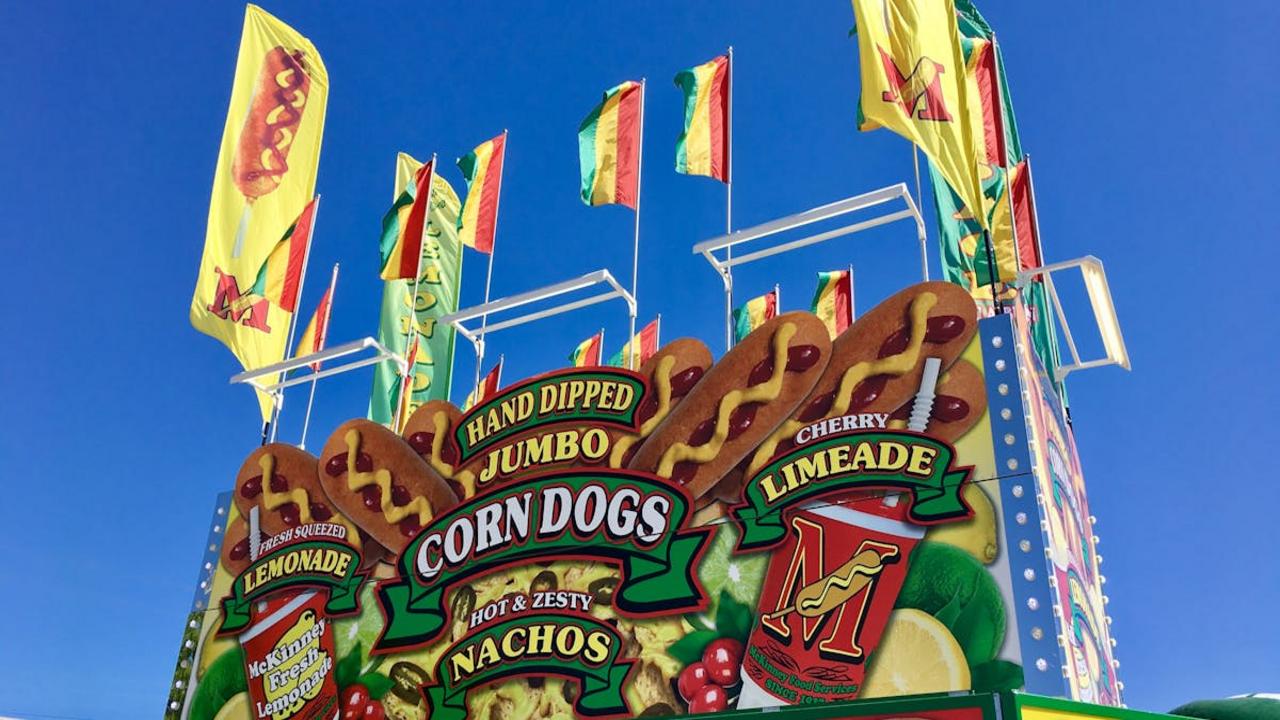
Picture this: you take a perfectly innocent hot dog, impale it on a stick like some medieval torture device, dunk it in cornmeal batter, and deep-fry it until golden. Then you wave it around at a county fair while getting powdered sugar from funnel cake on your fingers. This is the corn dog – America’s answer to portable protein that somehow makes complete sense to us but leaves the rest of the world scratching their heads. I mean, why put corn batter around a hot dog when you could just eat them separately like civilized humans?
The genius of corn dogs lies in their pure commitment to excess. We took something that was already processed meat, wrapped it in more carbs, fried it in oil, and stuck it on a stick for maximum carnival vibes. Europeans look at this creation with the same bewilderment they reserve for our obsession with ranch dressing on pizza. But here’s what they don’t understand: there’s something magical about that sweet cornmeal coating giving way to salty, snappy frankfurter goodness. The stick isn’t just practical – it’s theatrical! You’re not just eating; you’re performing the ancient American ritual of fair food consumption while your dentist weeps somewhere in the distance.
Ranch Dressing
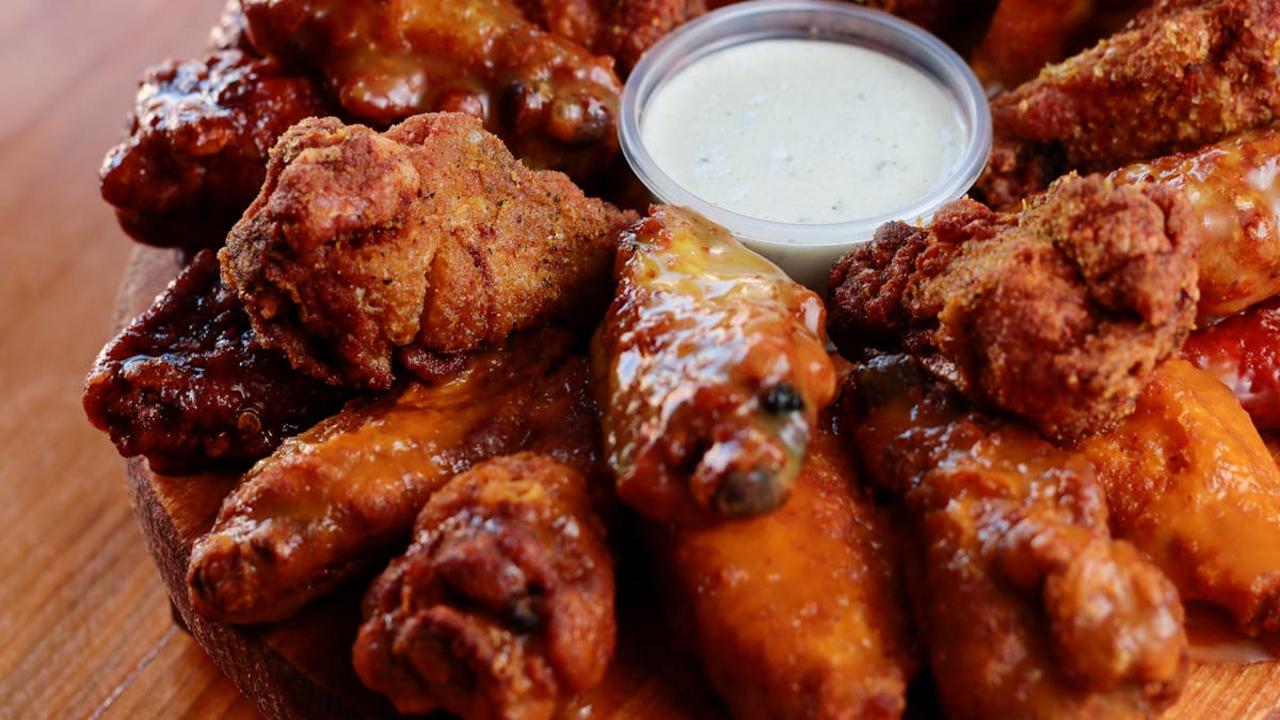
Ranch dressing stands as America’s creamy white flag of conquest, appearing on pizza, chicken wings, vegetables, and basically anything that doesn’t run away fast enough. This buttermilk-based concoction was invented in 1954 by Steve Henson at his dude ranch in California, and somehow became the most popular salad dressing in America. While Americans dip everything from carrots to french fries into this herby goodness, Europeans watch in horror as we transform perfectly good pizza into a ranch-dunking vehicle. The packet version has become so ubiquitous that asking for “ranch” at any American restaurant requires zero explanation—servers just nod knowingly.
What makes ranch so distinctly American isn’t just its prevalence, but our absolute refusal to acknowledge that drowning food in mayonnaise-based sauce might seem excessive to outsiders. The rest of the world scratches their heads watching Americans create “ranch chicken” recipes and order side cups of ranch for dishes that already come with their own sauces. Germans have their mustards, Italians have their olive oils, and Americans have ranch—a dressing so versatile that some people genuinely consider it a food group. You can make your own by mixing mayo, sour cream, buttermilk, and a packet of those mysterious herbs, but honestly, most of us just buy the bottle and pretend we’re being fancy when we transfer it to a squeeze container.
Marshmallow Sweet Potato Casserole
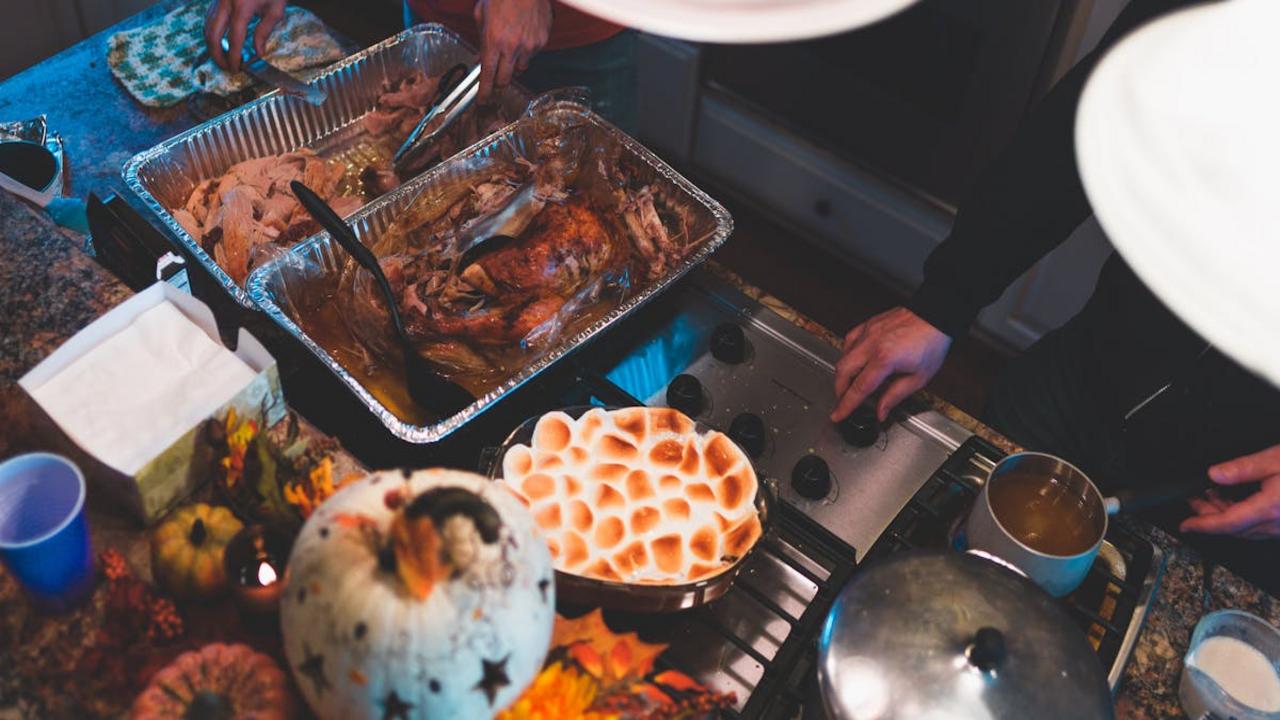
Picture this: you walk into an American Thanksgiving dinner, and there on the table sits what appears to be a dessert masquerading as a side dish. That’s marshmallow sweet potato casserole for you – the dish that makes foreigners scratch their heads and wonder if Americans have collectively lost their minds. This orange-hued concoction topped with fluffy white marshmallows perfectly captures America’s “why not add sugar to everything?” philosophy. The combination sounds like something a sugar-drunk child would dream up, yet millions of families consider it absolutely sacred to their holiday table.
What really baffles international visitors is watching Americans pile this sweet, gooey creation right next to their turkey and gravy without batting an eye. The dish originated in the 1960s when marshmallow companies needed new ways to sell their product, and somehow convinced an entire nation that vegetables needed a candy topping. Europeans especially find this bewildering – they’re used to treating sweet potatoes as actual vegetables, not cake ingredients. But here’s the thing: once you try that perfect bite where the caramelized marshmallow meets the creamy sweet potato underneath, you understand why Americans defend this dish so fiercely. It’s comfort food at its most unapologetically indulgent.
Peanut Butter and Jelly Sandwich
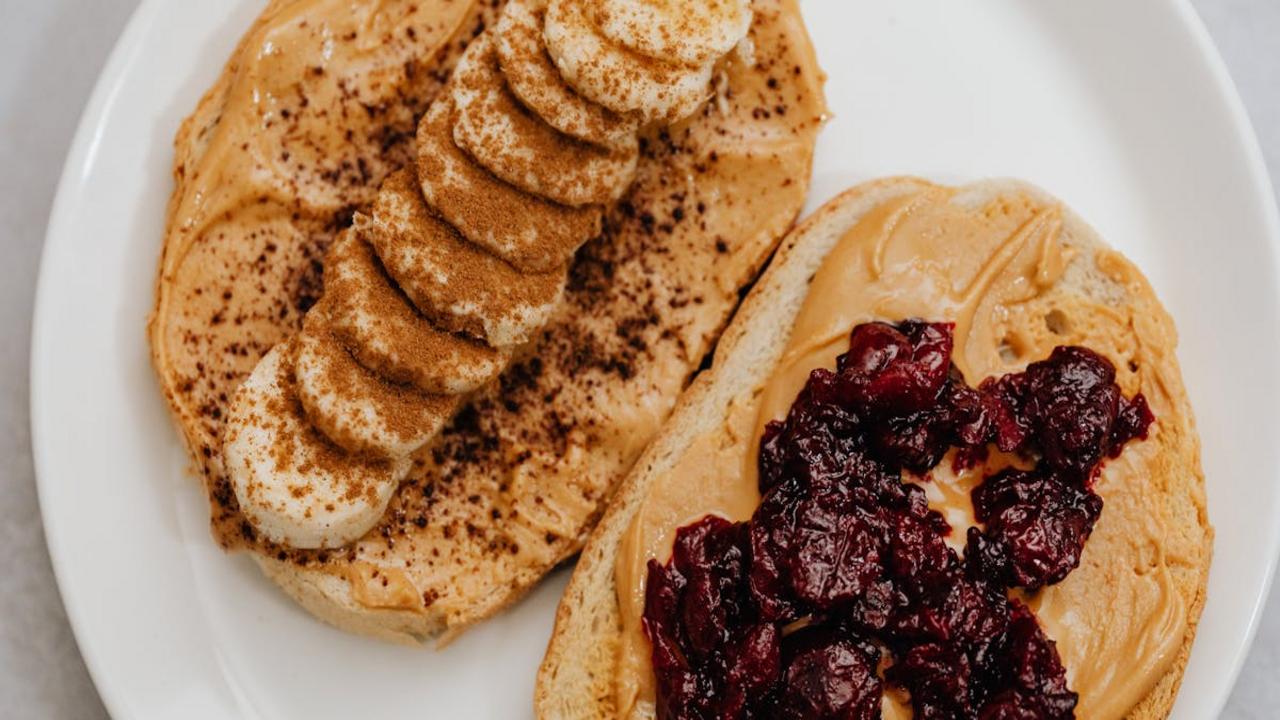
You grab two slices of Wonder Bread, slather one with creamy Jif, and spread grape jelly on the other—boom, you’ve just created America’s most misunderstood masterpiece. While we’re packing these purple-and-brown beauties in lunch boxes nationwide, the rest of the world stares in bewilderment at our obsession with combining legume paste and fruit preserves. Europeans especially can’t wrap their heads around why we’d want peanut butter on anything, period. They see peanuts as bar snacks, not sandwich stars, and the idea of mixing them with sweet jelly makes about as much sense to them as putting ketchup on caviar.
Here’s the kicker: Americans consume roughly three pounds of peanut butter per person every year, and a significant chunk of that goes straight into PB&J production. The combination reportedly dates back to 1901, when a recipe appeared in the Boston Cooking School Magazine, but it didn’t become a lunchbox staple until the 1940s. What makes foreigners even more confused is our texture obsession—we debate creamy versus crunchy with the passion of sports fans, while they’re still trying to figure out why we eat peanut butter at all. Try explaining to a French person that this gooey, sticky sandwich represents childhood comfort food, and watch their expression shift from confusion to mild horror.
Mac and Cheese
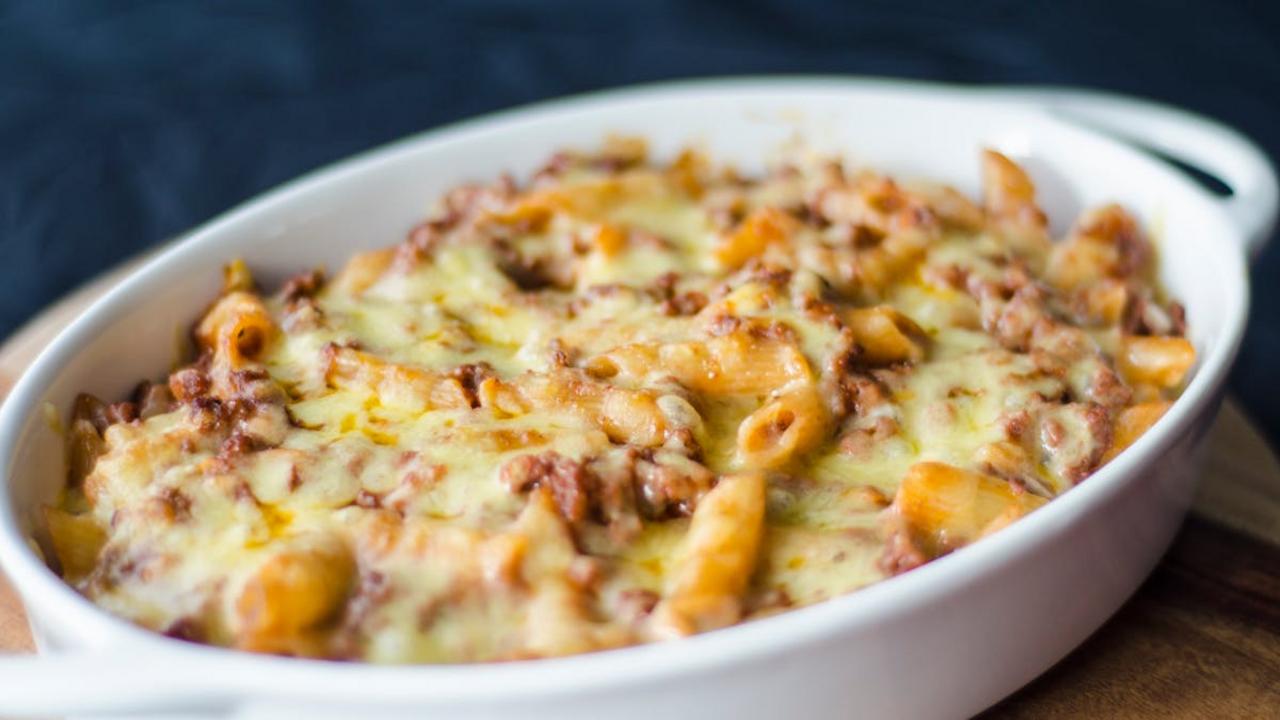
Picture this: you’re explaining to a confused Italian grandmother that Americans took perfectly good pasta, drowned it in processed cheese sauce, and called it comfort food. She’d probably cross herself three times and mutter something about the decline of civilization. Yet here we are, a nation absolutely obsessed with this orange-tinted miracle that somehow manages to taste like childhood memories and pure happiness rolled into one creamy, carb-loaded bowl. The rest of the world looks at our mac and cheese with the same bewilderment they reserve for our portion sizes and our tendency to put ranch dressing on everything.
What makes this dish particularly mystifying to outsiders is our complete devotion to the boxed variety – you know, the one with the fluorescent powder that transforms into “cheese” sauce with the addition of milk and butter. Americans will defend Kraft Mac and Cheese like it’s a family heirloom, while Europeans clutch their aged Gruyère and wonder what went so terribly wrong. But here’s the thing: there’s genuine magic in that artificial orange glow, a nostalgic comfort that transcends logic and proper cheese-making techniques. Try explaining to a French person that you can improve mac and cheese by adding hot dogs or breadcrumbs, and watch their eye twitch in real time.
Root Beer
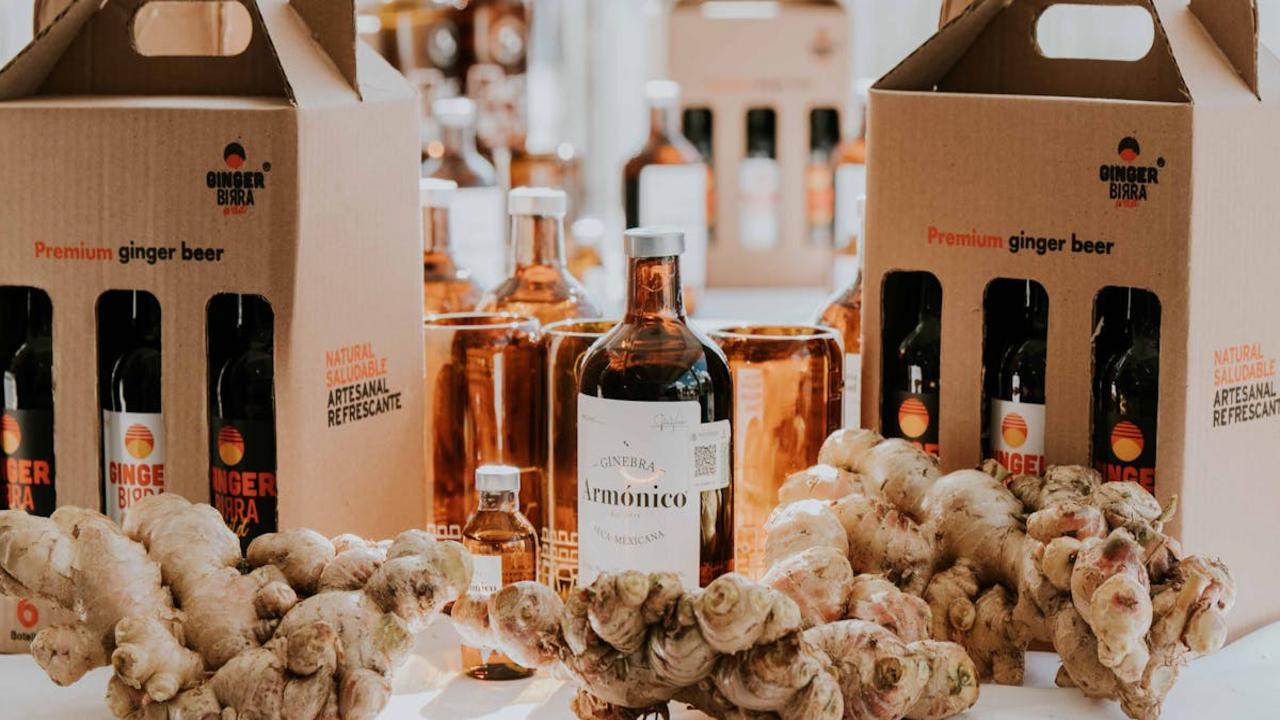
Picture this: you’re at a diner, and your foreign friend orders what they think will be beer, only to get a fizzy, medicinal-tasting soda that makes them question everything they know about American beverages. Root beer sits in this bizarre category of drinks that Americans absolutely adore while the rest of the world recoils in confusion. Originally brewed by indigenous Americans using sassafras root bark, this bubbly concoction became a Prohibition-era hero when breweries needed something legal to sell. The flavor profile reads like a pharmacy inventory – wintergreen, vanilla, molasses, licorice, and that distinctive sassafras kick that Europeans swear tastes exactly like their toothpaste.
What makes root beer even more mystifying to international visitors is how we’ve turned it into a float situation with vanilla ice cream, creating what might be the most American dessert beverage ever conceived. A&W figured this out back in 1919, and suddenly every drive-in across the country was serving these frothy, creamy masterpieces in frosty mugs. The carbonation creates this wild science experiment where the ice cream foams up like a volcano, and somehow we convinced ourselves this combination makes perfect sense. Meanwhile, Canadians drink it too, but everyone else looks at our root beer obsession like we’re sipping liquid candy mixed with cough syrup – which, honestly, isn’t entirely wrong, but that’s exactly why we love it.