10 Fast Food Habits Draining Your Wallet More Than You Realize
Those quick fast food stops might seem budget-friendly in the moment, but certain habits can quietly empty your wallet without you noticing. I’ve watched my own grocery budget get hijacked by convenience foods, and tracking these expenses was eye-opening! Your daily drive-thru ritual might cost you hundreds more annually than cooking simple meals at home.
Fast food companies design their menus specifically to encourage spending beyond your initial intentions. From strategic combo pricing to deliberately tempting upgrades, these businesses have perfected the art of the upsell. What starts as “just a sandwich” quickly transforms into a $15 meal with extras you hadn’t planned on buying.
Breaking these costly habits doesn’t mean giving up fast food completely. Small changes—skipping the premium options, avoiding delivery fees, using restaurant rewards programs—can save significant money while still enjoying occasional convenience. Understanding these spending traps helps you make smarter choices that keep more cash in your pocket.
Not Using Restaurant Apps and Rewards

You know what makes me shake my head every time I see it? Friends ordering their favorite fast food without checking the restaurant’s app first. I get it – downloading another app feels like digital clutter, but trust me on this one. Most major chains offer substantial savings through their mobile apps, from free fries with purchase to buy-one-get-one deals that can cut your order cost in half. McDonald’s frequently runs $1 any-size drink promotions, while Chipotle rewards regular customers with free bowls after accumulating points. These aren’t tiny discounts – they’re real money savers that add up significantly over time.
The rewards programs work similarly to how I approach building flavors in my kitchen – small, consistent additions create something much bigger than the sum of their parts. Every purchase earns points that translate to free meals, exclusive offers, and early access to new menu items. I’ve watched people spend $15 on lunch when they could have gotten the same meal for $8 with app-exclusive coupons. Beyond savings, many apps let you customize orders more precisely, skip lines with mobile ordering, and even track nutrition information. Setting up these accounts takes five minutes but saves hundreds of dollars annually – money you could spend on quality ingredients for home cooking instead.
Dining During Peak Hours
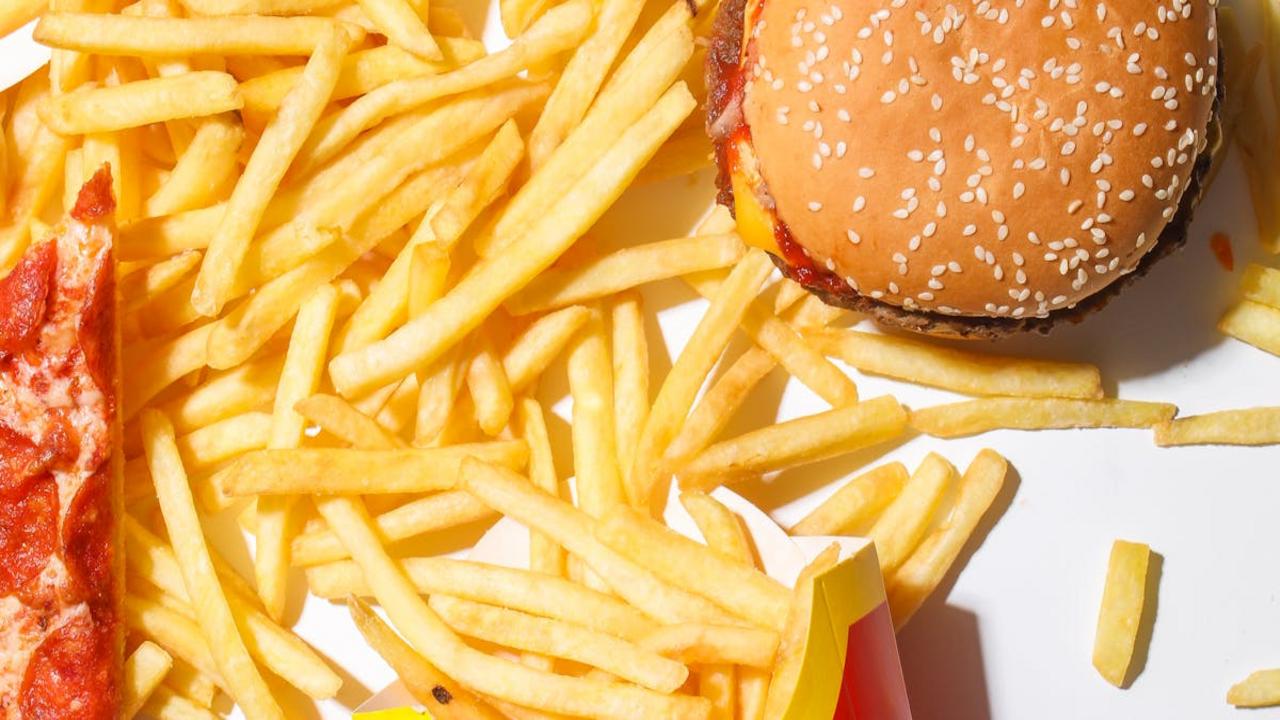
You know what gets me every time? Watching people rush to fast food places during the lunch rush or dinner craze, completely unaware they’re paying premium prices for the exact same food. Most chains bump up their prices during peak hours – typically 11:30 AM to 1:30 PM and 5:30 PM to 8:00 PM – because they know demand is high and people are desperate for quick meals. I’ve seen burgers cost $2-3 more during these windows compared to mid-afternoon ordering. It’s like surge pricing for your sandwich, and most folks don’t even notice because they’re focused on speed rather than cost.
Here’s my friendly advice: shift your eating schedule by just an hour or two, and watch your savings add up. I started packing homemade grain bowls with roasted vegetables and proteins I prep on Sundays, then eating them around 2 PM instead of noon. When I do grab fast food, I hit those places during the 2-4 PM sweet spot when prices drop and lines disappear. Your wallet will thank you, plus you’ll actually enjoy your meal instead of wolfing it down while stressed about getting back to work on time.
Ordering Multiple Sauces and Dips
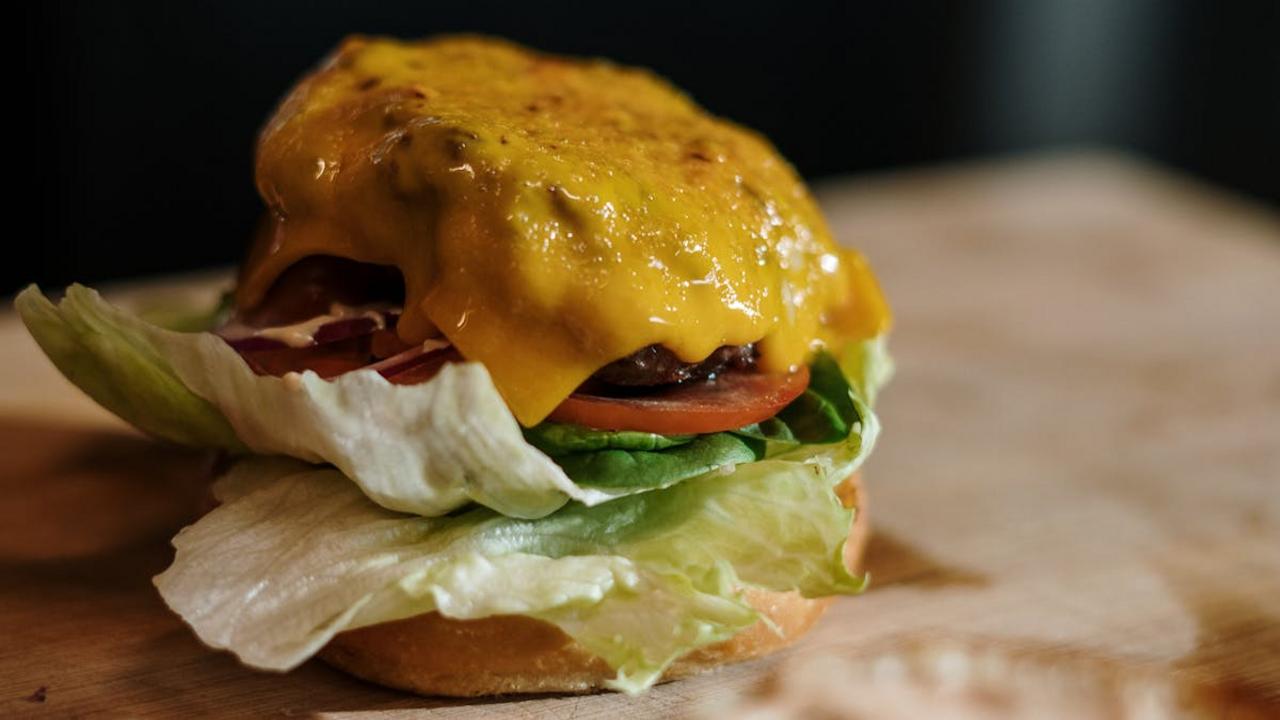
You know that moment when you’re ordering your favorite chicken nuggets and the cashier asks if you want sauce? Before you know it, you’re requesting three different dips – maybe some honey mustard, a tangy barbecue, and that special sriracha mayo. Those little plastic containers seem harmless, but they’re quietly adding 25 to 75 cents each to your bill. I’ve watched friends rack up an extra $3 just in sauce charges during a single visit, turning a budget-friendly meal into something much pricier than expected.
Here’s what I’ve learned from years of cooking at home: you can create these same flavors in your own kitchen for pennies. Mix some good mayo with sriracha and a touch of lime juice for that spicy kick, or blend honey with Dijon mustard and a pinch of garlic powder. Keep small mason jars filled with your homemade versions in the fridge – they last weeks and cost a fraction of what you’d spend on those tiny restaurant portions. Your wallet will thank you, and honestly, your homemade versions probably taste better because you control the ingredients and sodium levels.
Falling for Limited Time Offers
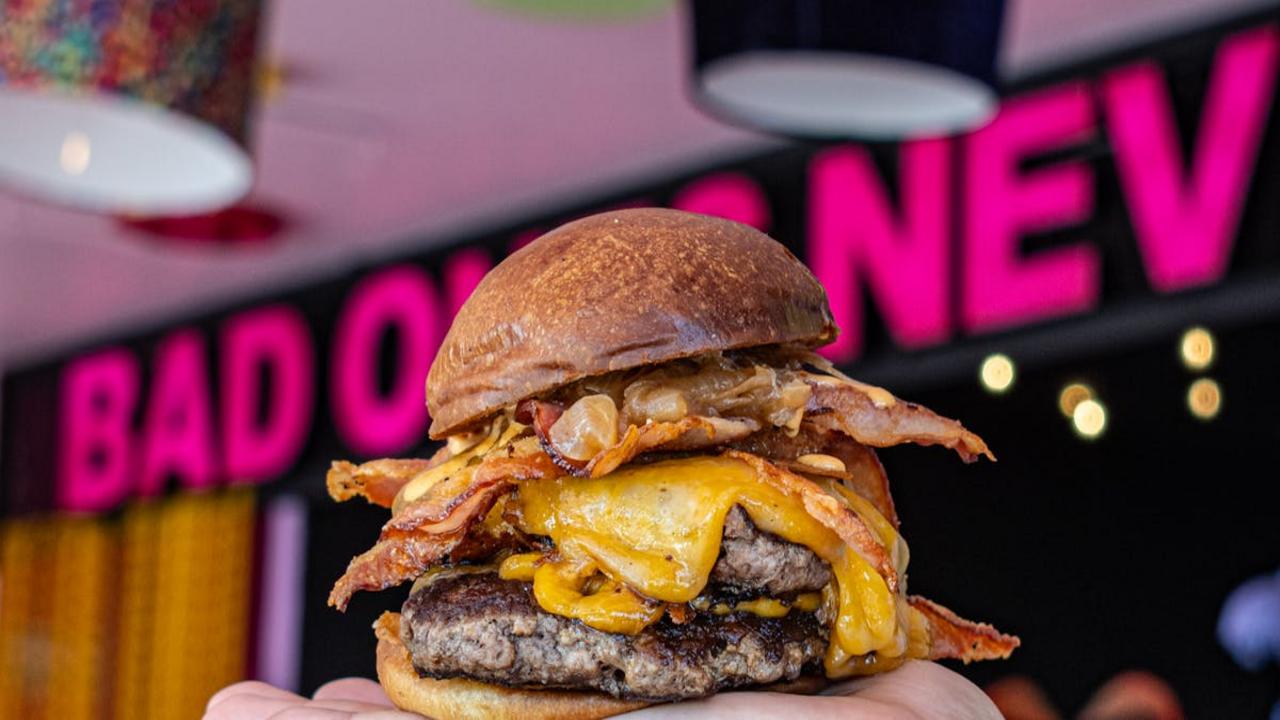
You know that flutter of excitement when your favorite fast food chain announces their “limited time only” menu item? I get it completely – there’s something about scarcity that makes our brains go a little wild. But here’s what I’ve noticed after years of watching people (myself included) get swept up in these marketing tactics: these special offers rarely deliver the value they promise. Fast food companies know exactly what they’re doing when they create that urgency around a new burger or seasonal drink. They’re banking on your fear of missing out to make you spend money on something you probably wouldn’t have ordered otherwise.
The truth is, most limited time offers cost significantly more than regular menu items, and they’re often just variations of existing products with fancy names and premium pricing. Instead of falling for this trap, I encourage you to step back and ask yourself if you really need that truffle-infused chicken sandwich or pumpkin spice everything. When you feel that urge to try the latest limited offer, redirect that energy toward your own kitchen. Create your own “limited time special” by experimenting with seasonal ingredients from your local market. You’ll save money, eat better, and actually enjoy the process of making something unique that’s truly yours.
Choosing Premium Menu Items
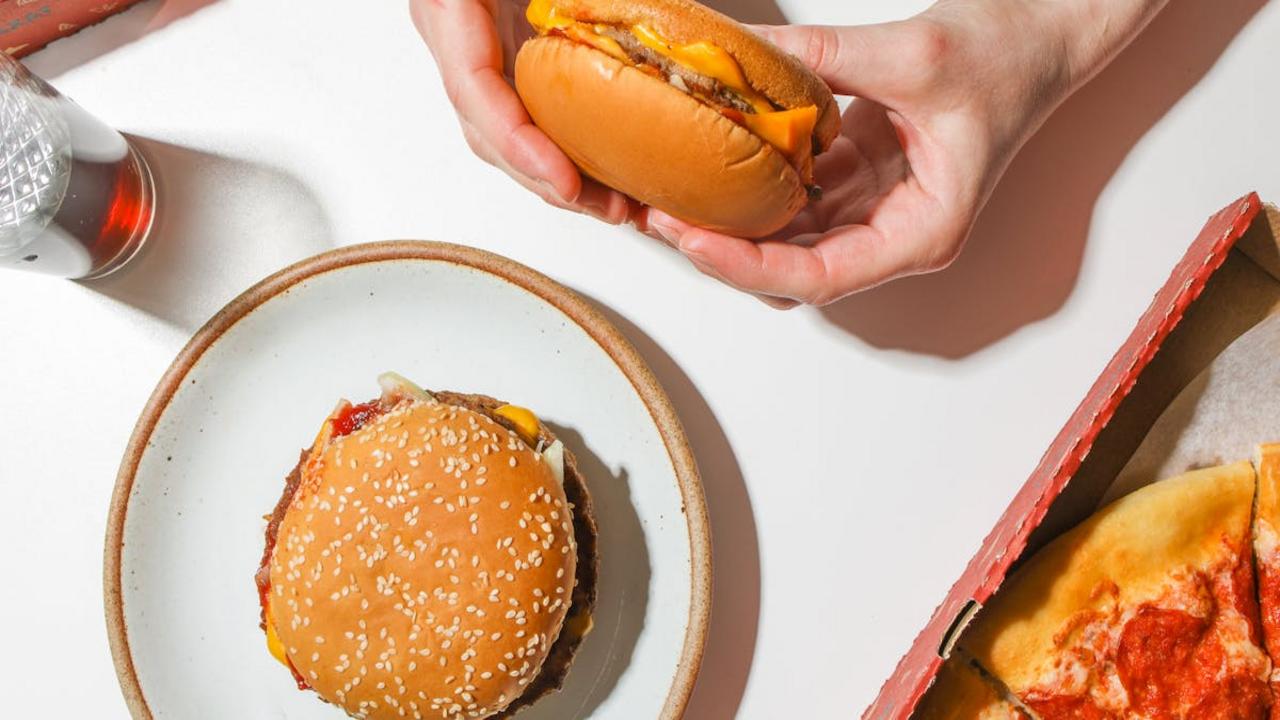
You know what gets me every time I walk into a fast food place? Those glossy menu boards practically screaming at me to upgrade to the “premium” option. That crispy chicken sandwich suddenly becomes a “gourmet artisan creation” with fancy aioli, and your wallet takes a hit that’s way bigger than your hunger demands. I’ve watched friends consistently order the most expensive items on the menu, thinking they’re treating themselves, but really they’re just paying extra for marketing buzz words and slightly fancier packaging.
Here’s the thing I’ve learned from years of cooking at home and breaking down restaurant economics: most premium fast food items give you maybe 20% more food for 50-80% more cost. That “signature” sauce? It’s usually just mayo mixed with one extra ingredient you probably have in your pantry right now. Instead of falling for the premium trap, I challenge you to recreate these flavors at home where you control both quality and cost. Take that expensive chicken sandwich – buy quality chicken thighs, make your own seasoning blend, and you’ll have enough ingredients for a week’s worth of better meals at the same price as one “premium” fast food experience.
Getting Delivery Instead of Pickup
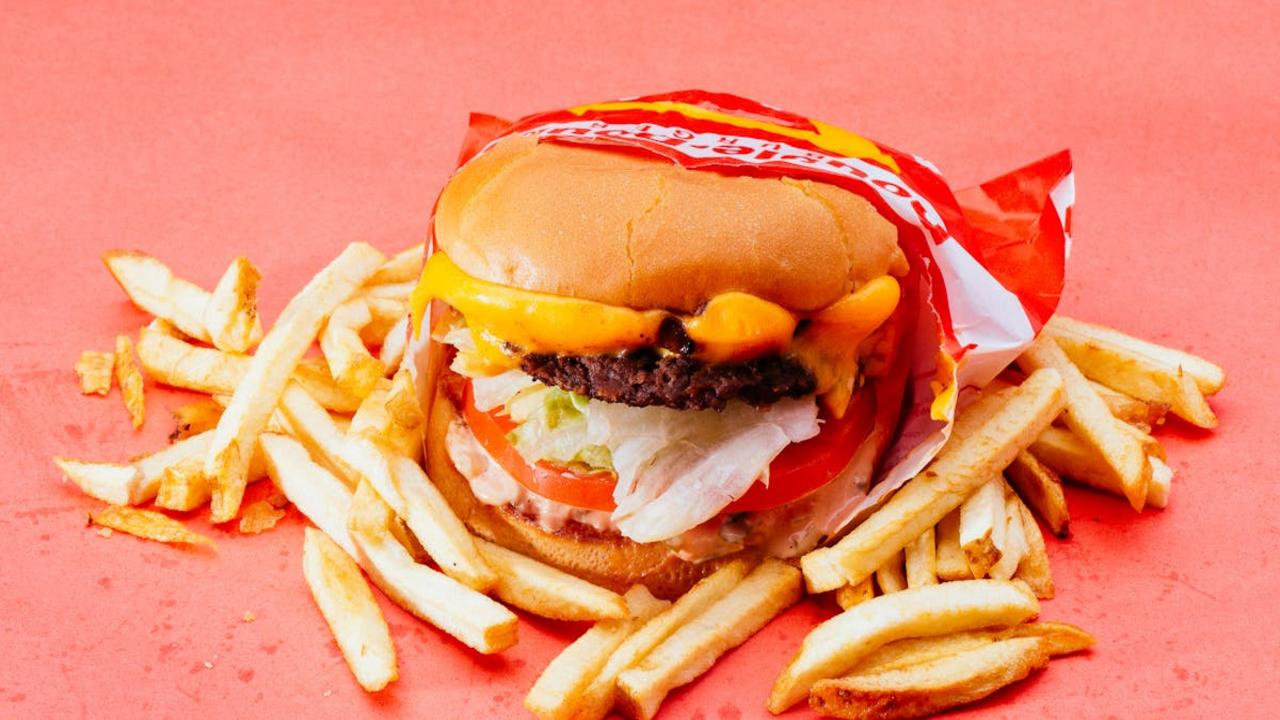
Friend, I see you there on your couch, scrolling through delivery apps after a long day. Trust me, I get it completely – sometimes the thought of putting on real pants and driving somewhere feels impossible. But those delivery fees, service charges, and tips add up faster than you can say “contactless delivery.” What starts as a $12 meal becomes $20 or more by the time all those extra costs pile on. I’ve watched friends spend an additional $8-15 per order just for the convenience of staying home.
Here’s what I do instead: I batch my pickup runs with other errands. Need groceries? Swing by that taco place on the way home. Running to the pharmacy? Perfect time to grab that Vietnamese pho you’ve been craving. You save money and often get fresher food since it doesn’t sit in someone’s car for twenty minutes. Plus, many restaurants offer pickup discounts or loyalty points that delivery apps don’t provide. Those small savings might seem tiny, but they add up to serious money over time – money you could spend on quality ingredients for your own kitchen adventures.
Buying Specialty Drinks and Shakes
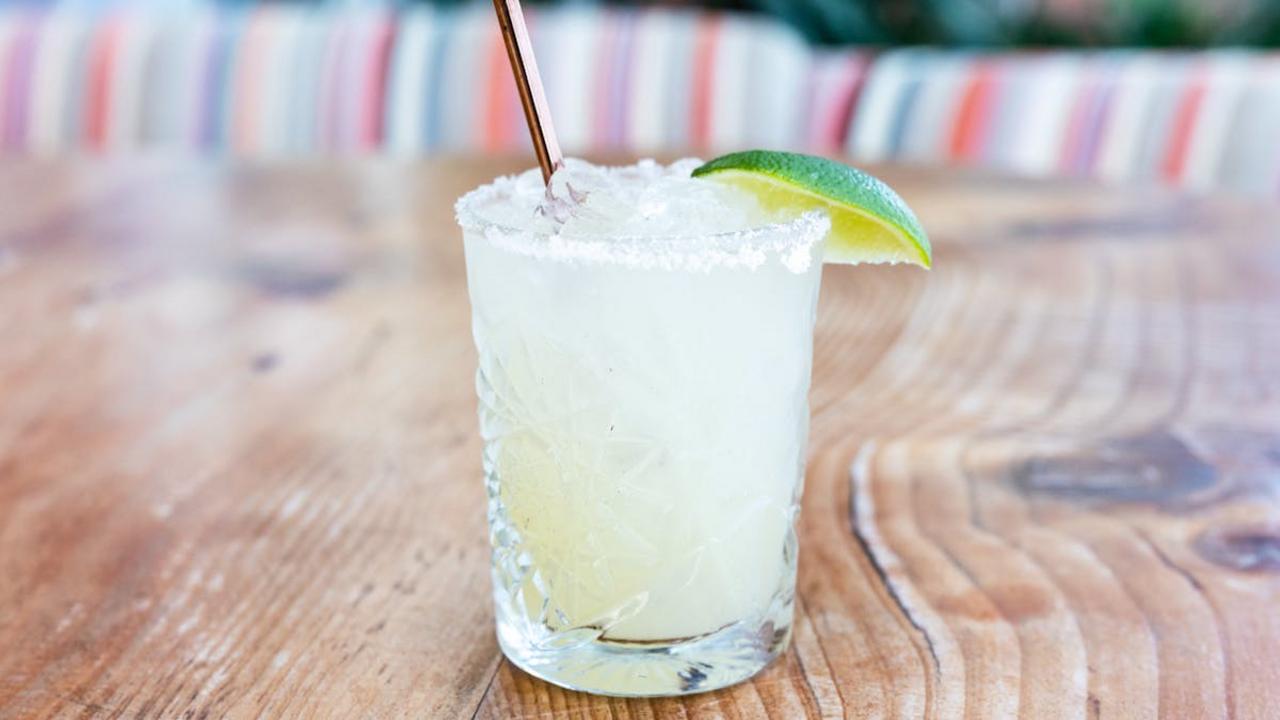
Those towering milkshakes and specialty beverages at fast food chains might look Instagram-worthy, but they’re quietly decimating your budget. I’ve watched friends order a $6 vanilla shake without blinking, not realizing they could make a month’s worth of equally delicious versions at home for the same price. These liquid indulgences often cost more than the actual meal, yet we treat them like affordable extras. The markup on these drinks is astronomical – you’re paying premium prices for what’s essentially ice cream, milk, and flavoring syrup.
Here’s what I do instead: I keep frozen bananas, cocoa powder, and vanilla extract in my kitchen year-round. Within minutes, I can whip up a creamy chocolate shake that rivals any fast food version, and it costs me less than a dollar. Add a splash of almond milk, maybe some dates for sweetness, and you’ve got something infinitely better than those sugar-loaded drive-through drinks. The best part? You control the ingredients, avoiding the artificial colors and excessive sugars that leave you crashing an hour later. Your wallet and your body will thank you for breaking this expensive habit.
Adding Extra Toppings and Upgrades
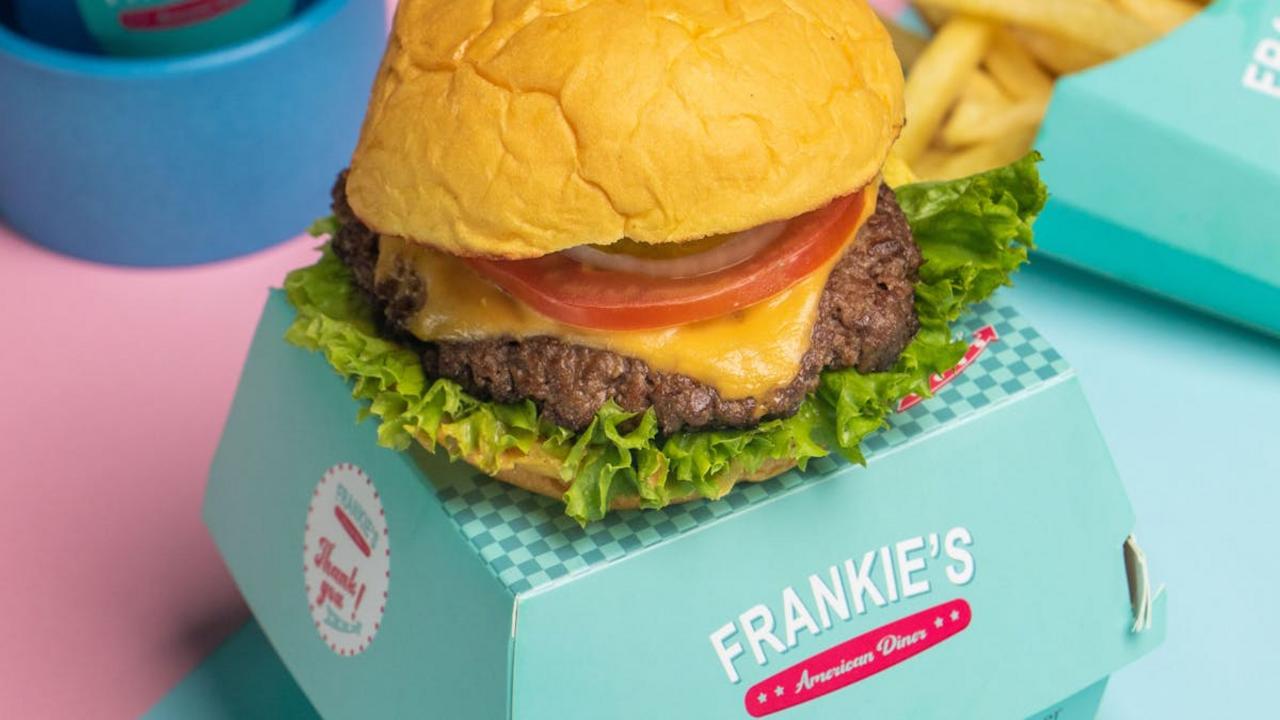
You know that moment when you’re ordering your usual burger and the cashier asks if you want to make it a double patty for just two dollars more? Or maybe add bacon, extra cheese, or upgrade to premium sauce? Those seemingly small additions create a sneaky trap that I’ve watched drain wallets faster than you’d imagine. What starts as a $6 burger suddenly becomes a $12 meal, and before you realize it, you’re paying restaurant prices for fast food quality. I’ve been there myself – standing at the counter thinking “it’s only a couple extra dollars” while my order total climbs higher and higher.
The psychology behind these upsells is brilliant from a business perspective, but devastating for your budget. Fast food chains train their employees to suggest these add-ons because the profit margins on extras are enormous – that extra cheese probably costs them thirty cents but they charge you $1.50. Instead of falling for these tactics, try recreating your favorite loaded burgers at home. Buy quality ground beef, fresh vegetables, and real cheese from the grocery store. You’ll spend the same amount but get enough ingredients to make six or eight burgers instead of one overpriced fast food version. Plus, you control every ingredient, ensuring you’re getting actual nutrition instead of processed fillers.
Ordering Combo Meals Without Checking Prices
You know what gets me every time I see friends casually ordering at the drive-through? They automatically ask for the combo meal without even glancing at the menu board prices. I get it – combo meals feel convenient, and we assume we’re getting a deal by bundling everything together. But here’s something that might shock you: many times, ordering items separately actually costs less than that “value” combo. Fast food chains bank on our assumption that bigger packages mean better savings, but they’re often padding their profits while we think we’re being smart shoppers.
I started doing this little experiment whenever I grab food on the go – I compare the individual prices of a sandwich, fries, and drink versus the combo price. More often than not, I can save two to four dollars by skipping the combo and just getting what I actually want. Sometimes I don’t even need those fries, but the combo makes me feel like I’m missing out if I don’t get them. Now I treat fast food like I treat grocery shopping – I check prices, compare options, and make intentional choices. This simple habit has saved me hundreds of dollars over the past year, money I’d rather spend on quality ingredients for cooking at home.
Supersizing Every Meal
You know what gets me every time I see someone at the counter? That automatic “yes” to supersizing. I watch people order a perfectly reasonable meal, then suddenly they’re walking away with portions that could feed a small family. The math here is brutal – you’re paying an extra $1-3 for what amounts to maybe 50 cents worth of ingredients. That large fry container? It costs the restaurant pennies more than the medium, but you’re paying premium prices for cheap potatoes and oil.
Here’s what I’ve learned from years of cooking at home: your stomach doesn’t actually need those massive portions to feel satisfied. When I make meals in my kitchen, I focus on nutrient-dense ingredients that keep you full longer – think fiber-rich vegetables, quality proteins, and healthy fats. A medium-sized portion of real, whole food will satisfy you far more than a supersized portion of processed fast food. Try this experiment: next time you’re tempted to supersize, take that extra money and buy fresh ingredients instead. You’ll discover that cooking a simple stir-fry or grain bowl at home not only saves money but actually nourishes your body properly.