12 Delicious Fruits That Help Prevent Blood Sugar Spikes
Blood sugar spikes can wreak havoc on your energy levels and overall health, but you don’t need to swear off sweet treats entirely! Mother Nature packed certain fruits with fiber and beneficial compounds that slow down sugar absorption, giving you the sweetness you crave without the crash afterward.
I’ve rounded up 12 fabulous fruits that won’t send your glucose levels on a roller coaster ride. From the tiny but mighty berries to the creamy, satisfying avocado (yes, it’s technically a fruit!), these options make managing your blood sugar actually enjoyable instead of another chore on your health to-do list.
Each of these fruits brings something special to the table—antioxidants, vitamins, minerals, and that natural sweetness we all love. The best part? You can mix them into your daily routine without worry, whether you toss them into your morning yogurt or munch on them as an afternoon pick-me-up.
Papayas
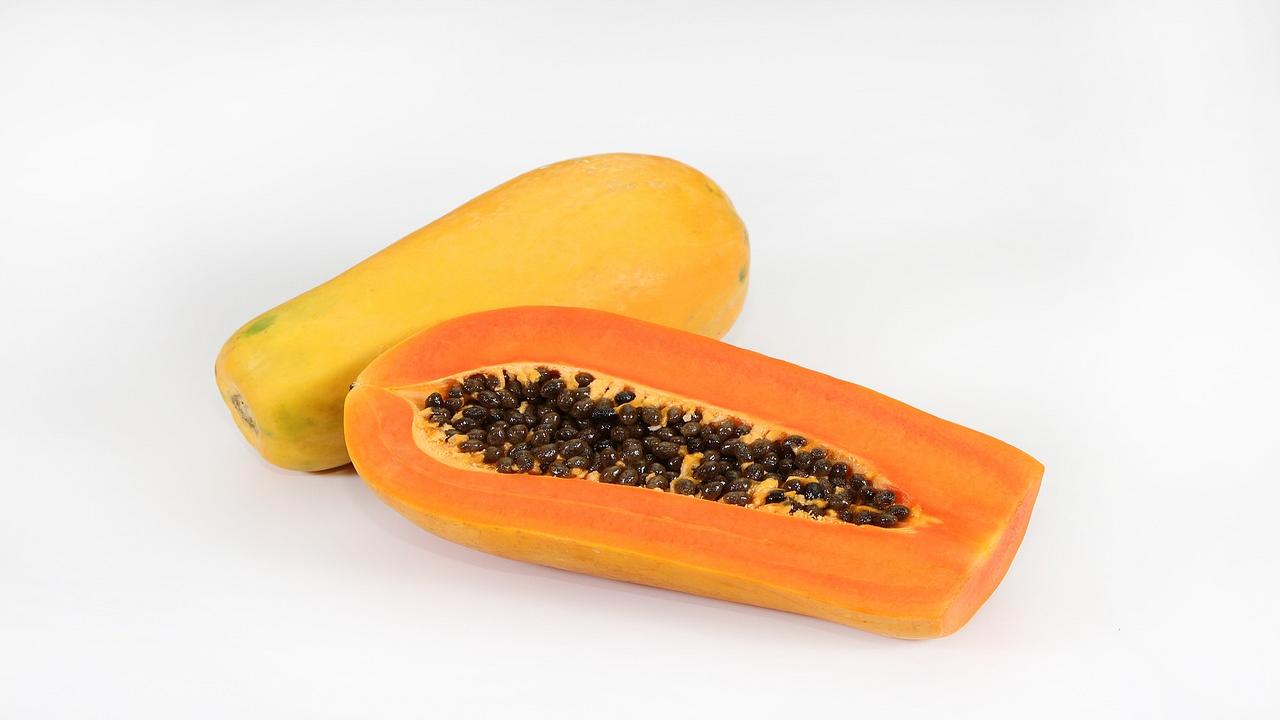
Picture this: you’re holding what looks like a golden football that somehow escaped from a tropical paradise, and inside lies one of nature’s sweetest blood sugar allies. Papayas pack a glycemic index of just 60, which means they won’t send your glucose levels on a wild roller coaster ride like some other fruits might. These orange beauties contain an enzyme called papain that actually helps your body break down proteins more efficiently, and here’s the kicker – they’re loaded with fiber that slows down sugar absorption. I once watched my diabetic grandmother demolish half a papaya while lecturing me about how “back in her day, they called this nature’s candy,” and her blood sugar barely budged an hour later.
What makes papayas particularly brilliant for blood sugar management is their impressive water content (about 88%) combined with natural sugars that release slowly into your bloodstream. One cup of cubed papaya contains only about 11 grams of sugar, but it feels like you’re eating dessert because of that incredibly sweet, almost custard-like flavor. The best part? You can tell when a papaya is perfectly ripe by giving it a gentle squeeze – it should feel like a stress ball that’s lost some of its fight. Pro tip: sprinkle some lime juice and chili powder on your papaya slices for a Mexican-inspired snack that’ll make your taste receptors do a happy dance while keeping your blood sugar steady as a rock.
Pomegranates
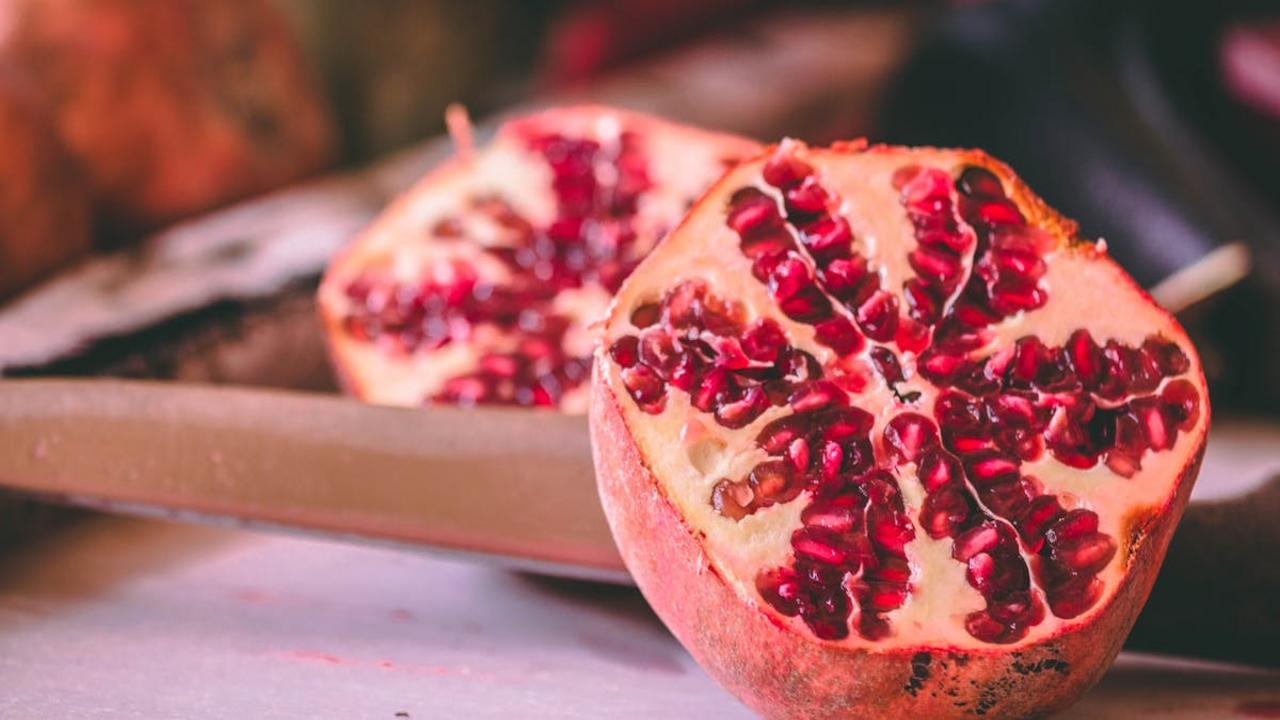
You know that friend who looks absolutely stunning but is surprisingly high-maintenance? That’s pomegranates for you! These ruby-red jewels might seem like they’re plotting against your manicure with their stubborn seeds, but trust me, they’re worth every sticky finger and stained counter. Ancient Persians called pomegranates “the fruit of paradise,” and honestly, they weren’t wrong – these little crimson explosions pack more antioxidants than a superhero convention. The secret lies in their polyphenols, particularly punicalagins, which sound like fancy wizard spells but actually work magic on your blood sugar levels by slowing down carbohydrate absorption.
Here’s the brilliant part: pomegranates contain natural compounds that mimic insulin’s effects without actually spiking your glucose levels. It’s like having a personal blood sugar bodyguard that also happens to taste like concentrated sunshine mixed with tartness. I love sprinkling those jewel-like arils over Greek yogurt – it’s like eating edible confetti that actually makes you healthier! Fun fact: each pomegranate contains exactly 613 seeds, which ancient Jewish scholars believed matched the number of commandments in the Torah. Whether you’re counting seeds or counting on stable blood sugar, these magnificent fruits deliver every single time with their perfect balance of sweet and tart flavors.
Avocados
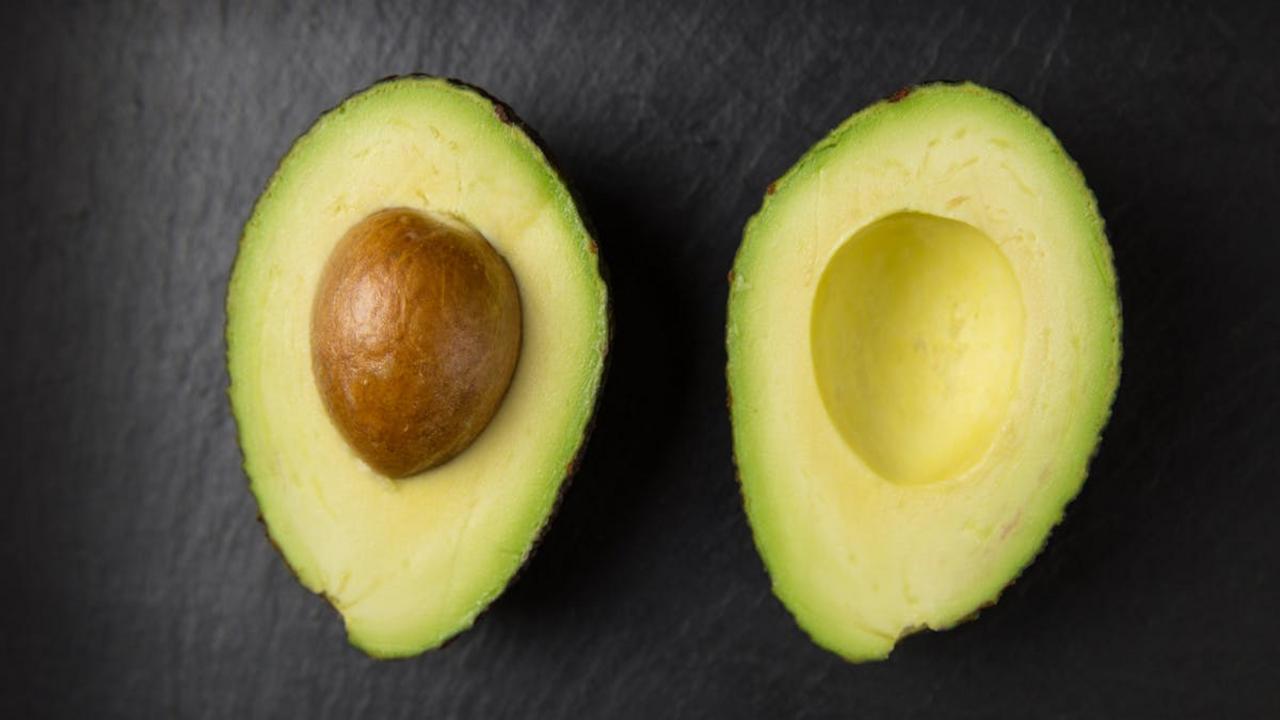
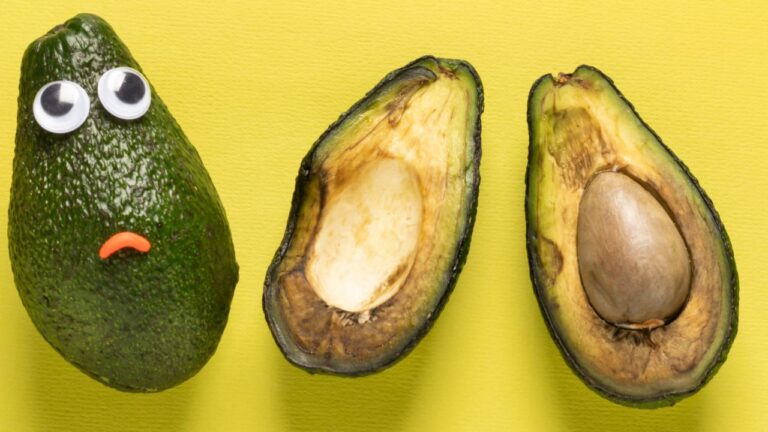
Listen up, because I’m about to blow your mind about these green beauties that everyone seems to either worship or completely misunderstand. Avocados aren’t technically a vegetable (shocking, I know), but rather a single-seeded berry that moonlights as nature’s butter. Here’s the kicker: while most fruits send your blood sugar on a roller coaster ride, avocados basically hand your glucose levels a meditation cushion and say “chill out.” With only about 0.4 grams of sugar per half avocado, they’re practically the zen masters of the fruit world. The secret weapon? Those gorgeous, creamy fats that slow down digestion and keep your blood sugar steadier than a yoga instructor’s breathing.
Now here’s where things get really fun – avocados contain more potassium than bananas (take that, yellow curved friends!), and they’re basically edible multivitamins packed with fiber, folate, and vitamin K. I once watched someone try to eat an unripe avocado thinking it was supposed to be crunchy like an apple. Poor soul nearly broke a tooth! The magic happens when they’re perfectly ripe – you know, that sweet spot where they yield slightly to pressure but don’t leave a permanent dent. Pro tip: add some lemon juice and sea salt, mash it up, and spread it on whole grain toast. Your pancreas will send you a thank-you card, and your Instagram followers will think you’re impossibly sophisticated.
Kiwis
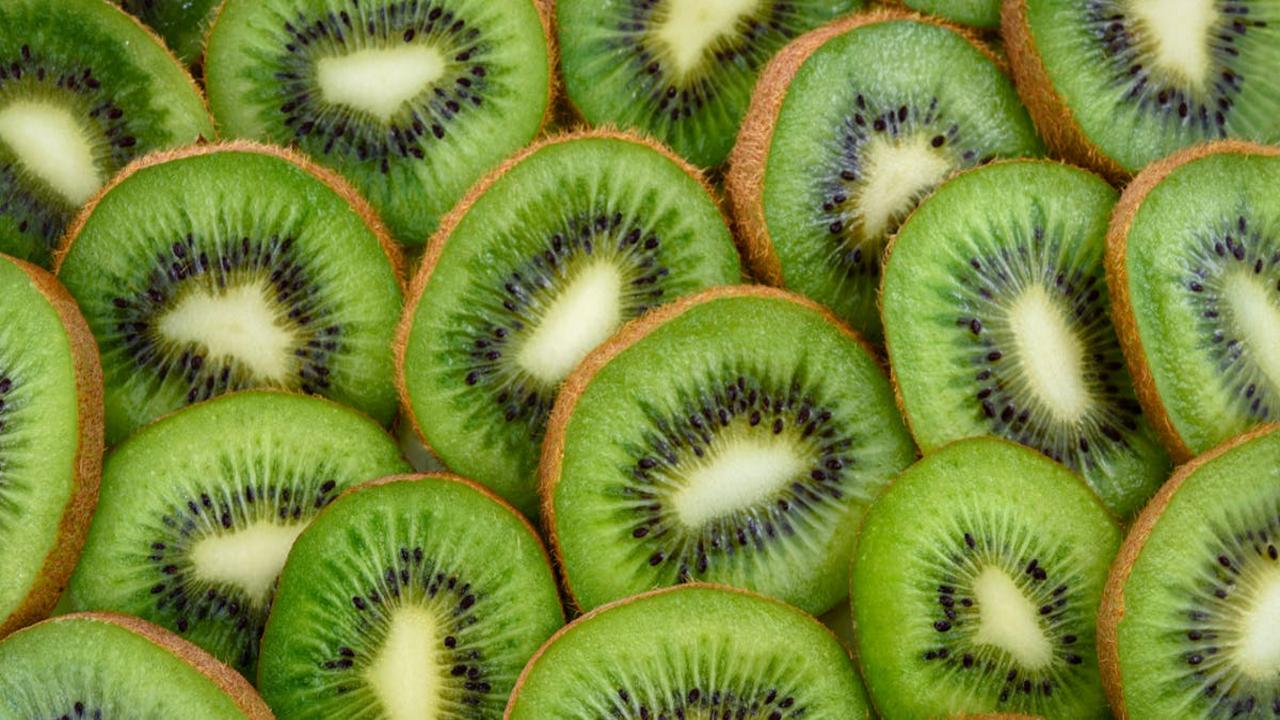
Those fuzzy little brown ovals sitting in your fruit bowl might look like they’ve been through a dryer cycle, but kiwis pack a secret weapon against blood sugar chaos. With their adorable green flesh dotted with tiny black seeds that look like edible confetti, these New Zealand natives (originally from China, plot twist!) contain a special type of fiber that acts like a bouncer at your bloodstream’s VIP club. The soluble fiber in kiwis forms a gel-like substance in your digestive tract, slowing down sugar absorption and keeping your glucose levels from doing the metabolic equivalent of a sugar rush dance party.
Here’s something that’ll make you grin: one medium kiwi contains more vitamin C than an orange, yet delivers only about 11 grams of natural sugars wrapped in a low-glycemic package that won’t send your pancreas into overdrive. I love how these little green gems also contain actinidin, an enzyme that helps break down proteins – basically, your kiwi is multitasking while you munch. Try slicing a couple into your morning yogurt or tossing them into a spinach salad for a tangy surprise. Pro tip: the fuzzy skin is totally edible and doubles your fiber intake, though I understand if you’re not ready for that level of commitment to fruit consumption just yet.
Grapefruits
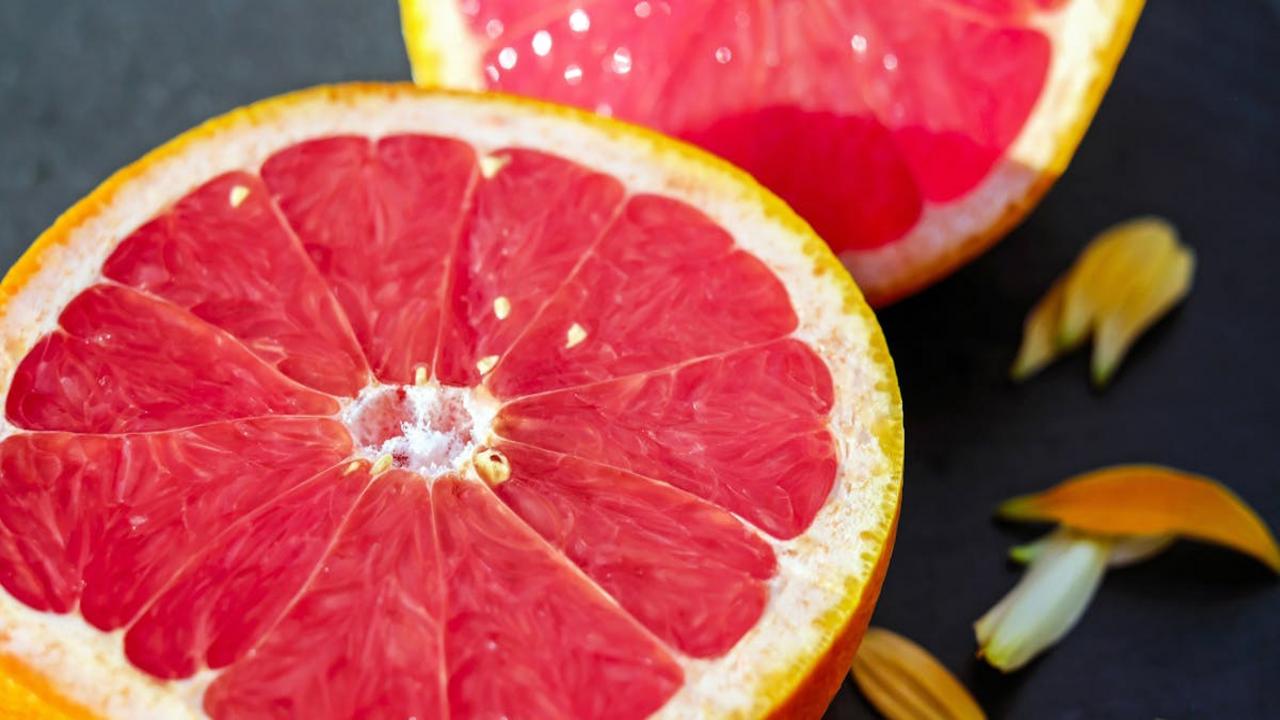
Picture this: you’re sitting at breakfast, staring down a half grapefruit that looks like a pink sunrise trapped in citrus form. Your spoon hovers uncertainly because, let’s be honest, grapefruit has a reputation for being the sour aunt of the citrus family. But here’s the thing – this tart beauty is basically nature’s blood sugar bouncer, keeping those glucose spikes from crashing your metabolic party. With a glycemic index hovering around 25 and packed with naringenin (a flavonoid that sounds like a fancy Italian sports car but actually helps your body process sugar more efficiently), grapefruit doesn’t just wake up your taste buds – it gives your pancreas a gentle high-five.
The magic happens thanks to grapefruit’s impressive fiber content and its knack for slowing down sugar absorption in your digestive system. One medium grapefruit contains about 4 grams of fiber, which acts like tiny traffic controllers directing sugar into your bloodstream at a civilized pace rather than all at once. Fun fact: the white pith you usually scrape away contains pectin, a soluble fiber that’s particularly good at managing blood sugar levels. So next time you’re preparing your grapefruit, leave a little of that bitter white stuff – think of it as edible insurance for your glucose levels. Whether you sprinkle it with cinnamon or pair it with Greek yogurt, grapefruit transforms from breakfast’s intimidating cousin into your metabolic best friend.
Oranges
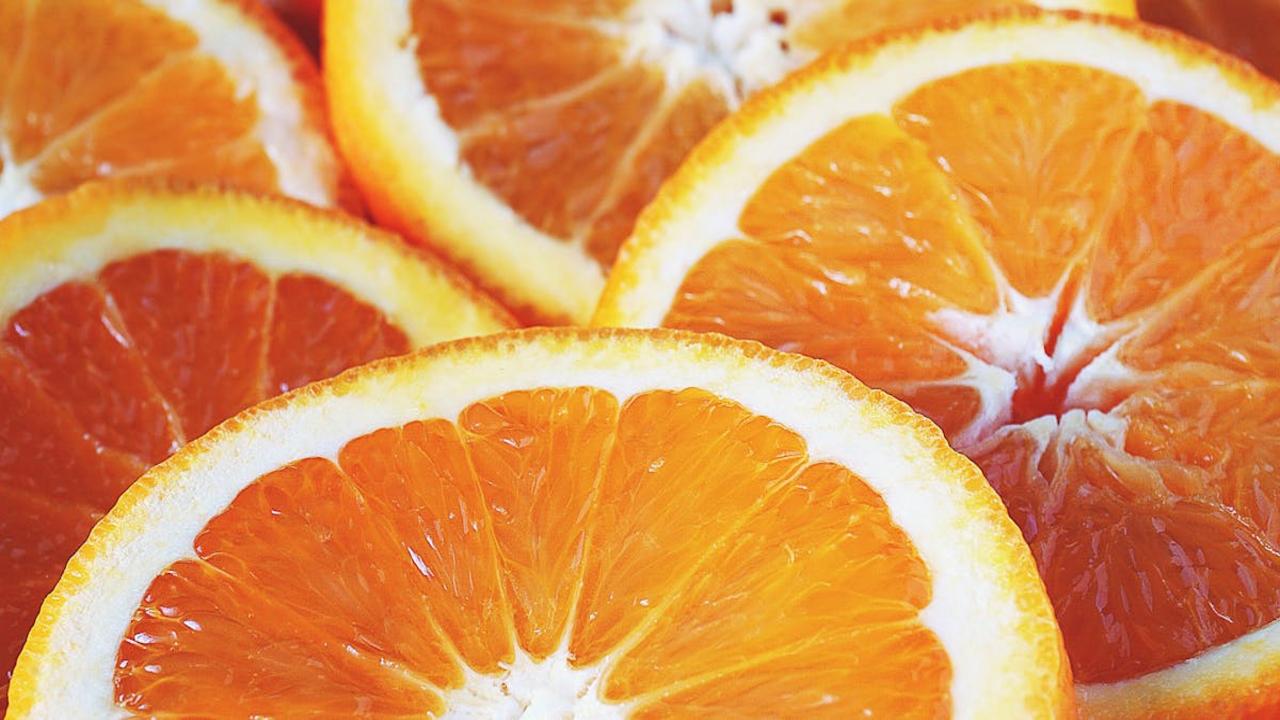
You know that moment when you peel an orange and the citrus mist sprays everywhere, basically turning your kitchen into a vitamin C aromatherapy session? That’s your body’s way of saying “thank you” before you even take a bite! Oranges pack about 3 grams of fiber per medium fruit, which acts like a bouncer at the blood sugar nightclub – it slows down how quickly those natural sugars crash the party in your bloodstream. The pectin fiber specifically creates this gel-like situation in your stomach that makes sugar absorption take its sweet time, preventing those roller-coaster spikes that leave you feeling like you just rode a metabolic tilt-a-whirl.
Here’s something that’ll make you appreciate your morning orange even more: one medium orange contains only about 12 grams of natural sugar, but it’s wrapped up in so much fiber and water (they’re about 87% H2O!) that your body processes it completely differently than, say, a glass of orange juice. The whole fruit forces you to chew, which kickstarts digestion and gives your brain time to register “hey, we’re eating something sweet here!” Meanwhile, that same orange’s glycemic index hovers around 40 – practically a saint compared to white bread’s devilish 75. Plus, you get a bonus hit of folate, potassium, and enough vitamin C to make a sailor weep with joy, all while keeping your glucose levels as steady as a yoga instructor’s breathing.
Pears
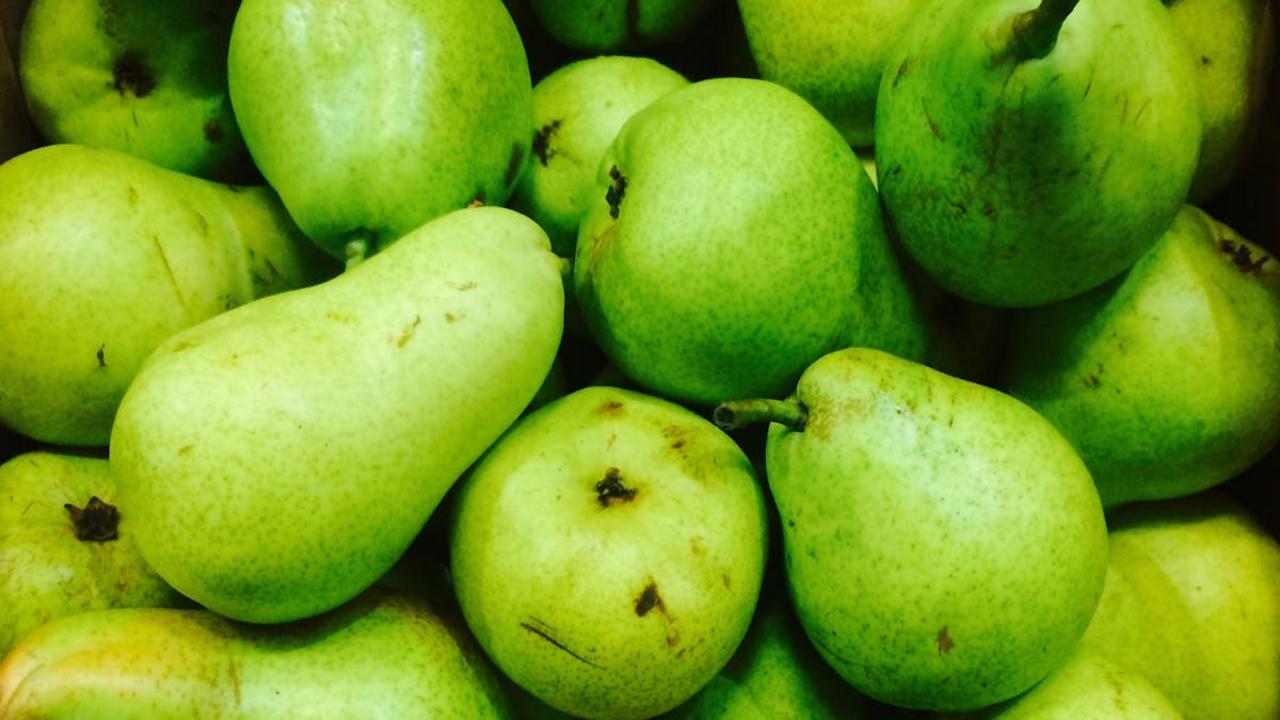
Pears are like the sophisticated cousin of apples who went to finishing school and learned proper manners. While their apple relatives get all the attention (thanks a lot, “an apple a day” propaganda), pears quietly pack a serious punch against blood sugar spikes with their impressive fiber content. A medium pear contains about 6 grams of fiber – that’s roughly 24% of your daily needs! This fiber acts like a bouncer at an exclusive club, slowing down sugar absorption and keeping your glucose levels from throwing a wild party in your bloodstream.
Here’s something that’ll make you appreciate pears even more: they ripen from the inside out, which explains why you sometimes bite into what looks like a perfect pear only to discover it’s either rock-hard or mushy. The secret is checking the neck – gently press near the stem, and if it gives slightly, you’ve got yourself a winner. Bartlett pears are your classic choice, but don’t sleep on Asian pears (those crispy, apple-textured beauties) or the buttery Anjou variety. Try slicing them into your morning oatmeal or pairing them with some almond butter for a snack that keeps your blood sugar steady while making your taste buds do a happy dance.
Apples
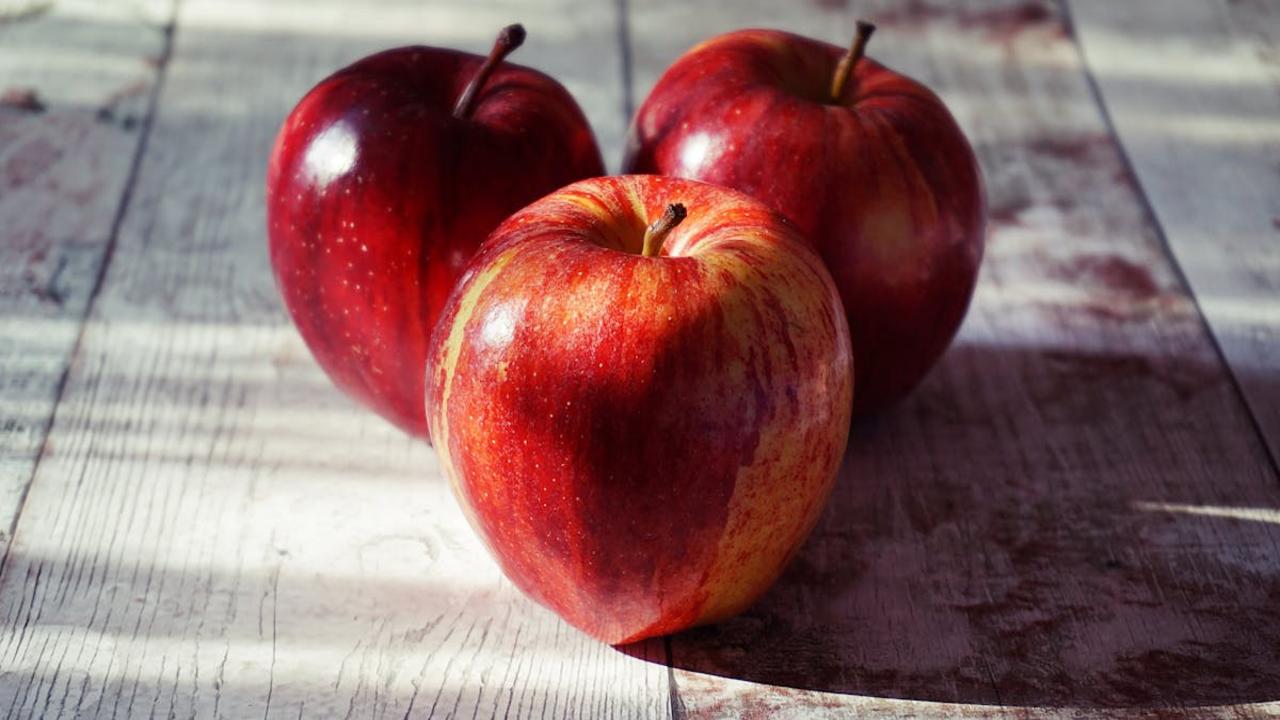
You know that old saying about keeping the doctor away? Well, turns out your grandmother wasn’t just being cute—she was basically a nutrition prophet! Apples pack a serious one-two punch against blood sugar chaos thanks to their fiber and pectin content. Picture this: you bite into a crisp Honeycrisp (my personal favorite for its satisfying crunch), and while your taste buds are having a party, that fiber is busy slowing down sugar absorption like a bouncer at an exclusive club. The pectin—nature’s own gel-like superhero—literally forms a protective barrier in your digestive system, preventing those dreaded sugar spikes that make you feel like you’re on a roller coaster you never bought a ticket for.
Here’s the kicker: eat that apple with the skin on! I know some people peel their apples like they’re performing surgery, but you’re literally throwing away the best part. The skin contains most of the fiber and antioxidants that make apples such blood sugar warriors. Try pairing apple slices with almond butter for an afternoon snack that’ll keep you steady until dinner—the healthy fats from the nuts team up with apple fiber to create the ultimate anti-spike squad. Fun fact: there are over 7,500 apple varieties worldwide, so if you’re bored with your usual Red Delicious routine, branch out and try a Pink Lady or Granny Smith for some tart excitement in your blood sugar management game!
Plums
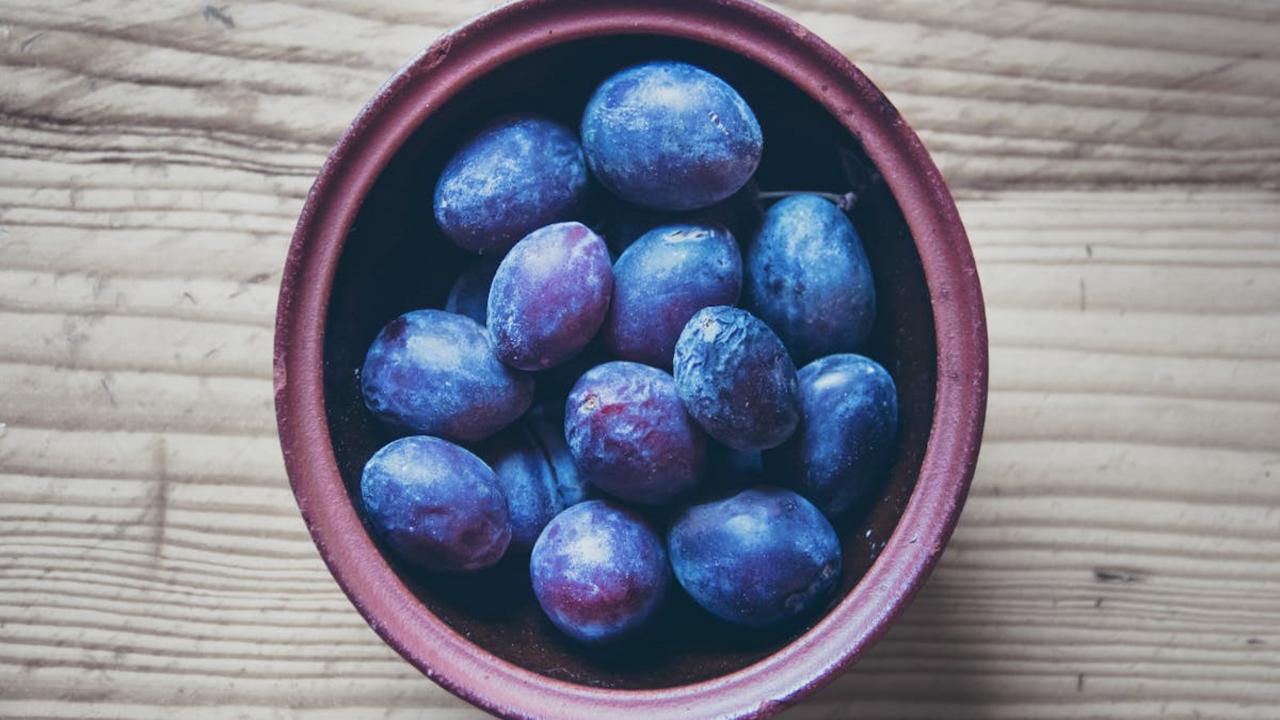
Meet the plum – nature’s perfectly purple packet of blood sugar brilliance! These gorgeous stone fruits pack a serious punch with their fiber content (about 2 grams per medium plum) and their surprisingly low glycemic index of around 24. What makes plums your pancreas’s best friend? They contain anthocyanins, those same compounds that make blueberries famous, plus a hefty dose of sorbitol that actually slows down sugar absorption. Fun fact: Romans called plums “prunus” and considered them so precious they literally paid taxes with dried versions!
Fresh plums hit different than their wrinkled raisin cousins – they’re juicy, tart-sweet bombs that satisfy your sugar cravings without sending your glucose levels on a rollercoaster ride. I love slicing them into Greek yogurt with a sprinkle of cinnamon, or tossing diced plums into a spinach salad with goat cheese and walnuts. Pro tip: eat the skin! That’s where most of the fiber lives, and it adds this lovely tartness that balances the sweet flesh perfectly. Whether you choose the deep purple varieties or those sunset-colored ones, you’re getting about 30% of your daily vitamin C needs plus potassium that helps regulate blood pressure.
Peaches
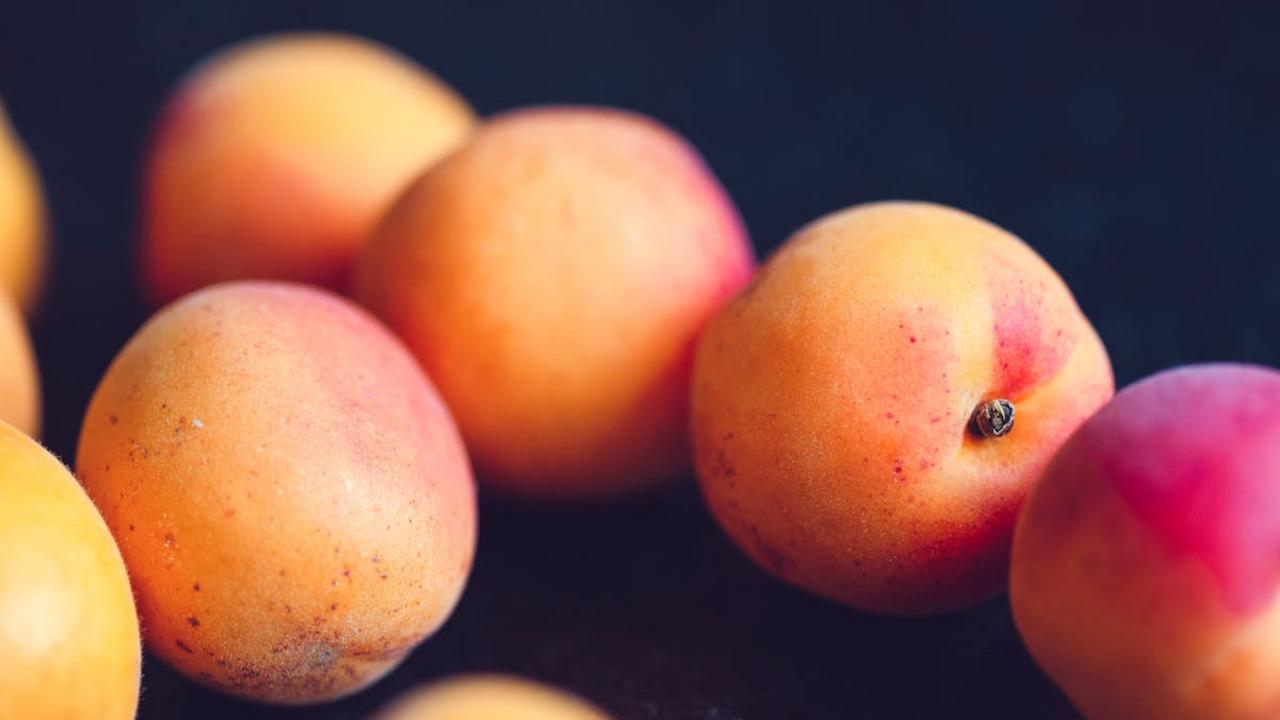
Picture this: you’re biting into a perfectly ripe peach, and that sweet juice runs down your chin like nature’s own sticky confession of summer bliss. But here’s the kicker – while you’re having this fuzzy-skinned love affair, your blood sugar stays surprisingly chill. Peaches pack about 2.3 grams of fiber per medium fruit, which acts like a bouncer at an exclusive club, slowing down sugar absorption and keeping those glucose spikes from crashing your metabolic party. Plus, they clock in at just 59 calories and rank relatively low on the glycemic index at around 25-35, making them the perfect sweet treat that won’t send your pancreas into overdrive.
The magic doesn’t stop there – peaches contain compounds called phenolic acids that actually help your body process sugar more efficiently, like having a personal trainer for your glucose metabolism. I once watched my grandmother eat three peaches in one sitting (she claimed they were “medicinal” for her garden-variety sweet tooth), and honestly, she was onto something. The potassium in peaches also supports healthy blood pressure, while their natural sugars come packaged with enough fiber and water content to prevent that dreaded sugar rush-and-crash cycle. Pro tip: eat them with the skin on for maximum fiber benefits, and if you’re feeling fancy, try grilling peach halves with a sprinkle of cinnamon for a dessert that tastes indulgent but keeps your blood sugar humming along nicely.
Cherries
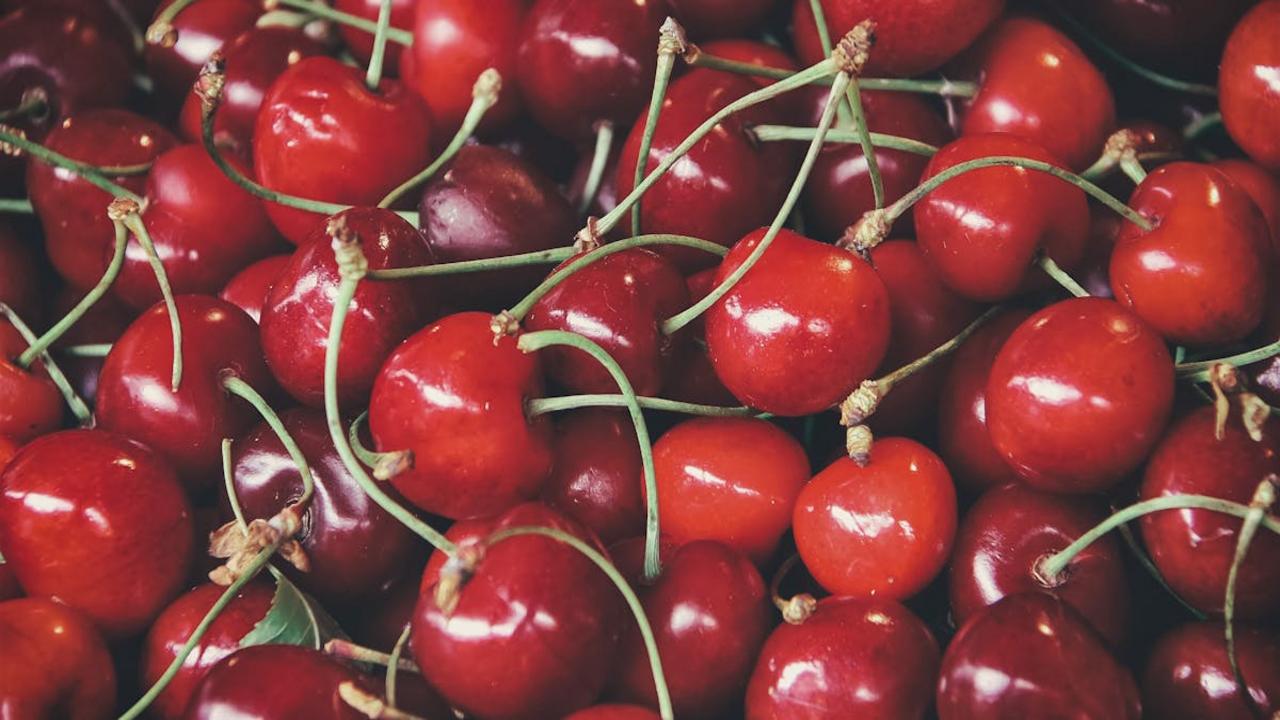
Picture this: you’re standing in your kitchen at midnight, cherry juice dripping down your chin, wondering how you managed to demolish half a bag of these ruby-red gems in one sitting. Don’t worry, I’ve been there too! Cherries might seem like nature’s candy, but here’s the plot twist – they’re actually your blood sugar’s best friend. These little orbs of joy pack a serious punch with anthocyanins, the same compounds that give them their gorgeous color and help keep your glucose levels from doing the cha-cha after meals. Sweet cherries clock in at around 16 grams of carbs per cup, but their fiber content and natural compounds work together like a well-choreographed dance team to slow sugar absorption.
Now, here’s where cherries get really interesting: tart cherries are the overachievers of the bunch, containing even more of those blood sugar-stabilizing compounds than their sweeter cousins. I once met a diabetic marathon runner who swears by drinking tart cherry juice before long runs – not only does it help with muscle recovery, but it keeps her energy steady without the dreaded sugar crash. The best part? You can enjoy them fresh, frozen, or even dried (though watch those portions with the dried ones – they’re concentrated little sugar bombs). Pro tip: freeze fresh cherries in ice cube trays and toss them into sparkling water for a refreshing drink that won’t send your blood sugar on a roller coaster ride.
Berries
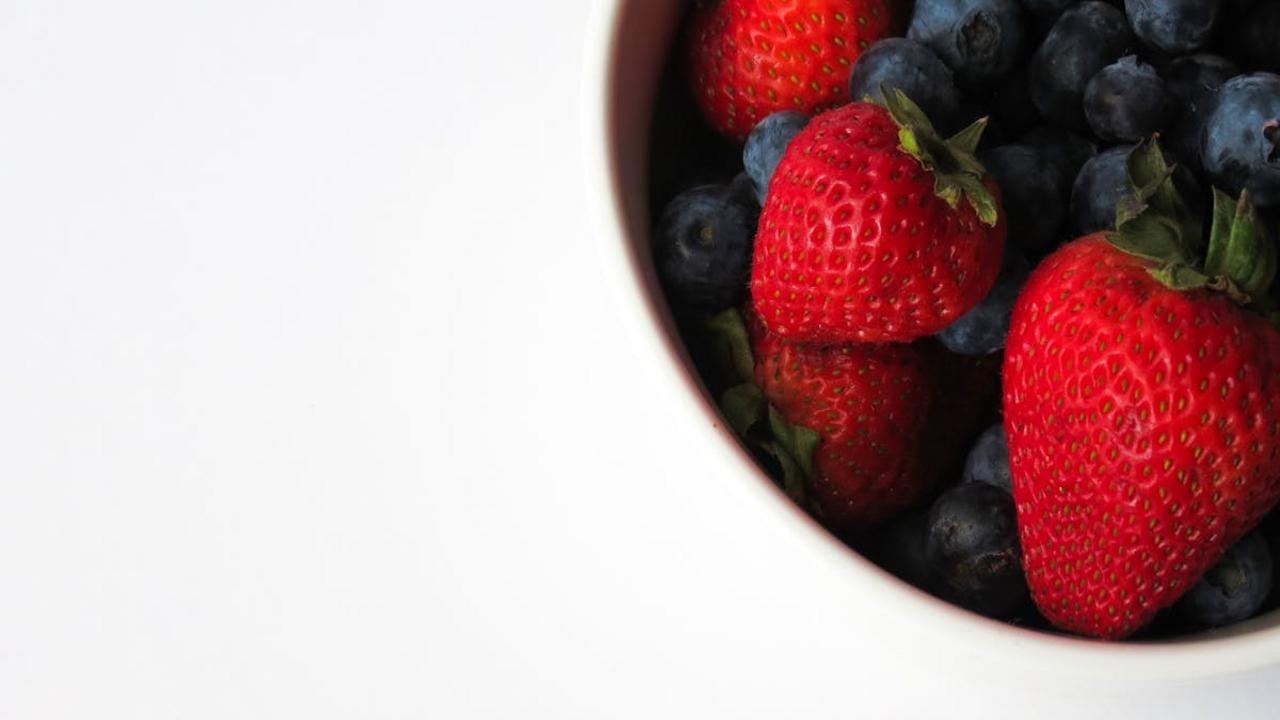
Picture this: you’re standing in the produce section, eyeing those gorgeous little jewels that somehow cost more per pound than gold, and you’re wondering if berries are actually worth the mortgage payment. Well, friend, I’m here to tell you they absolutely are – especially if you’re trying to keep your blood sugar from doing the cha-cha after every meal. Blueberries, strawberries, raspberries, and blackberries are basically nature’s candy that won’t send your glucose levels on a roller coaster ride. These tiny powerhouses pack anthocyanins (fancy word for the compounds that make them so brilliantly colored) and fiber that work together like a well-choreographed dance team to slow down sugar absorption.
Here’s the kicker: a cup of fresh berries typically contains only 12-15 grams of natural sugars, but comes loaded with 8 grams of fiber and antioxidants that actually help your body process those sugars more efficiently. I once watched my diabetic aunt demolish a bowl of mixed berries while her blood sugar meter gave her the equivalent of a standing ovation – steady numbers all afternoon. The secret lies in their low glycemic index, which means they release their sweetness slowly and steadily, like a considerate house guest who doesn’t overstay their welcome. Toss them into Greek yogurt, blend them into a smoothie with spinach (trust me on this one), or just eat them by the handful while pretending you’re being virtuous.