15 Everyday Foods That Now Cost a Small Fortune
Remember when you could grab an avocado for under a dollar? Those days feel long gone! Inflation and supply chain issues have transformed once-affordable staples into luxury items that might make you think twice at checkout. Your grocery bill keeps climbing while your cart seems emptier each week.
Many factors contribute to these price hikes – climate change affecting crop yields, increased production costs, and higher demand for “superfoods” have all played their part. Coffee prices have doubled in some regions, while nuts like cashews and pine nuts now rival the cost of premium meats per pound.
The impact hits your kitchen hard. That pesto recipe now costs significantly more with pine nut prices soaring. Your morning avocado toast? It’s practically a financial statement. Even making homemade granola hurts when you see what almonds and maple syrup cost today. Yet despite the sticker shock, many of us still reach for these nutritious favorites.
Pine Nuts
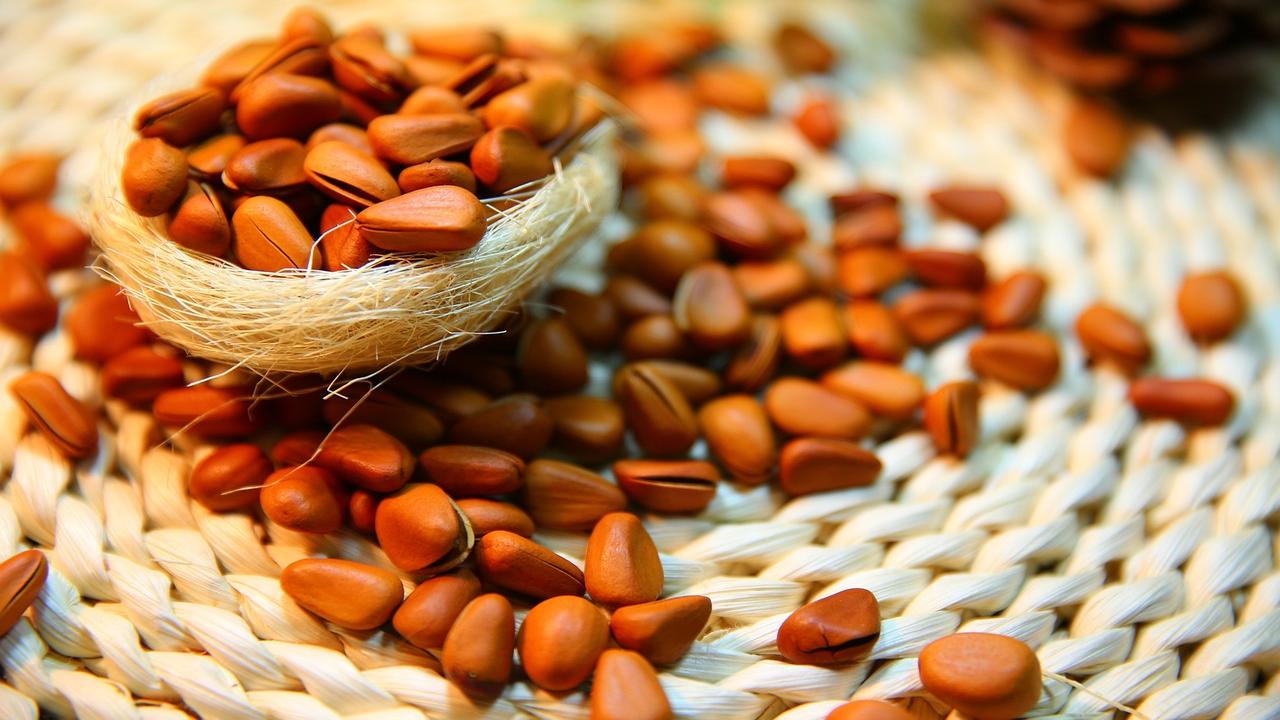
Pine nuts have transformed from an affordable pantry staple into one of the most expensive nuts you can buy! These tiny, buttery treasures now command prices that can make your wallet weep – sometimes reaching $30 or more per pound. What makes these little gems so pricey? Pine nuts come from specific pine tree cones, and the harvesting process is incredibly labor-intensive. Workers must hand-pick the cones, then extract the nuts manually, which explains why a small bag costs more than a fancy bottle of wine. The majority of pine nuts come from China, Korea, and Russia, making supply chain issues even more complicated.
If you love making pesto or adding that distinctive nutty flavor to your salads and pasta dishes, you’ve probably noticed how much smaller those grocery store packages have become while prices keep climbing. I recommend buying pine nuts in bulk from specialty stores or online retailers where you might find better deals, then storing them in your freezer to maintain freshness. You can also substitute toasted sunflower seeds or chopped almonds in many recipes – they won’t give you that exact same creamy texture, but they’ll add wonderful crunch and flavor without breaking the bank. Sometimes I toast regular pine nuts with a drizzle of olive oil to make them go further in recipes!
Cashew Nuts
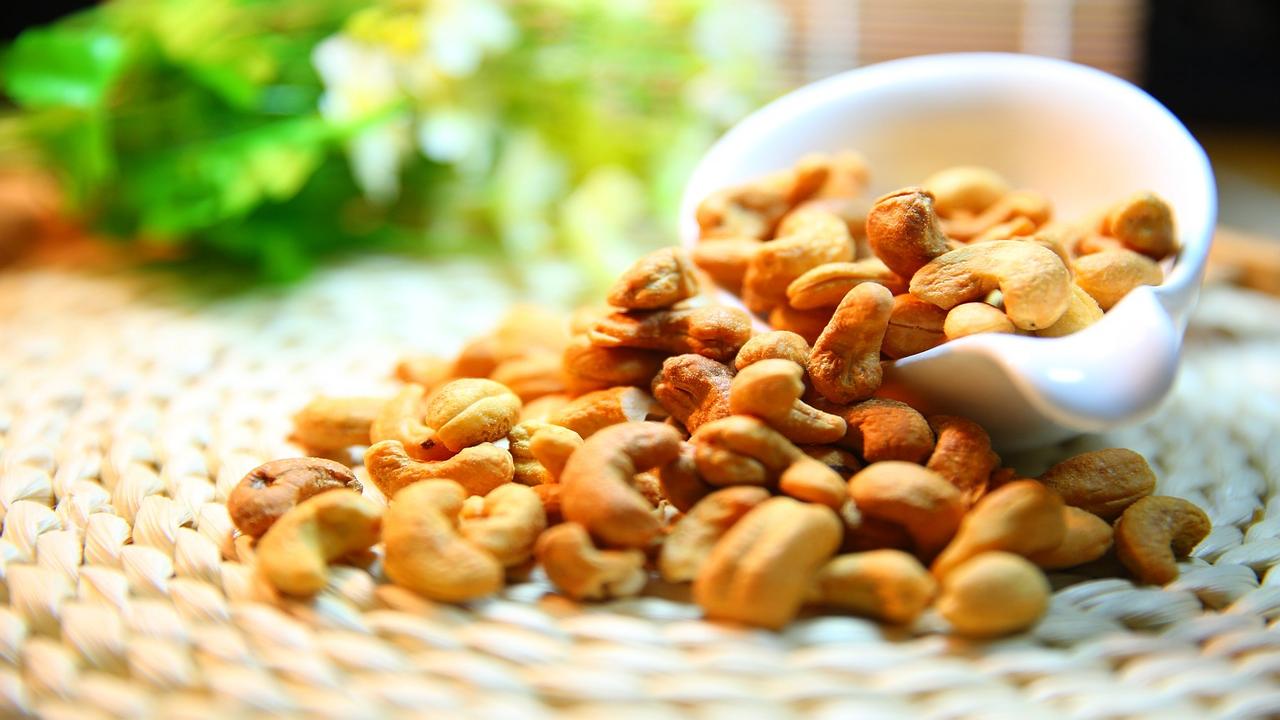
Remember when you could grab a bag of cashews without having to check your bank balance twice? Those days feel like a distant memory now. These creamy, buttery nuts have become one of the priciest items in the snack aisle, and honestly, it breaks my heart a little every time I see the price tags. What used to be an affordable protein-packed snack has turned into something I carefully portion out like precious gems. The cost has nearly tripled in many stores, making cashews feel more like a luxury item than an everyday pantry staple.
The reasons behind this price surge are actually fascinating from a food production perspective. Cashews require incredibly labor-intensive processing – each nut must be carefully extracted from its toxic shell by hand, which makes production costs naturally higher. Add in climate issues affecting cashew-growing regions in Vietnam and India, plus increased global demand for plant-based foods, and you’ve got a perfect storm for soaring prices. I still love adding cashews to my homemade granola and using them for creamy dairy-free sauces, but now I treat them more like a special ingredient rather than something I can sprinkle generously without thought.
Coconut Oil
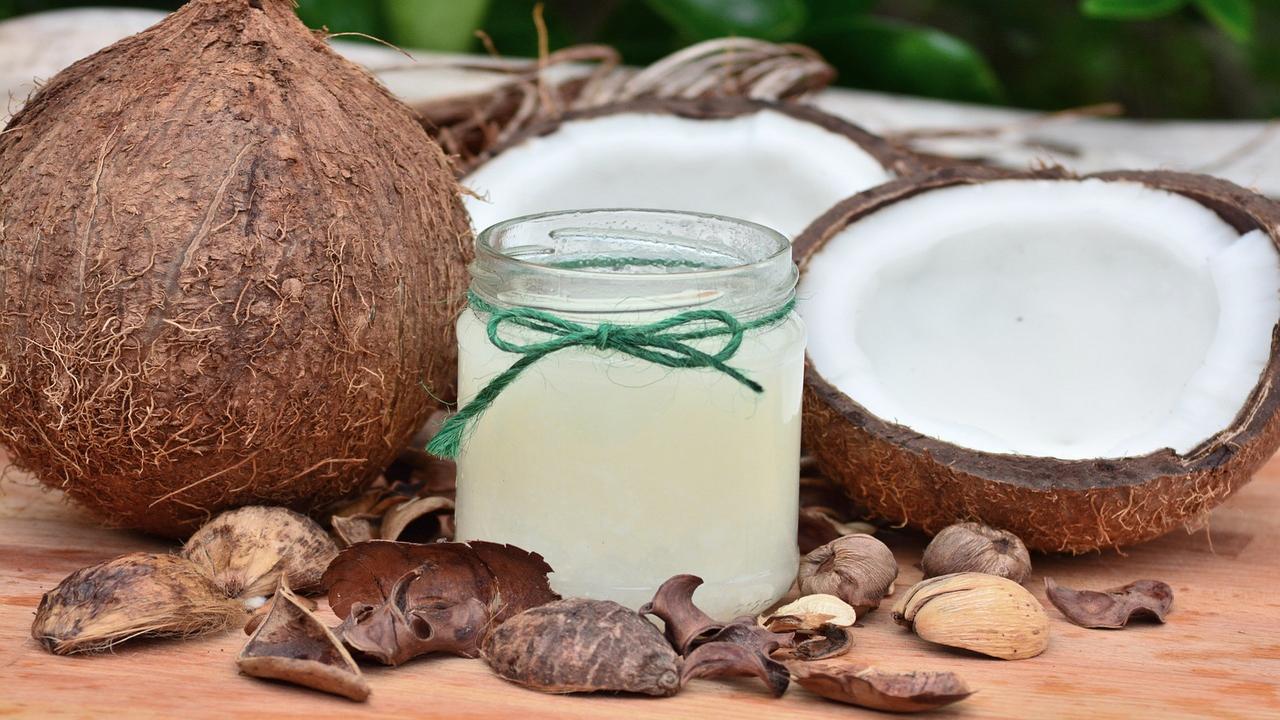
Remember when you could grab a jar of coconut oil for under five dollars? Those days feel like ancient history now! This tropical treasure has transformed from an affordable pantry staple into a premium ingredient that makes your wallet weep. What once cost pocket change now demands serious consideration before tossing it into your cart. The price surge stems from increased demand as more people discovered coconut oil’s incredible versatility – from high-heat cooking to beauty routines that leave your skin glowing.
I totally get why coconut oil became so popular, and honestly, it deserves every bit of praise it gets. You can sauté vegetables, bake the most amazing cookies, and even use it as a natural moisturizer. The medium-chain triglycerides provide quick energy, making it a favorite among health-conscious cooks everywhere. But here’s my practical tip: buy in bulk when you spot a sale, or consider mixing coconut oil with more affordable oils like avocado or olive oil in recipes where the coconut flavor isn’t the star. Your bank account will thank you, and you’ll still get those wonderful health benefits without breaking your grocery budget.
Hazelnuts
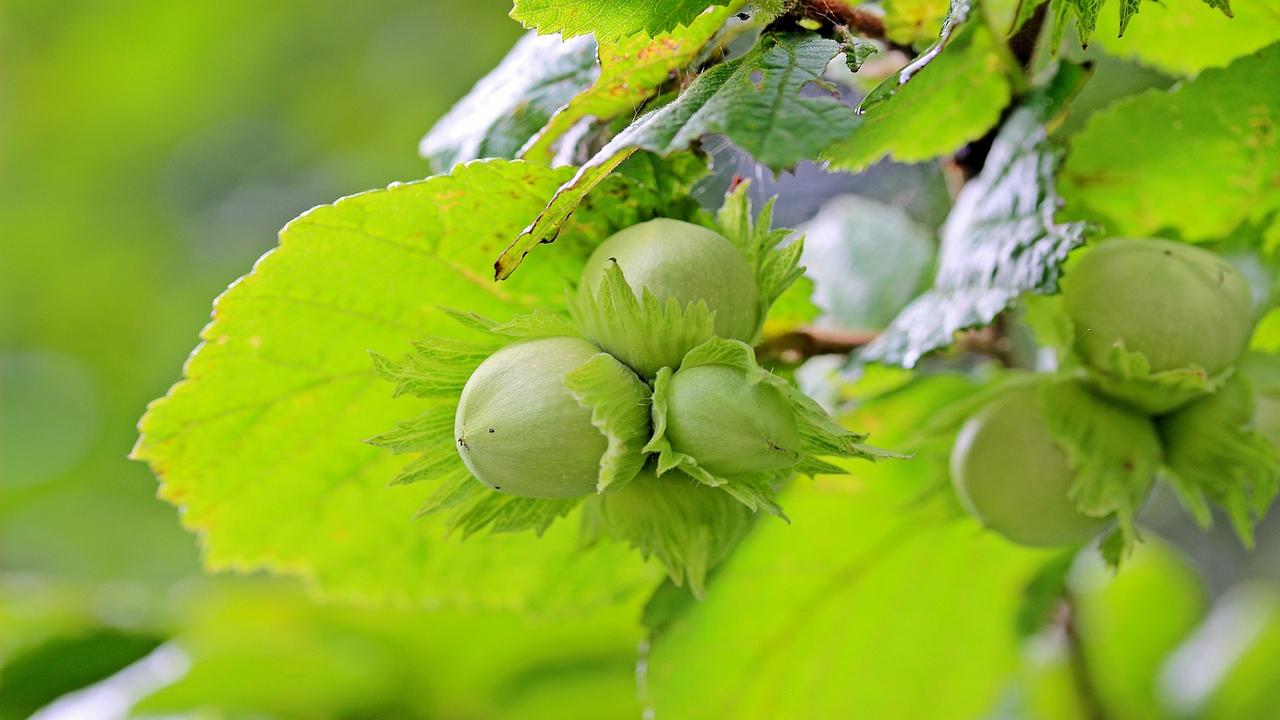
Remember when you could grab a bag of hazelnuts without thinking twice about the price? Those days feel like a distant memory now. These buttery, rich nuts have become surprisingly expensive, and honestly, it breaks my heart a little every time I see the price tags at the grocery store. Climate change has hit hazelnut crops hard, particularly in Turkey, which produces about 70% of the world’s supply. Droughts, frosts, and unpredictable weather patterns have significantly reduced harvests, driving prices through the roof.
What makes this price surge particularly frustrating is how versatile and nutritious hazelnuts are in your kitchen. I love adding them to homemade granola, grinding them into flour for gluten-free baking, or simply enjoying them as a protein-packed snack. They’re loaded with healthy fats, vitamin E, and magnesium – basically nature’s perfect little energy bombs. Now I find myself rationing them like precious gems, saving them for special recipes rather than using them freely. If you’re dealing with sticker shock too, try buying them in bulk during sales and storing them in your freezer. They’ll keep for months, and you can toast small portions as needed to maximize that incredible nutty flavor we all love.
Maple Syrup

Remember when a bottle of pure maple syrup was a simple breakfast indulgence? Those days feel like a distant memory now that this liquid gold has become one of the most expensive pantry staples you’ll find at the grocery store. A single bottle of authentic Grade A maple syrup can easily set you back $15 to $25, making it cost more per ounce than some premium cooking oils. The price surge stems from multiple factors: climate change has shortened maple tapping seasons, labor-intensive production methods remain unchanged, and increased demand from health-conscious consumers who prefer natural sweeteners over processed alternatives.
What makes this price hike particularly frustrating is that maple syrup represents more than just a pancake topping – it’s a wholesome ingredient that adds incredible depth to both sweet and savory dishes. I love using real maple syrup in my roasted vegetable recipes, homemade granola, and even marinades for grilled proteins. The complex flavor profile, with its rich caramel notes and subtle vanilla undertones, simply can’t be replicated by artificial syrups or other sweeteners. While the cost might make you wince at checkout, consider buying smaller bottles and using maple syrup strategically in recipes where its unique flavor truly shines, rather than drowning your pancakes in this precious ingredient.
Organic Peanut Butter

Remember when grabbing a jar of organic peanut butter didn’t require checking your bank balance twice? Those days feel like ancient history now! What used to be a simple pantry staple has transformed into a premium purchase that makes many families think twice before tossing it into their shopping carts. The price jump has been particularly steep for organic varieties, with some brands now commanding $8 to $12 per jar – a far cry from the $3 to $4 we paid just a few years ago.
The reasons behind this price surge tell a complex story of supply chain disruptions, increased organic farming costs, and rising demand for clean-label products. Peanut crops have faced weather-related setbacks, while the strict standards required for organic certification add layers of expense that manufacturers pass directly to consumers. Despite the sticker shock, I still reach for that organic jar because the difference in taste and quality remains undeniable. The rich, pure peanut flavor without added oils or preservatives makes every spoonful worth savoring, whether you’re spreading it on morning toast or stirring it into your favorite cookie dough.
Dark Chocolate

Remember when you could grab a decent bar of dark chocolate for under three dollars? Those days feel like a distant memory now that premium cocoa has become one of the priciest pantries staples around. The surge in dark chocolate prices stems from multiple factors hitting the cocoa industry simultaneously – climate change affecting West African cocoa farms, supply chain disruptions, and growing global demand for high-quality chocolate. What once felt like an affordable daily treat now requires serious budget consideration, with artisanal bars easily reaching fifteen to twenty dollars per pound.
The good news is that you can still enjoy dark chocolate’s incredible health benefits without breaking the bank by being strategic about your purchases. Look for sales at warehouse stores, buy in bulk during holiday clearances, or consider baking with cocoa powder instead of bars for recipes. You can also stretch your chocolate budget by savoring smaller portions – dark chocolate’s rich, intense flavor means a single square often satisfies cravings better than multiple pieces of milk chocolate. Try melting a small amount into homemade hot chocolate or incorporating it into energy balls with nuts and dates for maximum enjoyment per dollar spent.
Sriracha

Remember when you could grab that iconic rooster-adorned bottle for under two dollars? Those days feel like a distant memory now that Sriracha has joined the ranks of premium condiments with prices that make your wallet weep. What started as an affordable way to add serious heat and garlicky goodness to everything from pho to pizza has transformed into a luxury item that costs more than some main ingredients in your recipes. The shortage that began in 2022 due to chili pepper supply issues sent prices soaring, and they haven’t come back down to earth.
I’ve watched fellow home cooks ration their precious bottles like liquid gold, measuring out tiny drops instead of the generous squirts we used to enjoy. The scarcity has sparked a whole underground economy of Sriracha hoarding, with people stocking up whenever they spot a reasonably priced bottle in stores. While you can still find alternatives that deliver similar heat and flavor profiles, nothing quite matches that perfect balance of sweet, spicy, and tangy that made Sriracha the holy grail of hot sauces. Your morning eggs and evening stir-fries might have to settle for different flavor companions until this beloved condiment returns to affordable status.
Cauliflower
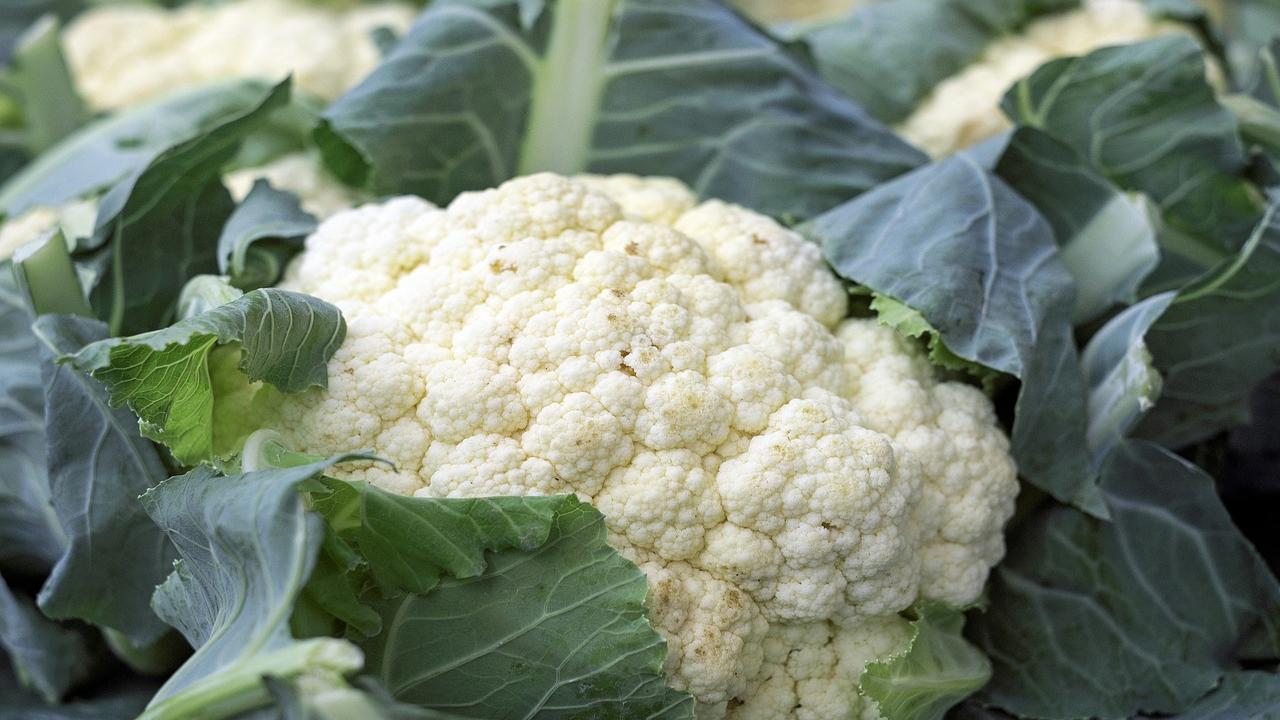
Remember when cauliflower was that humble white vegetable your mom tried to sneak into your dinner? Those days are long gone! This once-affordable veggie has transformed into a grocery store luxury, with prices that can make you do a double-take at the checkout. I’ve watched cauliflower go from under $2 per head to sometimes hitting $5 or $6, especially for organic varieties. The rise in popularity of low-carb diets and cauliflower’s incredible versatility have turned this modest vegetable into a superstar ingredient that commands premium prices.
What makes cauliflower so special that we’re willing to pay these higher prices? This amazing vegetable can transform into rice, pizza crust, mashed “potatoes,” and even buffalo wings! Its neutral flavor and unique texture make it the perfect substitute for heavier carbs, and health-conscious cooks can’t get enough. While the sticker shock is real, I still think cauliflower delivers incredible value for your cooking adventures. You can stretch one head into multiple meals – roast it for dinner, blend the stems into soup, and save the leaves for sautéing. Smart shopping tips include buying whole heads instead of pre-cut florets and checking frozen sections for better deals without sacrificing nutrition.
Blueberries
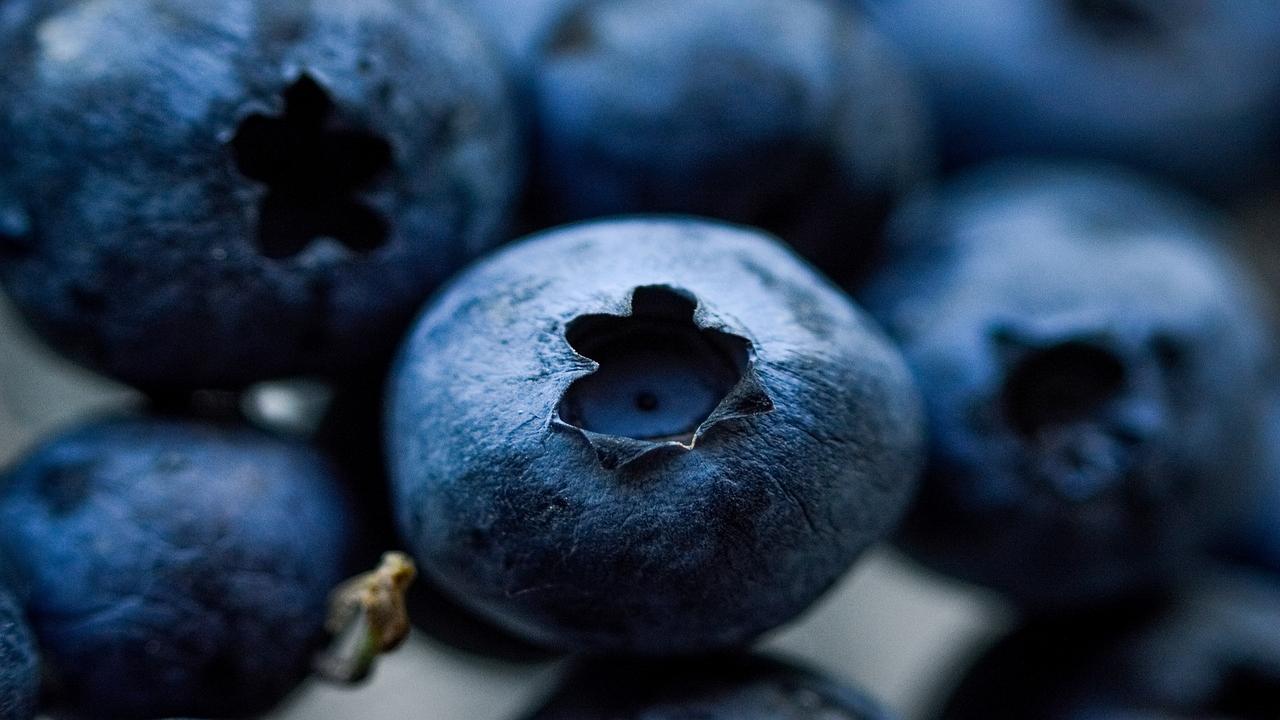
Remember when you could grab a pint of fresh blueberries for under three dollars? Those days feel like a distant memory now! These tiny nutritional powerhouses have become surprisingly expensive, with prices often reaching $6 to $8 per pint in many grocery stores. The increase hits particularly hard because blueberries pack so much goodness into each bite – they’re loaded with antioxidants, vitamin C, and fiber that support your immune system and overall health. I always recommend buying them frozen during peak season to stretch your budget while still getting all those amazing benefits.
The price surge stems from several factors, including climate changes affecting growing regions, increased demand for superfoods, and higher transportation costs. Many blueberry farms have faced unpredictable weather patterns that reduce yields, driving up costs for consumers. Don’t let the sticker shock stop you from enjoying these incredible berries though! Try buying in bulk during sales and freezing portions for smoothies, or look for pick-your-own farms nearby where you can gather fresh berries at better prices. You can also mix frozen and fresh berries in your morning oatmeal or yogurt – your body gets the same nutritional punch without breaking the bank.
Almonds
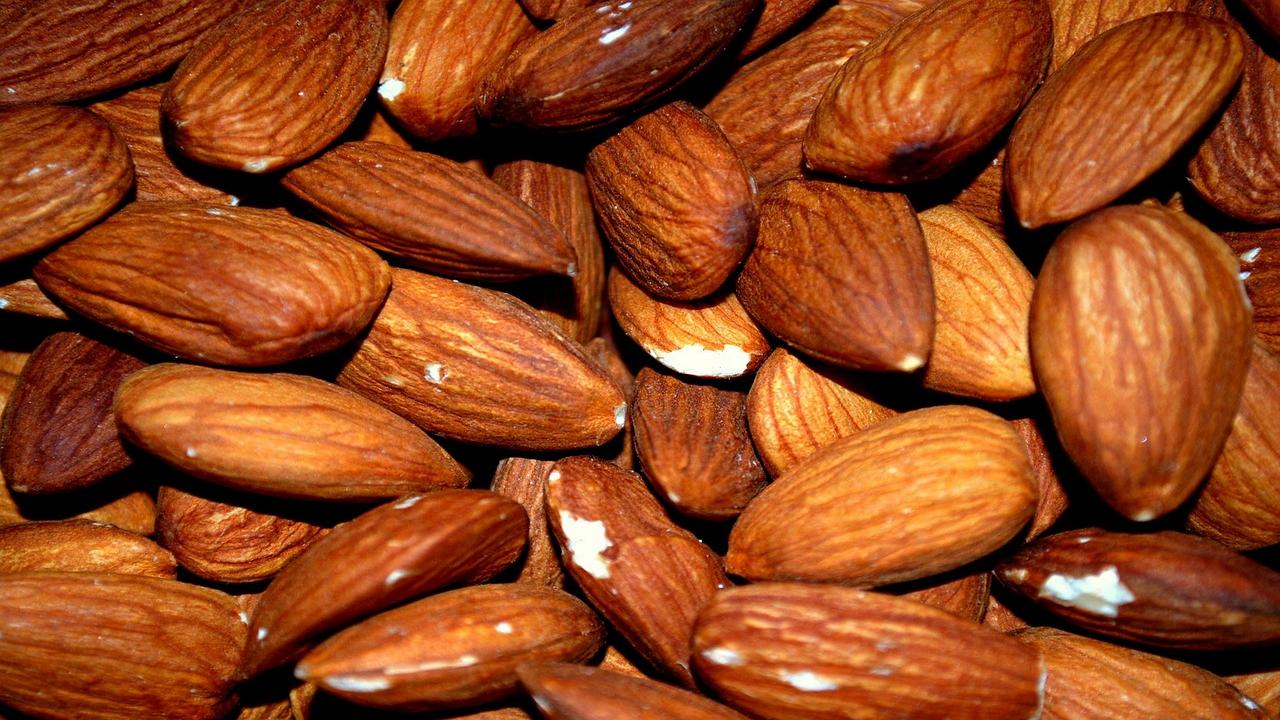
Remember when you could grab a bag of almonds for your afternoon snack without checking your bank balance twice? Those days feel like a distant memory now that these crunchy little powerhouses have joined the ranks of premium grocery items. A pound of raw almonds that used to cost around $4-5 just a few years ago now easily runs $8-12 at most supermarkets. California’s ongoing drought issues have hit almond orchards particularly hard, since these trees require massive amounts of water to produce their crop. Add in rising labor costs and increased global demand, and you’ve got yourself a perfect storm for sky-high prices.
What makes this price jump especially tough is how versatile almonds are in your kitchen. You probably reach for them in so many ways – tossing them into your morning oatmeal, blending them into homemade almond butter, or using almond flour for your favorite baked goods. The protein and healthy fats they provide make them incredibly satisfying, but now you might find yourself rationing them like precious gems. If you’re looking to stretch your almond budget, try buying them in bulk during sales and storing them in your freezer, or consider mixing them with less expensive nuts like peanuts to create your own custom trail mix.
Quinoa
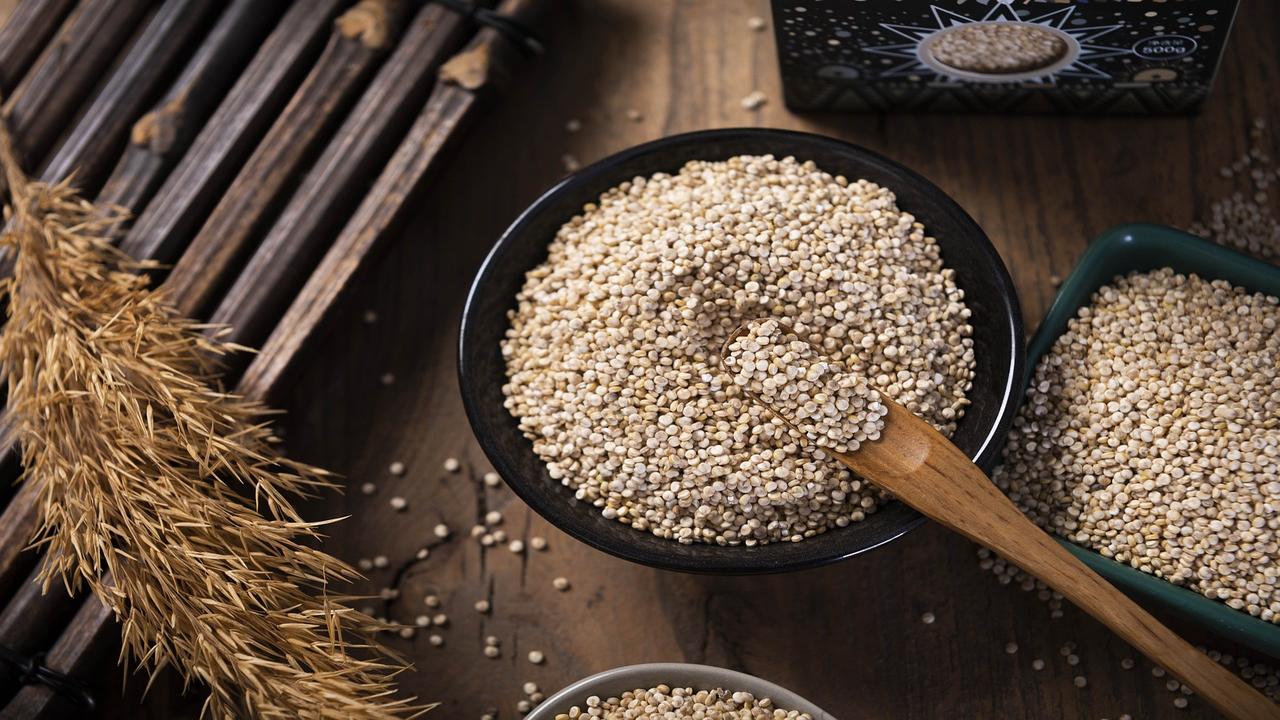
Remember when quinoa was that mysterious grain tucked away in the health food store’s back corner? Those days feel like ancient history now that this protein-packed powerhouse commands premium prices at every grocery store. What once cost around $3 per pound has skyrocketed to $8-12 per pound in many areas, making your favorite quinoa bowl a serious budget consideration. The surge in popularity among health-conscious eaters, combined with growing demand from restaurants and food manufacturers, has created a perfect storm of supply and demand that keeps prices climbing.
Here’s the thing about quinoa that makes it worth every penny – this tiny seed delivers complete protein with all nine amino acids your body needs, plus fiber, iron, and magnesium. I love how versatile it is in my kitchen, working beautifully in everything from breakfast bowls to dinner salads. To stretch your quinoa budget, try mixing it with less expensive grains like brown rice or bulgur wheat. You’ll still get that nutty flavor and satisfying texture while keeping costs reasonable. Stock up during sales and store it in airtight containers – quinoa keeps well for months and becomes your go-to base for countless healthy meals.
Salmon
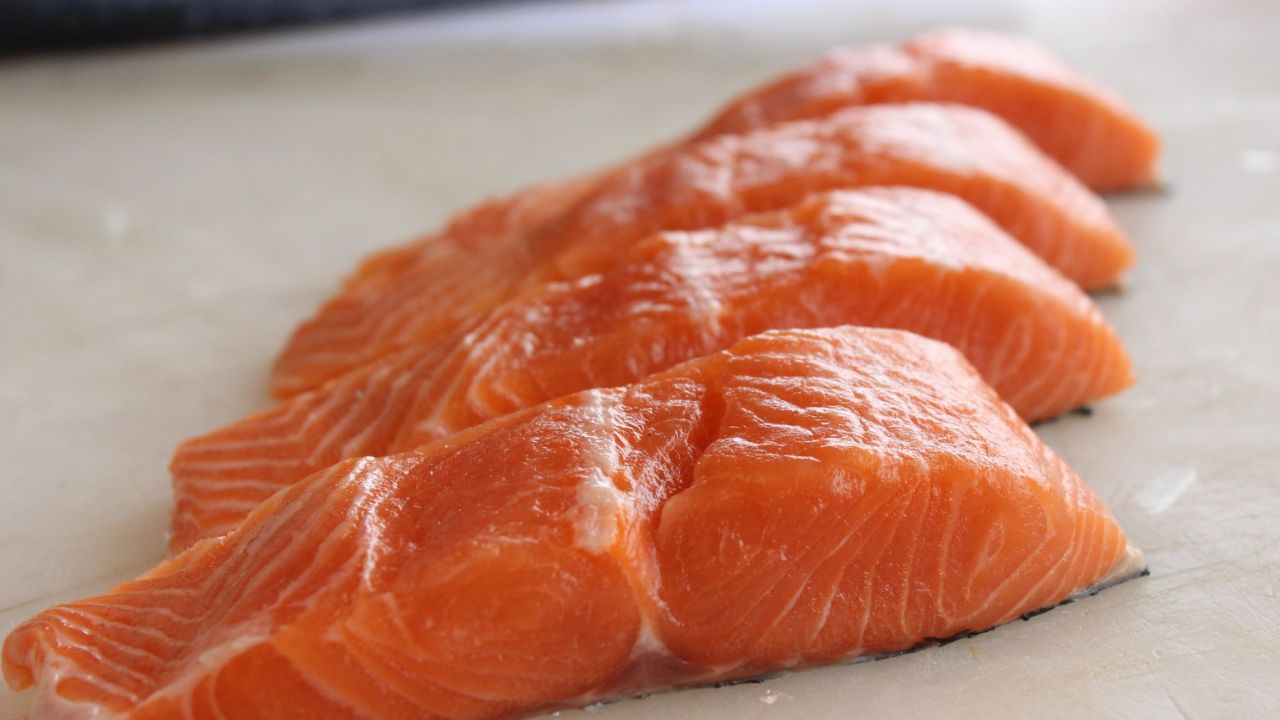
Remember when you could grab a beautiful salmon fillet for your weeknight dinner without breaking the bank? Those days feel like a distant memory now. This omega-3 powerhouse has become one of the most expensive proteins at the grocery store, with prices climbing steadily over the past few years. Wild-caught varieties can cost upwards of $30 per pound at premium markets, while even farm-raised options frequently hit the $15-20 range. You’ll find yourself doing mental math at the fish counter, wondering if you can justify spending more on one piece of fish than you used to spend on an entire week’s worth of protein.
The price surge stems from multiple factors, including supply chain disruptions, increased demand for healthy proteins, and environmental concerns affecting wild populations. Climate change has impacted salmon runs, while fish farming operations face rising feed costs and stricter regulations. Despite the hefty price tag, salmon remains incredibly nutritious – packed with heart-healthy fats, high-quality protein, and vitamin D. If you’re budget-conscious but still want to enjoy this nutritional superstar, look for sales, buy in bulk when prices drop, or consider canned salmon as an affordable alternative that still delivers those beneficial omega-3s your body craves.
Coffee

Remember when you could grab your morning cup of joe for under two bucks? Those days feel like a distant memory now! Your daily coffee ritual has become a serious budget consideration, with premium beans pushing prices through the roof. Climate change has wreaked havoc on coffee-growing regions worldwide, shrinking harvests and driving up costs. Add shipping delays, labor shortages, and rising fuel prices to the mix, and you’ve got the perfect storm for expensive caffeine fixes. Even basic grocery store coffee has jumped significantly, making that home-brewing habit more costly than ever.
Don’t let sticker shock keep you from your beloved brew, though! You can still enjoy amazing coffee without breaking the bank by buying whole beans in bulk and grinding them fresh at home. Look for direct-trade options or local roasters who often offer better deals than big-name brands. Cold brew concentrate stretches your coffee dollar further since you use less grounds per serving, and it keeps for weeks in your fridge. Try mixing premium beans with more affordable varieties to create your own custom blend – you’ll get complexity without the premium price tag. Your morning routine doesn’t have to suffer just because coffee costs have gone wild!
Avocados
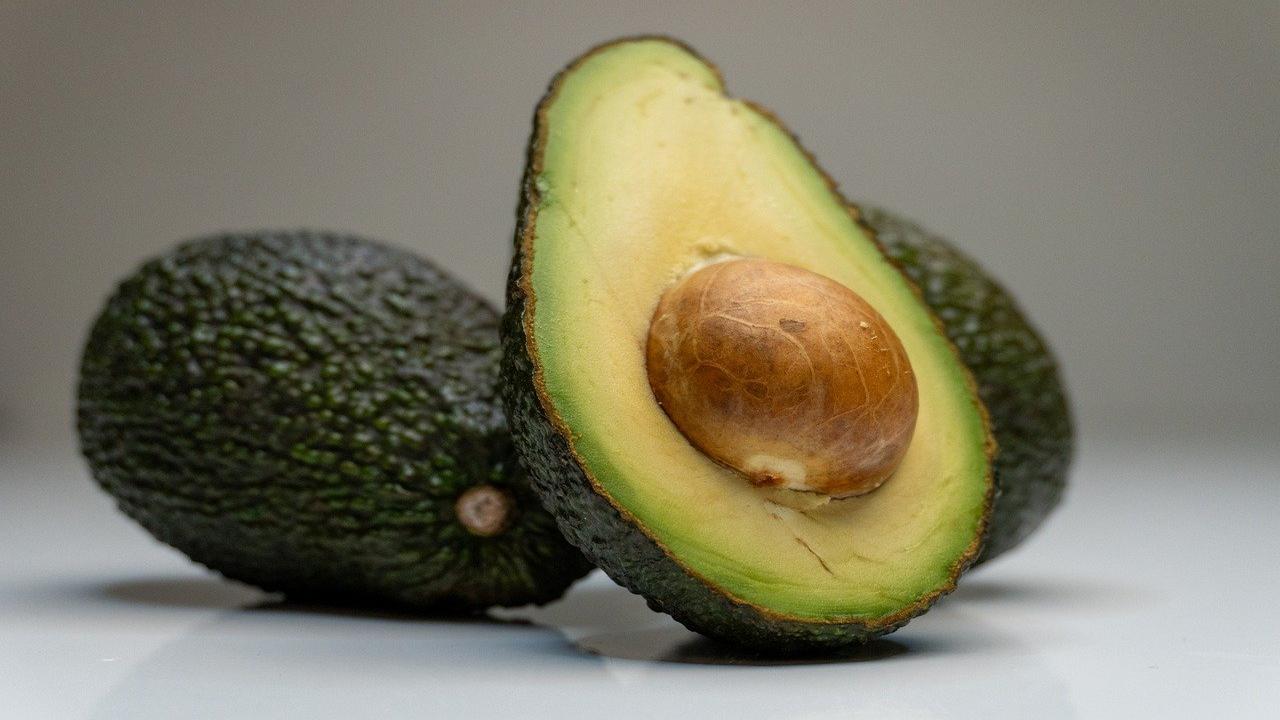
Remember when you could grab a perfectly ripe avocado for under a dollar? Those days feel like a distant memory now that these green gems regularly cost $2-3 each at most grocery stores. The price spike hits especially hard because avocados have become such a staple in our kitchens – from morning toast toppers to smoothie bases and everything in between. Weather disruptions in major growing regions like Mexico and California, combined with increased global demand, have turned this once-affordable fruit into a luxury item that makes you think twice before adding it to your cart.
The good news is that you can still enjoy avocados without breaking the bank with a few smart strategies. I always buy them firm and let them ripen at home – they’re usually cheaper that way and you get better quality control. Consider buying in bulk when they’re on sale and freezing the flesh for smoothies and baking (trust me, frozen avocado works beautifully in chocolate brownies!). You can also stretch one avocado further by mashing it with a fork and mixing in lime juice, which not only prevents browning but also adds volume and flavor to your spread.