14 Grocery Staples That Cost Way More Than You Think
Ever had sticker shock at the grocery store? You’re not alone! While we all expect luxury items to cost a pretty penny, some seemingly ordinary foods carry jaw-dropping price tags. Those pine nuts in your pesto? They might cost more than your morning coffee habit. And don’t get me started on vanilla beans, which now rival gold in price per ounce.
Your supermarket contains hidden treasures that could break the bank faster than you can say “impulse buy.” From the coveted saffron threads that cost more than most wines to Japanese Kobe beef that makes your regular steak look like a bargain, these items demand serious wallet consideration before tossing them in your cart.
The next time you complain about rising grocery bills, consider the folks buying Manuka honey at $50 per jar or splurging on White Alba truffles that sell for thousands per pound. I’ve rounded up 14 grocery items with prices so shocking, you’ll need to sit down before reading the rest of this list!
Pine nuts
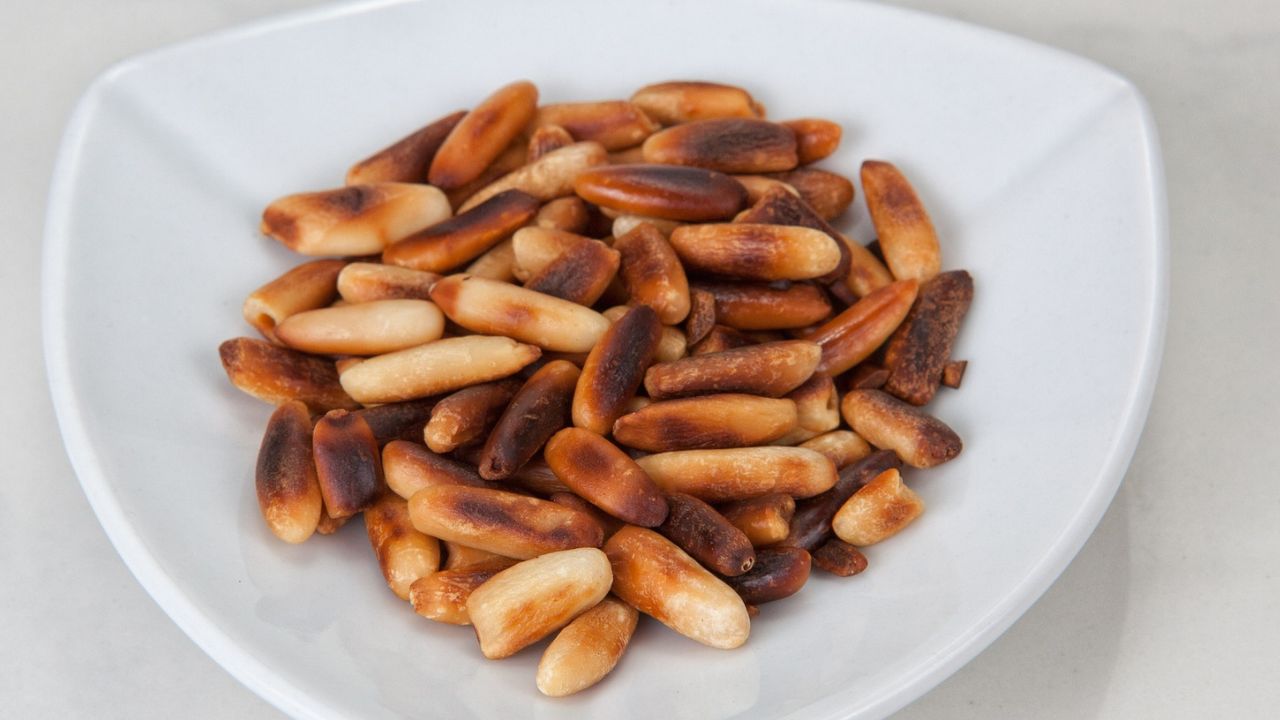
Pine nuts are basically the diamonds of the snack world, and your wallet knows it. These tiny, buttery morsels can cost anywhere from $15 to $30 per pound, making them more expensive than many cuts of meat. Why so pricey? Well, these little nuggets come from pine cones that take years to mature, and harvesting them requires the patience of a saint and the determination of a squirrel hoarding for winter. Most pine nuts you’ll find in stores come from Korea, China, or Russia, where workers carefully extract each nut by hand from stone pine cones. It’s like nature decided to make the most delicious treasure hunt ever, except the treasure is locked in a fortress of sticky resin and takes three years to ripen.
Here’s the kicker: not all pine nuts are created equal, and some varieties can literally leave a metallic taste in your mouth for weeks (it’s called “pine mouth,” and yes, it’s a real thing). The good news? A little goes a long way in your pesto or salad, so you don’t need to mortgage your house to enjoy them. Store these golden beauties in your freezer because their high oil content makes them go rancid faster than your gym membership enthusiasm. Pro tip: toast them in a dry pan for 30 seconds to unlock their full nutty potential – just don’t blink, because they go from perfect to charcoal in record time. Your bank account might hate you, but your taste buds will throw a party.
Beluga Caviar
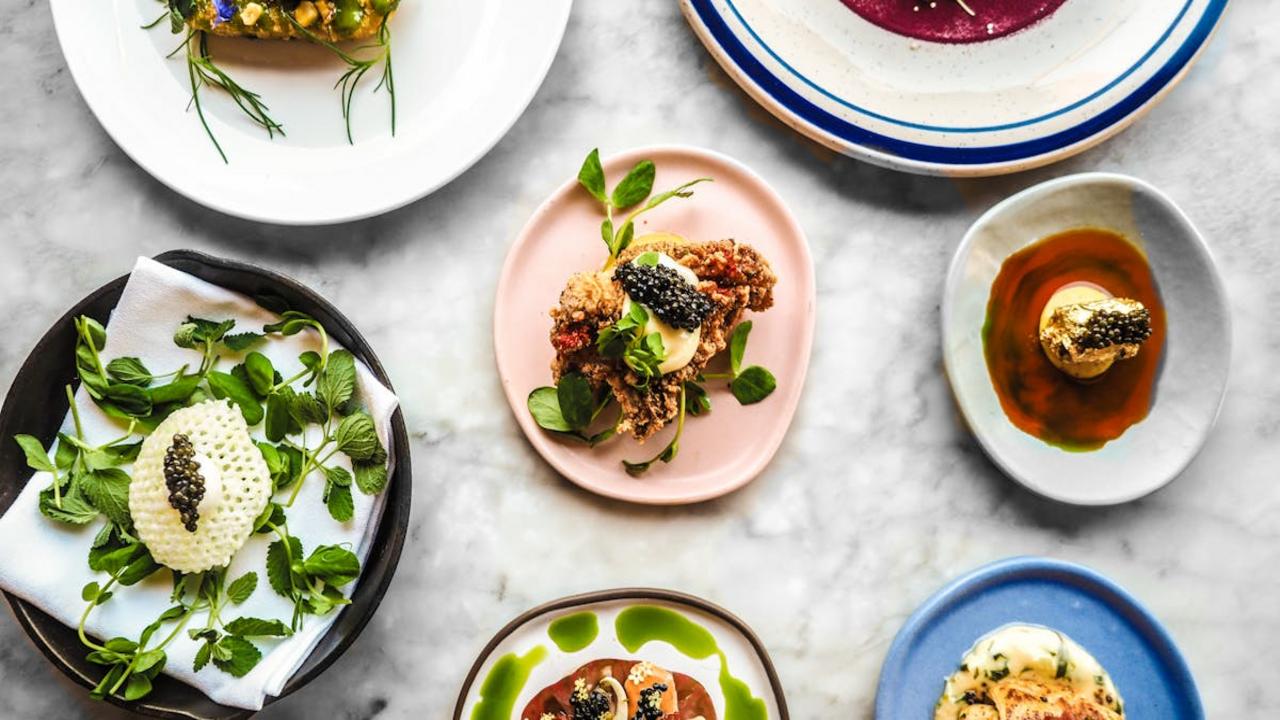
Picture this: you’re at the grocery store, casually strolling past the fancy cheese section when you spot those tiny glass jars behind the counter. One ounce of authentic beluga caviar can set you back anywhere from $200 to $400, making it more expensive per pound than most luxury cars! These glossy black pearls come from beluga sturgeon that can live over 100 years and don’t even start producing eggs until they’re 20. Talk about delayed gratification – these fish have more patience than I do waiting for my morning coffee to brew.
What makes beluga caviar so ridiculously pricey? Well, those ancient sturgeon are basically swimming time capsules, and harvesting their eggs is like cracking open a century-old safe. The larger the eggs, the higher the price tag, and beluga produces the biggest, creamiest spheres in the caviar world. Each tiny bead bursts with a buttery, oceanic flavor that’s supposedly worth mortgaging your firstborn. Fun fact: Russia and Iran used to dominate the market until overfishing made wild beluga rarer than a unicorn, so now most comes from sustainable farms where pampered sturgeon live better lives than most house pets!
White Alba Truffles
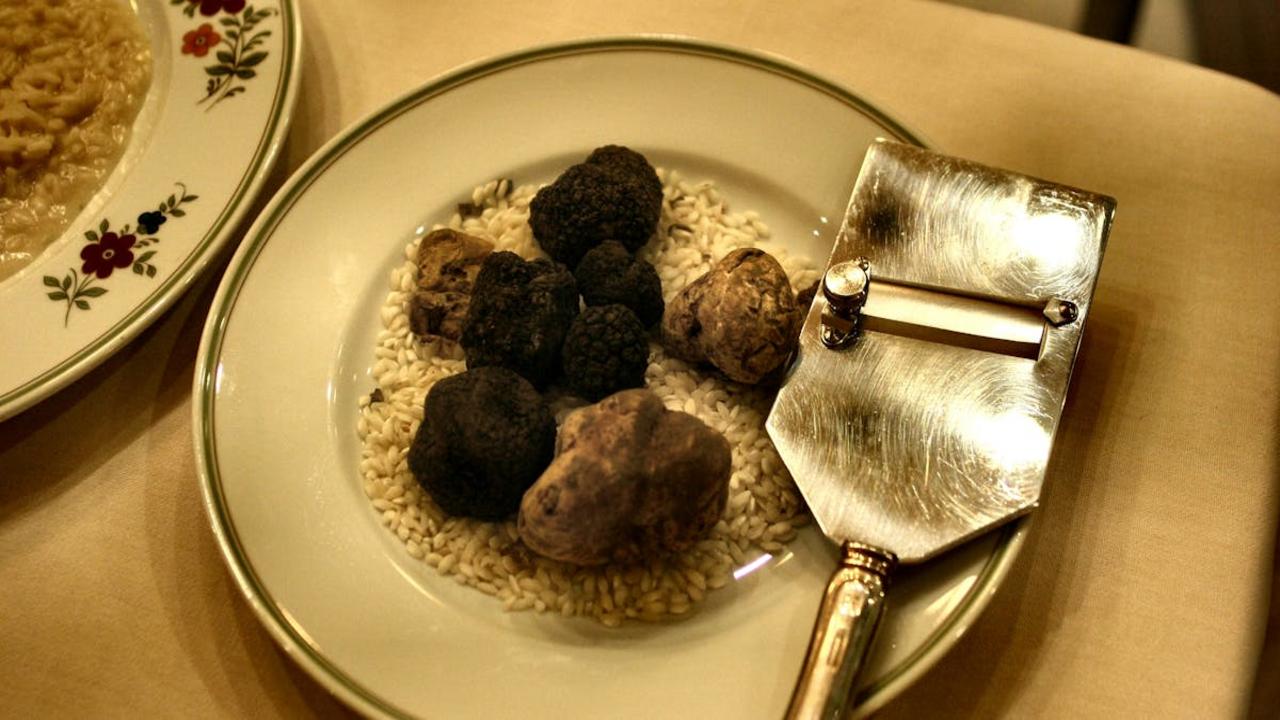
Picture this: you’re strolling through your local grocery store, minding your own business, when suddenly you spot a small, wrinkled, dirt-covered nugget that costs more per pound than a luxury sports car. Meet the white Alba truffle, nature’s most expensive practical joke! These funky fungi can command prices reaching $3,000 per pound during peak season, making them literally worth their weight in gold – and then some. Found exclusively in the forests of Italy’s Piedmont region, these underground treasures grow wild and can’t be cultivated, which explains why truffle hunters guard their secret spots like Fort Knox and pass down locations through generations.
What makes these wrinkly little rocks so special? Their aroma hits you like a freight train of pure umami heaven – imagine garlic, honey, wet earth, and something mysteriously addictive all rolled into one intoxicating scent. Professional truffle hunters use specially trained dogs (goodbye, truffle pigs of yesteryear) to sniff out these buried gems, and the best specimens get auctioned off to restaurants and wealthy food enthusiasts worldwide. A single truffle the size of a tennis ball once sold for over $330,000 at auction! If you ever get your hands on some, remember that less is definitely more – just a few paper-thin shavings over pasta or risotto will transform your dinner into a transcendent experience that justifies eating ramen for the next three months.
Yubari King Melons
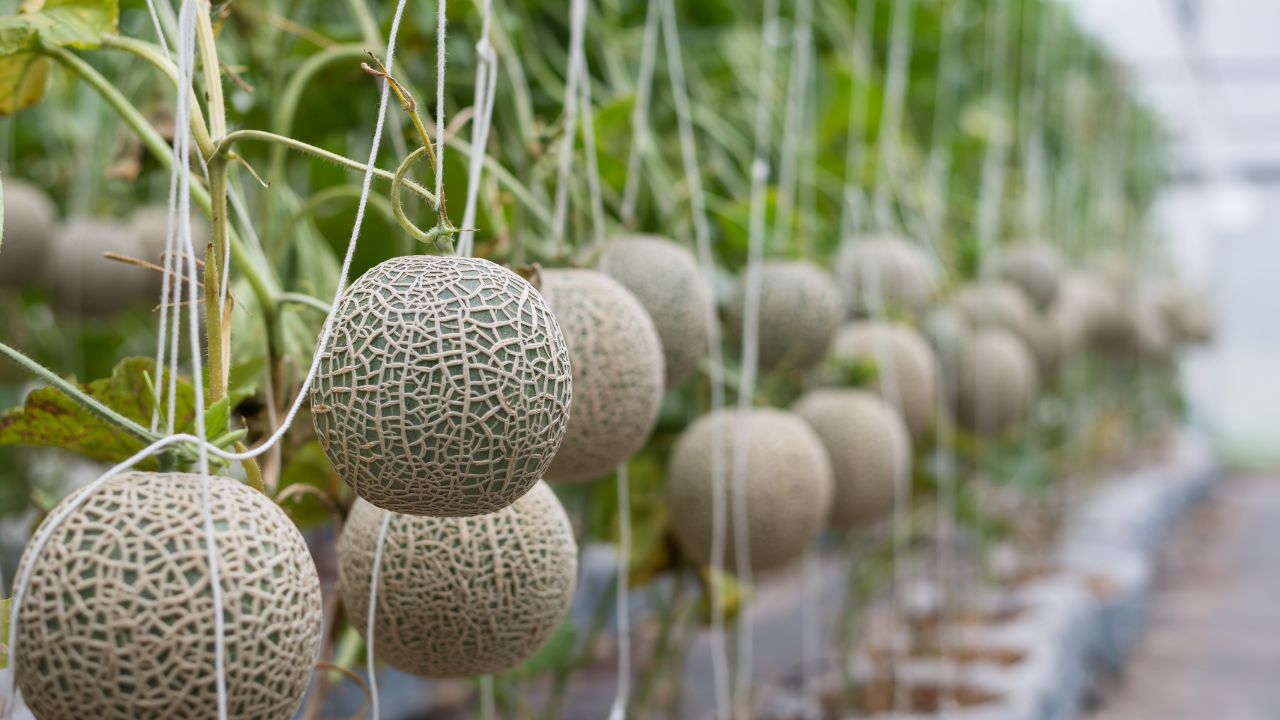
Picture this: you’re strolling through a Japanese market, and suddenly you spot what looks like the Rolls-Royce of cantaloupes sitting pretty in a velvet-lined box with a price tag that makes your credit card whimper. Meet the Yubari King melon, Japan’s most pampered piece of produce that can cost anywhere from $200 to a jaw-dropping $45,000 for a single fruit. Yes, you read that right – forty-five thousand dollars for something you could theoretically eat in one sitting if you had zero self-control and an unlimited bank account. These perfectly round, impossibly sweet melons grow exclusively in Yubari, Hokkaido, where farmers treat each one like a newborn baby, massaging them daily and ensuring they receive exactly the right amount of sunlight.
What makes these melons worth more than most people’s cars? Each Yubari King gets its own little hat to protect it from the sun, individual attention from dedicated farmers, and grows in soil so perfectly calibrated it would make a chemist weep with joy. The flesh inside is reportedly so sweet and juicy that people describe eating it as a religious experience – though at those prices, it better transport you to another dimension. The most expensive ones are typically given as luxury gifts during Japan’s mid-year gift-giving season, because nothing says “I appreciate you” quite like a melon that costs more than a semester of college tuition. While you probably won’t be adding these to your weekly grocery haul, they serve as a fascinating reminder that somewhere in the world, people are willing to pay luxury car prices for the perfect bite of summer.
Fugu (Pufferfish)
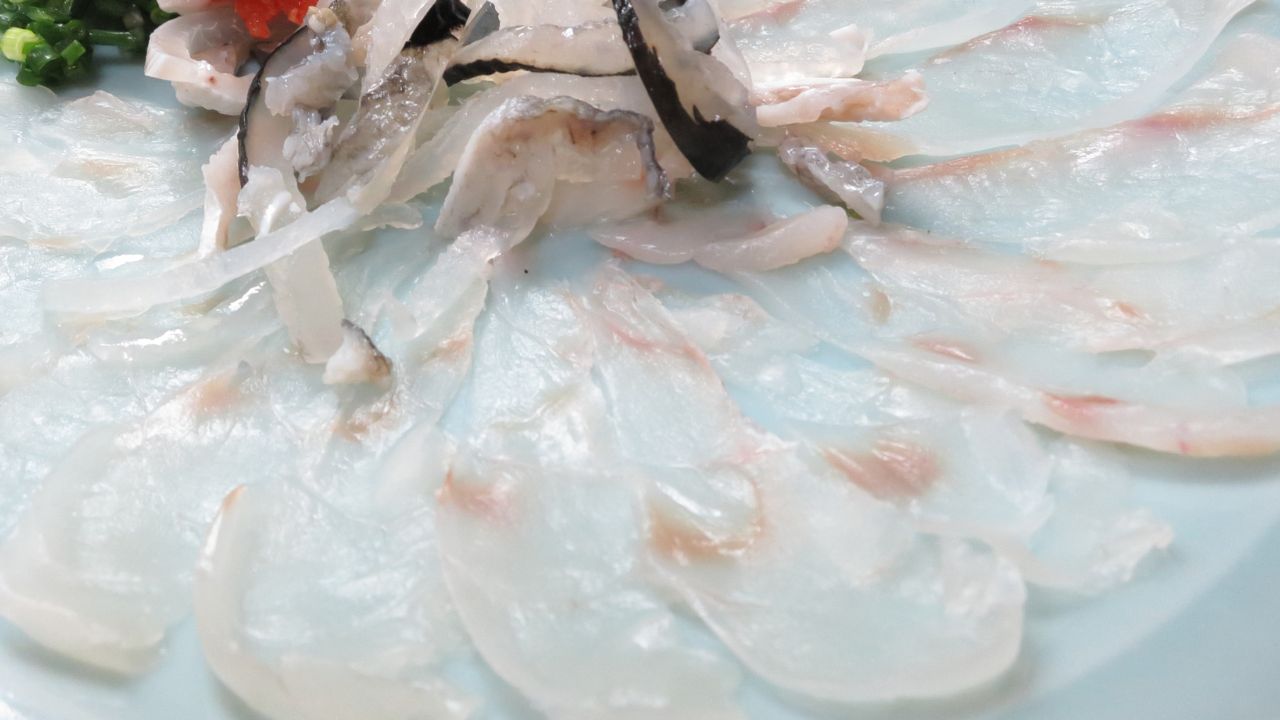
You know what’s wild? There’s a fish out there that could literally kill you with one wrong slice, and people pay absolutely ridiculous amounts of money to eat it. Welcome to the bonkers world of fugu, where a single dinner can cost you anywhere from $200 to $600 per person – and that’s just at a decent restaurant! The crazy part? You’re basically paying premium prices for the privilege of playing Russian roulette with your dinner plate. This Japanese delicacy requires chefs to train for years just to get licensed to serve it, because one tiny mistake with the liver or ovaries and boom – you’re looking at tetrodotoxin poisoning, which is about 1,200 times more deadly than cyanide.
The whole fugu experience is like paying Ferrari prices for what essentially tastes like really expensive, slightly chewy white fish with a subtle numbing sensation on your tongue. But here’s the kicker – the price isn’t really about the flavor (which, honestly, isn’t that spectacular). You’re paying for the thrill, the expertise, and the fact that only specially trained masters can prepare this potentially lethal lunch. In Japan, fugu chefs spend three years learning their craft, and even then, they have to pass incredibly strict exams. The fish itself isn’t even that rare – it’s the skill required to make it non-deadly that drives up the cost. So next time you’re complaining about expensive salmon, remember there’s a fish out there that costs more than some people’s rent and might actually send you to the hospital if the chef had an off day!
Moose Milk Cheese
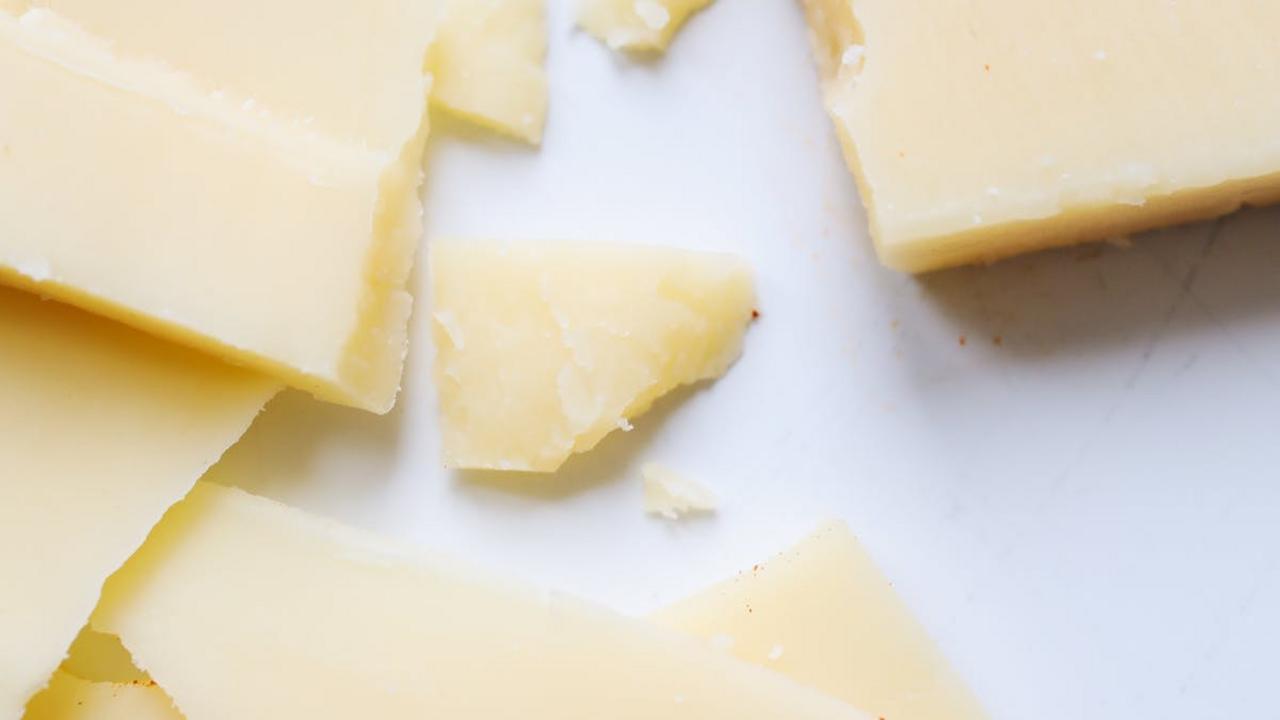
You thought regular cheese was expensive? Wait until you discover moose milk cheese, the Rolls-Royce of dairy products that’ll make your wallet weep harder than watching a sad movie. This rare delicacy costs around $500 per pound, and honestly, finding it might be harder than spotting a unicorn at your local grocery store. Only a handful of farms worldwide produce this creamy treasure, with most located in Sweden and Russia where moose farming isn’t just a quirky hobby—it’s serious business.
The reason behind this astronomical price tag? Moose produce significantly less milk than cows, roughly one to two gallons per day compared to a cow’s six to seven gallons, and they only lactate for about five months annually. Plus, milking a 1,500-pound moose requires nerves of steel and probably hazard pay! The cheese itself boasts a rich, slightly gamey flavor with hints of herbs from the moose’s wild diet. While you probably won’t find moose cheese at your neighborhood market, specialty importers occasionally stock it for adventurous foodies willing to spend mortgage money on a single wheel of cheese.
Bluefin Tuna
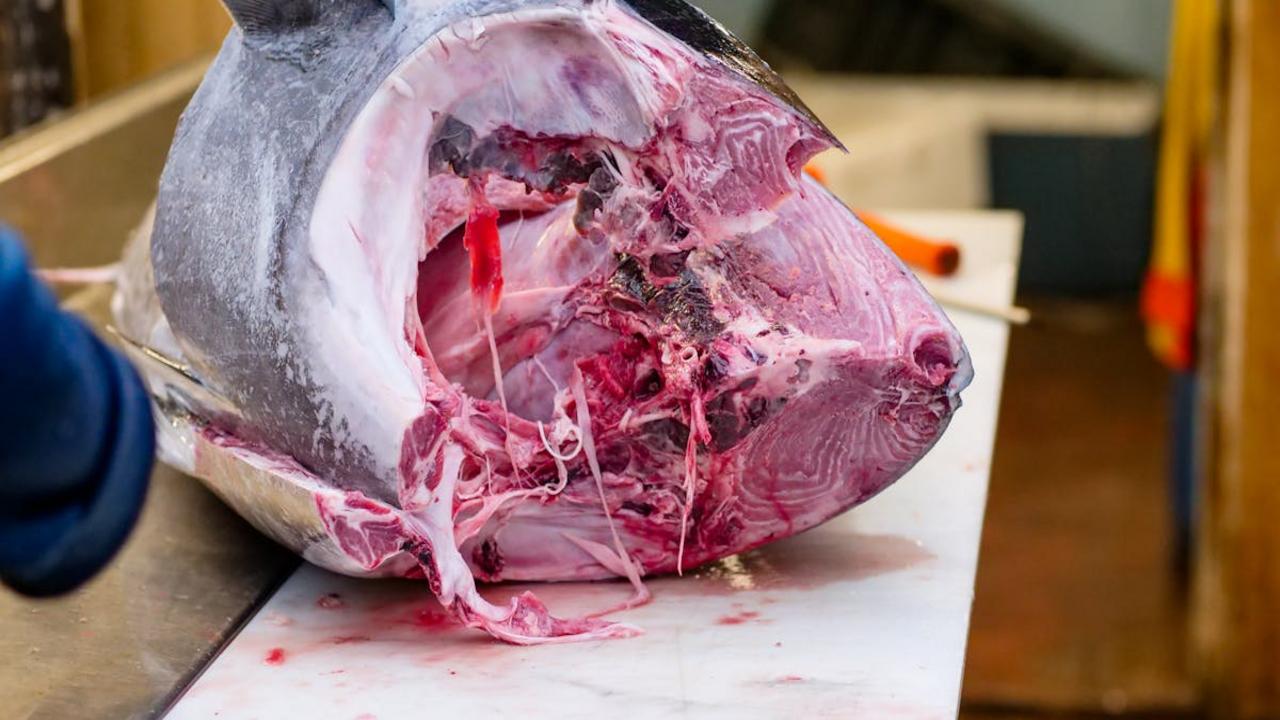
Holy mackerel—or should I say, holy bluefin! You know that gorgeous crimson slice of tuna sitting prettily in the sushi case? Yeah, that ruby-red beauty might just cost more than your monthly Netflix subscription. We’re talking about bluefin tuna here, the Rolls-Royce of the ocean, and boy does it come with a price tag that’ll make your wallet weep. A single bluefin can sell for hundreds of thousands of dollars at Tokyo’s fish markets—one record-breaking specimen went for a jaw-dropping $3.1 million! That breaks down to roughly $5,000 per pound, which means your average grocery store bluefin tuna steak could easily run you $50-100 for just a few ounces.
But here’s the thing about these magnificent fish—they’re basically the marathon runners of the sea. Bluefin tuna can swim up to 43 miles per hour and travel thousands of miles across oceans, which gives their meat that incredibly rich, buttery flavor and melt-in-your-mouth texture. They’re also getting scarcer by the day, which drives prices through the roof faster than you can say “spicy tuna roll.” If you’re lucky enough to snag some at your local fish counter, treat it like the oceanic treasure it is. A quick sear with just salt and pepper will do—don’t you dare overcook this liquid gold! Save the fancy marinades for your regular old yellowfin; this bluefin deserves to shine solo on your plate.
Kobe Beef
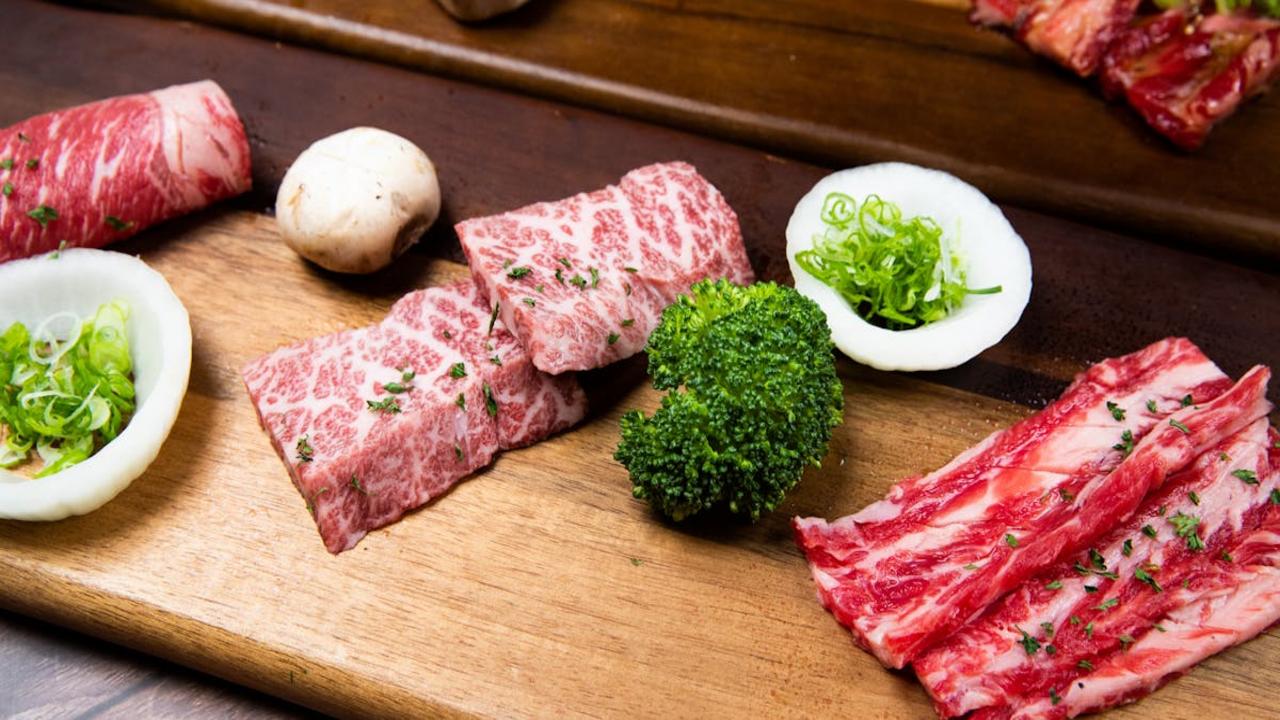
Oh honey, if you think your weekly grocery budget is already crying, wait until you meet Kobe beef – the Rolls Royce of the meat aisle that costs more per pound than most people’s rent! This legendary Japanese beef comes from Wagyu cattle raised in the Hyogo Prefecture, where these pampered bovines live better than most celebrities. We’re talking about cows that get massages, drink beer, and listen to classical music – I kid you not! The result? Meat so marbled with fat that it looks like edible artwork, with streaks of white fat running through deep red muscle like delicate lace. True authentic Kobe beef can run you anywhere from $200 to $600 per pound, making it so expensive that many restaurants don’t even serve the real deal.
Here’s the kicker though – most of what Americans call “Kobe beef” isn’t actually Kobe at all! It’s often American Wagyu or other premium beef varieties playing dress-up with a fancy name. Real Kobe beef comes with a certificate of authenticity and a nose-bleed-inducing price tag that’ll make you question every life choice that brought you to this moment. The cattle must be born, raised, and slaughtered in Hyogo Prefecture, and only about 3,000 head qualify each year. So next time you see “Kobe sliders” for $15 at your local gastropub, just smile and nod – you’re probably getting really good beef, but calling it Kobe is like calling your Honda Civic a Ferrari. Still delicious, just not quite the same league!
Iberico Ham
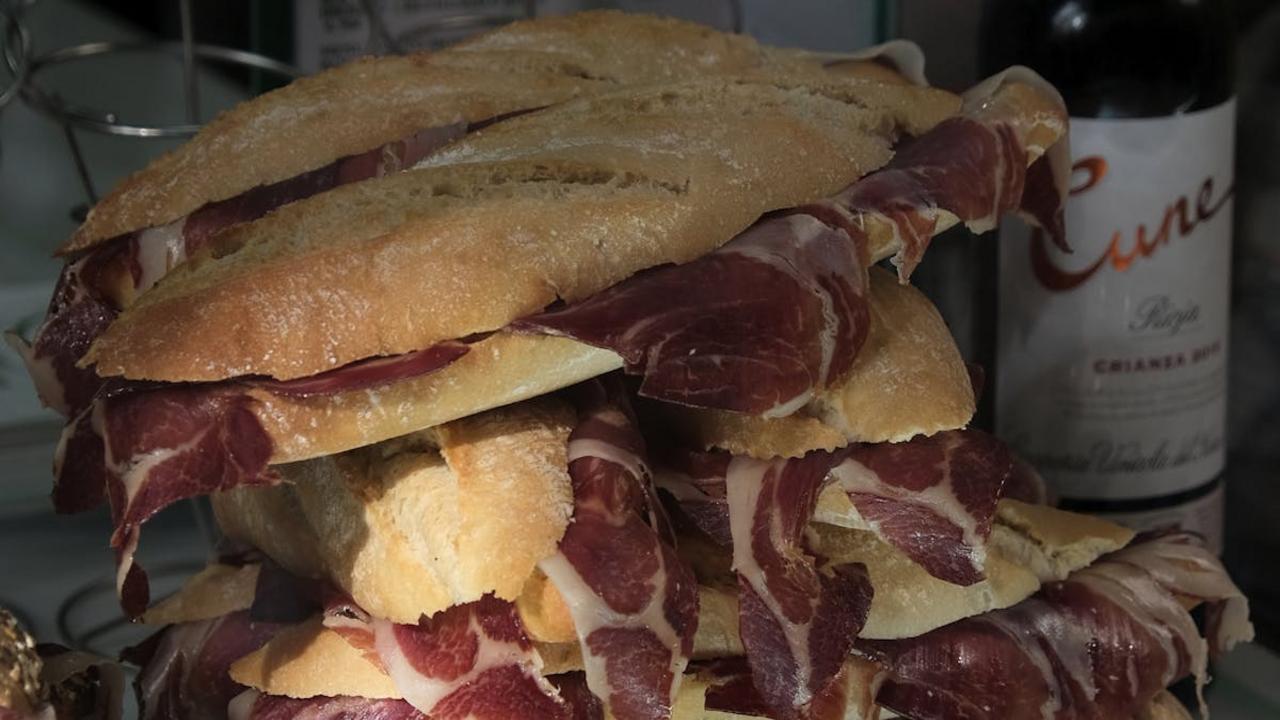
Picture this: you’re strolling through a fancy deli, and there it is—a leg of Iberico ham dangling like edible artwork, priced at what could easily cover your monthly rent. This Spanish delicacy isn’t just expensive; it’s astronomically priced because those pampered pigs live better than most humans. These black-footed beauties roam oak forests in Spain, munching on acorns that give their meat that distinctive nutty flavor. The best grade, Jamón Ibérico de Bellota, can cost $150 per pound or more, making it one of the world’s most expensive hams.
What makes this price tag almost reasonable is the insane production process. These pigs spend their final months in a pig paradise, gaining weight purely from acorns (each pig devours about 20 pounds daily). After slaughter, the hams cure for up to four years in mountain caves, where master curers monitor them like precious babies. The result? Paper-thin slices that melt on your tongue with an intensity that’ll make you question every deli meat you’ve ever eaten. Sure, you could buy a decent used car for the price of a whole leg, but where’s the fun in practical purchases when you could have ham that’s basically pork poetry?
Manuka Honey
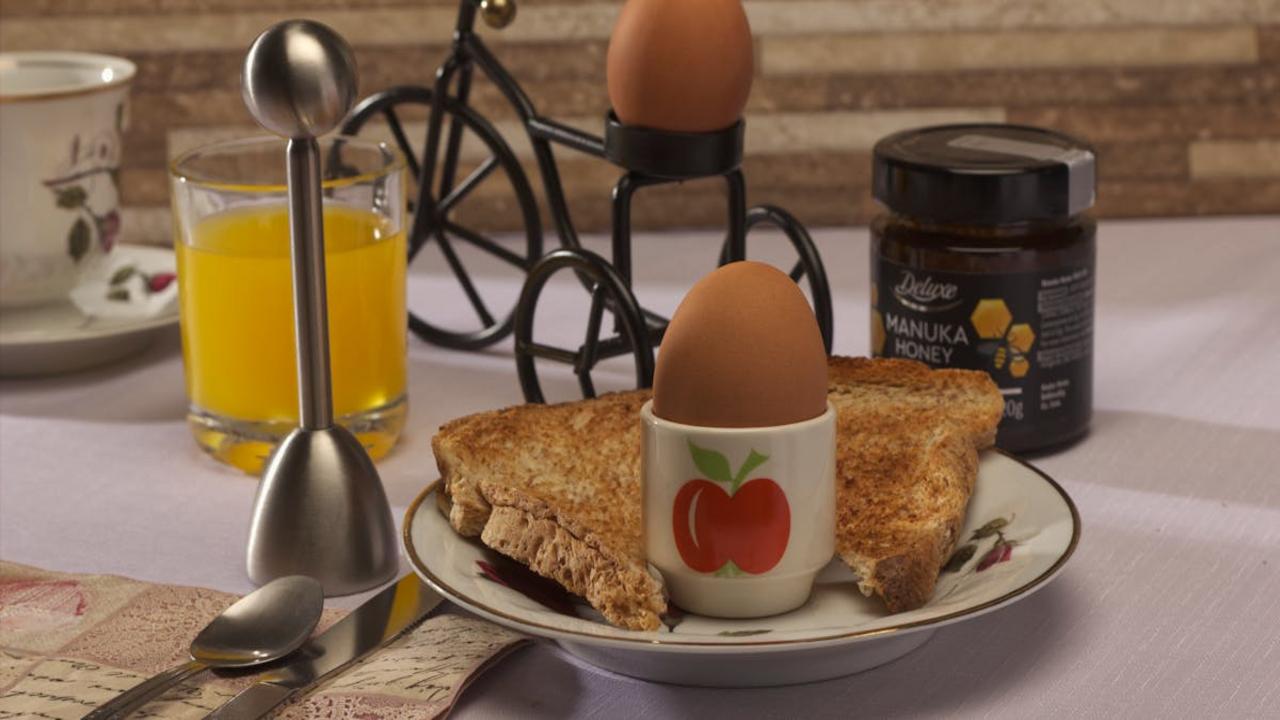
You know that fancy jar of honey sitting on the grocery store shelf with the eye-watering price tag? That’s Manuka honey, and boy, does it make regular honey look like a bargain basement special! This liquid gold comes exclusively from New Zealand’s Manuka trees, where bees work overtime to create what’s basically the Rolls-Royce of sweeteners. A single jar can cost anywhere from $30 to $200, depending on its UMF rating (that’s Unique Manuka Factor, not “Unbelievably Mind-blowing Finance-drainer,” though both work). The higher the UMF number, the more your wallet will weep – but hey, at least your toast will taste like it’s been kissed by angels wearing tiny aprons.
What makes this honey so special that it costs more than some bottles of wine? Well, Manuka honey contains methylglyoxal, a compound that gives it antibacterial superpowers stronger than your average bear – or honey bear, if you will. People swear by its healing properties, using it for everything from soothing sore throats to treating wounds, making it part pantry staple, part medicine cabinet miracle worker. The catch? Authentic Manuka honey only comes from those specific New Zealand trees, and the bees can be quite picky about their work schedule. So next time you’re spreading this precious nectar on your morning toast, remember you’re basically eating nature’s most expensive band-aid – and it tastes absolutely divine!
Kopi Luwak Coffee
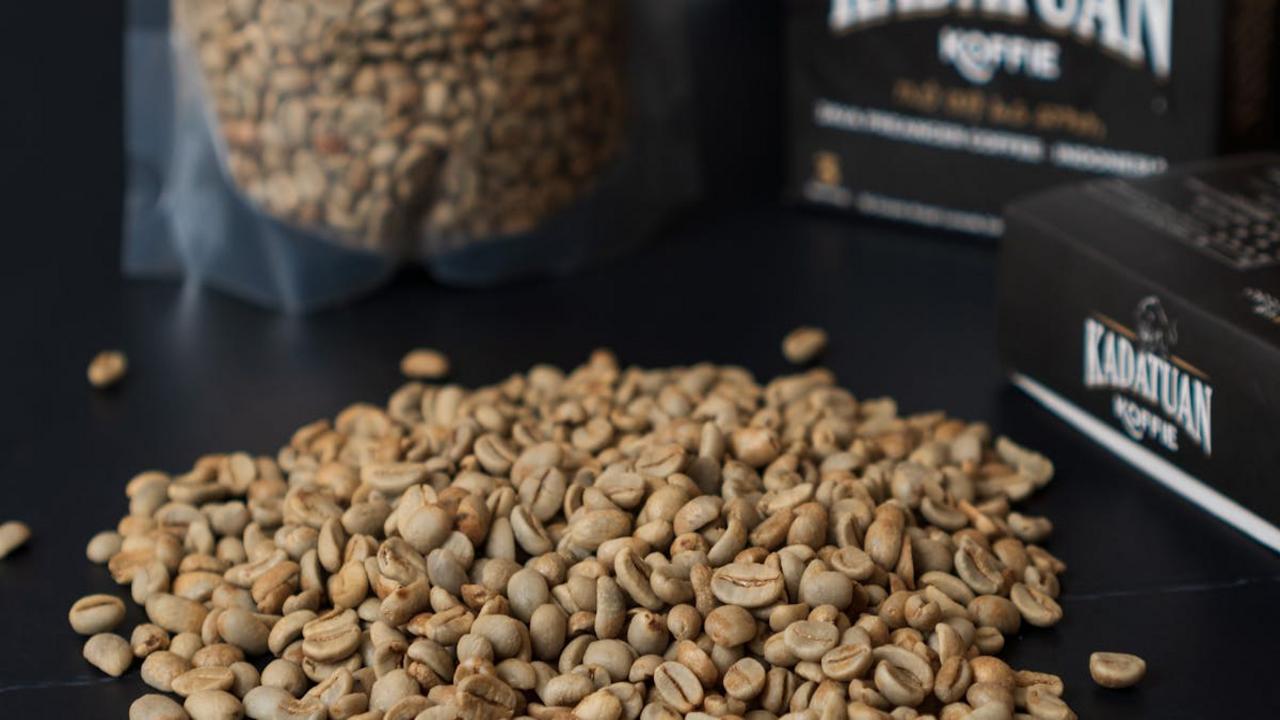
Picture this: you’re sipping what might be the world’s most expensive coffee, and it literally went through a cat’s digestive system first. Welcome to the wild world of Kopi Luwak, where a single cup can cost you anywhere from $35 to $100, and a pound of beans will set you back a whopping $100 to $600. This Indonesian coffee gets its astronomical price tag from its rather unusual production method – Asian palm civets (cute little cat-like creatures) eat coffee cherries, digest the fruit, and leave behind the beans in their droppings. Coffee farmers then collect, clean, and roast these “processed” beans, creating what enthusiasts claim is the smoothest, least bitter coffee on Earth.
The civets’ digestive enzymes supposedly break down proteins that cause coffee’s natural bitterness, resulting in a uniquely mellow brew with hints of chocolate and caramel. But here’s where things get tricky – the genuine stuff comes from wild civets roaming free in Indonesian forests, but skyrocketing demand has led to some pretty questionable practices involving caged animals and fake products flooding the market. If you’re considering splurging on this pricey brew, make sure you’re buying from reputable sources that can verify the beans’ authenticity and humane origins. Otherwise, you might just be paying premium prices for regular coffee with a fancy backstory and a very uncomfortable production tale.
Vanilla Beans
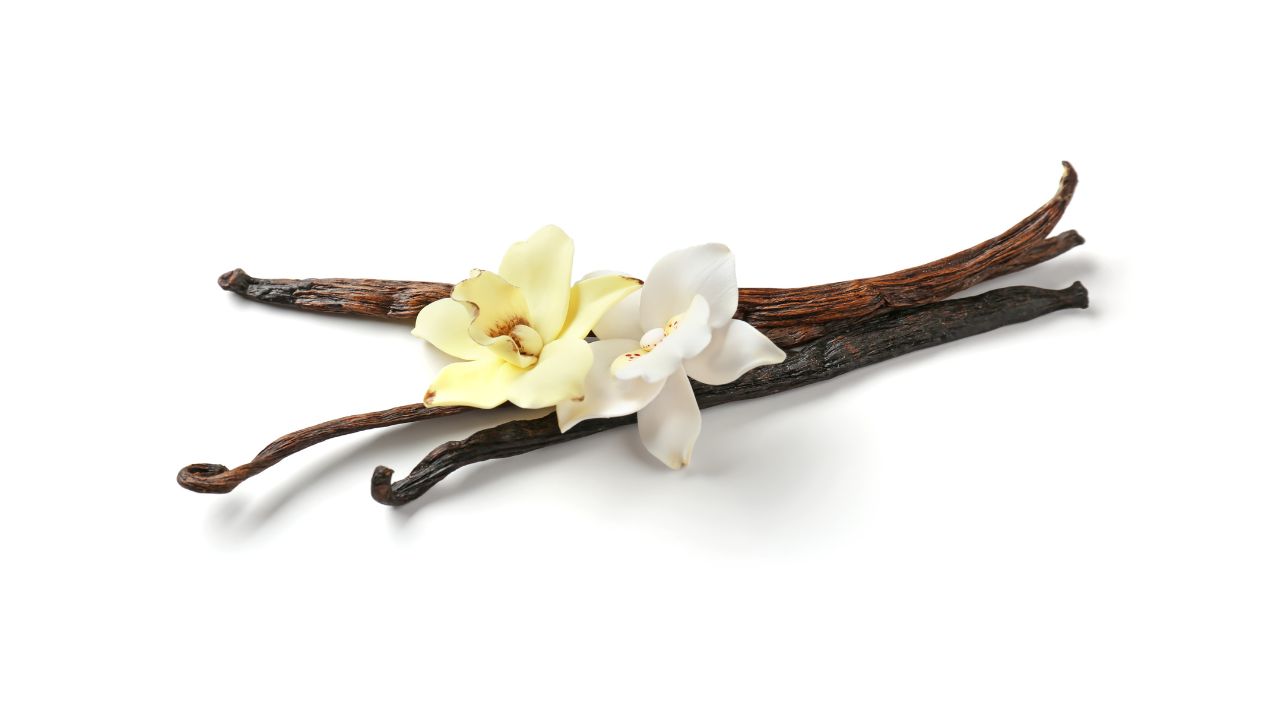
Those skinny little black pods sitting innocently in the spice aisle carry a price tag that’ll make your wallet weep. Real vanilla beans cost anywhere from $3 to $8 per pod, and here’s the kicker – most recipes call for at least two! I once watched a friend casually toss three vanilla beans into her cart while shopping for crème brûlée ingredients, then nearly faint at checkout when those three pods added $18 to her bill. The Madagascar vanilla beans (the fancy ones that taste like heaven) can cost more per ounce than silver, which explains why vanilla extract became the poor person’s substitute and why your grandmother hoarded those little glass bottles like precious gems.
What makes these pods so ridiculously expensive? Vanilla orchids are divas of the plant world – they only bloom for a few hours and require hand-pollination because the natural pollinators don’t exist outside of Mexico. Each bean takes nine months to mature, then another six months to cure properly. Madagascar produces about 80% of the world’s vanilla, so when cyclones hit the island (which happens frequently), prices skyrocket faster than a soufflé in a hot oven. Pro tip: buy vanilla beans in bulk online, store them wrapped in plastic in your freezer, and scrape every last speck from those pods – even the empty shells can infuse sugar or cream with that intoxicating aroma that makes everything taste like a fancy French patisserie.
Matsutake Mushrooms
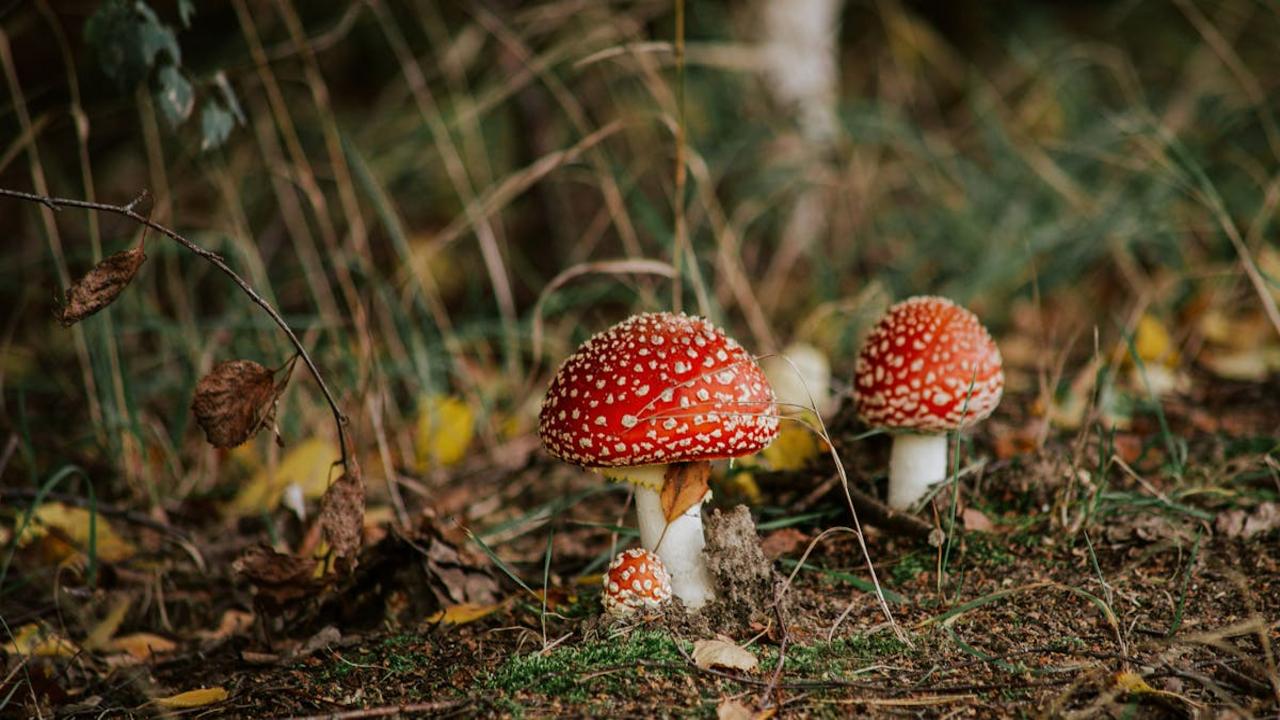
Picture this: you’re strolling through the grocery store, minding your own business, when you spot what looks like ordinary mushrooms in the fancy section. The price tag? A casual $300 per pound. Welcome to the wild world of matsutake mushrooms, Japan’s most prized fungal treasure that makes truffle prices look reasonable! These spicy, cinnamon-scented beauties grow exclusively in pine forests and refuse to be cultivated, making them rarer than a unicorn wearing designer shoes. In Japan, perfect specimens can sell for thousands of dollars each, and people literally hunt them like buried treasure with specially trained dogs.
What makes these mushrooms worth more than your monthly rent? They only grow in symbiosis with specific pine tree roots, and their growing conditions are so finicky that climate change is making them even scarcer. The flavor is absolutely divine – imagine if cinnamon had a sophisticated, earthy cousin who went to culinary school in Tokyo. Japanese chefs prize them so highly that they’re often given as luxury gifts, wrapped more carefully than crown jewels. If you ever find yourself with a spare mortgage payment lying around, try them grilled simply with a touch of soy sauce. Just don’t blame me when your wallet starts weeping uncontrollably!
Saffron
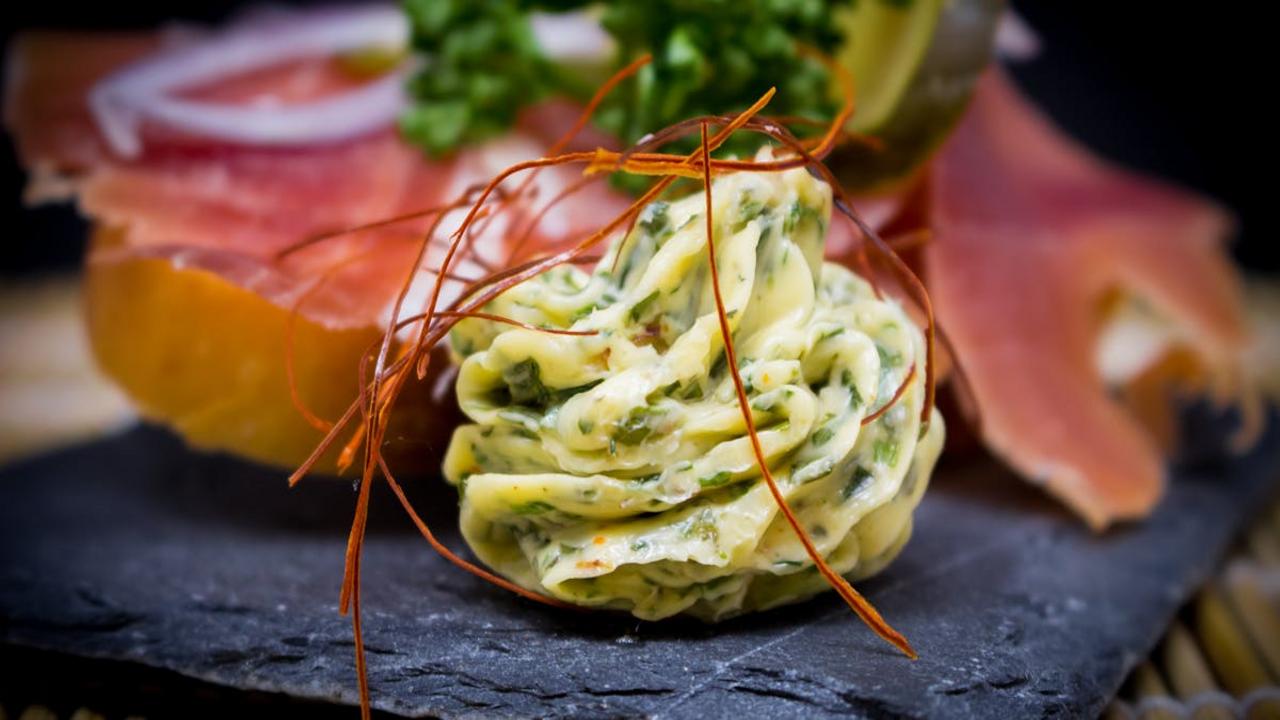
Holy moly, friends – if you’ve ever wondered why that tiny jar of saffron costs more than your monthly Netflix subscription, buckle up! This gorgeous golden spice literally costs more per ounce than gold, and I’m not being dramatic here. We’re talking about $5,000 to $10,000 per pound for the good stuff. Each delicate crimson thread must be hand-picked from crocus flowers during a ridiculously short harvest window, and get this – it takes about 150 flowers to produce just one gram of saffron. That’s like having a team of tiny flower surgeons working around the clock!
But here’s the thing that makes me giggle every time I use saffron in my kitchen: you only need a pinch – literally three or four threads – to transform an entire pot of rice into something magical. Those little red strands release this incredible honeyed aroma and paint everything a stunning sunset yellow. I keep mine in the freezer (because at these prices, I’m treating it like precious jewelry), and when I make paella or Persian rice, I always soak the threads in warm water first to release maximum flavor. Pro tip: buy from reputable spice shops because fake saffron is everywhere, and trust me, you’ll know real saffron by its distinct sweet-metallic scent that makes your whole kitchen smell like a fancy restaurant.