Which Plate Screams Your State 15 Signature Dishes That Capture Every US State’s Flavor
Food tells our American story better than words ever could. From Alabama’s tangy white sauce chicken to Vermont’s sweet sugar on snow, each dish carries generations of tradition. These 15 state signatures showcase how local ingredients and cultural influences combine to create something uniquely regional.
You’ll recognize your home state instantly by what fills your plate. Maybe it’s the crispy-outside, tender-inside finger steaks of Idaho or the hearty Basque lamb stew that warms Nevada nights. Each recipe holds memories—family gatherings, hometown restaurants, and the comfort of familiar flavors.
The beauty of American cuisine lives in its diversity. The chimichanga’s Southwestern kick in Arizona differs completely from Connecticut’s steamed cheeseburgers or Hawaii’s gravy-topped loco moco. Yet together, they form the rich patchwork of flavors that makes our food culture so incredibly special.
Vermont: Sugar on Snow
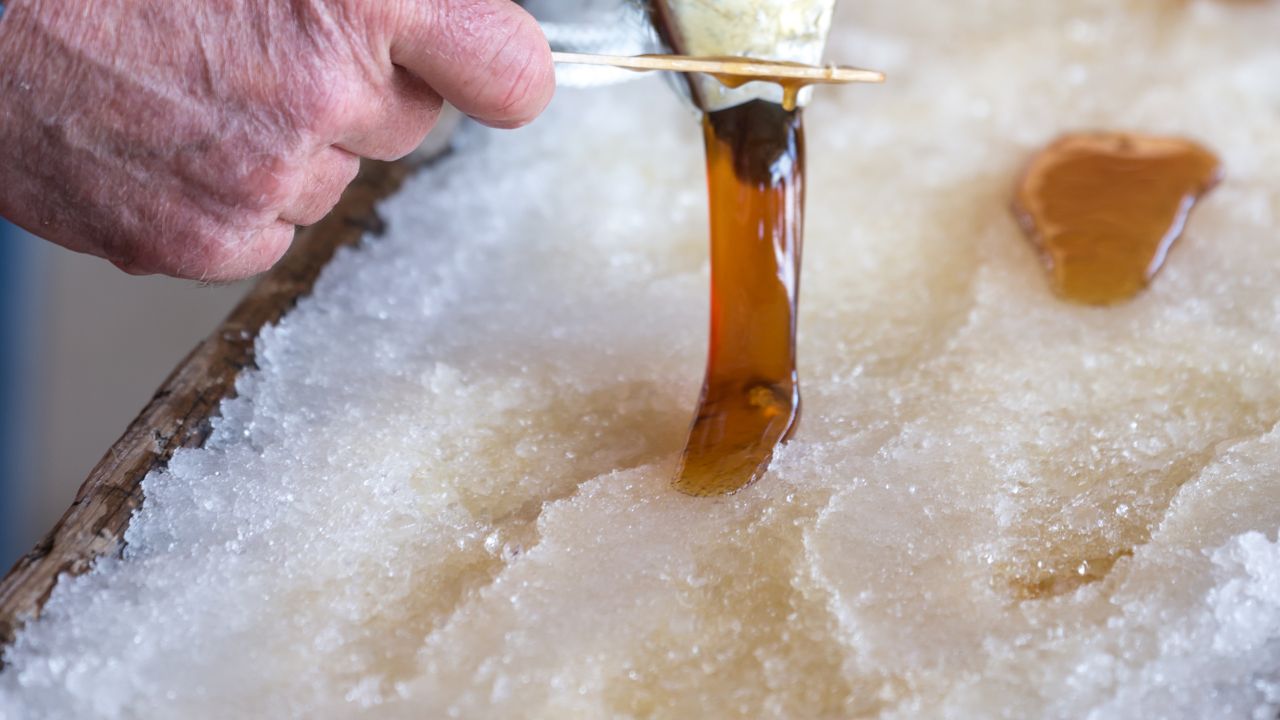
Picture this: fresh snow blankets the Vermont countryside, maple sap flows freely from ancient trees, and families gather around bubbling cauldrons of liquid gold. Sugar on Snow isn’t just a treat—it’s pure Vermont magic crystallized into one perfect bite. You take hot maple syrup, boil it to the soft-ball stage, then pour it directly over clean, fresh snow. The syrup hardens instantly into chewy, amber ribbons that you twirl around a fork or wooden stick. I love how this simple technique transforms two basic ingredients into something that captures the very soul of Vermont’s maple season.
What strikes me most about Sugar on Snow is how it connects you directly to the land and seasons. You can’t rush this process or substitute ingredients—the snow must be pristine, the syrup must reach exactly the right temperature, and timing becomes everything. Traditional accompaniments include sour dill pickles and plain donuts, creating a perfect balance of sweet, salty, and tangy flavors that dance across your palate. This dish represents everything I believe about authentic cooking: using what nature provides, respecting seasonal rhythms, and creating joy through simple, unprocessed ingredients that tell the story of their place.
New Mexico: Green Chile Stew
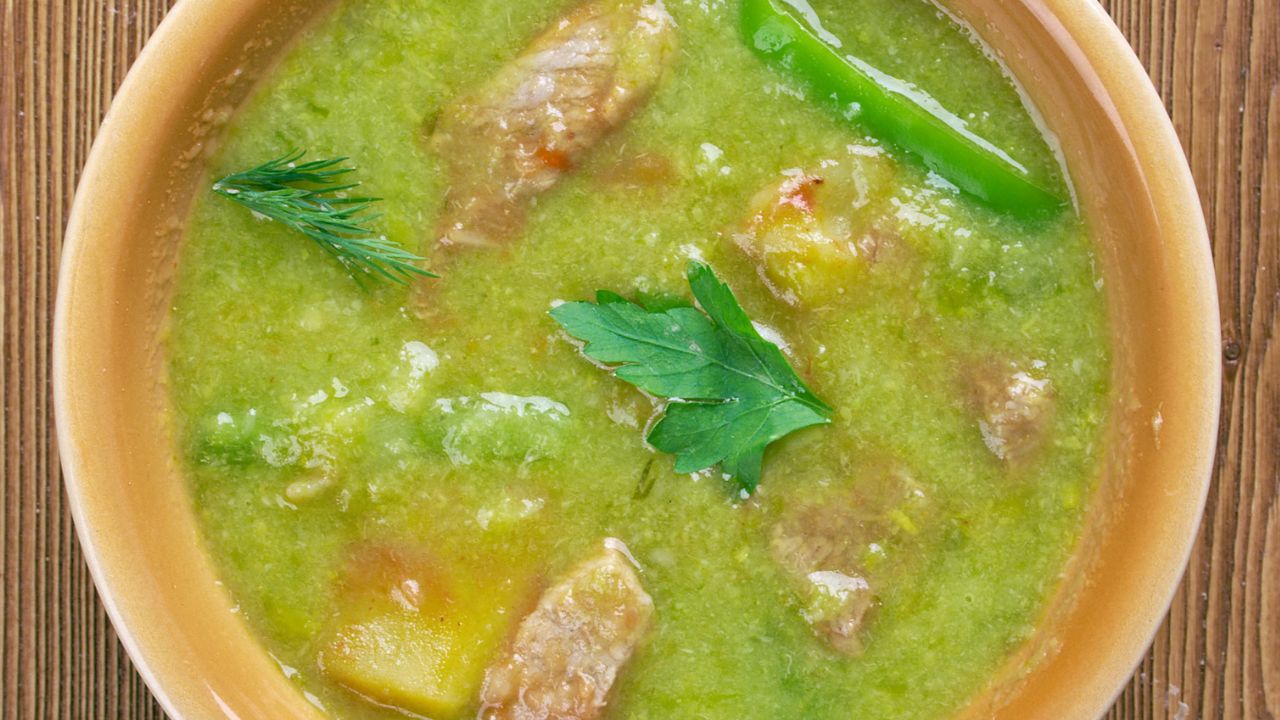
You know that feeling when you walk into a New Mexican kitchen and the scent of roasting green chiles fills the air? That’s pure magic right there. Green Chile Stew represents everything I love about New Mexican cooking – it’s honest, warming, and built on ingredients that have been nourishing families for generations. The star here isn’t just any pepper; we’re talking about Hatch green chiles, those beautiful pods that grow in the high desert and carry a heat that builds slowly, paired with an earthy sweetness that makes your soul sing. I’ve learned that the secret lies in charring those chiles properly – you want that skin blistered and blackened, creating smoky depths that no store-bought powder can replicate.
What makes this stew so special is how it brings together simple ingredients and transforms them into something profound. Tender chunks of pork or beef swim in a broth thickened naturally with the chiles themselves, often joined by potatoes, onions, and sometimes a handful of white beans. The beauty of this dish reminds me why I gravitate toward recipes that honor tradition while allowing for personal touches. You can adjust the heat level by mixing different chile varieties, add seasonal vegetables from your garden, or make it completely plant-based with hearty mushrooms and extra beans. Every spoonful tells the story of New Mexico’s high desert landscape and the resourceful cooks who created something extraordinary from the land around them.
Nevada: Basque Lamb Stew
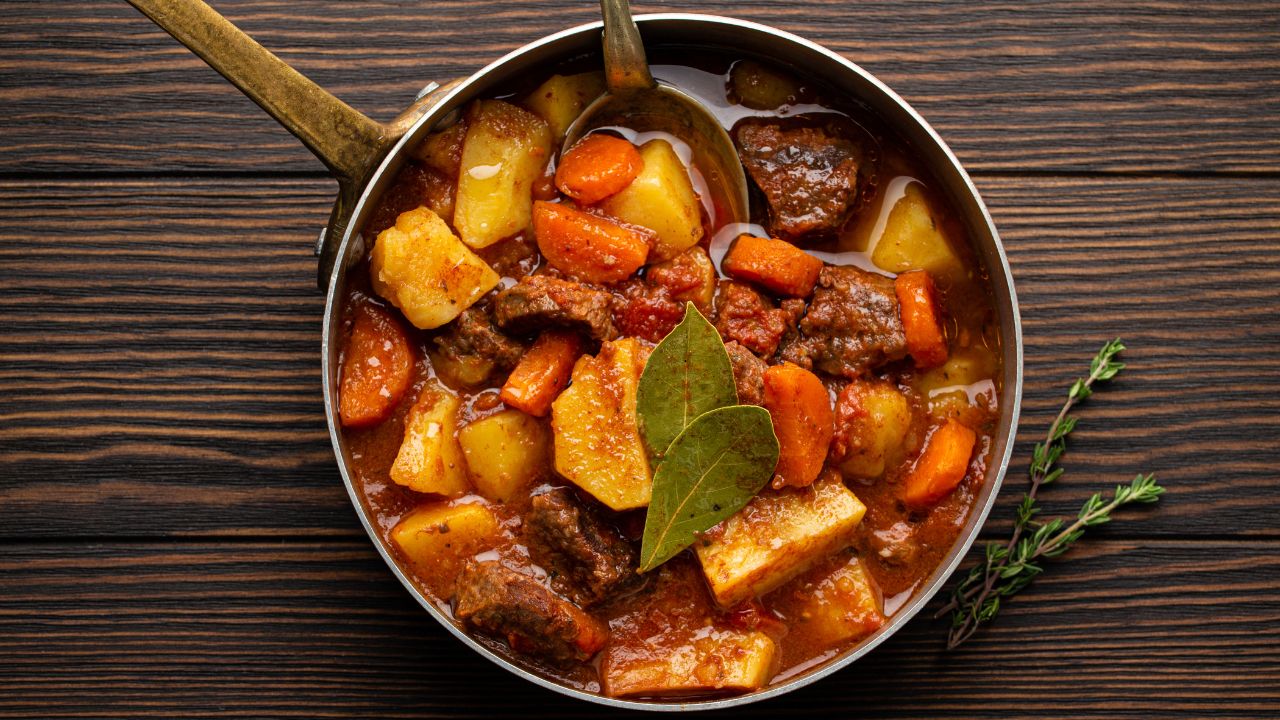
Picture this: you’re wandering through Nevada’s high desert country, and the aroma of slow-simmered lamb pulls you toward a rustic Basque boarding house. That’s where you’ll discover one of the Silver State’s most authentic treasures—Basque lamb stew. This hearty dish tells the story of Basque shepherds who arrived in Nevada during the 1800s, bringing their rich culinary traditions to the American West. I love how this stew represents the perfect marriage of Old World technique with New World abundance, creating something uniquely Nevadan.
What makes this stew so special is its honest simplicity and depth of flavor. You start with tender chunks of lamb shoulder, browning them until they develop that gorgeous caramelized crust. Then you build layers of flavor with onions, garlic, bell peppers, and tomatoes—ingredients that sing together in perfect harmony. The secret lies in the long, slow simmer that transforms tough cuts into melt-in-your-mouth perfection. I always add a splash of red wine and plenty of paprika, just like those original Basque cooks did. This isn’t just food; it’s comfort in a bowl, connecting you to generations of hardworking people who understood that the best meals come from patience, quality ingredients, and a whole lot of heart.
Montana: Pasties
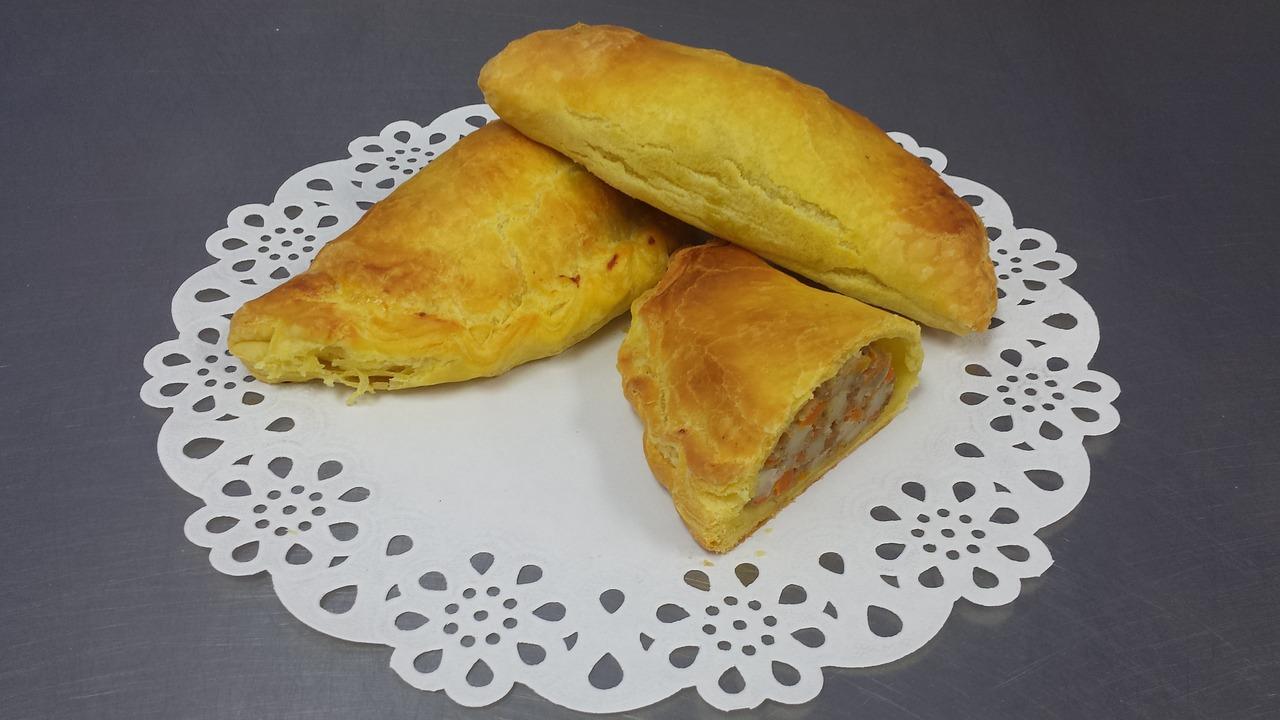
Picture this: you’re deep in Montana’s rugged mining country, and you need a meal that travels well, stays warm for hours, and packs enough nutrition to fuel hard physical work. That’s exactly how pasties became Montana’s signature comfort food. These hand-held meat pies arrived with Cornish miners in the 1800s, and honestly, I can’t think of a more perfect portable meal. The beauty lies in their simplicity—a flaky, sturdy pastry cradles seasoned beef, potatoes, onions, and rutabaga, creating a complete meal wrapped in golden dough. I love how this dish represents the practical genius of immigrant cooking, where necessity births something absolutely delicious.
What excites me most about pasties is how they demonstrate the magic of slow, gentle cooking. The filling steams inside that pastry shell, allowing all those earthy vegetables to meld with the beef while the crust stays crisp on the outside. You can make them healthier by using grass-fed beef and adding extra vegetables like carrots or turnips—I sometimes sneak in some finely chopped kale too. The crimped edge isn’t just pretty; it creates the perfect seal that keeps all those wonderful juices locked inside. Montana pasties prove that sometimes the most satisfying meals come from the humblest ingredients, transformed through patience and tradition into something that warms you from the inside out.
Kansas: Bierocks
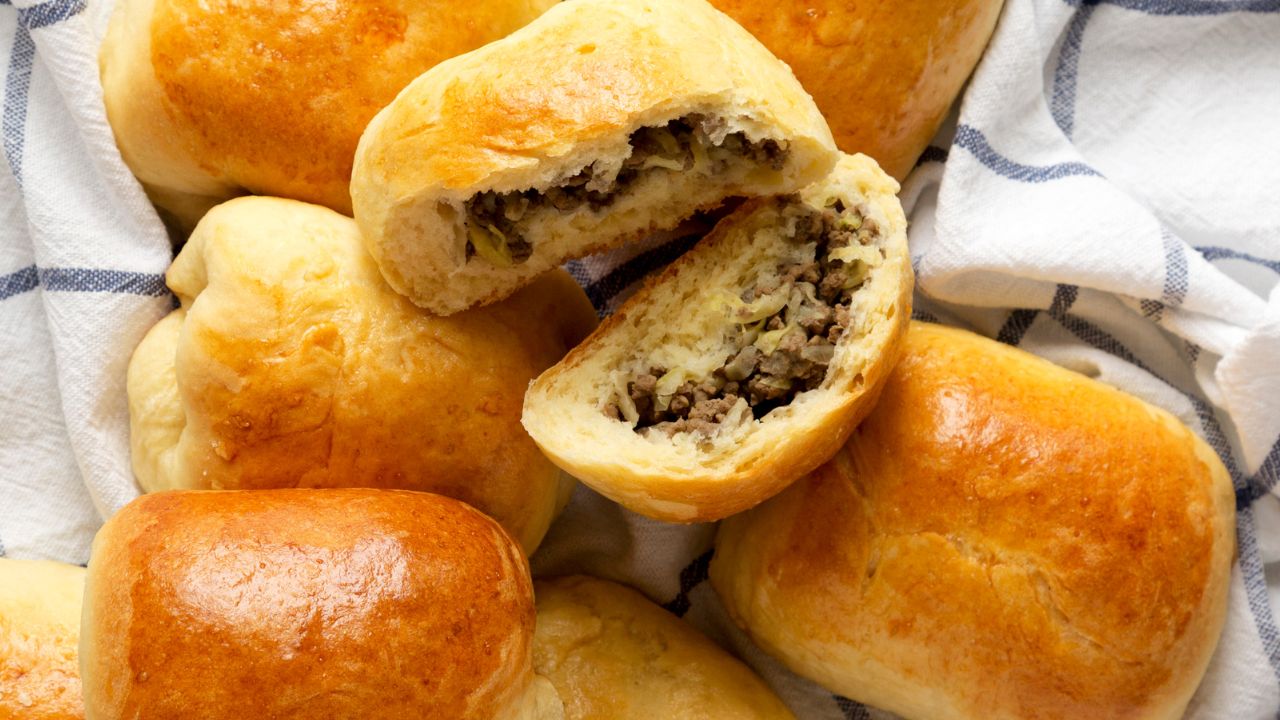
Picture this: you’re standing in a Kansas kitchen, flour dusting your hands as you work tender yeast dough around a savory filling of seasoned ground beef, onions, and cabbage. That’s the magic of bierocks, Kansas’s beloved hand pie that tells the story of German-Russian immigrants who brought this comfort food to the Great Plains. I love how these little pockets of joy represent everything beautiful about home cooking – simple ingredients transformed into something extraordinary through patience and care.
What makes bierocks so special is their perfect balance of textures and flavors. The soft, pillowy bread exterior gives way to a hearty filling that’s both satisfying and nourishing. I always encourage you to make your own dough from scratch – there’s something deeply therapeutic about kneading that brings you closer to the generations of Kansas cooks who’ve made these before you. You can easily adapt the filling too, adding shredded carrots for sweetness or swapping beef for turkey. Each family has their own secret touches, and that’s what makes this dish so wonderfully personal and authentic.
Idaho: Finger Steaks
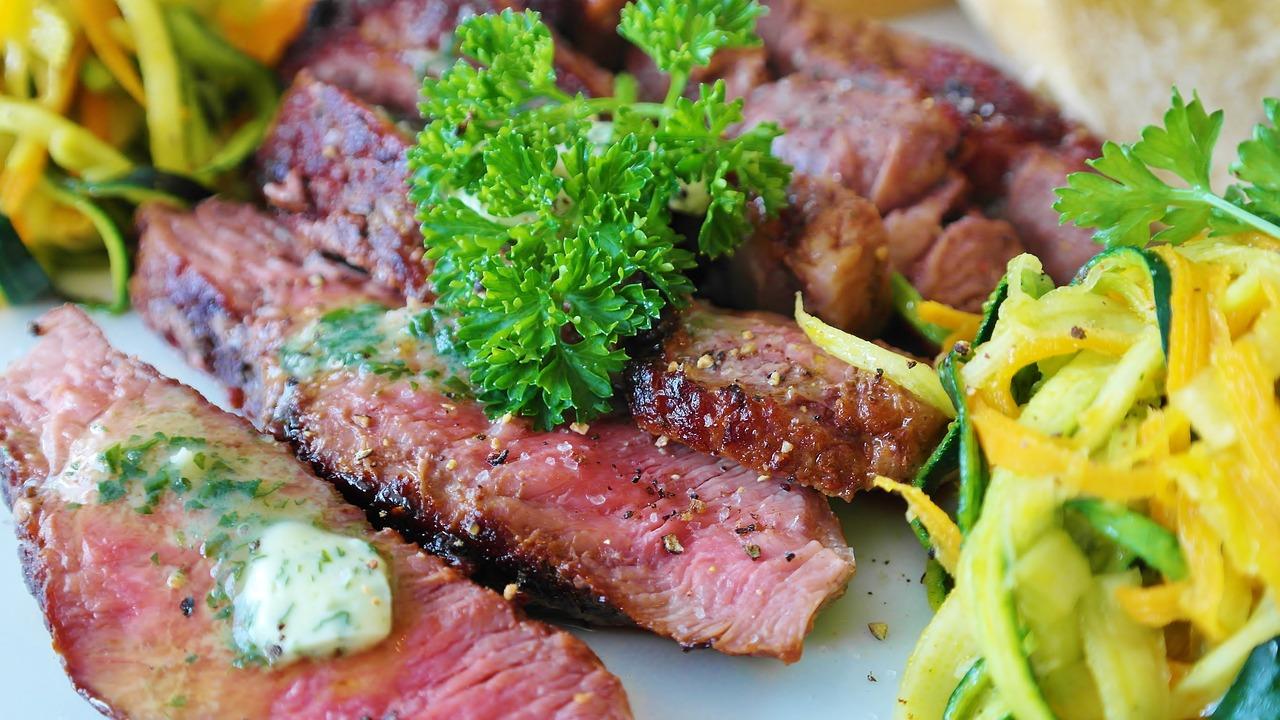
You know what gets me excited about Idaho’s finger steaks? They’re basically the ultimate comfort food mashup that nobody talks about enough! Picture this: tender strips of beef sirloin, battered and fried to golden perfection, served with cocktail sauce for dipping. This isn’t your typical steak dinner – it’s handheld happiness that started in Boise back in the 1950s. I love how this dish represents everything I believe about cooking: taking quality ingredients and transforming them into something unexpectedly wonderful. The beauty lies in the simplicity – good beef, a light batter, and proper frying technique.
When I make finger steaks at home, I focus on using grass-fed beef and creating a batter that’s crispy but not heavy. The key is cutting the meat against the grain into finger-sized strips, then giving them a quick marinade with garlic and herbs before the batter bath. I often serve mine with a homemade cocktail sauce spiked with horseradish and fresh herbs – it adds that bright, tangy contrast the rich beef craves. What makes this dish so special is how it brings people together around the table, encouraging conversation and connection while everyone reaches for another piece. It’s comfort food that doesn’t weigh you down.
Hawaii: Loco Moco
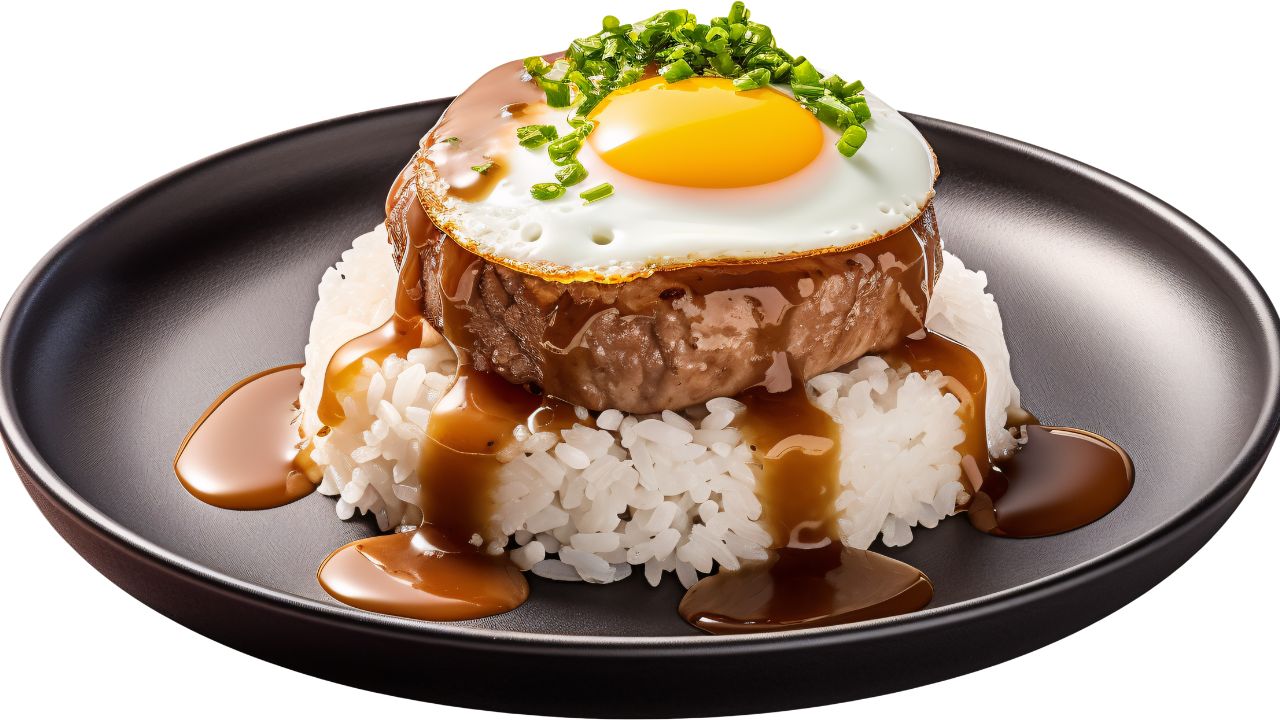
Picture this: you’re standing in a local Hawaiian diner at sunrise, and the plate that arrives captures everything beautiful about island comfort food. Loco Moco isn’t just a dish—it’s Hawaii’s genius solution to creating something deeply satisfying from simple, honest ingredients. I watch people’s faces light up when they first encounter this masterpiece: a bed of steamed white rice crowned with a perfectly seasoned hamburger patty, topped with a fried egg whose golden yolk acts like nature’s sauce, and finished with rich brown gravy that ties everything together. The beauty lies in how each component maintains its identity while creating something completely new together.
What I love most about Loco Moco is how it represents Hawaii’s melting pot spirit—Japanese rice techniques, American hamburger traditions, and Portuguese-influenced gravy all dancing together on one plate. When I make this at home, I focus on building layers of flavor: seasoning that ground beef generously, cooking the rice with just the right amount of water for fluffy grains, and crafting a gravy that’s rich but not heavy. The runny egg yolk becomes your natural sauce, mixing with the gravy to create this incredible umami-rich coating for the rice. It’s the kind of food that makes you understand why locals consider it the ultimate comfort meal—hearty enough for plantation workers, yet refined in its perfect balance of textures and flavors.
Georgia: Brunswick Stew
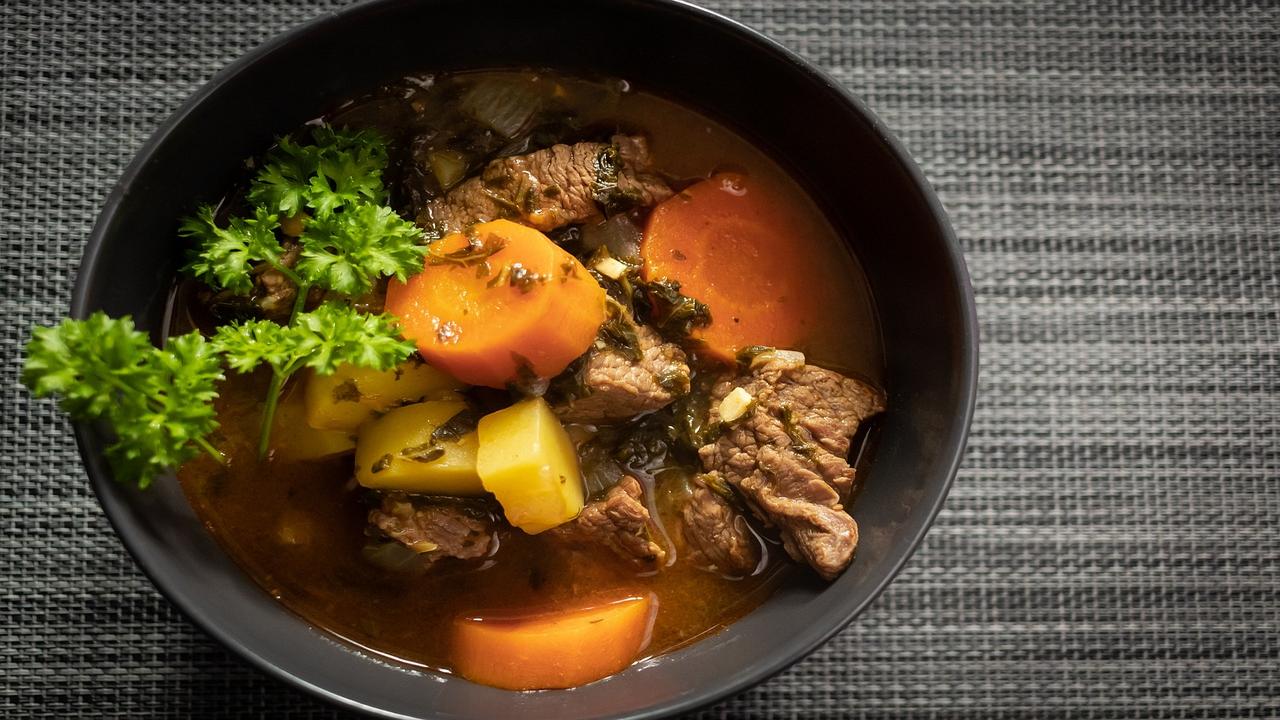
Picture this: you’re standing in a Georgia backyard where the smoky aroma of slow-cooked Brunswick stew fills the air, and you know you’ve found something special. This hearty, soul-warming dish represents everything I love about Southern cooking – it’s resourceful, communal, and transforms simple ingredients into pure comfort. Traditional Brunswick stew brings together pulled pork or chicken, lima beans, corn, okra, and tomatoes in a thick, rich base that’s been simmering for hours. I always tell people that the secret lies in the slow cooking process and the way each ingredient melds together to create something greater than its parts. The beauty of this dish is how it reflects the ingenuity of Southern cooks who knew how to make the most of what they had on hand.
What fascinates me about Brunswick stew is how it varies from kitchen to kitchen – some families swear by their grandmother’s recipe with squirrel or rabbit, while others stick to more accessible proteins like chicken and pork. I’ve adapted my own version by adding extra vegetables like sweet potatoes and bell peppers, which add natural sweetness and boost the nutritional value without compromising that authentic Georgia flavor. The key is patience – you can’t rush good Brunswick stew. I recommend starting early in the day, letting everything simmer low and slow until the flavors marry and the consistency becomes thick enough to coat your spoon. Serve it with cornbread, and you’ve got a meal that captures the warmth and hospitality that Georgia is famous for.
Delaware: Scrapple
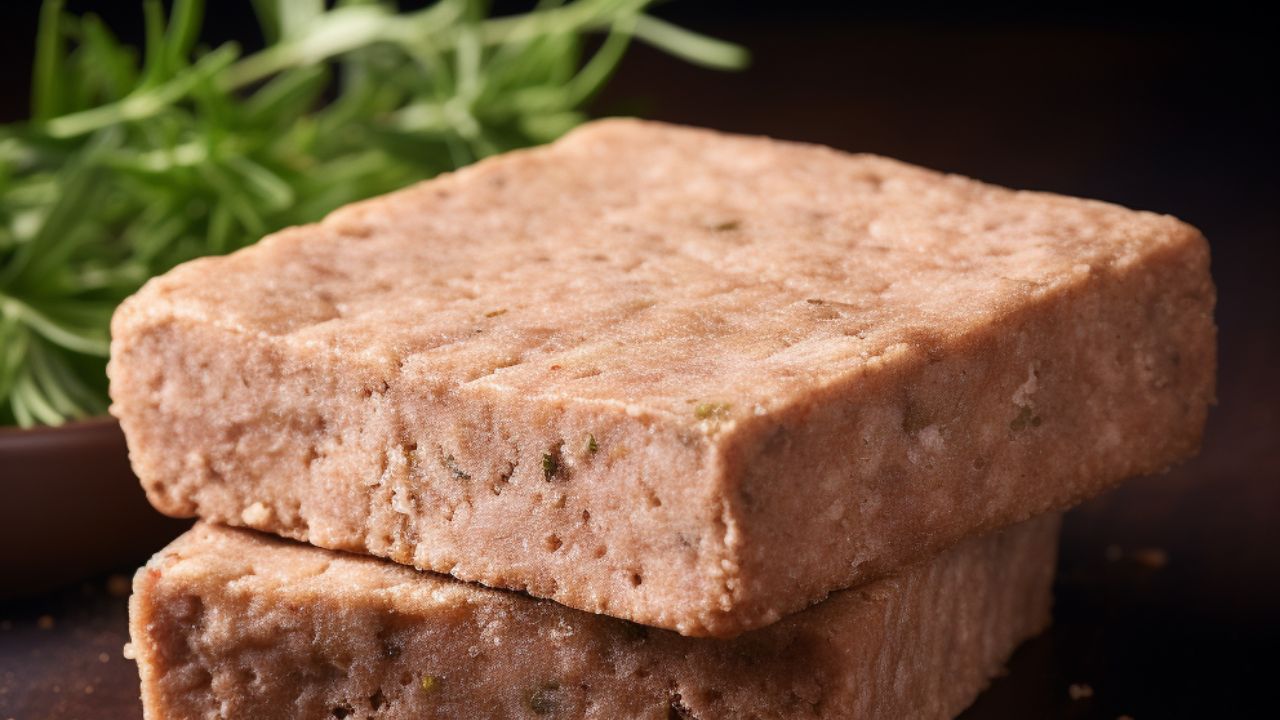
You know, when I first encountered scrapple during a visit to Delaware, I had to admit I was a bit skeptical. This humble breakfast meat, made from pork scraps, cornmeal, and spices, doesn’t win any beauty contests—but wow, does it deliver on flavor! What strikes me most about scrapple is how it represents the beautiful tradition of nose-to-tail cooking that our ancestors practiced. They understood something we’re rediscovering today: nothing should go to waste, and with the right technique, even the humblest ingredients can create something truly satisfying.
Making scrapple at home has become one of my favorite weekend projects. I love how you can control every ingredient, avoiding the processed additives found in store-bought versions. The process reminds me of making polenta—you slowly cook the cornmeal with seasoned pork stock until it reaches that perfect creamy consistency. I often add fresh sage and black pepper, sometimes a touch of thyme from my garden. Once it’s set and sliced, that crispy exterior paired with the tender, savory interior creates the most incredible texture contrast. Served alongside farm-fresh eggs and maybe some sautéed greens, scrapple transforms a simple breakfast into something deeply nourishing and connected to tradition.
Connecticut: Steamed Cheeseburgers

You know what makes Connecticut truly special? Their steamed cheeseburgers – and trust me, this isn’t your backyard grill situation! Picture this: tender beef patties cooked entirely with steam in special metal cabinets, creating the most incredibly juicy texture you’ve ever experienced. The cheese gets steamed too, melting into this silky, flowing goodness that coats every bite. I discovered this technique completely changed how I think about cooking meat at home – the steam keeps everything so moist and flavorful without any added oils or fats.
What I love most about this Connecticut classic is how it proves that sometimes the best innovations come from thinking outside the box. Ted’s Restaurant in Meriden pioneered this method back in the 1920s, and now I use similar steaming techniques for my own healthy cooking experiments. You can recreate this magic at home using a bamboo steamer or even a makeshift setup with a pot and metal colander. The key is maintaining that gentle, consistent steam that transforms ordinary ground beef into something extraordinary. It’s pure, wholesome cooking that lets the natural flavors shine through without any processed additions – exactly the kind of authentic, nourishing approach I champion in my kitchen.
Colorado: Rocky Mountain Oysters
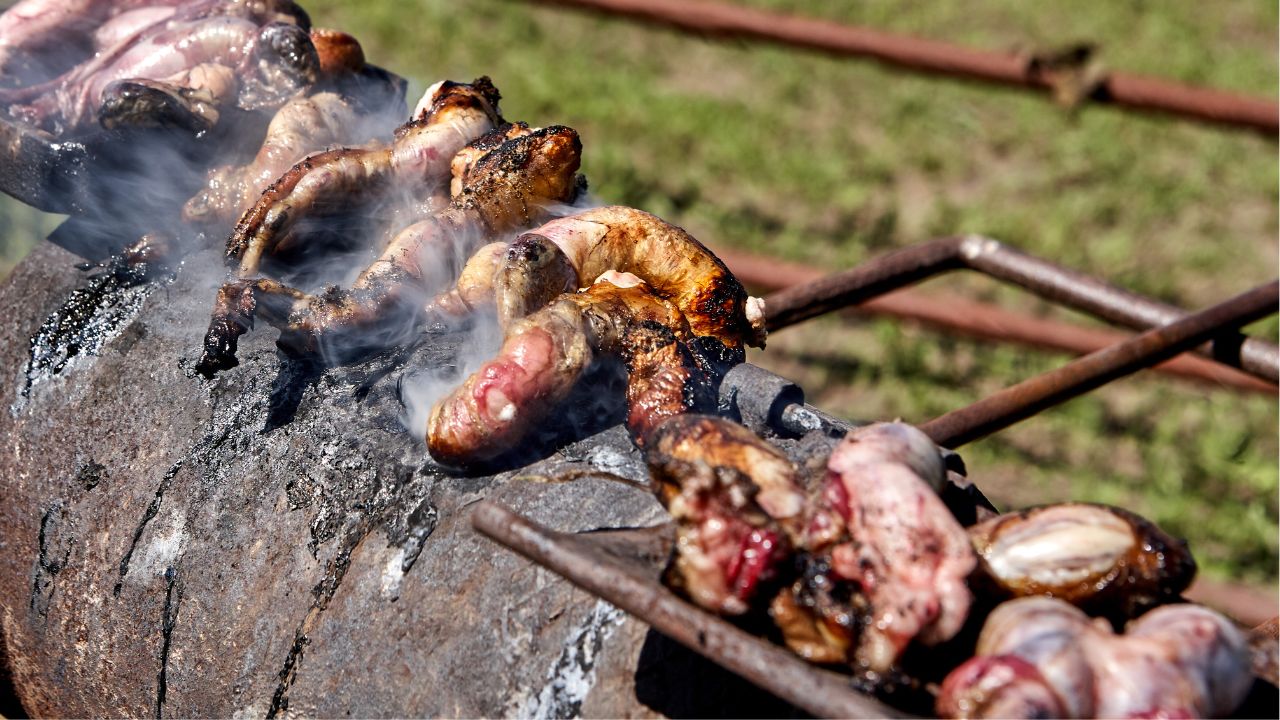
You know what? Rocky Mountain Oysters might sound like they come from the ocean, but these Colorado classics are actually deep-fried bull testicles – and before you wrinkle your nose, hear me out! I’ve learned that the best dishes often surprise us, and this frontier favorite perfectly captures Colorado’s bold, no-nonsense spirit. Ranch hands created this protein-packed dish out of necessity, turning what might otherwise go to waste into something genuinely satisfying. The key lies in the preparation: slice them thin, soak in buttermilk overnight, then coat in seasoned flour before frying until golden and crispy.
What I love about Rocky Mountain Oysters is how they represent true nose-to-tail cooking – something I’m passionate about in my own kitchen. When you bite into one, you get a surprisingly tender interior with a satisfying crunch from the coating. I season mine with smoked paprika, garlic powder, and a touch of cayenne for warmth. Serve them with homemade ranch or aioli, and you’ve got yourself an authentic taste of Colorado’s ranching heritage. Sure, they might test your comfort zone, but isn’t that what great food experiences do? They remind us that some of the most memorable flavors come from the most unexpected places.
Arkansas: Possum Pie
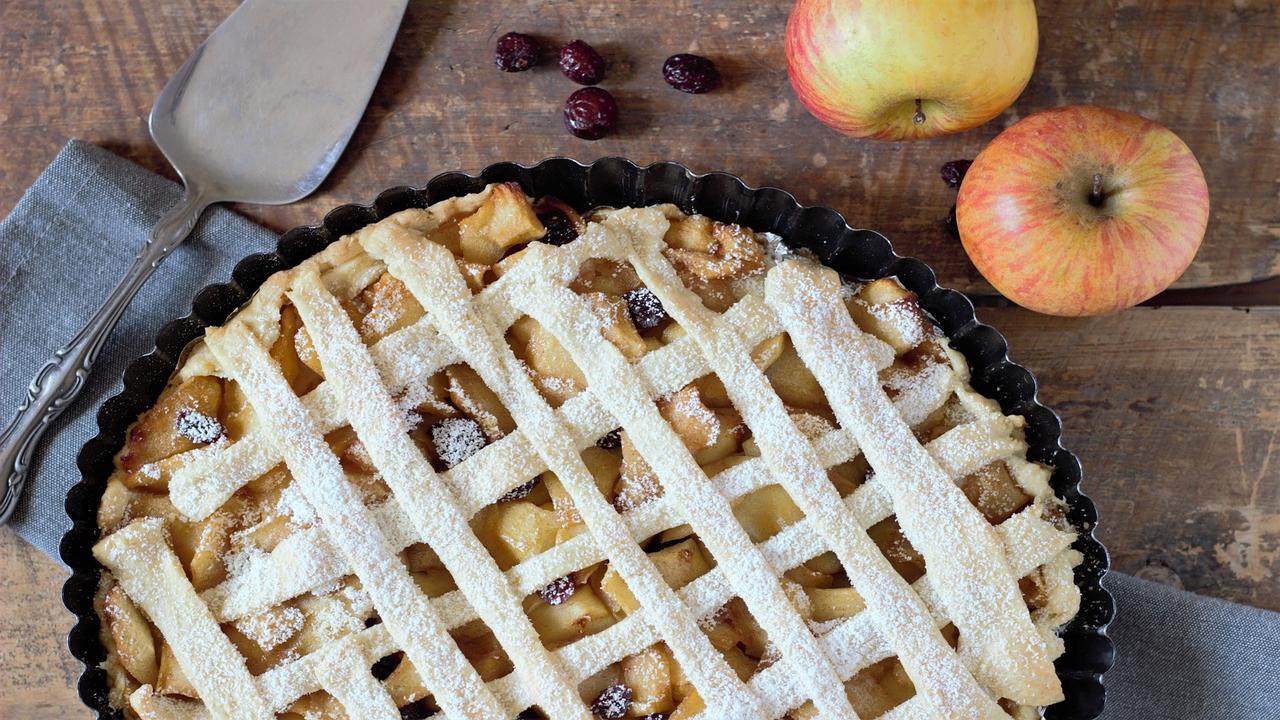
You know, when I first heard about Possum Pie, I had to chuckle at the name—there’s absolutely no possum involved! This Arkansas dessert gets its quirky moniker from its “playing dead” appearance, with layers hidden beneath a blanket of whipped cream. What makes this pie so special is how it transforms simple pantry ingredients into something magical. Picture this: a buttery pecan crust topped with a rich cream cheese layer, followed by chocolate pudding, and crowned with fluffy whipped cream. Each bite gives you different textures and flavors that work together beautifully.
I love how this recipe represents the resourceful spirit of Southern home cooks who knew how to make something extraordinary from everyday ingredients. The beauty lies in making each layer from scratch—you control the sweetness, the richness, and most importantly, you avoid all those preservatives found in store-bought versions. When I make mine, I often add a touch of vanilla to the cream cheese layer and use dark chocolate for the pudding to create more depth. The pecans in the crust provide that perfect crunch against the creamy layers above, making every forkful a delightful contrast of textures.
Arizona: Chimichangas
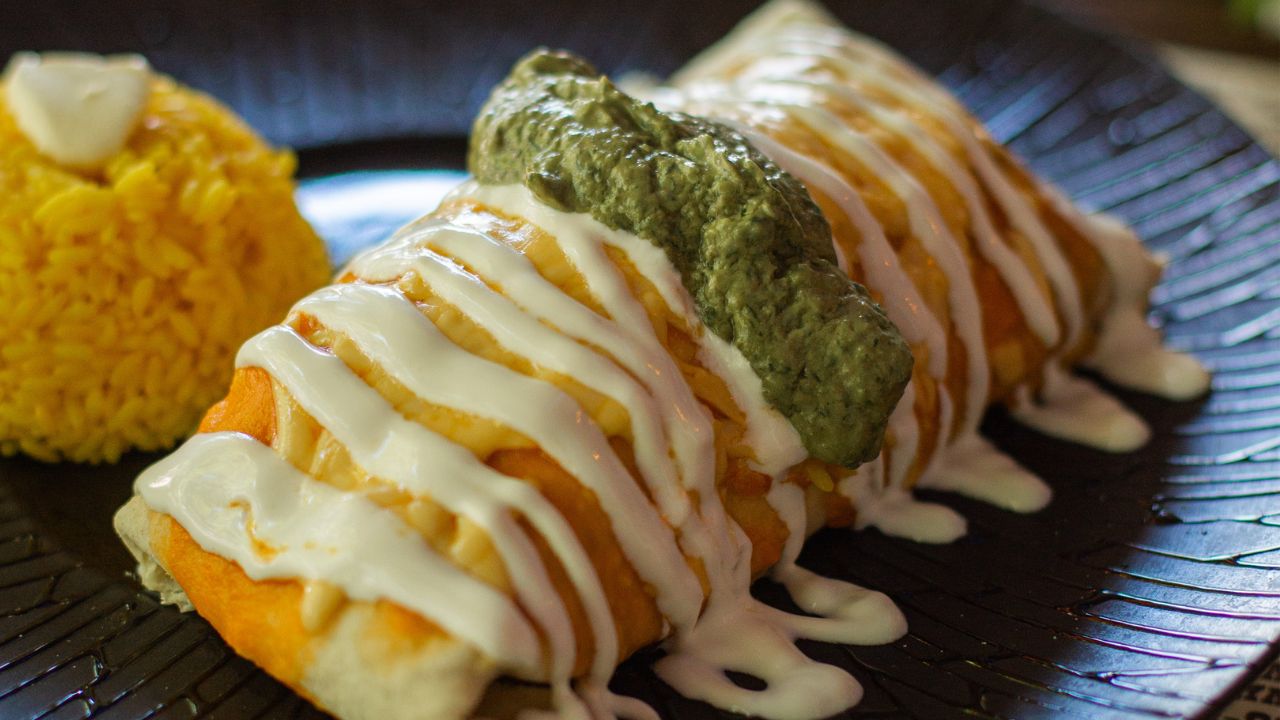
You know that moment when you bite into something crispy on the outside but discover a treasure trove of flavors inside? That’s exactly what happens with Arizona’s beloved chimichanga! This deep-fried burrito represents the beautiful fusion of Mexican tradition with American innovation that defines so much of Southwestern cooking. I love how this dish tells the story of border communities where families took familiar ingredients—seasoned beef or chicken, beans, rice, cheese—and wrapped them in a flour tortilla before giving them that golden, crispy exterior that makes your heart sing.
Making chimichangas at home gives you complete control over what goes inside, and I always encourage you to think beyond the typical fillings. Try shredded carnitas with black beans and roasted poblano peppers, or go vegetarian with seasoned lentils, sautéed bell peppers, and fresh cilantro. The key lies in getting that tortilla perfectly crispy without overcooking—I prefer pan-frying in a cast iron skillet with just enough oil to create that satisfying crunch. Top yours with fresh pico de gallo, creamy avocado, and a dollop of Greek yogurt instead of sour cream for extra protein. This dish proves that comfort food can be both indulgent and nourishing when you prepare it with intention and quality ingredients.
Alaska: Salmon Bake
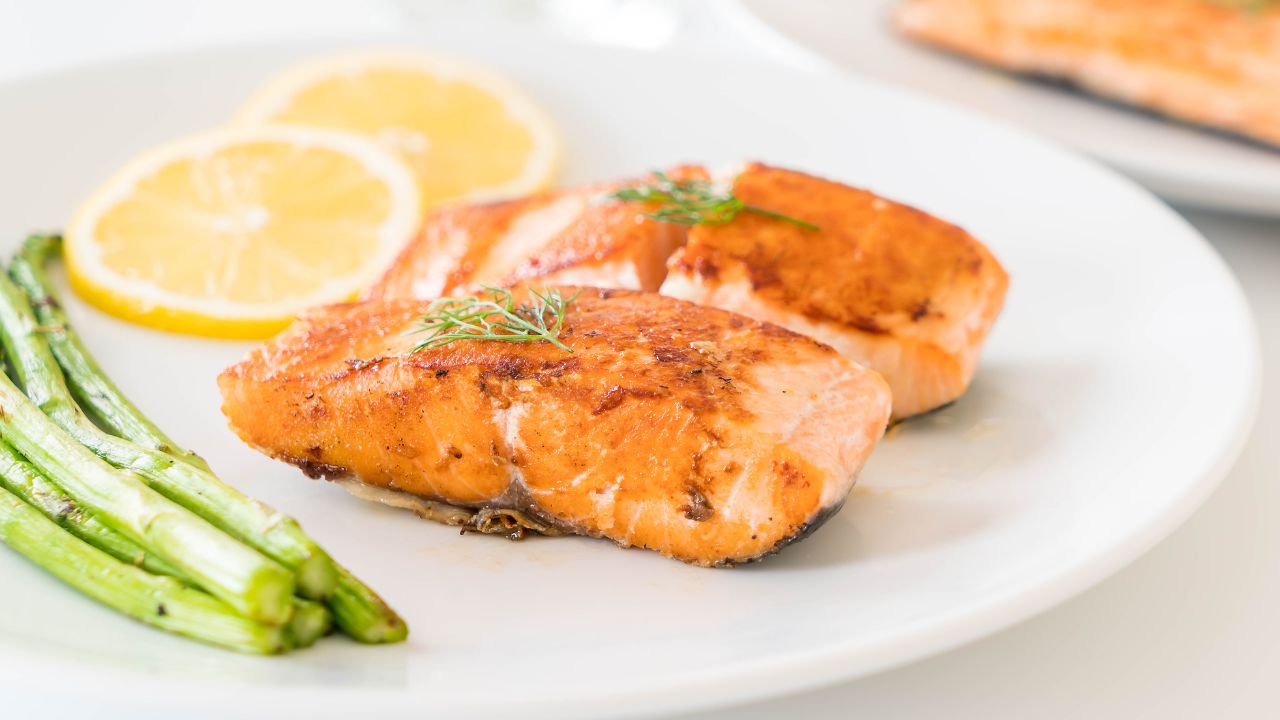
Picture this: you’re standing beside a crackling fire under Alaska’s endless summer sky, watching wild salmon transform into something absolutely magical. That’s the beauty of an authentic Alaskan salmon bake – it’s not just a meal, it’s a celebration of the Last Frontier’s most prized ingredient. I’ve recreated this experience in my own backyard countless times, and trust me, the smoky cedar plank method brings that wilderness right to your dinner table. The salmon here isn’t your typical grocery store fish – we’re talking about wild-caught beauties that have swum thousands of miles, their flesh rich with omega-3s and that distinctive flavor that only comes from pristine Alaskan waters.
What makes this dish sing is the simplicity that lets the salmon be the star. I love brushing the fillets with a mix of brown sugar, coarse salt, and fresh dill – ingredients that complement rather than compete with the fish’s natural richness. The traditional preparation often includes sides like wild rice pilaf and grilled vegetables, creating a complete meal that nourishes both body and soul. You can achieve similar results at home by selecting the freshest salmon you can find and keeping your seasonings minimal. The key lies in respecting the ingredient and letting the fire do most of the work, just like those Alaskan fishing guides have done for generations around their riverside camps.
Alabama: Chicken and White Sauce
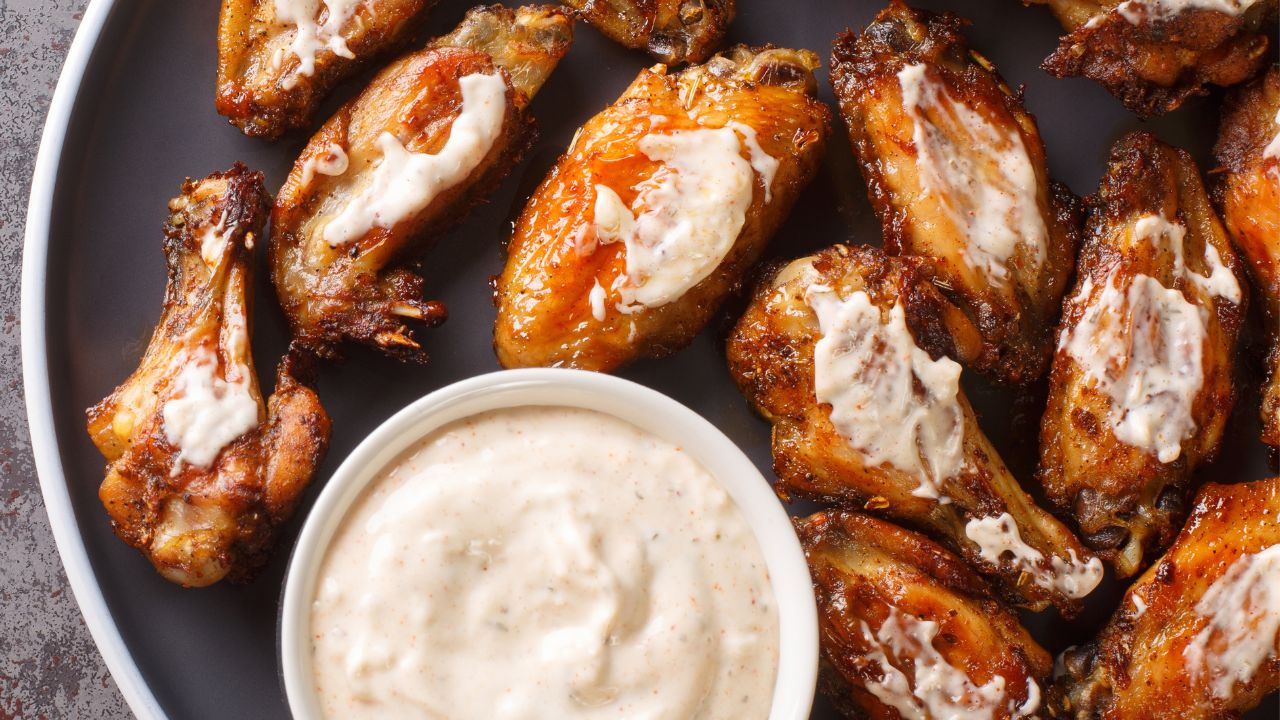
You know what gets me excited about Alabama’s signature dish? It’s how this seemingly simple combination of grilled chicken and tangy white sauce proves that the most memorable foods often come from the most unexpected places. Big Bob Gibson’s white sauce—a mayo-based concoction brightened with vinegar and black pepper—completely flips your expectations of what barbecue sauce should be. I love how this creamy, peppery sauce clings to smoky chicken, creating this beautiful contrast that somehow makes perfect sense once you taste it.
What really speaks to me as someone who believes in cooking from scratch is how this dish represents authentic regional cooking at its finest. You can make this white sauce in your own kitchen with ingredients you probably already have—mayonnaise, apple cider vinegar, horseradish, and a generous crack of black pepper. The magic happens when you brush it on your chicken during the final minutes of grilling, letting it caramelize slightly while keeping that signature tang. This isn’t about fancy techniques or expensive ingredients; it’s about understanding how simple components work together to create something uniquely satisfying and distinctly Alabama.