15 Omega-3 Superfoods That Sharpen Your Brain and Protect Your Heart
Your brain and heart crave omega-3 fatty acids like teenagers crave WiFi! These miraculous fats build brain cells, fight inflammation, and keep your ticker ticking smoothly. The good news? You don’t need to choke down fish oil capsules to get your fix (though no judgment if that’s your thing).
I’ve rounded up 15 omega-3 superstars that’ll make your neurons dance and your arteries sing. From the expected seafood suspects to surprising plant-based options, this list covers the omega waterfront. Who knew Brussels sprouts were brain food? Not me, until I dug into the research!
Whether you’re a fish fanatic or prefer to keep your omega intake plant-based, these foods deliver serious brain-boosting, heart-protecting benefits. Add them to your shopping list and your body will thank you – particularly those 86 billion brain cells that help you remember where you put your car keys!
Trout
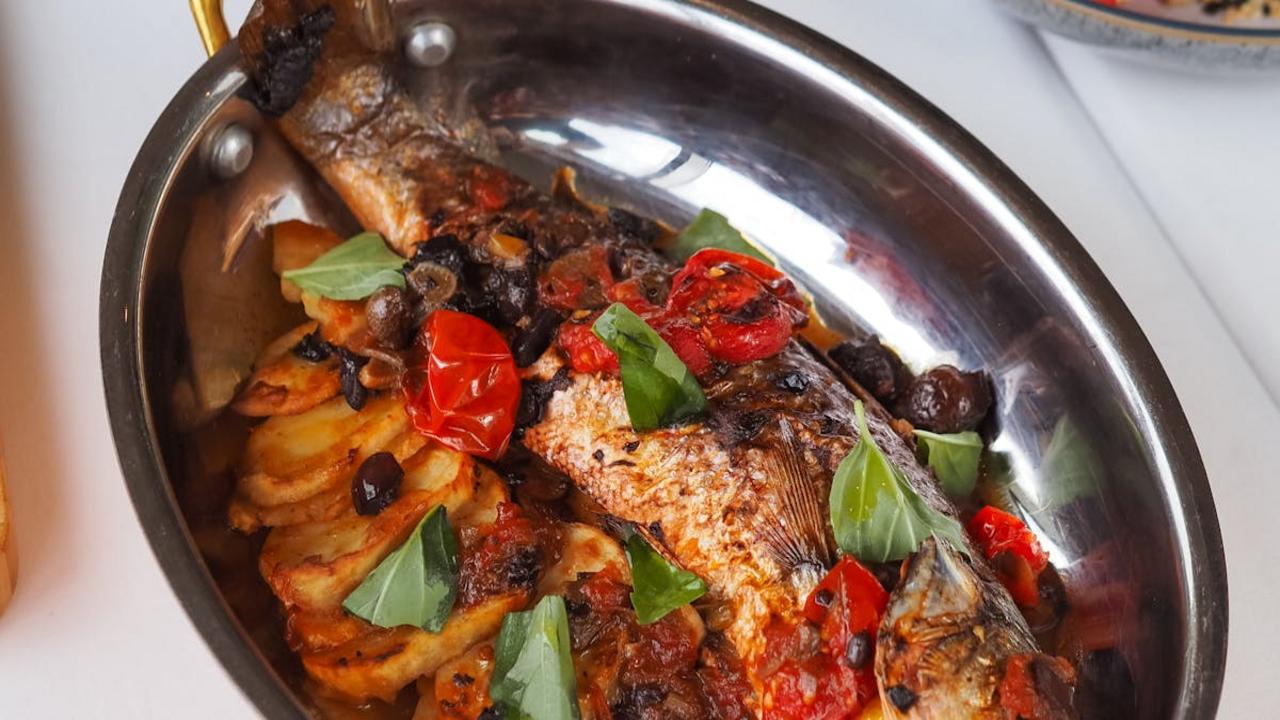
Meet trout – the rainbow-scaled rockstar of freshwater dining that’s swimming circles around boring salmon at your dinner table! This gorgeous fish doesn’t just win beauty contests with its speckled coat; it packs a serious omega-3 punch that’ll make your brain cells do a happy dance. One 3.5-ounce serving delivers about 1,000 milligrams of those precious fatty acids, plus enough protein to satisfy your muscles and B vitamins that keep your nervous system humming like a well-tuned guitar. Fun fact: rainbow trout can actually change colors based on their diet and environment – talk about the original mood ring!
Here’s where trout gets really exciting for your kitchen adventures: this fish cooks faster than you can say “dinner emergency.” Pan-fry it with lemon and herbs for five minutes per side, or wrap it in foil with vegetables for a foolproof oven meal that practically cooks itself. Unlike its ocean cousins, trout has a mild, slightly nutty flavor that won’t scare off picky eaters, making it perfect for converting fish skeptics. Plus, most farmed trout comes from sustainable operations, so you can feel good about your choice while your heart thanks you for the omega-3 boost and your wallet appreciates the reasonable price tag.
Herring
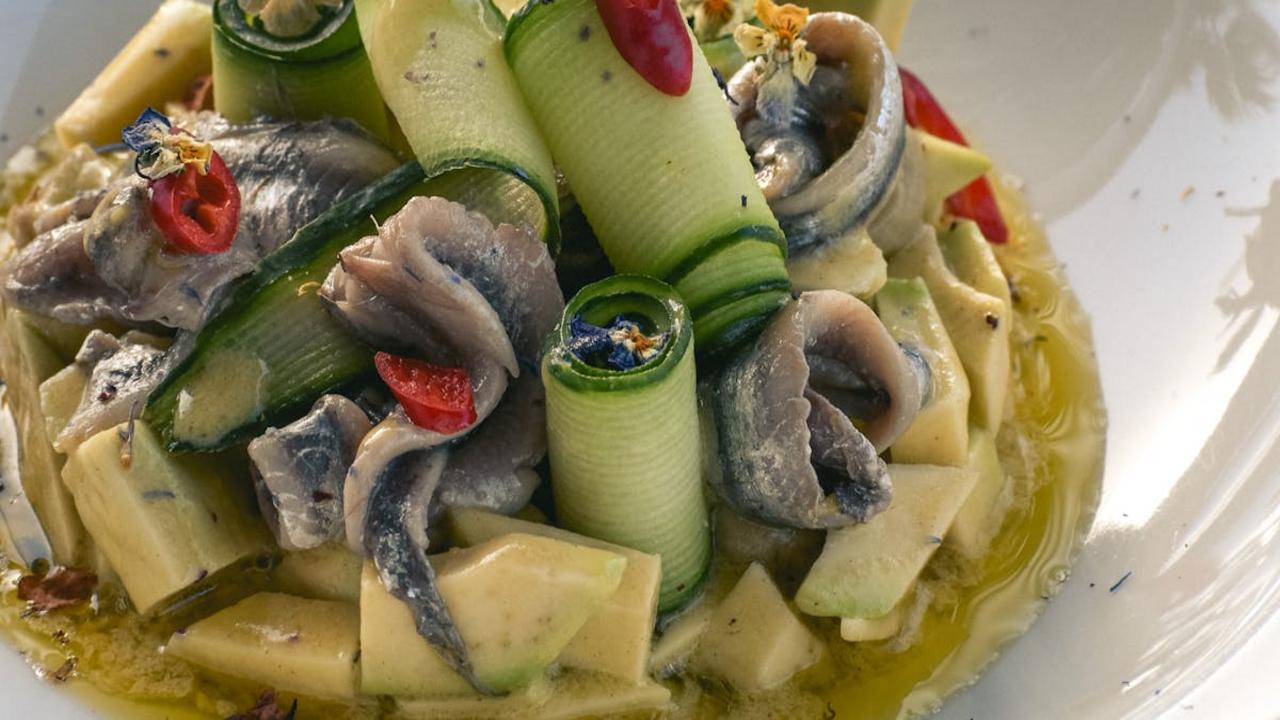
Meet herring – the silver-scaled superstar that’s been swimming circles around more expensive fish for centuries! This little dynamo packs more omega-3s per ounce than most fish twice its size, making it the scrappy underdog of the seafood world. You’ll find these nutritional powerhouses in everything from pickled jars at your local deli to smoked varieties that would make a Scandinavian grandmother weep with joy. Fun fact: herring can live up to 25 years and travel thousands of miles during their lifetime – talk about getting your steps in! They’re basically the marathon runners of the ocean, building up all those heart-healthy fats while they cruise the Atlantic.
Now, before you wrinkle your nose at the thought of canned herring, give this fish a chance to surprise you. Those omega-3s don’t just protect your ticker – they’re busy keeping your brain sharp enough to remember where you left your car keys. Try tossing smoked herring into a warm potato salad with fresh dill and capers, or go full Scandinavian and pile pickled herring onto rye bread with sliced onions and a dollop of sour cream. Your heart will thank you, your brain will stay nimble, and you’ll discover that sometimes the most humble fish make the biggest splash on your plate.
Hemp Seeds
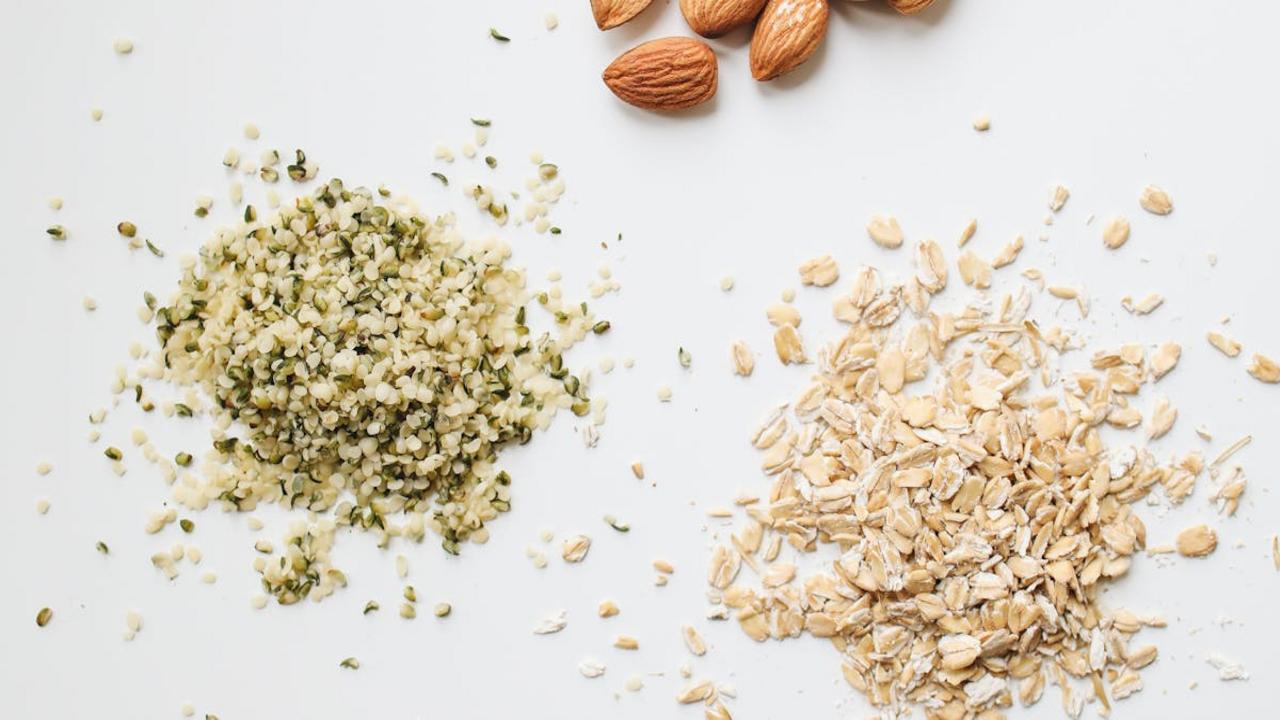
Hemp seeds might sound like something your hippie cousin grows in their backyard, but these tiny nutritional powerhouses pack more omega-3 punch than you’d expect from something the size of a sesame seed. Don’t worry—these little gems won’t get you high, but they’ll definitely elevate your health game! With a perfect 3:1 ratio of omega-6 to omega-3 fatty acids, hemp seeds are basically nature’s way of saying “here’s your brain food, now stop overthinking everything.” They taste like a cross between sunflower seeds and pine nuts, with a creamy, nutty flavor that makes you wonder why more people aren’t sprinkling these magical morsels on everything.
I love tossing hemp seeds into my morning smoothie because they blend invisibly while adding a protein boost that keeps me from face-planting into my keyboard by 10 AM. You can sprinkle them on yogurt, mix them into granola, or even blend them into homemade salad dressings for that extra omega-3 kick. Fun fact: hemp seeds contain all nine amino acids, making them a complete protein source that would make your gym buddy jealous. Plus, they’re ridiculously easy to store—just keep them in your fridge and they’ll stay fresh for months, ready to transform any ordinary meal into a brain-boosting, heart-protecting feast.
Eggs
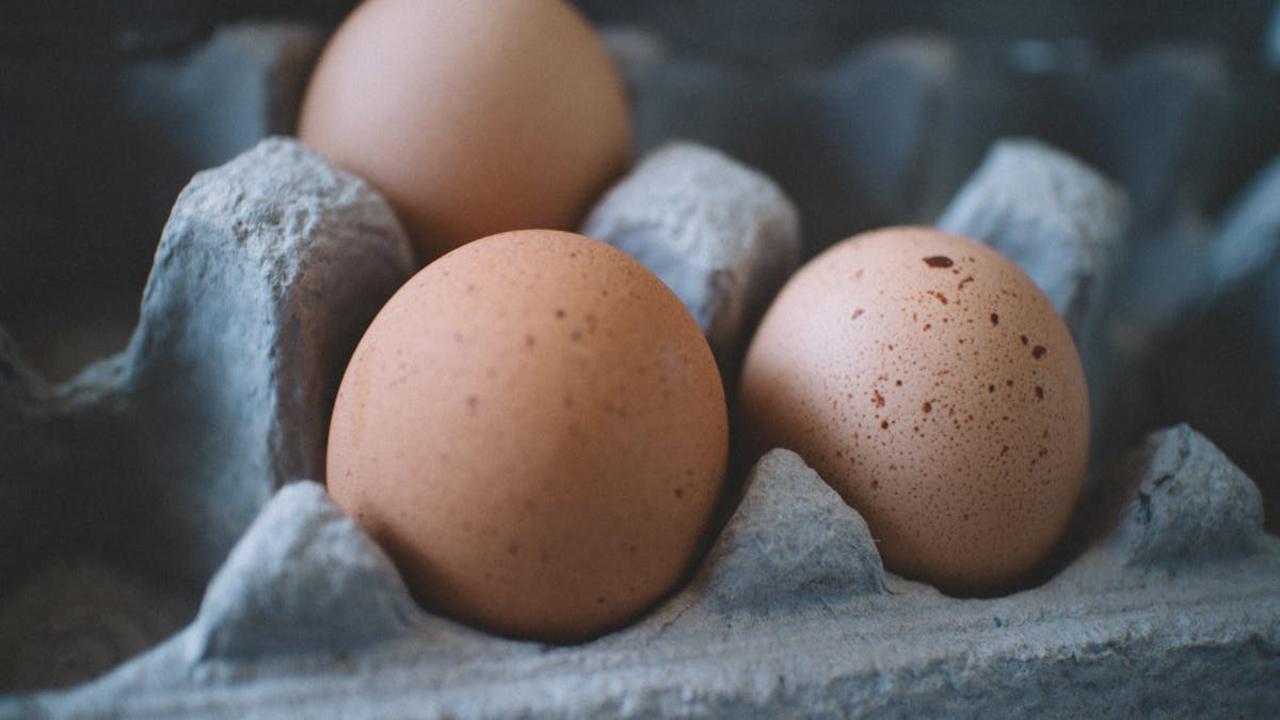
Who knew that the humble egg sitting in your fridge could be such a brain-boosting powerhouse? Those omega-3 enhanced eggs – the ones from chickens fed flax seeds or algae – pack about 150 milligrams of omega-3s per egg. That’s like getting a mini fish oil capsule wrapped in nature’s perfect protein package! I remember my grandmother swearing by eggs for breakfast, claiming they made her sharper than a tack well into her nineties. Turns out, she was onto something science now backs up completely.
The beauty of eggs lies in their incredible versatility – scramble them with spinach, whip up a veggie-packed omelet, or go wild with a shakshuka that’ll make your kitchen smell like heaven. Plus, here’s a fun fact that’ll crack you up: the color of the eggshell has absolutely nothing to do with nutritional value, despite what fancy marketing wants you to believe. Brown, white, blue, or speckled – it’s all about what the chicken ate, not the shell’s Instagram-worthy appearance. So grab those omega-3 fortified eggs and start your morning with a brain-friendly breakfast that costs less than your daily coffee habit!
Seaweed
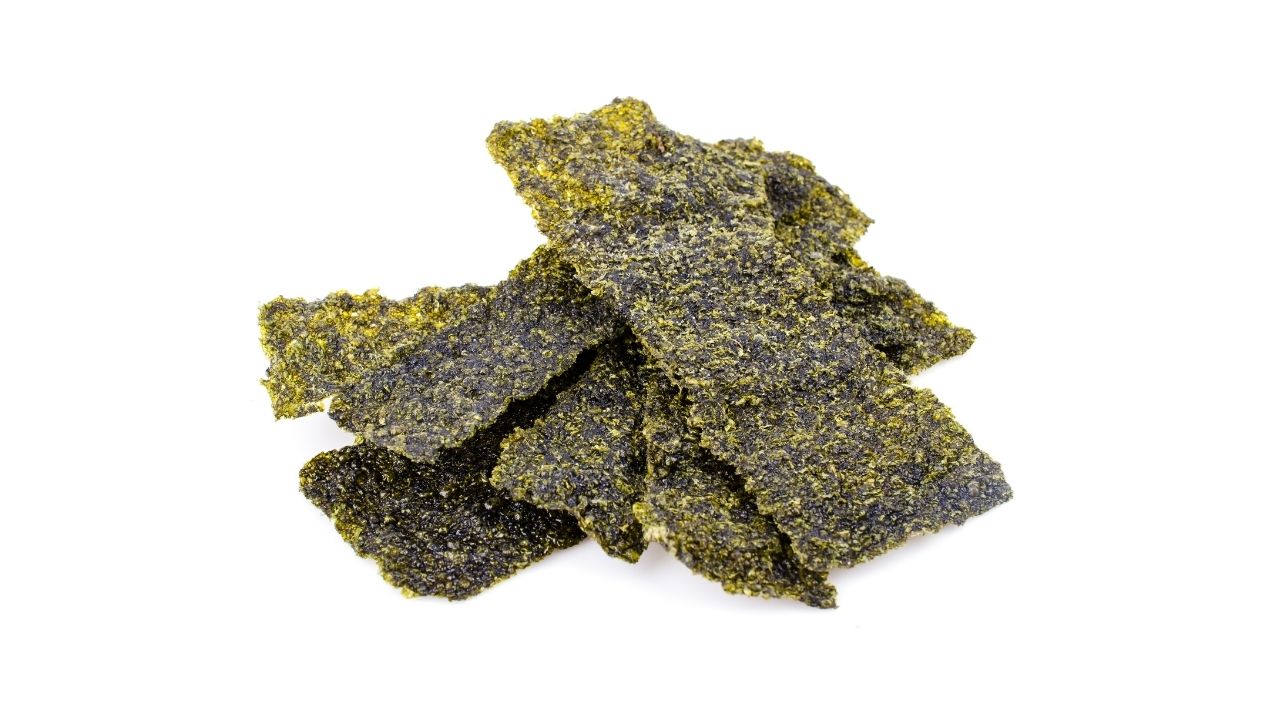
Picture this: you’re at your favorite sushi spot, and that dark green wrapper around your California roll isn’t just there for show—it’s actually a brain-boosting, heart-protecting powerhouse! Seaweed might look like something that washed up after a particularly rough day at the beach, but don’t let its humble appearance fool you. This oceanic superfood packs more omega-3s than you’d expect, plus it’s loaded with iodine, which your thyroid absolutely adores. I once had a friend who swore by her daily seaweed snack routine, claiming it made her sharper than a sushi chef’s knife, and honestly, she wasn’t wrong about the cognitive benefits.
The beauty of seaweed lies in its versatility—you can crunch on roasted nori sheets like oceanic potato chips, toss wakame into your miso soup for an authentic Japanese experience, or sprinkle dulse flakes on your salad for a salty, umami kick that’ll make your regular lettuce weep with envy. Fun fact: some varieties of seaweed contain more vitamin C than oranges, which explains why coastal populations have been thriving on this stuff for millennia. Start small with those addictive sesame-flavored seaweed snacks from the Asian grocery store, then work your way up to adding fresh kelp to your smoothies—trust me, your brain will thank you, even if your taste buds need a minute to adjust to the ocean’s embrace.
Brussels Sprouts
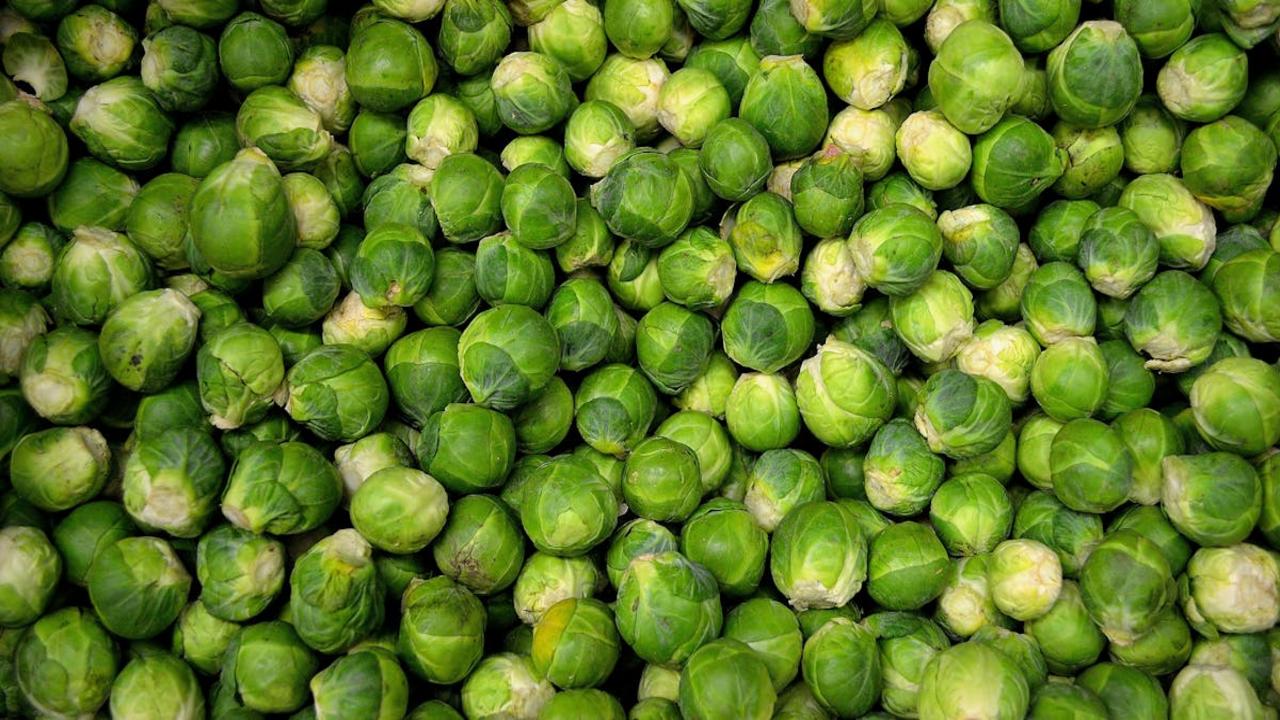
Look, I get it – Brussels sprouts have a reputation problem. These little green orbs spent decades being boiled into submission at dinner tables across America, turning them into mushy, sulfur-scented nightmares that traumatized entire generations. But here’s the thing: when you roast these mini cabbages with a drizzle of olive oil and a sprinkle of sea salt, they transform into crispy, caramelized nuggets of pure magic. Each sprout packs about 135 milligrams of omega-3s, which might not sound like much until you realize you’re also getting a powerhouse of vitamin K, folate, and fiber that your brain absolutely adores.
These compact cruciferous vegetables actually contain more protein per calorie than steak – I know, right? Brussels sprouts originated in Belgium (surprise!) around the 13th century, and they’re basically baby cabbages that decided to stay cute forever. Try halving them, tossing with bacon bits and balsamic glaze, then roasting at 400°F until the edges get all crispy and golden. Your heart will thank you for the omega-3 boost, your brain will appreciate the antioxidants, and honestly, you might just discover that Brussels sprouts were the misunderstood heroes of the vegetable world all along.
Soybeans
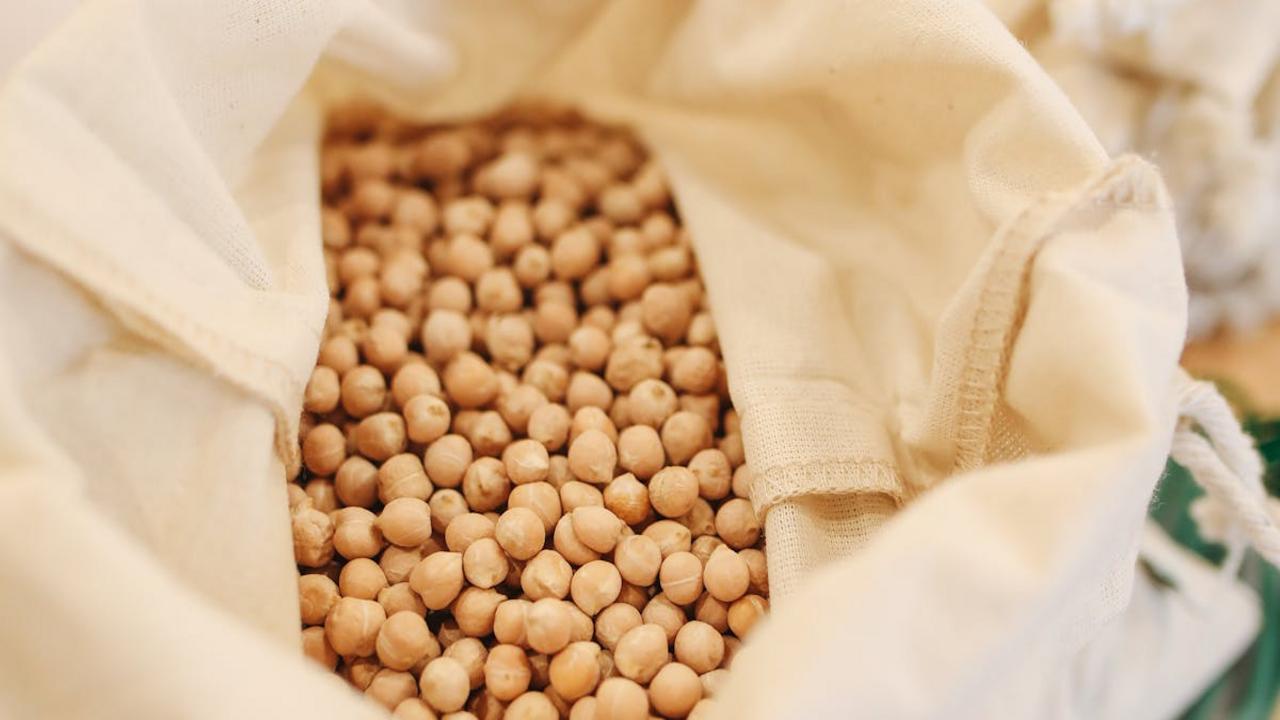
Soybeans might look like tiny, unassuming pebbles, but these little powerhouses pack a serious omega-3 punch that’ll make your brain do a happy dance! These versatile beans contain alpha-linolenic acid (ALA), the plant-based omega-3 that your body desperately craves. I’ve watched people wrinkle their noses at the mention of soybeans, probably because they’re thinking of those cardboard-tasting tofu blocks from decades past. But here’s the thing – fresh edamame beans are basically nature’s popcorn, and when you pop them straight from their fuzzy pods with a sprinkle of sea salt, you’re getting a snack that’s simultaneously satisfying your munchies and feeding your neurons.
The beauty of soybeans lies in their shapeshifting abilities – they transform into everything from creamy soy milk to fermented miso paste that adds umami magic to your soups. One cup of cooked soybeans delivers about 1,000 milligrams of omega-3s, which means your heart gets the VIP treatment while your brain cells throw their own little celebration. My favorite discovery? Roasted soy nuts make an incredible crunchy topping for salads, and they’re so addictive that I’ve caught myself eating them by the handful while standing in my kitchen at midnight. Pro tip: buy organic edamame in bulk and keep them in your freezer – they steam perfectly in just five minutes and make the ideal TV-watching snack that won’t leave you feeling guilty about your life choices.
Walnuts
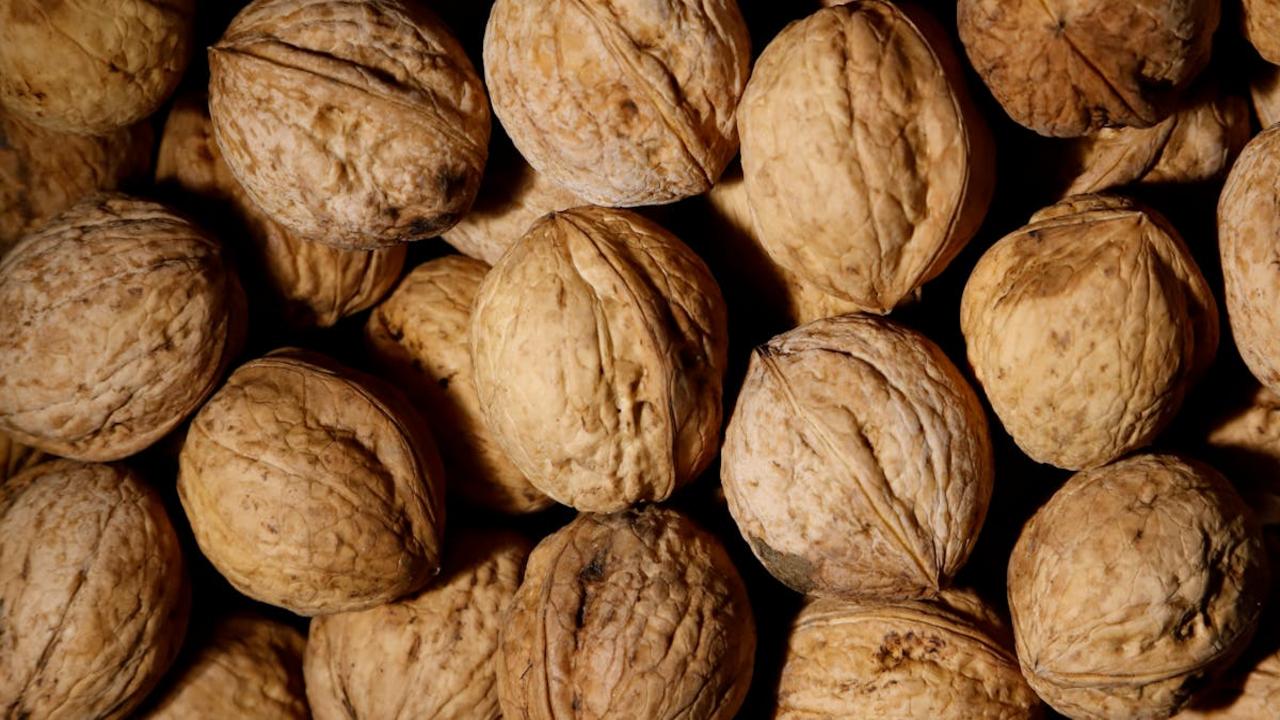
Picture this: Mother Nature decided to create the perfect brain food and literally shaped it like a tiny brain. Walnuts aren’t just showing off with their wrinkly, cerebral appearance – they’re actually packed with more omega-3 fatty acids than any other tree nut. These little powerhouses contain ALA (alpha-linolenic acid), which your body converts into those heart-happy, brain-boosting compounds we all need. I love how walnuts seem to wink at us from their shells, as if they know they’re the smartest snack in the room. Fun fact: Ancient Romans called them “Juglans regia,” meaning “Jupiter’s royal acorn,” because they believed only a food fit for the gods could be so beneficial.
You can toss a handful into your morning oatmeal, crush them over Greek yogurt, or do what I do – eat them straight from a mason jar while binge-watching cooking shows (don’t judge me). Fresh walnuts have this rich, buttery flavor that beats those sad, stale ones lurking in your pantry since 2019. Store them in your fridge or freezer to keep their omega-3s from going rancid – trust me, nobody wants bitter nuts ruining their brain-boosting moment. Whether you’re sprinkling them on salads or folding them into banana bread, these wrinkled wonders are working overtime to keep your ticker ticking and your mind sharp.
Flax Seeds
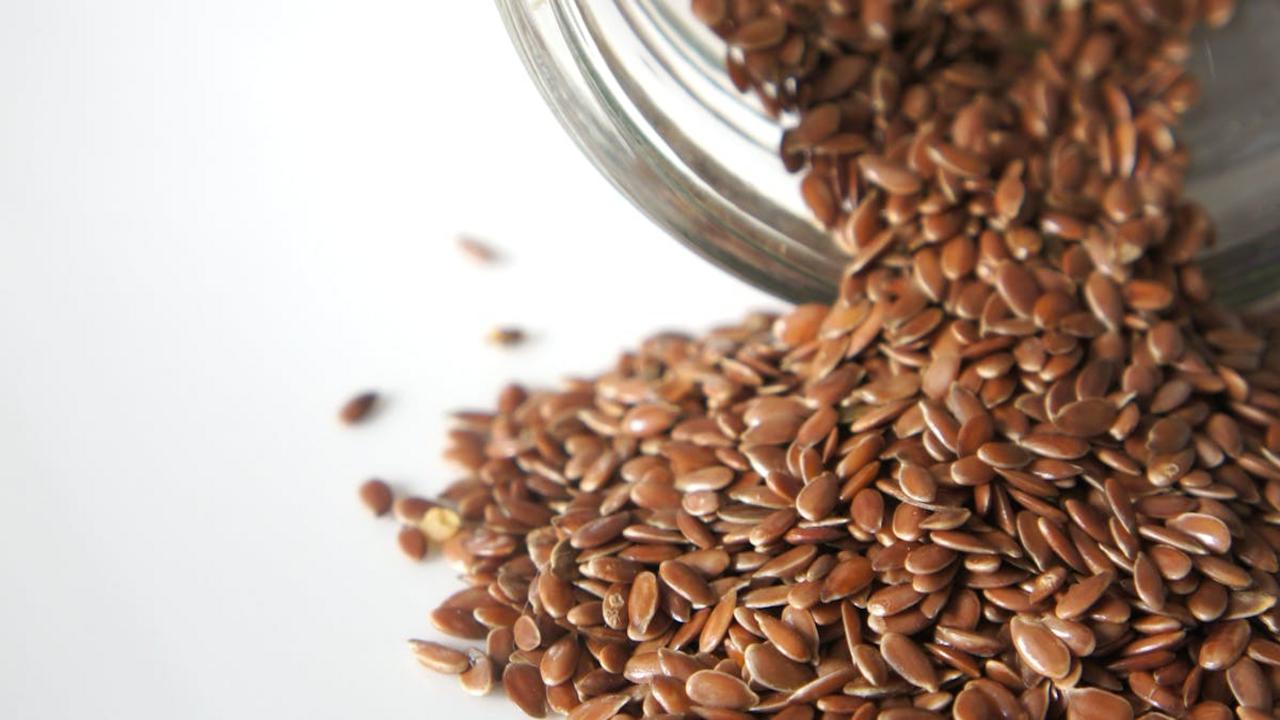
Meet the tiny brown powerhouses that have been quietly revolutionizing breakfast bowls across America! Flax seeds pack more omega-3s per tablespoon than most people get in an entire day, making them the overachievers of the seed world. These little guys contain alpha-linolenic acid (ALA), which your brain gobbles up like candy and your heart treats like a protective bodyguard. What makes me chuckle is how flax seeds were actually cultivated in ancient Babylon around 3000 BC – imagine telling those folks that their humble seeds would one day become Instagram-famous smoothie toppers!
Here’s where flax seeds get sneaky: you need to grind them up to unlock their nutritional treasure chest, because whole flax seeds basically slide through your digestive system like tiny hockey pucks on ice. I keep a coffee grinder dedicated solely to flax seeds (yes, I’m that person), and I sprinkle the ground goodness on everything from yogurt to salads. Pro tip: store your ground flax in the fridge because those precious oils go rancid faster than milk left in a hot car. Two tablespoons daily gives you about 3.2 grams of omega-3s, plus fiber that keeps your digestive system running smoother than a well-oiled machine.
Chia Seeds
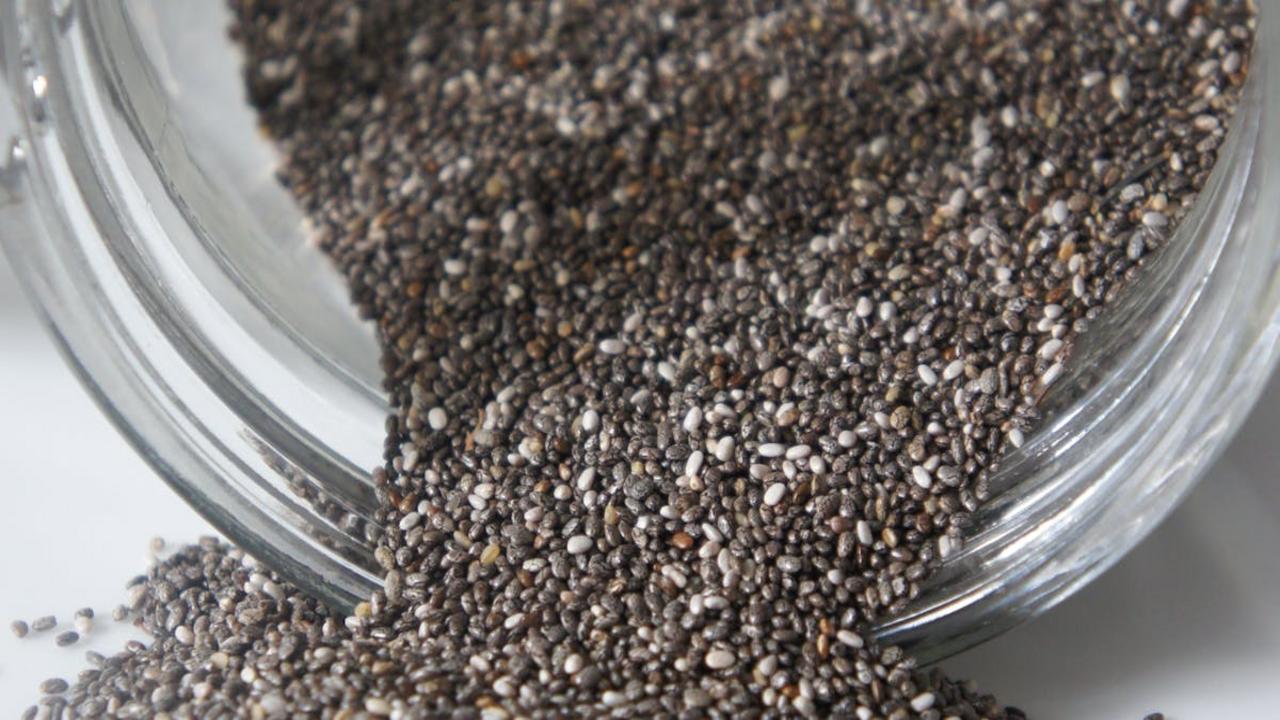
These tiny black and white specks might look like something you’d sprinkle on your art project in kindergarten, but don’t let their size fool you – chia seeds pack more omega-3s than a salmon swimming upstream! Just one ounce delivers a whopping 4,915 milligrams of these brain-boosting fats, which is more than most people get in an entire week. The Aztecs called them “running food” because warriors could sustain themselves on just a handful during long journeys, and honestly, after learning that these little powerhouses can absorb up to 12 times their weight in water, I’m starting to think they might have been onto something magical.
The real party trick happens when you mix chia seeds with liquid – they transform into these weird, wonderful gel-like orbs that look like tiny fish eggs but taste infinitely better. I like to think of them as nature’s bubble tea, except instead of empty calories, you’re getting a brain-protective superfood that can turn your morning smoothie into pudding consistency within minutes. Toss them into overnight oats, blend them into smoothies, or make chia pudding by mixing three tablespoons with a cup of almond milk and letting it sit overnight. Your heart will thank you for the fiber boost, and your brain will appreciate the steady stream of omega-3s keeping those neurons firing on all cylinders!
Tuna
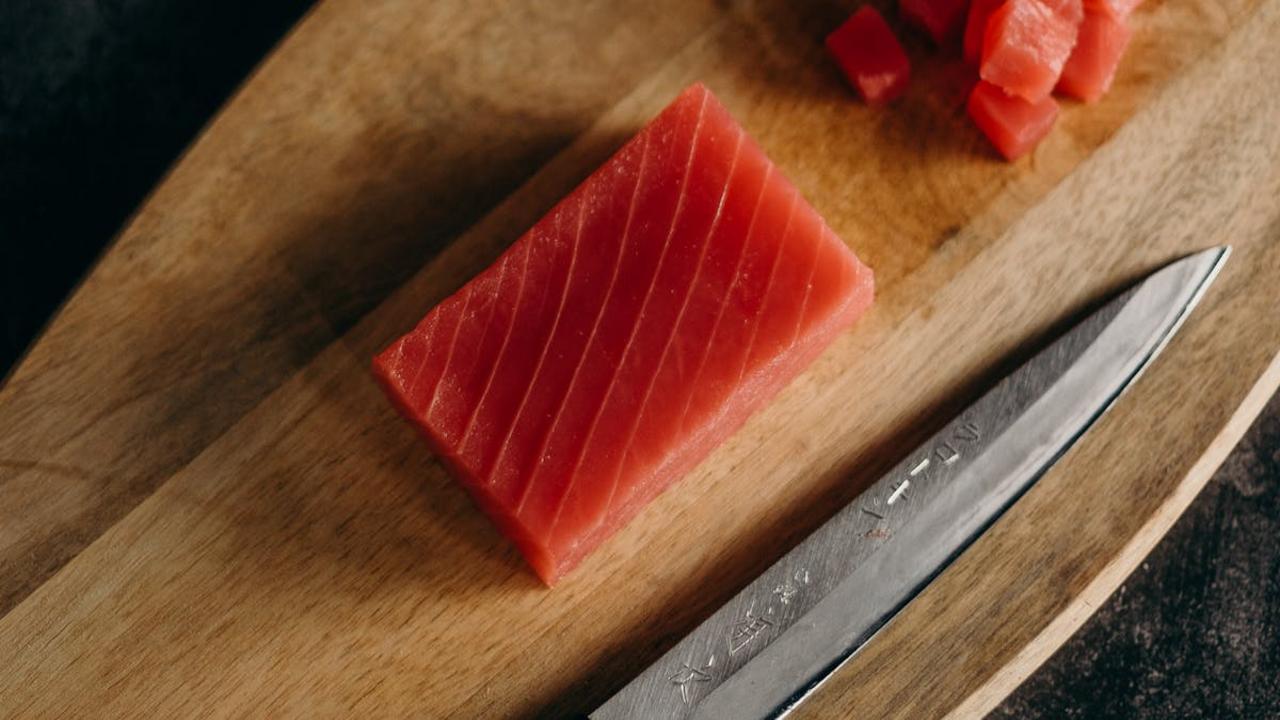
Picture this: you’re standing in the grocery store, staring at rows of canned tuna, and suddenly you realize you’re looking at one of nature’s most perfect brain-boosting packages. Fresh tuna delivers a whopping 1,280 milligrams of omega-3s per serving, making it the heavyweight champion of heart-healthy fish. Those beautiful ruby-red steaks aren’t just Instagram-worthy – they’re packed with DHA, the specific omega-3 that keeps your neurons firing like a well-oiled machine. I once watched a sushi chef slice through a piece of yellowfin tuna so fresh it practically glistened, and he told me the secret wasn’t just the knife work – it was choosing fish that had been swimming in cold, deep waters where omega-3 concentrations run highest.
Now, before you start panicking about mercury levels, here’s the scoop: smaller tuna varieties like skipjack (the stuff in most cans) contain significantly less mercury than their massive bluefin cousins, so you can enjoy that tuna salad sandwich without guilt. Mix a can with some Greek yogurt, chopped celery, and a squeeze of lemon for a protein-packed lunch that’ll keep your brain sharp through those afternoon meetings. Fresh tuna works magic on the grill too – just sear it for two minutes per side and you’ll have a restaurant-quality meal that makes your heart sing (literally, thanks to all those omega-3s improving your cardiovascular function). Whether you’re team canned or team fresh, tuna proves that sometimes the most powerful superfoods come in the most familiar packages.
Oysters
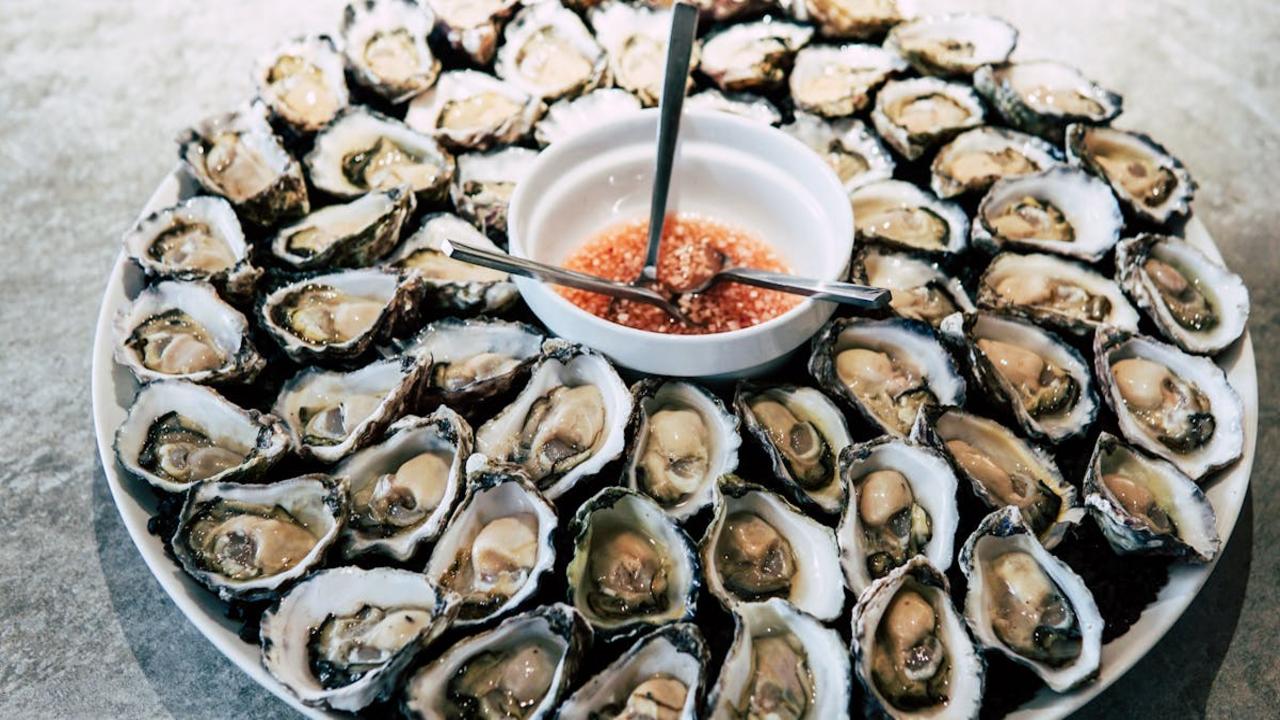
You know that moment when someone slides a raw oyster across the bar and you’re not sure if you’re about to experience pure bliss or question every life choice that led you here? Well, friend, those slimy little ocean gems pack more omega-3s than most people realize – we’re talking about 740 milligrams per serving of these briny treasures. These filter-feeding mollusks spend their days lounging on ocean floors, basically turning seawater into liquid gold for your brain and heart. Fun fact: oysters can live up to 100 years, which explains why they’re so wise about accumulating all those beneficial fatty acids!
Now here’s where it gets interesting – oysters are also zinc powerhouses, containing more of this mineral than any other food on the planet. One serving gives you nearly 500% of your daily zinc needs, which works hand-in-hand with those omega-3s to keep your brain firing on all cylinders. I once watched a friend transform from oyster skeptic to full-blown enthusiast after trying them with a classic mignonette sauce – the sharp vinegar and shallots perfectly balance that oceanic intensity. Whether you slurp them raw, toss them on the grill with some garlic butter, or fold them into a creamy chowder, these little brain boosters deserve a spot on your plate at least once a week.
Sardines
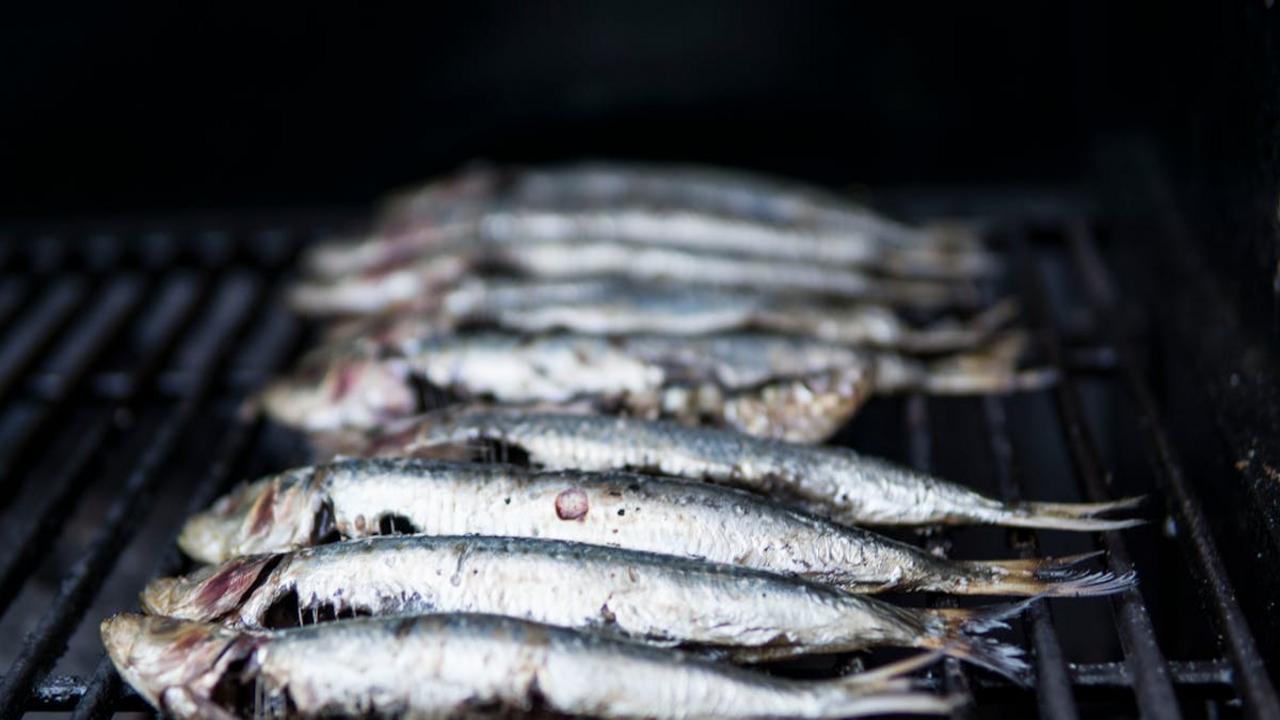
These tiny silver swimmers pack more omega-3 punch per ounce than fish three times their size, and honestly, they deserve way more respect than they get! I know what you’re thinking—sardines conjure images of sad desk lunches and questionable food choices. But here’s the thing: a single 3.5-ounce serving delivers nearly 1,500 mg of EPA and DHA, those brain-boosting, heart-protecting omega-3s that make your neurons do happy dances. Plus, sardines are practically swimming in calcium, vitamin D, and protein. They’re basically the overachievers of the fish world, quietly flexing their nutritional muscles while everyone else obsesses over salmon.
The best part about sardines? They’re sustainable, affordable, and ridiculously convenient. Unlike their fancy fish cousins, sardines don’t accumulate mercury because they’re so low on the food chain—they spend their time munching on plankton instead of other fish. I’ve started mashing them into pasta with lemon, garlic, and red pepper flakes, and suddenly my weeknight dinners taste like something from a Mediterranean bistro. You can toss them on toast with avocado, blend them into Caesar dressing, or go full Portuguese and grill them whole with olive oil and herbs. Trust me, once you give these little powerhouses a real chance, you’ll wonder why you ever doubted their genius.
Mackerel
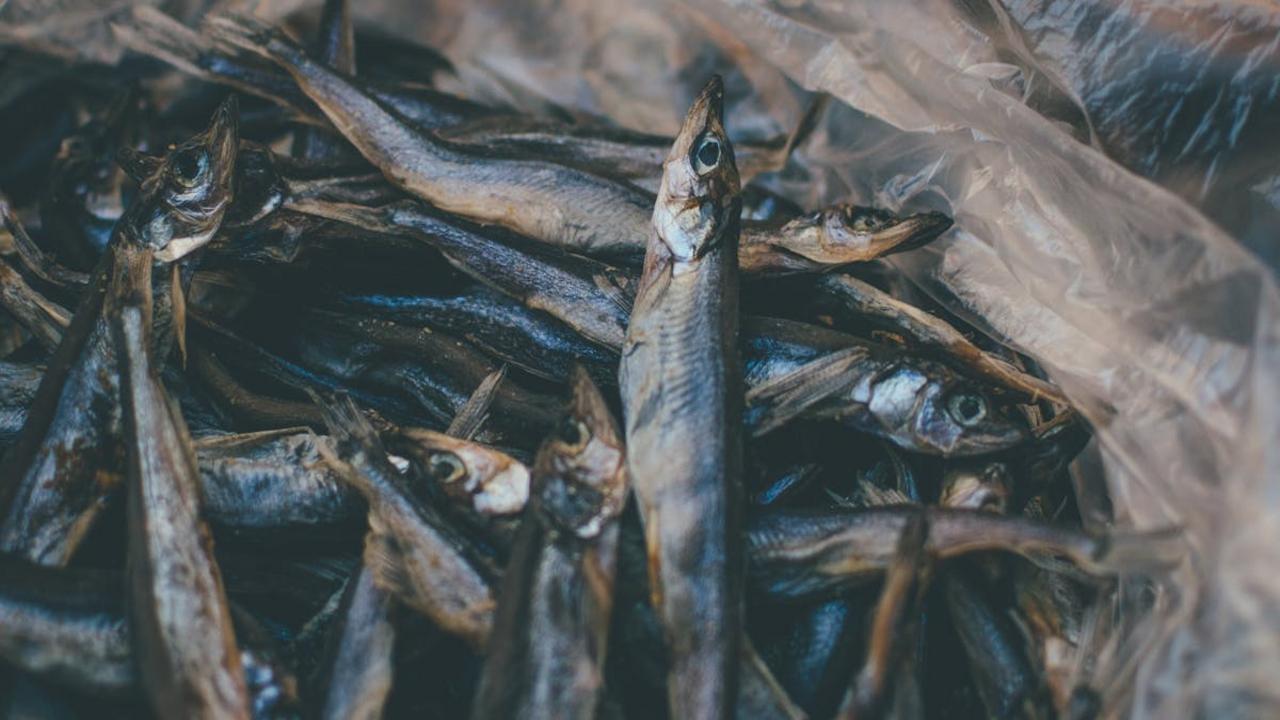
Meet the punk rock star of the fish world – mackerel struts around the ocean with silver stripes that would make a zebra jealous and an attitude that screams “I’m packed with omega-3s, deal with it!” This oily fish contains more brain-boosting fats per ounce than most of its swimming buddies, making it the overachiever nobody invited to the party but everyone secretly admires. Japanese fishermen have nicknamed mackerel “saba,” and they’ve been catching these speedy swimmers for centuries, probably while muttering appreciatively about their incredible nutritional density.
Here’s where mackerel gets really interesting – this fish actually improves with a little aging, developing complex flavors that would make a fine wine weep with envy. You can grill it with nothing more than salt and lemon, and it’ll reward you with tender, flaky meat that practically melts on your tongue. The Spanish know what’s up too; they cure mackerel in salt and serve it as a tapas superstar that pairs beautifully with crusty bread and a cold beer. Pro tip: buy the freshest mackerel you can find (clear eyes, bright skin, no fishy smell), because this beauty deserves respect, and your heart and brain will thank you for every omega-3-rich bite.
Salmon
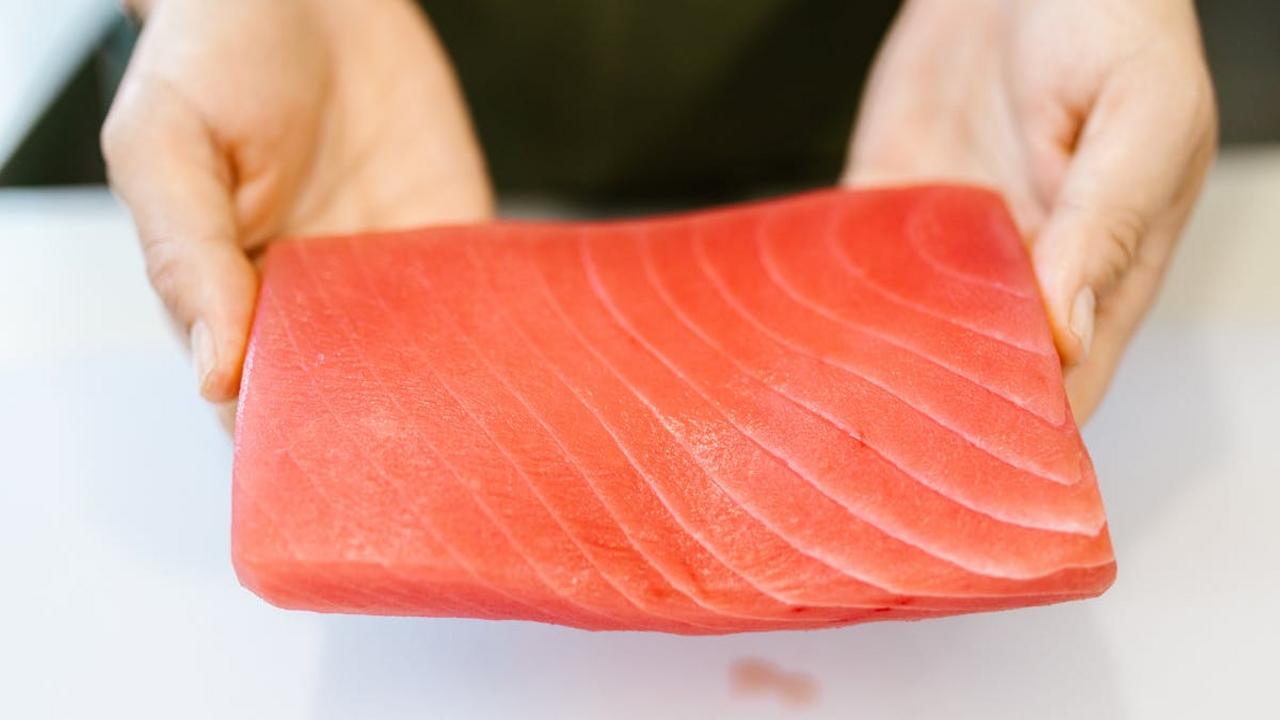
Picture this: you’re standing at the fish counter, and there’s salmon practically winking at you with its gorgeous pink flesh. This isn’t just any fish – it’s basically the Brad Pitt of the seafood world, handsome and packed with those brain-boosting omega-3s your neurons are desperately craving. Wild-caught Alaskan salmon contains more omega-3 fatty acids per serving than most other fish, with a whopping 1.8 grams in just 3.5 ounces. Fun fact: salmon get their signature pink color from eating krill and shrimp, which means they’re basically living their best crustacean-filled life while building up those healthy fats we love.
Here’s where salmon gets really exciting – it’s like having a personal bodyguard for your heart and brain. Those omega-3s reduce inflammation faster than you can say “grilled to perfection,” while the protein helps build muscle and keeps you satisfied longer than a good Netflix binge. My favorite lazy weeknight trick? Wrap salmon in foil with lemon, garlic, and whatever herbs are hanging out in your fridge, then bake for 15 minutes. The fish cooks in its own juices, stays incredibly moist, and you barely dirty any dishes. Plus, salmon’s rich in vitamin D and B vitamins, so you’re basically getting a multivitamin disguised as dinner.