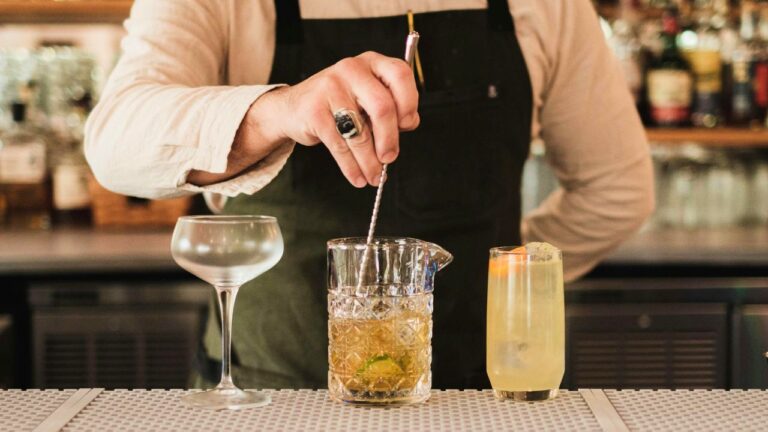
12 Unforgettable One-of-a-Kind Dining Experiences to Add to Your Food Bucket List
Eating dinner in pitch blackness? Slurping spaghetti underwater? These aren’t scenes from a bizarre dream—they’re real dining options for adventurous food lovers! Forget boring restaurants with predictable ambiance. Today’s culinary world offers experiences so unique, your Instagram followers won’t believe they’re real.
I’ve tracked down 12 dining concepts that transform eating from simple nourishment into unforgettable entertainment. From freezing ice restaurants where your drink glass is literally made of ice to medical-themed spots where your cocktail comes in an IV bag, these places prove that atmosphere can be just as important as the food itself.
Whether you’re eating in a treehouse, being served by robots, or dining in a converted airplane, these restaurants offer more than meals—they create memories. Each venue on this list breaks every conventional restaurant rule and replaces it with something wonderfully weird. Ready to expand your dining horizons? Your bucket list is about to get deliciously longer.
Airplane Restaurant

You know that one vegetable that can clear a dinner table faster than a fire alarm? Meet Brussels sprouts, the tiny green orbs that have sparked more family feuds than Monopoly and politics combined. These mini cabbages pack more controversy per square inch than any other vegetable, dividing households into two distinct camps: the “they taste like sulfurous sadness” crowd and the “roasted with bacon, they’re pure magic” believers. The funny thing is, both sides are absolutely right depending on how you cook them. Steam these babies into mushy submission like your well-meaning grandmother did in the 1970s, and you’ve got yourself a one-way ticket to Vegetable Purgatory.
But here’s where the food fight gets interesting – modern cooking techniques have completely revolutionized these controversial little spheres. Roast them at high heat until their outer leaves get crispy and caramelized, toss them with some garlic and balsamic vinegar, and suddenly you’ve got converts lining up around the block. The secret lies in that beautiful Maillard reaction that transforms their natural bitterness into sweet, nutty perfection. Fun fact: Brussels sprouts actually contain compounds called glucosinolates that release sulfur when overcooked, which explains why boiled sprouts smell like a chemistry experiment gone wrong. Give them the respect they deserve with proper preparation, and these green gems will turn even the most stubborn skeptics into believers.
Cave Restaurant

Oh, cilantro—the herb that literally divides dinner tables faster than politics at Thanksgiving! This leafy green character actor shows up in everything from Mexican salsas to Thai curries, and people either worship it like a food deity or recoil like it’s trying to poison them. Here’s the wild part: science actually backs up both camps. About 10-14% of the population carries a genetic variation that makes cilantro taste like soap or metal shavings. Meanwhile, the rest of us get hit with bright, citrusy notes that make our tacos sing opera. It’s like Mother Nature played the ultimate prank on our taste receptors!
You know what’s hilarious? Restaurants have started putting “cilantro on the side” as a default because they’re tired of sending back perfectly good dishes. I’ve watched grown adults pick through their pho like they’re defusing a bomb, hunting down every last cilantro leaf. But here’s my advice for the cilantro-curious: try it fresh versus cooked, because heat changes its personality completely. Start small—sprinkle a tiny bit on your next burrito bowl and see if you’re team “liquid sunshine” or team “devil’s lettuce.” Just remember, this isn’t about right or wrong; it’s about genetics playing favorites with your mouth!
Train Car Restaurant

Black licorice sits at the center of America’s most polarizing food debate, splitting families faster than you can say “anise extract.” You either worship this dark, chewy candy with the devotion of a medieval monk, or you recoil from it like it personally insulted your grandmother. There’s literally no middle ground here – I’ve watched grown adults dramatically spit out Good & Plenty candies while their spouse across the table savors them like fine wine. The divisive power comes from that distinctive anise flavor, which tastes like a cross between fennel and liquid black jelly beans to some, while others swear it’s what disappointment would taste if disappointment were edible.
Here’s where things get wild: black licorice actually contains glycyrrhizin, a compound that can mess with your potassium levels if you go completely overboard (we’re talking pounds of the stuff, not your average movie theater box). The FDA once had to issue warnings about this after people started treating black licorice like a food group. Meanwhile, in Finland, they put this polarizing flavor in everything from ice cream to vodka, proving that somewhere in the world, black licorice has achieved true acceptance. Whether you’re team “gimme all the Twizzlers” or team “keep that devil candy away from me,” you’ve got to respect a flavor bold enough to make people choose sides at Halloween.
Ninja Restaurant

You know that friend who puts ketchup on everything? Well, meet their cousin who dunks pizza slices into ranch dressing like it’s the most natural thing in the world. This phenomenon has split families, ended friendships, and probably caused more heated debates than pineapple ever did. Ranch on pizza isn’t just a Midwest thing anymore—it’s gone national, and boy, does it make people lose their minds! The creamy, herb-flecked dressing transforms your average slice into something that makes traditional pizza purists clutch their marinara-stained aprons in horror. But here’s the kicker: Hidden Valley Ranch actually endorses this madness, and pizza chains from Casey’s to Papa John’s literally give you ranch cups with your order.
Listen, I get why people freak out about this combo. Pizza already has sauce, cheese, and toppings—why add more? But then you take that first bite of pepperoni pizza dipped in cool, tangy ranch, and suddenly you understand why entire states have made this their signature move. The ranch cuts through greasy cheese like a champ, adds a zippy contrast to salty toppings, and somehow makes even gas station pizza taste decent. Iowa folks have been doing this since the 1980s, and they’re not apologizing to anyone. Pro tip: if you’re going to join the ranch revolution, get the good stuff—none of that watery packet nonsense. Your pizza deserves better than that!
Medical Hospital Theme Restaurant

Oh honey, you want to see grown adults throw actual tantrums? Just casually mention adding beans to your chili recipe at any gathering south of the Mason-Dixon line. I once watched my sweet neighbor Margaret—who bakes cookies for the mailman—nearly flip a table when someone suggested kidney beans belonged in “real” chili. The Texas Chili Queens are probably rolling in their graves every time someone opens a can of pintos, but here’s the thing: beans make chili heartier, more filling, and let’s be honest, way easier on your grocery budget. Plus, they add this amazing creamy texture that soaks up all those gorgeous spices like little flavor sponges.
The great bean debate basically boils down to geography and stubbornness. Texans will die on the hill that authentic chili con carne contains zero beans—just meat, chiles, and attitude. Meanwhile, the rest of America happily dumps in black beans, kidney beans, and whatever else is lurking in the pantry. I secretly love both versions, but there’s something deeply satisfying about a bean-loaded bowl that keeps you full for hours and costs half as much to make. Pro tip: if you’re hosting a chili cook-off, make two pots and label them clearly, or prepare for some seriously heated discussions that have nothing to do with Scoville units.
Robot Restaurant

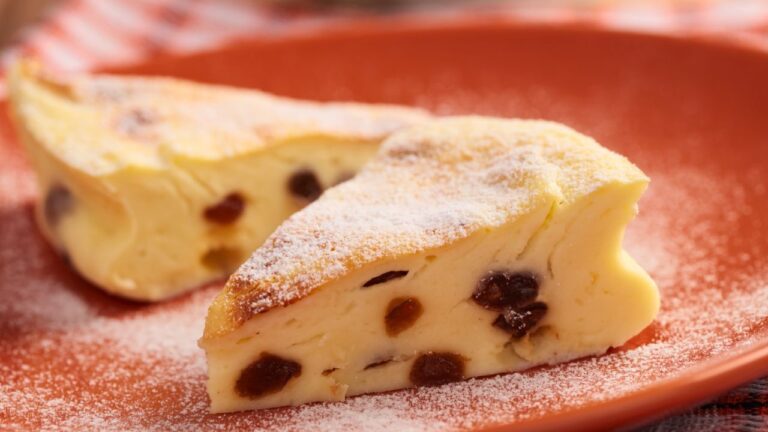
You know that moment when you’re reaching for what you think is a chocolate chip cookie, only to bite into nature’s cruel joke? Yes, I’m talking about raisins masquerading as chocolate chips in cookies. This innocent-looking dried fruit has probably caused more betrayal and heartbreak than any romantic comedy ever could. The raisin cookie debate splits households faster than arguing over the thermostat setting. Team Anti-Raisin claims these wrinkled imposters have no business infiltrating their sweet sanctuary, while Team Pro-Raisin insists these chewy morsels add complexity and natural sweetness that makes cookies more sophisticated.
Here’s the thing about oatmeal raisin cookies – they’re actually incredible when you know what you’re getting into. The combination of hearty oats, warm cinnamon, and plump raisins creates a texture symphony that’s both comforting and satisfying. But the surprise factor? That’s where friendships end and family dinners turn awkward. Smart bakers label their containers clearly or use golden raisins instead of dark ones to avoid the chocolate chip confusion. Fun fact: raisins were once so valuable that ancient Romans used them as currency and athletic prizes. So next time someone complains about raisins in cookies, remind them they’re eating what used to be Roman treasure!
Sky Dining

Nothing sparks more heated debate at a summer barbecue than someone declaring they make the “perfect” root beer float. You’ve got the purists who insist on A&W root beer and vanilla ice cream only, the rebels who swear by craft root beer brands, and the wildcards who throw in chocolate ice cream like they’re starting a revolution. I watched my neighbor Jim nearly come to blows with his brother-in-law over whether you pour the root beer first or add the ice cream first—apparently this is serious business in some families. The foam situation alone could fuel a doctoral thesis, with camps divided between “maximum foam lovers” and “foam is just wasted space” believers.
Here’s what I know after years of float-making research: the magic happens in the fizz-meets-cream moment when carbonation creates that perfect creamy head. Temperature matters more than people realize—your root beer should be ice-cold, your ice cream slightly softened but not melting. Pro tip from my grandma who ran a soda fountain in the 1950s: tilt your glass at a 45-degree angle when pouring to control the foam explosion. She also taught me that root beer floats taste different depending on your spoon technique—some folks mix everything together like a milkshake, while others carefully sip the foam first, then alternate between root beer and ice cream bites. Either way, you’re guaranteed sticky fingers and a sugar rush that’ll transport you straight back to childhood.
Tree House Dining

Oh, you want to start a riot at your next dinner party? Just casually mention that American cheese isn’t “real” cheese and watch the sparks fly! This processed square of controversy sits right at the intersection of childhood nostalgia and food snobbery, creating battle lines that would make the Civil War look like a polite disagreement. Food purists clutch their artisanal cheddars and declare it an abomination, while defenders passionately argue that nothing—and I mean NOTHING—melts quite like American cheese on a grilled cheese sandwich or burger.
Here’s the thing that’ll blow your mind: American cheese was actually invented by a Canadian! James Lewis Kraft patented the process in 1916, creating what we now know as processed cheese food. The FDA requires products to contain at least 51% real cheese to earn the “American cheese” label, so technically it IS cheese—just cheese with a chemistry degree. Sure, it might not win any awards for complexity, but when you need that perfect gooey melt for mac and cheese or want your burger to look like a magazine photo, American cheese delivers every single time. You can mock it all you want, but I guarantee you’ve got fond memories of peeling apart those individually wrapped slices!
Prison Theme Restaurant
Nothing divides a dinner table quite like a glistening, glazed brick of ground beef sitting center stage. Meatloaf—the dish that somehow makes people either swoon with nostalgia or recoil in horror—has been the source of family feuds since the 1870s. You’ve got your ketchup glazers versus your brown gravy traditionalists, your breadcrumb purists battling the oatmeal rebels, and don’t even get me started on the great “hard-boiled egg in the center” controversy. Some folks swear by mixing three different meats (beef, pork, and veal), while others consider that culinary overkill and stick to straight ground chuck.
The real drama starts with texture preferences—do you want your meatloaf dense enough to slice cleanly for sandwiches, or soft and crumbly like your grandmother’s version? Then there’s the eternal debate over mix-ins: diced onions, bell peppers, mushrooms, or just keep it simple with salt and pepper? Fun fact: during the Great Depression, creative cooks stretched their meat with everything from crushed crackers to leftover rice, creating regional variations that still spark heated discussions at potluck dinners. Whether you’re team “serve it hot with mashed potatoes” or “cold meatloaf sandwich the next day is the real star,” this humble loaf continues to prove that comfort food opinions run deeper than family bloodlines.
Ice Restaurant
Oh boy, here we go with Chicago’s most controversial contribution to the pizza universe! Deep dish pizza isn’t just food – it’s a declaration of war against New York’s thin crust supremacy. Picture this: a thick, buttery crust that rises like a golden fortress around lakes of chunky tomato sauce, mountains of mozzarella, and whatever toppings dare to swim in that glorious mess. Lou Malnati’s and Giordano’s have been duking it out for decades over who makes the ultimate version, while the rest of America watches like it’s a heavyweight boxing match. Fun fact: deep dish was actually invented in 1943 by Ike Sewell at Pizzeria Uno, who basically said “forget everything you know about pizza” and created what some call a casserole masquerading as pizza.
The beauty of deep dish lies in its complete rejection of pizza physics – you can’t fold it, you definitely can’t eat it with your hands without looking like you’re wrestling a small animal, and one slice could probably feed a small village. New Yorkers love to mock it as “not real pizza,” while Chicagoans fire back that their creation actually requires skill and patience to make properly. The crust alone takes hours to develop that perfect buttery flavor, and the assembly order is backwards – cheese first, then toppings, then sauce on top like a delicious hat. Sure, eating one slice takes approximately seventeen napkins and the structural integrity of a small building, but that’s half the fun! It’s pizza that demands respect, a fork, and probably a nap afterwards.
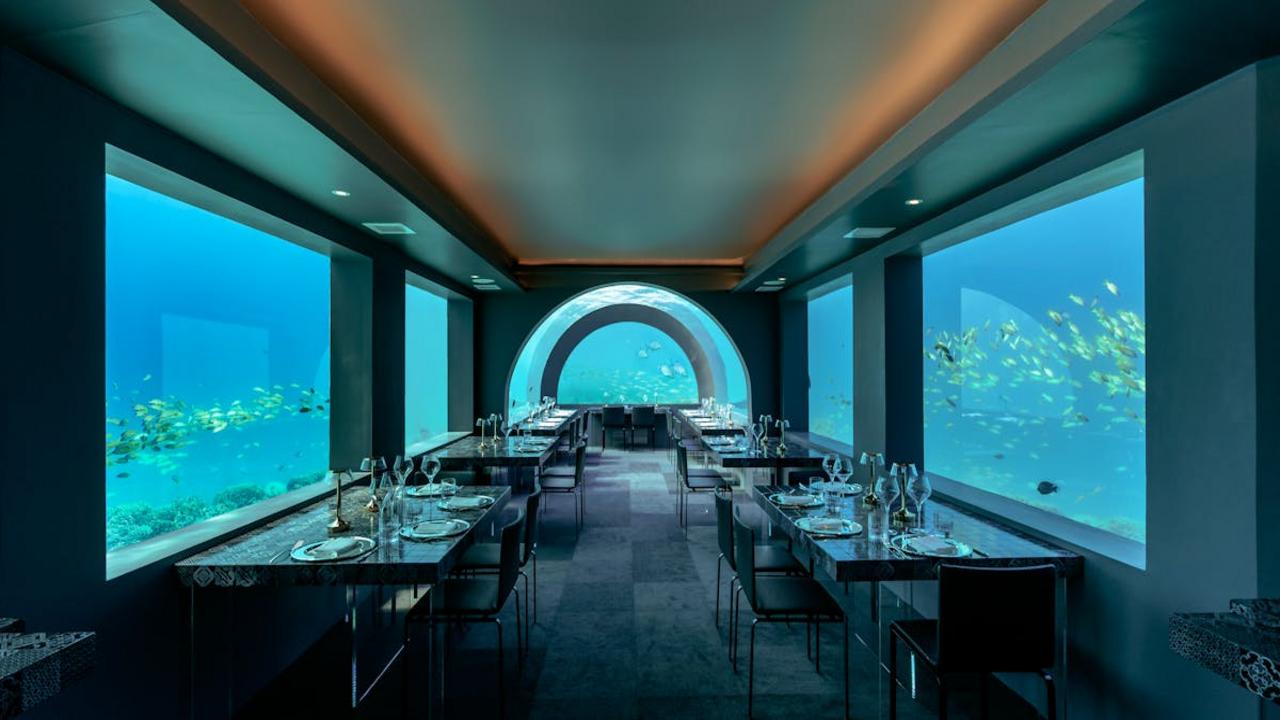
Underwater Restaurant
You know that moment when your brain short-circuits trying to decide between breakfast and dinner? Well, chicken and waffles swoops in like a caffeinated superhero to save the day! This gloriously confused dish has people throwing down harder than a WWE match – some swear it’s the greatest food mashup since peanut butter met jelly, while others clutch their pearls and mutter about “proper meal boundaries.” The beauty lies in its sheer audacity: crispy, seasoned fried chicken perched atop a golden waffle like it owns the place, often drizzled with maple syrup that creates the ultimate sweet-meets-savory showdown.
Here’s where things get spicy (pun intended): this isn’t some modern foodie fever dream – chicken and waffles has serious street cred dating back to the 1930s Harlem jazz scene! Musicians would roll into late-night spots after gigs, too late for dinner but too early for breakfast, so resourceful cooks started serving both together. Now you’ve got fancy brunch spots charging $18 for what started as humble comfort food, while purists argue that real chicken and waffles requires buttermilk-soaked bird and cornmeal waffles. Pro tip: if you’re making this at home, keep that chicken piping hot and those waffles crispy – nobody wants soggy disappointment on their plate when they’re trying to broker peace between breakfast and dinner!
Dining in Complete Darkness

Oh boy, here we go – the pizza that launched a thousand arguments and probably ended a few friendships too. Hawaiian pizza, with its controversial pineapple-and-ham combo, didn’t even come from Hawaii (plot twist!). A Greek-Canadian chef named Sam Panopoulos created this divisive masterpiece in 1962 at his restaurant in Ontario, Canada. He threw some canned pineapple and ham on a pizza just to see what would happen, and what happened was decades of passionate debate about whether fruit belongs on pizza. The man probably had no idea he was creating the most polarizing food item since cilantro.
You either worship at the altar of sweet-meets-salty perfection or you consider pineapple on pizza a crime against humanity – there’s rarely any middle ground. The juicy pineapple chunks bring this tropical sweetness that plays beautifully with salty ham and tangy tomato sauce, while the cheese acts as the peacekeeper trying to bring everyone together. Hawaiians themselves have mixed feelings about their namesake pizza, with many pointing out that traditional Hawaiian cuisine doesn’t typically pair pineapple with cheese. But here’s the thing: once you bite into that perfect slice where the caramelized pineapple edges meet the crispy crust, you might just understand what all the fuss is about – even if you’d never admit it out loud.