14 Iconic American Dishes That Were Actually Born Abroad
You’ve proudly eaten them at baseball games, family gatherings, and late-night diners. Yet those “all-American” dishes filling your plate? Many secretly hold foreign passports! From General Tso’s Chicken to Buffalo Wings, America’s food identity comes wrapped in global origins that might surprise you.
Our national menu tells a story of cultural mashups and immigrant innovations. Apple pie, that quintessential American symbol? The British baked it first. Hamburgers? Thank German culinary traditions. Even peanut butter – that childhood sandwich staple – traces back to ancient South American civilizations.
Think of American cuisine as the ultimate remix artist, taking worldwide hits and adding distinctive spins. These 14 dishes represent the delicious truth about our food heritage: American food doesn’t exist in isolation – it thrives because of its international roots and the creative tweaks that made these global imports uniquely our own.
Buffalo Wings
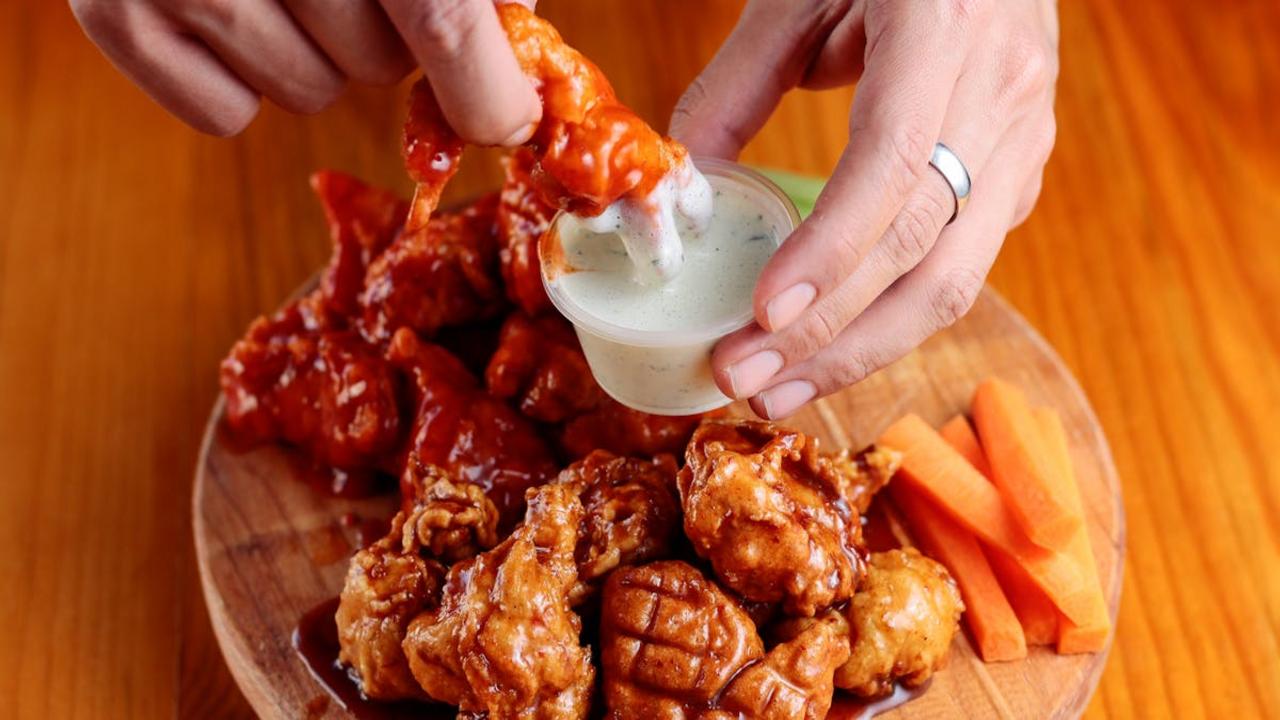
Picture this: it’s 1964 in Buffalo, New York, and Teressa Bellissimo is staring at her refrigerator wondering what to feed her son’s hungry friends who just showed up unexpectedly. What does she do? She grabs some chicken wings (usually destined for soup stock), tosses them in hot sauce mixed with butter, and serves them with celery sticks and blue cheese dressing. Little did she know she was creating what would become America’s most famous bar snack! The Anchor Bar became ground zero for this saucy revolution, though some folks swear the wings actually originated from a different Buffalo joint called Duff’s. Either way, Buffalo claimed this crispy, spicy treasure as their own.
Here’s the kicker though – chicken wings themselves aren’t exactly American-born. The concept of eating chicken wings dates back centuries across various cultures, from Asian preparations to Caribbean jerk seasonings. But Teressa’s genius was in that perfect combination of Frank’s RedHot sauce, butter, and the brilliant pairing with cooling celery and tangy blue cheese. Now you can find “Buffalo” wings everywhere from Tokyo to London, each place putting their own spin on this accidentally iconic creation. The next time you’re licking that orange-tinged sauce off your fingers, remember you’re participating in a beautiful accident that happened because one mom didn’t want to let her son’s friends go hungry!
German Chocolate Cake
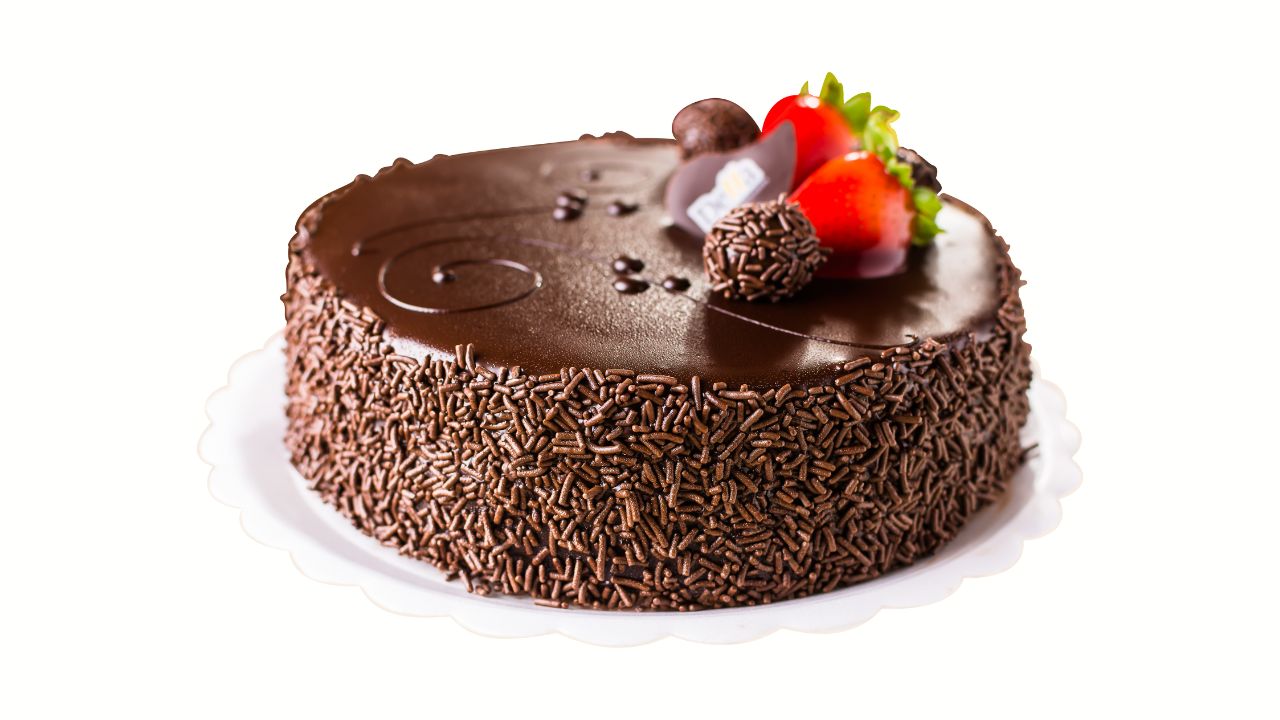
Here’s a plot twist that’ll knock your socks off: German Chocolate Cake isn’t German at all! This towering beauty with its signature coconut-pecan frosting was actually born right here in America, thanks to a guy named Samuel German who developed a sweet baking chocolate for Baker’s Chocolate Company back in 1852. The cake we know and adore today didn’t appear until 1957, when a Dallas homemaker named Mrs. George Clay submitted her recipe to a local newspaper. The cake became so popular that Baker’s Chocolate sales shot through the roof, and suddenly everyone was clamoring for “German’s Chocolate Cake” – though somewhere along the way, that possessive apostrophe got lost in translation.
What makes this cake absolutely irresistible isn’t just its mistaken identity – it’s that gooey, sticky coconut-pecan frosting that cascades down the sides like sweet lava. The cake itself is a rich chocolate number, but the real star is that frosting made with evaporated milk, egg yolks, butter, and loads of shredded coconut and chopped pecans. It’s the kind of dessert that makes you close your eyes on the first bite and wonder why anyone ever bothered inventing other cakes. Pro tip: if you’re making one at home, don’t even think about using regular chocolate – you need that specific Baker’s German’s Sweet Chocolate to get the authentic flavor that fooled a nation into thinking it was European!
Bagels
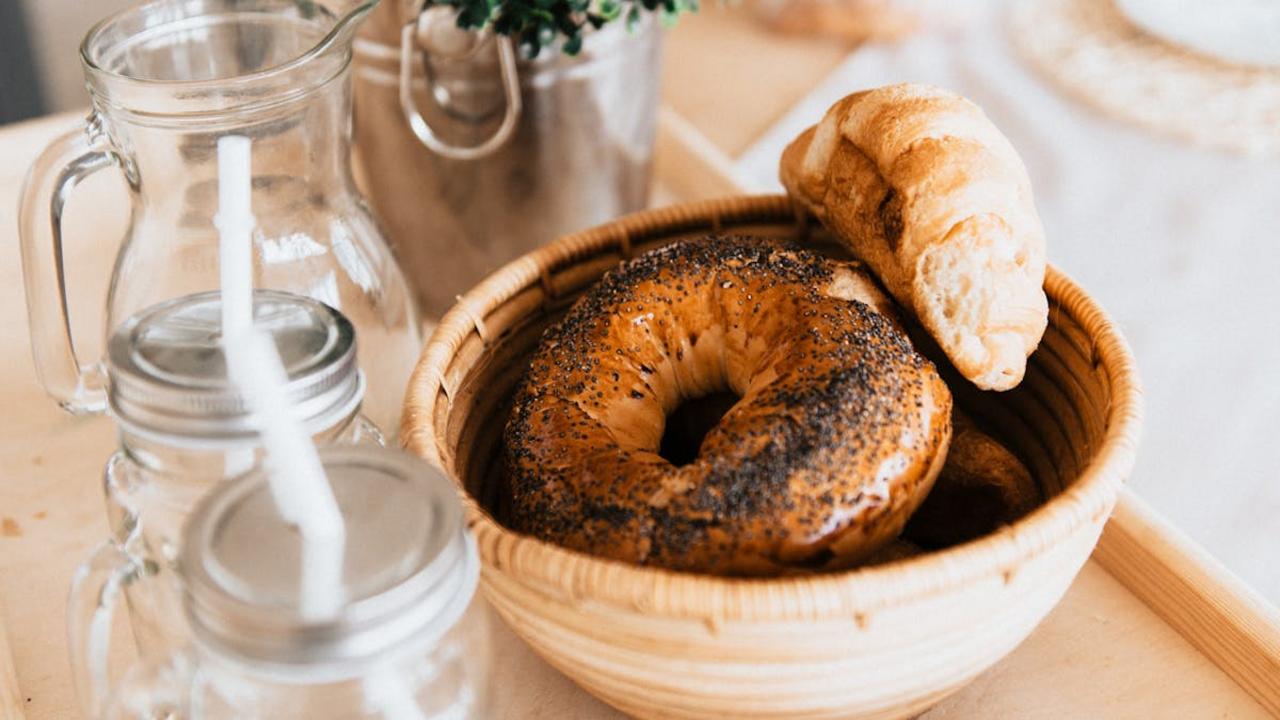
Picture this: you’re biting into that perfect chewy-yet-crispy bagel on a Sunday morning, cream cheese oozing out the sides, and you think “ah, classic New York!” Well, plot twist – your beloved breakfast ring actually started its journey in 17th-century Poland. Jewish bakers in Kraków were shaping these boiled-then-baked beauties long before they made their Atlantic crossing. The word “bagel” comes from the Yiddish “beygel,” which traces back to the German “beugel” meaning ring or bracelet. Those resourceful Polish bakers created them as a portable, long-lasting bread that could feed families through tough times.
Fast forward to the late 1800s, and Eastern European immigrants brought their bagel-making secrets to New York’s Lower East Side, where they found their true American calling. The Big Apple’s bagel scene exploded with such intensity that by the 1960s, you couldn’t walk three blocks without hitting a bagel shop. Here’s a fun fact that’ll make you appreciate your morning ritual even more: traditional bagel dough gets boiled before baking, which creates that signature chewy texture and shiny crust. Today’s everything bagels, rainbow bagels, and even bagel ice cream sandwiches would probably make those original Polish bakers scratch their heads – but hey, that’s the beautiful chaos of food evolution!
Macaroni and Cheese
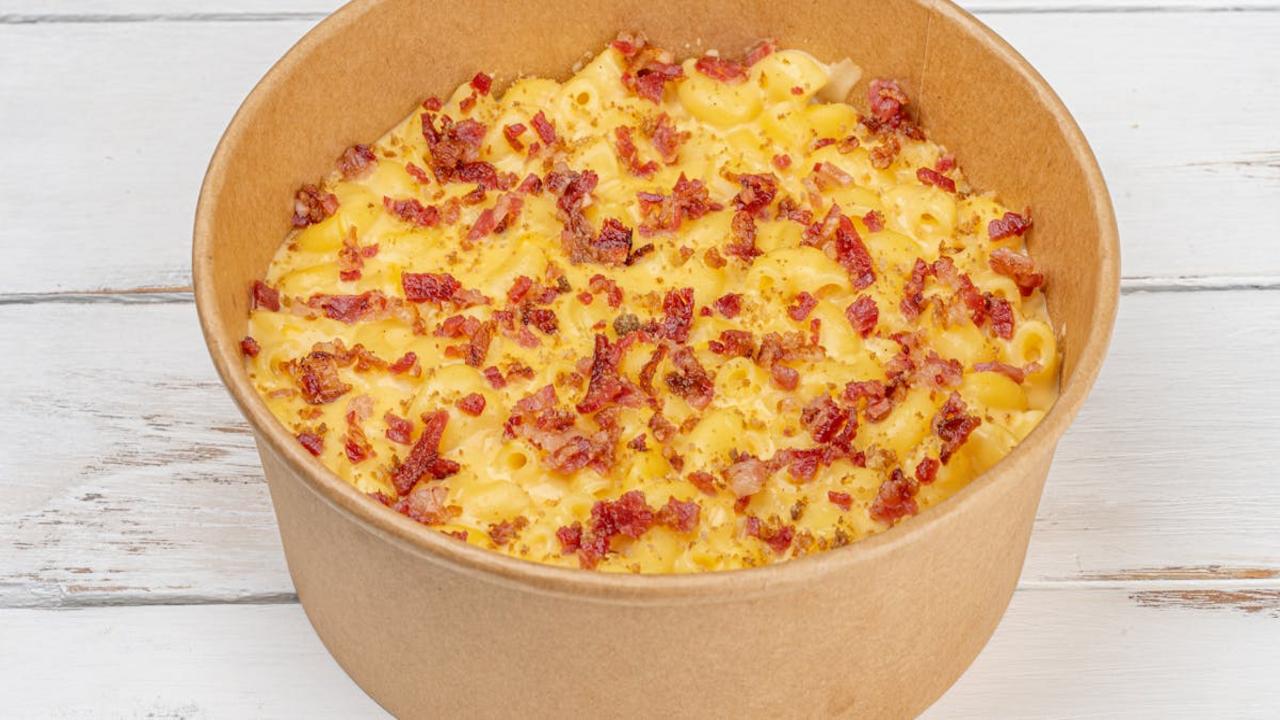
You know that gooey, cheesy comfort food that screams “America” louder than a Fourth of July barbecue? Well, plot twist: macaroni and cheese actually waltzed over from Europe centuries ago! The earliest versions appeared in medieval England, where they mixed pasta with cheese in ways that would make your grandmother weep tears of joy. Thomas Jefferson gets credit for bringing this magical combination to American tables after his European travels, though some food historians whisper that his enslaved chef James Hemings deserves the real recognition for perfecting the recipe that would eventually become our national obsession.
What makes this story even more delicious is how Americans took this simple European concept and turned it into a cultural phenomenon that spans everything from fancy truffle versions in upscale restaurants to that bright orange box of powdered cheese magic that college students worship. The British might have invented it, but we Americans perfected the art of making it ridiculously indulgent – adding bacon, lobster, breadcrumbs, or whatever else strikes our fancy. Today’s mac and cheese bears about as much resemblance to its dignified European ancestor as a monster truck does to a horse-drawn carriage, and honestly, we wouldn’t have it any other way!
French Fries
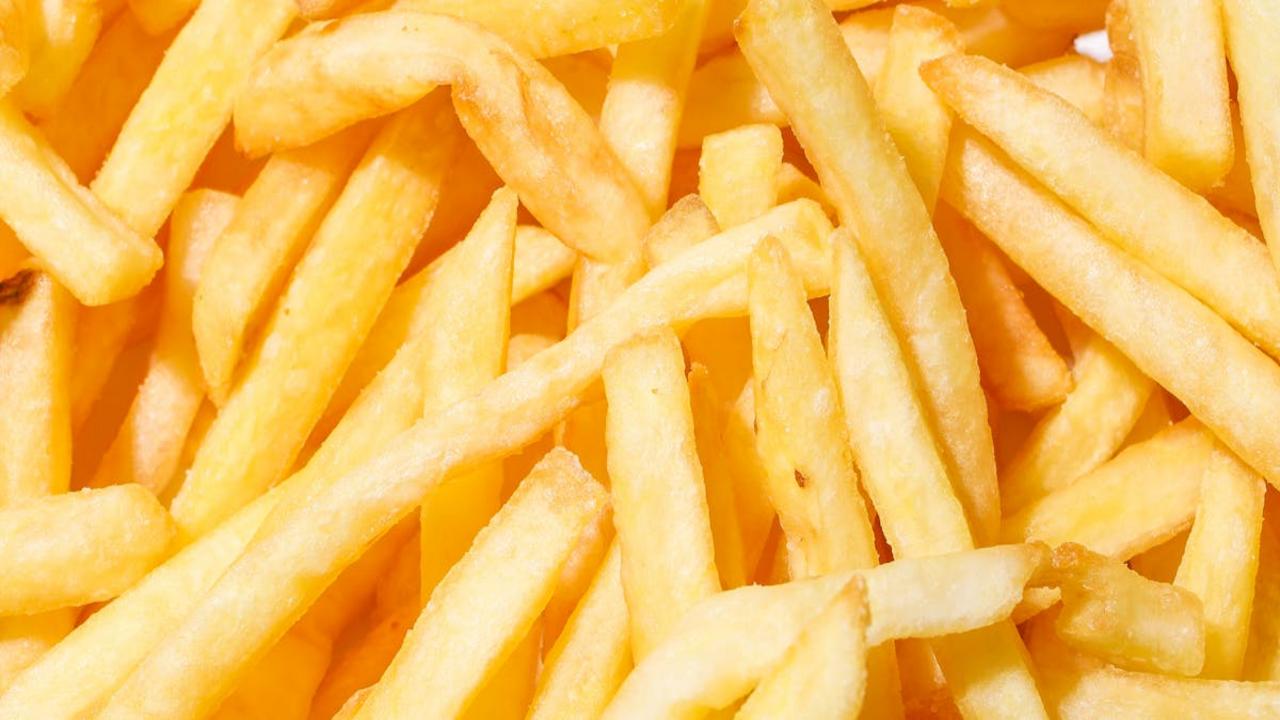
Oh honey, prepare yourself for the greatest betrayal in American food history! Those crispy golden sticks we worship at every McDonald’s, diner, and backyard barbecue? They’re about as French as my pet goldfish named Napoleon. These glorious potato soldiers actually marched straight out of Belgium, where they’ve been frying up thin potato strips since the 1600s. Belgian folklore tells us that villagers along the Meuse River used to fry small fish, but when the river froze over, they sliced potatoes into fish-like shapes and tossed them into the bubbling oil instead. Talk about making the best of a chilly situation!
The “French” part of the name comes from World War I, when American soldiers stationed in Belgium encountered these magnificent crispy creations. Since the Belgian soldiers spoke French, our boys called them “French fries,” and the name stuck like ketchup on a white shirt. Now here’s where it gets really wild – Thomas Jefferson actually served these Belgian beauties at the White House in 1802, calling them “potatoes served in the French manner.” But let’s be real, whether you call them frites, chips, or freedom fries (remember that ridiculous phase?), these golden beauties have conquered American hearts faster than you can say “supersize me.” Just remember to thank Belgium next time you’re face-deep in a basket of these crispy wonders!
Pizza
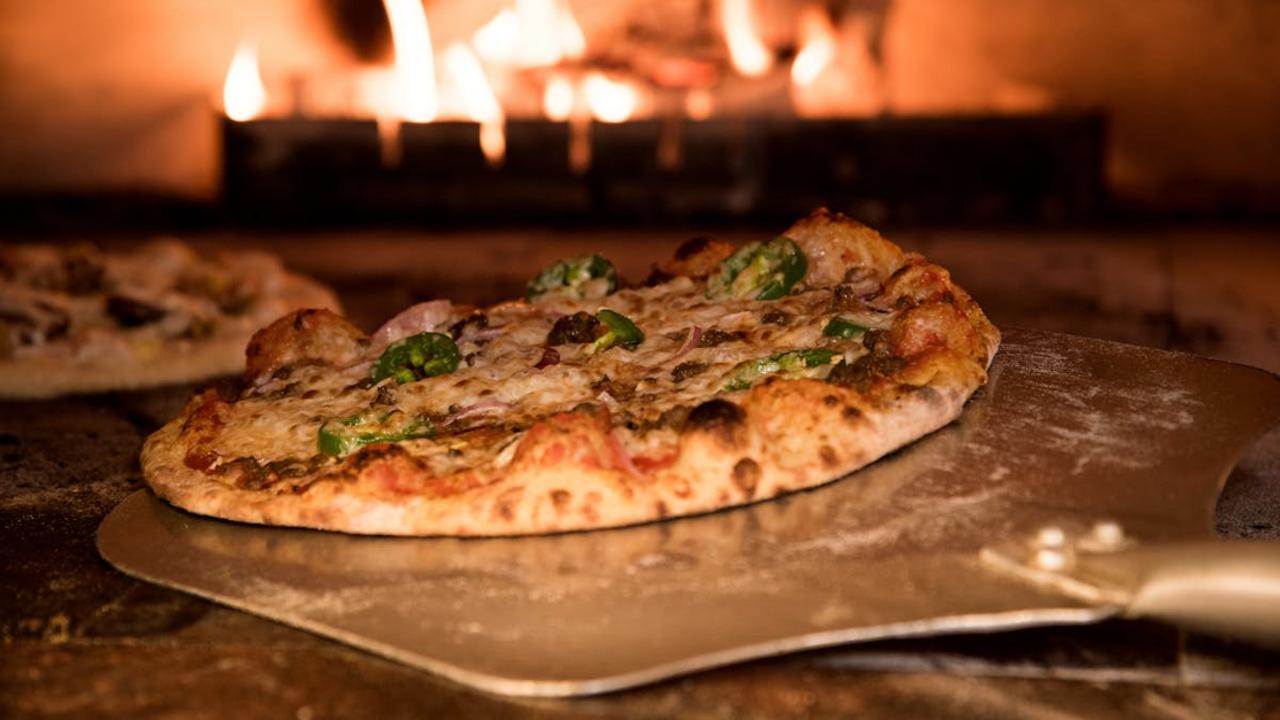
Hold onto your cheese-stained napkins, because I’m about to blow your mind: pizza isn’t American! I know, I know – you’re probably clutching your pepperoni slice right now in disbelief. But our beloved pizza actually sailed over from Italy, where it started as a simple flatbread topped with tomatoes, oil, and garlic. The original Neapolitan pizza was street food for working-class folks in Naples, sold from carts and eaten with bare hands. Italian immigrants brought this genius creation to America in the late 1800s, and the first pizzeria opened in New York City in 1905. Gennaro Lombardi charged five cents for a whole pie – can you imagine paying a nickel for pizza today?
What happened next is pure American magic: we took Italy’s beautiful, simple creation and went absolutely bonkers with it. Deep dish in Chicago, New York’s giant foldable slices, California’s arugula-and-goat-cheese extravaganza – we basically said “hold my beer” to Italy and created a thousand different variations. The beauty of American pizza lies in its complete lack of rules. Want pineapple on top? Go for it (though you might start a food fight). Prefer a crust thick enough to use as a doorstop? Chicago’s got you covered. We transformed pizza from humble Italian street food into a $50 billion industry that somehow makes eating vegetables seem fun when they’re hiding under a blanket of melted mozzarella.
Peanut Butter
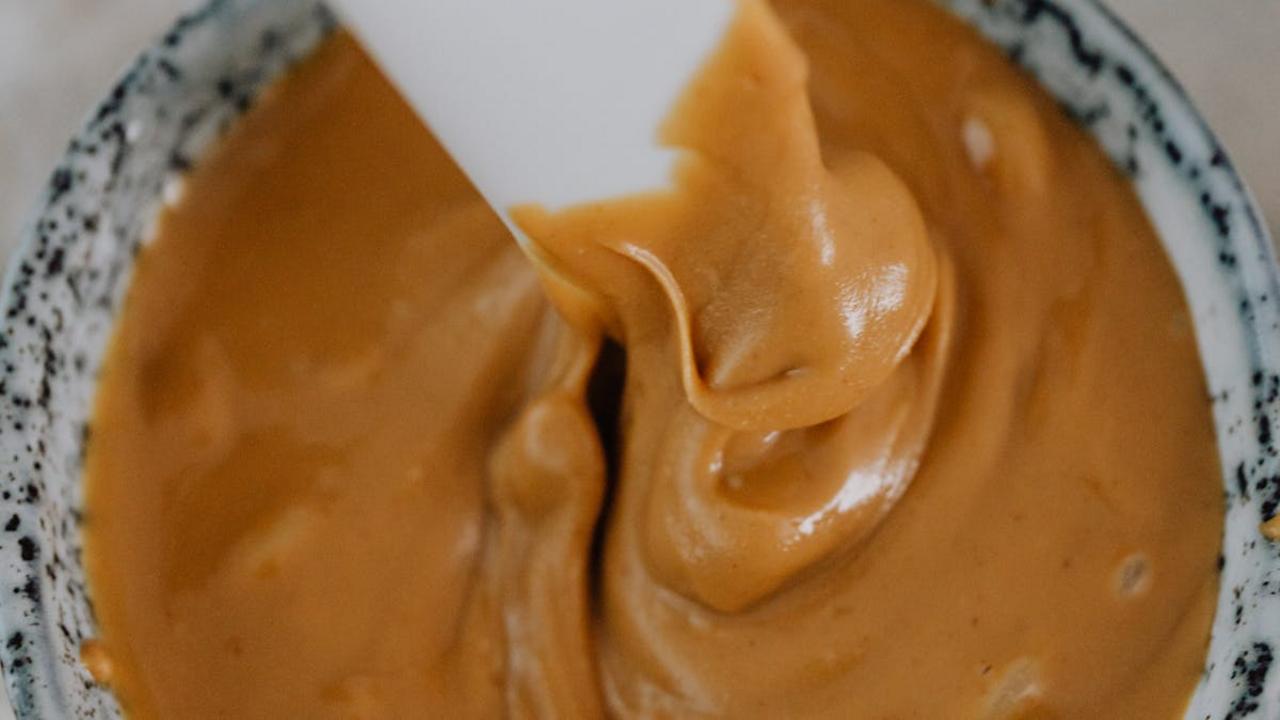
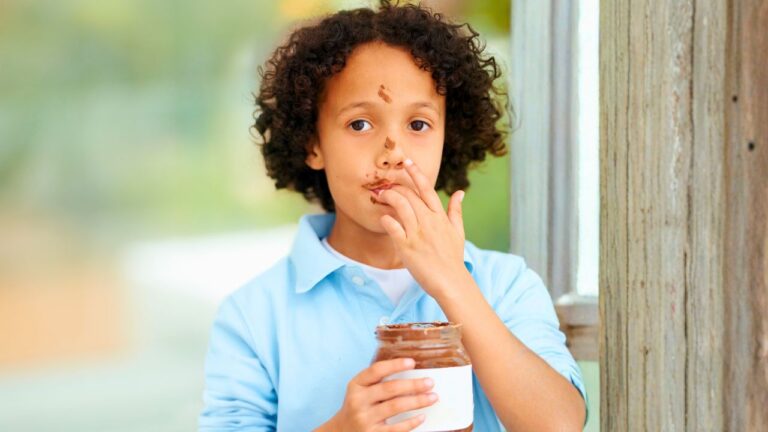
Hold onto your sandwich bread because I’m about to blow your mind: peanut butter didn’t start its sticky, nutty life in American kitchens! The Aztecs were grinding peanuts into paste centuries before the Mayflower even thought about crossing the Atlantic. These brilliant folks knew what they were doing, creating a protein-packed spread that would eventually become America’s unofficial sandwich royalty. Dr. John Harvey Kellogg (yes, the cereal guy) gets credit for patenting a peanut butter-making process in 1895, but he was really just putting his own spin on an ancient recipe. The man was apparently obsessed with health foods, which explains both the cornflakes and his dedication to perfecting this nutty concoction.
What makes this story even more delicious is how Americans completely transformed peanut butter into something uniquely ours. We took that simple Aztec paste and turned it into a $2 billion industry that spans everything from crunchy Skippy to fancy artisanal almond blends at farmers markets. The average American kid will eat over 1,500 peanut butter sandwiches before graduating high school – now that’s dedication! We’ve paired it with jelly, chocolate, bananas, and even bacon (don’t knock it until you try it). While the Aztecs deserve the original credit, we Americans turned peanut butter into a cultural phenomenon that defines childhood lunch boxes and late-night snack attacks across the nation.
Pretzels
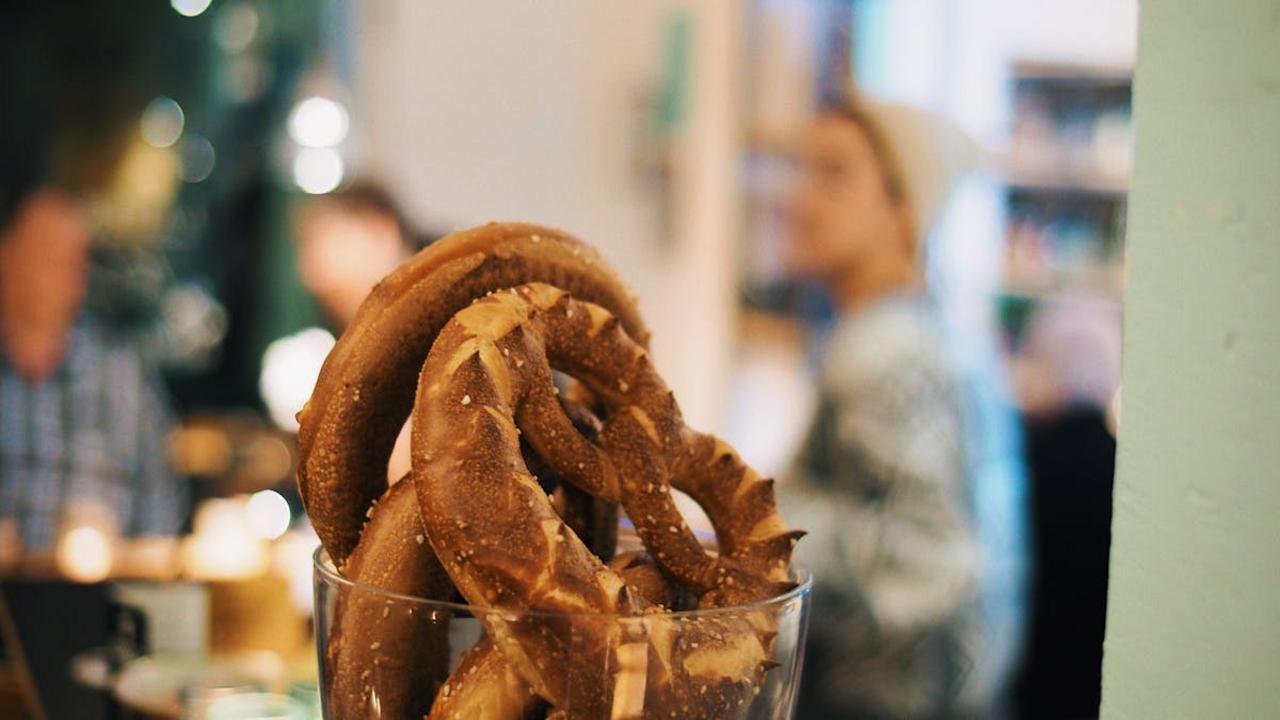
Here’s a plot twist that’ll make you choke on your ballpark pretzel: America’s beloved twisted bread baby actually comes from medieval European monasteries! Those clever monks in the 7th century created these knotted treats to represent arms crossed in prayer, calling them “pretiola” (little rewards). They’d give them to kids who memorized their prayers correctly – basically the world’s first edible gold star system. German and Austrian bakers perfected the craft over centuries, turning simple prayer symbols into the chewy, salty masterpieces we know today.
When German immigrants sailed to America in the 1600s, they packed their pretzel-making secrets in their luggage, and boy, are we grateful they did! Pennsylvania became the pretzel capital of America, with Philadelphia alone producing about 80% of the nation’s pretzels today. You can spot a real Philly pretzel from miles away – they’re skinny, chewy, and come with that perfect golden-brown tan that makes your mouth water instantly. Whether you’re grabbing one from a street cart in New York or munching on those addictive little nuggets during movie night, you’re participating in a tradition that’s older than America itself. Who knew something so simple could carry such heavenly history?
Spaghetti and Meatballs
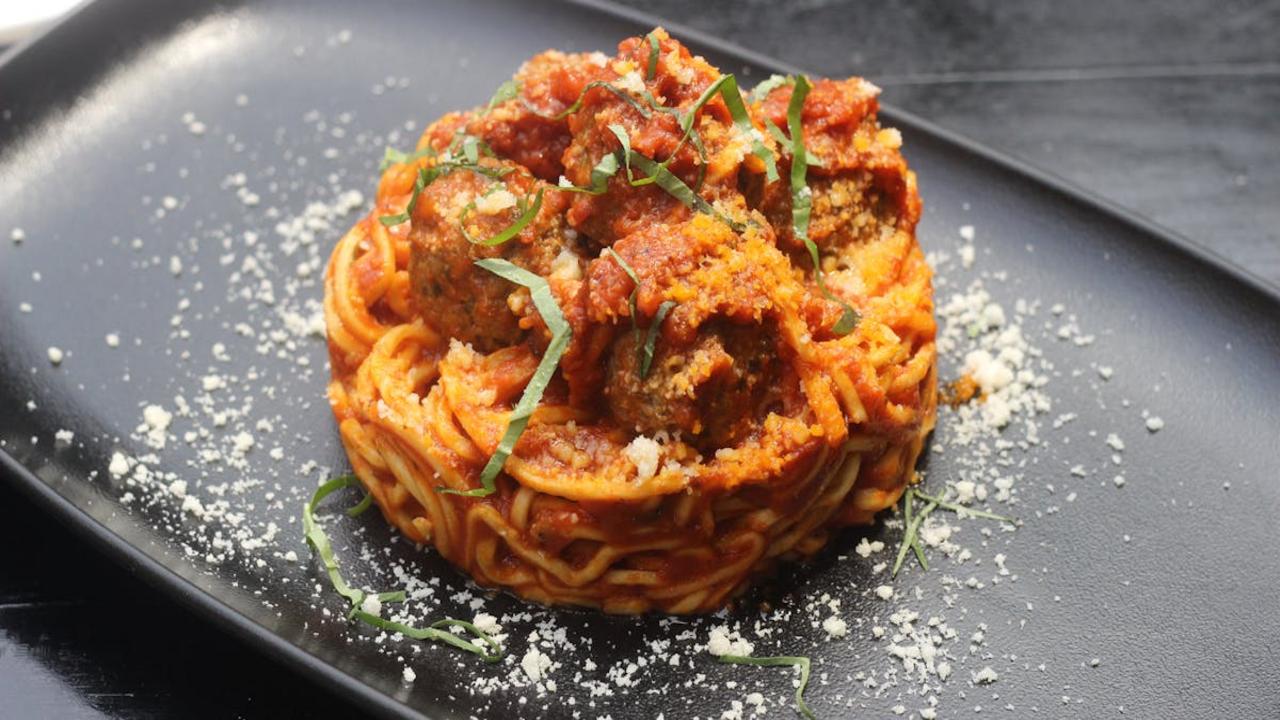
Picture this: you’re twirling long strands of pasta around your fork, dodging the occasional rogue meatball that threatens to roll off your plate, and you think “ah, this must be what Italian grandmothers have been making for centuries.” Wrong! Traditional Italian cuisine keeps pasta and meat strictly separated, like feuding relatives at a wedding. In Italy, you’d find pasta served as a first course and meat as a second – never shall they meet on the same plate. The closest thing to our beloved combo would be tiny polpettine in broth, which are more like delicate dumplings than the golf ball-sized behemoths we Americans adore.
This mashup magic happened when Italian immigrants arrived in America and discovered something miraculous: meat was actually affordable here! Back home, meat was a luxury saved for special occasions, but in the land of opportunity, they could afford to make those meatballs bigger and pair them with pasta whenever they wanted. American-Italian families started creating these hearty, one-plate meals that satisfied hungry workers and growing families. The dish became so popular that it practically became the unofficial symbol of Italian-American cuisine, appearing in countless movies and earning its place as the ultimate comfort food. Now you can find it everywhere from fancy restaurants to frozen TV dinners, proving that sometimes the best traditions are the ones we create ourselves.
Hamburgers
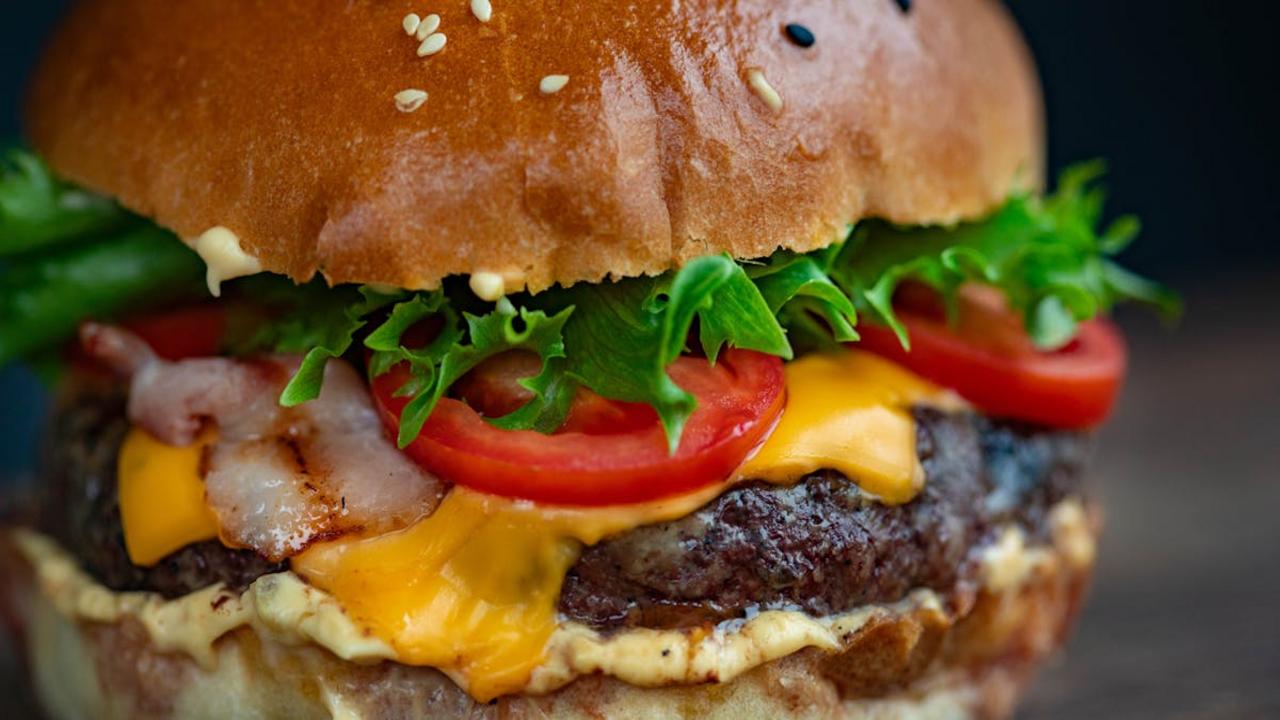
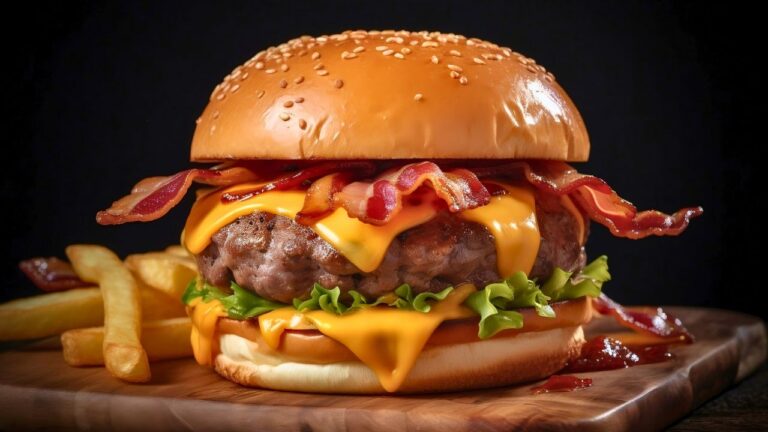
Hold onto your buns, because the all-American hamburger actually packed its bags in Germany before making its grand debut on our shores! The Hamburg steak—a seasoned raw beef patty that German immigrants brought over in the 1800s—was the scrappy ancestor of our beloved burger. Picture this: homesick German sailors missing their homeland’s signature dish, except they decided to cook the darn thing and slap it between two pieces of bread. Smart move, considering raw meat and long sea voyages don’t exactly make the best travel companions. The transformation happened somewhere between the bustling ports of New York and the growing industrial towns where these immigrants settled, turning a simple German comfort food into something completely revolutionary.
What started as Hamburg’s gift to the world quickly became America’s most iconic sandwich, and we ran with it like kids who just discovered ice cream for breakfast. By the early 1900s, enterprising folks like the Menches Brothers in Ohio and Louis Lassen in Connecticut were claiming burger invention bragging rights, slinging these beauties from food carts and tiny diners. The real magic happened when someone figured out that two buns worked way better than random bread slices—suddenly, you could actually hold this messy masterpiece without needing a shower afterward. Fast forward to today, and we’ve turned that humble German import into everything from towering bacon monstrosities to fancy wagyu creations that cost more than your monthly Netflix subscription. Not bad for a dish that started as boat food!
Apple Pie
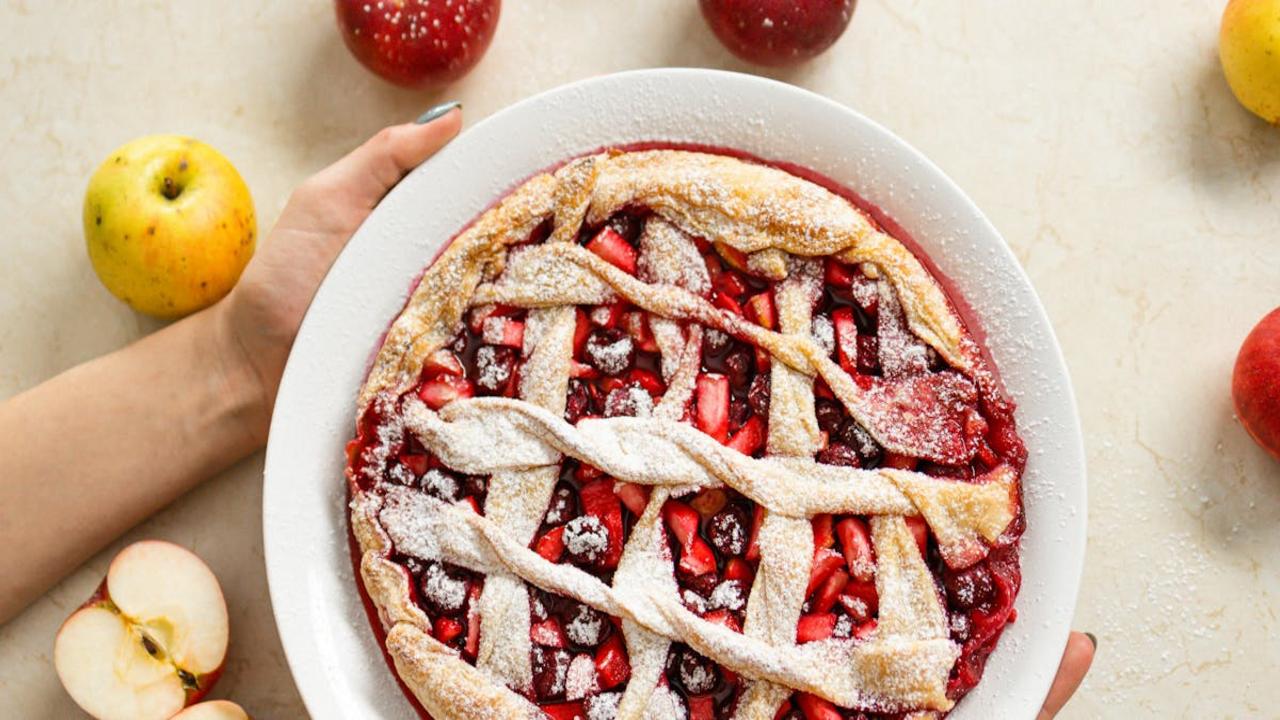
Hold onto your rolling pins, folks, because I’m about to shatter your American dreams faster than a dropped pie plate! Apple pie, that symbol of wholesome Americana we’ve been chanting about since forever, actually packed its bags and sailed over from jolly old England centuries ago. The earliest apple pie recipes appeared in English cookbooks dating back to the 14th century, and those clever Brits were already perfecting their pastry game long before the Mayflower even thought about crossing the Atlantic. They mixed apples with figs, raisins, and pears in a thick pastry coffin (yes, that’s what they called pie crusts back then – charming, right?), creating something that would make your grandmother weep tears of buttery joy.
Now here’s where things get interesting: when European settlers arrived in America, they brought their beloved pie recipes but hit a snag – the local crab apples were about as appealing as chewing on tree bark. So these resourceful pioneers imported apple seeds and saplings, basically launching America’s apple obsession from scratch. The phrase “as American as apple pie” didn’t even show up until the 1920s, which means we spent centuries perfecting someone else’s recipe before claiming it as our own. But hey, we added our own flair with varieties like Granny Smith and Honeycrisp, plus that perfect lattice crust technique that makes every Instagram food blogger swoon. Sometimes the best traditions are borrowed ones that we make our own!
Hot Dogs
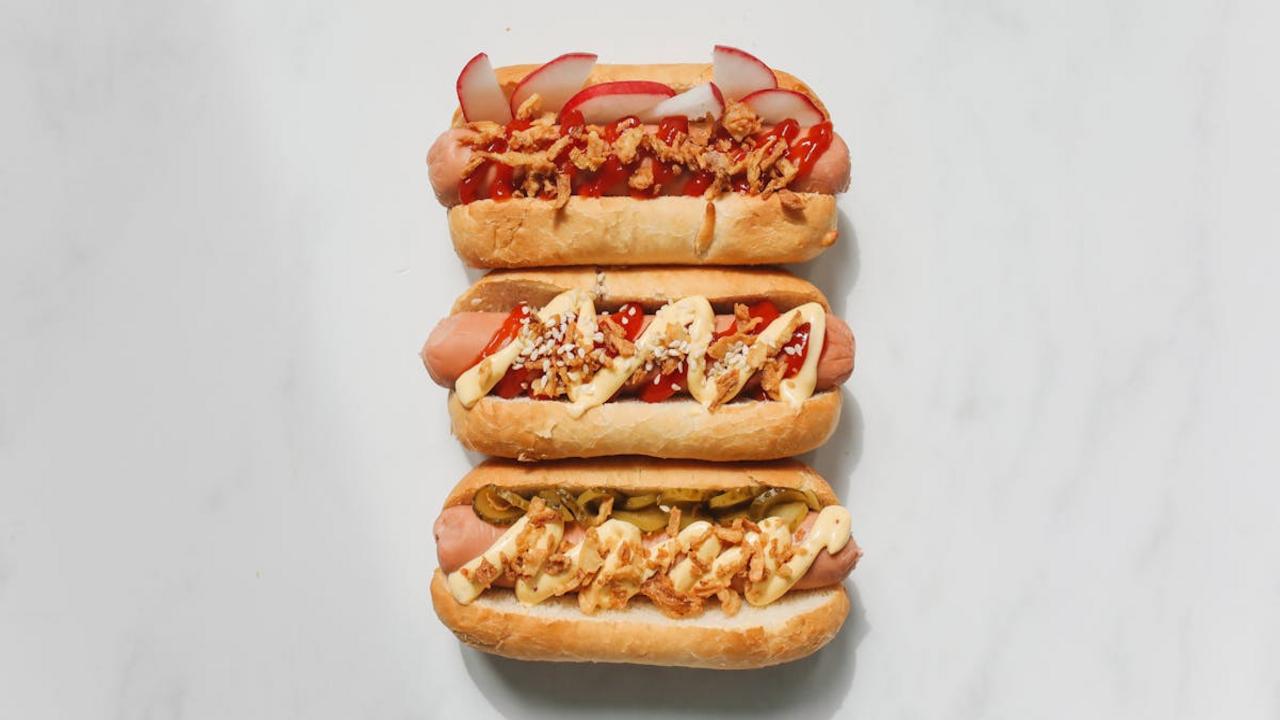
Picture this: you’re at a baseball game, mustard dripping down your chin as you bite into America’s most beloved ballpark snack. But here’s the plot twist that’ll make you choke on that hot dog – this quintessentially American food actually packed its bags in Germany! The humble frankfurter (yes, named after Frankfurt) made its way across the Atlantic in the 1800s, carried by German immigrants who probably never imagined their sausage would become synonymous with Fourth of July barbecues and stadium concession stands. These clever folks brought their centuries-old tradition of stuffing meat into casings, and Americans said “Hold my beer” and turned it into a handheld masterpiece.
The transformation from European sausage to American icon happened faster than you can say “relish.” We took that German frankfurter, slapped it in a bun (another stroke of genius), and created a portable meal that could feed factory workers on the go. Soon enough, hot dog carts were rolling through city streets, and the rest is deliciously messy history. Today, Americans consume about 20 billion hot dogs annually – that’s roughly 70 hot dogs per person! From Chicago’s elaborate everything-but-ketchup creations to New York’s simple mustard-and-kraut classics, we’ve made this German immigrant our own. Just remember to thank a sausage-making German the next time you’re demolishing a chili cheese dog at 2 AM.
Fortune Cookies
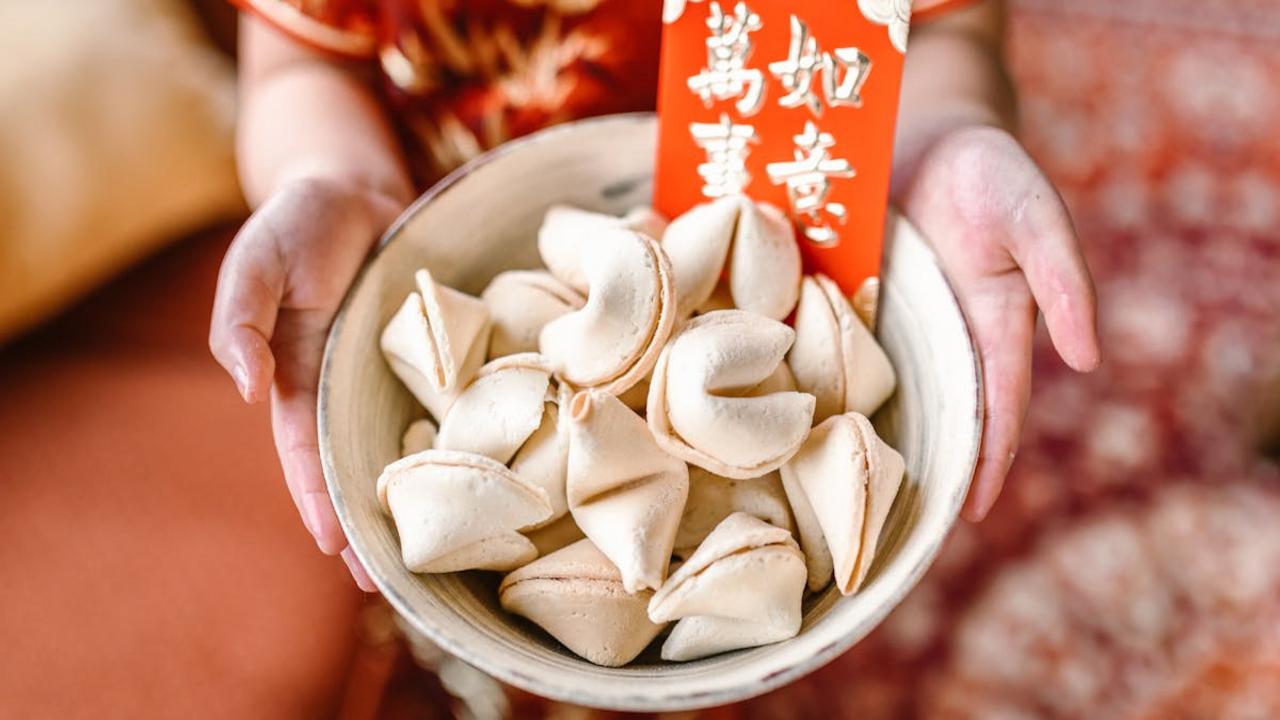
Here’s a plot twist that’ll crack your expectations wide open: those crispy fortune cookies you grab after devouring General Tso’s chicken? They’re about as authentically Chinese as a deep-dish pizza. These golden prophetic treats actually originated in California, likely created by Japanese immigrants in the early 1900s. The most convincing story points to Makoto Hagiwara, who served them at the Japanese Tea Garden in San Francisco’s Golden Gate Park around 1914. He tucked thank-you notes inside the cookies for his visitors, never imagining he was creating what would become America’s most beloved fake Chinese tradition.
The real kicker? If you walk into a restaurant in China today and ask for a fortune cookie, you’ll get blank stares and maybe some polite confusion. Chinese diners find the whole concept hilariously American – which it absolutely is! The cookies gained their Chinese restaurant association during World War II when Japanese Americans faced internment, and Chinese restaurateurs adopted the practice. Now these crunchy vessels of wisdom dispense everything from lucky numbers to vague life advice like “Your future looks bright” (thanks, cookie, super helpful). The fortunes themselves have become an art form of ambiguous optimism, proving that sometimes the best traditions are the ones we accidentally invent.
General Tsos Chicken
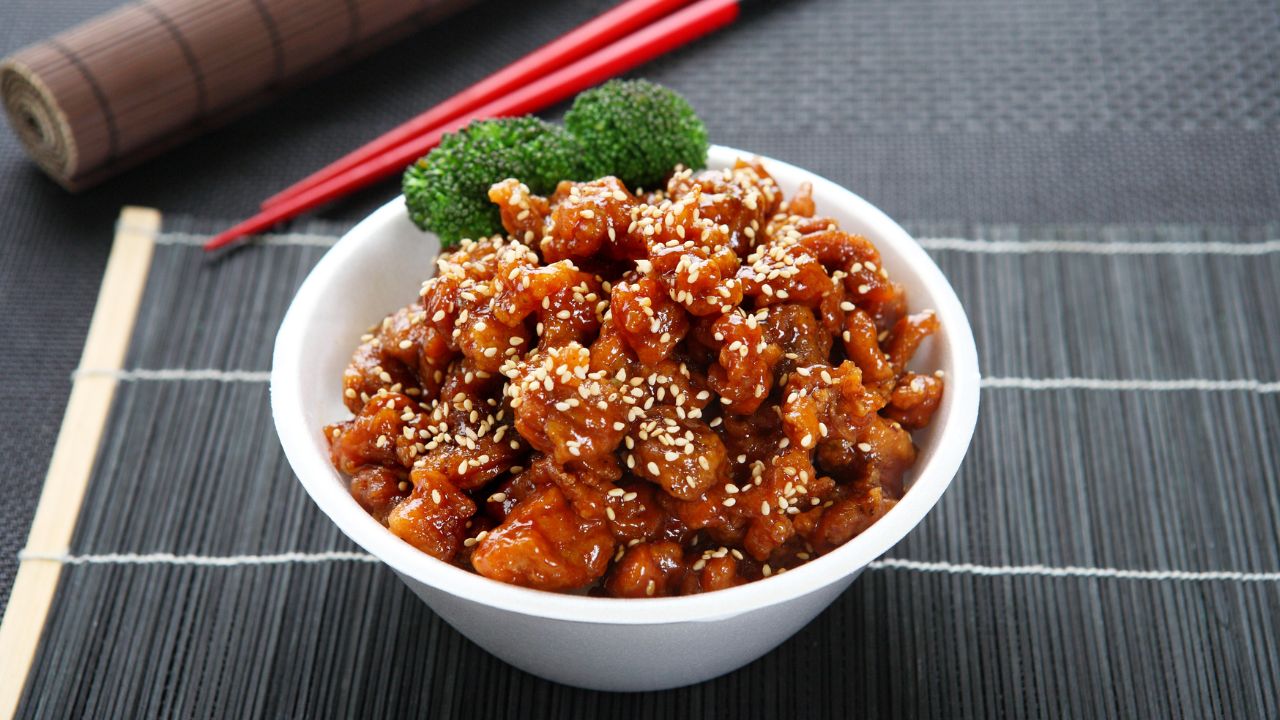
You walk into your neighborhood Chinese restaurant, scan that laminated menu, and order General Tso’s chicken like you’re getting the most authentic dish this side of Beijing. Plot twist: this sweet, sticky, gloriously crispy creation has about as much connection to ancient Chinese military strategy as my cat does to quantum physics. The dish was actually invented in the 1970s by Taiwanese chef Peng Chang-kuei, who moved to New York and decided Americans needed their chicken drowning in a glossy, candy-sweet sauce that would make actual General Tso spin in his grave.
Peng originally created a spicier version in Taiwan, but once he opened his restaurant on East 44th Street, he quickly learned that American palates wanted sugar, not fire. Smart man – he cranked up the sweetness, toned down the heat, and created what became the most popular “Chinese” dish in America. The irony? Most people in China have never heard of it, and if they tried it, they’d probably wonder why someone dunked perfectly good chicken in liquid candy. Yet here we are, millions of Americans later, completely convinced we’re eating authentic Chinese food while basically having chicken-flavored dessert for dinner.