14 Popular Dishes Everyone Thinks Are Italian but Aren’t
Think you know your Italian food? Grab a napkin, because I’m about to spill some serious sauce on what you’ve been calling “authentic.” That chicken Alfredo you adore? Those giant meatballs atop your spaghetti? They’re about as Italian as Mickey Mouse in a Yankees cap. These beloved dishes were mostly created by Italian-American immigrants who adapted recipes with newfound abundance of ingredients.
The truth hits harder than a brick of parmesan. Caesar salad originated in Mexico, not Rome. That pepperoni pizza? Pure American invention. Even your trusty garlic bread wouldn’t be recognized in Italy. These culinary creations evolved through migration, adaptation, and the magnificent chaos of cultural fusion.
I’ve watched countless friends order “traditional Italian” dishes in Rome only to receive confused looks from waiters. The disconnect between what we consider Italian food and actual Italian cuisine runs deeper than a good tiramisu. Ready for the real scoop on these impostor dishes? Your favorite “Italian” comfort foods have fascinating origin stories that will make you question everything you thought you knew.
Penne alla Vodka
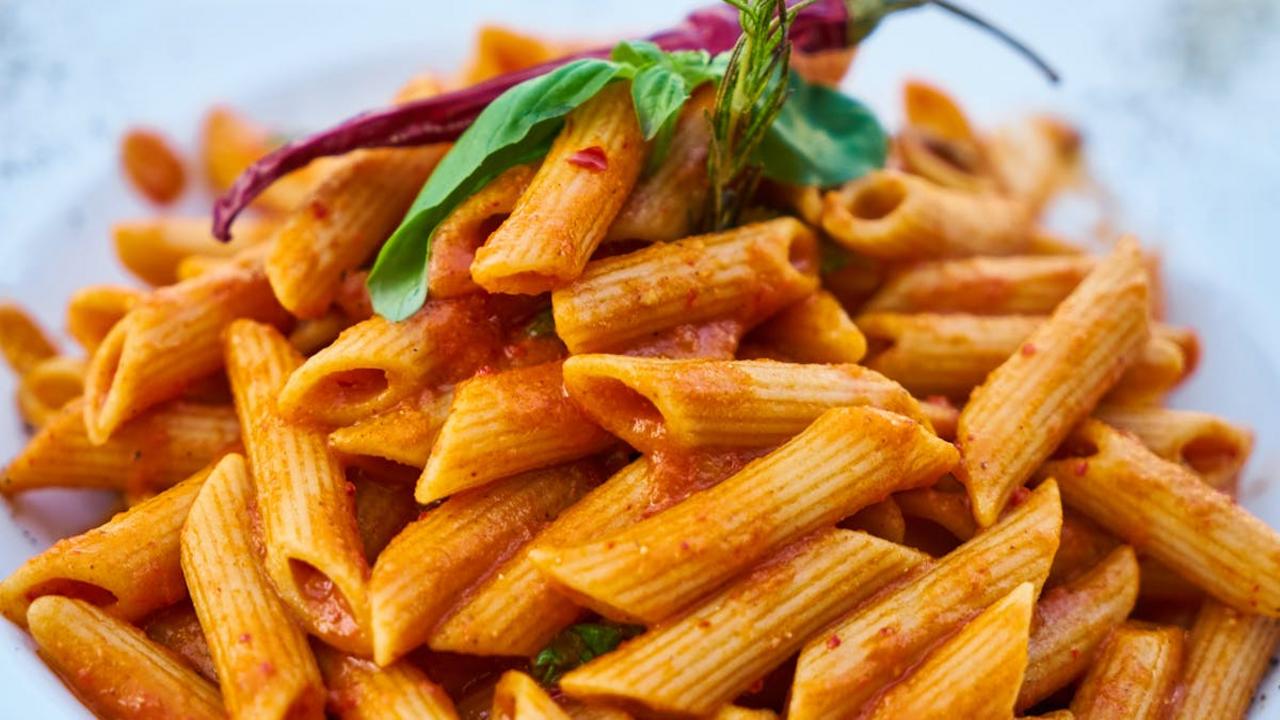
Here’s a plot twist that’ll make you question everything: penne alla vodka didn’t waltz out of some quaint Italian kitchen window overlooking the Tuscan hills. Nope! This creamy, pink-sauced beauty actually has American fingerprints all over it. While Italians scratch their heads and wonder why anyone would waste perfectly good vodka in pasta sauce, New York restaurants in the 1980s were busy creating what would become one of the most beloved “Italian” dishes in America. The leading theory points to chef Luigi Franzese at Orsini Restaurant in Manhattan, who apparently thought, “You know what this tomato cream sauce needs? A shot of Stolichnaya!”
Now don’t get me wrong – Italians aren’t completely innocent here. Some food historians claim the dish originated in Bologna in the 1970s, created by a chef experimenting with American ingredients for visiting tourists. But here’s the kicker: most Italians today still look at penne alla vodka like it’s wearing socks with sandals. The alcohol supposedly helps marry the acidic tomatoes with the rich cream (science!), but let’s be honest – it mostly just makes us feel fancy about eating what’s basically pink pasta. Whether it’s Italian-American fusion or straight-up American invention, this dish proves that sometimes the best “traditional” recipes are the ones we make up as we go along.
Marinara Sauce (as we know it today)
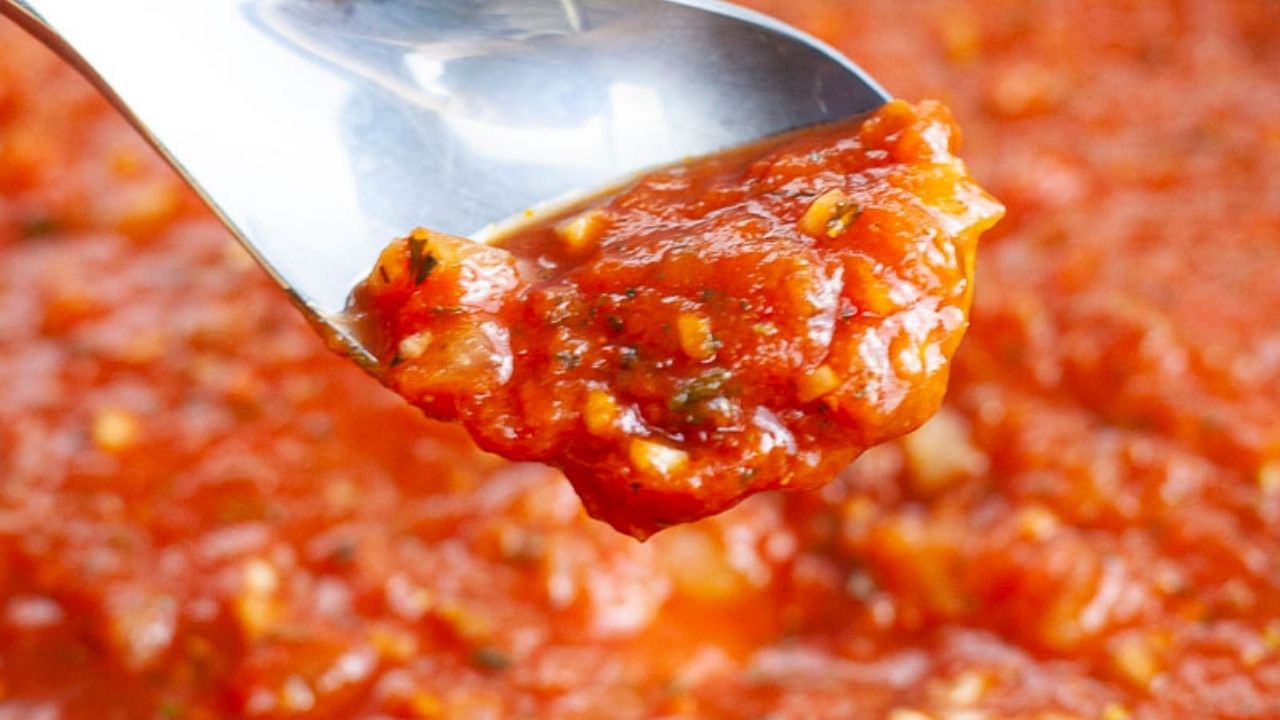
Hold onto your pasta forks, because the marinara sauce drowning your spaghetti tonight probably has more American DNA than Italian! Sure, the name screams “sailor’s sauce” in Italian, but the chunky, herb-heavy, garlic-forward version we know and love? That’s pure Italian-American innovation, baby. Traditional Italian marinara from Naples was actually a simple, quick sauce made with just tomatoes, olive oil, garlic, and maybe some basil – nothing like the complex, simmered-for-hours masterpiece your neighborhood Italian restaurant serves up.
The plot thickens when you realize that Italian cooks back in the day wouldn’t dream of drowning their pasta in sauce the way we do. They used just enough to lightly coat the noodles, letting the pasta shine through. American-Italian families cranked up the volume on everything – more garlic, more herbs, more sauce, more cheese – creating what we now consider “authentic” marinara. It’s like taking a whisper and turning it into a Broadway show! Next time you’re slurping down that rich, chunky goodness, remember you’re tasting the beautiful result of Italian tradition meeting American abundance.
Shrimp Scampi
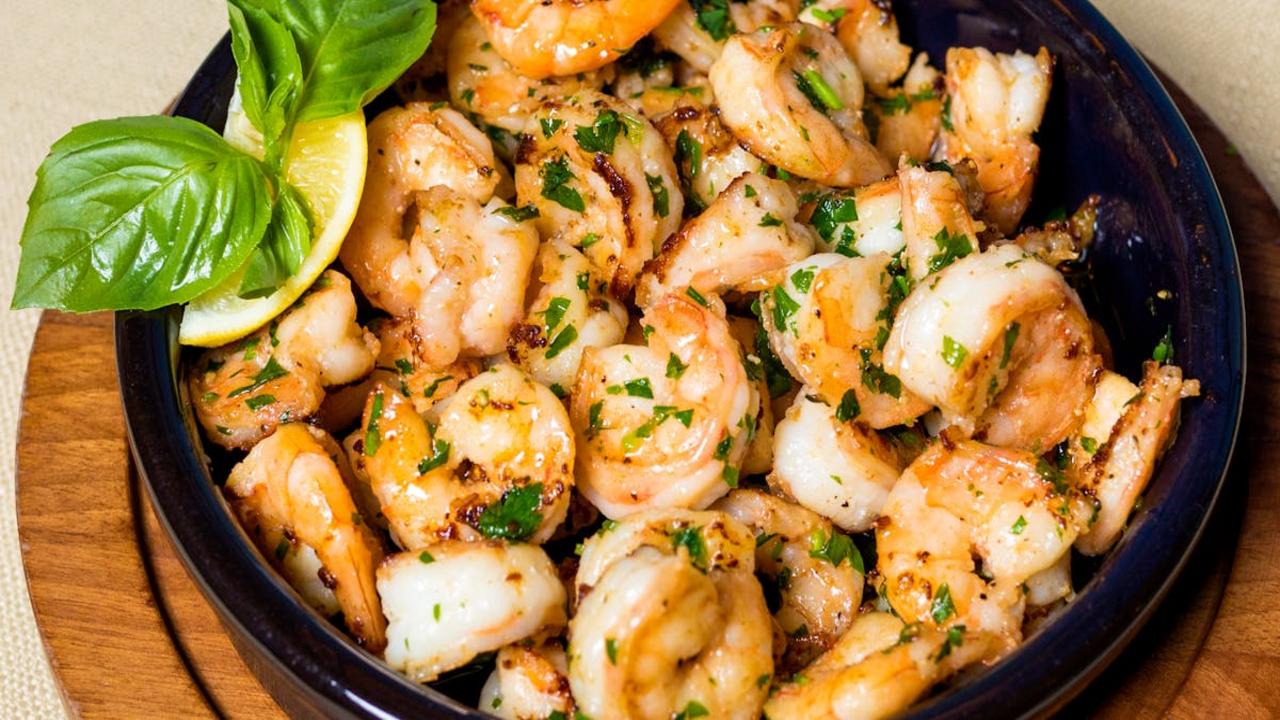
Picture this: you’re at your favorite Italian-American restaurant, scanning the menu with confidence, and there it is—Shrimp Scampi. You order it expecting authentic Italian flavors, but here’s the plot twist that’ll make you laugh into your wine glass: this buttery, garlicky masterpiece is about as Italian as a deep-dish pizza! The word “scampi” actually refers to langoustines, those tiny lobster-like crustaceans that Italian fishermen have been catching in the Mediterranean for centuries. But here’s where things get wonderfully absurd—in Italy, if you asked for “shrimp scampi,” you’d basically be saying “shrimp shrimp,” which would earn you some seriously puzzled looks from your waiter.
The dish we know and adore today was born in Italian-American kitchens during the mid-20th century, where resourceful cooks substituted readily available shrimp for the harder-to-find langoustines. They kept the cooking method—sautéing in garlic, white wine, and butter—but switched out the star ingredient. What makes this even more amusing is that traditional Italian “scampi” preparations rarely involve the mountains of butter we Americans can’t seem to live without. Italian cooks typically use olive oil and go light on the dairy, but American versions turned this into a gloriously indulgent butter bath that would make any cardiologist weep. The result? A dish that tastes incredible but would probably confuse an Italian grandmother more than helping her program a smartphone.
Italian Dressing
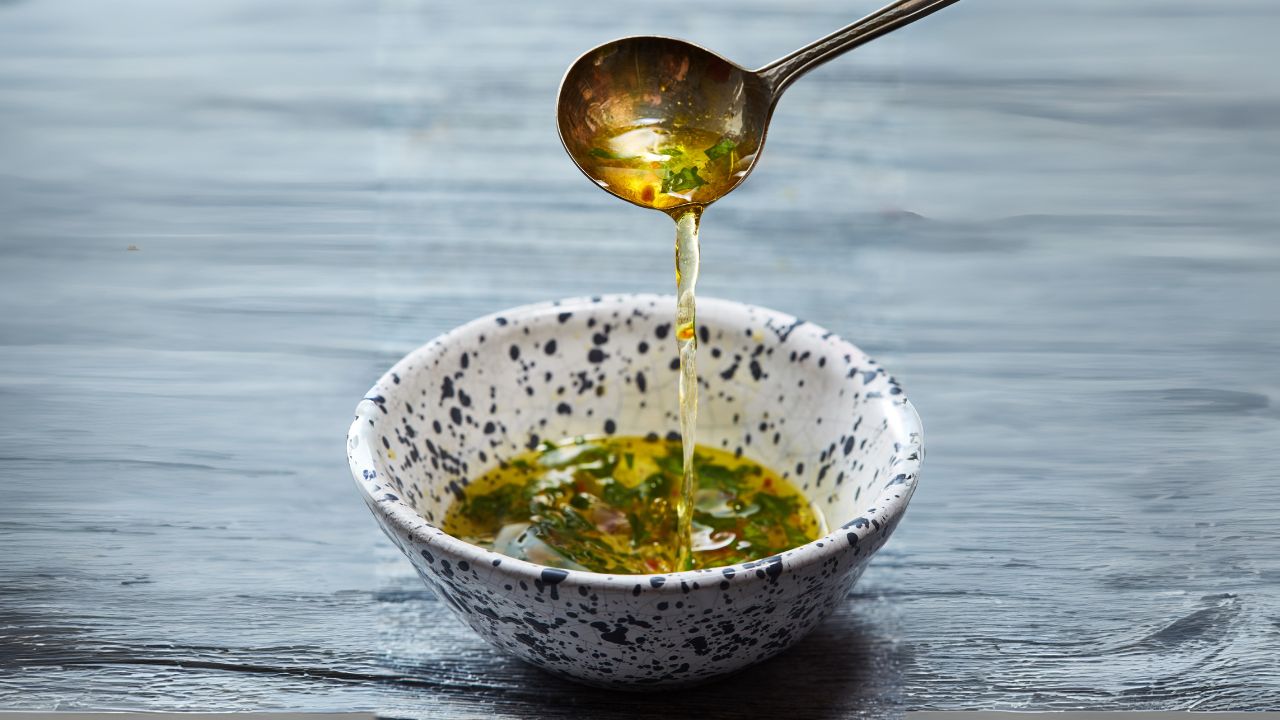
Here’s a plot twist that’ll knock your socks off: that tangy, herb-packed Italian dressing drowning your salad greens? It’s about as Italian as deep-dish pizza or chicken alfredo. Walk into any authentic Italian kitchen, and you’ll find olive oil, vinegar, maybe a pinch of salt, and fresh herbs whisked together right before serving. No mysterious bottles with ingredient lists longer than a Tolstoy novel. The creamy, sweet, oregano-heavy concoction we call “Italian dressing” was actually born in the American suburbs of the 1950s, created by food companies who figured slapping “Italian” on the label would make their processed condiment sound more sophisticated.
The real kicker? In Italy, they’d probably look at our bottled Italian dressing with the same bewilderment we’d have watching someone put ranch on sushi. Traditional Italian salads get dressed simply: good olive oil, quality vinegar, fresh herbs from the garden, and maybe a whisper of garlic. No stabilizers, no high fructose corn syrup, no mysterious “natural flavors.” If you want to eat like an actual Italian, ditch that bottle and make your own vinaigrette with three ingredients max. Your taste buds will thank you, and you won’t have to pretend that fluorescent orange liquid has anything to do with the Mediterranean.
Pasta Primavera
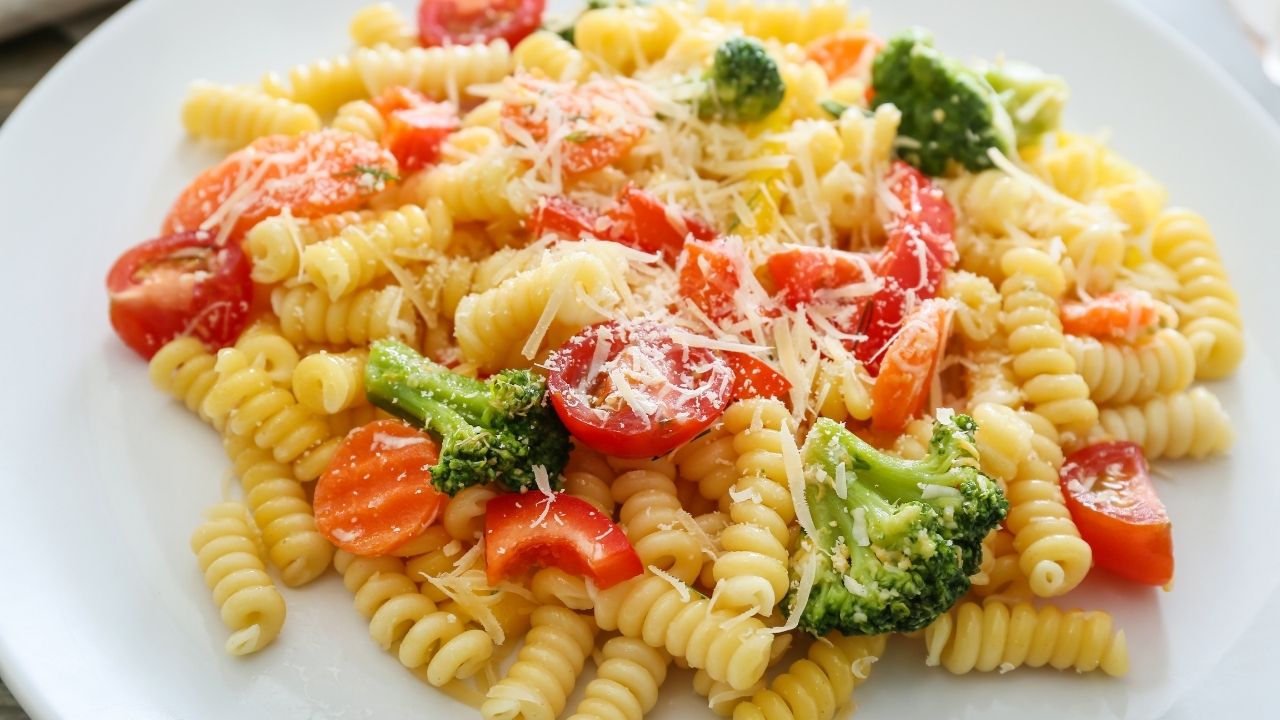
Picture this: you’re at a cozy Italian trattoria, confidently ordering “Pasta Primavera” because it sounds authentically Italian, right? Wrong! This veggie-packed dish actually made its debut in New York City during the 1970s, thanks to chef Sirio Maccioni at the legendary Le Cirque restaurant. The story goes that Maccioni whipped up this colorful creation for some food critics, tossing together fresh vegetables with pasta in a light cream sauce. The dish became such a sensation that it spread across American restaurants faster than gossip at a high school reunion, with everyone assuming it was a traditional Italian recipe passed down through generations of nonnas.
Here’s the kicker: traditional Italian cuisine rarely combines pasta with multiple vegetables in this way, especially not with heavy cream sauces. Italian cooking follows strict regional traditions, and this particular combination would make an Italian grandmother raise her eyebrows in confusion. The name “primavera” does mean “spring” in Italian, which explains the fresh vegetable focus, but authentic Italian pasta dishes typically feature one or two main ingredients that shine, not a rainbow of vegetables competing for attention. So next time you see Pasta Primavera on a menu, remember you’re experiencing American-Italian innovation at its finest – and there’s absolutely nothing wrong with that delicious cultural mashup!
Lobster Fra Diavolo
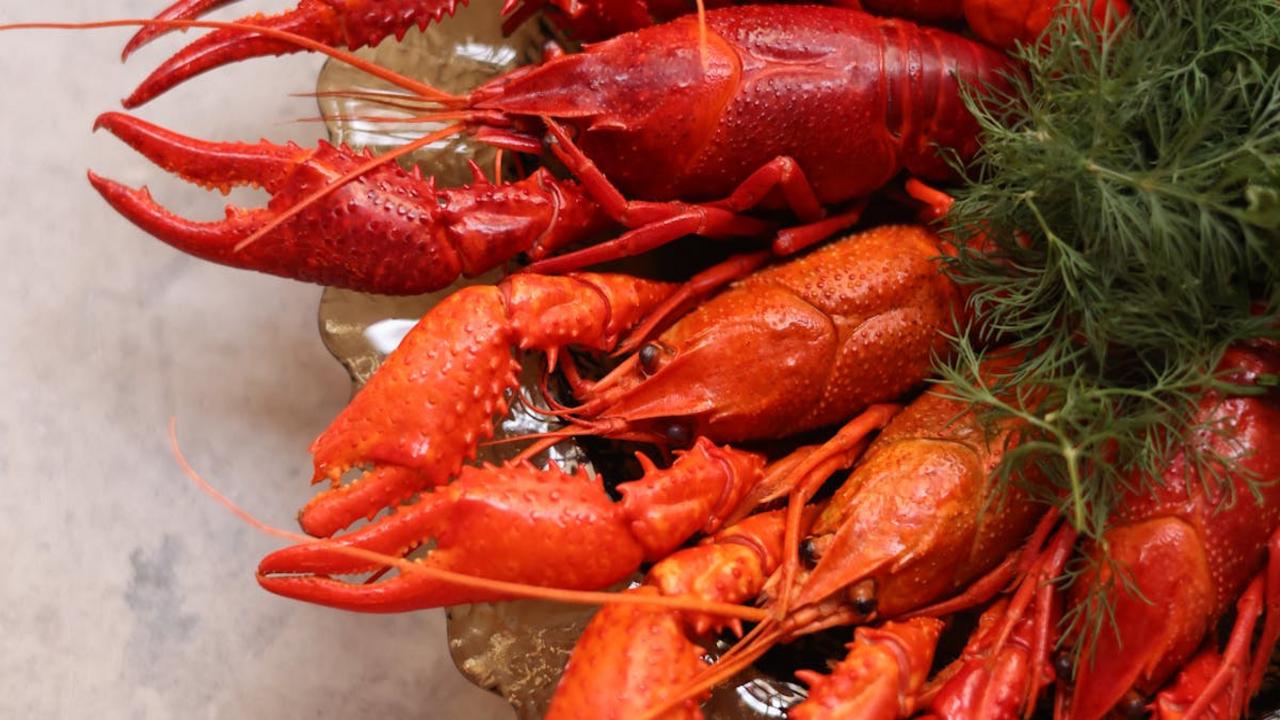
Picture this: you’re at your favorite Italian-American restaurant, scanning the menu for something that screams “authentic Italy,” and boom—Lobster Fra Diavolo catches your eye. The name sounds so perfectly Italian, doesn’t it? Fra Diavolo literally means “Brother Devil” in Italian, conjuring images of fiery monks stirring cauldrons of spicy seafood. But here’s the kicker: walk into any trattoria in Naples or Rome and ask for this dish, and you’ll get blank stares that could freeze gelato. This saucy, spicy lobster creation is about as Italian as a deep-dish pizza from Chicago.
The truth is, Lobster Fra Diavolo was born right here in America, probably in the early 1900s when Italian immigrants got creative with local ingredients. They took their beloved spicy tomato sauce traditions and married them with the abundant lobsters found along the American coast—particularly in New England. The “Fra Diavolo” name likely came from Michele Pezza, an Italian guerrilla fighter nicknamed Fra Diavolo, but the dish itself? Pure Italian-American invention. Today, you’ll find this fiery red beauty gracing menus from Boston to San Francisco, loaded with succulent lobster meat swimming in a spicy tomato sauce that’ll make you reach for your water glass. It’s delicious, it’s dramatic, and it’s definitely not flying the Italian flag—though it waves the Italian-American one with pride.
Cioppino
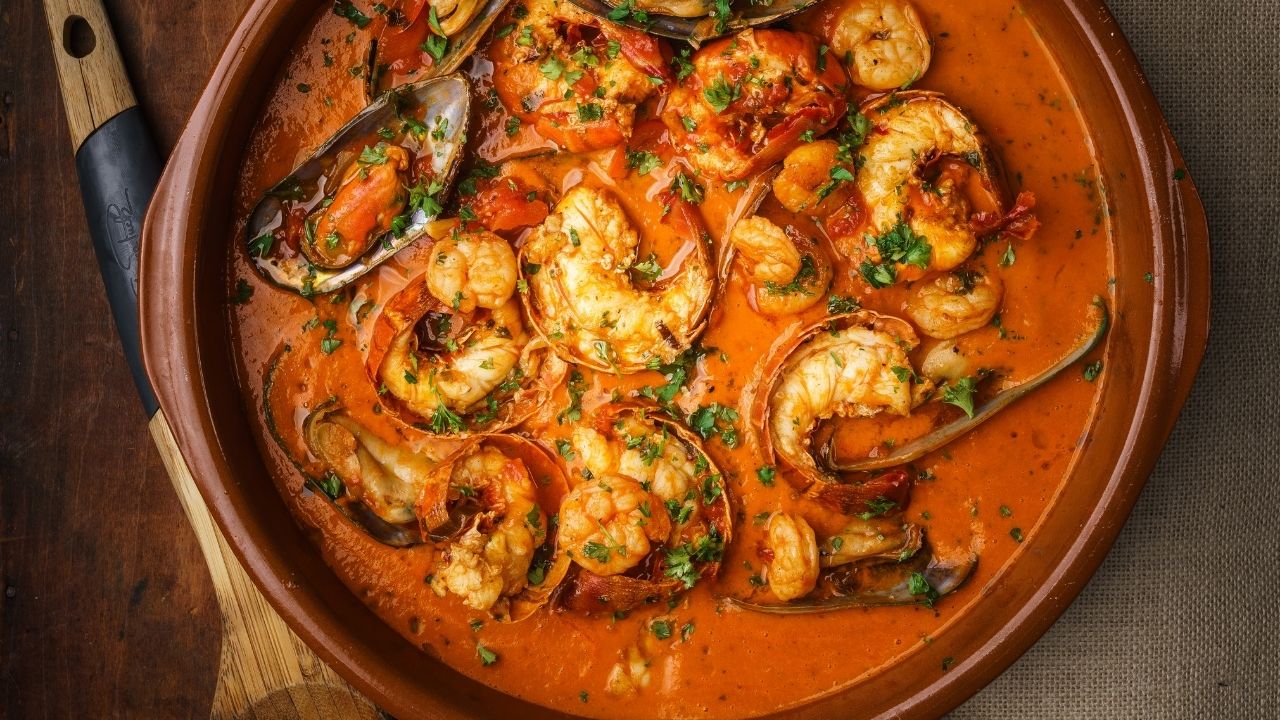
Picture this: you’re sitting in a cozy Italian trattoria, ready to order that classic Italian seafood stew called cioppino, when your server gives you a knowing smile and says, “Actually, that’s from San Francisco!” Plot twist! This tomato-based fisherman’s feast was born in the foggy streets of North Beach, not the sunny coasts of Sicily. Italian-American fishermen in 1800s San Francisco created this magnificent mess of Dungeness crab, clams, shrimp, and whatever fish they couldn’t sell that day, all swimming in a garlicky tomato broth that’ll make you forget your own name.
The name itself tells the whole story – “cioppino” comes from “ciuppin,” a Ligurian word meaning “chopped up” or “mixed up,” which perfectly describes both the dish and the cultural mashup that created it. These homesick fishermen took their memories of Italian brodetto and married them with the incredible Pacific Coast seafood right at their fingertips. The result? Pure magic in a bowl that’s messier than a toddler’s first spaghetti experience and twice as satisfying. You’ll need a bib, rolled-up sleeves, and zero shame about getting your hands dirty – because the best cioppino demands you crack those crab shells with reckless abandon while the broth drips down your chin.
Garlic Bread
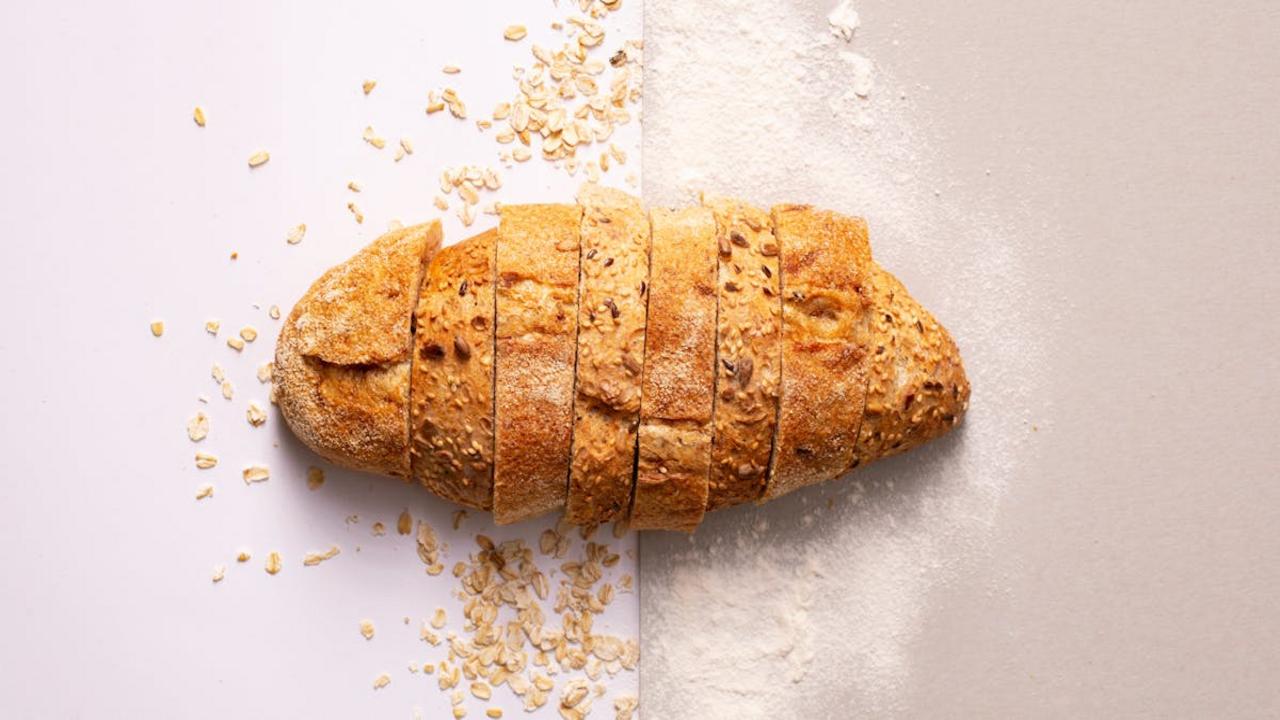
Plot twist alert! That buttery, garlicky slice of heaven you’ve been calling Italian? Your nonna might have some explaining to do. Garlic bread, as we know it today, is about as authentically Italian as a deep-dish pizza served with ranch dressing. The golden, toasted loaves slathered in garlic butter that grace American dinner tables actually originated in the United States, created by Italian-American immigrants who adapted their traditional bruschetta into something more suited to local tastes and available ingredients.
Real Italian bruschetta involves rubbing fresh garlic cloves directly onto grilled bread and drizzling it with quality olive oil – no butter in sight! The American version took this concept and ran wild with it, adding mountains of butter, parsley, and sometimes even cheese. While Italians might appreciate the enthusiasm, they’d probably raise an eyebrow at the butter-to-bread ratio most of us consider normal. Next time you’re making “Italian” garlic bread, remember you’re actually celebrating Italian-American ingenuity – and there’s absolutely nothing wrong with that delicious cultural mashup!
Pepperoni
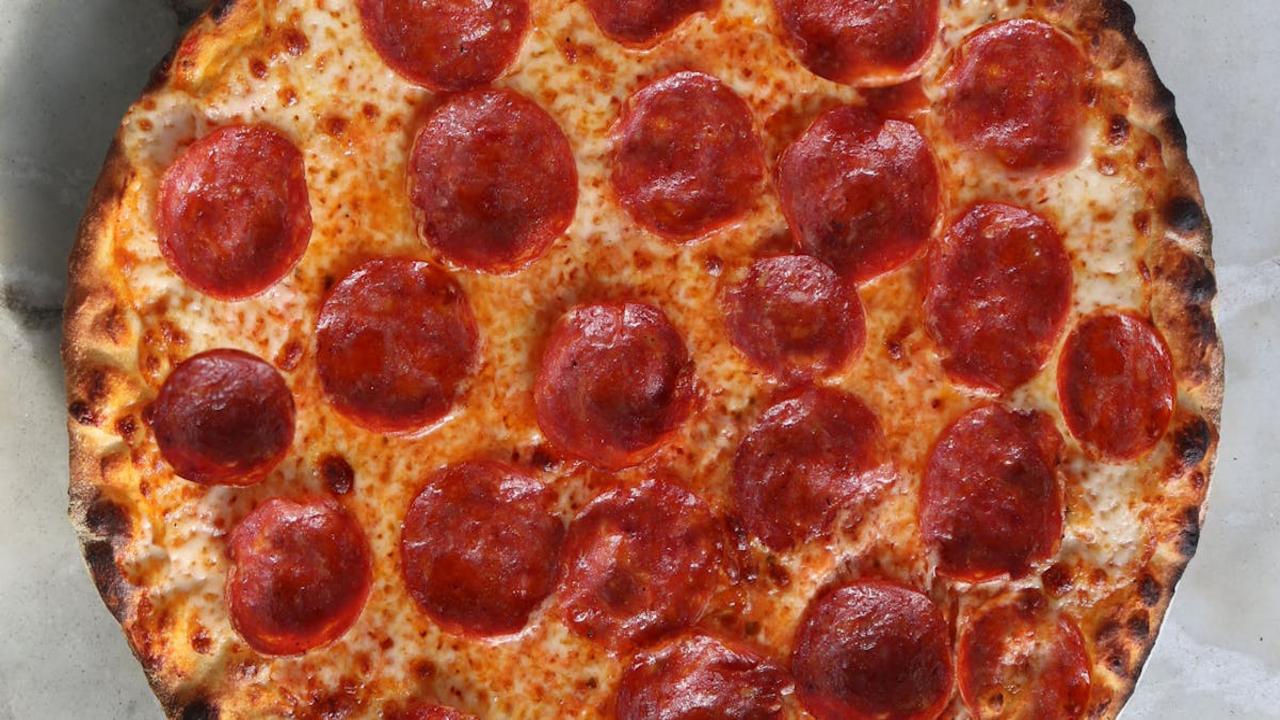
Plot twist alert! That spicy, greasy circle of heaven blanketing your pizza? It’s about as Italian as ranch dressing. Pepperoni is actually an American invention, born from Italian-American immigrants who got creative with their salami-making skills in the early 20th century. While Italy has plenty of amazing cured meats like salami piccante or soppressata, they never created this particular smoky, paprika-laden masterpiece. The name itself is a dead giveaway – “pepperoni” in Italy refers to bell peppers, not meat! So if you waltz into a Roman pizzeria asking for pepperoni pizza, you’ll get a veggie pie that might leave you scratching your head.
The genius behind pepperoni lies in its perfect pizza partnership – those little cups that curl up and hold pools of orange oil are pure engineering magic. American butchers developed this blend of pork, beef, and spices specifically to complement our love affair with cheese and tomato sauce. The result? A meat so popular that it tops about 35% of all pizza orders in the United States. Meanwhile, Italians are probably chuckling at our obsession with what they’d consider a completely foreign food item. Next time you bite into that perfectly spiced, slightly chewy circle, remember you’re experiencing pure American ingenuity – with just a hint of Italian inspiration.
Rainbow Cookies
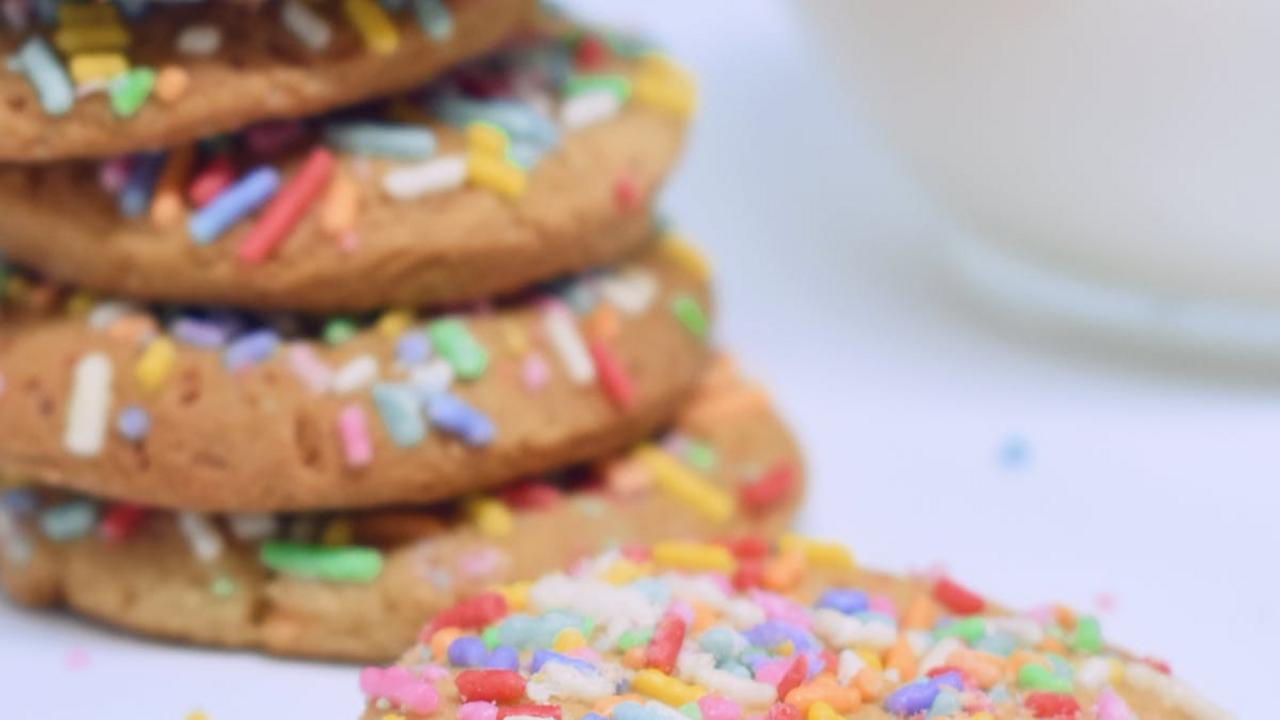
Those gorgeous tri-colored cookies stacked like tiny Italian flags in every New York bakery? Yeah, they’re about as Italian as a hot dog! These almond-flavored beauties with their green, white, and red layers might look like they rolled straight out of a Roman pasticceria, but they actually sprouted from the creative minds of Italian-American immigrants right here in the good old USA. The original Italian cookies that inspired them are called “tricolori” or “Napoletani,” but they’re completely different creatures – usually simple almond cookies without all the fancy layering and chocolate coating that makes our American versions so irresistible.
Here’s where it gets really fun: these cookies require more patience than waiting for your crush to text you back! You’ve got to make three separate almond sponge layers, tint them with food coloring, then stack them with apricot jam like you’re building the world’s most delicious sandwich. After pressing everything together overnight (yes, overnight!), you slice them into rectangles and dip each one in dark chocolate. Italian bakers back in the old country would probably scratch their heads at this elaborate American interpretation, but honestly? Sometimes the remix is better than the original song, and these rainbow cookies are proof that Italian-Americans knew exactly what they were doing when they decided to jazz things up.
Italian Wedding Soup
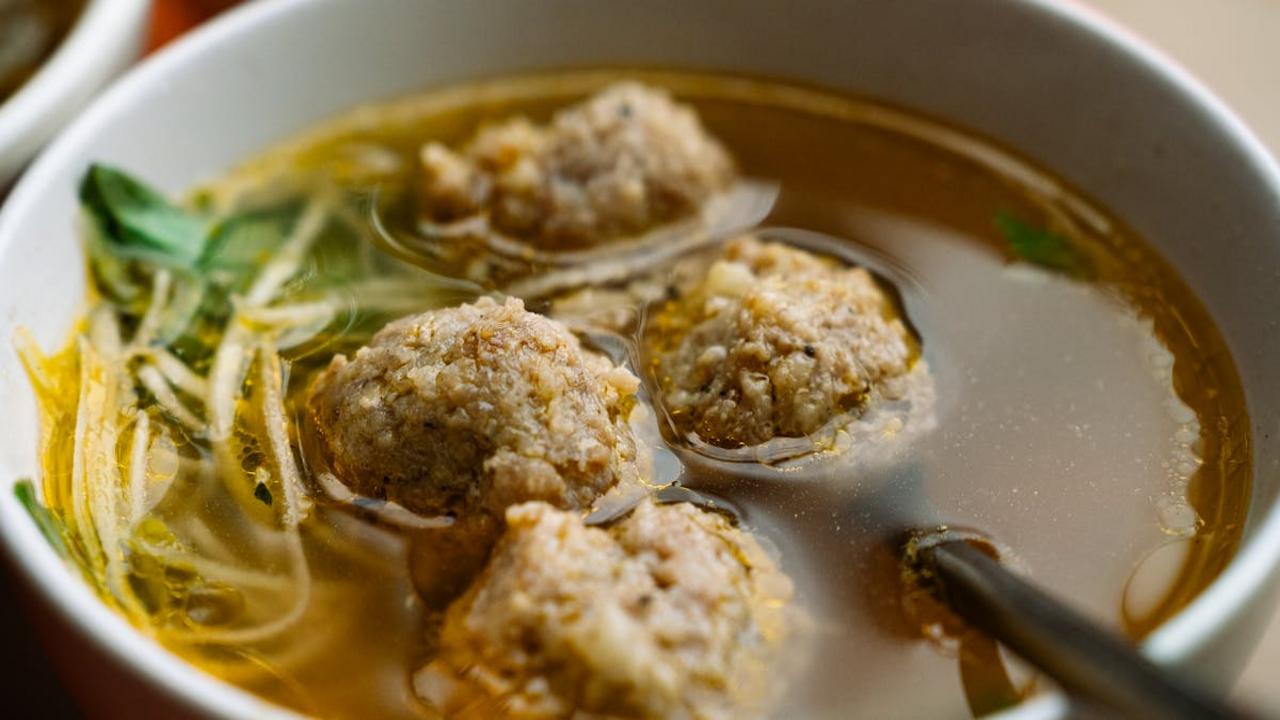
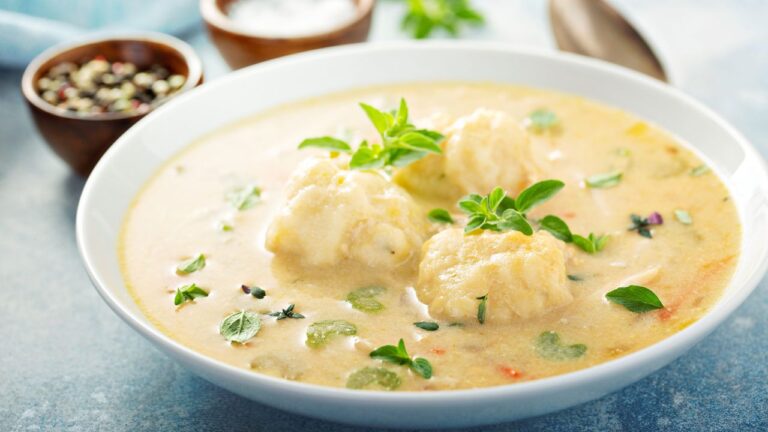
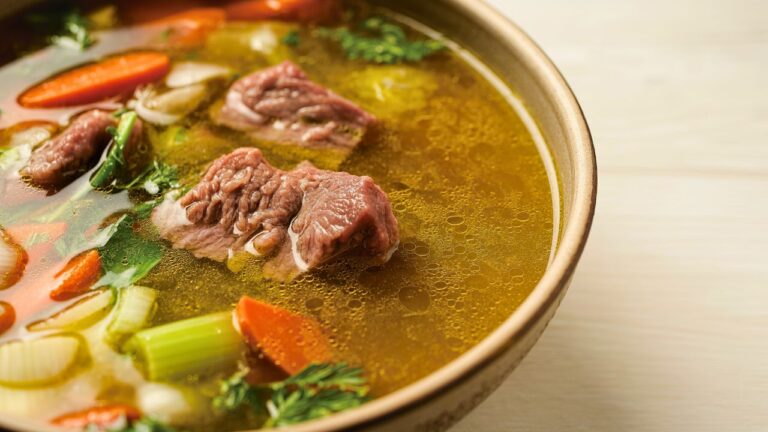
Here’s a plot twist that’ll knock your socks off: Italian Wedding Soup has absolutely nothing to do with Italian weddings! This beloved comfort food actually hails from Spanish cuisine, where it goes by “sopa de boda” – literally “wedding soup.” The name got lost in translation when Italian immigrants brought their own version to America, mixing tiny meatballs, leafy greens, and pasta in a rich broth. The “wedding” refers to the perfect marriage of flavors between the meat and vegetables, not any matrimonial celebration. You’ve been living a delicious lie!
The American-Italian version became so popular that most people assume it’s straight from Nonna’s kitchen in Naples. But authentic Italian soups rarely combine all these elements in one bowl – they prefer their courses separate, thank you very much. The soup typically features bite-sized beef and pork meatballs, fresh spinach or escarole, and small pasta like acini de pepe or orzo swimming in a golden chicken broth. Next time you slurp this hearty bowl of comfort, remember you’re actually enjoying a beautiful fusion creation that proves sometimes the best dishes come from happy accidents and cultural mixing!
Spaghetti and Meatballs
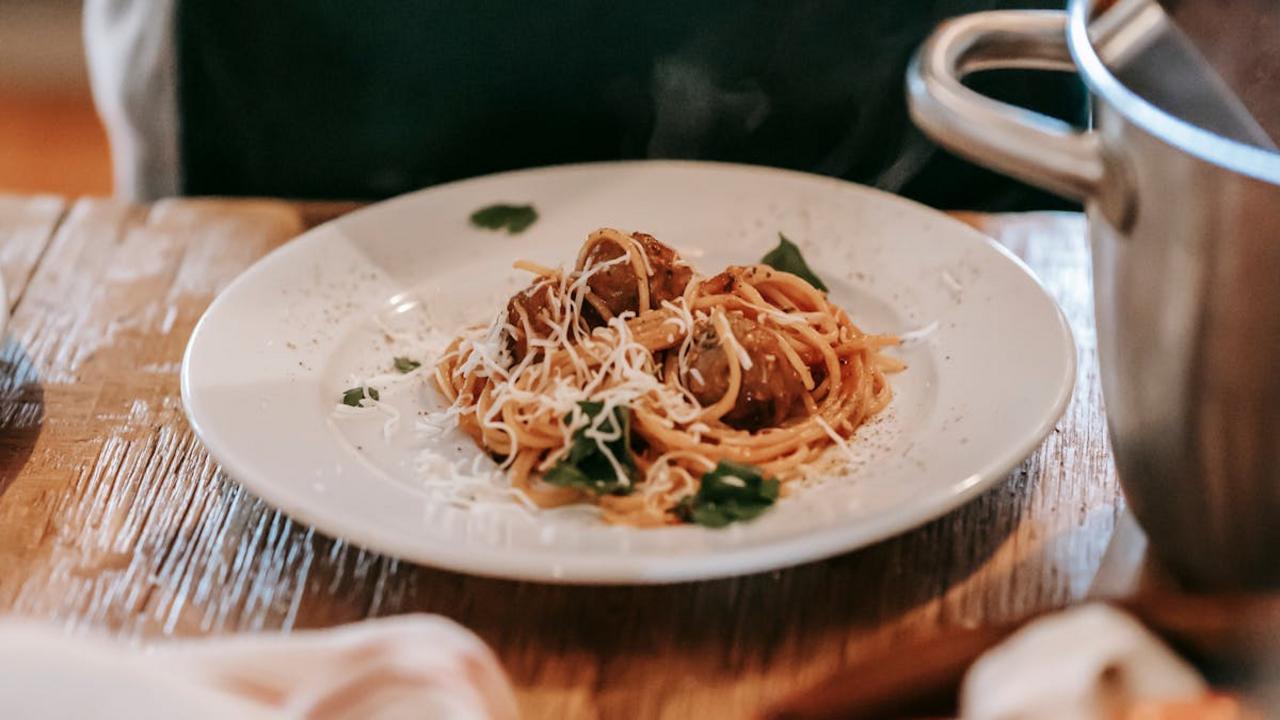
Oh, the betrayal! That towering plate of spaghetti crowned with baseball-sized meatballs isn’t authentically Italian—it’s as American as apple pie and baseball stadiums. Sure, Italians eat pasta, and yes, they make meatballs (called polpette), but they rarely unite them on the same plate. Traditional Italian meatballs are typically smaller, often served as a separate course or in soup, while pasta gets its own spotlight with simpler sauces. The marriage of these two happened when Italian immigrants arrived in America and discovered affordable meat, transforming their humble polpette into the hefty spheres we know today.
Picture this: homesick Italian grandmothers in New York tenements, stretching their recipes with newfound abundance, creating something that would make their nonna’s wooden spoon tremble. They bulked up their meatballs with breadcrumbs and milk, then plopped them right onto spaghetti because why dirty two plates? The result became so iconic that most Americans can’t imagine Italian food without it. Meanwhile, in Italy, if you order spaghetti and meatballs, your waiter might give you a look that says “tourist” louder than your fanny pack ever could. The dish lives on as a beautiful example of how immigration transforms food traditions into something entirely new.
Caesar Salad
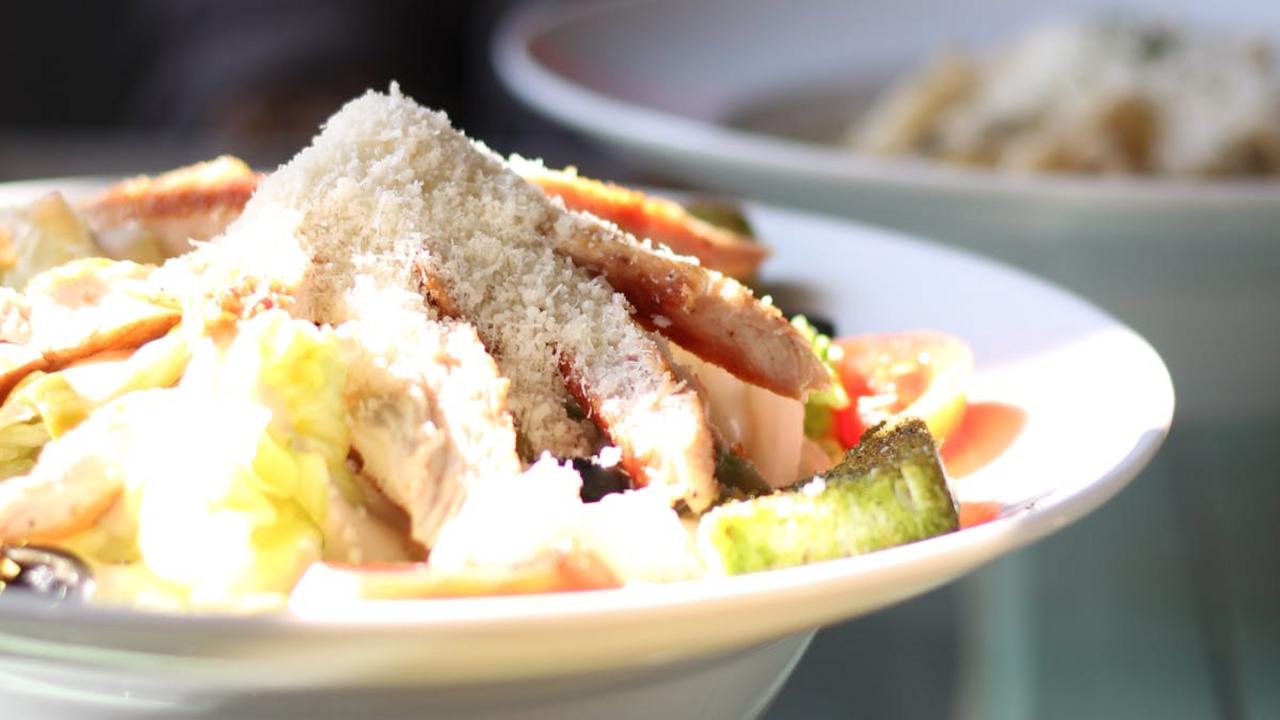
Picture this: you’re sitting in a cozy Italian trattoria, confidently ordering a Caesar salad because, obviously, it’s named after Julius Caesar, right? Wrong! This crispy, creamy masterpiece actually comes from Tijuana, Mexico, where Italian immigrant Caesar Cardini allegedly whipped it up in 1924 at his restaurant, Hotel Caesar. The story goes that he ran low on kitchen ingredients during a busy Fourth of July weekend and threw together what he had: romaine lettuce, parmesan cheese, croutons, and his signature dressing made with raw egg, anchovies, lemon juice, and Worcestershire sauce. Some food historians argue his brother Alessandro deserves credit, but either way, no ancient Roman emperors were involved in this salad’s creation!
What makes this mix-up even more amusing is how Caesar salad became the poster child for “fancy Italian dining” in American restaurants throughout the mid-20th century. Waiters would dramatically prepare it tableside, tossing the leaves with theatrical flair while diners watched in awe, convinced they were witnessing authentic Italian tradition. The truth? You’re actually experiencing Mexican-Italian fusion cuisine at its finest. Next time you order this beloved salad, give a little nod to Tijuana – and maybe request a margarita instead of Chianti to properly honor its true heritage. The combination of that sharp, garlicky dressing with crunchy romaine and nutty parmesan proves that sometimes the best dishes come from creative necessity rather than centuries-old tradition.
Chicken Alfredo
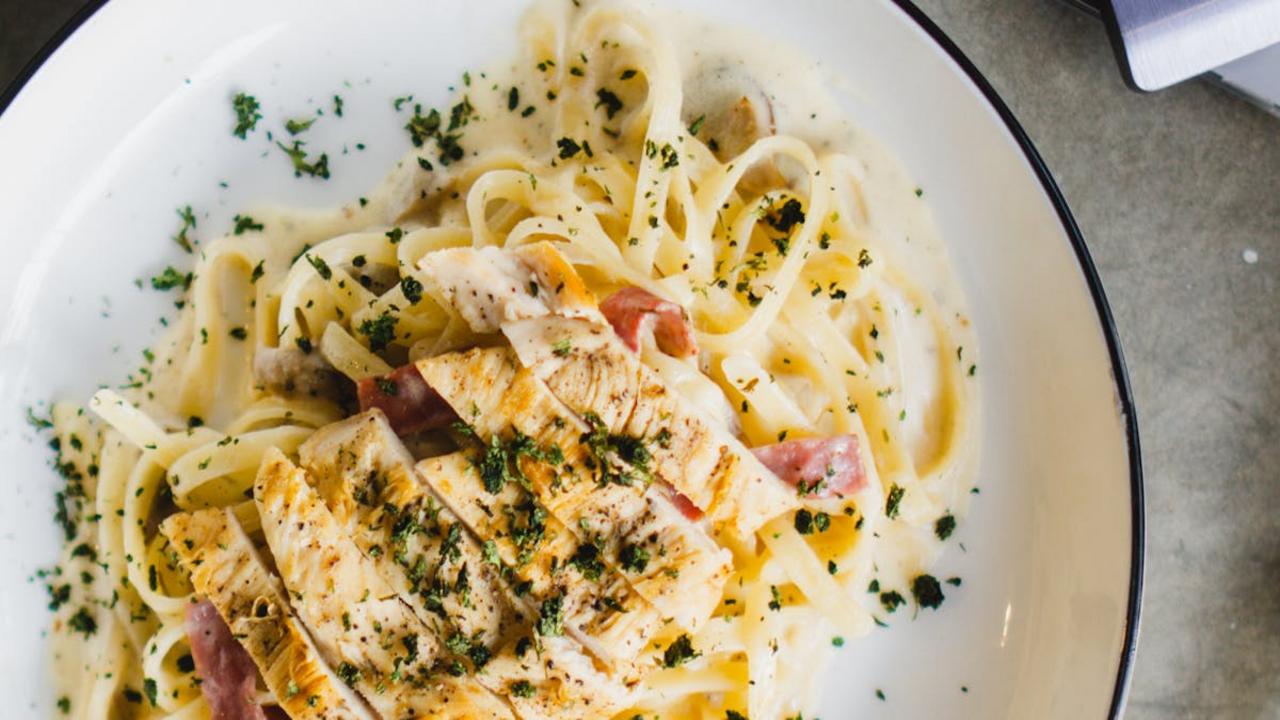
Oh boy, here we go with the pasta scandal that’ll make Italians weep into their espresso! You walk into any American-Italian restaurant and boom—Chicken Alfredo sits proudly on the menu like it owns the place. But plot twist: authentic Italian cuisine doesn’t do chicken on pasta. Nope, not happening. Italians consider mixing chicken with pasta about as logical as putting pineapple on pizza (don’t even get me started on that debate). The original Fettuccine Alfredo was born in Rome around 1914, created by Alfredo di Lelio for his pregnant wife who couldn’t keep much food down. Sweet story, right? But his version contained exactly three ingredients: fresh fettuccine, butter, and Parmigiano-Reggiano cheese. That’s it!
The chicken invasion happened when this dish sailed across the Atlantic and Americans decided it needed more protein punch. We took Alfredo’s simple, elegant creation and turned it into a hearty main course that could feed a small village. Italian purists clutch their pearls when they see those thick, cream-heavy versions drowning under chunks of grilled chicken. In Italy, you’d order your chicken separately, thank you very much—maybe a nice pollo alla griglia on the side. The real kicker? Most Italians have never even heard of Fettuccine Alfredo because it’s not actually popular in Italy anymore. It became an American-Italian restaurant staple while fading into obscurity in its homeland. Talk about a food identity crisis!