14 Everyday Foods That Used to Be Luxuries of the Elite
Ever looked down at your avocado toast or chocolate bar and thought about its royal past? That creamy green fruit once graced only the tables of Aztec kings, and chocolate required a monarch’s fortune to enjoy. Your morning coffee ritual? Kings once guarded those beans like gold. The foods we casually toss into our shopping carts today were once status symbols that common folk couldn’t dream of tasting.
The transformation from elite indulgence to everyday staple happened through fascinating twists of history. Lobster, now synonymous with luxury dining, was once fed to prisoners and considered so worthless that servants had contracts limiting how often they’d eat it. Pineapples were so rare in colonial America that hosts would rent them as table decorations before actually consuming them.
Your grocery store now stocks these former luxuries between mundane necessities. Quinoa feeds health-conscious shoppers worldwide after centuries as a sacred Incan crop. Sushi jumped from Japanese tradition to food court favorite. The democratization of these foods tells a story of changing trade, technology, and tastes that brought imperial indulgences to your dinner table.
Balsamic Vinegar
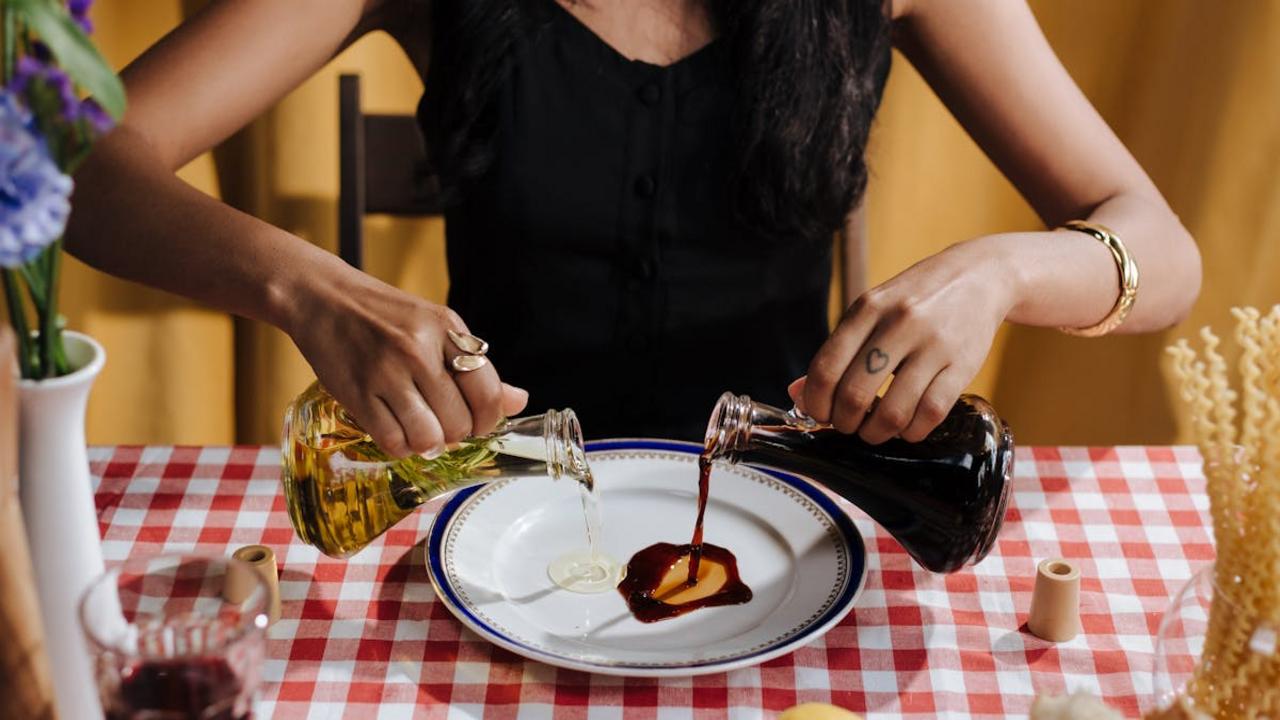
Picture this: you’re drizzling that gorgeous, dark balsamic over your caprese salad, thinking you’re being fancy. But honey, you’re actually channeling centuries of Italian aristocracy! Real balsamic vinegar from Modena wasn’t something you grabbed at the grocery store – it was liquid gold that wealthy families passed down through generations like precious heirlooms. We’re talking about vinegar that aged longer than some marriages, sitting in wooden barrels for 12, 25, or even 100 years. The stuff was so precious that dowries included bottles of the family’s finest balsamic, and only the wealthiest could afford to let grape must slowly transform into this syrupy perfection.
The process is absolutely bonkers when you think about it. Italian families would start barrels for their newborn children, knowing they wouldn’t taste the finished product until they were adults. Each year, the vinegar moved through a series of different wood barrels – oak, chestnut, cherry, mulberry – picking up flavors like a well-traveled food critic. Today, you can still buy the real deal (prepare your wallet for impact – authentic 25-year balsamic can cost more than your monthly grocery budget), but thankfully, decent commercial versions let us mere mortals experience a taste of what once made Italian nobles swoon. Pro tip: if your “balsamic” is thin and super cheap, it’s probably just wine vinegar with caramel coloring playing dress-up!
Blueberries
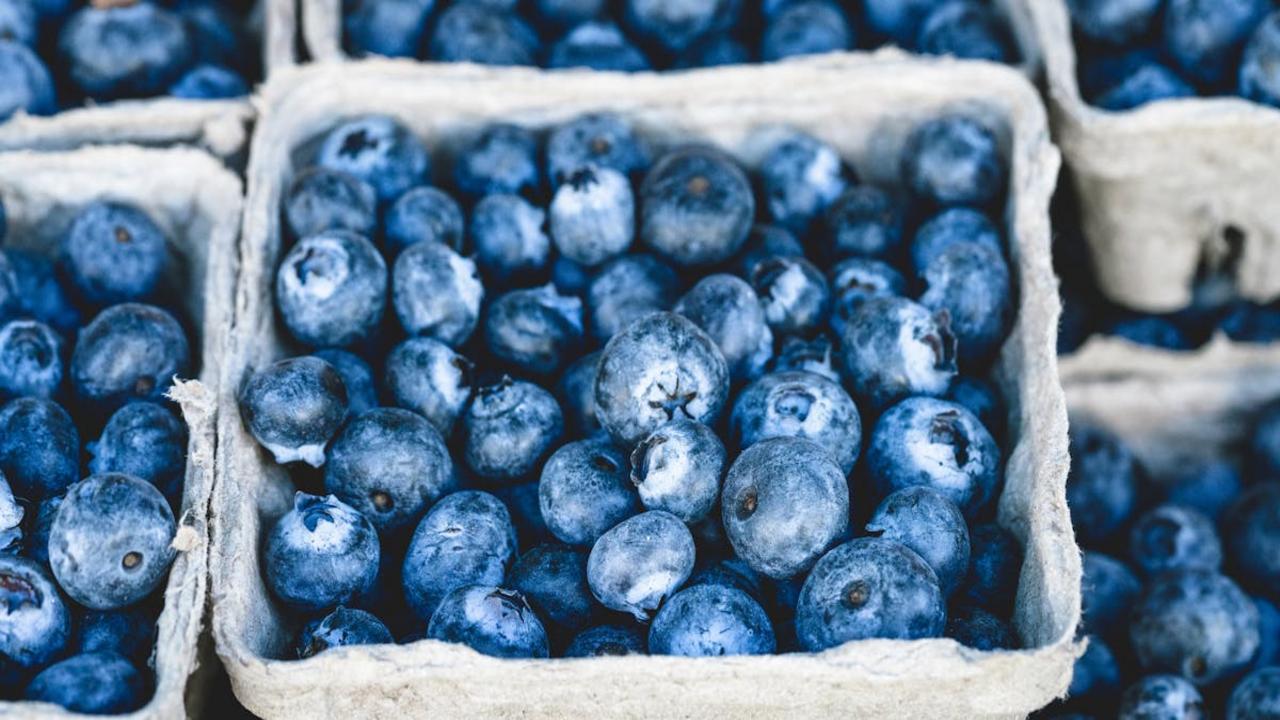
You know those plump, purple-blue gems you casually toss into your morning yogurt? Well, your great-great-grandmother would have fainted at such extravagance! Back in the day, blueberries were nature’s own little treasure chest, available only to those lucky enough to stumble upon wild bushes in remote forests or wealthy enough to hire berry-picking expeditions. Native Americans had been enjoying these antioxidant powerhouses for centuries, but European settlers treated them like edible sapphires. The berries were so precious that entire families would trek miles into the wilderness, armed with buckets and prayers, hoping to find enough for a single pie.
The real game-changer came in 1916 when Elizabeth White, a cranberry farmer’s daughter from New Jersey, teamed up with botanist Frederick Coville to create the first cultivated blueberry bushes. Before their brilliant partnership, these little blue orbs were completely wild and wonderfully unpredictable – some sweet, others tart enough to make your face scrunch like a raisin. Today, you can grab a pint at any grocery store for less than the cost of a fancy coffee, but remember: each berry carries the DNA of those original wild rebels that once made millionaires out of foragers and turned simple pancakes into royal feasts!
Foie Gras
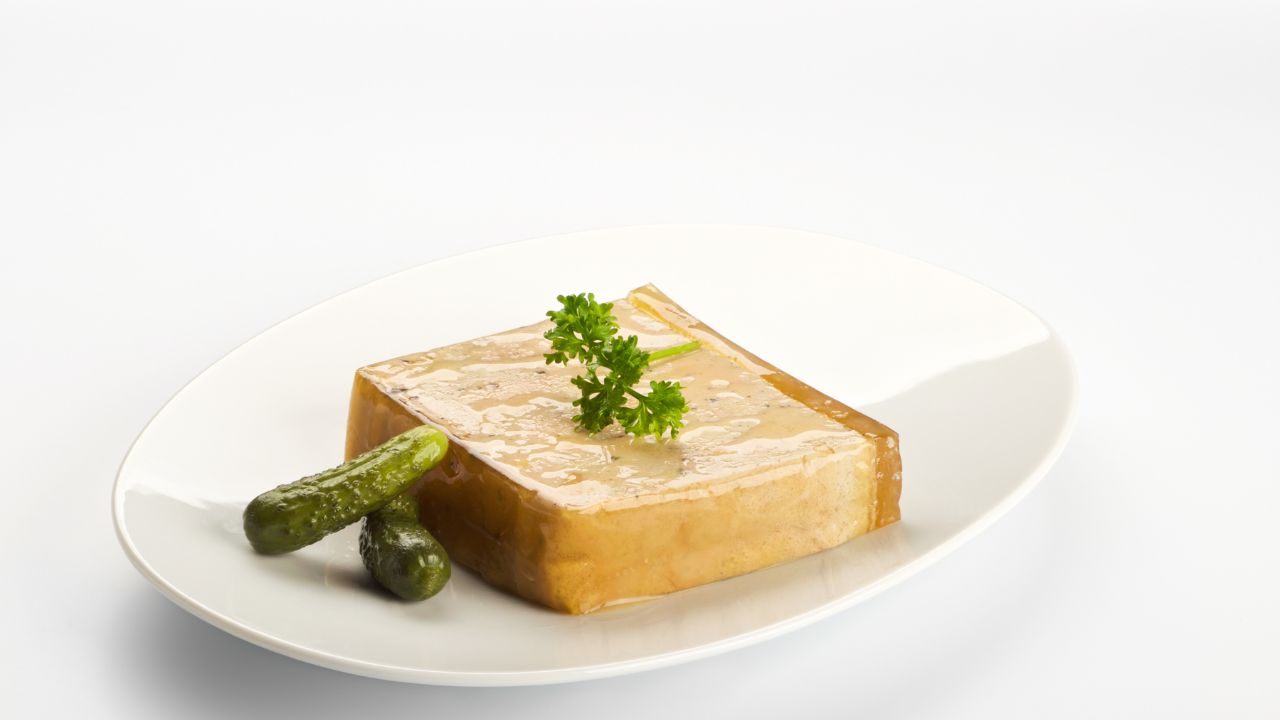
Picture this: ancient Egyptian pharaohs lounging by the Nile, feasting on the fattened livers of geese while their subjects gnawed on stale bread. Foie gras has been the ultimate “look at me, I’m fancy” food for over 4,000 years! The Egyptians accidentally discovered this delicacy when they noticed wild geese naturally gorging themselves before migration, making their livers incredibly rich and buttery. Romans later perfected the technique, and French nobility turned it into the crown jewel of their banquets. Only the wealthiest could afford this silky, melting treasure that cost more than most people’s annual wages.
Today, you can waltz into any upscale grocery store and grab a tin of foie gras for your Tuesday night dinner party – though your wallet might still weep a little. The production process remains largely unchanged: ducks and geese get pampered like tiny feathered celebrities before their livers transform into that signature creamy, almost otherworldly texture that melts on your tongue like butter made of dreams. Fun fact: a single liver can weigh up to 1.5 pounds and contains enough fat to make a cardiologist faint! While controversy swirls around modern production methods, there’s no denying this golden delicacy still carries the prestige of ancient royalty in every luxurious bite.
Saffron
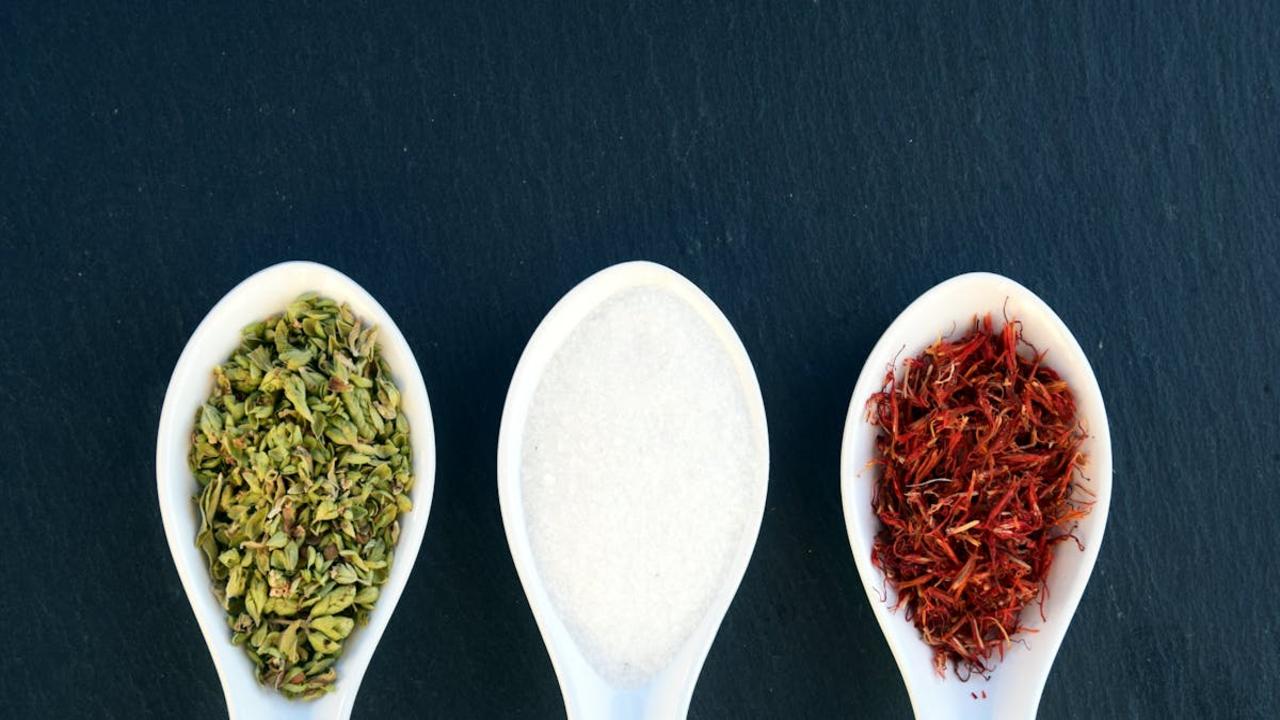
You know that tiny pinch of golden threads that costs more per ounce than your monthly coffee budget? That’s saffron, and it once commanded prices that would make your wallet weep actual tears. Back in medieval Europe, a pound of saffron could buy you a horse – a whole horse! – which puts your $15 grocery store packet into perspective. Persian royalty literally bathed in saffron-infused water because apparently regular bubble baths weren’t extra enough, while Roman emperors sprinkled it on their beds like the world’s most expensive confetti. The spice was so precious that merchants who tried to adulterate it faced execution, because nobody messes with liquid gold.
Here’s why saffron drove ancient accountants to drink: each flower produces only three measly stigmas, and you need about 150 flowers just to get one gram of saffron. That’s roughly 75,000 flowers for a single pound, all hand-picked at dawn during a two-week harvest window. Today, while you can grab saffron at most grocery stores (though your bank account might stage a protest), it still costs around $5,000 per pound wholesale. Pro tip: a little goes an incredibly long way – just a pinch transforms your rice into something that looks like sunshine and tastes like floral heaven had a baby with slightly sweet hay. Store it in your freezer wrapped in foil, and it’ll keep its magic for years.
Truffles
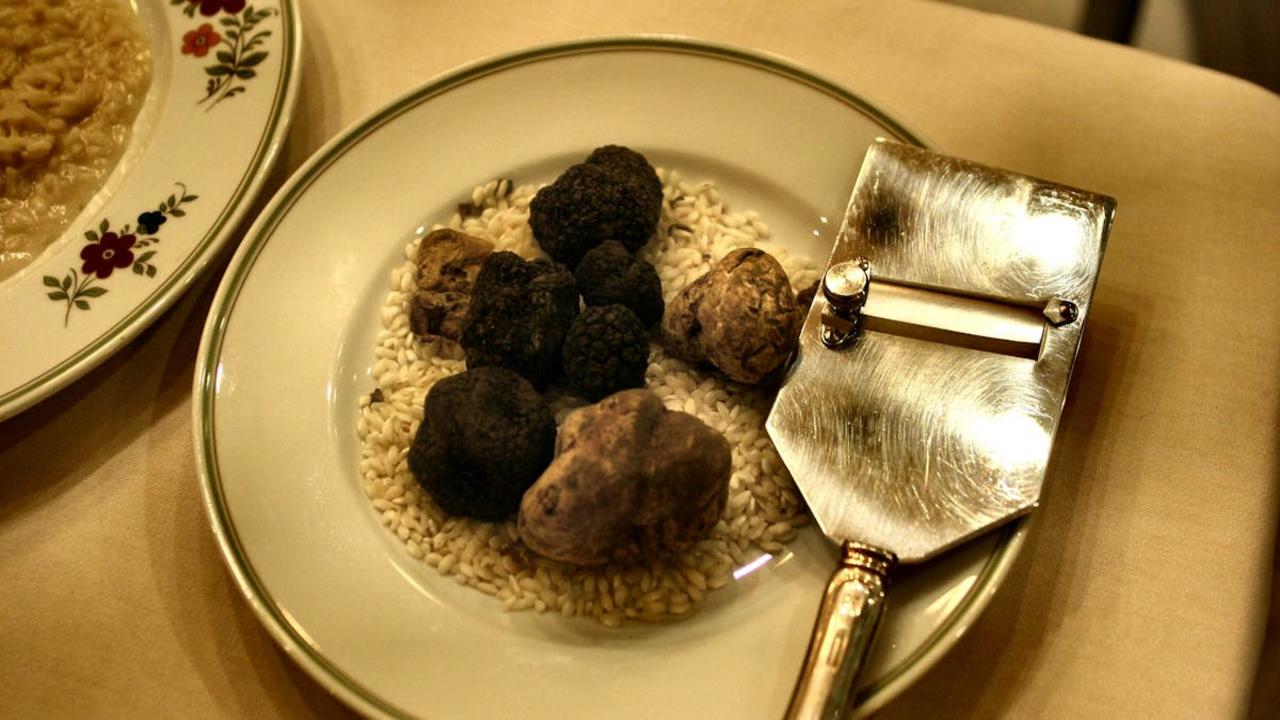
Picture this: you’re digging through dirt with a trained pig, searching for what looks like a wrinkled golf ball that smells like feet mixed with garlic. Congratulations, you’ve just found liquid gold! Truffles have been the ultimate “I’m disgustingly wealthy” flex since Roman times, when emperors paid their weight in gold for these funky fungi. These underground treasures grow wild in specific regions of France and Italy, forming mysterious partnerships with tree roots that scientists still don’t fully understand. Napoleon supposedly fed them to his troops before battle, believing they’d boost courage (though that might have just been the wine talking).
Today, you can grab truffle oil at your local grocery store for about the same price as a fancy coffee drink, but don’t be fooled – most of it contains zero actual truffle! Real truffles still cost more per pound than a decent used car, which explains why restaurants shave them paper-thin over your pasta like they’re rationing diamonds. The black ones taste earthy and mysterious, while white truffles pack such an intense punch that a tiny shaving can make your entire kitchen smell like a medieval feast. If you want to try the real deal without selling a kidney, hunt down truffle honey or truffle salt – they’ll give you that aristocratic flavor without requiring a second mortgage.
Oysters
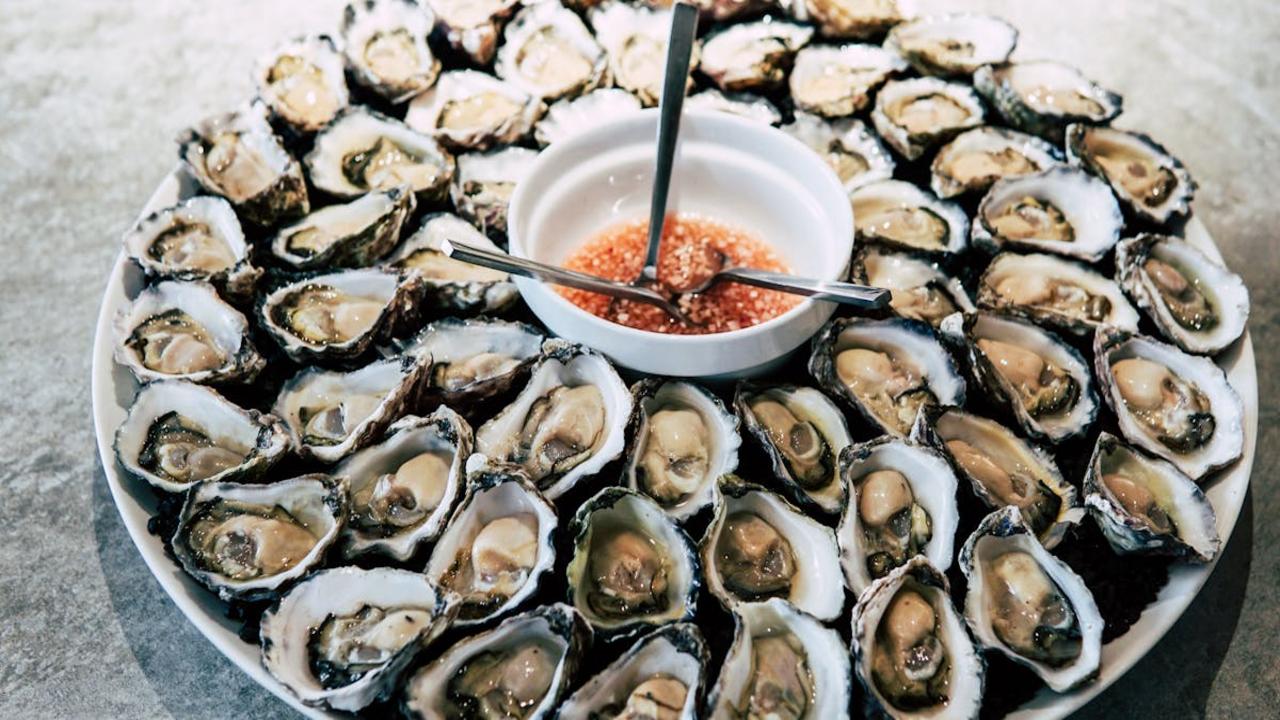
Picture this: you’re slurping down a dozen oysters at your local raw bar, probably dropping a decent chunk of change for the privilege. But here’s the kicker – back in the 1800s, these slimy little ocean gems were literally the hot dogs of their day! New York City street vendors would hawk them from carts for pennies, and workers would down them by the dozen during lunch breaks. They were so abundant that restaurants would advertise “All the oysters you can eat for six cents!” Poor families relied on them as cheap protein, while the wealthy wouldn’t touch them with a ten-foot fork.
The tables turned dramatically when overharvesting nearly wiped out East Coast oyster beds by the early 1900s. Suddenly, what once fed the masses became scarce and expensive. Today’s fancy oyster bars with their marble counters and champagne pairings would have baffled our ancestors, who viewed oysters the same way we see McDonald’s burgers. The irony gets even juicier when you consider that oyster shells were so plentiful they were literally used to pave roads – imagine driving on what’s now considered a delicacy! Next time you’re savoring that briny bite, remember you’re eating what was once considered peasant food that somehow climbed the social ladder and put on a tuxedo.
Pineapple
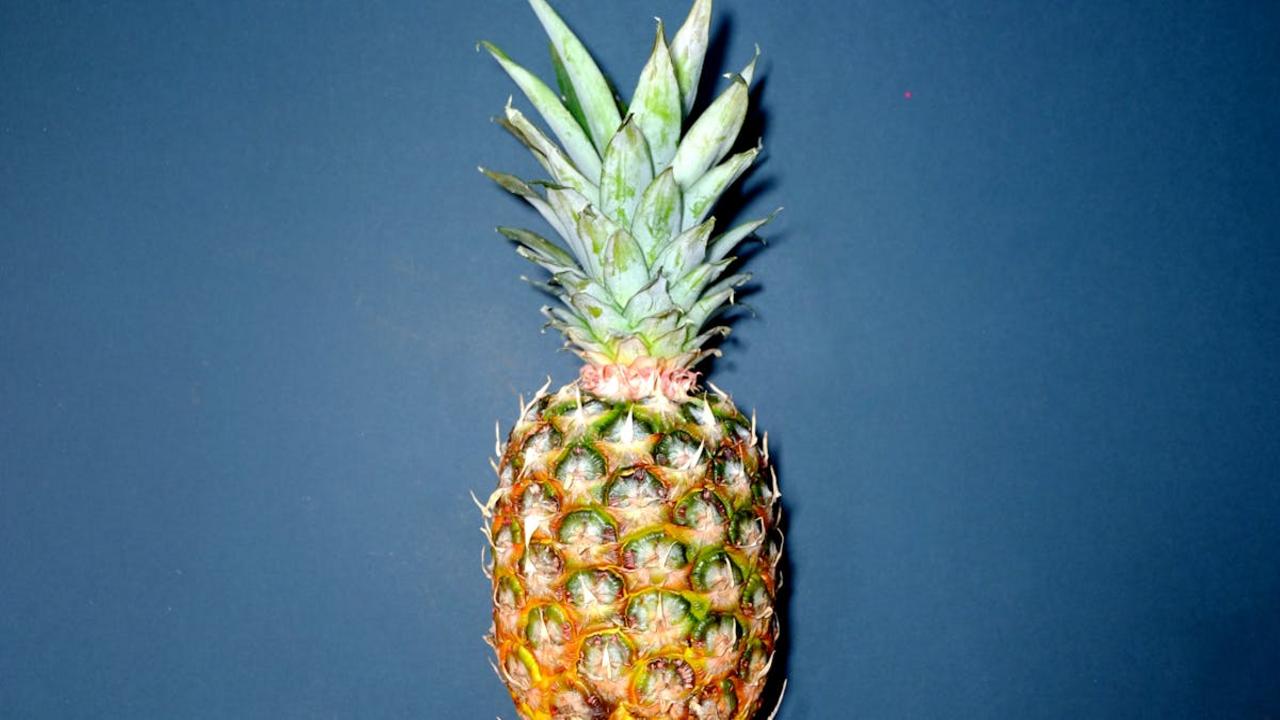
Picture this: you’re throwing a dinner party in 1700s Europe, and you want to absolutely blow your guests’ minds. Forget the fancy wine or elaborate roasts—you roll out a single pineapple, and suddenly everyone’s jaw drops like you just unveiled the crown jewels. That spiky, golden fruit sitting innocently on your table cost more than most people’s annual salary, shipped from distant tropical lands after surviving treacherous ocean voyages that could take months. European aristocrats literally rented pineapples just to display at parties, returning them to specialty shops the next day because actually eating one would bankrupt them faster than a gambling addiction.
The pineapple obsession reached such ridiculous heights that wealthy Americans built entire heated greenhouses just to grow a single fruit, spending what would be tens of thousands of dollars today for the privilege. George Washington himself tried growing them at Mount Vernon, though with limited success. The fruit became such a symbol of hospitality and wealth that colonial architects started carving pineapple motifs into gateposts, bedframes, and anything else they could decorate. Now you can grab one for three bucks at any grocery store, casually toss it into a smoothie, or—heaven forbid—put it on pizza while starting internet wars. Sometimes I wonder what those fancy Europeans would think about our casual pineapple abundance, probably rolling over in their ornate graves.
Artichokes
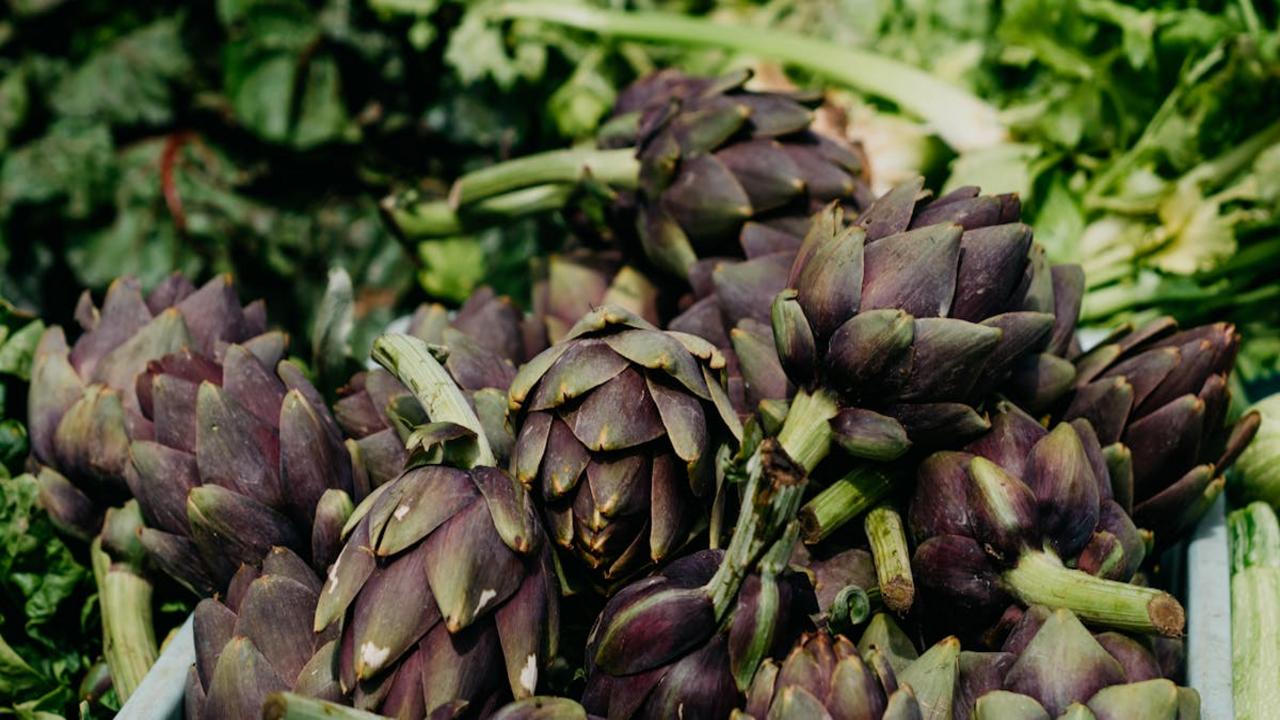
Picture this: ancient Roman aristocrats lounging in their marble villas, casually nibbling on what they considered nature’s most precious edible flower. Yes, artichokes were once so coveted that only the wealthy could afford these spiky green globes! In medieval times, these thorny beauties commanded prices that would make your modern grocery bill look like pocket change. European nobility treated them like edible jewels, often serving them at the most exclusive banquets where commoners could only dream of tasting such luxury.
Fast-forward to today, and you can grab a bag of frozen artichoke hearts without breaking the bank – though let’s be honest, fresh ones still make your wallet wince a little. The irony is delicious: what once symbolized wealth and status now sits in suburban grocery stores next to the frozen peas. I love how these prehistoric-looking vegetables still maintain an air of sophistication, especially when you watch someone tackle their first whole artichoke at a restaurant. There’s something hilariously ritualistic about peeling away each leaf, scraping the meat with your teeth, and finally reaching that tender heart – like performing an ancient ceremony that connects you to those fancy Romans who started this whole artichoke obsession!
Lobster
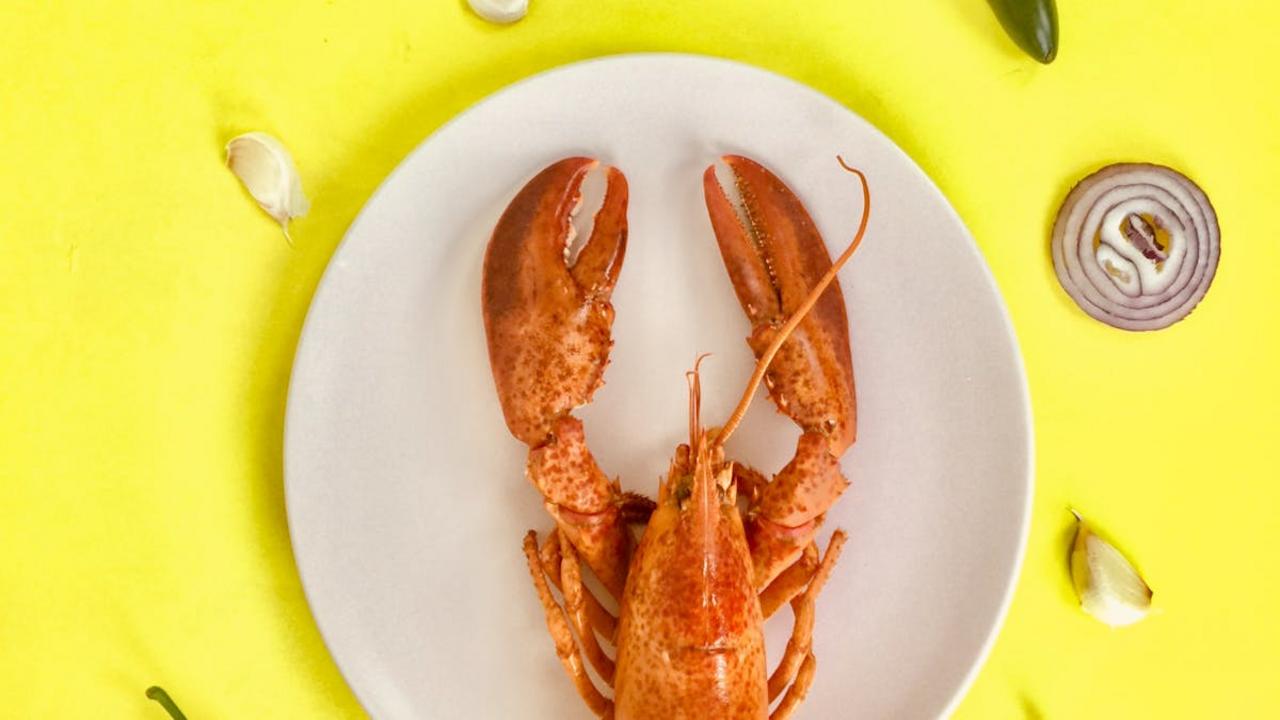
Picture this: you’re at a fancy restaurant, cracking into a perfectly steamed lobster while feeling like absolute royalty. Well, plot twist – about 200 years ago, you’d literally be eating what prisoners and servants were forced to choke down! Lobster was considered so grotesque and abundant that Massachusetts actually passed laws limiting how often you could feed it to inmates (no more than three times per week, because apparently that was cruel and unusual punishment). These “cockroaches of the sea” washed up on New England shores in piles so massive that farmers used them as fertilizer and fish bait. The shells were ground up and mixed into concrete!
The great lobster rebrand happened around the 1880s when clever railroad companies started marketing them as “ocean delicacies” to unsuspecting inland tourists who had never seen these creatures before. They removed the shells, called them “chicken of the sea,” and suddenly everyone wanted a taste of this mysterious coastal treat. Now you’re paying $30-40 per pound for what used to be prisoner food! Next time you’re butter-dunking that sweet, tender meat, remember you’re basically eating history’s greatest marketing success story. Pro tip: buy them live and cook them yourself – they’re surprisingly easy to prepare, and you’ll save enough money to afford the good butter!
Coffee
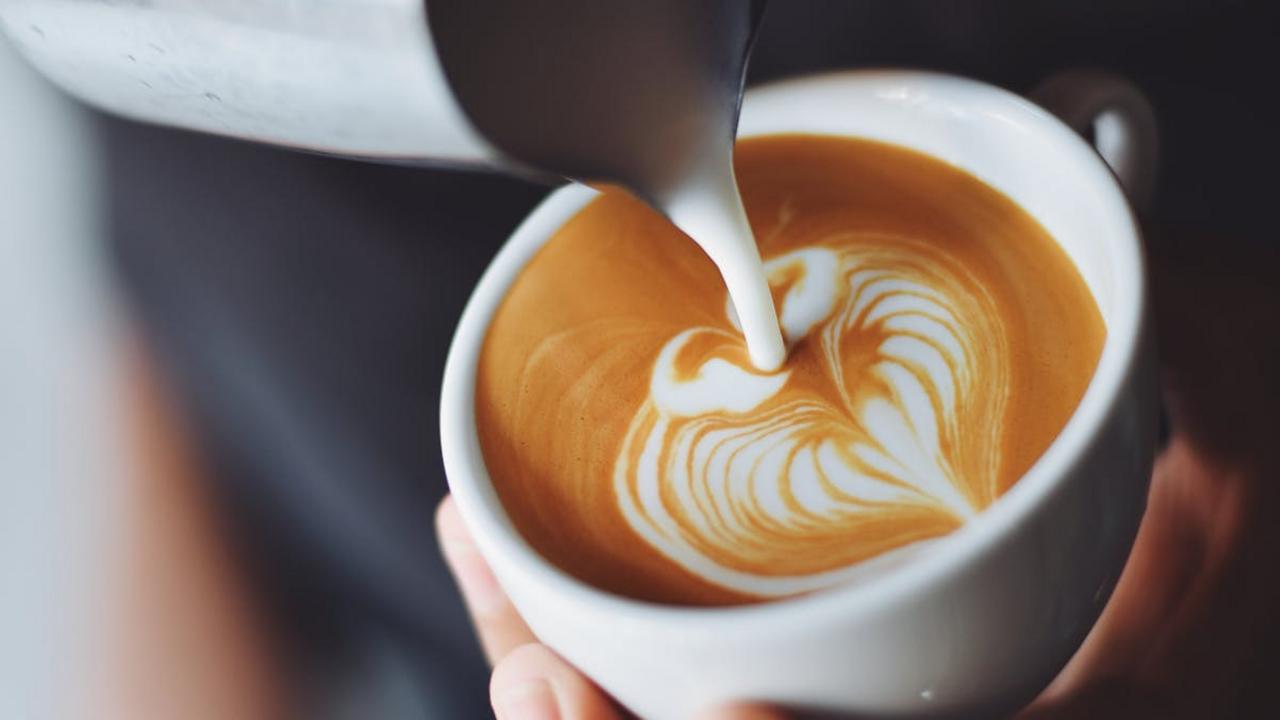
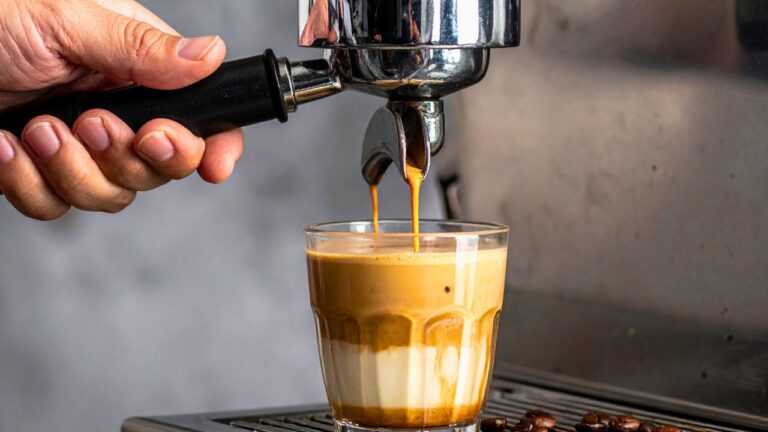
Picture this: you’re stumbling around your kitchen at 6 AM, desperately reaching for that magical brown elixir that transforms you from zombie to functioning human being. Hard to believe that your humble morning ritual was once the exclusive domain of sultans and European aristocrats, right? Coffee started its journey in the ancient highlands of Ethiopia, where legend says a goat herder named Kaldi noticed his flock getting unusually frisky after munching on certain red berries. By the 15th century, coffee had made its way to Yemen, where Sufi monks used it to stay alert during nighttime prayers – basically the world’s first energy drink for spiritual purposes.
The Ottoman Empire turned coffee into serious business, opening the first coffeehouses in Constantinople around 1540. These weren’t just places to grab your caffeine fix – they were intellectual hubs where scholars, poets, and politicians gathered to debate and scheme over tiny cups of thick, sweet brew. Coffee was so precious that stealing coffee beans could land you in serious trouble, and the Ottomans guarded their coffee trade secrets like state treasures. When coffee finally reached Europe through Venetian merchants, it cost a fortune and was initially viewed with suspicion by Christian authorities who called it “Satan’s drink” – until Pope Clement VIII allegedly blessed it, making coffee acceptable for good Christians to enjoy.
Chocolate
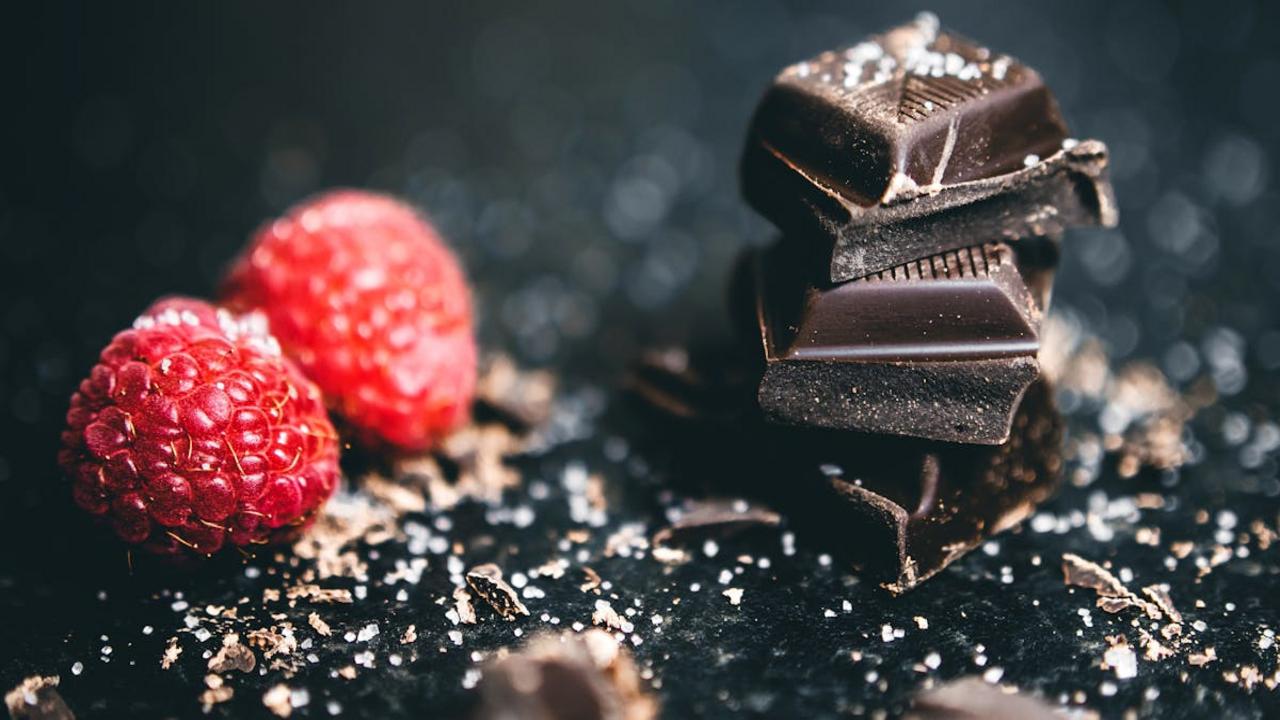
Picture this: you’re stressed about your Monday morning meeting, so you grab a candy bar from the vending machine without thinking twice. But rewind a few centuries, and that same chocolate would’ve cost you more than your monthly rent! The ancient Mayans and Aztecs literally used cacao beans as currency – imagine paying for groceries with M&Ms today. These civilizations believed chocolate was a gift from the gods, and honestly, they weren’t wrong. Montezuma reportedly drank 50 cups of chocolate daily, which explains a lot about his legendary energy levels. The Spanish conquistadors were so blown away by this “liquid gold” that they kept it secret from the rest of Europe for nearly a century, because apparently sharing divine beverages wasn’t their thing.
European nobility eventually caught wind of this magical drink and went absolutely bonkers for it. They added sugar, vanilla, and cinnamon, transforming the bitter Aztec brew into something that would make modern hot chocolate seem like a sad imitation. Ladies would sip their chocolate from elegant porcelain cups while gossiping about the latest court scandals – basically the original coffee date, but way more expensive. The price tag was so astronomical that only royalty could afford it, and chocolate houses became exclusive clubs where the wealthy would gather to discuss politics and show off their fancy cups. Thank goodness for the Industrial Revolution and mass production, or we’d still be treating Kit-Kats like precious gemstones!
Quinoa
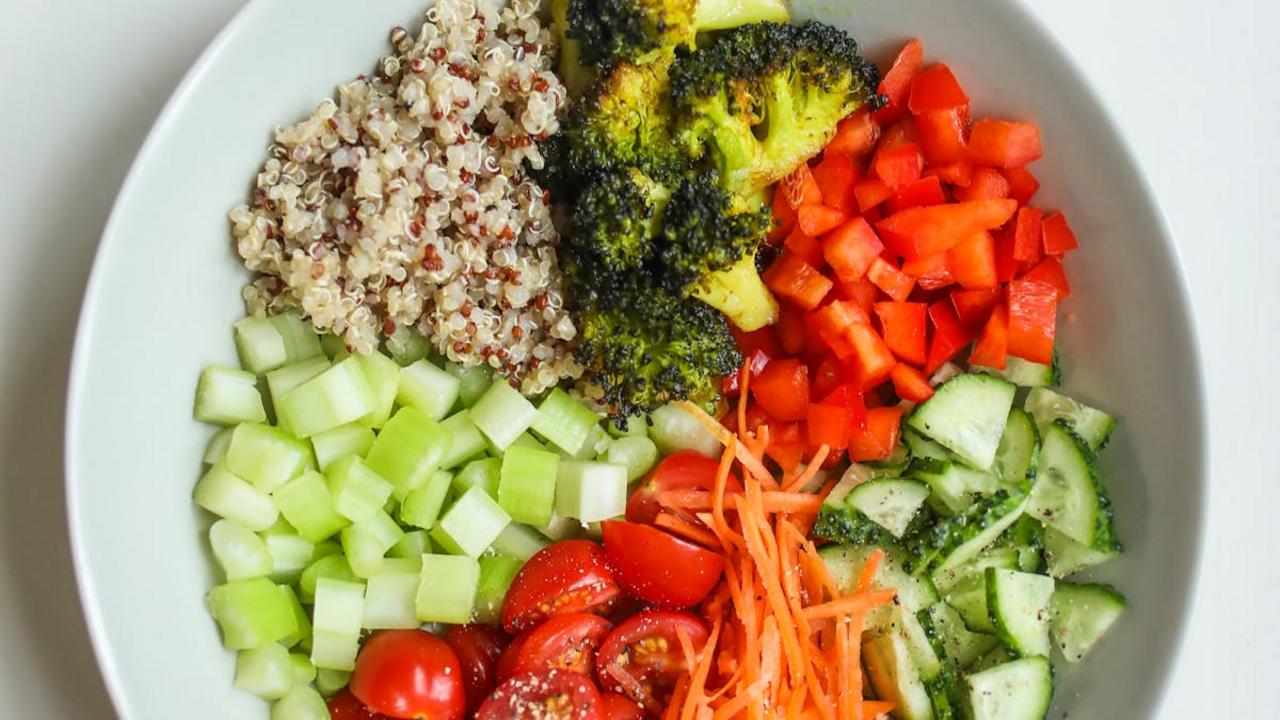
Picture this: ancient Inca emperors dining on tiny, pearl-like seeds while their subjects munched on potatoes and corn. That precious grain? Quinoa, which the Incas called “chisaya mama” or “mother of all grains” (though technically it’s a seed, but who’s counting?). These South American rulers hoarded quinoa like it was edible gold, reserving it exclusively for royalty and warriors heading into battle. The Spanish conquistadors were so threatened by quinoa’s sacred status that they actually banned its cultivation, forcing indigenous people to grow European crops instead. Talk about food colonialism at its finest!
Fast-forward to today, and you can’t swing a yoga mat without hitting someone’s quinoa bowl at your local café. This protein-packed powerhouse went from Andean royalty to health food darling faster than you can say “superfood.” What makes quinoa so special? It’s one of the few plant foods that contains all nine amino acids your body needs – basically nature’s complete protein in a tiny package. Plus, it’s gluten-free, cooks in about 15 minutes, and has this satisfying nutty crunch that makes even the most devoted pasta lovers consider switching sides. The Incas definitely knew what they were doing when they crowned this little seed their nutritional royalty!
Avocado
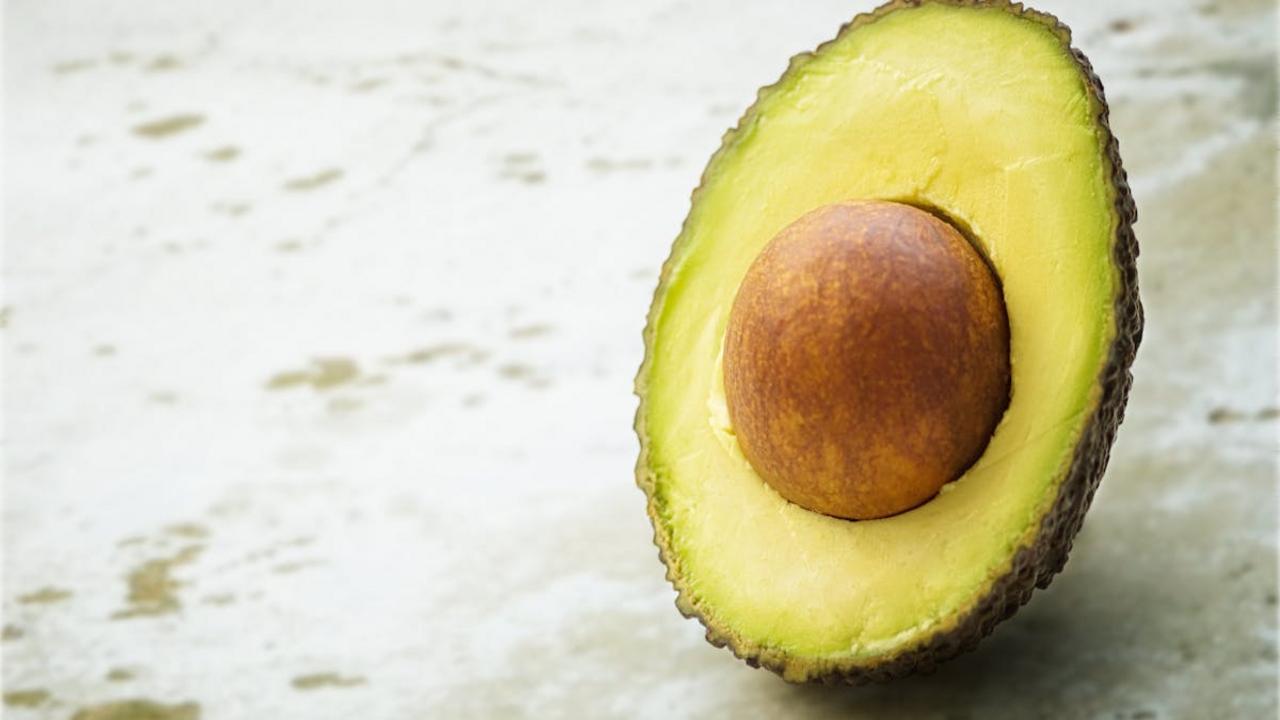
Picture this: you’re dropping $6 on avocado toast while your great-grandmother rolls in her grave, remembering when a single avocado cost more than a fancy dinner out. Back in the early 1900s, avocados were called “alligator pears” and were so exotic that wealthy Americans would display them at dinner parties like edible trophies. The Aztecs considered them so precious they used them as currency, and honestly, given today’s prices, maybe we’ve come full circle! These creamy green orbs were shipped from Central America in small quantities, making them rarer than caviar in most American households.
Now you can’t scroll through social media without seeing someone’s perfectly curated breakfast bowl featuring our beloved green friend. The transformation happened gradually through the 20th century, but really exploded when California figured out how to grow them commercially and marketing geniuses convinced us that smashing them on bread was peak sophistication. Fun fact: avocados are technically berries (who knew?), and they contain more potassium than bananas, which makes your morning toast slightly less guilty. Today’s grocery stores stock them year-round, but here’s a pro tip from someone who’s been burned too many times – buy them rock-hard and give them three days to reach that perfect, slightly-soft-but-not-mushy sweet spot that separates avocado success from green disappointment.
Sushi
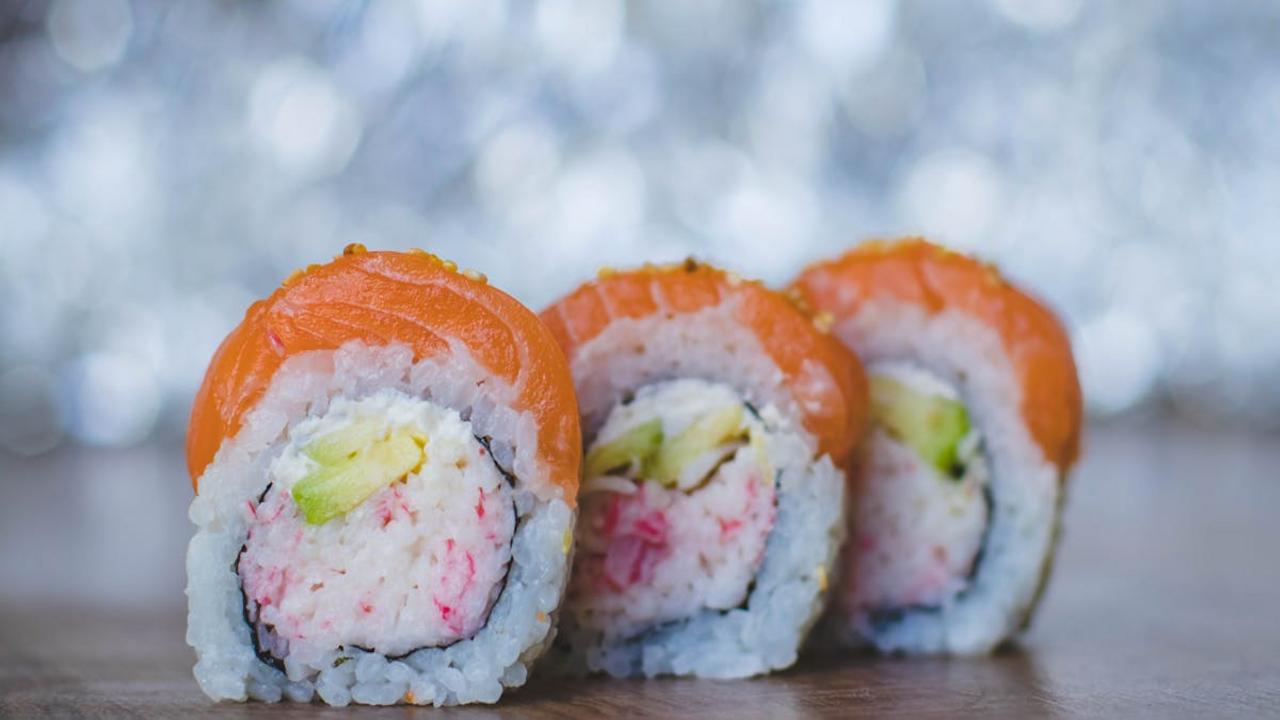
Picture this: you’re dropping serious cash on omakase at that trendy spot downtown, savoring each piece of pristine fish like it’s edible gold. Well, plot twist – sushi actually started as Japan’s answer to fast food! Back in the Edo period (1603-1868), street vendors sold these bite-sized bundles from wooden carts, and busy workers grabbed them like we snatch energy bars today. The original sushi was more about preservation than presentation – fish packed in fermented rice that could last for months. Your Instagram-worthy rainbow roll would’ve horrified those early sushi pioneers, who probably never imagined their humble rice-and-fish combo would become the darling of food snobs worldwide.
The transformation from street snack to status symbol happened when sushi crossed oceans and landed in America during the 1960s. Suddenly, raw fish went from “eww, gross” to “ooh, sophisticated” faster than you can say “wasabi.” Modern sushi chefs train for years to master their craft, turning simple ingredients into edible sculptures that cost more per ounce than your monthly coffee budget. The irony is delicious: what once fed Japanese laborers on the cheap now requires reservations booked months in advance. Next time you’re paying premium prices for that perfect piece of toro, remember you’re basically eating fancy peasant food – and somehow, that makes it taste even better.