14 Everyday Eating Habits Quietly Wrecking Your Health
Your daily eating patterns shape your health more than you might think. Those little habits—scrolling through your phone at dinner or grabbing that sugary coffee drink—can add up to serious health issues over time. What seems harmless today could be undermining your nutrition goals tomorrow.
I’ve noticed how easily these habits sneak into our lives. Mindless TV snacking, skipping breakfast, and those midnight kitchen raids aren’t just affecting your waistline—they’re disrupting your sleep, energy levels, and long-term wellness. The good news? Small changes make big differences.
Becoming aware of these 14 common eating traps is your first step toward healthier choices. You don’t need a complete lifestyle overhaul—just mindful adjustments to how, when, and why you eat. Your body will thank you with better digestion, improved energy, and a stronger relationship with food.
Midnight Kitchen Raids

We’ve all been there – standing in the soft glow of the refrigerator light at 2 AM, scanning for something to satisfy that sudden craving. Those late-night kitchen visits might feel harmless in the moment, but they’re quietly disrupting your body’s natural rhythm in ways you probably don’t realize. Your digestive system is designed to slow down during nighttime hours, and when you eat close to bedtime, you’re forcing your body to work overtime when it should be focusing on repair and restoration.
The real trouble starts with your metabolism and sleep quality. Late-night eating throws off your circadian rhythm, making it harder for your body to regulate hunger hormones like ghrelin and leptin. This creates a vicious cycle where you feel hungrier during the day and more likely to reach for quick energy fixes. Plus, that midnight snack often sits heavy in your stomach, preventing the deep, restorative sleep your body craves. Try setting a kitchen “closing time” about three hours before bed, and if you must have something, opt for a small portion of protein or a handful of nuts rather than sugary or processed foods that will spike your blood sugar right when your body wants to wind down.
Workplace Desktop Dining
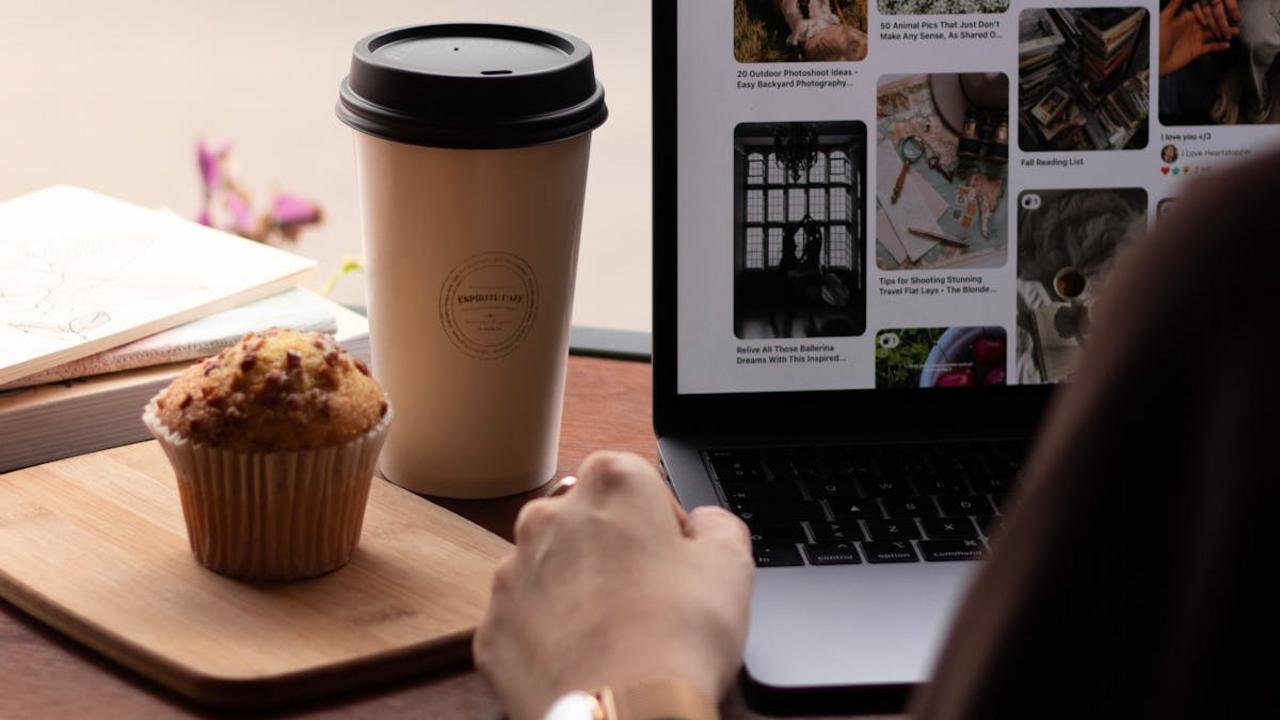
Your desk has become your default dining room, and I get it – deadlines wait for no one! But eating lunch while staring at your computer screen creates a perfect storm of mindless munching and digestive chaos. When you’re focused on emails and spreadsheets, your brain can’t properly register hunger and fullness cues, leading you to either barely touch your food or unconsciously polish off an entire bag of chips. This scattered eating pattern disrupts your body’s natural rhythm and often leaves you feeling unsatisfied, even after consuming plenty of calories.
Beyond the mindless eating trap, desktop dining also invites some seriously unhygienic habits into your daily routine. Your keyboard harbors more bacteria than a toilet seat – yes, really! – and those crumbs falling between the keys create a breeding ground for germs that you’re essentially seasoning your sandwich with. Make a simple change by designating a proper eating space, even if it’s just clearing a spot at your desk and turning away from your screen for 15 minutes. Your digestion will thank you, your immune system will celebrate, and you might actually taste that delicious homemade soup you packed this morning.
Dining Out Too Often

Look, I get it – after a long day, the last thing you want to do is figure out what’s for dinner. Restaurant meals feel like the perfect solution, but here’s what’s happening behind those kitchen doors that might surprise you. Most restaurants load their dishes with way more sodium, sugar, and unhealthy fats than you’d ever use at home. That “grilled” chicken? It’s probably been marinated in a sugar-heavy sauce and cooked in more oil than you’d believe. Even those seemingly healthy salads often pack more calories than a burger once you factor in the dressing, croutons, and cheese.
The real problem isn’t treating yourself occasionally – it’s making restaurant meals your default dinner plan. Your body starts craving those intense flavors and oversized portions, making your home-cooked meals taste bland by comparison. Plus, you’re missing out on one of life’s greatest pleasures: creating something delicious with your own hands! Start small by committing to cooking just two extra meals at home each week. Stock your pantry with basics like olive oil, garlic, and your favorite spices, and you’ll be amazed how quickly you can whip up something that rivals your go-to takeout spot.
Sugar Loaded Coffee Drinks
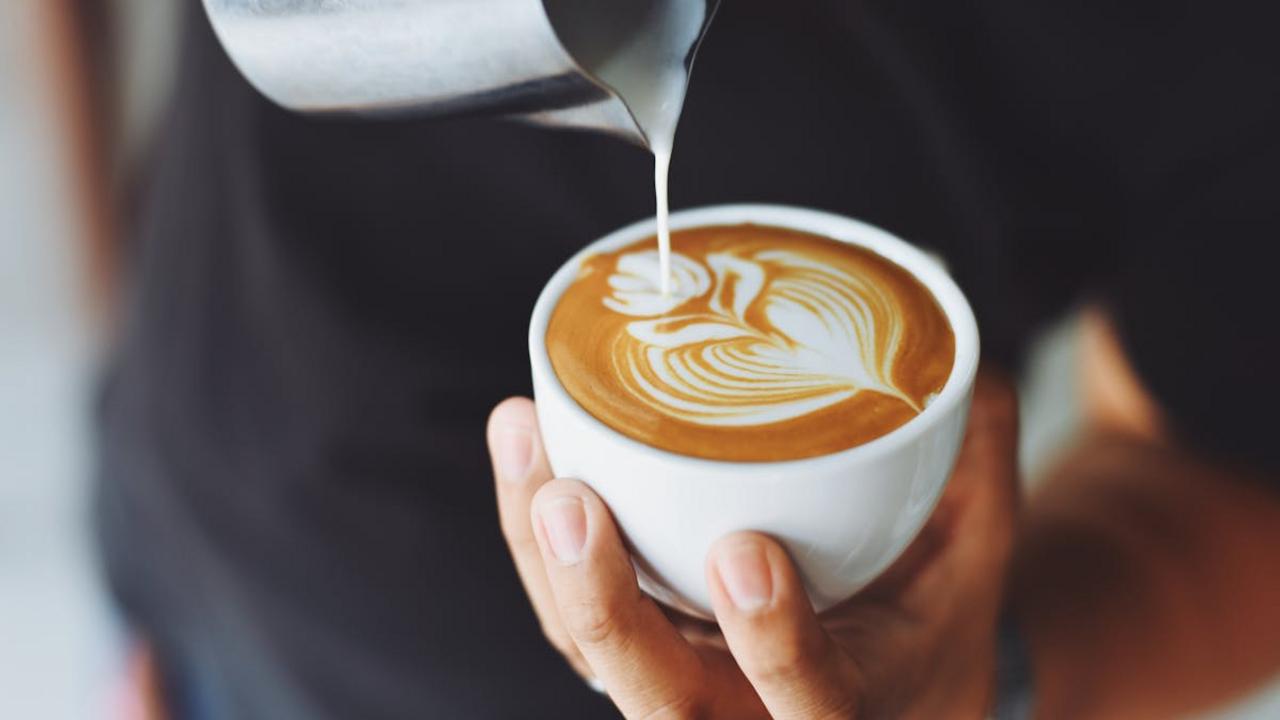
Your morning coffee ritual might be sabotaging your health goals without you even realizing it! Those fancy coffee drinks from your favorite café often pack more sugar than a candy bar. A grande caramel macchiato can contain up to 35 grams of sugar – that’s nearly 9 teaspoons worth! Even seemingly innocent flavored lattes hide massive amounts of sugar in their syrups and whipped cream toppings. Your body processes this sugar rush quickly, leaving you crashed and craving more within hours.
Here’s what happens inside your body: all that sugar spikes your blood glucose levels, triggering insulin production and potentially leading to energy crashes, mood swings, and long-term metabolic issues. The good news? You can still enjoy amazing coffee drinks by making simple swaps. Try ordering your drink with half the syrup, choosing unsweetened almond or oat milk, and skipping the whipped cream. At home, experiment with natural sweeteners like cinnamon, vanilla extract, or a touch of pure maple syrup. Your taste preferences will adapt quickly, and you’ll discover the rich, complex flavors of coffee that sugar often masks.
Always Cleaning Your Plate

You know that feeling when your mom’s voice echoes in your head saying “finish everything on your plate”? While those childhood lessons came from a place of love and gratitude, they might be working against your health goals today. I see this habit everywhere – friends pushing through that last bite even when they’re clearly satisfied, people forcing down oversized restaurant portions because “waste not, want not.” But here’s the thing: your stomach doesn’t care about clean plates, and neither should you when it comes to honoring your body’s natural hunger cues.
Learning to leave food on your plate actually takes practice, especially if you grew up in a household where cleaning your plate was non-negotiable. Start by serving yourself smaller portions and really tuning into how your body feels as you eat. Put your fork down between bites, chew slowly, and check in with yourself halfway through the meal. Are you still hungry, or are you just eating because the food is there? I promise you, it’s perfectly okay to save those last few bites for tomorrow’s lunch or simply compost them if they’re not worth saving. Your body will thank you for stopping when you’re satisfied rather than when your plate is empty.
Eating Directly From Packages

You know that moment when you’re standing in your kitchen, grabbing handfuls of crackers straight from the box or spooning peanut butter directly from the jar? We’ve all been there, and I totally get the convenience factor. But here’s what happens when you make this a regular habit: you completely lose track of how much you’re actually consuming. Without the visual cue of food on a plate or bowl, your brain doesn’t register proper portion sizes, and before you know it, you’ve polished off way more than you intended. This mindless munching can lead to overeating, digestive discomfort, and those sneaky extra calories that add up faster than you’d think.
The simple fix that I always recommend to my readers? Take just thirty seconds to portion out your snack onto a proper plate or bowl. This small action transforms mindless grazing into mindful eating, helping you stay connected with your hunger cues and satisfaction levels. Plus, when you see your food presented nicely, even if it’s just crackers and cheese, you naturally slow down and savor each bite more. Trust me, your body will thank you for this tiny shift in habit, and you’ll find yourself feeling more satisfied with smaller portions while maintaining better control over your daily food intake.
Constant Phone Use During Meals

I get it – your phone buzzes, and you automatically reach for it, even when you’re halfway through your favorite pasta dish. But here’s what happens when you scroll through social media while eating: your brain completely misses the signals your stomach sends about feeling satisfied. You end up consuming way more food than your body actually needs because you’re not paying attention to those important hunger and fullness cues. Your digestive system also struggles to do its job properly when you’re distracted, leading to poor nutrient absorption and potential digestive discomfort.
Put that phone in another room during meals – trust me on this one! When you focus on your food, you’ll notice flavors more intensely, chew more thoroughly, and actually enjoy your meals instead of mindlessly shoveling food into your mouth. Studies show that mindful eating helps with weight management, reduces overeating, and improves digestion. Plus, you’ll start recognizing when you’re truly hungry versus eating out of boredom or habit. Make mealtime sacred again by creating phone-free zones at your dining table – your body will thank you for giving it the attention it deserves.
Not Drinking Enough Water
Your body runs on water like a car runs on gas, and skipping those daily glasses creates a domino effect of health problems you might not even notice at first. Dehydration sneaks up on you through headaches, fatigue, and that afternoon brain fog that makes you reach for another cup of coffee. Your kidneys work overtime trying to filter toxins without enough fluid, your skin loses its glow, and your metabolism slows down significantly. Many people mistake thirst for hunger, leading to unnecessary snacking when what you really need is a tall glass of H2O.
Make water your best friend by keeping a reusable bottle within arm’s reach throughout the day, and jazz it up with fresh lemon slices, cucumber, or mint leaves if plain water feels boring. Your urine color serves as a perfect hydration gauge – aim for pale yellow rather than dark amber. Start your morning with a full glass before your coffee, and drink water before, during, and after meals to help with digestion. Remember that fruits and vegetables contribute to your daily water intake too, so load up on watermelon, cucumbers, and leafy greens. Small sips throughout the day work better than chugging large amounts all at once.
Large Portion Sizes
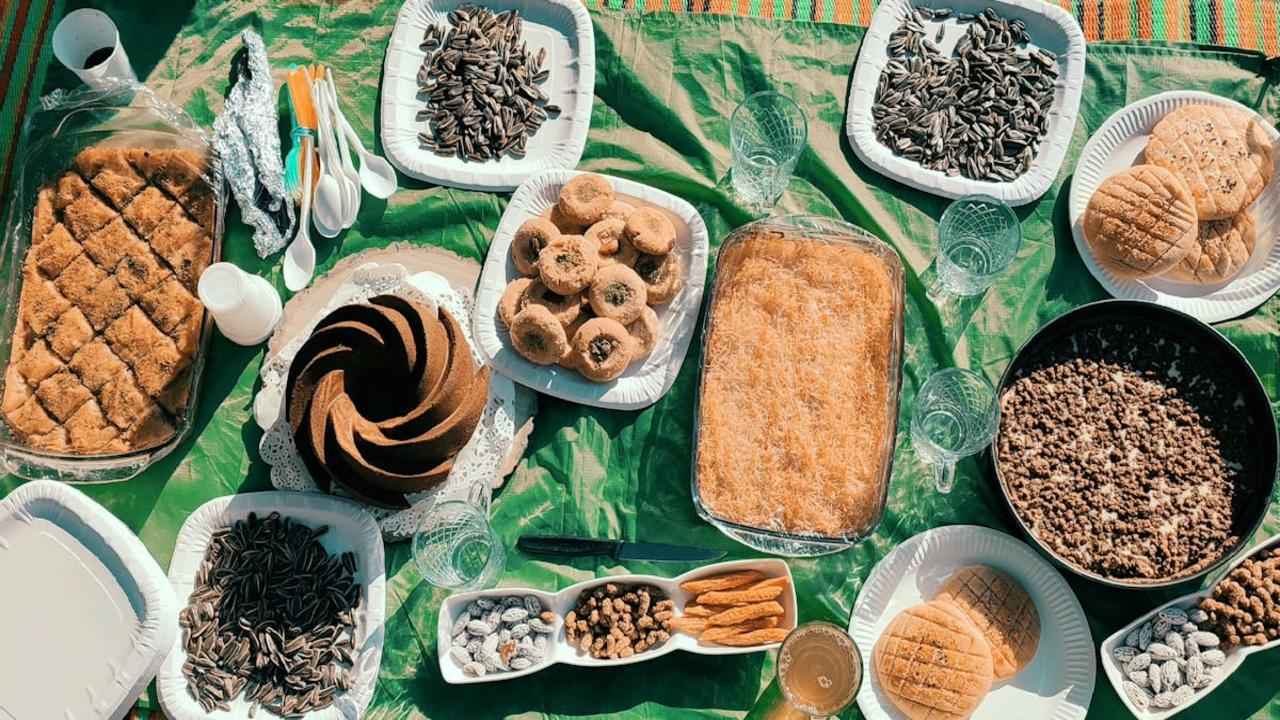
You know that feeling when you order your favorite dish at a restaurant and the plate arrives looking like it could feed a small army? Those super-sized portions might seem like great value, but they’re quietly training your brain to think massive amounts of food are normal. Your stomach is actually about the size of your fist when empty, yet we’re constantly surrounded by portions that are two, three, or even four times what our bodies actually need. This constant exposure rewrites your internal portion compass, making reasonable servings look disappointingly small.
The sneaky thing about oversized portions is how they mess with your natural hunger and fullness signals. Your brain takes about 20 minutes to register that you’re satisfied, but when you’re faced with a mountain of food, you keep eating simply because it’s there. Try this game-changing trick: use smaller plates and bowls at home, and you’ll automatically serve yourself less without feeling deprived. Start paying attention to how you feel halfway through your meal – you might discover you’re actually satisfied with much less than you think. Your body will thank you for listening to its real needs instead of the portion propaganda surrounding us everywhere.
Emotional Stress Eating

We’ve all been there – reaching for that bag of chips after a tough day at work or diving into ice cream when life feels overwhelming. Emotional stress eating sneaks up on you, turning food into your go-to comfort mechanism rather than nourishment for your body. When you eat in response to feelings instead of hunger, you’re likely choosing processed, high-sugar, or high-fat foods that provide temporary relief but leave you feeling worse physically and emotionally afterward.
The real problem with stress eating goes beyond the extra calories – it creates a destructive cycle where food becomes your primary coping strategy. Your body doesn’t get the nutrients it needs during stressful periods, which actually makes you less equipped to handle stress naturally. Instead of automatically reaching for food during tough moments, try taking five deep breaths, going for a quick walk, or calling a friend. Keep nourishing snacks like apple slices with almond butter or Greek yogurt with berries nearby, so if you do need to eat for comfort, you’re choosing options that actually support your body’s stress response rather than sabotaging it.
Late Night Eating
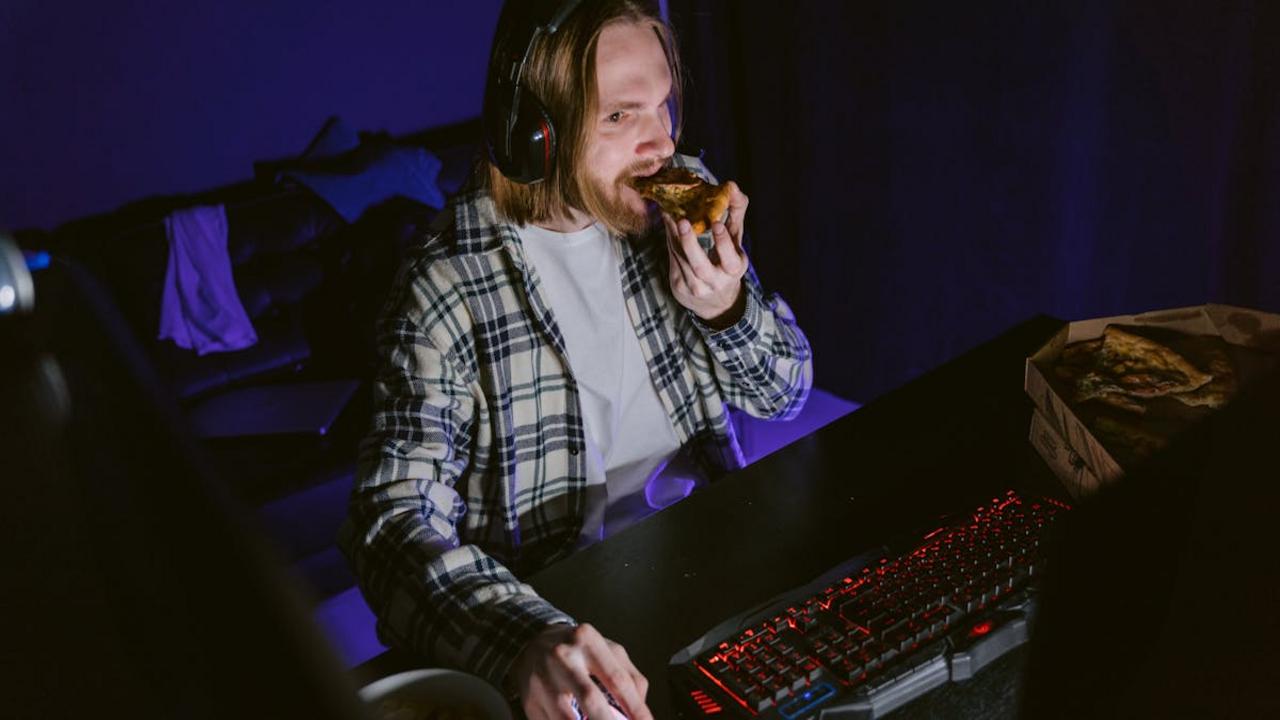
Your body follows a natural circadian rhythm, and when you munch on snacks at midnight, you’re basically telling your metabolism to work overtime when it should be winding down. Late-night eating disrupts your sleep quality because your digestive system stays active, making it harder for you to fall into deep, restorative sleep phases. Your body also processes food differently after dark – insulin sensitivity decreases, meaning your blood sugar spikes more dramatically and stays elevated longer than it would during daytime hours.
I know how tempting it can be to raid the fridge after a long day, especially when you’re stressed or haven’t eaten enough during regular meal times. But here’s what happens: those late-night calories are more likely to be stored as fat because your metabolic rate naturally slows down in the evening. Instead of reaching for chips or ice cream at 11 PM, try having a satisfying dinner with plenty of protein and fiber to keep you full. If you absolutely must eat something late, choose a small portion of nuts, Greek yogurt, or herbal tea with a touch of honey to satisfy your craving without sabotaging your health goals.
Skipping Breakfast

Your morning meal isn’t just a nice-to-have – it’s your body’s wake-up call and fuel tank rolled into one! When you skip breakfast, you’re basically telling your metabolism to hit the snooze button for the day. Your blood sugar takes a nosedive, leaving you feeling sluggish, irritable, and craving whatever sugary or processed food crosses your path first. I see this happen to friends all the time – they rush out the door with just coffee, then find themselves demolishing a donut at 10 AM because their energy crashed hard.
The ripple effects don’t stop there, either. Skipping breakfast often leads to overeating later in the day, making it nearly impossible to maintain a healthy weight. Your body goes into conservation mode, slowing down your metabolism and making you more likely to store fat. Plus, you miss out on setting a positive tone for your food choices throughout the day. A balanced morning meal with protein, healthy fats, and complex carbs keeps your hunger hormones in check and gives you the steady energy you need to make better decisions all day long.
Eating Too Fast

I see you wolfing down that sandwich like it’s your last meal on earth! Trust me, I’ve been there too – rushing through lunch between meetings or scarfing down dinner while scrolling through your phone. But here’s the thing: your digestive system needs time to catch up with your speedy eating habits. When you eat too quickly, your brain doesn’t get the signal that you’re full until about 20 minutes after you’ve started eating. This means you’re likely consuming way more calories than your body actually needs before your satiety hormones kick in.
Fast eating also wreaks havoc on your digestion in ways you might not expect. You’re probably swallowing more air, which leads to uncomfortable bloating and gas. Plus, you’re not giving your teeth enough time to properly break down food, putting extra strain on your stomach to work overtime. I always tell my friends to put their fork down between bites and actually chew each mouthful thoroughly. Try setting a timer for 20 minutes during your next meal and see how much more satisfied you feel. Your body will thank you for slowing down and actually tasting that delicious food you’re putting so much effort into preparing!
Mindless Snacking While Watching TV

Picture this: you settle into your favorite spot on the couch, remote in hand, and suddenly that bag of chips appears beside you like magic. Before you know it, you’ve polished off the entire thing without even registering what happened. This scenario plays out in living rooms everywhere, and honestly, I’ve been there too! When we eat while distracted by our screens, our brains miss those important satiety signals that tell us we’re satisfied. Your body becomes so focused on what’s happening on screen that it forgets to communicate with your stomach about fullness.
The real trouble starts because mindless snacking typically involves processed foods high in salt, sugar, and unhealthy fats – exactly the opposite of what our bodies need for sustained energy. Instead of reaching for that bag of cookies during your next binge-watching session, try preparing a colorful plate of cut vegetables with hummus or a handful of nuts before you sit down. Set boundaries by portioning out your snacks beforehand, and consider making TV time a screen-only experience. Your waistline and your overall health will thank you for creating this mindful separation between entertainment and eating.