15 Delicious Protein Packed Foods to Power You Through the Day
Protein keeps you going when energy slumps hit during busy days. I’ve discovered that adding protein-rich foods to my meals helps me stay fuller longer and maintain steady energy levels. My kitchen now stocks a variety of protein options that work for any meal or snack situation.
You don’t need to rely solely on chicken breast or protein shakes. The world offers incredible protein diversity! From plant-based powerhouses like tempeh and lentils to dairy options like cottage cheese and Greek yogurt, you’ll find something that fits your taste preferences and dietary needs.
These 15 protein-packed foods transform ordinary meals into satisfying fuel. Sprinkle hemp seeds on your morning oatmeal, toss black beans into your lunch salad, or enjoy grilled mackerel for dinner. Each option provides different nutritional benefits while keeping your meals interesting and your body energized throughout the day.
Quinoa
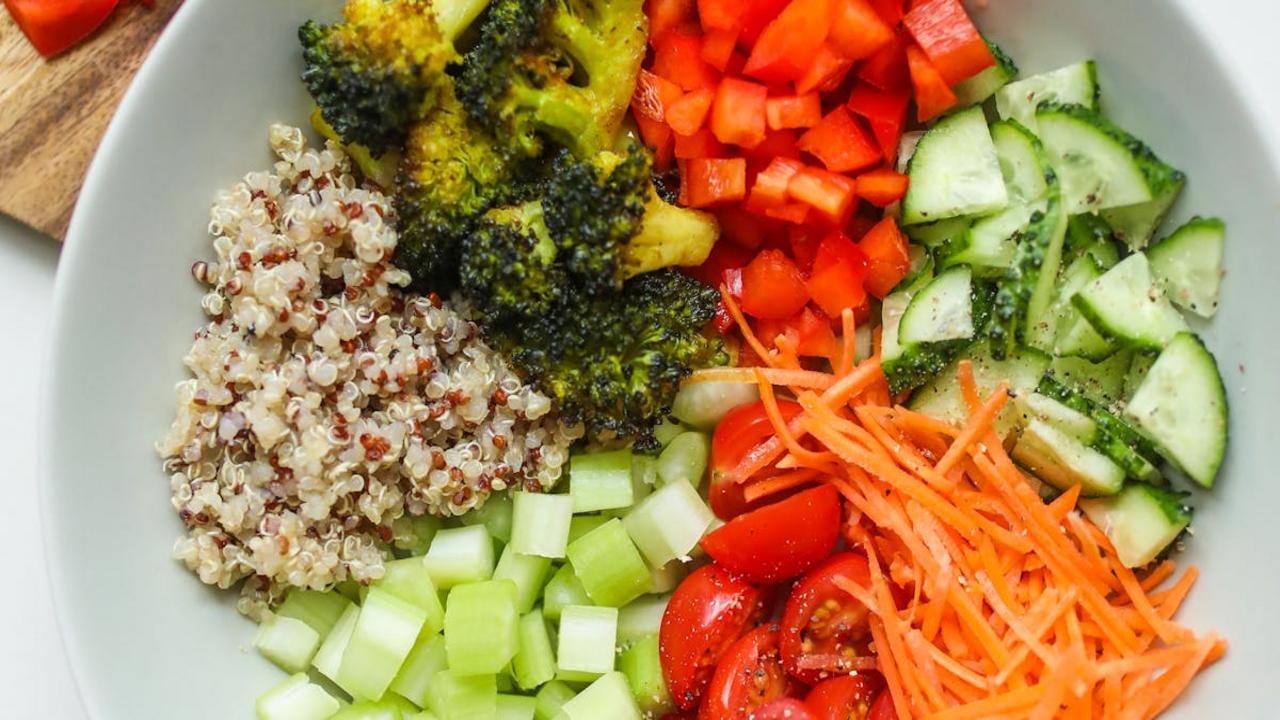
You know what I absolutely adore about quinoa? This tiny seed masquerades as a grain but packs more protein punch than most grains could ever dream of. With about 8 grams of complete protein per cooked cup, quinoa delivers all nine amino acids your body needs – something most plant foods can’t claim. I first discovered quinoa during my travels through South America, where indigenous communities have treasured this superfood for thousands of years. What struck me most was how they prepared it so simply, yet it became the foundation of incredibly satisfying meals.
In my kitchen, quinoa has become my go-to base for power bowls, salads, and even breakfast porridges. I love toasting it dry in a pan for a few minutes before cooking – this simple step adds such a beautiful nutty flavor that transforms the entire dish. The beauty of quinoa lies in its versatility; it absorbs whatever flavors you pair with it, whether that’s coconut milk and cinnamon for a morning treat or turmeric and cumin for a savory dinner bowl. Plus, it cooks in just 15 minutes, making it perfect for those busy weeknights when you want something nutritious without spending hours in the kitchen.
Mackerel
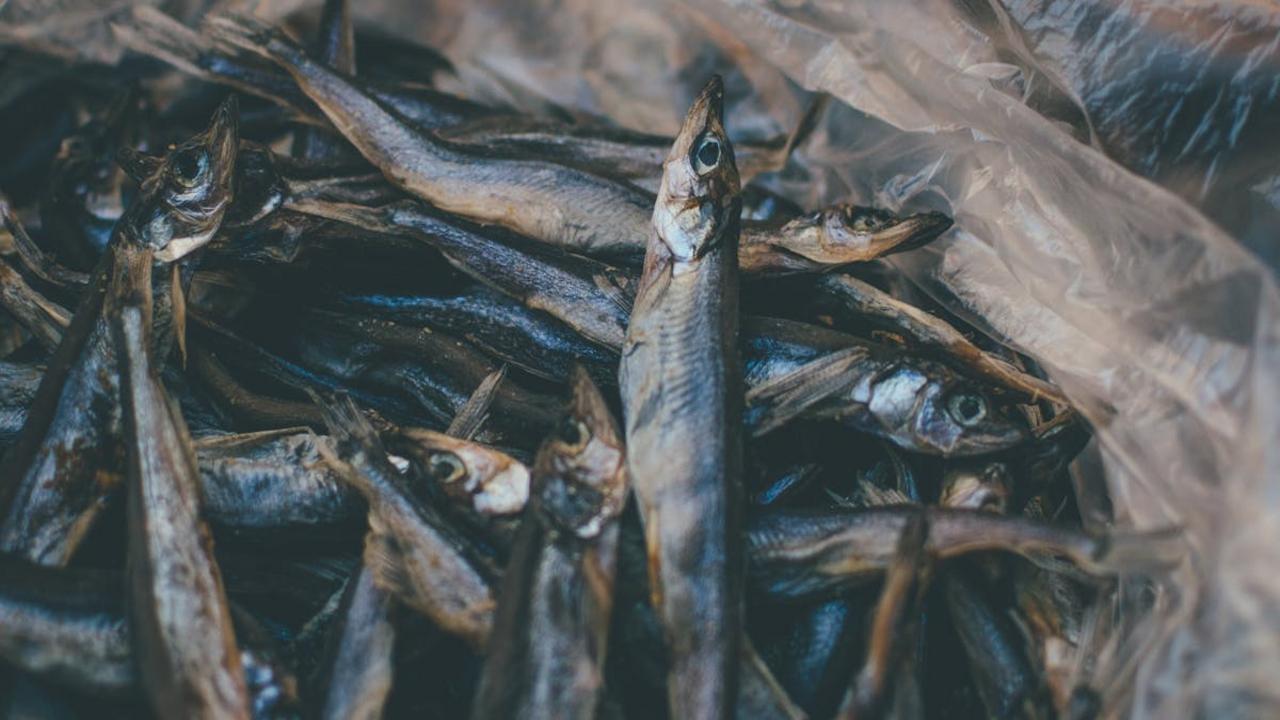
You know how sometimes the most nutritious foods get overlooked because they seem intimidating? Mackerel falls right into that category, and honestly, it breaks my heart! This oily fish packs an incredible protein punch—about 25 grams per 100-gram serving—while delivering those precious omega-3 fatty acids your body craves. I’ve been cooking with mackerel for years now, and once you get past any preconceived notions, you’ll discover it’s actually one of the most forgiving fish to work with. The rich, slightly stronger flavor makes it perfect for bold seasonings and marinades that would overpower delicate white fish.
My favorite way to prepare mackerel is with a simple Mediterranean approach: fresh herbs, lemon, garlic, and a drizzle of good olive oil. The natural oils in the fish keep it incredibly moist, so you don’t need to worry about overcooking like you might with leaner proteins. I often marinate fillets in yogurt with cumin and coriander for 30 minutes before grilling—the result is tender, flaky fish that pairs beautifully with roasted vegetables or a grain salad. Plus, mackerel is typically more affordable than salmon while offering similar nutritional benefits, making it a smart choice for feeding your family wholesome, protein-rich meals without breaking the budget.
Sardines
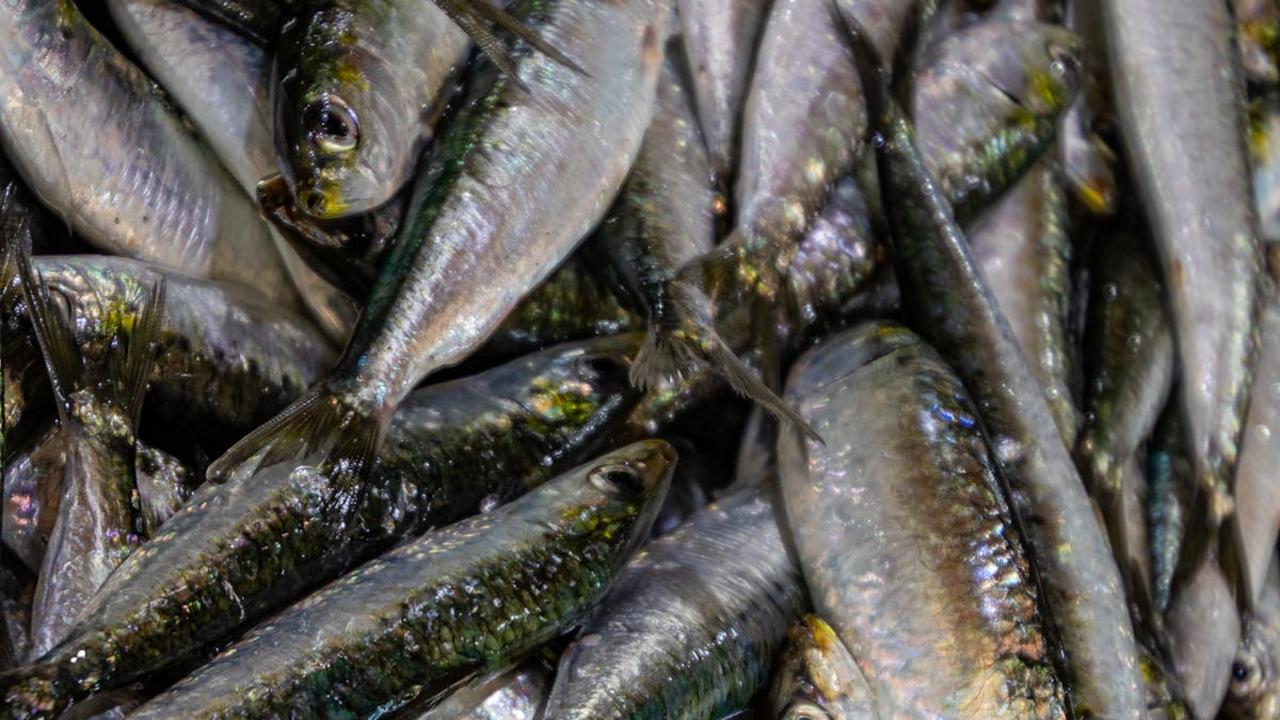
I know what you’re thinking – sardines get a bad reputation, but hear me out! These tiny silver fish pack an incredible protein punch with about 23 grams per 3.5-ounce serving, plus they’re swimming with omega-3 fatty acids that your body craves. I’ve discovered that Portuguese and Mediterranean cooks have been celebrating sardines for generations, and there’s wisdom in their traditions. Fresh sardines grilled with lemon and herbs transform into something magical, while canned varieties (choose ones packed in olive oil) become perfect pantry staples for quick, nourishing meals.
My favorite way to enjoy sardines is mashed onto sourdough toast with avocado, a squeeze of lime, and a sprinkle of za’atar – it creates this beautiful fusion that feels both familiar and exotic. You can also toss them into pasta with garlic, cherry tomatoes, and fresh parsley for a Mediterranean-inspired dinner that comes together in minutes. The calcium content in sardines (since you eat the bones) supports bone health naturally, making them a smart choice for growing families. Don’t let preconceived notions stop you from experiencing these nutrient-dense little powerhouses that have sustained coastal communities for centuries.
Tuna
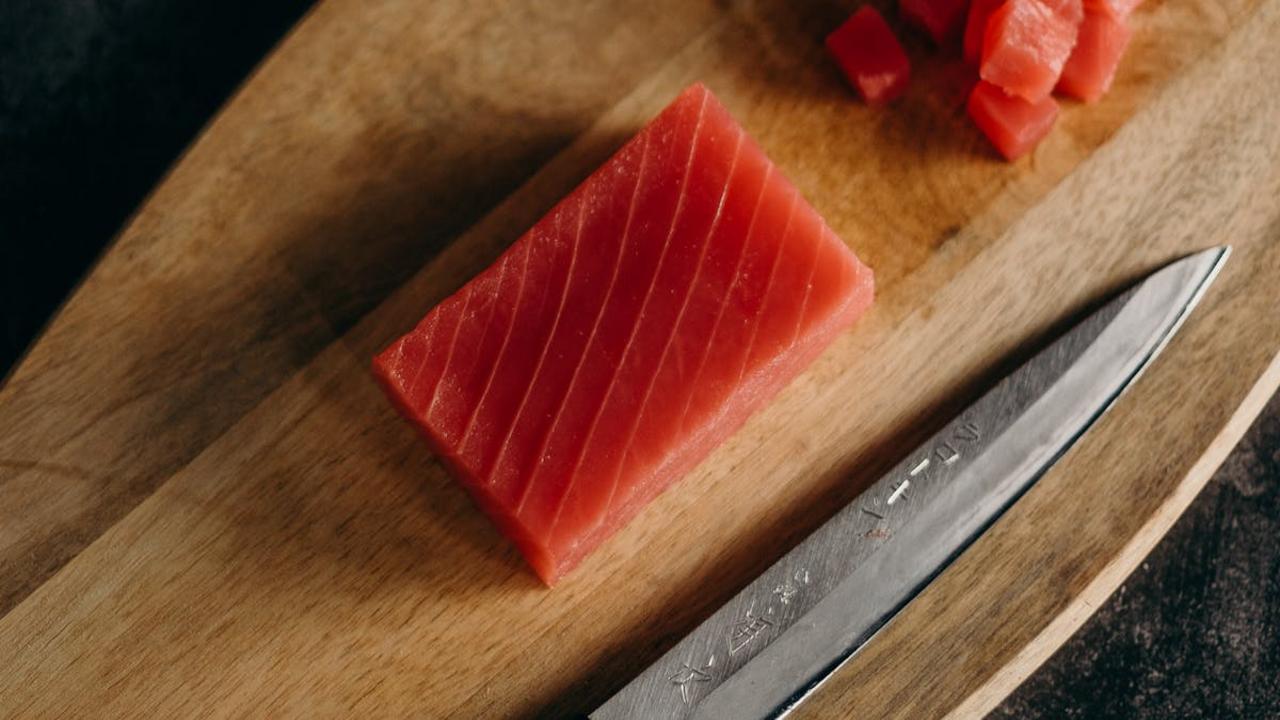
Tuna has been my protein superhero for years, and I can’t imagine my kitchen without a few cans tucked away in the pantry. This magnificent fish delivers an impressive 25 grams of protein per 3.5-ounce serving, making it one of the most efficient ways to fuel your body. What I love most about tuna is its incredible versatility – you can transform it from a simple weekday lunch into an elegant dinner with just a few thoughtful additions. I often mix canned tuna with creamy avocado, fresh herbs from my garden, and a squeeze of lemon for an instant protein-packed salad that feels both satisfying and nourishing.
Fresh tuna steaks take this protein powerhouse to another level entirely. I like to sear them quickly with a blend of sesame seeds, ginger, and soy sauce, creating a beautiful crust while keeping the center tender and pink. The high-quality protein in tuna contains all the amino acids your body needs, plus it’s rich in omega-3 fatty acids that support brain and heart health. Whether you’re grabbing a can for a quick lunch or treating yourself to a beautiful piece of fresh fish, tuna adapts to your schedule and cooking style. I find that keeping both canned and fresh varieties on hand gives me endless possibilities for creating wholesome, protein-rich meals that never feel repetitive or boring.
Lentils
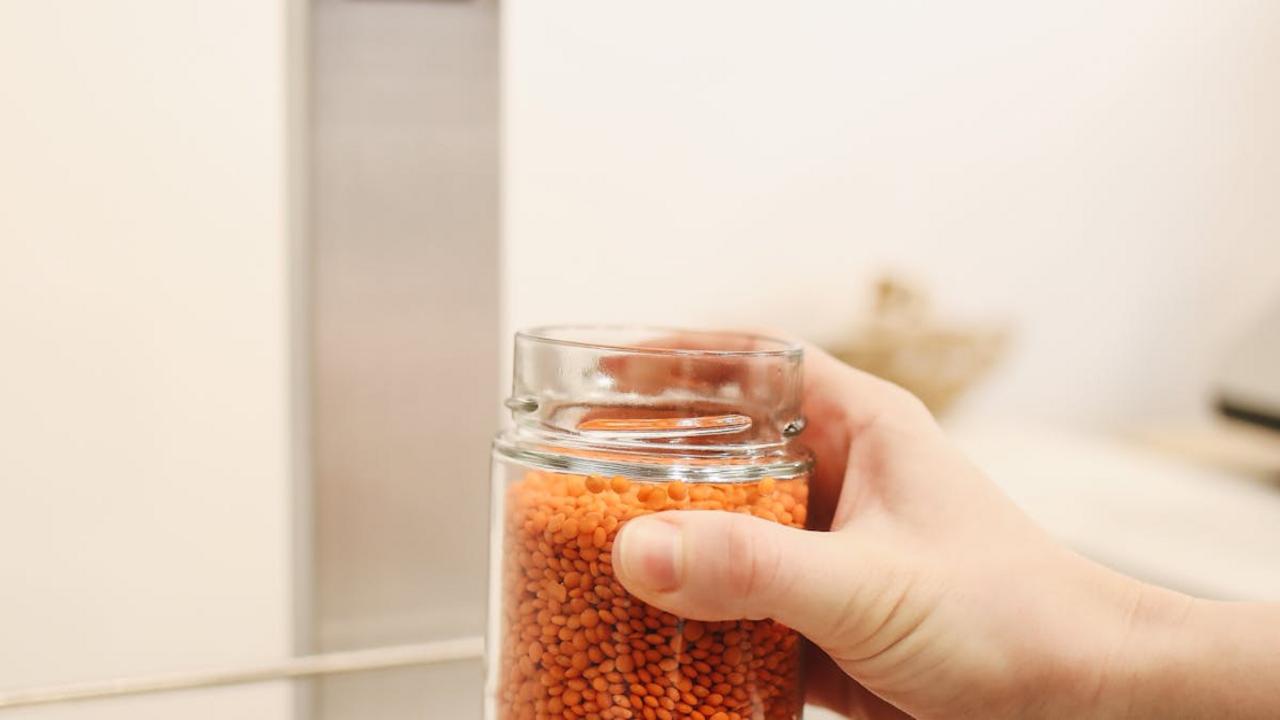
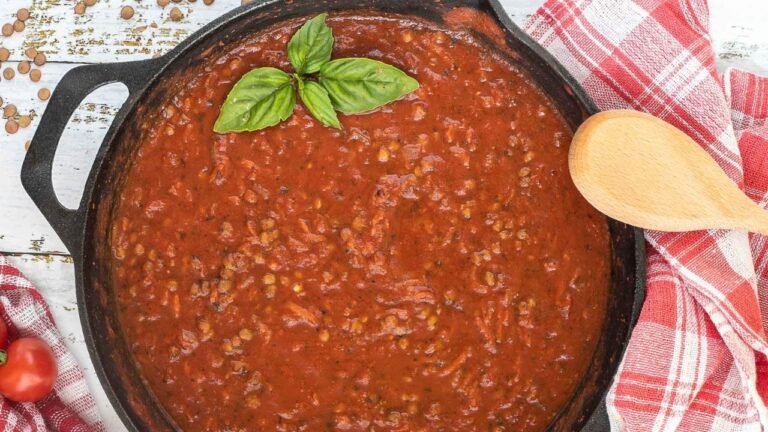
Listen, if you’re looking for a protein powerhouse that won’t break the bank, lentils are your best friend in the kitchen! These tiny legumes pack an incredible 18 grams of protein per cooked cup, plus they’re loaded with fiber, iron, and folate. I keep red, green, and black lentils stocked in my pantry because they each bring something different to the table. Red lentils cook quickly and break down beautifully into creamy dal or hearty soups, while green and black varieties hold their shape perfectly for salads and grain bowls.
What I love most about lentils is how they absorb flavors like little sponges. Start with sautéed onions, garlic, and your favorite spices – maybe cumin and coriander for a Middle Eastern twist, or garam masala for an Indian-inspired dish. Add your lentils, some broth or water, and watch them transform into something magical. They cook in 15-30 minutes depending on the variety, making them perfect for weeknight dinners. Try my go-to combination: green lentils with roasted vegetables, fresh herbs, and a simple lemon vinaigrette for a satisfying meal that keeps you full for hours.
Seitan
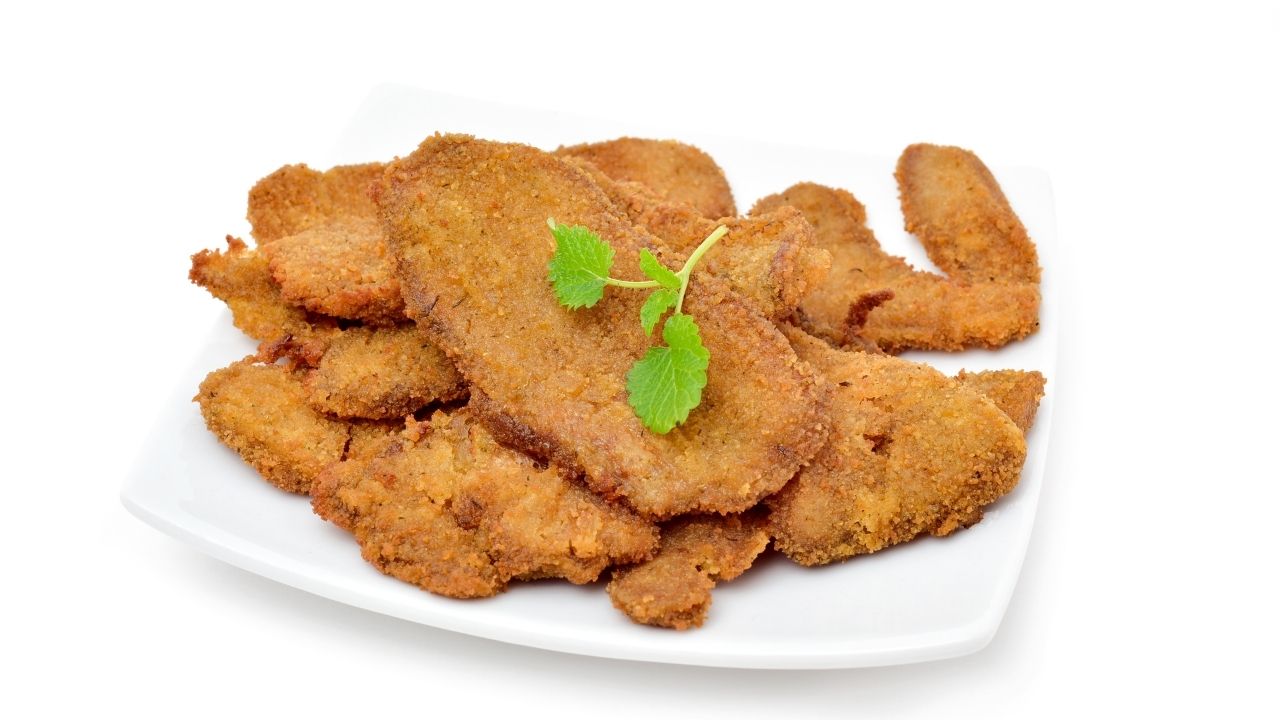
Seitan has become my go-to protein when I want something hearty and satisfying without any animal products. Made from vital wheat gluten, this incredible ingredient transforms into a chewy, meat-like texture that absorbs flavors beautifully. I love making my own seitan because you control every ingredient—no mysterious additives or preservatives, just pure protein power. With about 25 grams of protein per 3.5-ounce serving, seitan delivers more protein than most meats while keeping your meals completely plant-based.
What excites me most about seitan is how it becomes a blank canvas for global flavors. I’ll simmer it in a rich mushroom broth with soy sauce and ginger for Asian-inspired dishes, or season it with Mediterranean herbs and garlic for pasta night. You can slice it thin for stir-fries, chunk it up for stews, or even grind it for plant-based “meatballs.” The key is in the seasoning—I always add flavors directly to the gluten mixture before kneading, then again during the cooking process. This double-flavor approach creates depth that makes every bite satisfying and complex.
Nutritional yeast
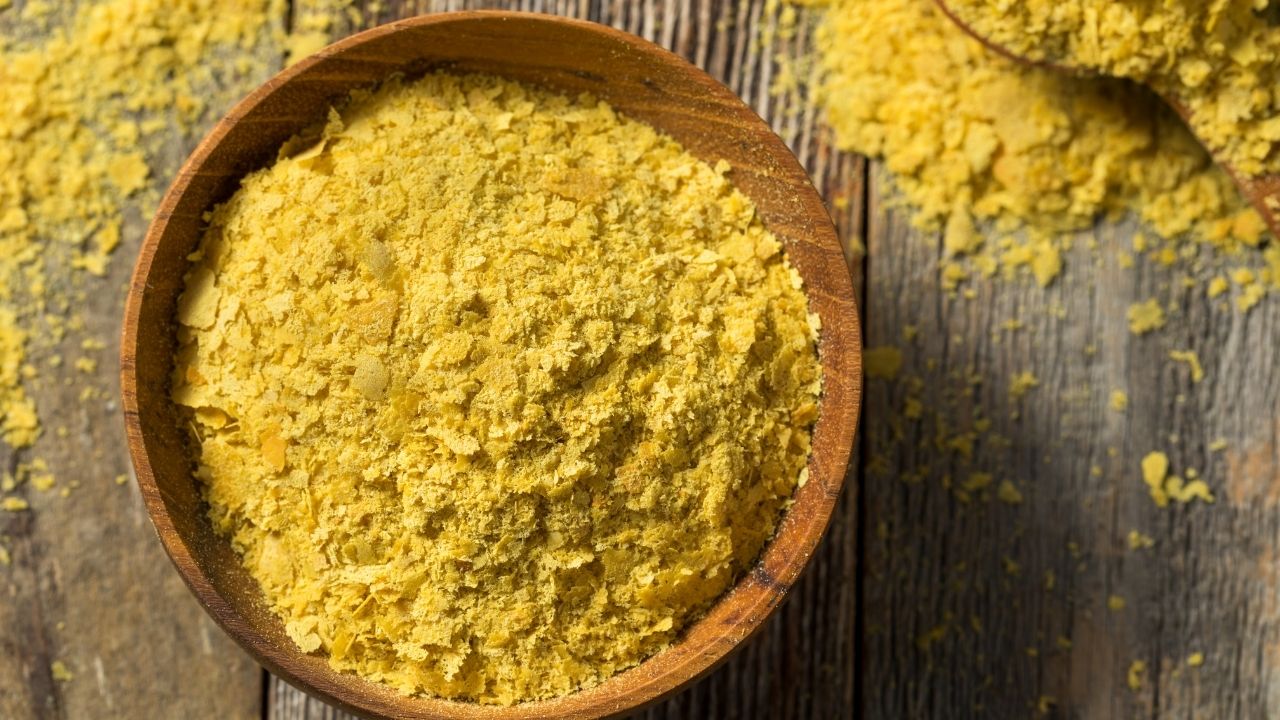
You know that golden, flaky powder sitting in the health food aisle that you’ve walked past a hundred times? That’s nutritional yeast, and friend, you’re missing out on one of nature’s most incredible protein sources. This deactivated yeast packs about 8 grams of complete protein per two tablespoons, meaning it contains all nine amino acids your body needs. I started sprinkling this magical ingredient into my cooking after discovering its nutty, cheese-like flavor that transforms simple dishes into something special.
What makes nutritional yeast so beautiful in the kitchen is its versatility – I toss it into pasta sauces for depth, blend it into cashew cream for richness, or simply dust it over roasted vegetables for an umami punch. The protein content rivals many animal sources, but what really gets me excited is how it brings dishes together without any artificial additives. Try whisking it into your morning scrambled eggs or mixing it with herbs for a protein-rich seasoning blend. Once you start cooking with nutritional yeast, you’ll wonder how you ever lived without this powerhouse ingredient that makes healthy eating feel indulgent.
Spirulina
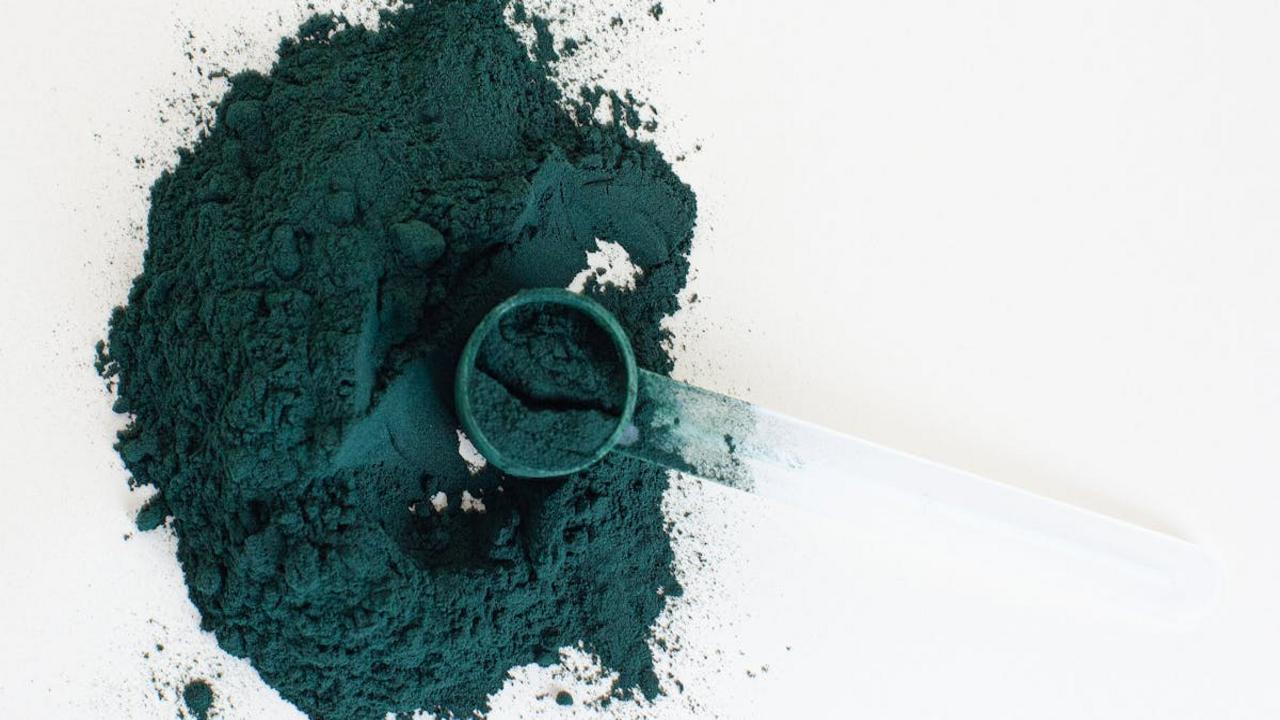
I remember the first time someone mentioned spirulina to me – this vibrant blue-green powder that looked more like something from a science lab than my spice cabinet. But don’t let its intense color fool you; this microscopic algae packs more protein per gram than most animal products. With about 8 grams of complete protein in just two tablespoons, spirulina contains all nine amino acids your body needs. I love how it transforms my morning smoothies into these gorgeous emerald creations while secretly boosting the protein content.
Now, I won’t sugarcoat it – spirulina has a distinctly earthy, almost oceanic flavor that can catch you off guard. But I’ve learned to work with it rather than against it. I blend it into tropical smoothies with pineapple and coconut milk, or mix it into energy balls with dates and almond butter where its intensity gets balanced by sweeter flavors. Sometimes I even stir a teaspoon into my homemade salad dressings for an unexpected nutritional boost. The key is starting small – maybe half a teaspoon – and building up as your palate adjusts to this powerhouse ingredient.
Tempeh
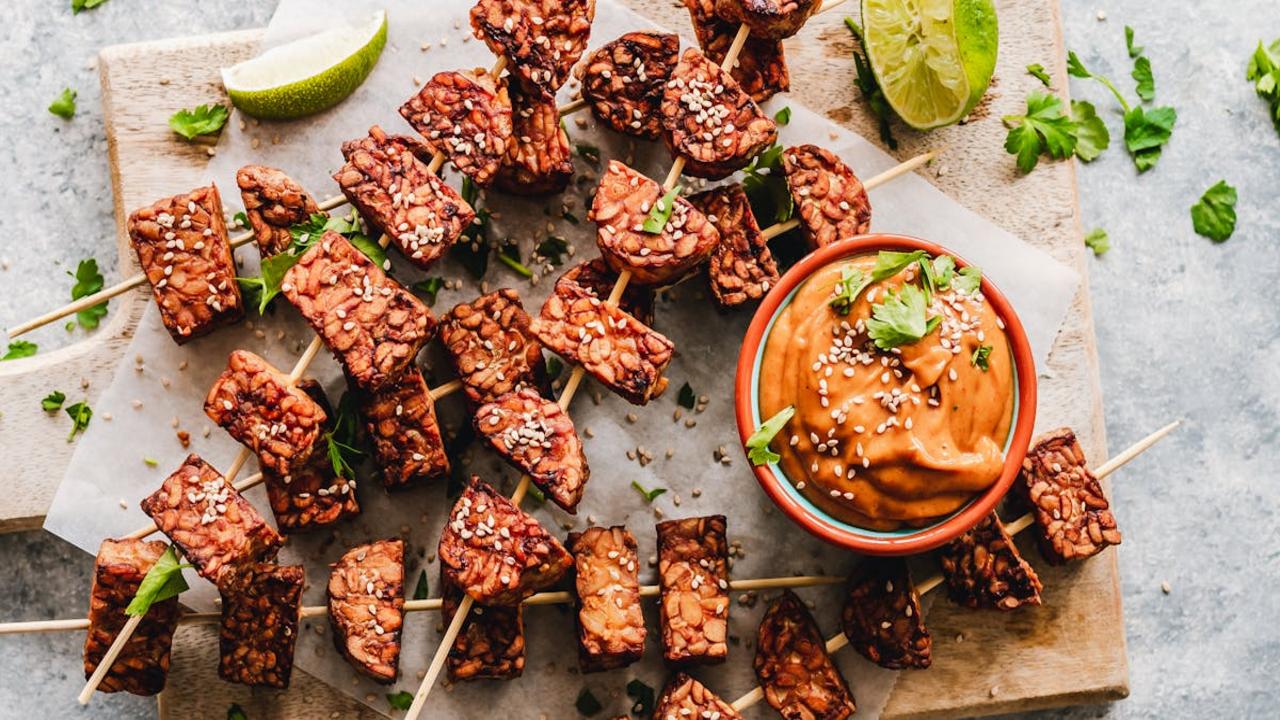
Tempeh transforms humble soybeans into something truly magical through fermentation, and I can’t get enough of this Indonesian protein powerhouse! With nearly 20 grams of protein per 3.5-ounce serving, tempeh brings more to your plate than just impressive numbers—it offers a nutty, earthy flavor that works beautifully in both traditional Indonesian dishes and completely unexpected applications. The fermentation process creates beneficial probiotics that support your gut health while maintaining all those complete amino acids your body craves.
What I love most about tempeh is how it absorbs marinades like a sponge, making it incredibly versatile in the kitchen. I marinate thick slices in tamari, maple syrup, and garlic before pan-frying them until golden and crispy, or crumble it raw into grain bowls for added texture and protein. Unlike tofu, tempeh holds its shape beautifully during cooking and brings a satisfying bite that makes even the most dedicated meat-eaters take notice. Whether you’re stir-frying it with vegetables, adding it to curry, or simply enjoying it grilled with your favorite spices, tempeh proves that fermented foods can be both nutritious and absolutely delicious.
Greek yogurt
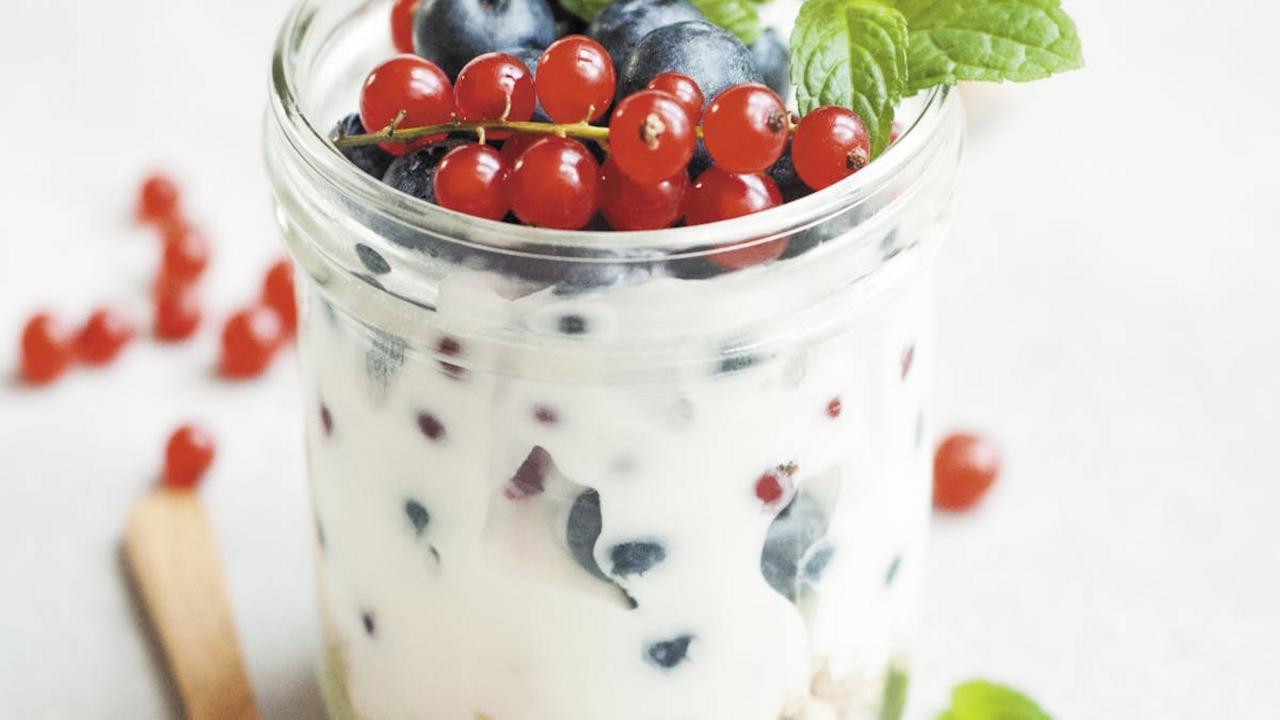
Greek yogurt sits in my refrigerator like a reliable friend – always ready to transform into something magical. With about 20 grams of protein per cup, this creamy powerhouse delivers nearly double the protein of regular yogurt while maintaining that luxurious, thick texture we all crave. I reach for Greek yogurt when I need sustained energy, whether I’m blending it into my morning smoothie with fresh berries and a drizzle of honey, or using it as the base for savory dips mixed with herbs from my windowsill garden.
What I love most about Greek yogurt is how it adapts to any flavor profile you throw at it. Swirl in some tahini and za’atar for a Middle Eastern twist, or fold it into homemade granola with toasted nuts for a satisfying breakfast bowl. The probiotics support your gut health while the protein keeps you satisfied for hours – no mid-morning energy crashes here. I even substitute Greek yogurt for sour cream in my cooking, adding it to soups just before serving or mixing it into marinades for tender, flavorful meats. This simple ingredient proves that wholesome doesn’t mean boring.
Navy beans
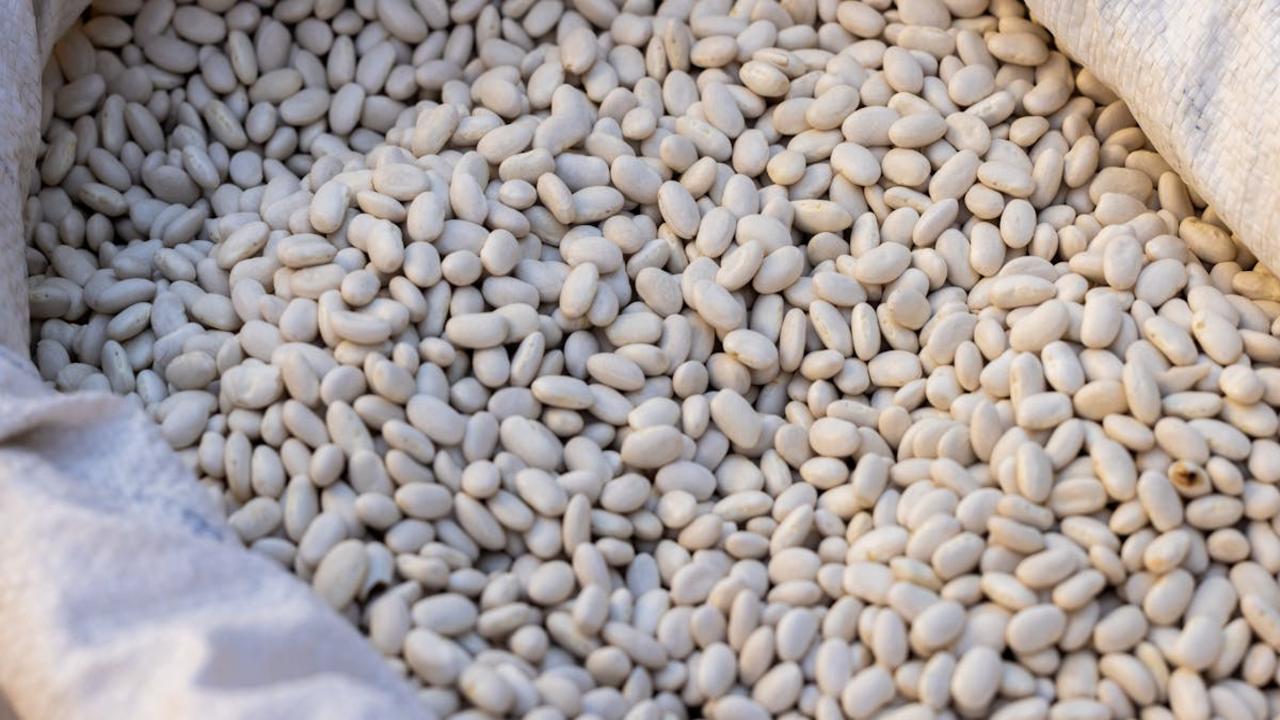
Navy beans hold a special place in my heart because they remind me of my grandmother’s kitchen, where slow-cooked stews filled the house with warmth. These small, creamy white beans pack an impressive 15 grams of protein per cooked cup, making them one of nature’s most affordable protein powerhouses. I love how they absorb flavors beautifully – whether you’re making a classic Boston baked beans dish, a Mediterranean white bean salad with herbs and lemon, or folding them into a spicy North African tagine. Their mild, nutty flavor makes them incredibly versatile, and unlike some legumes, they cook relatively quickly and hold their shape well.
What excites me most about navy beans is their ability to transform simple pantry ingredients into satisfying, nourishing meals. I keep dried navy beans in my pantry year-round because they store forever and cost pennies per serving. Try simmering them with garlic, rosemary, and a splash of good olive oil for a simple side dish, or blend cooked navy beans into soups for added creaminess and protein without dairy. They’re perfect for meal prep too – cook a big batch on Sunday and add them to salads, grain bowls, or quick weeknight pasta dishes throughout the week. Your wallet and your body will thank you for this protein-rich addition to your cooking repertoire.
Black beans
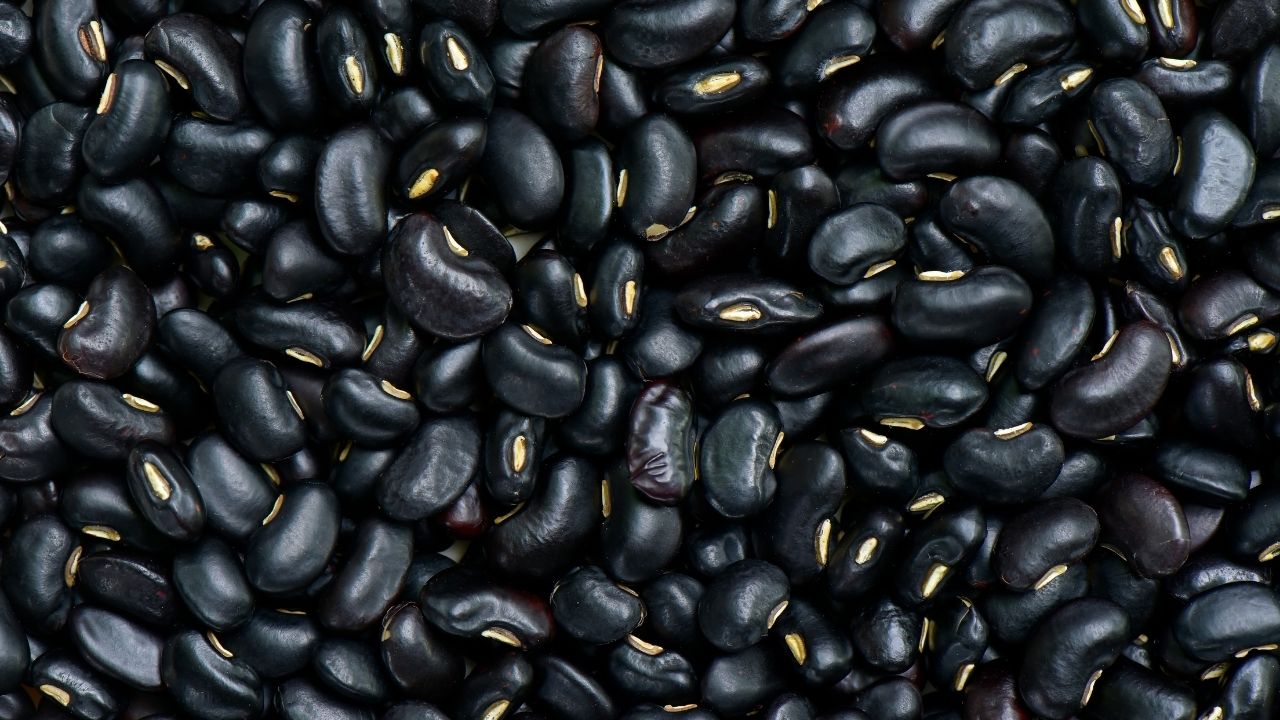
Black beans pack an impressive 15 grams of protein per cup, making them one of my go-to ingredients for creating satisfying, nutritious meals that keep hunger at bay. What I love most about these dark, velvety legumes is their incredible versatility – they work beautifully in everything from Cuban black beans and rice to Mexican-inspired grain bowls, and even in unexpected applications like chocolate brownies where they add moisture and richness while boosting the protein content.
I always keep dried black beans in my pantry because they’re incredibly economical and taste so much better than canned versions when you cook them from scratch. The process becomes almost meditative – soaking them overnight, then simmering with aromatics like bay leaves, cumin, and garlic creates a deeply flavorful base that transforms simple ingredients into something special. Their creamy texture and earthy flavor pair wonderfully with bright ingredients like lime, cilantro, and fresh tomatoes, creating balanced meals that satisfy both your body’s protein needs and your craving for bold, vibrant flavors.
Pumpkin seeds
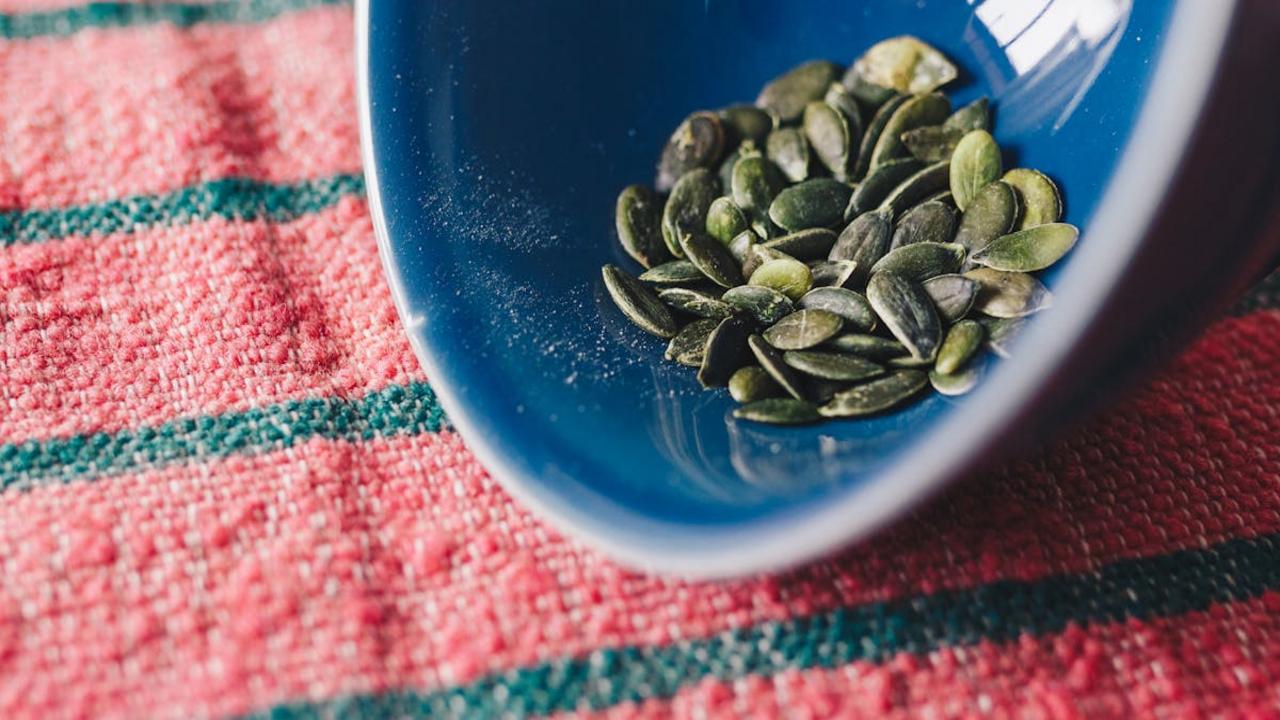
You know those pumpkin seeds you usually toss in the trash after carving jack-o’-lanterns? Stop right there! These little green gems pack an impressive 9 grams of protein per ounce, making them one of nature’s most underrated protein powerhouses. I started keeping a jar of toasted pumpkin seeds in my pantry after discovering how they transform simple dishes into nutritional goldmines. Their nutty, slightly sweet flavor works beautifully in both savory and sweet applications.
Here’s what I love most about pumpkin seeds – they’re incredibly versatile and forgiving. Toss them raw into smoothies for extra protein, sprinkle toasted ones over salads for crunch, or blend them into homemade pesto for a unique twist. I often roast them with warming spices like cumin, paprika, and a touch of sea salt, creating a snack that satisfies both hunger and cravings. Beyond protein, they’re loaded with magnesium, zinc, and healthy fats that keep you energized for hours. Next time you see fresh pumpkins at the market, grab one and save those seeds – your body will thank you for this simple switch from processed snacks to whole food nutrition.
Hemp seeds
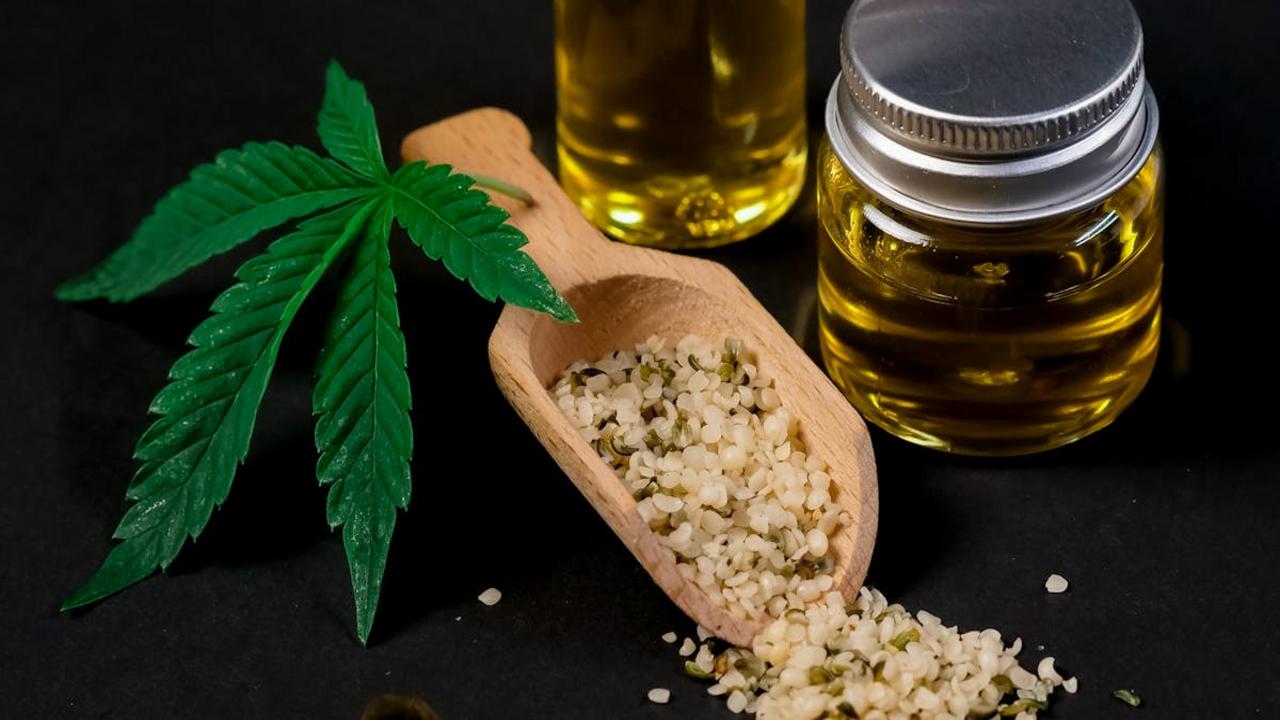
Hemp seeds might sound intimidating if you’re new to them, but trust me—these tiny nutritional powerhouses deserve a permanent spot in your pantry. With about 10 grams of complete protein per 3-tablespoon serving, they pack all nine amino acids your body can’t produce on its own. What I love most about hemp seeds is their subtle, nutty flavor that never overpowers a dish. Instead of fighting with other ingredients, they blend seamlessly into smoothies, sprinkle beautifully over salads, and add incredible richness to homemade energy balls.
I keep a jar of hemp seeds on my counter because they make everything more satisfying without any fuss. Yesterday, I tossed a handful into my morning oatmeal along with fresh berries and a drizzle of maple syrup—the result was creamy, filling, and kept me energized until lunch. You can also blend them into pestos for an extra protein boost, or mix them into homemade granola for that perfect crunch. The best part? Hemp seeds require zero preparation—just open the container and sprinkle away. They’re proof that the simplest additions often make the biggest difference in how nourished you feel throughout your day.
Cottage cheese
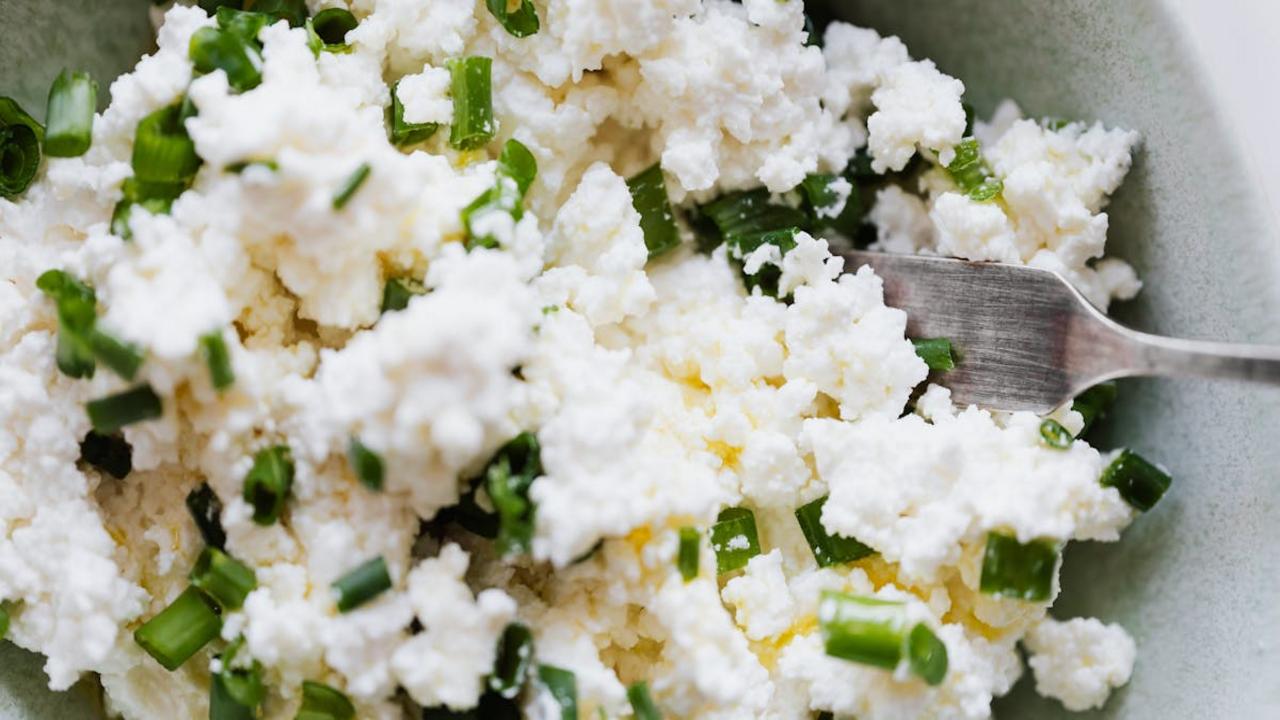
Cottage cheese gets such an unfair reputation, doesn’t it? People think it’s bland, boring hospital food, but I’m here to change that perception completely. This protein powerhouse packs about 14 grams of protein per half-cup serving, making it one of the most efficient ways to fuel your body. What I love most about cottage cheese is its incredible versatility – you can swing it sweet or savory depending on your mood and what’s in your pantry.
I’ve been experimenting with cottage cheese in ways that would make your grandmother proud. Try blending it smooth with fresh herbs and garlic for an instant creamy pasta sauce, or fold it into pancake batter for extra fluffiness and protein. My favorite recent discovery? Mixing cottage cheese with everything bagel seasoning and spreading it on sourdough toast – pure magic. The curds add this wonderful texture that processed spreads simply can’t match, plus you’re getting clean, whole food nutrition without any mysterious additives. Trust me, once you start thinking of cottage cheese as your blank canvas rather than a diet food, your breakfast and lunch game will never be the same.