14 Revolutionary Foods That Changed the Course of History
Food doesn’t just fill our bellies – it shapes our world in wild and unexpected ways. From sparking revolutions to building empires, certain ingredients have literally changed how humanity lives, trades, and thinks. I’ve tracked down 14 foods that didn’t just make history – they completely rewrote it.
Think about this: Your morning coffee once caused social upheaval in Europe, while simple potatoes helped populations explode across continents. These foods started wars, ended famines, and created entirely new social classes. Some even replaced gold as currency!
Each item on this list packs more drama than your favorite TV show. From ancient temples to modern supermarkets, these ingredients transformed politics, economics, and culture. Ready to see how a handful of plants and beans reshaped our entire civilization? The stories will blow your mind.
Vanilla
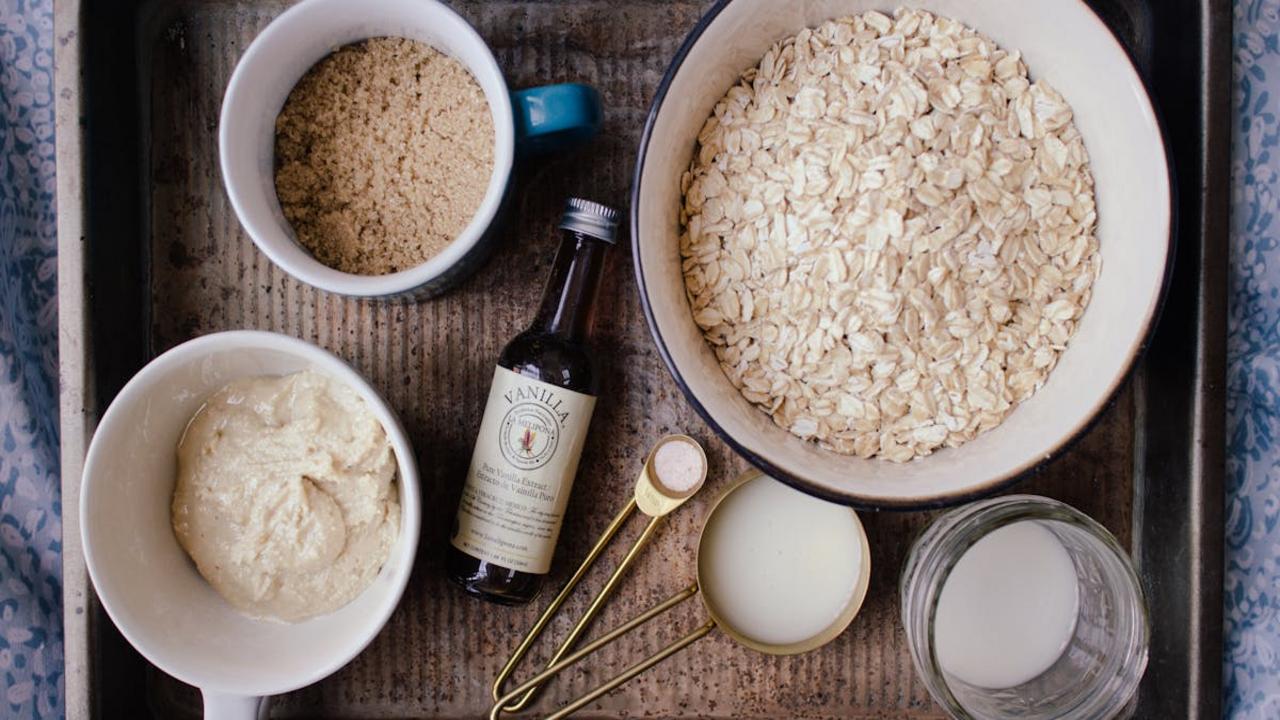
Would you believe that the world’s most popular ice cream flavor started as a little black pod in ancient Mexico? The Totonac people of Mexico’s east coast first discovered vanilla, keeping it a treasured secret until the 1500s. When Spanish conquistador Hernán Cortés tried this exotic spice, he knew he had to bring it back to Europe. But here’s the funny part – for nearly 300 years after that, nobody could get vanilla to grow anywhere else because they didn’t have the special Mexican bees needed to pollinate the flowers!
It took a 12-year-old slave boy named Edmond Albius to crack the code in 1841. Living on Réunion Island, he figured out how to hand-pollinate vanilla flowers with a bamboo stick and a simple thumb movement. Talk about a game-changing discovery from an unlikely hero! His method revolutionized vanilla production and turned this Mexican treasure into a global sensation. Today, Madagascar produces most of the world’s vanilla, and you’ll find this sweet spice in everything from your morning coffee to your favorite perfume. Next time you lick a vanilla ice cream cone, remember to thank Edmond and those clever ancient Mexicans!
Garlic
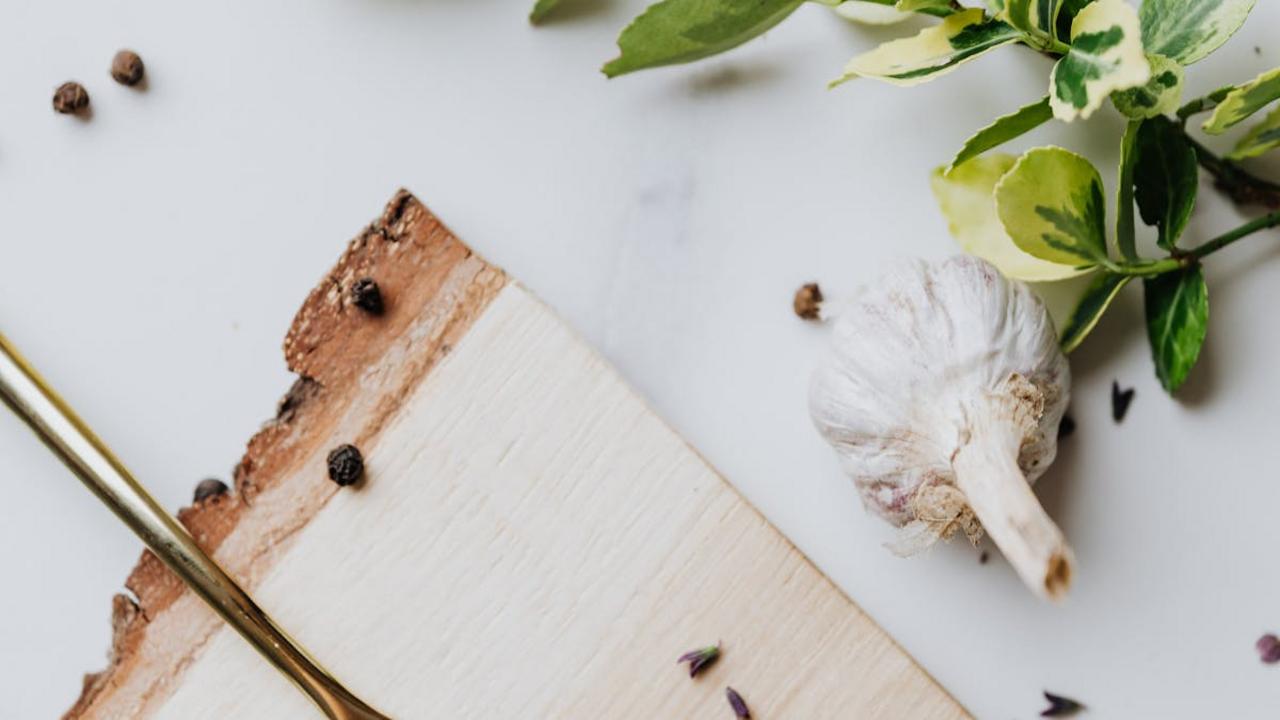
You can thank this pungent little bulb for keeping both vampires and the plague at bay! While modern science backs up garlic’s impressive antimicrobial properties, ancient civilizations already knew what was up. From Ancient Egypt to Rome, people munched on garlic to stay healthy and strong. Roman soldiers chomped on it before battle, believing it gave them courage (though I suspect their enemies surrendered just to avoid their breath). The Egyptians loved it so much, they buried their pharaohs with garlic cloves – talk about taking your favorite snack to the afterlife!
Beyond its medical magic, garlic has sparked revolutions in the kitchen for thousands of years. The Greeks and Romans used it so frequently that historians dubbed them “stinking roses” – a nickname that probably didn’t help diplomatic relations. In medieval Europe, garlic prices once rivaled those of precious spices, making garlic farmers the unlikely rock stars of their time. Today, we crush, mince, and roast over 47 billion pounds of garlic annually worldwide. Chinese cooks still swear by black garlic (aged until it turns dark and sweet), while Italians refuse to start any sauce without throwing in a few cloves. My grandmother always said, “If your kitchen doesn’t smell like garlic, you’re doing something wrong!”
Quinoa

Who would have thought that this tiny South American seed would become the darling of health food stores worldwide? Quinoa (pronounced KEEN-wah, not kwin-OH-ah – I learned that one the hard way!) has been feeding the Andean people for over 5,000 years and kept the Incan armies marching strong. The Incas called it “chisaya mama” or “mother grain,” though it’s technically not a grain at all but a seed related to spinach and beets. What made it so special? This little powerhouse contains all nine essential amino acids, making it one of the few plant foods that provide complete protein.
During the Spanish conquest, colonizers banned quinoa cultivation because of its sacred status in Indigenous ceremonies, forcing the locals to grow wheat instead. But you can’t keep a good seed down! Quinoa made an epic comeback in the 1980s when researchers discovered its exceptional nutritional profile. Today, you’ll find it in everything from breakfast bowls to burger patties. The best part? Quinoa comes in rainbow colors – red, black, and golden – each with its own nutty flavor and slightly crunchy texture. Next time someone asks you about ancient superfoods that changed history, you can drop that knowledge bomb!
Corn
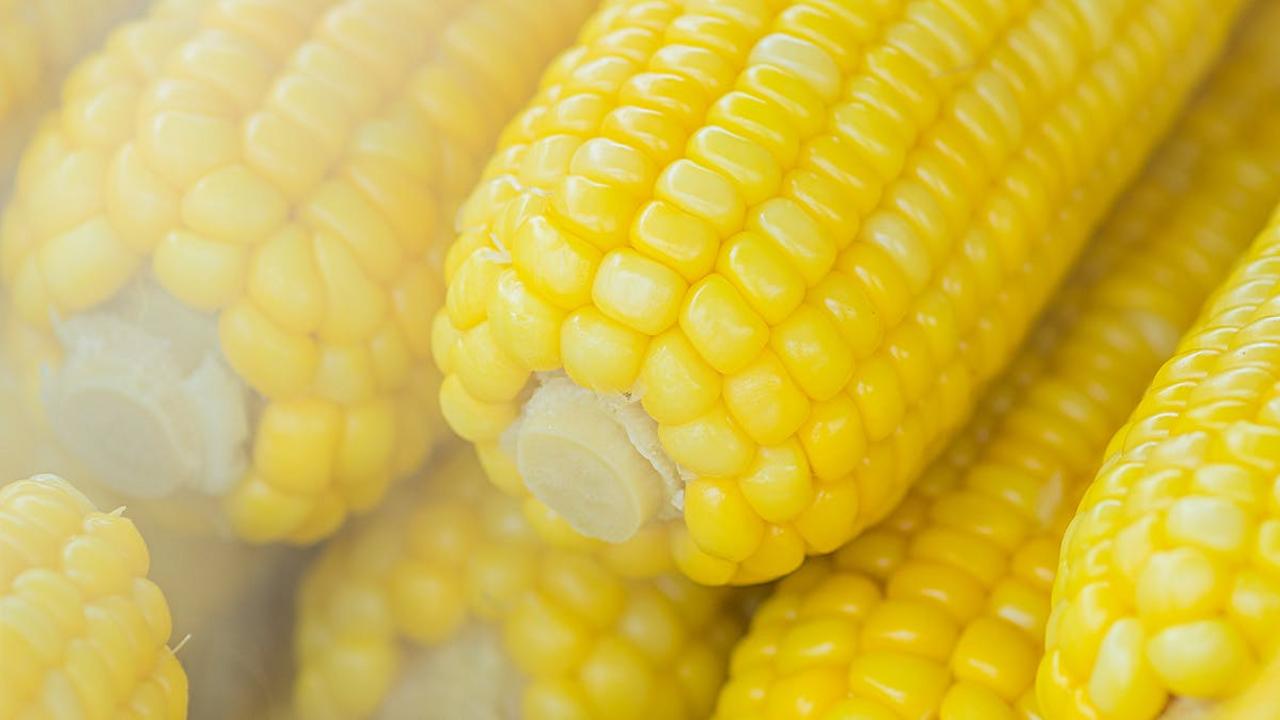
Picture this: you’re munching on buttery popcorn at the movies, but did you know your snack has roots stretching back 10,000 years? Native Americans transformed a wild grass called teosinte into the golden kernels we know today through careful selection and farming. This modest crop didn’t just feed civilizations – it built them! The Aztecs and Mayans worshipped corn gods and based their entire calendars around corn-planting seasons. Without corn, we wouldn’t have tortillas, bourbon, cornbread, or those syrupy-sweet candy corns that divide families every Halloween.
I find it wild that corn now shows up in places you’d never expect – from your car’s gas tank (hello, ethanol!) to the binding in your vitamins. Christopher Columbus spotted this versatile veggie in the Caribbean and promptly shipped it back to Europe, where it spread like wildfire. Today, corn grows on every continent except Antarctica (though I bet some scientist is working on that). And get this – there are over 3,500 different ways to use corn in food products alone! Next time you bite into your corn on the cob, remember you’re taking part in a story that changed how humans eat, farm, and live.
Olives
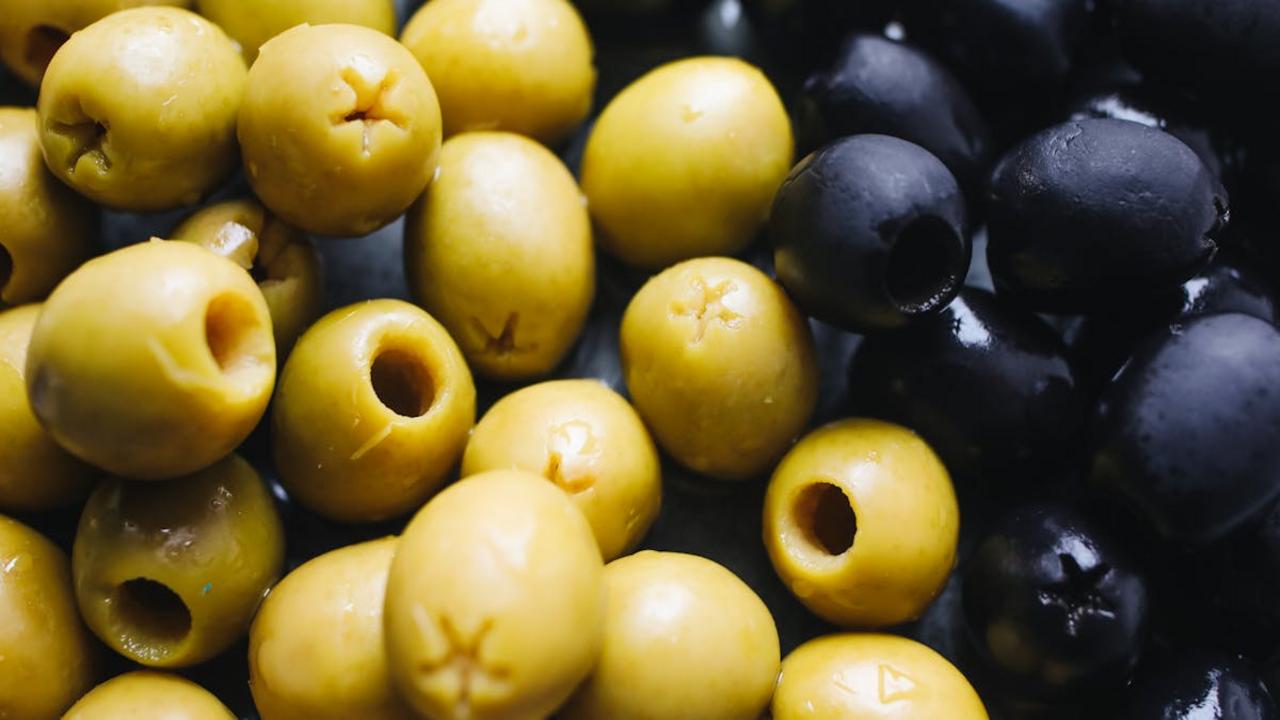
You can thank these tiny Mediterranean fruits for literally keeping ancient civilizations alive and kicking! The humble olive played such a massive role in Greek and Roman societies that they’d actually sentence people to death for damaging olive trees. Can you believe it? These little gems provided food, medicine, lamp fuel, and that liquid gold we now drizzle on everything – olive oil. The Greeks loved olives so much, they even claimed the goddess Athena created them by striking her spear into the ground. Talk about dramatic origin stories!
I once tried curing my own olives at home – what a wild ride that turned out to be! Raw olives are incredibly bitter (trust me, I learned the hard way), which is why humans figured out how to cure them thousands of years ago. The ancient Egyptians were particularly clever with their olive game, using the oil for everything from cooking to mummification. They even buried their pharaohs with olive branches, believing these fruits were tickets to the afterlife. Next time you pop a Kalamata in your mouth, remember you’re munching on a piece of history that shaped entire empires!
Rice
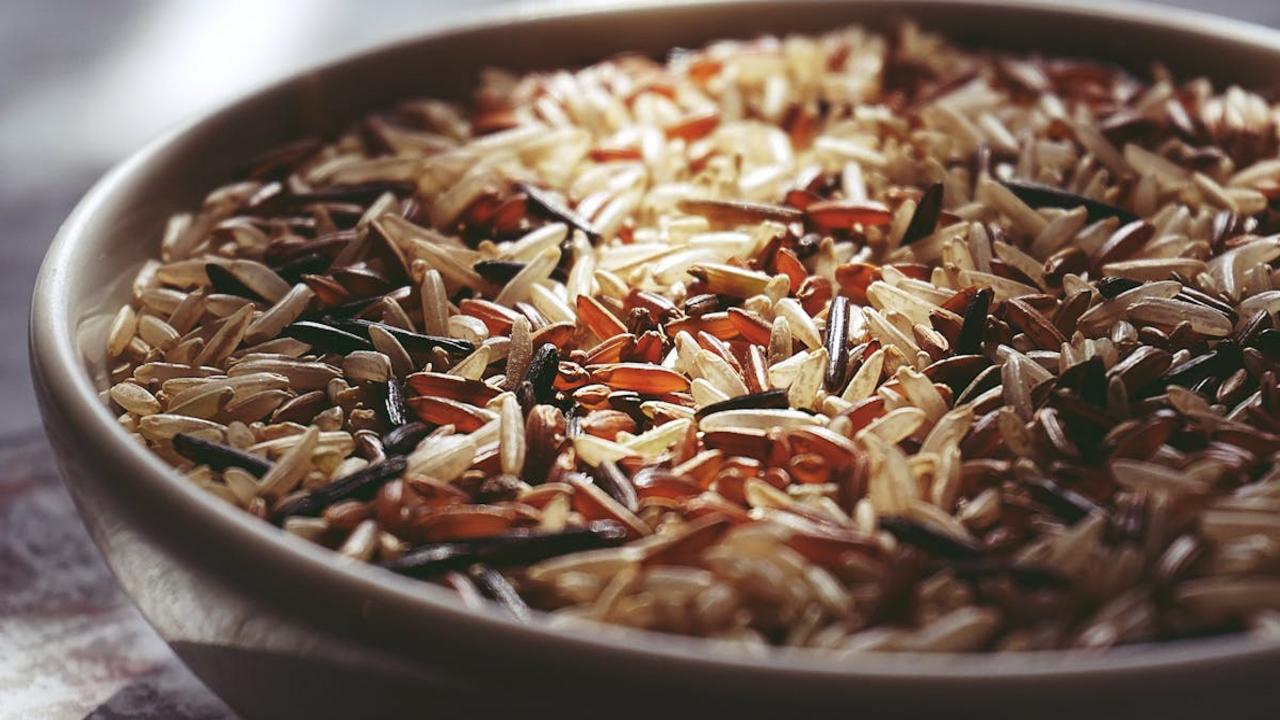
Rice didn’t just feed billions – it built entire civilizations! This humble grain transformed Asia’s river valleys into powerhouse kingdoms and shaped everything from social structures to religious ceremonies. I can’t help but marvel at how a tiny seed became the backbone of so many cultures. The Chinese character for rice is the same as the word for food itself, and in Japan, the word for ‘meal’ literally translates to ‘to eat rice.’ Talk about a grain with some serious cultural clout!
Ever wondered why rice grows in those stunning terraced paddies that look like giant staircases carved into mountainsides? Ancient farmers figured out that flooding the fields kept weeds down and created perfect growing conditions. The paddies became their own mini-ecosystems, complete with fish that ate mosquito larvae and provided extra protein for farmers. Rice gave us more than just dinner – it gave us sustainable farming techniques that still work beautifully today. Next time you grab your chopsticks, remember you’re part of a 10,000-year-old tradition that changed how humans lived, farmed, and thrived.
Potatoes
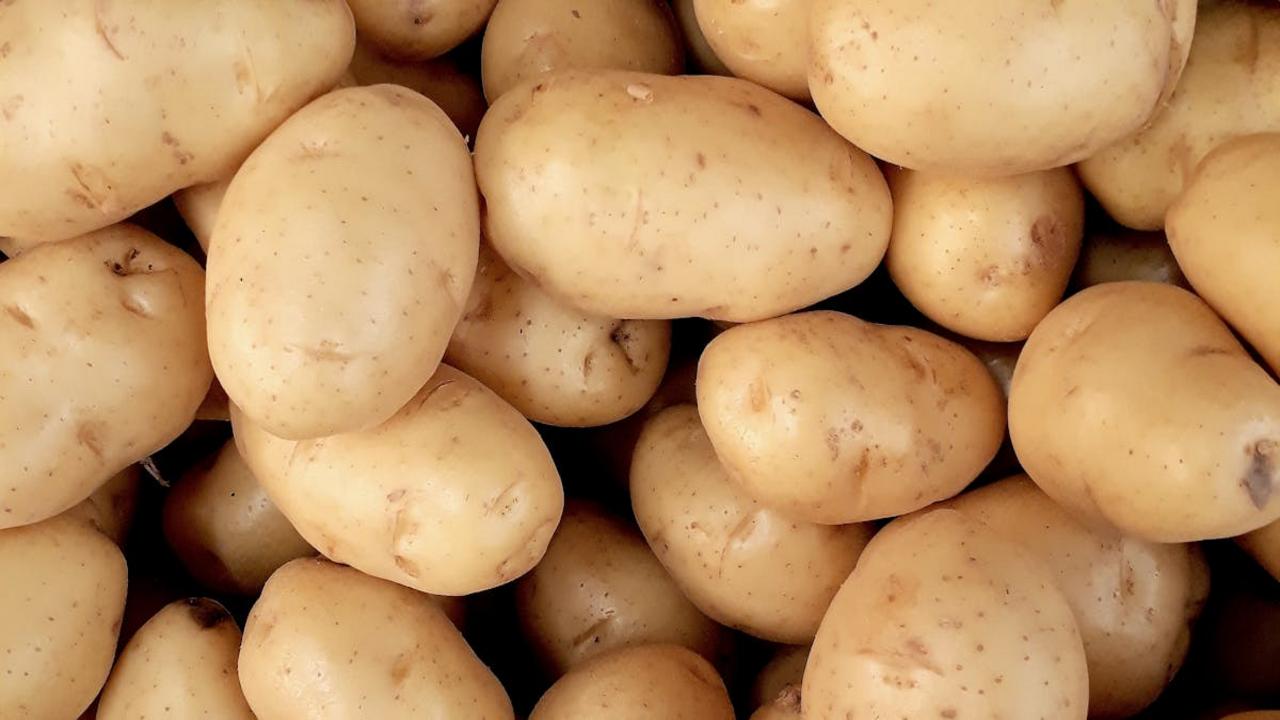
Who would have thought that this humble tuber from South America would become such a superstar? The potato sparked nothing short of a population boom when it reached Europe in the 16th century, completely transforming agriculture and society. Think about it – here was a crop that grew underground, safe from marauding armies, packed with nutrients, and could feed twice as many people per acre compared to grain. The Irish loved potatoes so much they made them the foundation of their diet – until the devastating potato blight of 1845 triggered the Great Famine and sent millions fleeing to America.
I find it fascinating how potatoes keep popping up at major historical turning points. During World War II, victory gardens across America and Europe grew potatoes to feed families and troops. The Russians survived the Siege of Leningrad partly thanks to potato peels they scavenged. Today, you’ll find over 4,000 varieties of potatoes growing around the world, from purple Peruvian fingerlings to Idaho’s famous russets. NASA even plans to grow potatoes on Mars – making this remarkable root crop possibly the first food we’ll farm in space! Who knew the plain old potato could be such an overachiever?
Tomatoes
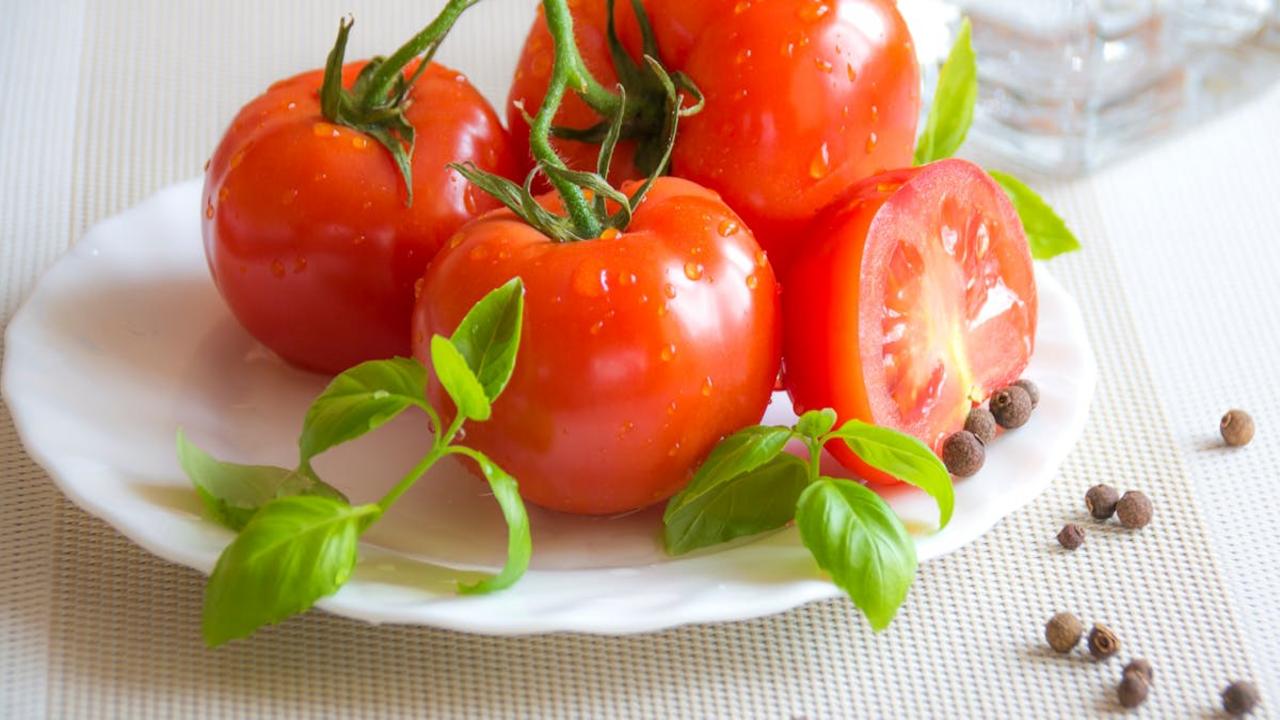
Would you believe that Europeans once thought tomatoes would kill you? These juicy red fruits (yes, technically fruits!) spent nearly 200 years labeled as deadly poison in Europe after their arrival from the Americas. The wealthy ate off pewter plates high in lead content, and tomatoes’ acidity caused the lead to leach into their food – leading to many deaths blamed on the innocent tomatoes themselves. It wasn’t until the late 1800s that people finally caught on and tomatoes earned their rightful spot in kitchens worldwide.
The tomato’s journey from feared fruit to kitchen superstar marks one of history’s greatest food redemption stories. Without tomatoes, you wouldn’t have pizza, marinara sauce, gazpacho, or that perfect BLT sandwich. The Italians particularly ran with this newfound friend, transforming their cuisine forever. And here’s a fun tidbit – during the Great Depression, the guy who invented the Campbell’s tomato soup fortune actually thought condensed soup was a terrible idea. His nephew had to convince him to give it a shot. Talk about a million-dollar mistake that almost wasn’t!
Spices
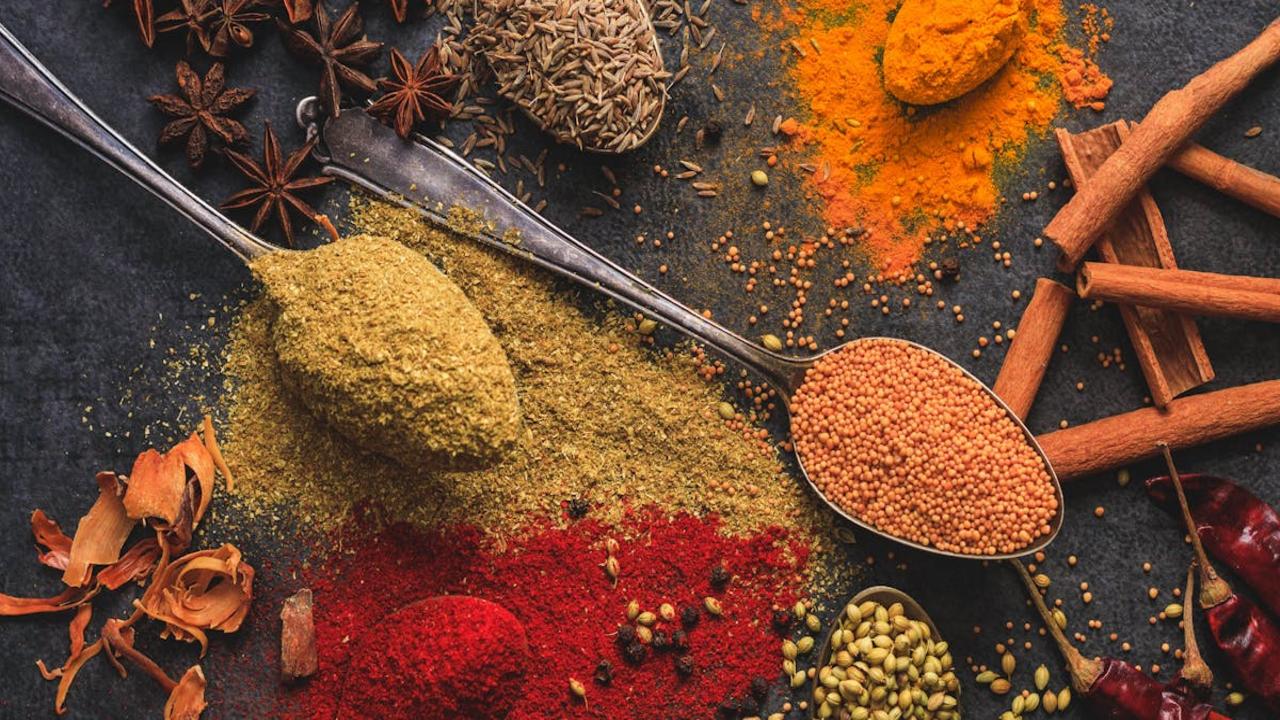
Can you imagine paying $2000 for a pound of black pepper? That’s exactly what merchants did during the Middle Ages! Spices didn’t just make food yummy – they sparked wars, funded empires, and created the first global trade routes. Traders braved treacherous seas and hostile territories just to bring cinnamon, nutmeg, and pepper back to Europe. Venice built its entire fortune on the spice trade, while Portugal and Spain sent ships around the world hunting for these precious seasonings. The demand for spices literally changed maps and rewrote the rules of commerce.
Your kitchen cabinet holds more historical power than you’d think! Those little jars of cinnamon and cloves were once worth their weight in gold – literally. Nutmeg was so valuable that the Dutch traded Manhattan to the British for a tiny Indonesian island that grew it. And get this – pepper was so precious that people used it to pay rent and taxes. Medieval European nobles would show off their wealth by dumping obscene amounts of expensive spices on their food, creating dishes so heavily seasoned they’d make your eyes water. Next time you sprinkle some cinnamon on your latte, remember – you’re holding centuries of world-changing history in that little shaker!
Chocolate
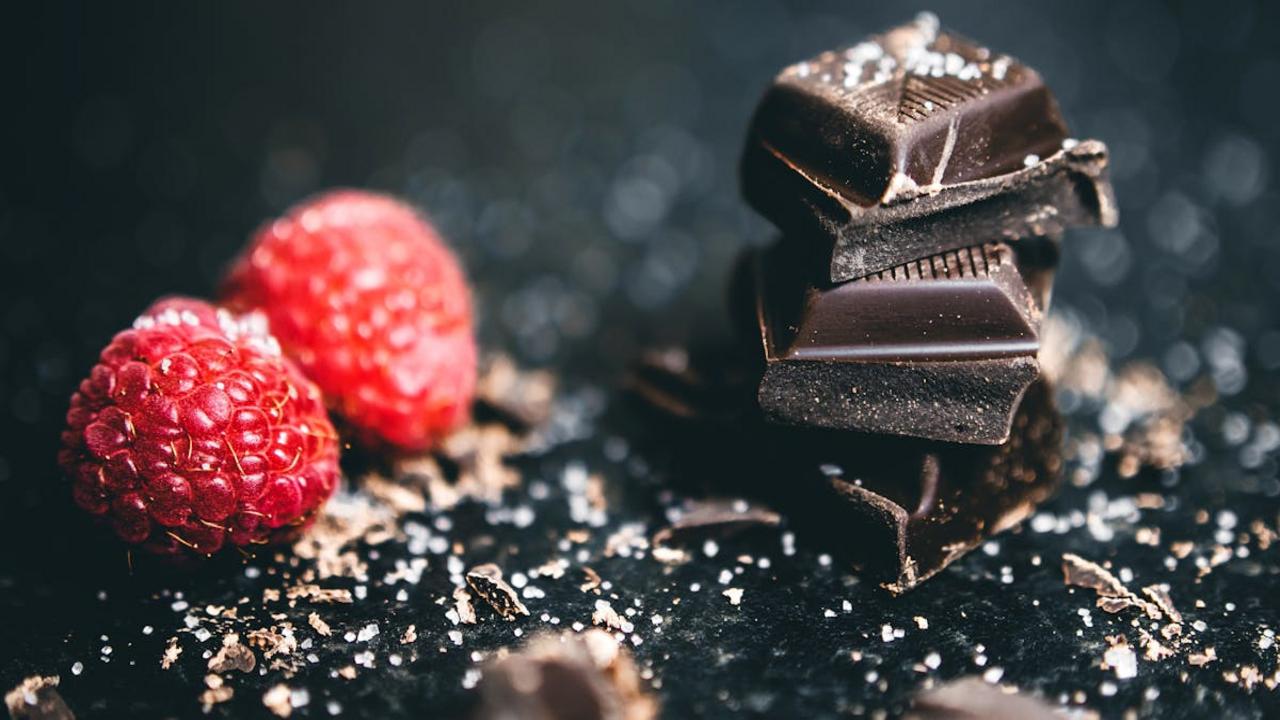
Can you imagine a world without chocolate? I can’t! This heavenly bean has sparked wars, built empires, and made countless people smile since the Aztecs first discovered it around 1400 BCE. The Mayans and Aztecs valued cacao beans so much they used them as currency – talk about putting your money where your mouth is! And get this – they didn’t eat it as a sweet treat like we do today. Instead, they made a bitter, spicy drink called xocolatl, mixed with chili peppers and cornmeal. Not exactly your typical midnight snack!
Europeans got their first taste of chocolate when Spanish conquistador Hernán Cortés brought it back from Mexico in 1528. At first, they turned up their noses at the bitter drink, but someone had the brilliant idea to add sugar and honey – and boom! Chocolate fever swept across Europe. Soon, every royal court had to have their chocolate fix, spawning a massive trade network that reshaped global economics. From Marie Antoinette’s personal chocolate maker to the industrial revolution’s chocolate factories, this divine food has transformed from an elite luxury into the worldwide obsession we know today. And honestly, who can blame us? Pass me another truffle, please!
Tea
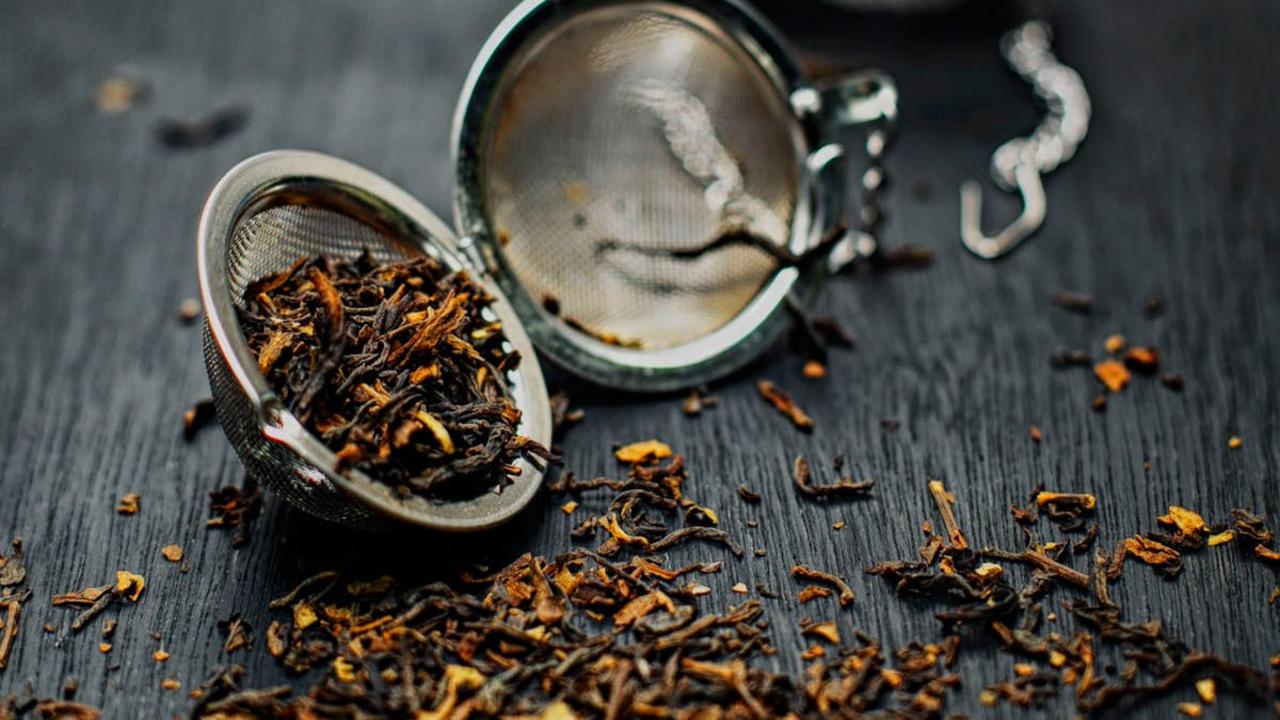
Would you believe a simple cup of tea sparked one of history’s biggest revolutions? When Britain slapped heavy taxes on tea shipments to America in 1773, they had no idea their beloved drink would end up floating in Boston Harbor. The Boston Tea Party kicked off a chain of events that led straight to American independence. But tea’s influence goes way beyond that famous protest – this unassuming leaf has shaped trade routes, social customs, and even working conditions across the globe for centuries.
I find it fascinating how tea became Britain’s national drink through a royal marriage. When Portuguese Princess Catherine of Braganza married King Charles II in 1662, she brought her tea-drinking habit with her. Soon, the entire English court copied her, and tea became a status symbol. The British East India Company jumped on this trend and turned tea into big business, establishing massive tea plantations in India and creating the world’s biggest tea trade. Today, people drink over 2 billion cups of tea every day – making it the most popular beverage after water. Not bad for some leaves in hot water!
Peppers
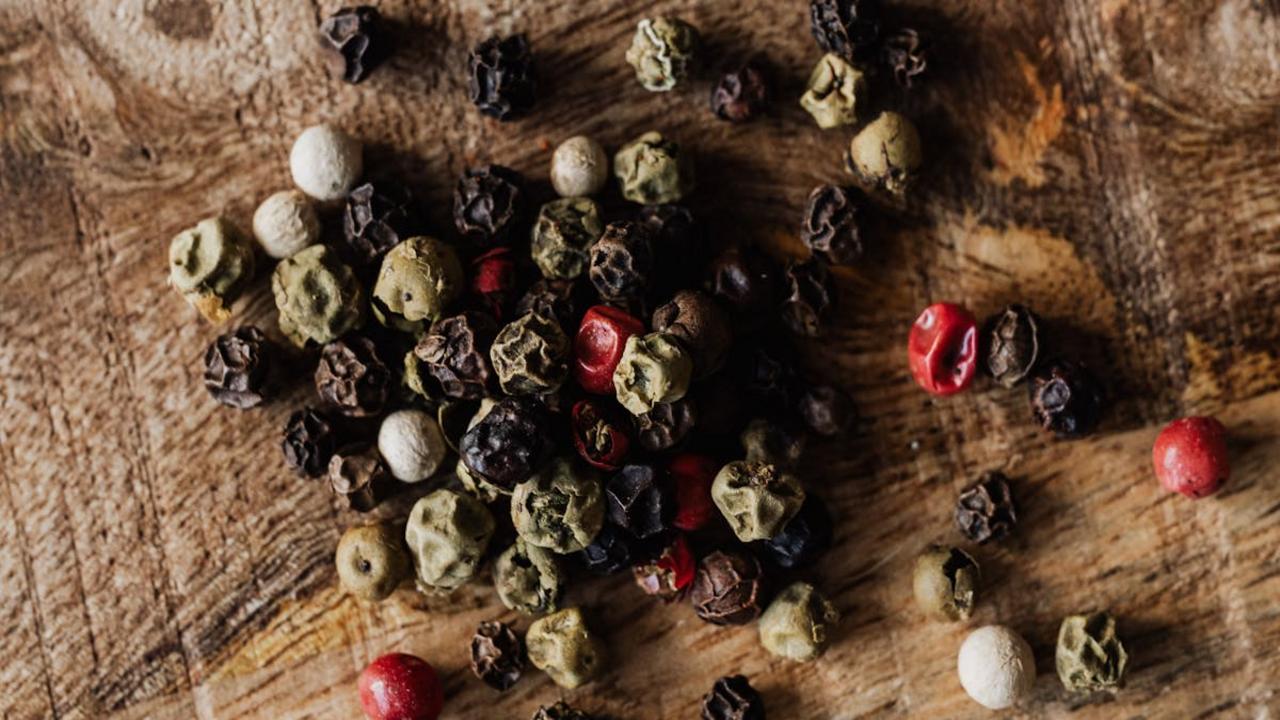
From the mild bells to the face-melting Carolina Reapers, peppers have spiced up our plates and shaped history in ways you wouldn’t believe! Columbus actually stumbled upon these fiery gems while searching for black peppercorns in the Americas – talk about a happy accident. The indigenous peoples of Mexico and Central America had already been growing peppers for thousands of years, using them not just for cooking but also as medicine and even currency. Who knew you could buy goods with a handful of hot peppers? That’s what I call spicy economics!
These colorful capsicums quickly spread across the globe faster than you can say “my mouth is on fire!” They revolutionized cuisines from Hungary (hello, paprika!) to India, China, and Thailand. The heat-bringing capsaicin in peppers also turned out to be a superstar for pain relief, making peppers a key player in modern medicine. And here’s a fun tidbit – birds can’t feel the heat from peppers at all! While we humans might cry over a jalapeño, birds munch away happily, helping spread pepper seeds far and wide. Mother Nature sure has a sense of humor!
Sugar
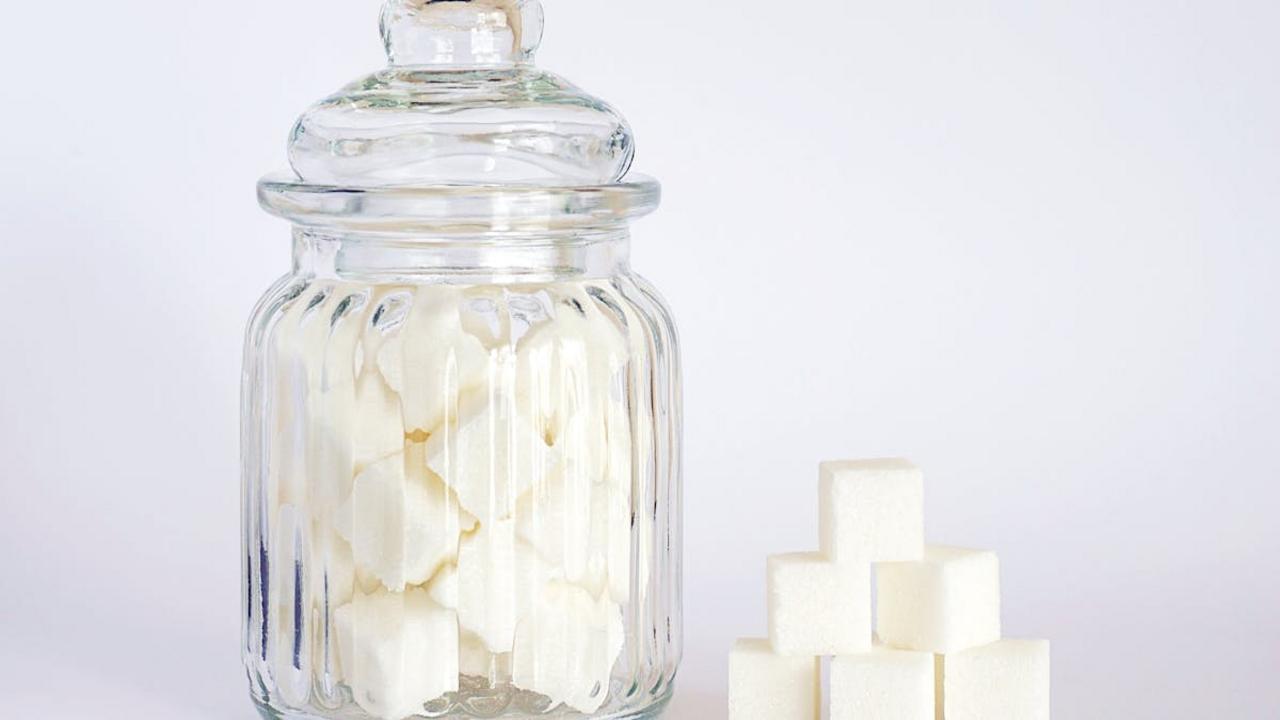
You wouldn’t believe how this sweet crystal-like substance shaped empires, sparked wars, and fueled the slave trade across centuries. Sugar went from being a rare luxury in the 8th century to becoming the backbone of massive colonial expansions. The Portuguese and Spanish established huge sugar plantations in the Americas, while the British turned Caribbean islands into sugar-producing powerhouses. This white gold created fortunes, but at a devastating human cost through slavery and exploitation.
Your morning coffee sweetener carries quite the historical punch! Sugar’s influence runs deep in global economics too. The British Tea Tax might’ve sparked the American Revolution, but sugar duties were just as inflammatory. By the 19th century, sugar beet production in Europe broke the Caribbean’s monopoly, making sugar cheaper and more available to everyone. Today, an average American consumes about 152 pounds of sugar yearly – that’s like eating a person-sized sugar statue! Next time you sprinkle some in your coffee, remember: you’re tasting centuries of world-changing history.
Coffee
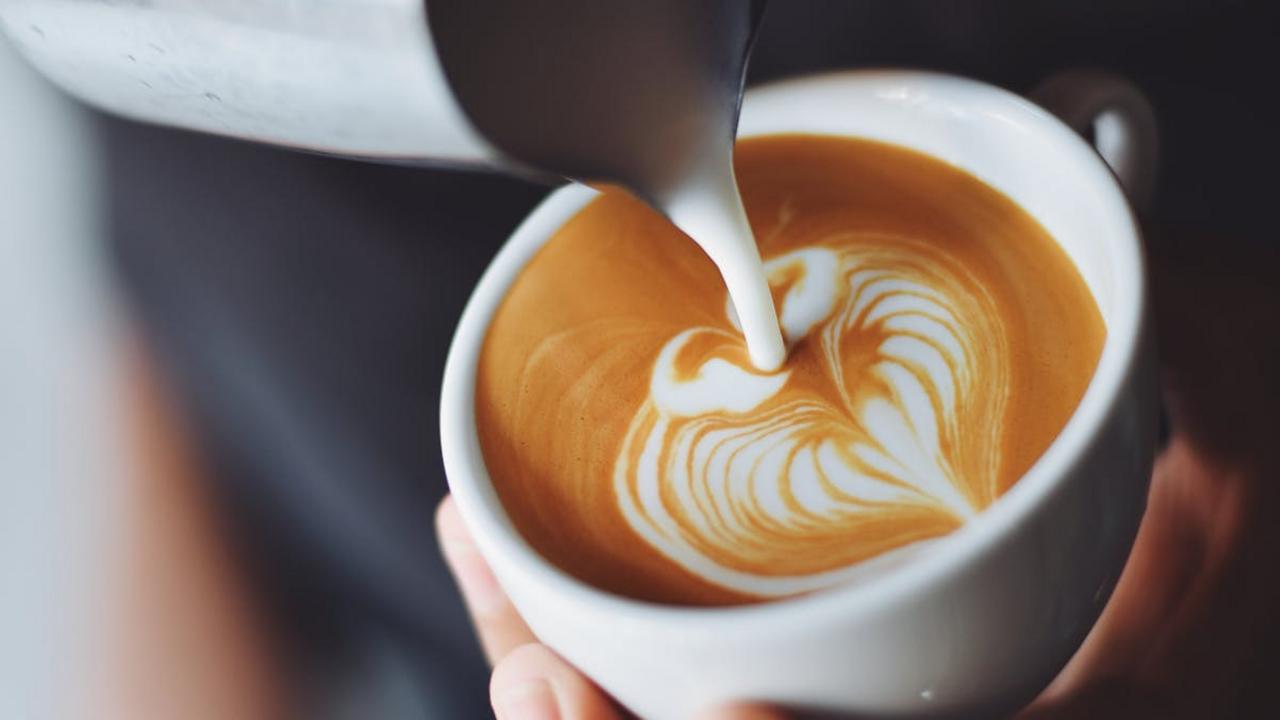
You wouldn’t think a simple coffee bean could spark revolutions, but this mighty drink has fueled social upheaval, philosophical breakthroughs, and entire cultural movements since the 15th century. From the coffeehouses of Istanbul to the cafes of Paris, coffee created spaces where people gathered, plotted, and shared ideas that shaped our world. The British East India Company’s monopoly on coffee even played a role in the American Revolution – those revolutionaries didn’t just dump tea into Boston Harbor, they switched to coffee as their beverage of choice!
Coffee did more than just wake people up – it sparked the Age of Enlightenment by creating a socially acceptable alternative to alcohol. Instead of spending their days in ale houses, scholars and merchants met in coffeehouses to discuss politics, science, and philosophy while enjoying their caffeine fix. These “penny universities” made education and intellectual discussion available to anyone who could afford a cup of coffee. Even today, your morning brew connects you to this rich history of revolution, innovation, and social change. Next time you sip your coffee, remember – you’re drinking the beverage that helped create modern society!